
Colosseum, Roman Forum & Palatine Hill Tickets – Explore Ancient Rome’s Iconic Attractions
This website offers official tickets for this venue. Please note, however, that it is not the official website of the venue.

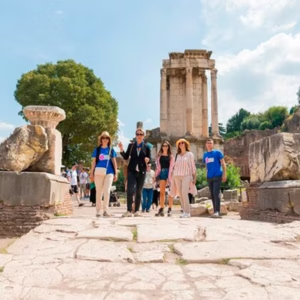
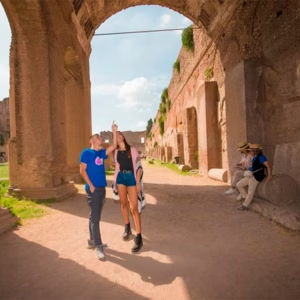
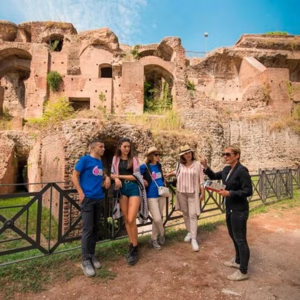
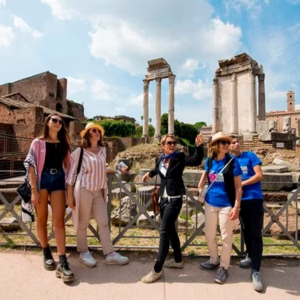
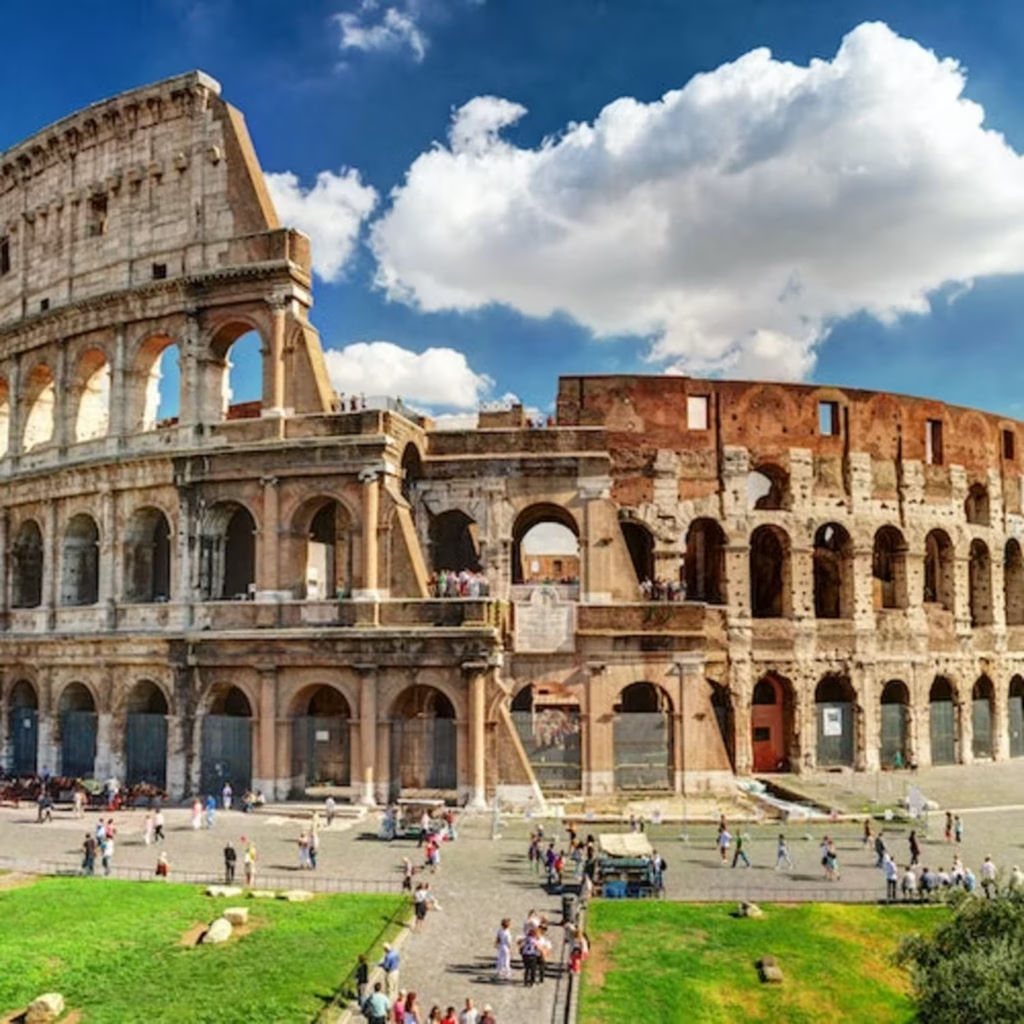
Skip the line: Colosseum and ancient Rome
Highlights
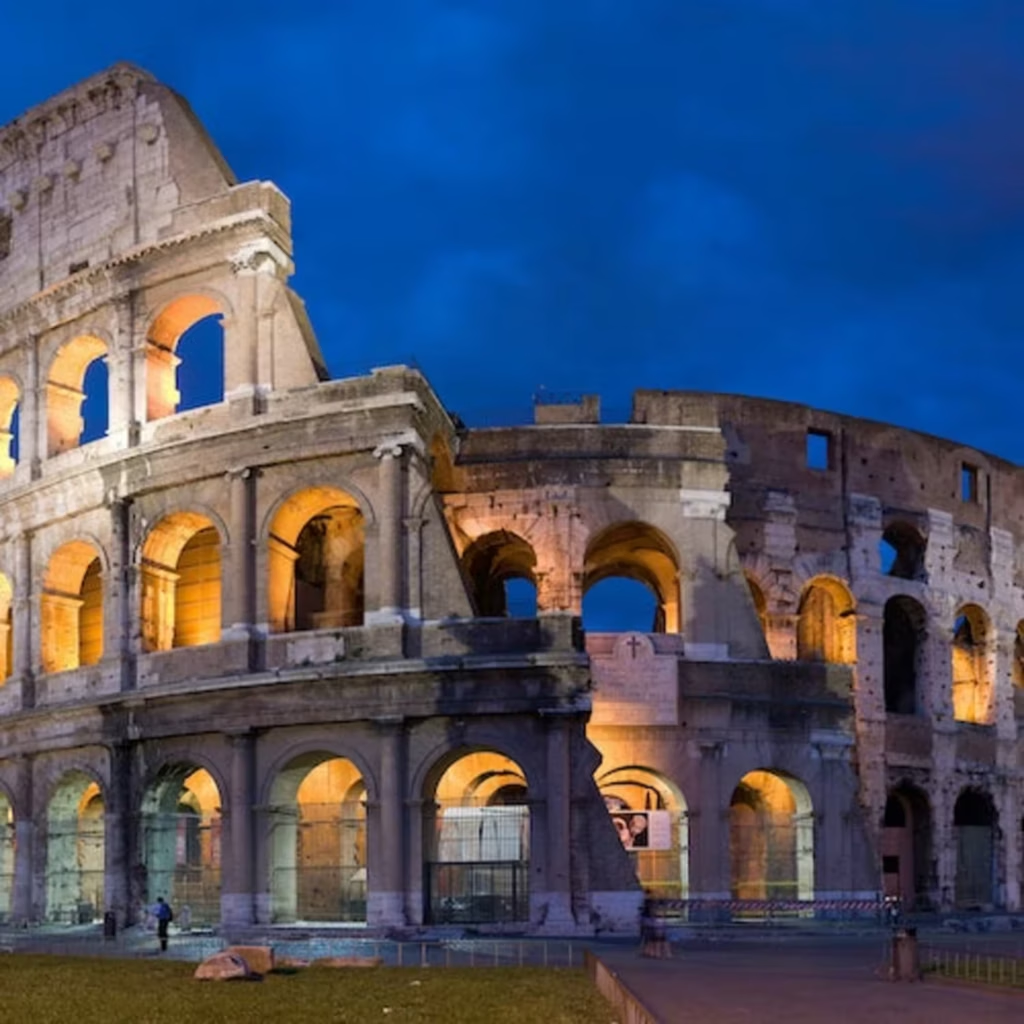
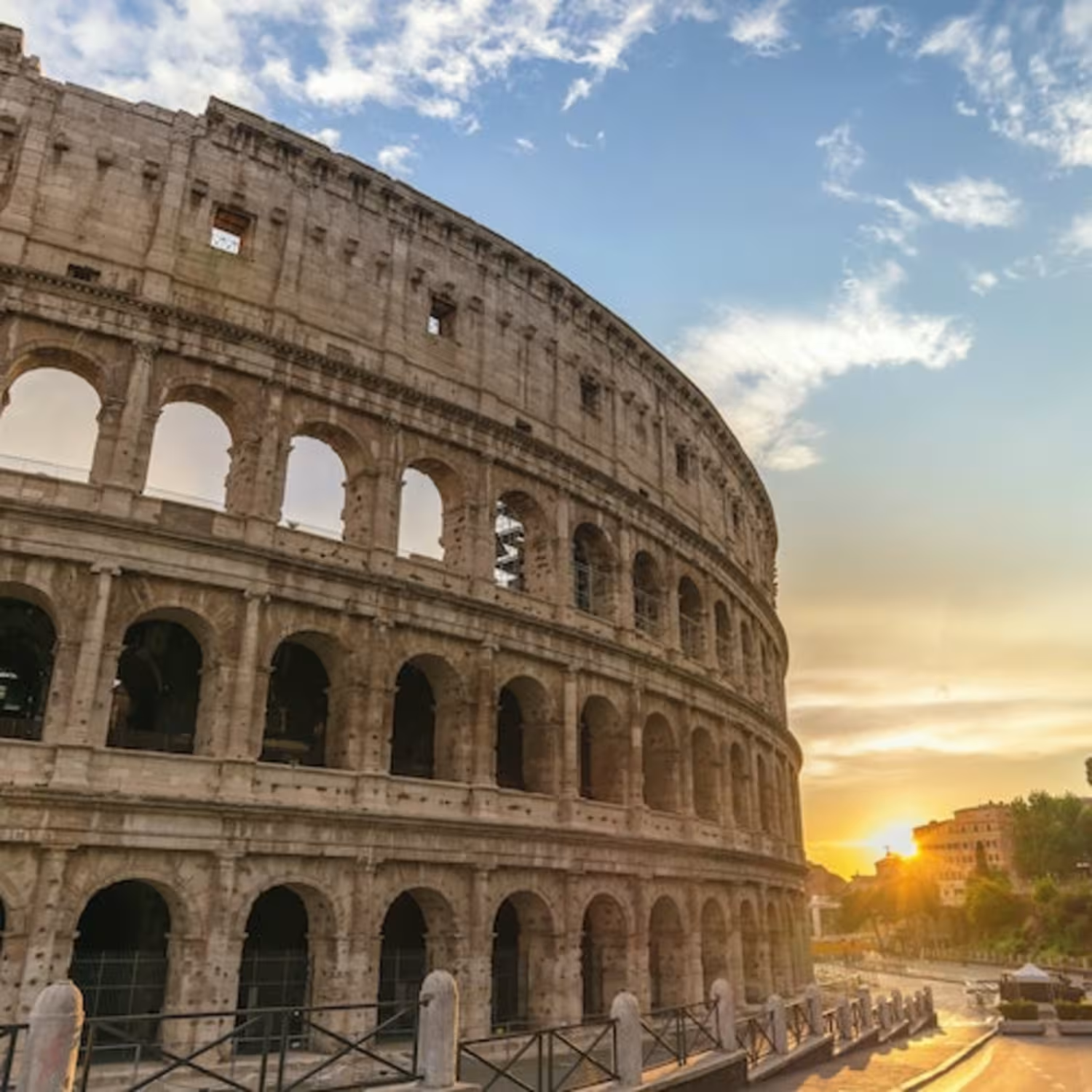
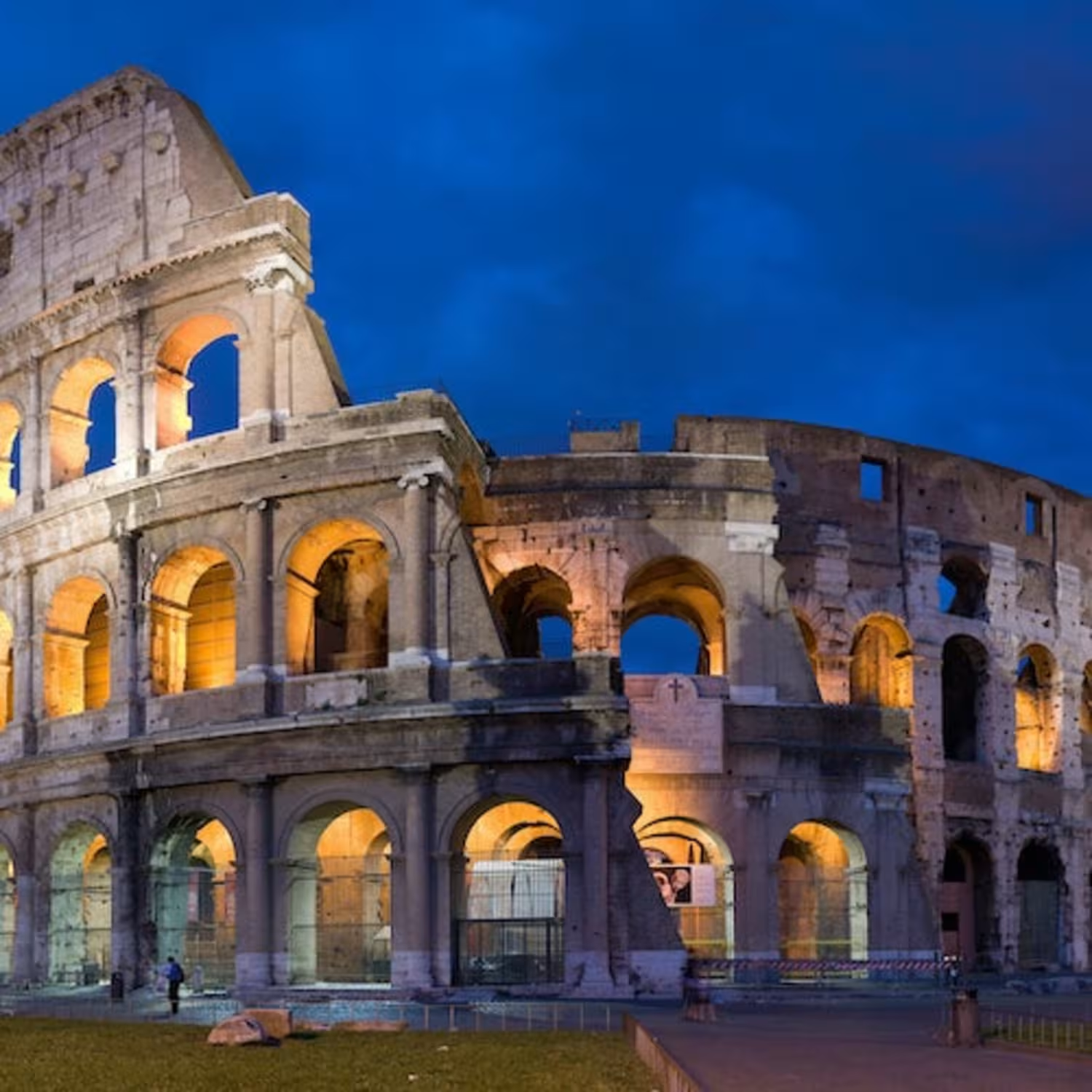
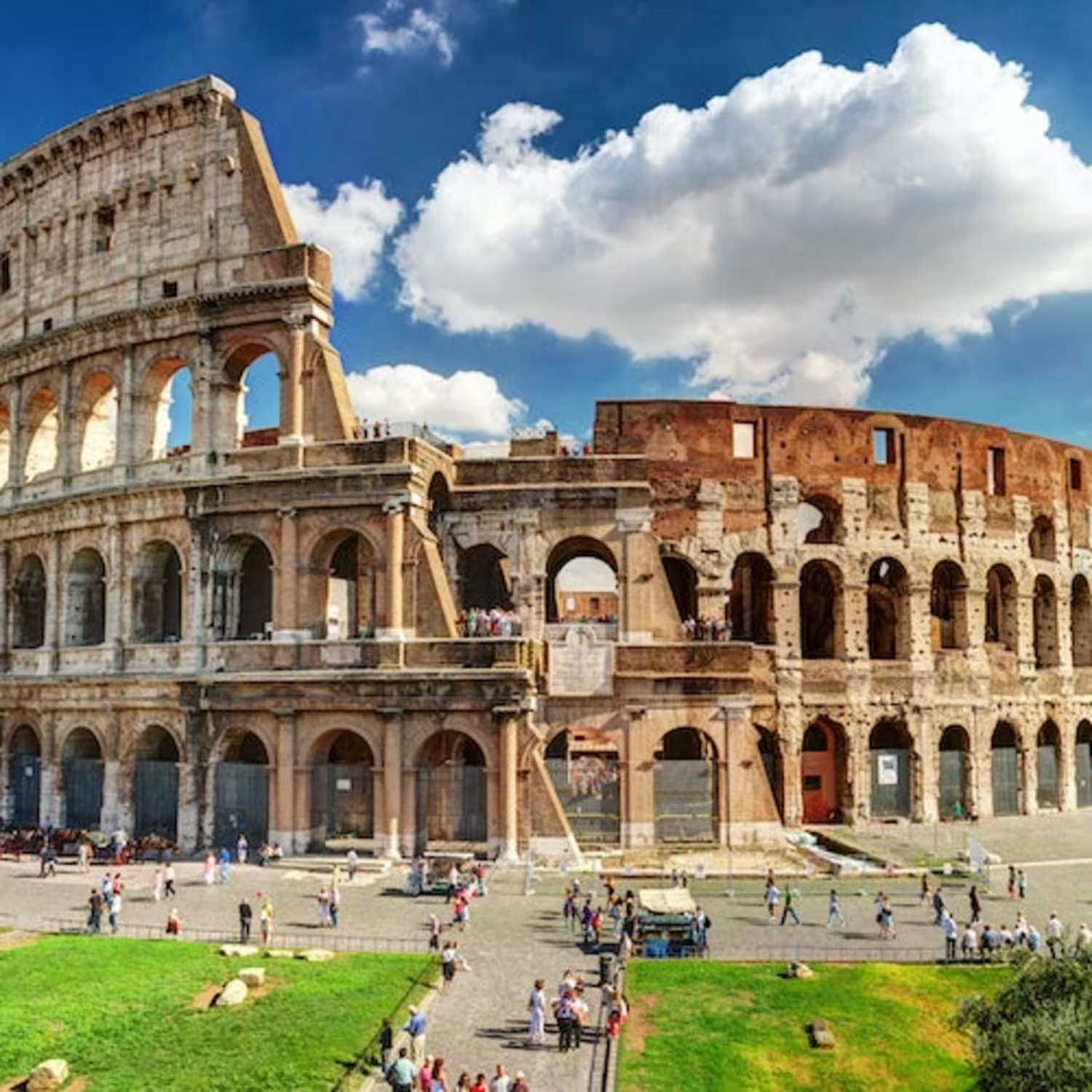
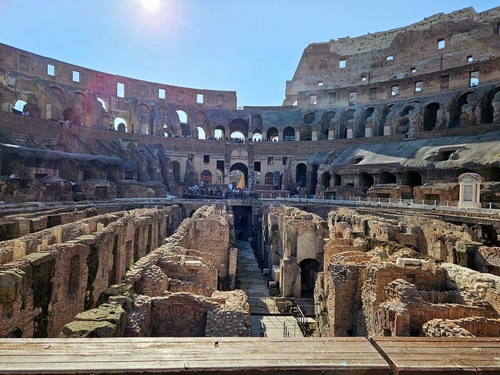
Explore the renowned Colosseum with priority entry and expert narration.
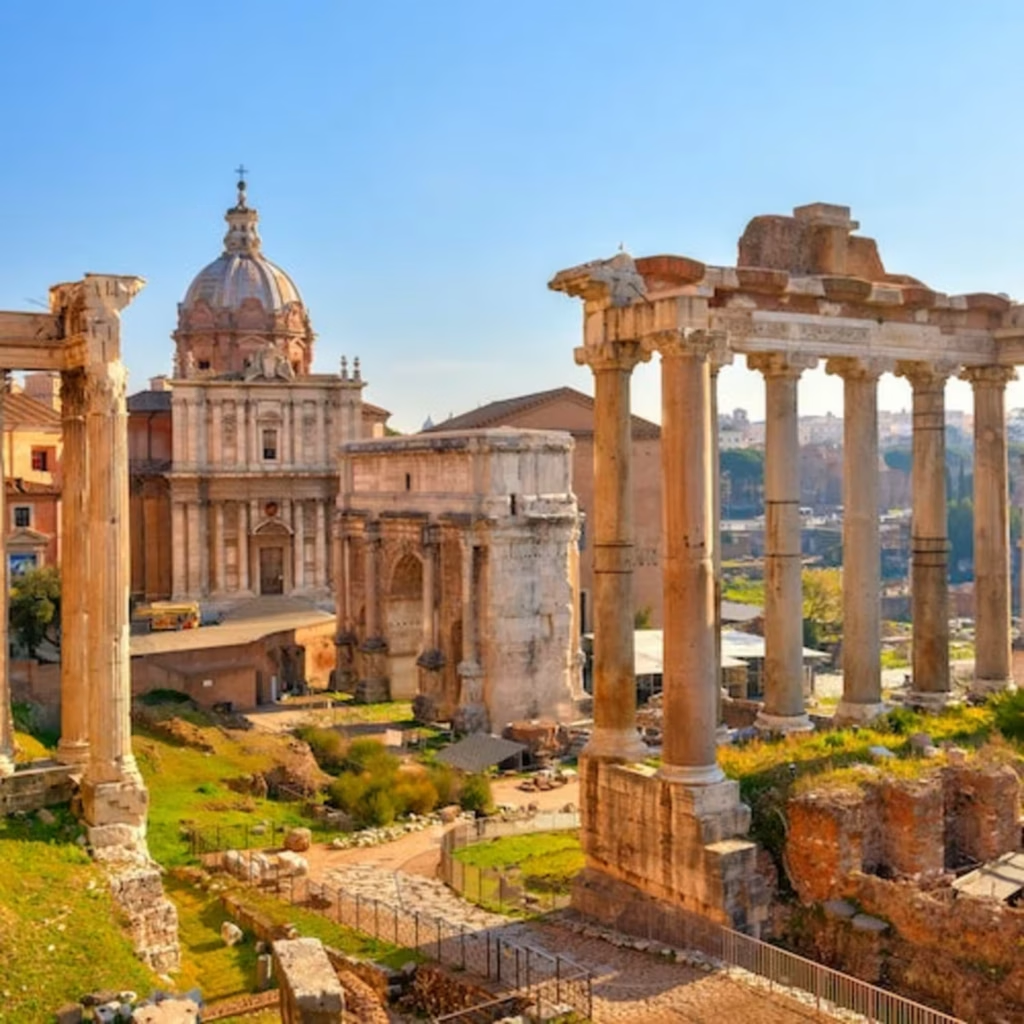
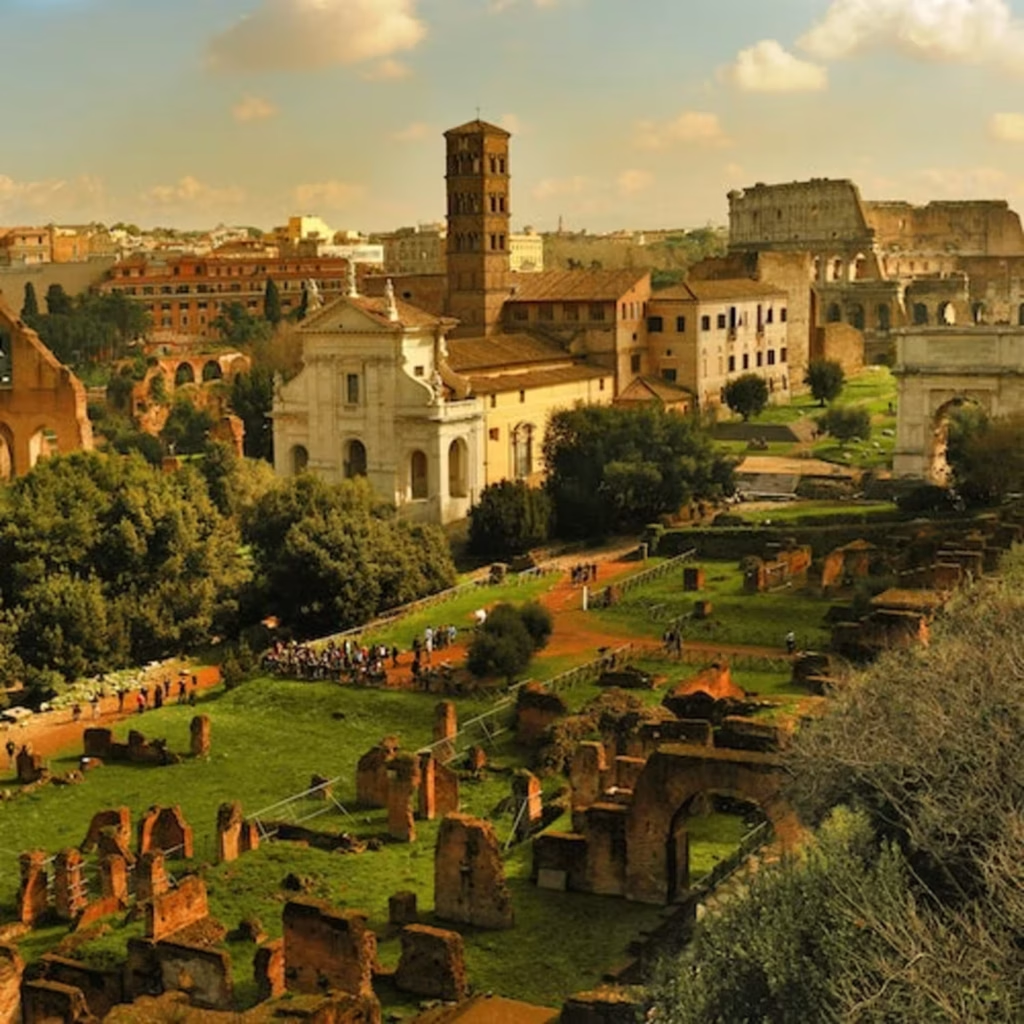
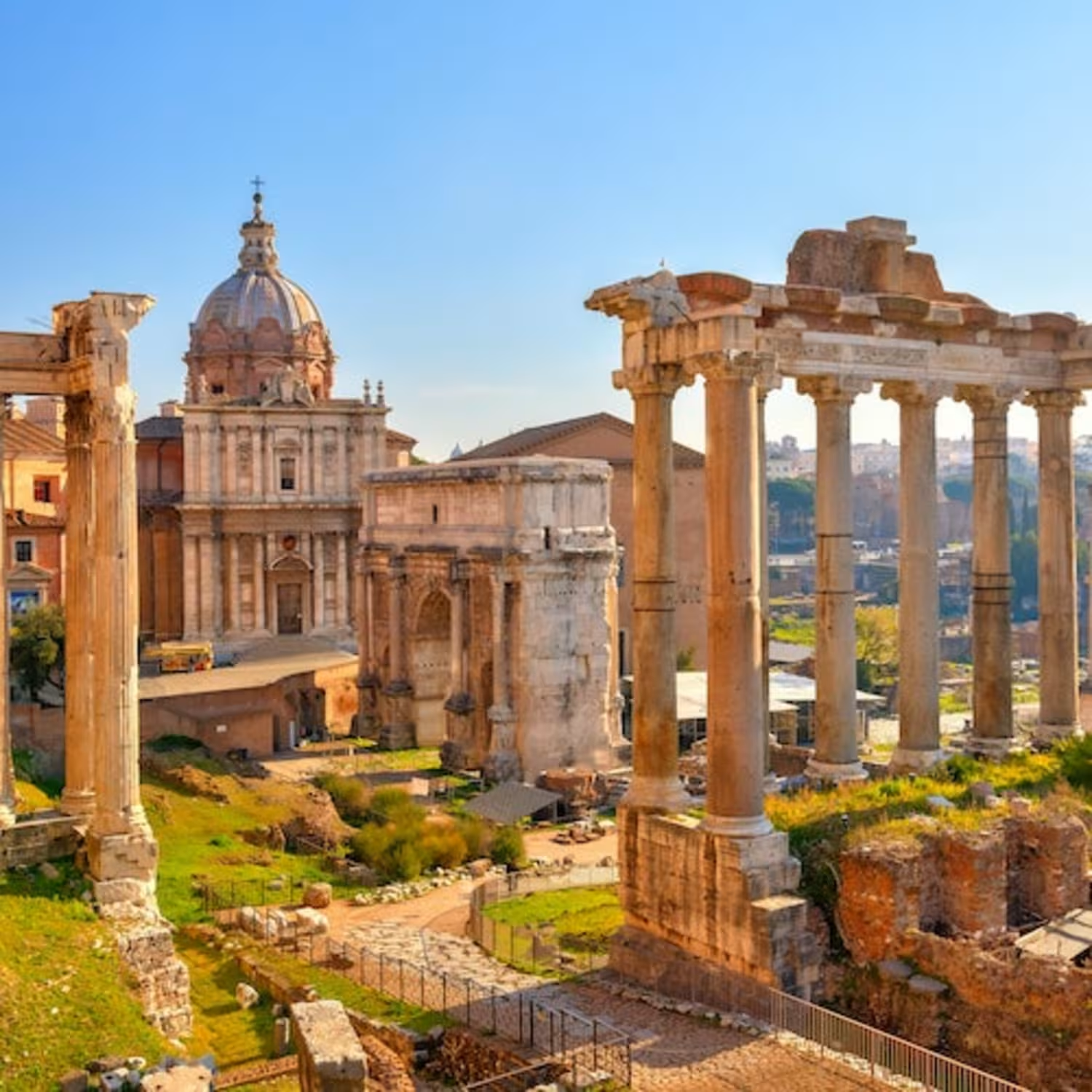
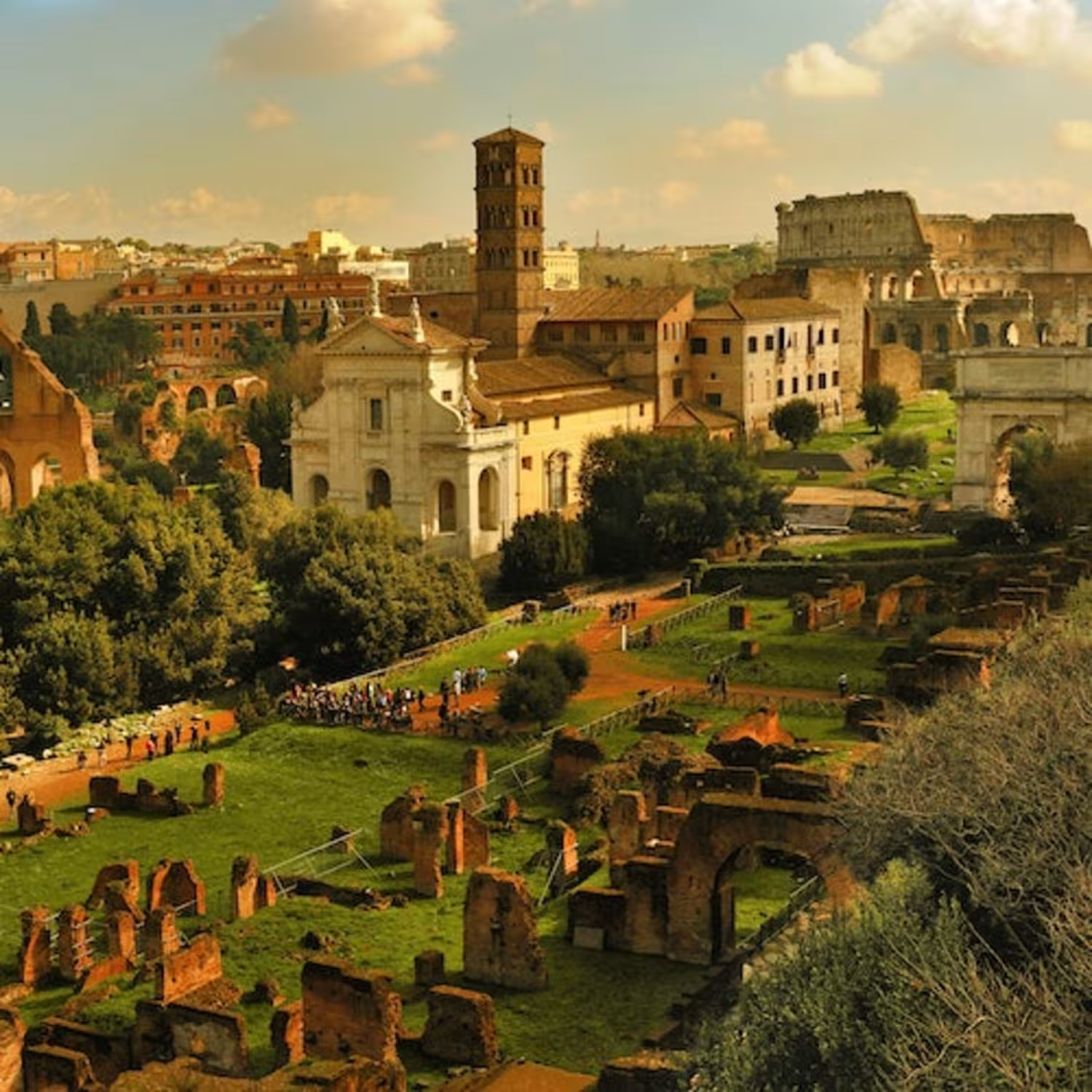
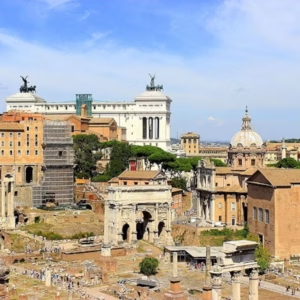
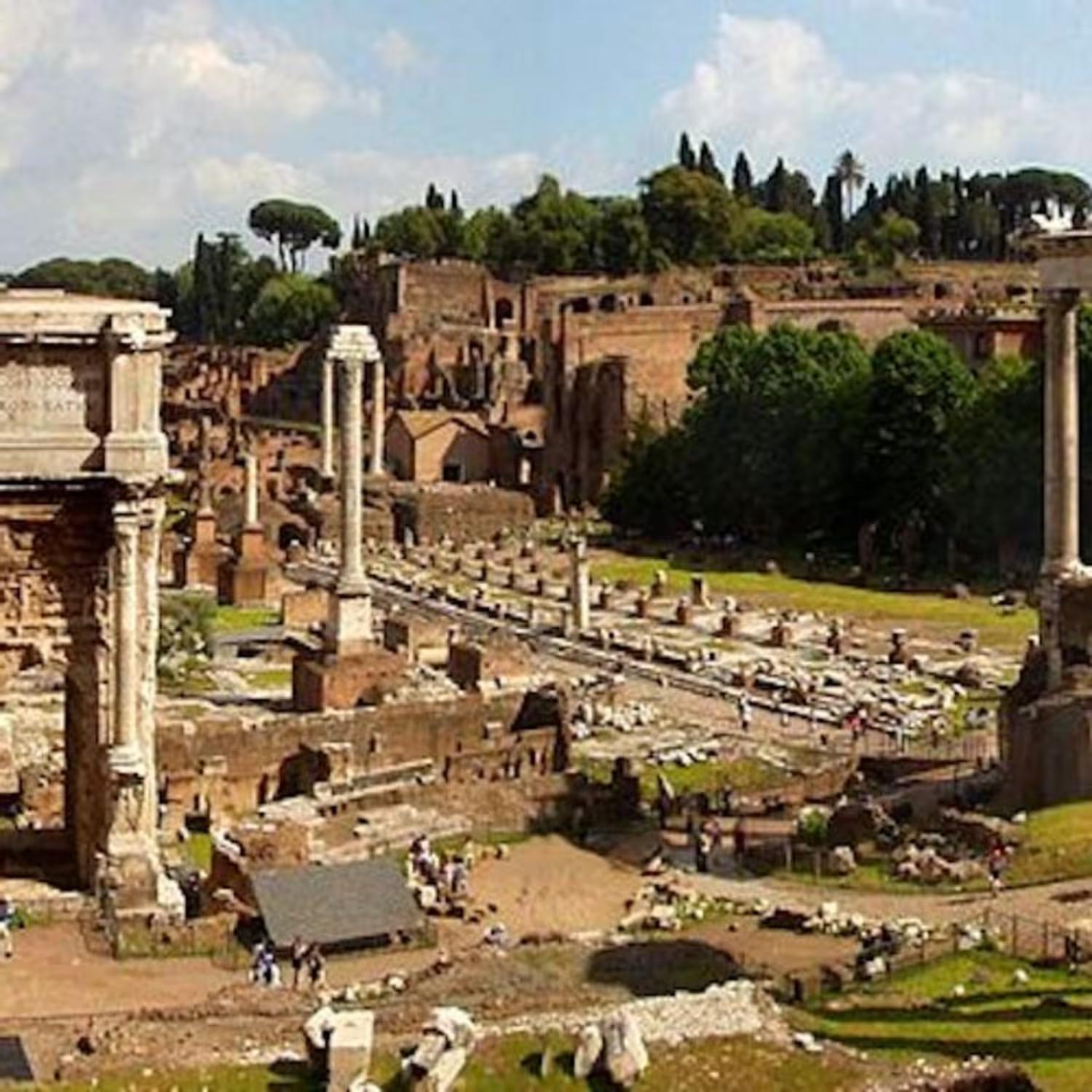
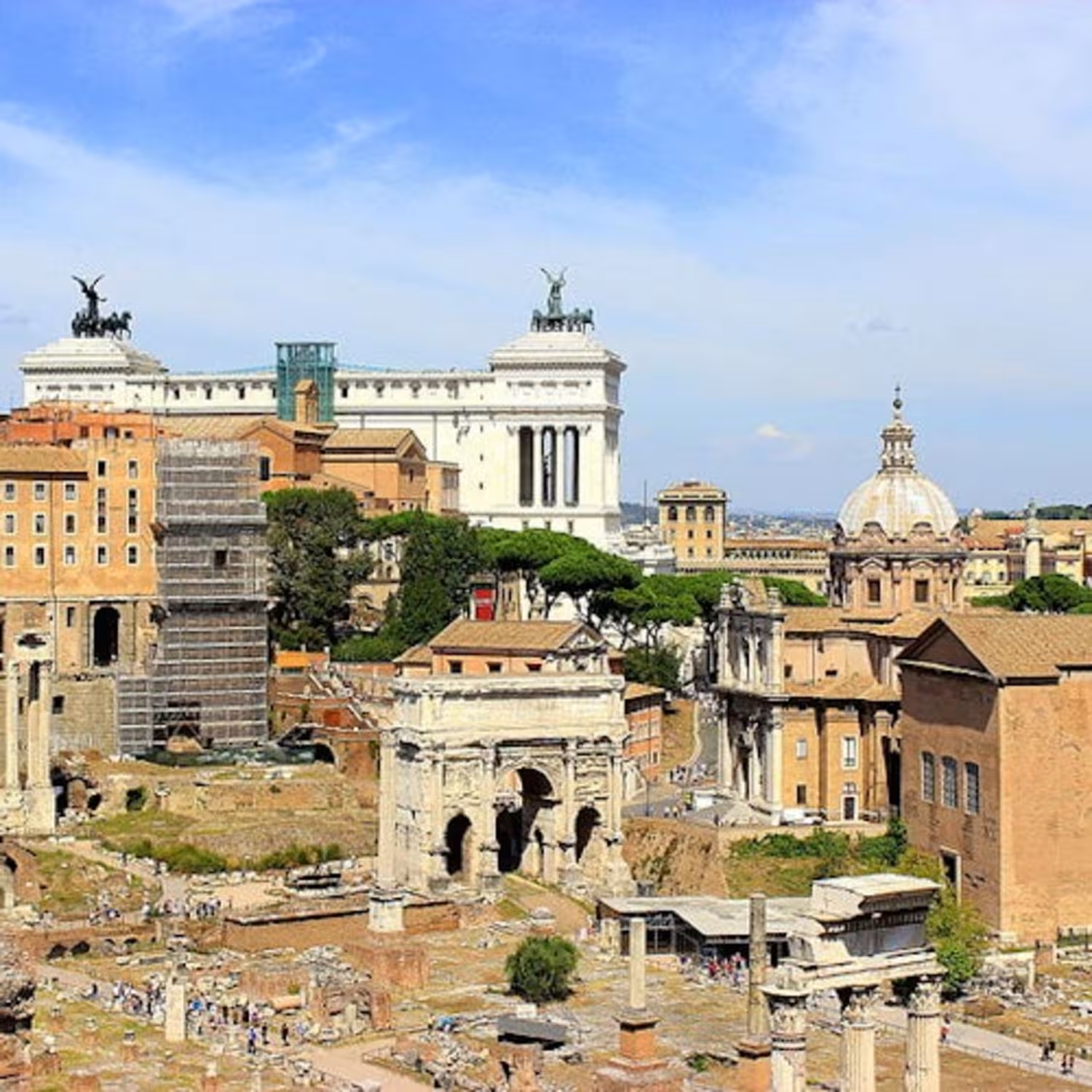
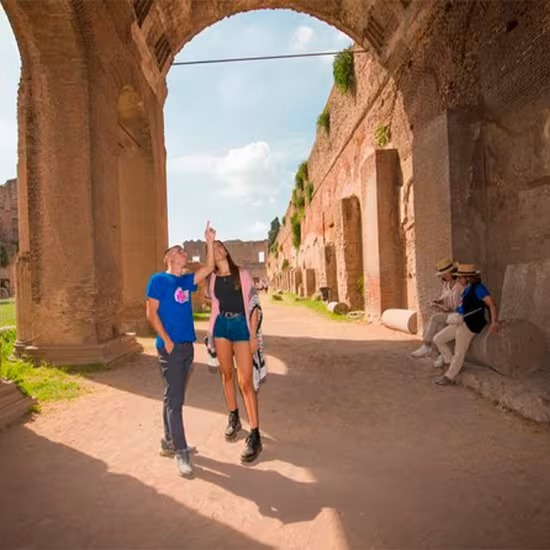
Stroll through the historic Roman Forum, the former heart of political and social life.
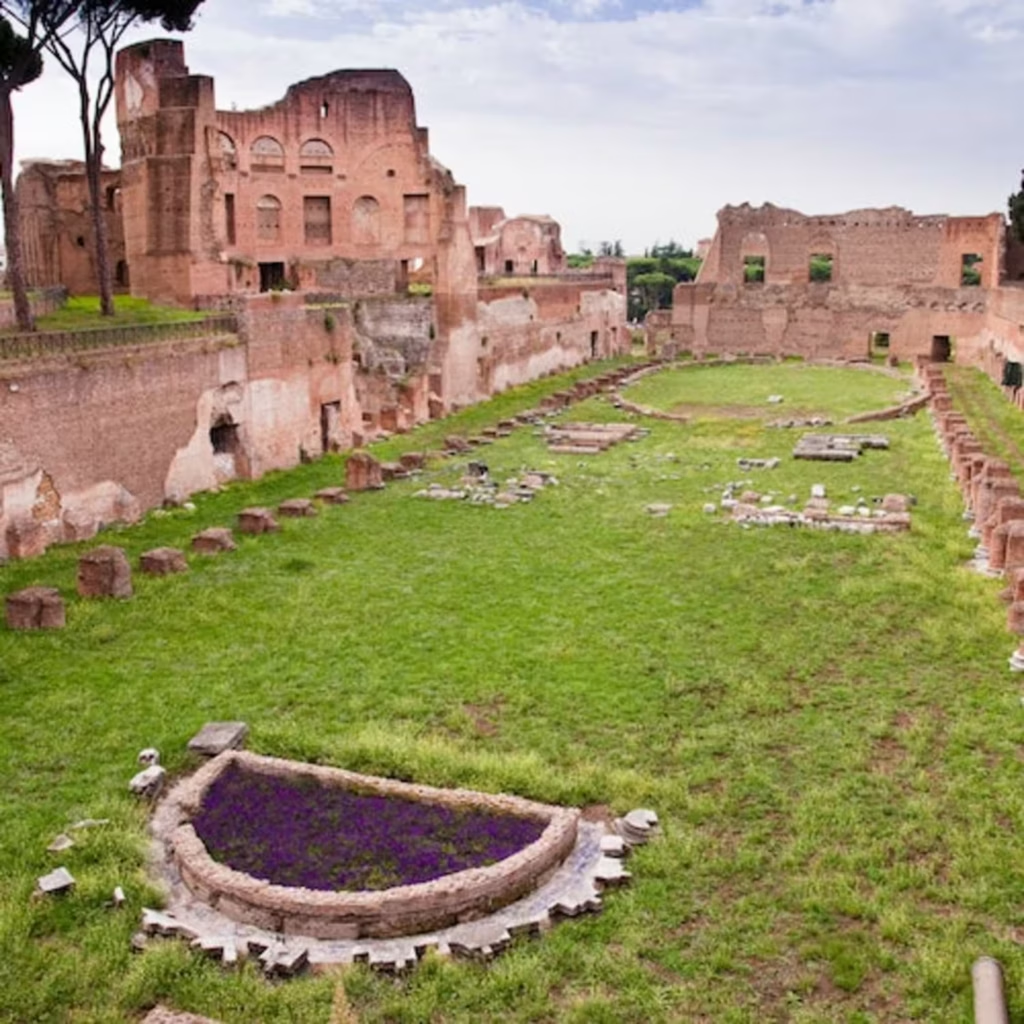
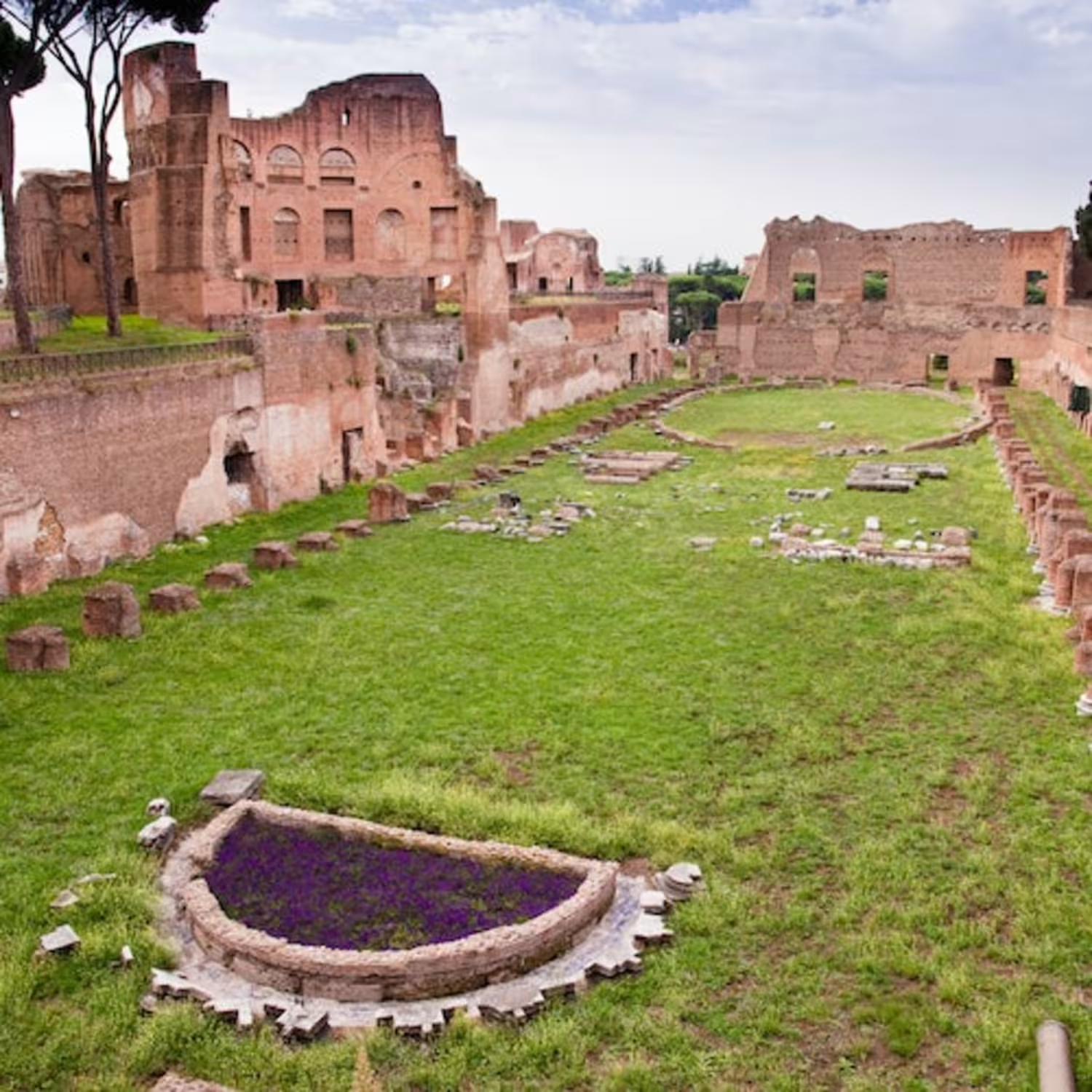
Visit Palatine Hill and uncover the legendary origins of Rome.
Learn fascinating details and stories from an experienced local guide.
Benefit from included audio devices for an enhanced listening experience.

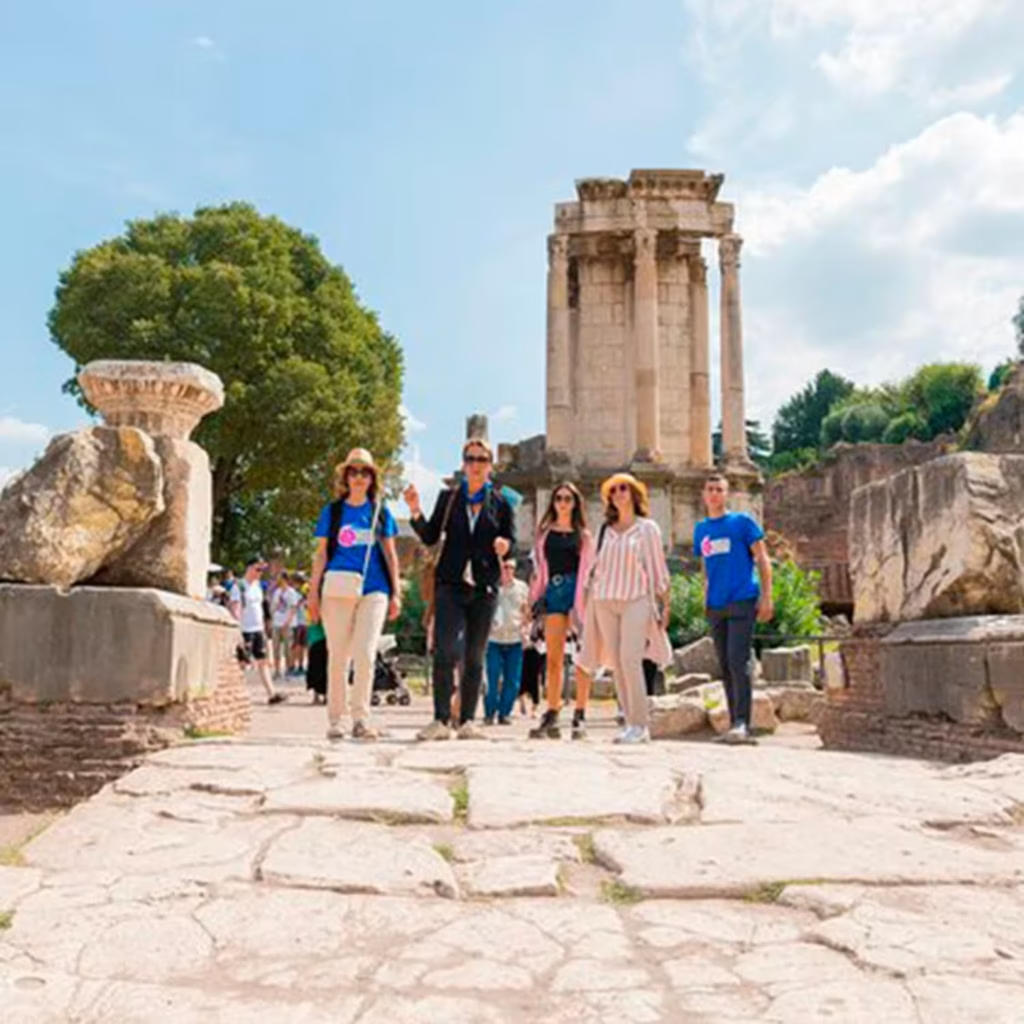
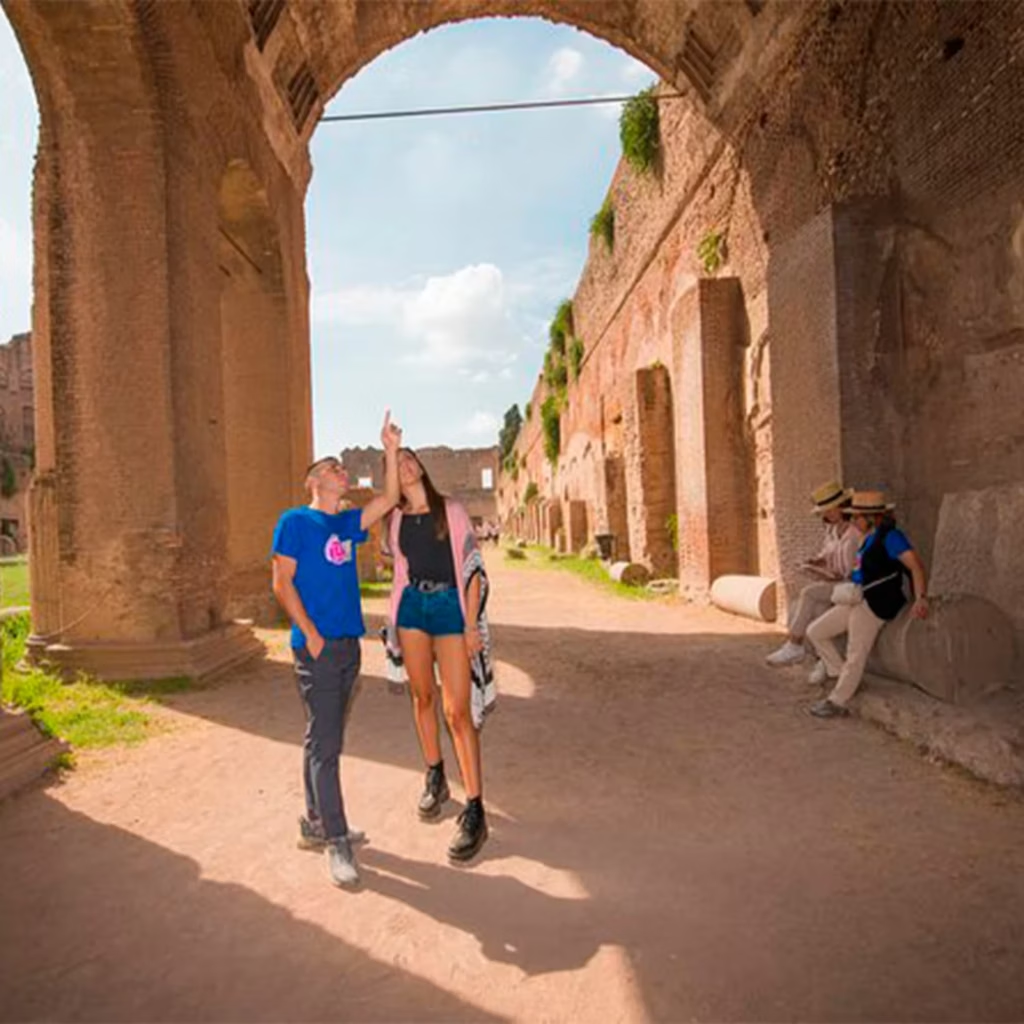
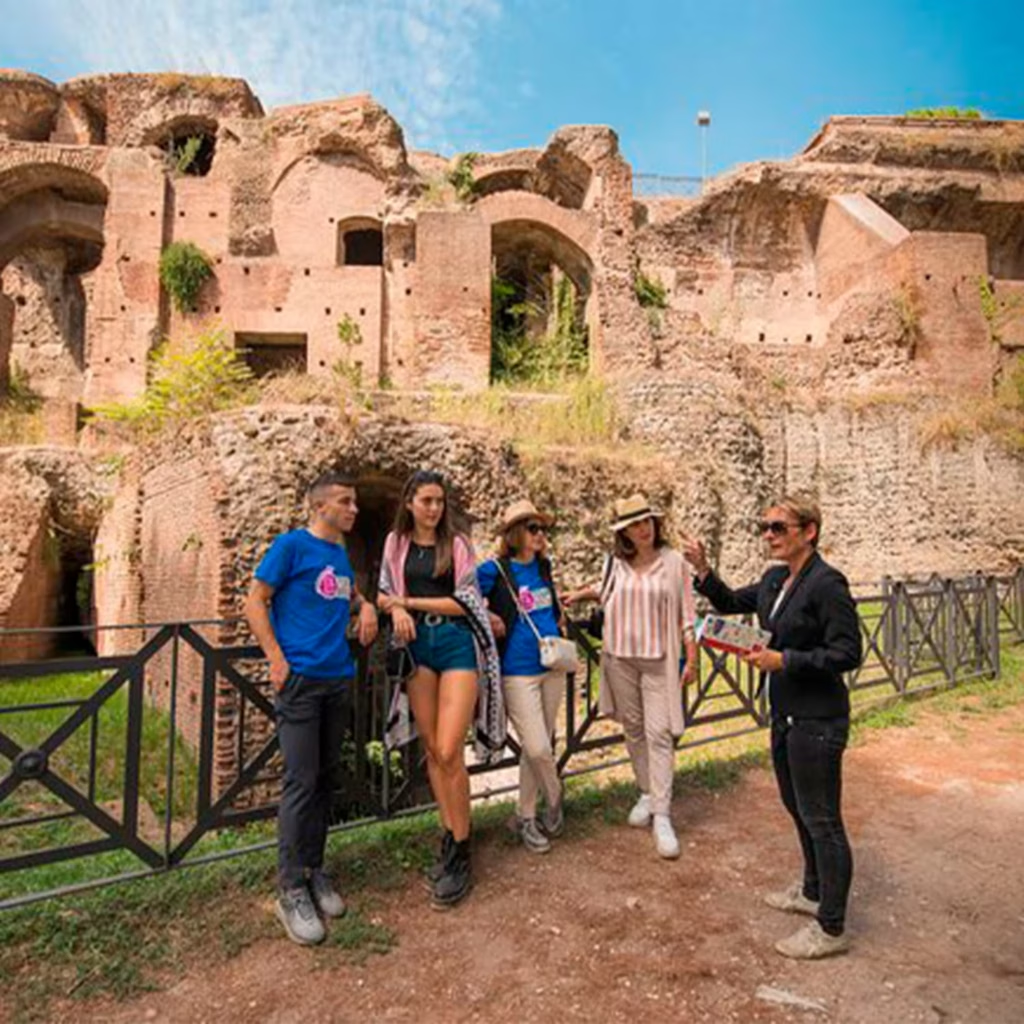
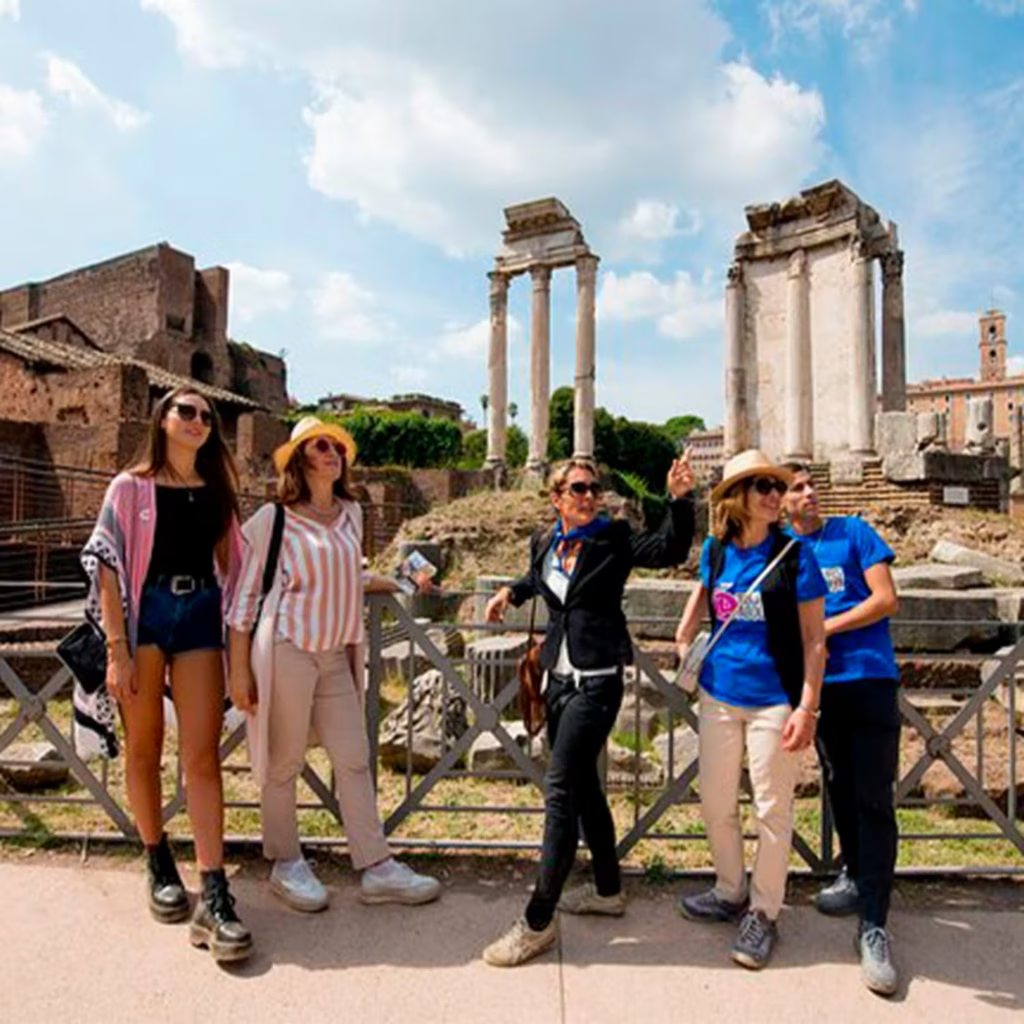
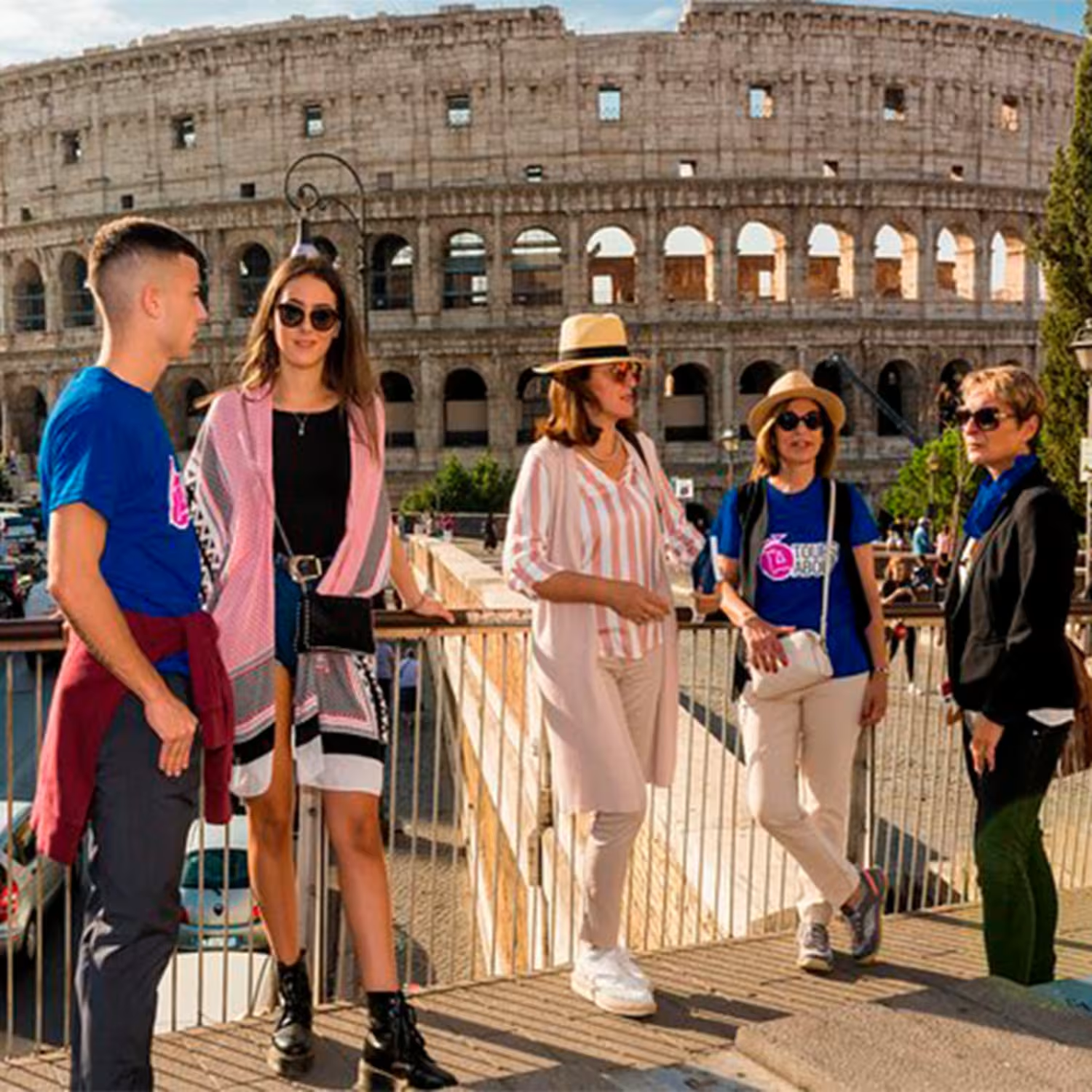
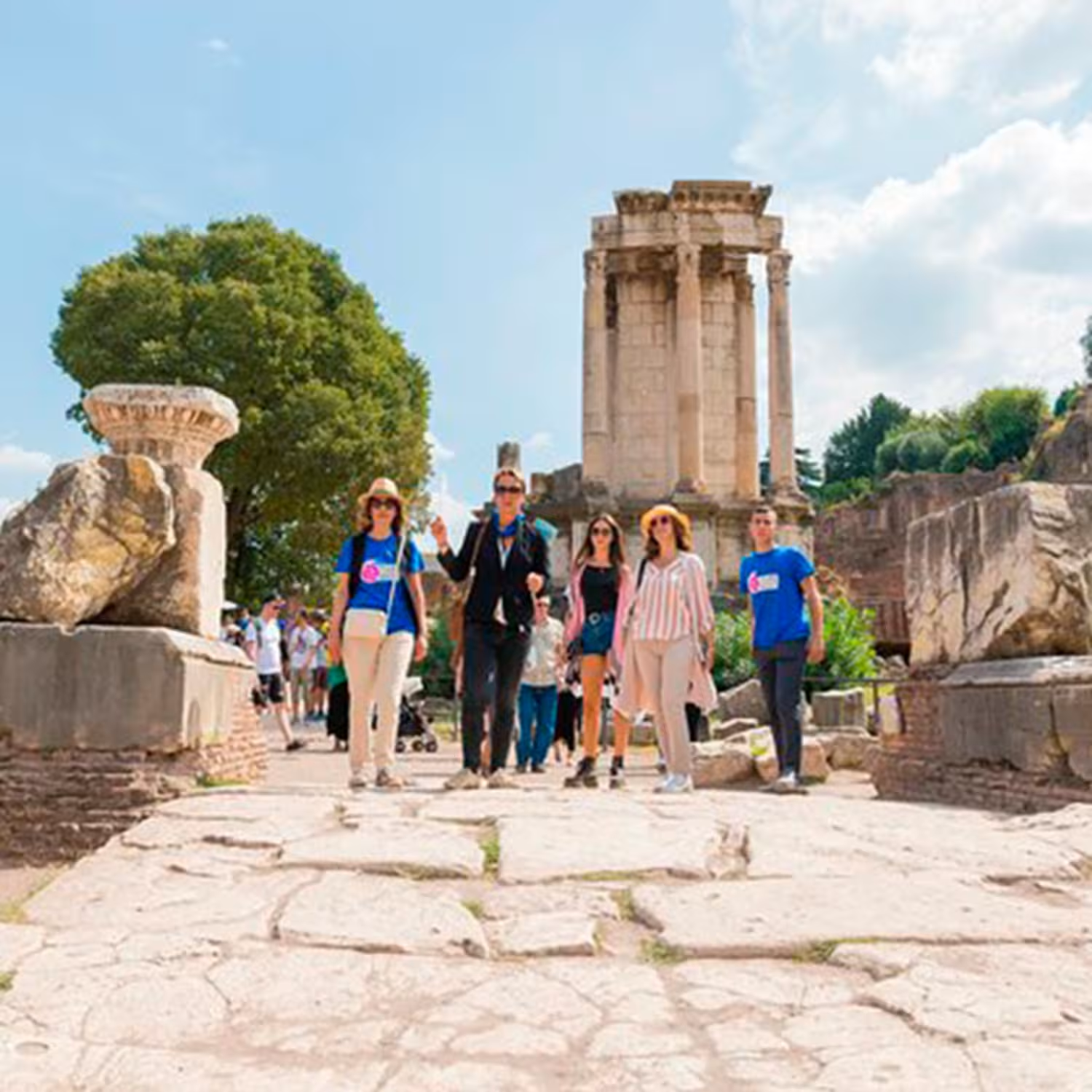
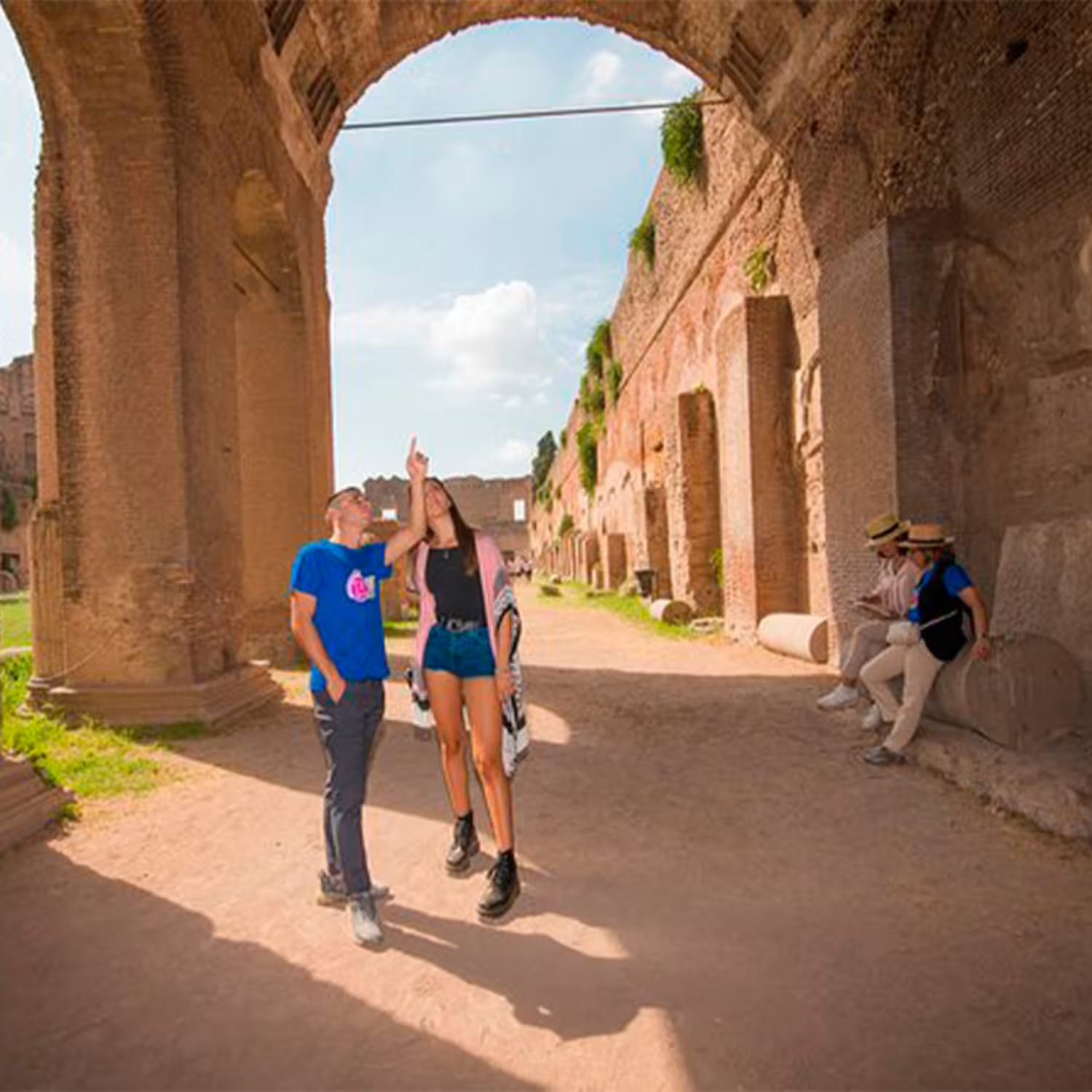
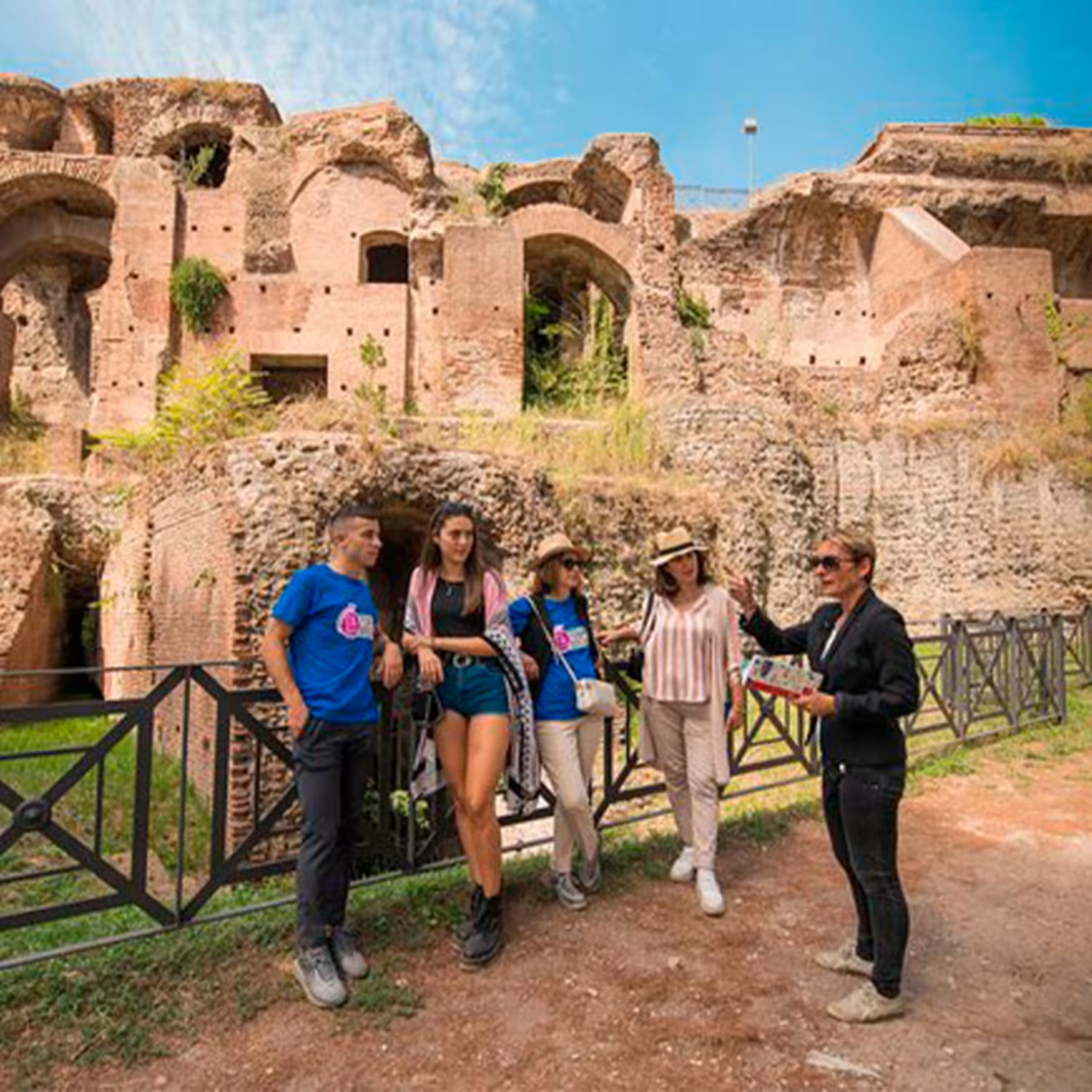
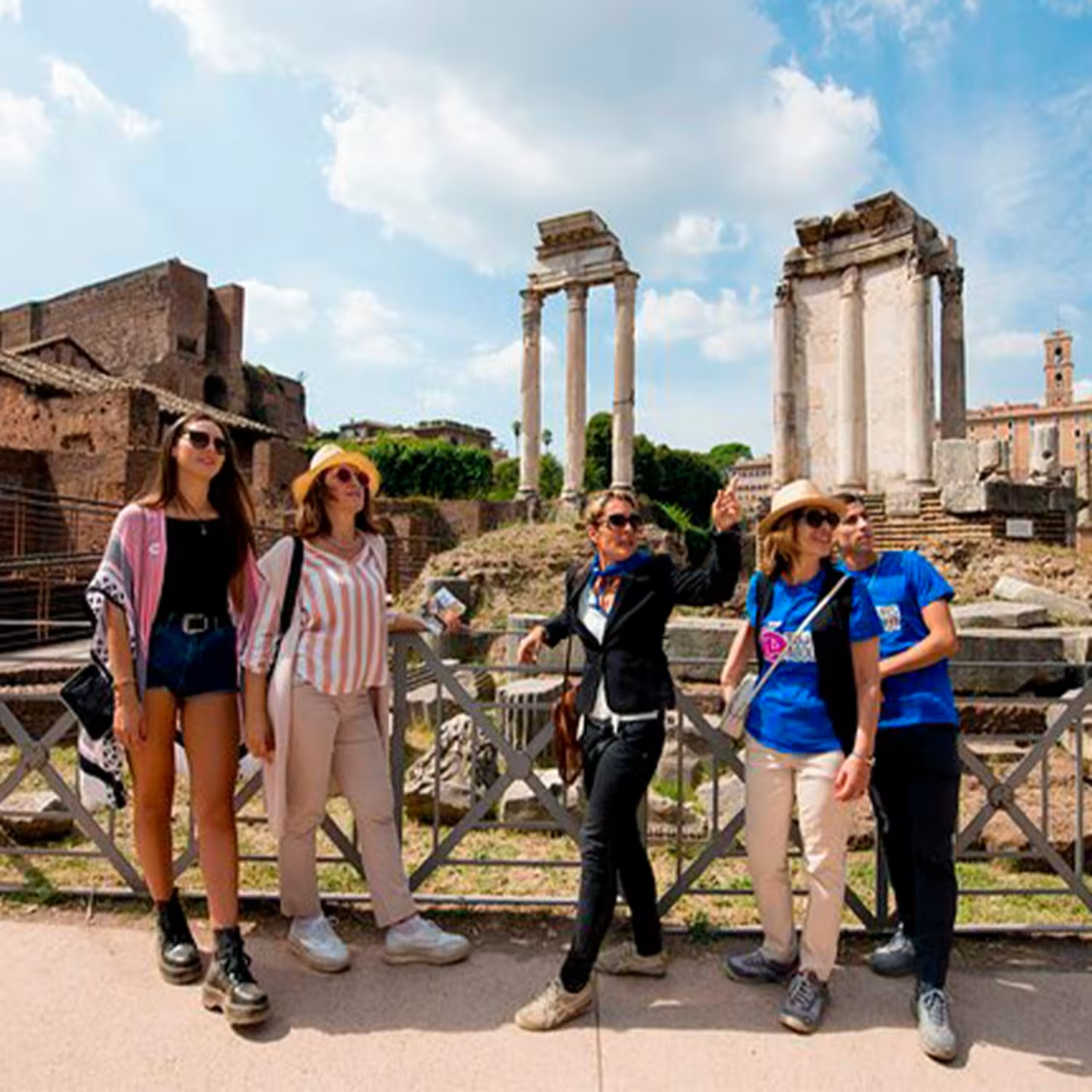
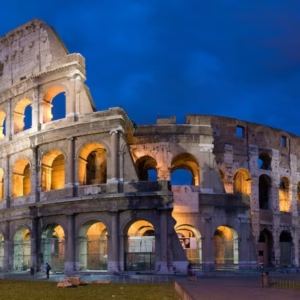
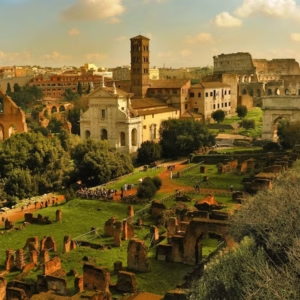
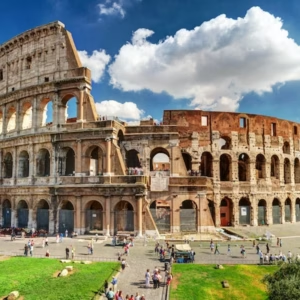
Colosseum, Roman Forum and Palatine: Entrance ticket + multimedia experience
Highlights
Enjoy a 25-minute multimedia presentation on ancient Rome.
Visit three iconic sites: the Colosseum, Palatine Hill, and Roman Forum.
Benefit from guided assistance at the designated meeting point.
Explore the ancient ruins at your own pace.
Includes a walking tour covering Navona Square, Pantheon, and Trevi Fountain in English.
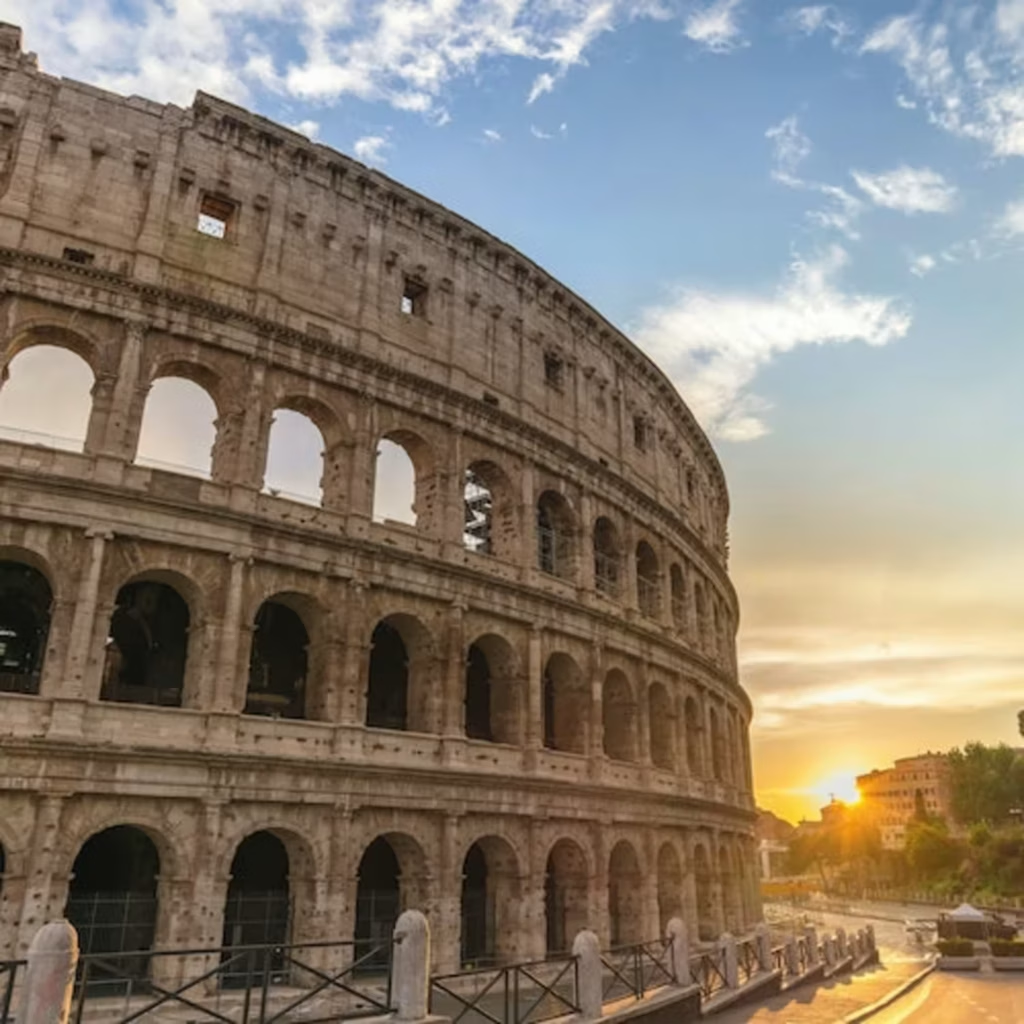
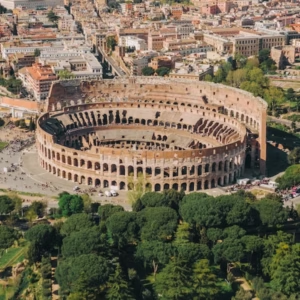
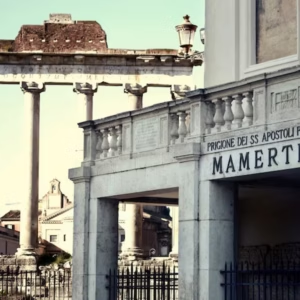
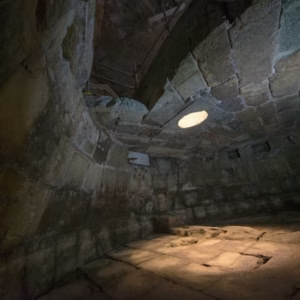
Mamertine Prison, Roman Forum and Palatine: Entrance ticket
Highlights
Skip long queues with a dedicated entrance.
Access multiple ancient Roman sites including the Mamertine Prison and the Imperial Forums.
Discover the House of Augustus, Temple of Romulus, and other historical landmarks.
Enjoy a self-paced tour with an audio guide available in several languages.
Perfect for history enthusiasts wanting a comprehensive Roman archaeological experience.
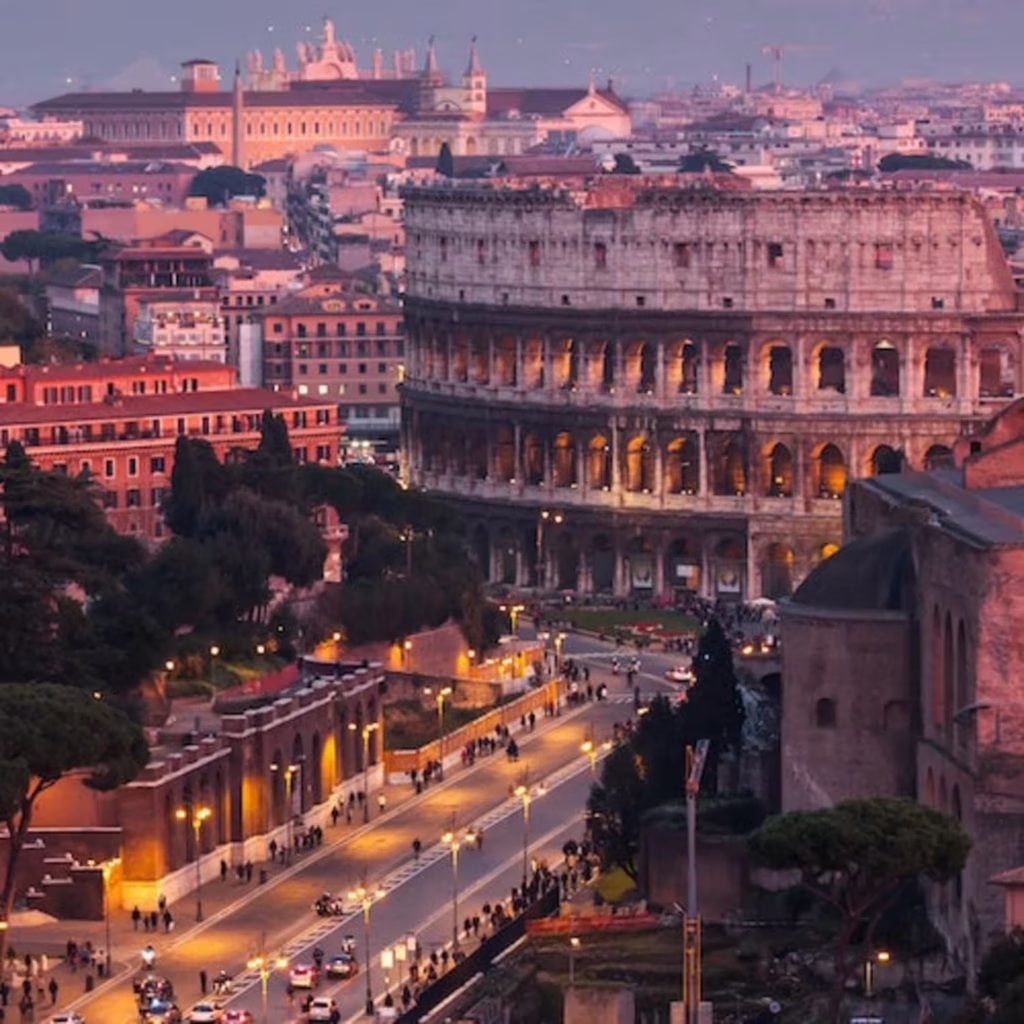
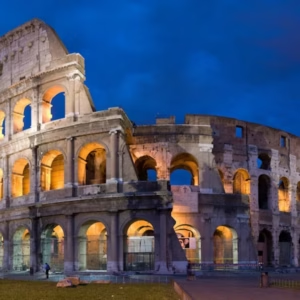
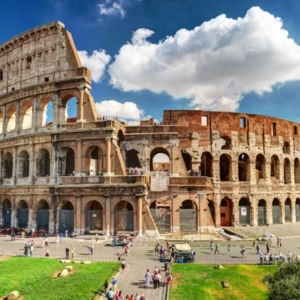
Colosseum and Mamertine Prison
Highlights
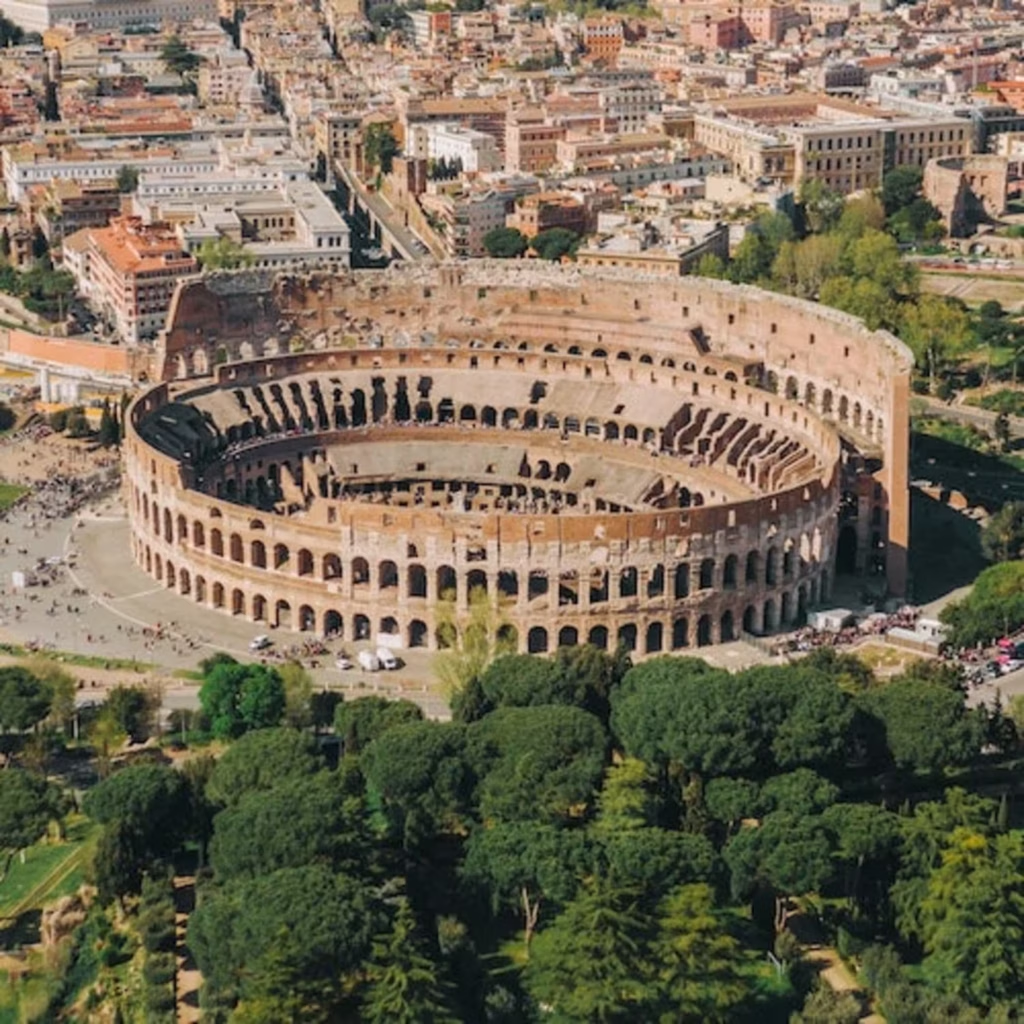
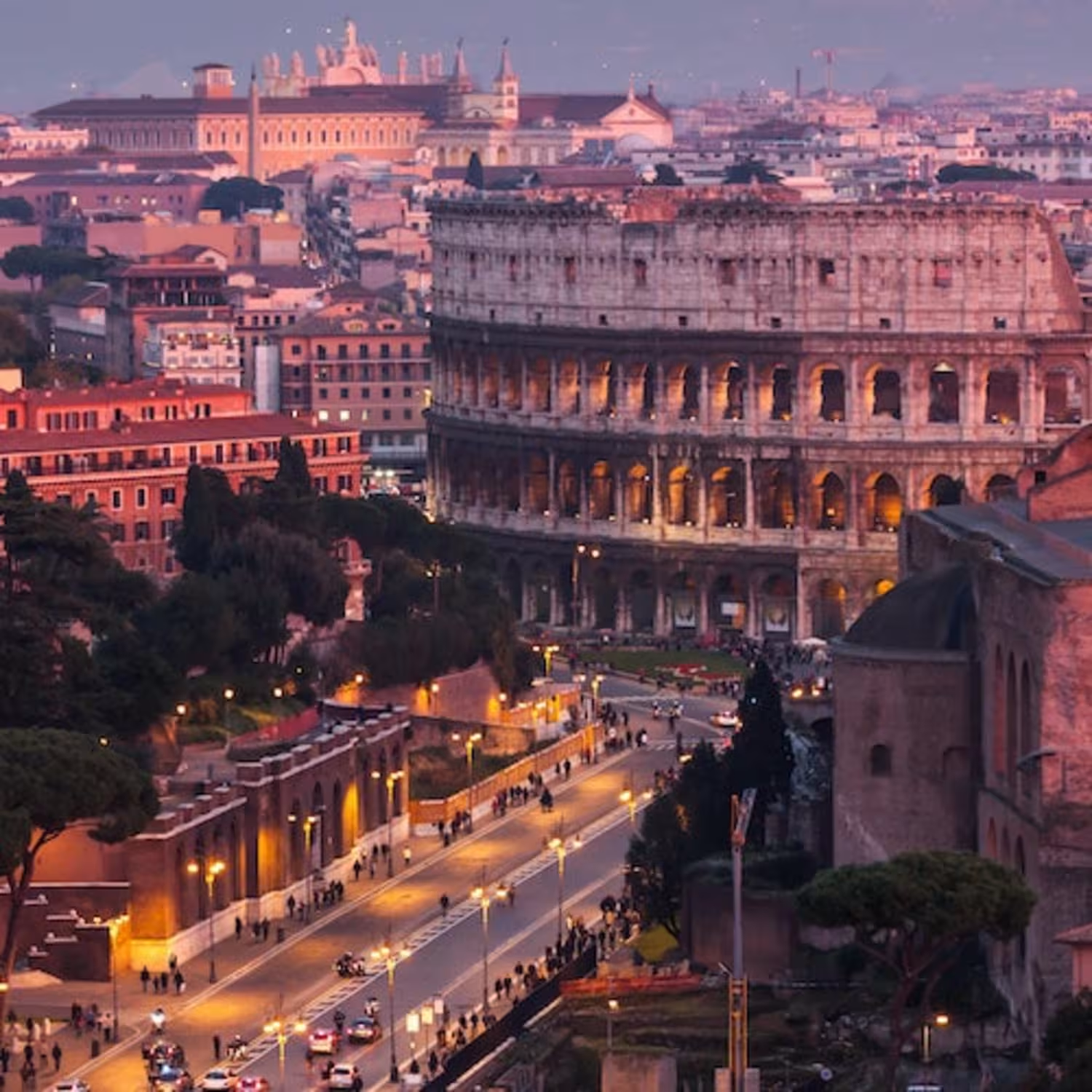
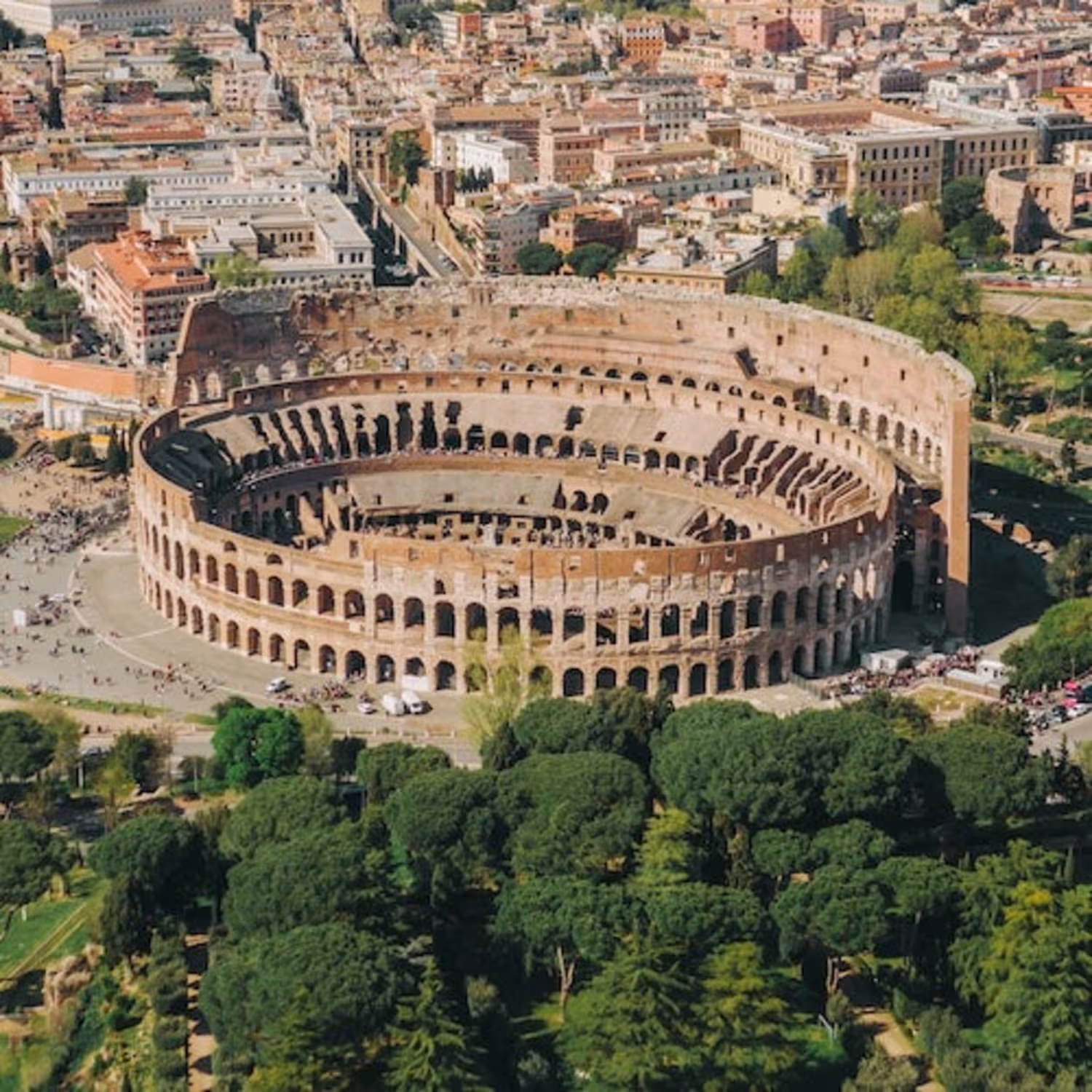
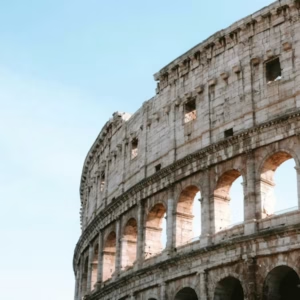
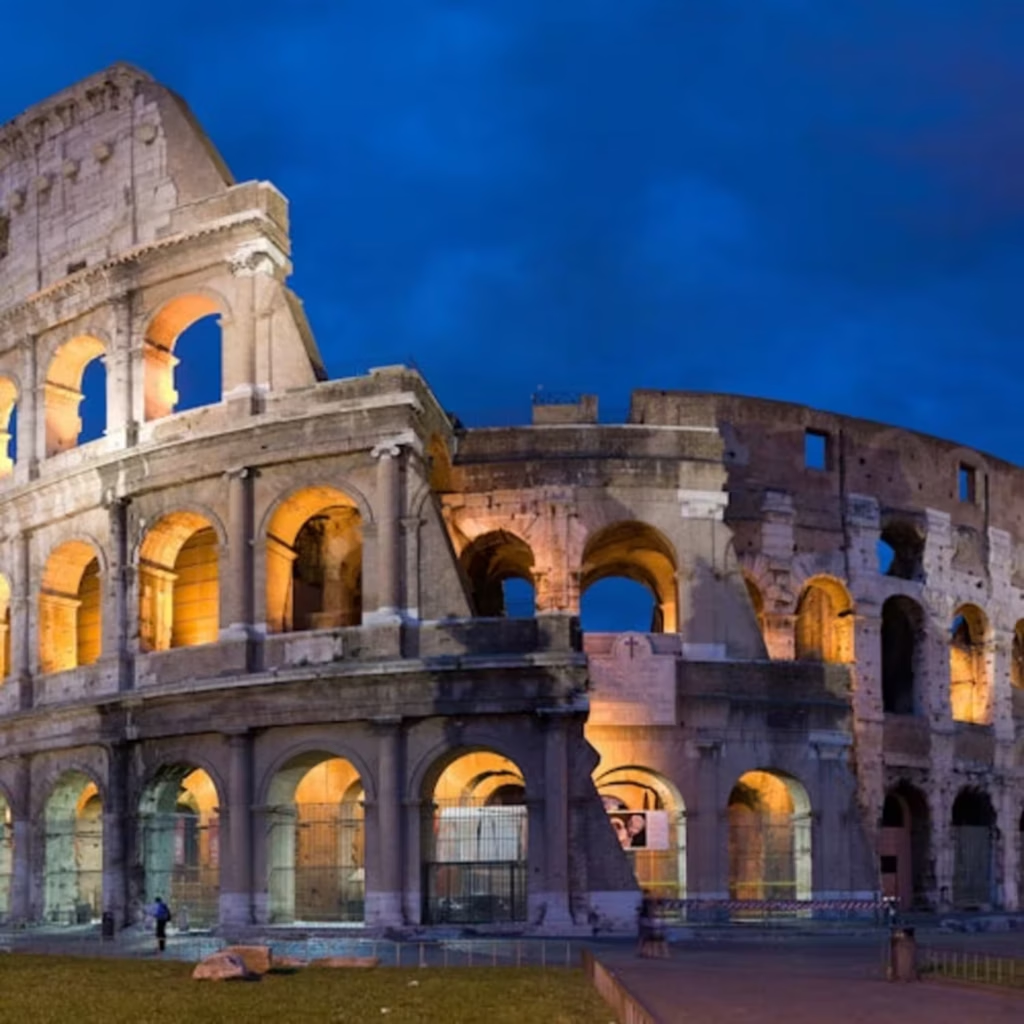
Gain entry to the iconic Colosseum, renowned for its ancient gladiatorial contests.
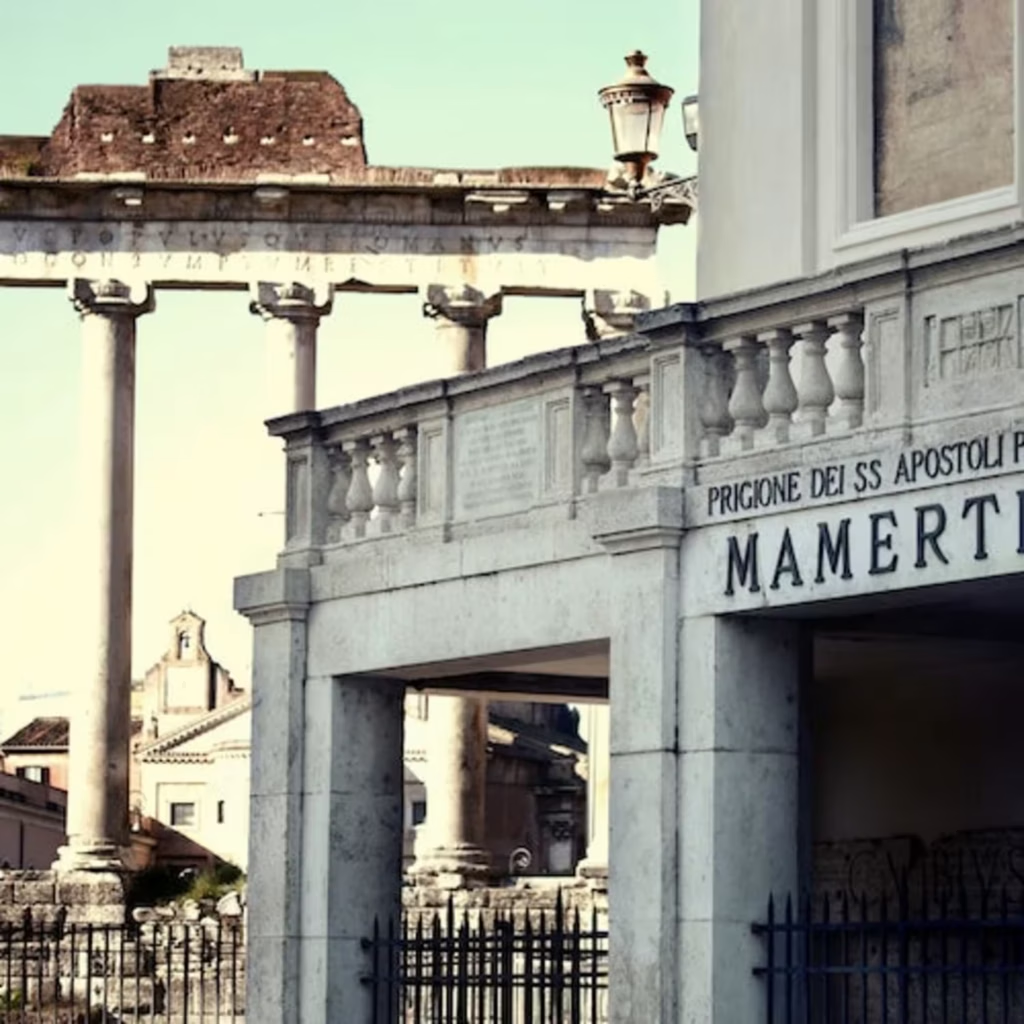
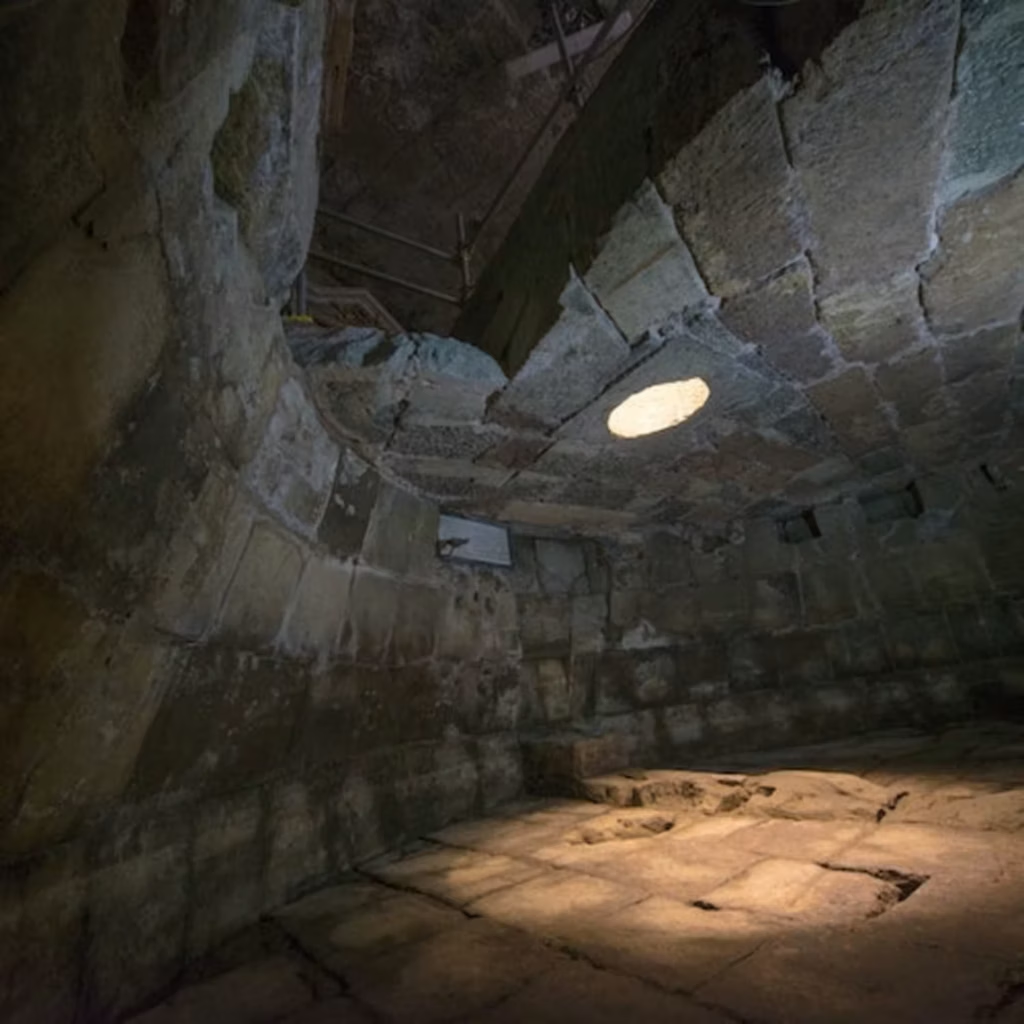
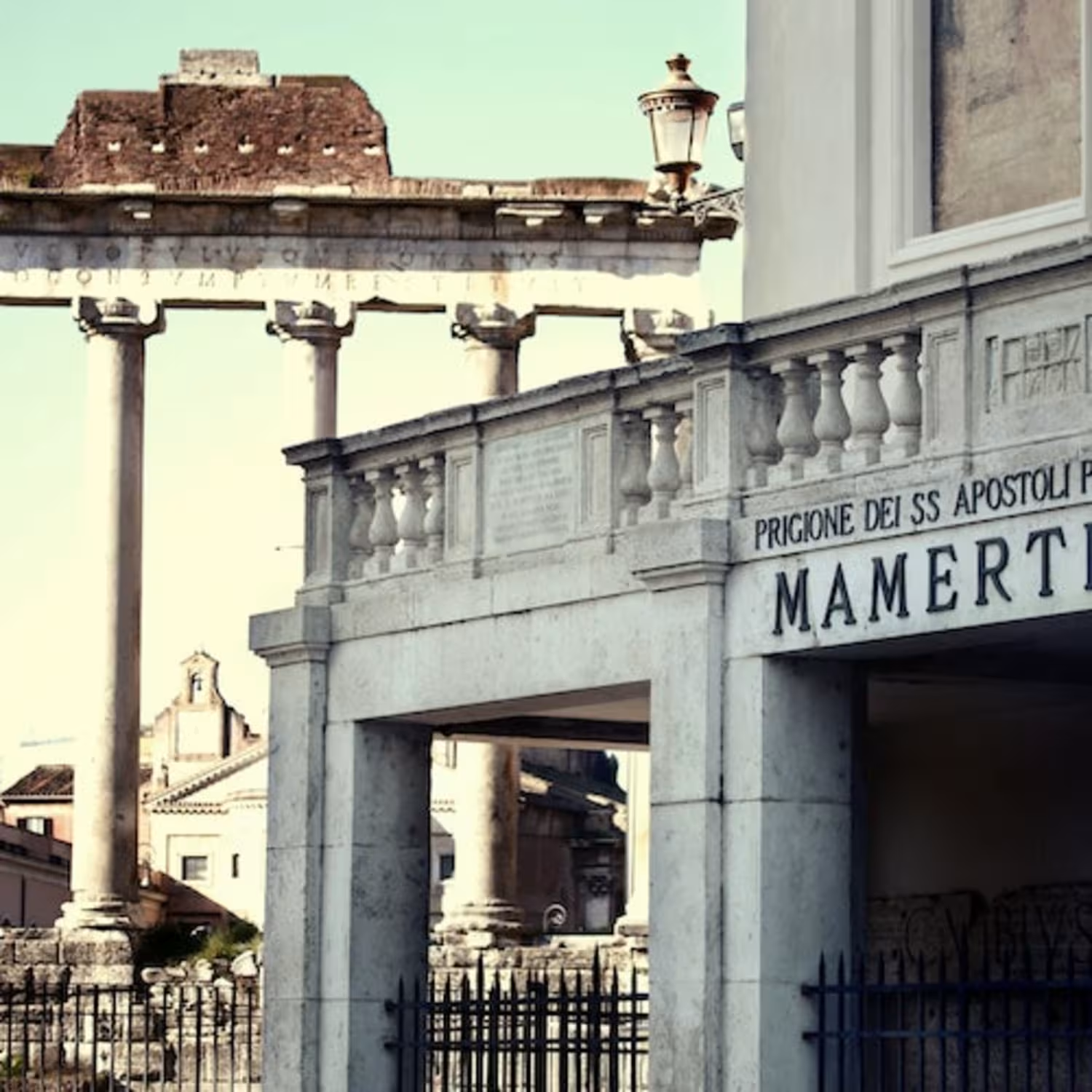
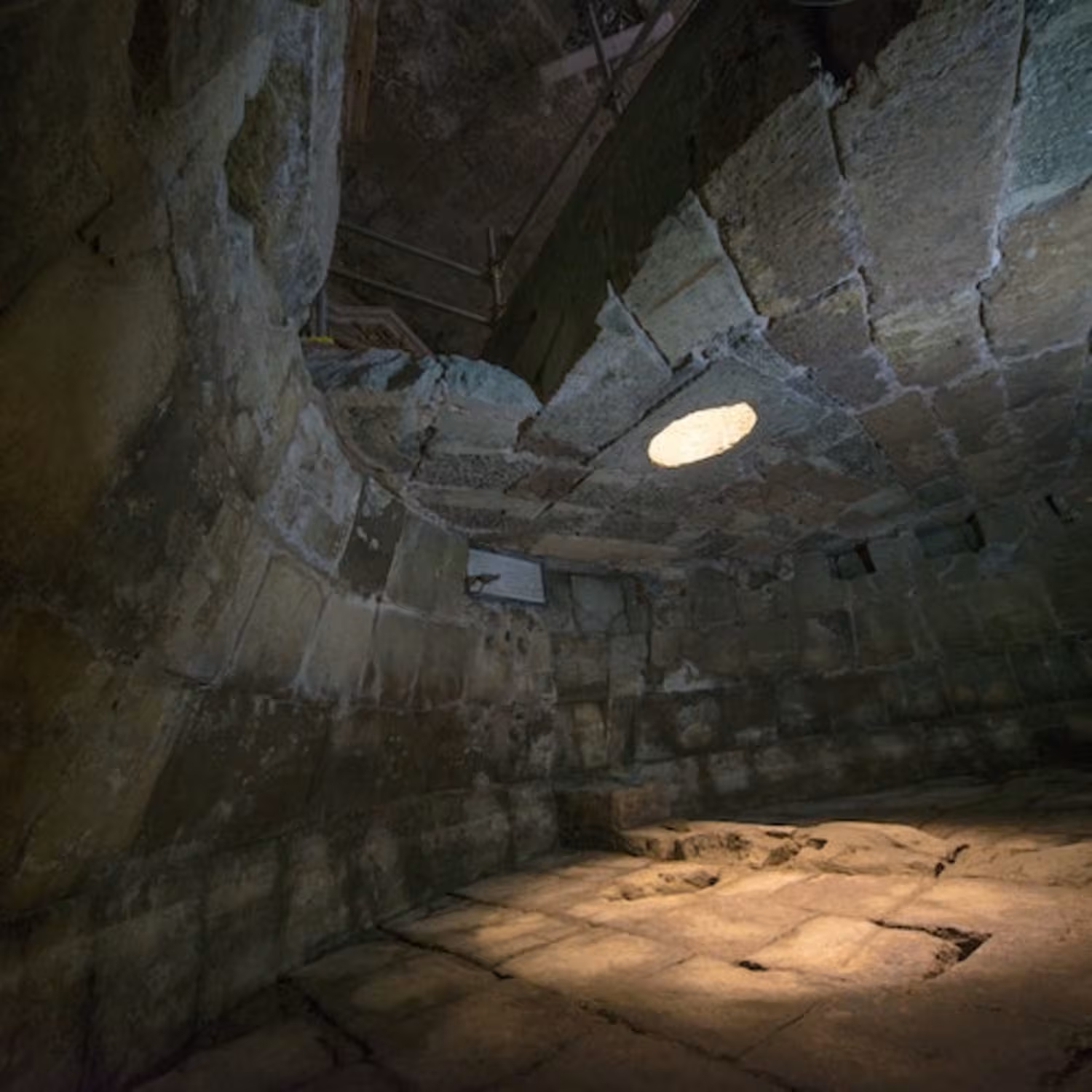
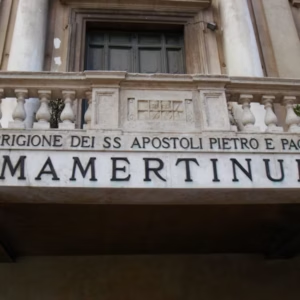
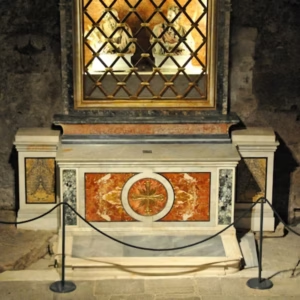
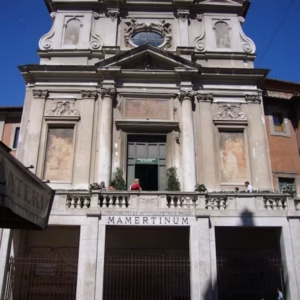
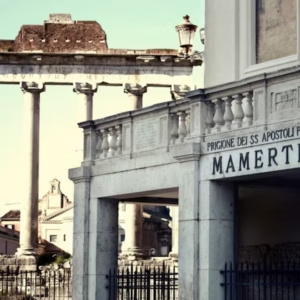
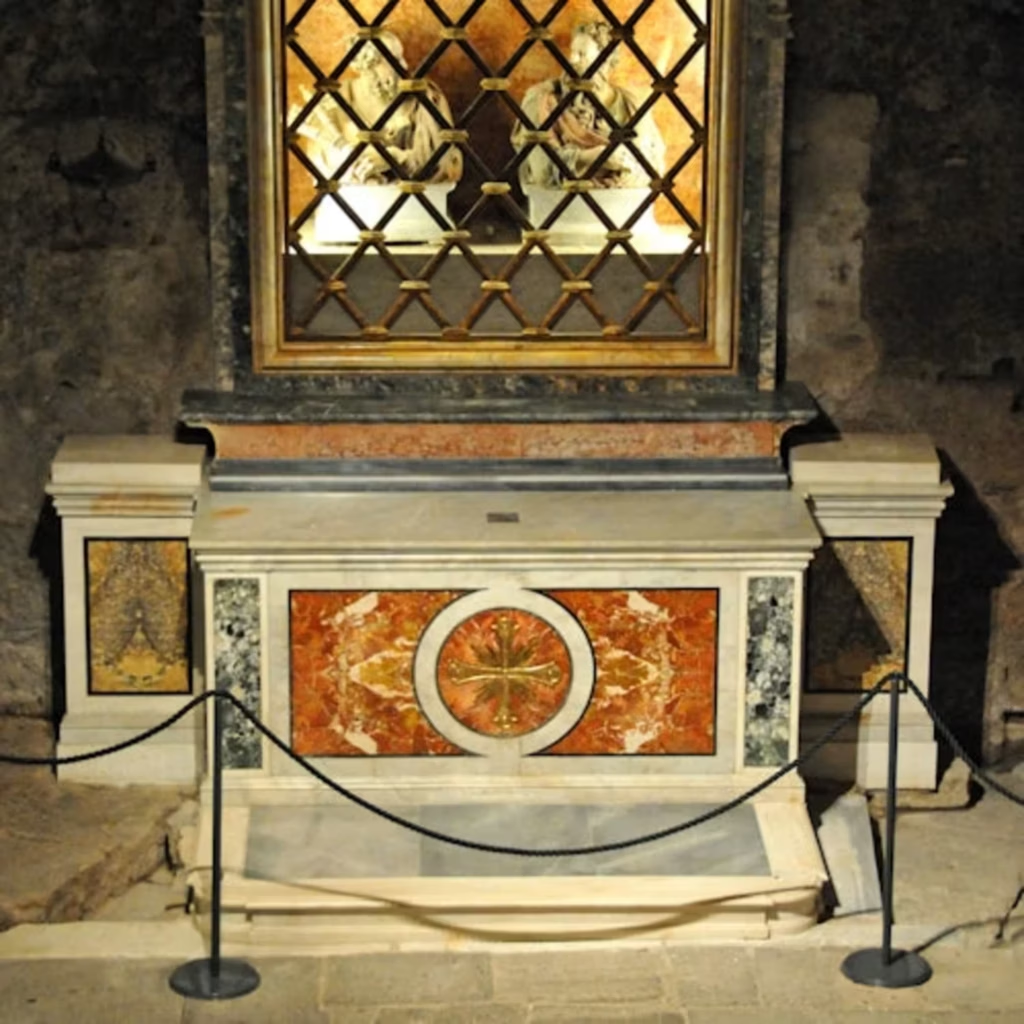
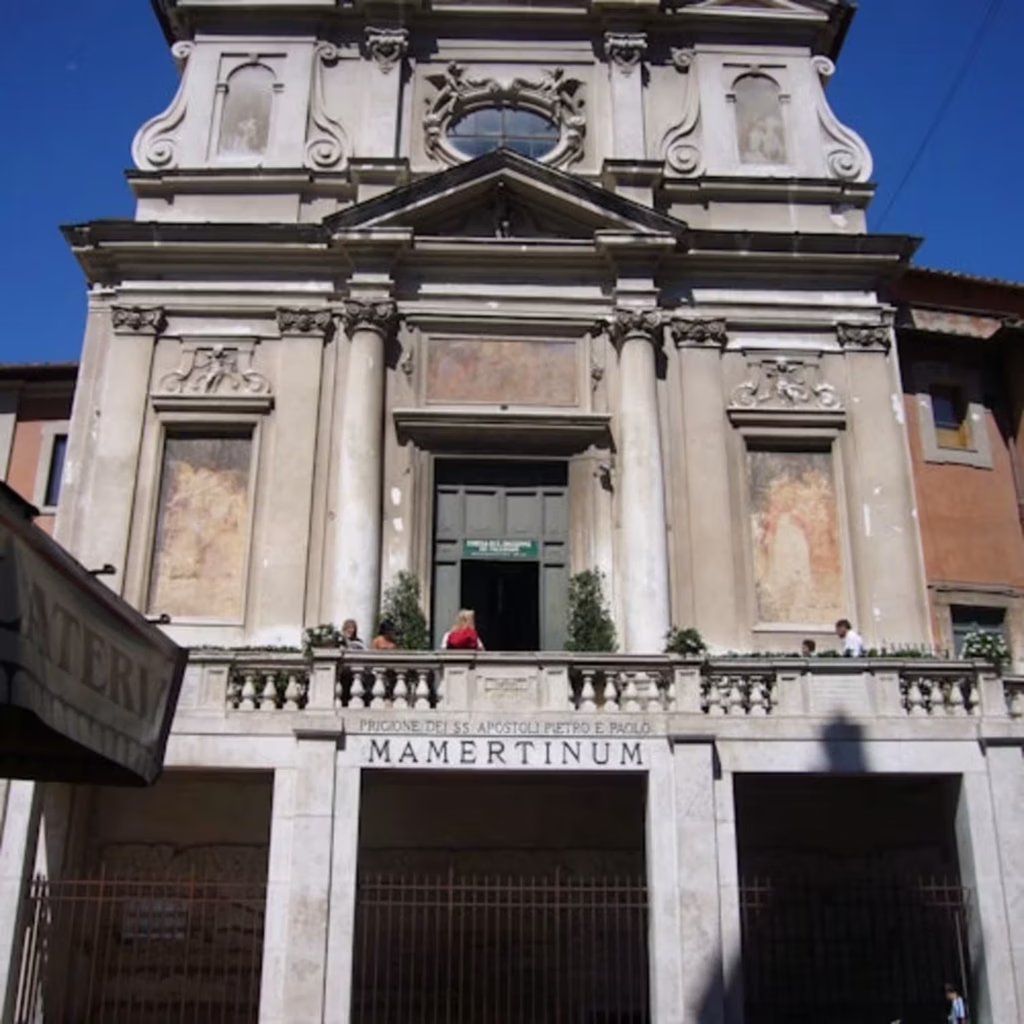
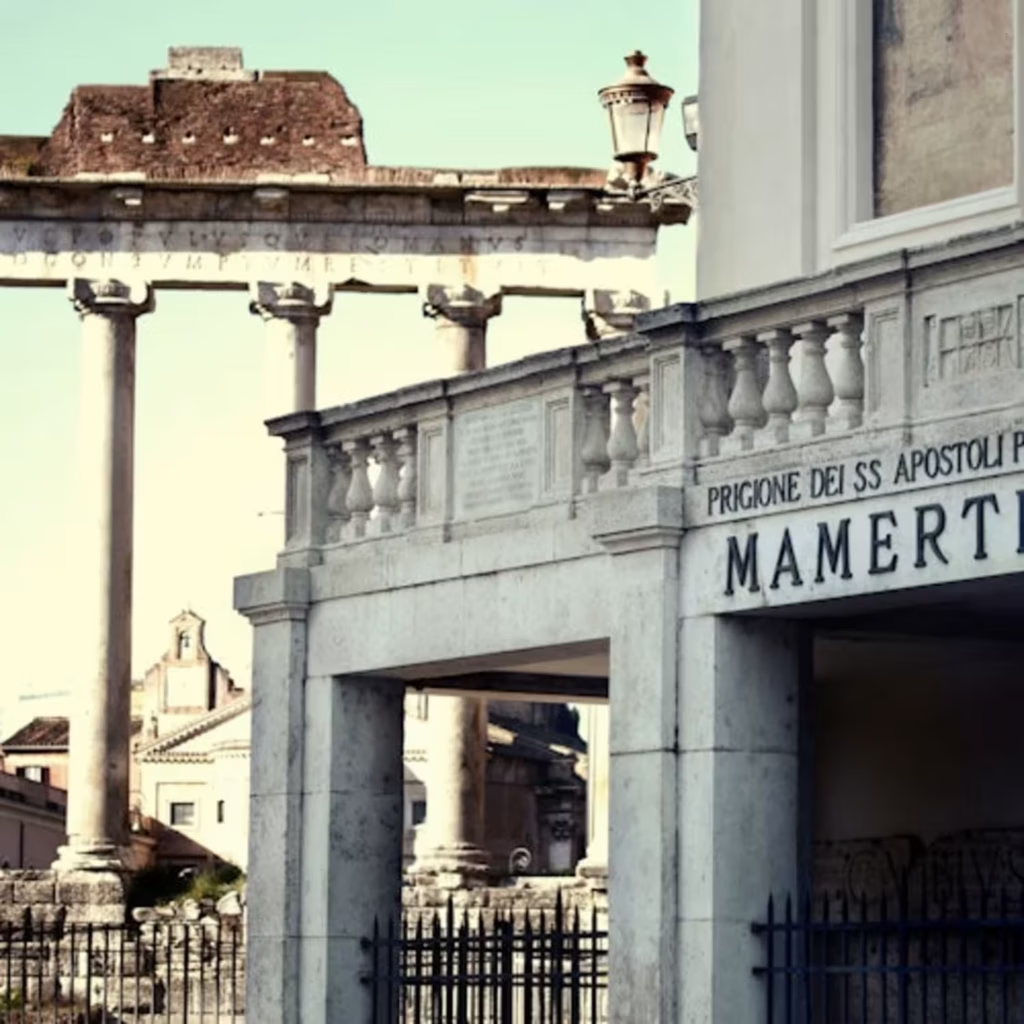
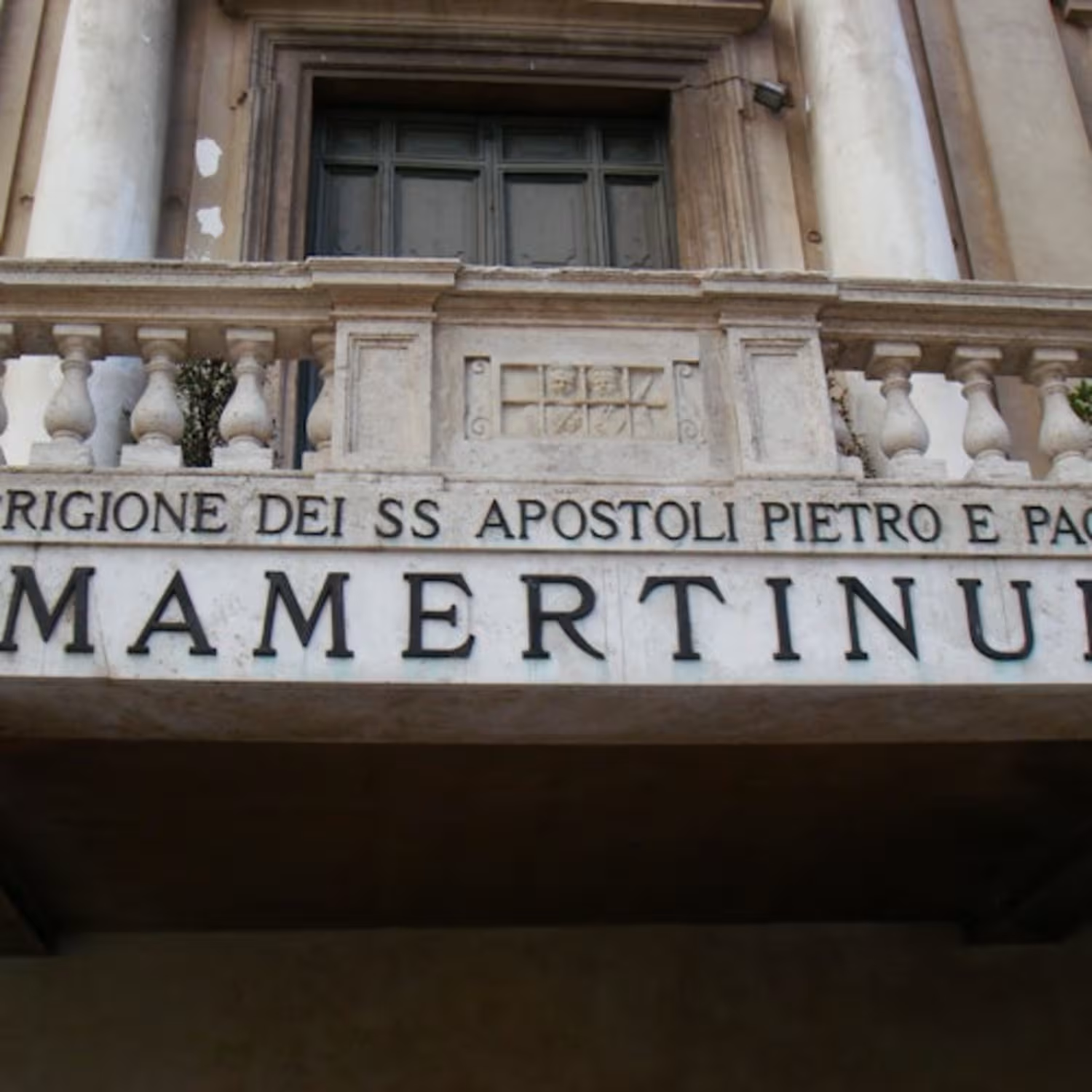
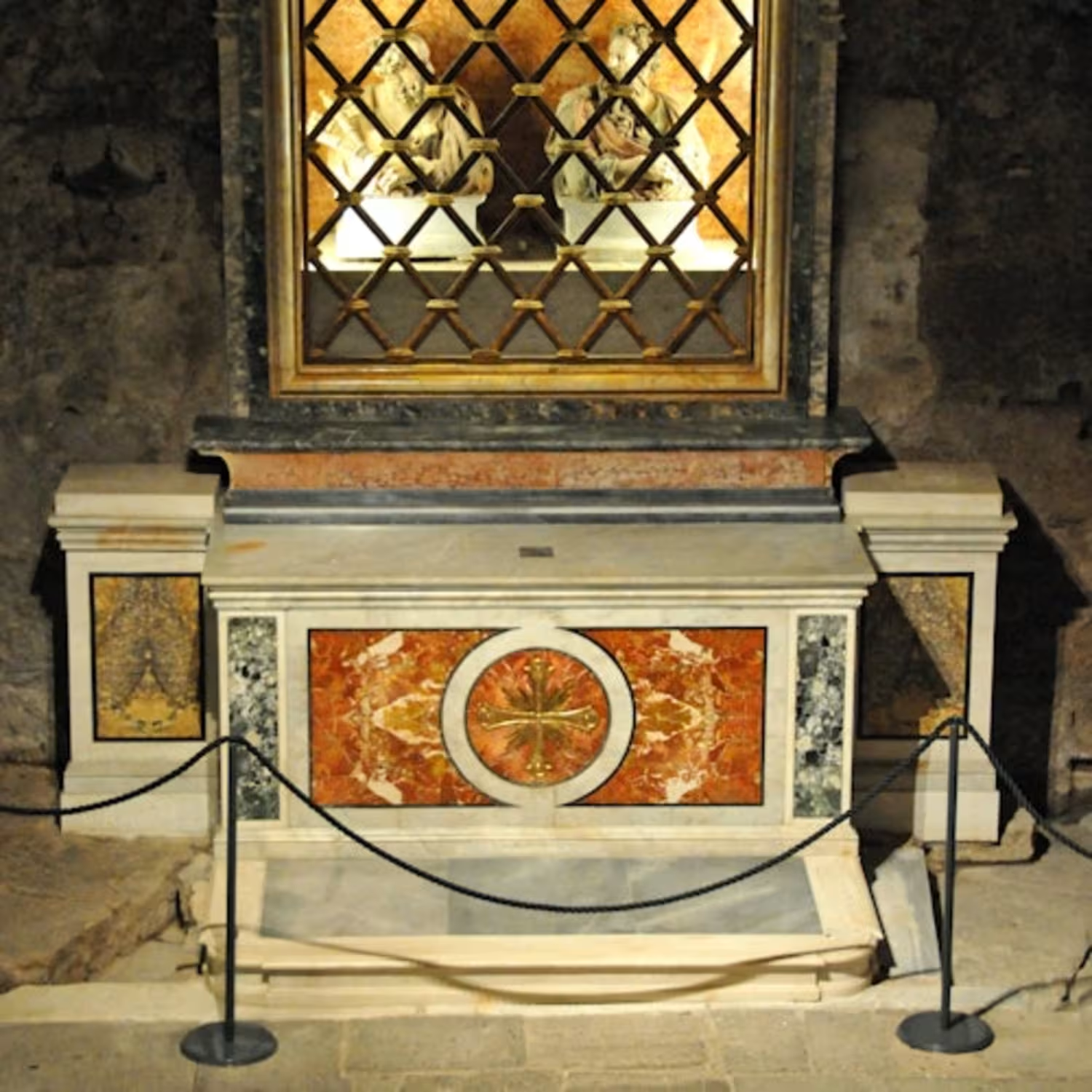
Explore the historically significant Mamertine Prison, once holding emperors and kings.
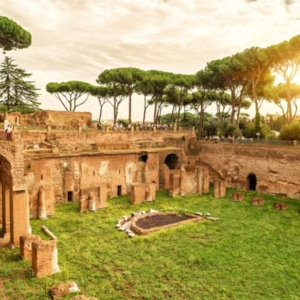
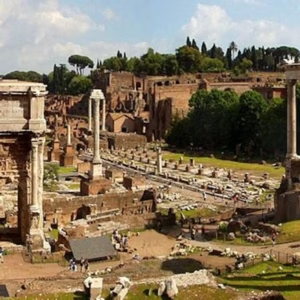
Roam freely through the Roman Forum and Palatine Hill at your own pace.
Benefit from an engaging audio guide that enriches your visit.
Enjoy short queues and a well-organized ticket process.
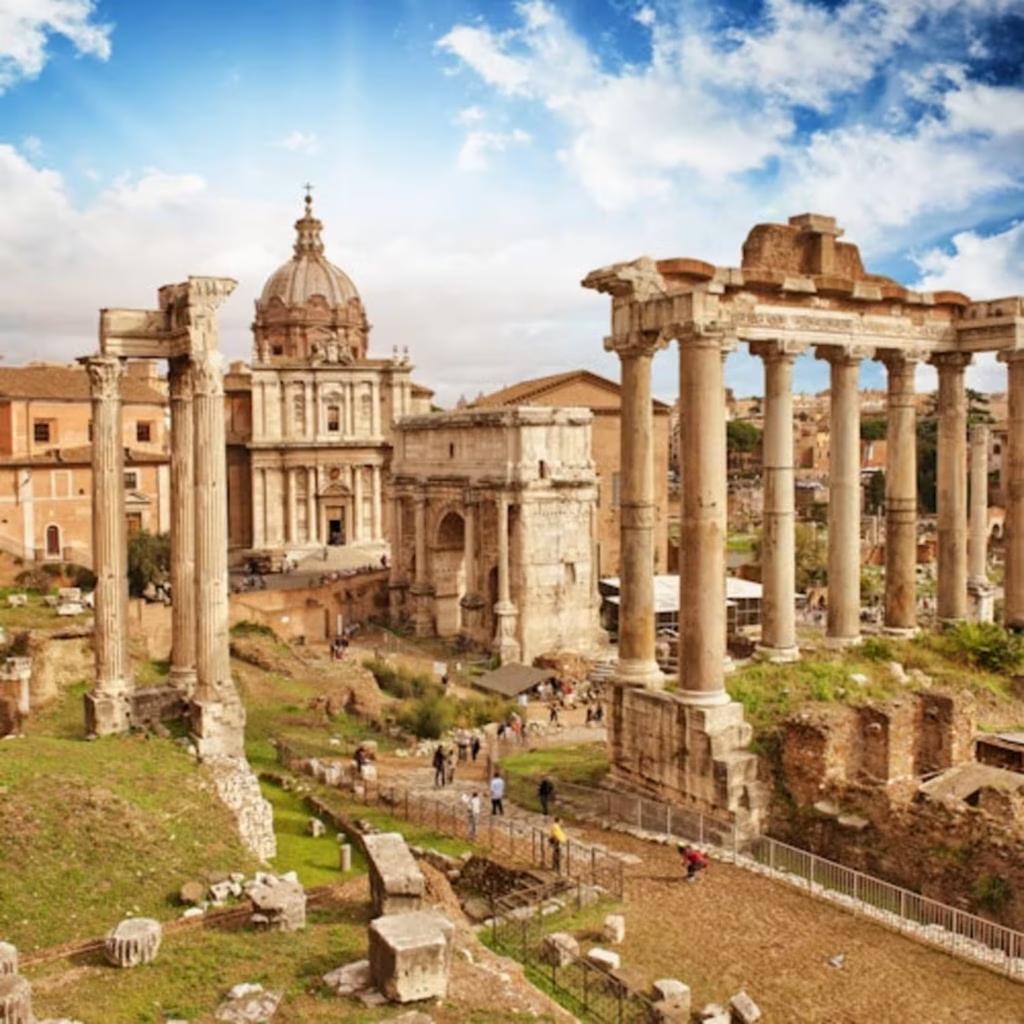
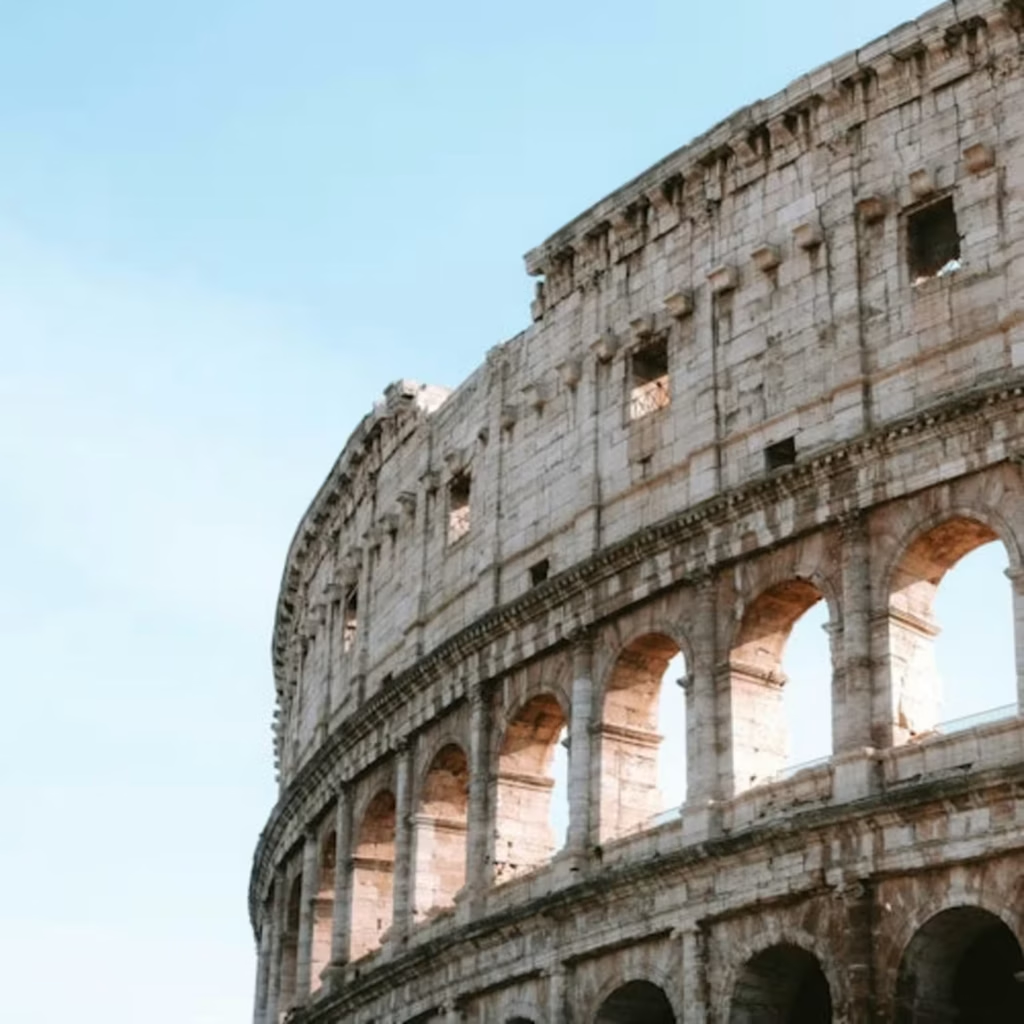
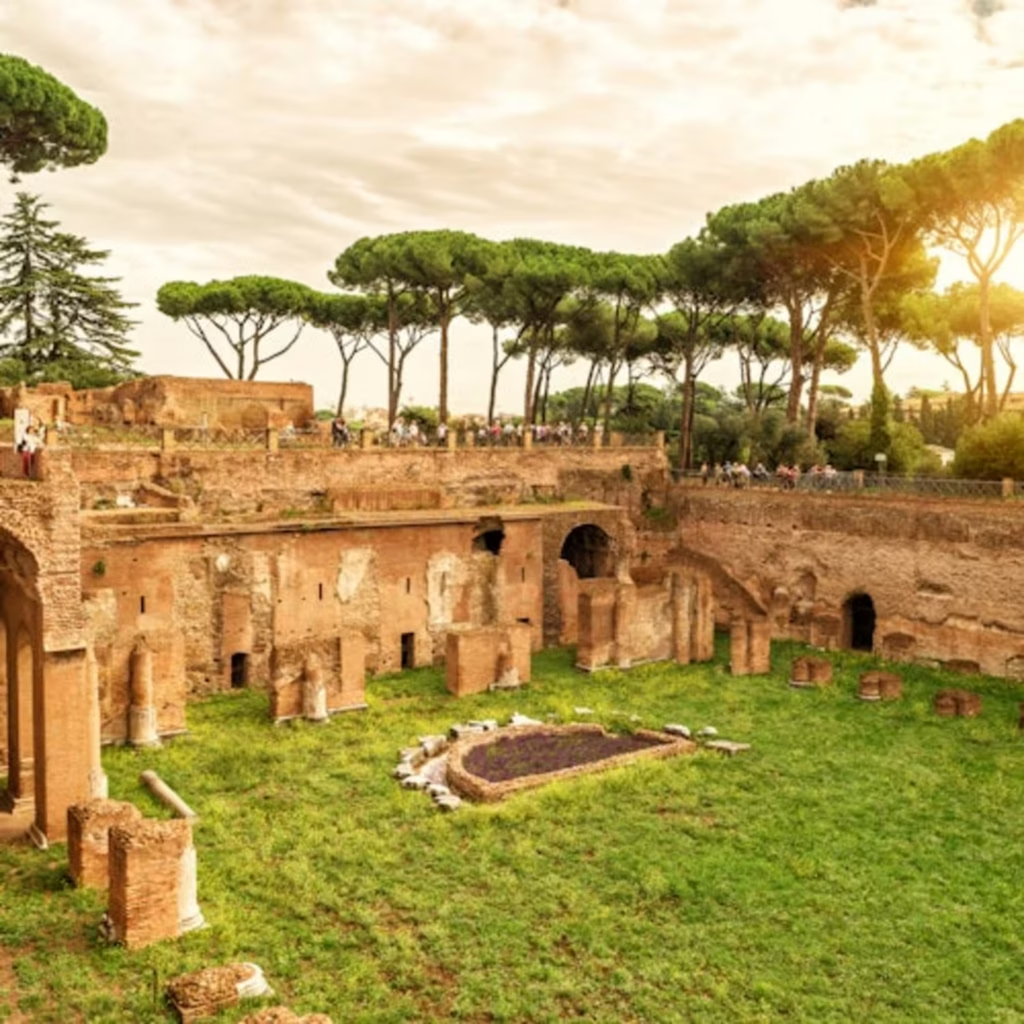
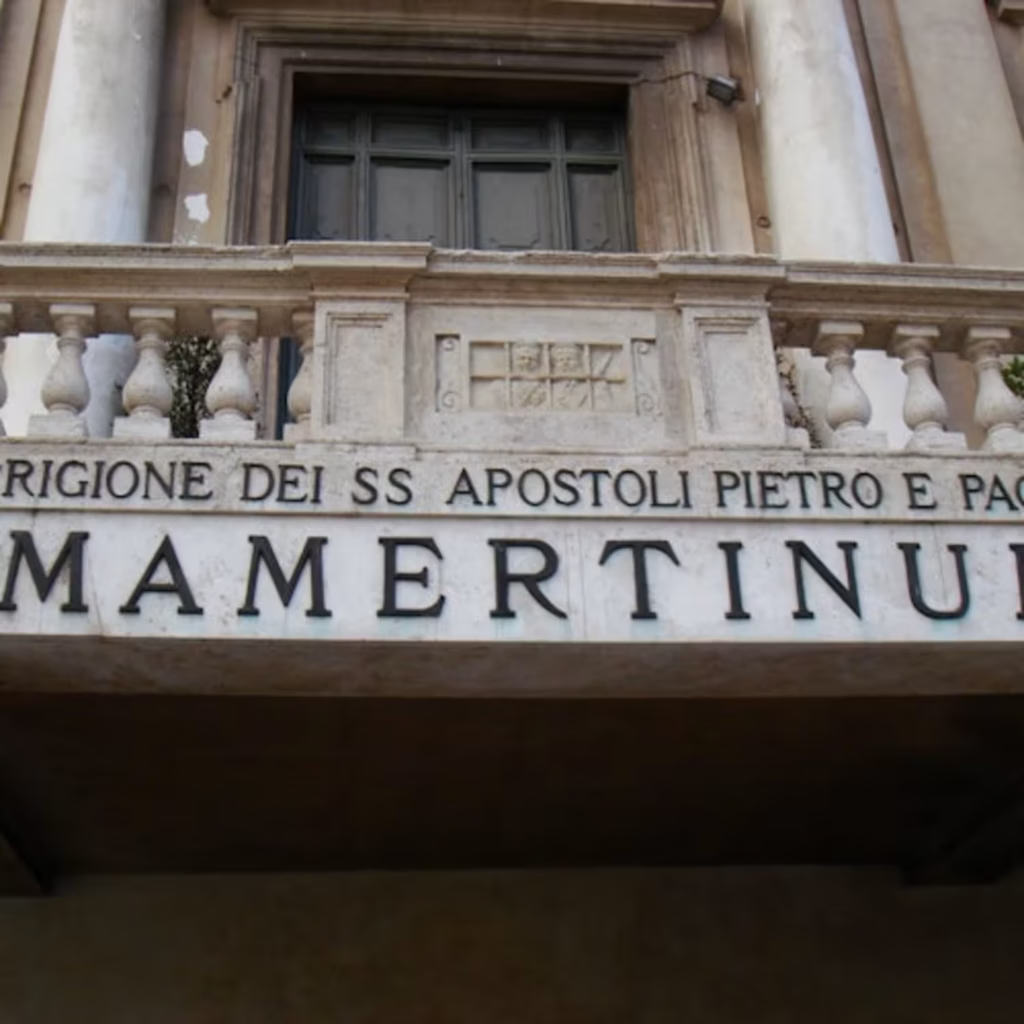
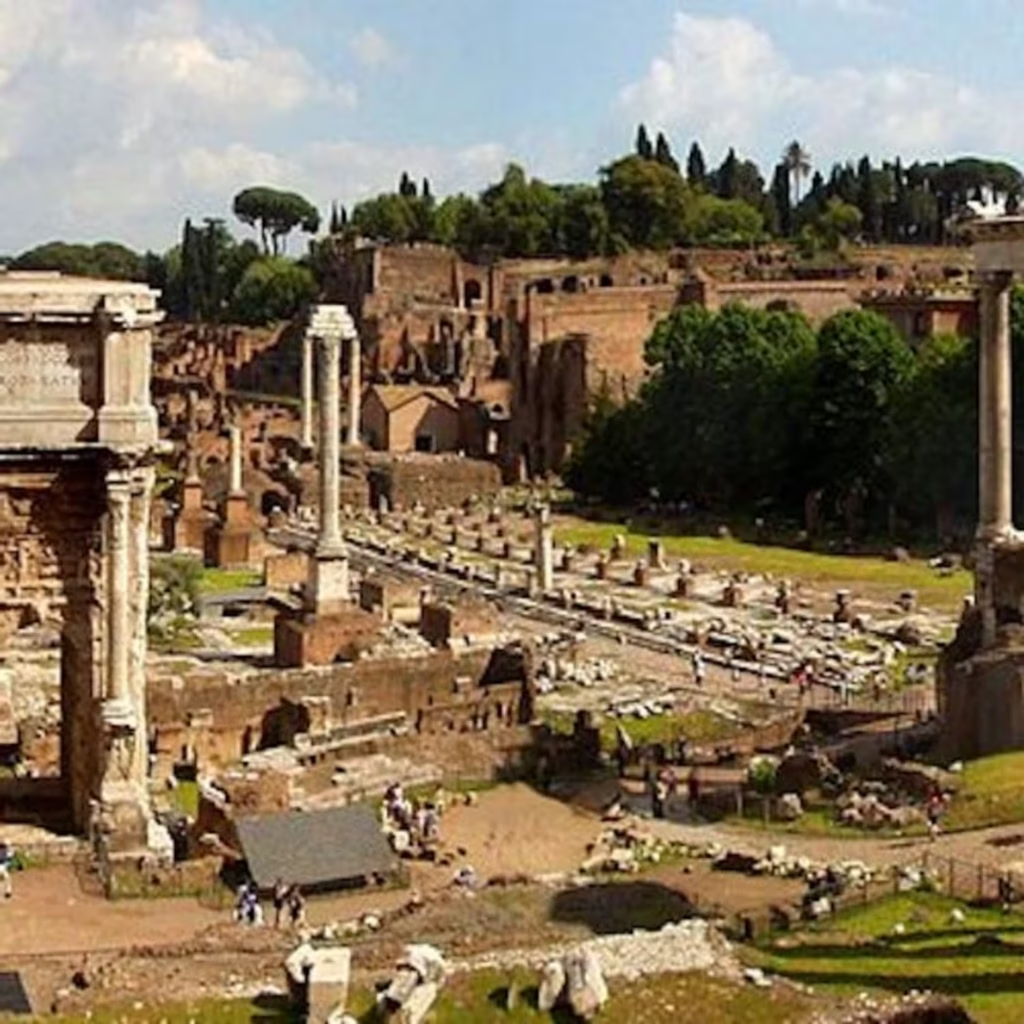
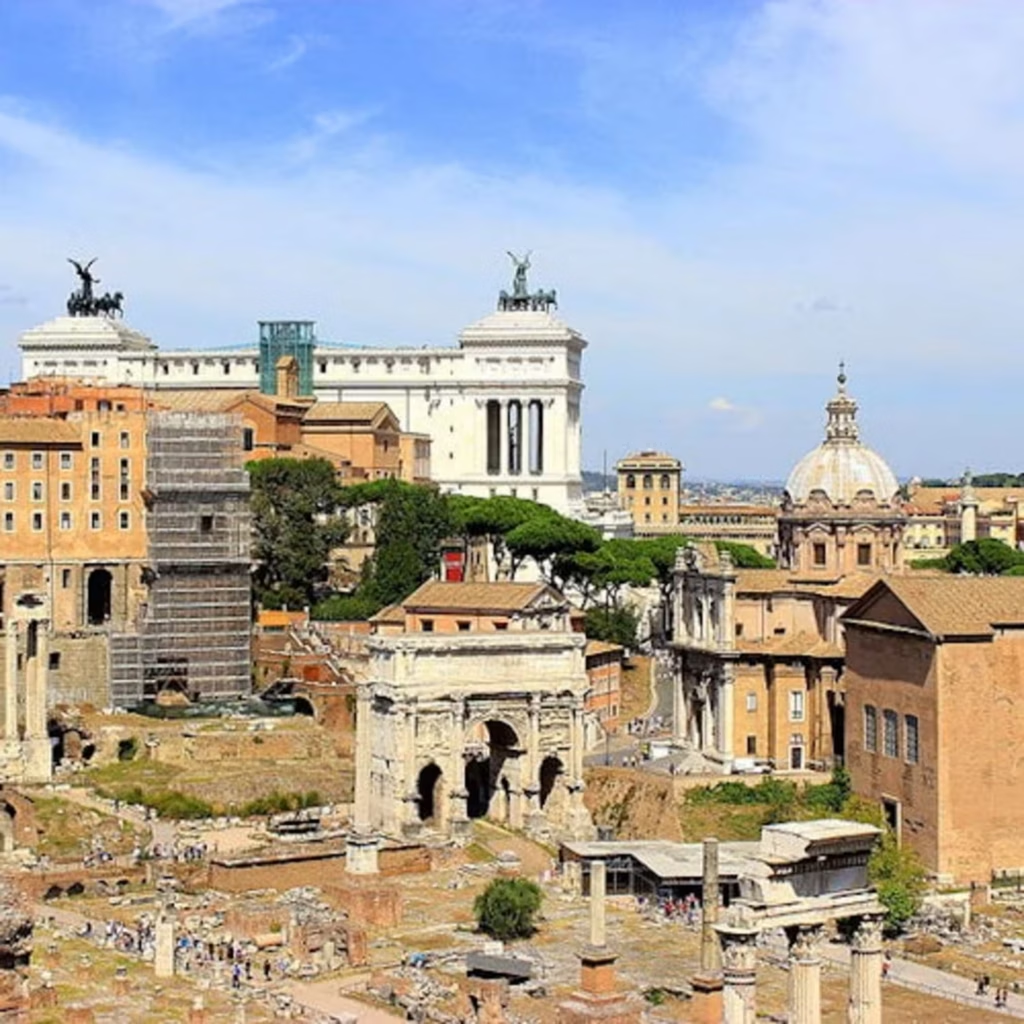
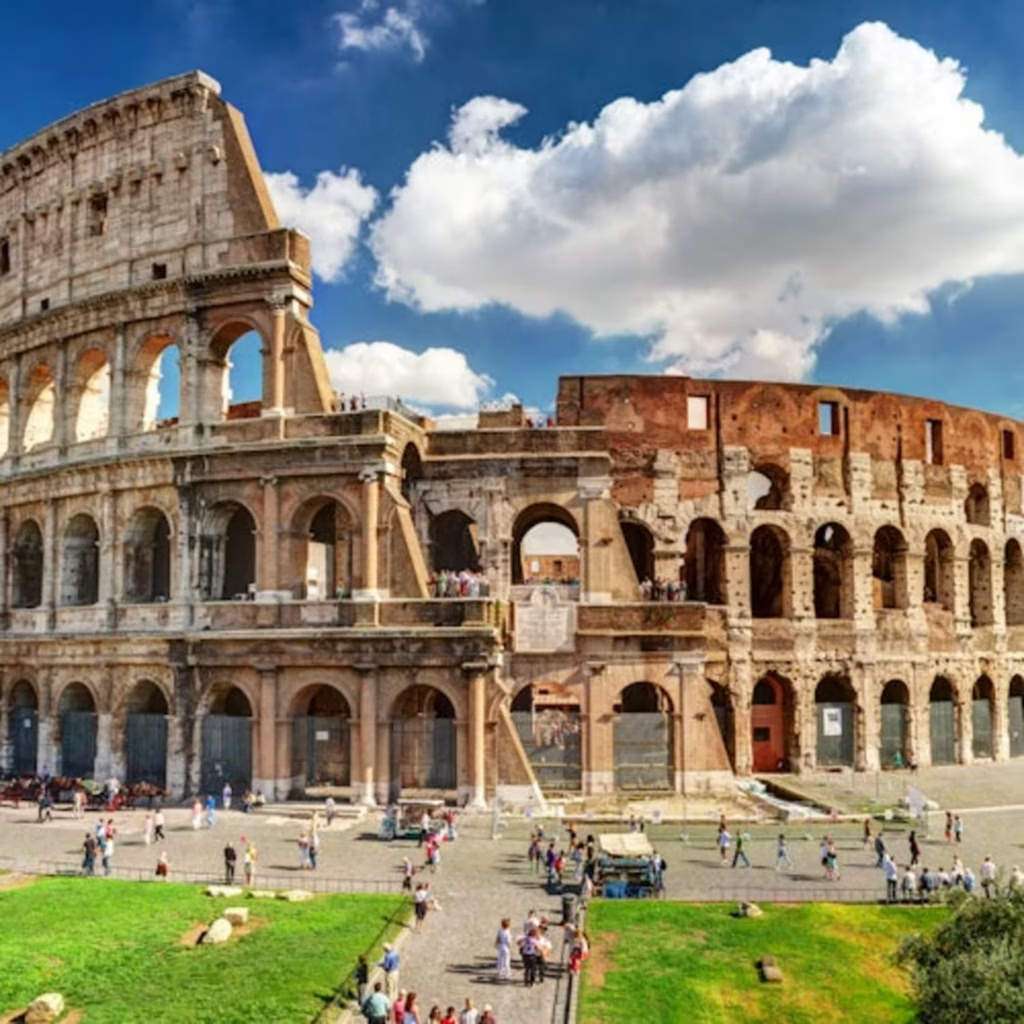
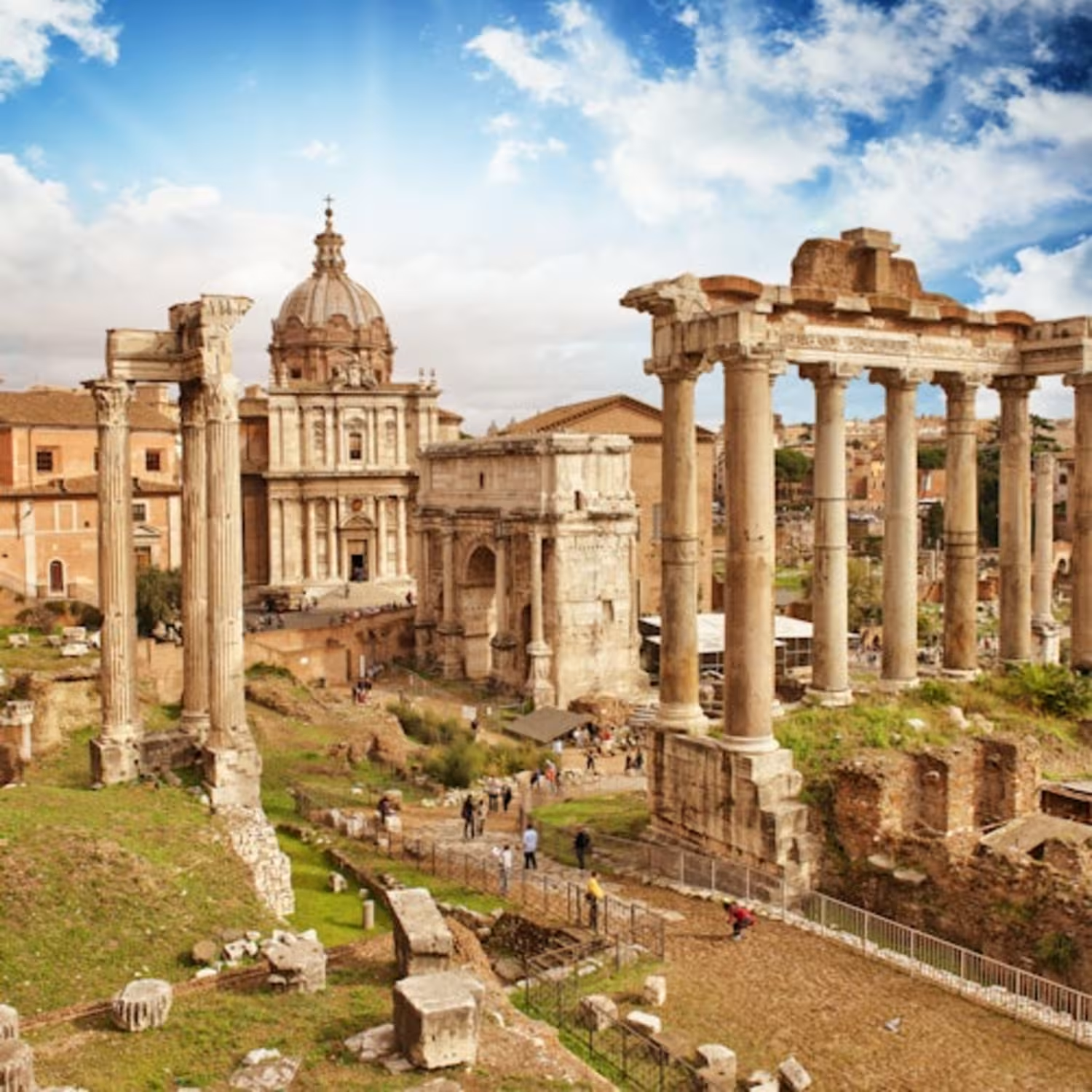
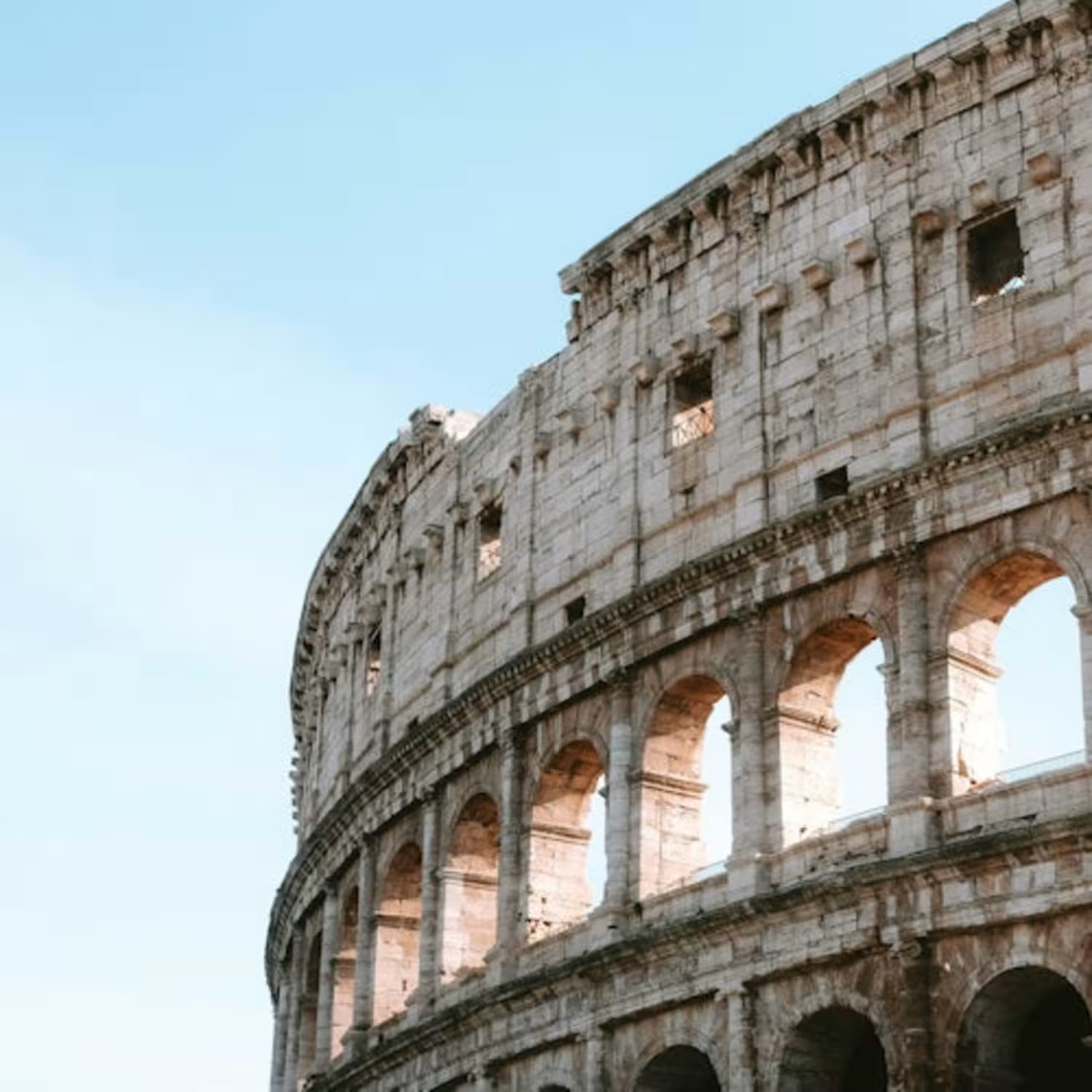
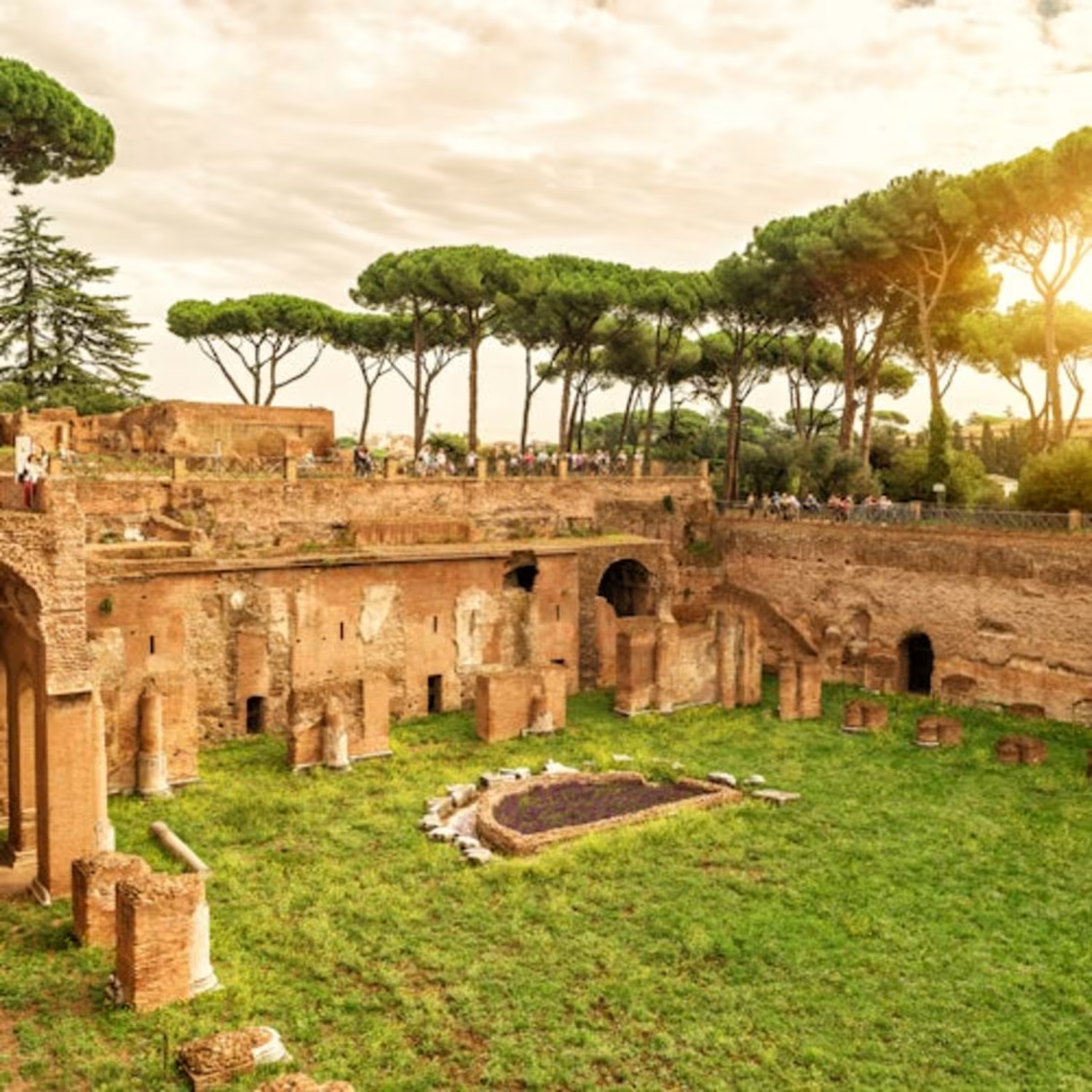
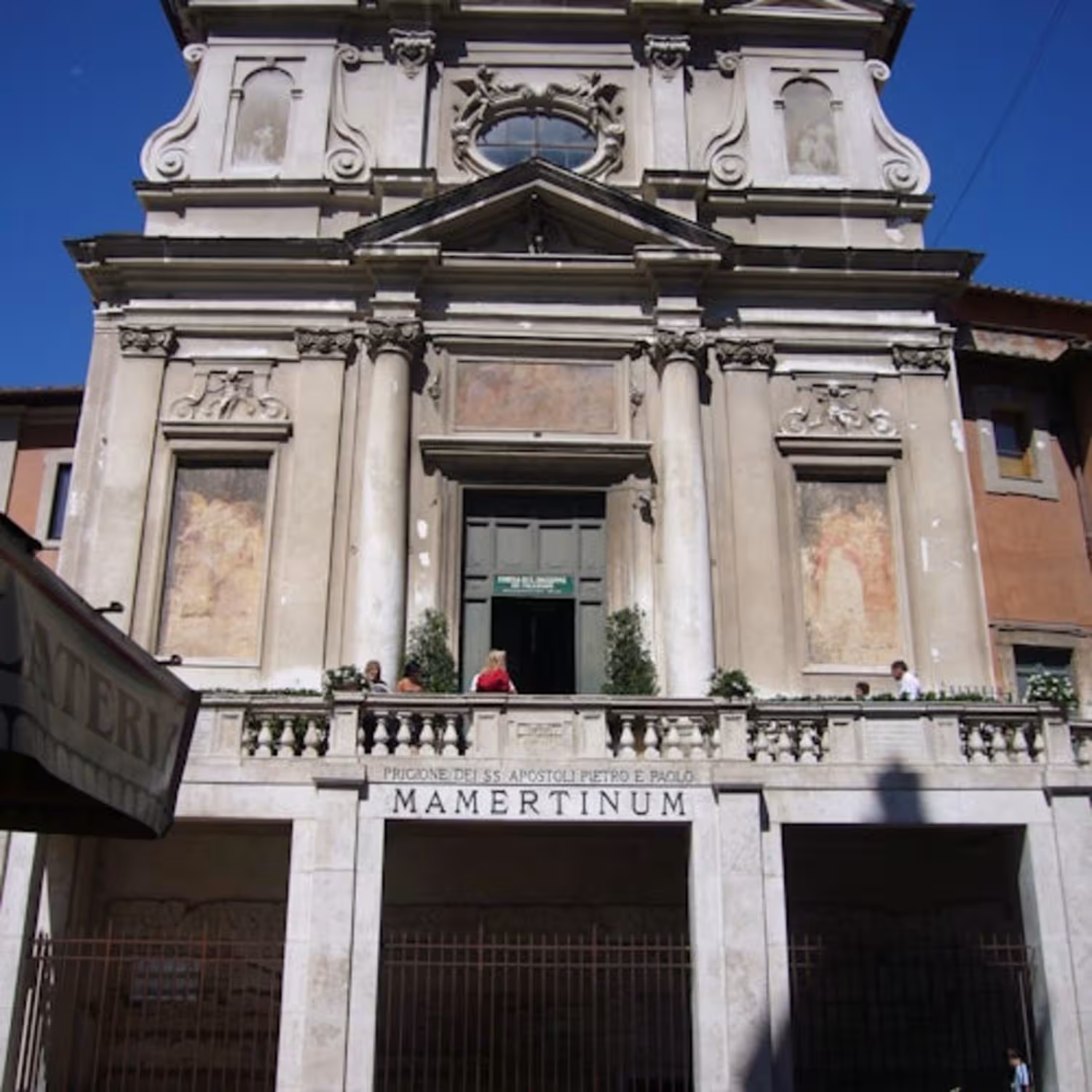
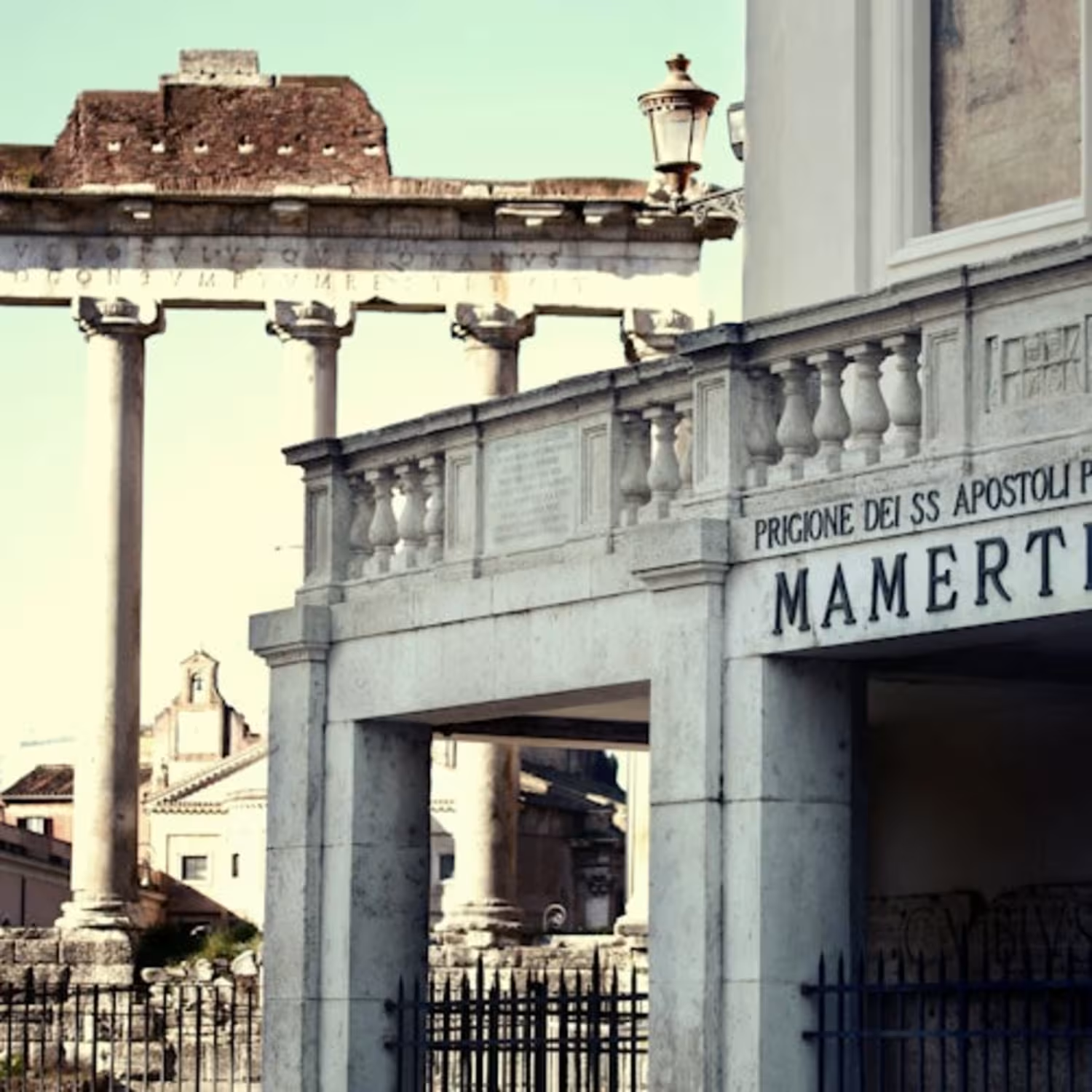
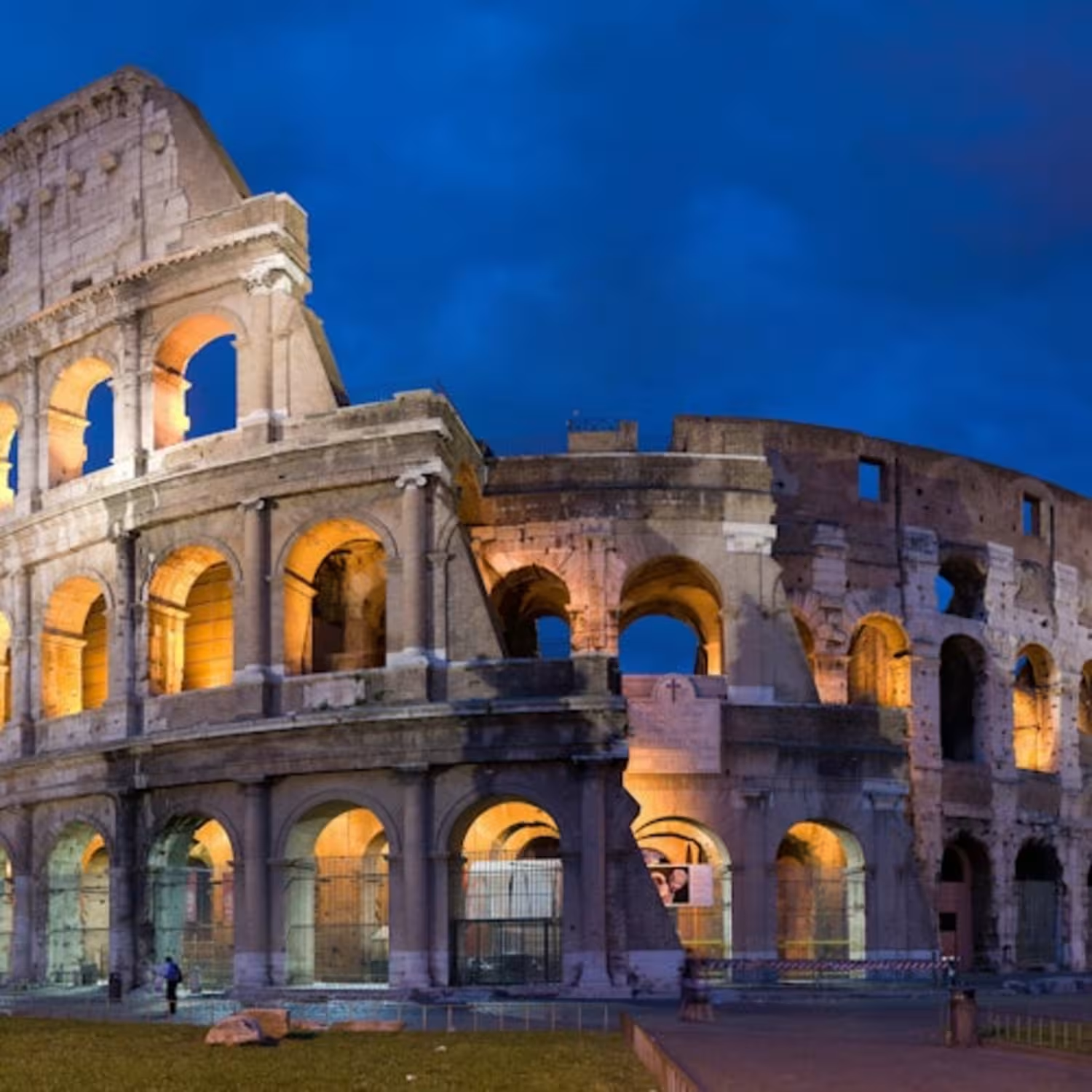
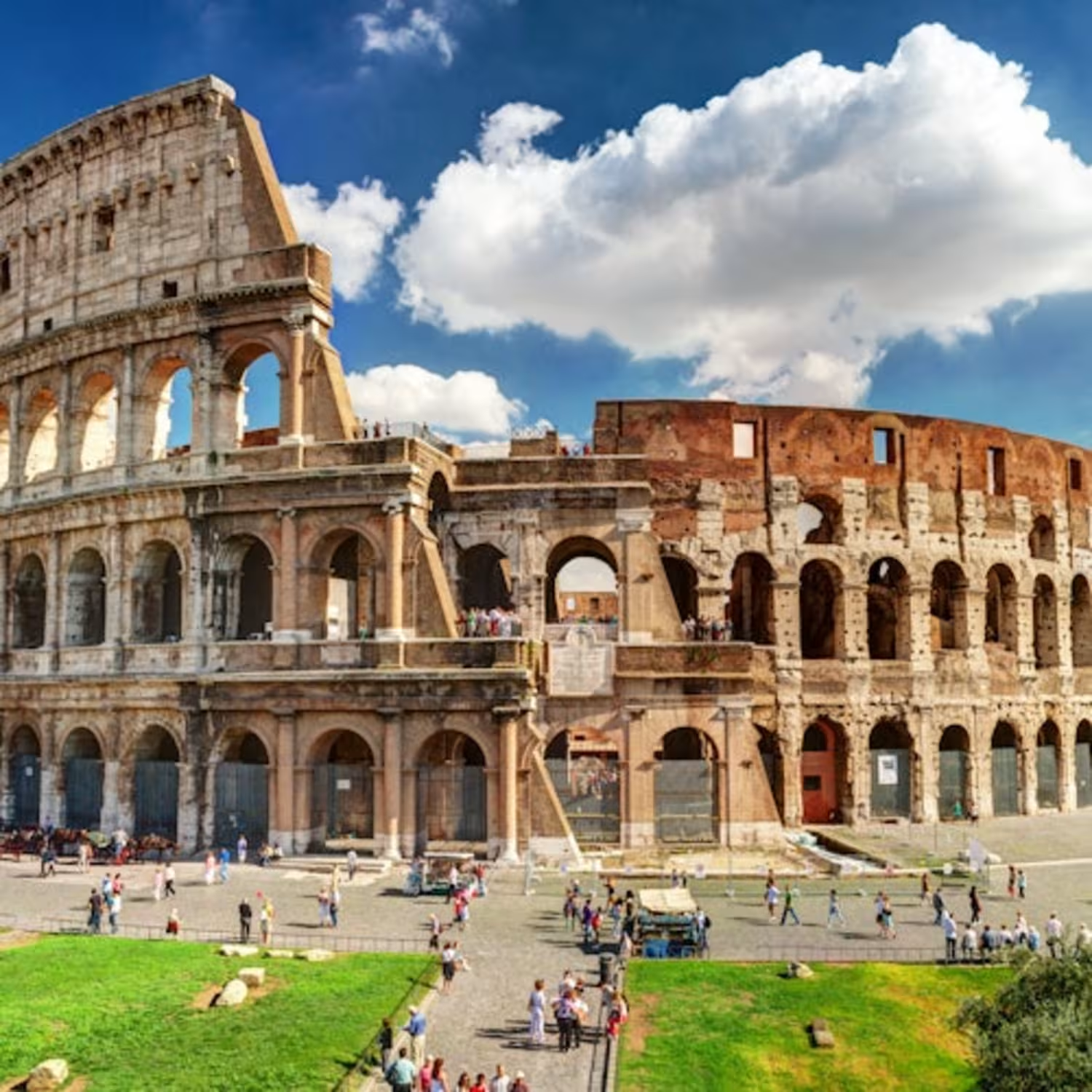
Book your visit and see the center of ancient Rome for yourself: the amphitheatre where gladiators fought, the Forum where Romans voted and traded, and the hill where emperors built their palaces.
About the Colosseum, Roman Forum, and Palatine Hill
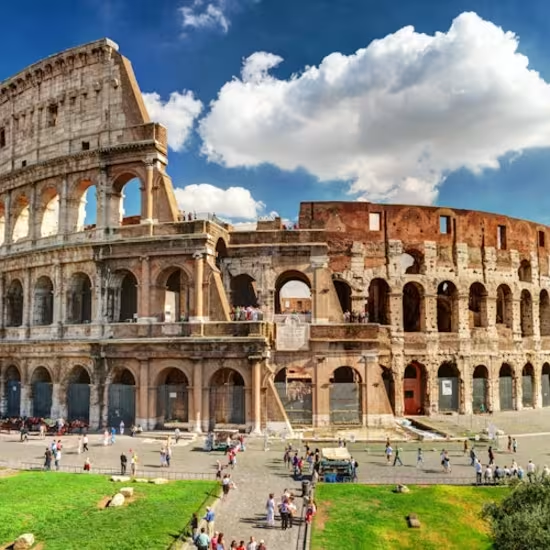
Colosseum, Roman Forum & Palatine Hill: The Full Story
Colosseum, Roman Forum & Palatine Hill Highlights
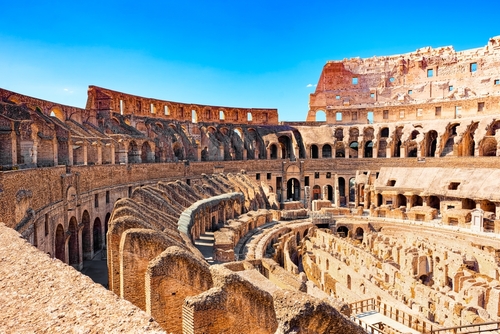
Hours, Getting There & Practical Info
Opening Hours & Best Times to Visit
The Colosseum opens at 8:30 a.m., and the Roman Forum and Palatine Hill usually open at 9:00 a.m. Closing time ranges from 4:30 p.m. in winter to 7:15 p.m. in summer. The Opening Hours page has the full seasonal schedule and the quietest times to go.
Address & Getting There
The Colosseum is on Piazza del Colosseo, with the Roman Forum and Palatine Hill right beside it. Metro Lines B and C both stop next to the site. See Address & Directions for every way to get here.
Accessibility & Facilities
Elevators link the Colosseum's tiers, and you can borrow a wheelchair on site. Restrooms, drinking fountains and bookshops are spread around the park. Plan Your Visit has the details, along with bag rules and what to wear.
Why Visit the Colosseum, Roman Forum & Palatine Hill?
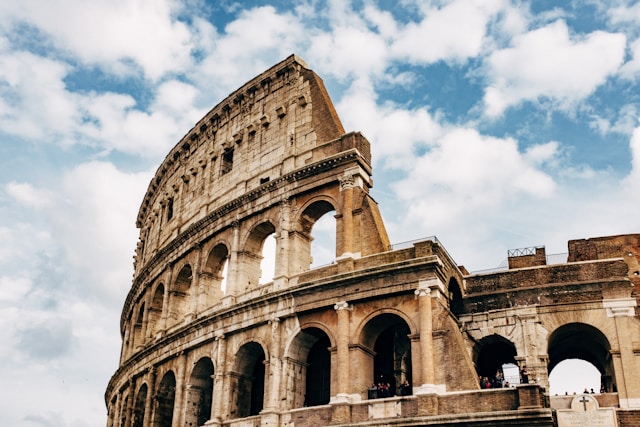
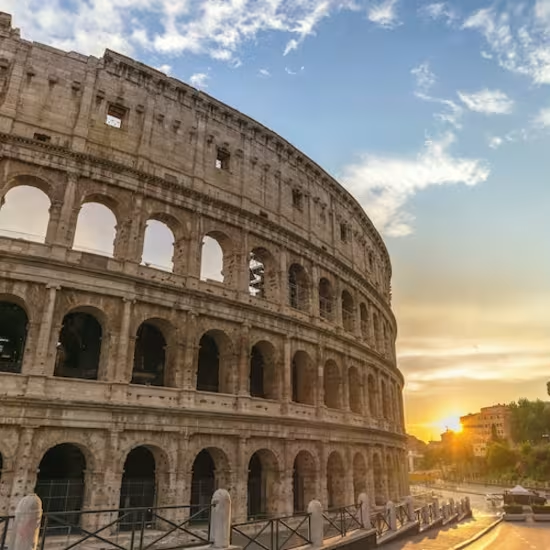
The Colosseum: Where Gladiators Fought
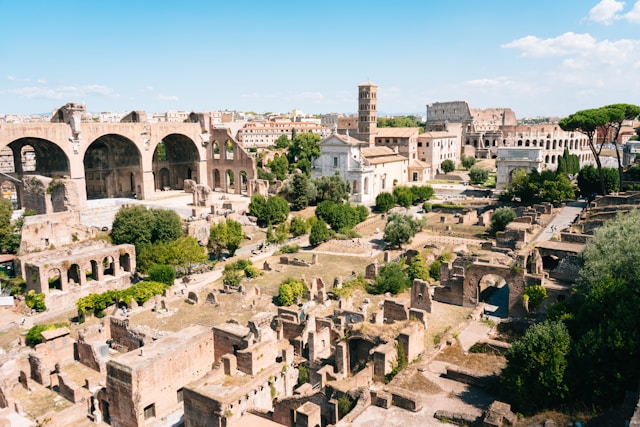
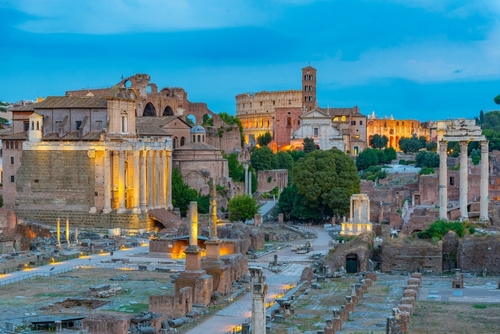
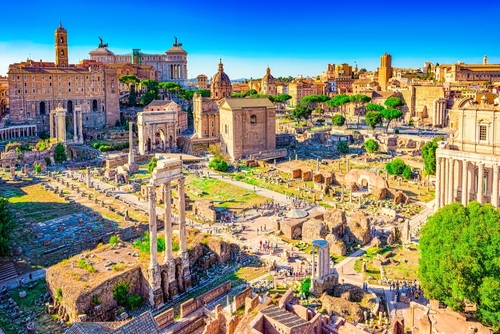
The Roman Forum: Heart of Ancient Roman Life
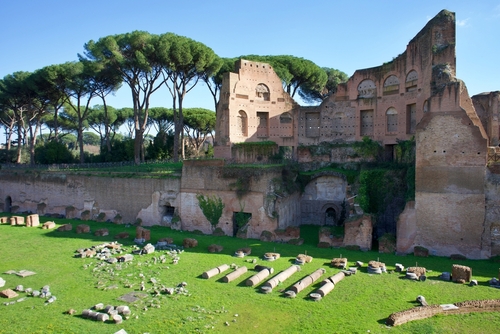
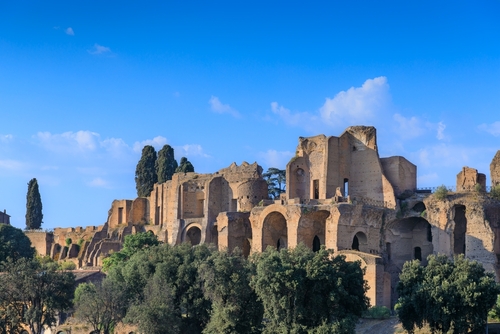
Palatine Hill: Where Rome Was Born
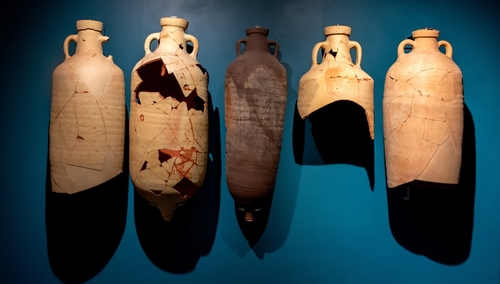
The Palatine Museum
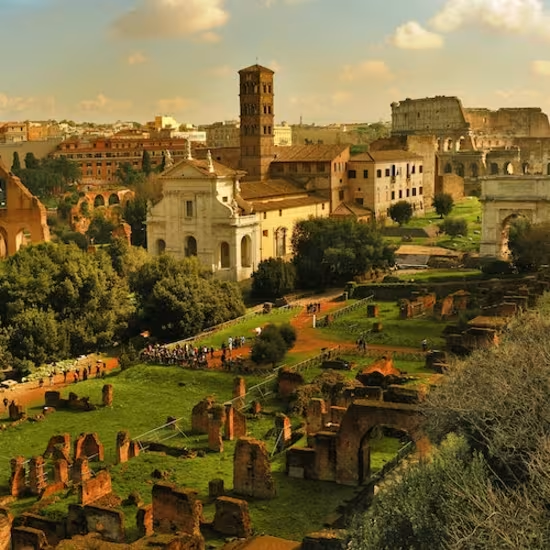
Imperial Fora and Excavated Pathways
Know Before You Go
The park gets very busy, especially from April to October, so book a timed entry slot in advance.
Bags must be smaller than 30 x 40 x 15 cm. Suitcases aren't allowed and there's no cloakroom.
Wear closed, comfortable shoes. Most of the ground is uneven ancient stone, with little shade.
Costumes, masks, knives and other blades aren't allowed inside.
Which Colosseum, Roman Forum & Palatine Hill Ticket Should You Choose?
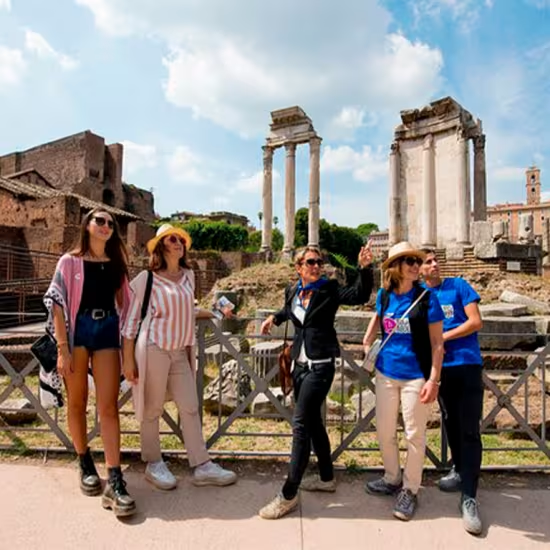
If you want the simplest way in
If you want more context on what you're seeing
If you want to add the Mamertine Prison
If the Colosseum isn't your priority
Interesting Facts About the Colosseum, Roman Forum & Palatine Hill
The Colosseum Could Seat Over 50,000 Spectators
Tiered seating, numbered entrances and passages to move the crowds in and out worked much like a modern stadium.
Gladiators Weren’t Always Slaves
Many fighters were enslaved, but some were free men who signed up for the money and the fame.
The Arena Floor Once Hosted Naval Battles
In its early years, the arena was sometimes flooded to stage mock sea battles, known as naumachiae.
The Roman Forum Was the Center of Daily Life
Romans came here to vote, trade, celebrate military triumphs and hear speeches from leaders like Caesar.
Julius Caesar Was Cremated in the Forum
The Temple of Divus Julius was later built on the spot where his body was burned in 44 BC.
Palatine Hill Is Considered the Birthplace of Rome
According to legend, Romulus founded the city on this hill after killing his twin brother, Remus.
Emperors Lived in Luxurious Palaces on Palatine Hill
From Augustus onward, emperors built their residences here, with gardens, fountains and banquet halls looking out over the city.
 English
  Italiano
  Español
  Français
  Deutsch
  Português