We are processing your request.
Please, don’t close or refresh the page.
Rome Tickets Capitoline Museum Tabularium
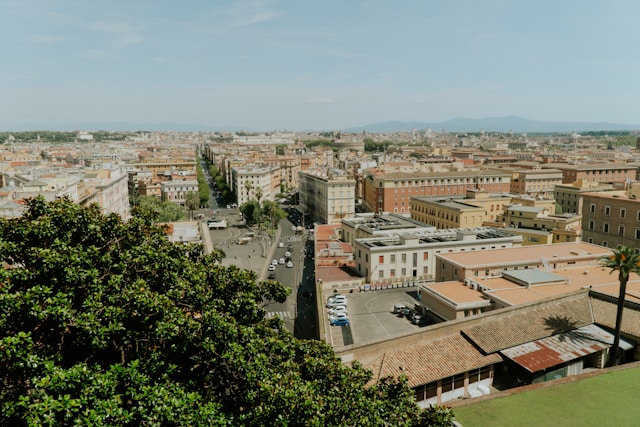
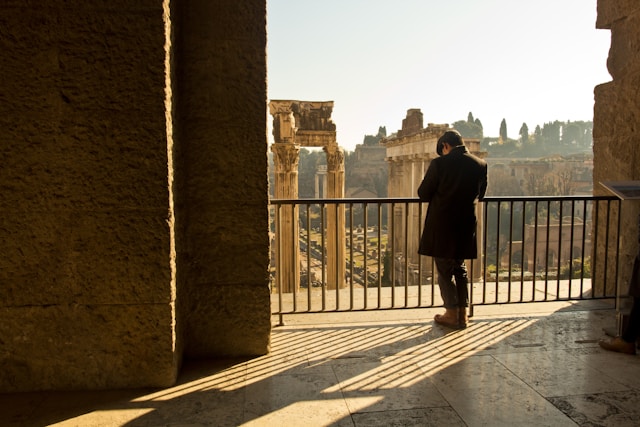
The view over the Roman Forum through the arches of the Tabularium

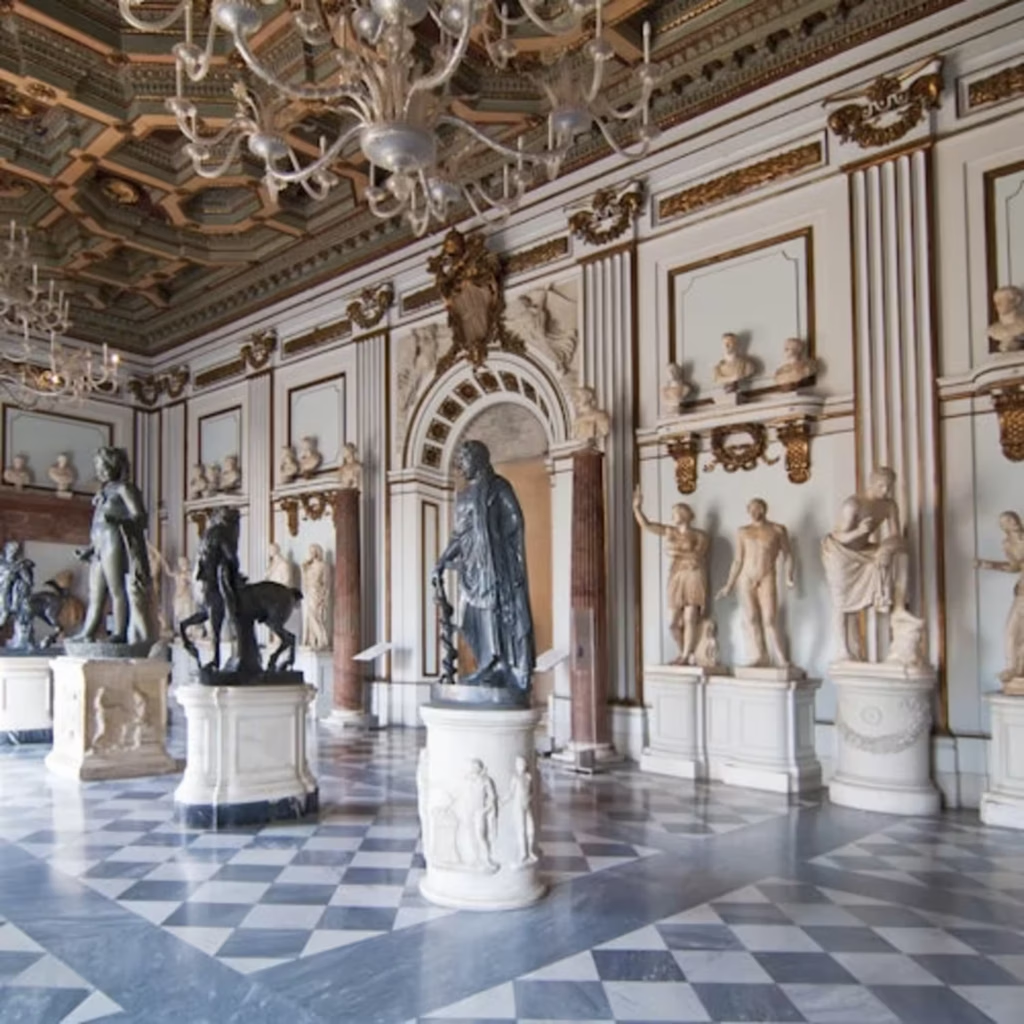
Inside the Tabularium, the Roman Record Office the Museum Was Built On

Eleven stone arches from 78 BC hold up the Capitoline Museums and open onto the best view in Rome. Walking through them is the closest a visitor gets to the working machinery of the Roman state.

What Makes the Tabularium Different From Everything Above It

It is the oldest standing structure in the museum by a wide margin, more than a thousand years older than the palaces built on top of it.

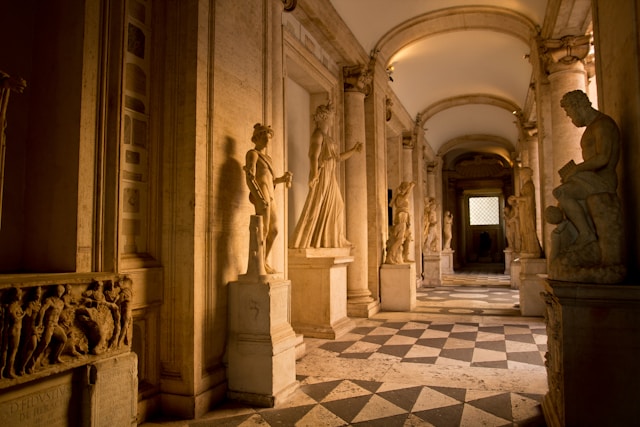
Its gallery runs eleven spans of large arches in gabine stone, raised roughly 15 metres above the Forum floor.

The core is opus caementicium, Roman concrete, poured into a trapezoidal footprint that follows the shape of the hill.

It worked as a great bridge, linking the two sides of the Capitoline across the dip between them.

The archives themselves were on the upper floors, which are gone. What survives is the substructure holding them up.

The arches were walled up in the Middle Ages when the building was turned into a fortress, and only some have been reopened.

Its corner steps back around the Temple of Veiovis, a temple already two generations old when the Tabularium went up.

Whether it really was the state archive is still argued over by archaeologists: the identification rests on an inscription that has been lost for centuries.

Paperwork, Carved in Bronze and Stone
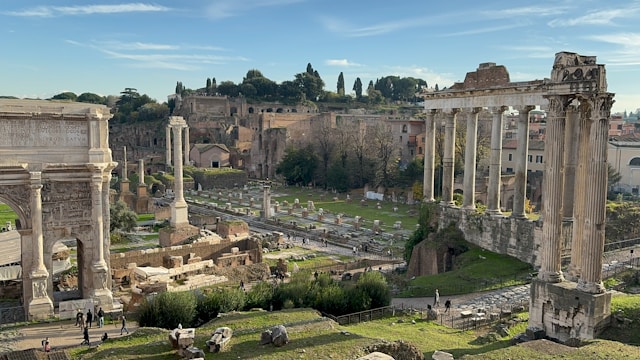
Ancient Roman ruins visible from the museum complex

Rome ran on documents. Laws, treaties, senatorial decrees and deeds had to exist somewhere physical, and from 78 BC that somewhere was a building on the Capitoline, put up by Quintus Lutatius Catulus, part of the rebuilding that followed a fire on the hill.

The records were not paper. Public acts were inscribed on bronze tablets, which is where the building's name comes from, and storing them meant floors strong enough to carry a great deal of metal. the engineering that held them up above a steep hillside.

Those upper floors are the part that did not survive. What is left is the base, which turned out to be far harder to get rid of than the offices it was built to support. The trapezoidal footprint follows the contour of the hill rather than a drawing board, and the cellars inside it do the terracing that made a level archive floor possible at all on a slope this steep.

Fortress, Salt Store, Foundation

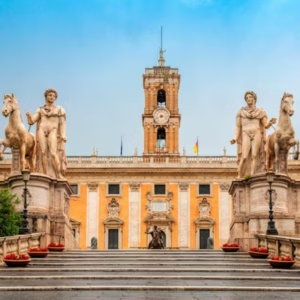
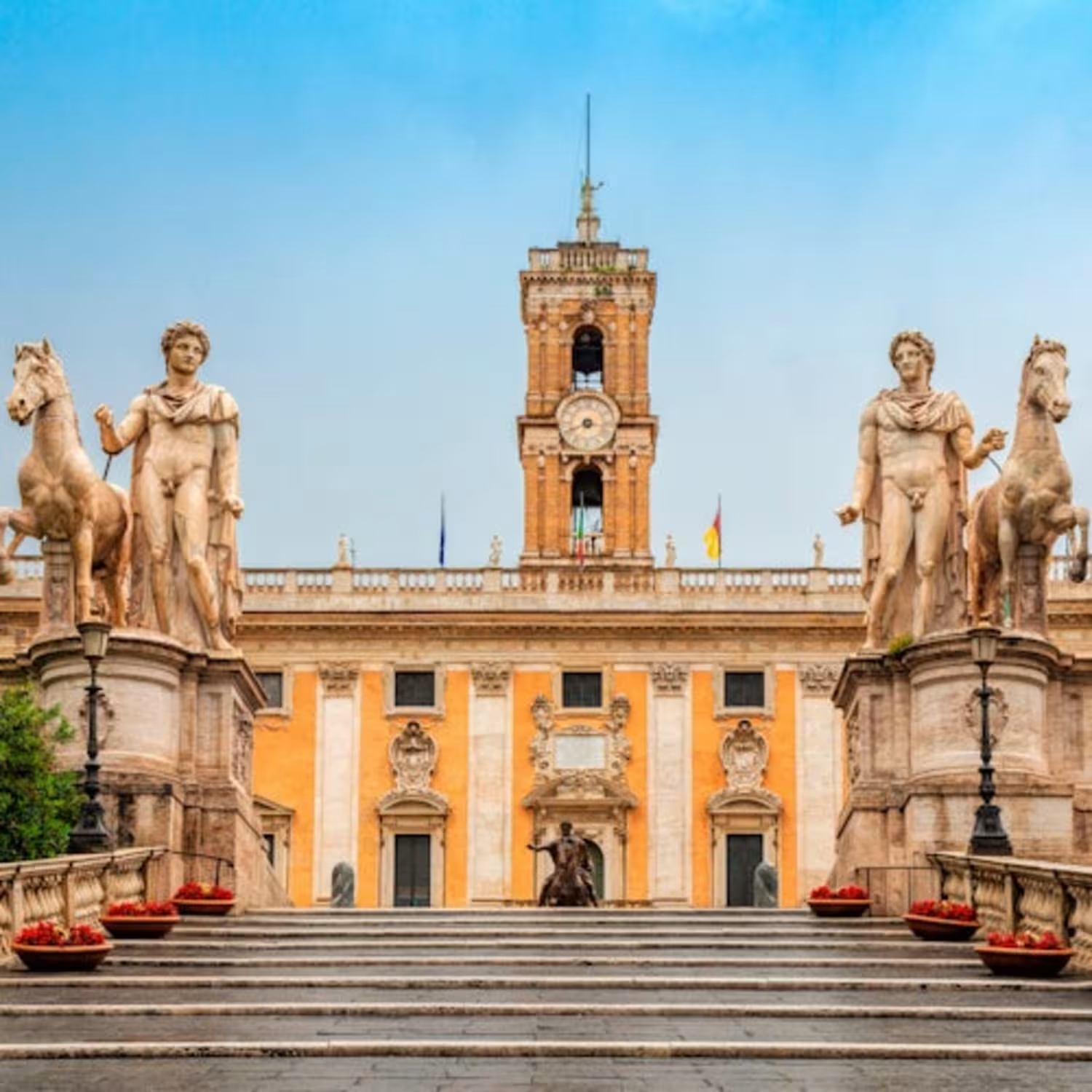
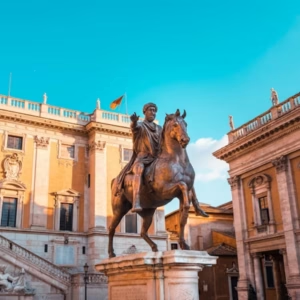
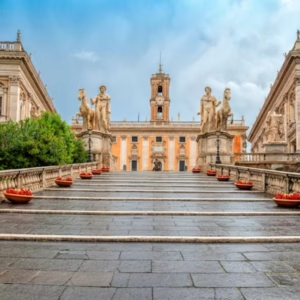
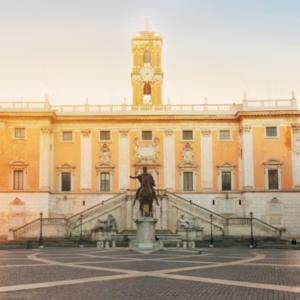
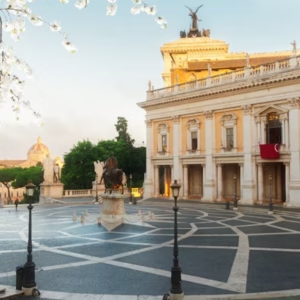
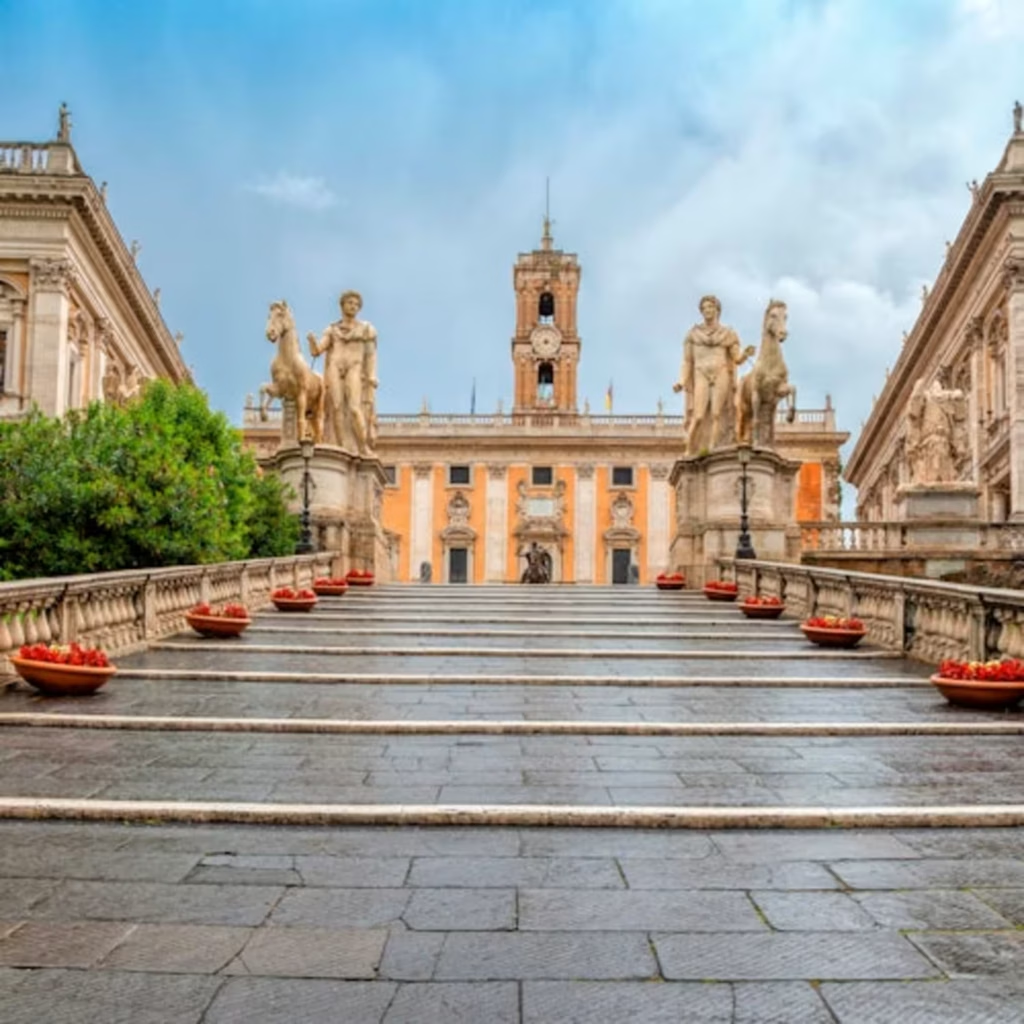
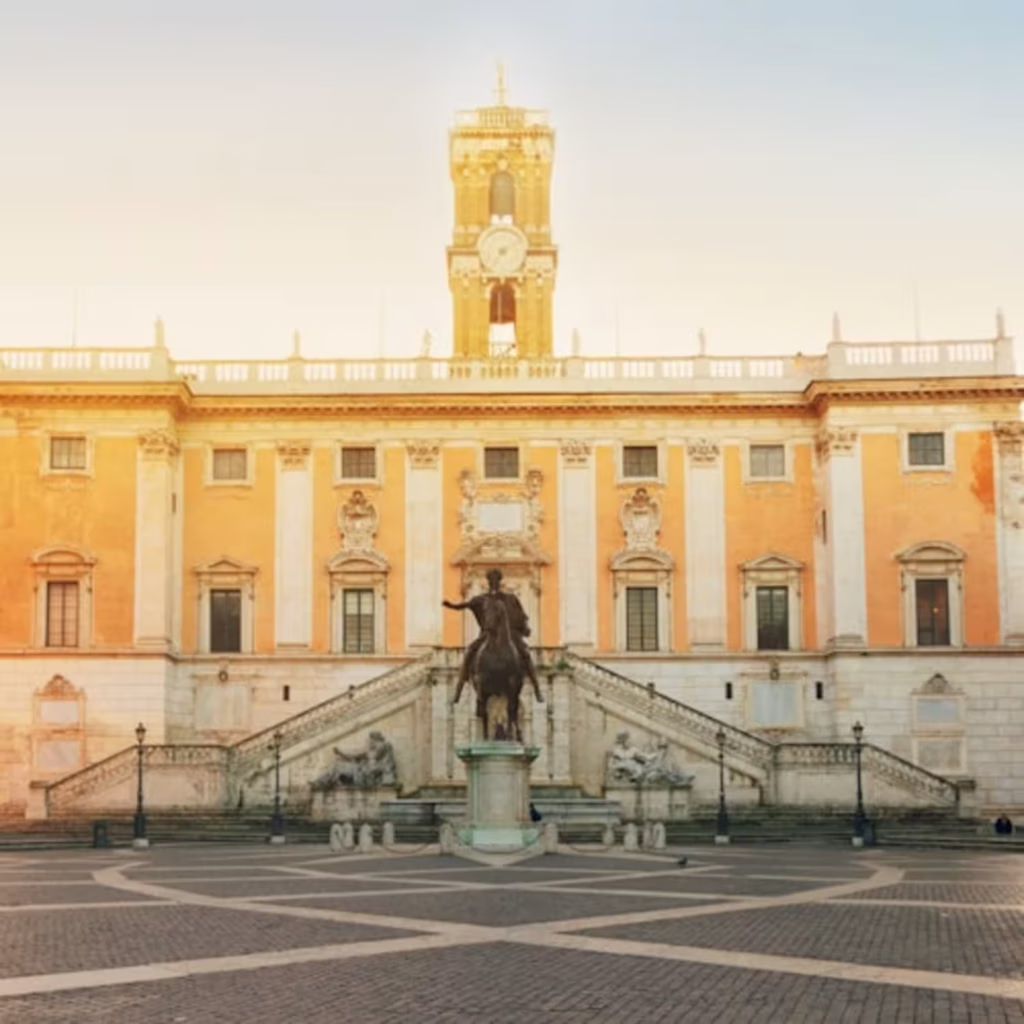
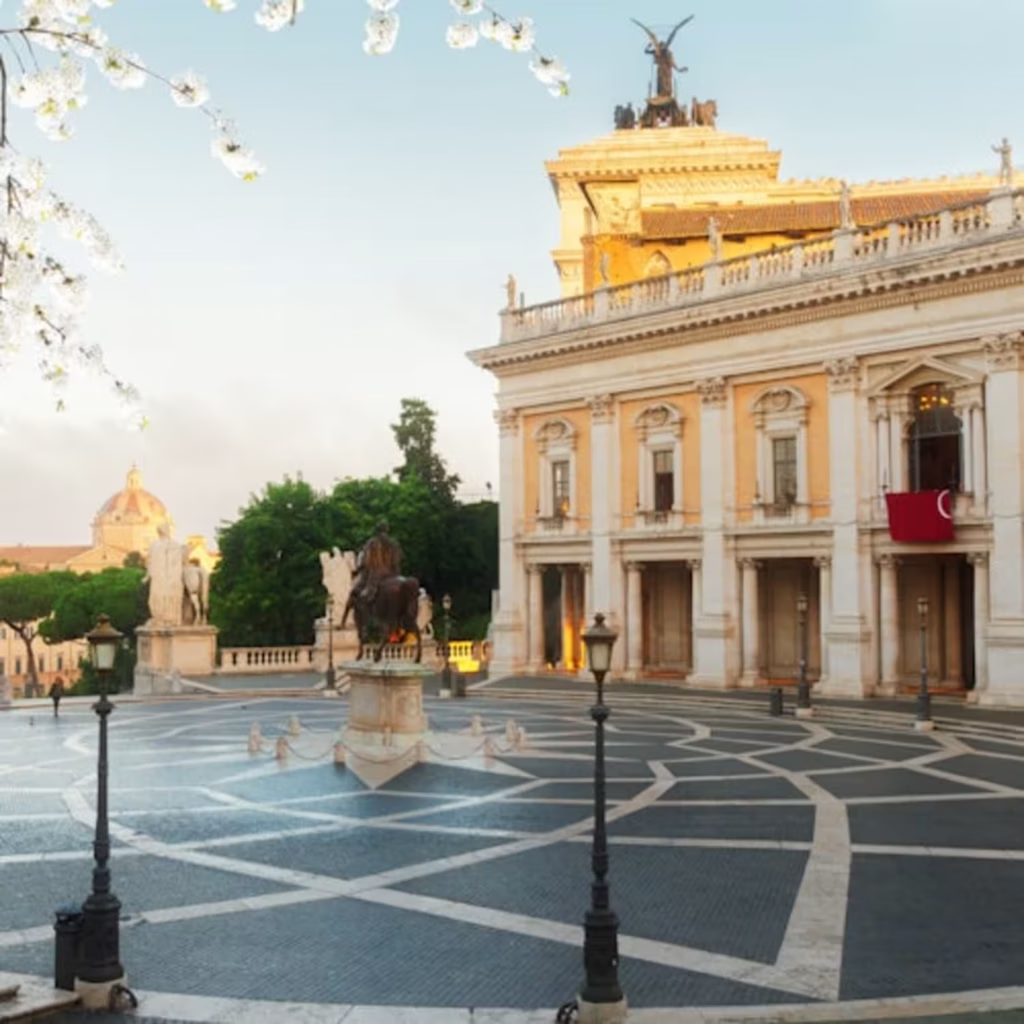
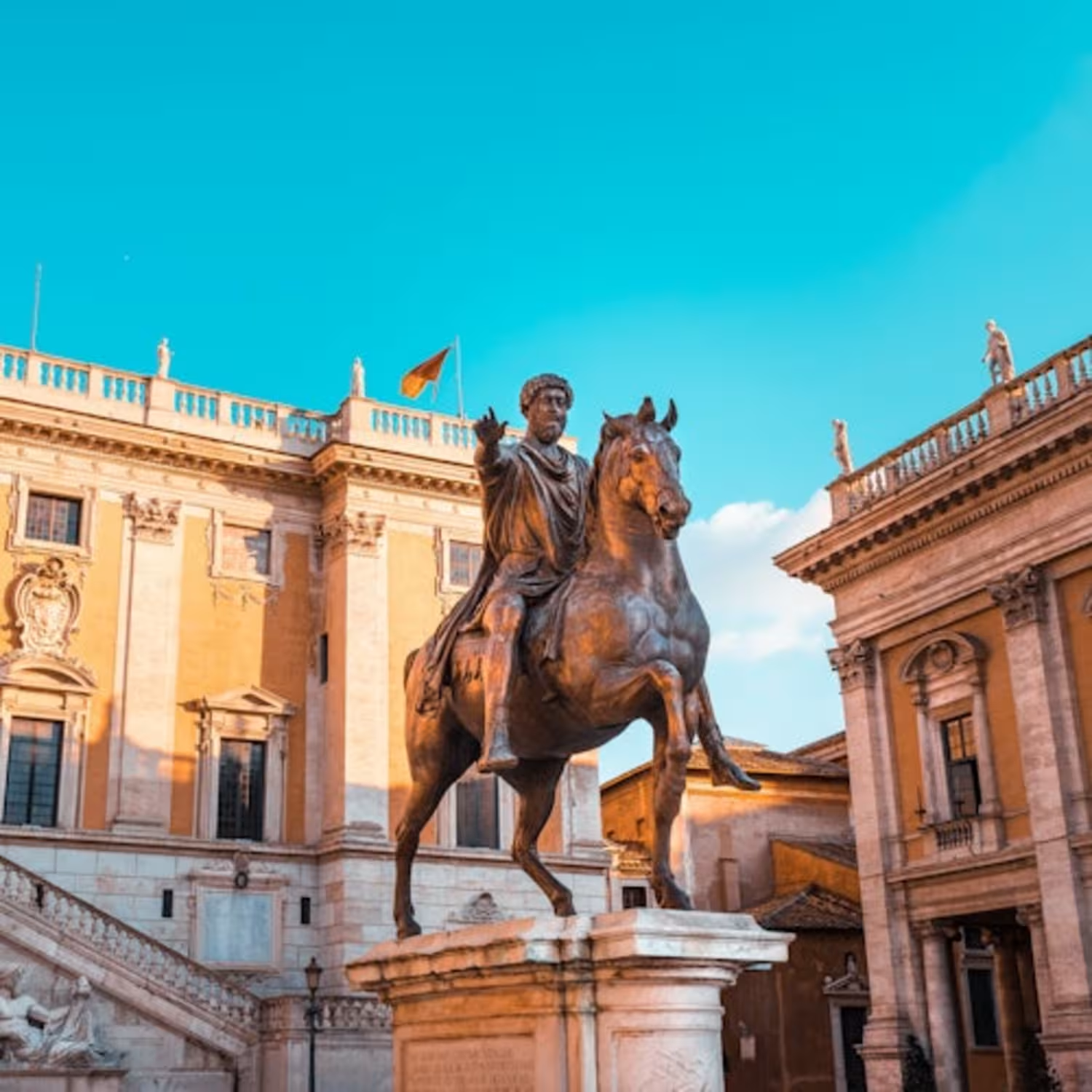
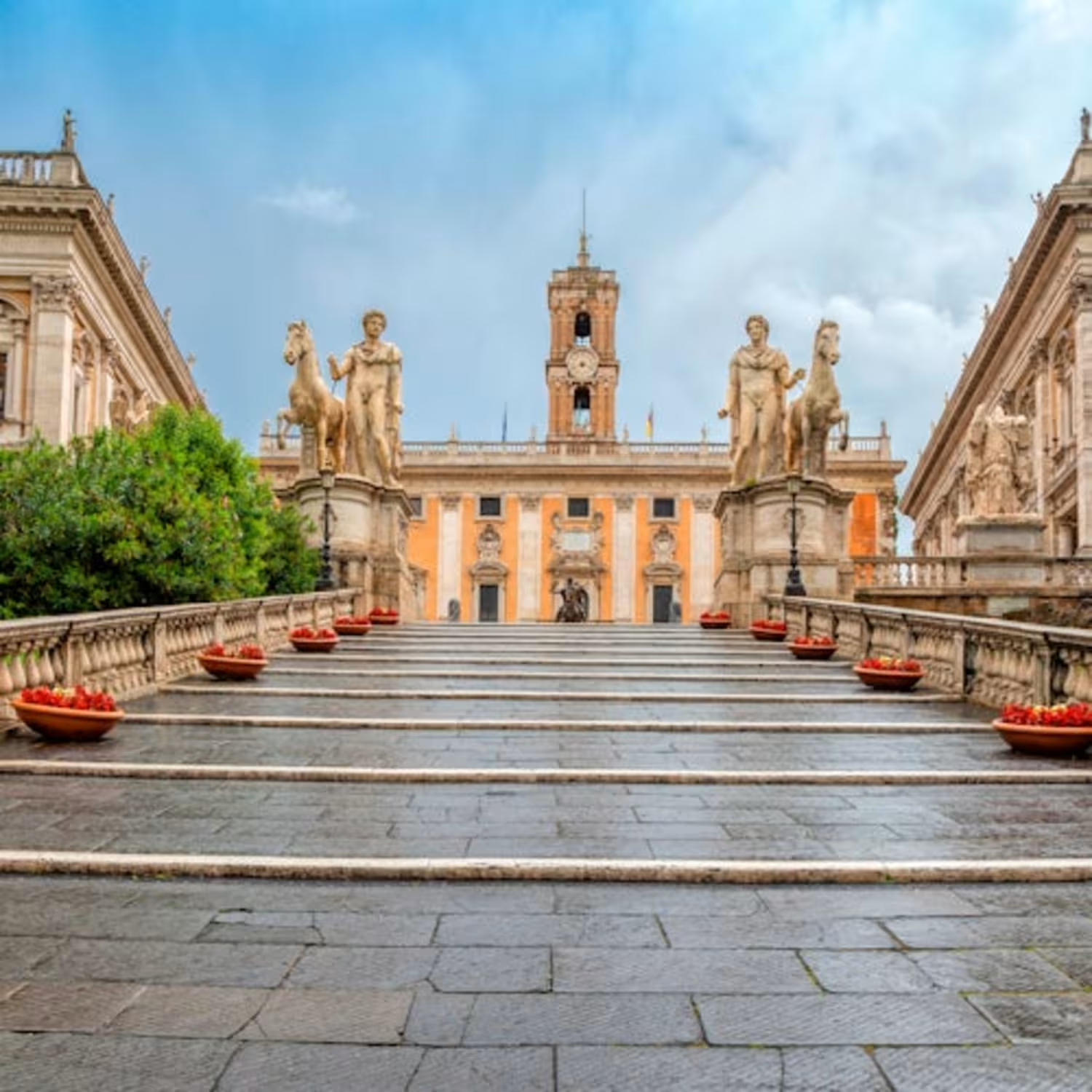
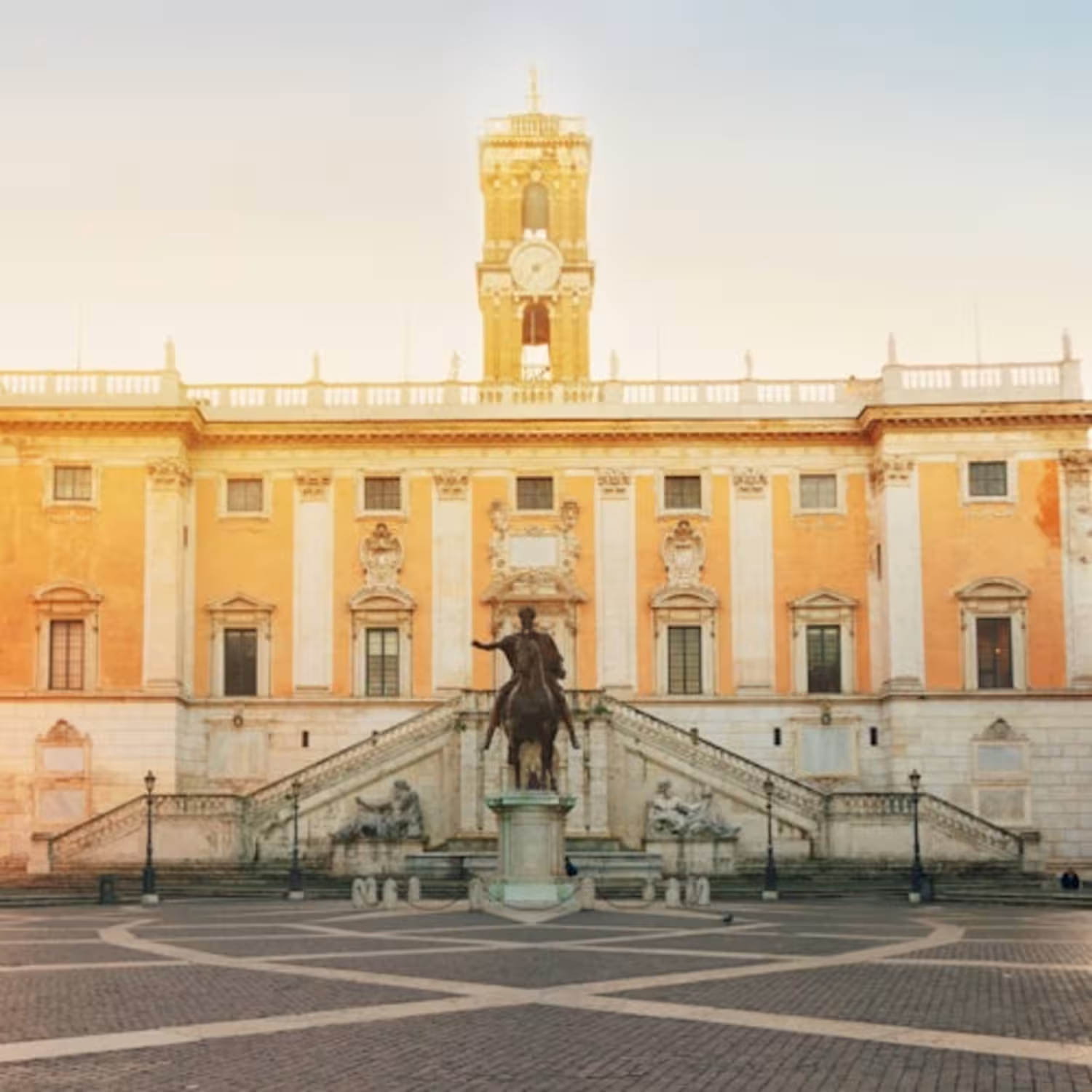
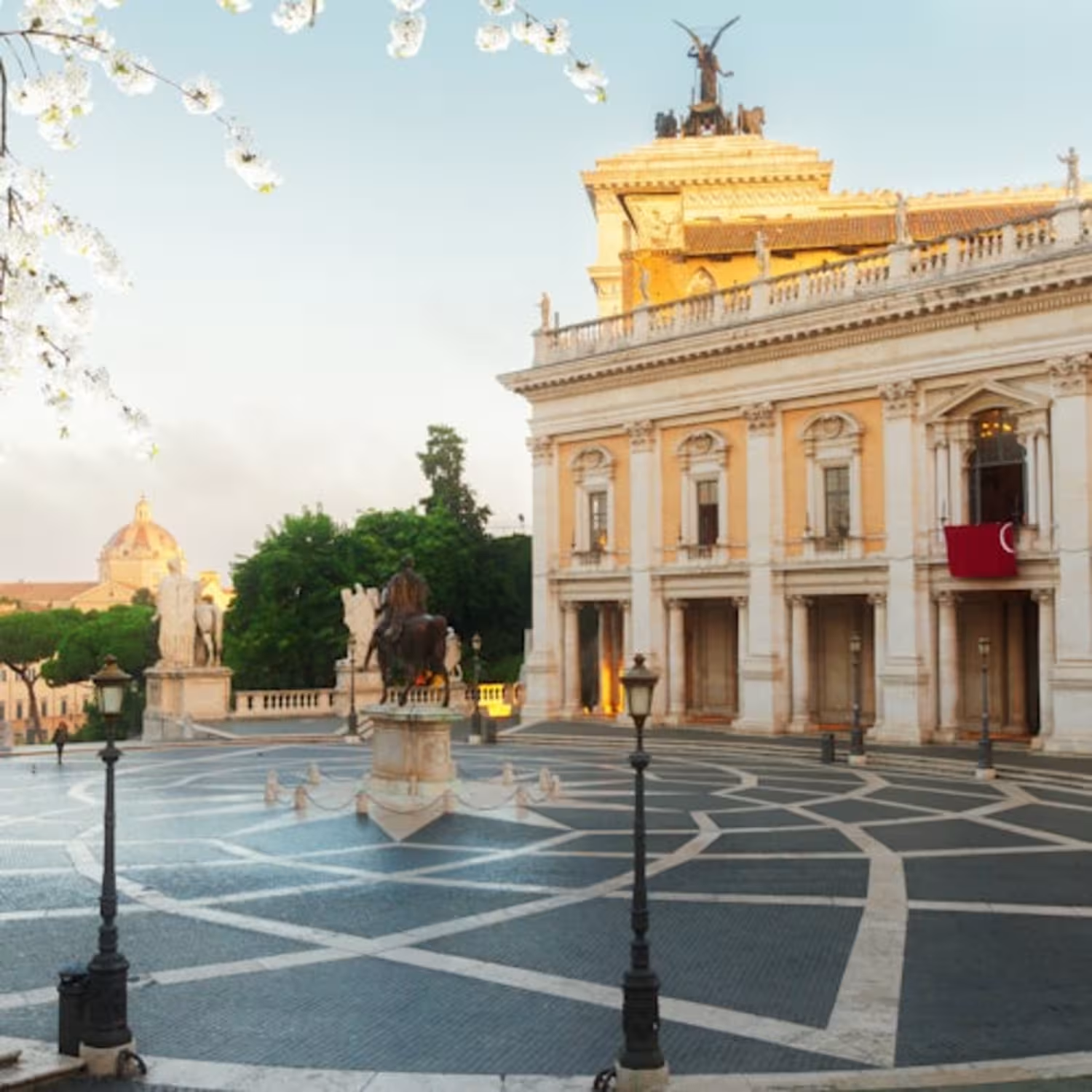
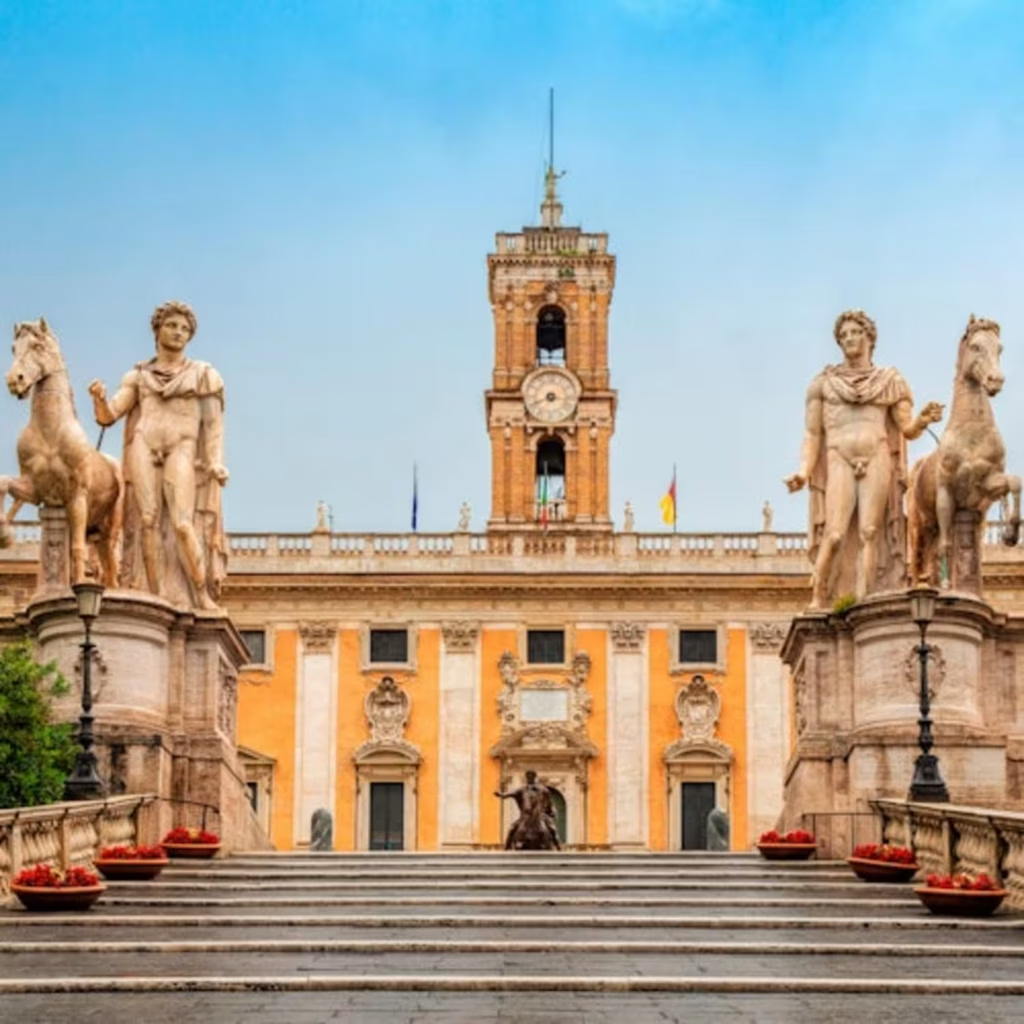
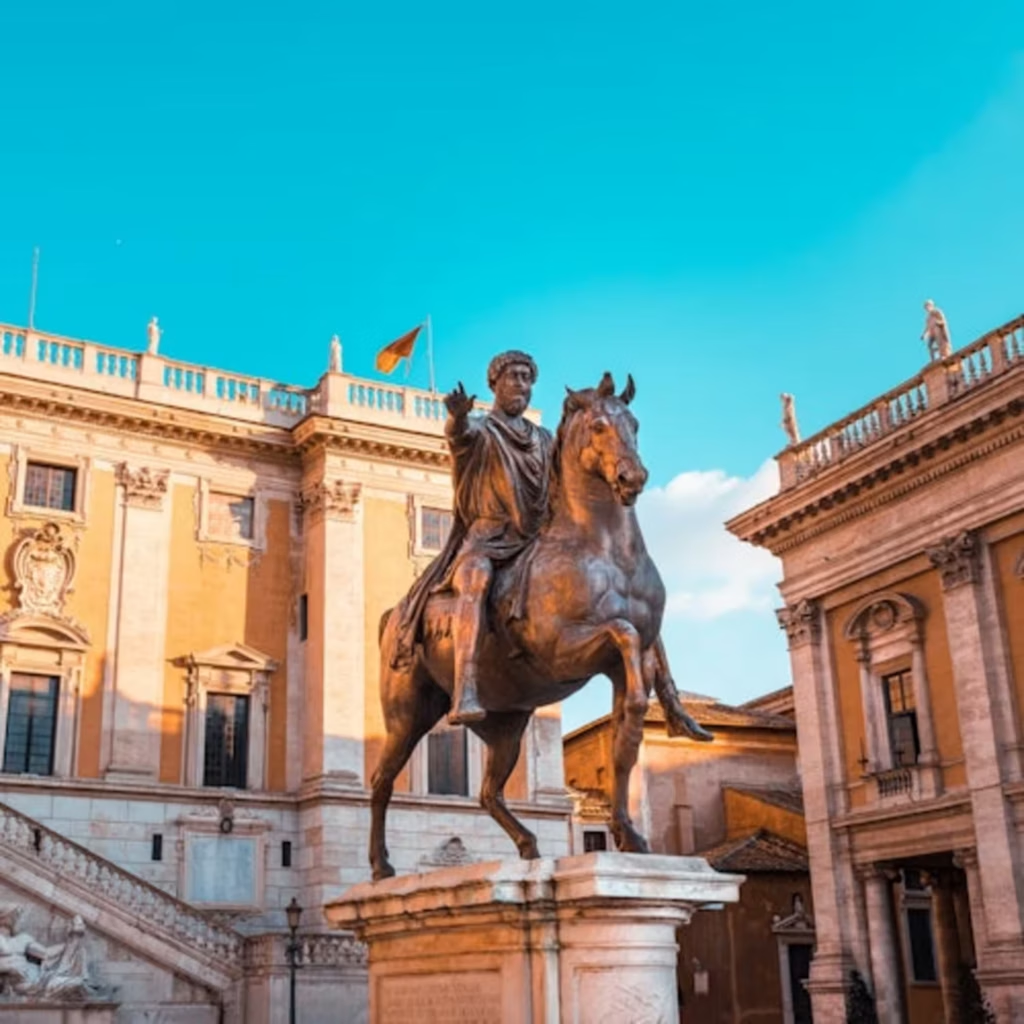
Piazza del Campidoglio and the facades above the Tabularium

By the Middle Ages the building had stopped being an archive and become a stronghold. The arches of the gallery were walled up to turn the structure into a fort, and the Palazzo Senatorio went up on the old upper storeys, which is why Rome's city hall still stands on a Republican foundation today.

That reuse is why any of it is here. A Roman public building left alone on a hill in the centre of the city would have been quarried for its stone within a few generations. Being useful kept it standing, first as a fortress and then as the base of somebody else's palace.

Only some arches have been reopened. Enough have to make the gallery readable as the covered walkway it once was, and to let the view back in. The vault they once carried is gone, along with the gabine stone columns and the travertine capitals that held it, so what remains reads as bare structure rather than as finished architecture.

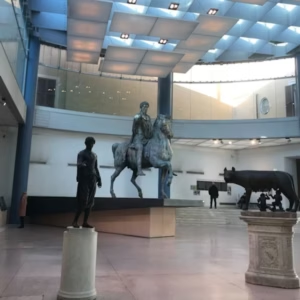
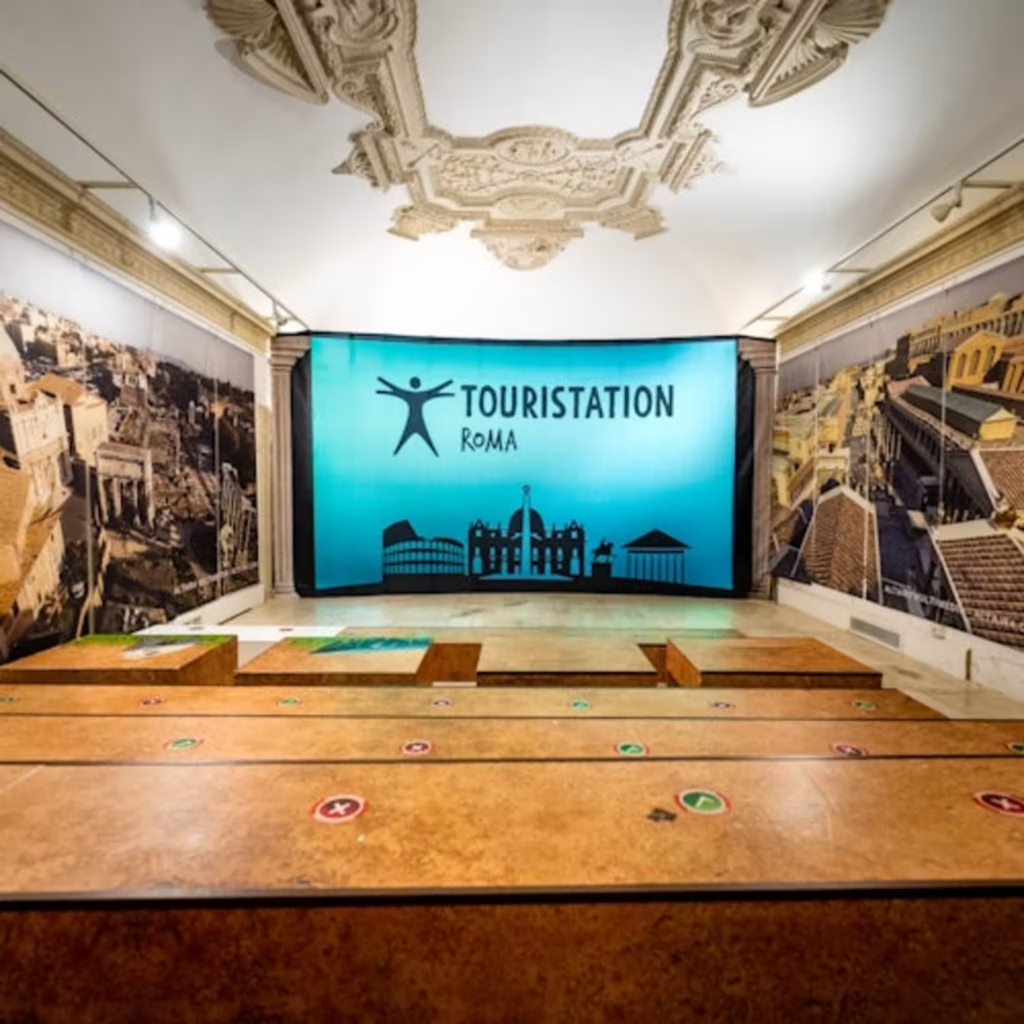
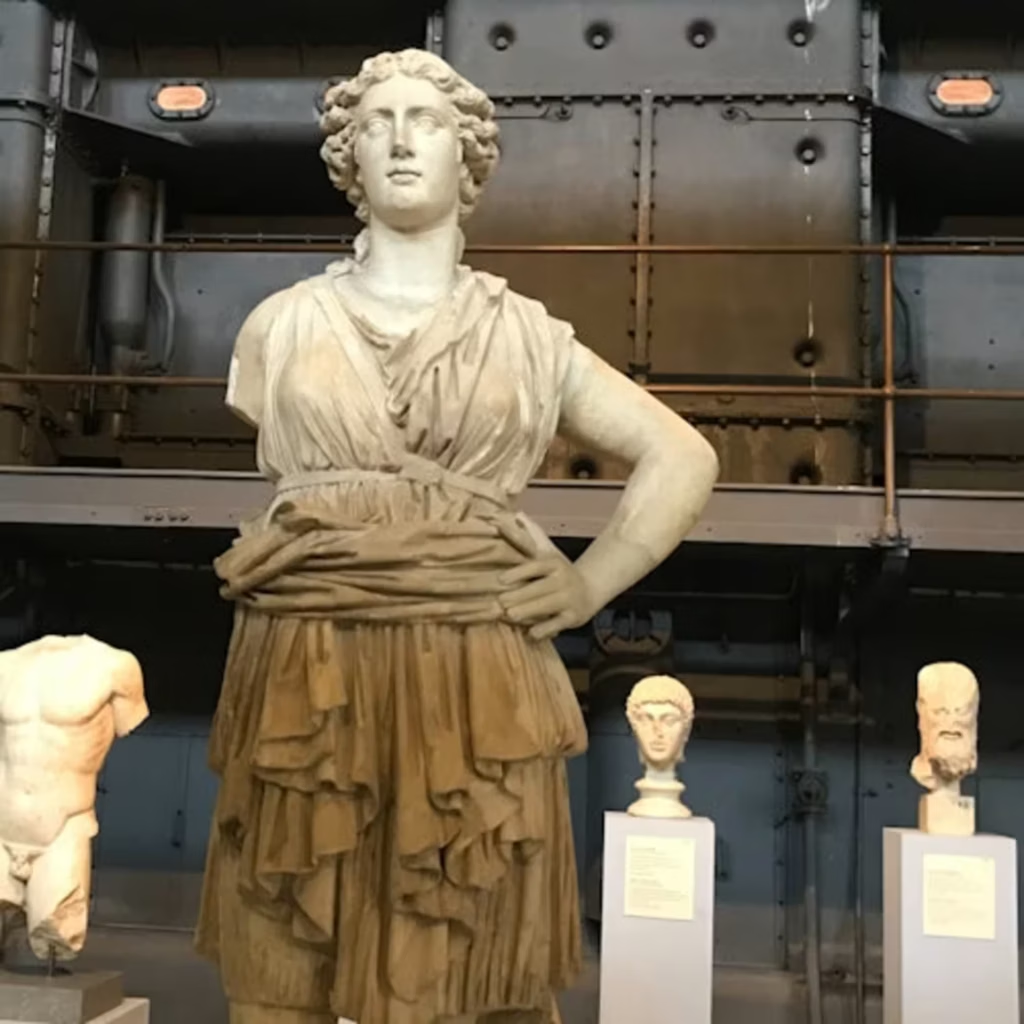
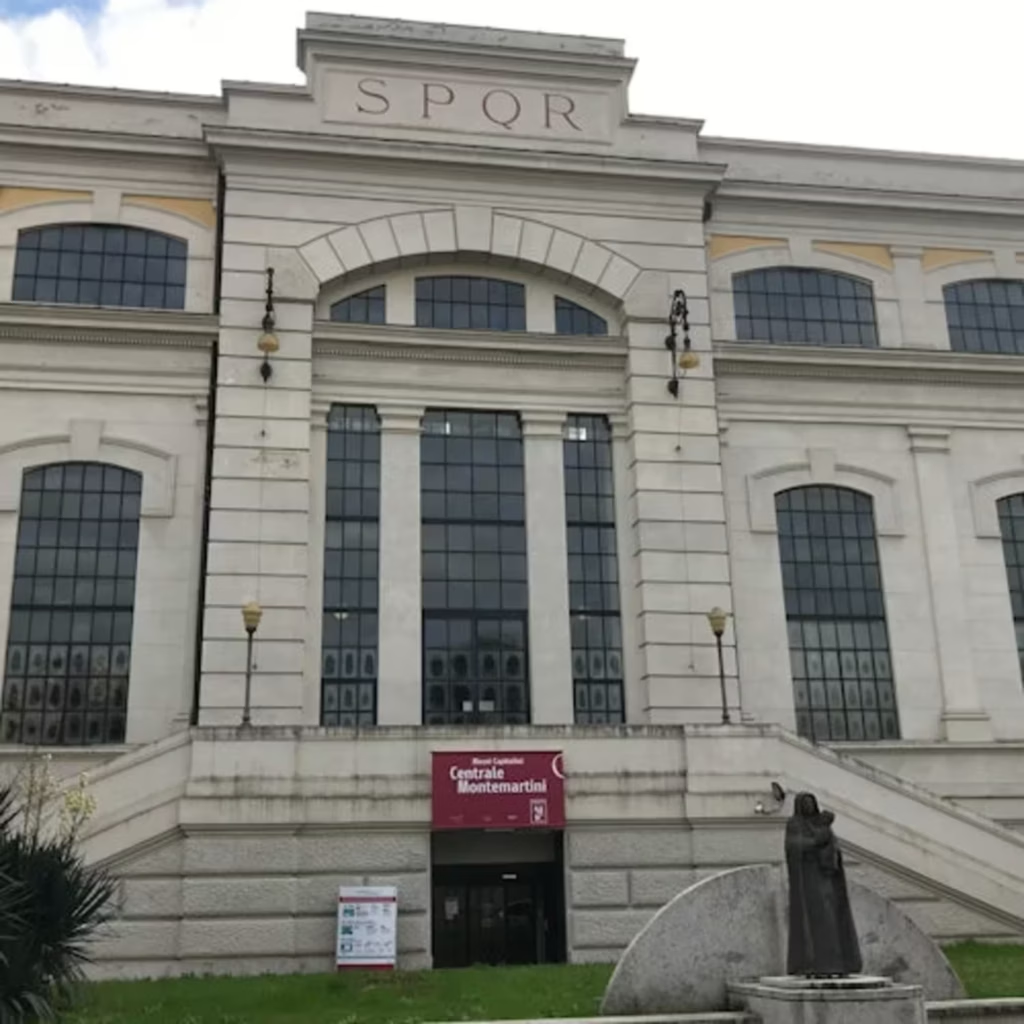
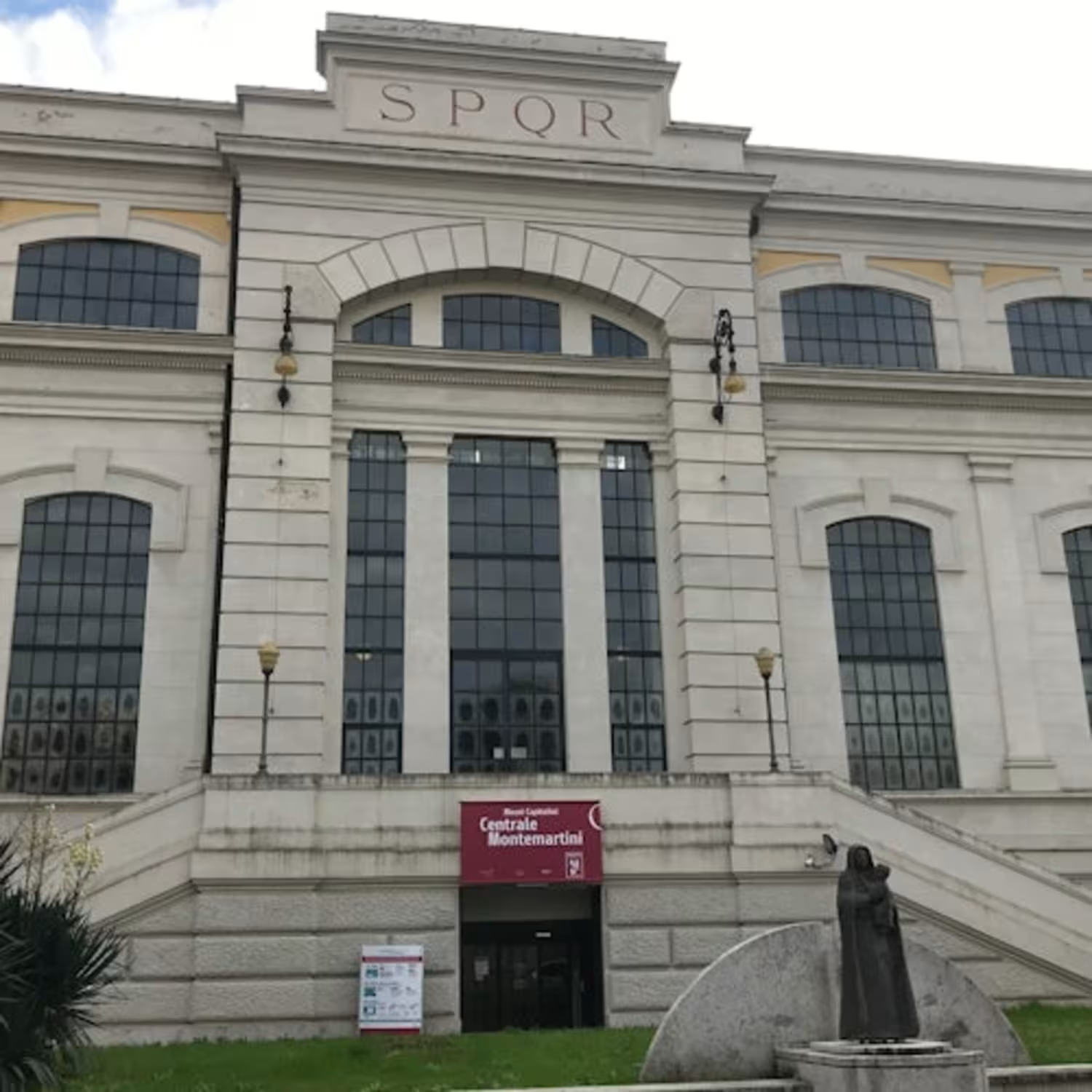
Capitoline Museums and Centrale Montemartini with multimedia video

Highlights

Avoid queues with skip-the-line access to two notable Roman sites.

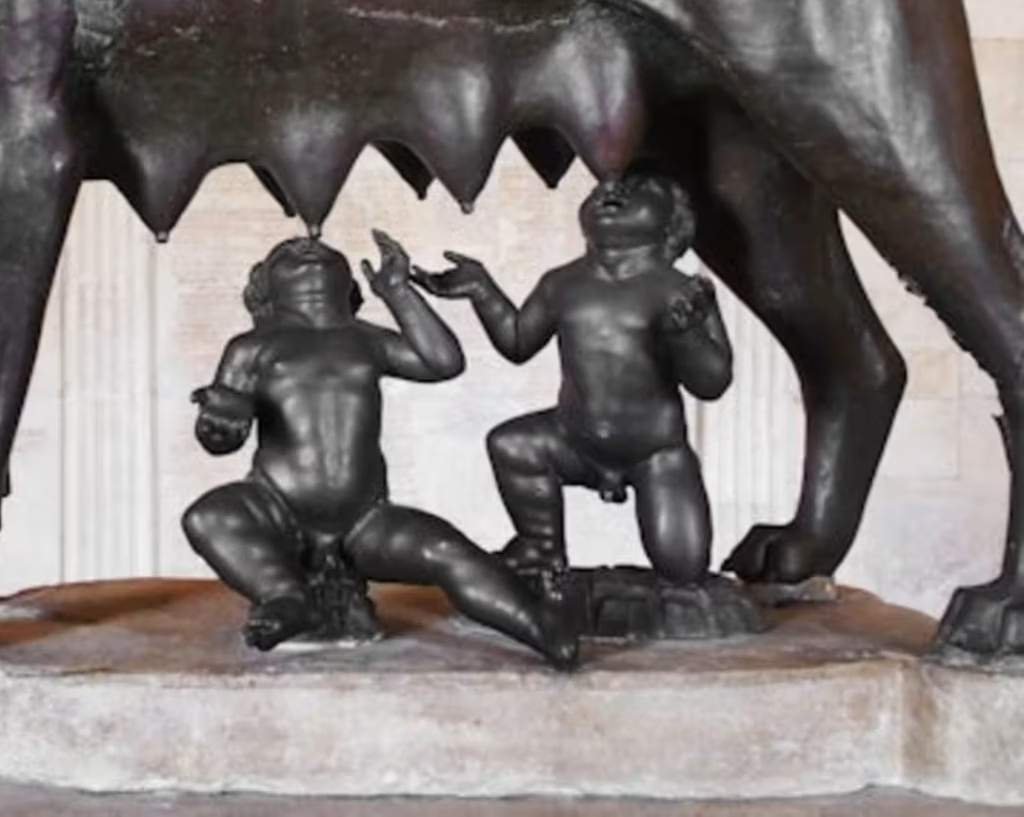
Explore extensive collections of art and artifacts at your own pace.

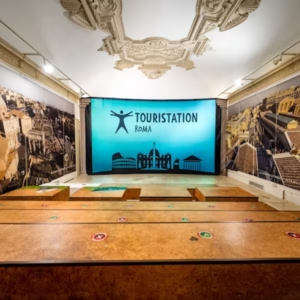
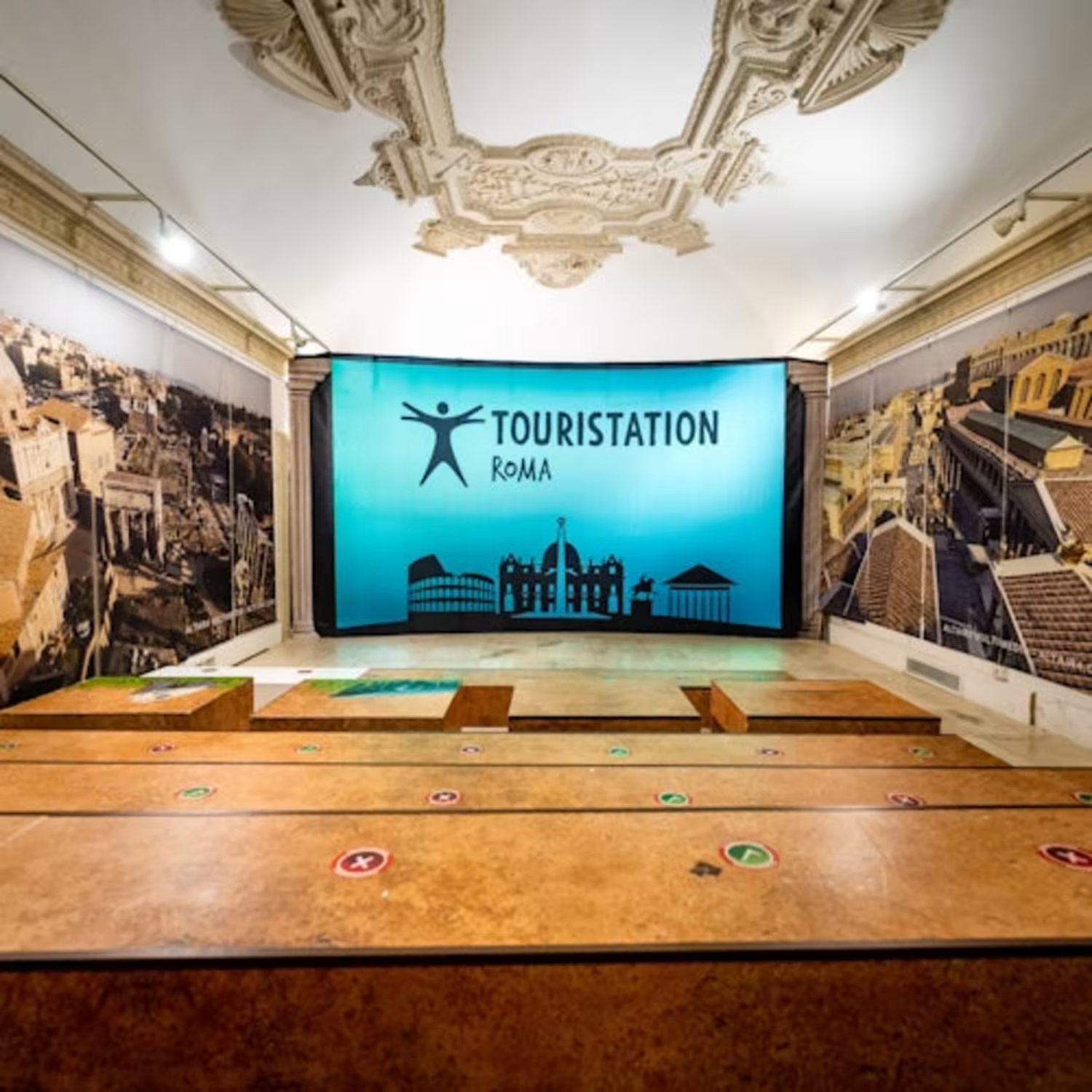
Experience an engaging multimedia video about ancient Rome.

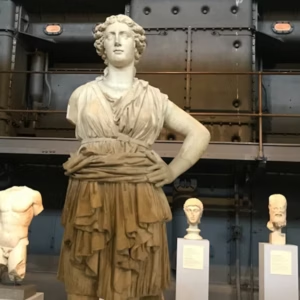
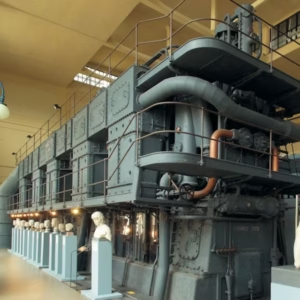
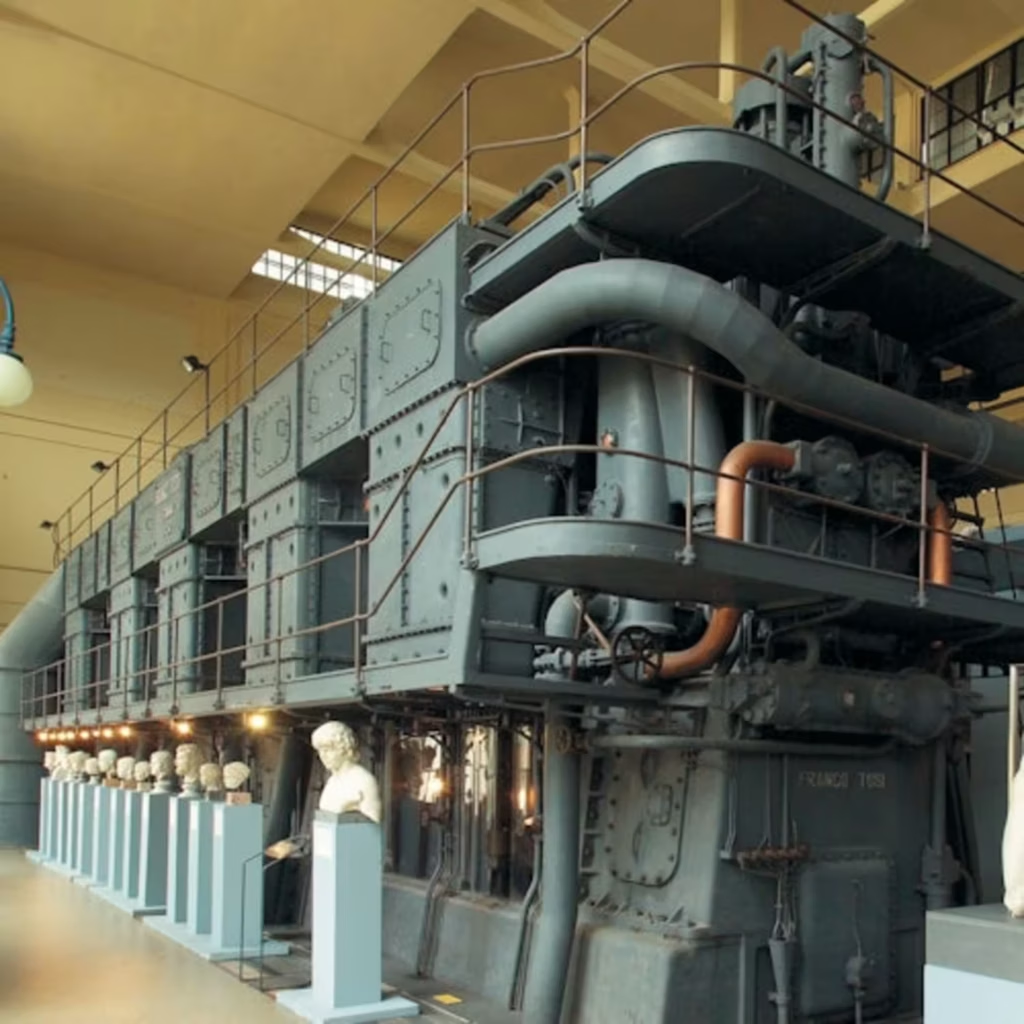
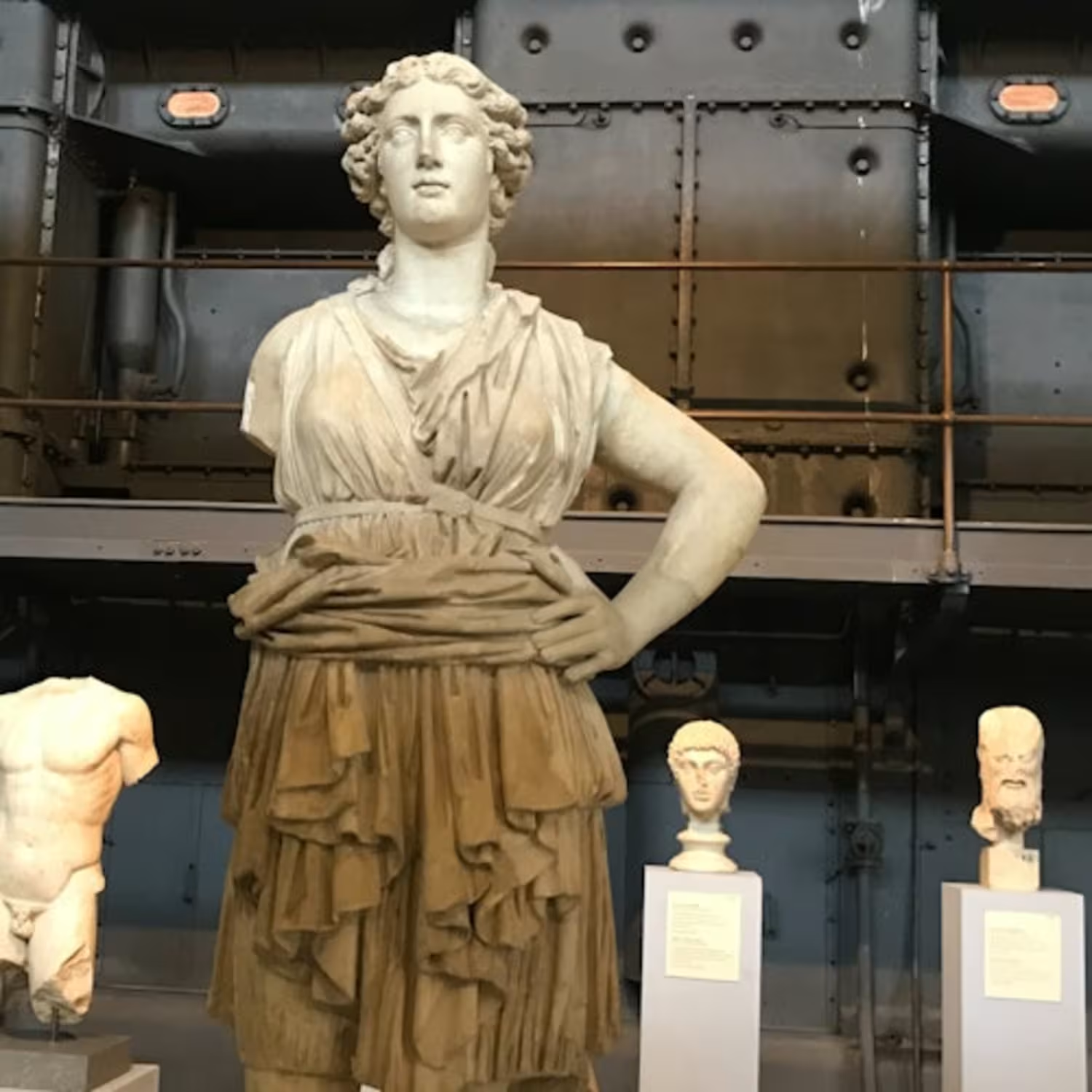
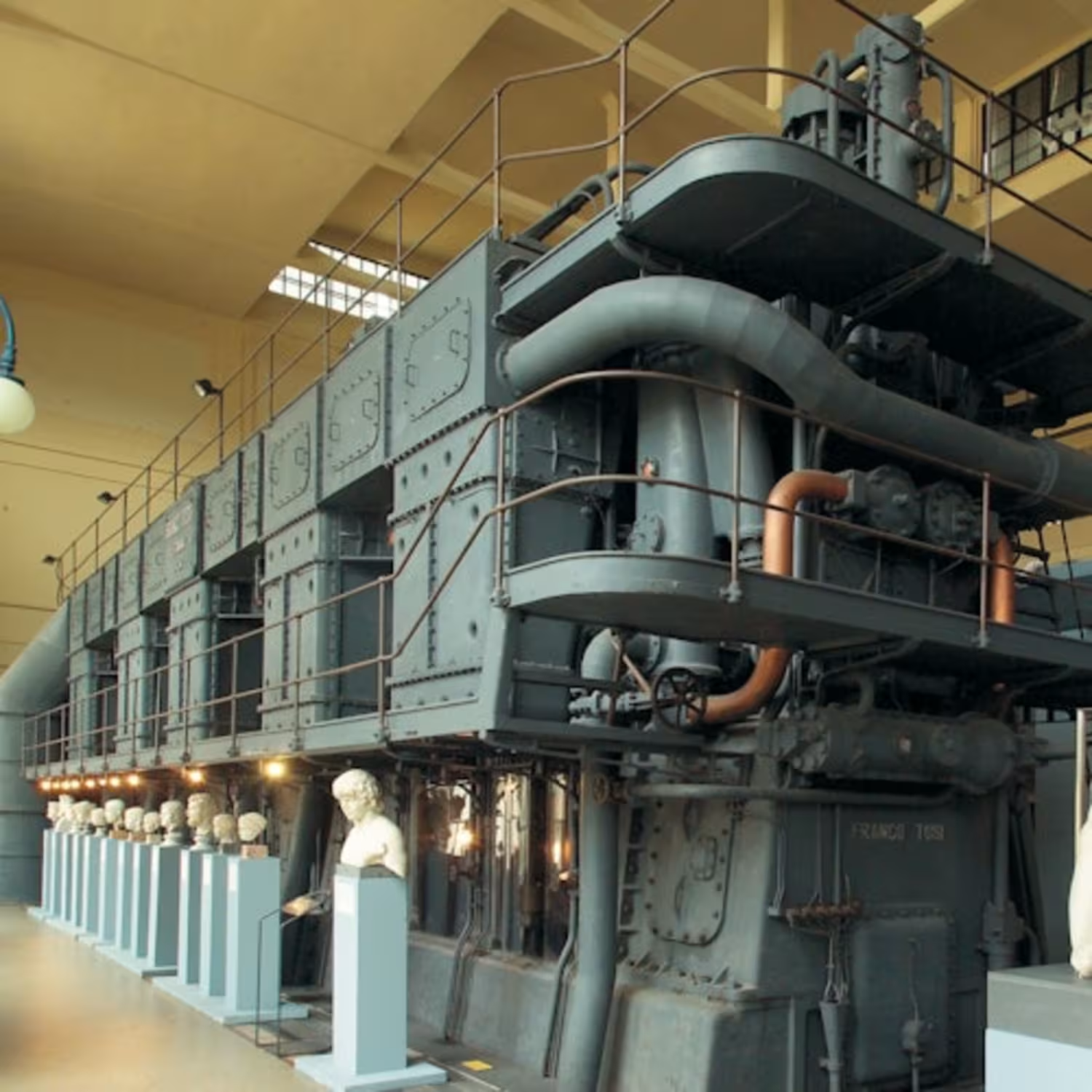
Visit the Centrale Montemartini’s display of classical sculptures within an industrial setting.

Receive customer assistance at the Touristation Aracoeli office.
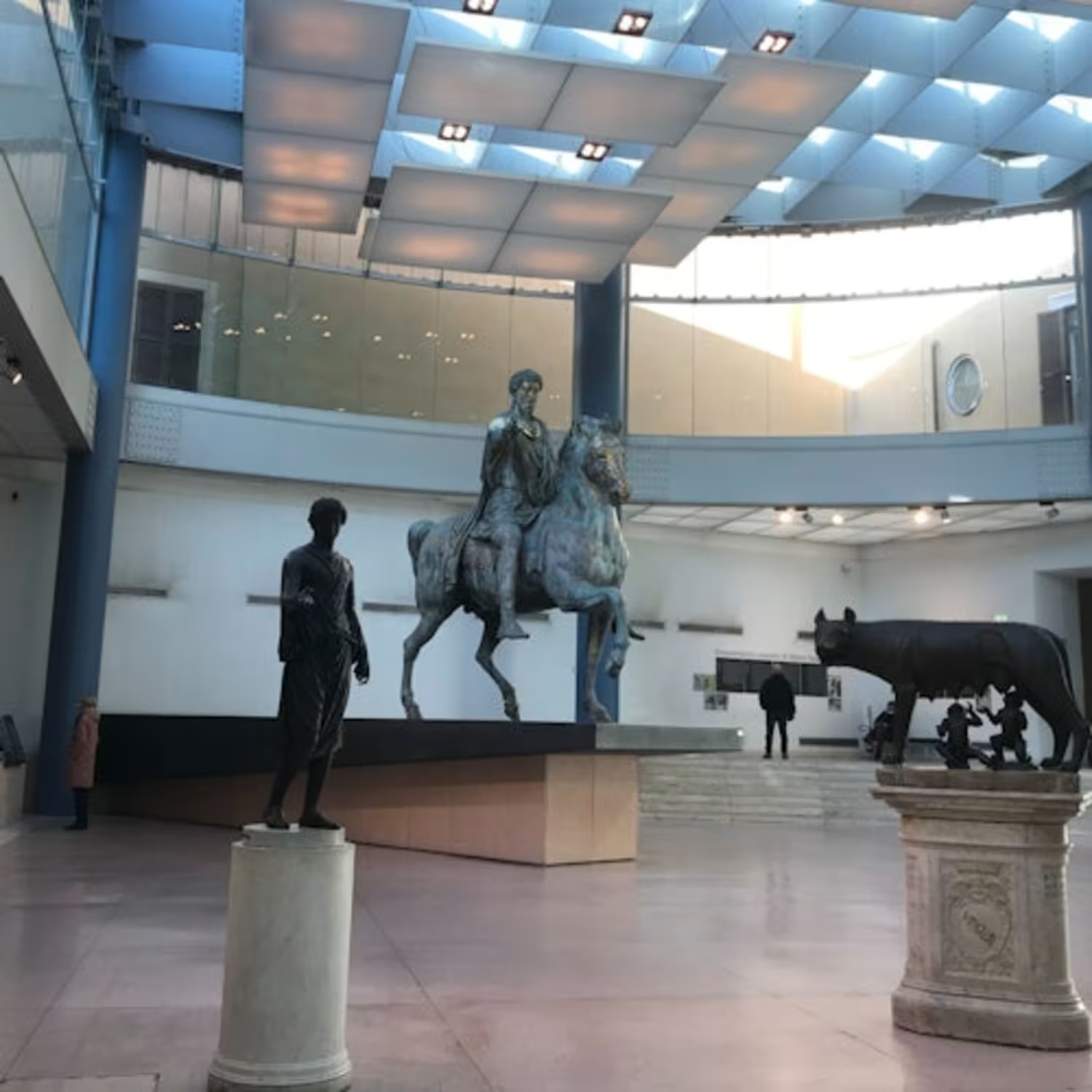
Museum of the Roman Empire (Capitoline Museum) + Multimedia Experience of Ancient Rome

Highlights

Gain expedited access to the Capitoline Museums without waiting in lines.

Discover exclusive temporary exhibits included in your visit.

Watch a captivating multimedia presentation about Ancient Rome.

Receive assistance at the designated Touristation Aracoeli office.
Benefit from a downloadable audio guide app focused on Rome.
Walk It on the Way Between the Two Palaces

Most people pass through the Tabularium without stopping, because it sits on the route between the Palazzo dei Conservatori and the Palazzo Nuovo. It is worth slowing down at the arches: this is the oldest thing on the hill and the only part of the visit that is architecture rather than collection.

Frequently Asked Questions About the Tabularium

What was the Tabularium used for?

It held the public records of the Roman state: laws, treaties, deeds and decrees of the Senate, inscribed on bronze tablets. The archive rooms were on the upper floors, which no longer exist.

When was the Tabularium built, and by whom?

In 78 BC, by Quintus Lutatius Catulus during his consulate, as part of the public works that followed a fire on the Capitoline a few years earlier.

Can you visit the Tabularium?

Yes. It sits on the standard route between the two main palaces, so a normal museum ticket covers it. There is no separate entrance from the Forum.

What can you see from the Tabularium?

Its gallery looks out over the Roman Forum, with the Palatine Hill and the Colosseum behind. The arches frame the view, which is why this is the most photographed spot in the museums.

What is the Temple of Veiovis?

A temple to Veiovis, a youthful underworld counterpart to Jupiter, consecrated in 196 BC and dedicated in 192 BC. Its remains sit beside the Tabularium under the Palazzo Senatorio and were only rediscovered in 1939.

Why was the Tabularium walled up?

Its arches were blocked in the Middle Ages when it was converted into a fortress, and the Palazzo Senatorio was built over the upper storeys. Only part of the arcade has since been reopened.

Is it certain the Tabularium was an archive?

Not entirely. The identification comes from an inscription that has been lost for centuries, and some archaeologists read the building as the substructure of a large temple instead. Roman military documents from the 80s AD do refer to a Tabularium in use, which is the main argument for the traditional name.

How big is the Tabularium gallery?

The surviving corridor runs about 67 metres and stands roughly 15 metres above the level of the Forum, with eleven arched spans along its length.

This website sells official tickets for this venue. Please note, however, that it is not the official website of the venue.

The images and videos on this website may contain visual elements that have been created or enhanced using AI technology. They are provided for illustrative purposes only.