We are processing your request.
Please, don’t close or refresh the page.
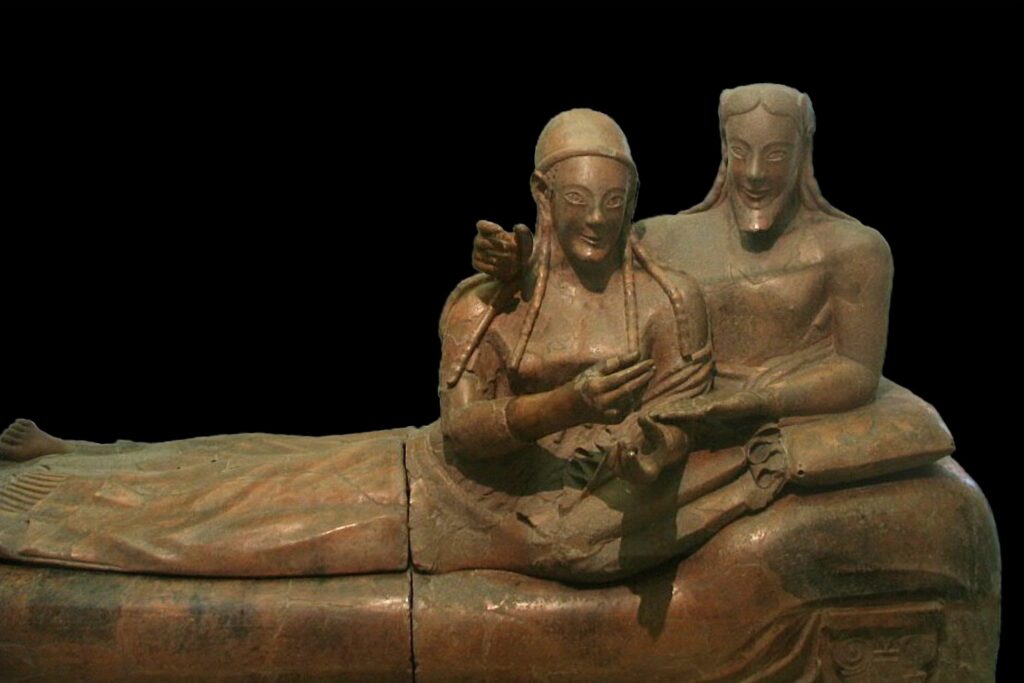
The Sarcophagus of the Spouses at the National Etruscan Museum of Villa Giulia

Plan Your Visit to the Villa Giulia Etruscan Museum

Time needed
About 2 hours
Opens
8:30 AM, Tue to Sun
Cloakroom
Yes
Café
In the gardens

Your visit in three lines

Go Tuesday to Sunday from 8:30 AM, with last entry at 6:30 PM. Enter from Piazzale di Villa Giulia on the edge of Villa Borghese. Allow around two hours for the rooms and gardens.

The museum holds the world's most important collection of Etruscan art, gathered mainly from southern Etruria, the area north of Rome. It is housed in a Renaissance villa, so the building and its gardens are part of the experience.

How the museum is laid out

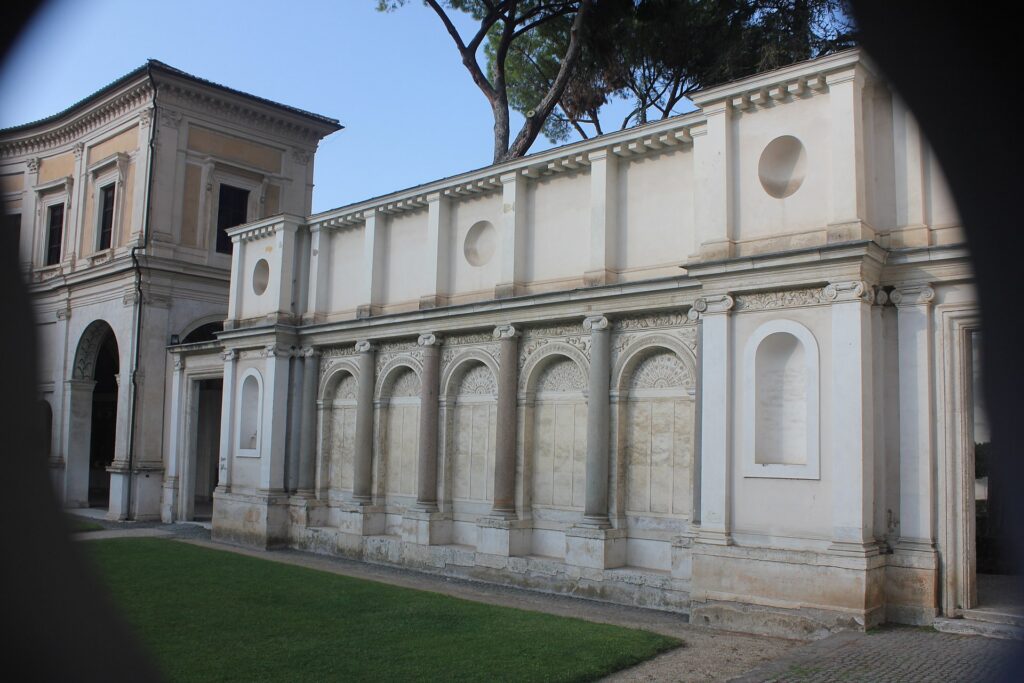
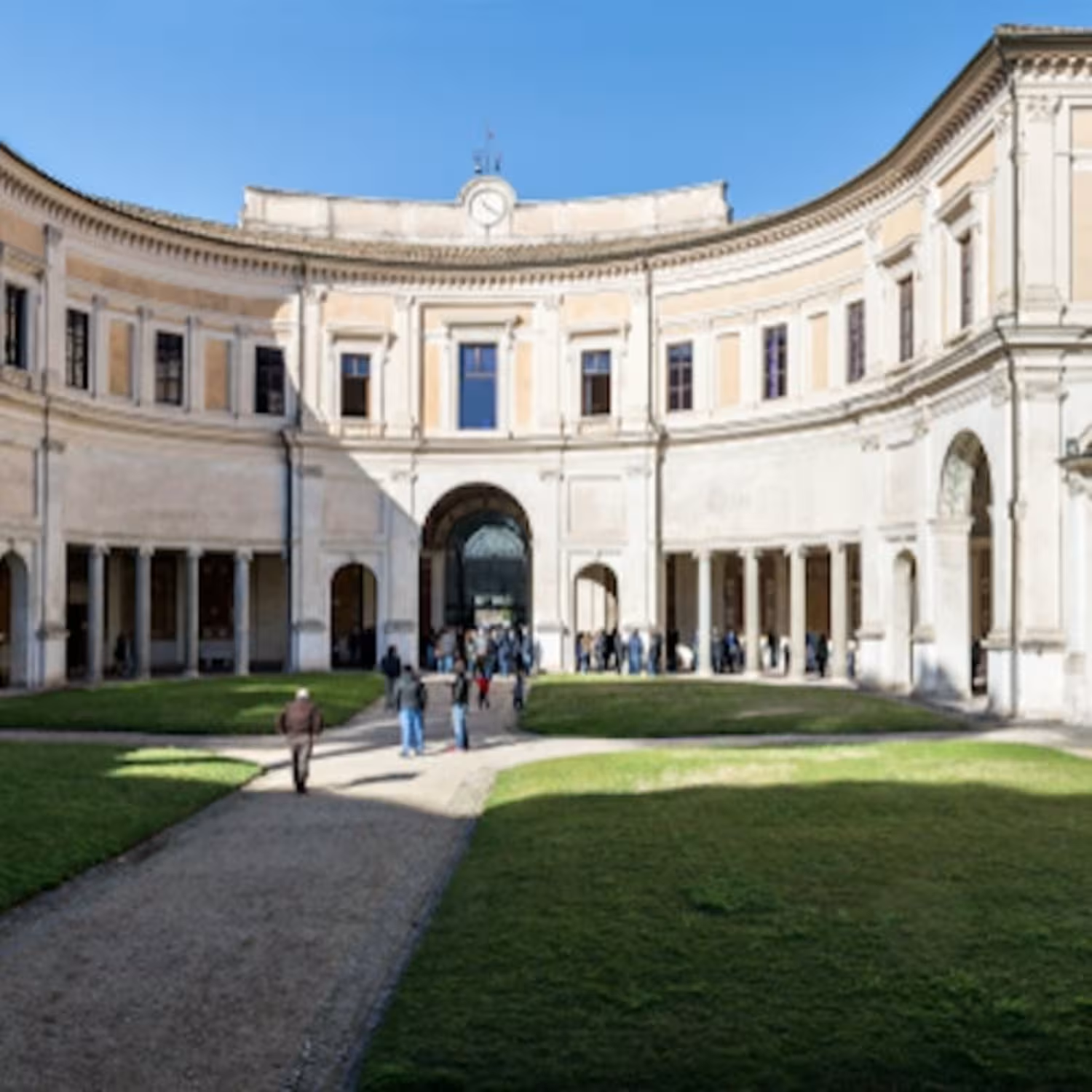
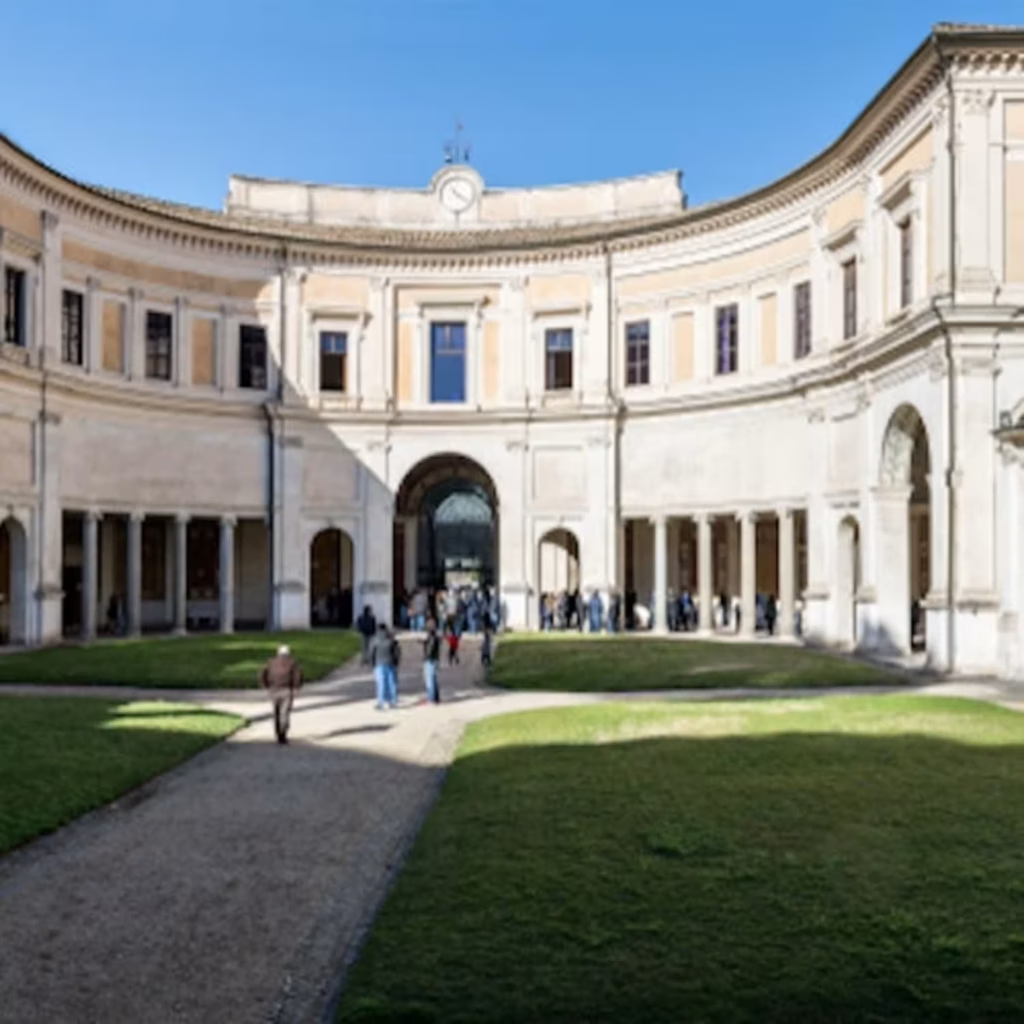
Villa Giulia, home of the National Etruscan Museum

Galleries run around the villa's courtyards, arranged by the ancient cities and sanctuaries where the objects were found. The route moves from tombs and everyday objects to temple sculpture and fine jewellery.

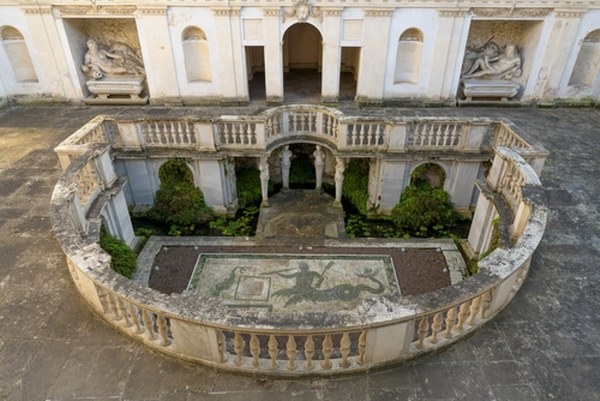
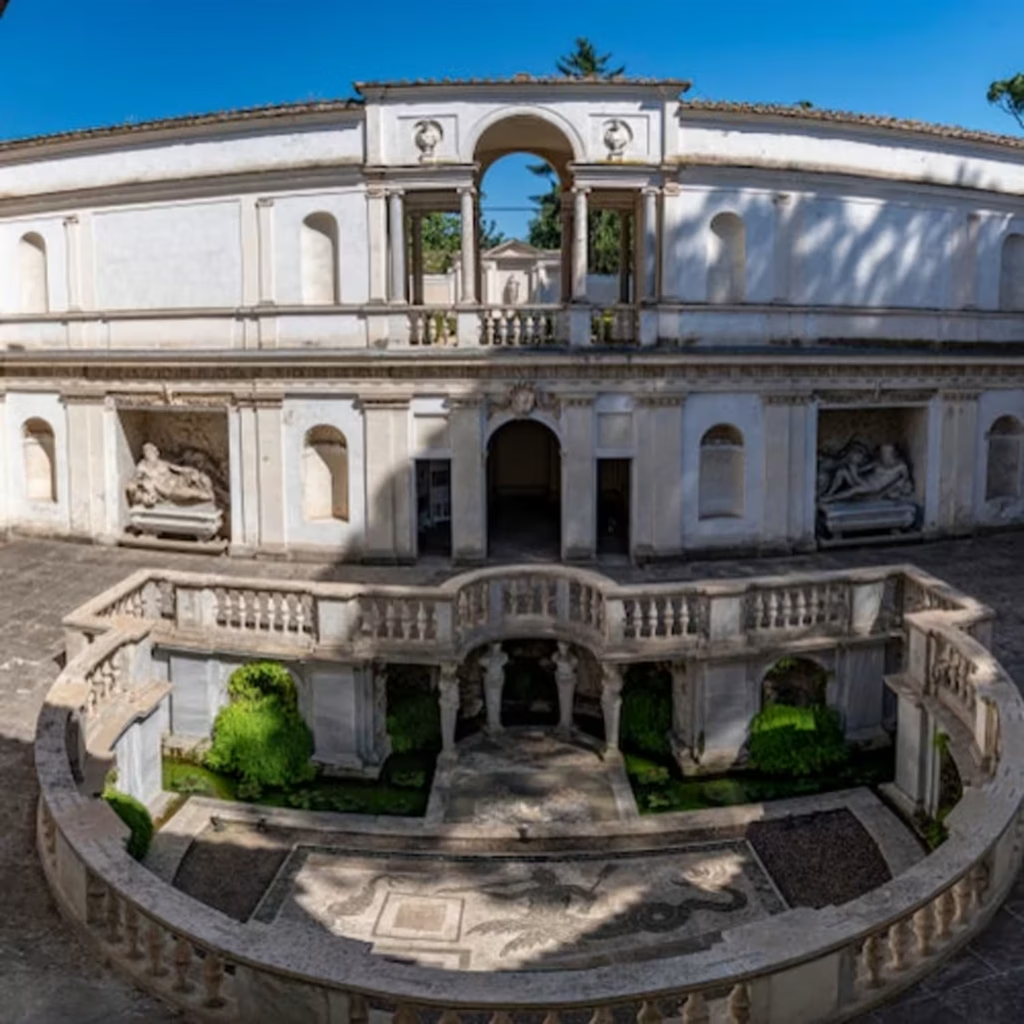
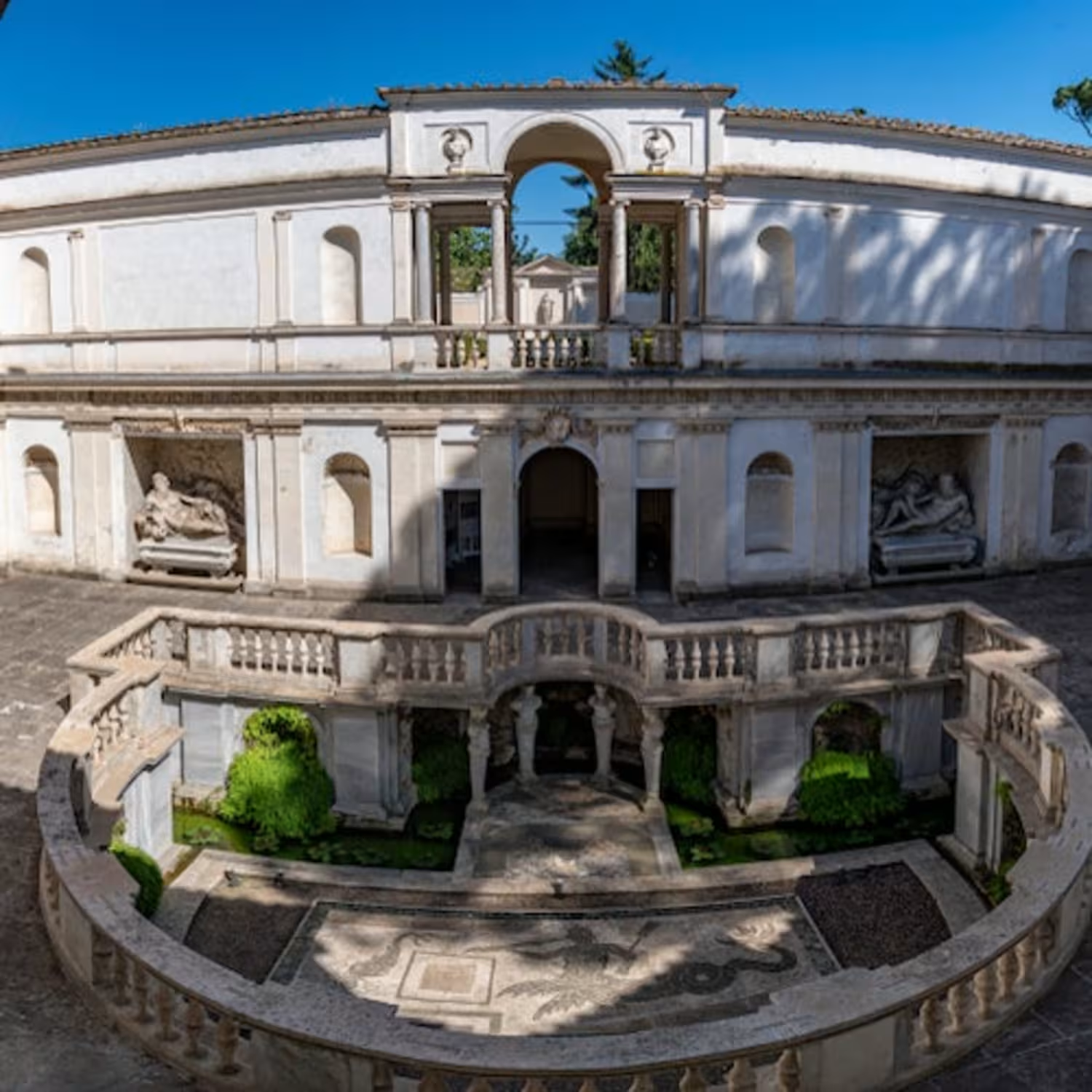
At the heart of the villa, the sunken nymphaeum with its fountains is a highlight in its own right. The gardens also hold a reconstruction of an Etruscan temple, which helps you picture how the painted terracotta decorations once looked on a real building.

Itineraries for every schedule

1

One hour

The Sarcophagus of the Spouses, the Apollo of Veii and the nymphaeum, then a quick look at the temple reconstruction.

2

Two hours

Add the rooms of the great Etruscan cities, the Pyrgi gold tablets and the jewellery collection.

3

Half day

See every gallery at a calm pace, enjoy the gardens and take a break at the café before heading into Villa Borghese.

Which ticket to choose

A standard ticket covers the museum and its gardens. Some options include a reserved time slot, which helps on Sundays and holidays when the ticket desk is busier.

Audio guides can be rented on site, and guided tours for individuals and groups are booked in advance. A guide brings the Etruscan stories to life, especially for first time visitors.

Before you go

✓
Check the day Closed on Mondays, 25 December and 1 January.
✓
Arrive by 6:30 PM Last entry is an hour before closing.
✓
Use the cloakroom Leave larger bags before you start.
✓
Plan holiday Mondays The closure can move to Tuesday.
✓
Download the itinerary An izi.TRAVEL route covers the highlights.
✓
Wear comfortable shoes Garden paths can be uneven.

Bags, cloakroom and house rules

A cloakroom is available at the entrance, so leave large bags and umbrellas there before visiting the galleries. Follow staff guidance on photography, especially around loaned works and temporary displays.

Food is best kept for the café or a picnic later in Villa Borghese. Room assistants can help with directions and answer questions about the collection.

Services on site

The museum offers a café, a bookshop and a cloakroom. The café is a pleasant stop in the gardens during longer visits.

A LIS sign language video guide can be downloaded or used online, and tactile aids can be arranged for visually impaired visitors. Ask at the entrance about any exhibitions running during your visit, as temporary displays sometimes add rooms to the route.

Accessibility inside the museum

The galleries are accessible through alternative routes and lifts, and wheelchairs can be requested at the entrance. Staff can guide you to the lifts at each level of the villa.

The gardens include gravel and older paving. If you use a wheelchair or walking aid, ask for the best route to the nymphaeum before setting off.

Visiting with children

The Etruscans are a great story for children: warriors, banquets and mysterious writing. Look for the couple reclining on the Sarcophagus of the Spouses and the life size Apollo, then explore the temple model in the garden.

Keep visits with young children short and finish in Villa Borghese, where the Bioparco di Roma and the playgrounds offer a change of pace. Pushchairs can use the lifts inside, though some garden paths are bumpy.

Local tips

Start early

8:30 AM opening gives you quiet rooms.

Look down

The nymphaeum is below ground level; take the stairs to see it properly.

Do not skip the jewellery

The gold work rooms are among the finest.

Picnic in the park

Villa Borghese is right next door.

Check Villa Poniatowski

The second site's reopening is planned after restoration.

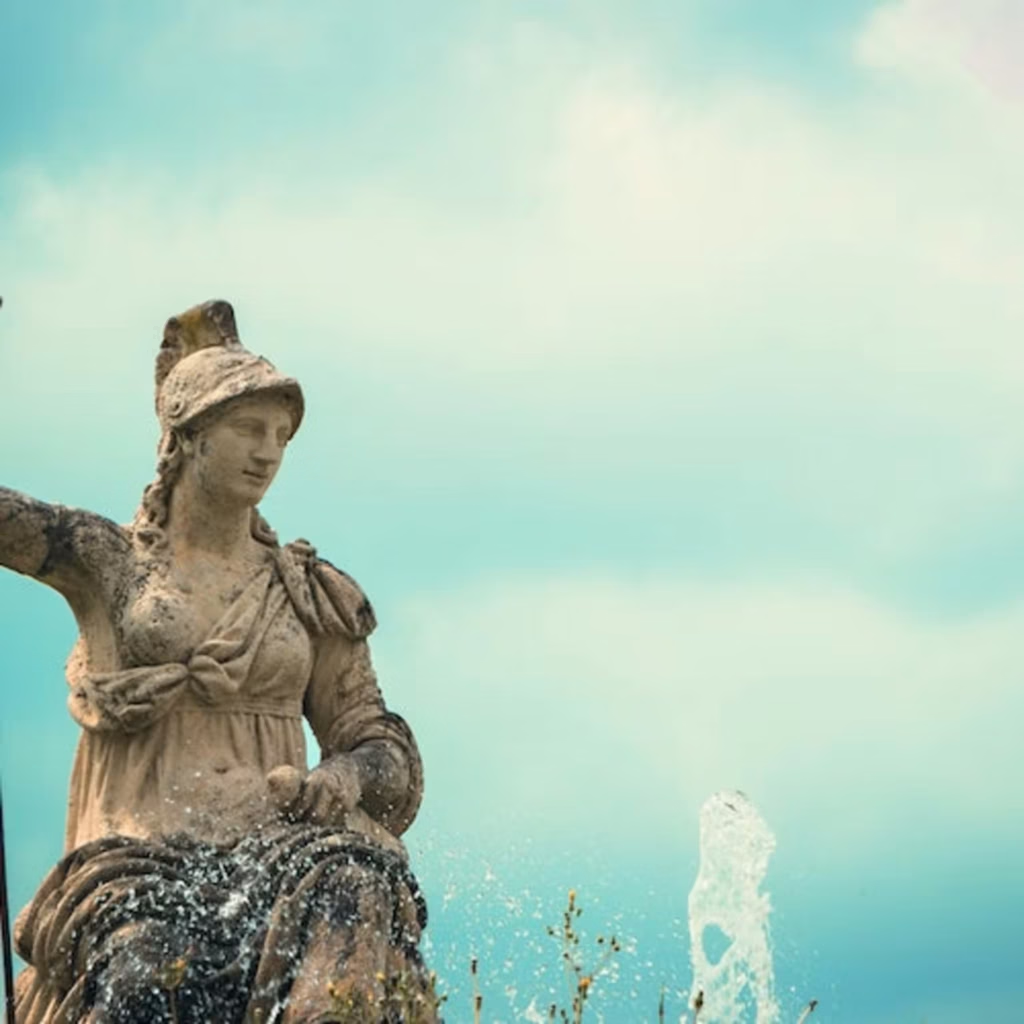
Sit by the fountains

The nymphaeum is a cool, quiet spot to rest between galleries.

History in a few lines

The villa was built in the sixteenth century for Pope Julius III, with leading architects of the day shaping its courtyards and nymphaeum. Since the late nineteenth century it has housed the national collection of pre Roman antiquities.

Knowing that the building was a papal pleasure villa explains its loggias, frescoes and fountains. The Etruscan collection fills rooms designed for leisure, which gives the visit an unusual, relaxed atmosphere.

What to see first

Start with the Sarcophagus of the Spouses, the terracotta couple reclining at a banquet, which is the museum's best known piece. Nearby rooms hold the Apollo of Veii, a life size painted terracotta statue that once stood on a temple roof.

After that, look for the Pyrgi gold tablets, inscribed in Etruscan and Phoenician, which give rare insight into the Etruscan language. The jewellery rooms close the visit with some of the finest gold work from the ancient Mediterranean.

What to bring

Comfortable shoes are useful, as the visit mixes indoor galleries with garden paths and stairs down to the nymphaeum. In summer bring water and a hat for the gardens; in winter the open courtyards can feel cold between rooms.

A phone with headphones lets you use the downloadable itinerary or video guide. Keep bags small, or use the cloakroom so you can move easily through the rooms.

Combine with other visits

On the same day, cross the park to the Galleria Borghese for a timed visit, or head into the centre for Palazzo Barberini and the Capitoline Museums.

Hours are on the opening hours page, and routes on how to get to Villa Giulia.

Ready to book

Choose your day, plan your route through the villa and pick the ticket option below. Leave time for the gardens; they are one of Rome's quietest spots, and a fine place to end the visit.

If you arrive on a holiday Monday, check that the museum has opened before travelling across the city.

National Etruscan Museum of Villa Giulia: Skip Ticket

Highlights

Bypass wait times with a skip-the-line ticket.

Discover authentic Etruscan and pre-Roman artifacts uncovered from excavation sites.

Access the museum housed in the historic estate of Pope Julius III.

Explore detailed displays including statues, frescoes, and exquisite ancient jewelry.

Enjoy an audio guide available in six languages to enrich your visit.
Villa Giulia visitor tips: FAQs

How long should I spend at Villa Giulia?

About two hours, or half a day for a detailed visit.

Is there a cloakroom?

Yes, at the entrance.

Is there a café?

Yes, the museum has a café and a bookshop.

Is there an audio guide?

Yes, audio guides can be rented, and a LIS video guide is available.

Can I book a guided tour?

Yes, guided tours are booked in advance for individuals and groups.

Is it good for children?

Yes, especially the Sarcophagus of the Spouses, the Apollo and the temple model.

What should I not miss?

The Sarcophagus of the Spouses, the Apollo of Veii and the nymphaeum.

Is it wheelchair accessible?

Yes, with alternative routes, lifts and wheelchairs on request.

Can I visit the gardens?

Yes, the gardens and nymphaeum are part of the visit.

Can I combine it with the Galleria Borghese?

Yes, the Galleria Borghese is across Villa Borghese park.