We are processing your request.
Please, don’t close or refresh the page.

About the Catacombs of Rome: Domitilla & Saints Marcellinus and Peter

The Catacombs of Rome ticket combines two of the city's largest and best-preserved early Christian burial sites: the Catacombs of Domitilla and the Catacombs of Saints Marcellinus and Peter, designed as a guide to their history and unique characteristics.

Why the Catacombs of Rome Matter

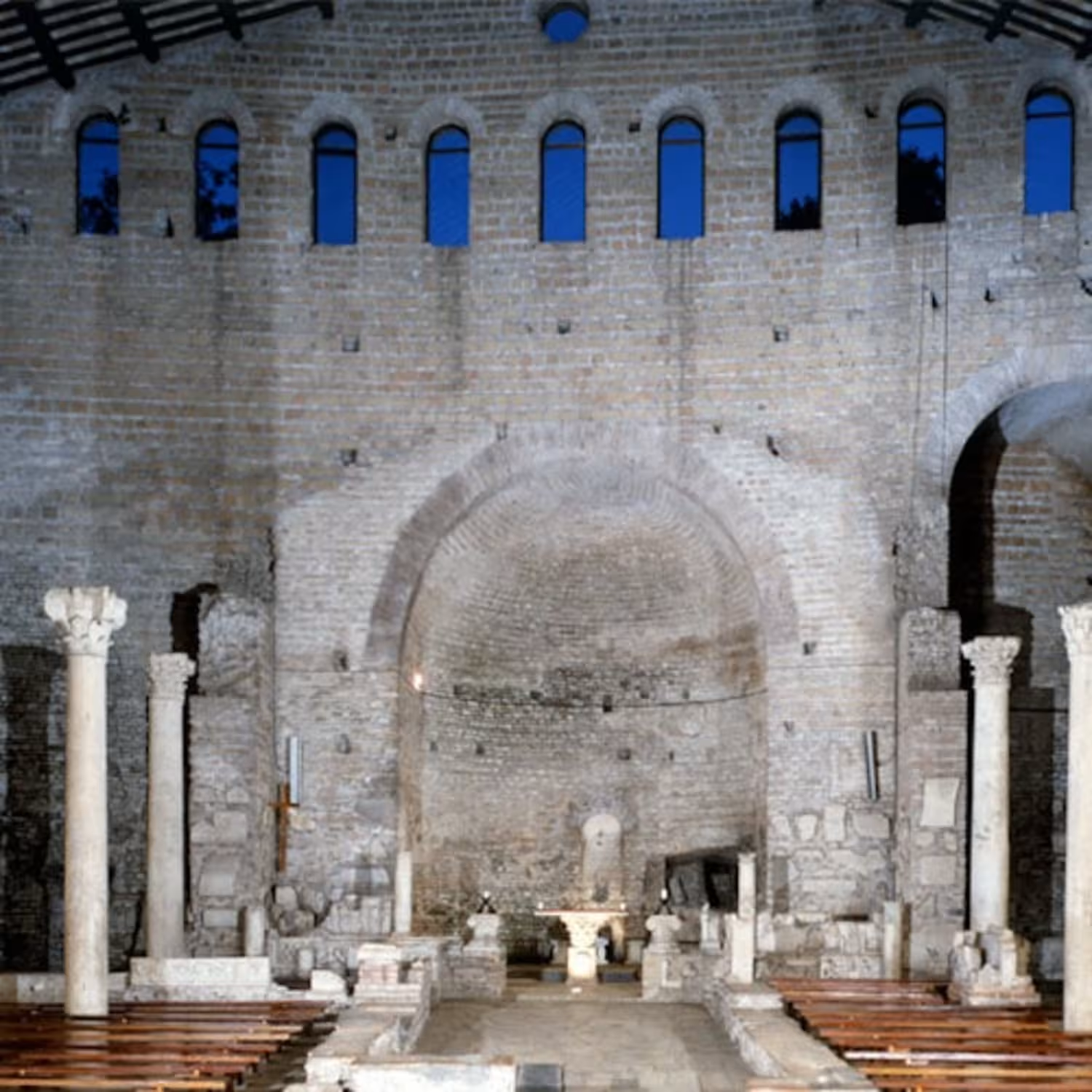
Domitilla is the largest single catacomb in Rome and the only one built around a still-standing underground basilica.

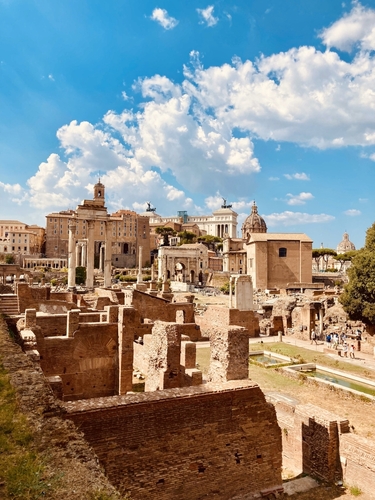
Domitilla lies inside the park that protects the Appian Way, Rome's oldest road, which filled with tombs because Roman law banned burial inside the city walls.

The site began as the private burial ground of a Roman noblewoman before growing into a Christian cemetery used for centuries.

Marcellinus and Peter's catacomb sits right beside a mausoleum Emperor Constantine built for himself, then gave to his mother, Helena.

Helena's mausoleum has such a distinctive domed roof, lightened with rows of embedded clay jars, that it gave the surrounding Rome neighborhood its modern name, Torpignattara.

Together the two sites are estimated to hold well over a hundred thousand burials cut into narrow galleries stacked across several underground levels.

Nereus and Achilleus, the soldier-martyrs honored inside Domitilla's basilica, were put to death under Emperor Diocletian in the early 4th century.

Marcellinus and Peter were executed in the same period and, according to tradition, were made to dig their own graves before their deaths.

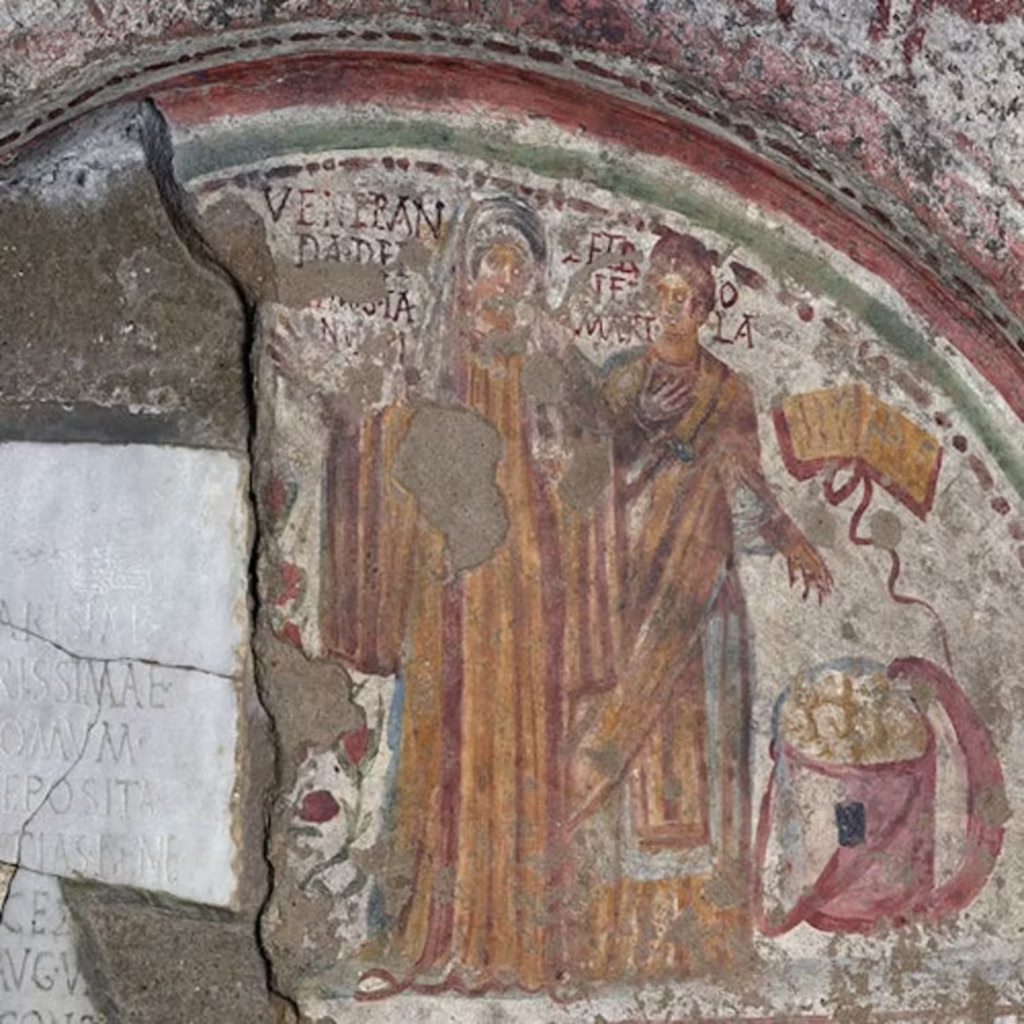
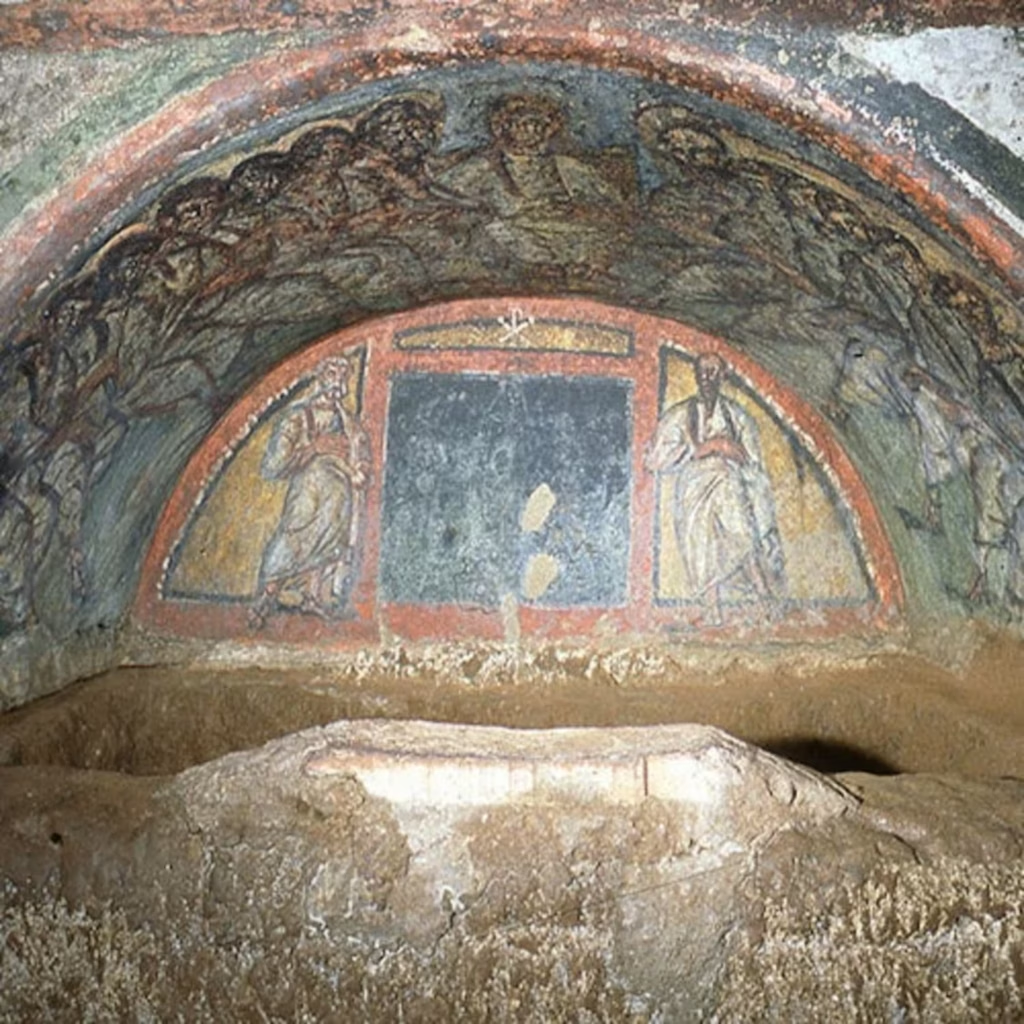
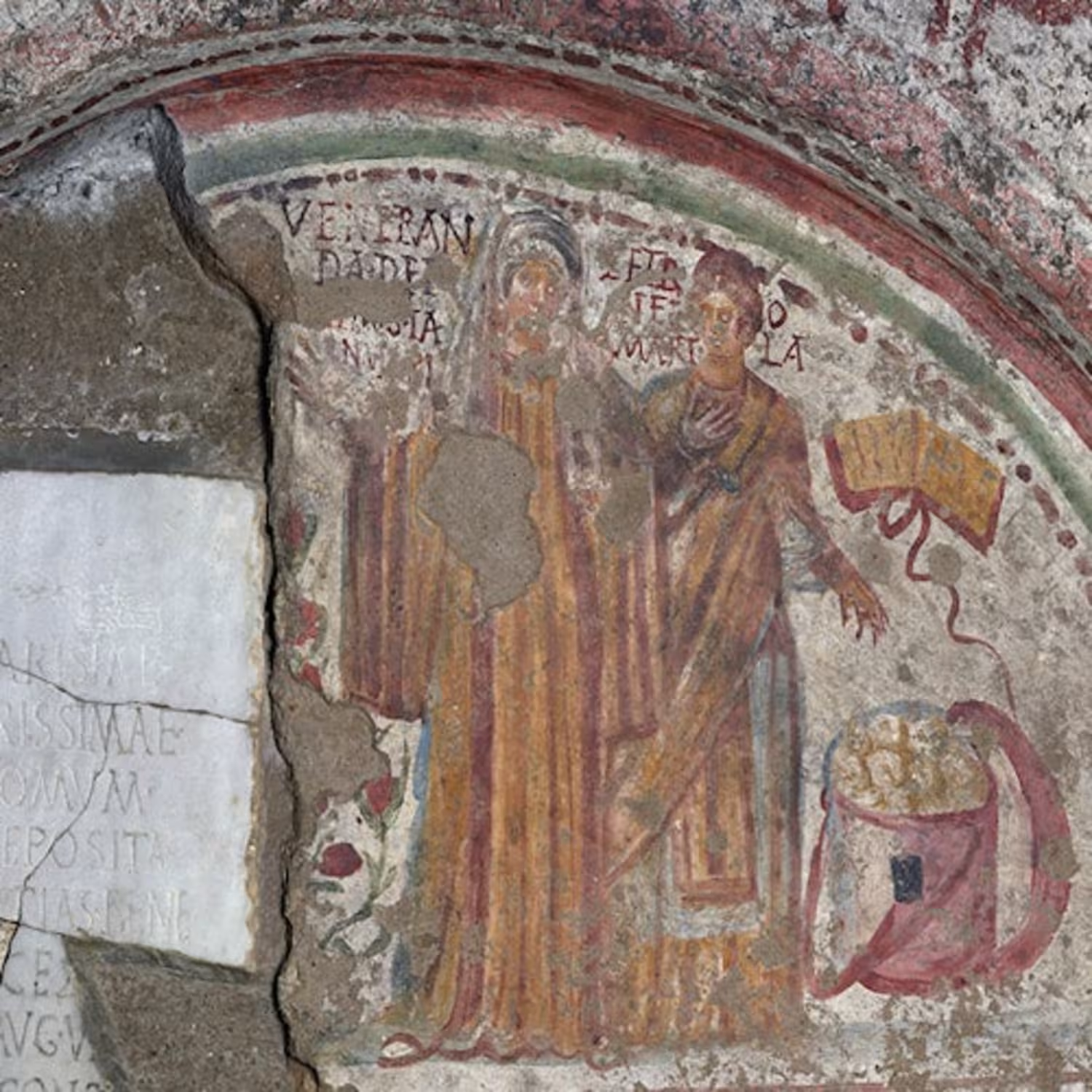
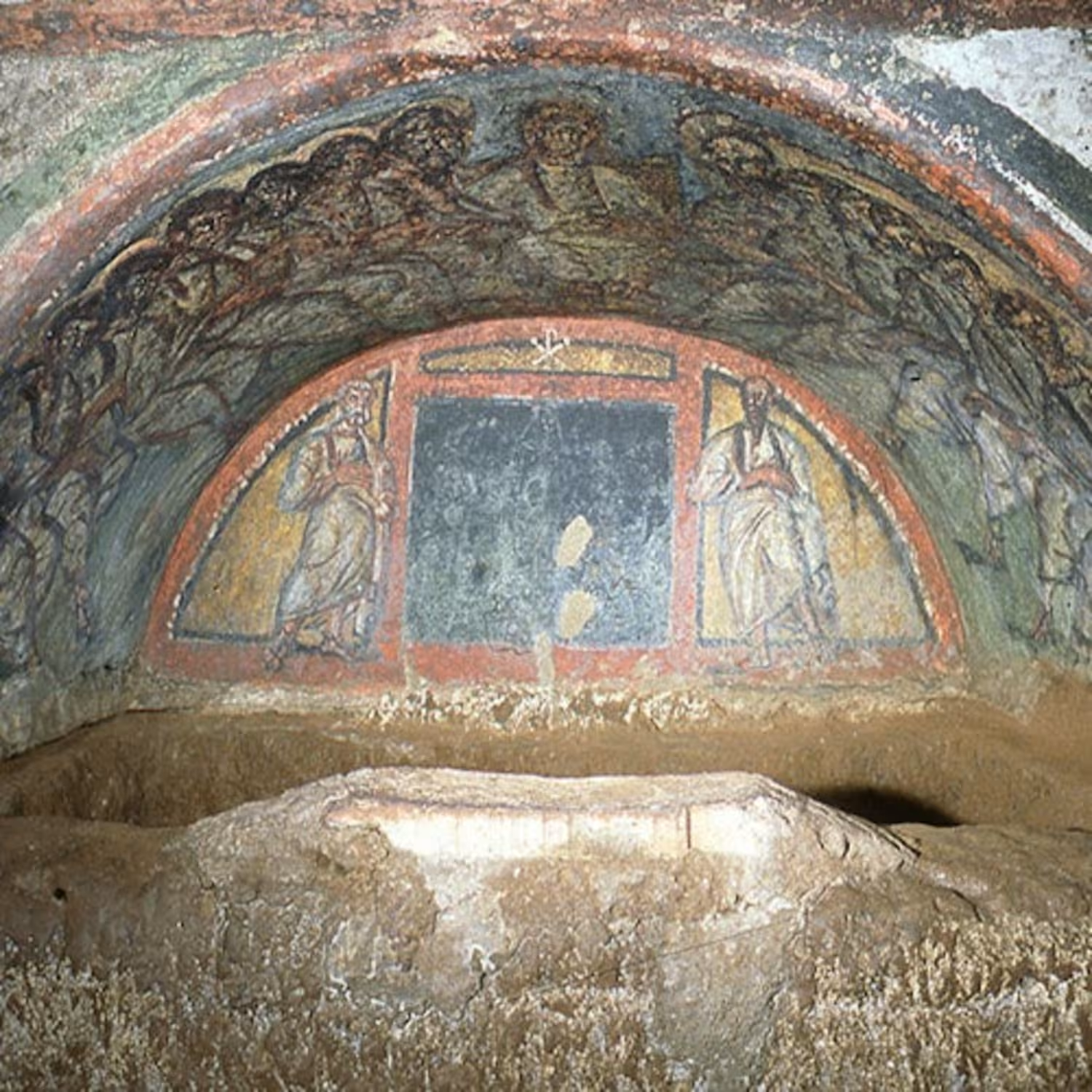
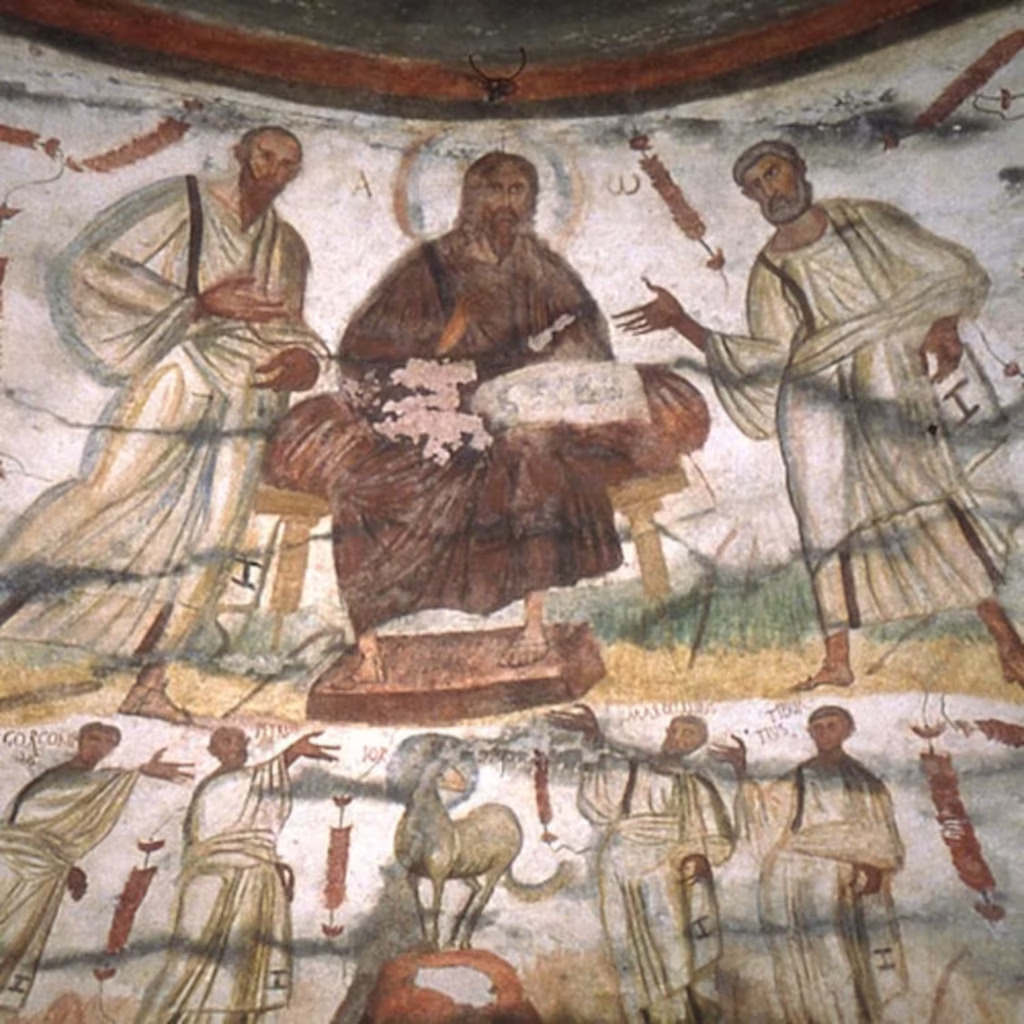
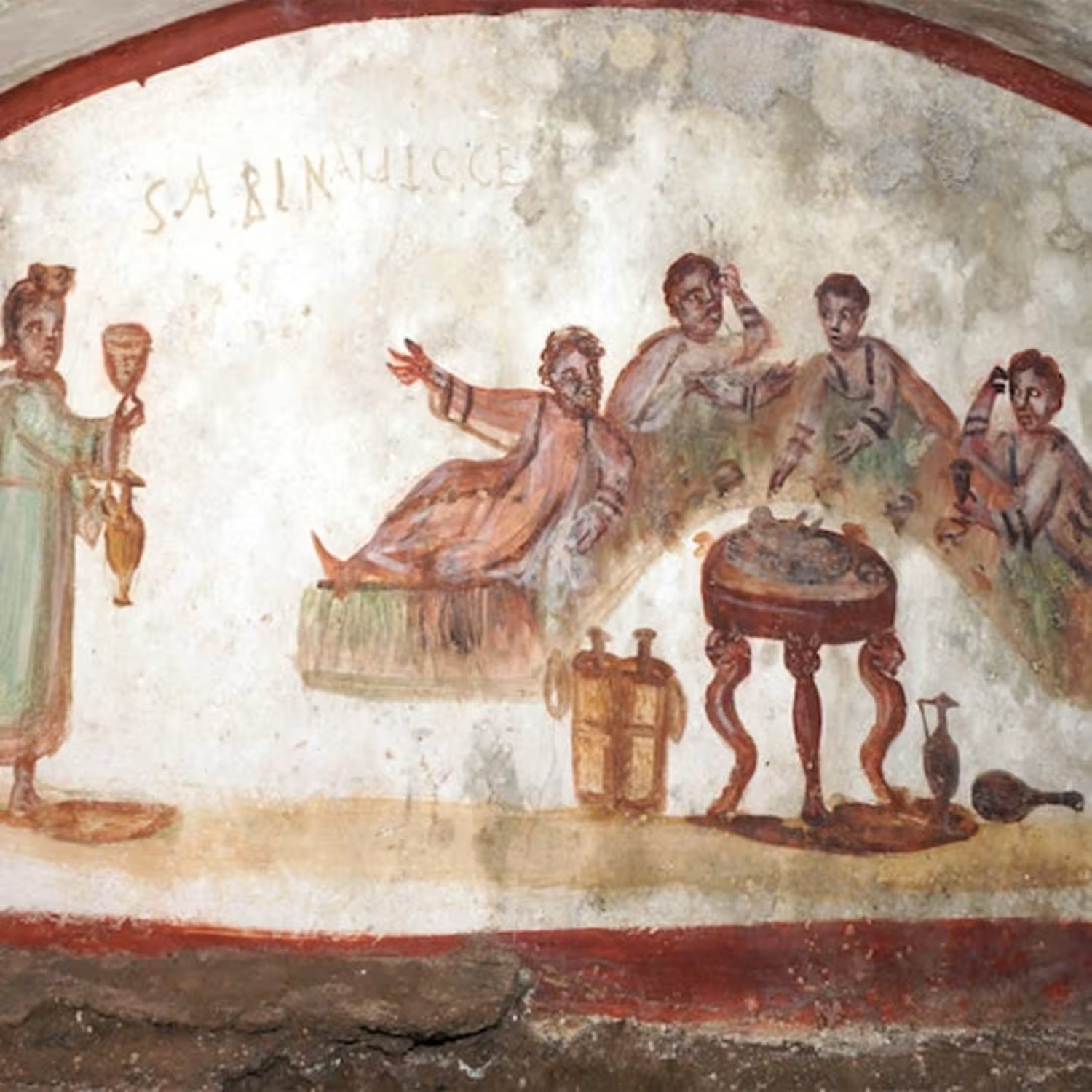
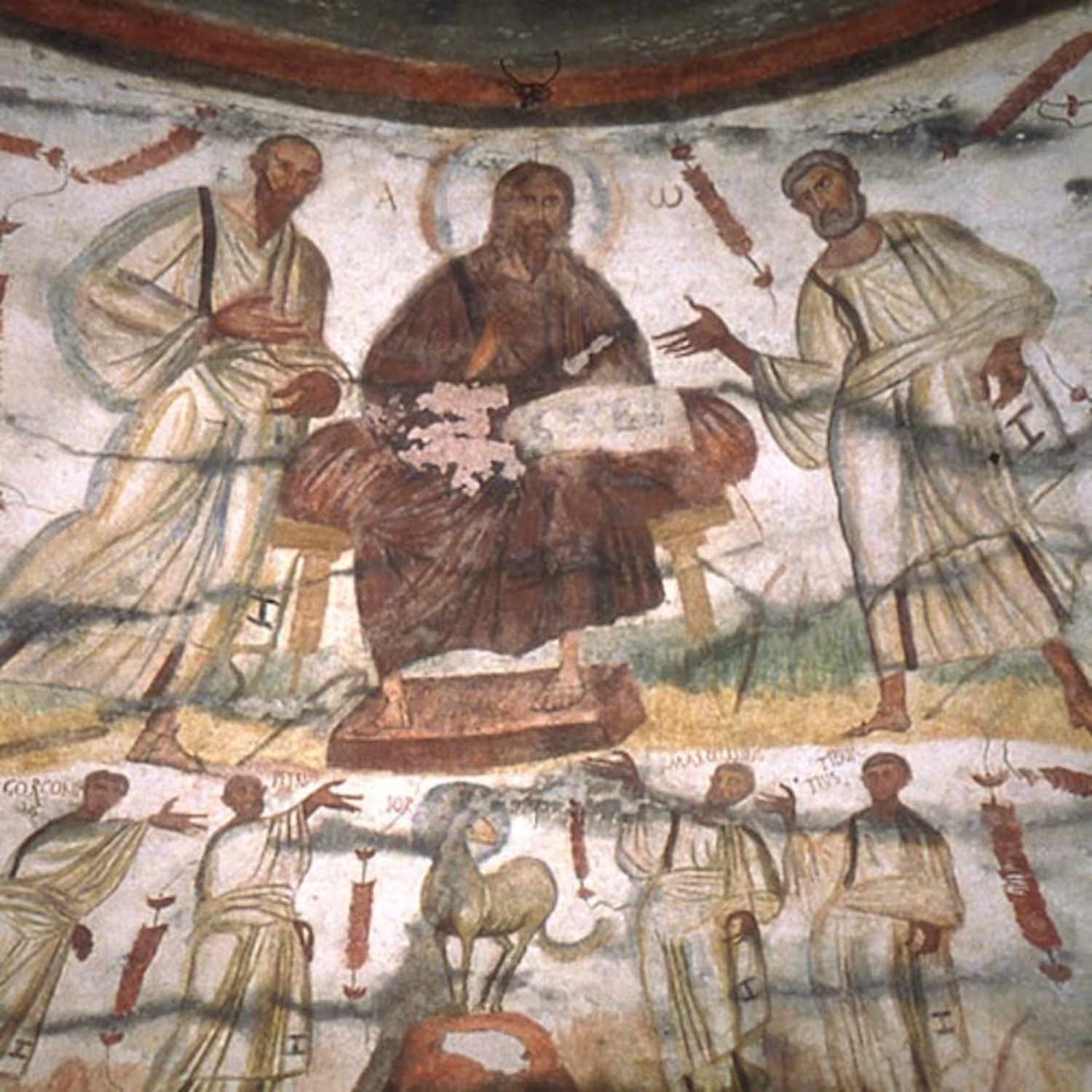
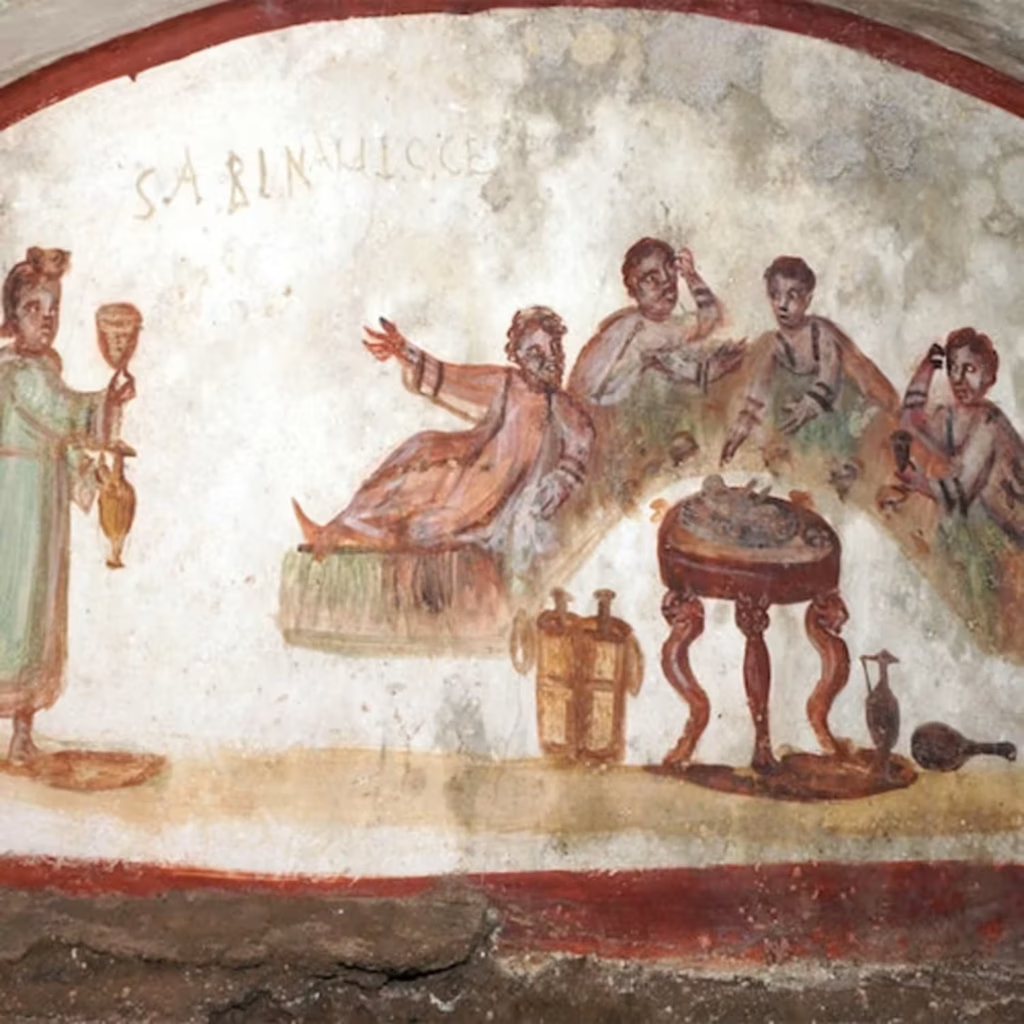
Some of the oldest surviving Christian art anywhere is painted on these walls, alongside pagan imagery from the same era.

Domitilla: A Noblewoman's Gift to Rome's Christians
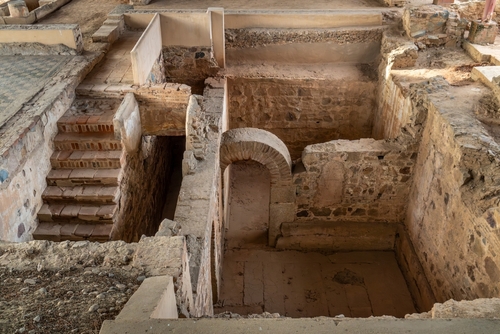
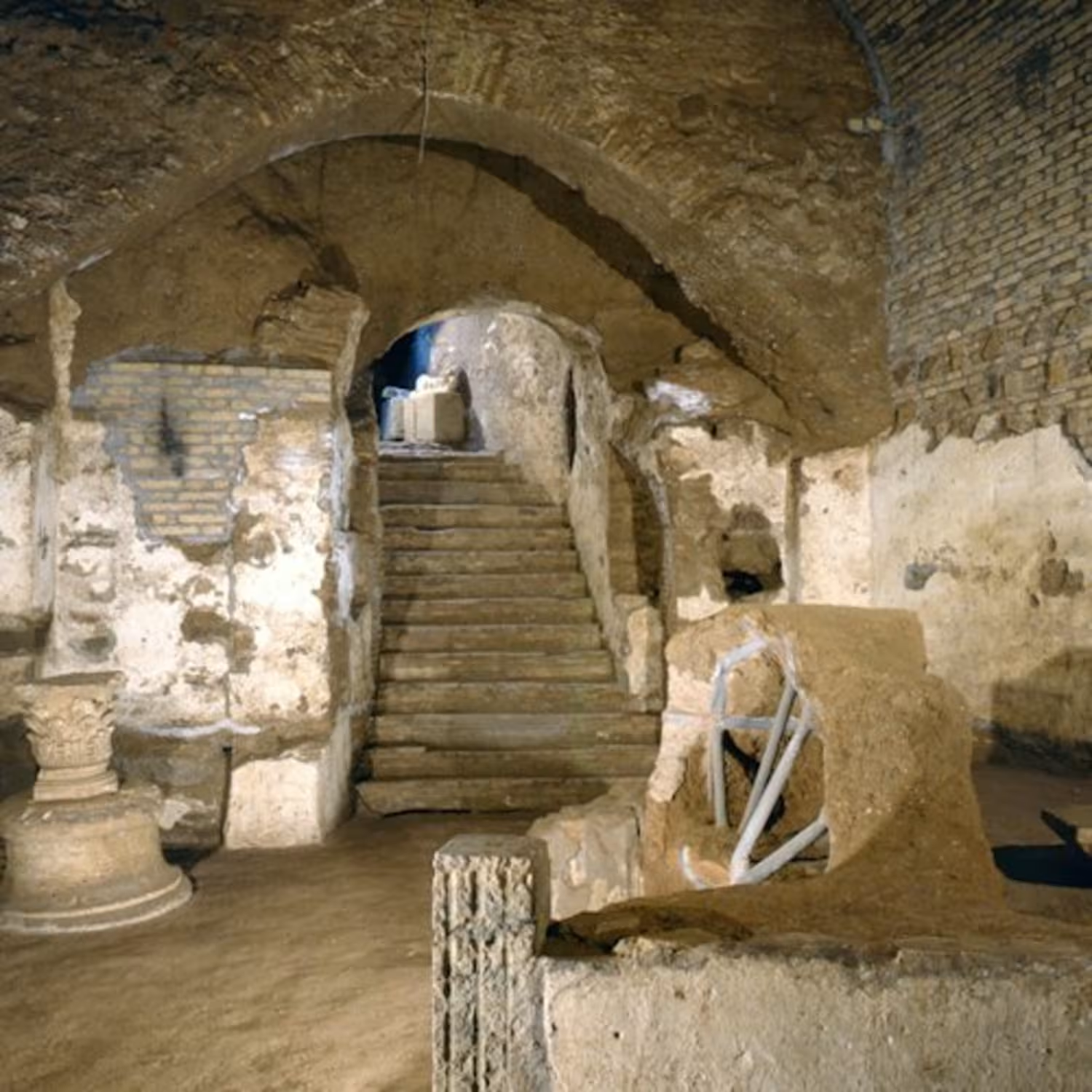
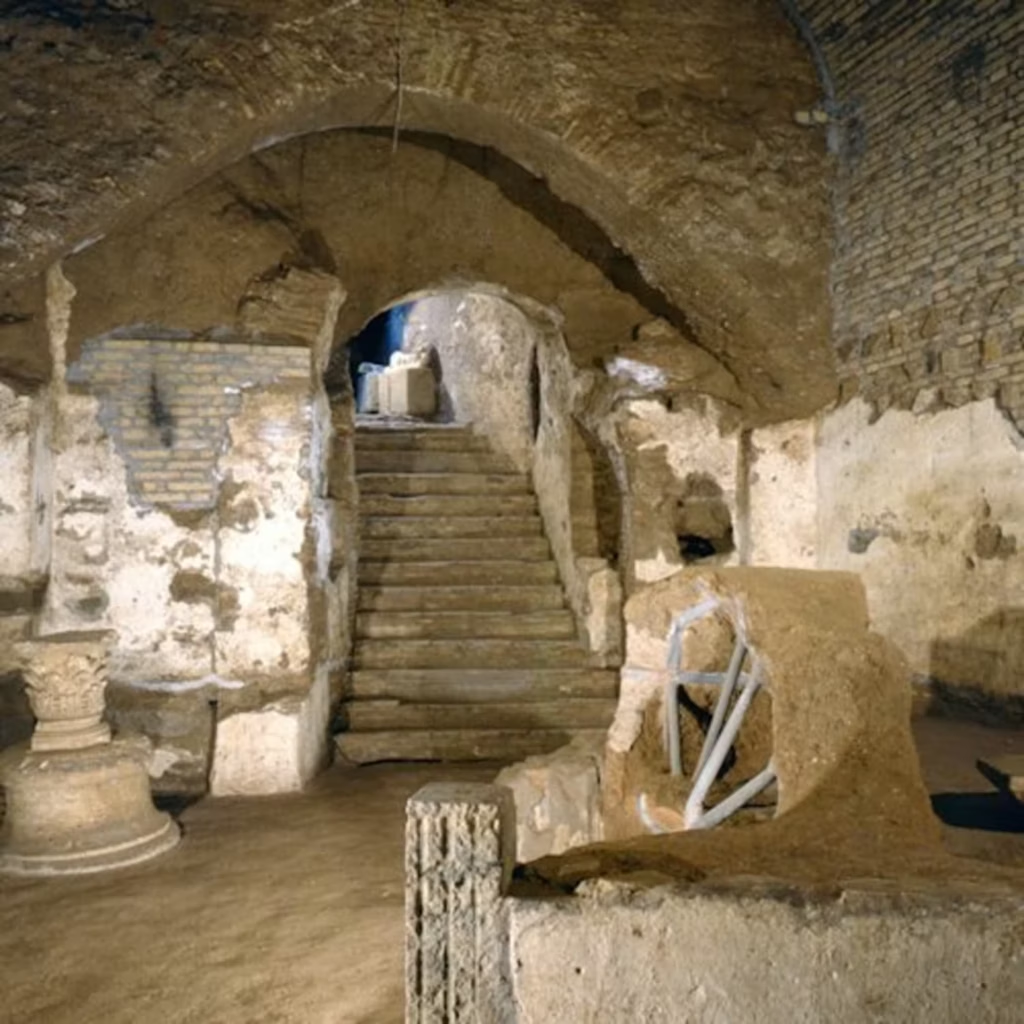
Underground gallery at the Catacombs of Domitilla

The Catacombs of Domitilla take their name from Flavia Domitilla, a noblewoman connected to the imperial Flavian dynasty. Her husband's family fell out of favor with Emperor Domitian, and before members of the family were exiled, Domitilla's own property along the Via Ardeatina passed to Rome's Christian community.

What began in the late 2nd century as a private burial ground expanded over the following century into one of the largest catacomb complexes in the city, eventually stretching across four underground levels.

Toward the end of the 4th century, an underground basilica was built directly into the catacomb to honor two soldier-martyrs, Nereus and Achilleus, who had been put to death a few decades earlier under Emperor Diocletian. It's still the only Roman catacomb with an underground church of its own.

Marcellinus, Peter & the Emperor's Family
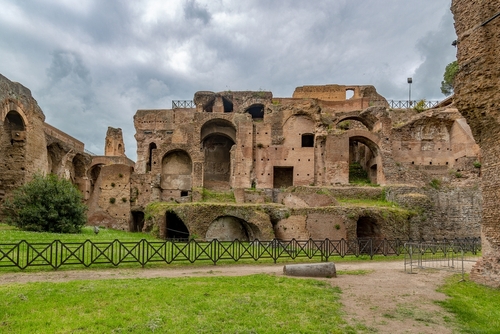
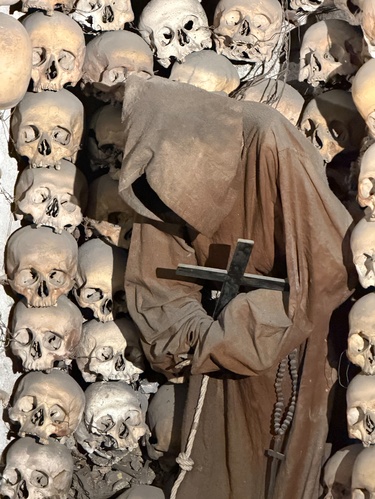
Burial niches at the Catacombs of Saints Marcellinus and Peter

Marcellinus, a priest, and Peter, an exorcist, were executed during the same wave of persecution under Diocletian, in AD 304. According to early accounts, they were made to dig their own graves before they were beheaded, at a site later renamed Selva Candida, the “White Forest.”

A Roman noblewoman named Lucilla later had their remains moved to a burial ground already in use along the Via Labicana, now Via Casilina, and the site took on their names.

Decades later, Emperor Constantine built a basilica here in the martyrs' honor and raised a circular mausoleum next door, originally meant as his own tomb. After his mother Helena died in AD 330, the tomb became hers instead. Her sarcophagus stayed there until the 11th or 12th century, when it was moved across the city to the Lateran.

Ready to Visit the Catacombs of Rome?

Two of Rome’s oldest Christian burial sites, a martyr’s basilica, and an emperor’s family tomb, all within a short guided tour.

Browse tickets for the Catacombs of Rome, or check Plan Your Visit for everything you need to know before you go.

Catacombs of Domitilla, Rome: Entrance Ticket + Guided Tour

Highlights

Discover some of the most significant catacombs beneath Rome.

Enjoy a guided experience that sheds light on early Christian history.

Benefit from skip-the-line access to the site.

Learn about controversies relating to women’s roles in the Church.

Hear intriguing stories, including legends and early explorers’ beliefs.
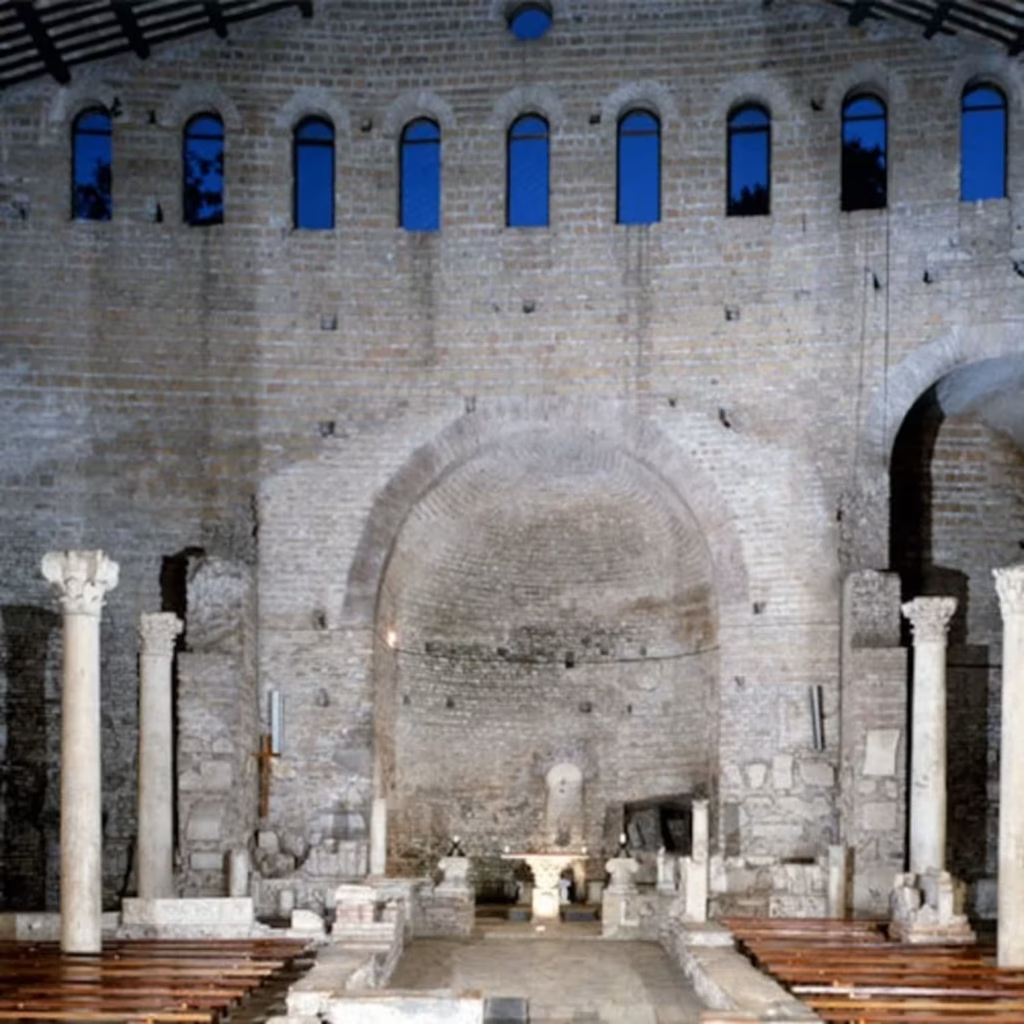
Catacombs of Saints Marcellinus and Peter: Guided Tour

Highlights

Venture into the ancient underground necropolis linked to early Christian martyrs.

Experience a detailed 40-minute guided exploration led by a knowledgeable live guide.

Enjoy expedited entry that avoids long queues.

Learn about the Mausoleum of Saint Helena, resting place of Constantine’s mother.

Observe authentic early Christian inscriptions and tombstones in a multilayered catacomb complex.
About this guide

Sources: Catacombe di Domitilla, The Catacombs; Soprintendenza Speciale di Roma, Mausoleum of Saint Helena and Catacombs; Italia.it, Catacombs of Saints Marcellinus and Peter and Mausoleum of Saint Helena; Turismo Roma, Basilica of Saints Marcellinus and Peter ad Duas Lauros.

Frequently Asked Questions About the Catacombs of Rome

Who was Domitilla?

Flavia Domitilla was a Roman noblewoman connected to the imperial Flavian family whose property on the Via Ardeatina became the burial ground that bears her name.

Why does Domitilla have its own underground church?

A basilica was built directly into the catacomb in the late 4th century to honor two martyred soldiers, Nereus and Achilleus, making it the only Roman catacomb with a church built underground.

Who were Marcellinus and Peter?

They were a priest and an exorcist executed during Emperor Diocletian's persecution of Christians in AD 304, reportedly after being made to dig their own graves.

Why is there an emperor's tomb next to a catacomb?

Constantine built a circular mausoleum beside the martyrs' basilica, originally intended as his own tomb. After his mother Helena died, it became her resting place instead.

What does “Torpignattara” mean, and where does the name come from?

It refers to the clay amphorae embedded in the Mausoleum of Helena's dome to lighten its weight; the nickname eventually gave its name to the surrounding Rome neighborhood.

Are the Catacombs of Rome the same as the Catacombs of San Callisto?

No. San Callisto is a separate catacomb nearby; the Catacombs of Rome ticket covers Domitilla and Saints Marcellinus and Peter specifically.

How old is the artwork inside the catacombs?

Some frescoes date back to the 3rd and 4th centuries, making them among the oldest surviving examples of Christian art anywhere.

How many people are buried in these catacombs?

Estimates for the two sites combined run well over a hundred thousand, reflecting centuries of continuous use as a Christian burial ground.

Why are pagan and Christian images found in the same catacombs?

Many early Christian communities emerged from pagan Roman society, and burial art from this period often blends older symbols, like Orpheus, with new Christian ones, like the Good Shepherd.

This website offers official tickets for the venues listed, sold by Tourism Tickets. Please note, however, that it is not the official website of any of these venues.

The images and videos on this website may contain visual elements that have been created or enhanced using AI technology. They are provided for illustrative purposes only.