We are processing your request.
Please, don’t close or refresh the page.

The Real History and Facts Behind Rome's Catacombs

Rome built an underground world for its dead, dug by hand into volcanic rock, then forgot about it for nearly a thousand years. Here's why it was built, how it worked, and how it was rediscovered centuries later.

Why Rome Needed a City Beneath the City

Roman law was blunt about one thing: no burials inside the city walls. Pair that rule with a growing population and several religious communities that all needed somewhere to lay their dead, and digging down instead of out becomes the obvious solution. Starting in the 2nd century AD, small plots of land on Rome's outskirts began hiding an entire second city underneath them.

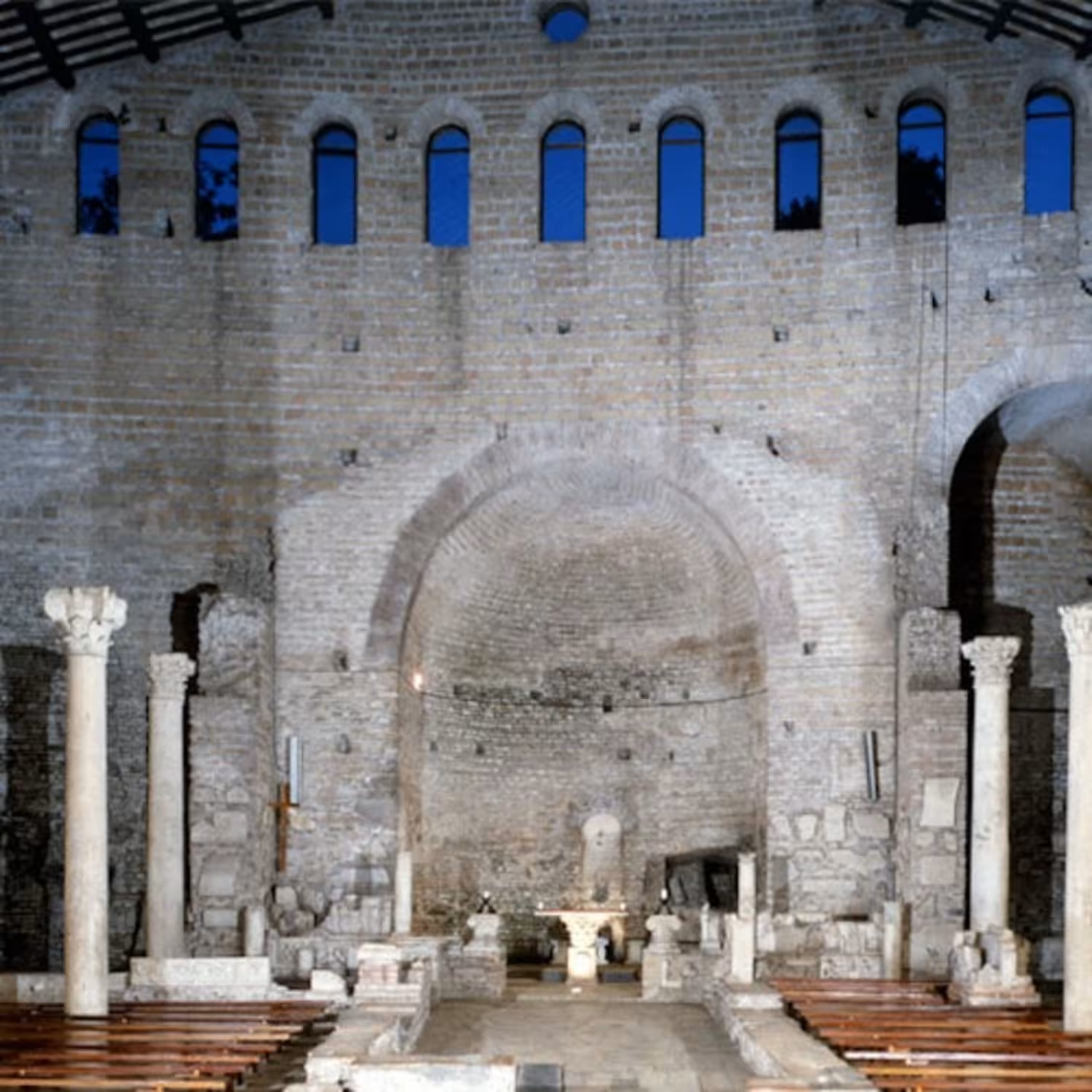
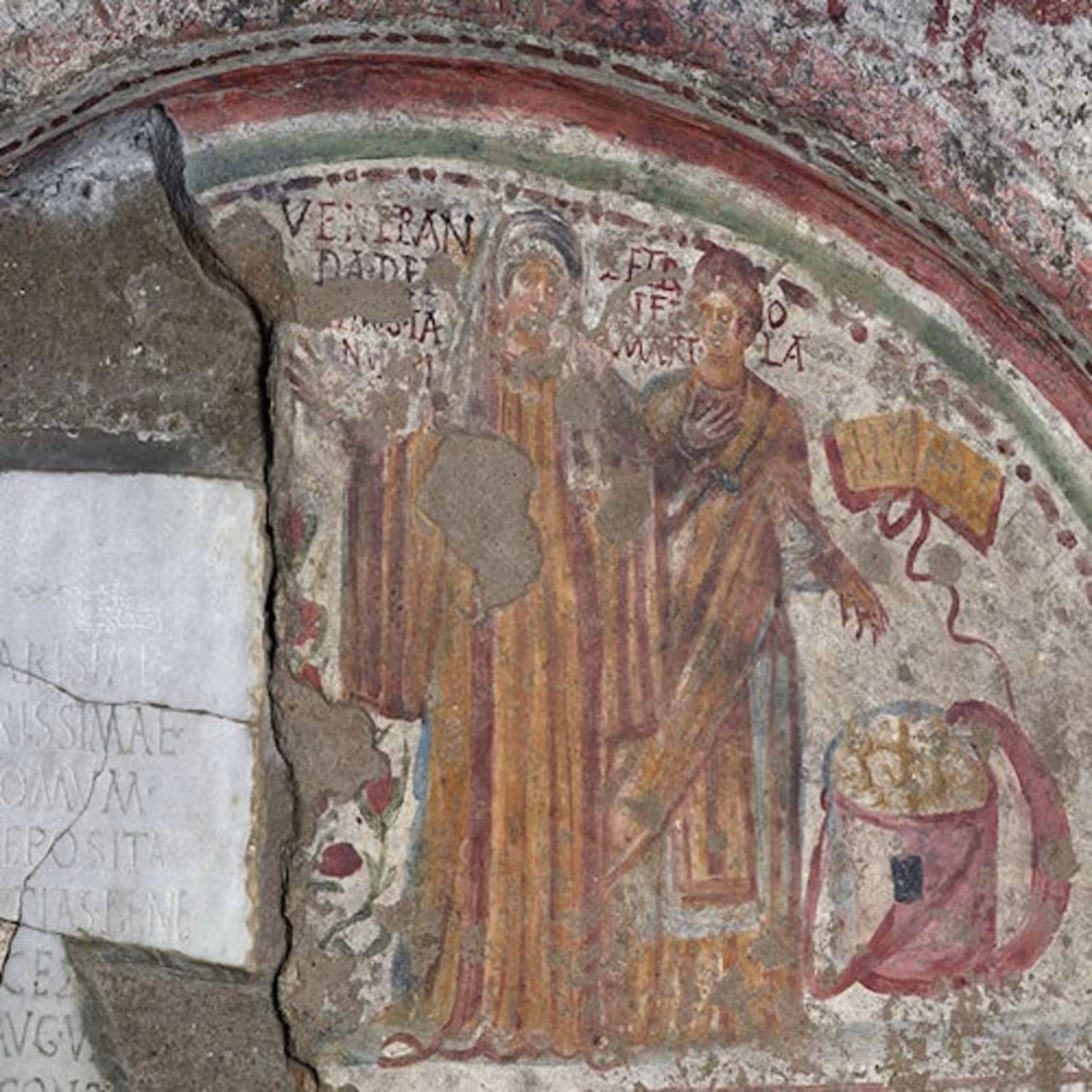
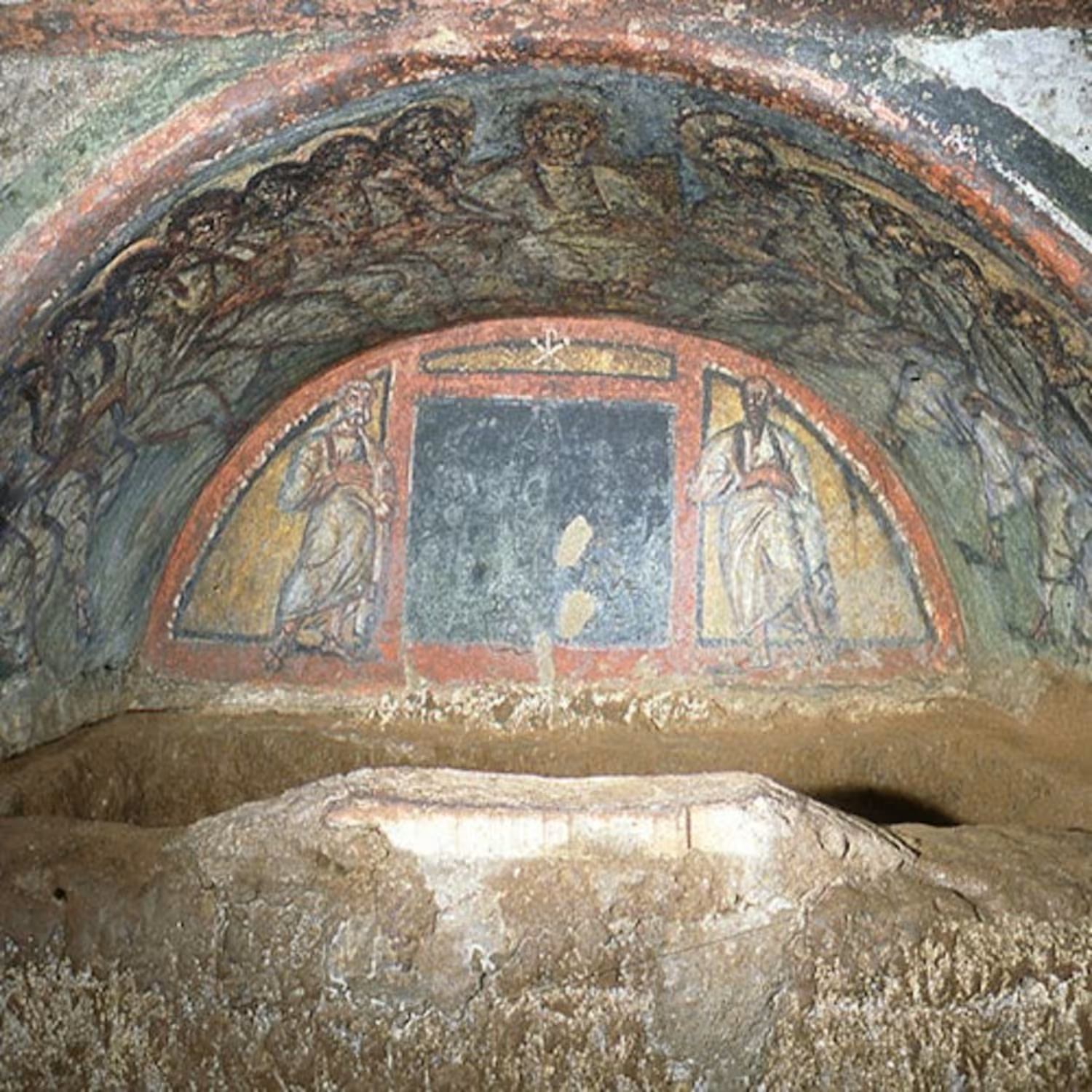
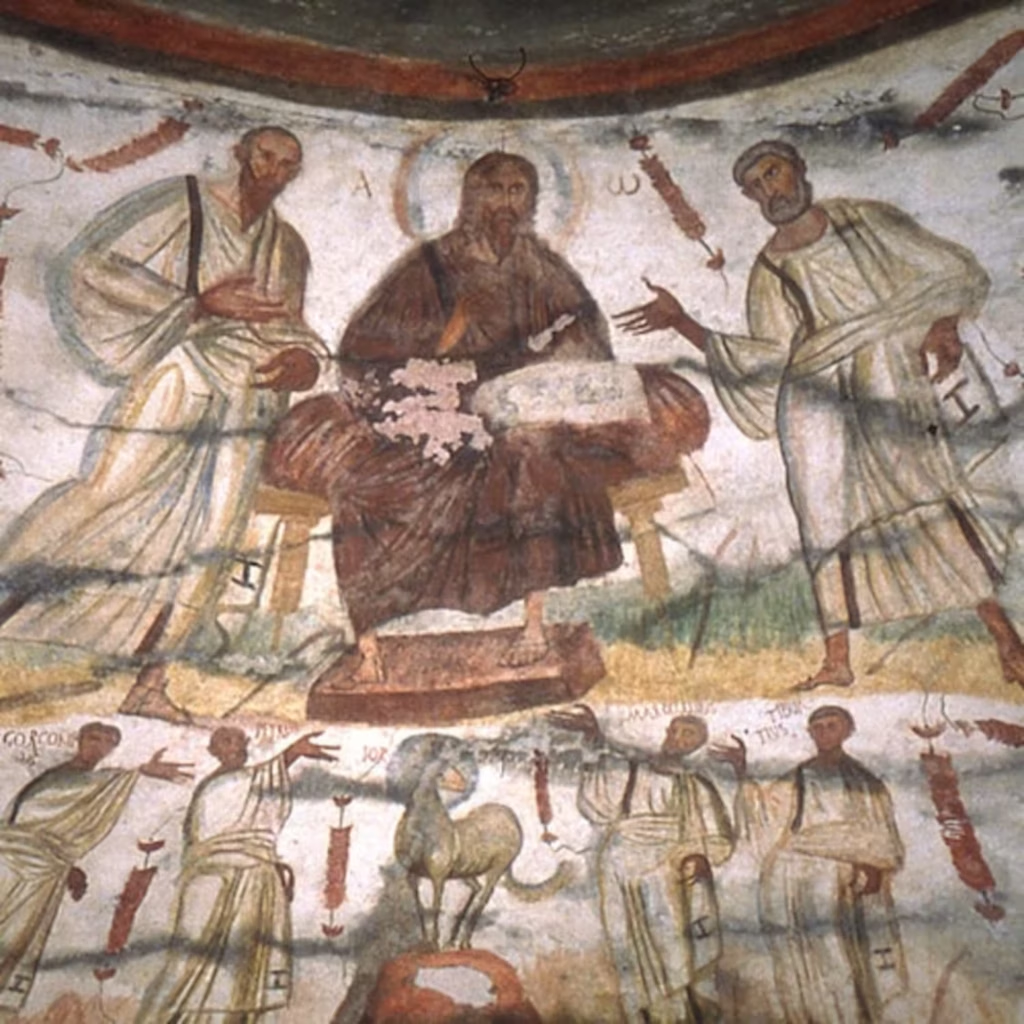
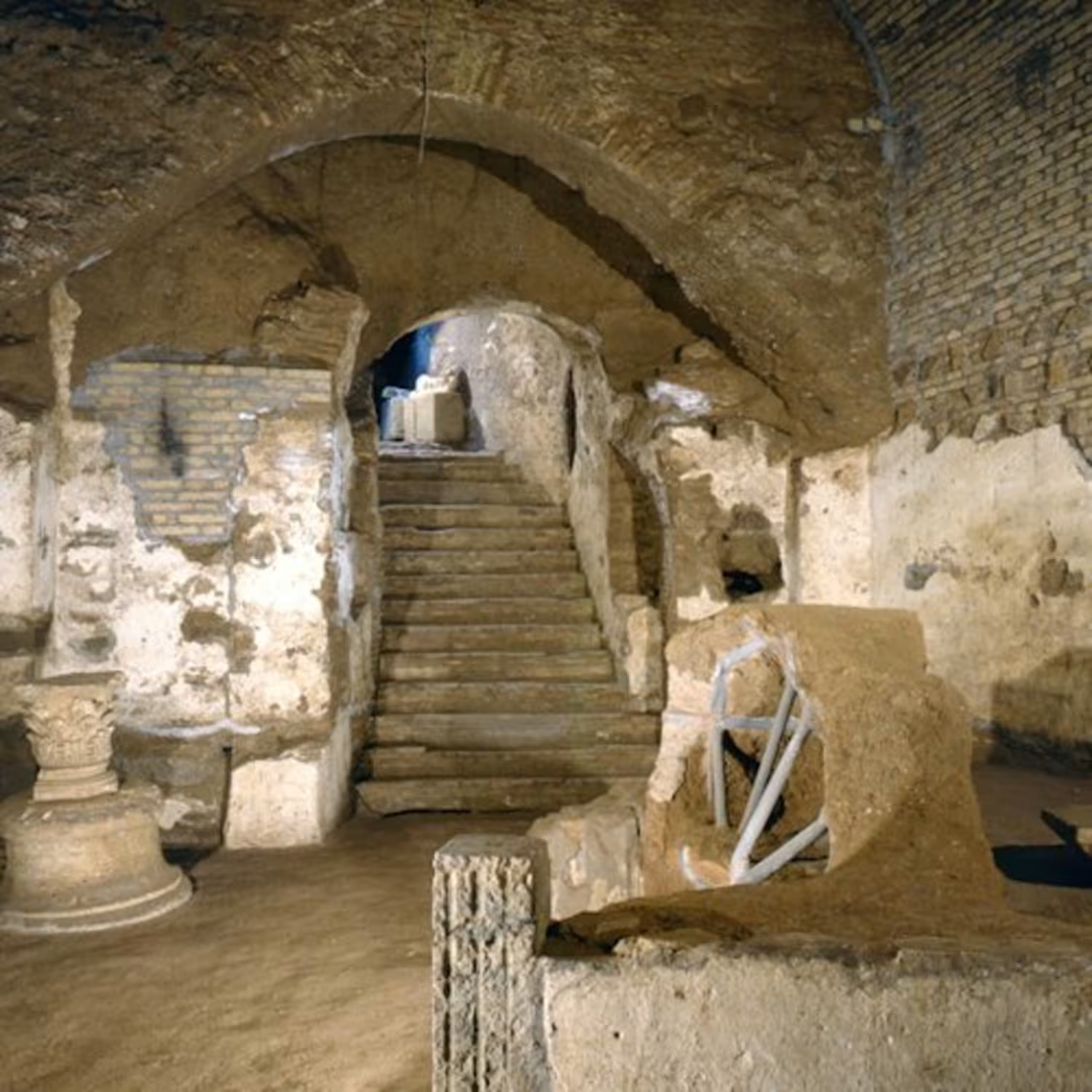
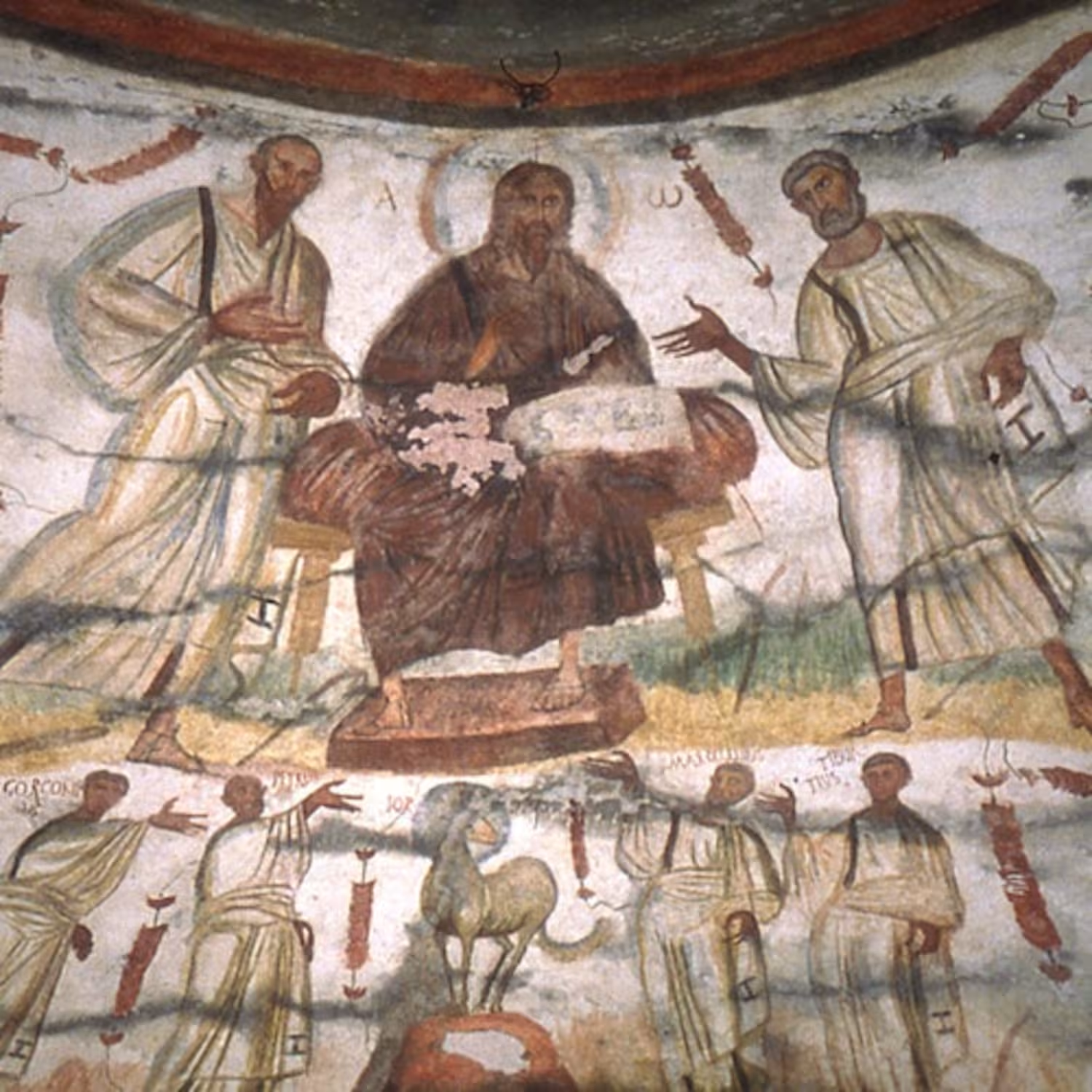
Dozens of these underground cemeteries eventually ringed the city, each developed independently by whoever owned the land above it. Two of them, Domitilla and Saints Marcellinus and Peter, grew into some of the largest and best documented catacombs in Rome. This page covers the bigger story behind all of Rome's catacombs: how they came to exist, how they were built, and what eventually happened to them.

Facts About Rome's Catacombs That Surprise Most Visitors

Rome's catacombs were not a Christian invention. Jews, pagans, and Christians all buried their dead underground in the city during roughly the same centuries, each community digging its own separate network.

Historians count more than fifty catacombs around Rome, with many kilometers of tunnels between them.

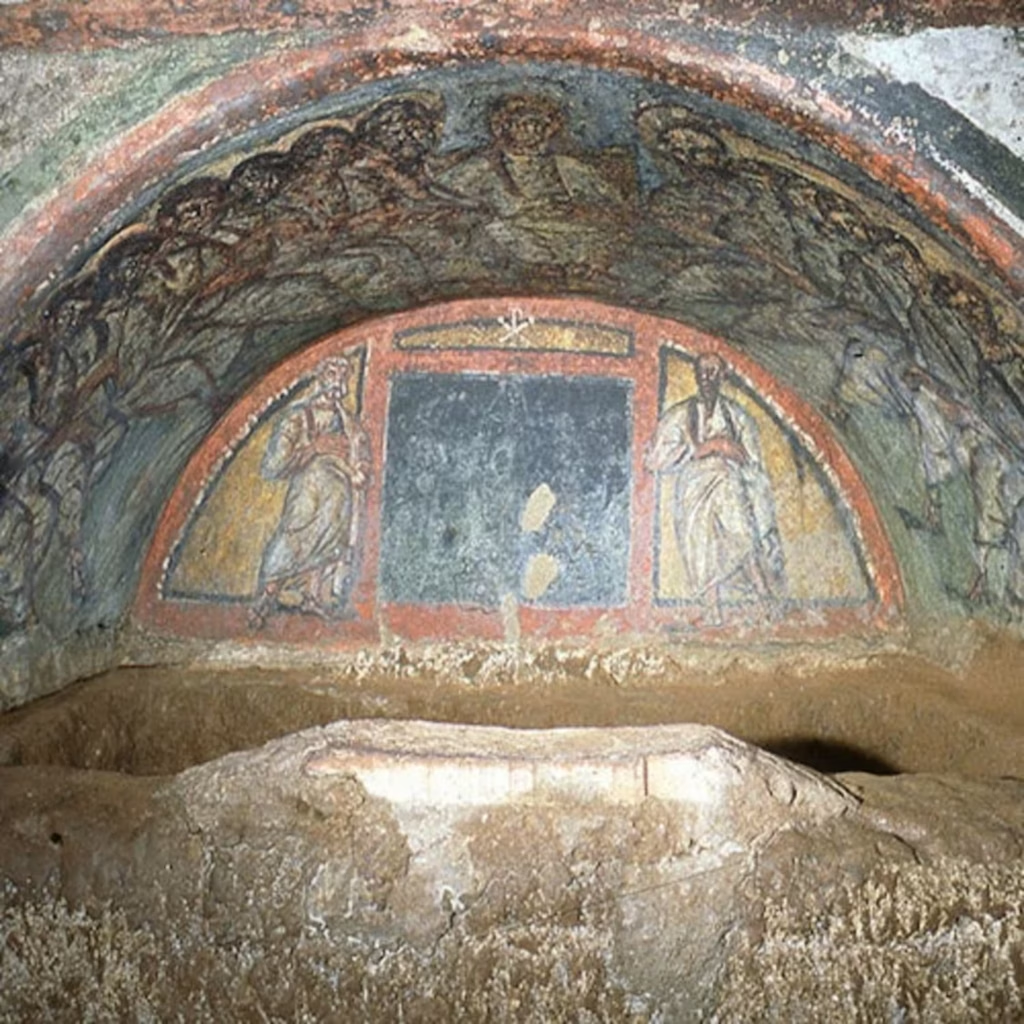
Burial space came in a few standard shapes: loculi were simple shelf-like niches stacked in rows, cubicula were small family rooms branching off the main corridors, and arcosolia were larger arched recesses reserved for more important burials.

Most catacombs were dug and used most heavily between the 2nd and 6th centuries AD, a run of roughly four hundred years before new burials there largely stopped.

Once Christianity became legal under the Edict of Milan in AD 313, burial could move back above ground, and the catacombs gradually shifted from active cemeteries into places of pilgrimage instead.

Carved From Volcanic Rock, One Grave at a Time
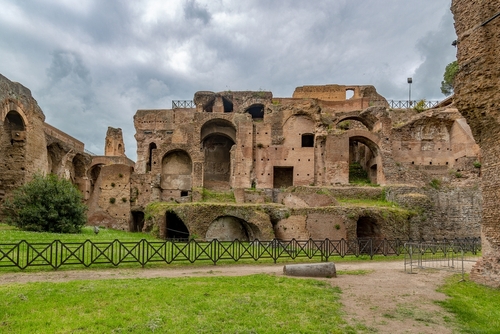
Burial niches cut into the tufa rock inside a Roman catacomb

Nobody hired outside contractors for this work. Professional diggers called fossors cut every gallery and grave by hand into tufa, a volcanic rock that is soft enough to carve when first exposed but hardens once it meets the air.

The simplest graves were loculi, horizontal shelves cut straight into the corridor walls and sealed once a body was placed inside. Wealthier families paid for cubicula, small private rooms branching off the main tunnels, while the grandest burials went into arcosolia, arched recesses large enough for a stone sarcophagus. As one level filled up, fossors simply dug another one underneath it, one grave at a time, until a single catacomb could reach several stories deep.

The Persecution Myth Rome's Catacombs Never Lived Up To
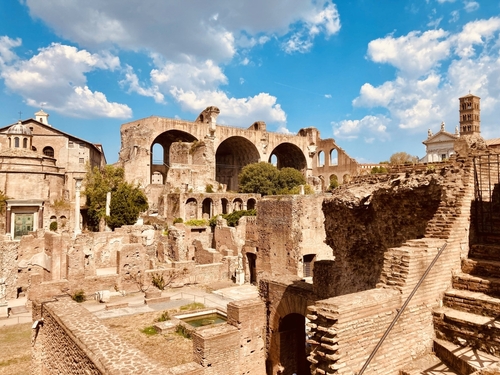
An underground passageway inside one of Rome's catacombs

Popular imagination pictures early Christians huddled underground, holding secret services by candlelight while soldiers searched the streets above. Historians who have studied the catacombs closely generally reject that picture: the tunnels were narrow, poorly ventilated, and impossible to seal off, which makes them a terrible place to hide and an easy one to get trapped in.

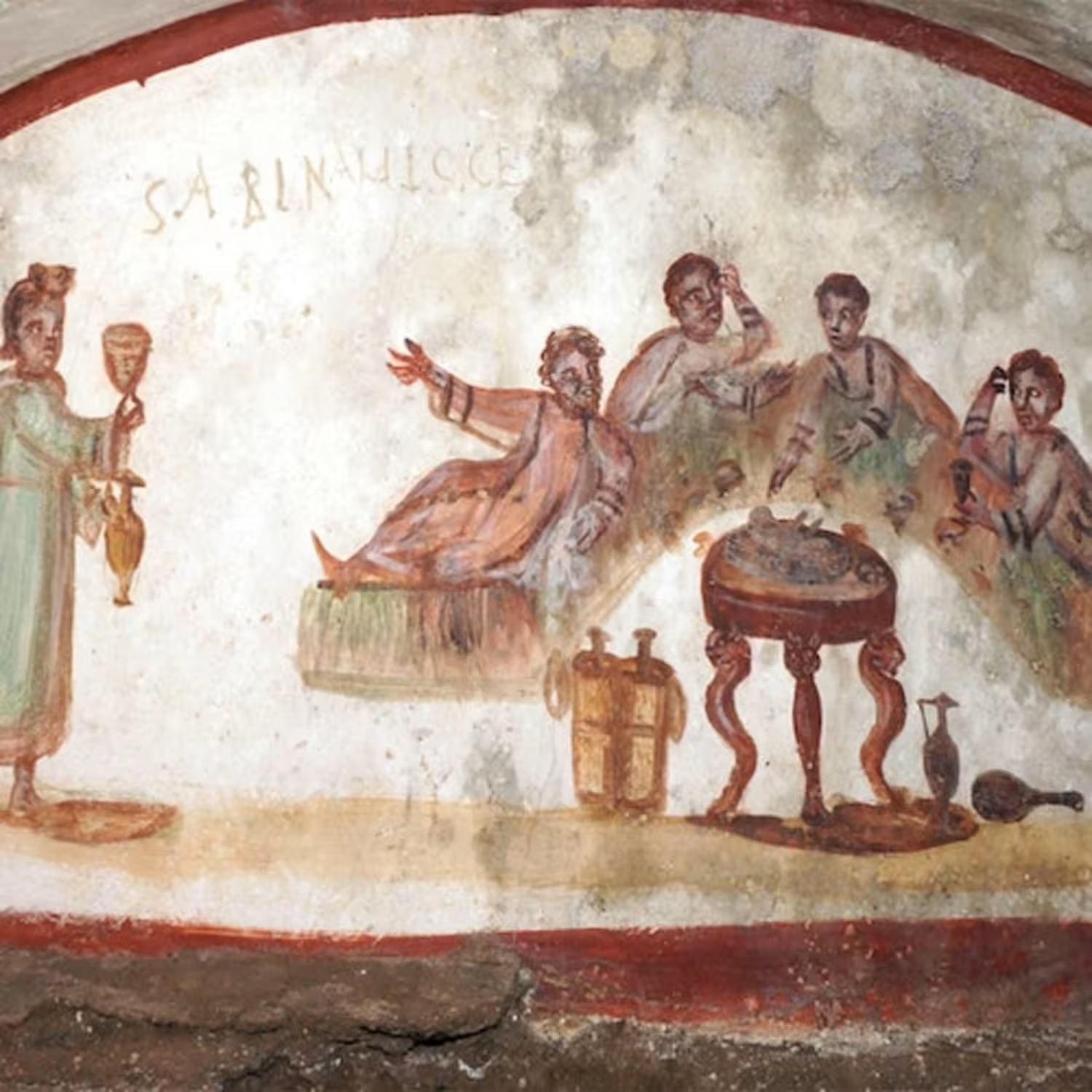
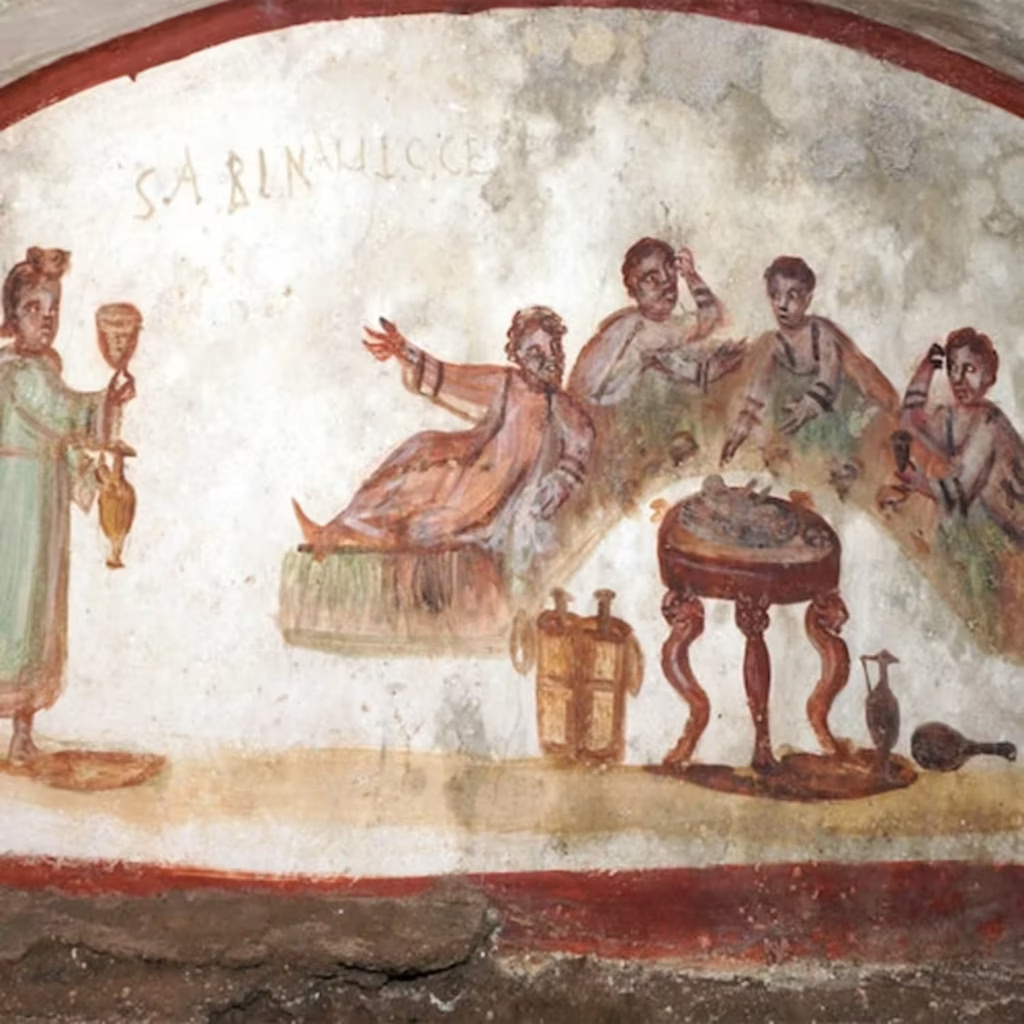
What the catacombs were actually built for was burial, plain and simple, along with memorial meals families shared near a loved one's grave. The image of the catacombs as a wartime hideout took hold centuries later, once the sites had become powerful symbols of an early Church that had survived against the odds.

Ready to Walk Through History Yourself?

Two of Rome's oldest burial sites, carved by hand nearly two thousand years ago and lost to memory for a thousand more.

Check Plan Your Visit for everything you need to know before you go underground.

Catacombs of Domitilla, Rome: Entrance Ticket + Guided Tour

Highlights

Discover some of the most significant catacombs beneath Rome.

Enjoy a guided experience that sheds light on early Christian history.

Benefit from skip-the-line access to the site.

Learn about controversies relating to women’s roles in the Church.

Hear intriguing stories, including legends and early explorers’ beliefs.
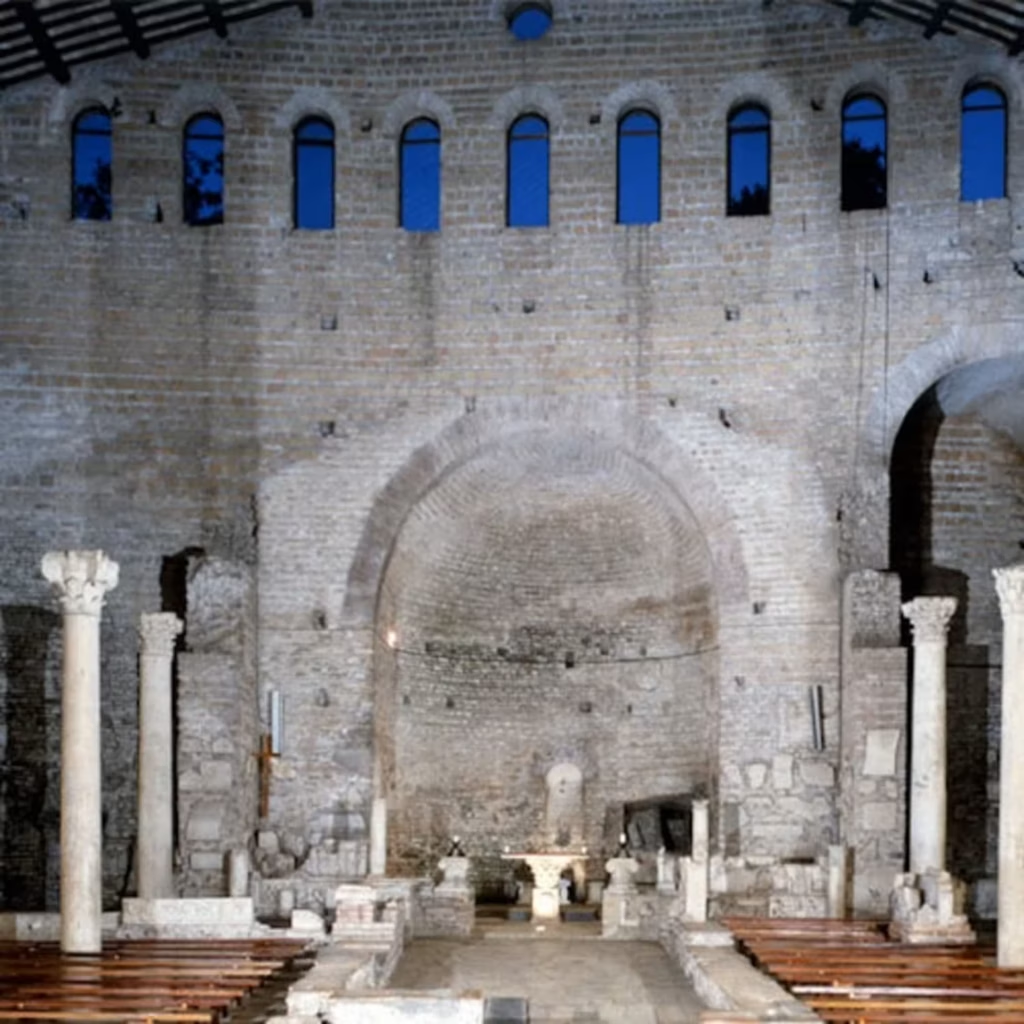
Catacombs of Saints Marcellinus and Peter: Guided Tour

Highlights

Venture into the ancient underground necropolis linked to early Christian martyrs.

Experience a detailed 40-minute guided exploration led by a knowledgeable live guide.

Enjoy expedited entry that avoids long queues.

Learn about the Mausoleum of Saint Helena, resting place of Constantine’s mother.

Observe authentic early Christian inscriptions and tombstones in a multilayered catacomb complex.
About this guide

Sources: Pontifical Commission for Sacred Archaeology, The Christian catacombs of Rome; International Catacomb Society, Christian catacombs; Catacombe di Domitilla, The Catacombs.

Frequently Asked Questions About the History of Rome's Catacombs

What is a catacomb?

A catacomb is an underground cemetery cut into rock, made up of narrow corridors lined with burial niches, sometimes opening into larger family chambers or decorated tomb recesses.

Why were the catacombs of Rome built?

Roman law banned burials inside the city walls, so as the population grew, Rome's Christian, Jewish, and pagan communities all began digging cemeteries underground on the outskirts instead.

How were the catacombs actually built?

Professional diggers called fossors carved the tunnels and graves into tufa, a soft volcanic rock that hardens once exposed to air, cutting new levels downward as each one filled up.

Did early Christians hide in the catacombs during persecution?

Not really. Historians largely reject that idea today, since the catacombs were burial grounds and sites for memorial meals, not secret hideouts from persecution.

How many catacombs are there in Rome, and how long are the tunnels?

Researchers have documented more than fifty separate catacombs around Rome, with many kilometers of tunnels between them.

How were the catacombs rediscovered after being forgotten?

Workers stumbled onto a forgotten catacomb by accident in 1578, and scholar Antonio Bosio spent decades afterward exploring and documenting dozens of sites.

This website offers official tickets for the venues listed, sold by Tourism Tickets. Please note, however, that it is not the official website of any of these venues.

The images and videos on this website may contain visual elements that have been created or enhanced using AI technology. They are provided for illustrative purposes only.