We are processing your request.
Please, don’t close or refresh the page.
Rome Tickets Catacombs Of Rome Appian Way
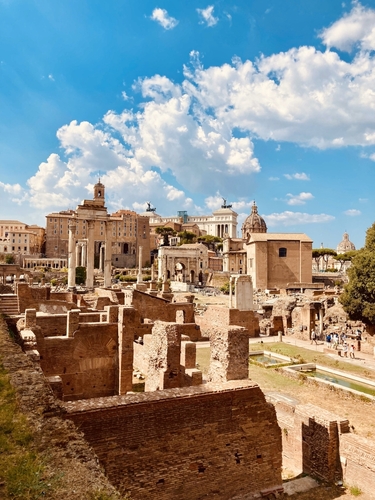
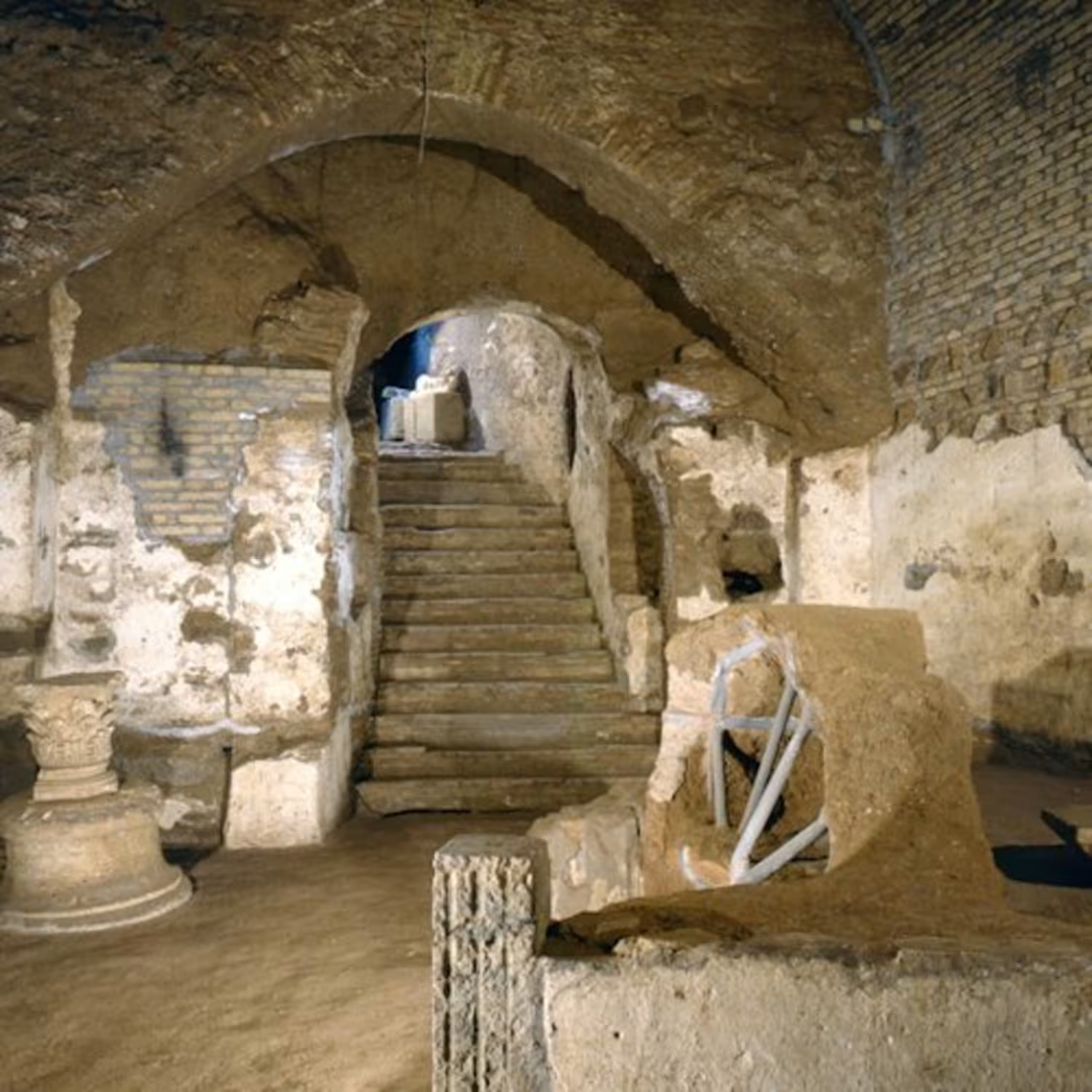
An underground passageway inside one of Rome's catacombs

The Appian Way, Rome's Oldest Road and the Tombs That Line It

Begun in 312 BC by the censor Appius Claudius Caecus and still paved with its original stones in places. Roman law kept burials outside the walls, so the road filled with tombs, and later with catacombs.

The Via Appia in Numbers

The censor Appius Claudius Caecus began the road in 312 BC, as a military route south.

The first stretch ran from Rome to Capua: 132 Roman miles, or 195 kilometres.

By 244 BC it reached Brundisium, modern Brindisi, adding another 233 Roman miles.

End to end that is about 365 Roman miles, roughly 540 kilometres.

It is thought to be the first Roman road built with lime cement.

In 71 BC, 6,000 of Spartacus's followers were crucified along the 200 kilometres between Rome and Capua.

The regional park protecting it covers 4,580 hectares and was set up in 1988.

It carries UNESCO World Heritage status, inscribed as Via Appia. Regina Viarum.

How Ancient Roman Roads Were Built, Layer by Layer
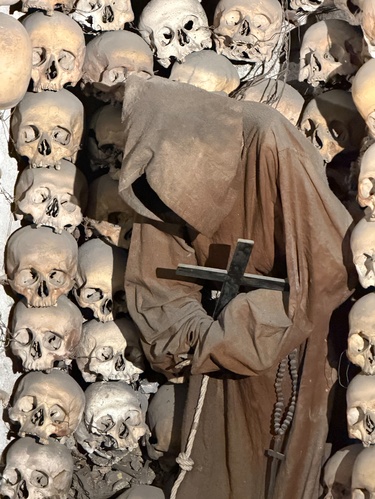
Burial niches cut into the tufa rock inside a Roman catacomb

A Roman road was a stack, not a surface. Engineers levelled a dirt track first, then laid small stones bedded in mortar, spread gravel over that, and finished with tightly fitting interlocking blocks cut to sit against each other without gaps.

The finished surface was raised in the middle so rainwater ran off to the sides, where ditches carried it away behind retaining walls. That camber is the reason stretches of the original paving are still there to walk on after more than two thousand years, while the villas and farms either side of it have gone.

The Appia is also thought to be the first Roman road laid with lime cement, which is part of why it lasted and why later roads copied its build.

Why the Road Filled With Tombs

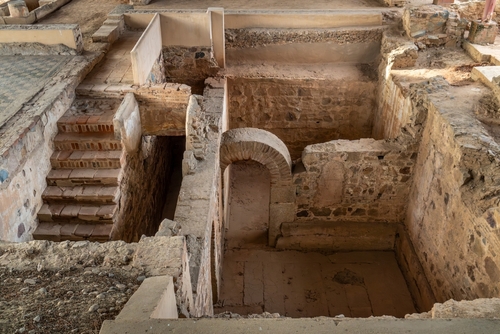
The entrance area at one of Rome's ancient underground burial sites

Roman law would not let the dead be buried inside the city walls. That single rule shaped the landscape outside them: every road leaving Rome became a corridor of tombs, built where the traffic was, so the names on them would be read by anyone heading south.

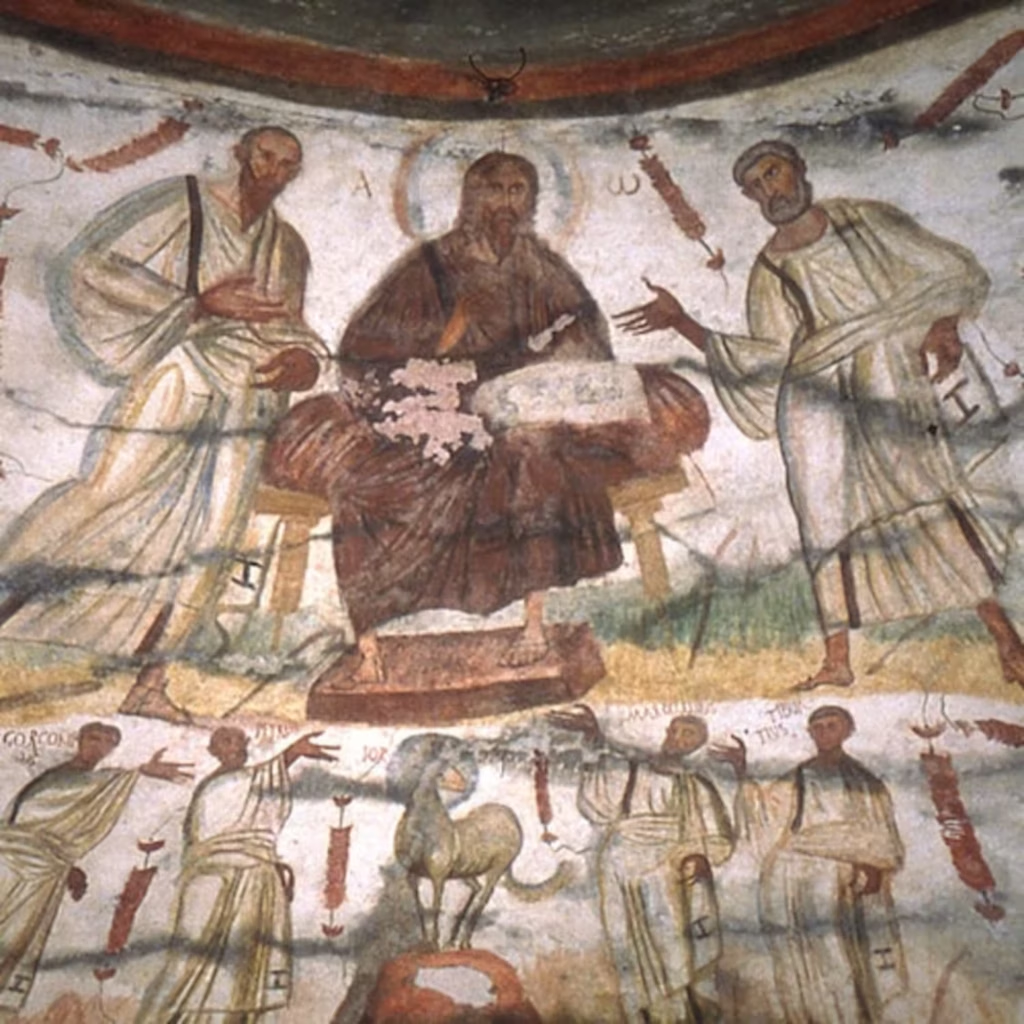
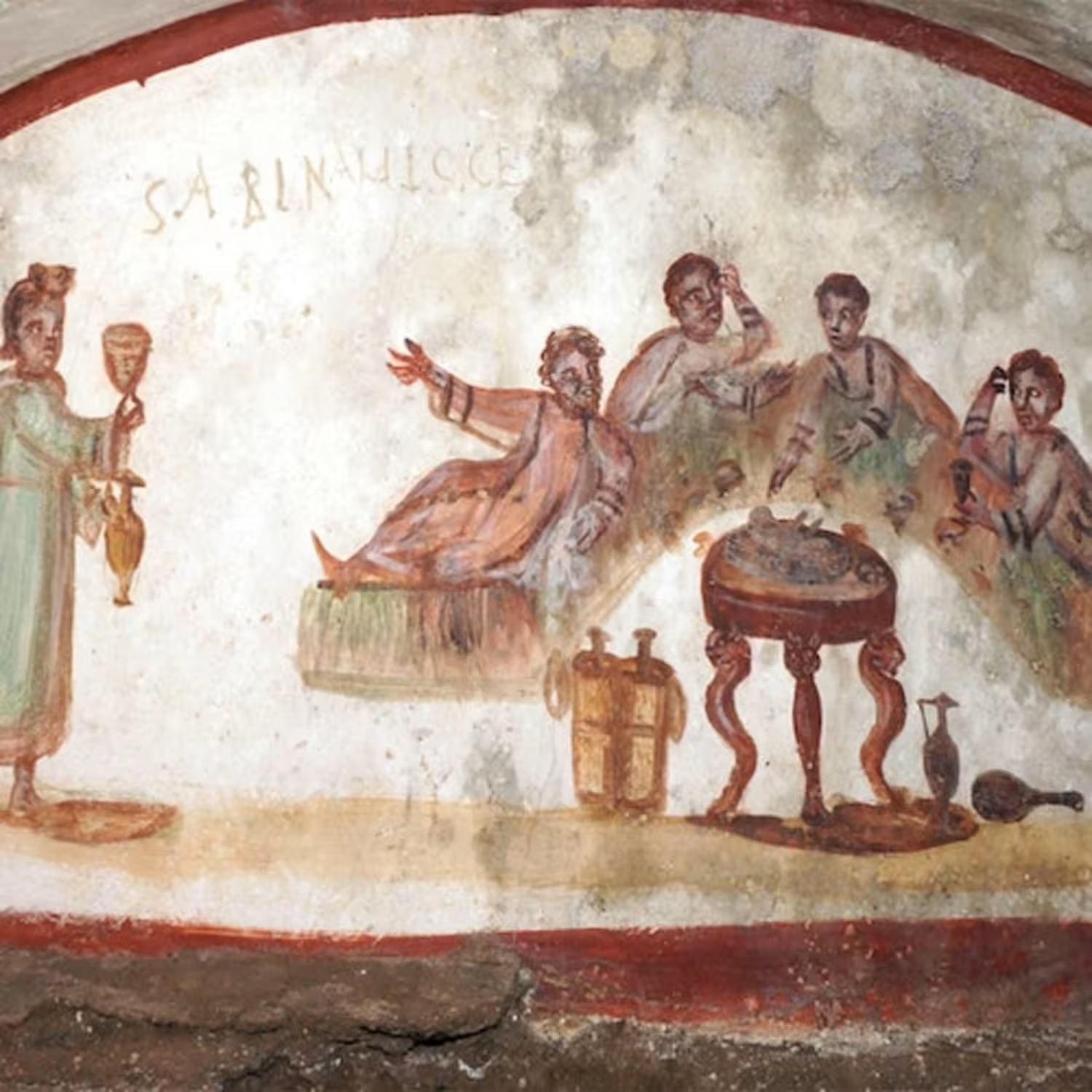
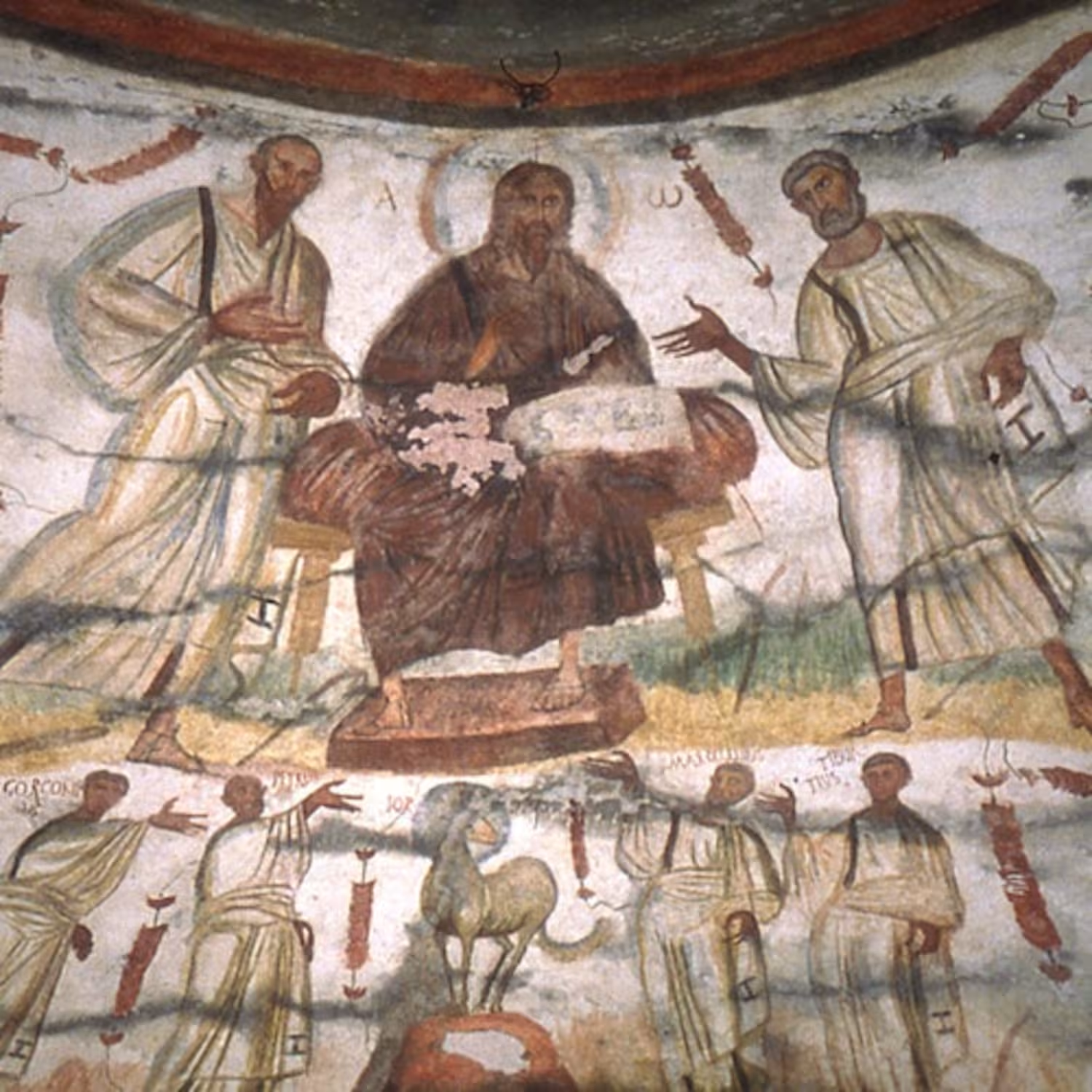
Families with money built upward and outward, in drums, towers and temple fronts. Everyone else went underground. From the second century AD the burial grounds beside these roads began to expand downward into the soft volcanic tufa, and the catacombs that resulted are still there beneath the fields.

That is the direct link between a road and a cemetery. The Catacombs of Domitilla lie inside the regional park that protects the Appia, off the Via Ardeatina.

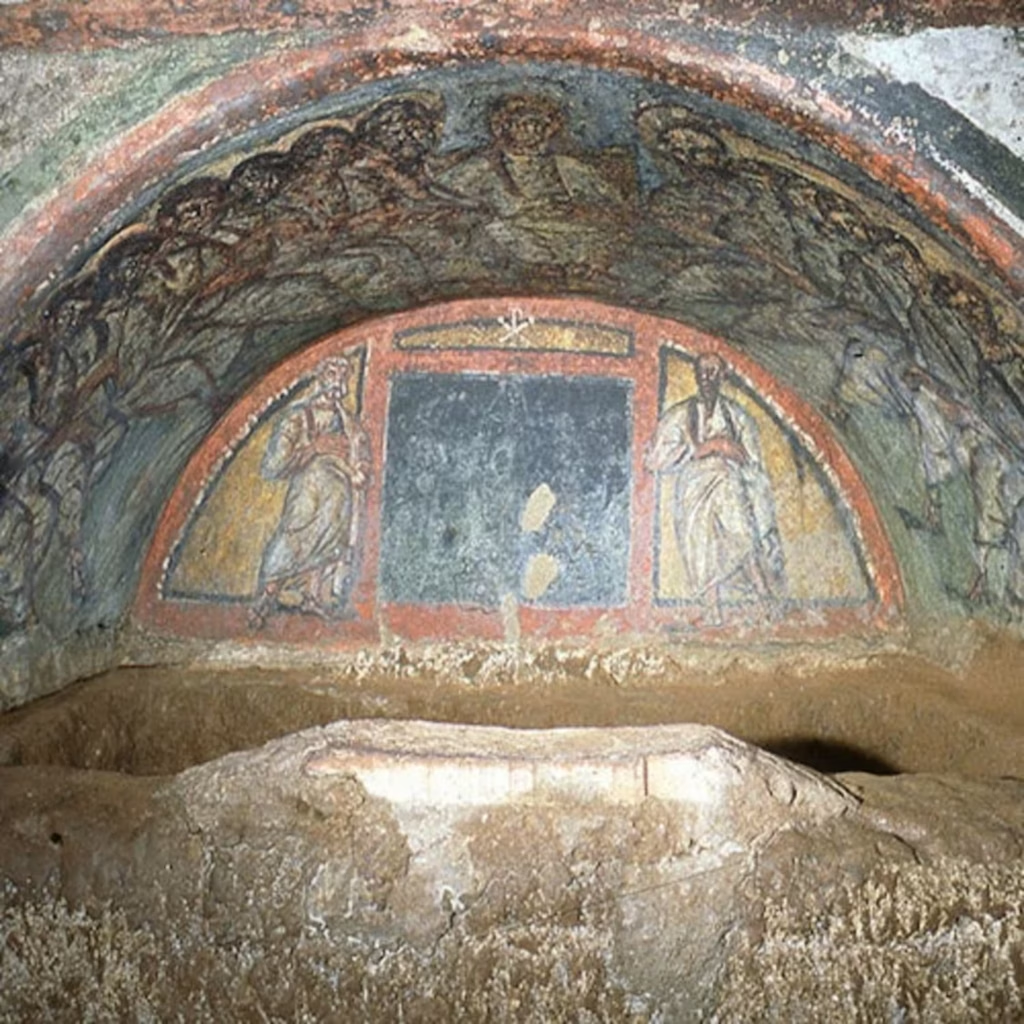
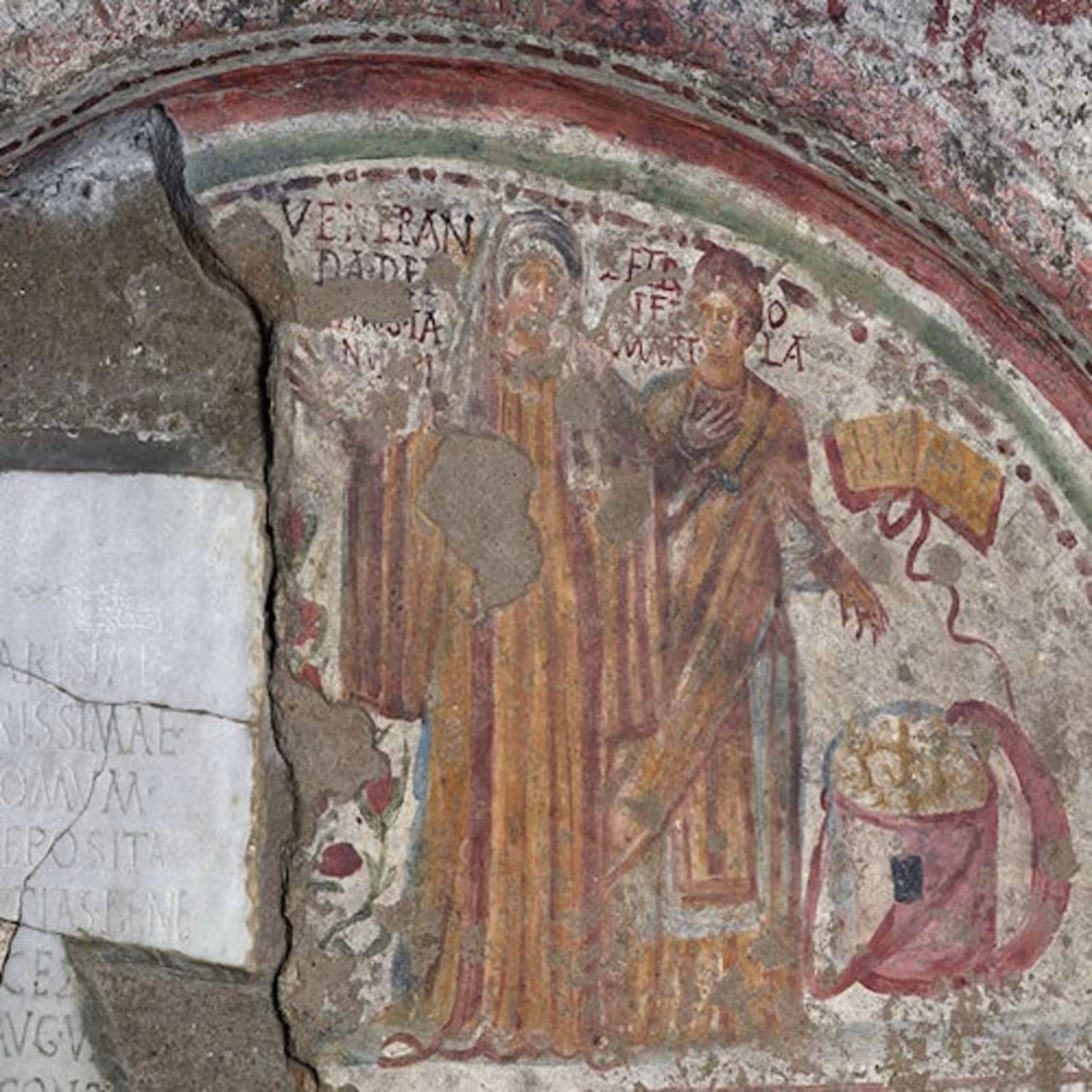
Catacombs of Domitilla, Rome: Entrance Ticket + Guided Tour

Highlights

Discover some of the most significant catacombs beneath Rome.

Enjoy a guided experience that sheds light on early Christian history.

Benefit from skip-the-line access to the site.

Learn about controversies relating to women’s roles in the Church.

Hear intriguing stories, including legends and early explorers’ beliefs.
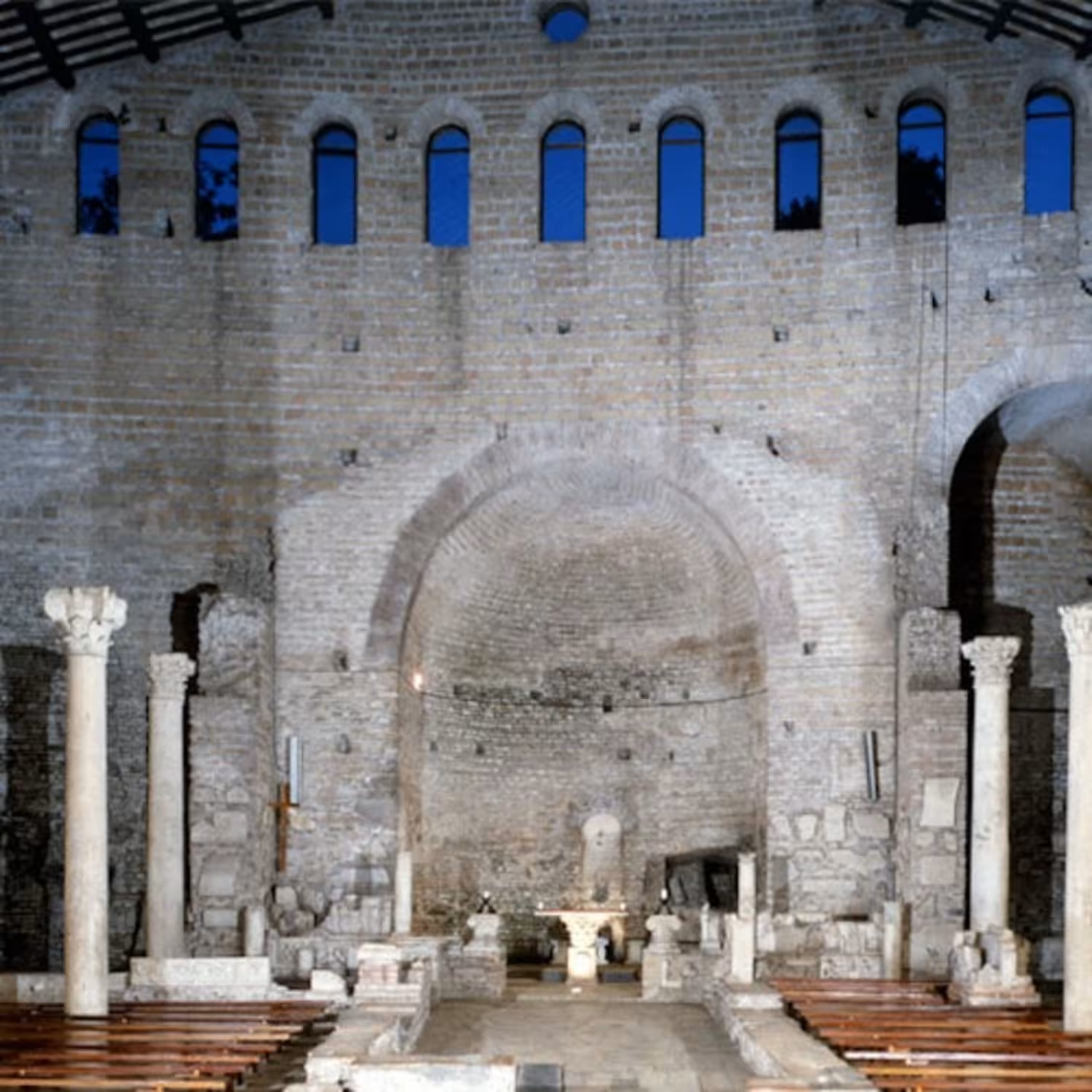
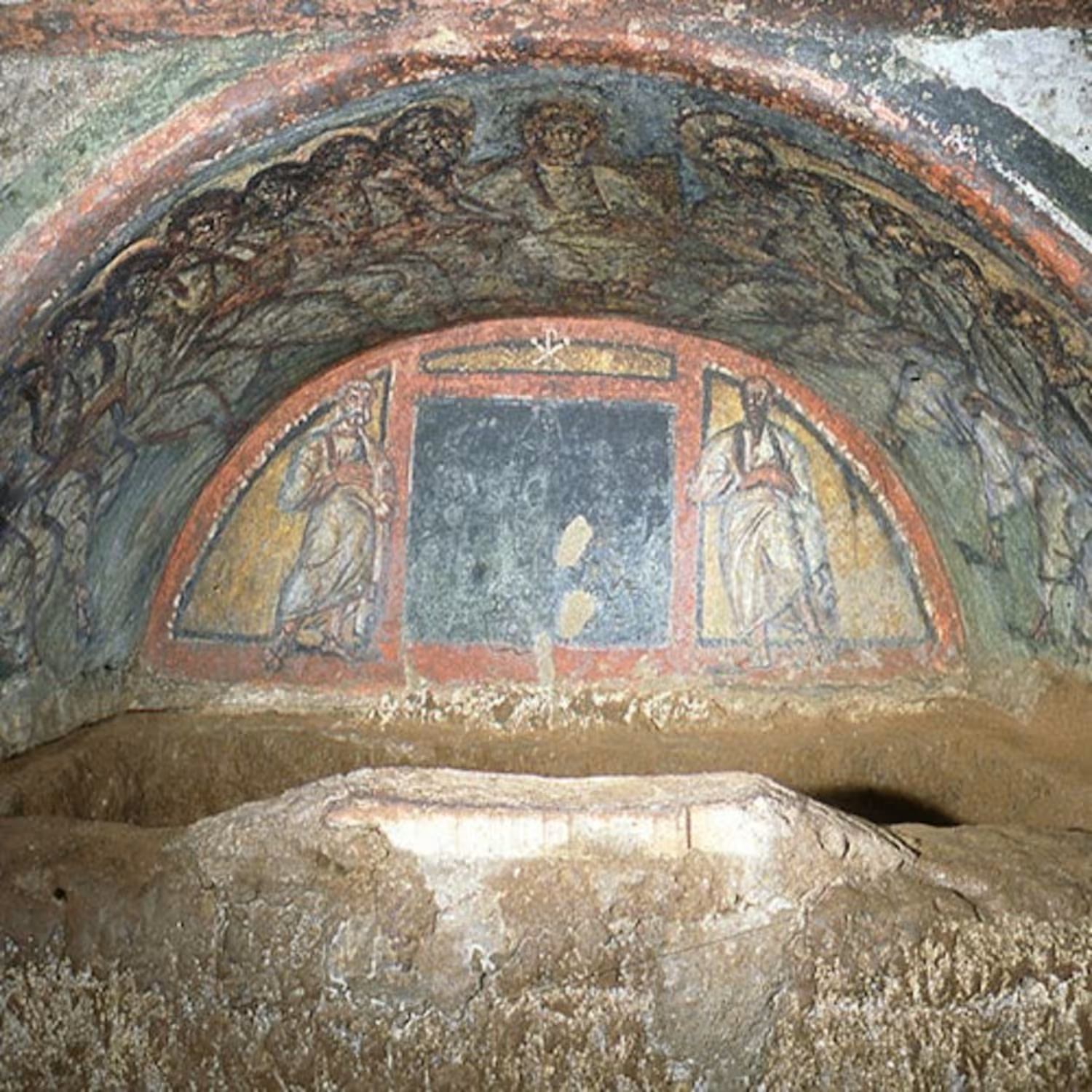
Catacombs of Saints Marcellinus and Peter: Guided Tour

Highlights

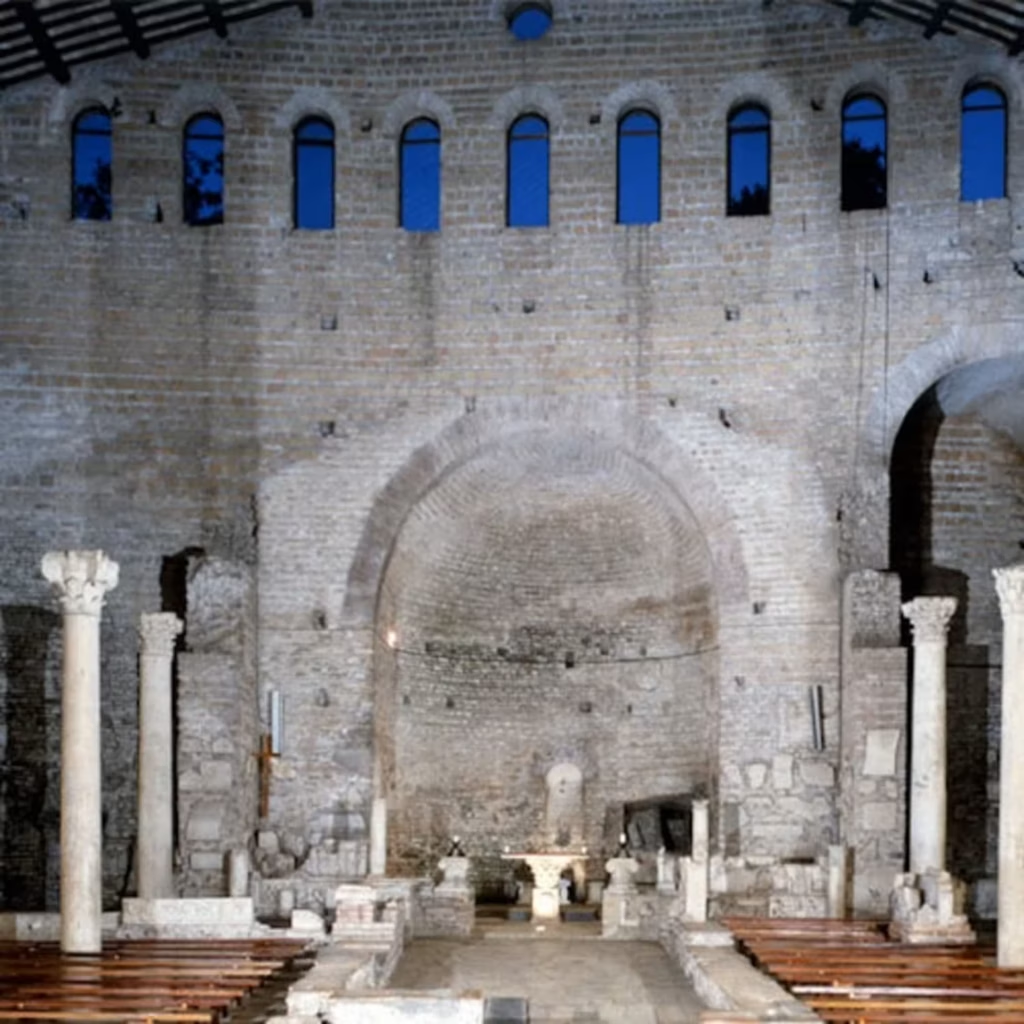
Venture into the ancient underground necropolis linked to early Christian martyrs.

Experience a detailed 40-minute guided exploration led by a knowledgeable live guide.

Enjoy expedited entry that avoids long queues.

Learn about the Mausoleum of Saint Helena, resting place of Constantine’s mother.

Observe authentic early Christian inscriptions and tombstones in a multilayered catacomb complex.
Go Underground at the End of the Road

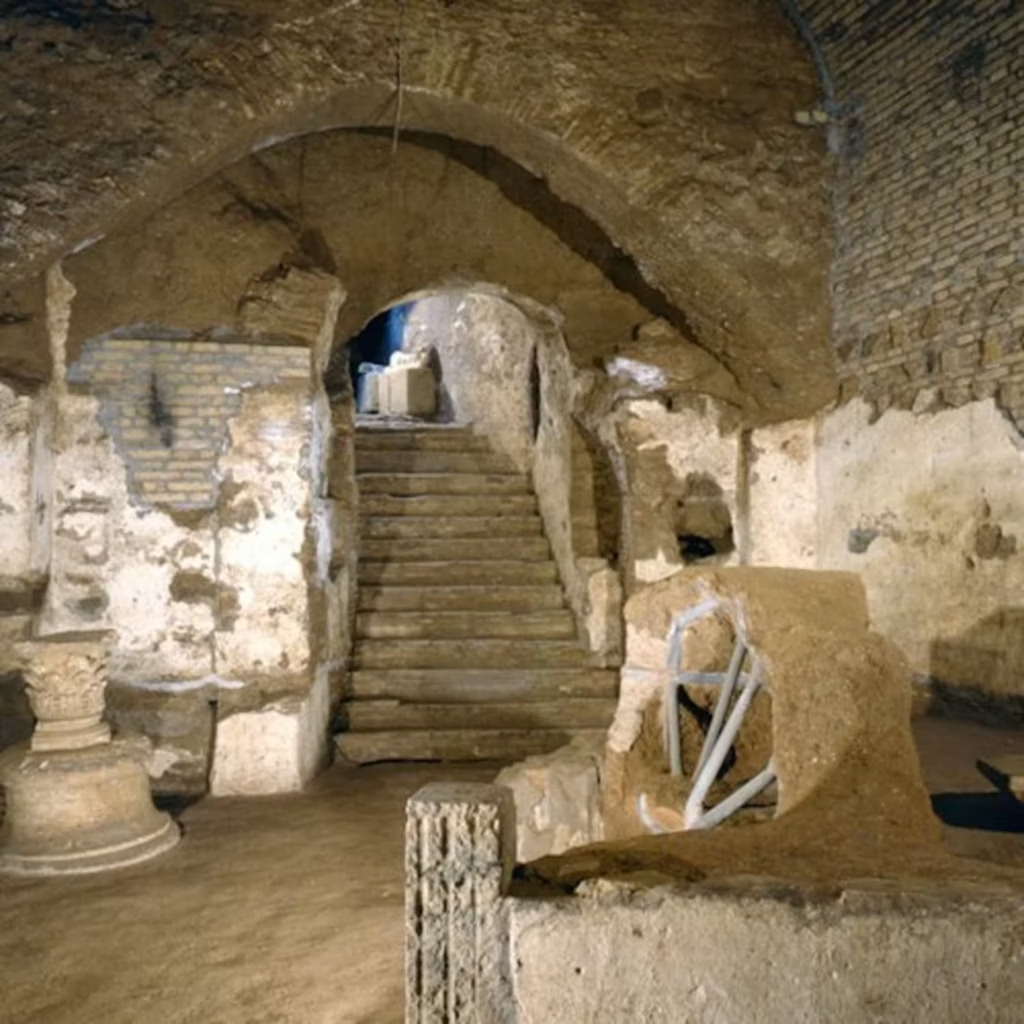
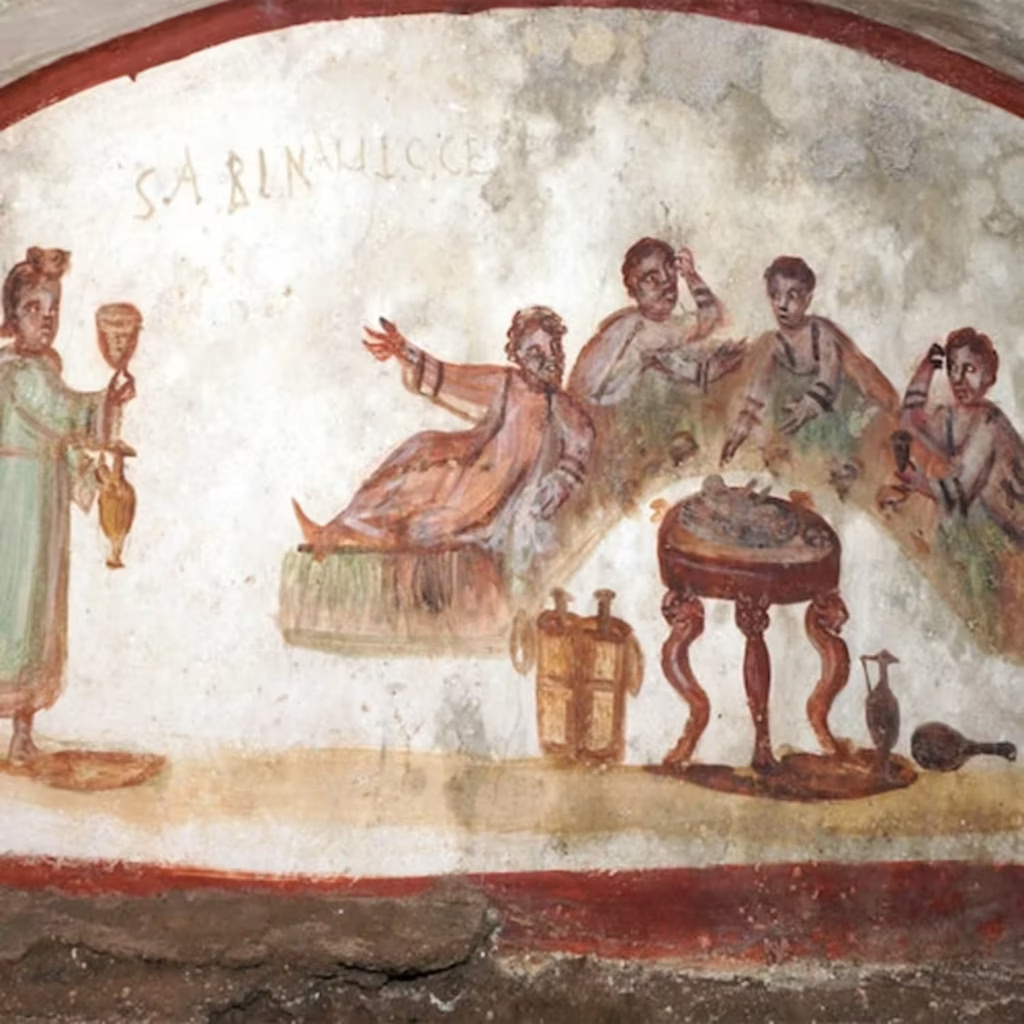
The road is the part you can see. The larger half of it was always below ground, cut by hand into tufa by people who were buried where the traffic passed. Guided tours take you into two of those networks.

About this guide

Sources: Encyclopaedia Britannica, Appian Way; Turismo Roma, Parco Regionale dell'Appia Antica; Turismo Roma, Mausoleo di Cecilia Metella; Italia.it, Circus of Maxentius.

Frequently Asked Questions About the Appian Way

Who built the Appian Way, and when?

The censor Appius Claudius Caecus began it in 312 BC as a military road, and it carries his name. The first section ran from Rome to Capua, 132 Roman miles or about 195 kilometres.

How long is the Appian Way?

Once the extension to Brundisium, modern Brindisi, was finished by 244 BC, the road ran about 365 Roman miles, roughly 540 kilometres end to end. The regional park today protects the first 16 kilometres of it.

How were Roman roads like this actually built?

In layers. A levelled dirt track, then small stones set in mortar, then gravel, then interlocking paving blocks cut to fit tightly together. The surface was raised in the middle so water drained into ditches on either side.

Why are there so many tombs along the Appian Way?

Because Roman law banned burial inside the city walls. Families built their tombs along the roads out of Rome instead, where they would be seen, and from the second century AD the burial grounds beside those roads started expanding underground.

Were Spartacus's followers really crucified along the road?

That is what the ancient accounts describe. After the revolt was put down in 71 BC, 6,000 of the defeated were crucified along the 200 kilometres between Rome and Capua.

What can you see along the Appian Way today?

The Tomb of Caecilia Metella, the Circus of Maxentius and the Villa of the Quintilii, the church of Domine Quo Vadis at the second mile, and several catacombs, including Callixtus, San Sebastiano and the Jewish catacomb at Vigna Randanini.

Are the Catacombs of Rome on the Appian Way?

The Catacombs of Domitilla sit inside the Appian Way Regional Park, off the Via Ardeatina, a short distance from the road itself. The catacomb of Saints Marcellinus and Peter is not: it lies on the Via Casilina, on the opposite side of the city.

Is the Appian Way a UNESCO World Heritage Site?

Yes. It is inscribed as Via Appia. Regina Viarum, the queen of roads, a name Roman writers were already using for it.