We are processing your request.
Please, don’t close or refresh the page.
Rome Tickets Capitoline Museum Capitoline Venus
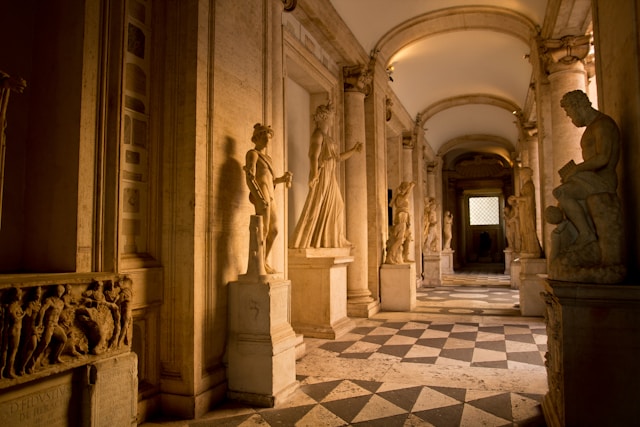
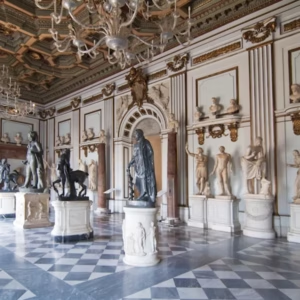
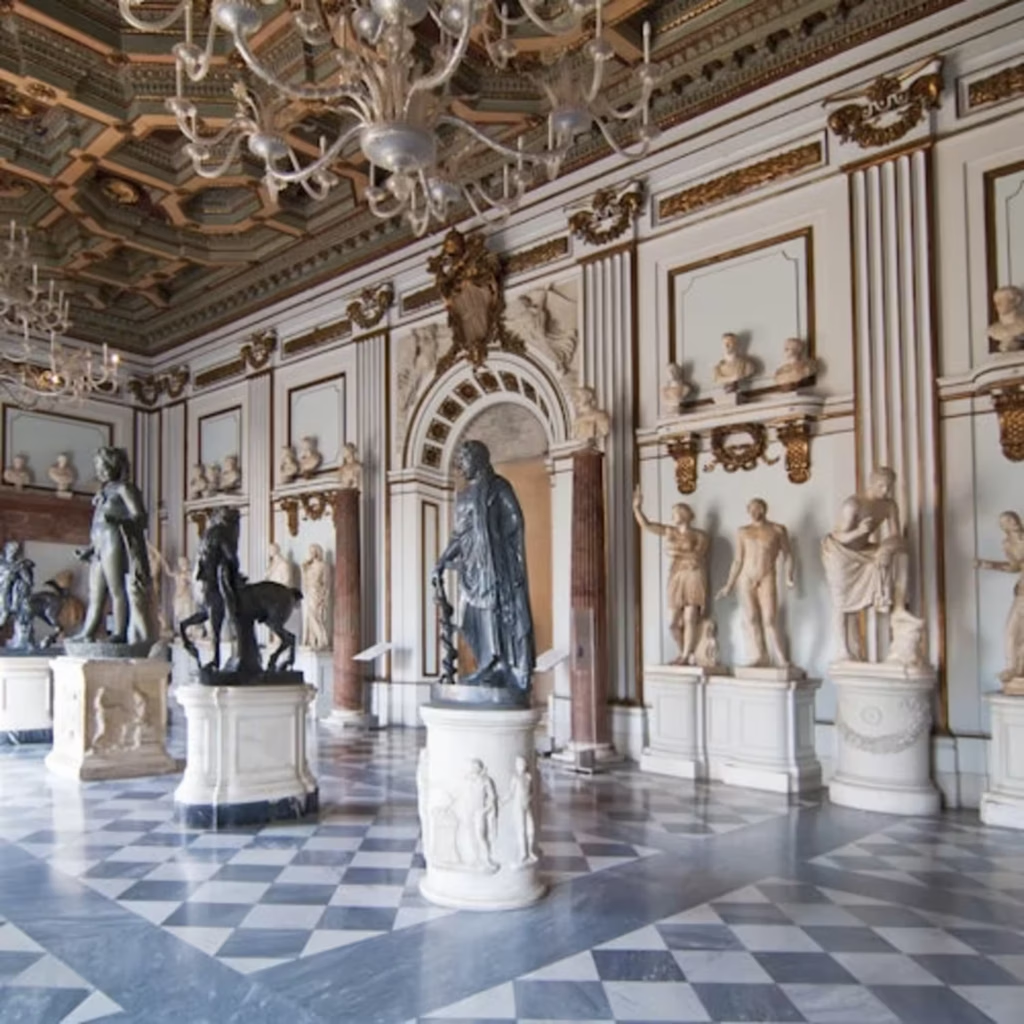
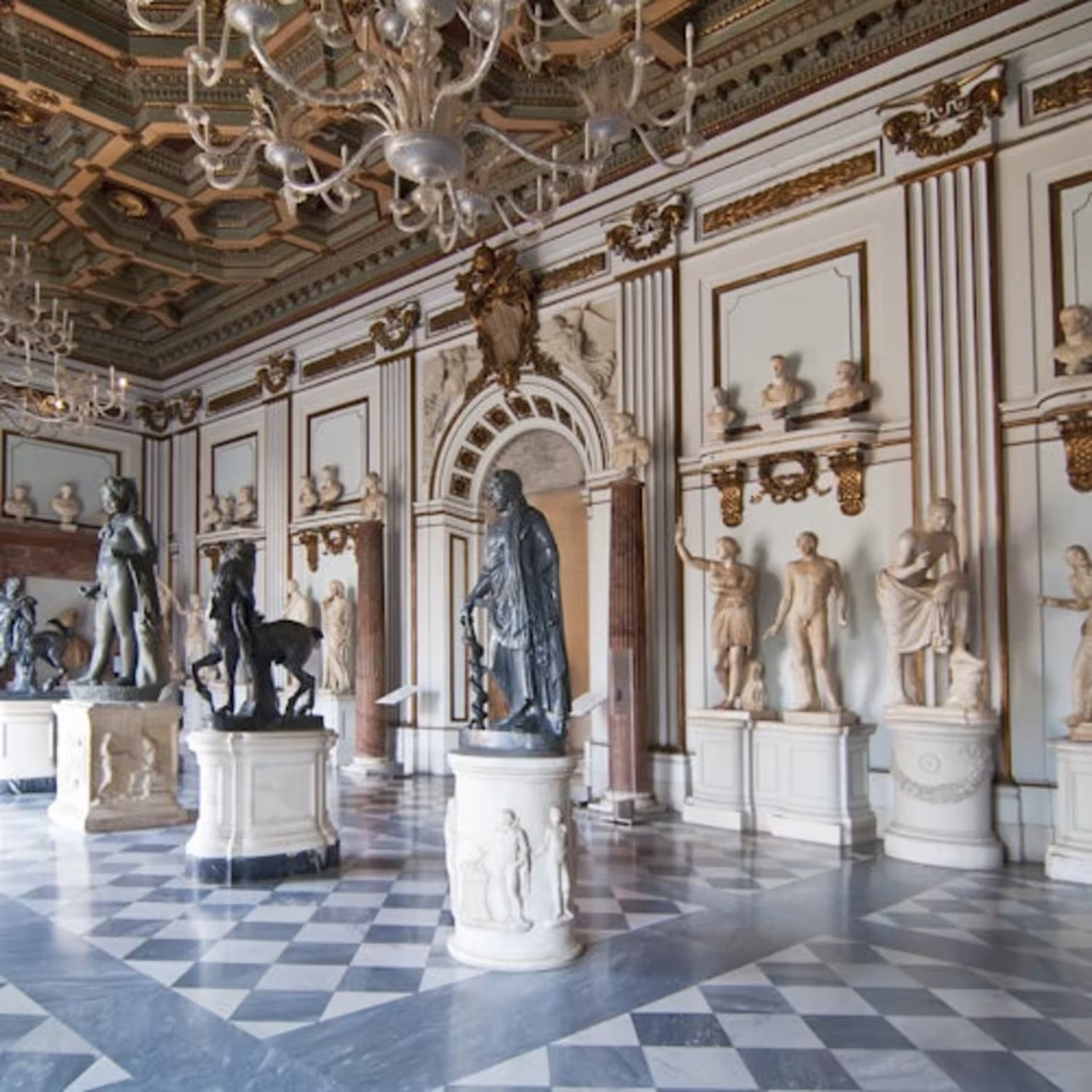
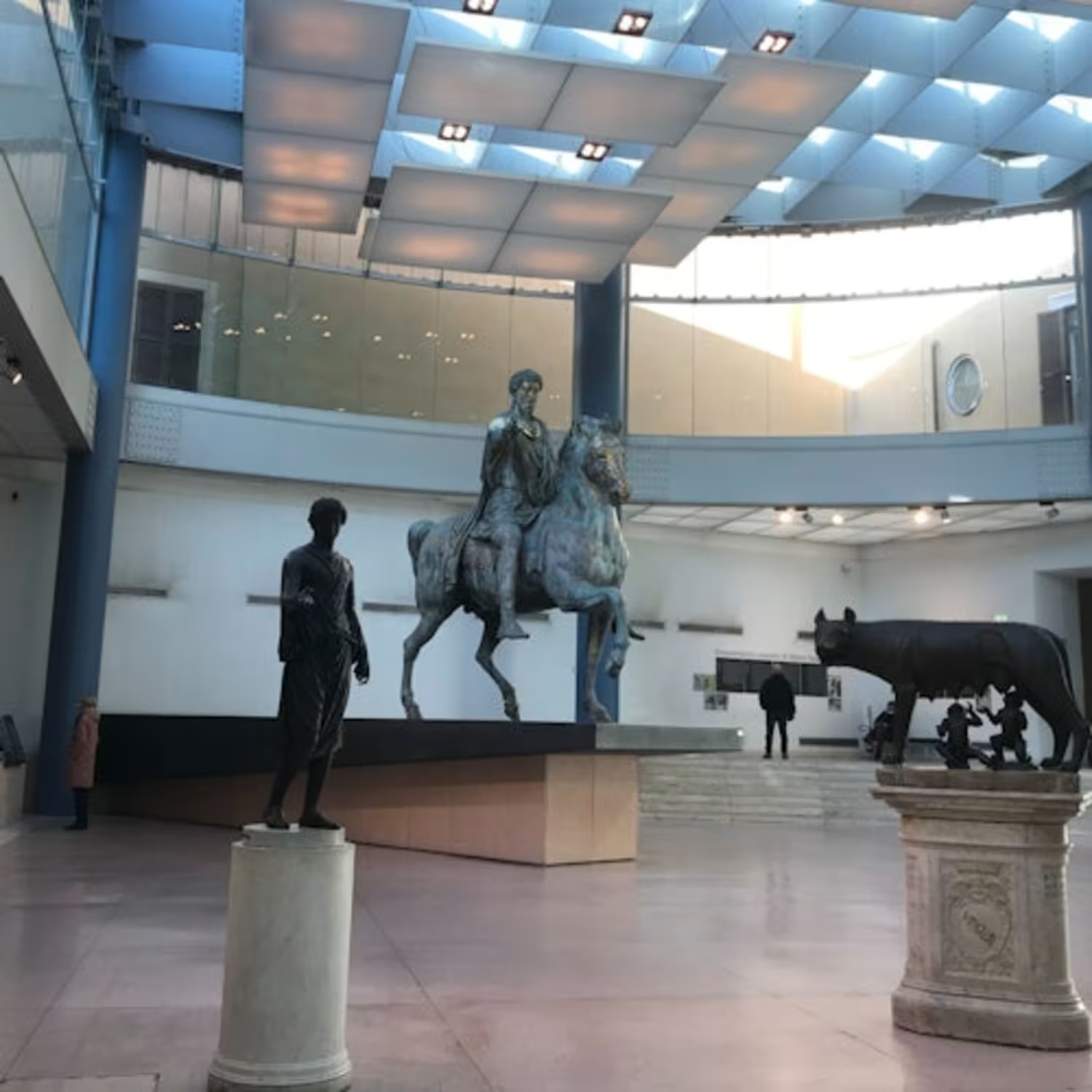
Inside the Capitoline Museums, Palazzo Nuovo

The Capitoline Venus, Bricked Into a Wall and Found Almost Untouched

Somebody in antiquity hid this statue inside a wall to save it, and it worked. She came out near San Vitale in the 1660s in a condition almost no ancient marble survives in, and she has a whole octagonal room to herself.

What Sets the Capitoline Venus Apart

The museum calls her splendidly preserved, which for a free-standing ancient marble is close to unheard of.

She survived because an ancient owner sealed her inside a wall, apparently to protect her from something coming.

She stands 193 cm tall, a little over life-size, in marble that is probably Parian.

The pose follows Praxiteles' Cnidian Aphrodite, the fourth-century-BC original that made the nude female figure acceptable in Greek sculpture.

She is shown stepping out of the bath, with her hands covering her body and her hair pinned up and knotted.

She was dug up near the Basilica of San Vitale between 1666 and 1670.

Pope Benedict XIV gave her to the Capitoline in 1752.

She is the only statue in her room, which was arranged around her rather than the other way round.

Somebody Walled Her Up on Purpose
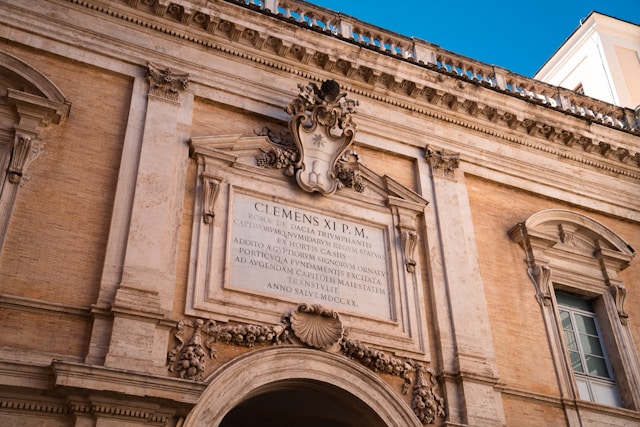
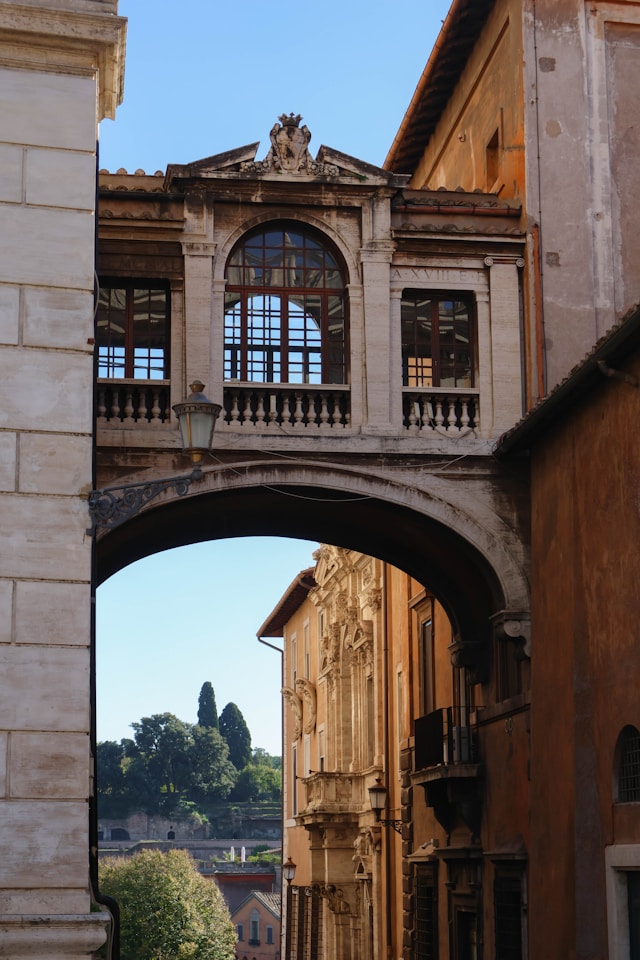
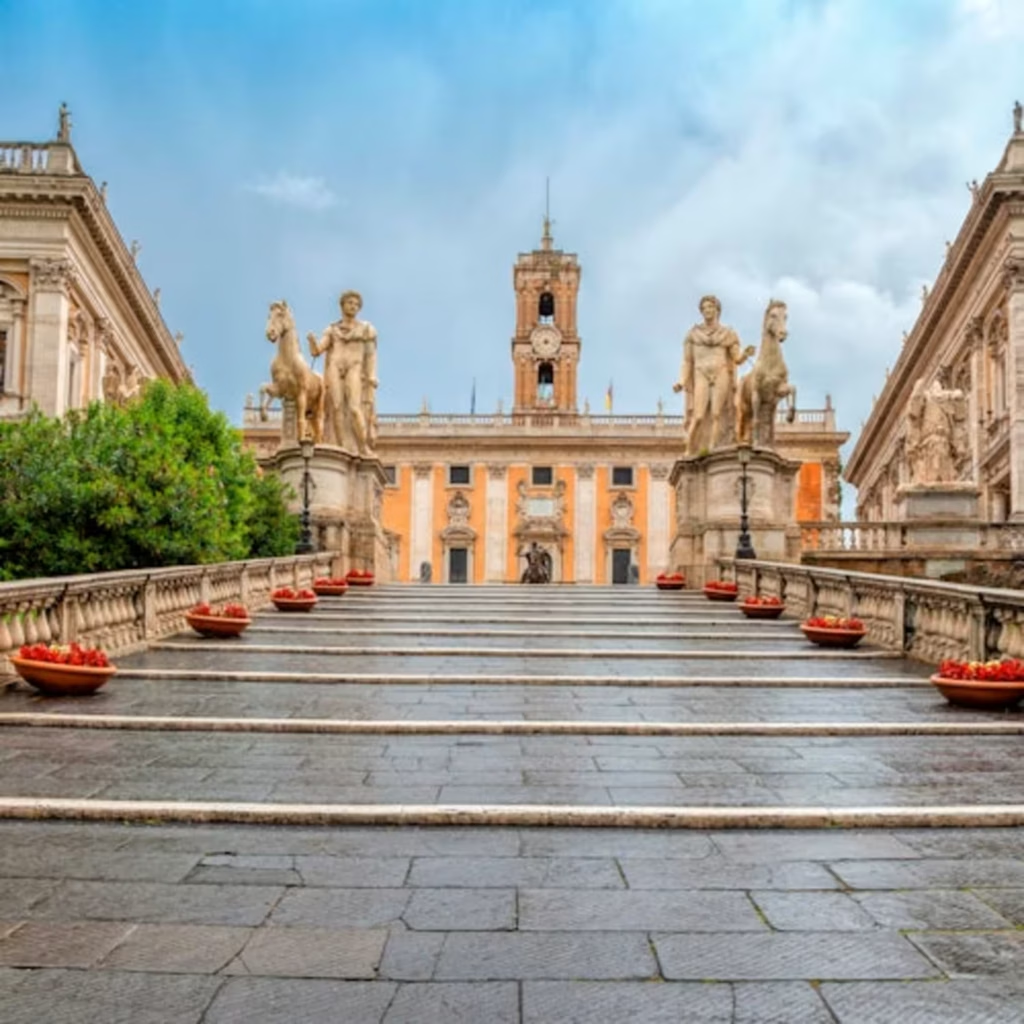
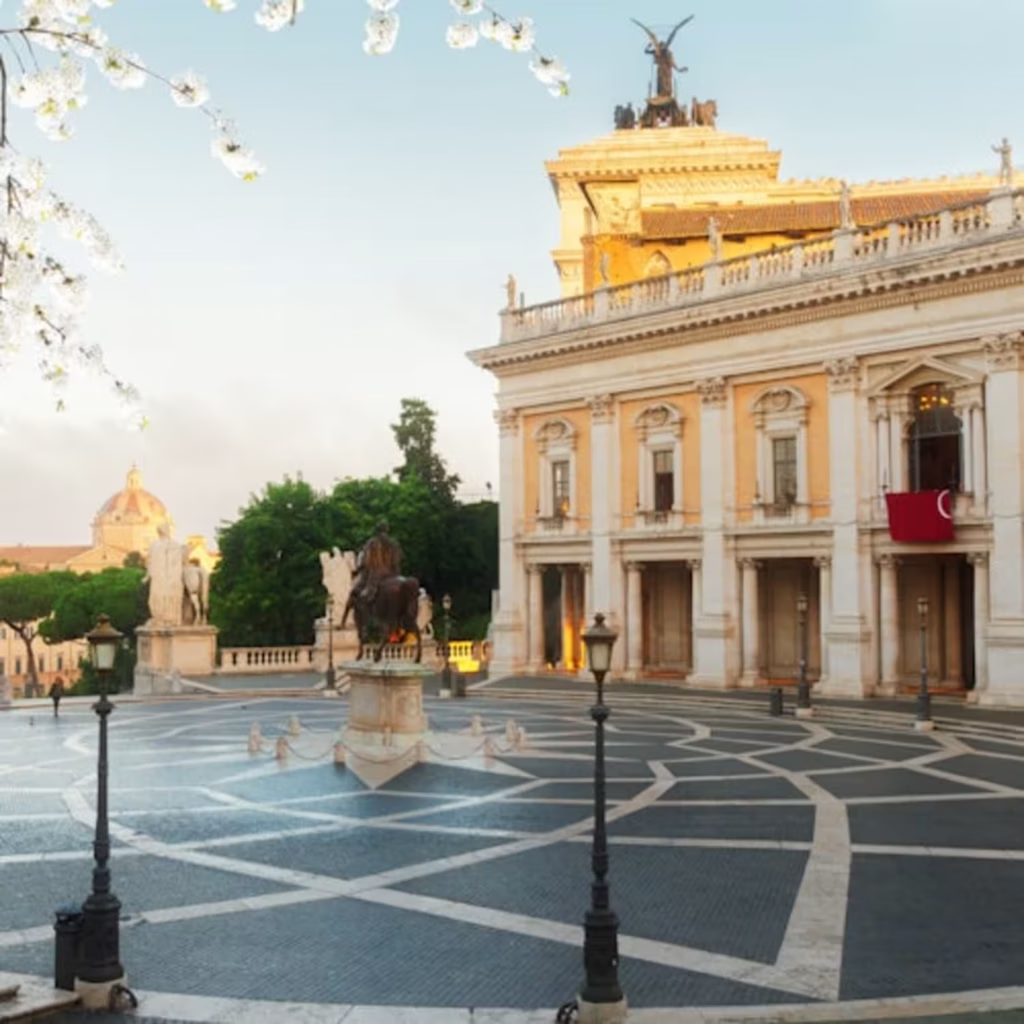
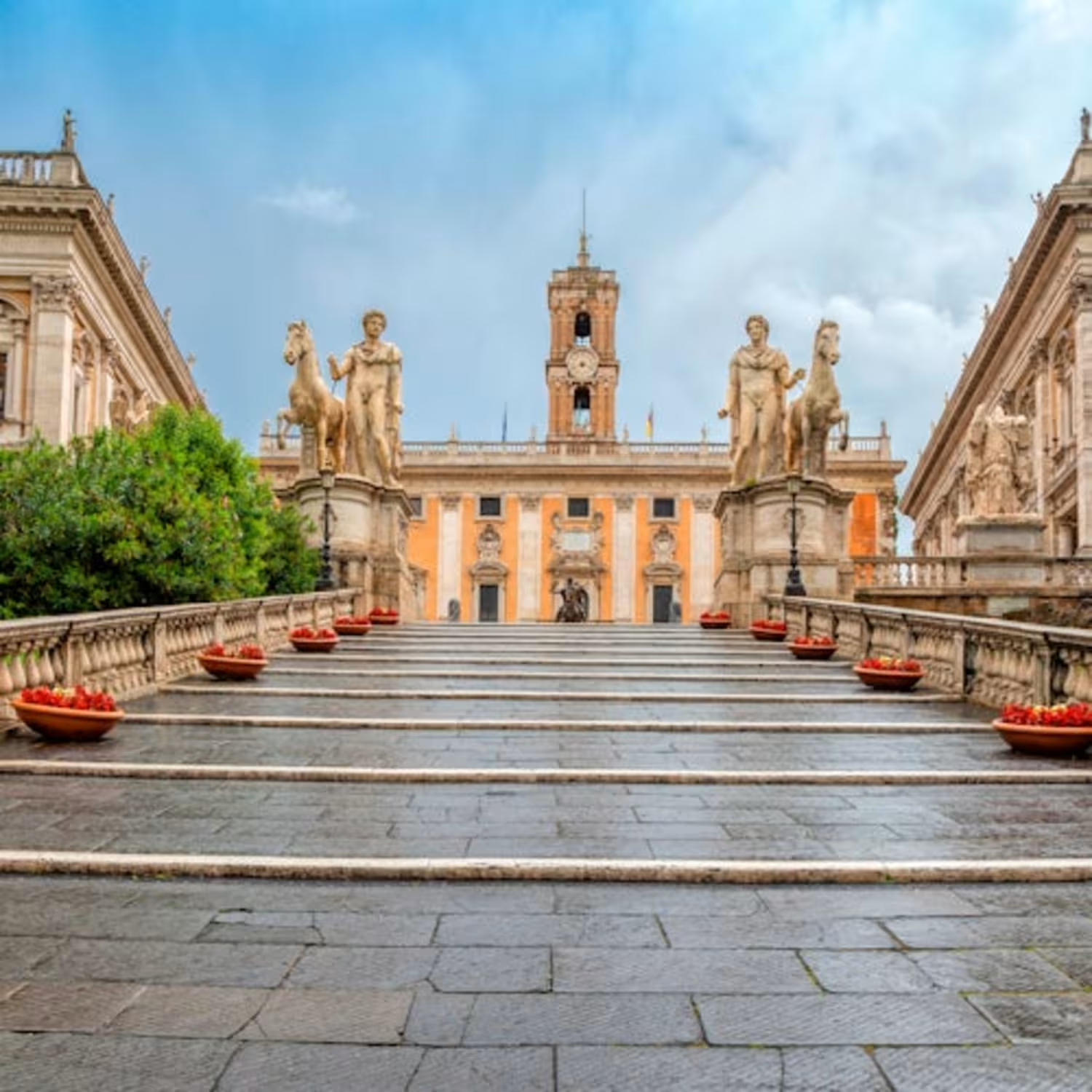
The Capitoline Museums complex

The most interesting thing about this statue is not how she was carved but how she was stored. When she was found near the Basilica of San Vitale in the second half of the 1660s, she was inside a wall, deliberately built around and sealed in.

The museum's reading is that an ancient owner hid her from a danger they could see coming, which in Rome could mean a sack, a fire, a confiscation or a change of religion. Whoever it was never came back for her, and the wall held for well over a millennium.

The result is the condition. Almost nothing is missing and almost nothing is restored, which is why she reads so differently from the patched and recomposed marbles in the rooms around her. Most ancient statues survive as fragments because they were left where they fell; this one survives because somebody made a decision.

The Original Behind the Copy

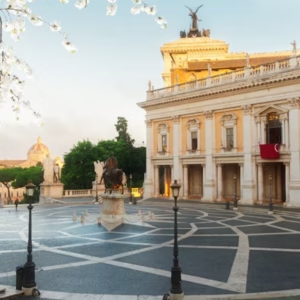
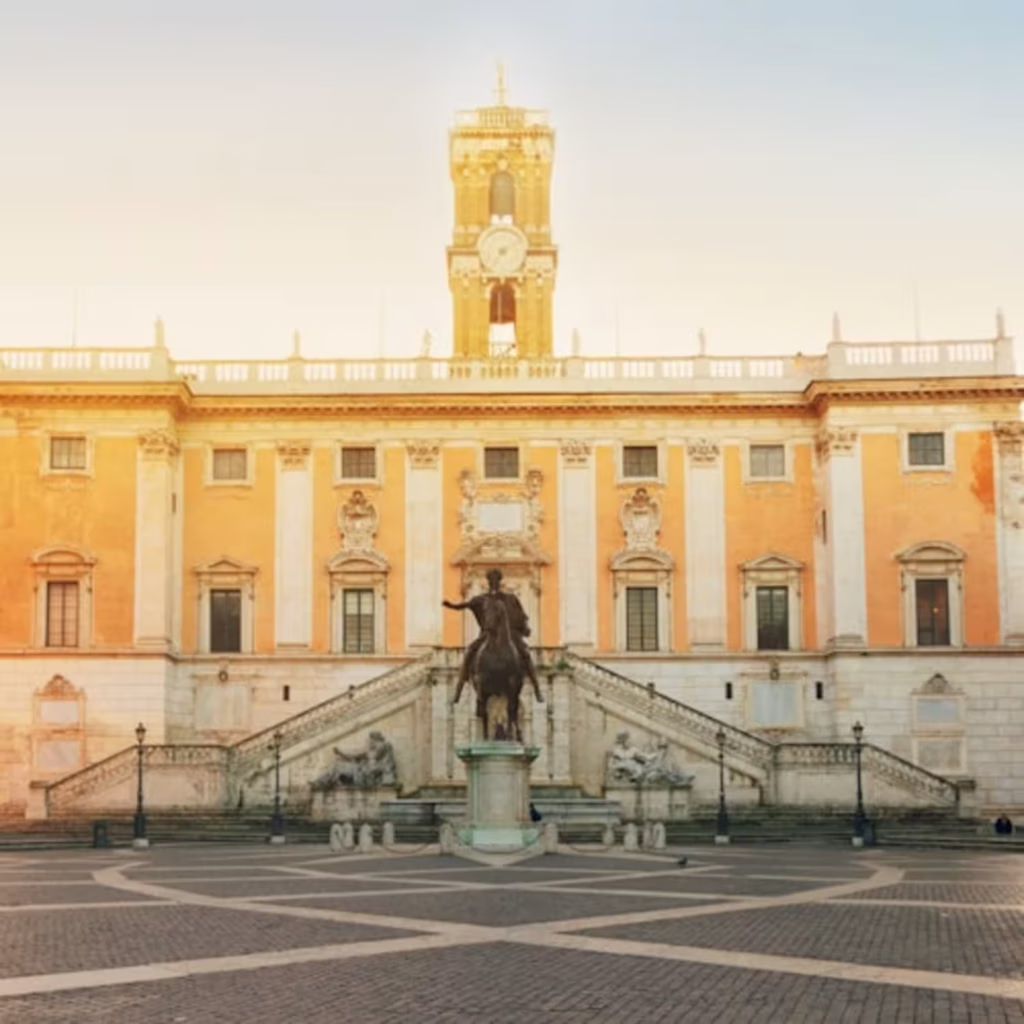
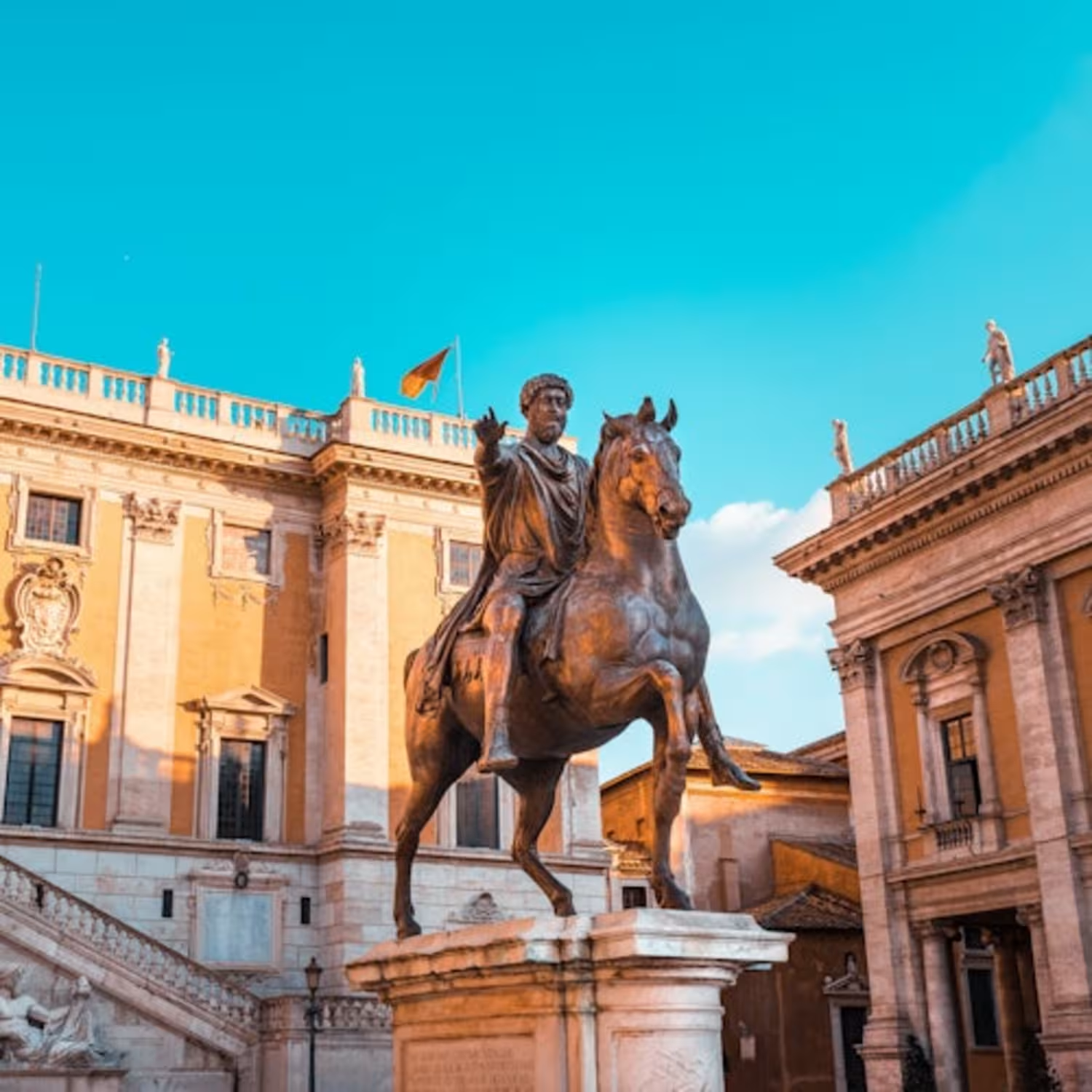
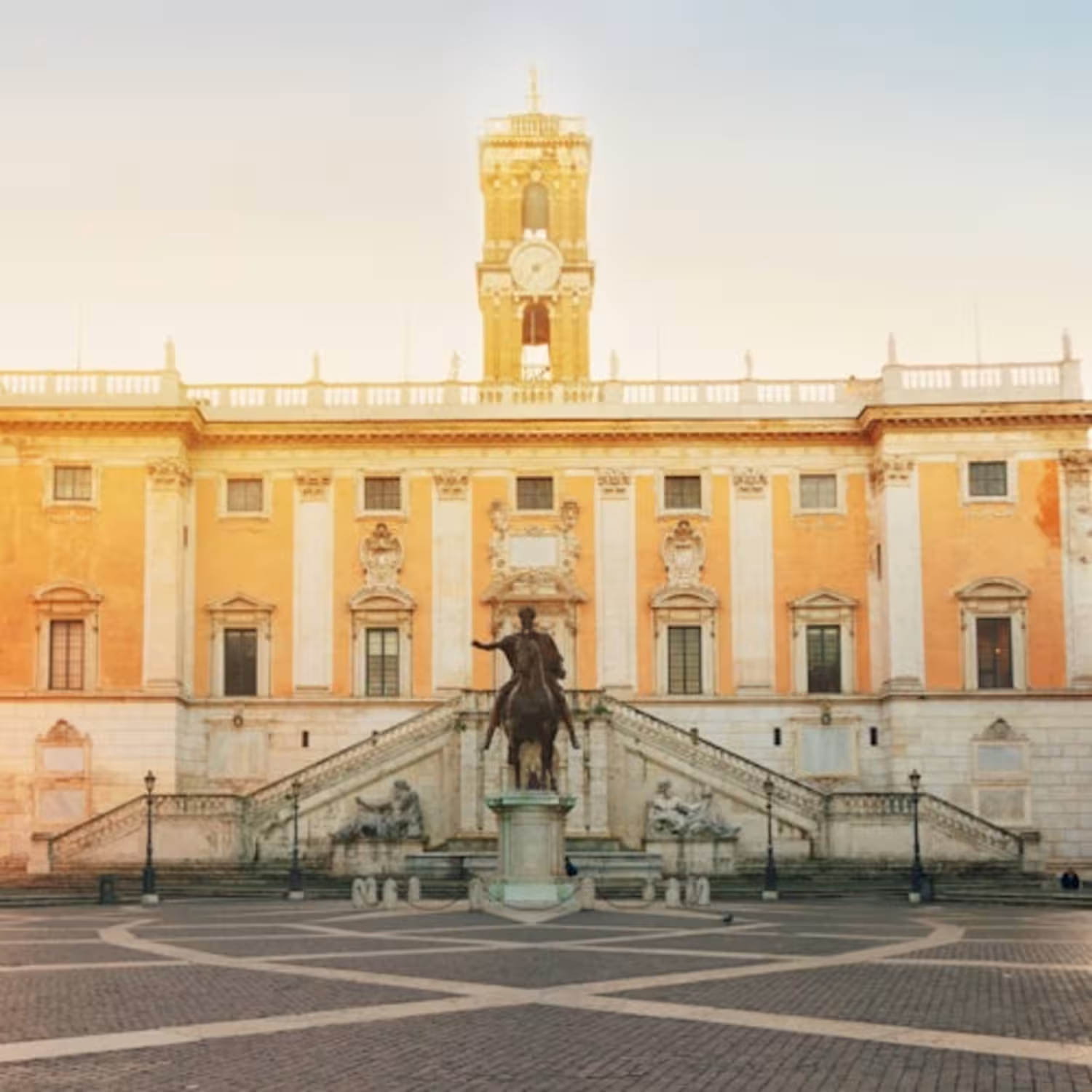
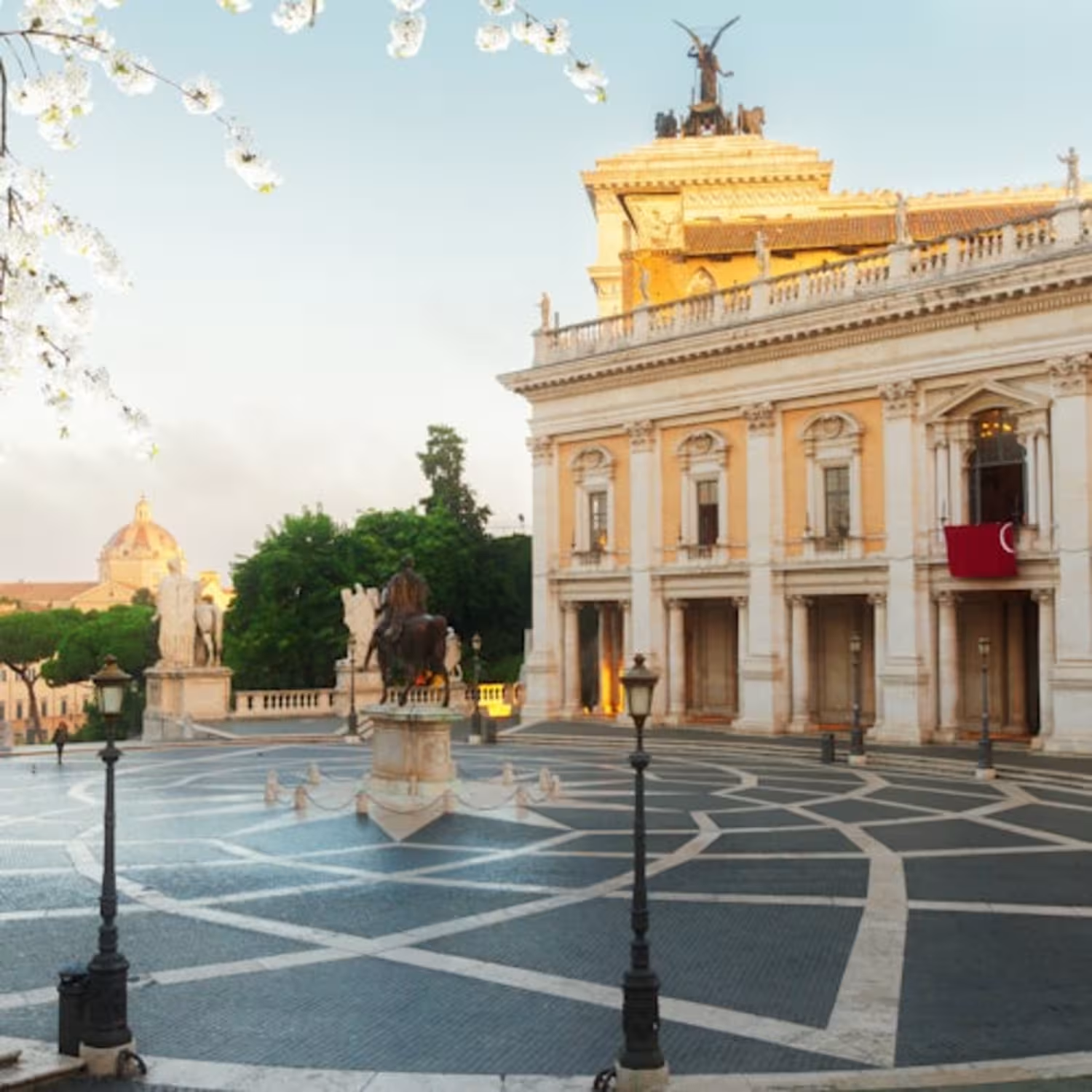
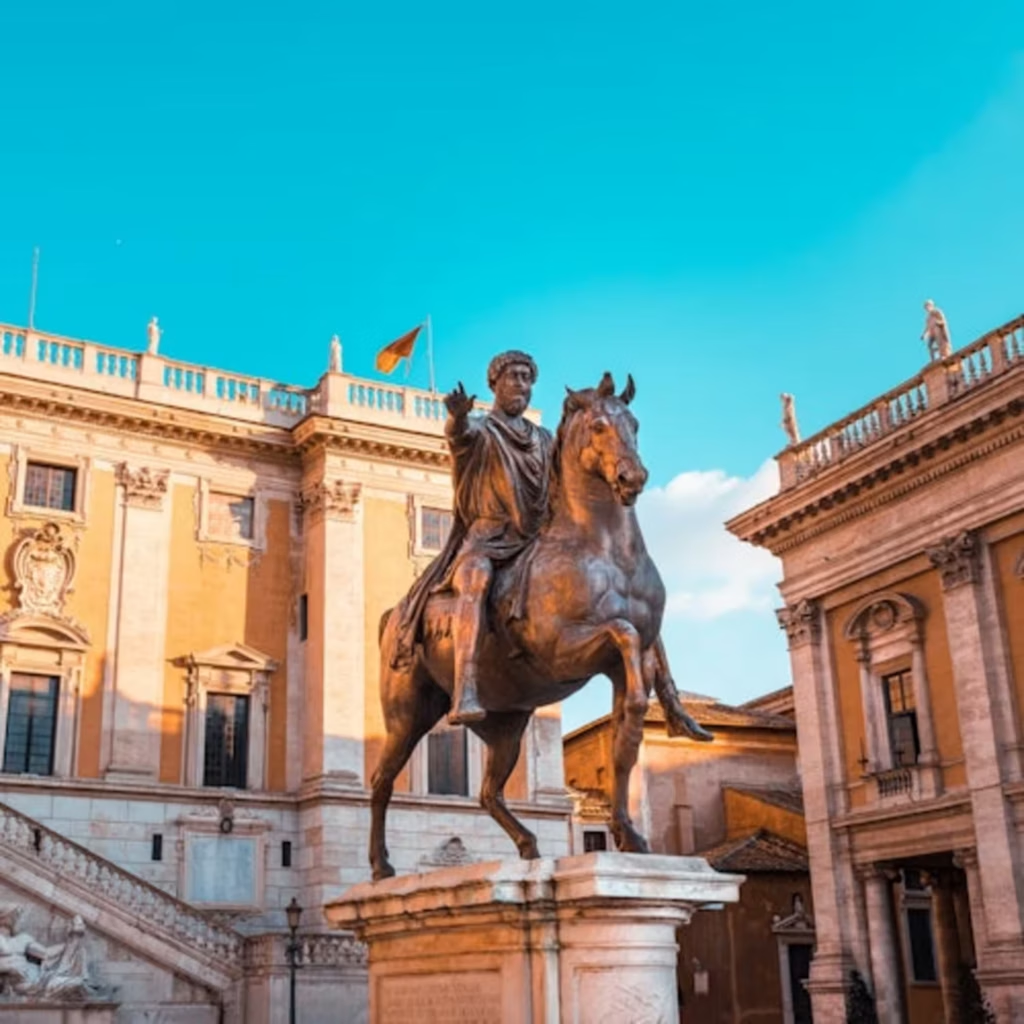
The Capitoline Museums, viewed from the piazza

She descends from the Cnidian Aphrodite carved by Praxiteles in the fourth century BC, a statue that was famous in antiquity for being the first large-scale nude female figure in Greek art and scandalous for the same reason. That original is lost as well.

What Praxiteles invented was the gesture: a goddess caught at her bath, covering herself with her hands, which turns the viewer into someone who has walked in. Roman workshops copied it for centuries, and the Capitoline version is one of the best surviving descendants of that model.

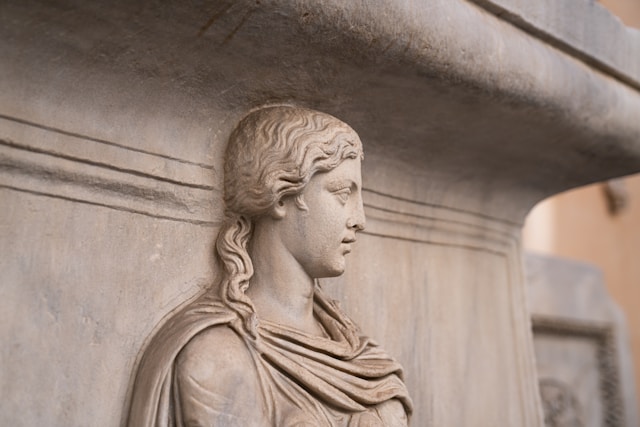
It is not a mechanical reproduction. The proportions, the hairstyle with its pinned-up locks and knot, and the objects placed at her feet are all choices made by whoever cut this particular marble, working from a type rather than tracing an object.

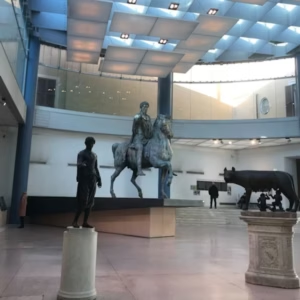
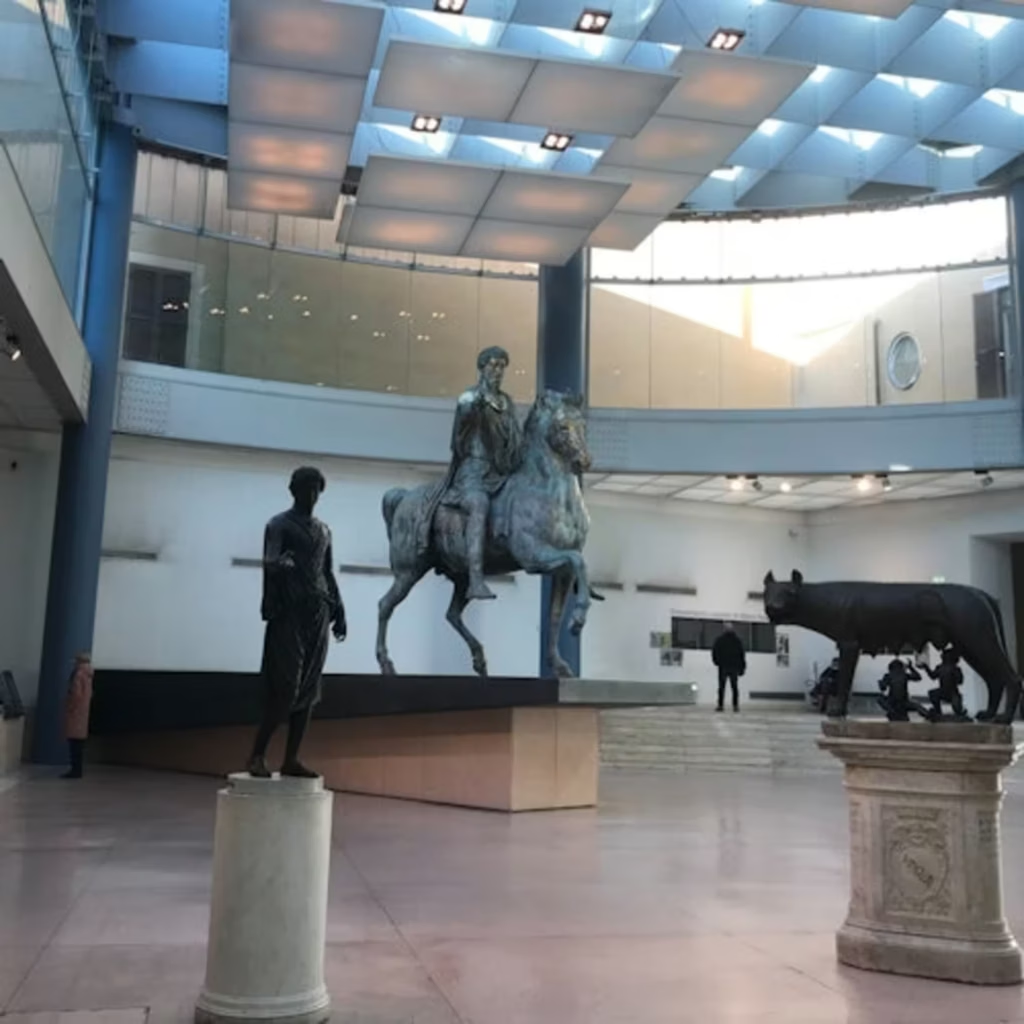
Capitoline Museums and Centrale Montemartini with multimedia video

Highlights

Avoid queues with skip-the-line access to two notable Roman sites.

Explore extensive collections of art and artifacts at your own pace.

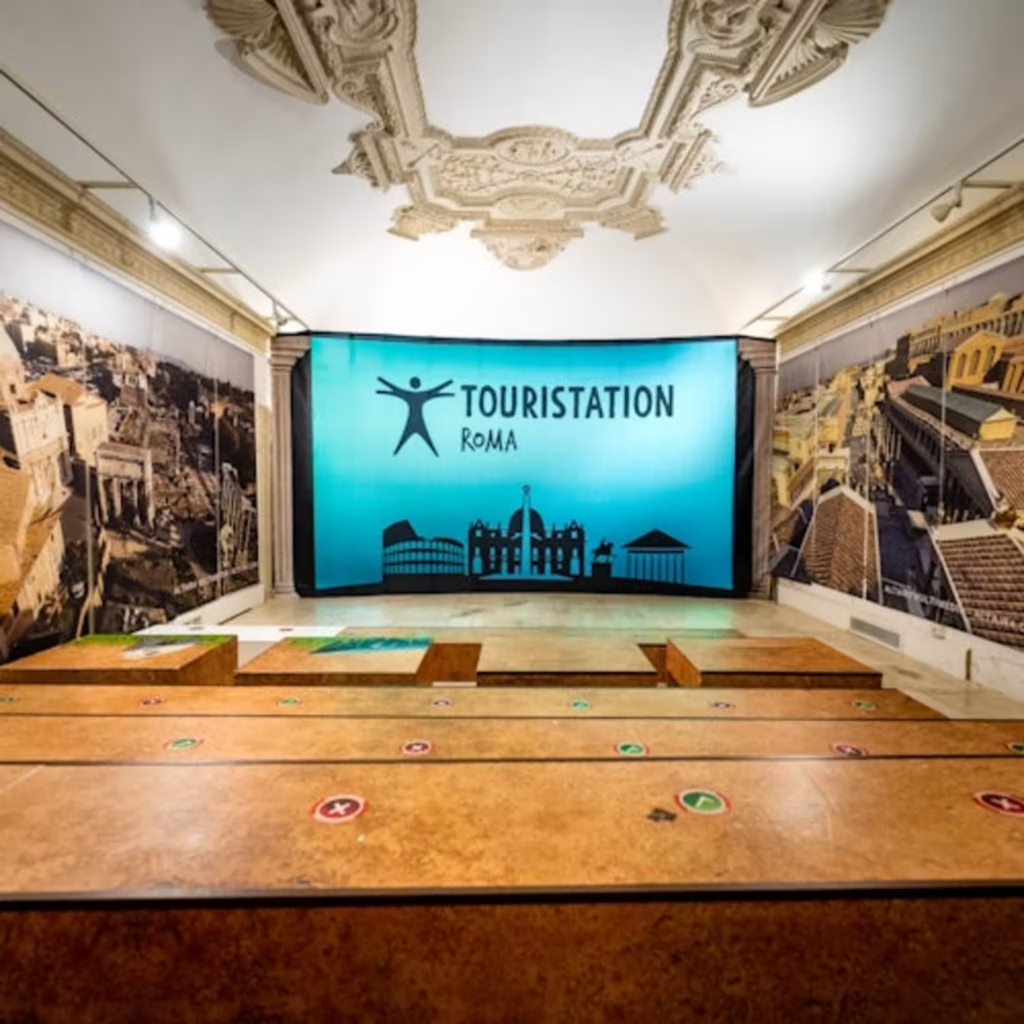
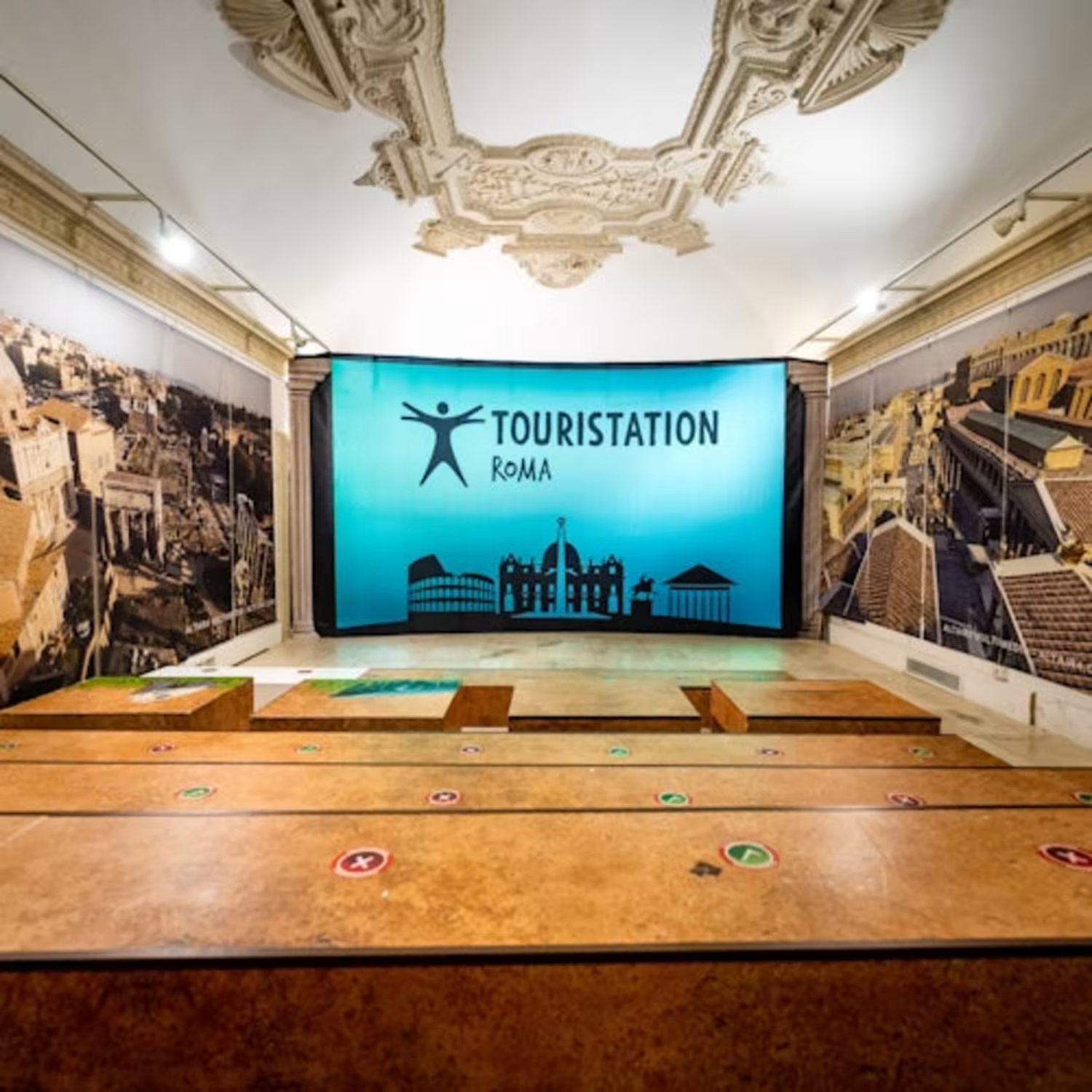
Experience an engaging multimedia video about ancient Rome.

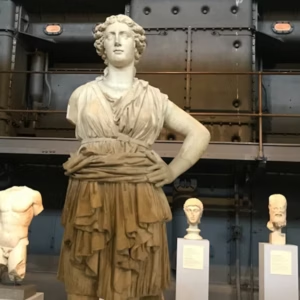
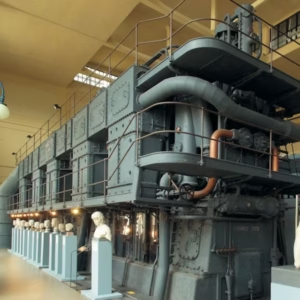
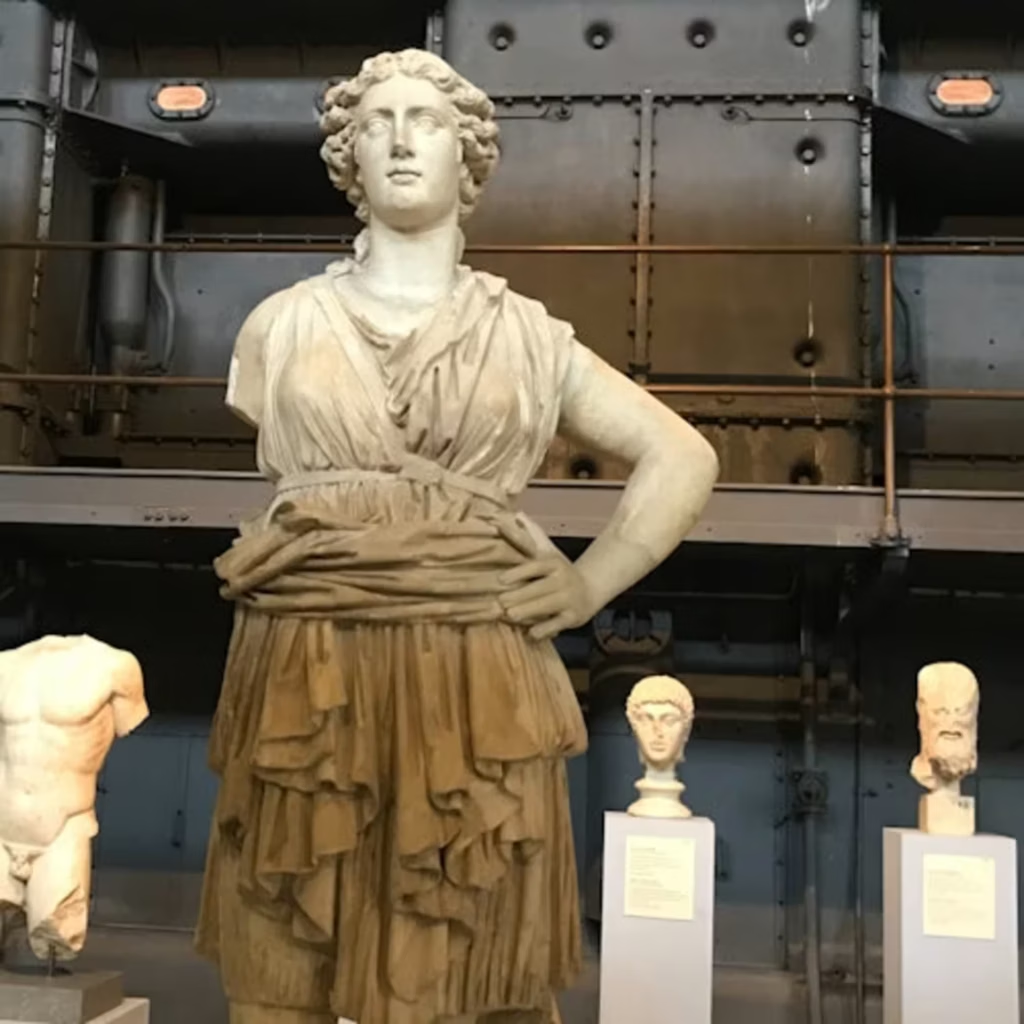
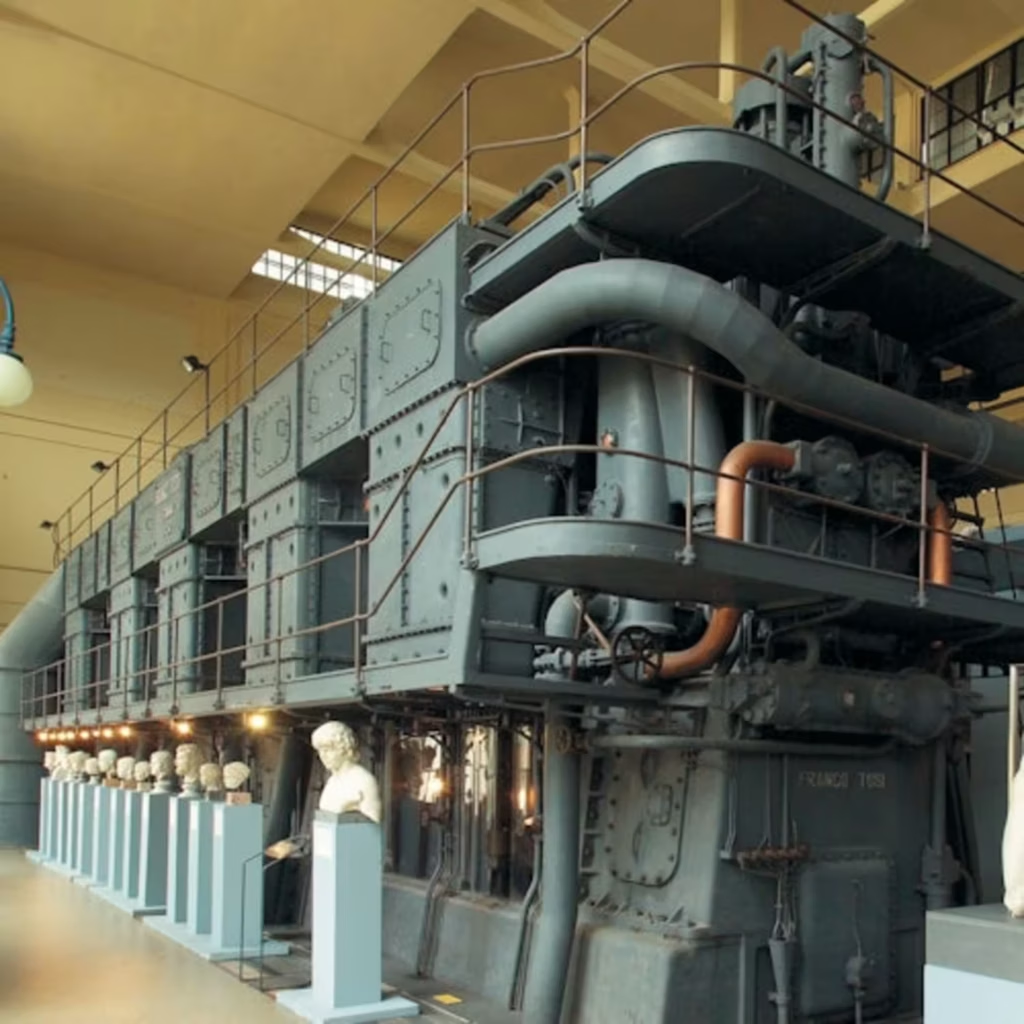
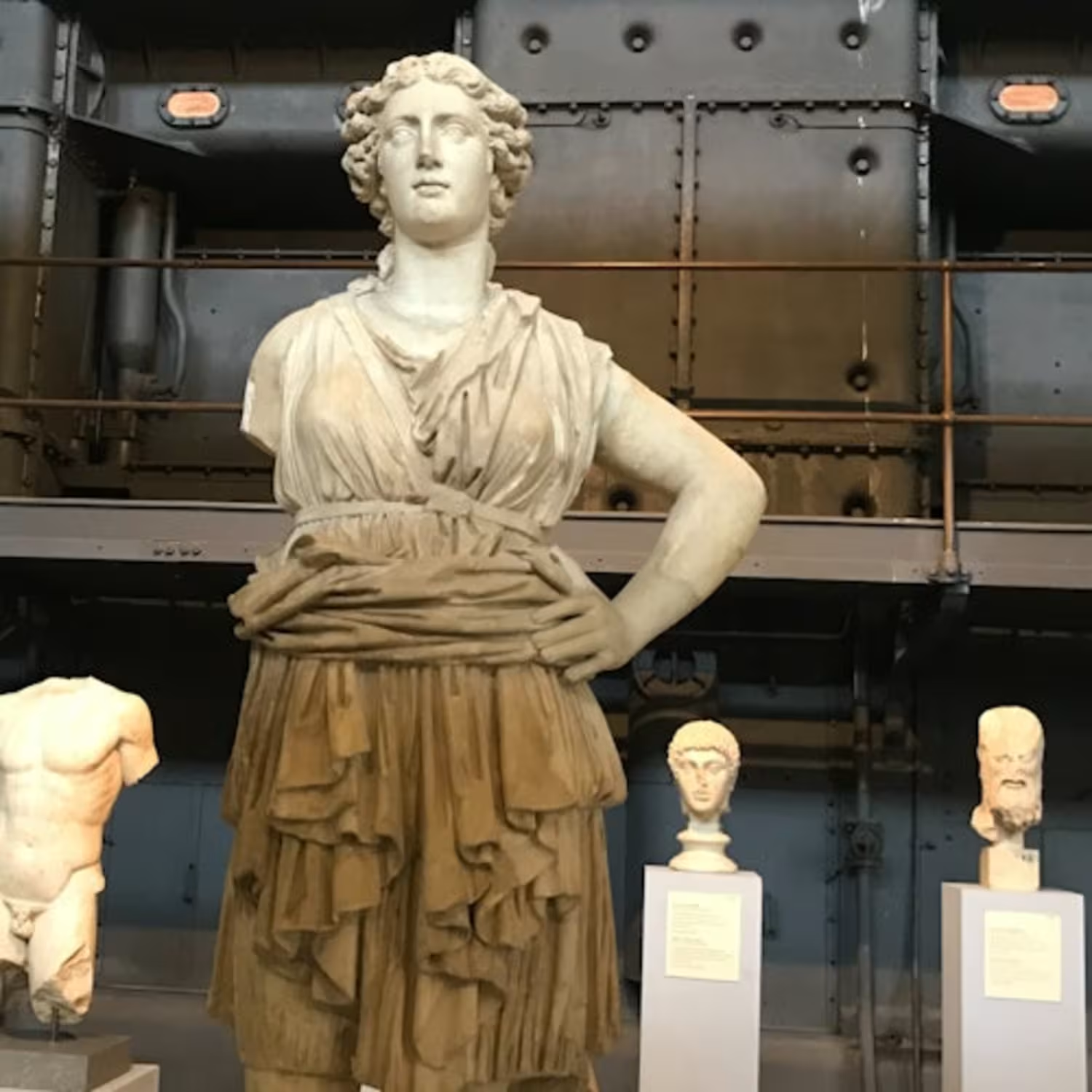
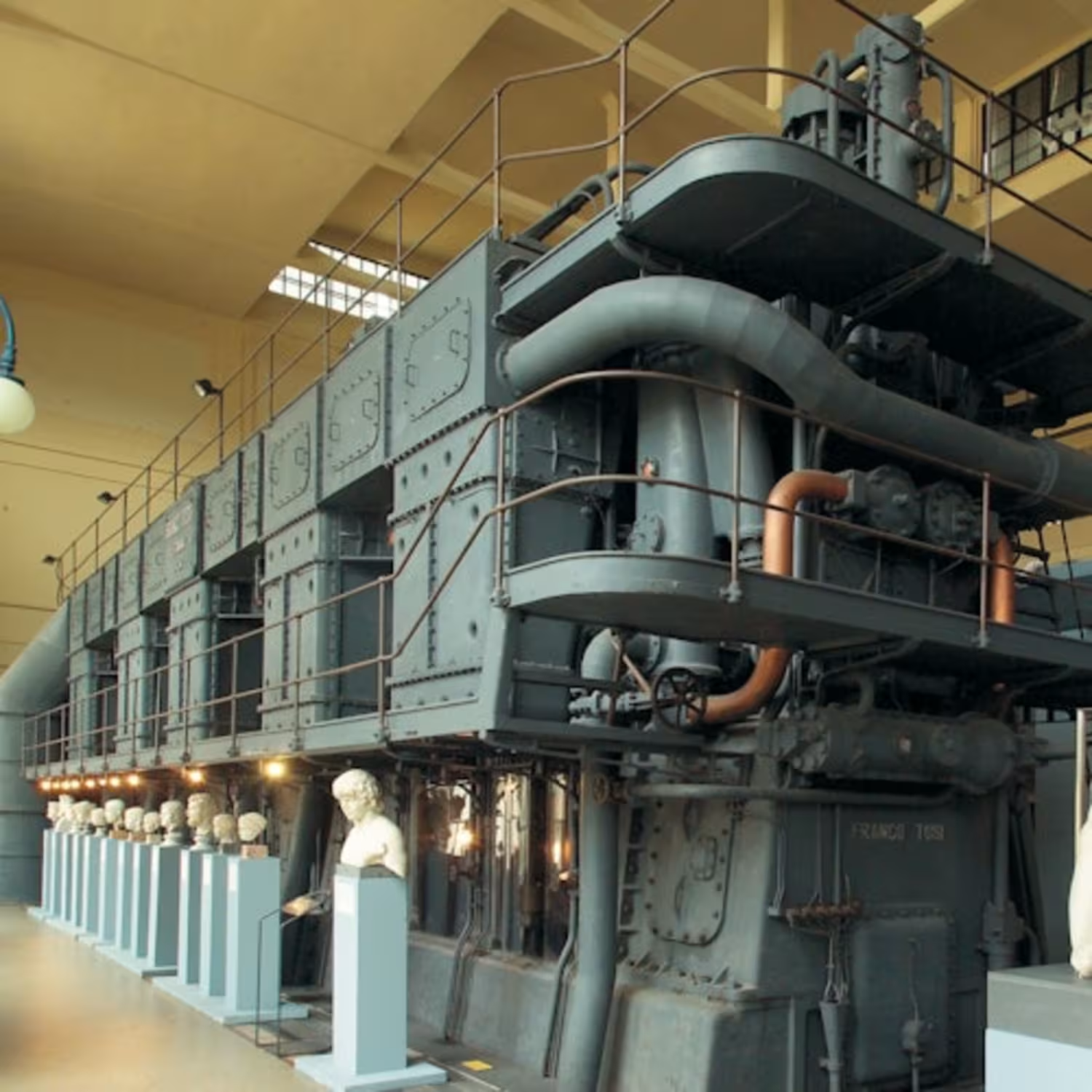
Visit the Centrale Montemartini’s display of classical sculptures within an industrial setting.

Receive customer assistance at the Touristation Aracoeli office.

Museum of the Roman Empire (Capitoline Museum) + Multimedia Experience of Ancient Rome

Highlights

Gain expedited access to the Capitoline Museums without waiting in lines.

Discover exclusive temporary exhibits included in your visit.

Watch a captivating multimedia presentation about Ancient Rome.

Receive assistance at the designated Touristation Aracoeli office.
Benefit from a downloadable audio guide app focused on Rome.
Go and See Her on Her Own

Palazzo Nuovo is the quieter of the two buildings, and the Cabinet of Venus is easy to walk straight past. Give her a few minutes from more than one angle, then take in the Musei Capitolini as a whole, because they hold a great deal more than their two famous bronzes.

Frequently Asked Questions About the Capitoline Venus

What is the Capitoline Venus?

A Roman marble statue of Venus stepping from her bath, derived from the Cnidian Aphrodite by Praxiteles. She stands in her own room in the Capitoline Museums in Rome.

Where is the Capitoline Venus displayed?

In the Cabinet of Venus, a small octagonal room in Palazzo Nuovo, where she is the only object on show.

How tall is the Capitoline Venus?

She measures 193 cm, slightly larger than life-size, in marble the museum identifies as probably Parian.

Why is the Capitoline Venus so well preserved?

Because an ancient owner hid her inside a wall before she could be damaged or taken. She stayed sealed in until the 1660s, which is why she needed almost no restoration.

When and where was the Capitoline Venus found?

Near the Basilica of San Vitale in Rome, between 1666 and 1670. Pope Benedict XIV donated her to the Capitoline Museums in 1752.

Is the Capitoline Venus a copy?

Yes, in the sense that it follows a Greek prototype rather than inventing one. The lost original was the Cnidian Aphrodite, carved by Praxiteles in the fourth century BC.

What is the Venus Pudica pose?

The modest Venus: a nude figure covering her body with her hands. The Capitoline statue is one of the best-known examples, and the pose was copied across Roman, Renaissance and later European sculpture.

Is the Capitoline Venus the same as the Venus de Milo?

No. The Venus de Milo is in the Louvre, is missing both arms, and comes from a different Hellenistic tradition. They share a subject and nothing else.

This website sells official tickets for this venue. Please note, however, that it is not the official website of the venue.

The images and videos on this website may contain visual elements that have been created or enhanced using AI technology. They are provided for illustrative purposes only.