We are processing your request.
Please, don’t close or refresh the page.
Capitoline Museums

Capitoline Museums: Inside the World's First Public Museum

The Capitoline Museums trace back to 1471, when a pope gave Rome's ancient bronzes to its own people. This page covers that history, the piazza Michelangelo designed around it, and the statues that made the collection famous. It is not a source for opening times or directions, which live on our dedicated visitor pages.

Why the Capitoline Museums Matter

Considered the world's first public museum, open to visitors since 1734, decades before the Louvre or the British Museum existed.

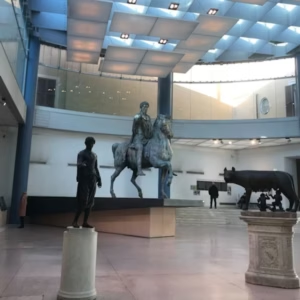
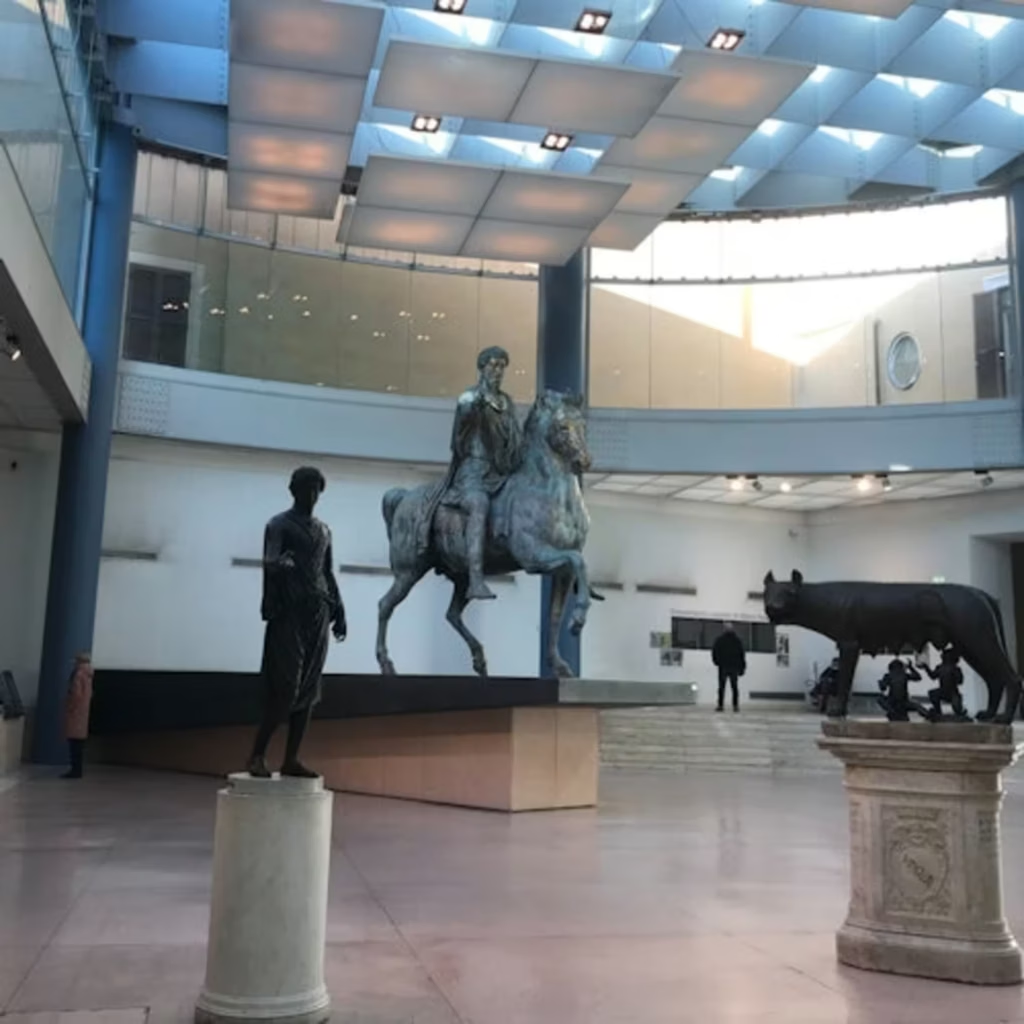
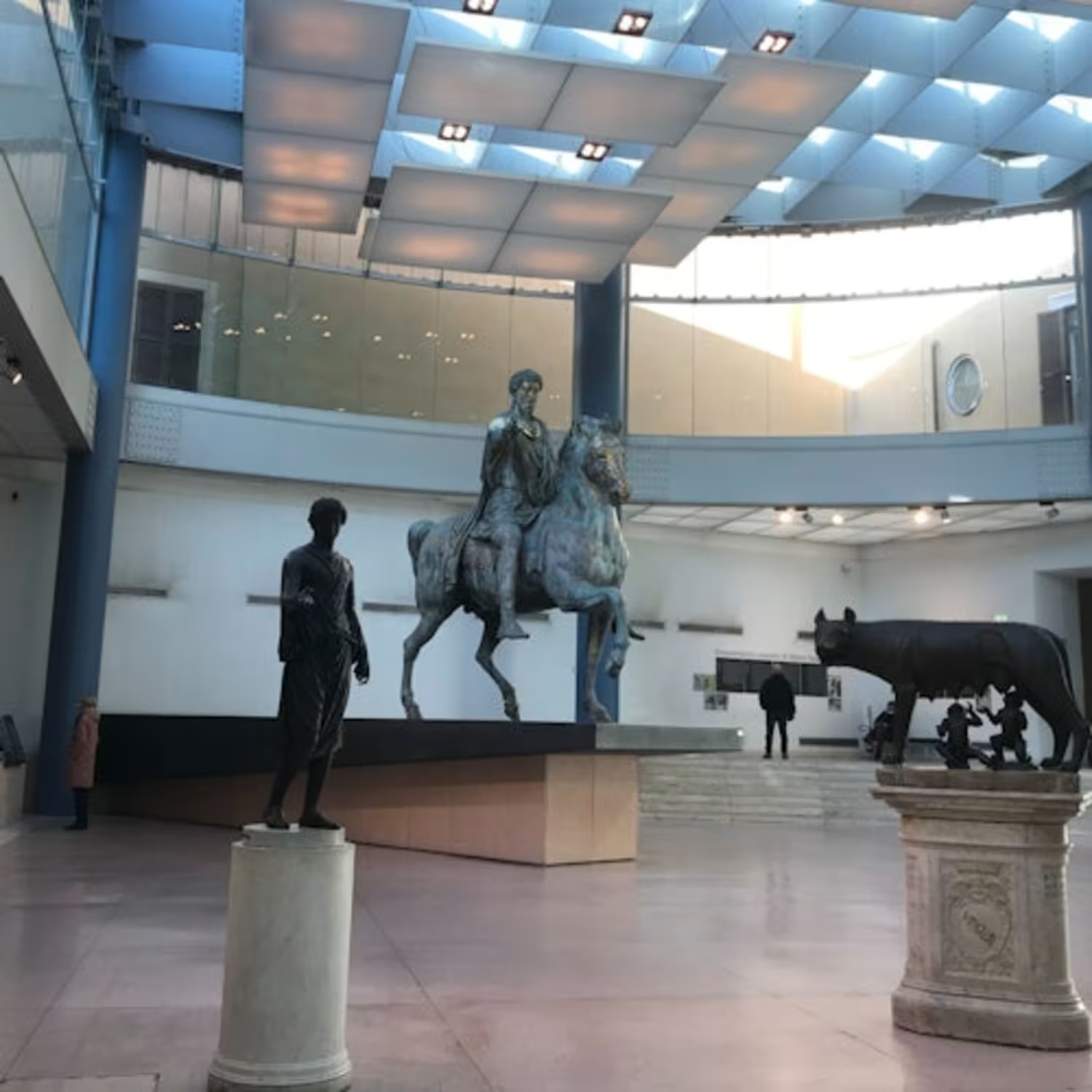
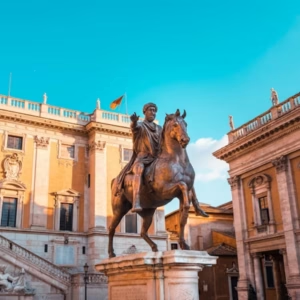
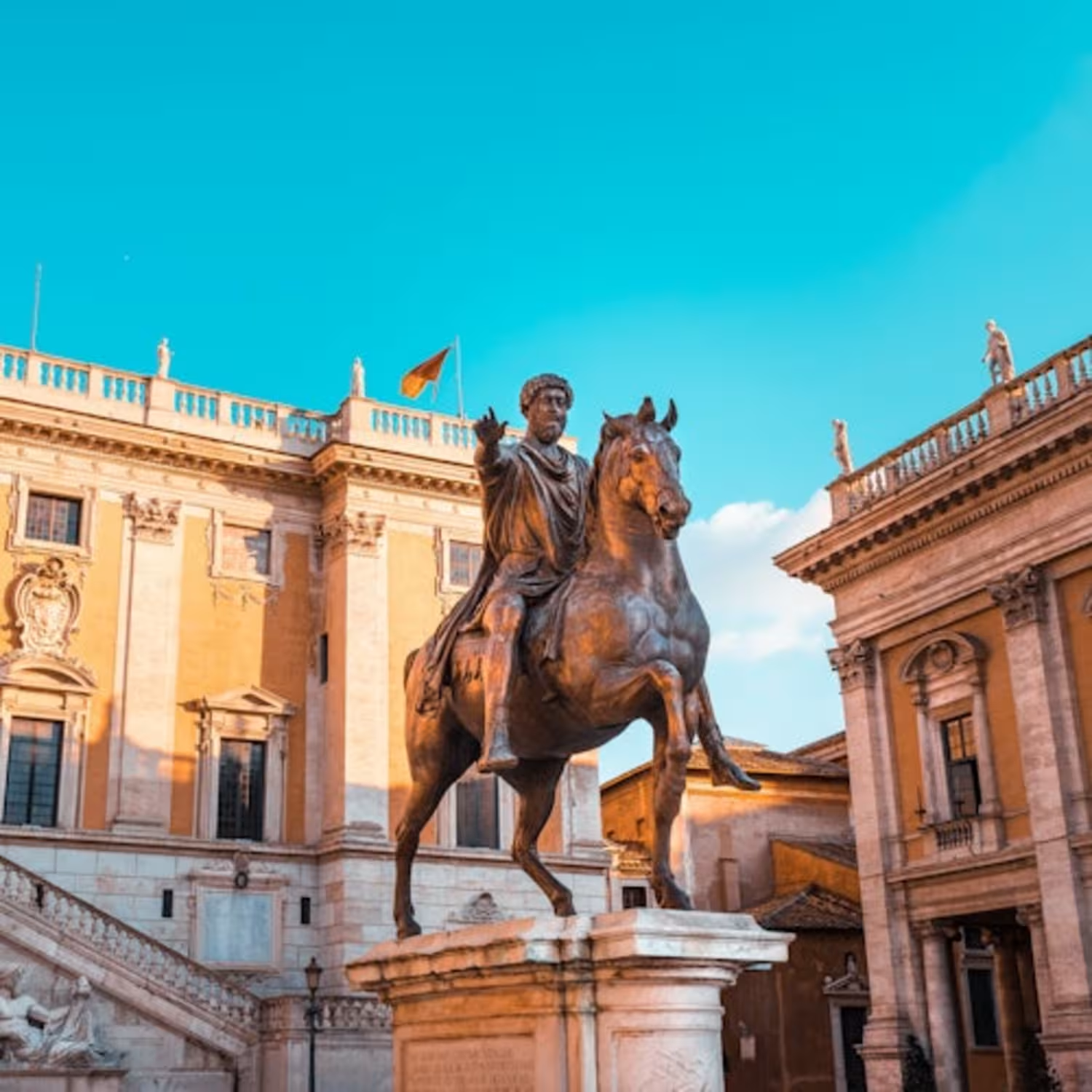
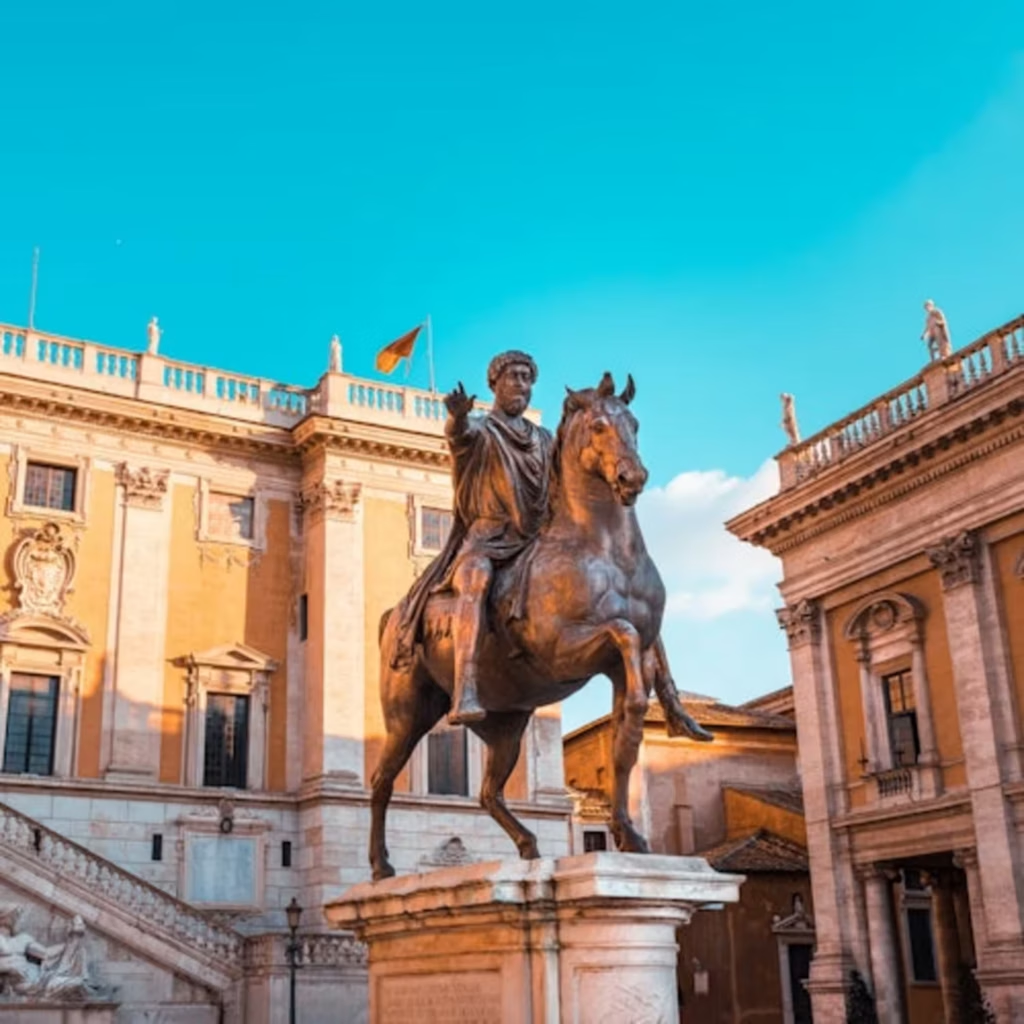
Home to the only surviving large bronze equestrian statue of a Roman emperor, saved for centuries by a case of mistaken identity.

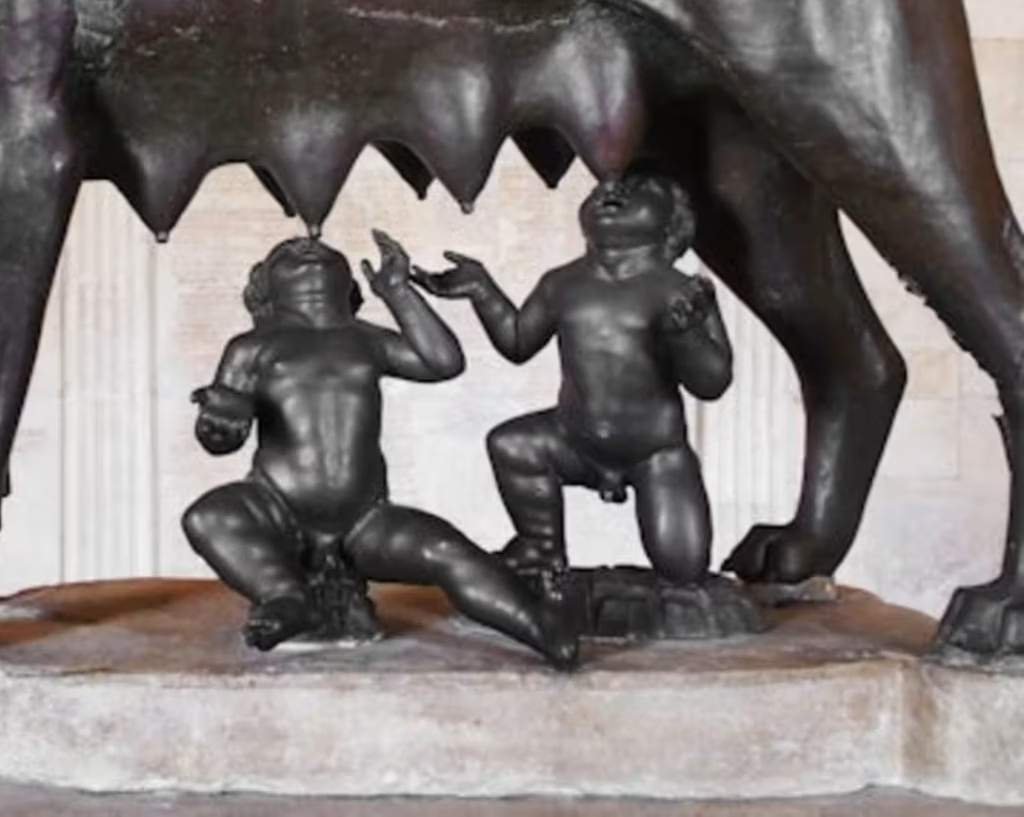
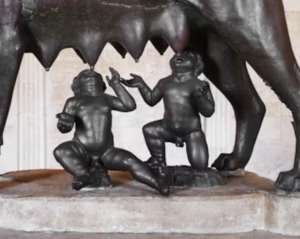
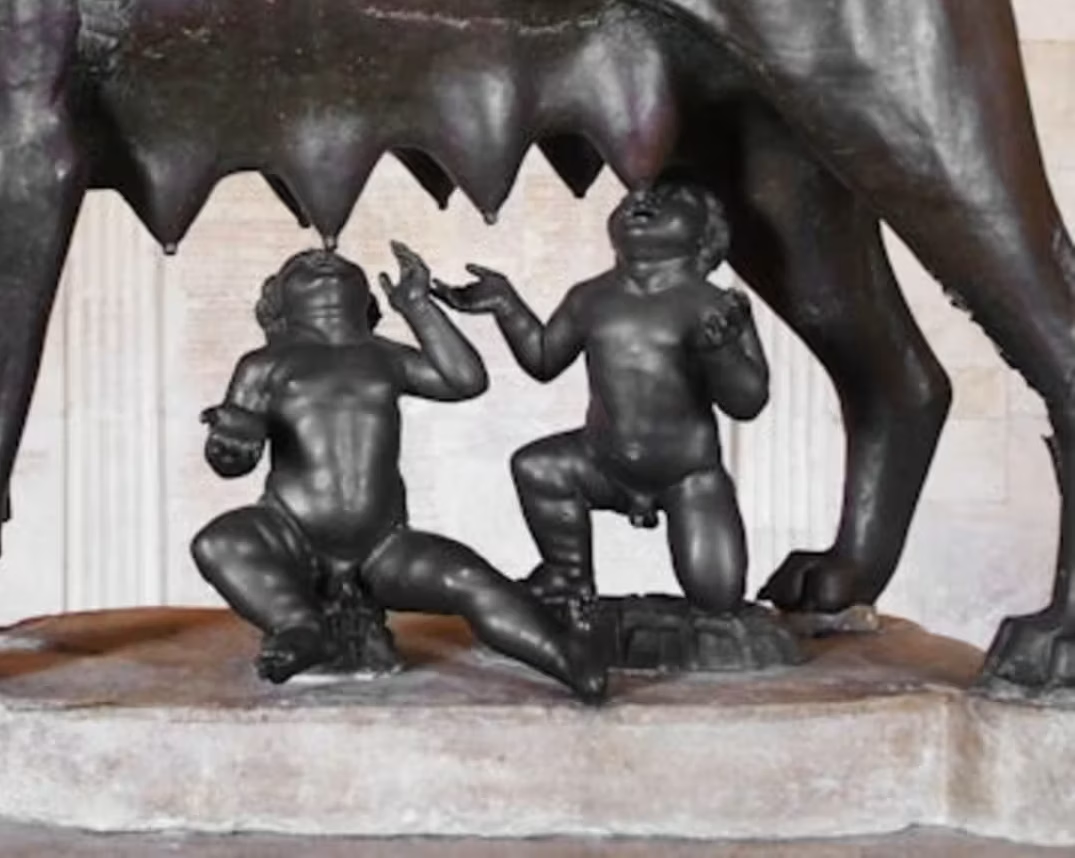
The Capitoline Wolf turned out to be centuries younger than everyone assumed, a discovery that rewrote its own history.

Set on a piazza Michelangelo designed but never saw finished, its star-patterned pavement laid four centuries after his death.

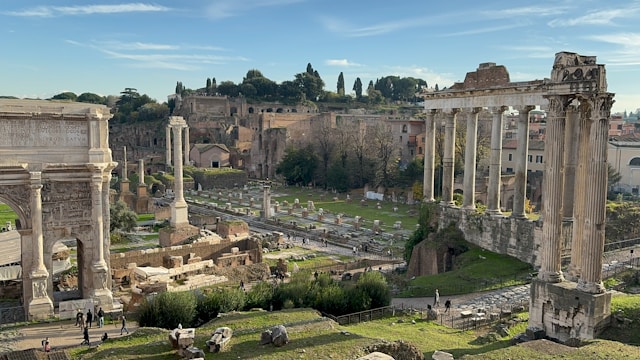
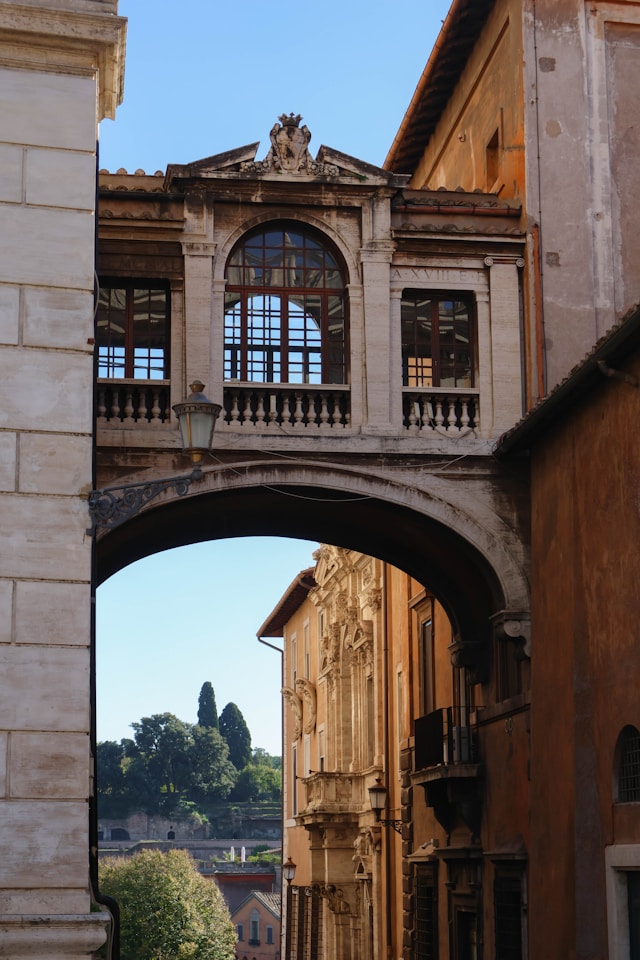
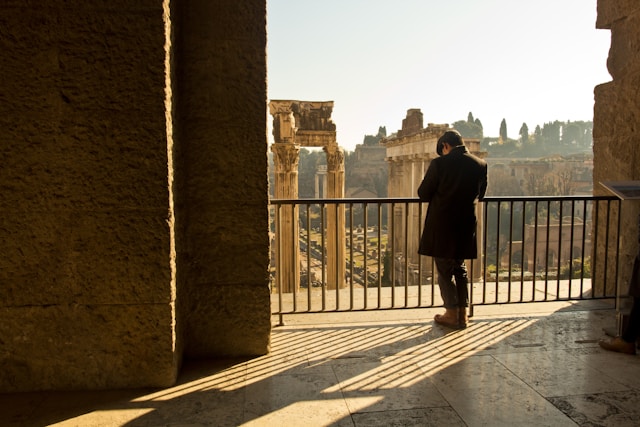
Built directly on top of the Tabularium, ancient Rome's own record office, whose arches still frame the view over the Forum.

Home to the Colossus of Constantine, a seated statue whose surviving hand alone stands taller than most visitors.

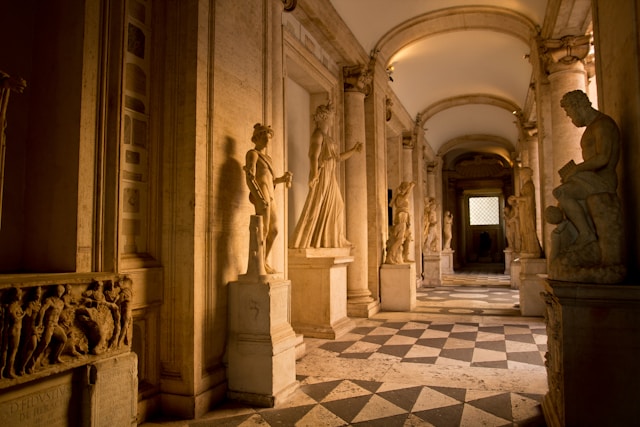
Framed by three palaces on the same piazza, though only two of them, the Palazzo dei Conservatori and the Palazzo Nuovo, are open to museum visitors; the third, Palazzo Senatorio, is still Rome's working city hall.

Its founding collection was a gift to the public in 1471, rather than a private hoard opened up later like most of Europe's older museums.

The World's First Public Museum
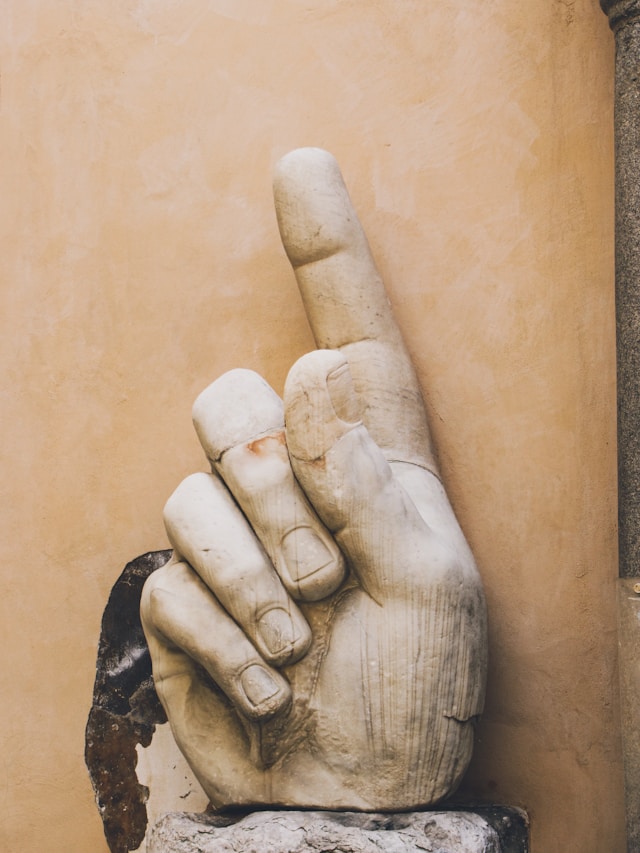
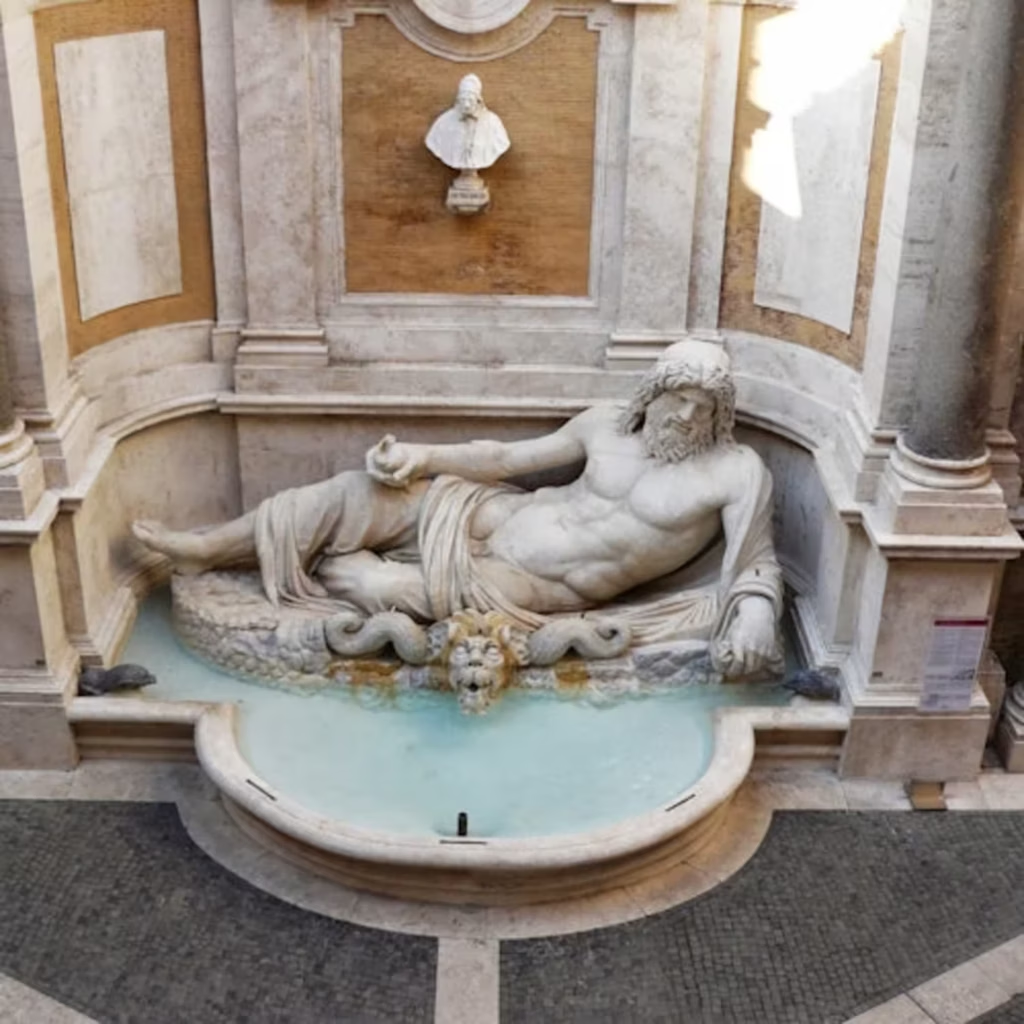
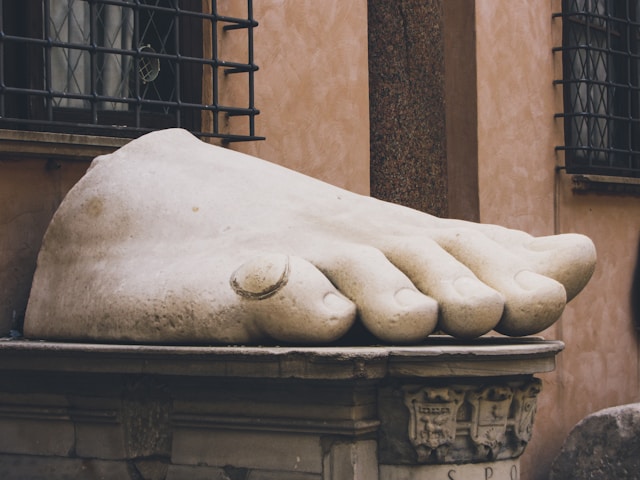
The right hand of the Colossus of Constantine, part of the original 1471 donation

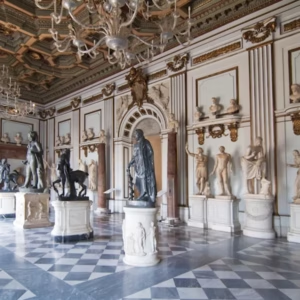
In 1471, Pope Sixtus IV sent a group of ancient bronze statues from the Lateran Palace to the people of Rome, among them the She-wolf, the Spinario, a boy pulling a thorn from his foot, and fragments of a colossal bronze statue of Constantine.

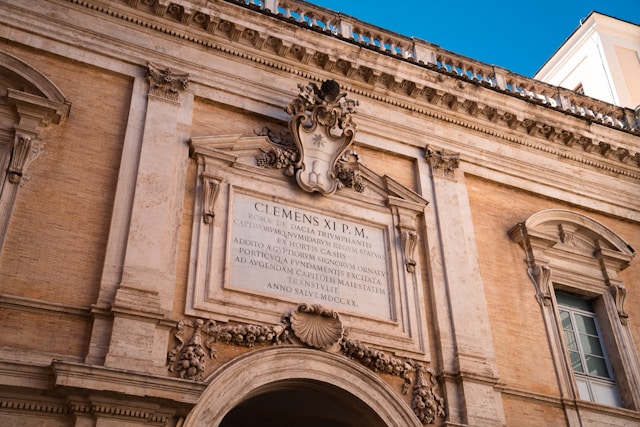
The collection grew through further papal donations over the next two and a half centuries. In 1734, Pope Clement XII opened it formally to the public after acquiring the Albani family's antiquities, making the Capitoline Museums accessible to any visitor decades before the British Museum opened in 1759 or the Louvre in 1793.

Historians still debate whether 1471 or 1734 marks the true founding date, depending on whether they count the donation or the public opening. Either way, this hill is usually where the idea of a museum for everyone is traced back to.

Michelangelo's Piazza

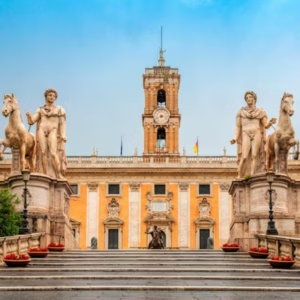
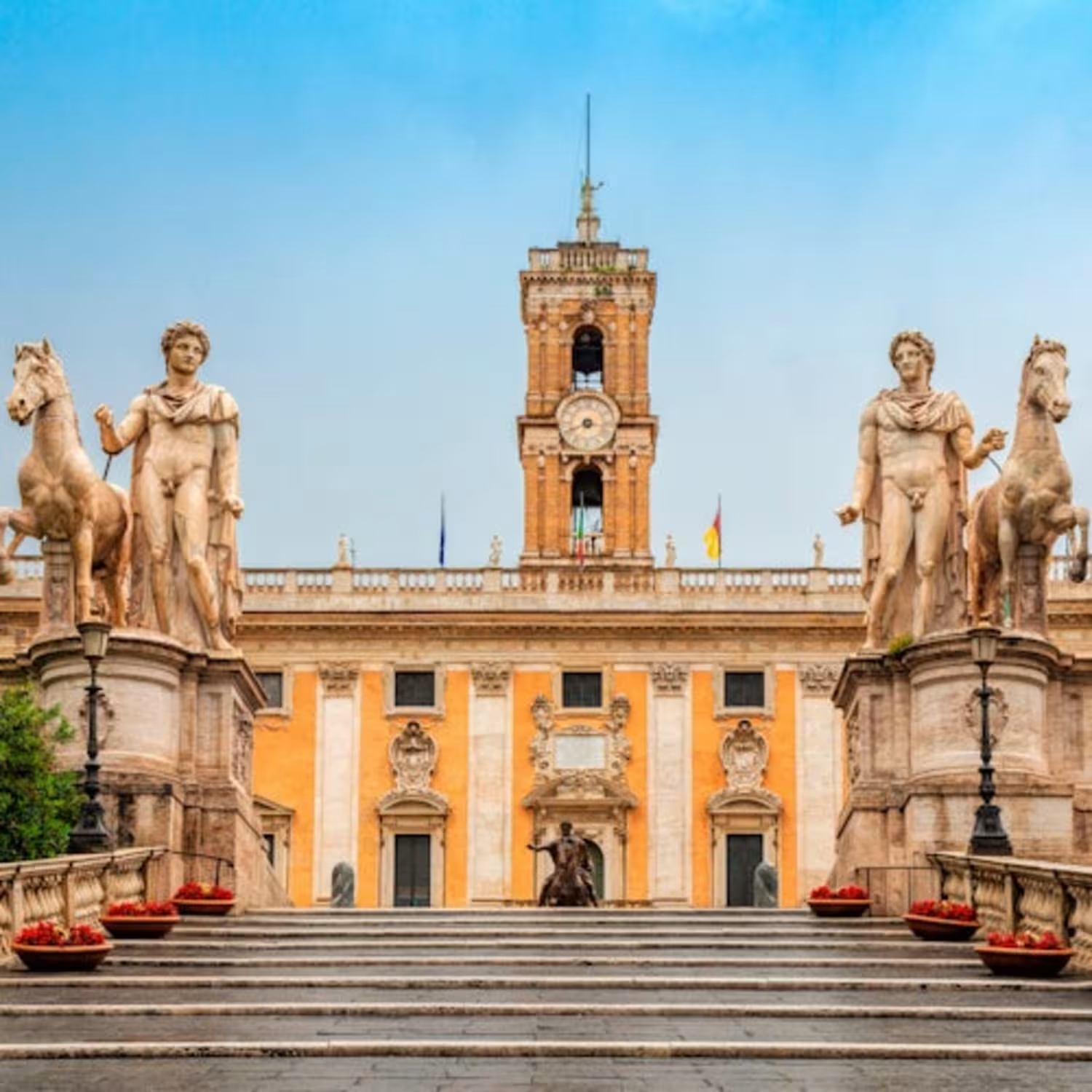
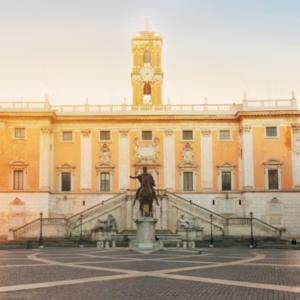
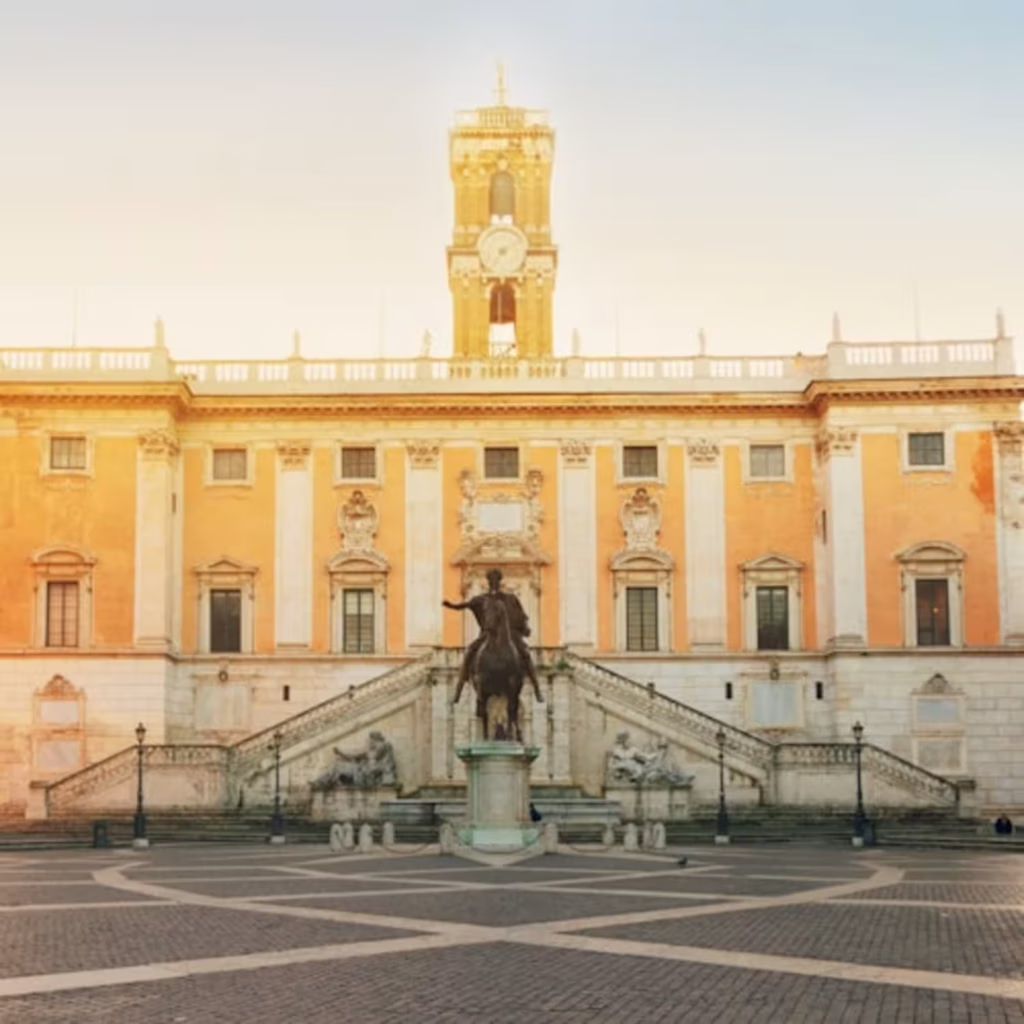
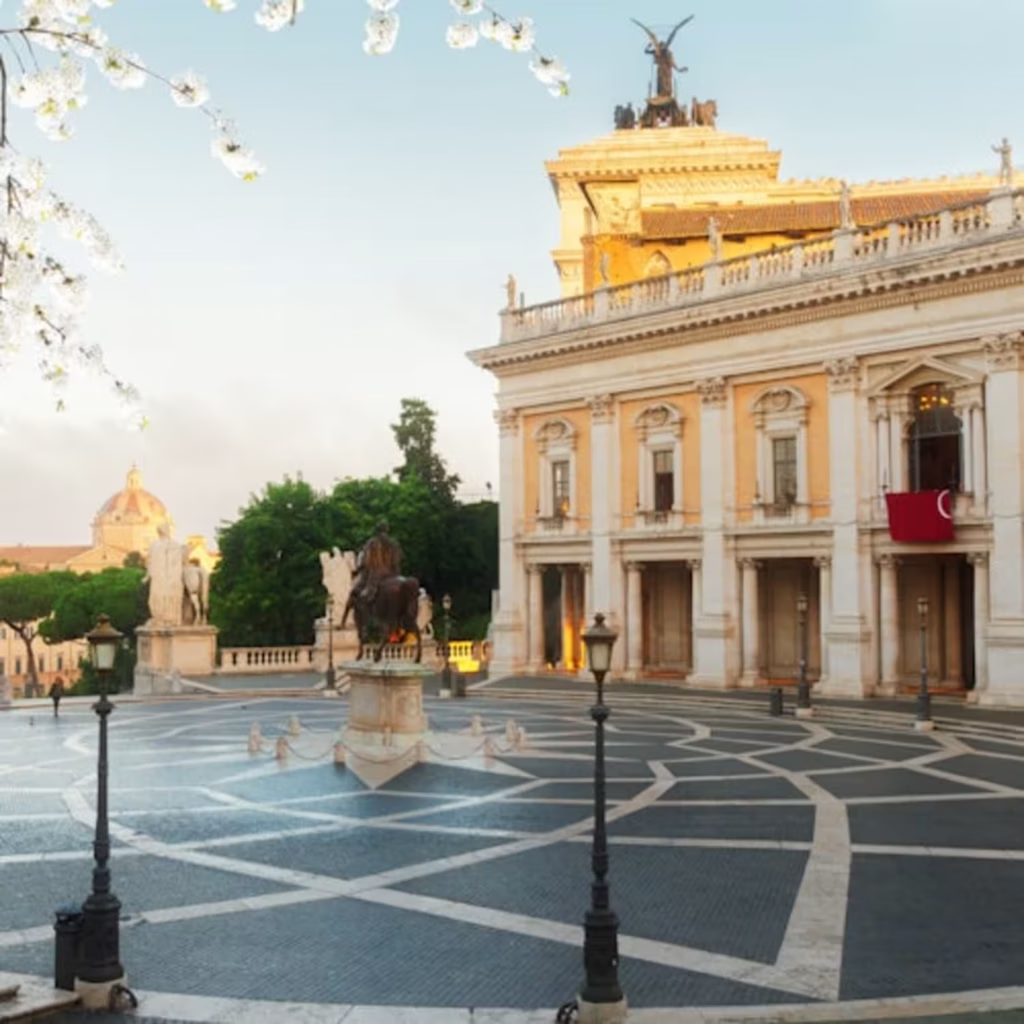
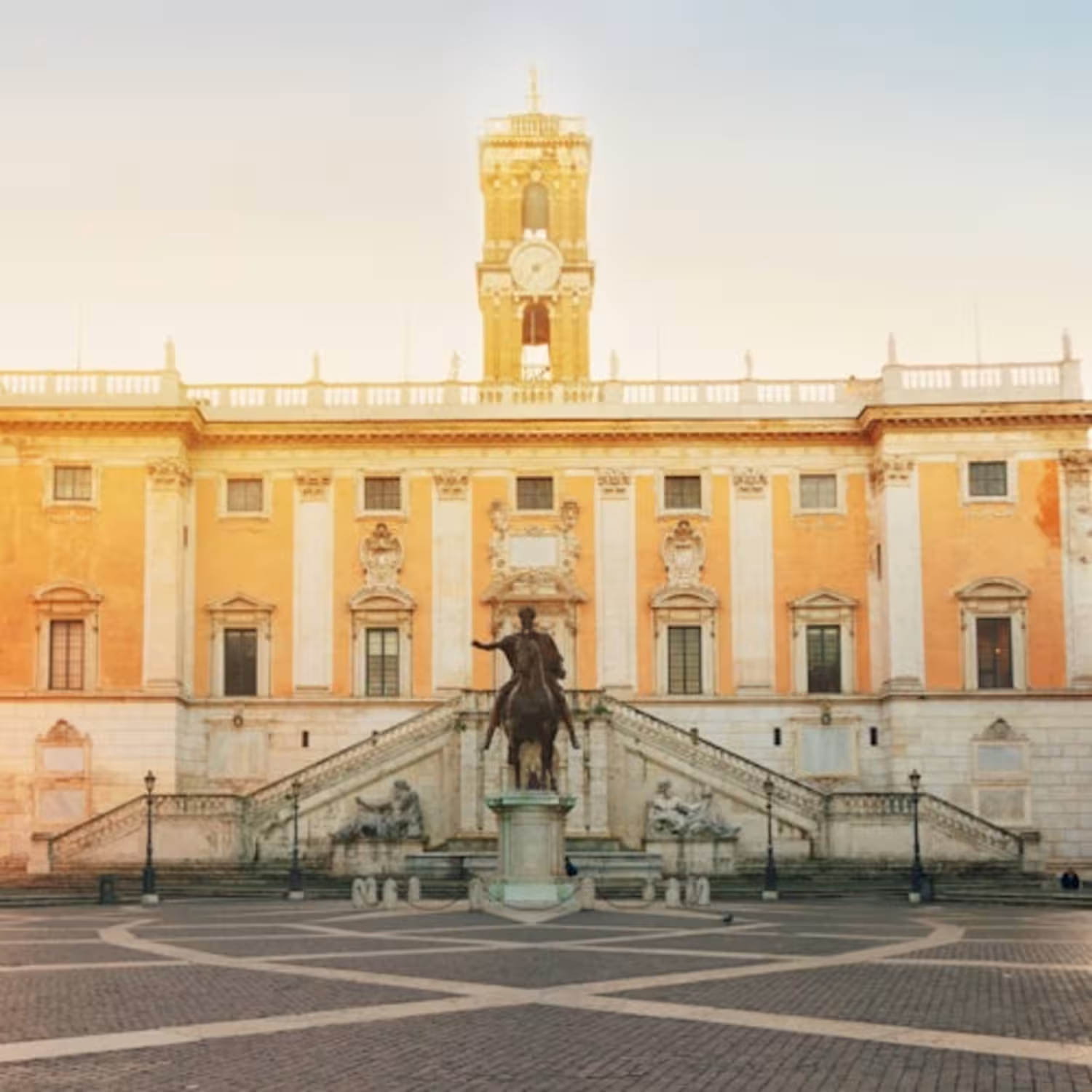
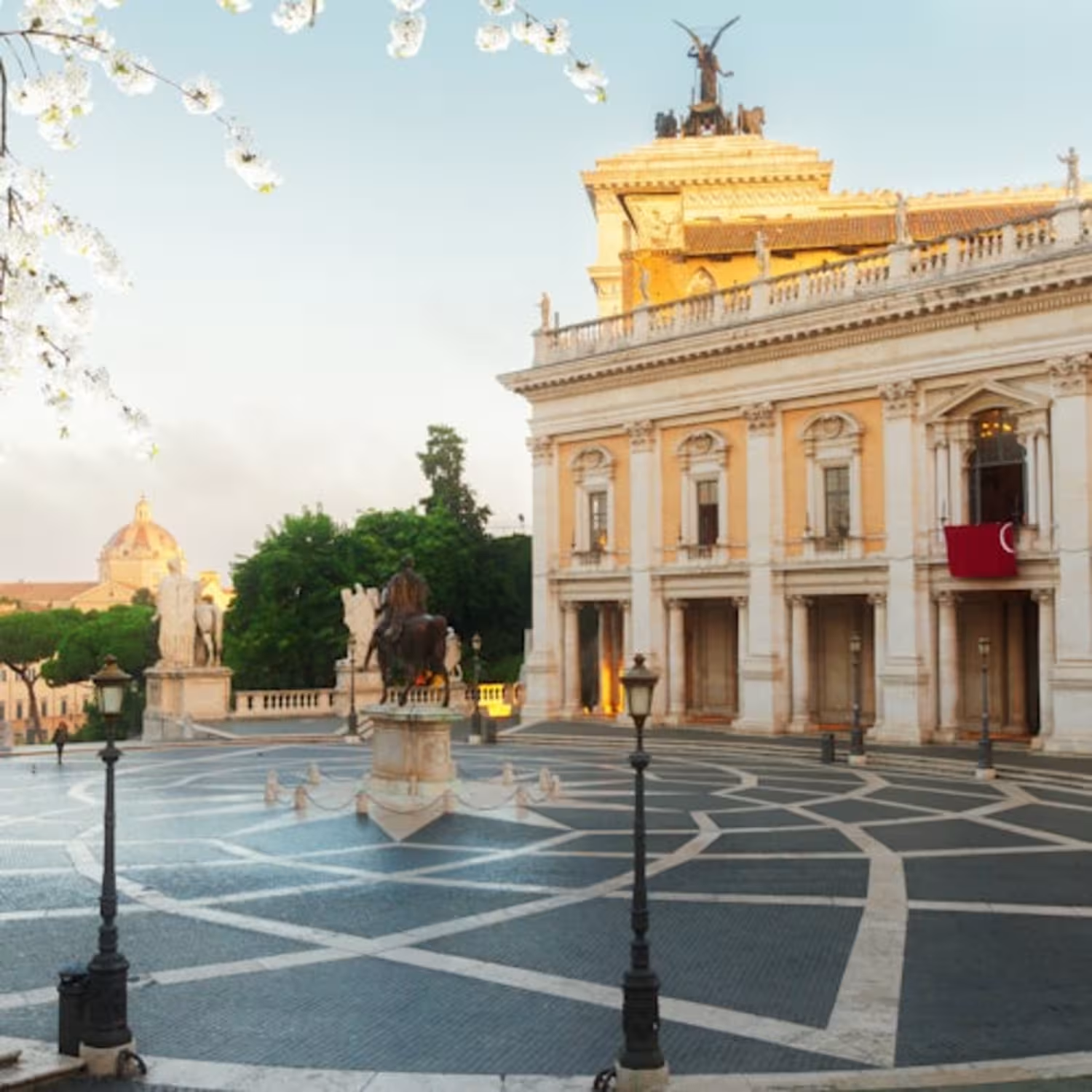
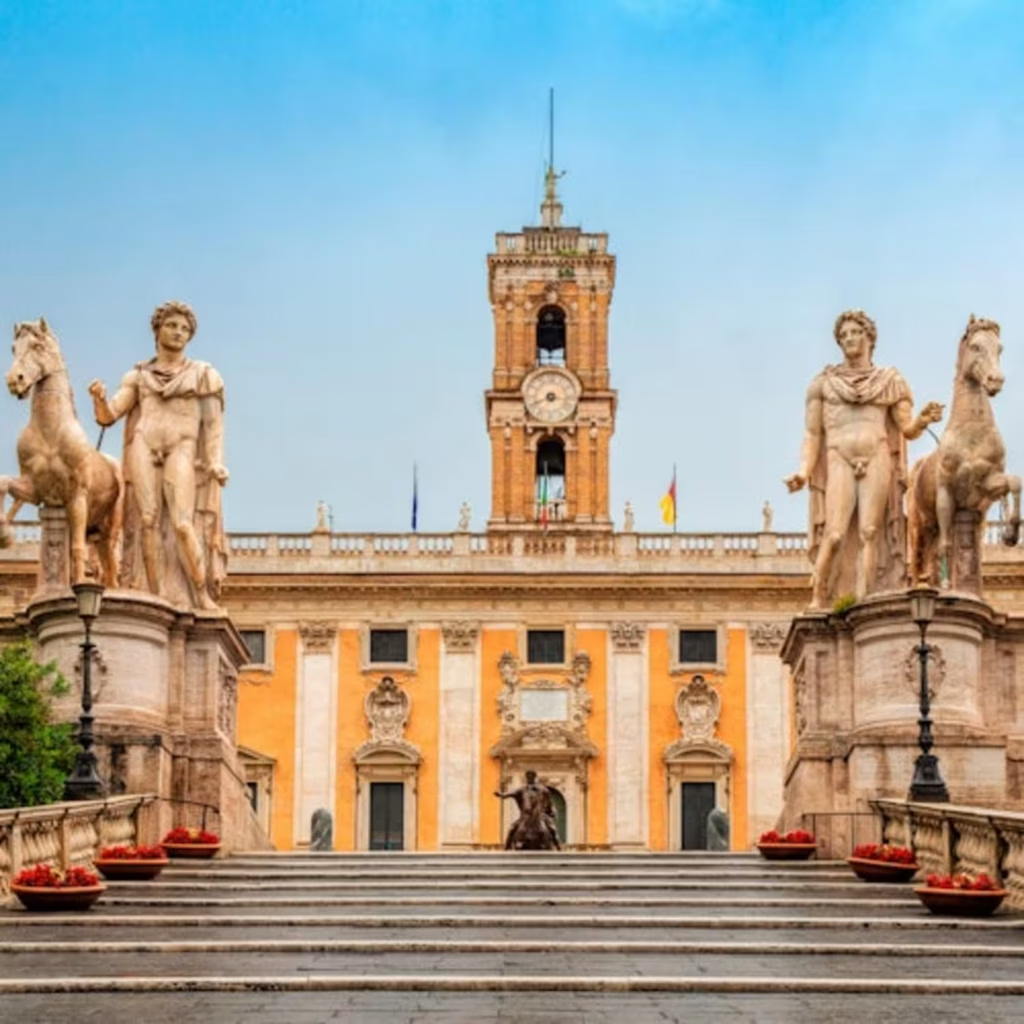
Piazza del Campidoglio, designed by Michelangelo

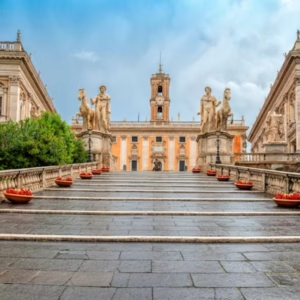
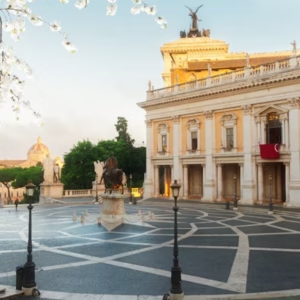
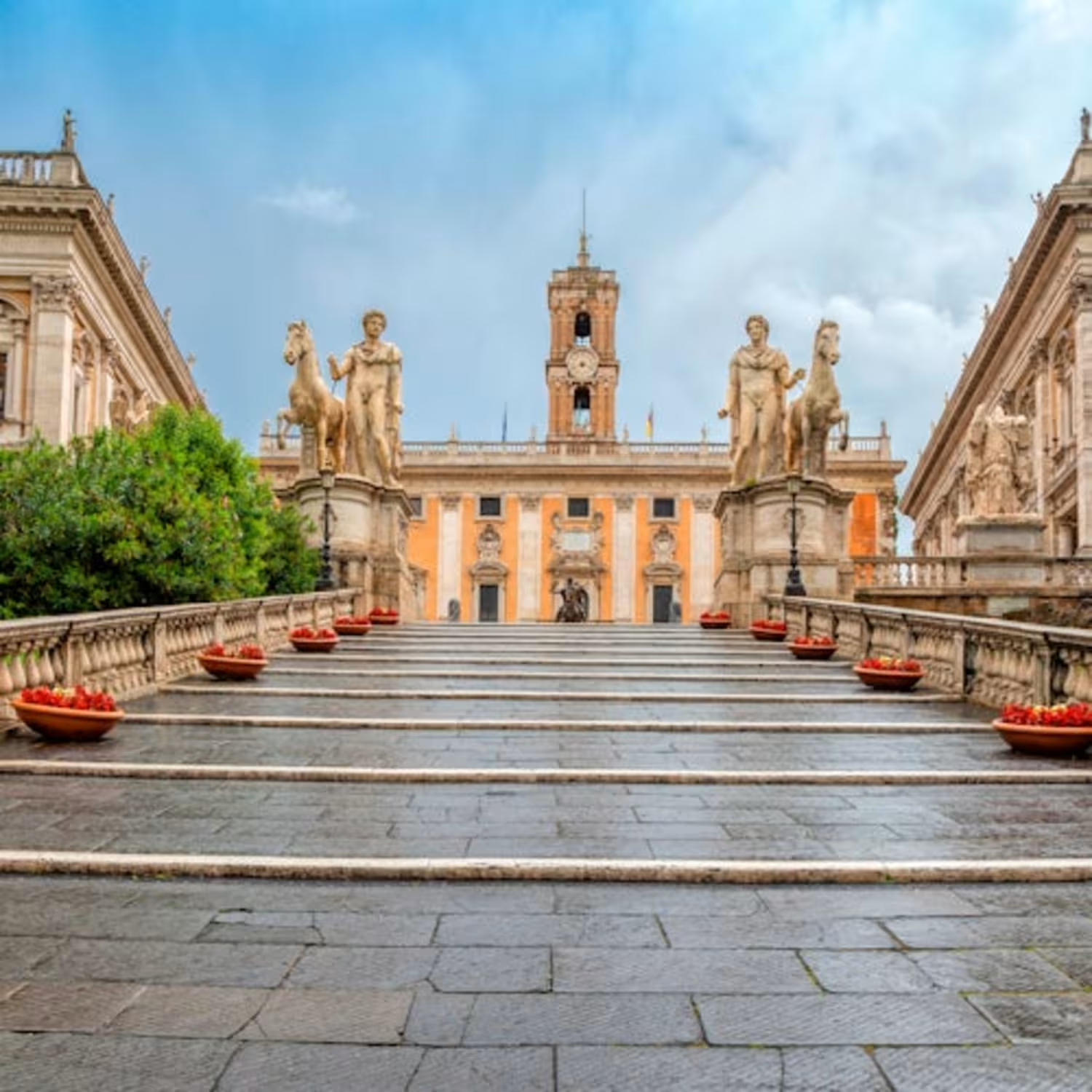
In 1536, Pope Paul III commissioned Michelangelo to redesign the summit of the Capitoline Hill ahead of a visit from Holy Roman Emperor Charles V. Michelangelo reoriented the piazza to face St. Peter's Basilica, gave it a trapezoidal shape that makes it look larger than it is, and drew up the geometric star pattern still visible in its pavement today.

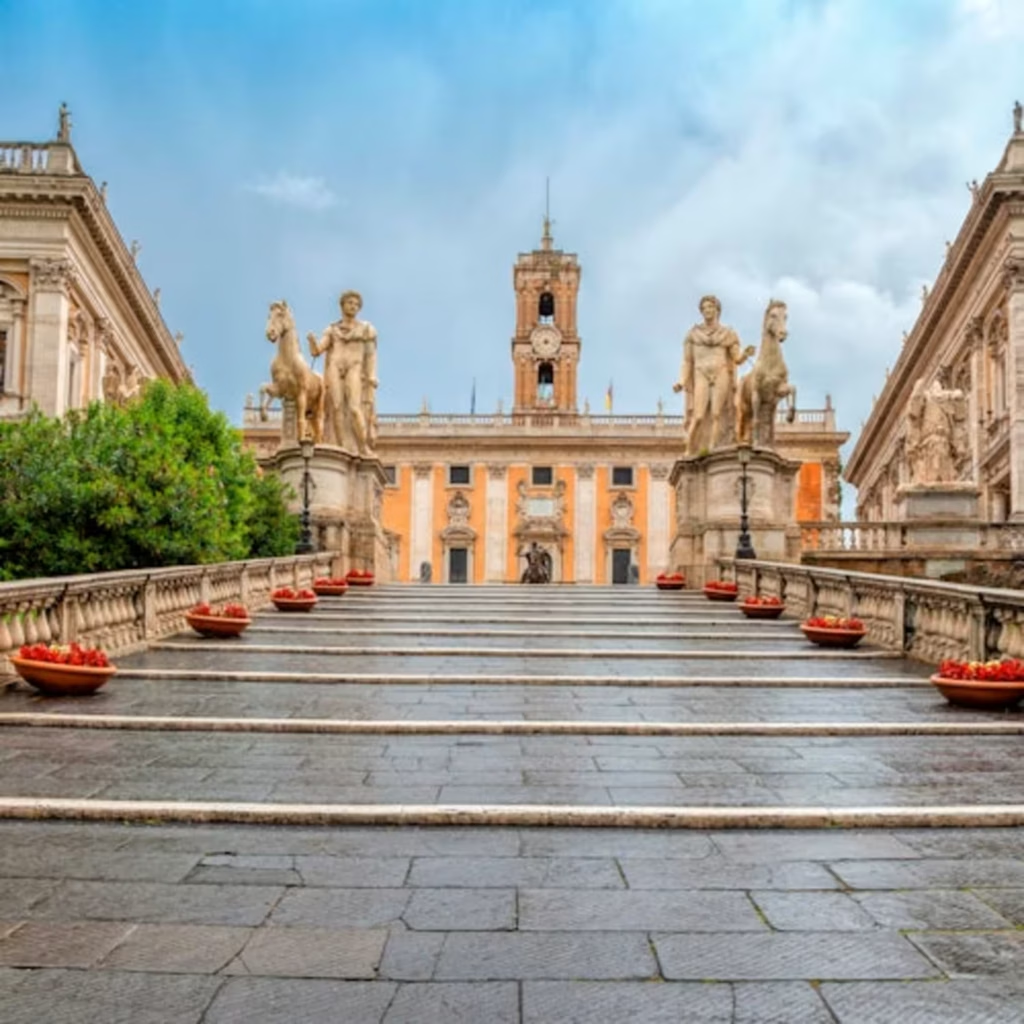
He also designed the Cordonata, the wide ramp that replaces stairs with a gentle slope, along with the matching facades of the Palazzo dei Conservatori and the Palazzo Nuovo that still frame the square. A third building closes the piazza, the Palazzo Senatorio, which stands on the Tabularium's old foundations and is Rome's city hall today rather than part of the museum visit.

Michelangelo died in 1564 without seeing the project finished, and his star-patterned pavement wasn't actually laid until 1940, based on his surviving drawings, nearly four centuries after he designed it.

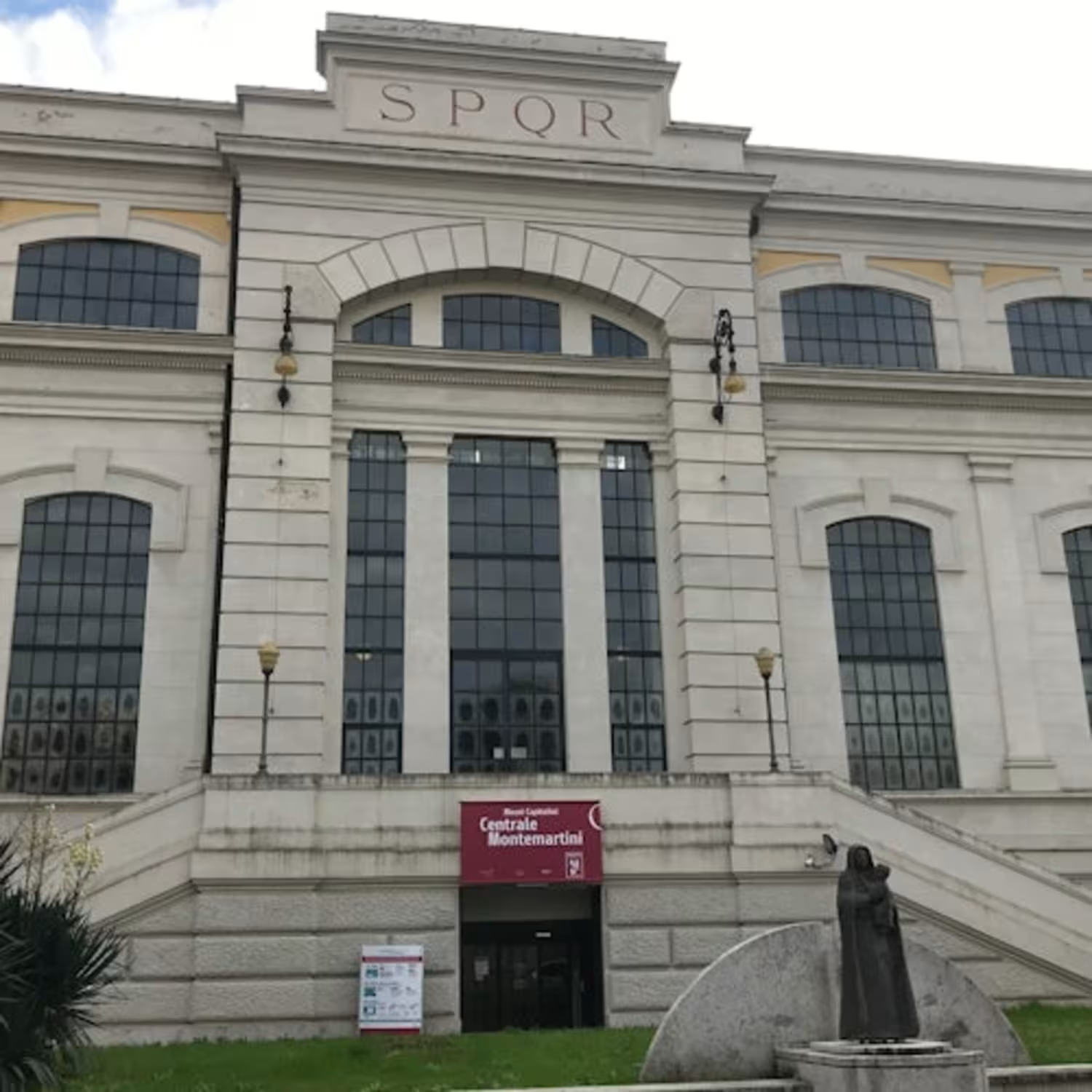
Capitoline Museums and Centrale Montemartini with multimedia video

Highlights

Avoid queues with skip-the-line access to two notable Roman sites.

Explore extensive collections of art and artifacts at your own pace.

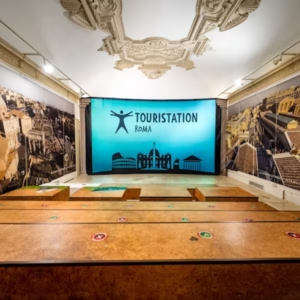
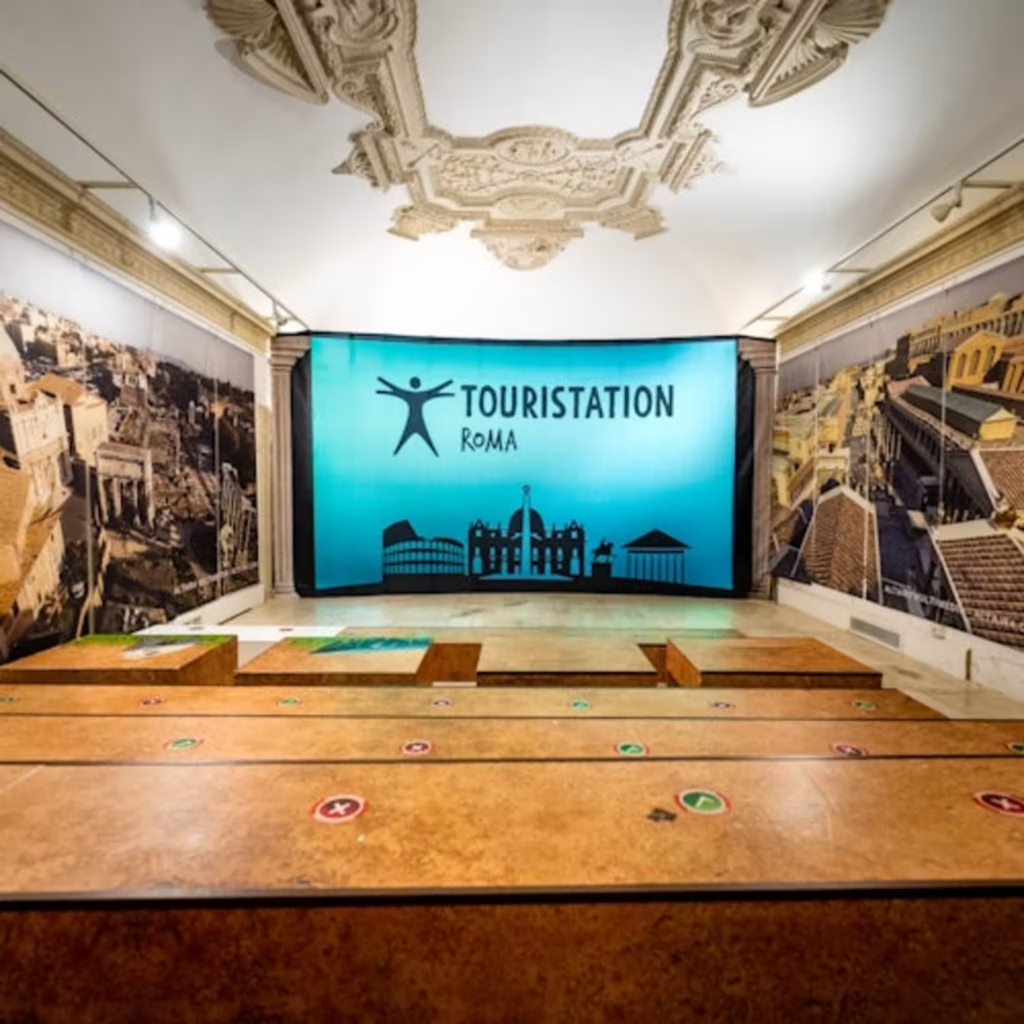
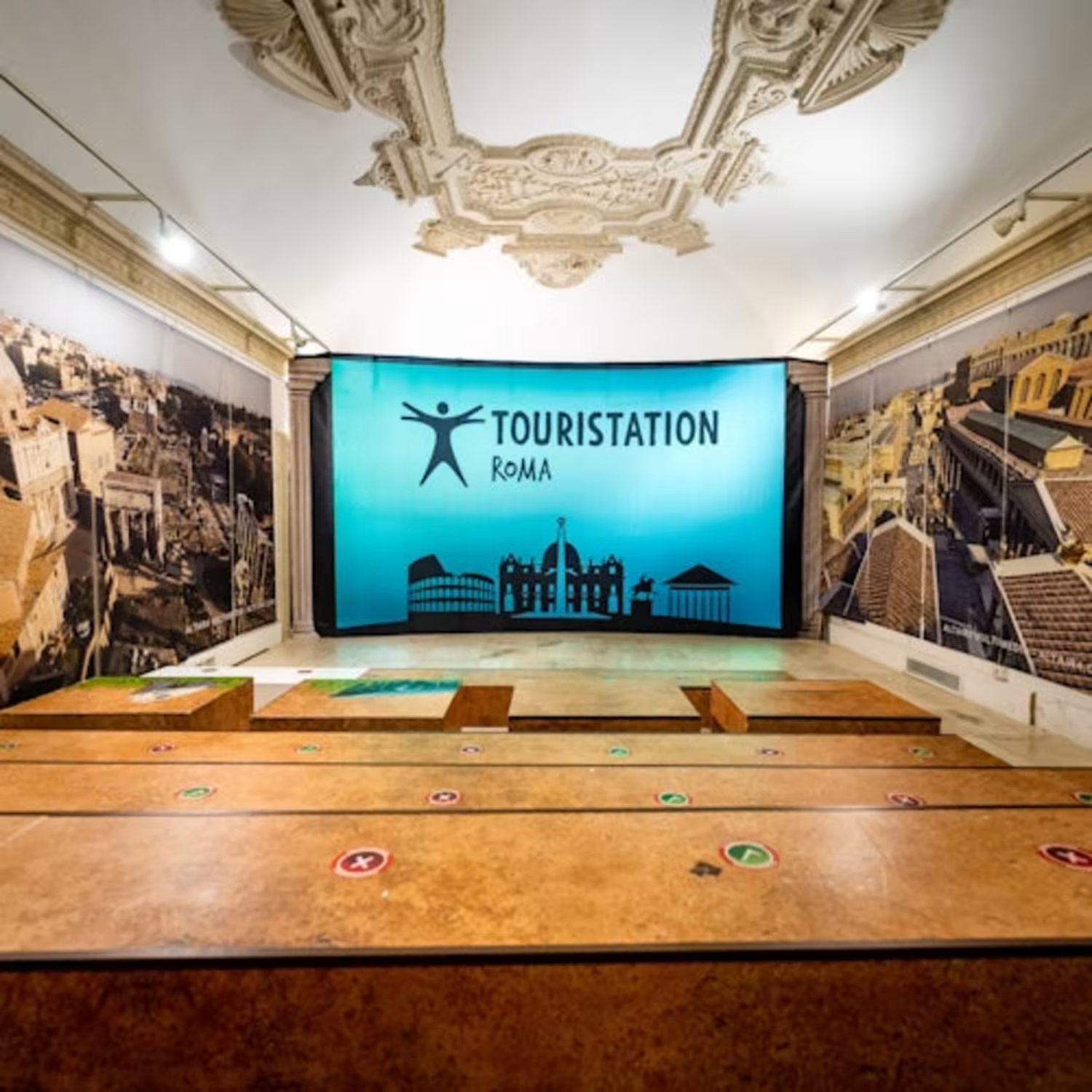
Experience an engaging multimedia video about ancient Rome.

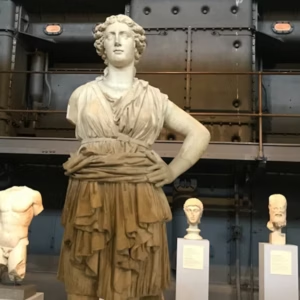
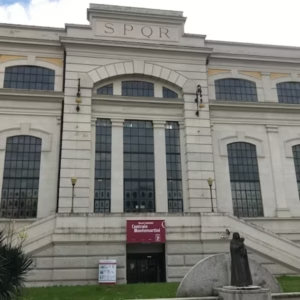
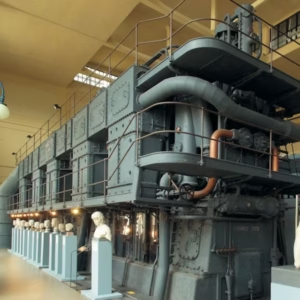
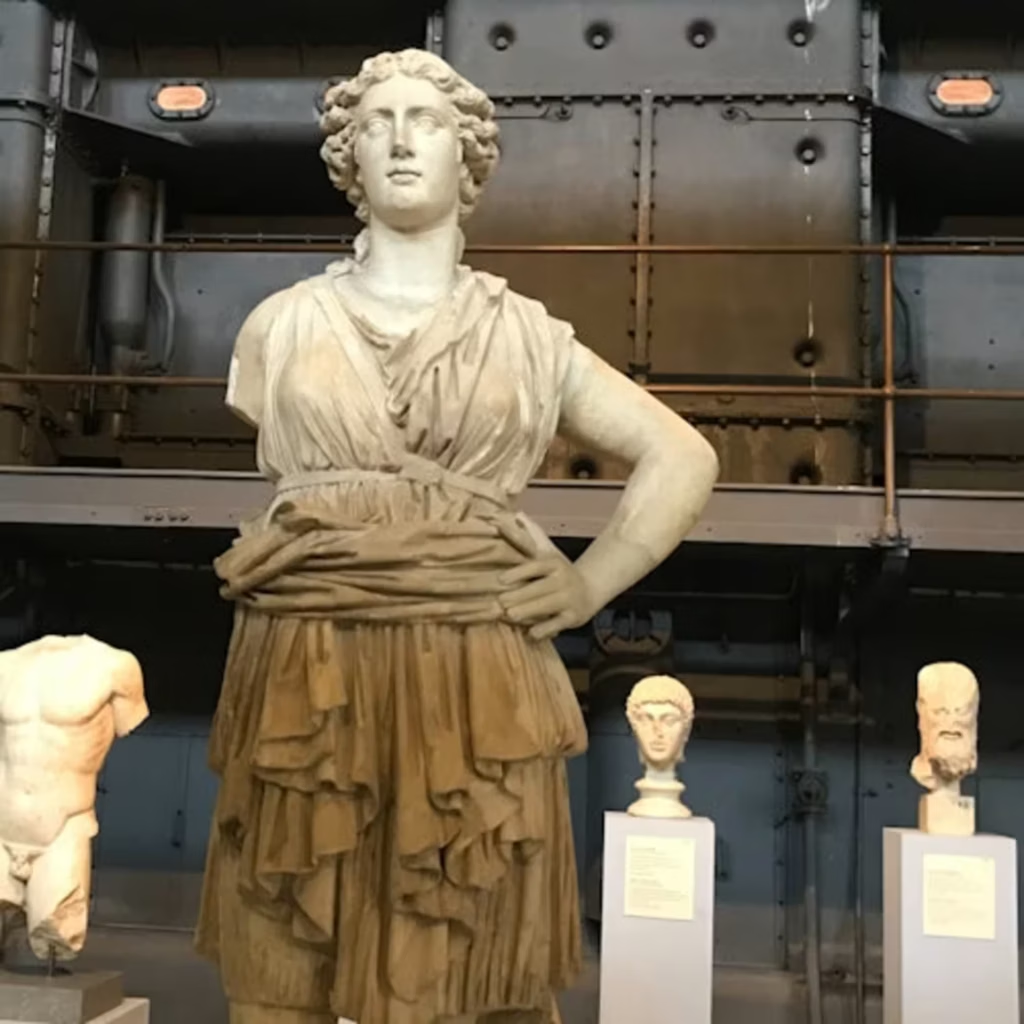
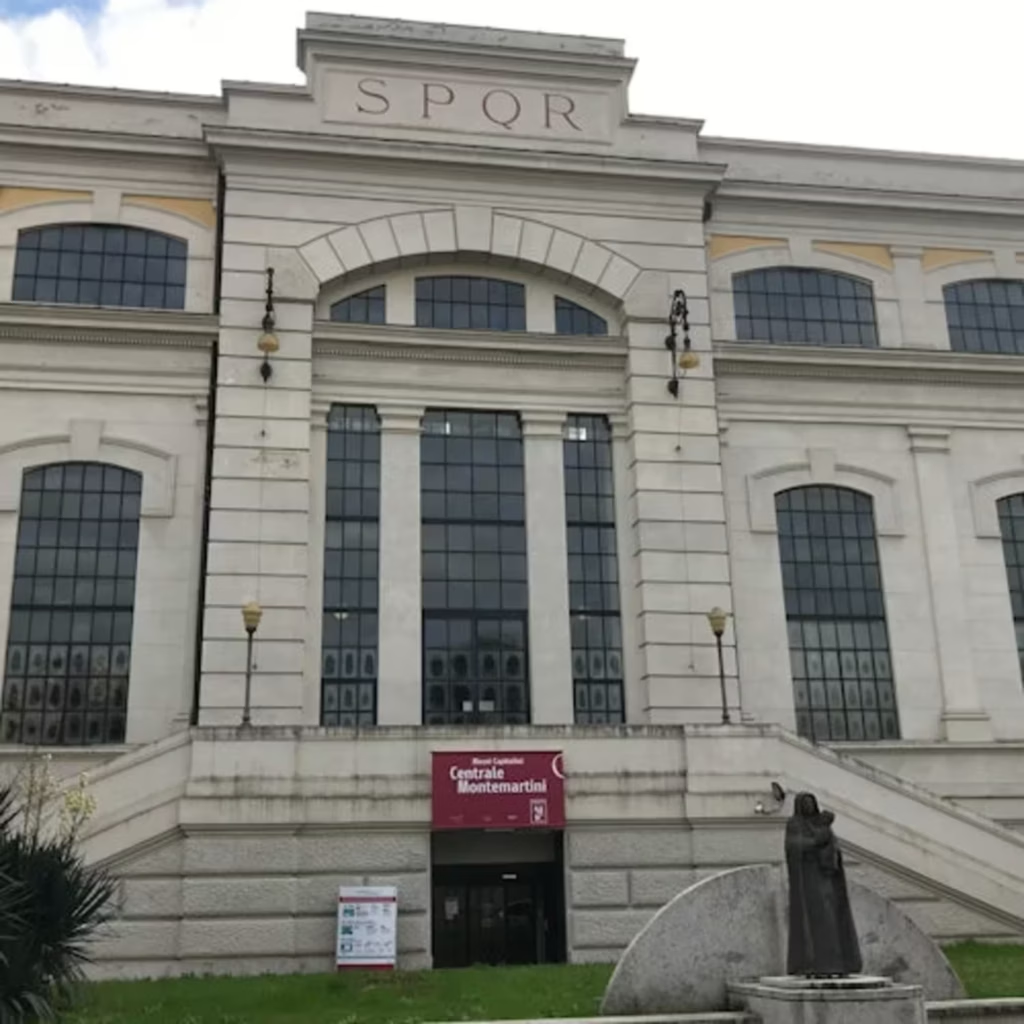
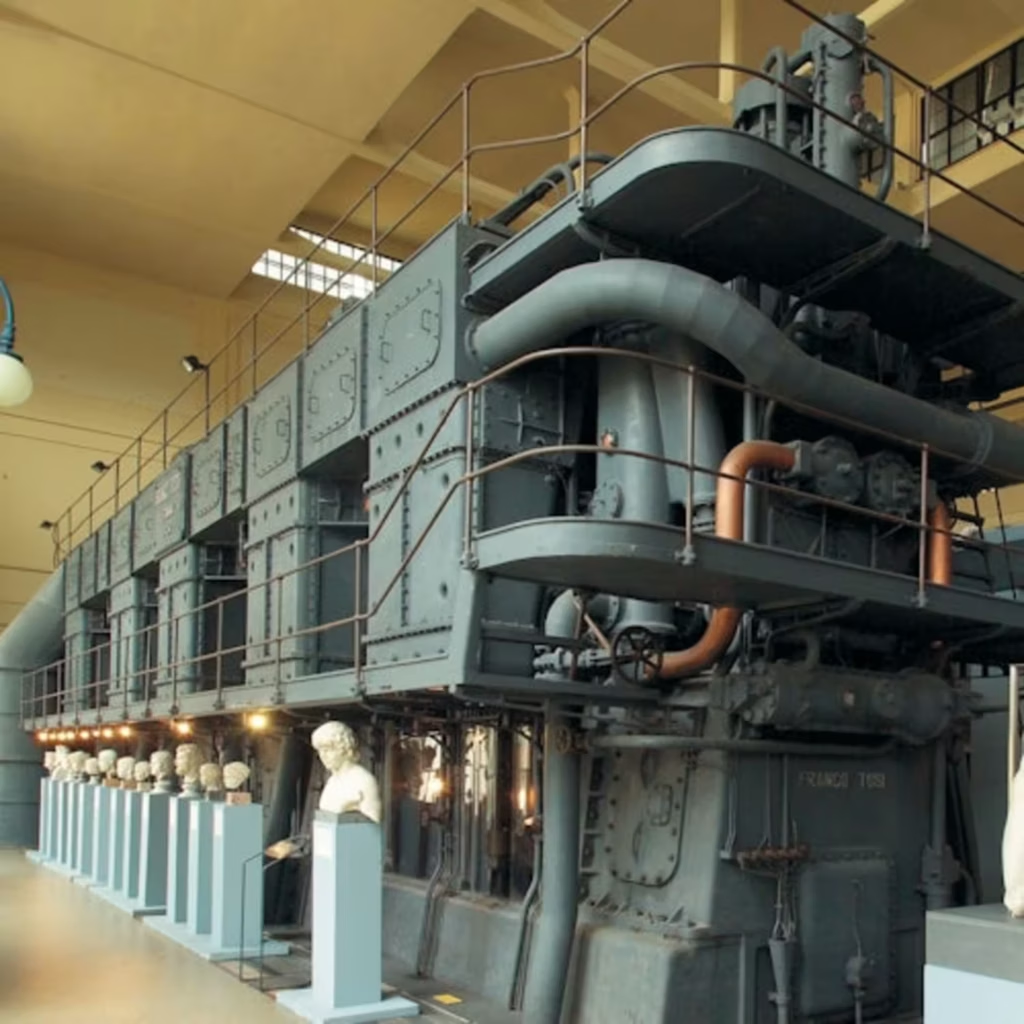
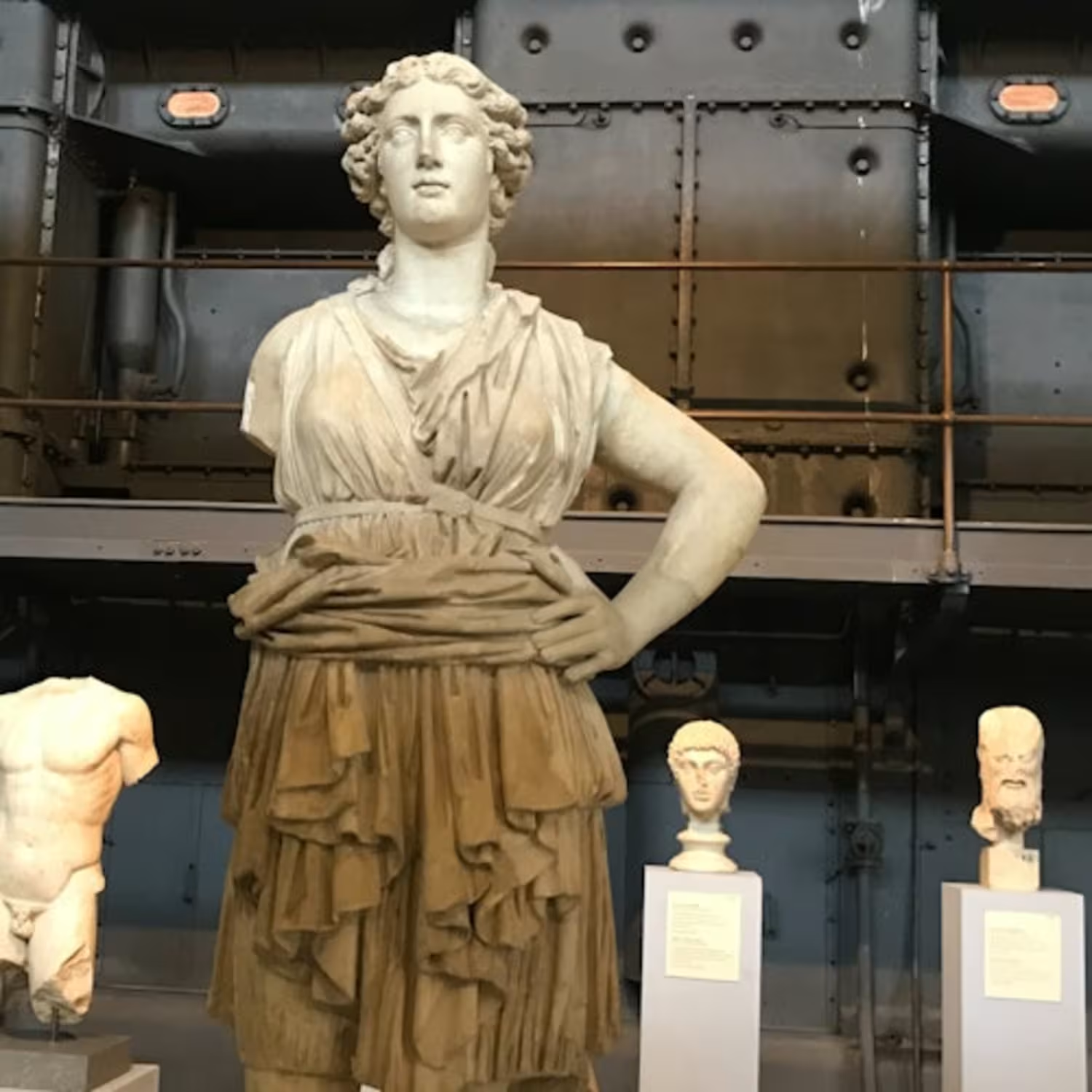
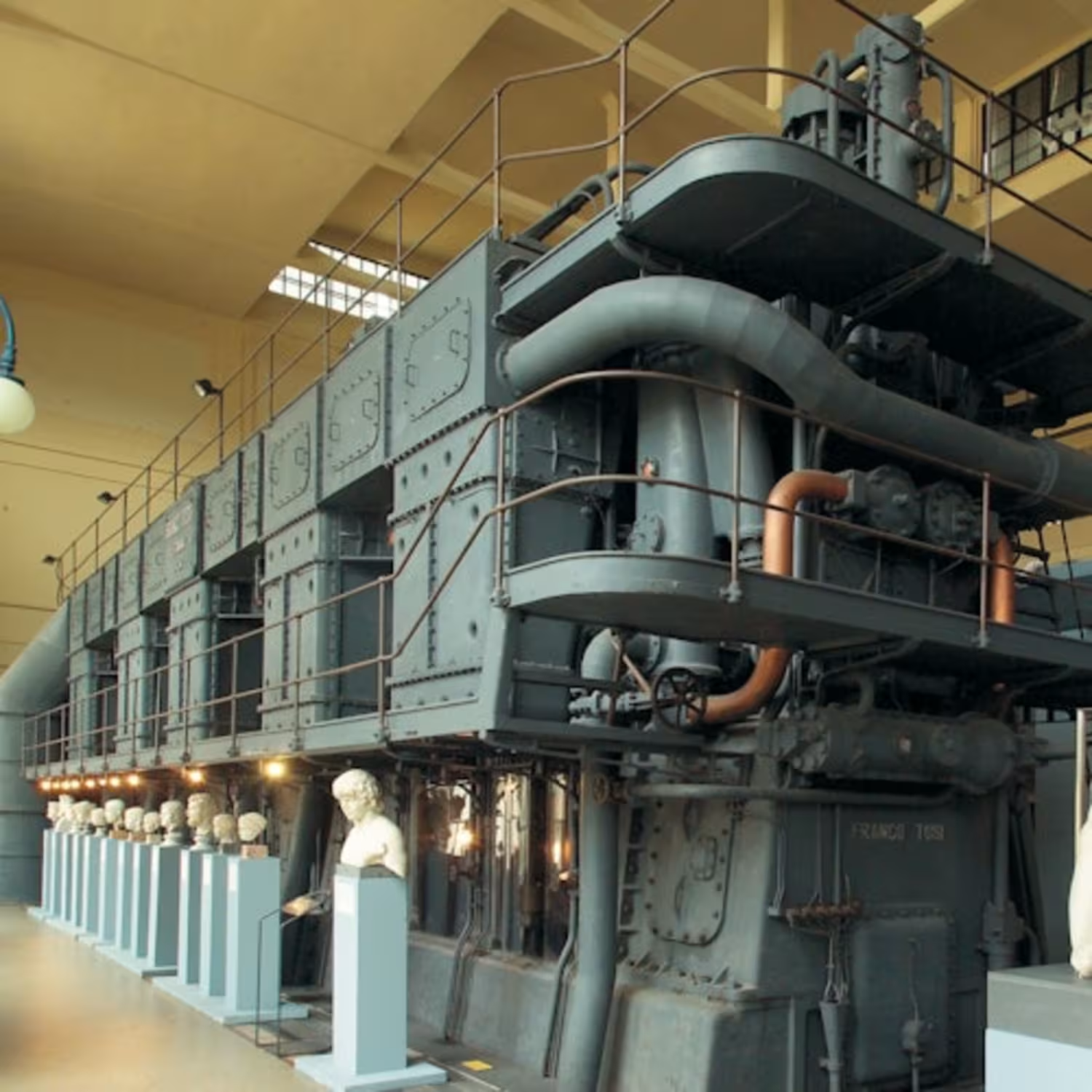
Visit the Centrale Montemartini’s display of classical sculptures within an industrial setting.

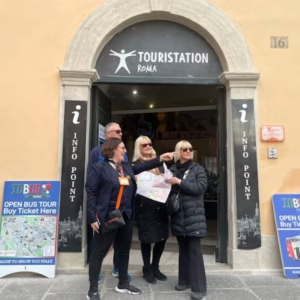
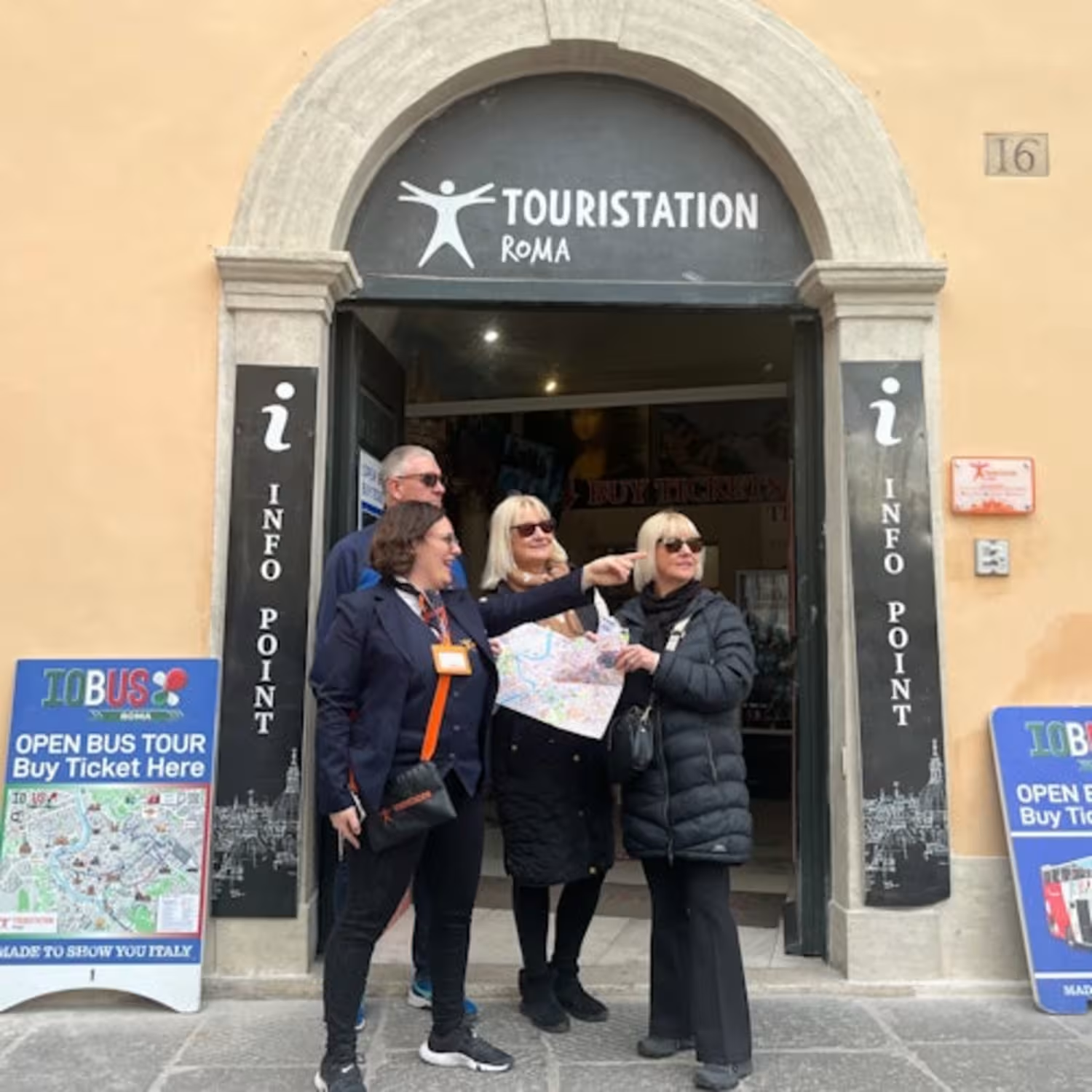
Receive customer assistance at the Touristation Aracoeli office.
Museum of the Roman Empire (Capitoline Museum) + Multimedia Experience of Ancient Rome

Highlights

Gain expedited access to the Capitoline Museums without waiting in lines.

Discover exclusive temporary exhibits included in your visit.

Watch a captivating multimedia presentation about Ancient Rome.

Receive assistance at the designated Touristation Aracoeli office.
Benefit from a downloadable audio guide app focused on Rome.
Ready to Visit the Capitoline Museums?

A medieval wolf mistaken for an ancient one, an emperor's statue saved by mistaken identity, and a piazza Michelangelo never saw finished, all on one hill.

Browse tickets for the Capitoline Museums, or check Plan Your Visit for everything you need to know before you go.

Frequently Asked Questions About the Capitoline Museums’ History

Why is the Capitoline Museums considered the world's first public museum?

Pope Sixtus IV donated a group of ancient bronzes to the people of Rome in 1471, and the collection opened formally to any visitor in 1734, before the British Museum or the Louvre existed.

Is the Capitoline Wolf actually ancient?

Long assumed to be a 5th-century-BC Etruscan bronze, radiocarbon and thermoluminescence testing dated the statue itself to the medieval period, sometime between the 8th and 14th centuries. Only the twins, Romulus and Remus, were added later, around 1471.

Why did the equestrian statue of Marcus Aurelius survive when other Roman bronzes didn't?

Medieval Romans mistakenly believed it portrayed Constantine, the first Christian emperor, so it was spared the fate of most pagan imperial statues, which were melted down for their metal.

Who designed the piazza the museums sit on?

Michelangelo redesigned Piazza del Campidoglio starting in 1536, including its trapezoidal shape, the Cordonata ramp, and the star-patterned pavement, though that pavement wasn't actually laid until 1940.

What is the Colossus of Constantine?

It's what remains of a roughly 12-meter seated statue of Emperor Constantine. Only a few marble fragments, including a hand and a foot, survive and are displayed in the Palazzo dei Conservatori.

What is the Tabularium?

It's ancient Rome's public record office, built in 78 BC, whose surviving structure connects the museum's two main buildings and gives visitors their view over the Roman Forum.

How many buildings make up the Capitoline Museums?

Two main palaces, the Palazzo dei Conservatori and the Palazzo Nuovo, linked by an underground gallery so visitors can move between them without leaving the building.

Why does the collection include the Dying Gaul?

It was acquired in 1734 as part of the Albani collection that helped the museum open to the public, and it's a Roman marble copy of a lost Greek bronze original from the 3rd century BC.

What was Rome's civic symbol before the Capitoline Wolf?

A Hellenistic marble group known as the Lion Attacking a Horse stood on the Palazzo Senatorio's staircase as a symbol of civic justice until Sixtus IV's 1471 gift of the she-wolf effectively took its place.

Is Palazzo Senatorio open to museum visitors?

No. It's the third palace on Piazza del Campidoglio, but it's Rome's city hall today, not part of the Capitoline Museums visit.

This website sells official tickets for this venue. Please note, however, that it is not the official website of the venue.

The images and videos on this website may contain visual elements that have been created or enhanced using AI technology. They are provided for illustrative purposes only.