We are processing your request.
Please, don’t close or refresh the page.

Galleria Borghese: Rome's Greatest Small Museum

Galleria Borghese is where Cardinal Scipione Borghese assembled one of the boldest private art collections ever seen, then built a villa to hold it. This guide covers the gallery's origins, its Bernini sculptures, its Caravaggio paintings, and the cardinal behind it all. It is not a source for opening times or directions, which live in our dedicated visitor sections.

Why Galleria Borghese Matters

One of the richest small museums anywhere, measured by masterpieces per room rather than square footage.

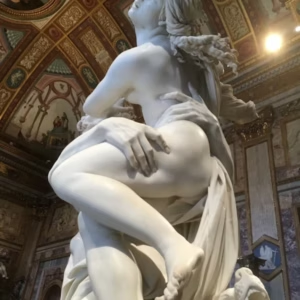
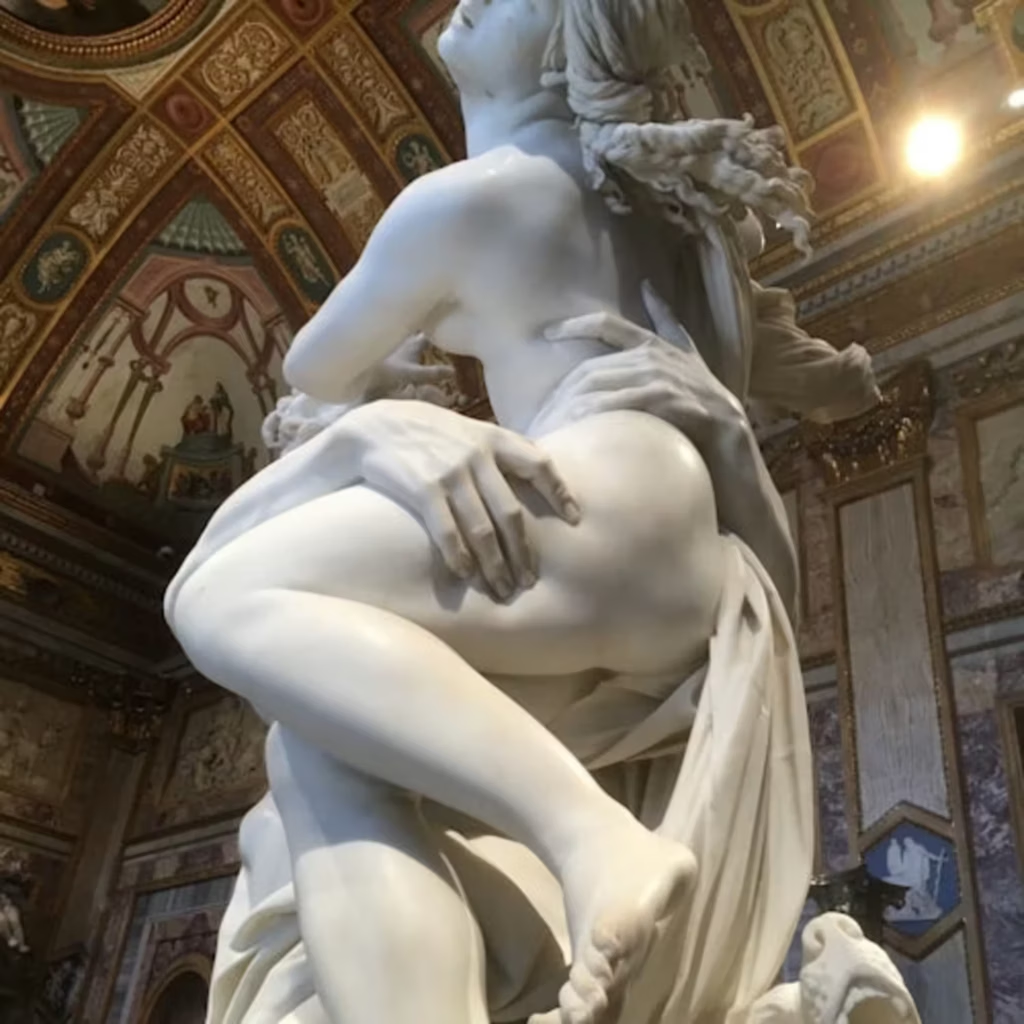
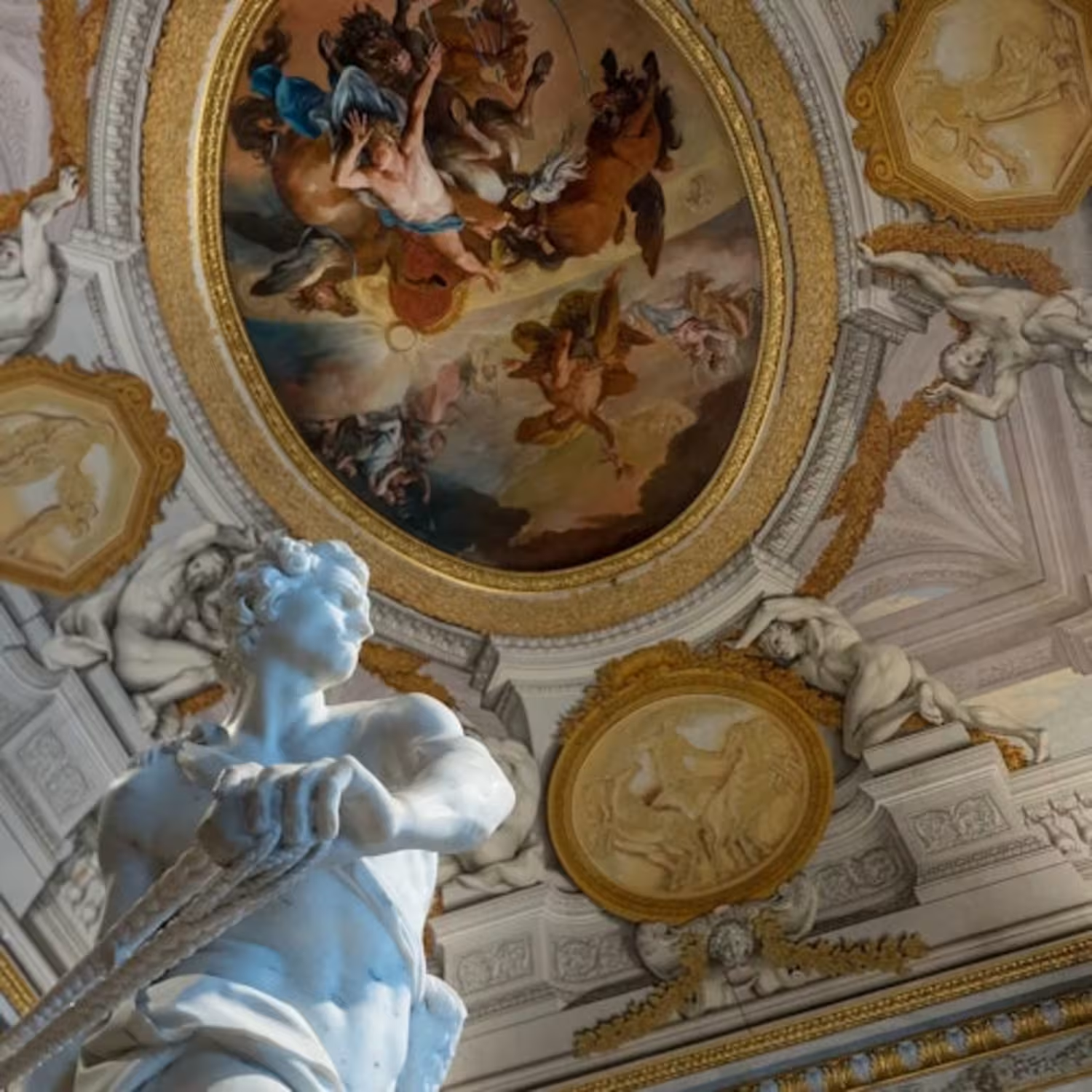
Home to Bernini's most virtuosic sculptures, carved while he was still in his twenties.

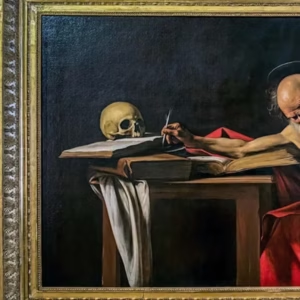
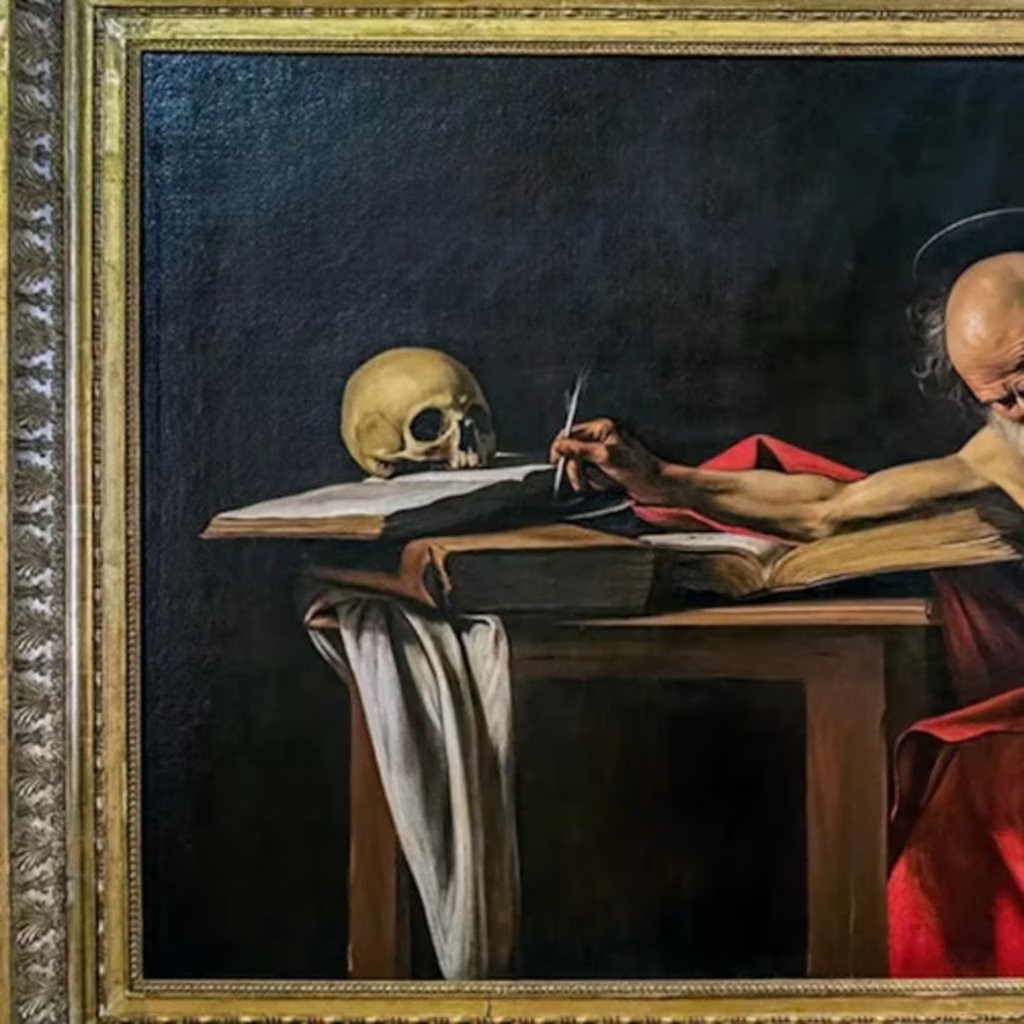
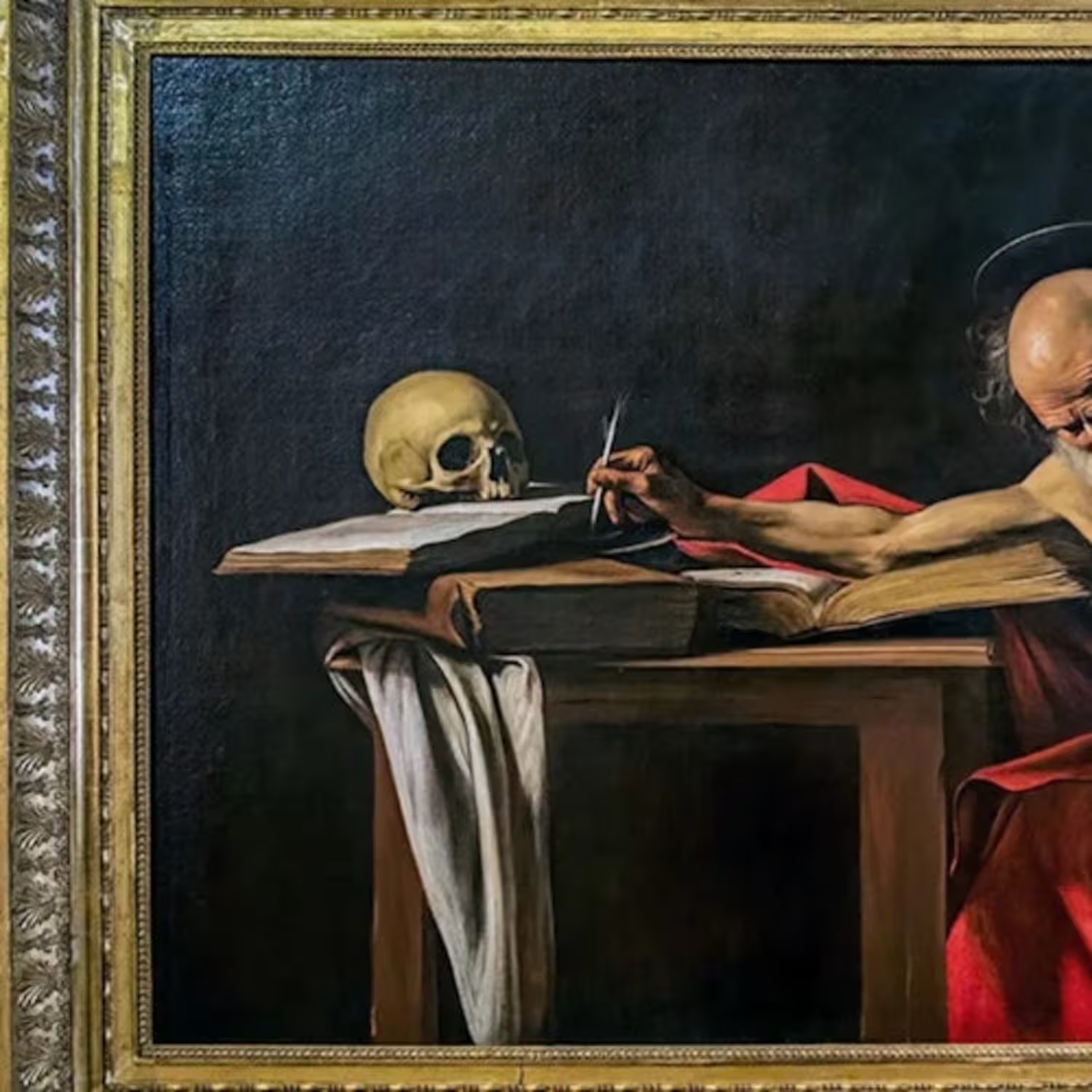
The largest collection of Caravaggio paintings under a single roof.

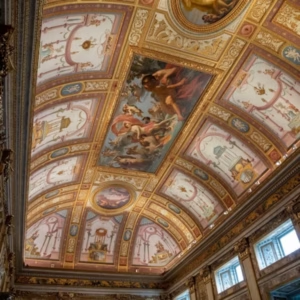
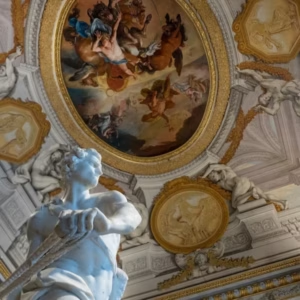
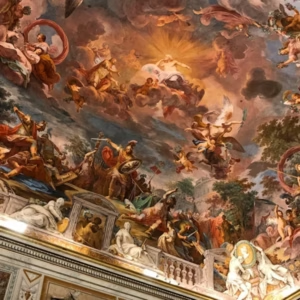
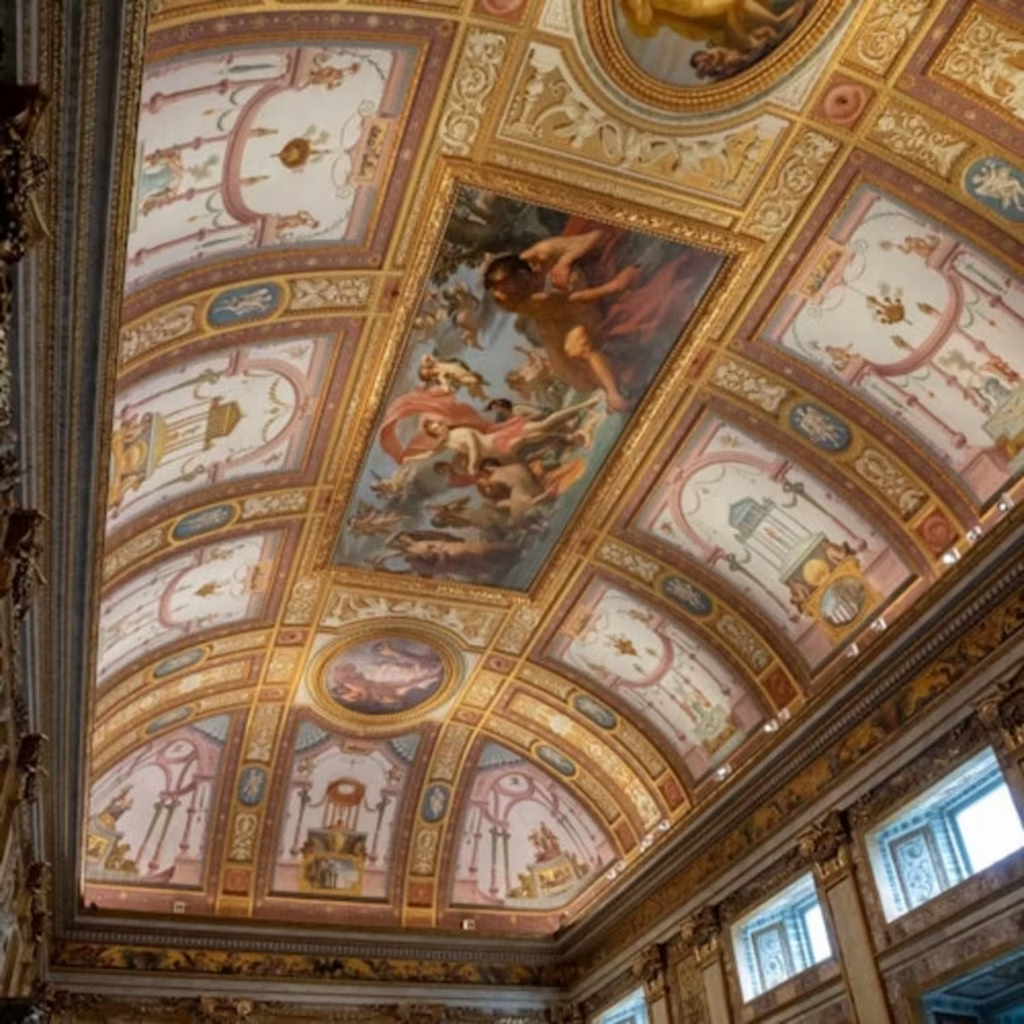
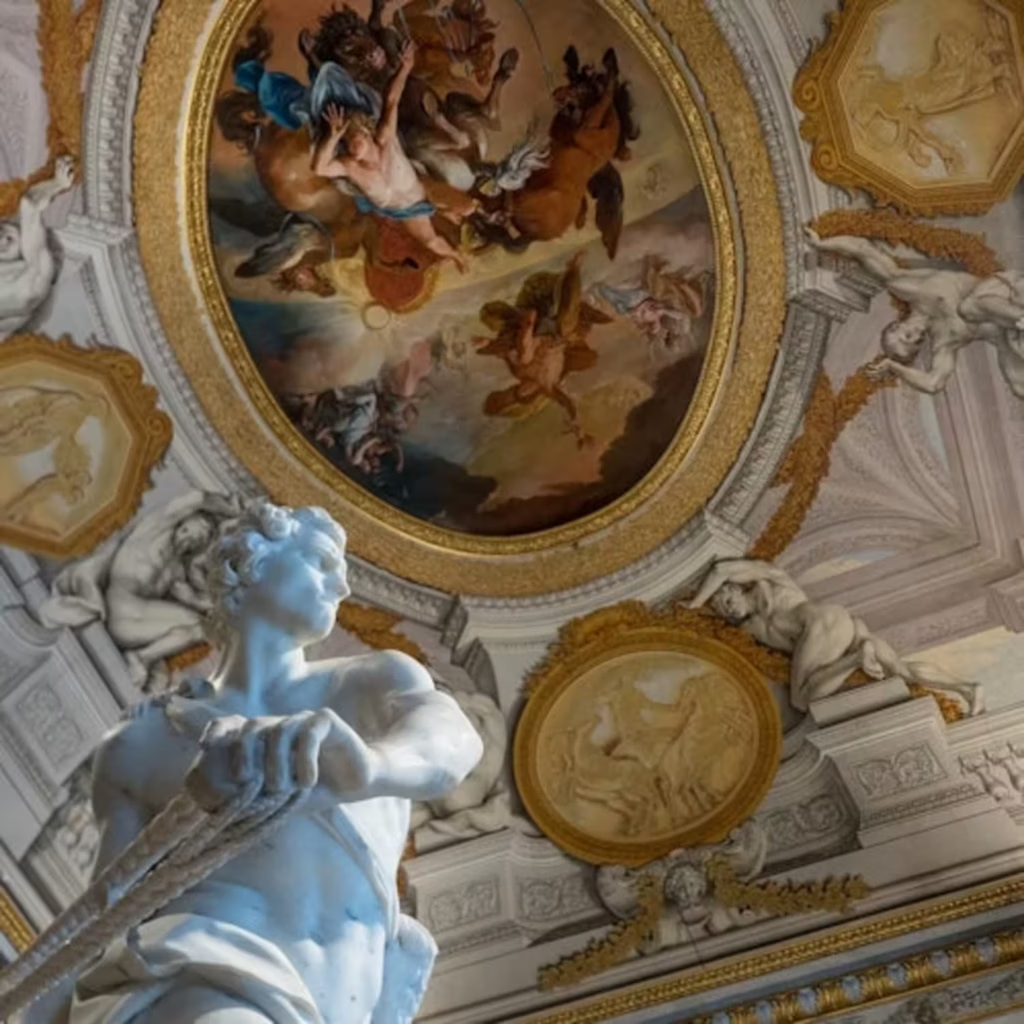
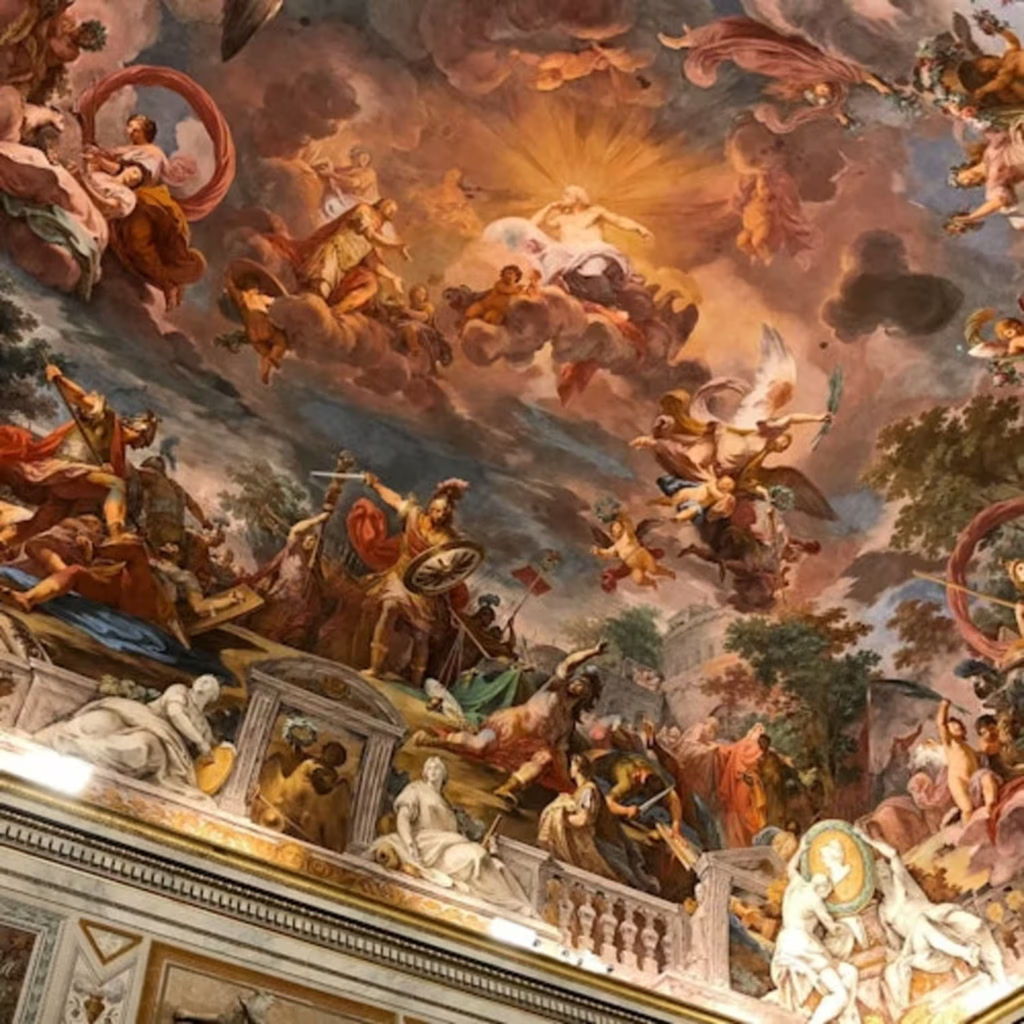
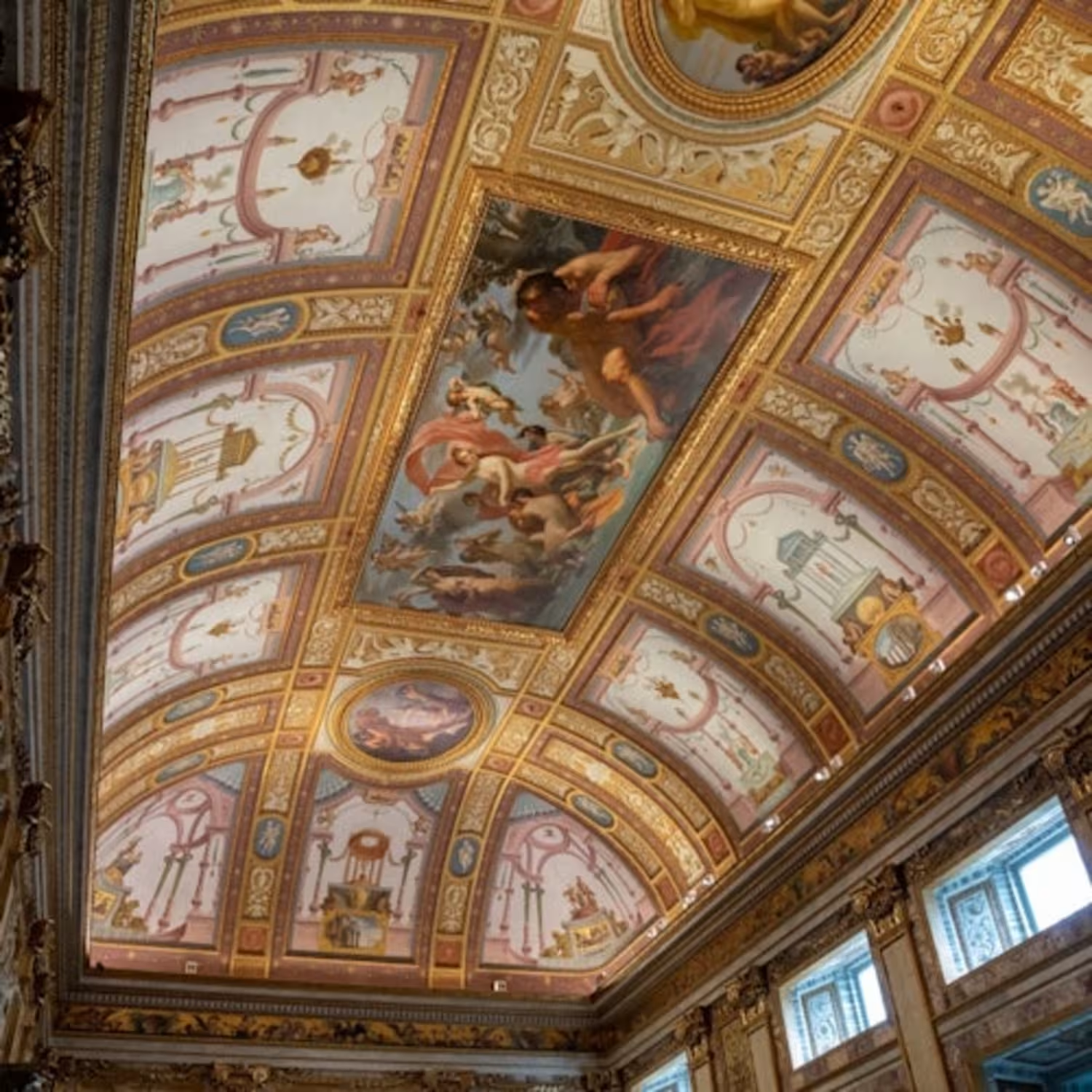
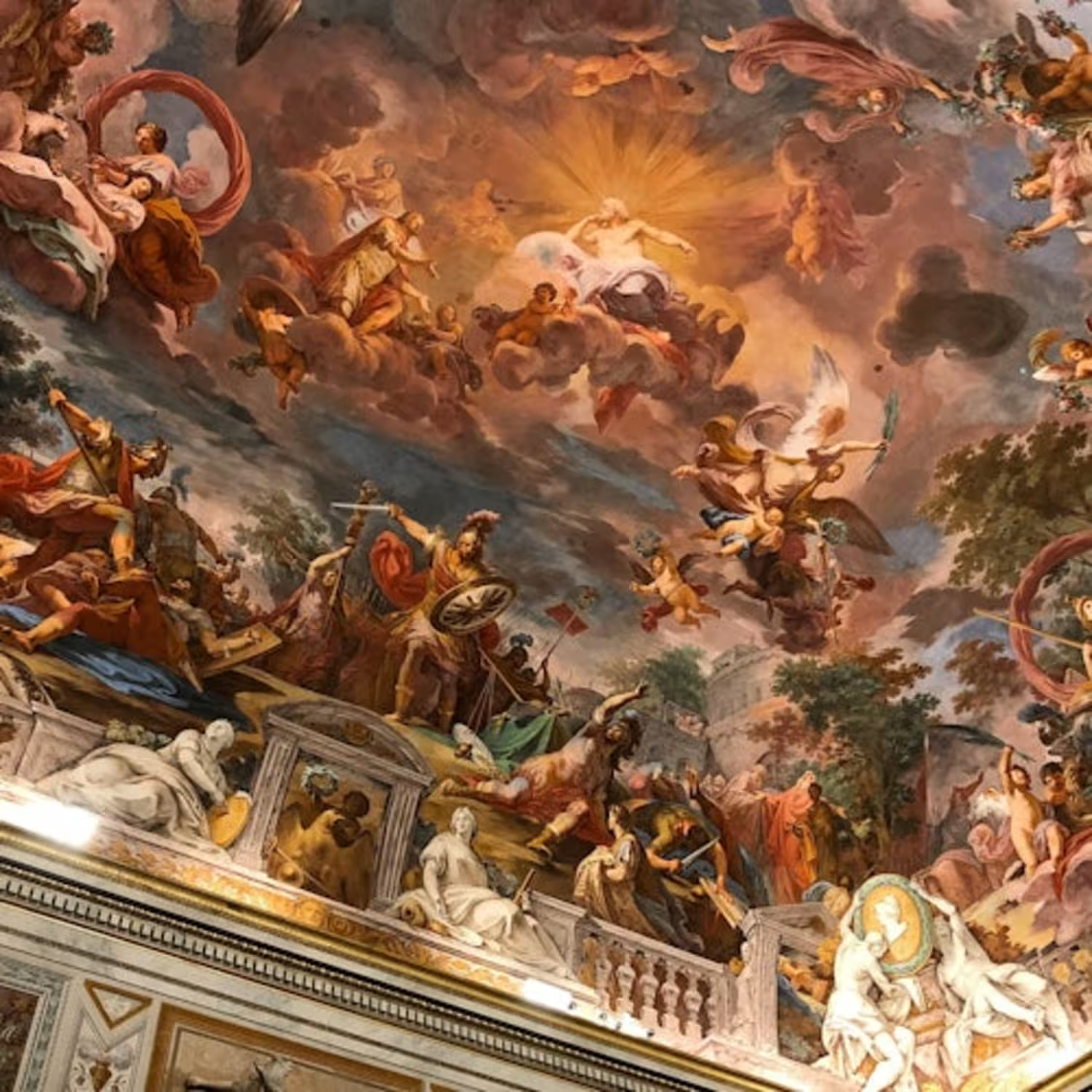
Every room keeps its original 17th-century ceiling frescoes, part of the display as much as the paintings hung below them.

Built by a cardinal who didn't always ask permission before adding a painting to his collection.

Survived a forced sale to Napoleon's family and still holds masterpieces many assumed were gone for good.

Deliberately limited to a few hundred visitors every two hours, so the rooms never feel crowded.

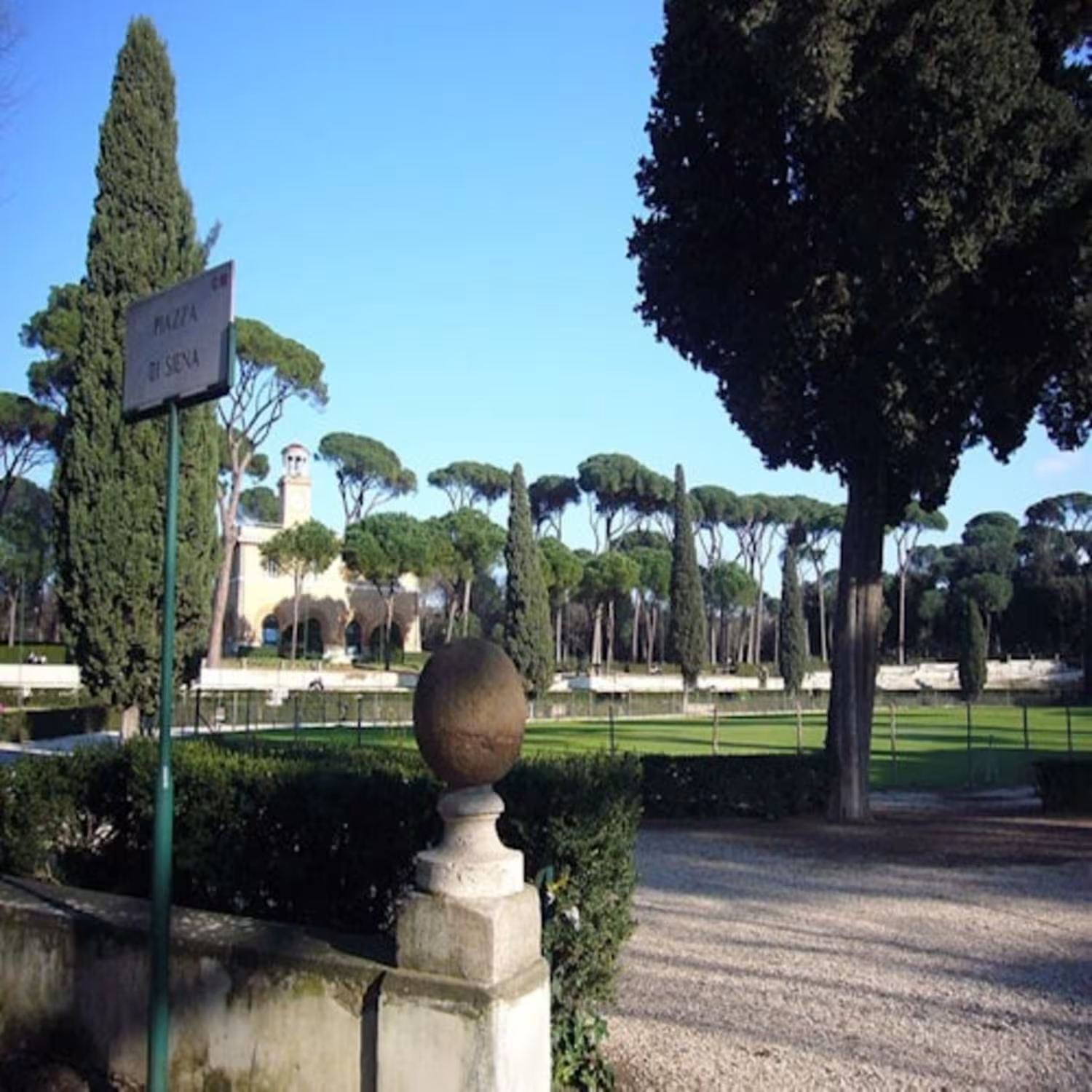
Set inside Villa Borghese, Rome's third-largest public park, easy to pair with a walk outdoors.

A Cardinal's Private Obsession
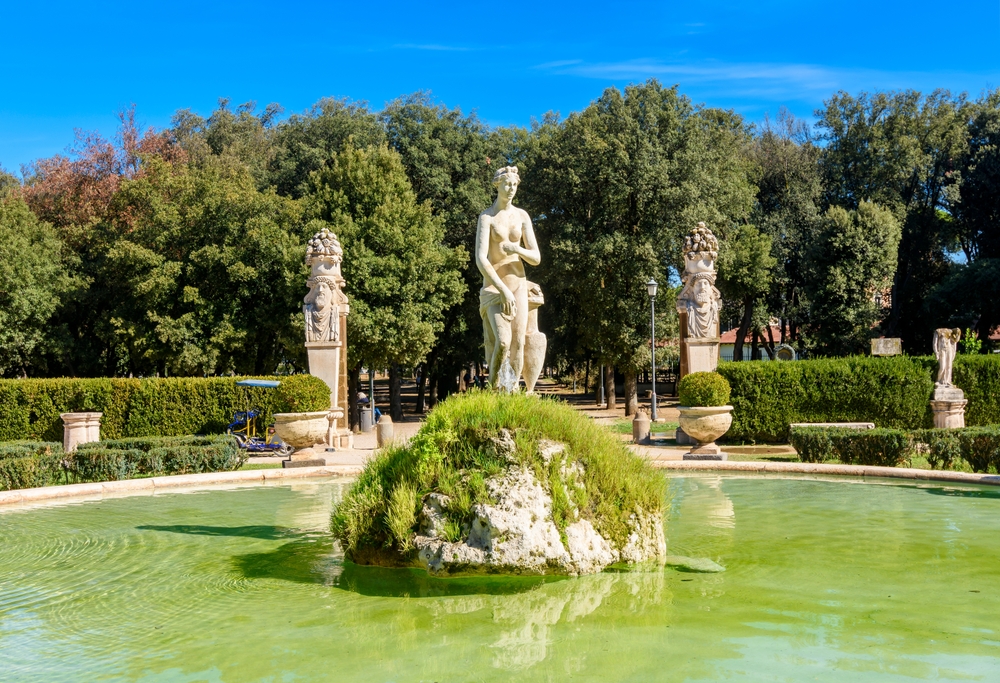
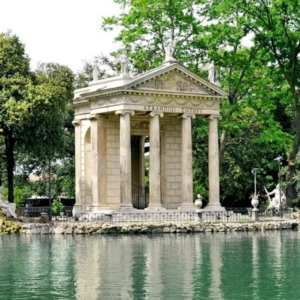
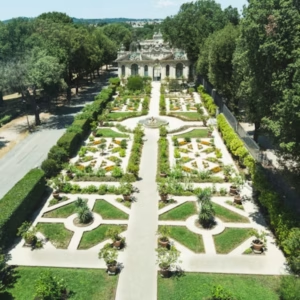
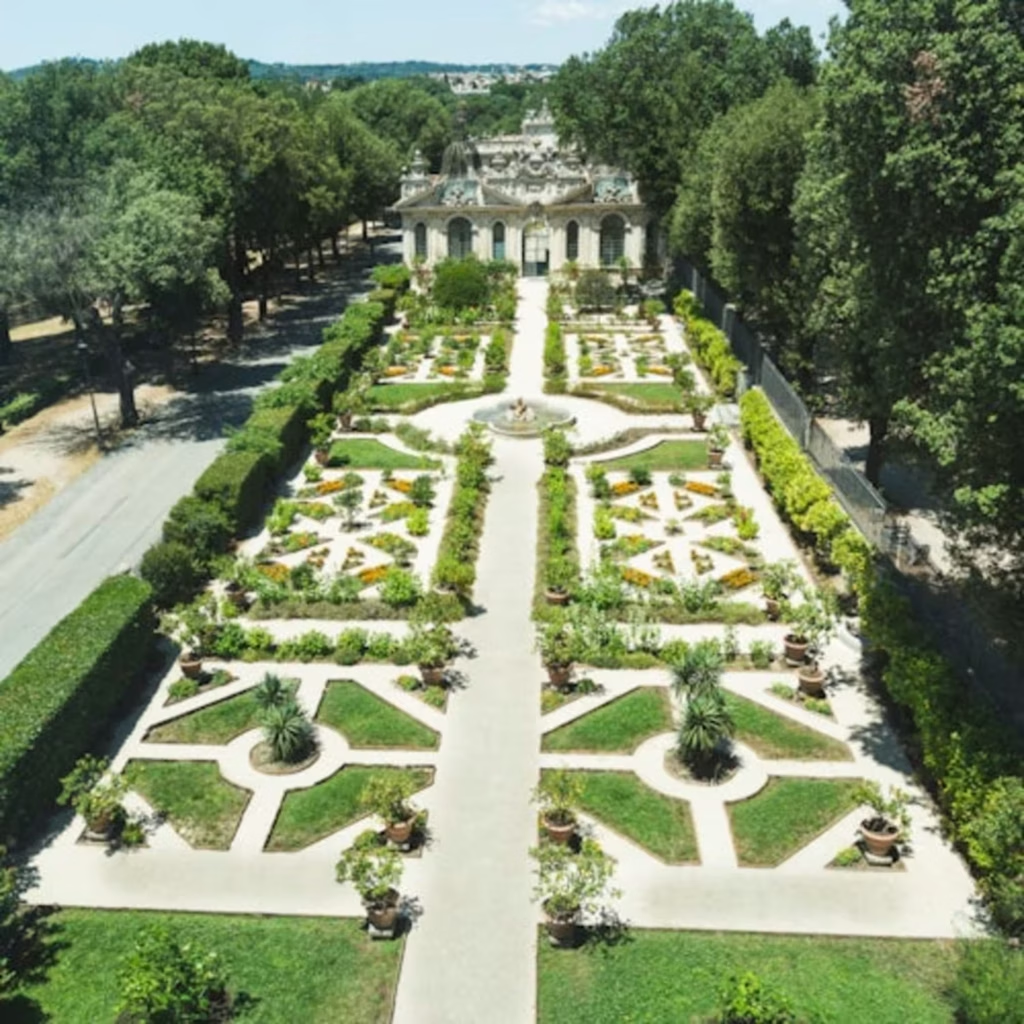
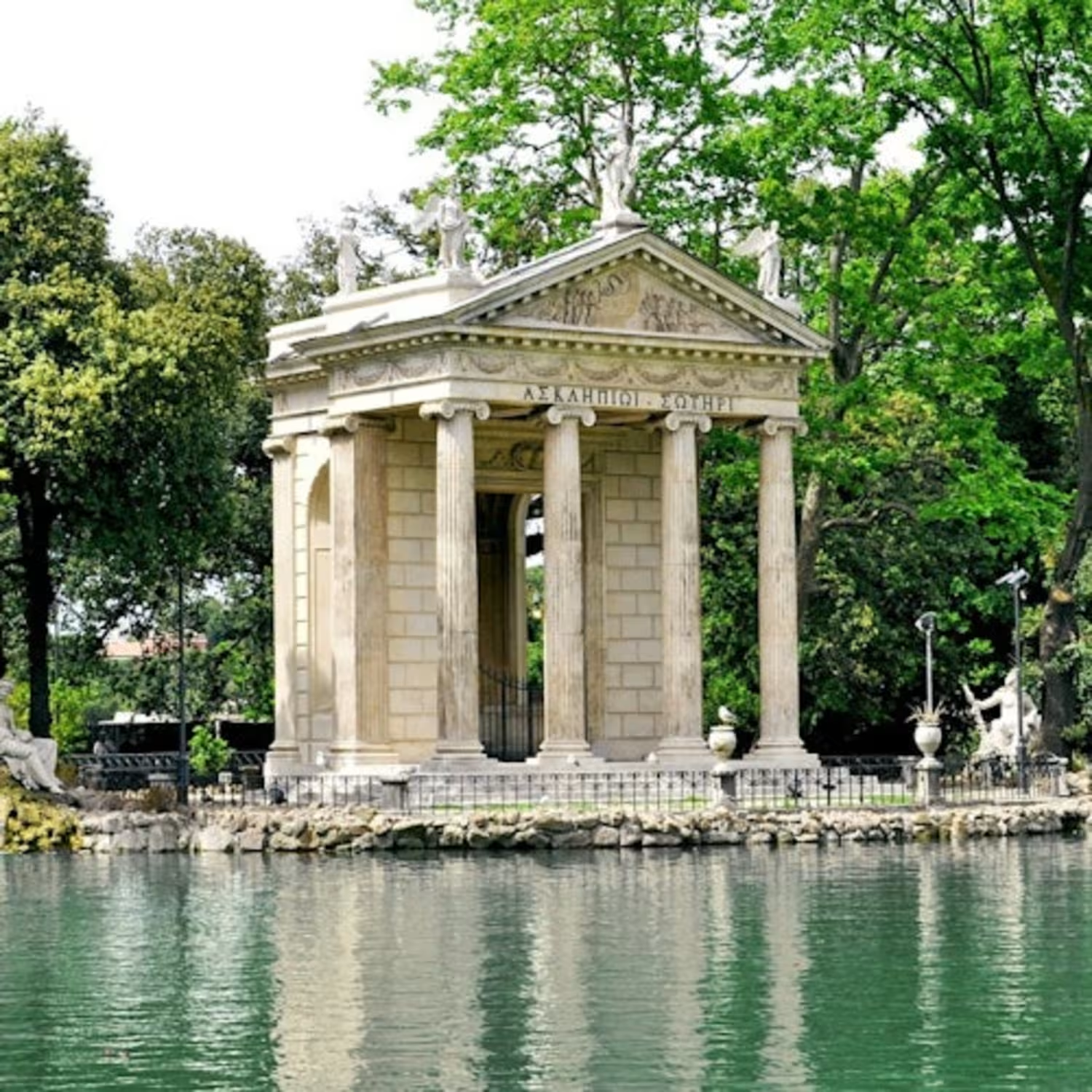
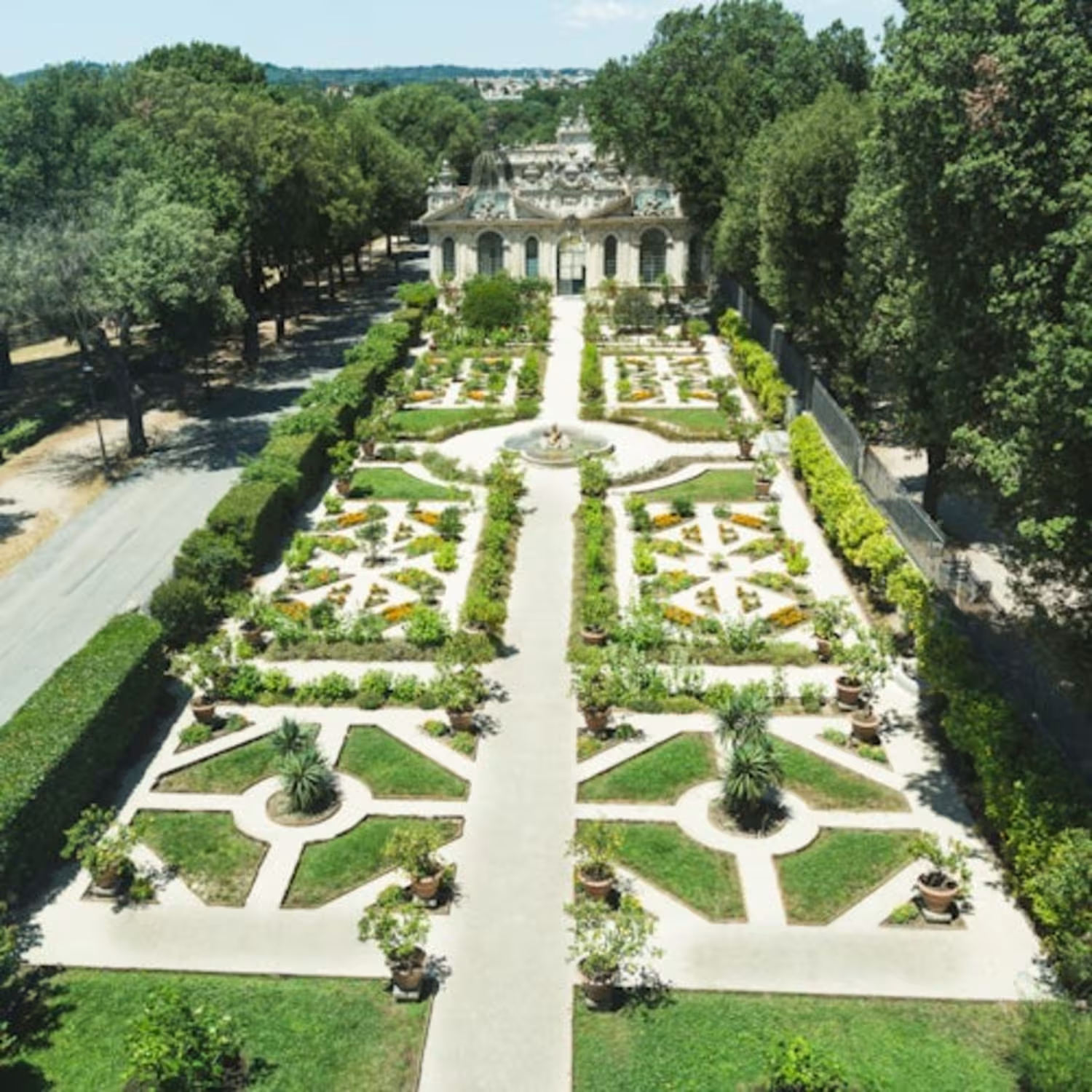
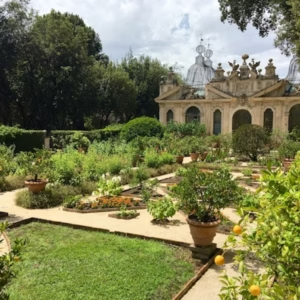
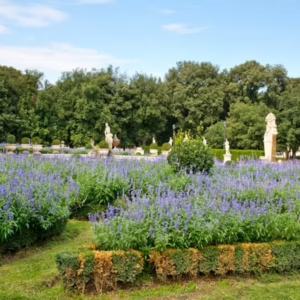
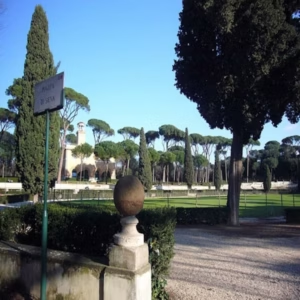
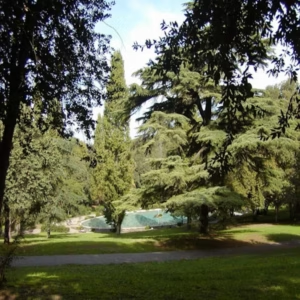
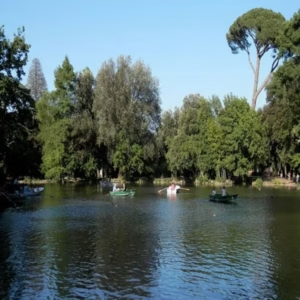
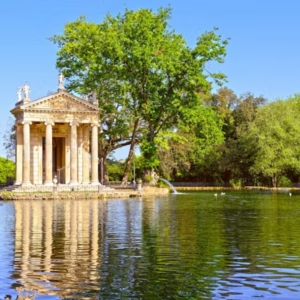
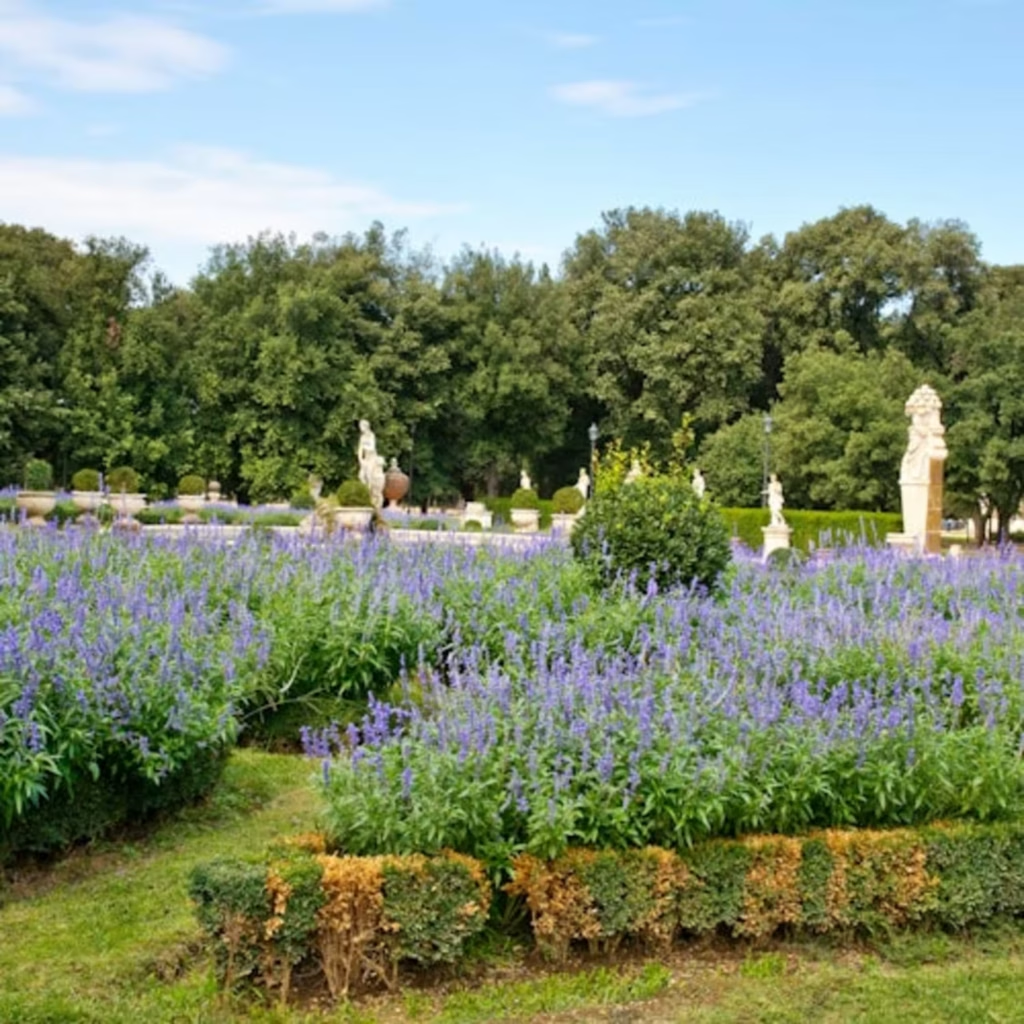
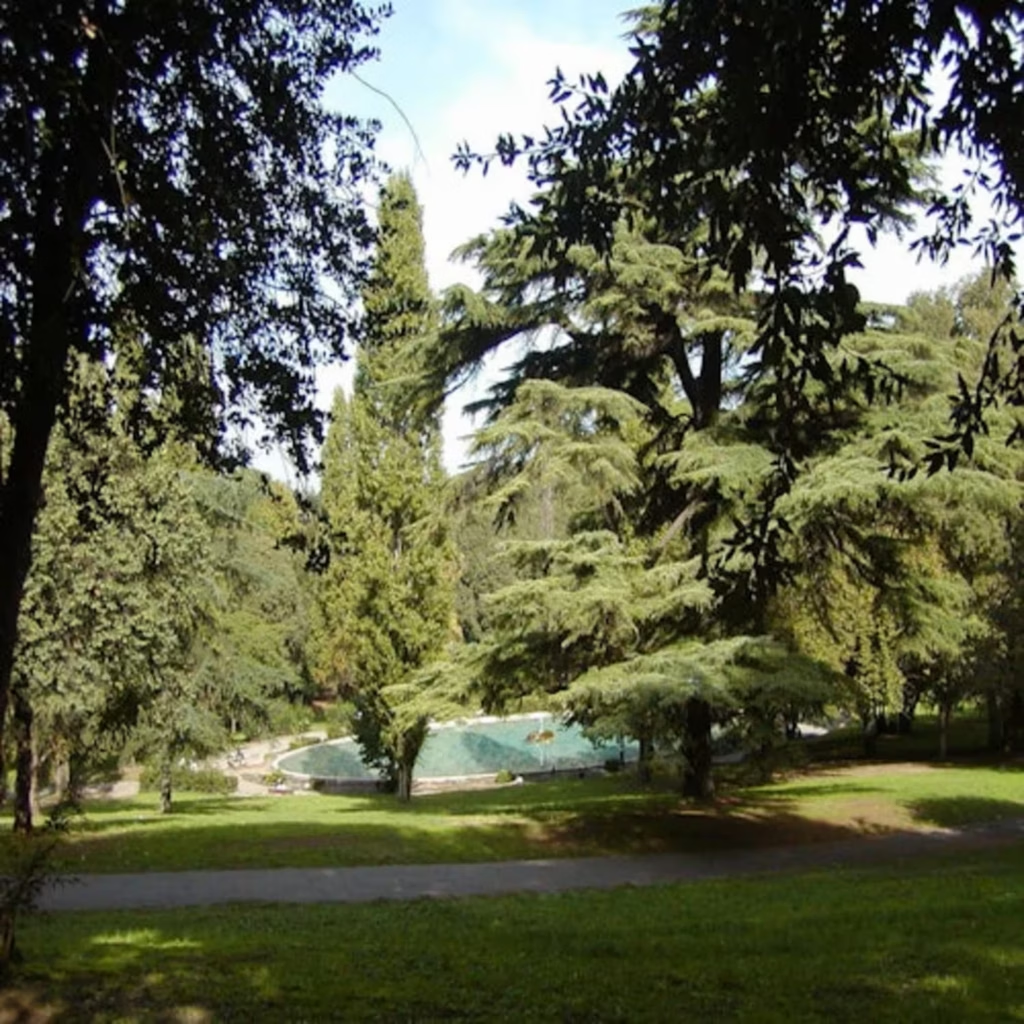
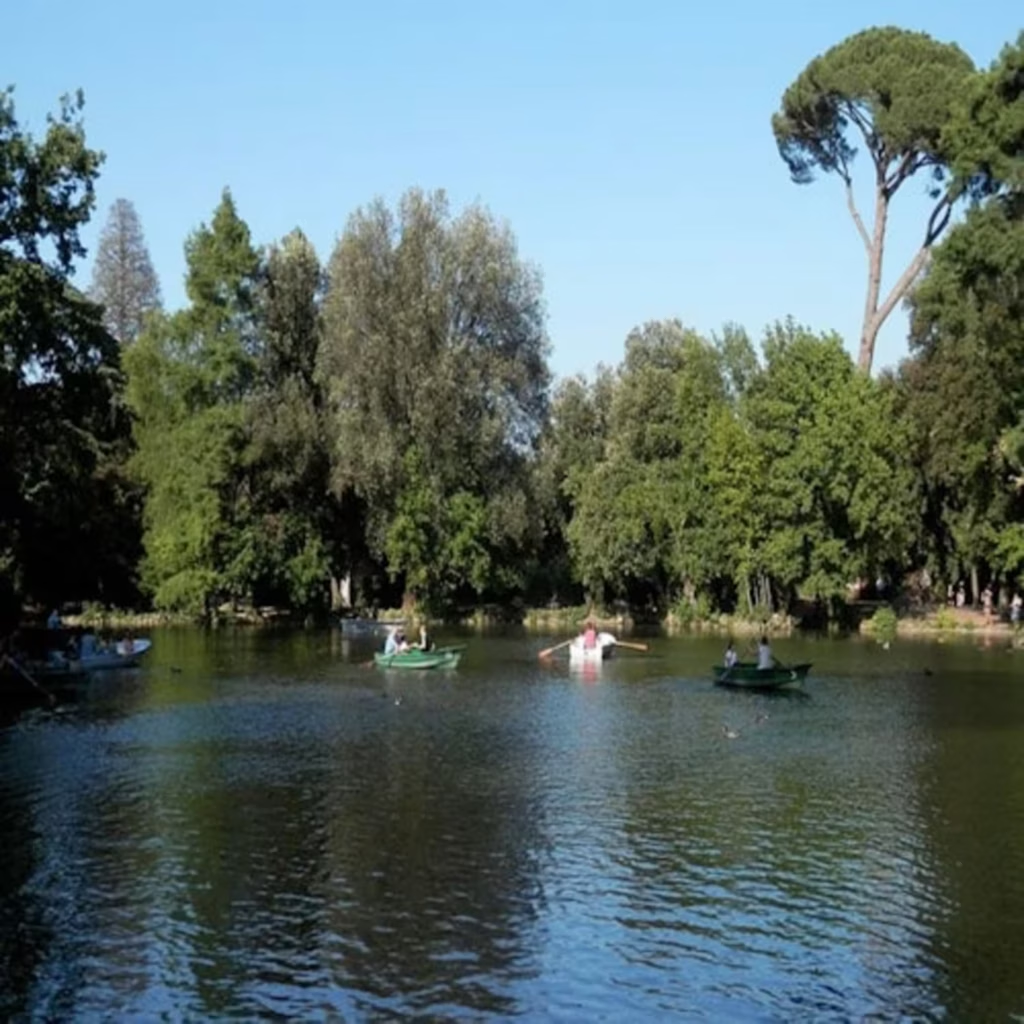
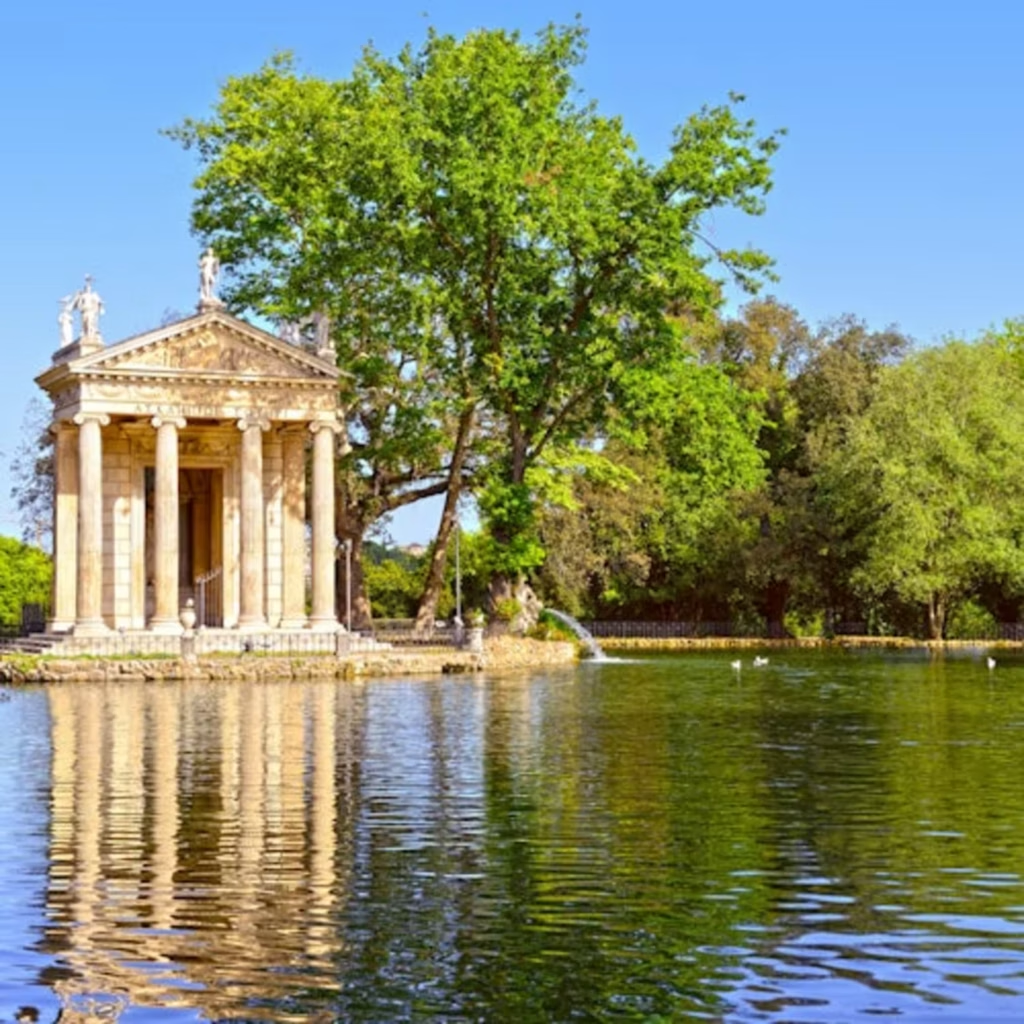
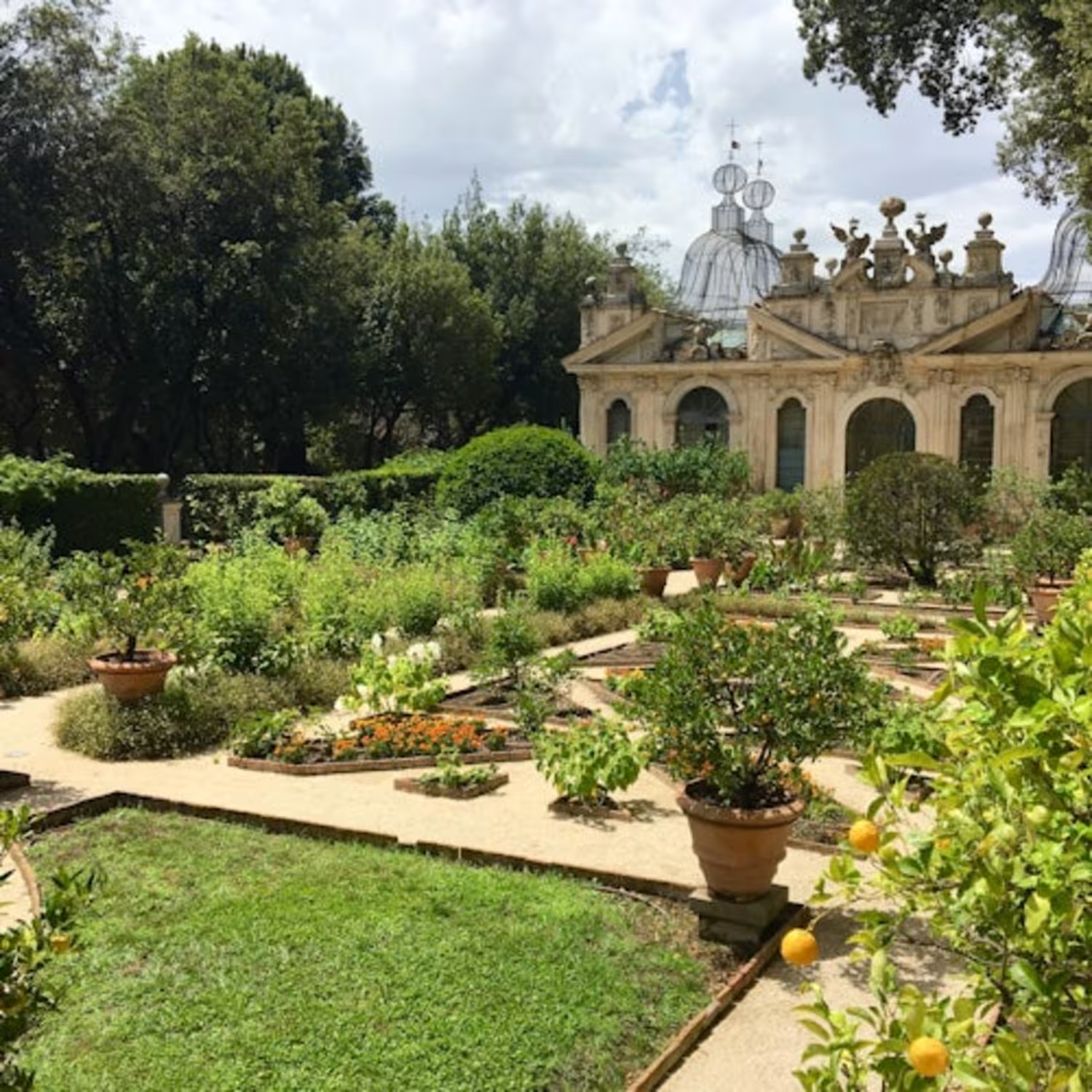
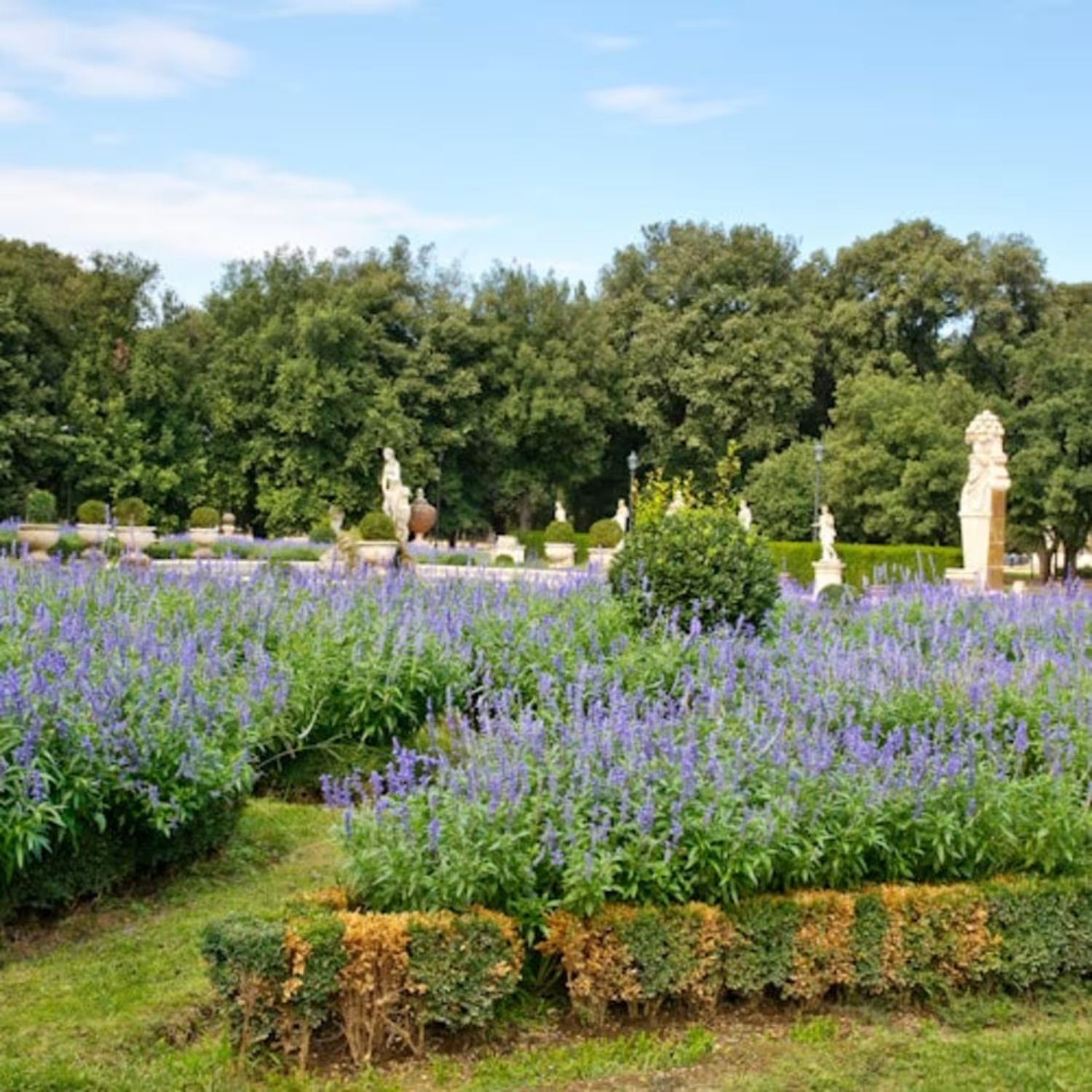
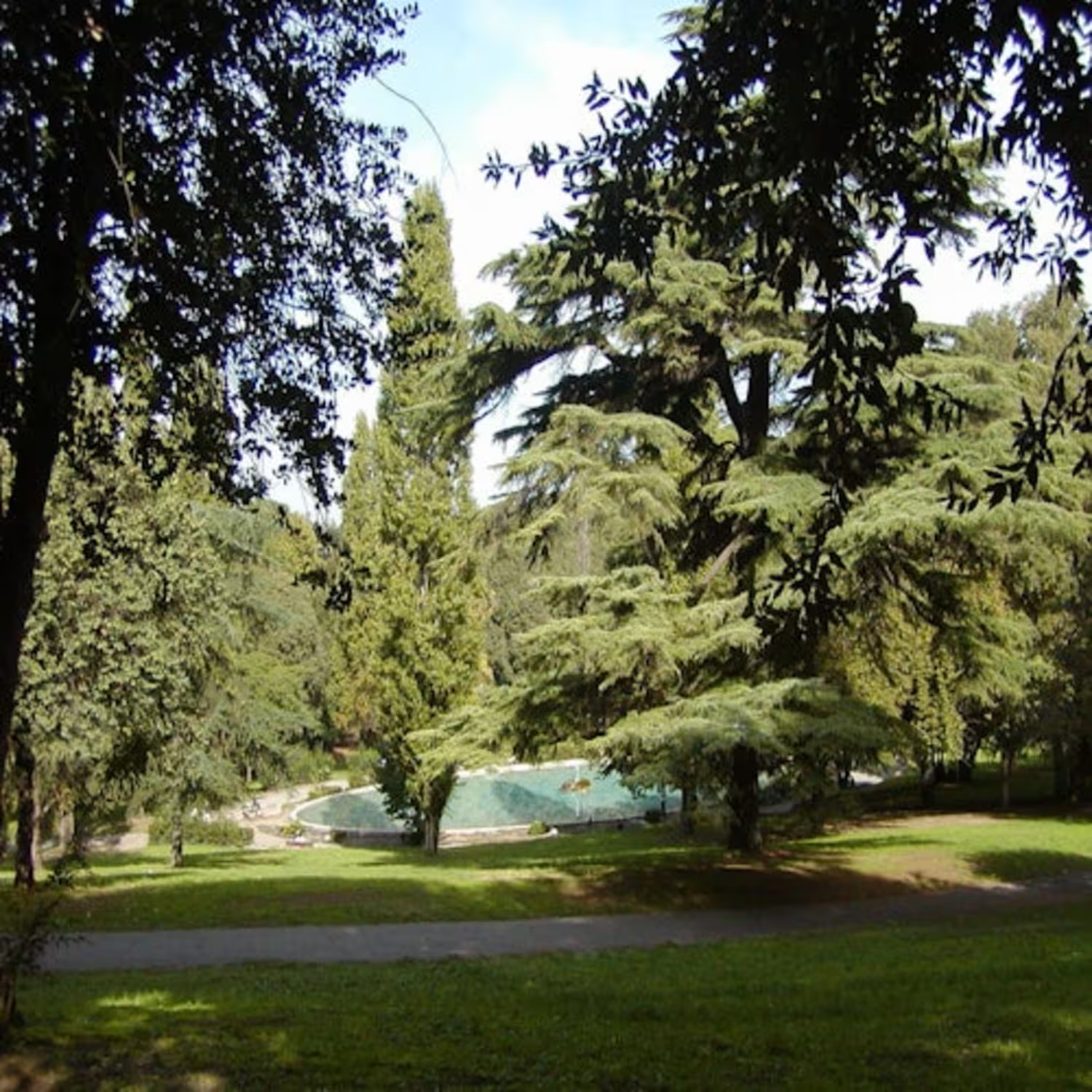
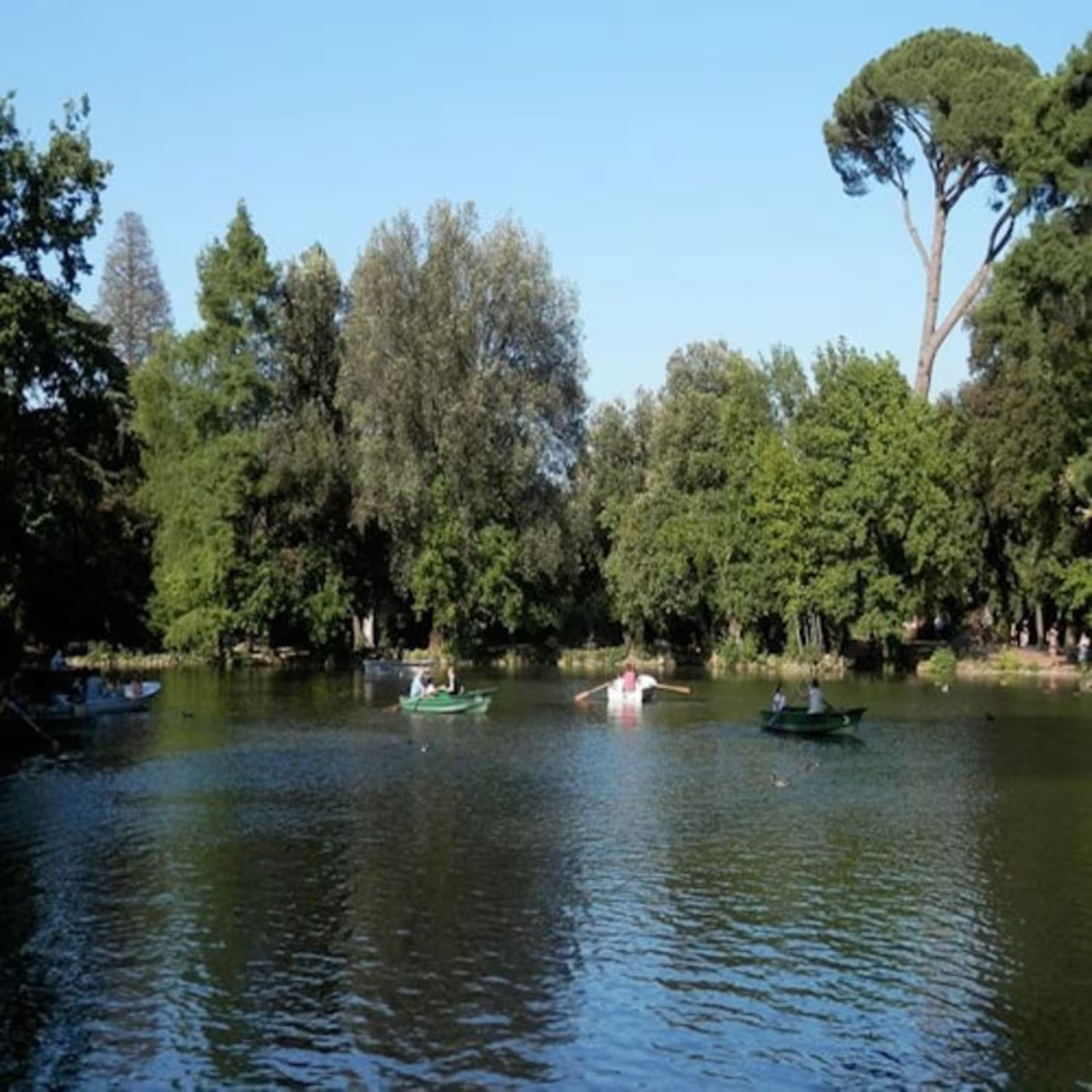
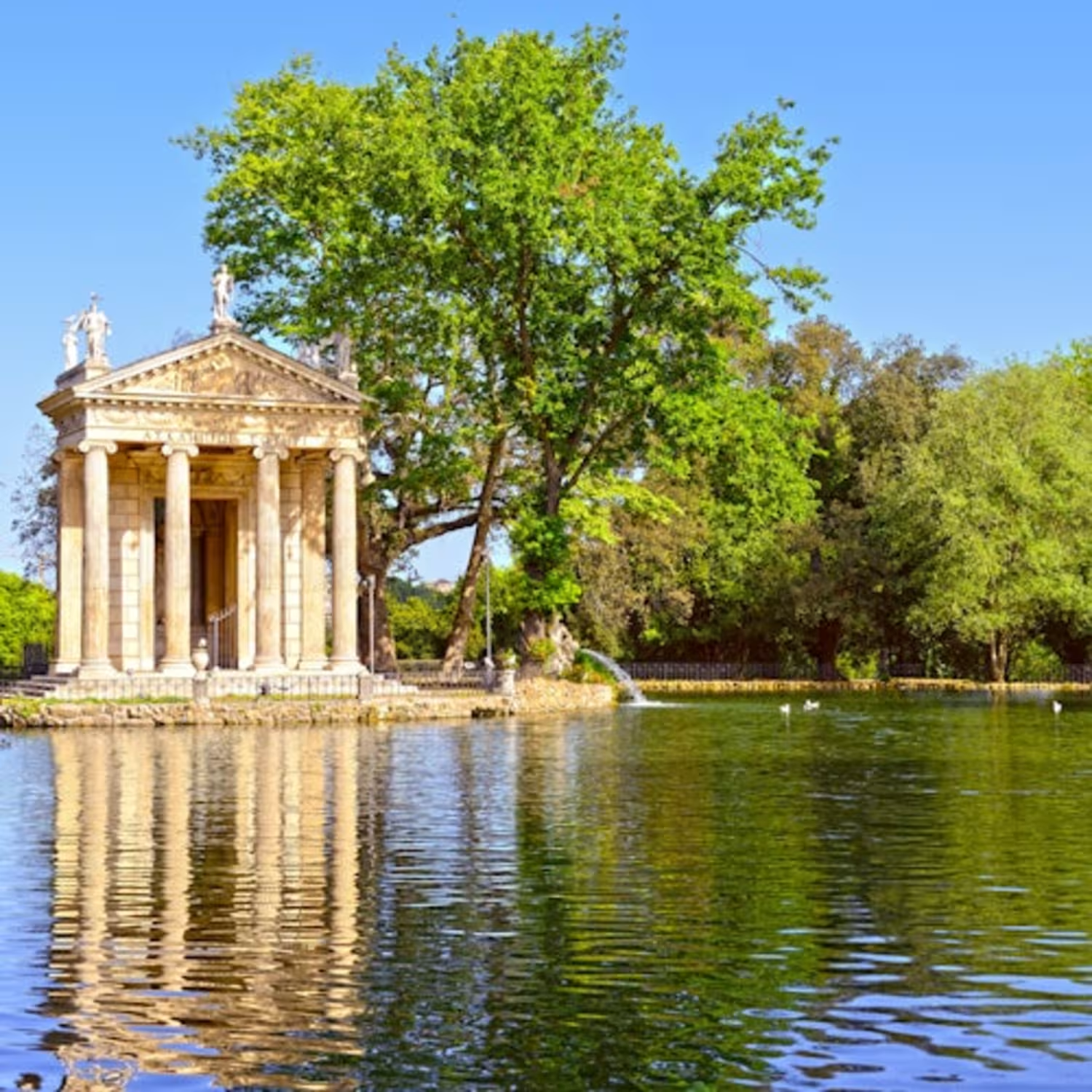
The gardens surrounding Galleria Borghese

Scipione Borghese became a cardinal in 1605, at 29, thanks to his uncle Pope Paul V, and spent much of the fortune that came with it on art. He was also patron to two young artists just starting out, Gian Lorenzo Bernini and Caravaggio, buying their work before either had made his name.

Not every acquisition was straightforward. Scipione had roughly 100 paintings seized from the studio of the painter Cavalier d'Arpino after a legal dispute, and in 1608 he had Raphael's Deposition removed by night from a family chapel in Perugia, over the objections of the nuns who owned it.

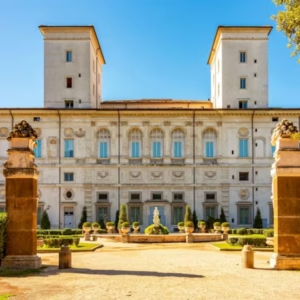
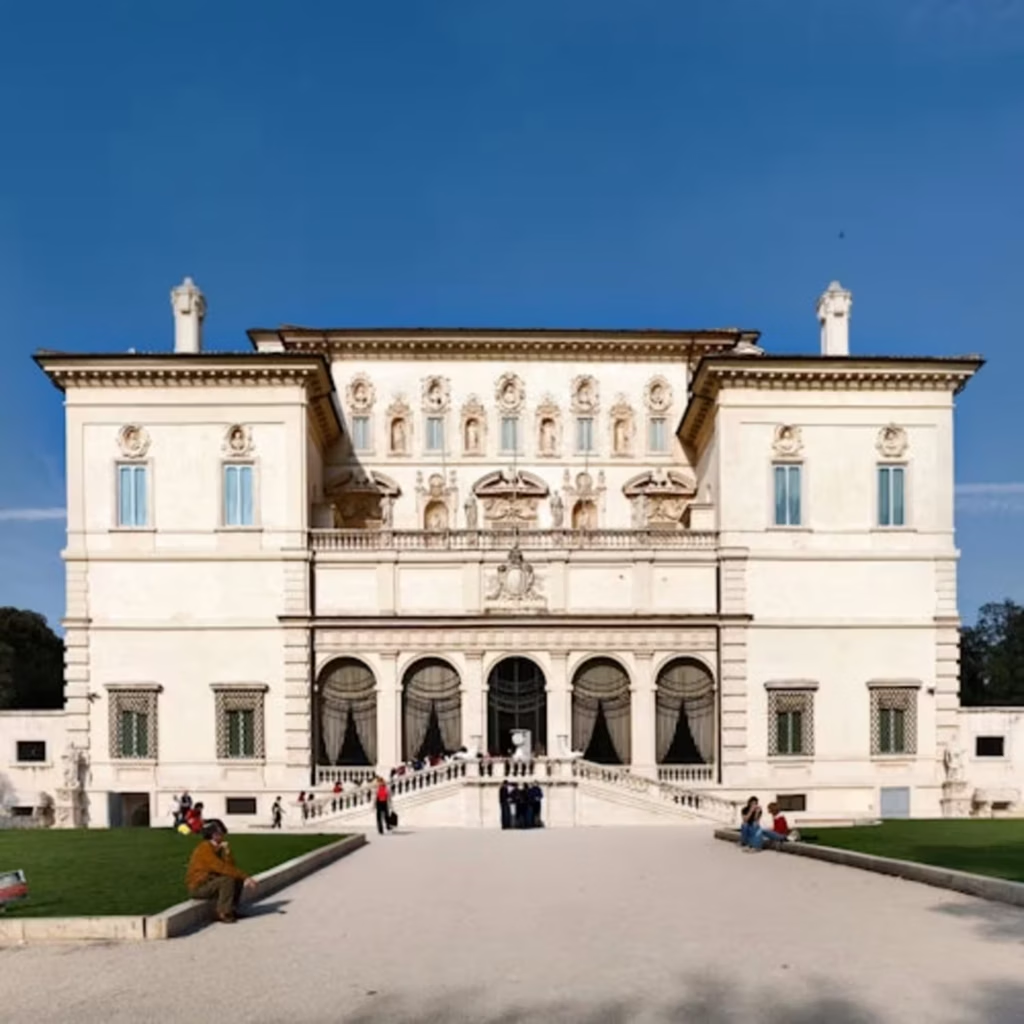
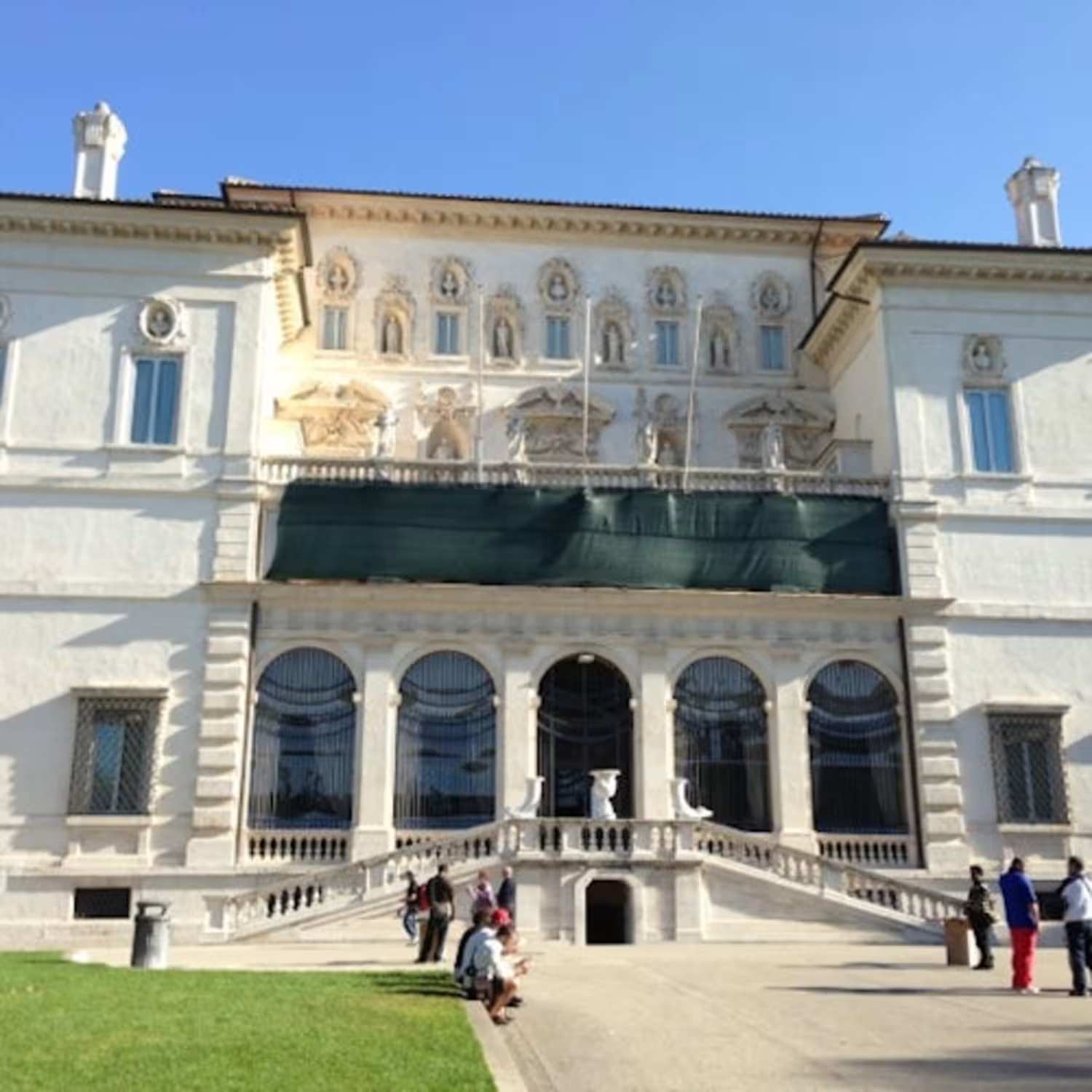
To house the growing collection, he commissioned architect Flaminio Ponzio to design a suburban villa on the edge of Rome. Ponzio died in 1613 before the work was finished, and Giovanni Vasanzio completed it. From the start, the Casino Borghese had its rooms planned around specific sculptures and paintings, rather than the art being fitted in afterward.

When Napoleon Came Calling

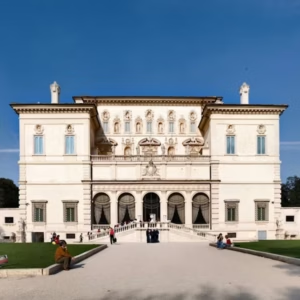
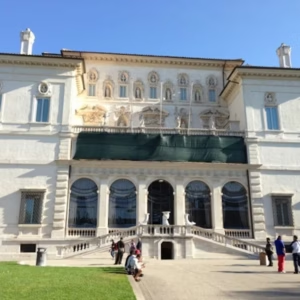
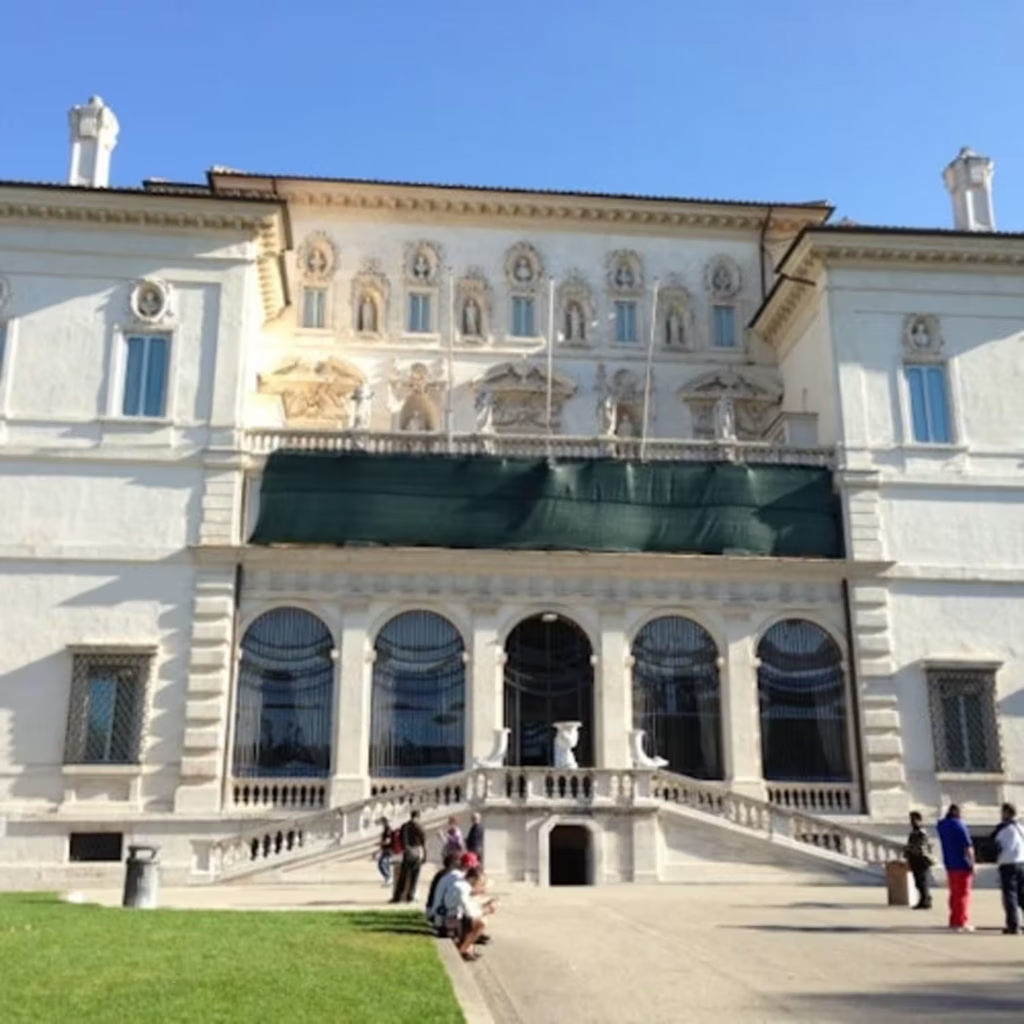
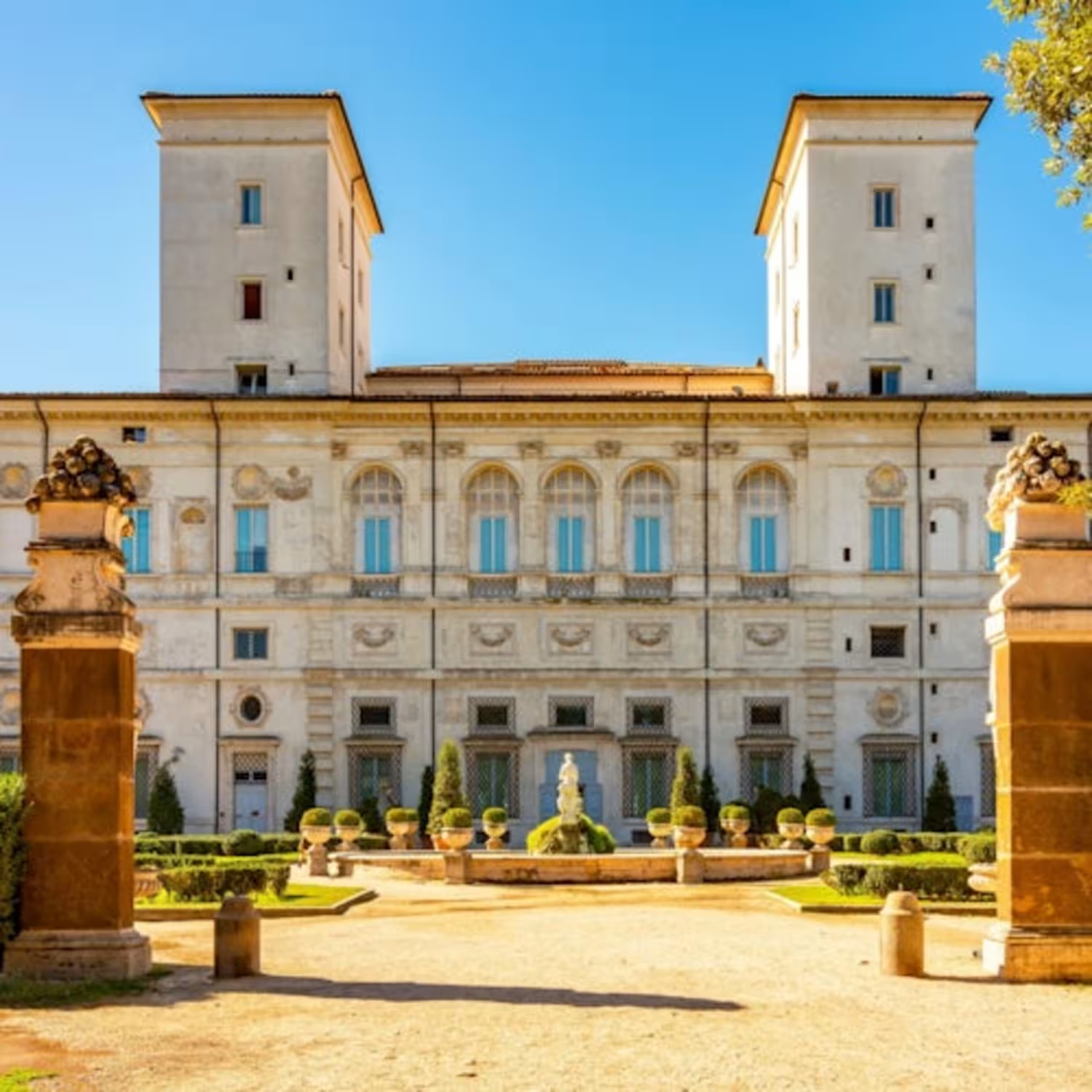
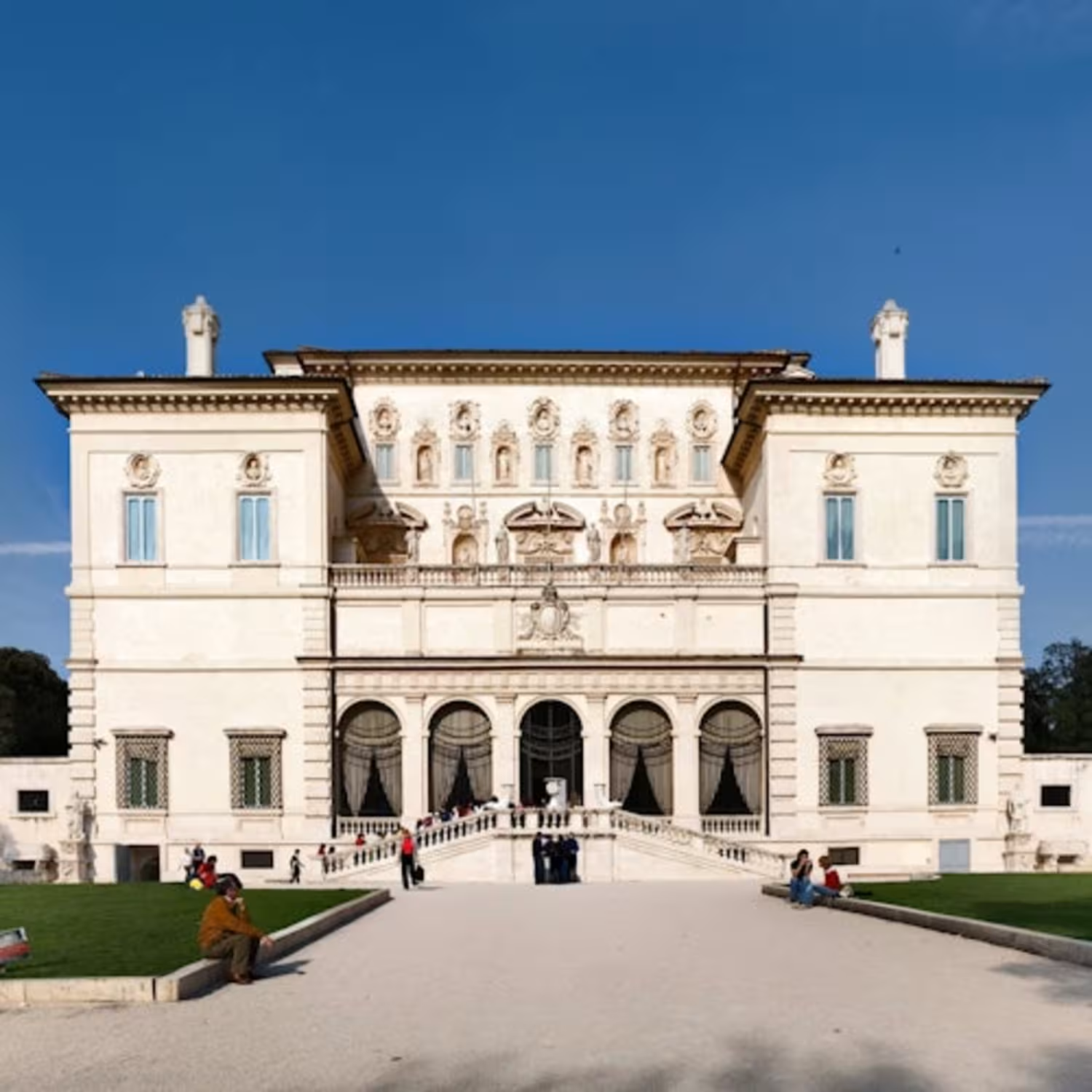
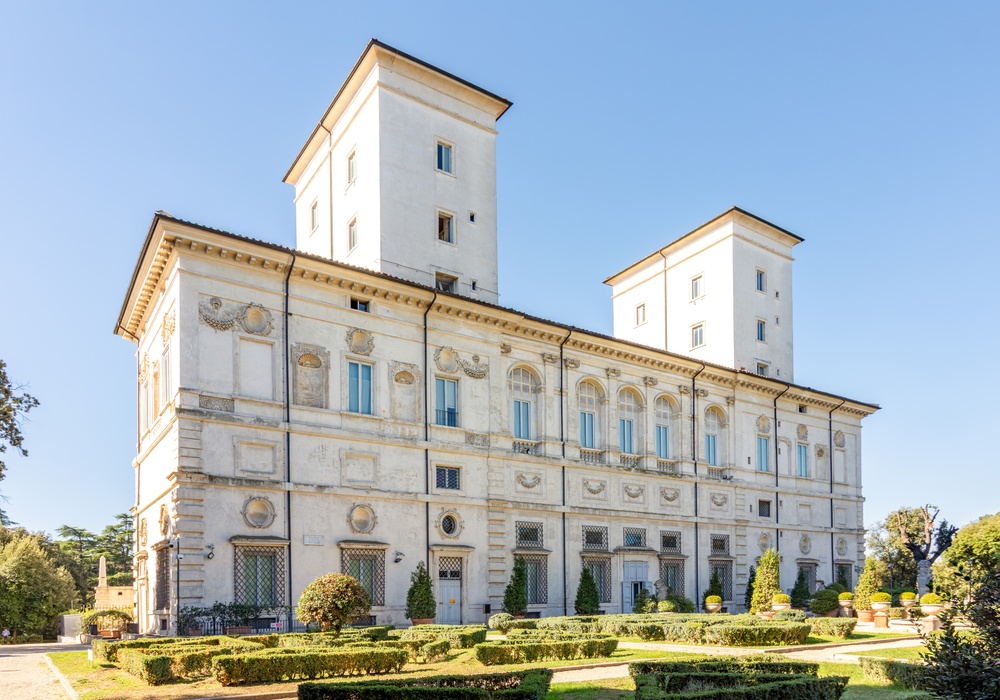
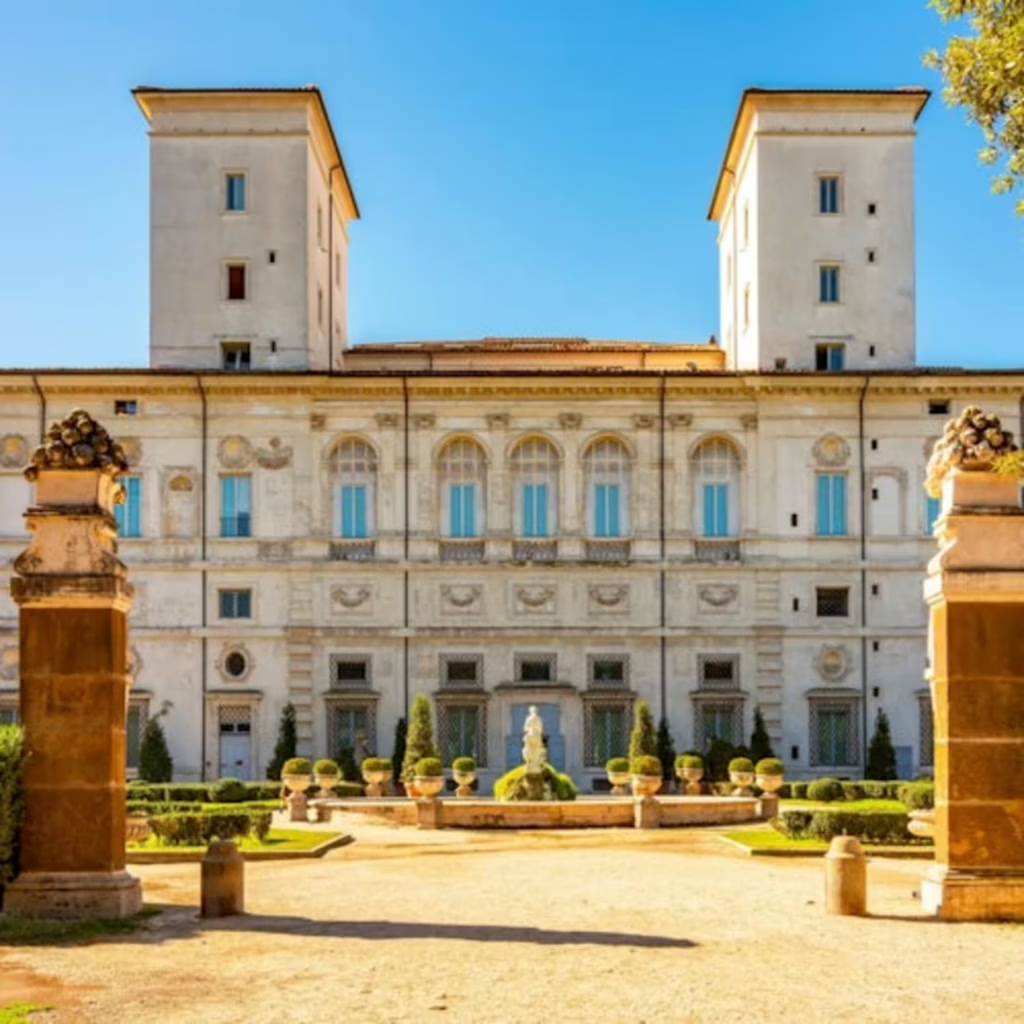
The exterior of the Casino Borghese

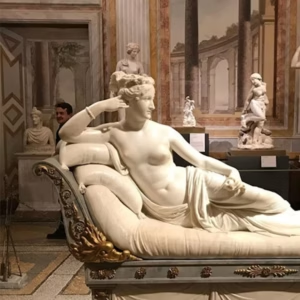
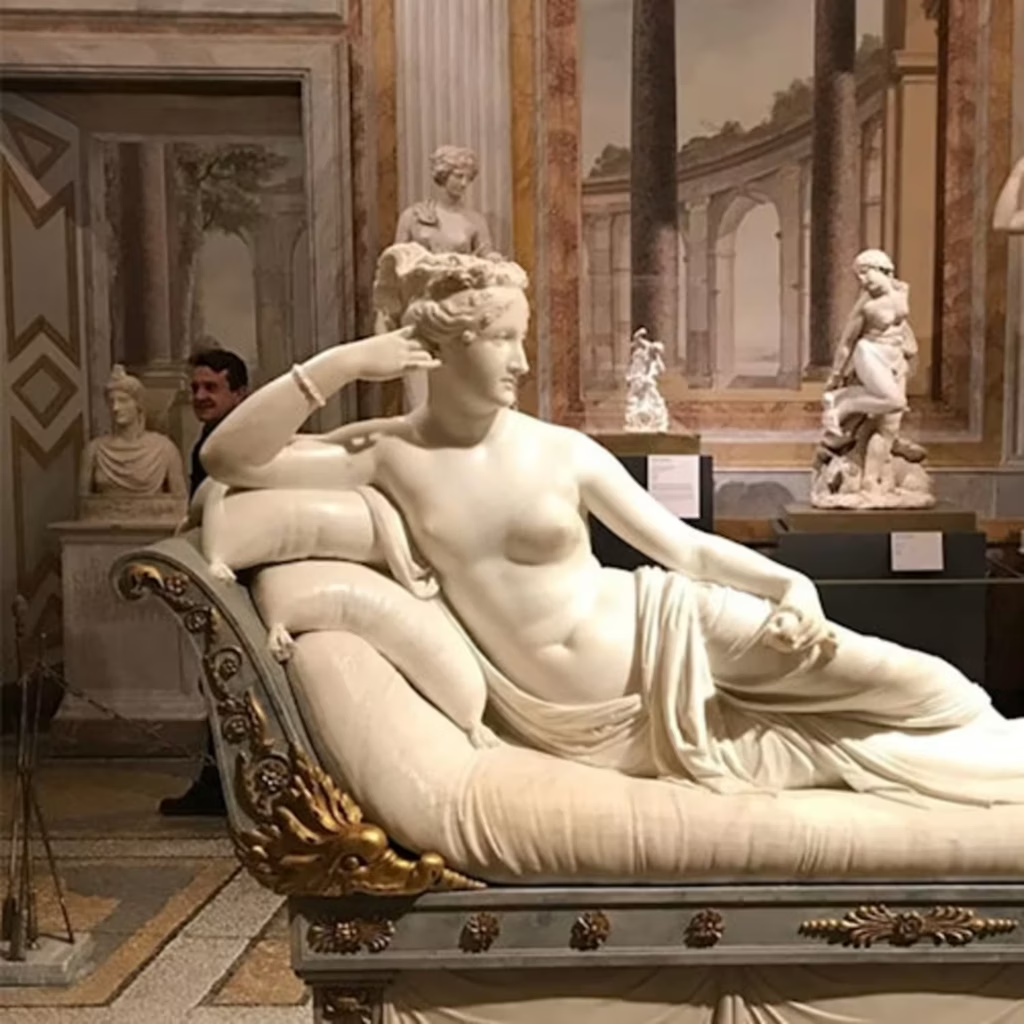
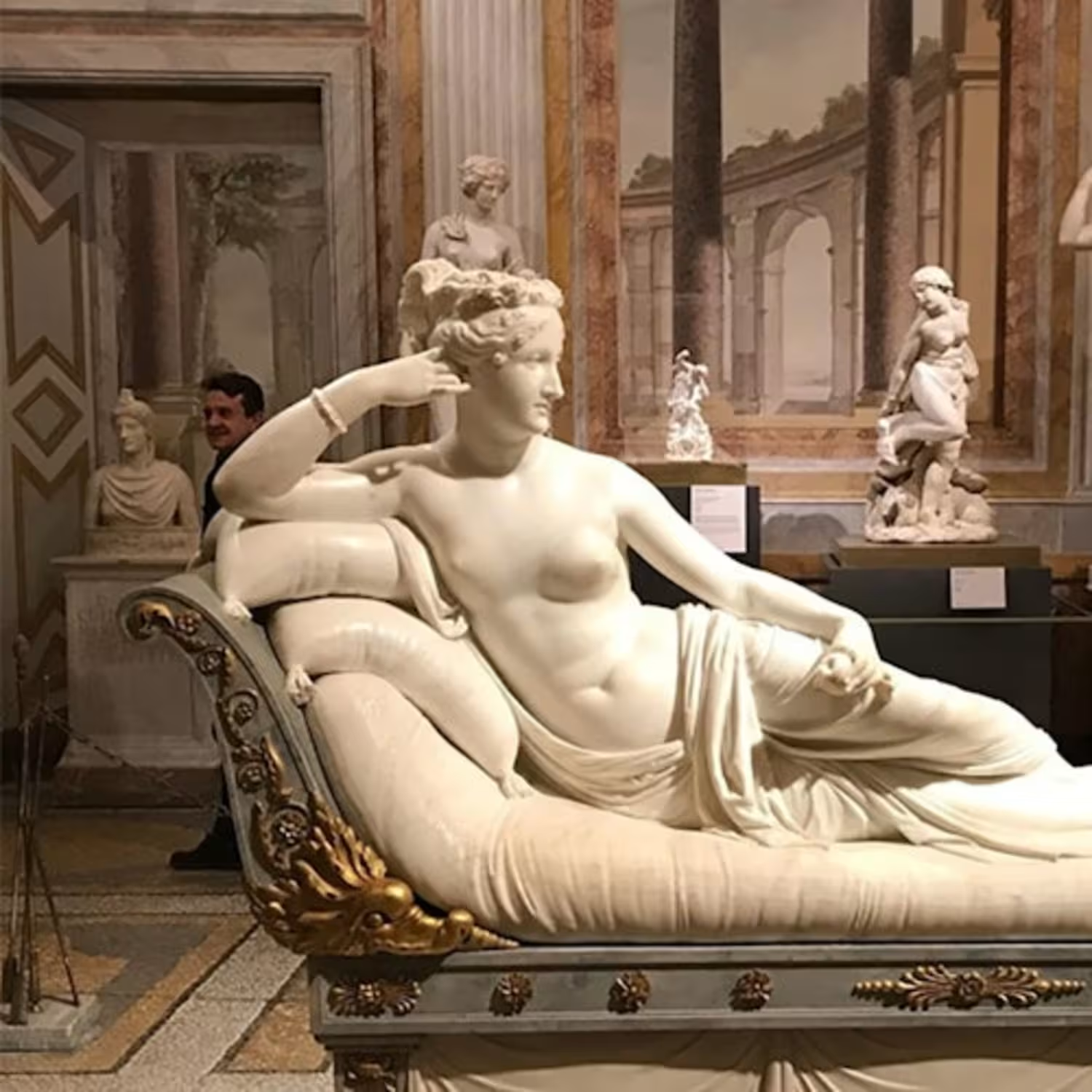
In 1798, Napoleon's sister Pauline Bonaparte married Prince Camillo Borghese, a descendant of Cardinal Scipione, tying the family directly to the Bonapartes. Antonio Canova later carved Pauline reclining as Venus, finished in 1808, a sculpture so lifelike Camillo reportedly kept it hidden from visitors during his lifetime. It has since become one of the gallery's most recognized works.

The marriage came at a cost. Under pressure from Napoleon, Camillo sold roughly 200 ancient sculptures from the collection to the Louvre in 1807, a group that included the celebrated Borghese Gladiator. Most of that material never returned to Rome and remains in Paris today.

The family kept what was left until 1902, when the Italian state purchased the villa, its grounds, and the surviving collection, opening it to the public as the museum it is today.

Galleria Borghese: Guided Tour

Highlights

Explore the impressive collection from renowned artists like Bernini, Caravaggio, and Raphael.

Enjoy detailed insights and stories behind the artworks from an experienced guide.

Benefit from reserved access to avoid waiting in lines.

Use a headset to clearly hear your guide throughout the two-hour tour.

Join a small group capped at 15 participants for a more personal experience.
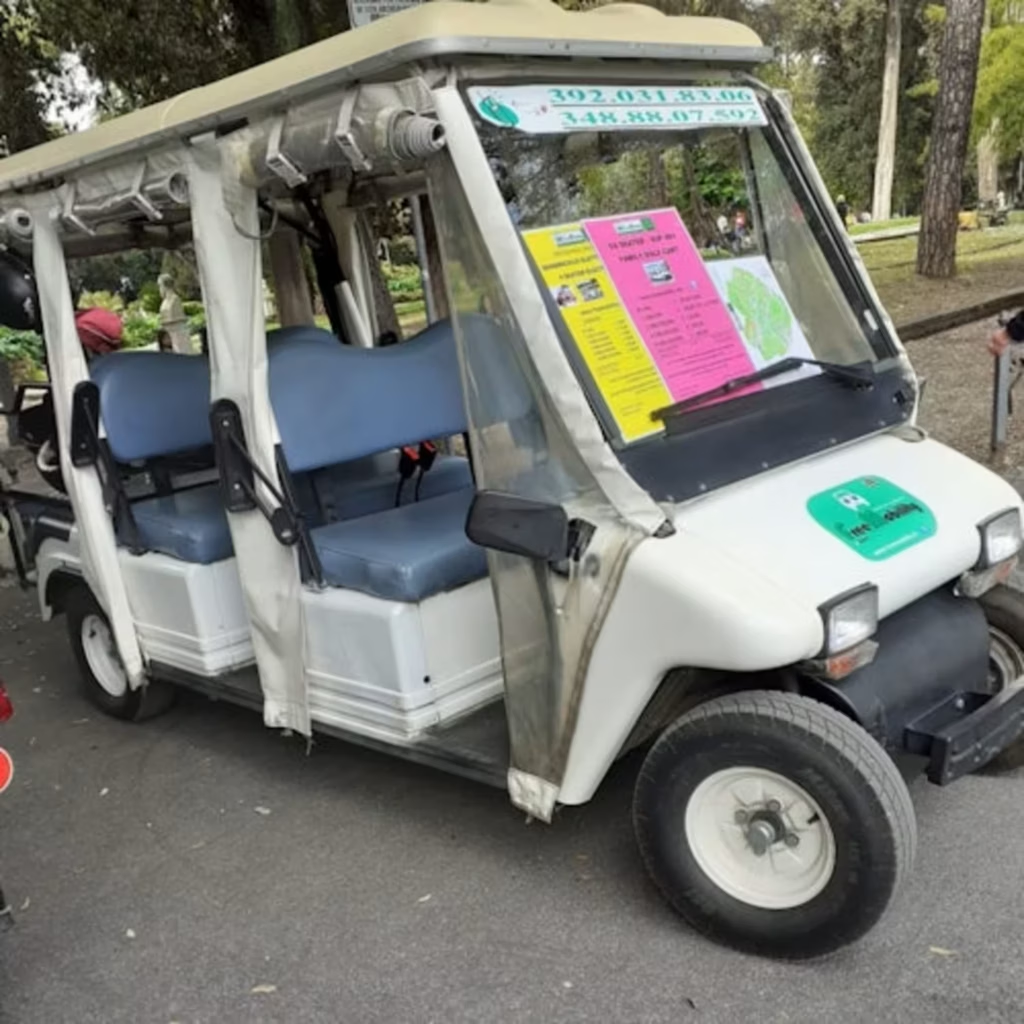
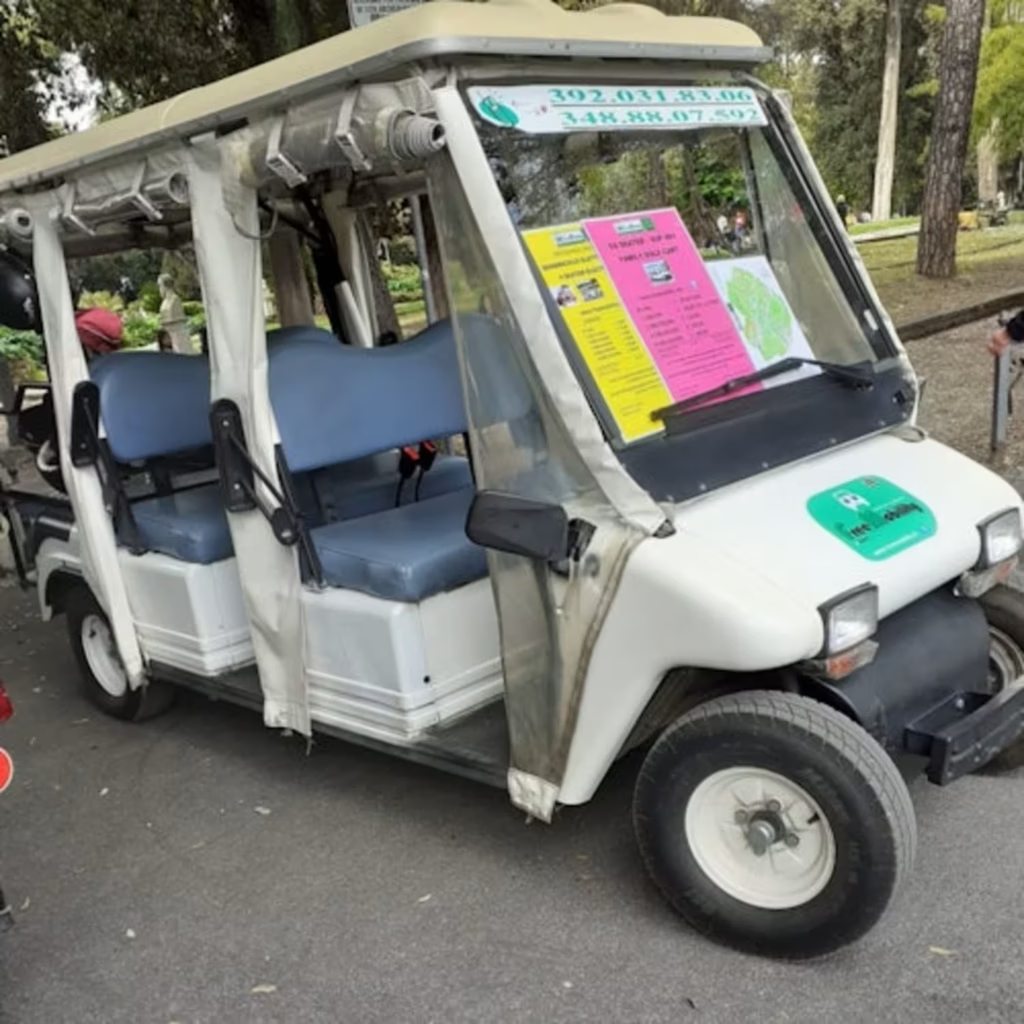
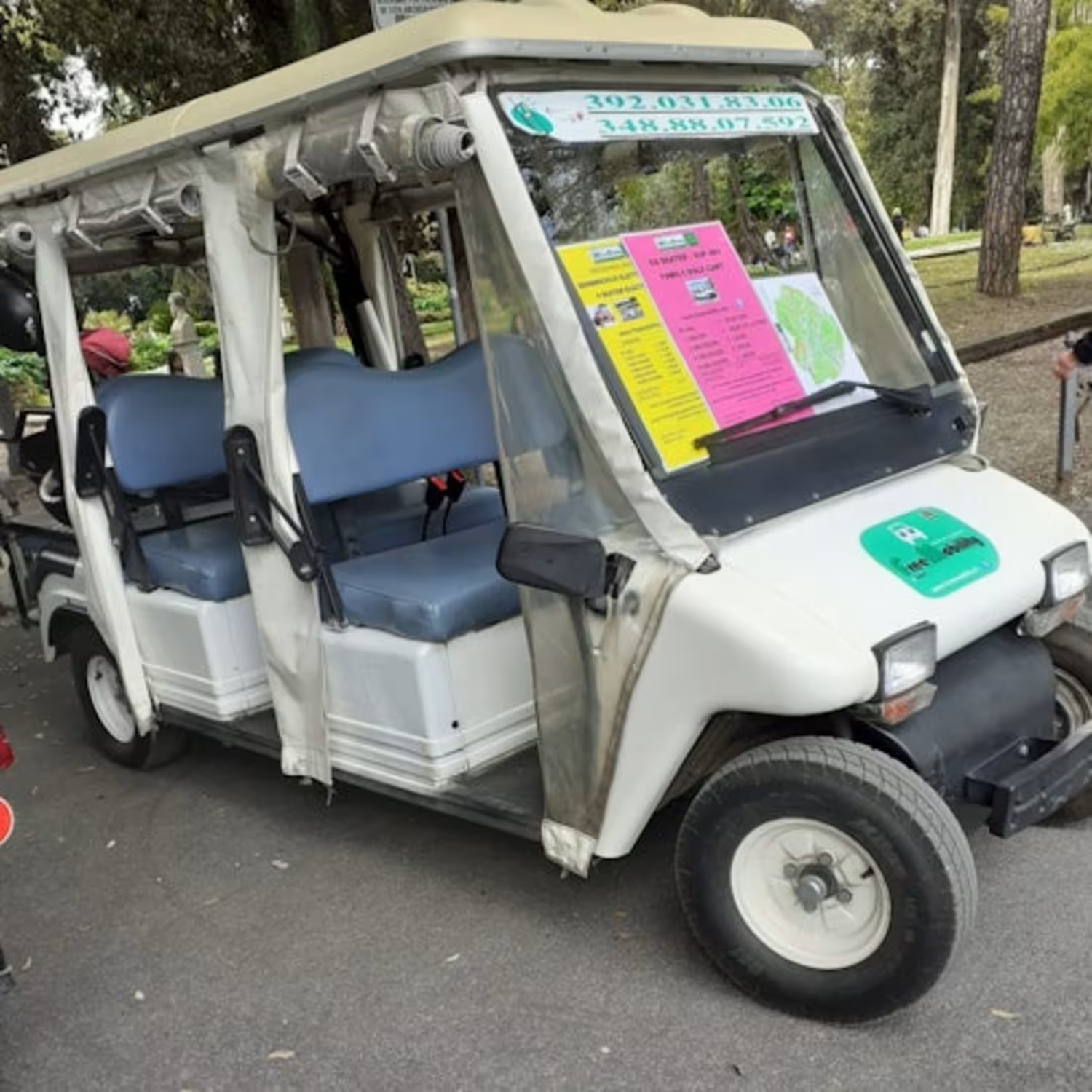
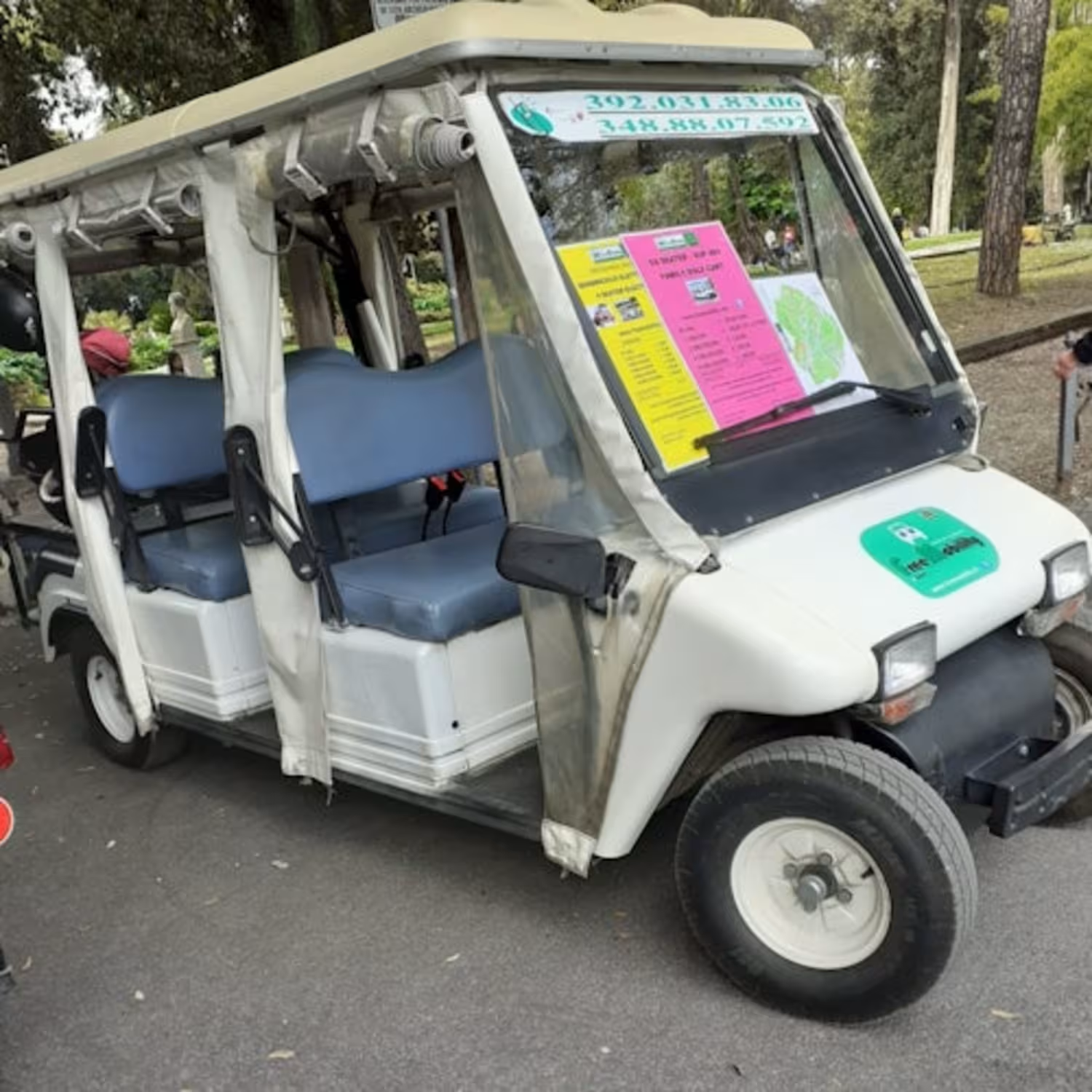
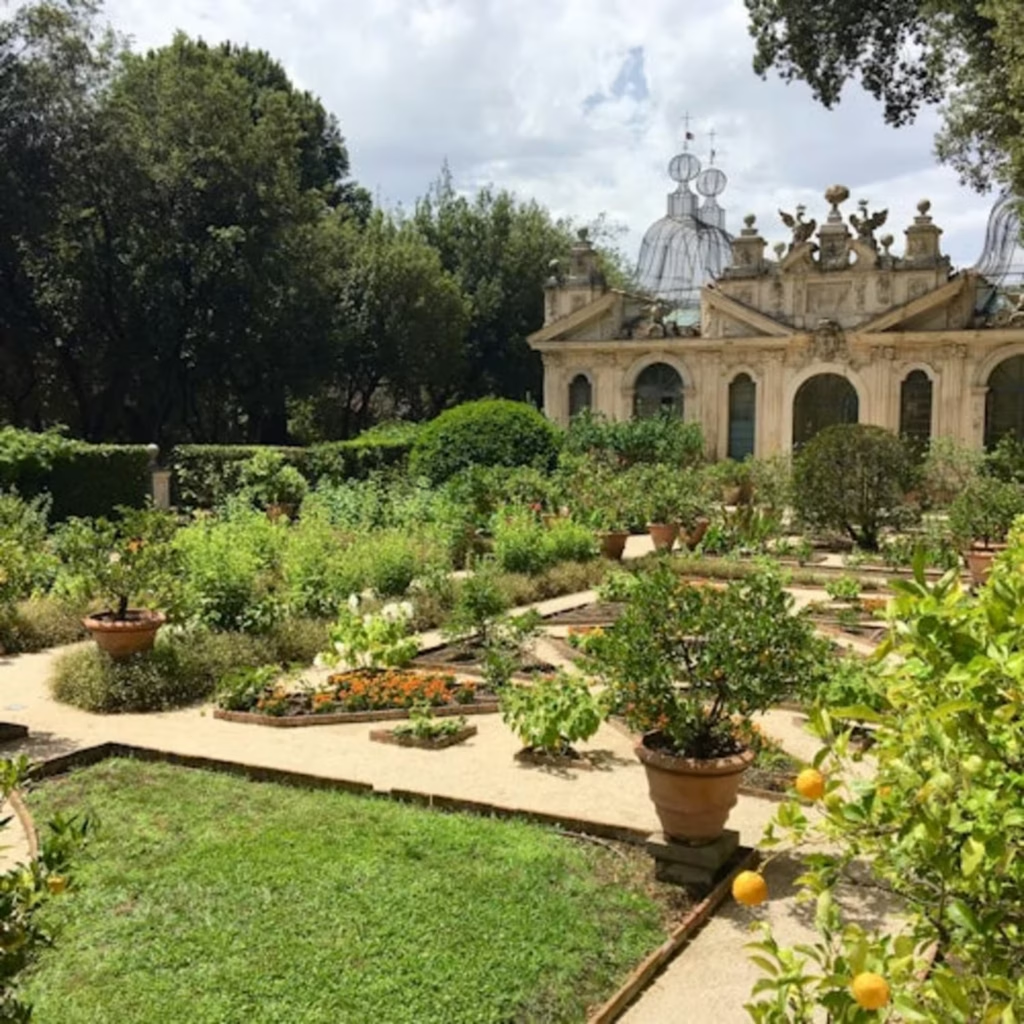
Giardini di Villa Borghese in Golf Cart

Highlights

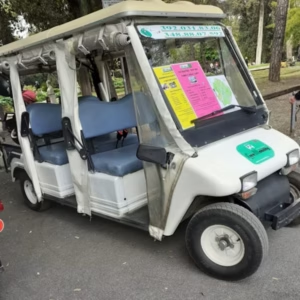
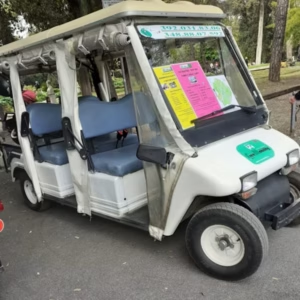
Drive a 4, 6, or 8-seat golf cart through expansive gardens.

Follow suggested routes using a provided map.

Enjoy a relaxed pace within a serene natural setting.

Explore areas of the park inaccessible on foot.

Avoid the need for long walks while seeing more of the gardens.
Ready to Visit Galleria Borghese?

Bernini's marble, Caravaggio's canvases, and a cardinal's private obsession, all inside one villa in Villa Borghese park.

Browse tickets for Galleria Borghese, or check Plan Your Visit for everything you need to know before you go.

Frequently Asked Questions About Galleria Borghese’s History

Who was Cardinal Scipione Borghese?

He was the nephew of Pope Paul V, made a cardinal in 1605, and used his position and wealth to build one of the most ambitious private art collections of the 17th century.

Why is Galleria Borghese limited to timed two-hour visits?

The villa's rooms are relatively small and the artwork inside is fragile, so entry is capped at around 360 visitors per slot to protect the collection and keep the experience comfortable.

What happened to the collection under Napoleon?

In 1807, Prince Camillo Borghese sold roughly 200 ancient sculptures to the Louvre under pressure from his brother-in-law Napoleon. Most of that material, including the Borghese Gladiator, remains in Paris.

Who built the villa that houses the gallery?

Architect Flaminio Ponzio designed it for Cardinal Scipione Borghese in the early 1600s. Giovanni Vasanzio completed the project after Ponzio died in 1613.

What is the most famous sculpture in Galleria Borghese?

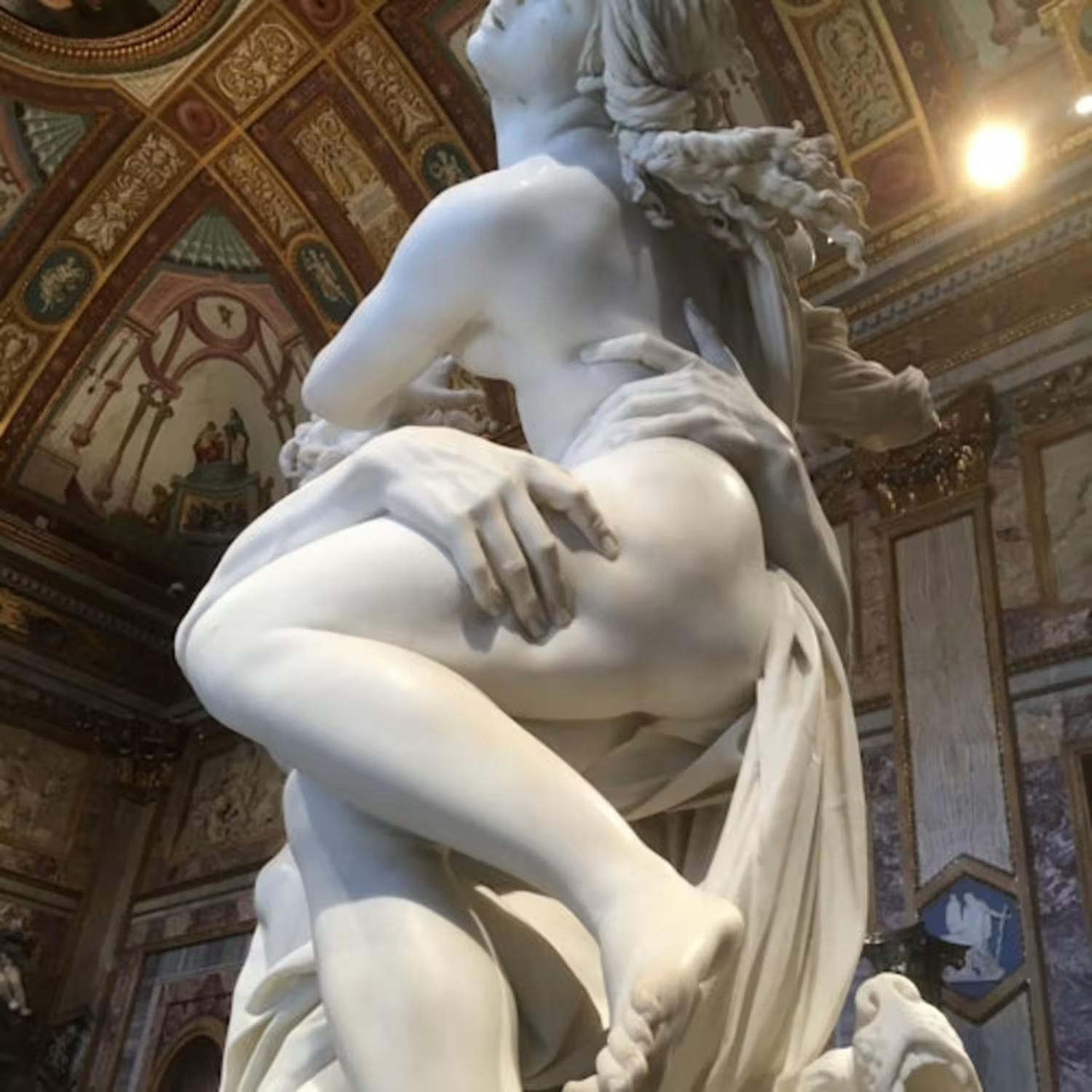
Bernini's Apollo and Daphne is usually singled out, though his David and The Rape of Proserpina, along with Canova's Pauline Borghese as Venus, draw just as much attention.

How many Caravaggio paintings are in Galleria Borghese?

Six, the largest group of his work held by any single collection, including Boy with a Basket of Fruit and David with the Head of Goliath.

Is Galleria Borghese inside Villa Borghese park?

Yes. The gallery occupies the Casino Borghese, a villa built specifically for the collection, inside the grounds of Villa Borghese, Rome's third-largest public park.

When did Galleria Borghese become a public museum?

The Italian state purchased the villa and its remaining collection from the Borghese family in 1902, and it has operated as a public museum since.

This website sells official tickets for this venue. Please note, however, that it is not the official website of the venue.

The images and videos on this website may contain visual elements that have been created or enhanced using AI technology. They are provided for illustrative purposes only.