We are processing your request.
Please, don’t close or refresh the page.
Rome Tickets Galleria Borghese Pauline Bonaparte
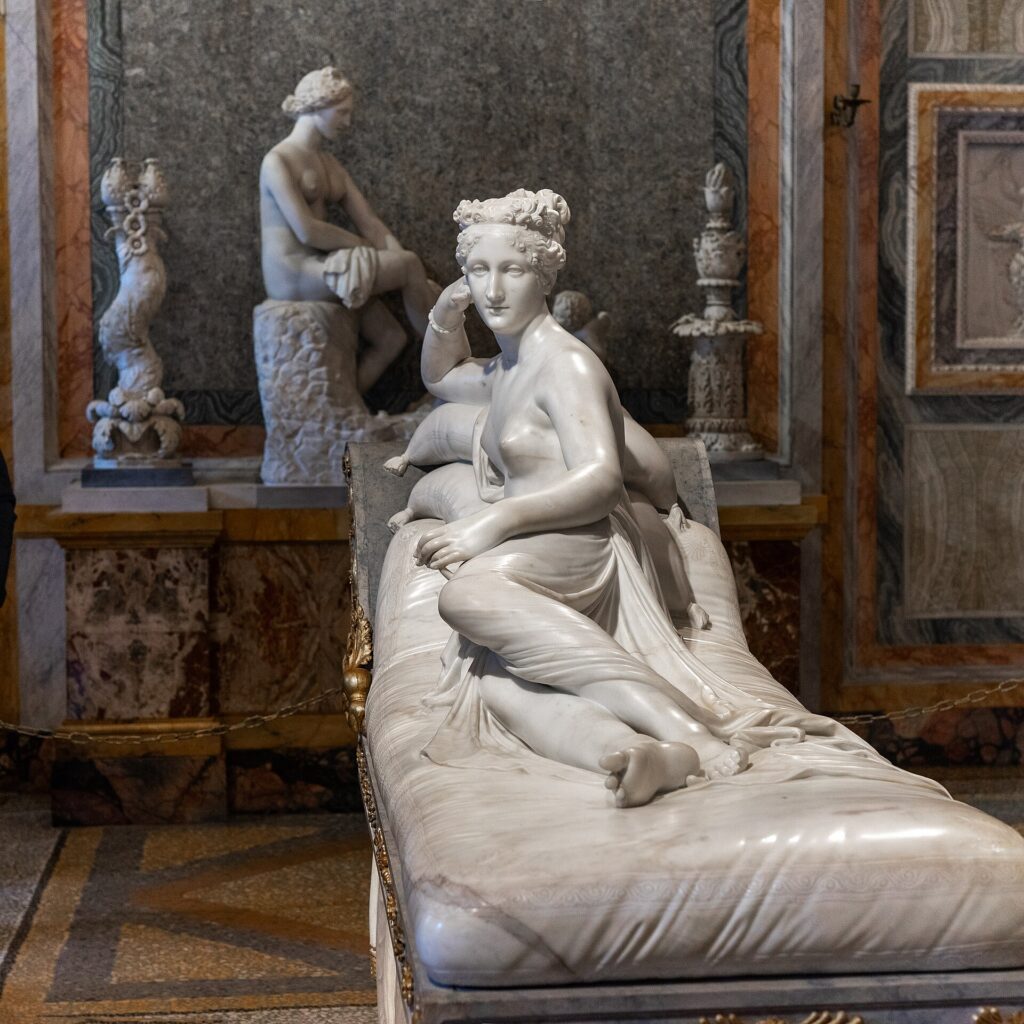
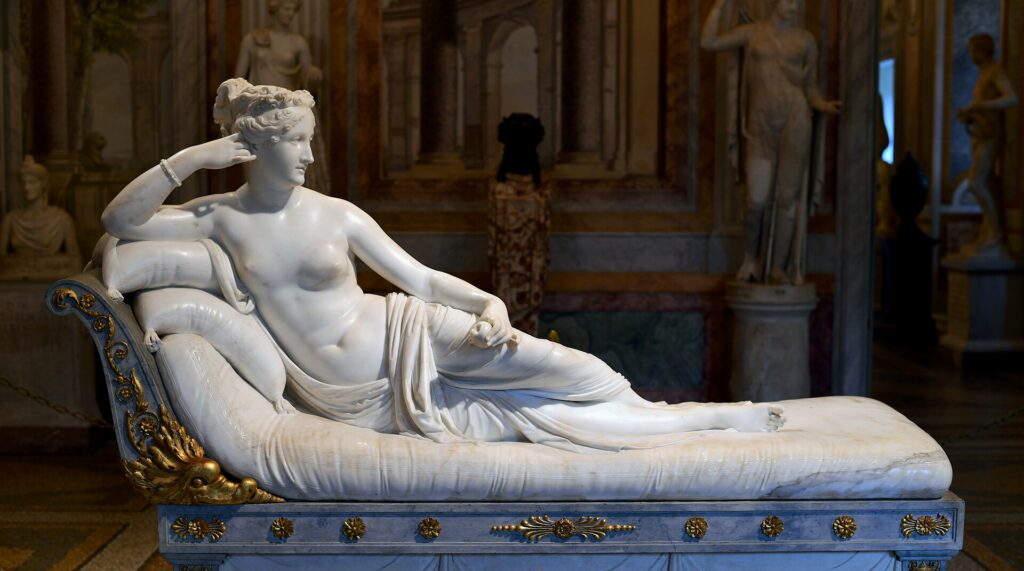
Canova's Pauline Bonaparte as Venus Victrix in the Galleria Borghese

Pauline Bonaparte as Venus: Canova’s Most Daring Portrait at the Galleria Borghese

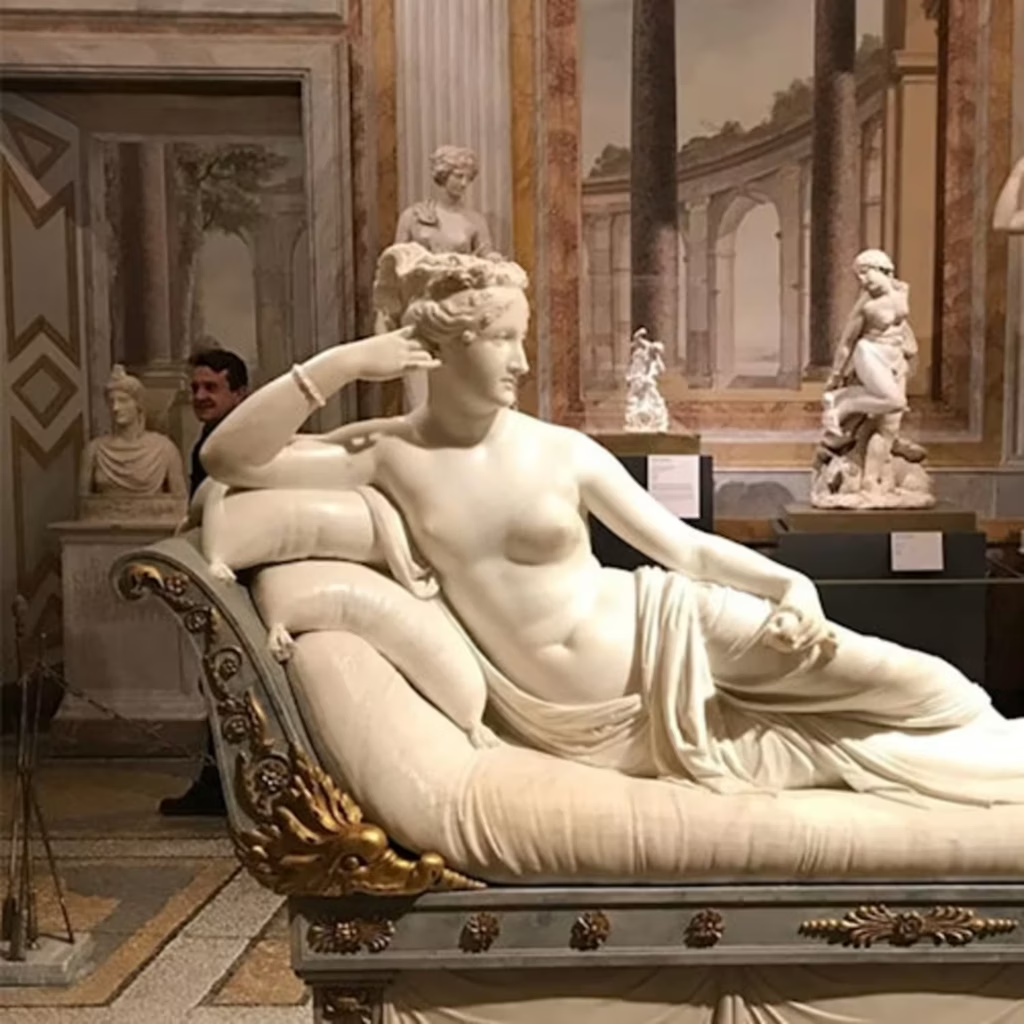
Napoleon’s sister was carved bare-breasted as Venus, holding the apple of victory, rather than as the chaste Diana first planned. Two centuries later she still reclines in her own room at the Galleria Borghese.

Who Was Pauline Bonaparte?

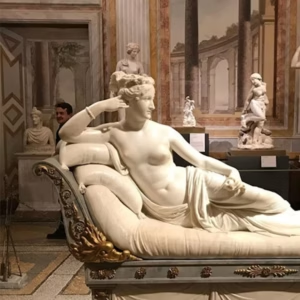
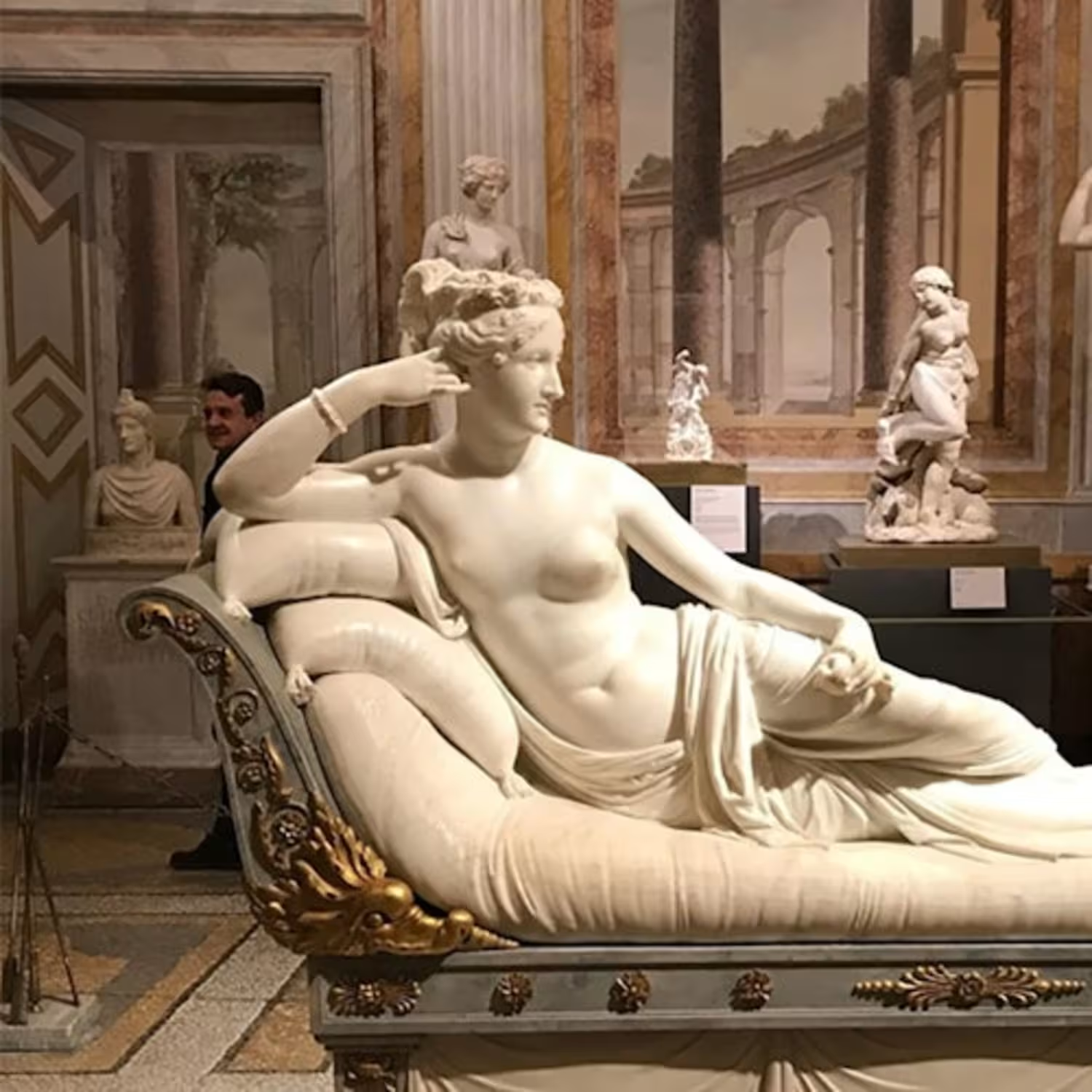
Pauline Bonaparte was Napoleon’s younger sister and, through her second marriage, Princess Borghese. Antonio Canova carved her as Venus Victrix, Venus Victorious, a semi-nude portrait that was scandalous for a woman of her rank. The quips she is said to have made about posing turned the scandal into her own story. The statue is the centrepiece of the first room of the Galleria Borghese.

Pauline Bonaparte in Brief

She was born in Ajaccio, Corsica, on 20 October 1780.

She received no formal education.

Her first husband, General Charles Leclerc, died in 1802.

She was the only Bonaparte sibling to visit Napoleon in exile on Elba.

Canova carved the statue from 1804 to 1808 for her husband, Prince Camillo Borghese.

A hidden mechanism in the base lets the statue turn a full circle.

Pauline Bonaparte, Napoleon’s Sister
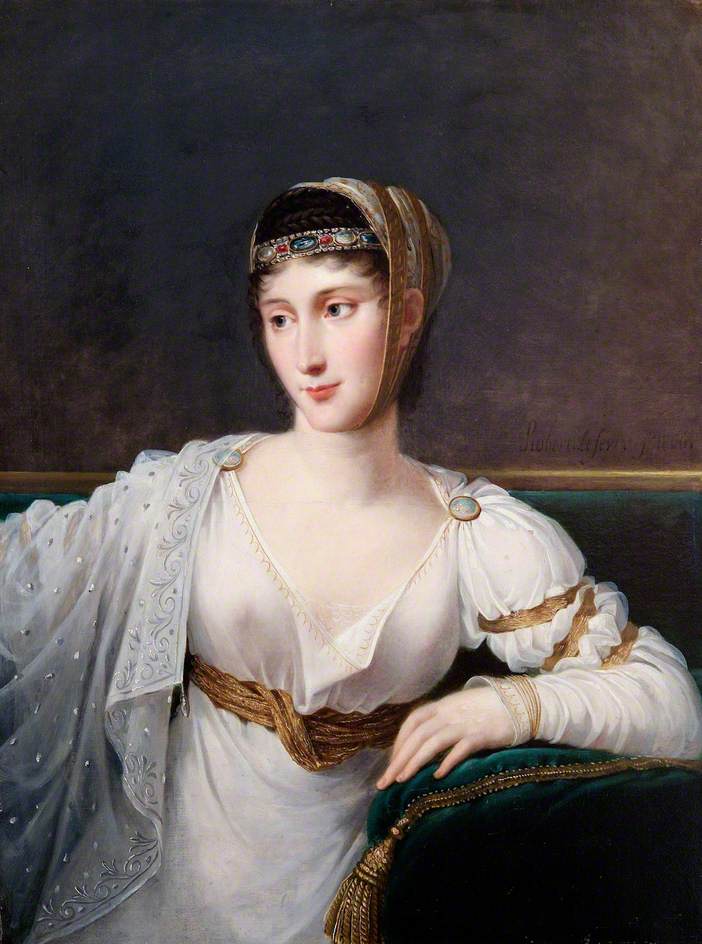
Pauline Bonaparte, Princess Borghese, by Robert Lefevre

Pauline was the sixth child of Letizia Ramolino and Carlo Buonaparte. After her father’s death in 1785 the family fell into poverty, and in 1793 they fled Corsica for mainland France.

She was in love with another man, but Napoleon married her to General Leclerc in 1797. Leclerc died of fever in Saint-Domingue, and she brought his remains back to France in 1803.

She then married Prince Camillo Borghese, descendant of the cardinal whose collection fills the gallery, and became Princess Borghese.

Venus Victrix: Venus, Not Diana

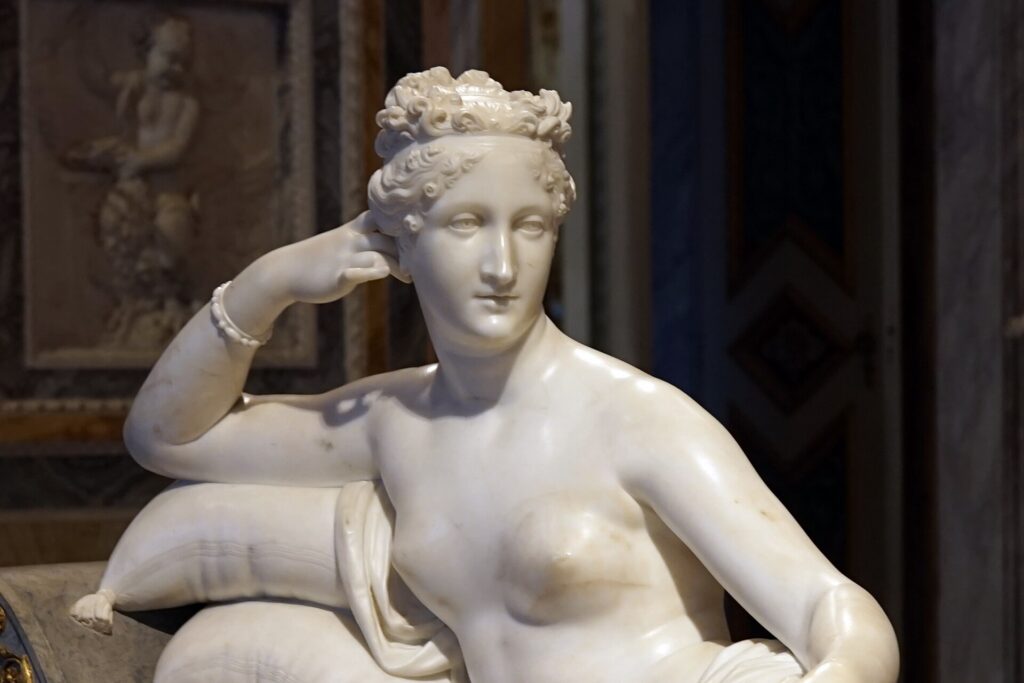
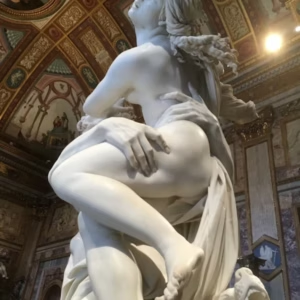
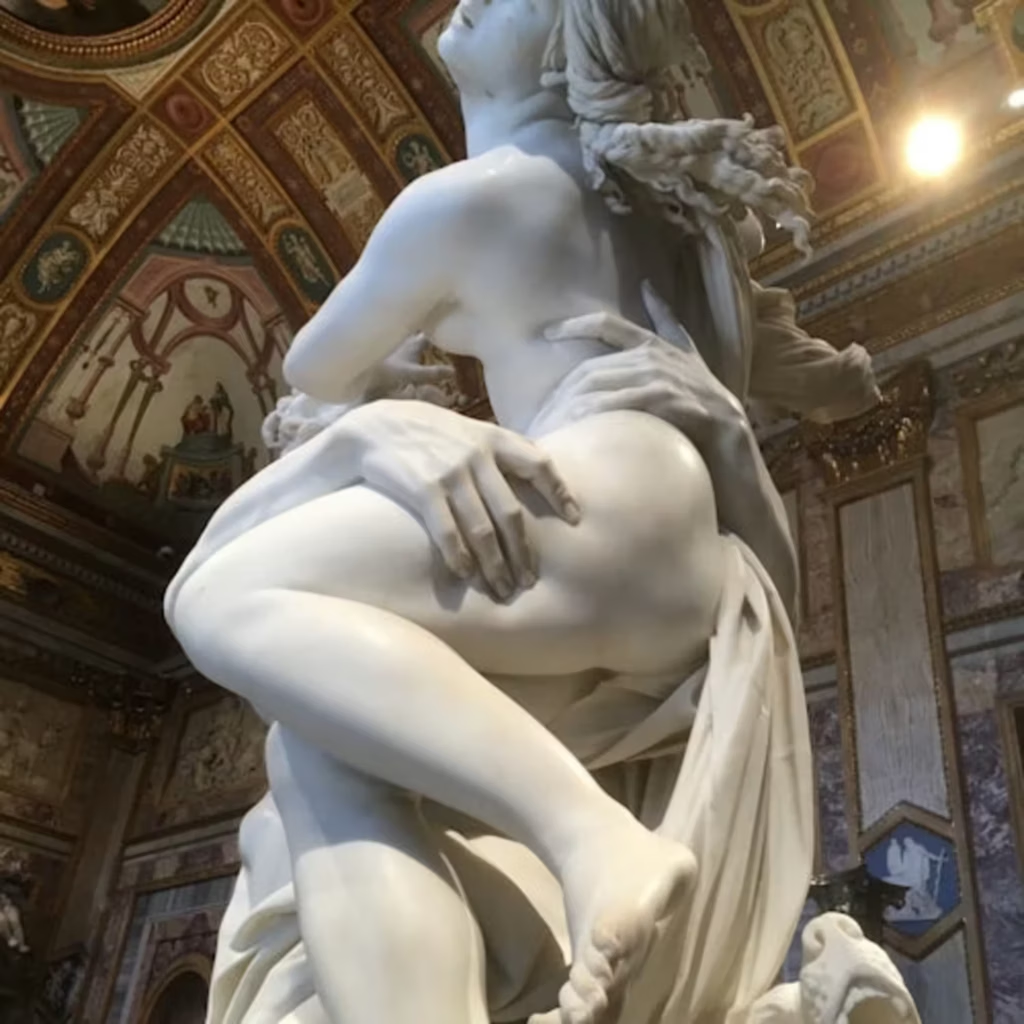
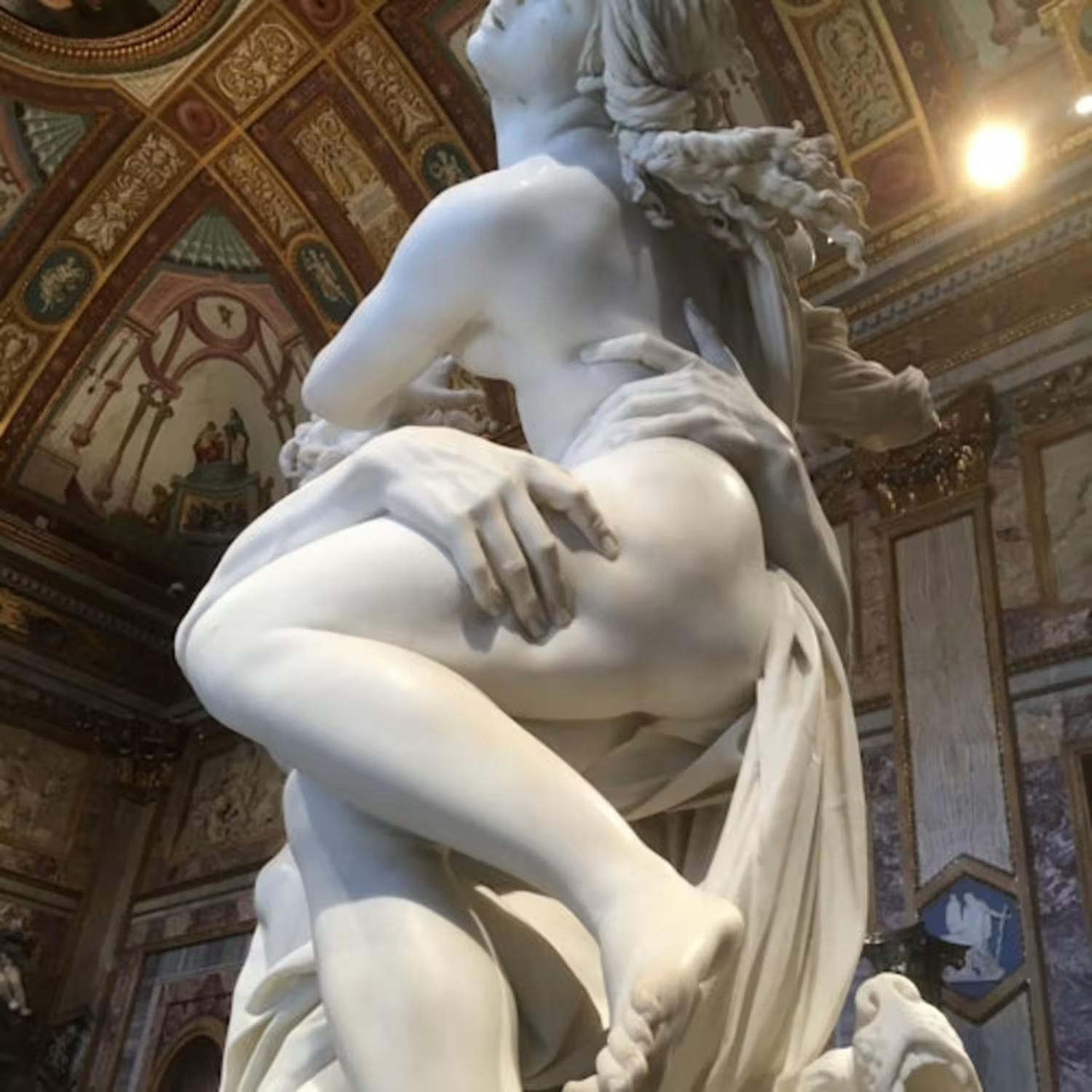
Detail of Canova’s Venus Victrix, Pauline Bonaparte
Photo: Fabrizio Garrisi, CC BY-SA 4.0, via Wikimedia Commons

Canova revived the Roman custom of portraying real people as gods. He reportedly first proposed to show her clothed as Diana, the virgin huntress, and she laughed that nobody would believe it.

Instead she reclines as Venus, holding the apple she won in the Judgement of Paris. Only the head is a close portrait; the body follows the classical ideal.

Asked how she could pose in so little, she is said to have answered that there was a stove in the studio. The line may be legend, but it has followed the statue ever since.

A Statue Made for Candlelight

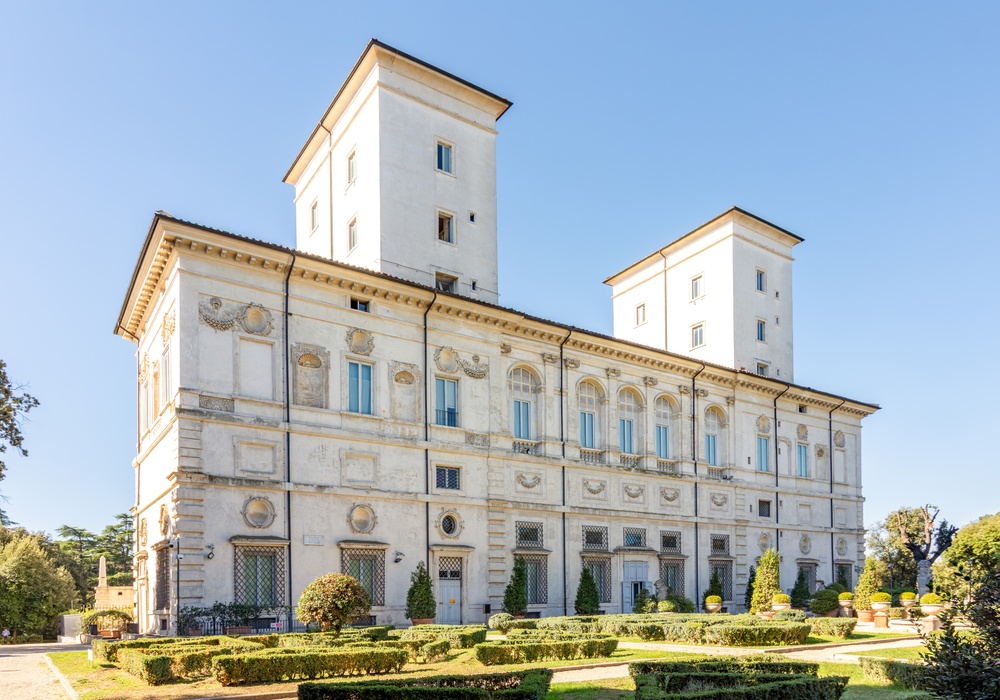
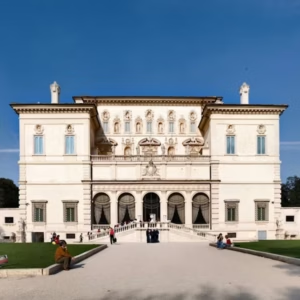
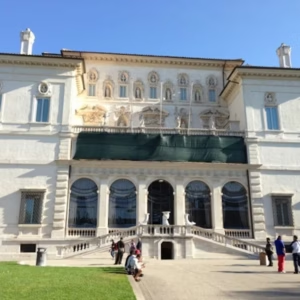
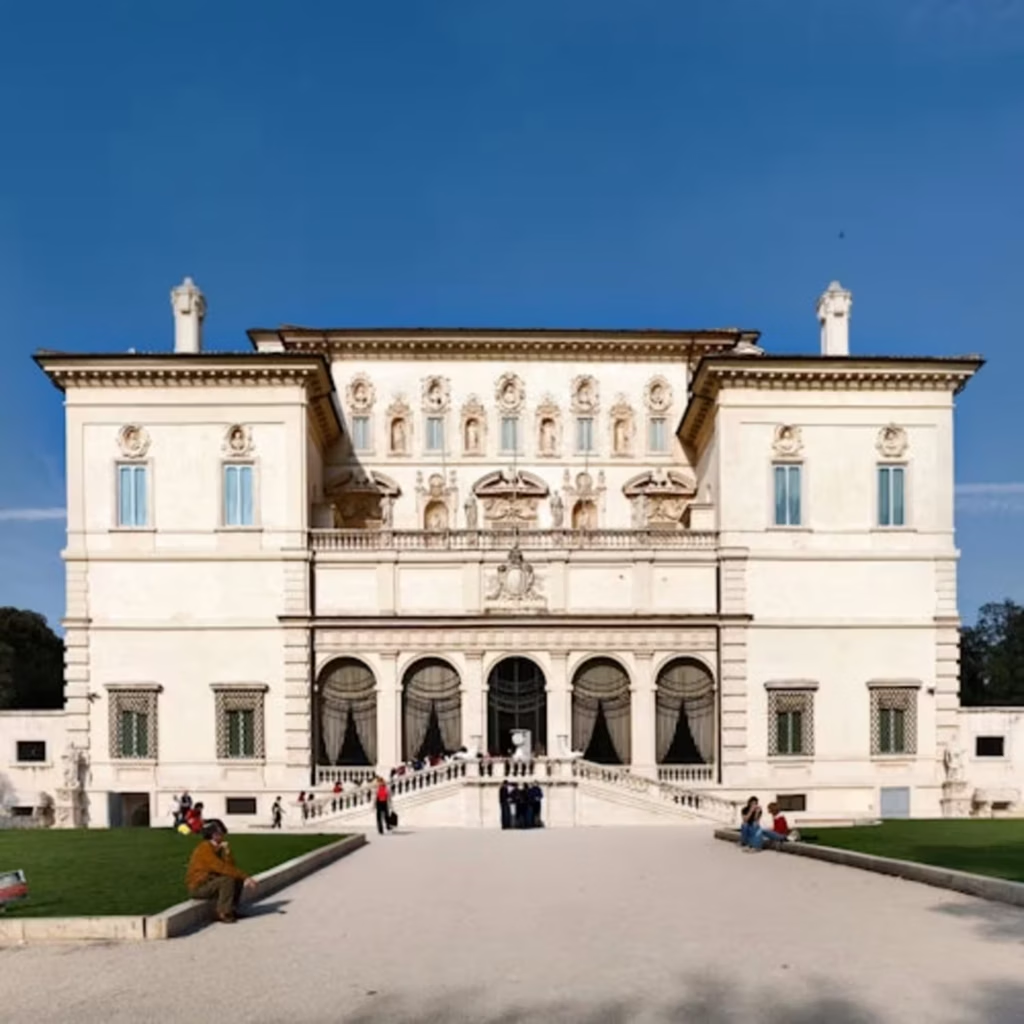
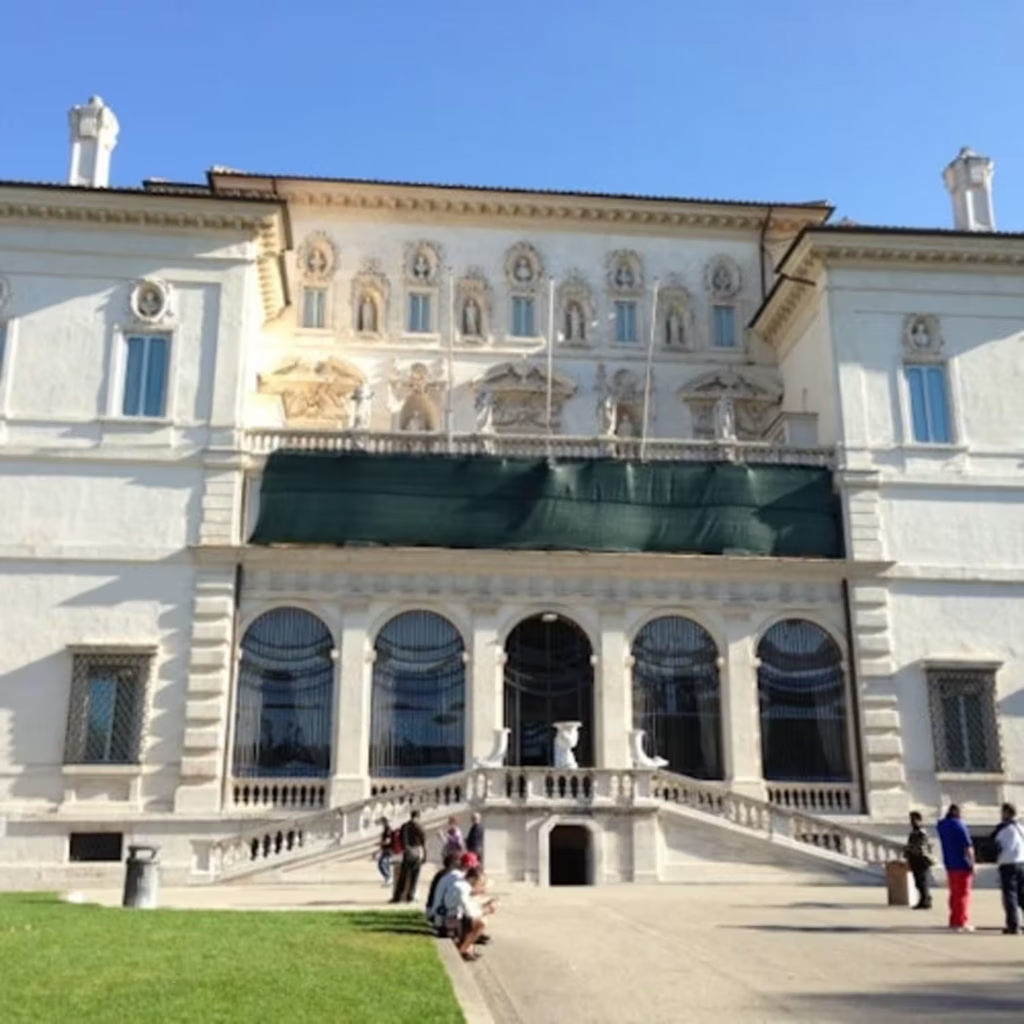
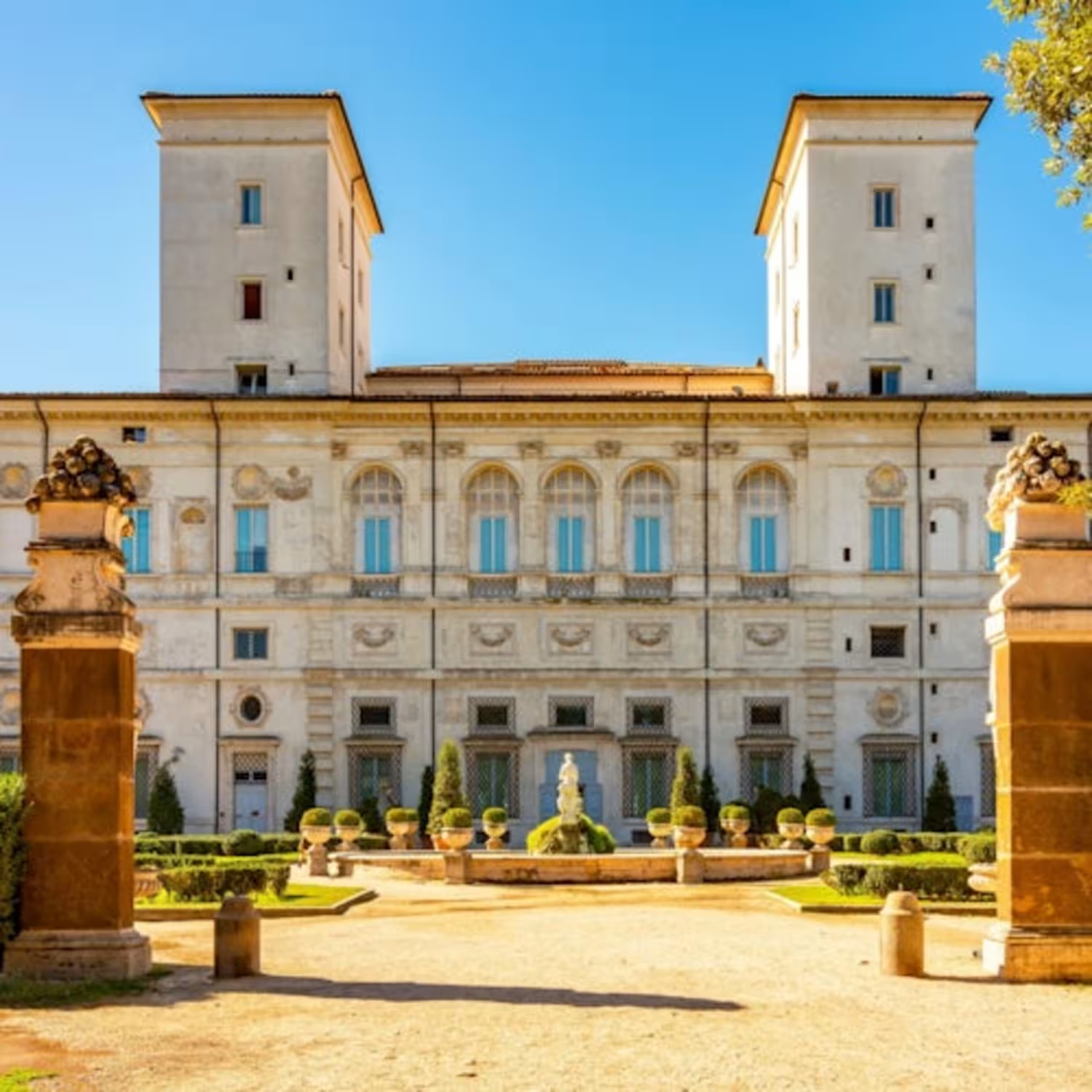
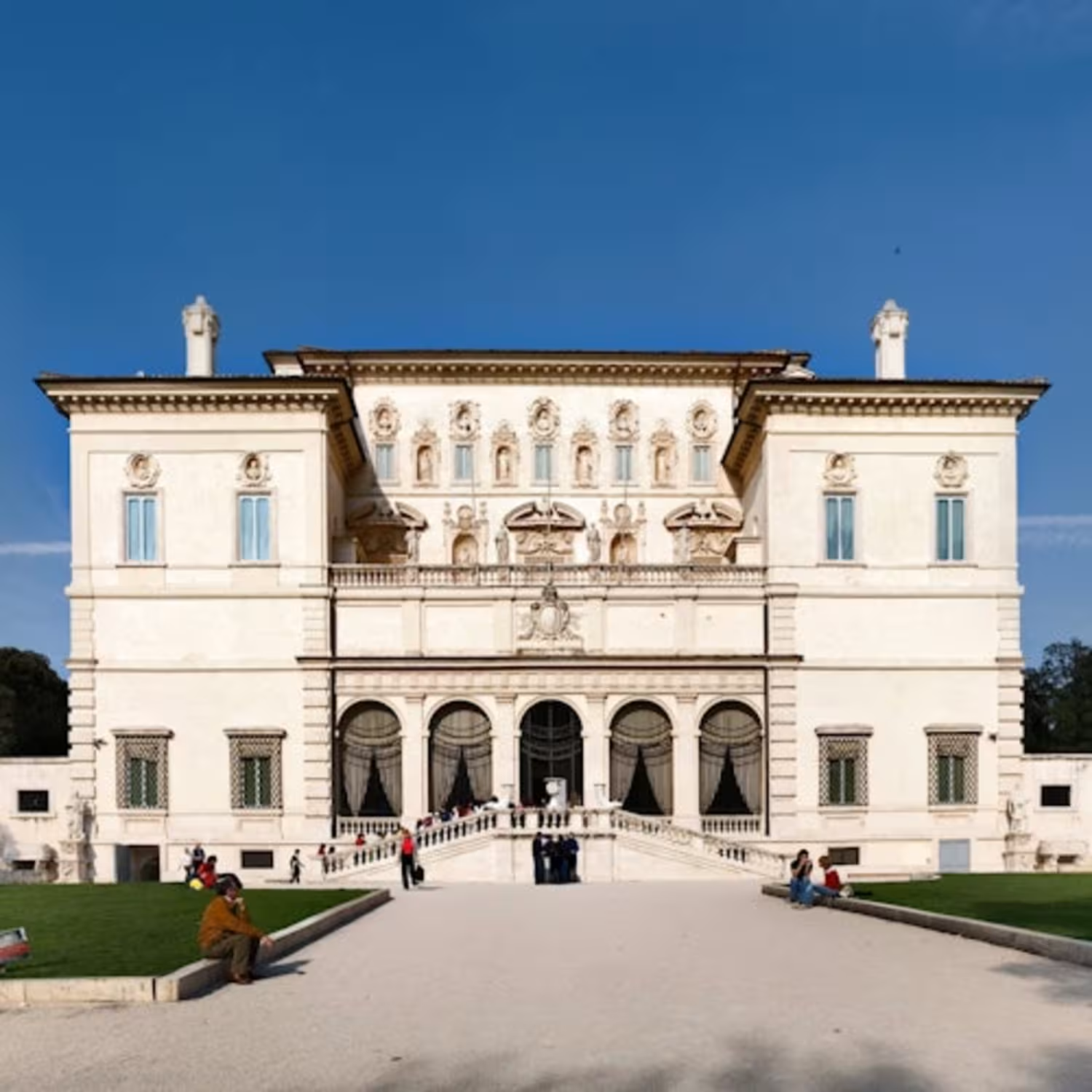
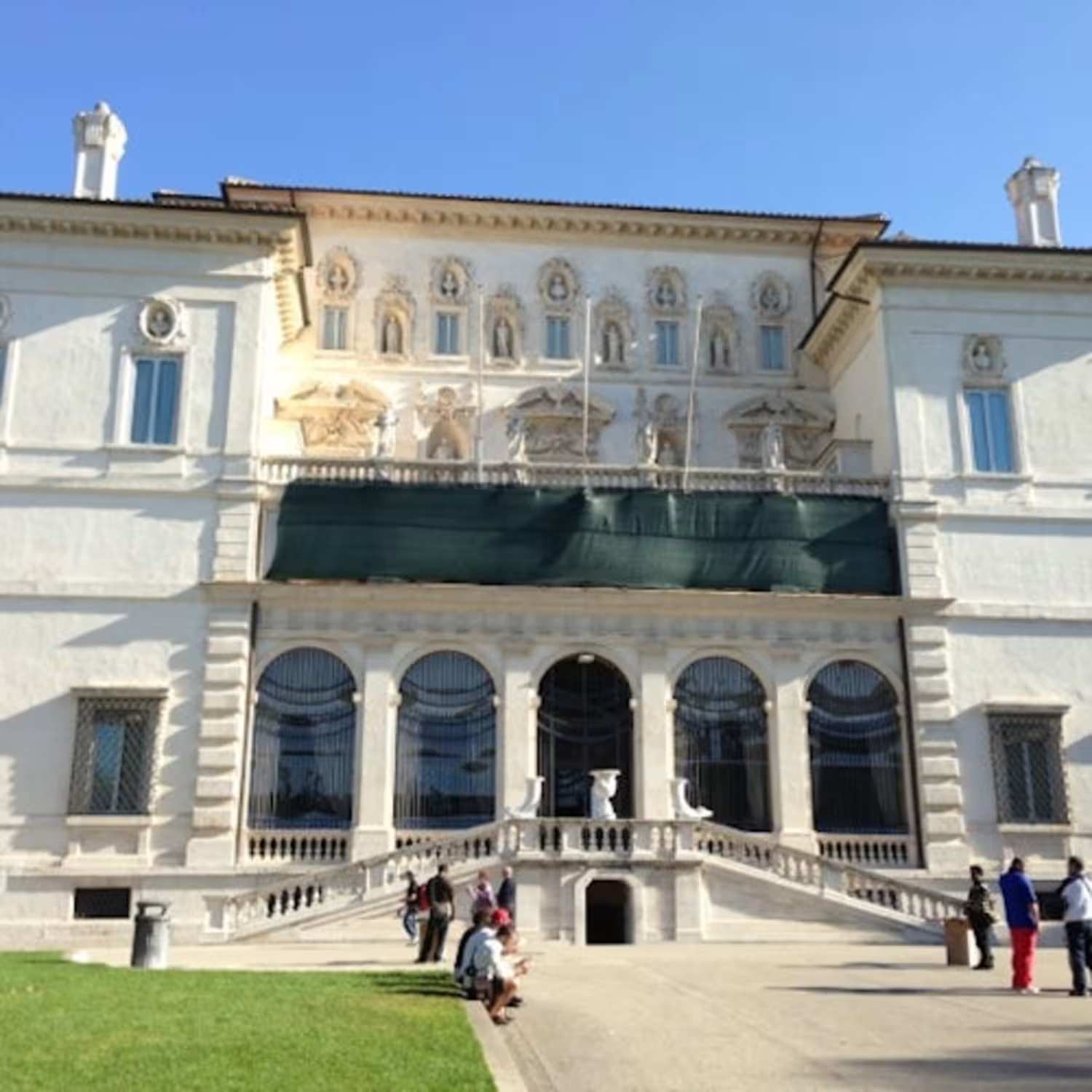
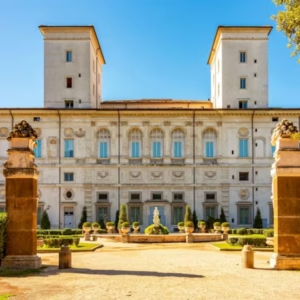
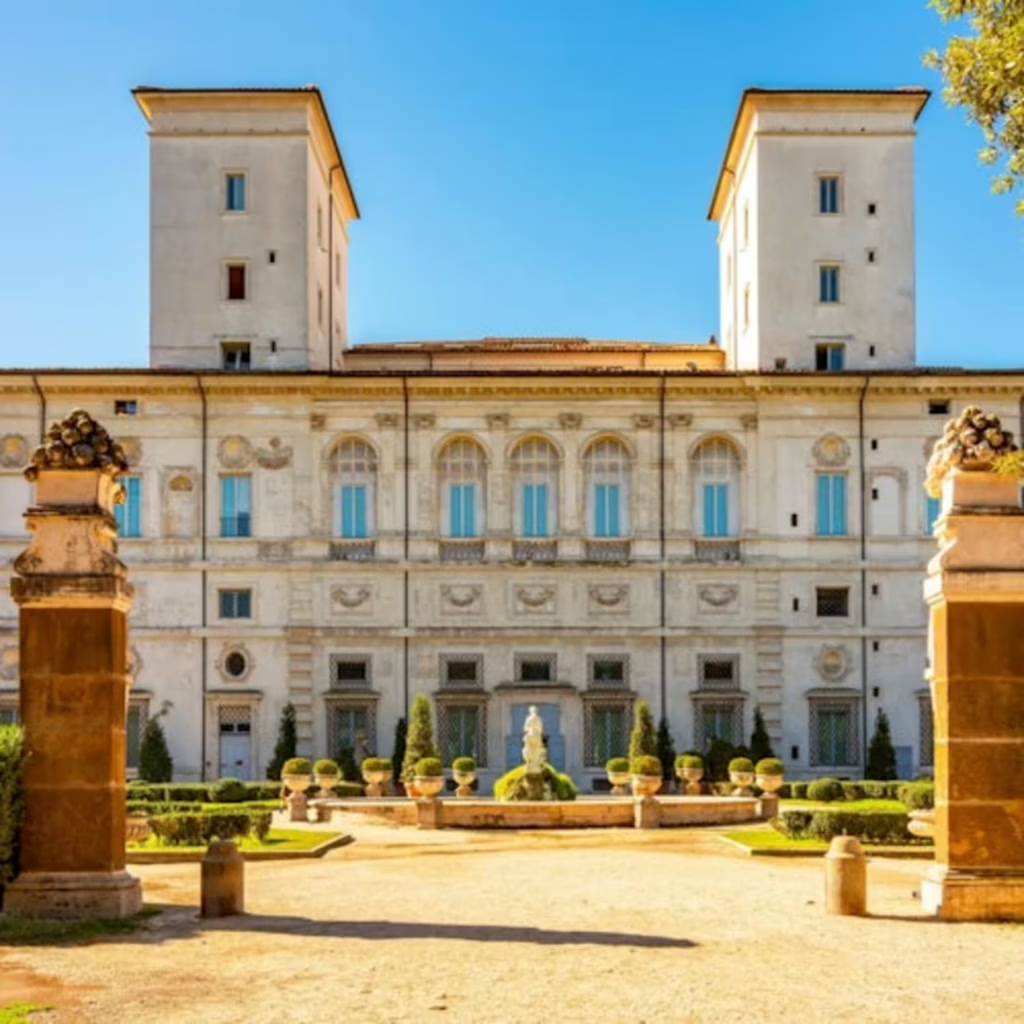
The Casino Borghese, home of the Galleria Borghese

The statue was designed to be seen up close and in motion. A mechanism in the draped wooden base, restored in 1997, turns it so viewers can take in every angle.

Canova gave the marble a waxed finish meant to glow by candle or torchlight. The statue travelled to Turin and Genoa before coming back to Rome.

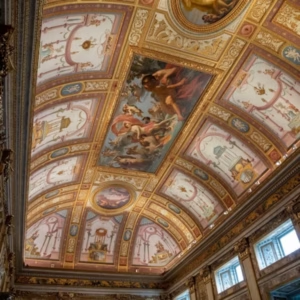
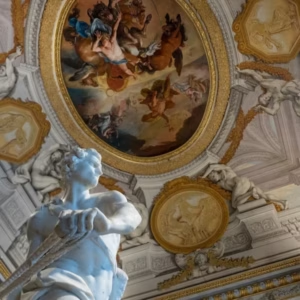
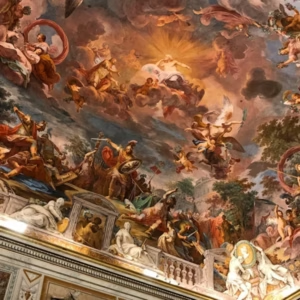
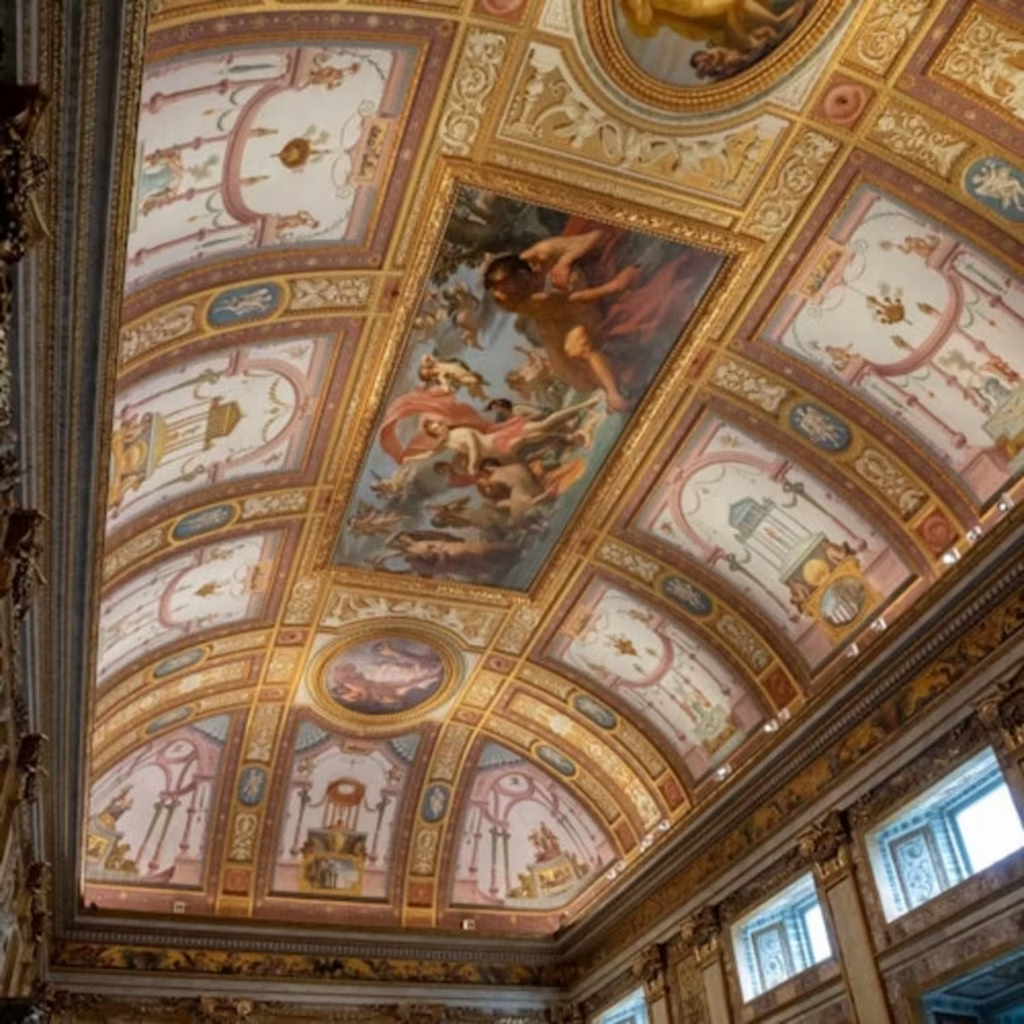
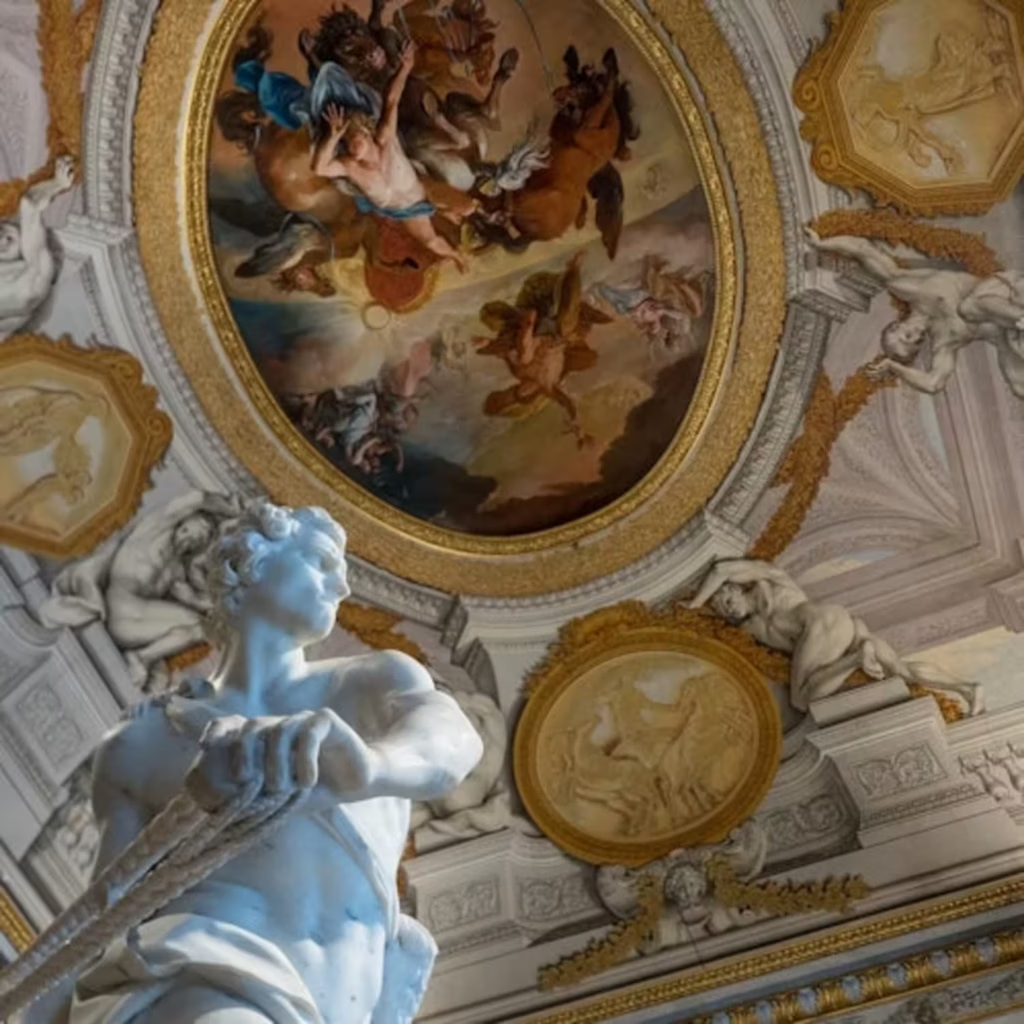
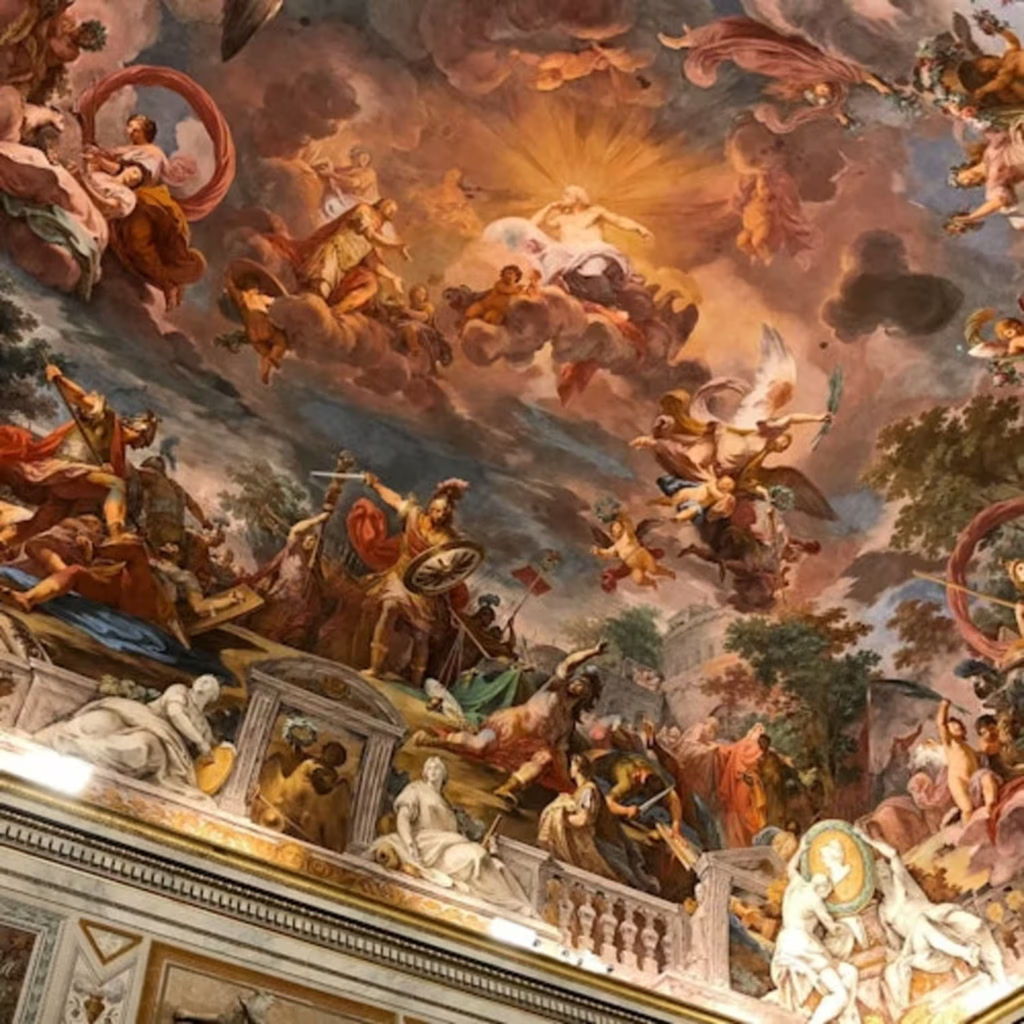
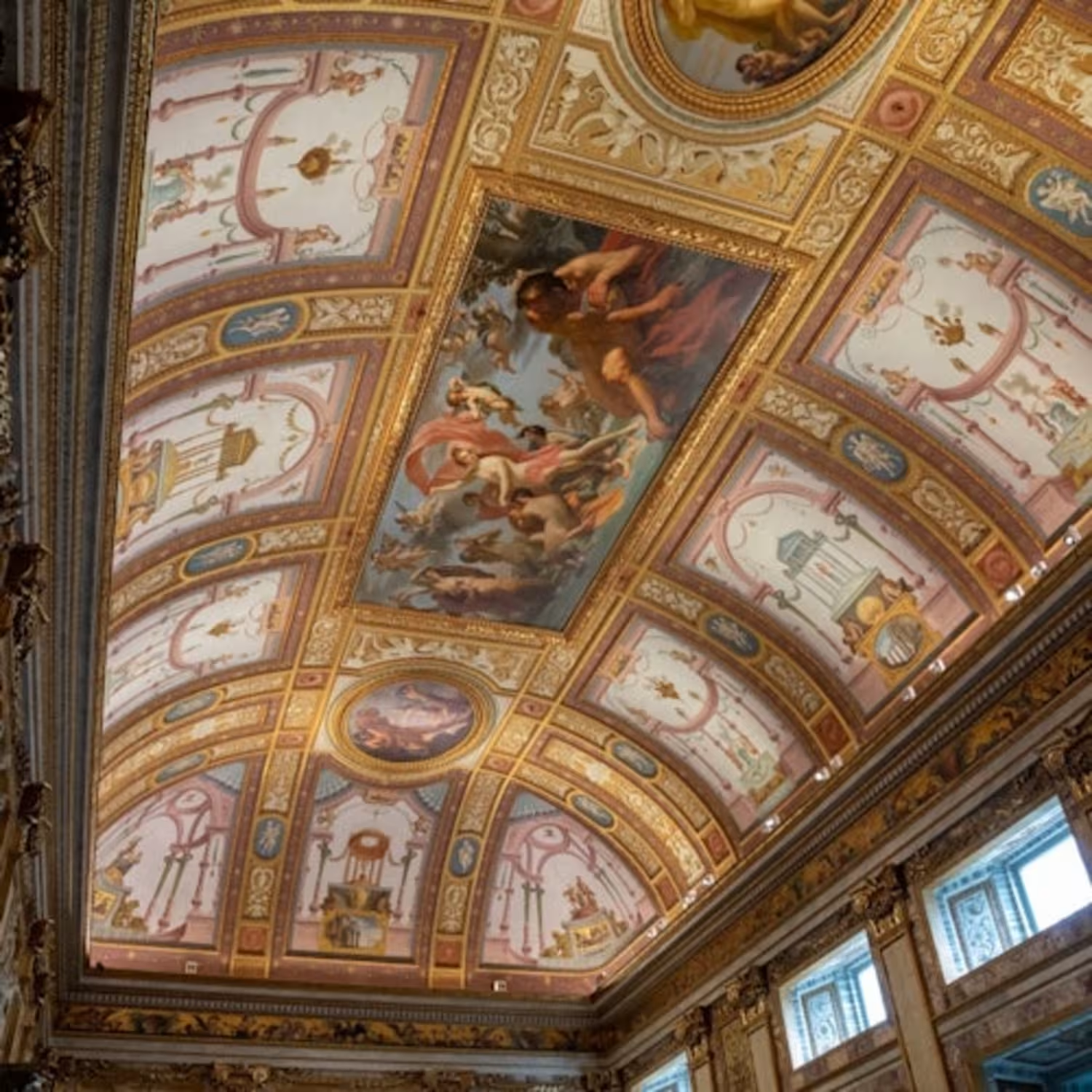
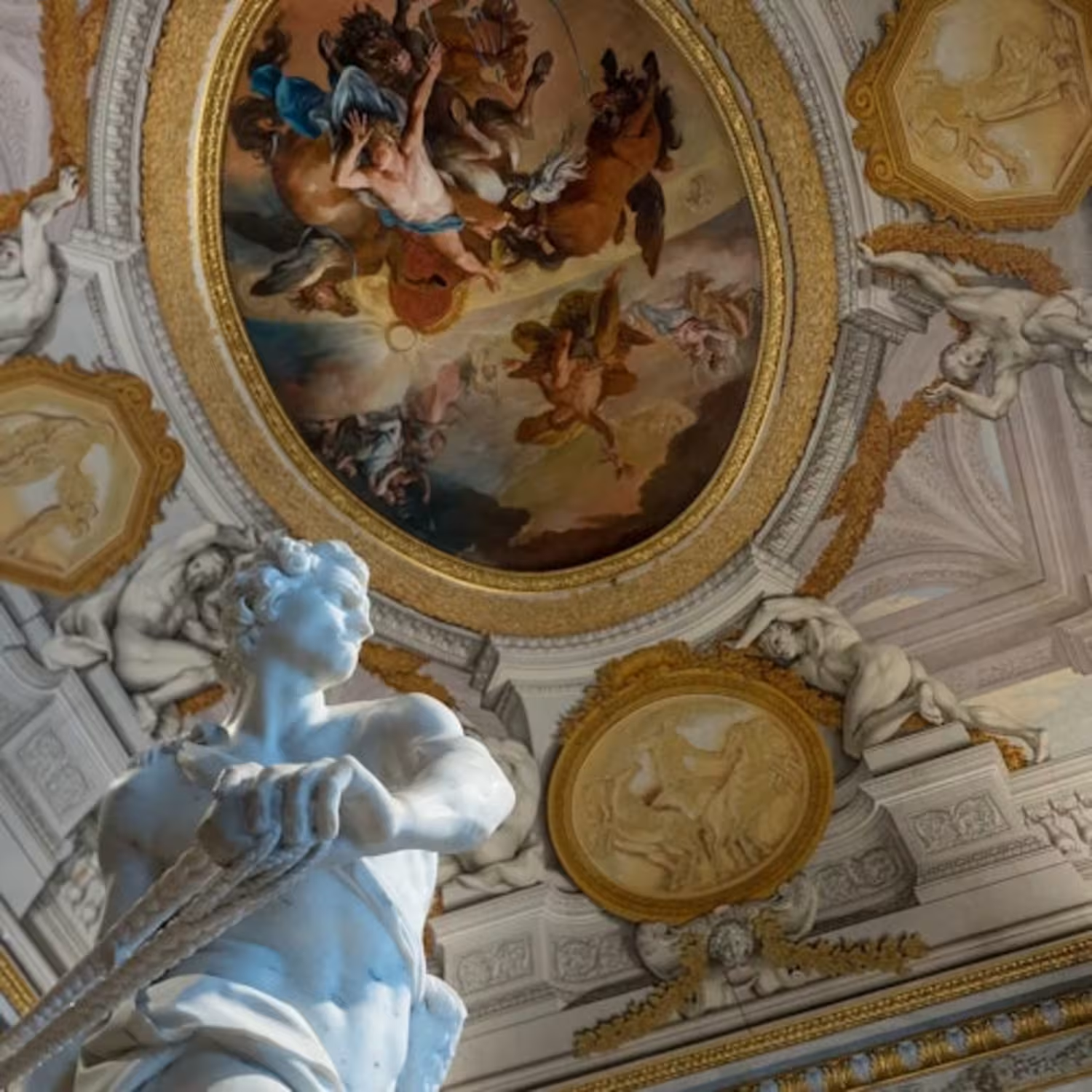
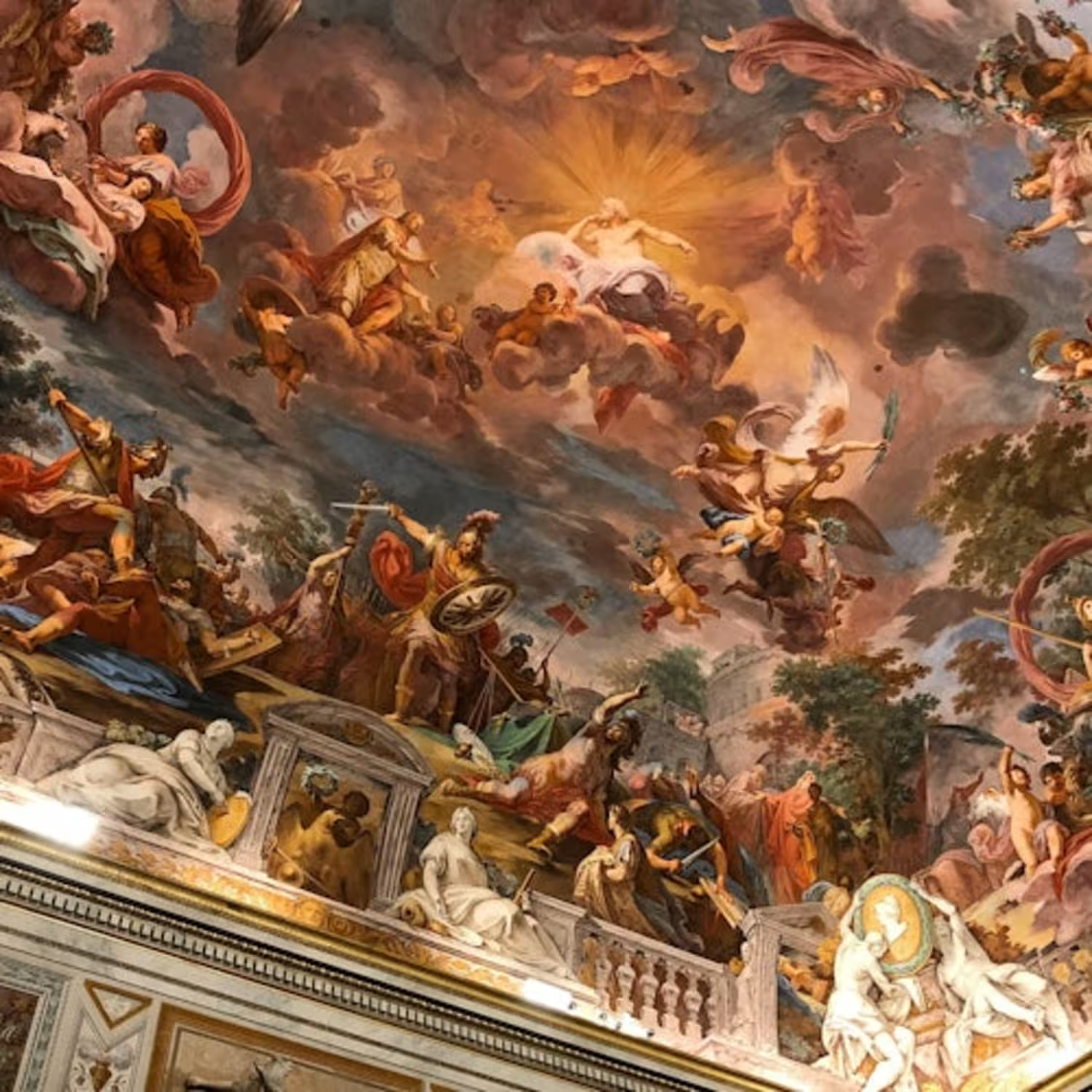
It has stood in its current room since 1889, under a ceiling painted with the Judgement of Paris that echoes the apple in her hand.

Seeing Pauline at the Galleria Borghese

Pauline is in the very first room, so she is where your visit begins. Walk all the way around her before you move on, then look up at the Judgement of Paris on the ceiling. Bernini’s Proserpina and Daphne are in the rooms that follow.
Galleria Borghese: Guided Tour

Highlights

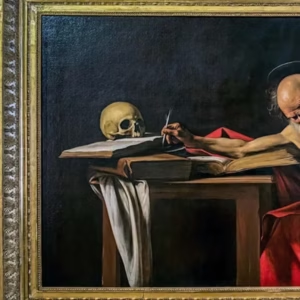
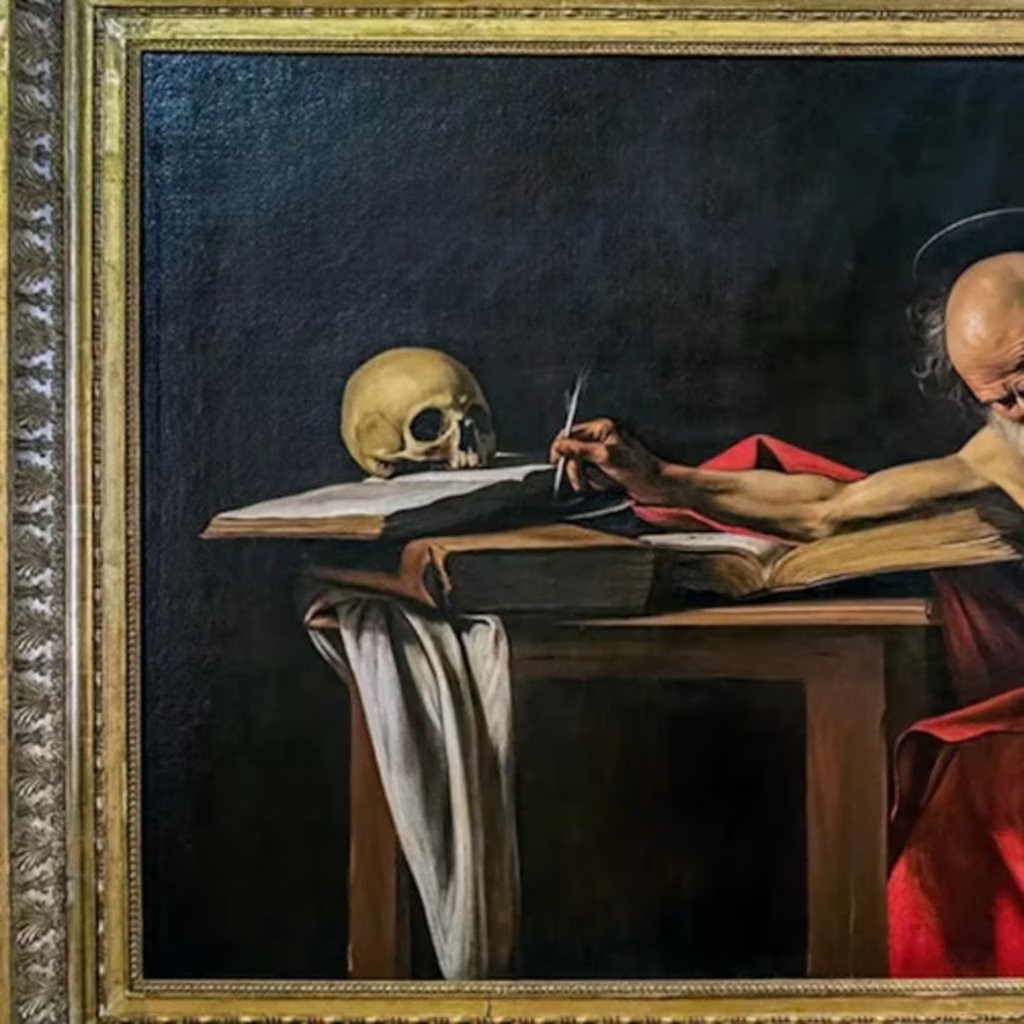
Explore the impressive collection from renowned artists like Bernini, Caravaggio, and Raphael.

Enjoy detailed insights and stories behind the artworks from an experienced guide.

Benefit from reserved access to avoid waiting in lines.

Use a headset to clearly hear your guide throughout the two-hour tour.

Join a small group capped at 15 participants for a more personal experience.
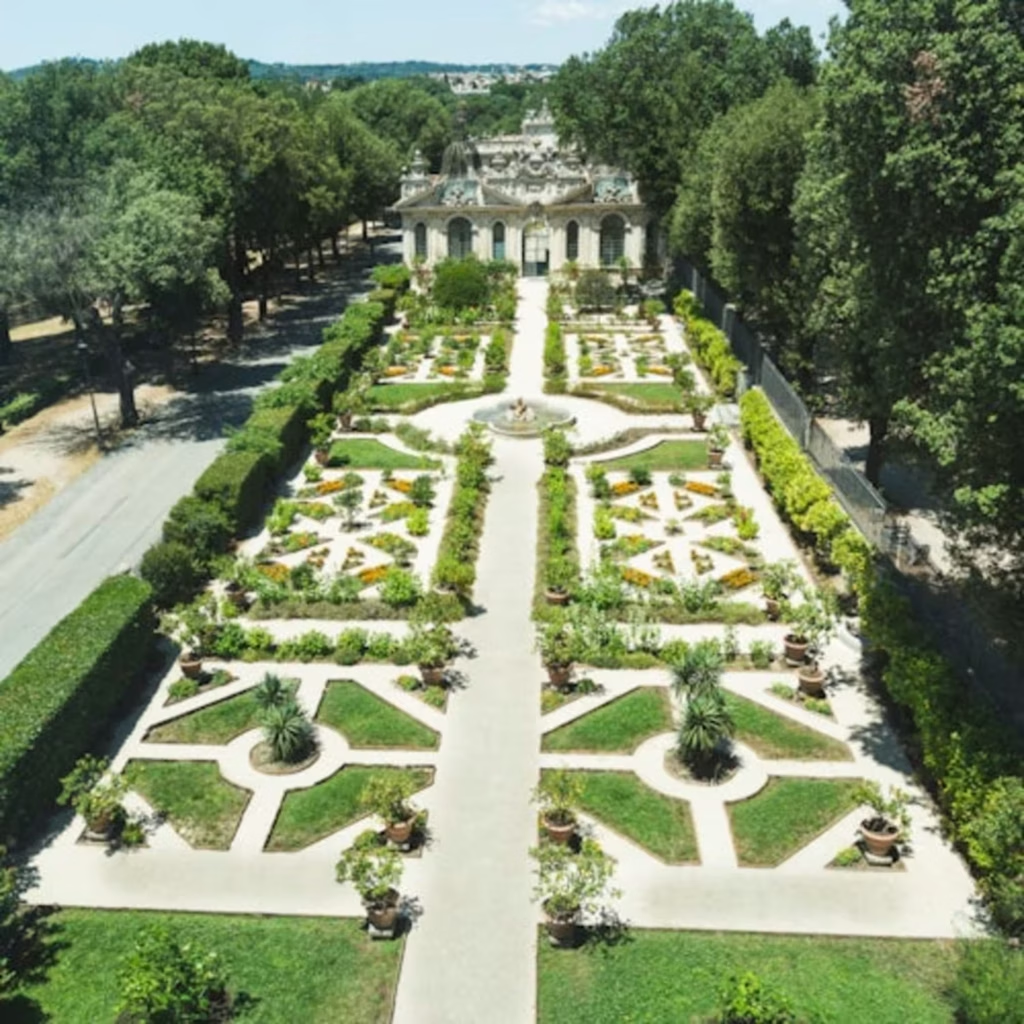
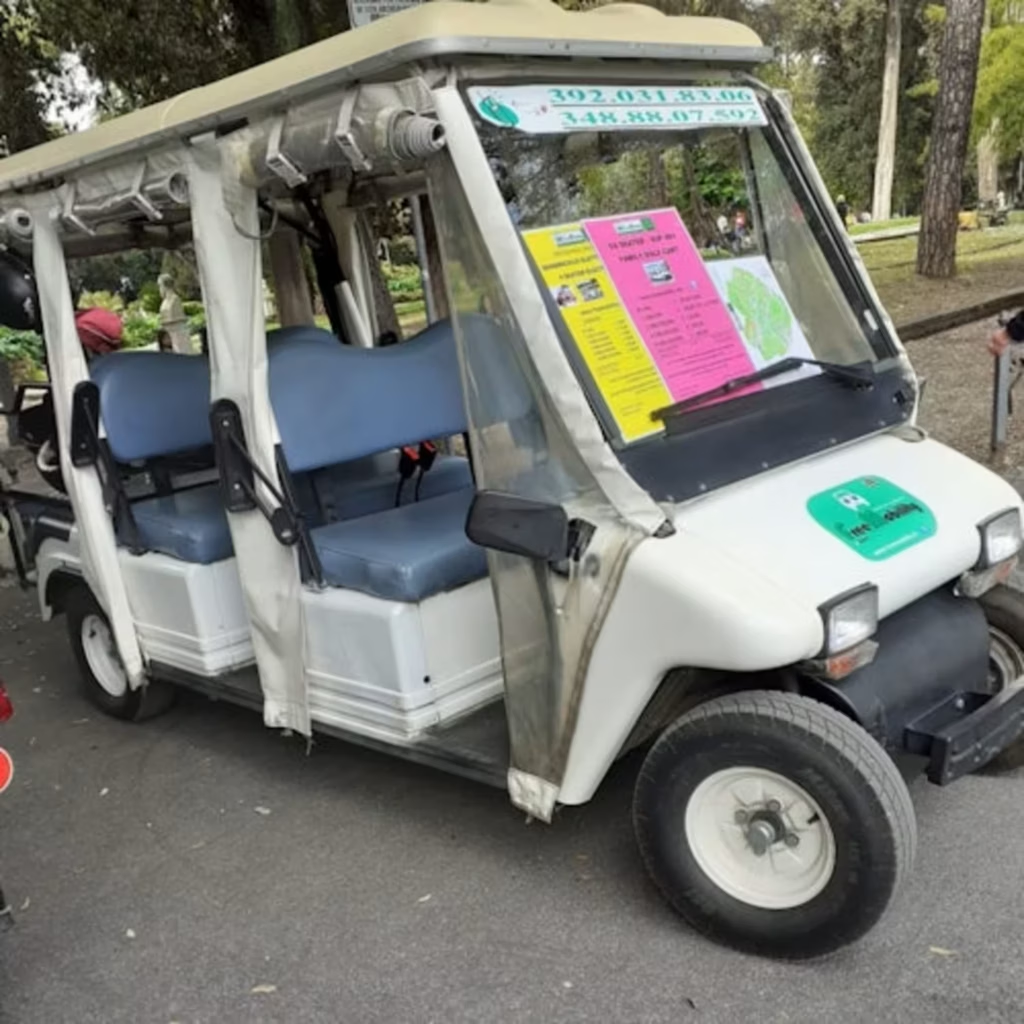
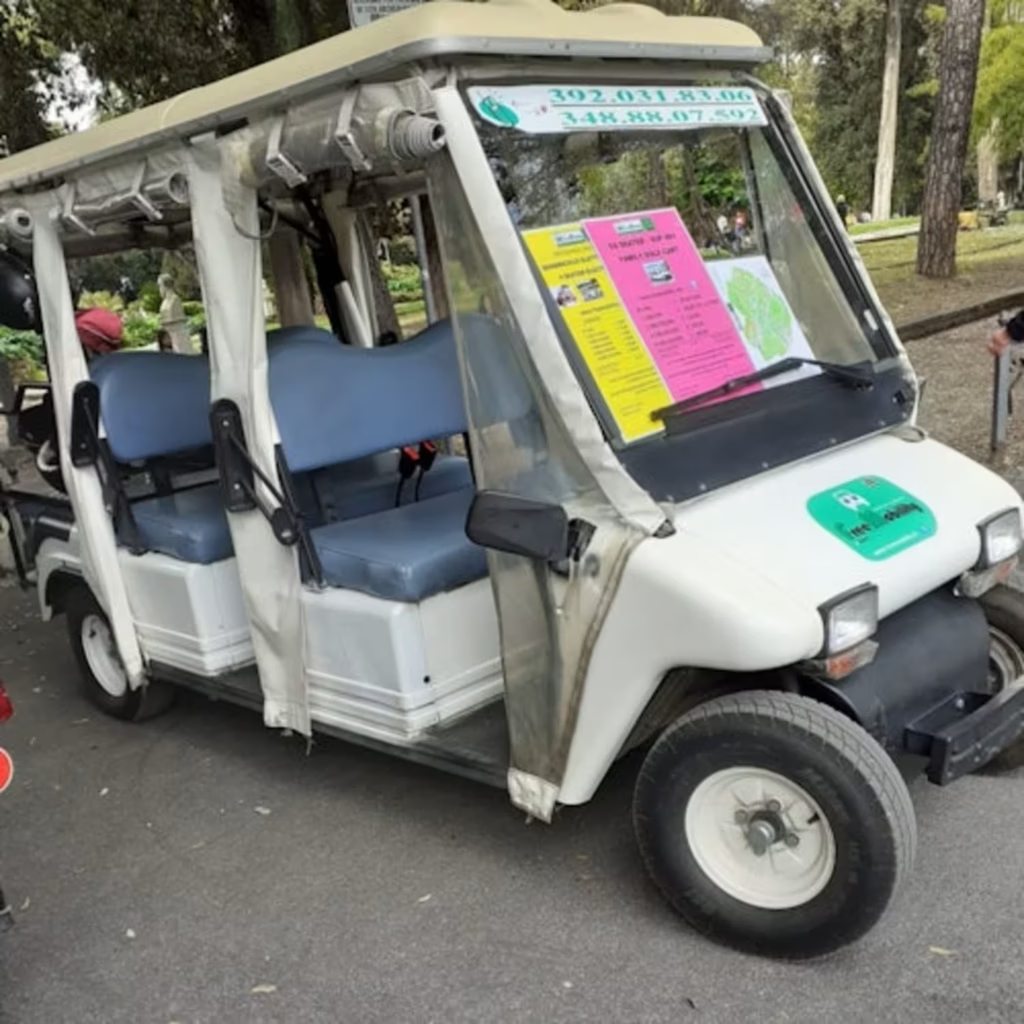
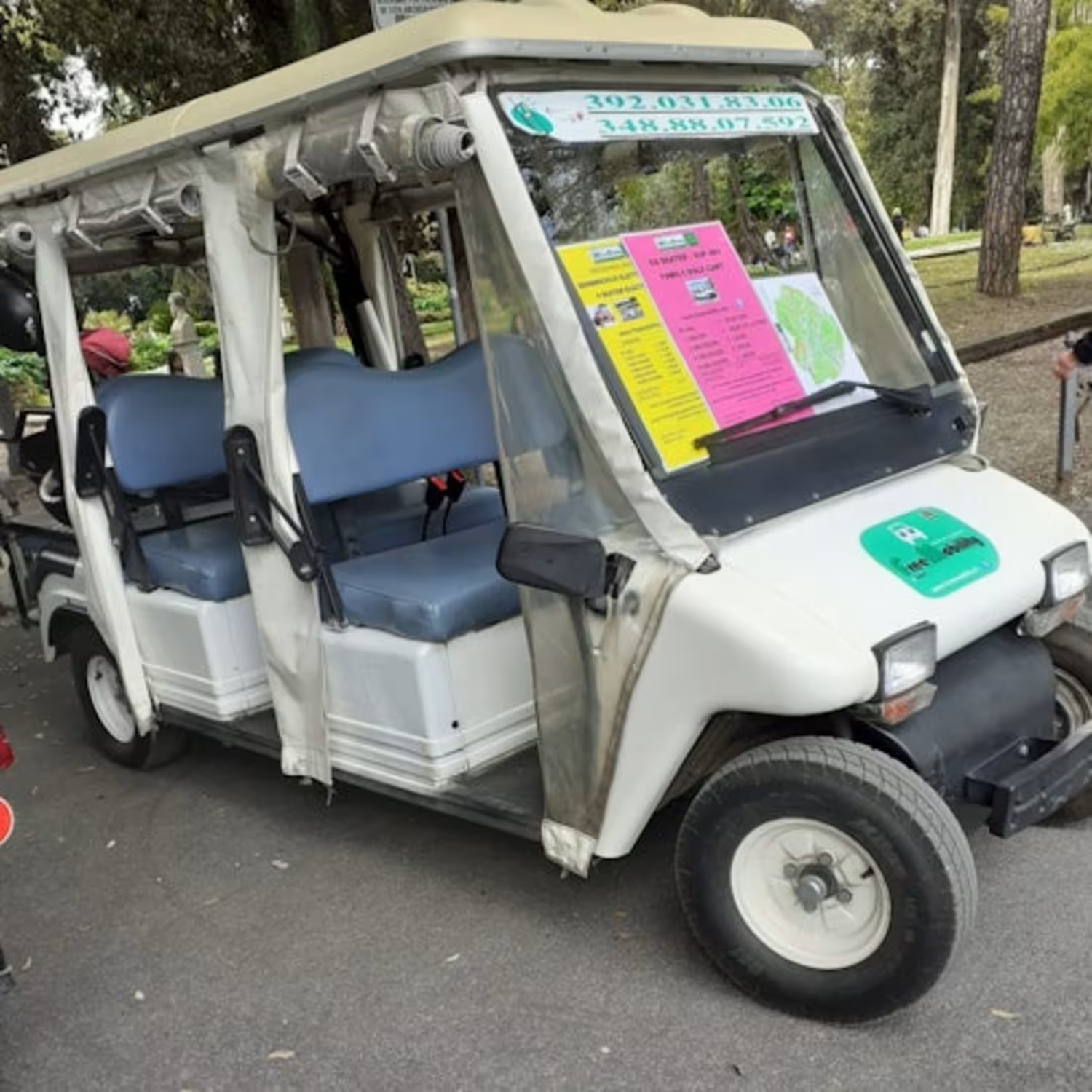
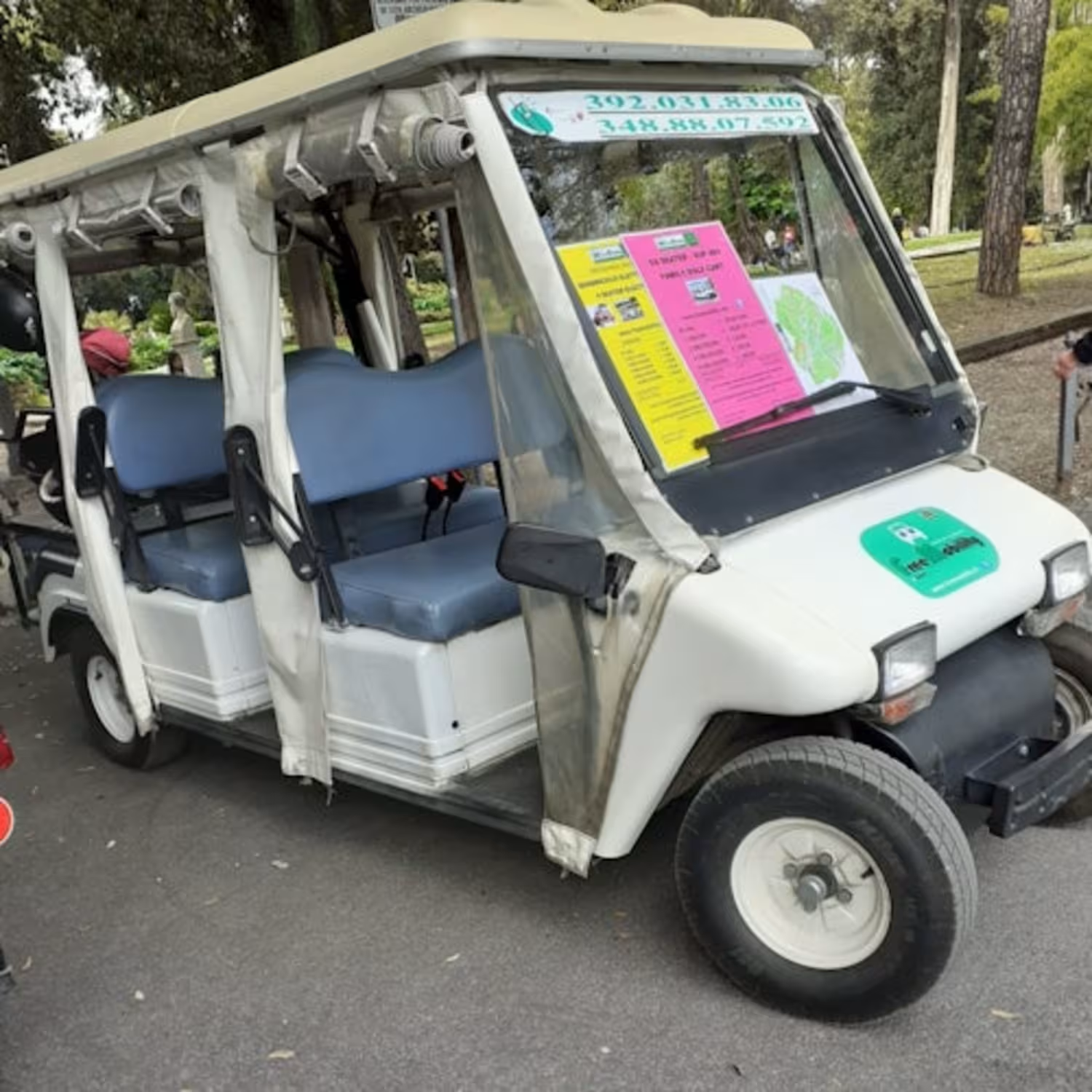
Giardini di Villa Borghese in Golf Cart

Highlights

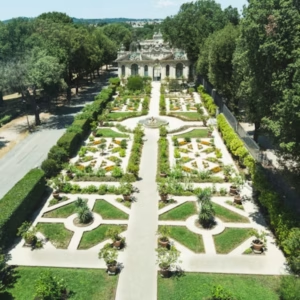
Drive a 4, 6, or 8-seat golf cart through expansive gardens.

Follow suggested routes using a provided map.

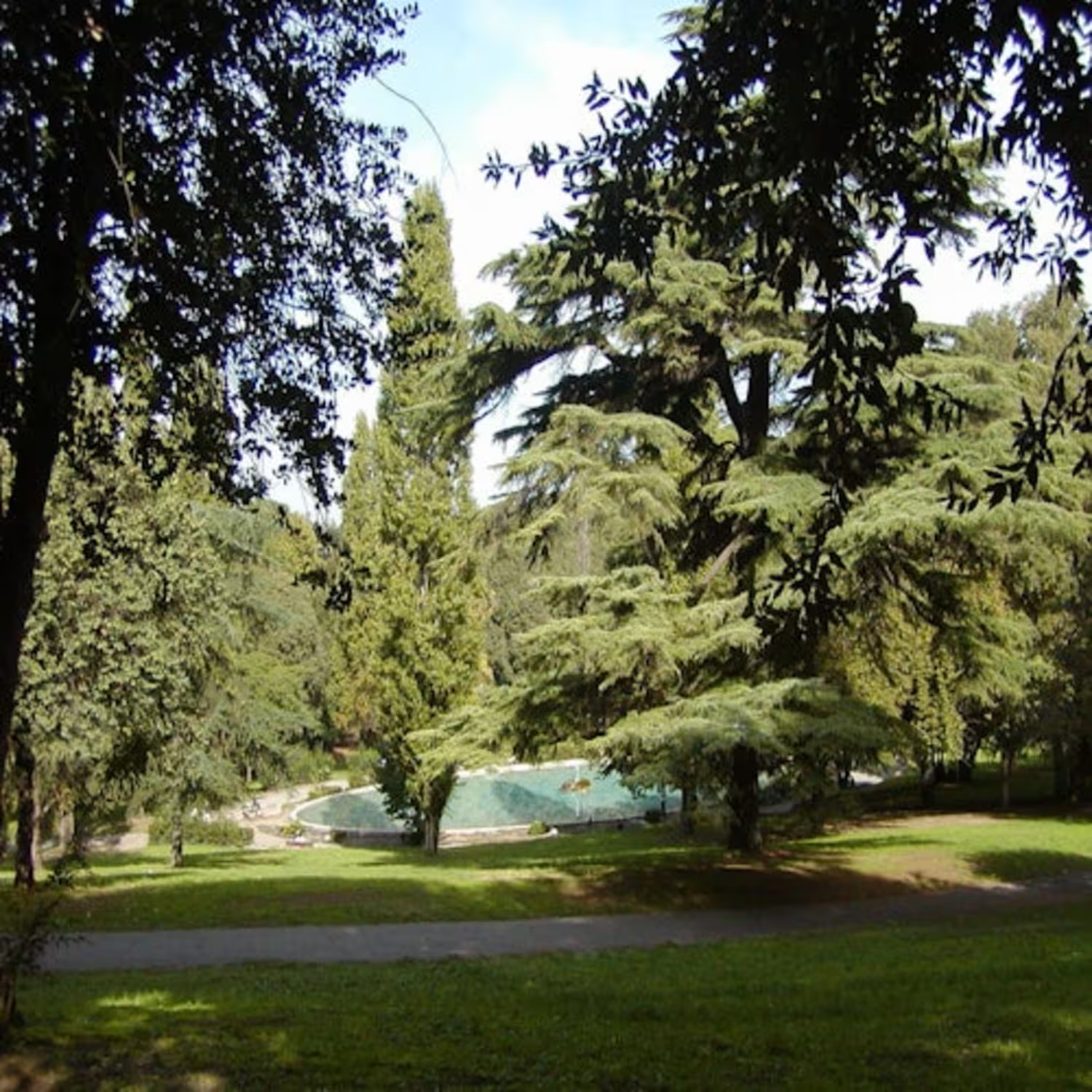
Enjoy a relaxed pace within a serene natural setting.

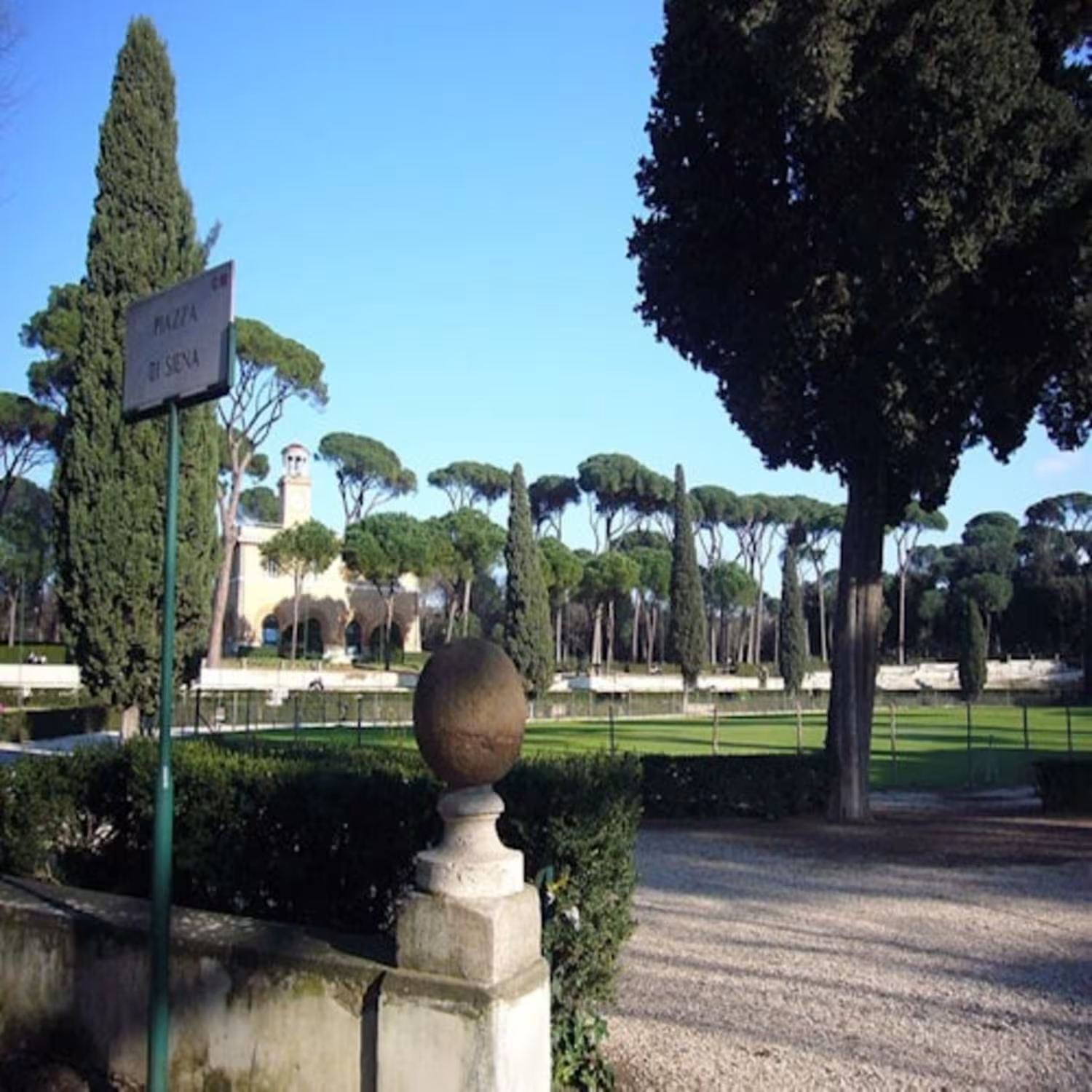
Explore areas of the park inaccessible on foot.

Avoid the need for long walks while seeing more of the gardens.
Questions About Pauline Bonaparte and Venus Victrix

Who was Pauline Bonaparte?

Napoleon’s younger sister, born in 1780, who became Princess Borghese through her marriage to Camillo Borghese.

Where is Canova’s statue of Pauline Bonaparte?

In Room 1, the Sala della Paolina, of the Galleria Borghese in Rome.

Did Pauline Bonaparte pose nude for Canova?

It is debated. Only the head is a close portrait, while the body follows a classical ideal.

Why is Pauline Bonaparte shown as Venus?

Canova portrayed her as Venus Victrix, holding the apple from the Judgement of Paris. Diana had reportedly been the first idea.

When was Venus Victrix made?

Canova worked on it from 1804 to 1808, for Prince Camillo Borghese.

Why does the statue turn?

A hidden mechanism in the base lets it rotate, so viewers can see it from every angle.

This website sells official tickets for this venue. Please note, however, that it is not the official website of the venue.

The images and videos on this website may contain visual elements that have been created or enhanced using AI technology. They are provided for illustrative purposes only.