We are processing your request.
Please, don’t close or refresh the page.
Rome Tickets Capitoline Museum Colossus Of Constantine
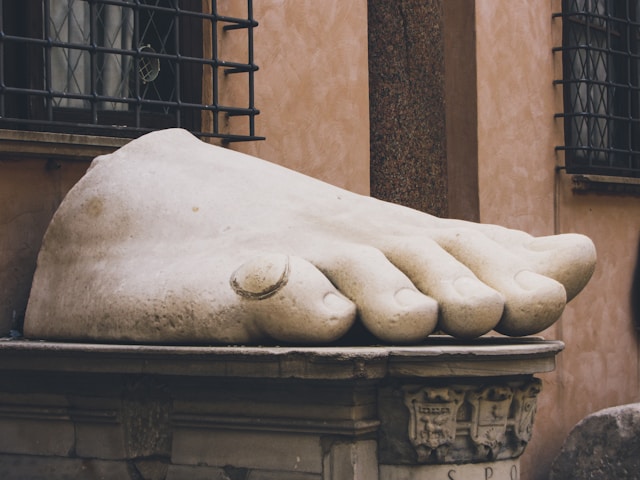
The right foot of the Colossus of Constantine in the courtyard of the Palazzo dei Conservatori

What Survives of the Colossus of Constantine, and Why Only the Marble Did

A seated emperor once 12 metres tall filled the apse of the Basilica of Maxentius. Ten marble pieces of him now sit in a Renaissance courtyard, and the reason the rest vanished is built into how he was made.

Why the Colossus of Constantine Is the Biggest Thing in the Courtyard

The complete statue stood between 10 and 12 metres high according to the museum's own estimate, seated, filling the west apse of the Basilica of Maxentius.

Around ten marble fragments survive: the head, the right hand, both feet, a knee, an elbow, part of an arm and a few smaller pieces.

The head is 260 cm tall on its own, roughly the height of a first-floor window.

It was carved as an acrolith, a technique that gave the emperor a marble head and limbs and a body made of something else entirely.

The marble pieces came out of the ground in 1486, more than a thousand years after the statue was abandoned.

Michelangelo put them where they stand today, in the courtyard he was already redesigning.

The face follows a portrait type created around 311 AD, so the sculptors were working from an official likeness rather than from life.

A full-scale reconstruction of the whole seated figure has stood in the gardens of Villa Caffarelli since 2024.

A Statue Built Like a Stage Set
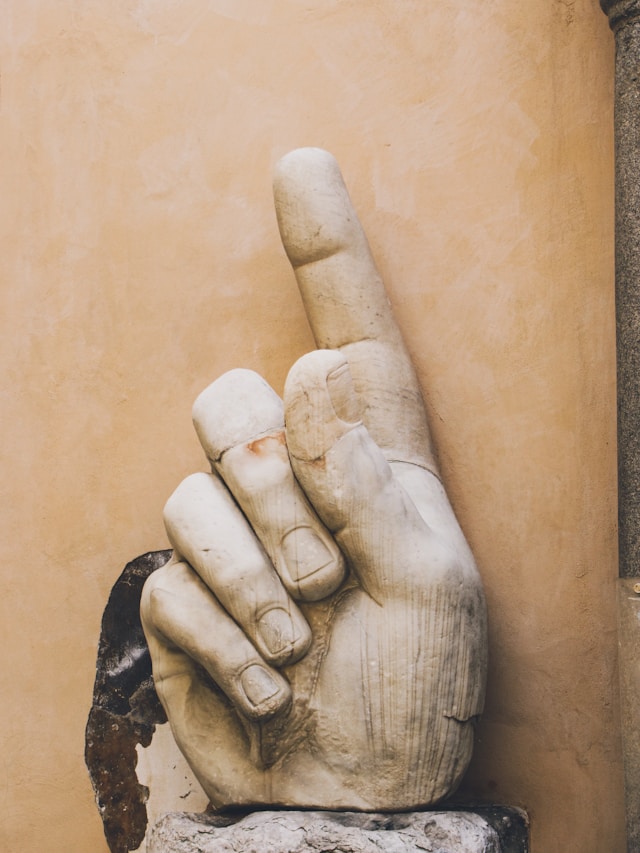
The right hand of the Colossus of Constantine

The museum describes the statue as an acrolith, and that single word explains almost everything about what is left of it. Only the bare skin was carved in marble: the head, the hands, the forearms, the legs and the feet. Everything else hung on a load-bearing frame, dressed either in gilded bronze drapery or in panels of coloured marble.

It was a practical solution to an impossible problem. A solid marble figure at this scale would have been ruinously heavy, and it would have needed a block of stone nobody could quarry or move. Splitting the job in two let Roman workshops build at twelve metres while using marble only where a viewer would read it as flesh.

It also decided the statue's fate. The frame rotted, and any gilded bronze on it was worth melting down long before anyone thought of preserving Roman sculpture. The marble had no scrap value at all, which is precisely why the hands and feet are still here and the emperor's body is not.

Out of the Basilica, Into a Renaissance Courtyard
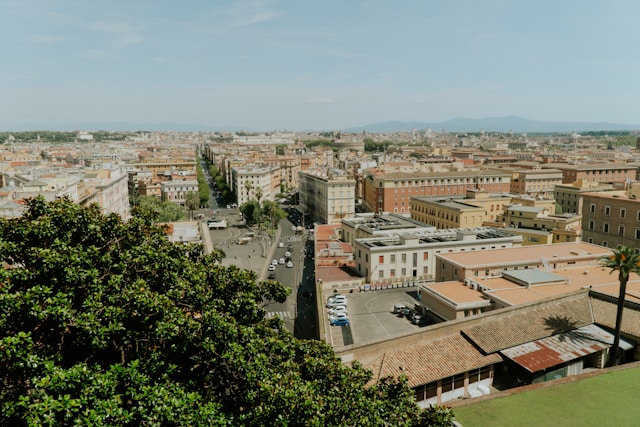
Roman ruins near the Capitoline Museums

Constantine sat in the western apse of the Basilica of Maxentius, the vast vaulted hall at the edge of the Roman Forum that his rival had started and Constantine finished after defeating him. Anyone standing in that hall would have looked down its length at an emperor whose foot was taller than they were.

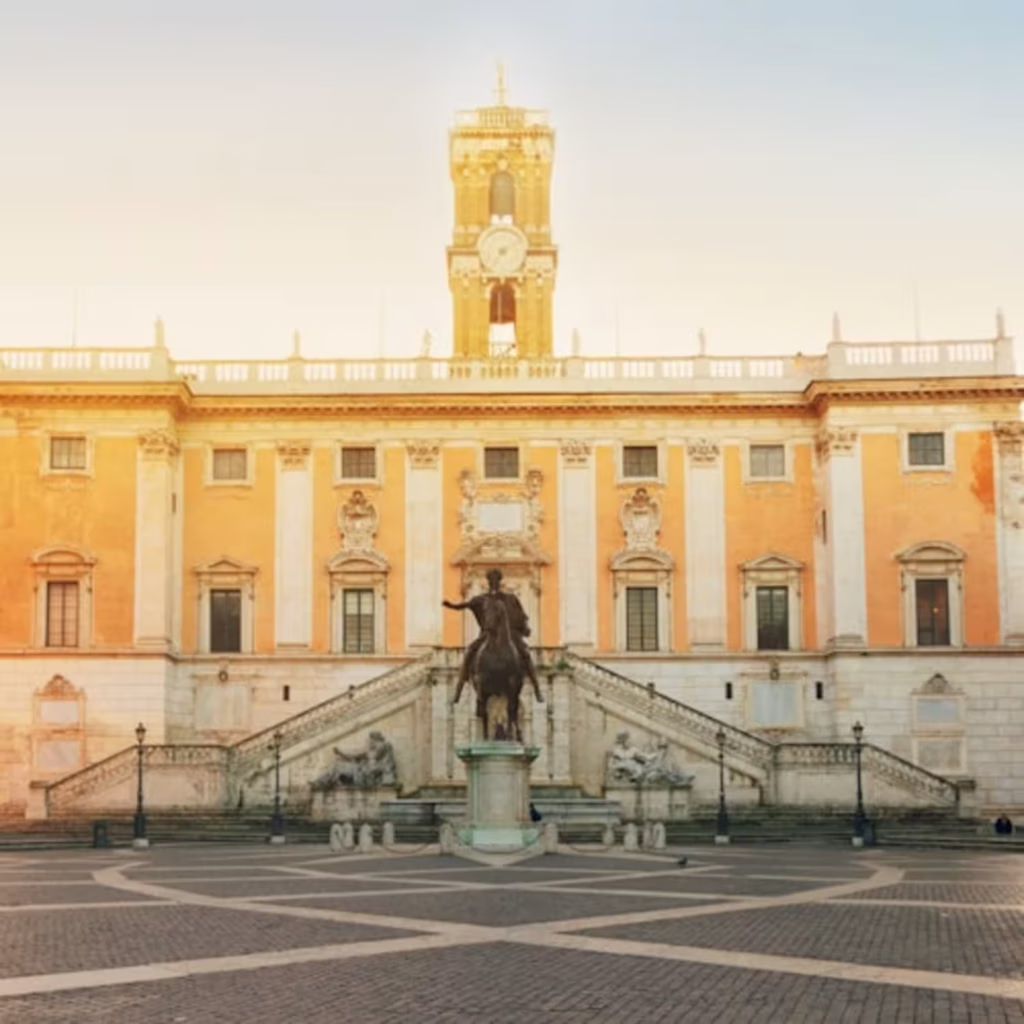
The marble pieces were found on that site in 1486. By then the basilica had been a quarry and a ruin for centuries, and the fragments were lying where the statue had come apart. They were lifted out and carried up the hill, and Michelangelo put them in the courtyard of the Palazzo dei Conservatori, the building he was in the middle of redesigning.

They have been there ever since, propped against the wall in the order a body would take. It is an oddly modern piece of display for the fifteenth century: no attempt to restore the missing parts, no invented arms, just the surviving marble left to speak for the scale of what is gone.

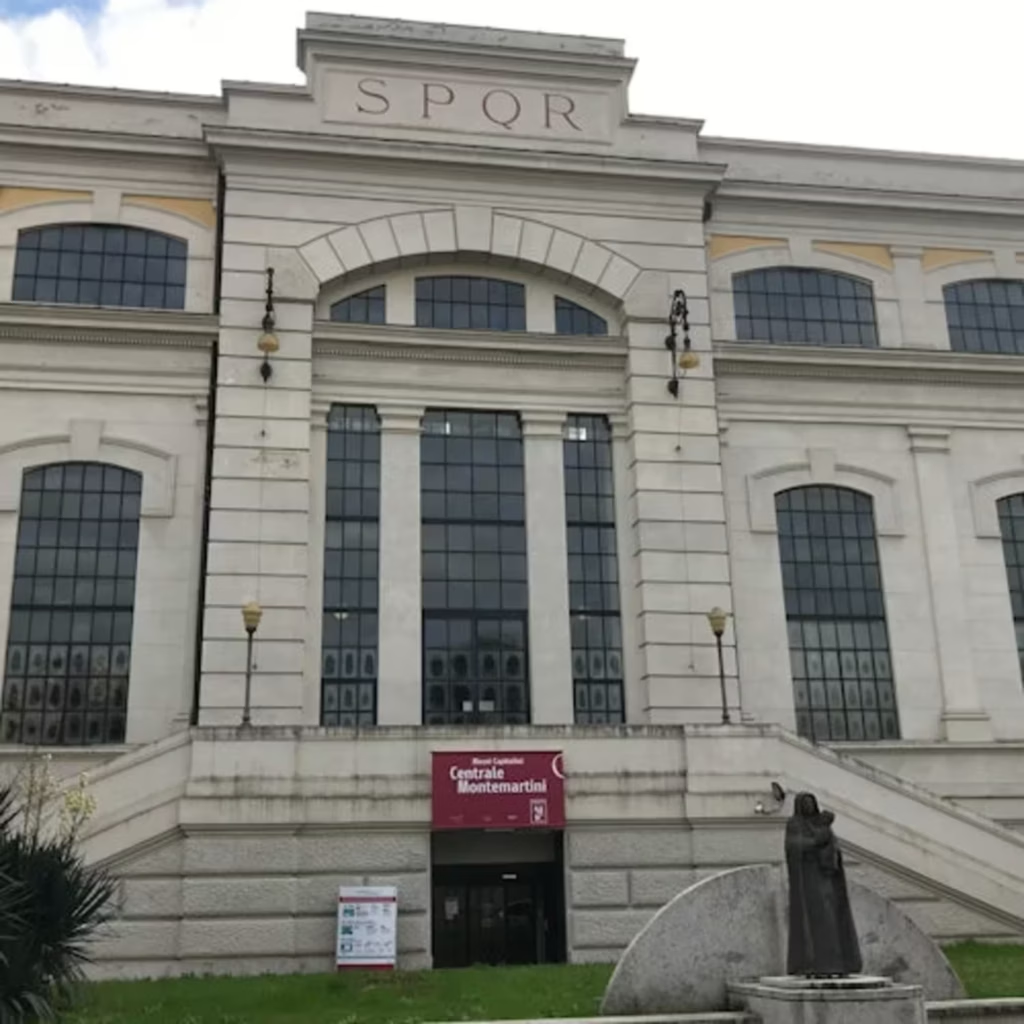
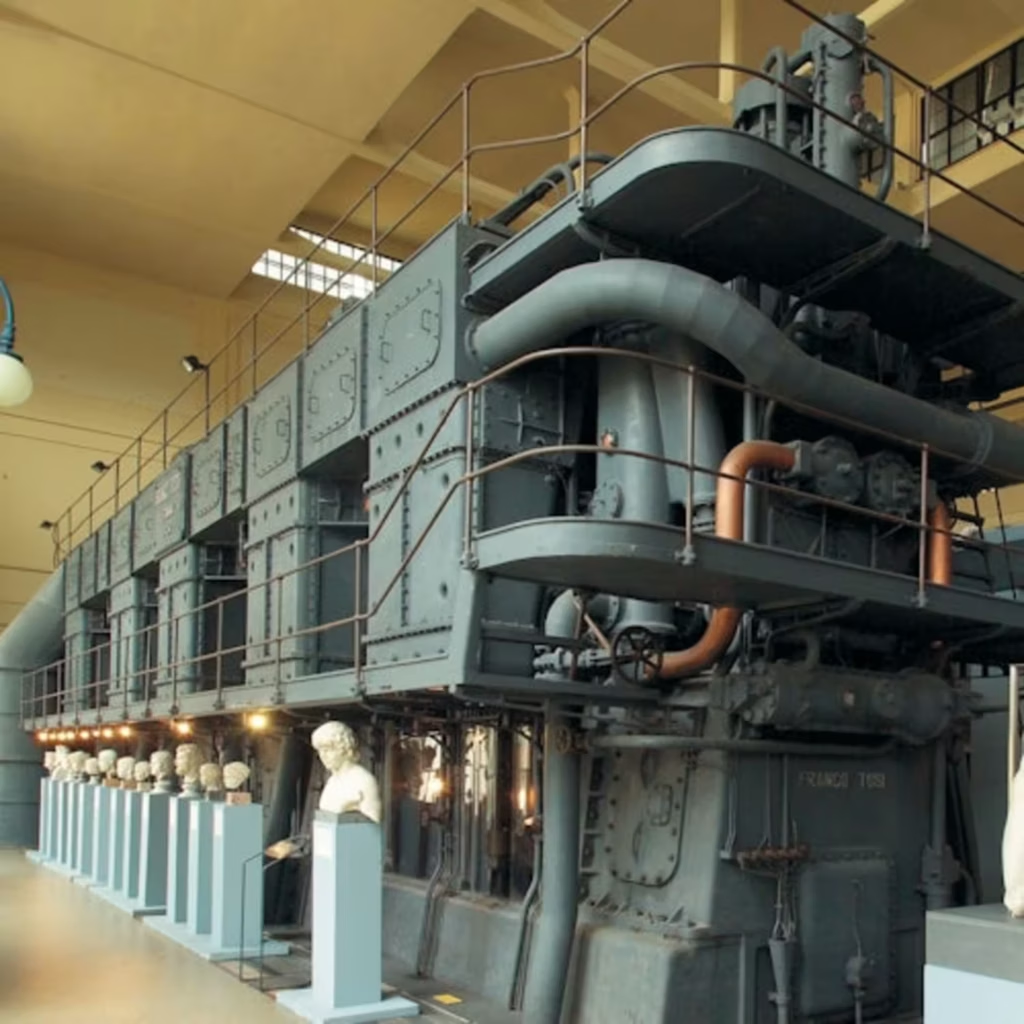
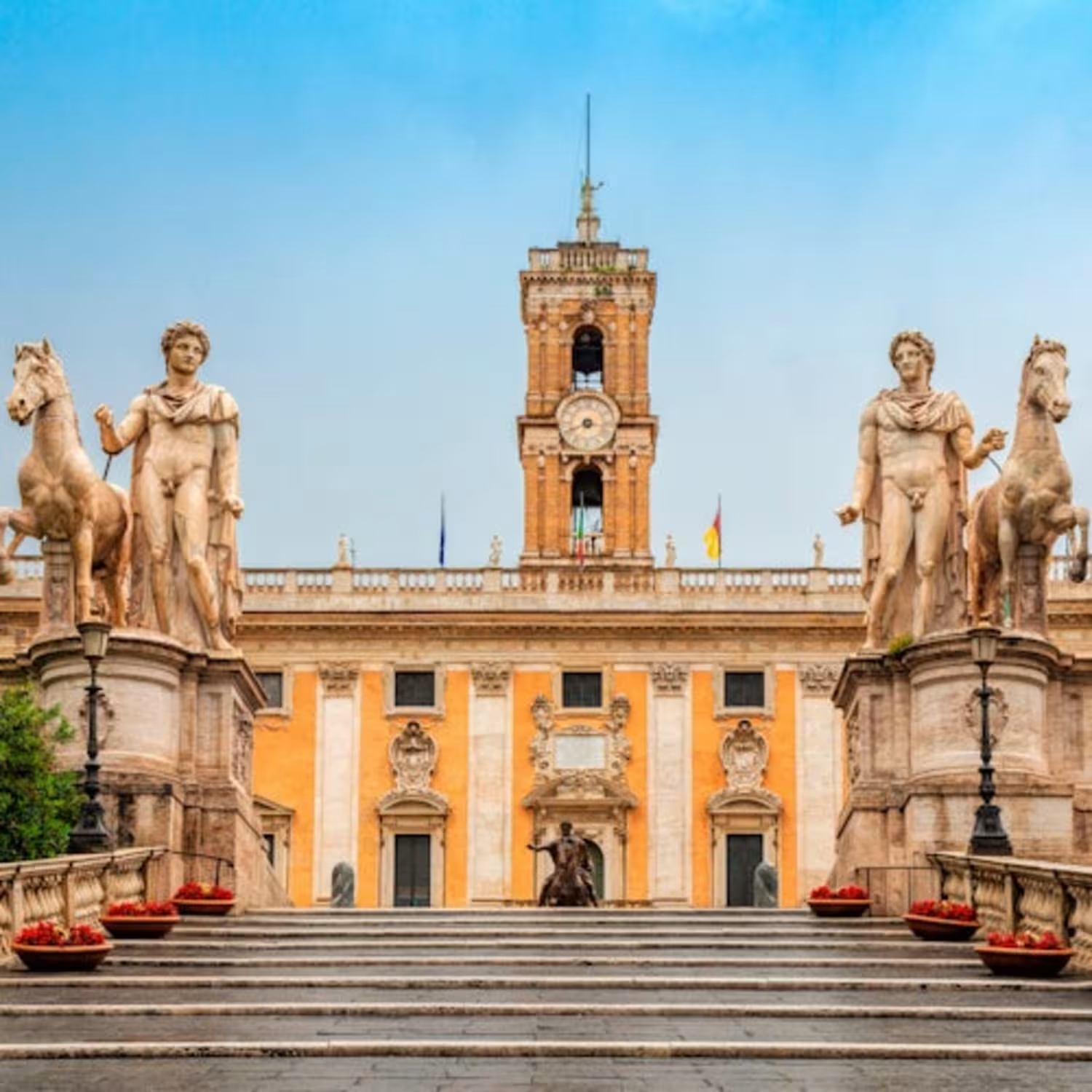
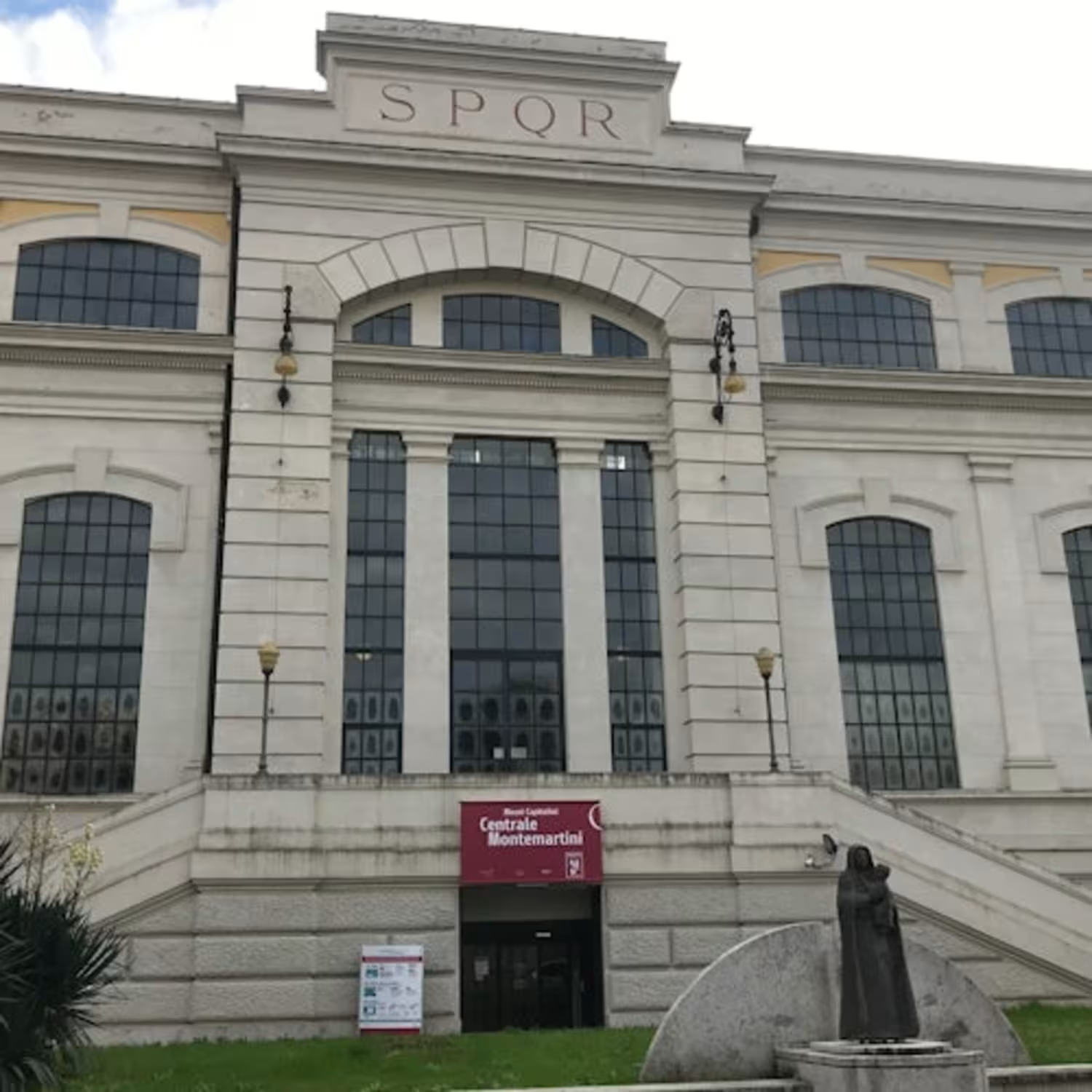
Capitoline Museums and Centrale Montemartini with multimedia video

Highlights

Avoid queues with skip-the-line access to two notable Roman sites.

Explore extensive collections of art and artifacts at your own pace.

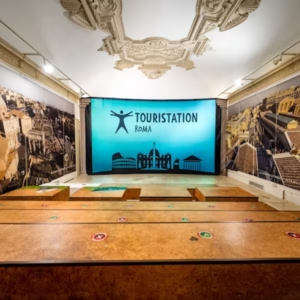
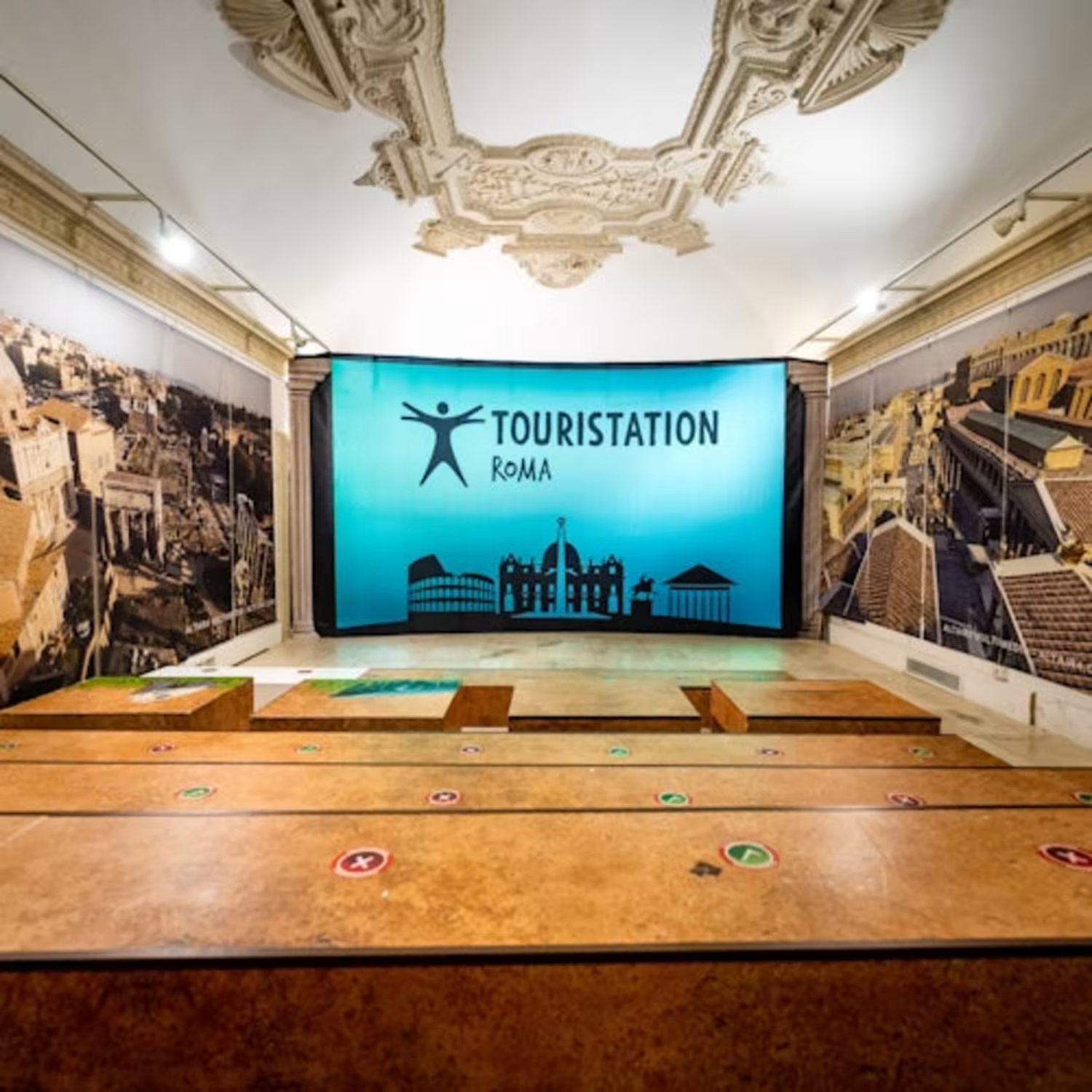
Experience an engaging multimedia video about ancient Rome.

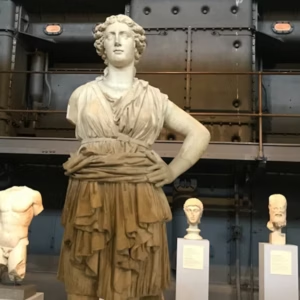
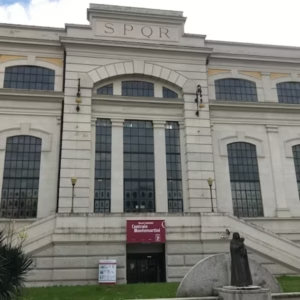
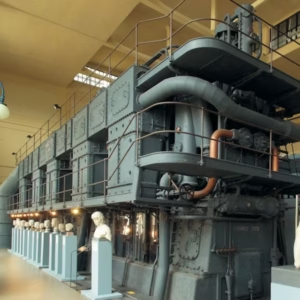
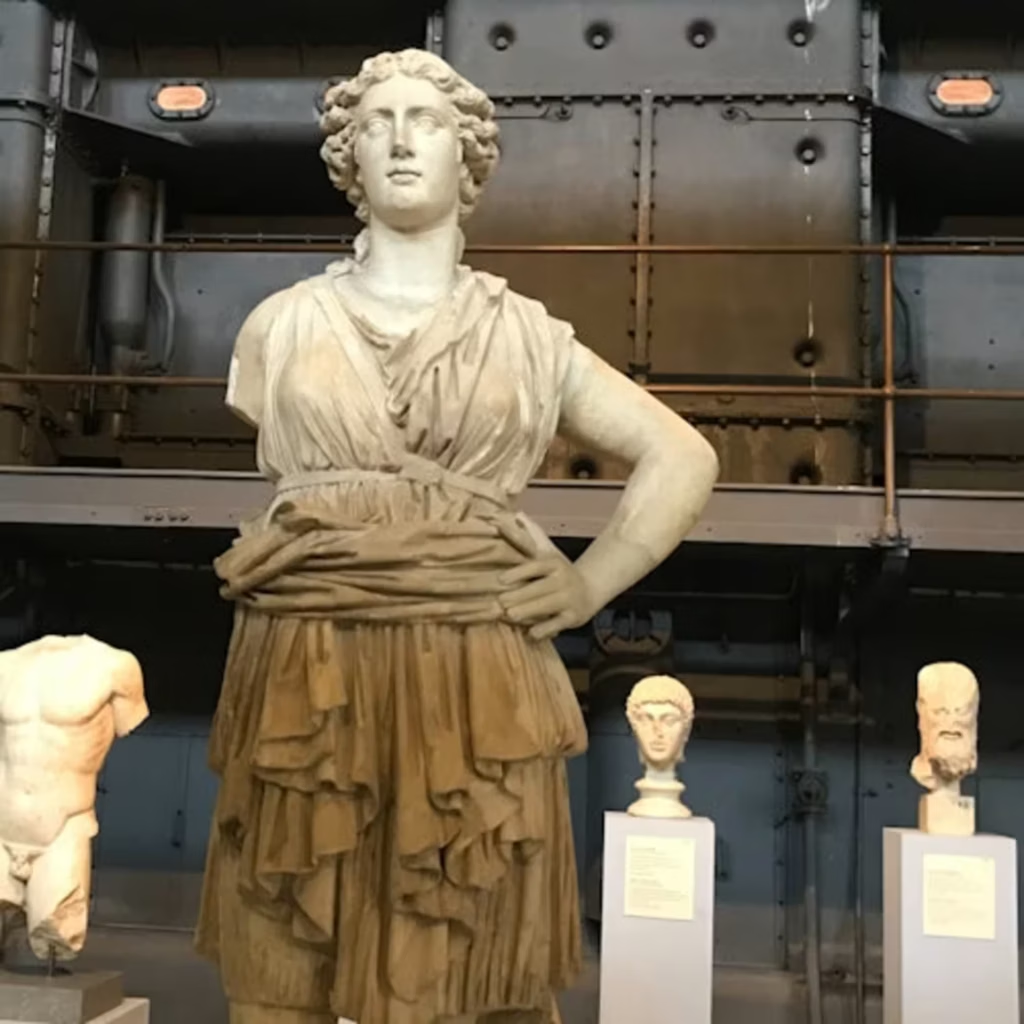
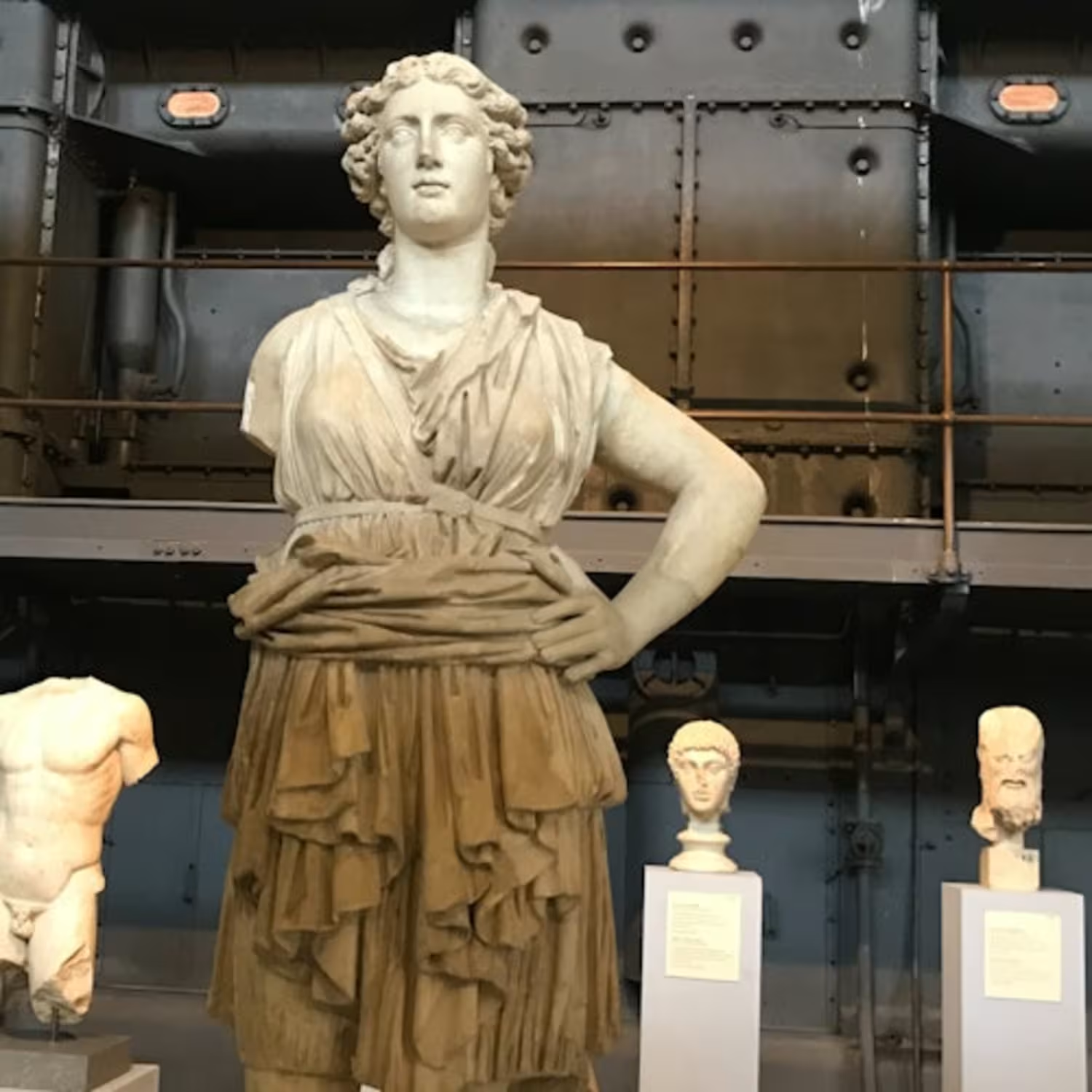
Visit the Centrale Montemartini’s display of classical sculptures within an industrial setting.

Receive customer assistance at the Touristation Aracoeli office.
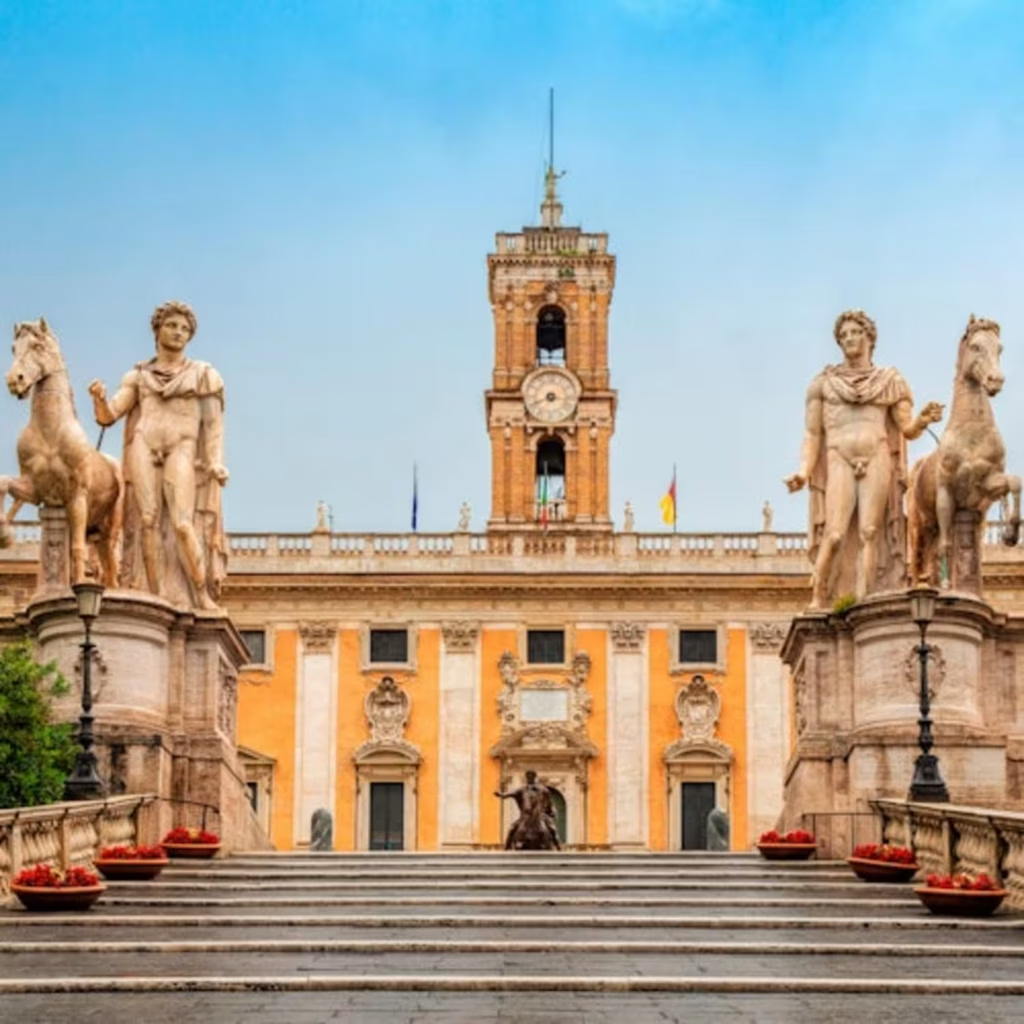
Museum of the Roman Empire (Capitoline Museum) + Multimedia Experience of Ancient Rome

Highlights

Gain expedited access to the Capitoline Museums without waiting in lines.

Discover exclusive temporary exhibits included in your visit.

Watch a captivating multimedia presentation about Ancient Rome.

Receive assistance at the designated Touristation Aracoeli office.
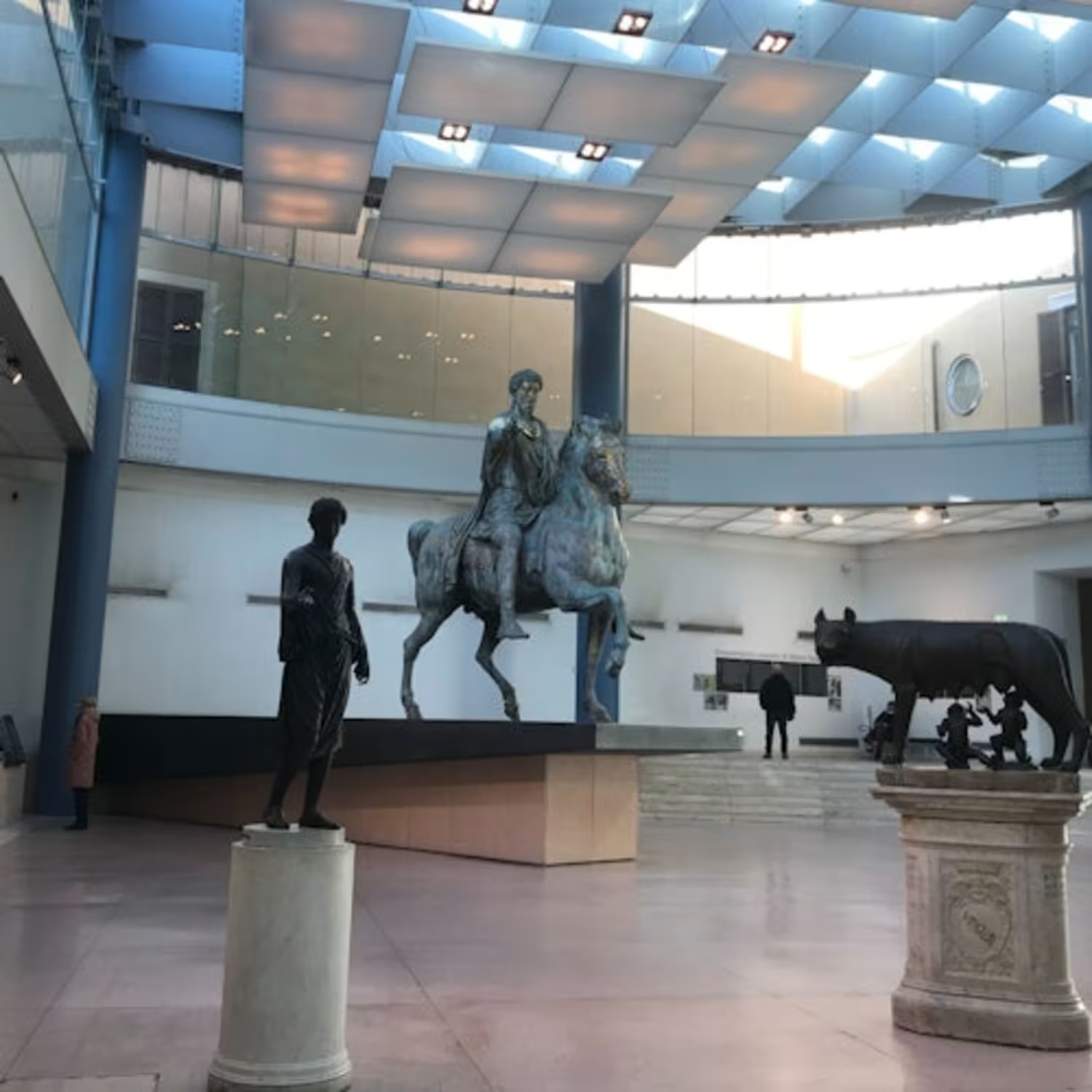
Benefit from a downloadable audio guide app focused on Rome.
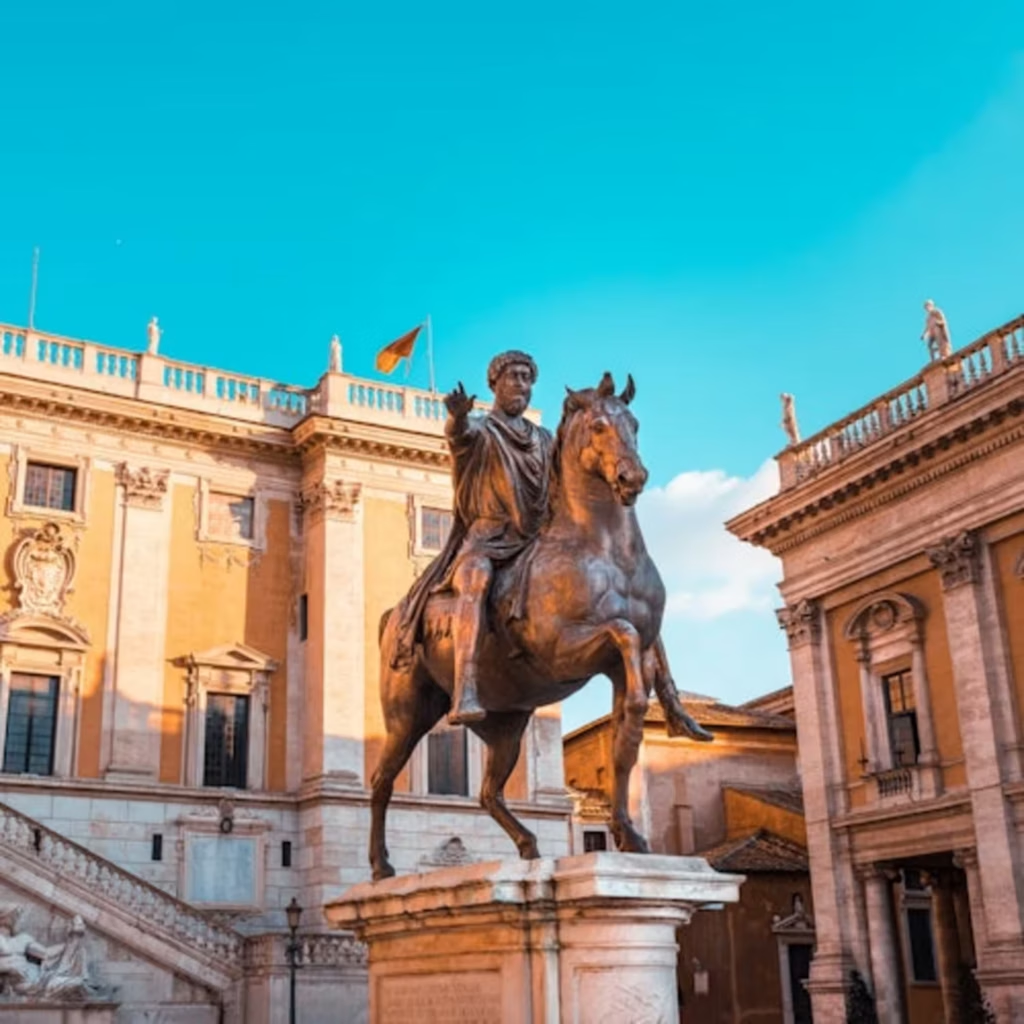
See How Big He Actually Was

Standing next to the foot is the only way the numbers land, and the courtyard is free to linger in once you are inside. The full-scale reconstruction in the Villa Caffarelli gardens then puts the whole seated figure back together at its original height, so it is worth doing both in the same visit rather than choosing between them.

Frequently Asked Questions About the Colossus of Constantine

What is the Colossus of Constantine?

It was a seated statue of the emperor Constantine, between 10 and 12 metres high, made for the western apse of the Basilica of Maxentius in the Roman Forum. Around ten marble fragments of it survive.

Where is the Colossus of Constantine now?

The marble fragments are displayed in the courtyard of the Palazzo dei Conservatori, inside the Capitoline Museums. A full-scale reconstruction of the complete statue stands separately in the gardens of Villa Caffarelli.

How tall was the statue of Constantine?

The museum gives 10 to 12 metres for the seated figure. A 2022 study that rebuilt it digitally put it slightly higher, at around 13 metres.

How big is the head of the Colossus of Constantine?

The marble head measures 260 cm, and each foot is over 2 metres long. The right hand survives as well, raised on its own plinth beside them.

Why do only parts of the statue survive?

It was built as an acrolith: marble for the head and limbs, a frame for everything else, dressed in gilded bronze or coloured marble. The frame decayed and any bronze was melted down for its metal, while the marble had no scrap value and was left.

When was the Colossus of Constantine discovered?

The marble pieces were found at the Basilica of Maxentius in 1486 and moved up to the Capitoline, where Michelangelo placed them in the courtyard.

Is the bronze head of Constantine the same statue?

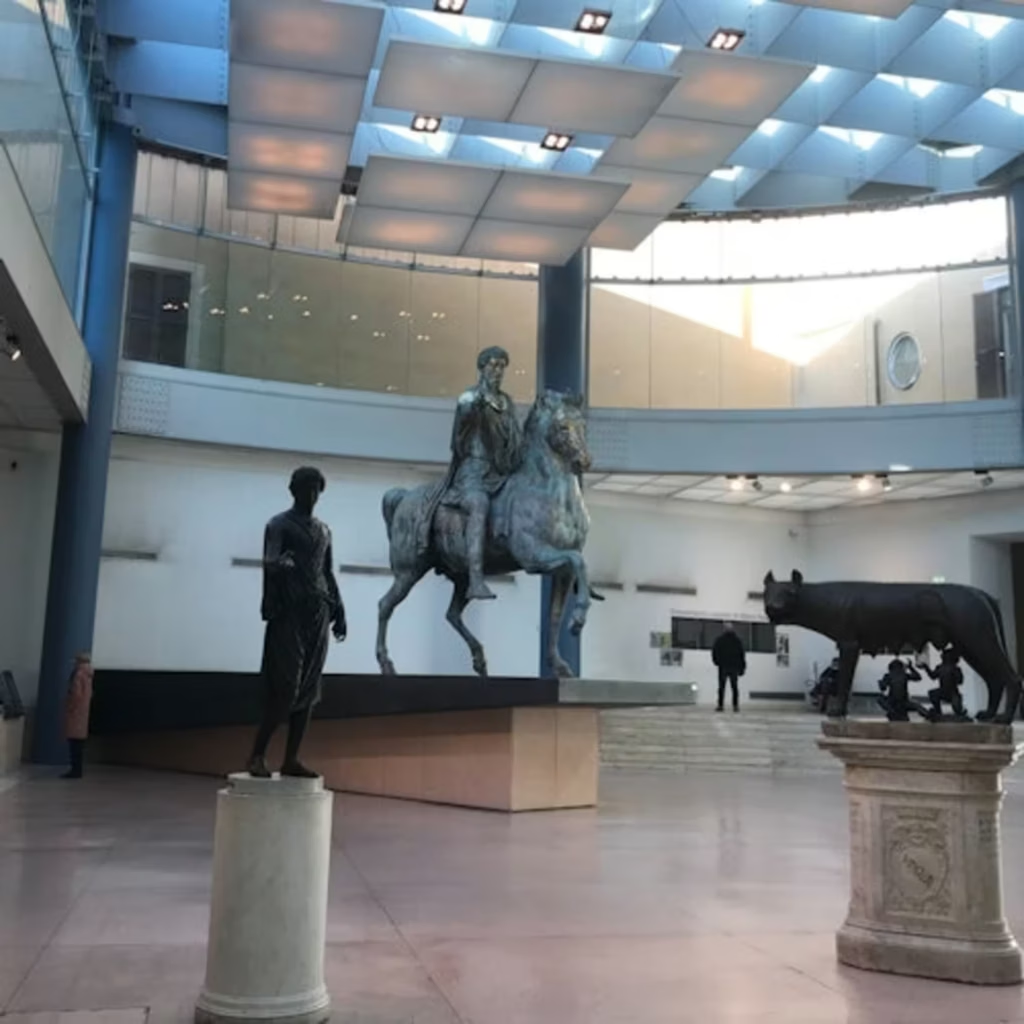
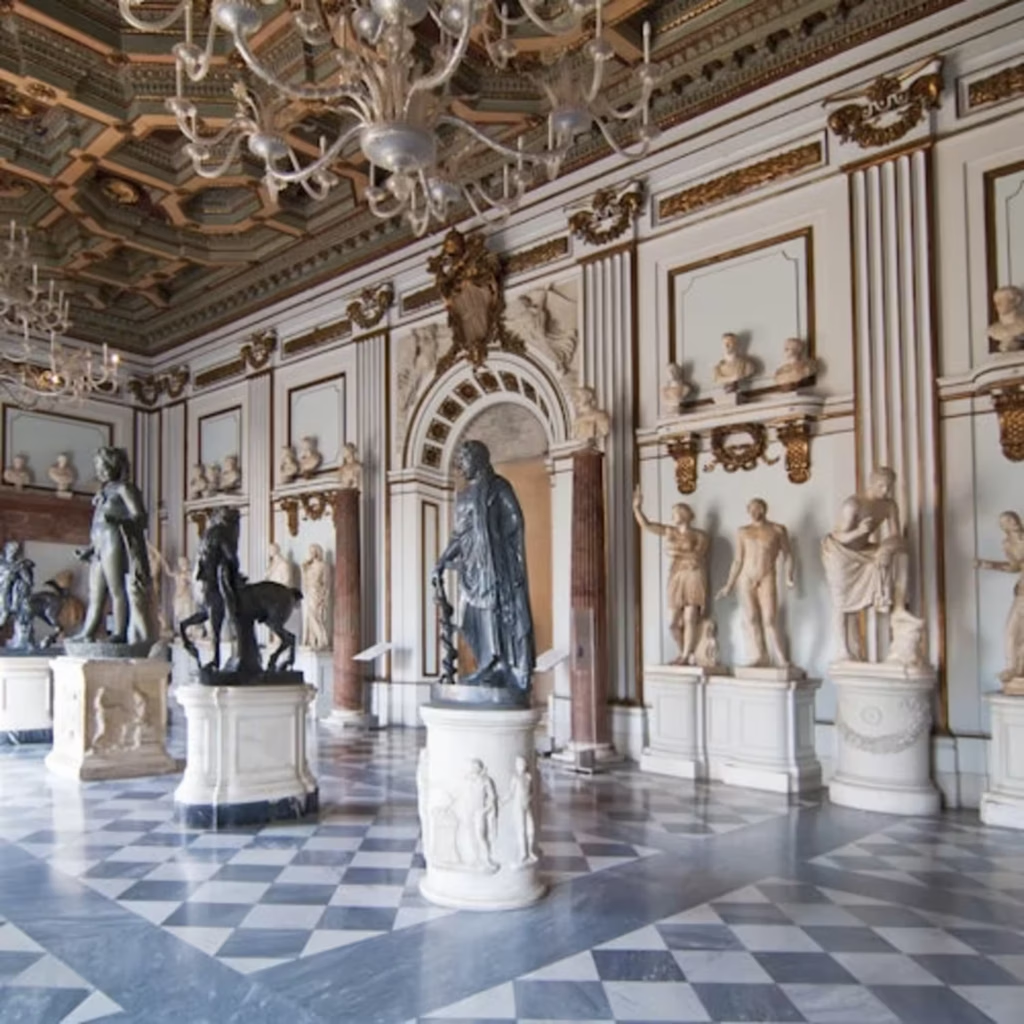
No, and the two are constantly mixed up. The bronze head, hand and globe belong to a different colossal statue and are shown indoors in the Marcus Aurelius Exedra. They arrived on the Capitoline in 1471, fifteen years before the marble fragments were even found.

Was the statue reworked from an earlier emperor?

The Capitoline Museums do not claim that. The face matches a portrait type created around 311 AD, for Constantine's fifth year as Augustus. There is a separate argument that the hand was altered late in his reign, with a sceptre swapped for a Christian symbol.

This website sells official tickets for this venue. Please note, however, that it is not the official website of the venue.

The images and videos on this website may contain visual elements that have been created or enhanced using AI technology. They are provided for illustrative purposes only.