We are processing your request.
Please, don’t close or refresh the page.
Rome Tickets Capitoline Museum Equestrian Marcus Aurelius
Capitoline Musuems Tickets

The Equestrian Statue of Marcus Aurelius: Rome's Only Surviving Bronze Emperor on Horseback

The equestrian statue of Marcus Aurelius is the last Roman emperor still standing on his own bronze horse, out of dozens once cast across the empire. This page covers the statue itself: how it survived, why Michelangelo built a piazza around it, and why the version you see outside today isn't the original. For the museum's full history and collection, see our about page; for opening times or directions, use our dedicated visitor pages.

Why the Marcus Aurelius Statue Still Matters

It's the only large bronze equestrian statue of a Roman emperor to survive from antiquity; more than twenty similar statues were melted down in the Middle Ages.

It survived because medieval Romans mistook it for Constantine, the first Christian emperor, rather than a pagan one, so it escaped the melting pot.

Marcus Aurelius rides without stirrups, correctly for his era: stirrups hadn't reached Roman cavalry yet.

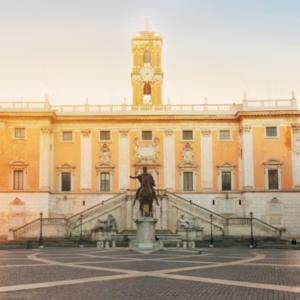
Michelangelo positioned it at the exact center of Piazza del Campidoglio in 1538, the anchor for his entire redesign of the square.

The original stood outdoors for roughly 450 years before pollution damage forced its move indoors in 1990.

It appears today on Italy's own 50-cent euro coin.

It briefly held Rome's tricolor flag during the short-lived Roman Republic of 1849.

Relief panels from a separate, lost triumphal arch honoring Marcus Aurelius also survive and are on display in the same museum.

An Emperor Mistaken for a Saint

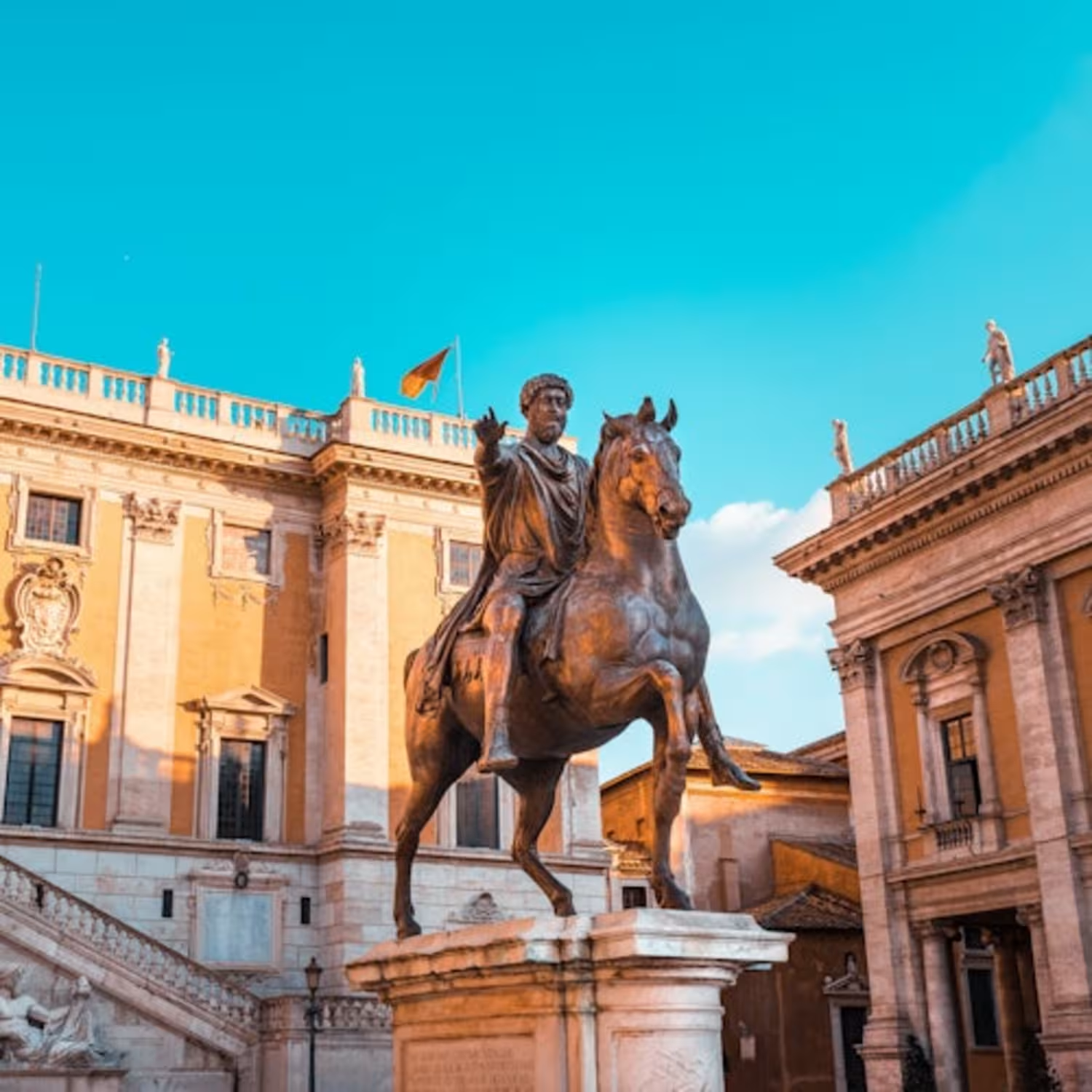
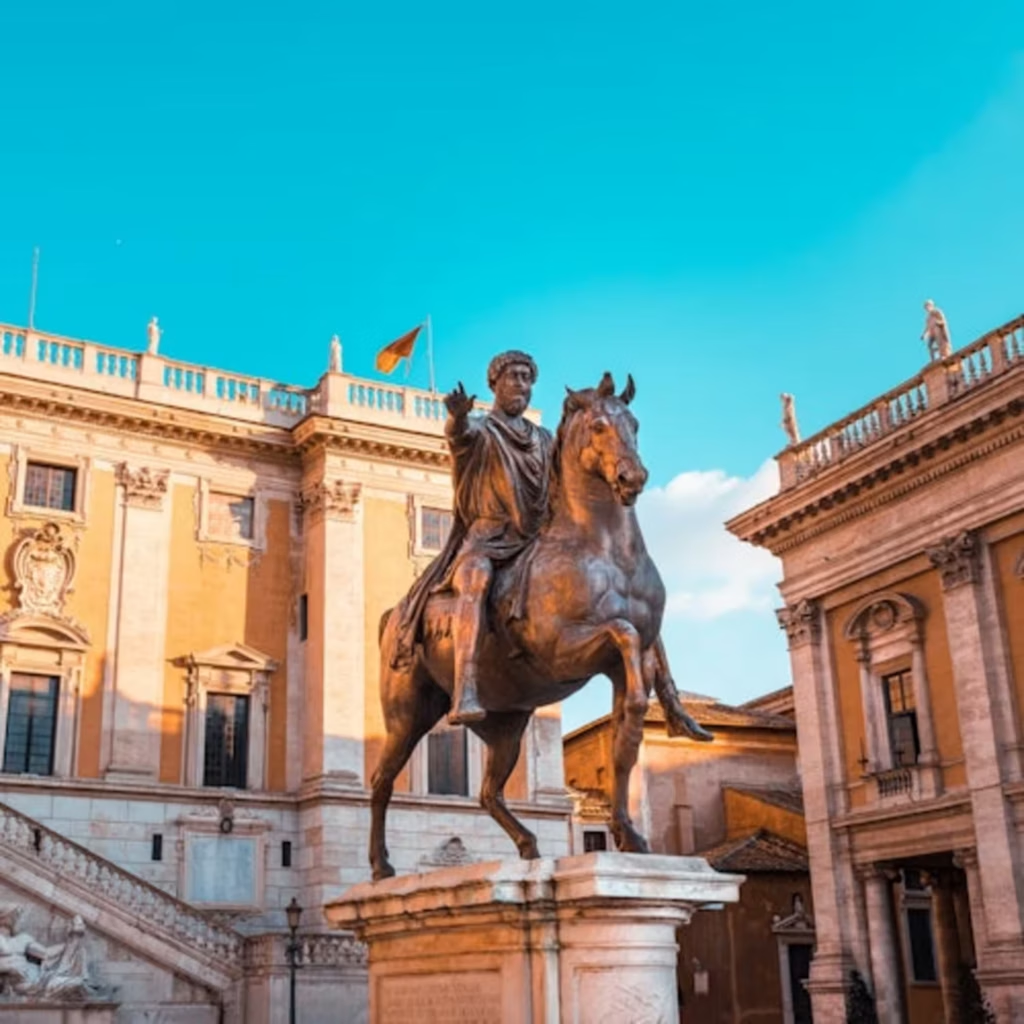
The equestrian statue of Marcus Aurelius

Cast in bronze around 175 AD, the statue shows Marcus Aurelius mounted, one arm raised in the gesture Romans called adlocutio, an emperor addressing his troops or people. It's one of dozens of imperial equestrian bronzes that once stood across Rome.

Almost none of the others survive. Medieval Christians routinely melted down pagan emperors' bronze statues to reuse the metal, and more than twenty equestrian monuments like this one were lost that way. This statue escaped only because it was misidentified as Constantine, the first Christian Roman emperor, likely after Constantine's own equestrian statue near the Arch of Septimius Severus was removed in 663 AD.

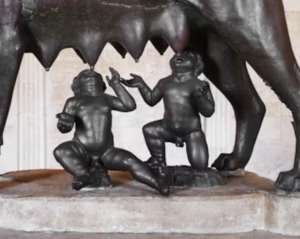
By 1474, the statue stood in the Campus Lateranensis near the Lateran Palace, on a pedestal provided by Pope Sixtus IV, the same pope behind the Capitoline Wolf donation three years earlier.

Michelangelo's Reluctant Centerpiece

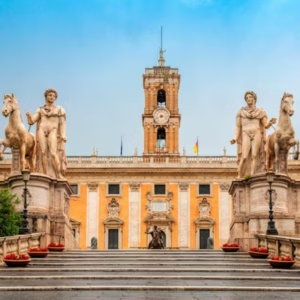
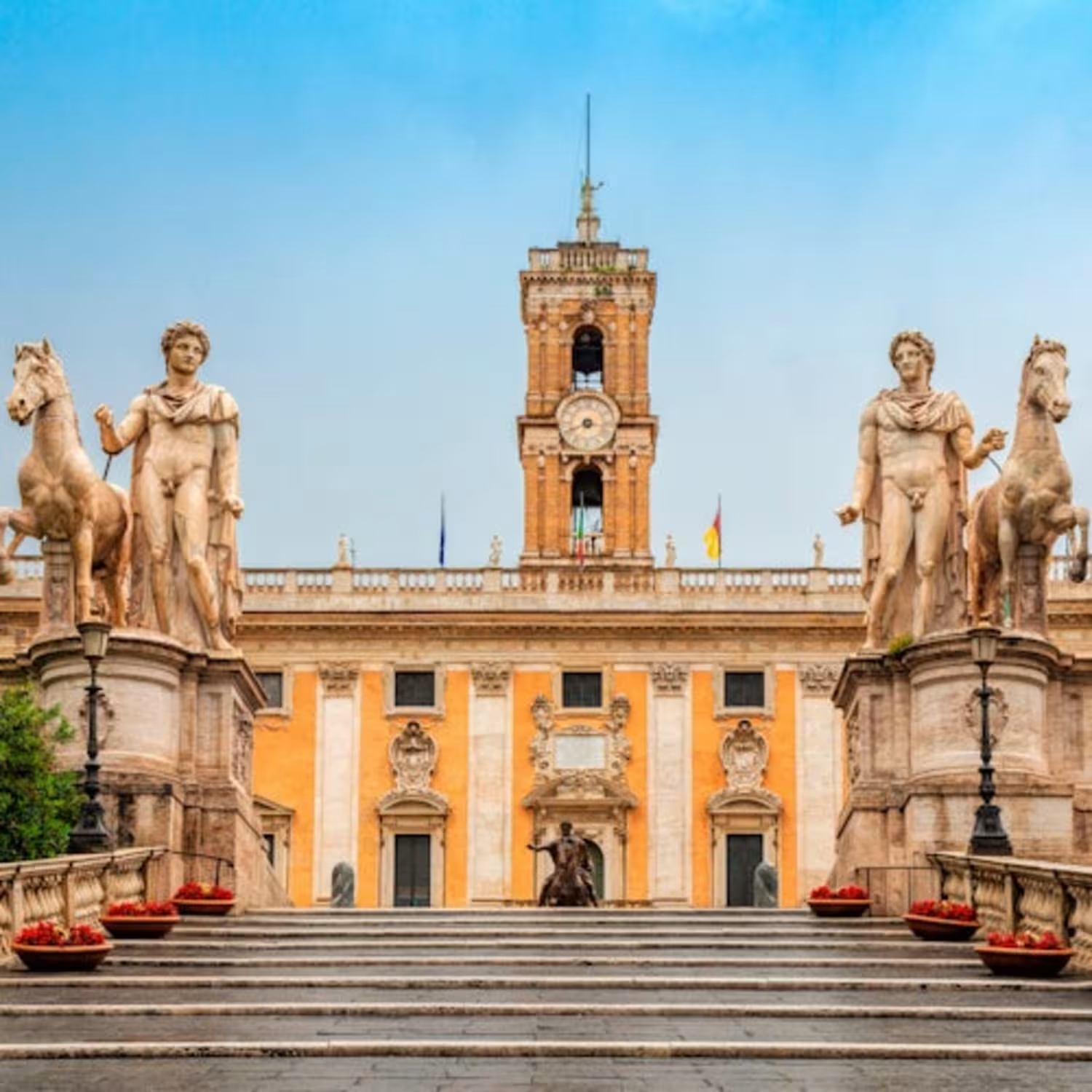
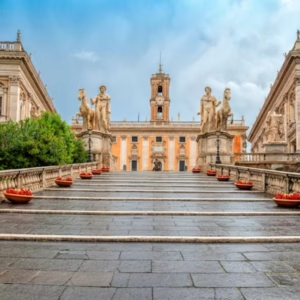
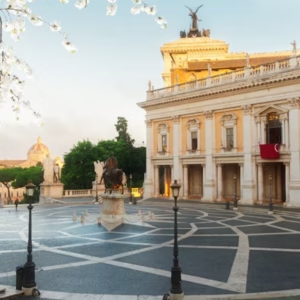
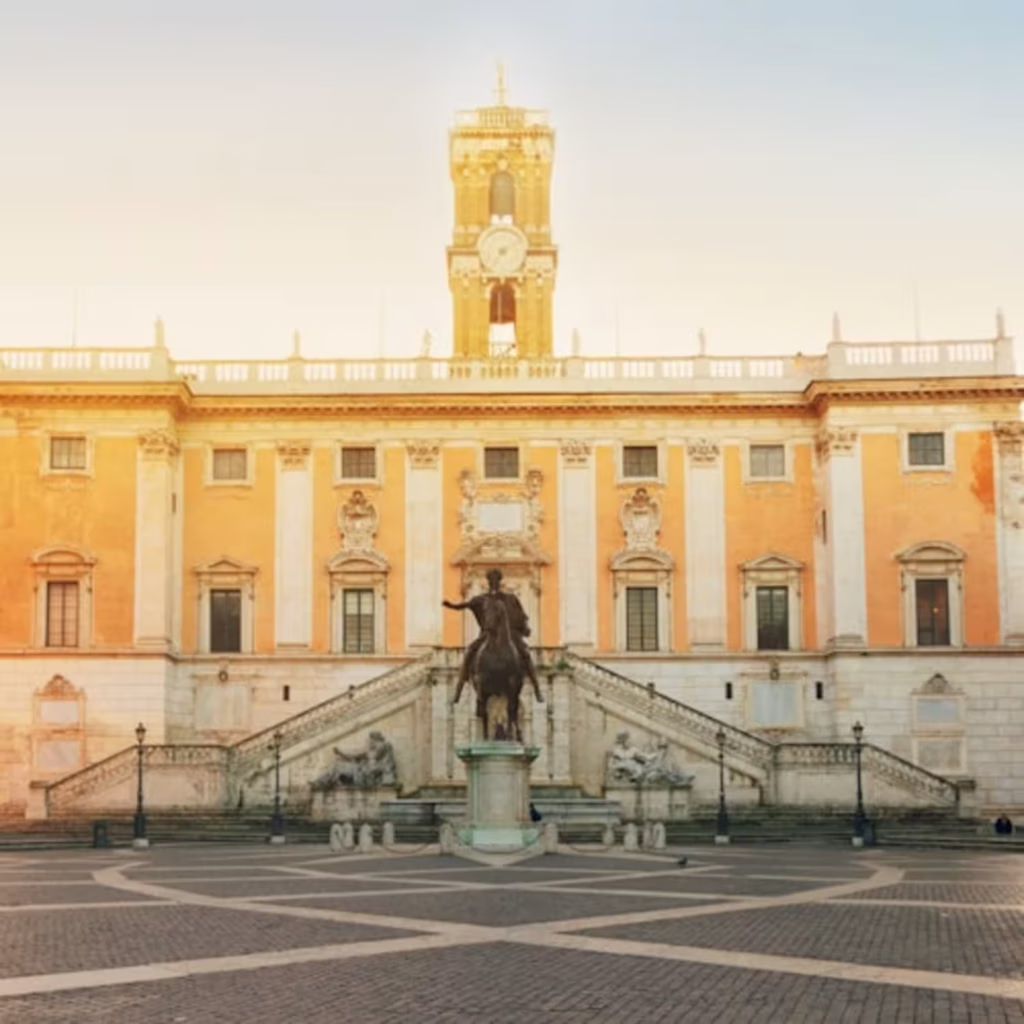
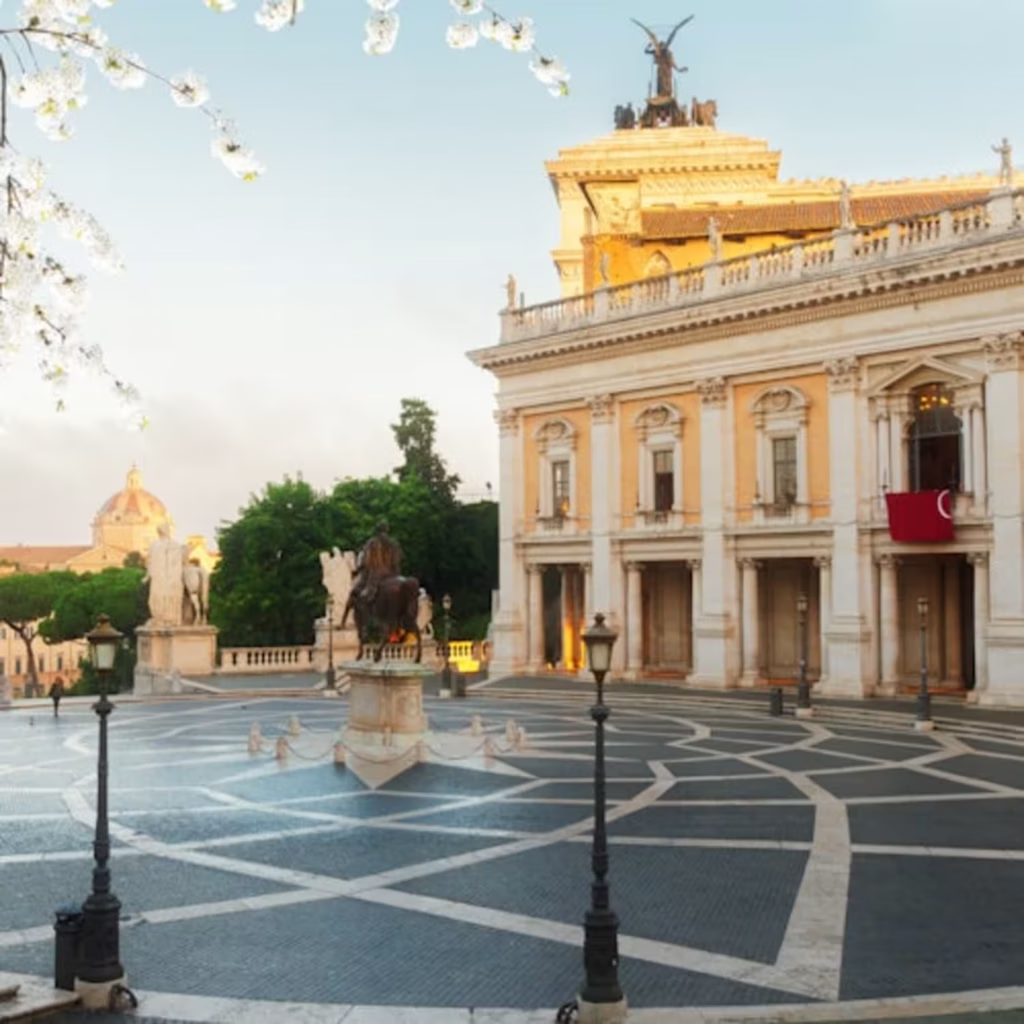
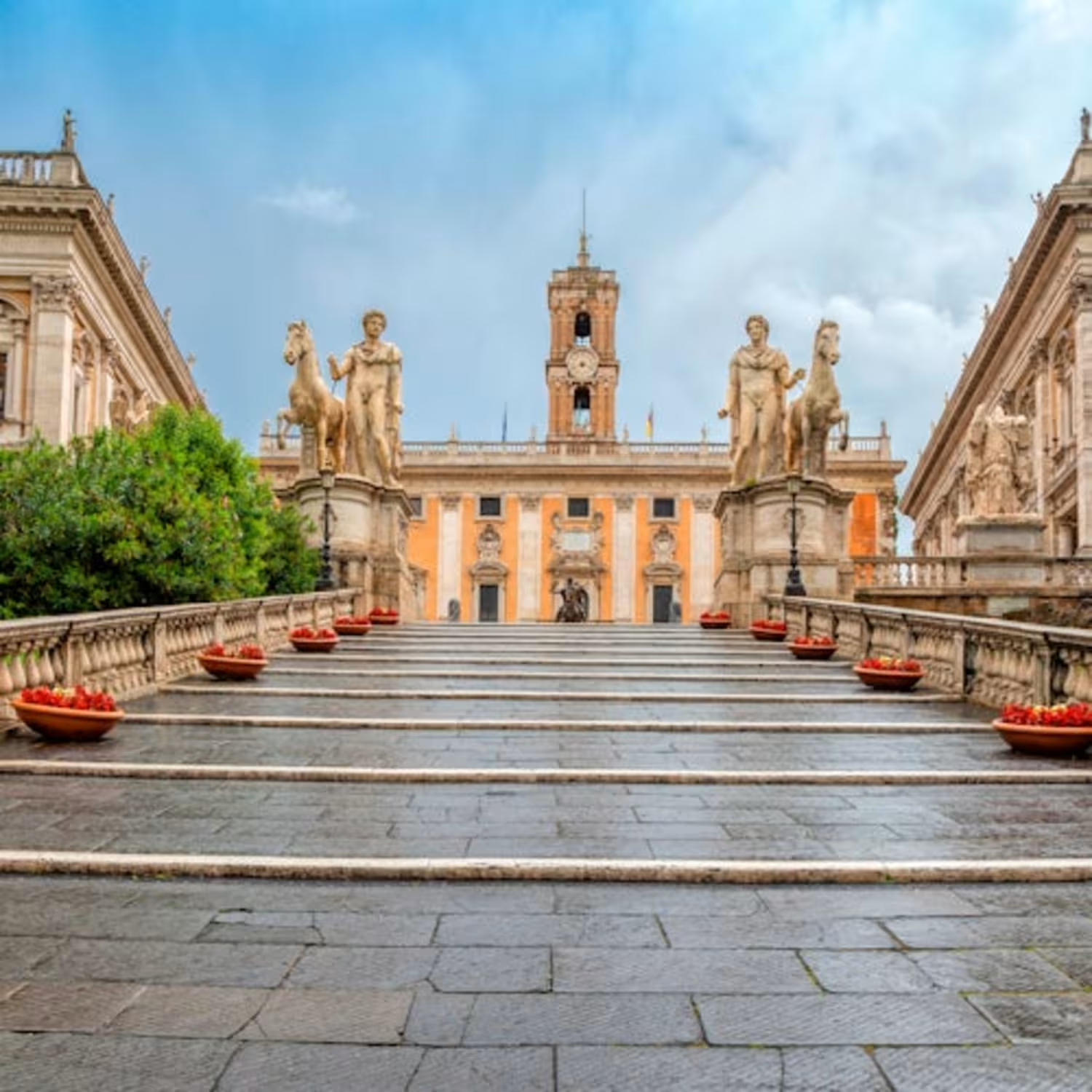
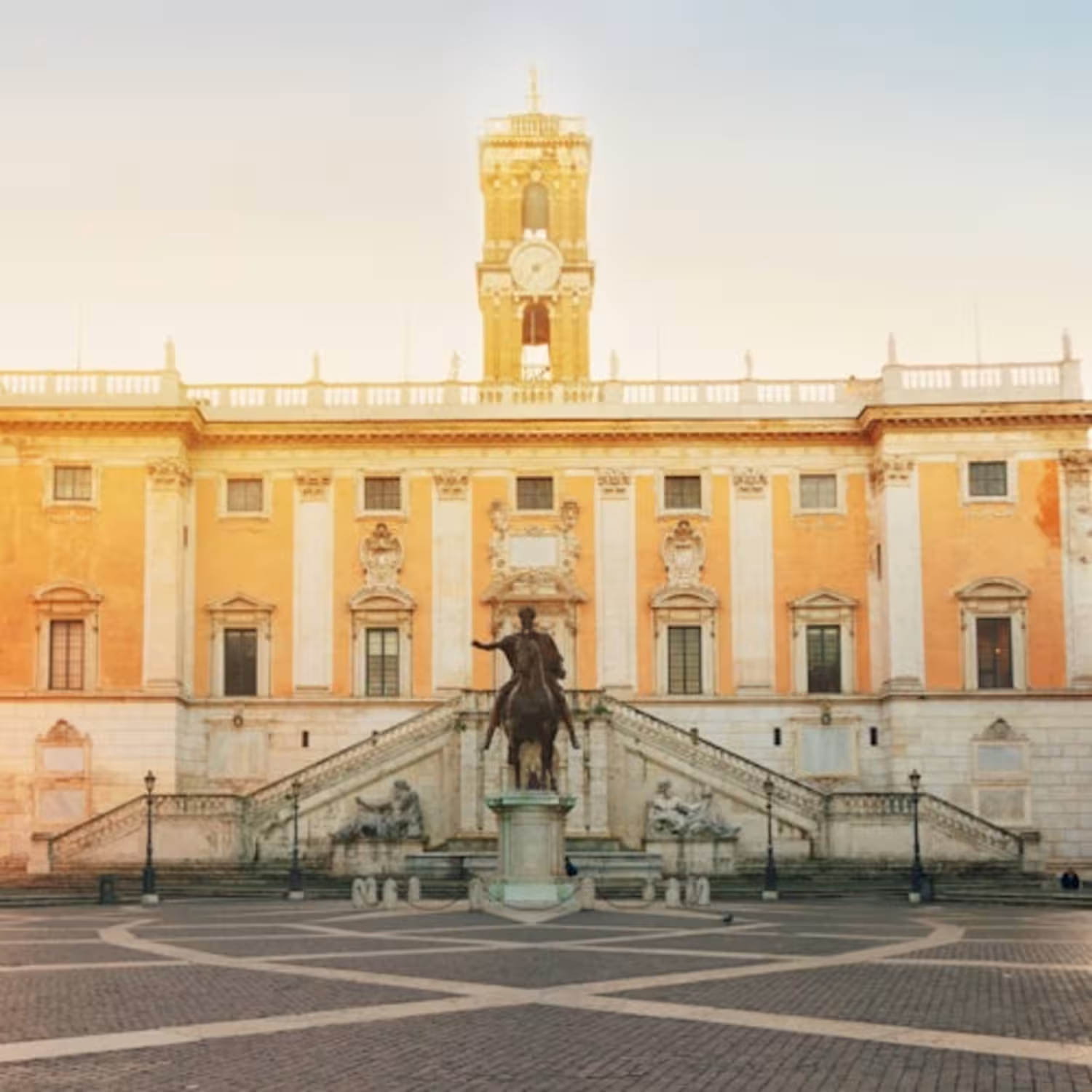
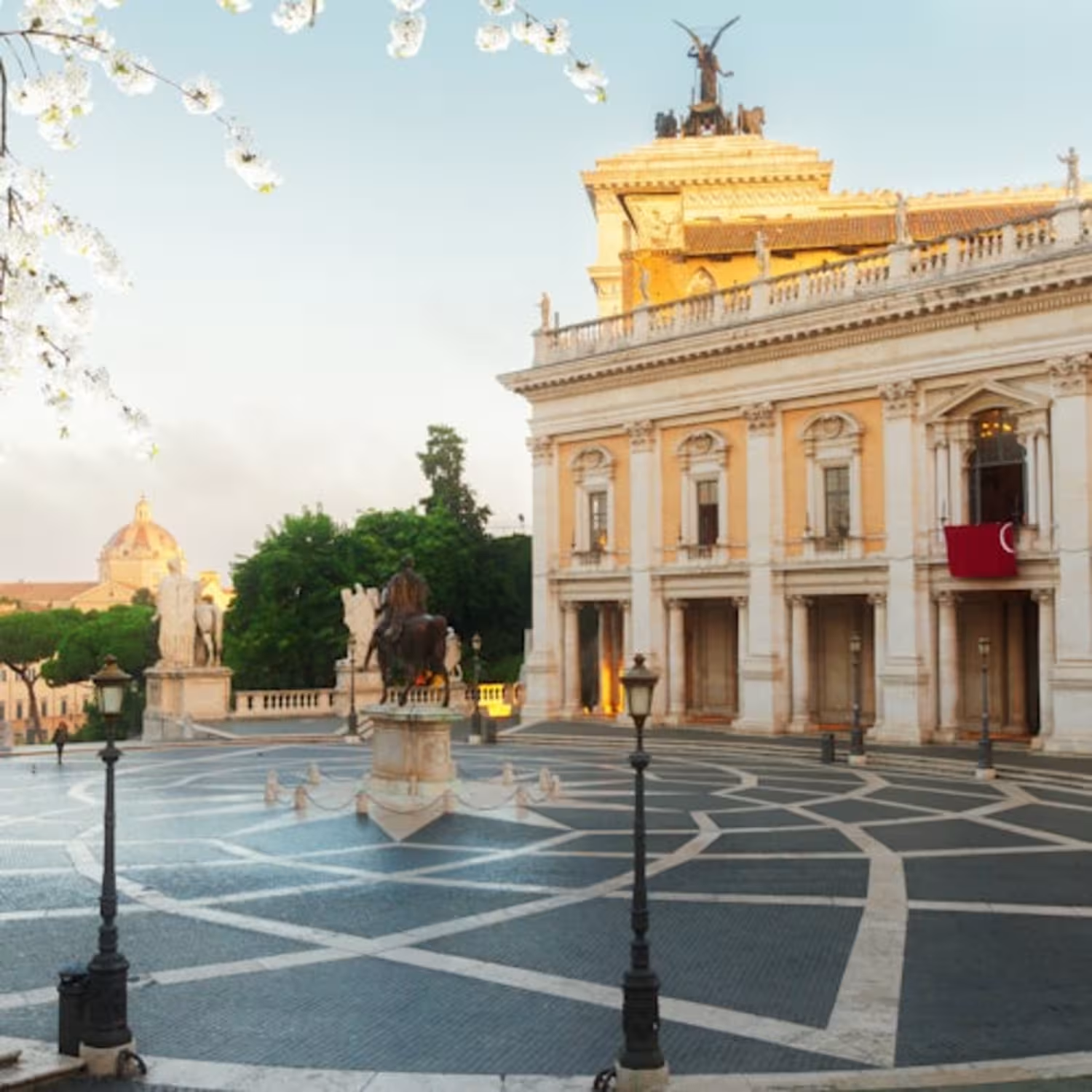
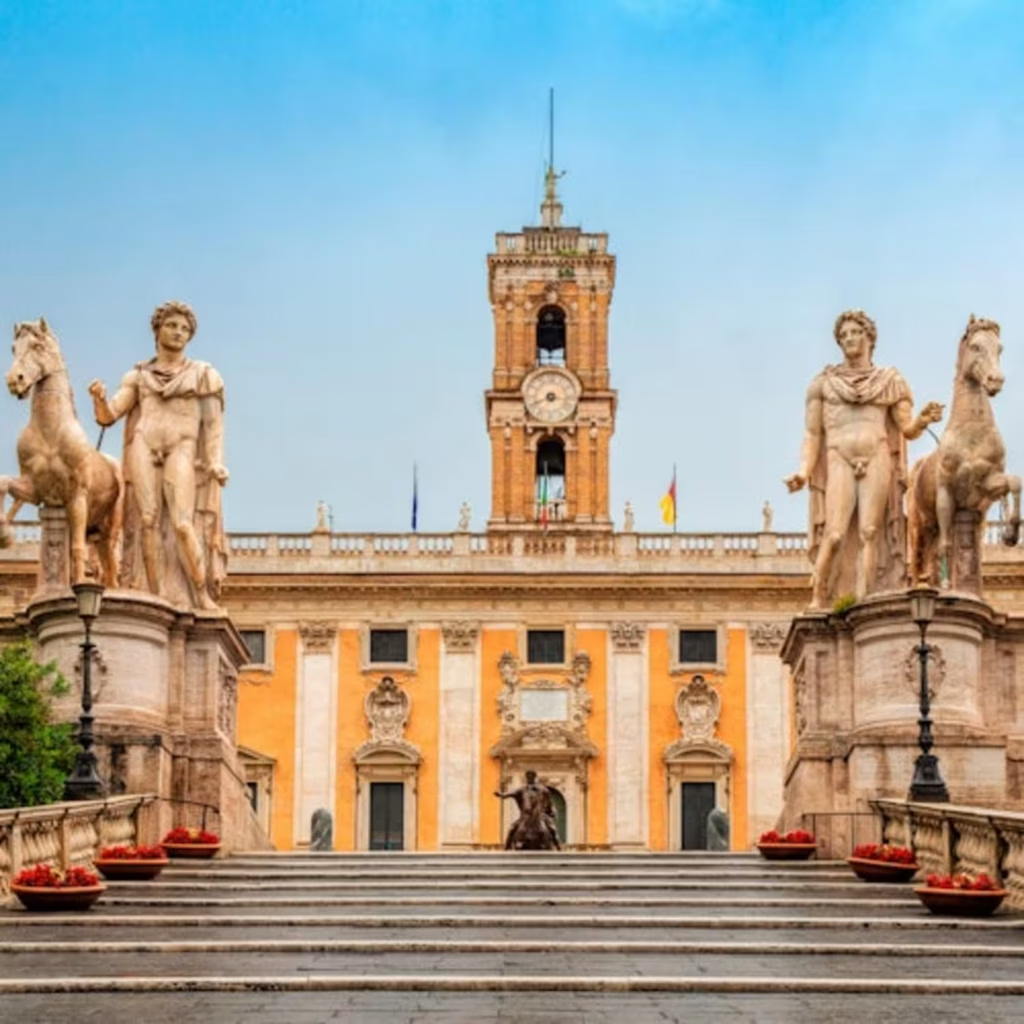
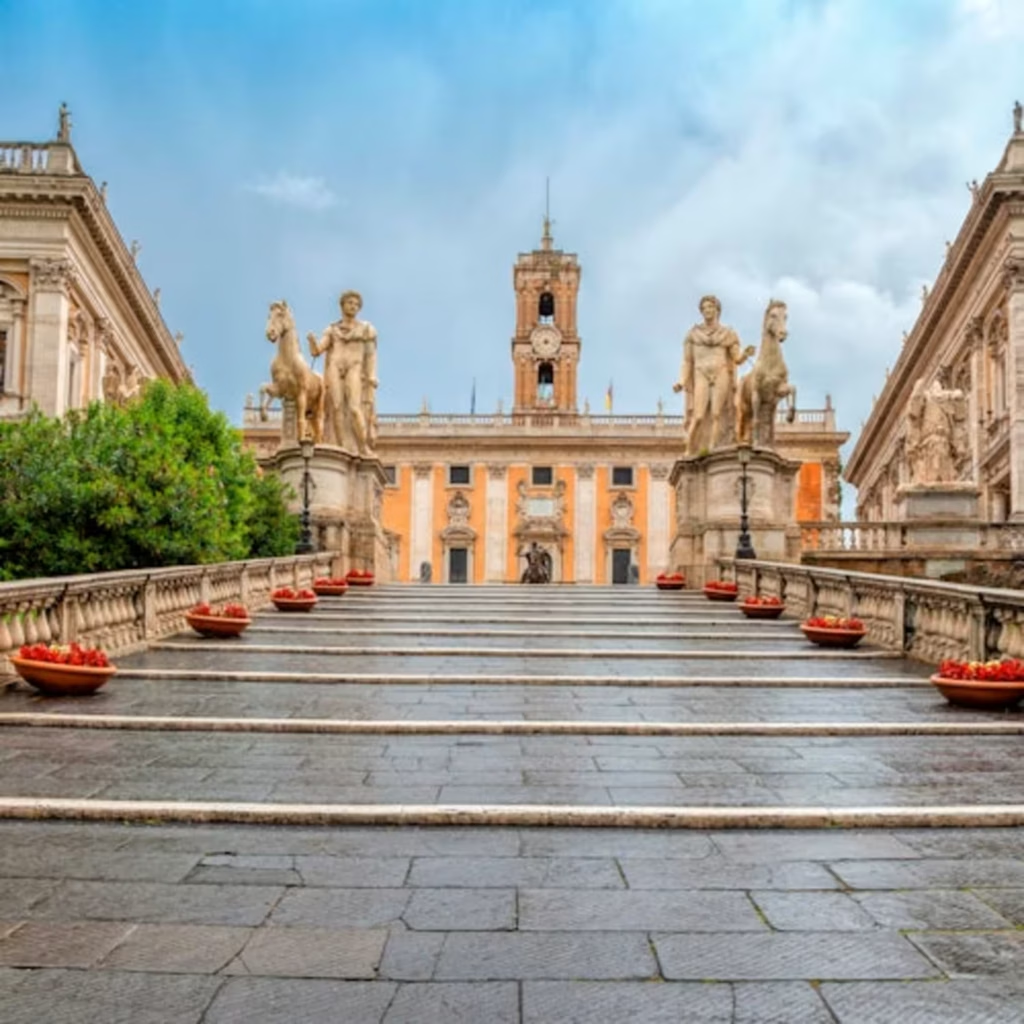
Piazza del Campidoglio, designed by Michelangelo

In 1538, Pope Paul III had the statue moved from the Lateran to the Capitoline Hill, where Michelangelo was about to redesign the piazza for a state visit by Holy Roman Emperor Charles V. Michelangelo is said to have disagreed with placing it dead center of the square, but he designed its pedestal anyway, and the statue became the fixed point his entire trapezoidal piazza was built around.

For the history of the piazza itself, Michelangelo's star pavement included, see our about page; this page stays with the statue.

From the Piazza to the Glass Exedra

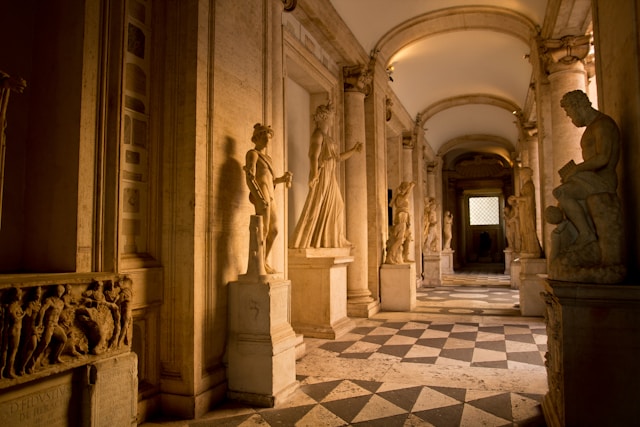
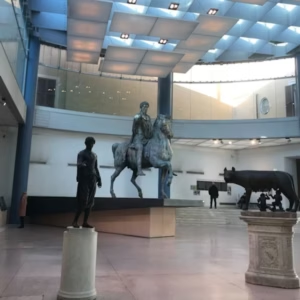
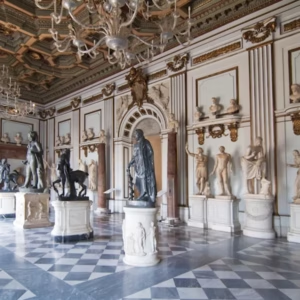
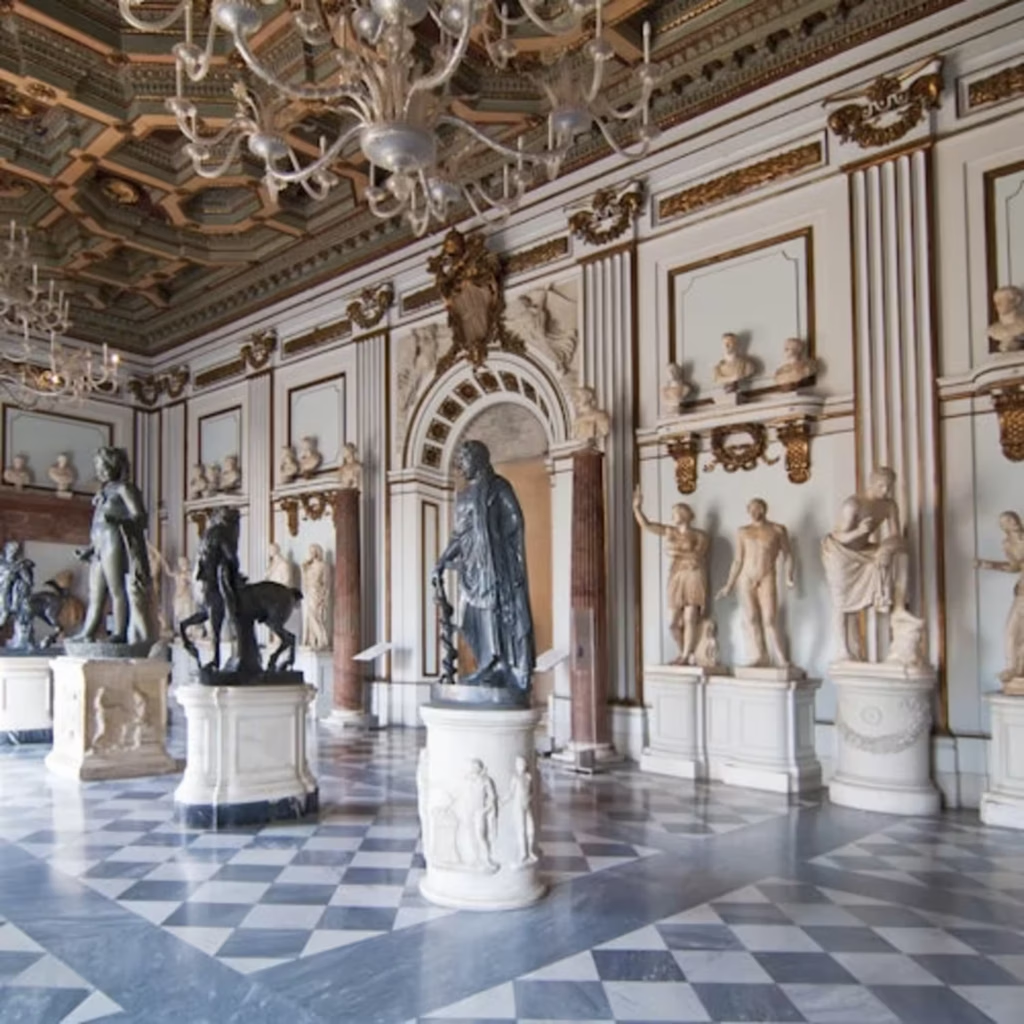
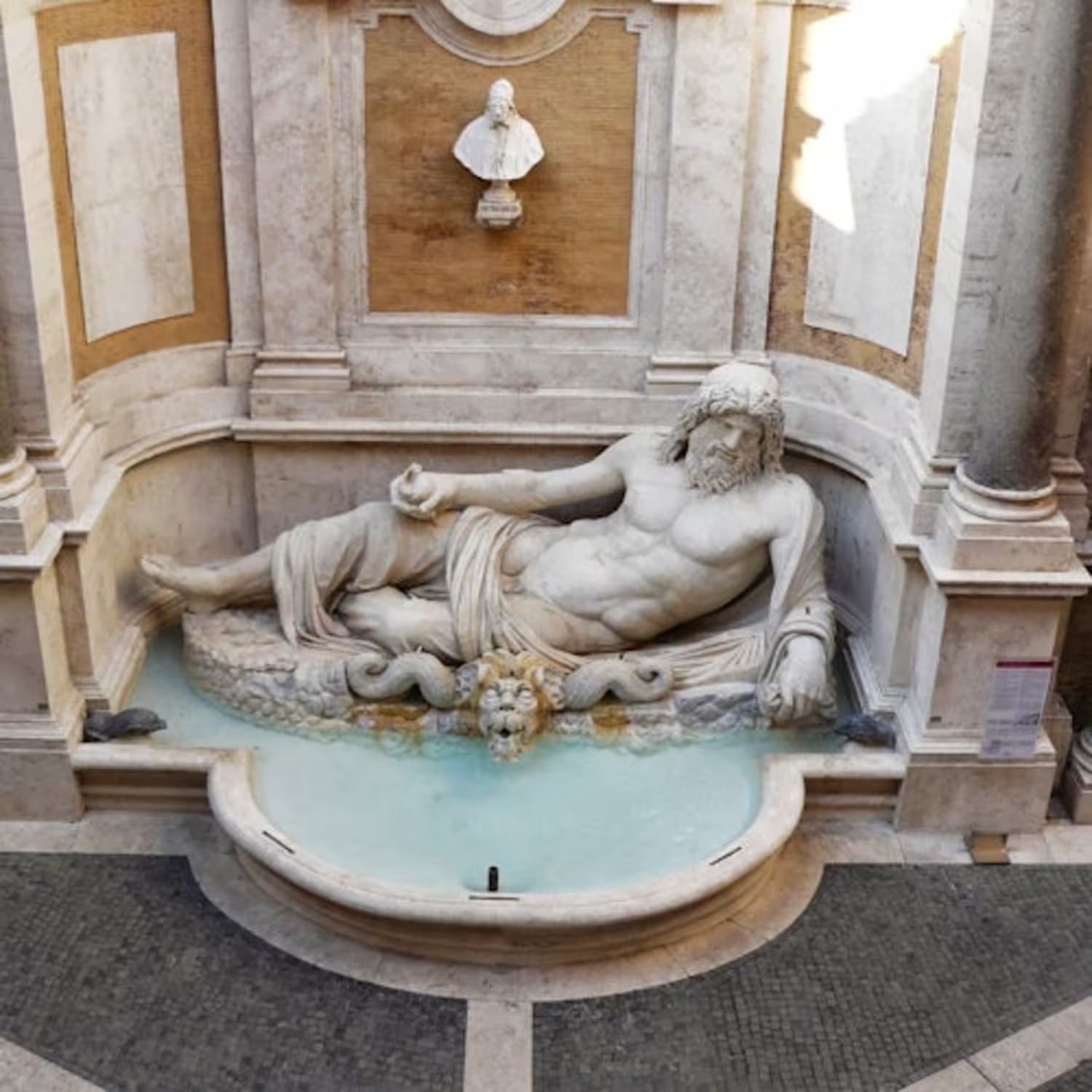
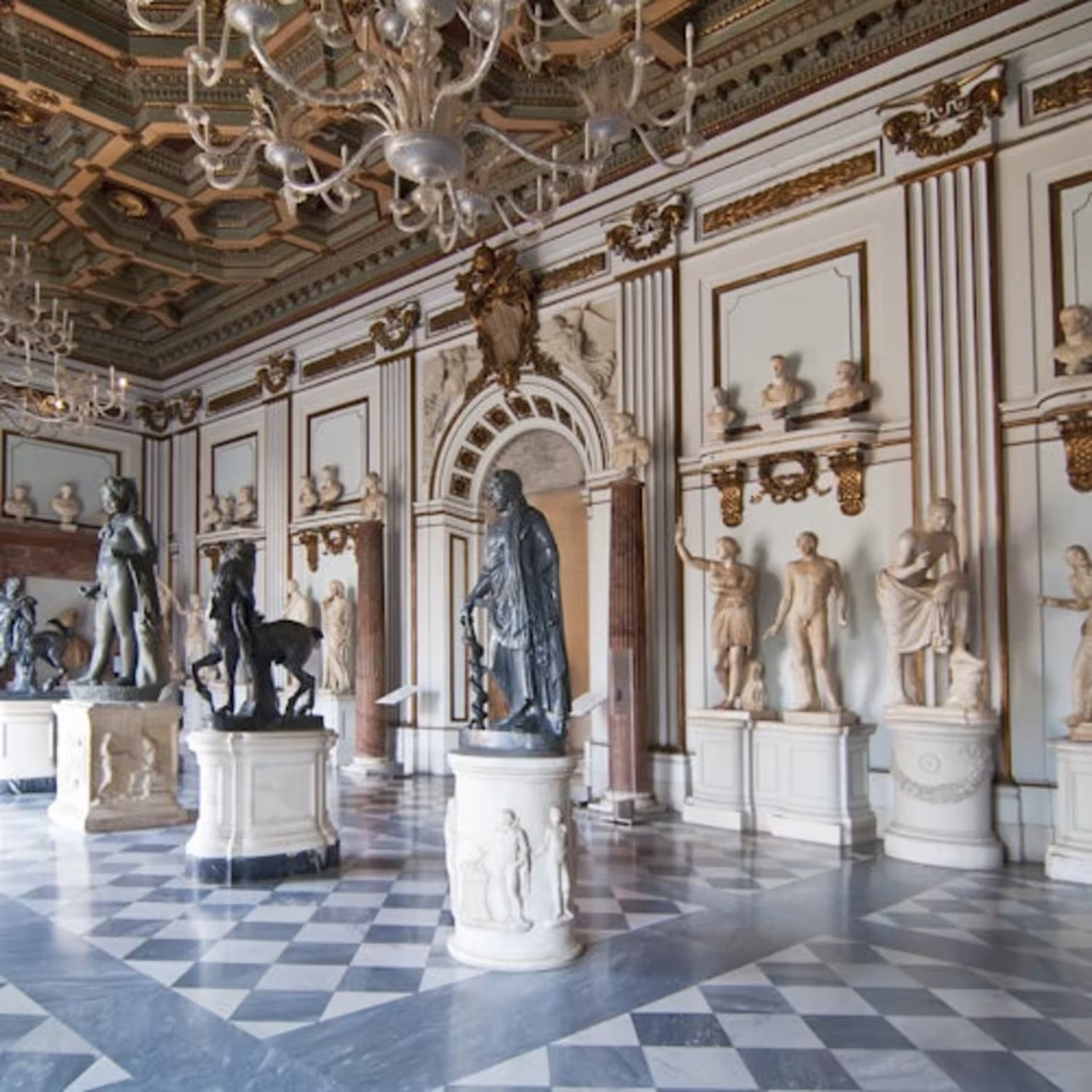
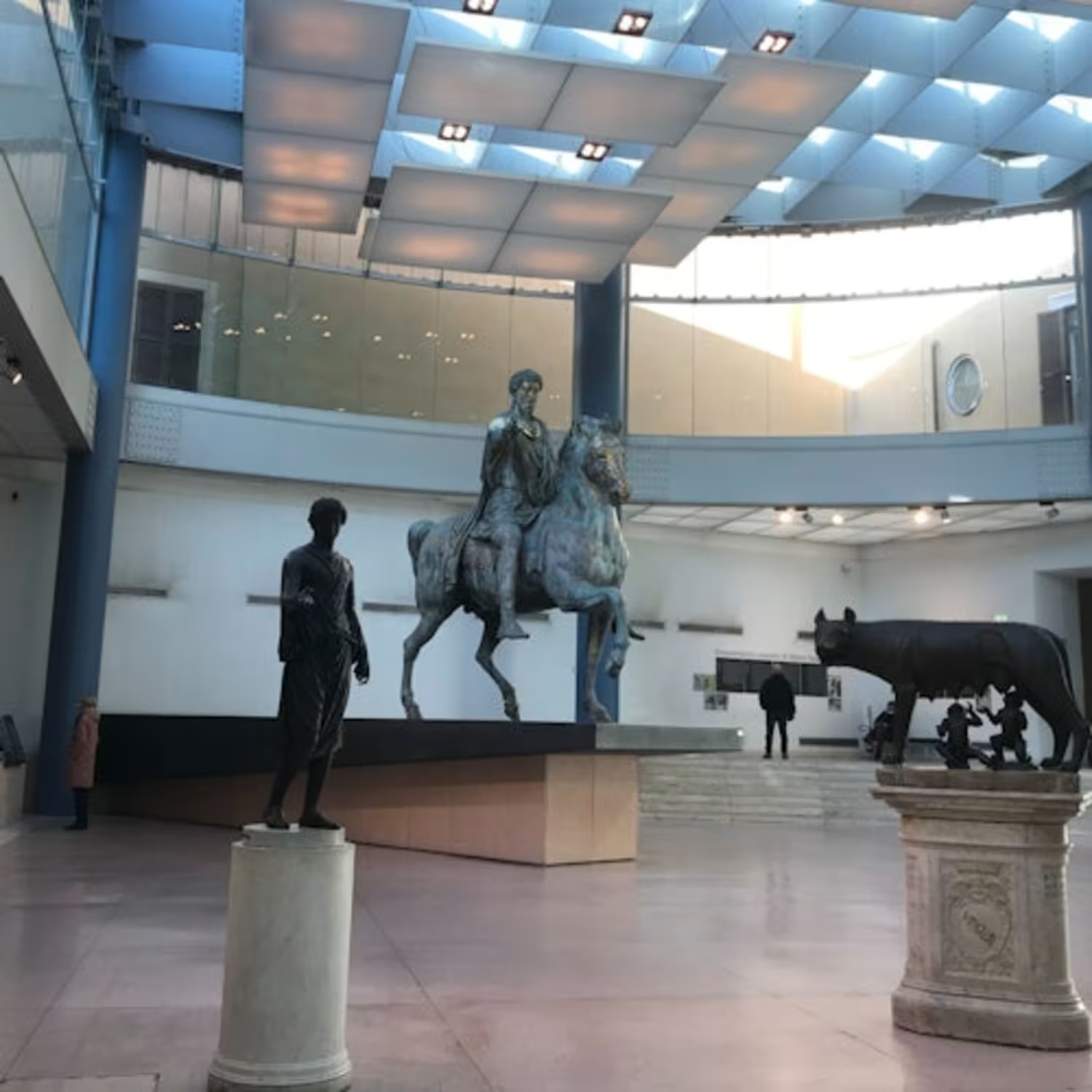
Inside the Capitoline Museums complex

A 1979 bomb attack at the neighboring Palazzo Senatorio damaged the statue's marble base, adding to decades of harm from Rome's air pollution. In 1981, restorers used digital imaging and laser measurements to record the bronze in detail, a step toward the restoration that followed.

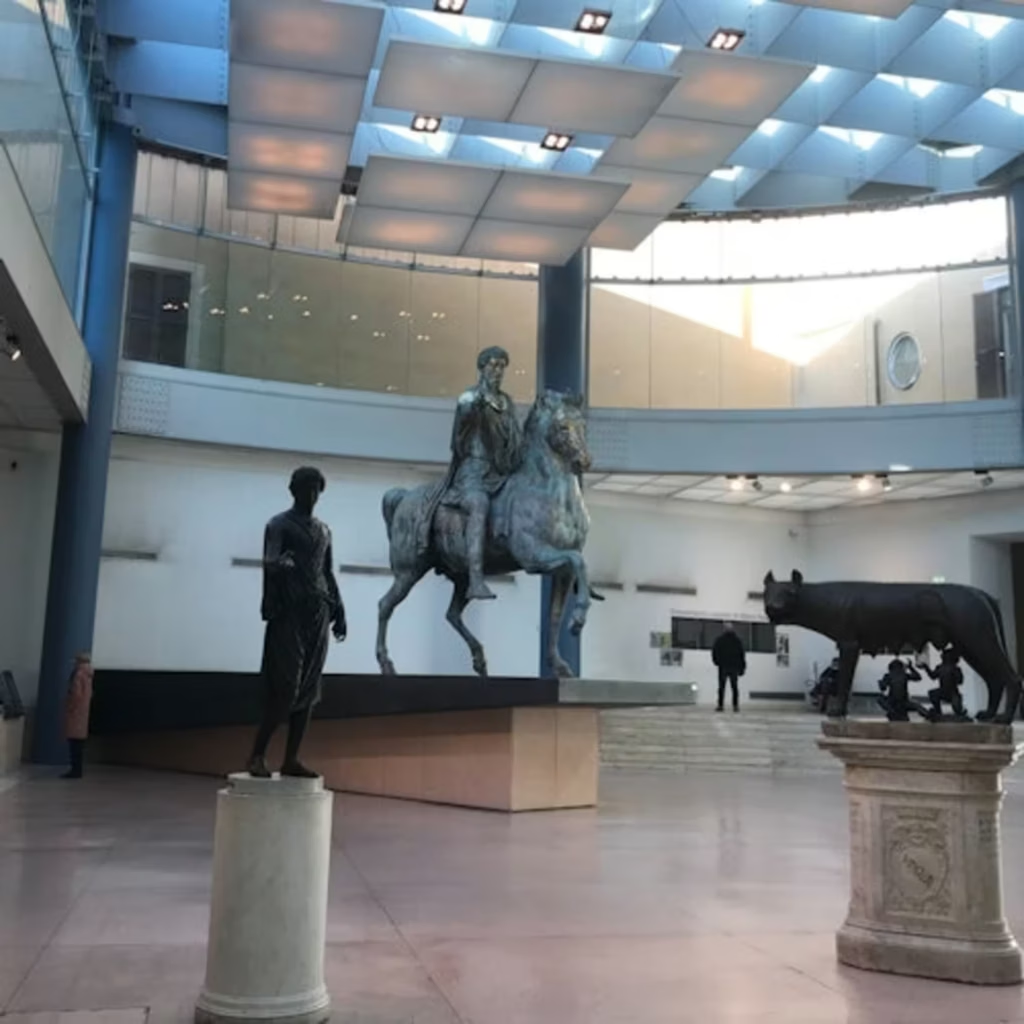
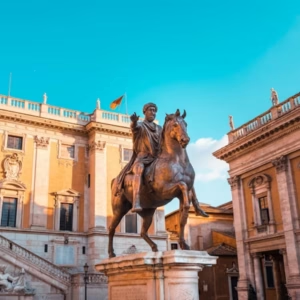
The original was finally moved indoors in 1990, into a purpose-built glass room in the Palazzo dei Conservatori now called the Exedra of Marcus Aurelius. In 1996, a bronze replica, matching the original's volumes but not its ancient gilding, took its place in the piazza outside, which is the statue most visitors photograph today.

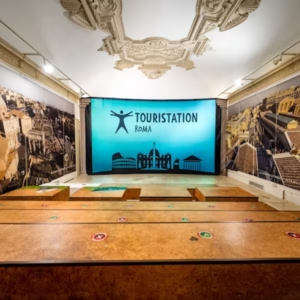
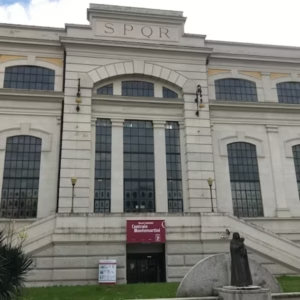
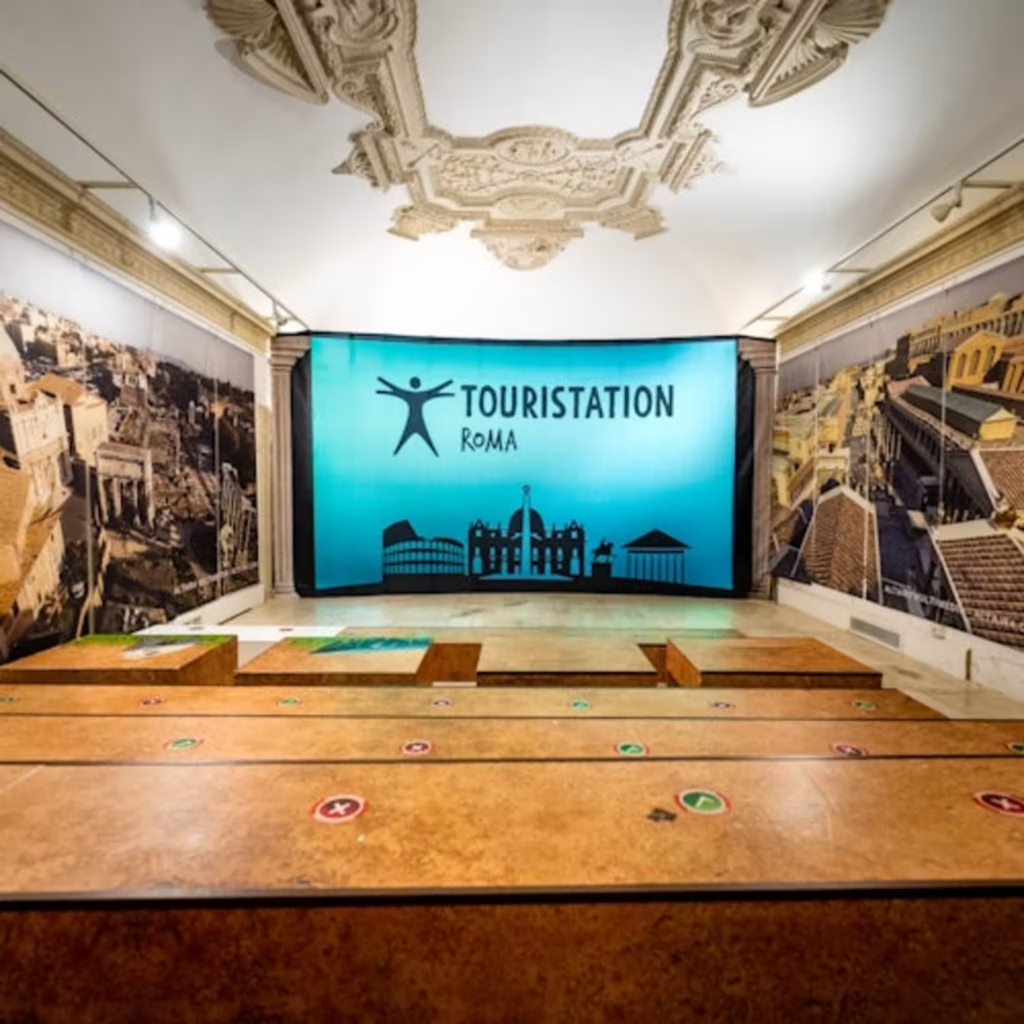
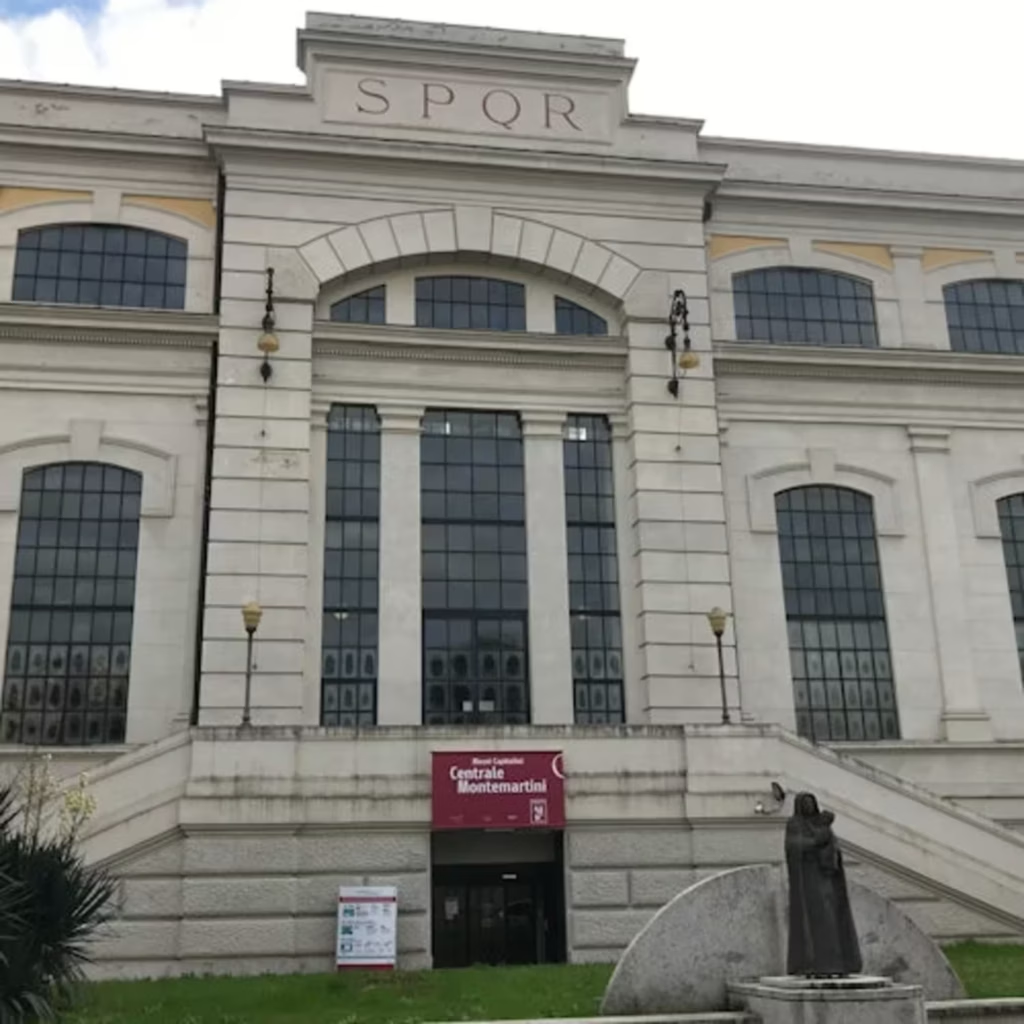
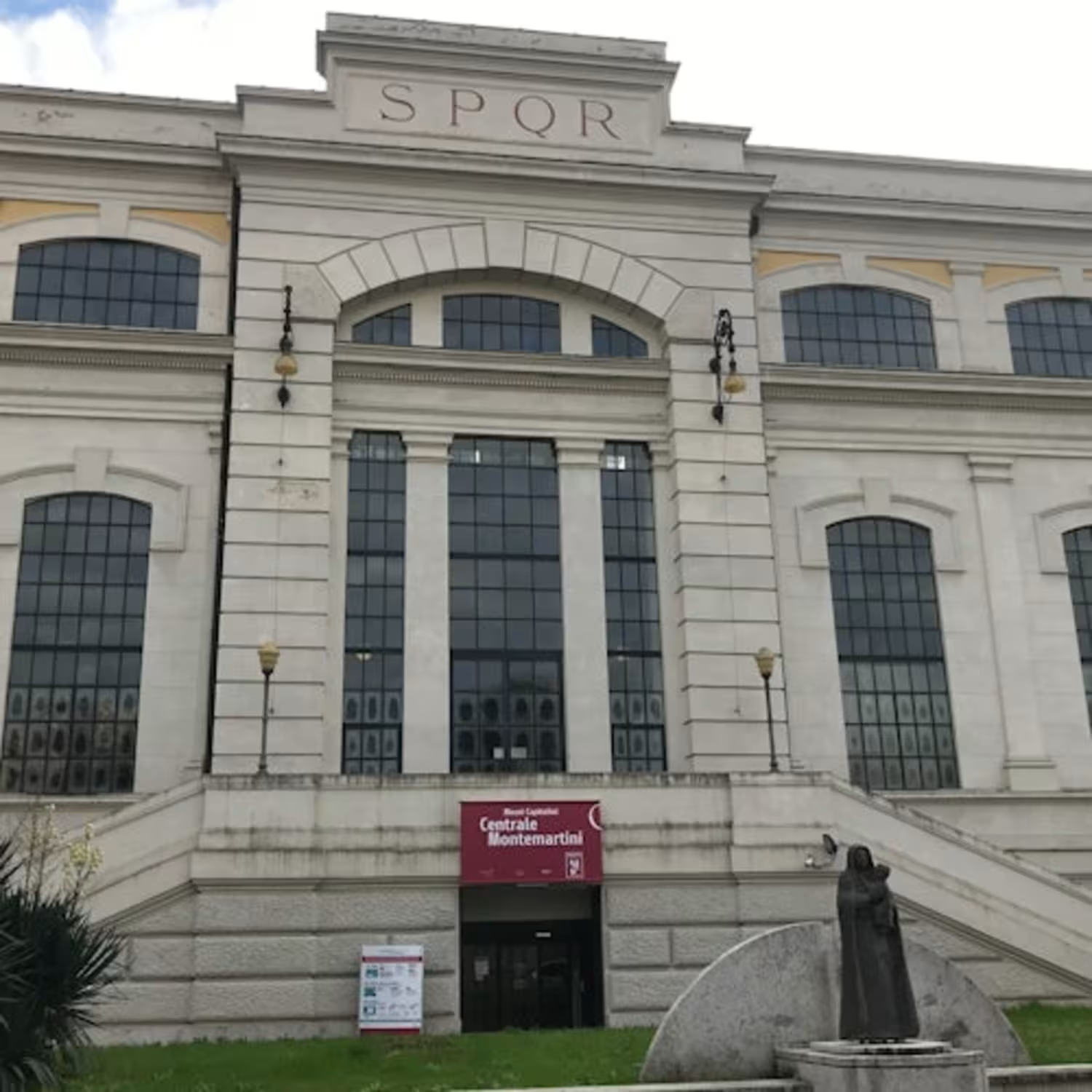
Capitoline Museums and Centrale Montemartini with multimedia video

Highlights

Avoid queues with skip-the-line access to two notable Roman sites.

Explore extensive collections of art and artifacts at your own pace.

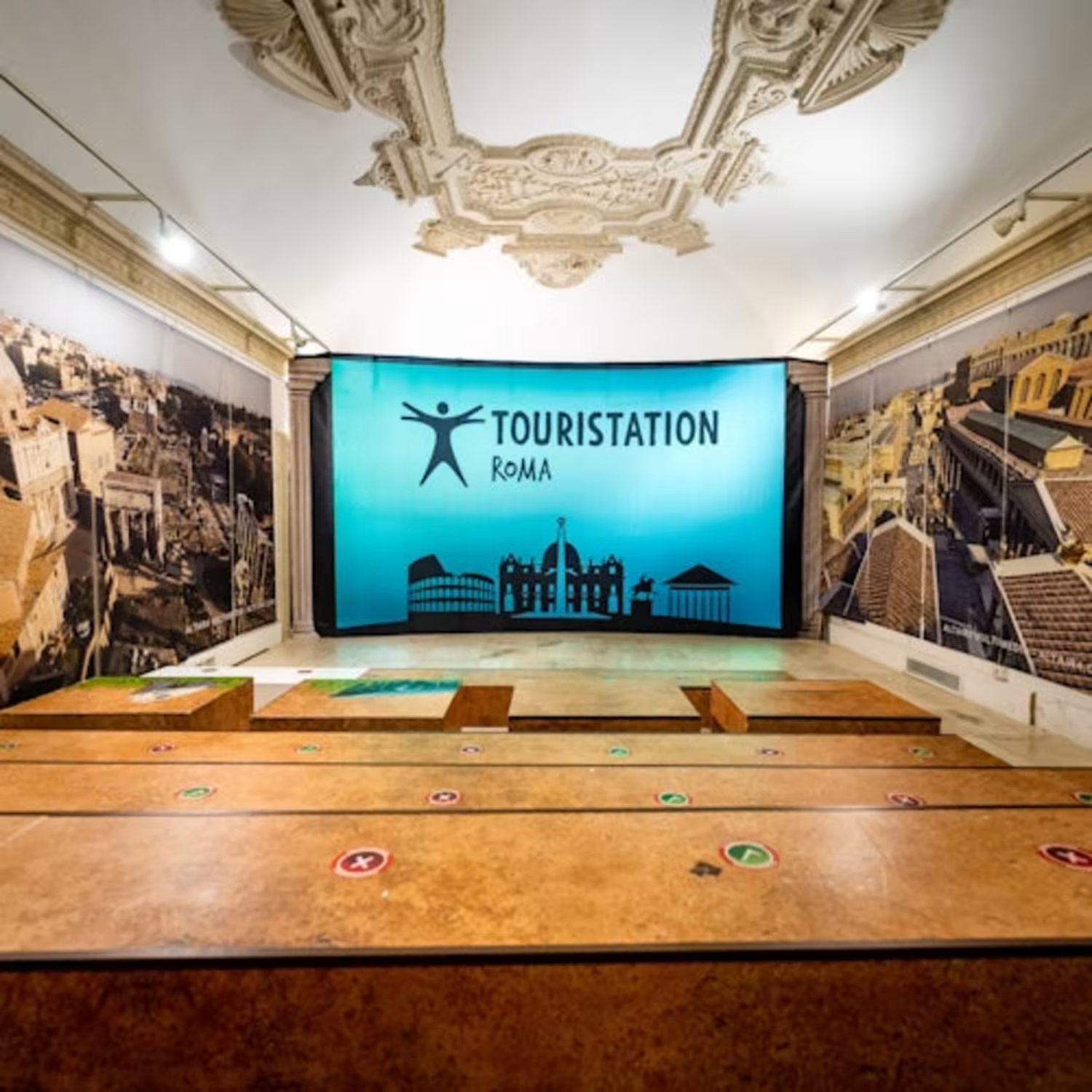
Experience an engaging multimedia video about ancient Rome.

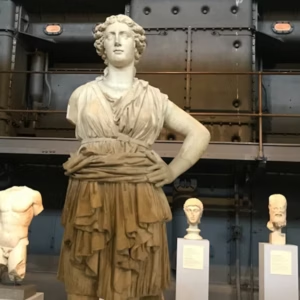
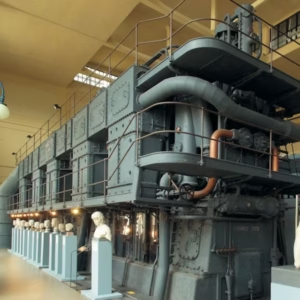
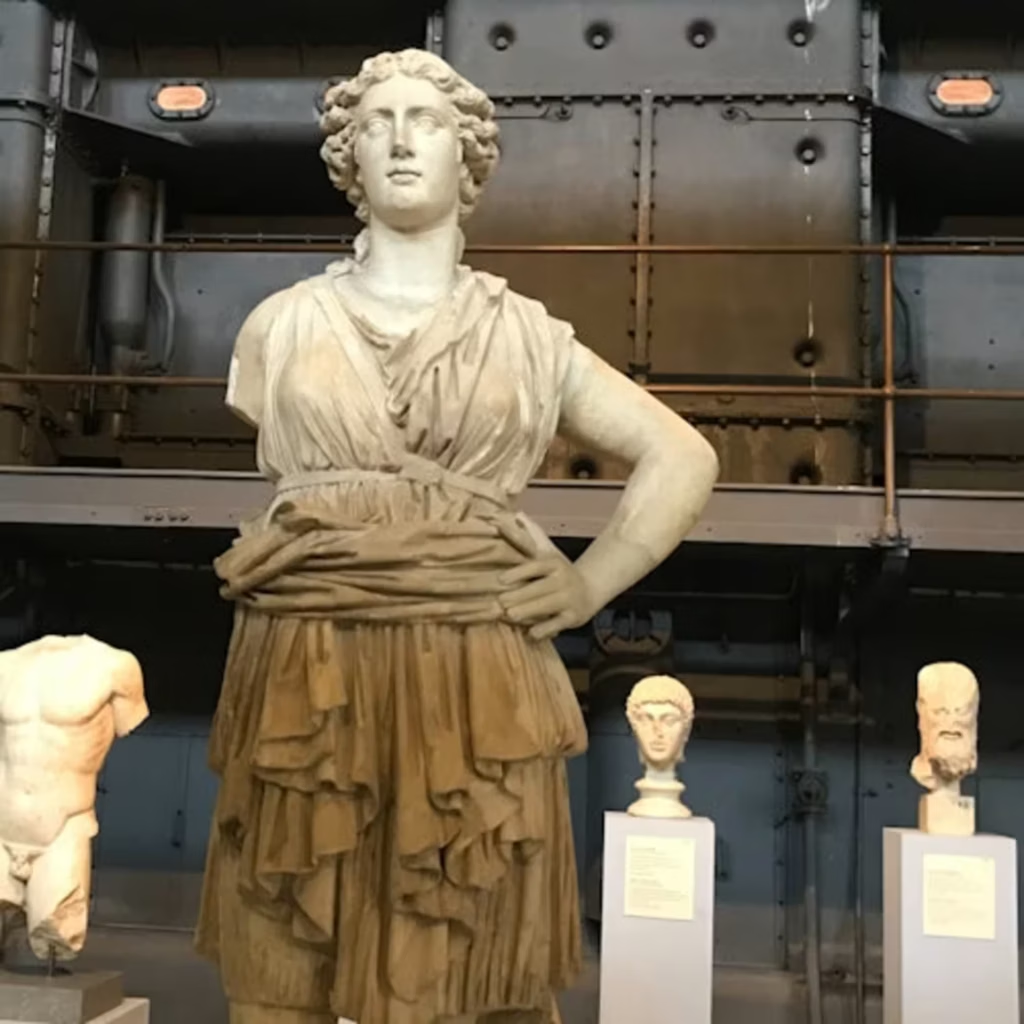
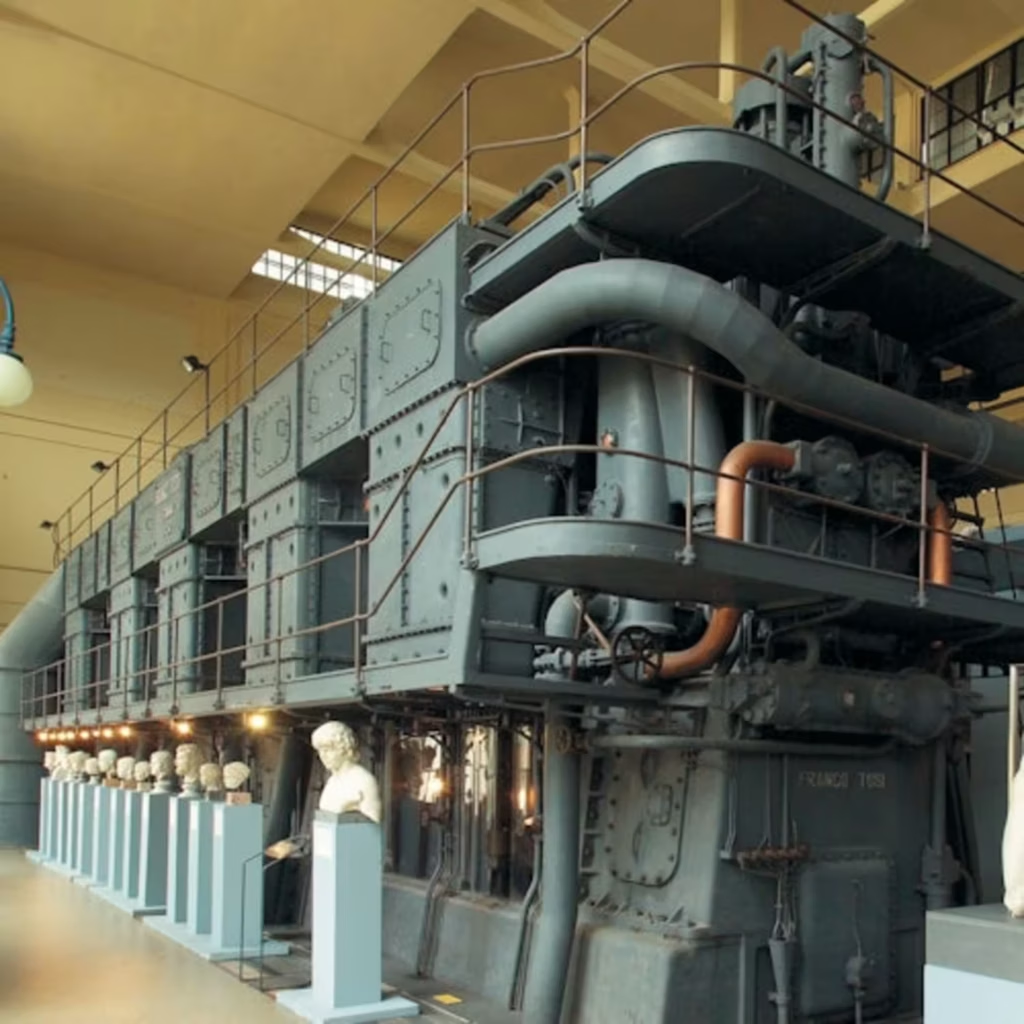
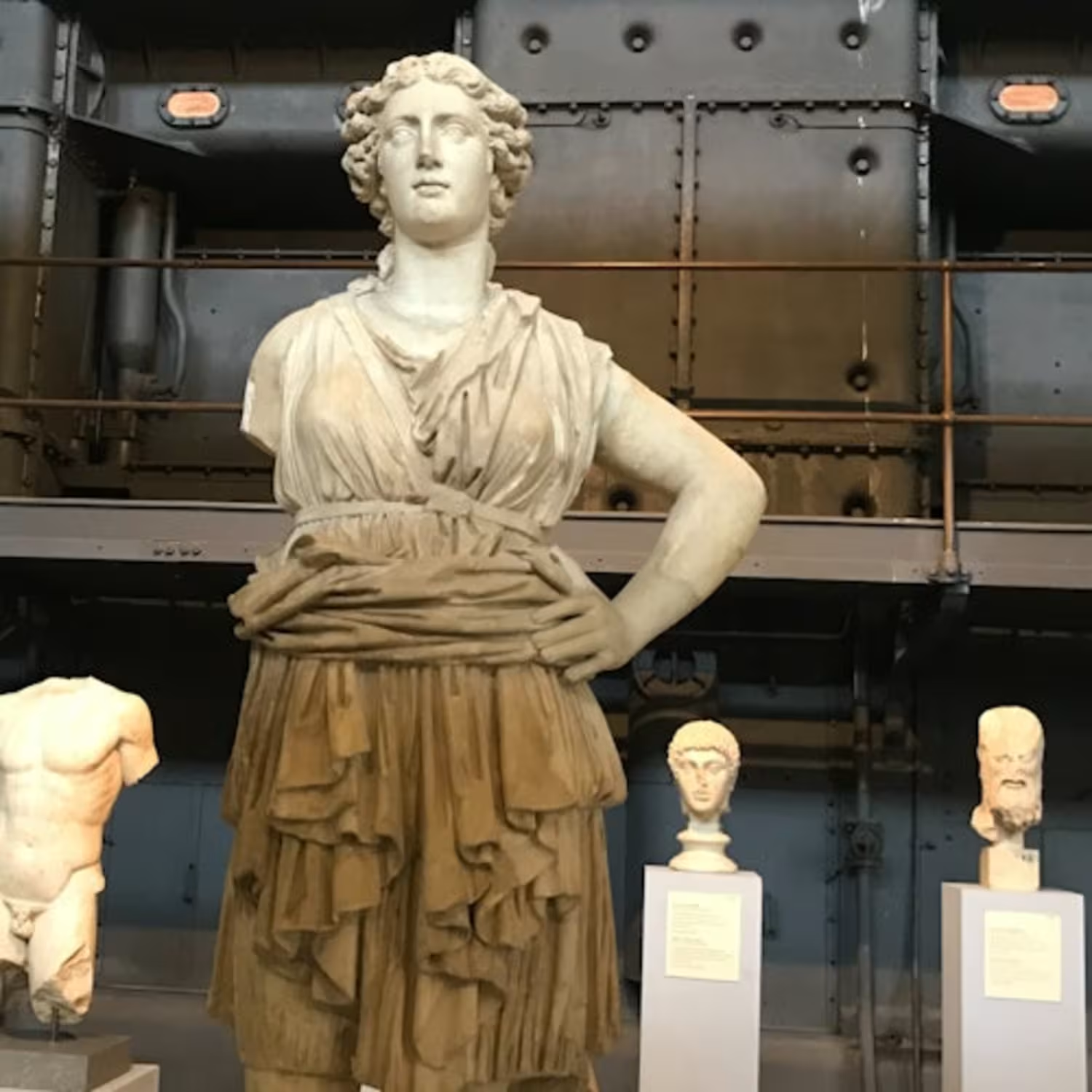
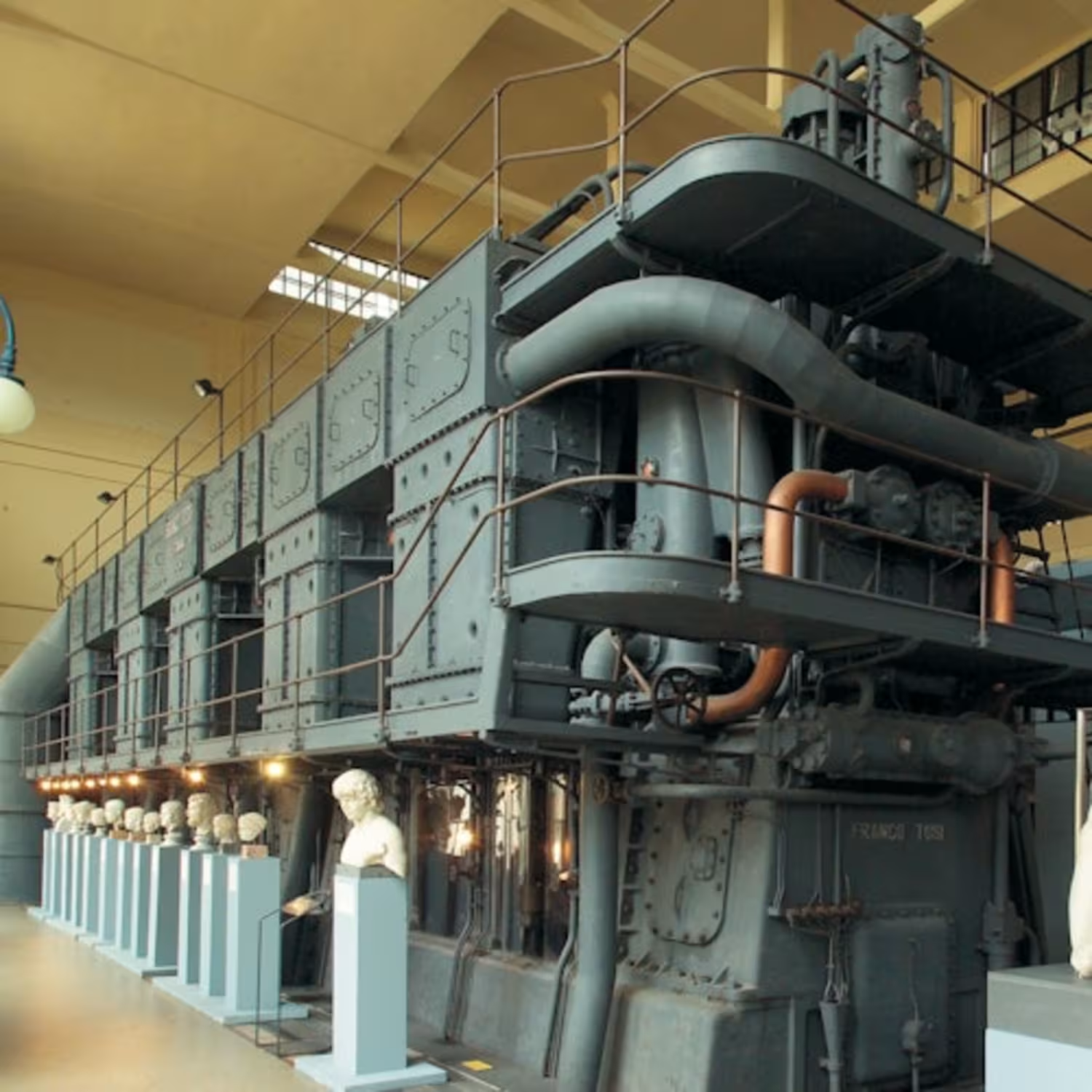
Visit the Centrale Montemartini’s display of classical sculptures within an industrial setting.

Receive customer assistance at the Touristation Aracoeli office.
Museum of the Roman Empire (Capitoline Museum) + Multimedia Experience of Ancient Rome

Highlights

Gain expedited access to the Capitoline Museums without waiting in lines.

Discover exclusive temporary exhibits included in your visit.

Watch a captivating multimedia presentation about Ancient Rome.

Receive assistance at the designated Touristation Aracoeli office.
Benefit from a downloadable audio guide app focused on Rome.
Ready to See the Marcus Aurelius Statue in Person?

The last Roman emperor still on horseback in bronze, moved indoors to save it and replaced outside to keep the piazza whole.

Read more about the Capitoline Museums as a whole, or check Plan Your Visit for everything you need to know before you go.

Frequently Asked Questions About the Marcus Aurelius Statue

What is the equestrian statue of Marcus Aurelius?

It's a bronze sculpture of the Roman emperor Marcus Aurelius mounted on horseback, cast around 175 AD and now the only large equestrian bronze of a Roman emperor to survive from antiquity.

How old is the Marcus Aurelius statue?

The bronze was cast around 175 AD, during Marcus Aurelius's own reign, making it roughly 1,850 years old.

Why did the Marcus Aurelius horse statue survive when other Roman bronzes didn't?

Medieval Romans mistook it for Constantine, the first Christian emperor, rather than recognizing it as a pagan one, so it escaped the fate of more than twenty other equestrian bronzes melted down for their metal.

Is the bronze statue of Marcus Aurelius in the piazza today the original?

No. The original was moved indoors to the Capitoline Museums in 1990 to protect it from pollution damage, and a faithful bronze replica has stood in Piazza del Campidoglio in its place since 1996.

Is there a marble bust of Marcus Aurelius at the Capitoline Museums?

The museum's signature Marcus Aurelius piece is the full bronze equestrian statue, not a separate bust. Relief panels from a lost triumphal arch honoring him are also on display here.

How big is the Marcus Aurelius statue?

The bronze stands 4.24 meters tall, with horse and rider cast as a single piece.

Where can you see the statue of Marcus Aurelius in Rome?

The original is on display inside the Palazzo dei Conservatori, part of the Capitoline Museums, in a room called the Exedra of Marcus Aurelius; a replica stands outside in Piazza del Campidoglio.

Did Michelangelo design the Marcus Aurelius statue?

No. Michelangelo designed only its pedestal and its central position in Piazza del Campidoglio in 1538, more than 1,300 years after the statue itself was cast.

This website sells official tickets for this venue. Please note, however, that it is not the official website of the venue.

The images and videos on this website may contain visual elements that have been created or enhanced using AI technology. They are provided for illustrative purposes only.