We are processing your request.
Please, don’t close or refresh the page.
Rome Tickets Capitoline Museum Capitoline Wolf
Capitoline Wolf

The Capitoline Wolf: The Bronze Behind Rome's Founding Myth

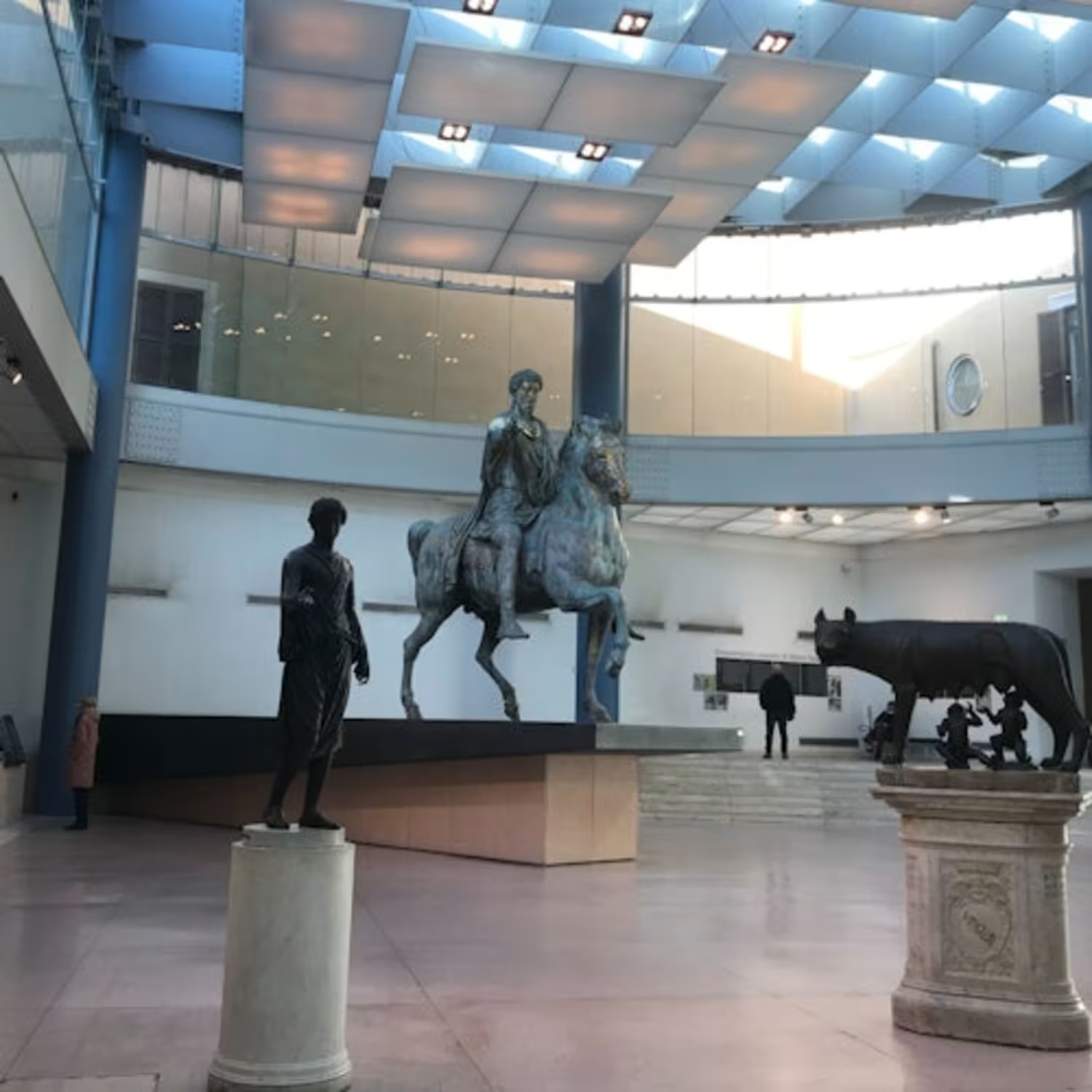
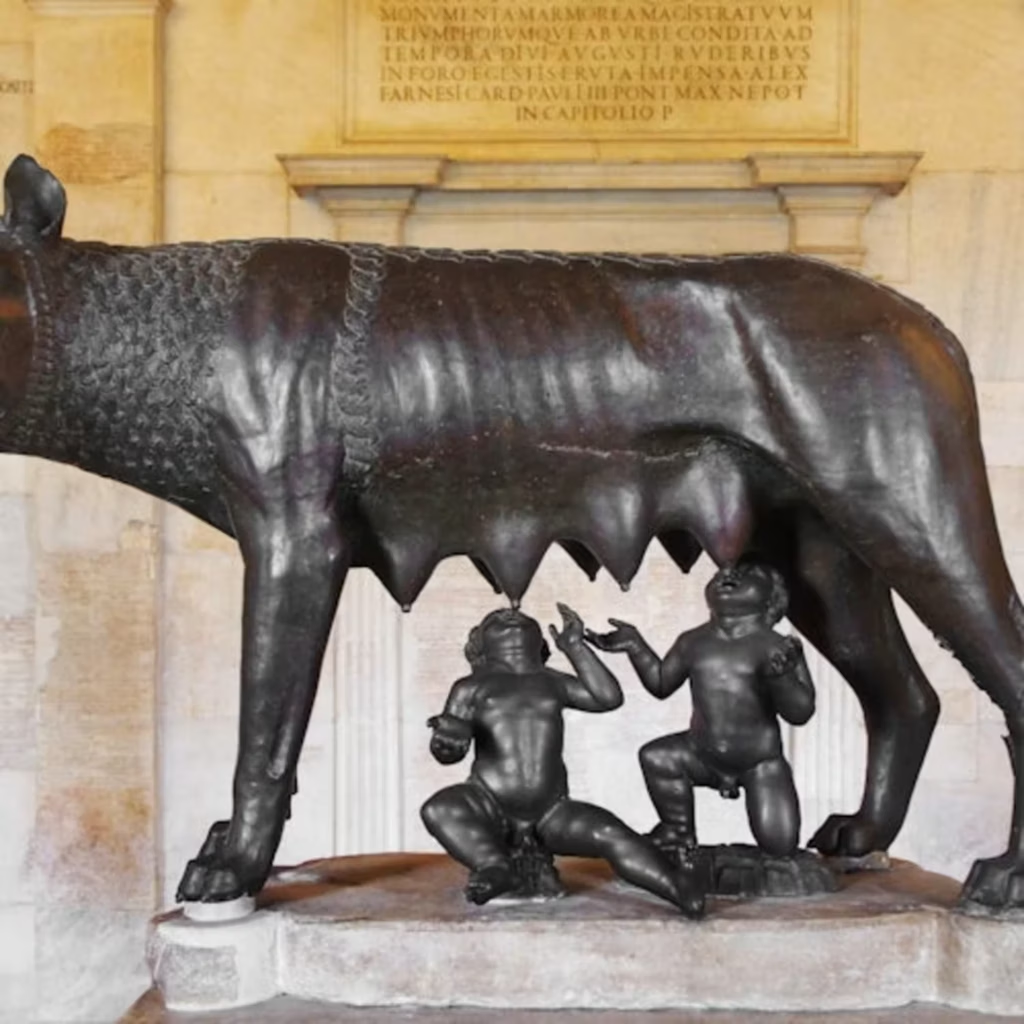
The Capitoline Wolf is the bronze she-wolf nursing Romulus and Remus that has stood for the city of Rome since before anyone can date it with certainty. This page covers the statue itself: its myth, its surprising real age, and where to find it inside the Capitoline Museums. For the museum's full history and collection, see our <strong>about</strong> page; for opening times or directions, use our dedicated visitor pages.

Why the Capitoline Wolf Still Matters

One of the most recognized symbols of Rome, reproduced on coins, crests, and city seals for centuries.

Long dated to the 5th century BC and credited to Etruscan hands, until science proved otherwise.

Radiocarbon and thermoluminescence testing now date the bronze itself to the medieval period, not antiquity.

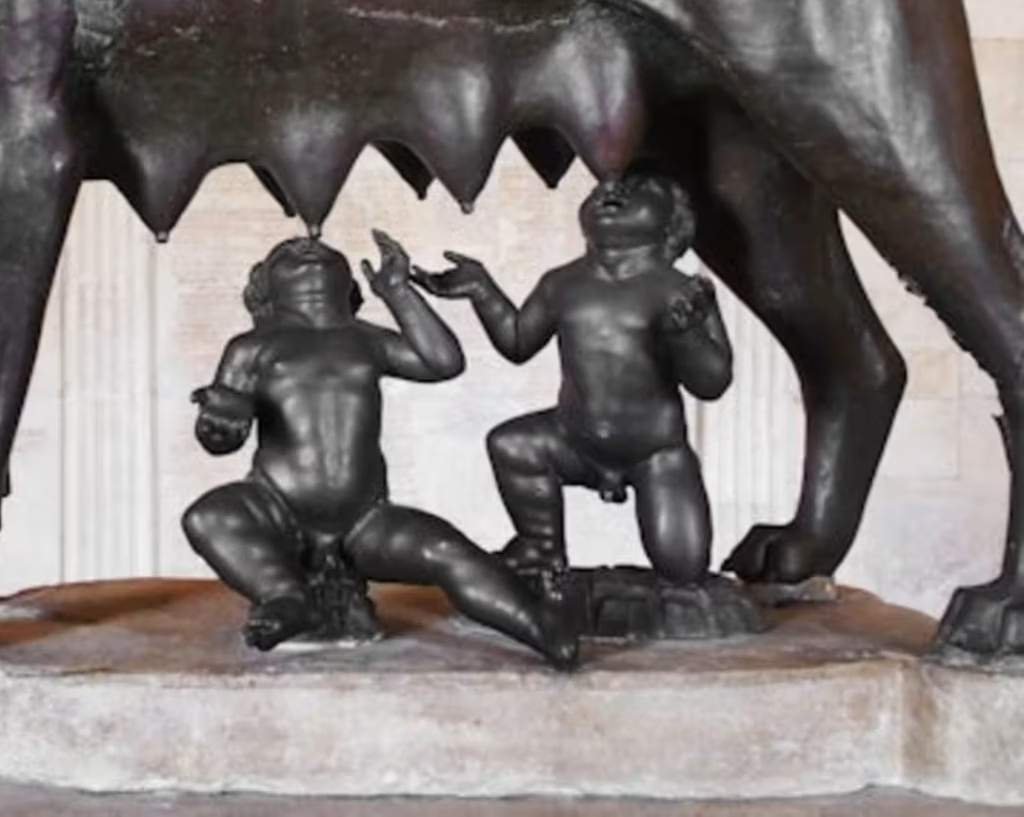
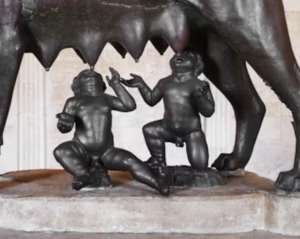
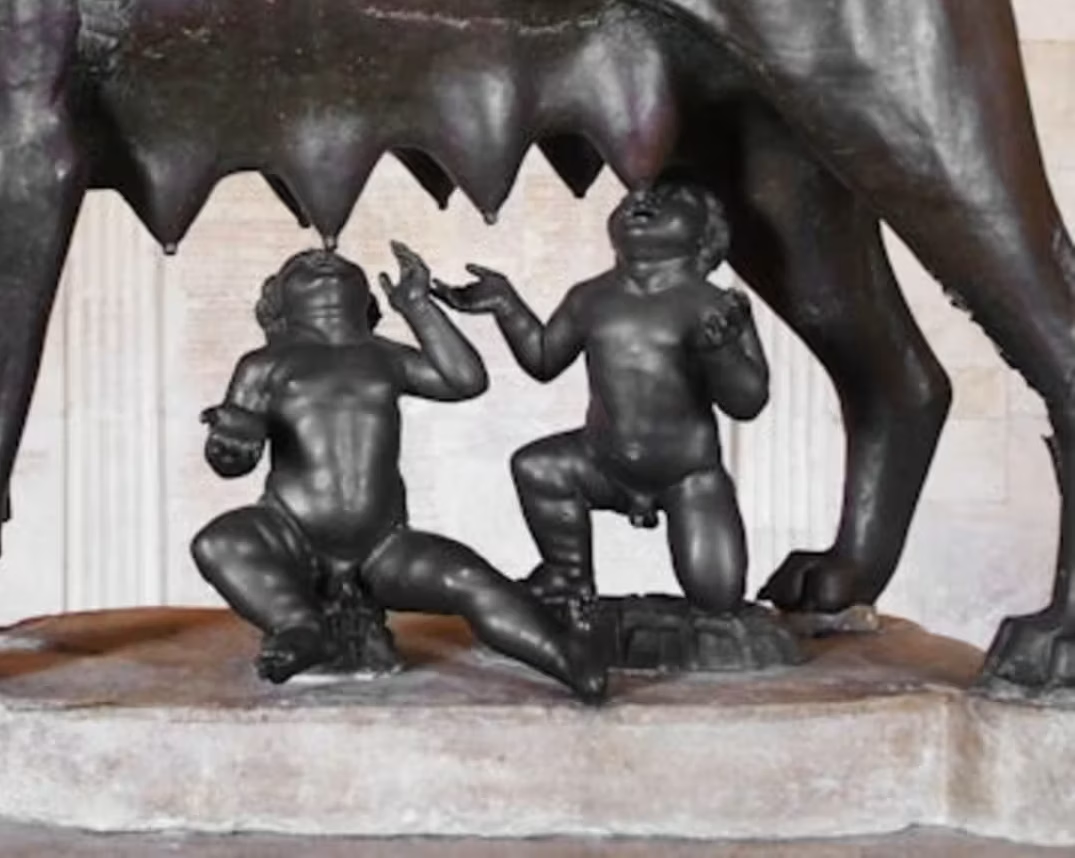
The twins, Romulus and Remus, were cast separately and added roughly a thousand years after the wolf.

Ancient writers described an earlier bronze wolf struck by lightning in 65 BC, a statue this one almost certainly isn't.

Its image carried Rome's civic identity into the 20th century, from the 1960 Olympics emblem to AS Roma's club crest.

Replicas of it stand in cities on nearly every continent, sent as gifts by Italy's government over the past century.

The Myth Behind the Bronze

Capitoline Wolf

According to Roman tradition, King Numitor of Alba Longa was overthrown by his brother Amulius, who ordered Numitor's infant grandsons, Romulus and Remus, thrown into the Tiber to remove any future rivals. The river carried the twins to safety near the Palatine Hill, where a she-wolf found them and nursed them at a cave later known as the Lupercal.

A shepherd named Faustulus discovered the twins and raised them as his own. Once grown, Romulus and Remus overthrew Amulius, restored Numitor, and set out to found a city of their own on the site where the wolf had saved them, an origin story Romans were still retelling, in coins and sculpture, centuries later.

The bronze wolf nursing two human infants became the single image that carried this story forward, regardless of when any specific statue of it was actually cast.

An Ancient Symbol, a Medieval Mystery

Capitoline Wolf symbol

Ancient writers give us reason to think a bronze wolf stood on the Capitoline Hill long before the one on display today. Cicero wrote that a gilded statue of the she-wolf nursing the twins was struck by lightning in 65 BC, and for centuries, historians assumed the surviving bronze was that very statue, pointing to damage on one of its paws as proof.

Radiocarbon testing at the University of Salento in 2007, confirmed by thermoluminescence analysis in 2021, dated the bronze to somewhere between 1021 and 1153 AD, roughly a thousand years too late to be Cicero's wolf. The paw damage, it turns out, more likely came from a flaw in the medieval casting process rather than a lightning strike.

That leaves the original, lightning-struck wolf lost to history, and the statue in the museum today as a medieval successor to it, made by hands whose names nobody recorded. An older theory crediting the piece to the Etruscan sculptor Vulca of Veii has been abandoned along with the ancient dating.

How the Twins Were Added

Capitoline Musuems Tickets - Wolf

The wolf, it turns out, wasn't always shown with Romulus and Remus. The two suckling infants beneath her were cast separately and added to the composition around 1471, most likely by the Florentine sculptor Antonio del Pollaiuolo.

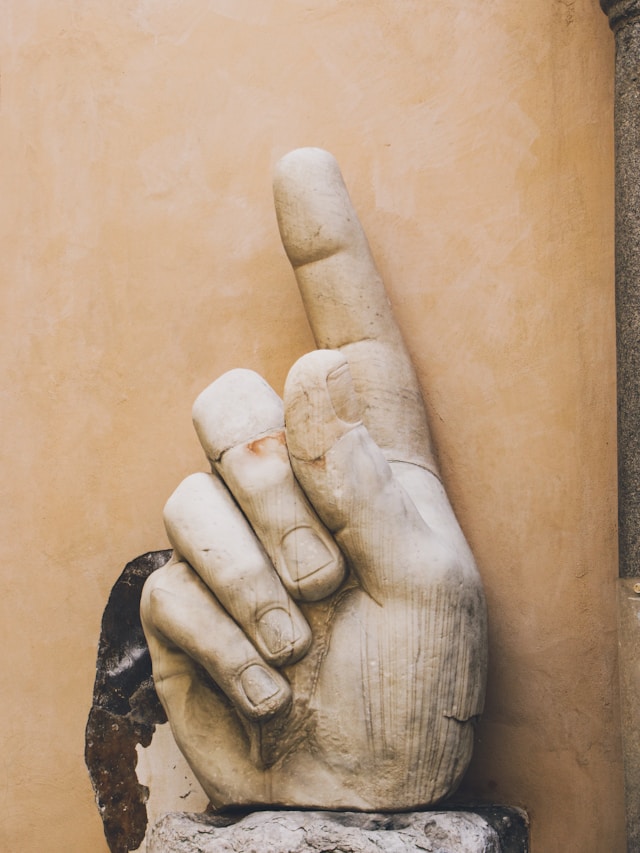
That date isn't a coincidence: 1471 is the same year Pope Sixtus IV donated the wolf, along with the Spinario and fragments of a colossal bronze statue of Constantine, to the people of Rome, the gift now credited with founding the Capitoline Museums. Adding the twins at that moment turned a standalone animal bronze into an unmistakable symbol of the city's own foundation story, right as it went on public display for the first time.

Capitoline Museums and Centrale Montemartini with multimedia video

Highlights

Avoid queues with skip-the-line access to two notable Roman sites.

Explore extensive collections of art and artifacts at your own pace.

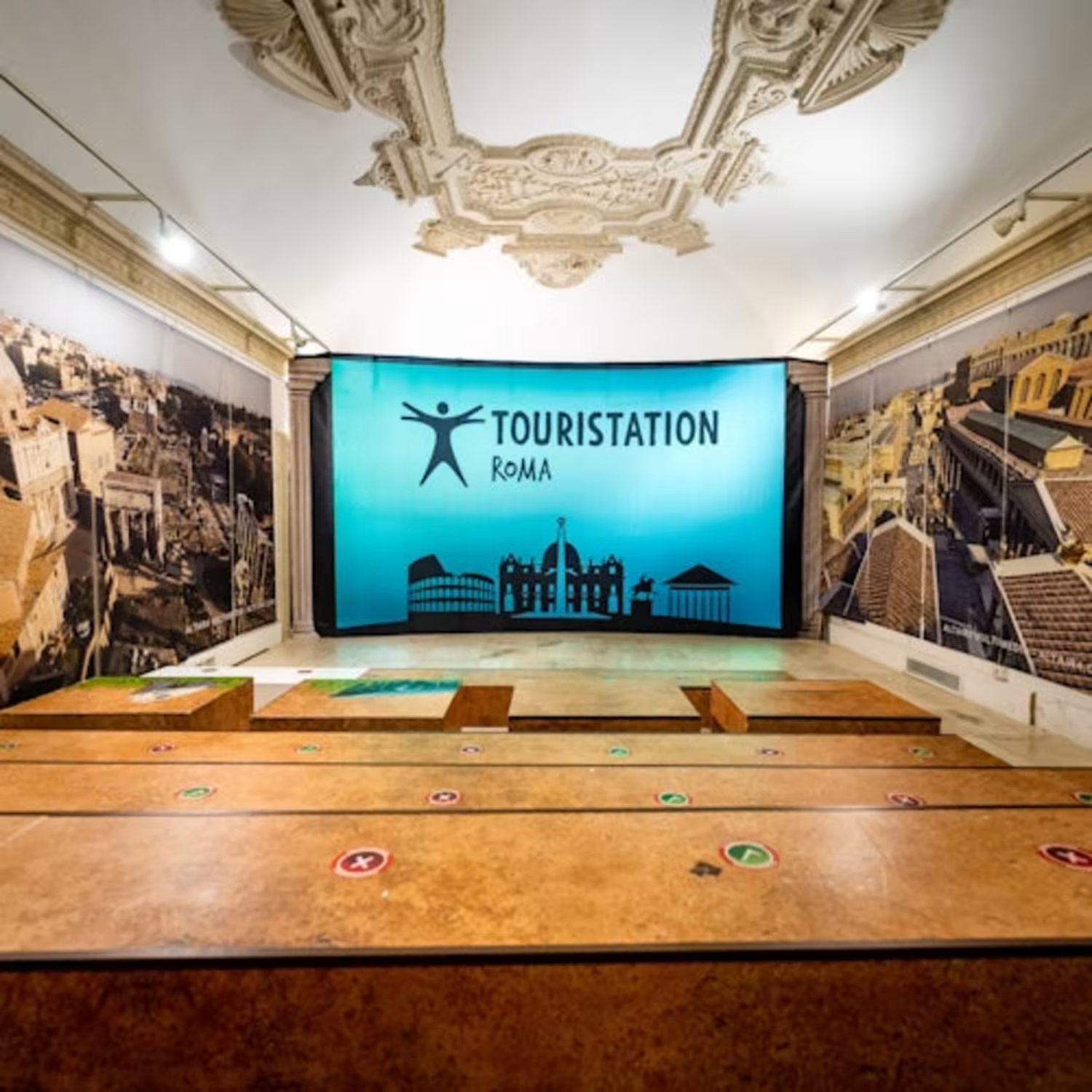
Experience an engaging multimedia video about ancient Rome.

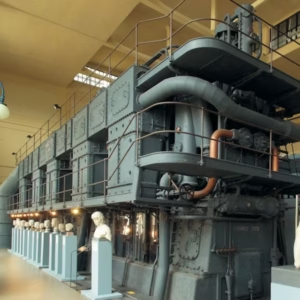
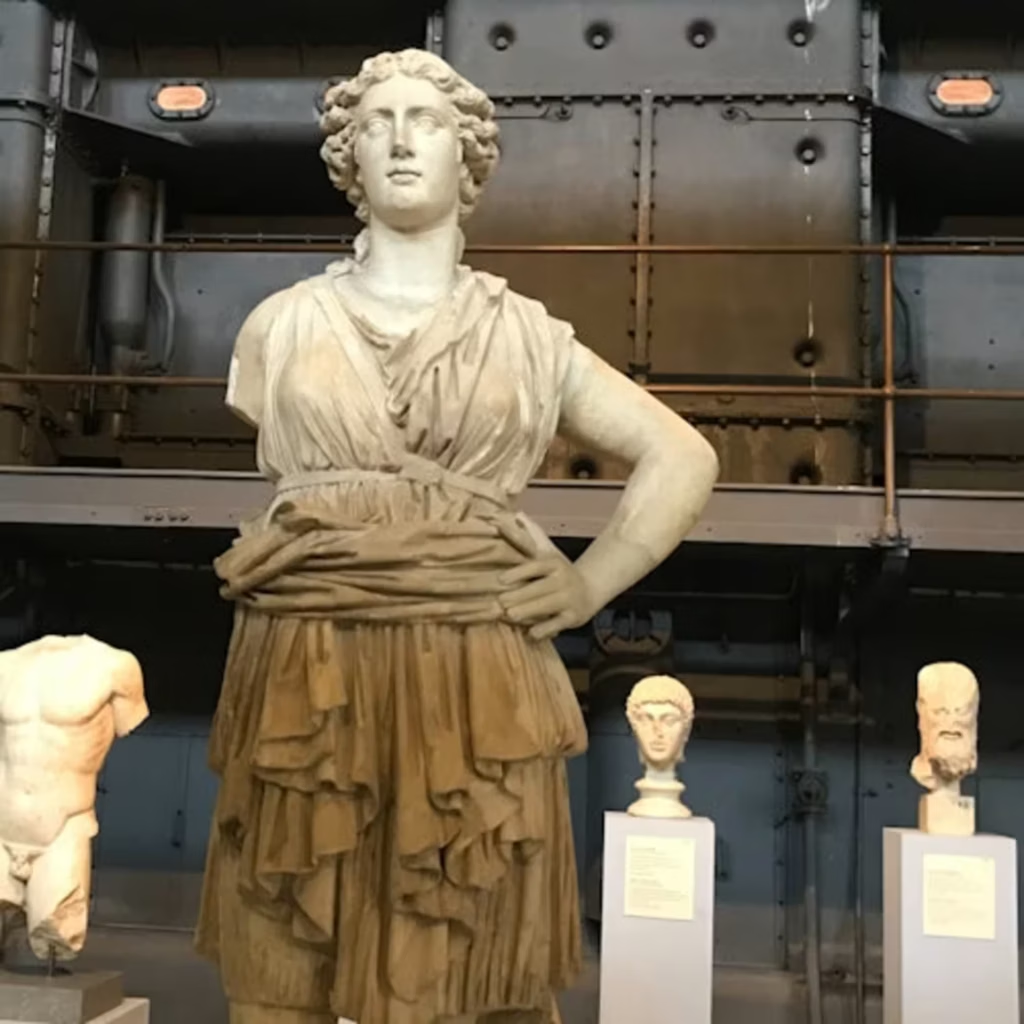
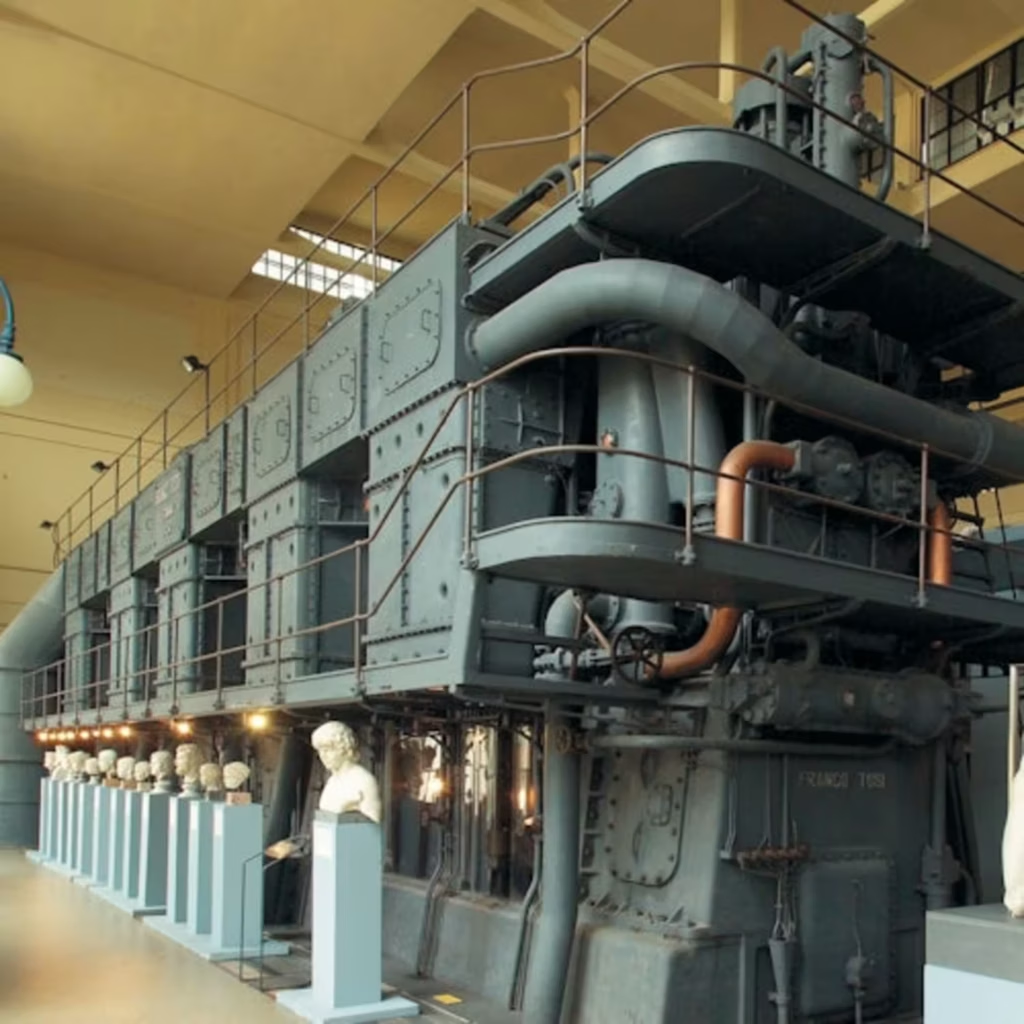
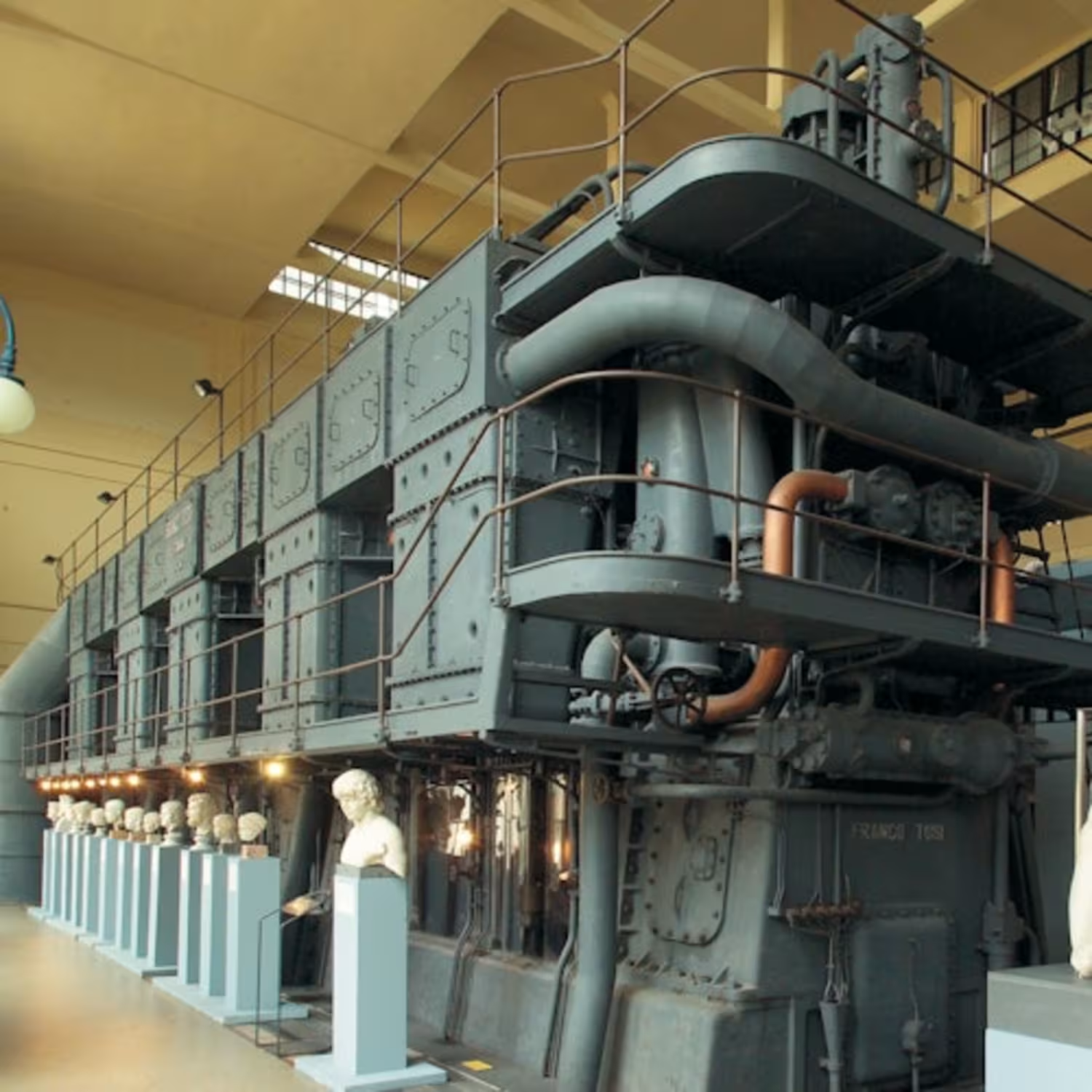
Visit the Centrale Montemartini’s display of classical sculptures within an industrial setting.

Receive customer assistance at the Touristation Aracoeli office.
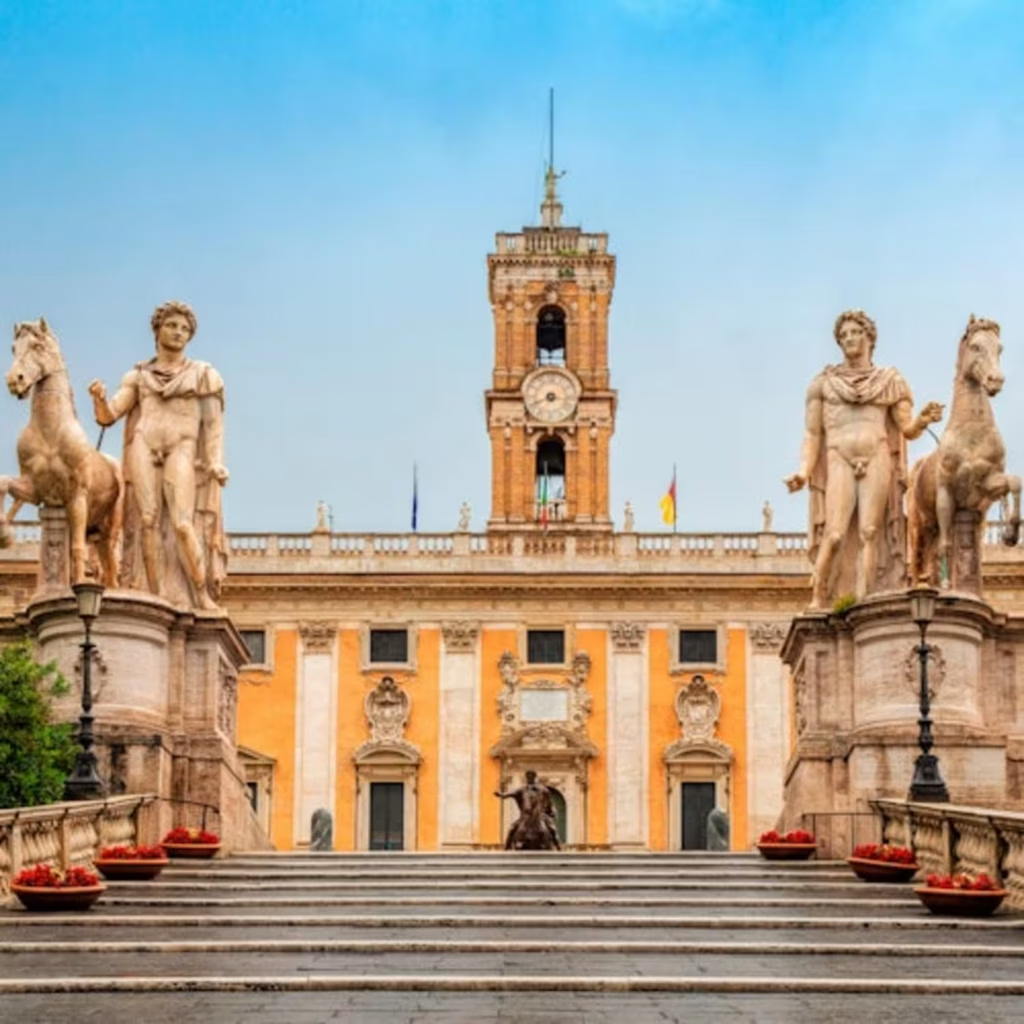
Museum of the Roman Empire (Capitoline Museum) + Multimedia Experience of Ancient Rome

Highlights

Gain expedited access to the Capitoline Museums without waiting in lines.

Discover exclusive temporary exhibits included in your visit.

Watch a captivating multimedia presentation about Ancient Rome.

Receive assistance at the designated Touristation Aracoeli office.
Benefit from a downloadable audio guide app focused on Rome.
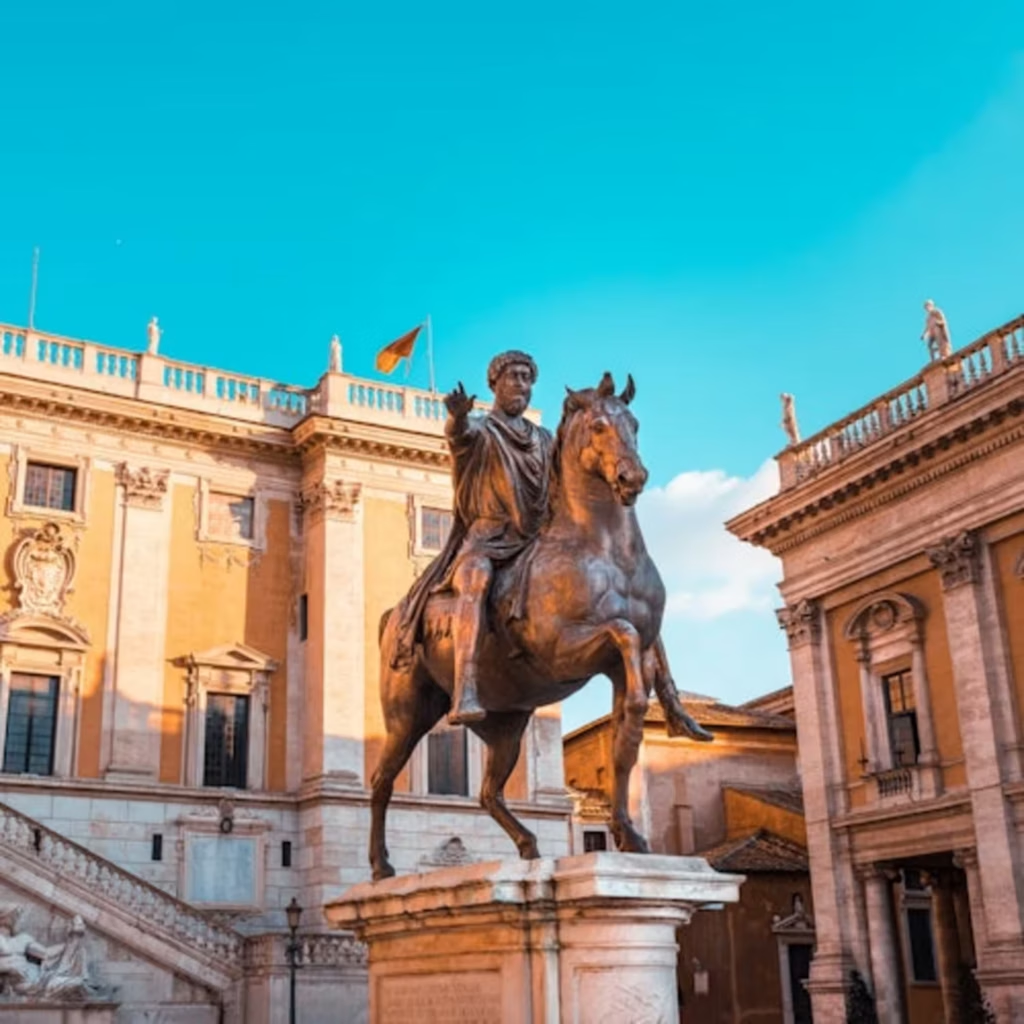
Ready to See the Capitoline Wolf in Person?

A medieval bronze mistaken for an ancient one, carrying a myth older than Rome itself.

Read more about the Capitoline Museums as a whole, or check Plan Your Visit for everything you need to know before you go.

Frequently Asked Questions About the Capitoline Wolf

Where is the Capitoline Wolf located?

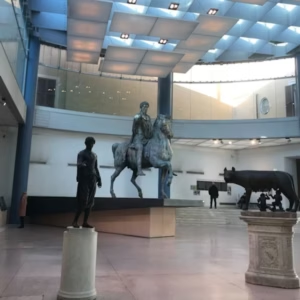
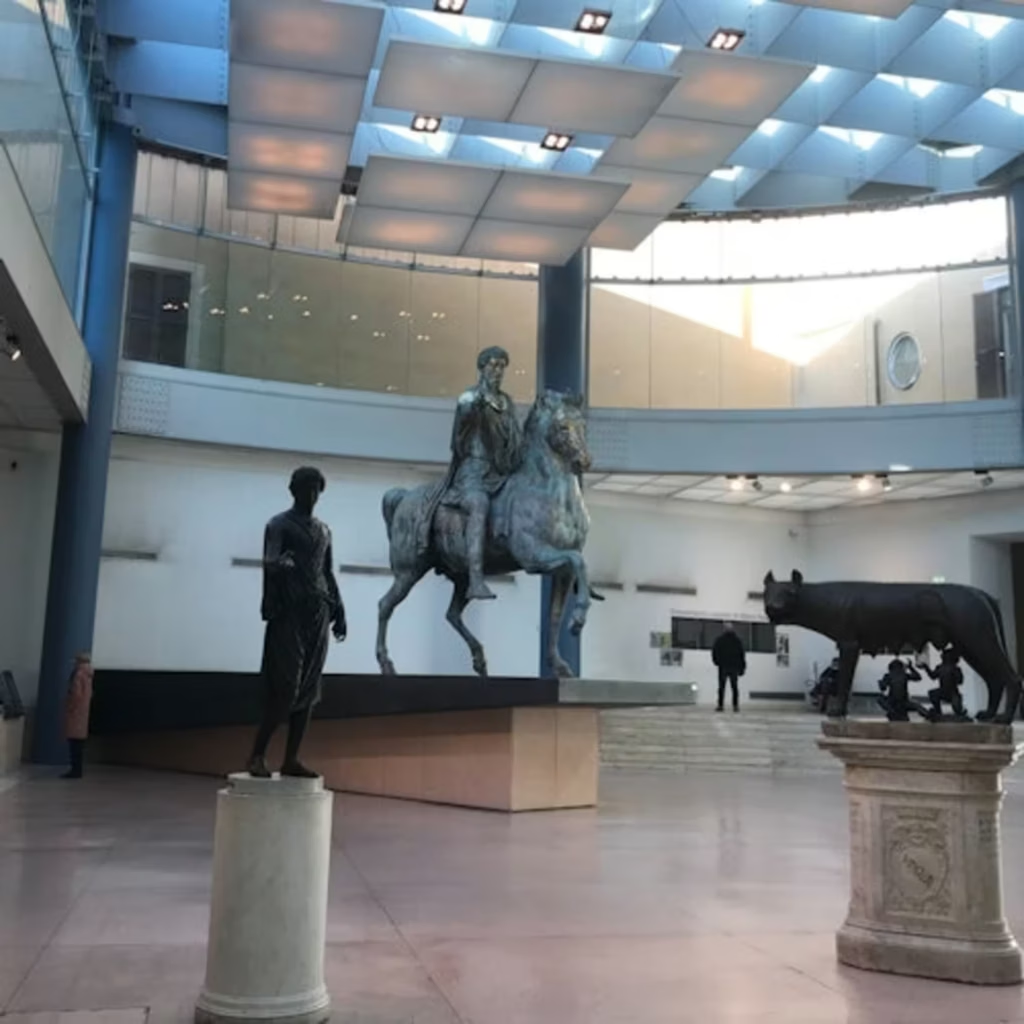
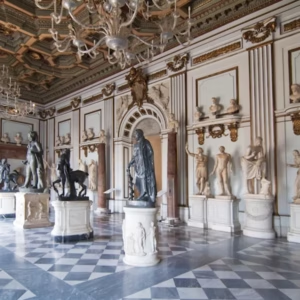
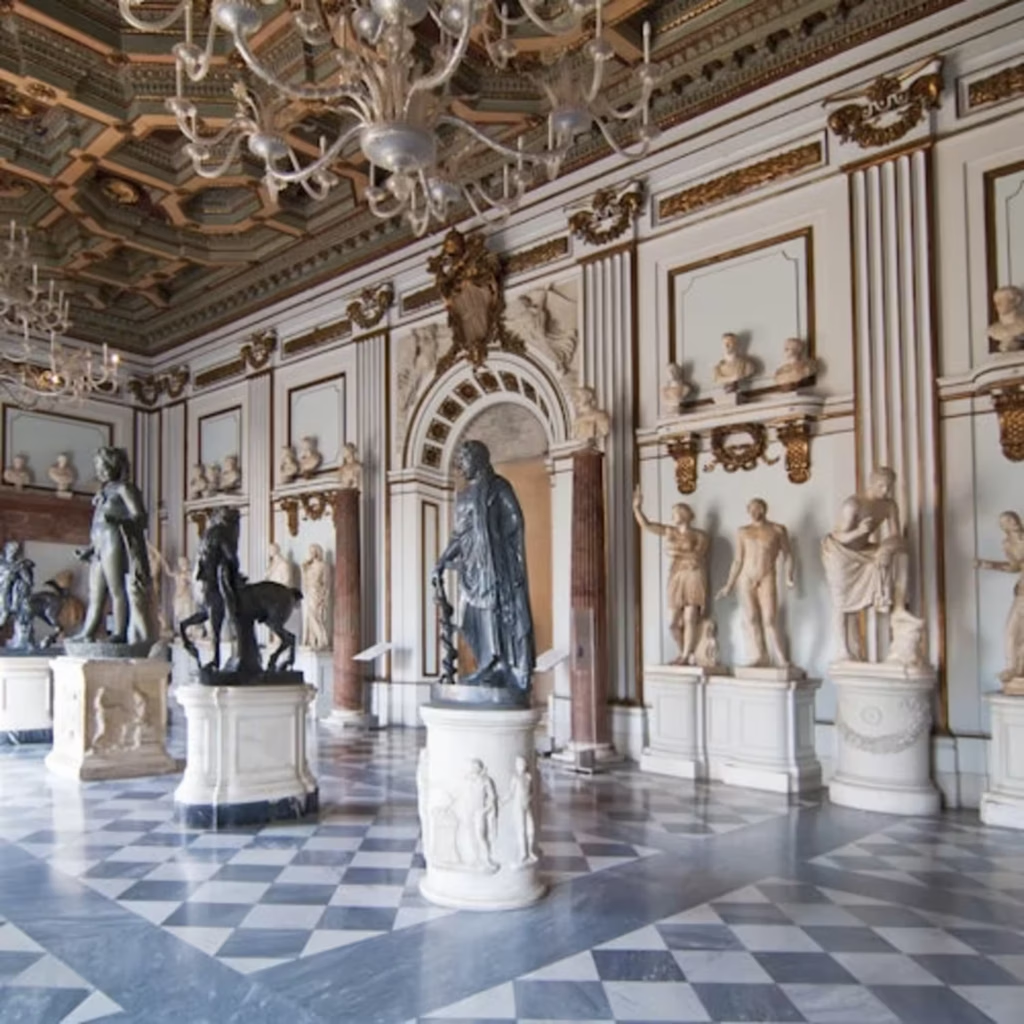
The statue is displayed in the Sala della Lupa (Room of the Wolf) inside the Palazzo dei Conservatori, one of the two buildings that make up the Capitoline Museums in Rome.

What is the story of the Capitoline Wolf?

It depicts the she-wolf that, according to Roman legend, found and nursed the abandoned twins Romulus and Remus after they were cast into the Tiber, the founding myth of the city of Rome.

How old is the Capitoline Wolf statue?

The bronze wolf itself was cast between roughly 1021 and 1153 AD, a medieval work, though it was long assumed to be Etruscan and thousands of years older. The twins beneath her were added separately around 1471.

Who made the Capitoline Wolf?

The sculptor is unknown. An older theory credited the Etruscan artist Vulca of Veii, but that attribution assumed an ancient date that radiocarbon testing has since ruled out. The twins are usually credited to the Renaissance sculptor Antonio del Pollaiuolo.

Is the Capitoline Wolf the same statue mentioned by ancient Roman writers?

Probably not. Cicero described a bronze wolf struck by lightning in 65 BC, and for years historians linked that account to a mark on this statue's paw. Its medieval dating shows it can't be that same statue, so the one Cicero described appears to be lost.

Can you buy a replica of the Capitoline Wolf?

Reproductions are sold by souvenir shops and sculpture dealers, and full-size official replicas have been gifted by Italy to cities including Cincinnati, Bucharest, and Chișinău. The original itself is not for sale and stays on permanent display in Rome.

How big is the Capitoline Wolf statue?

The bronze stands 75 cm tall and 114 cm long, larger than life-size for an animal figure of its kind.

Why is the Capitoline Wolf important to Rome today?

It's one of the city's most reproduced symbols, used on the emblem of the 1960 Rome Olympics and on AS Roma's football crest, and its image has been sent as a diplomatic gift to cities on several continents.

This website sells official tickets for this venue. Please note, however, that it is not the official website of the venue.

The images and videos on this website may contain visual elements that have been created or enhanced using AI technology. They are provided for illustrative purposes only.