We are processing your request.
Please, don’t close or refresh the page.
Rome Tickets Capitoline Museum Dying Gaul
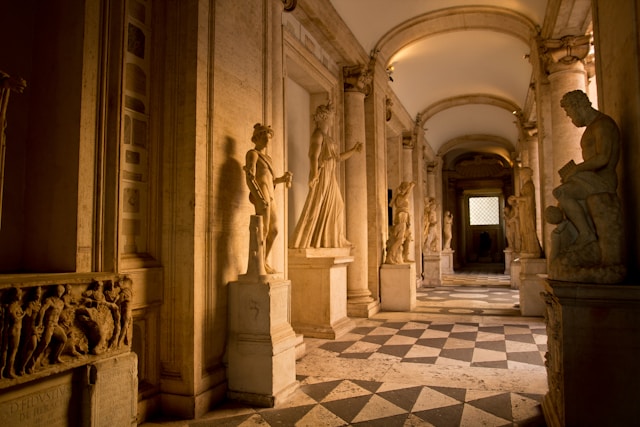
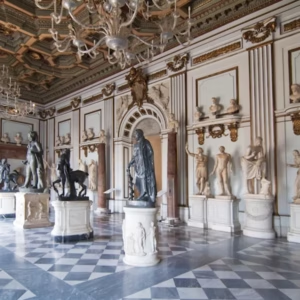
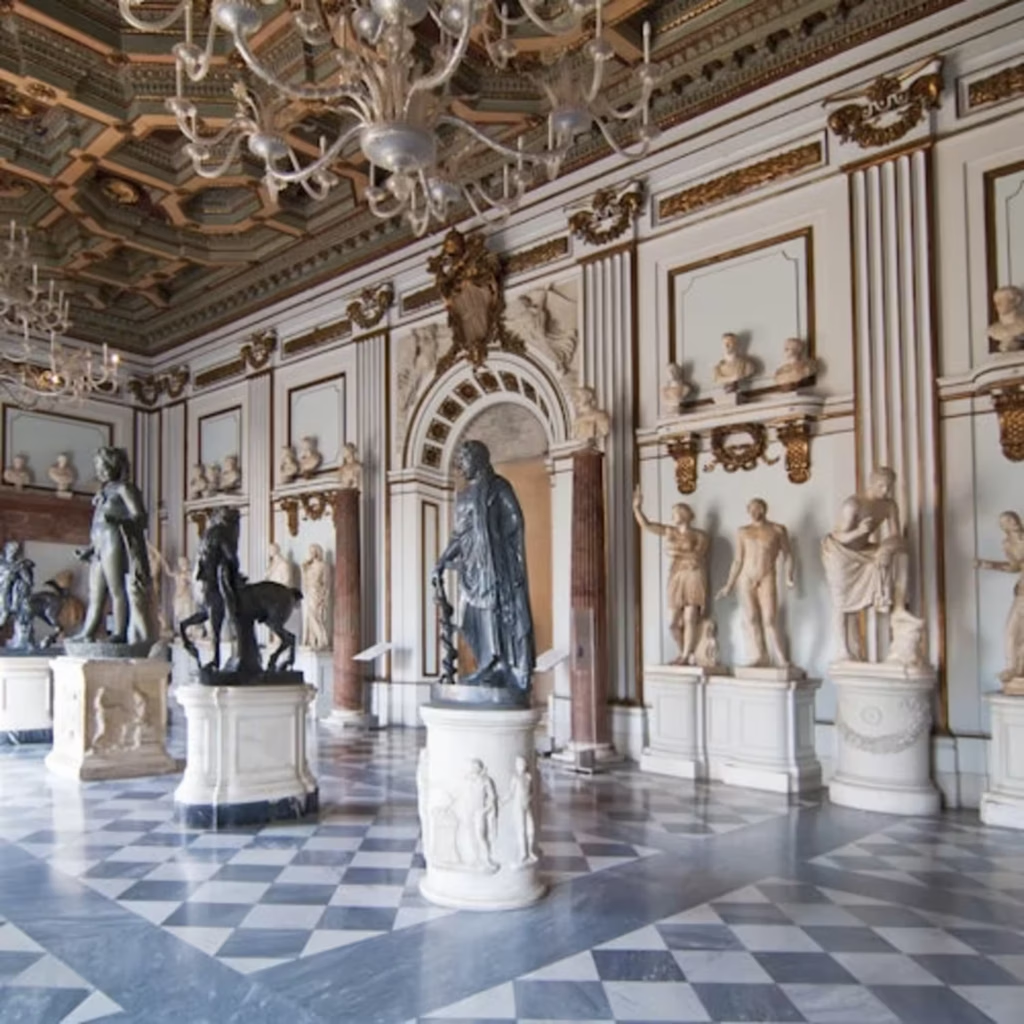
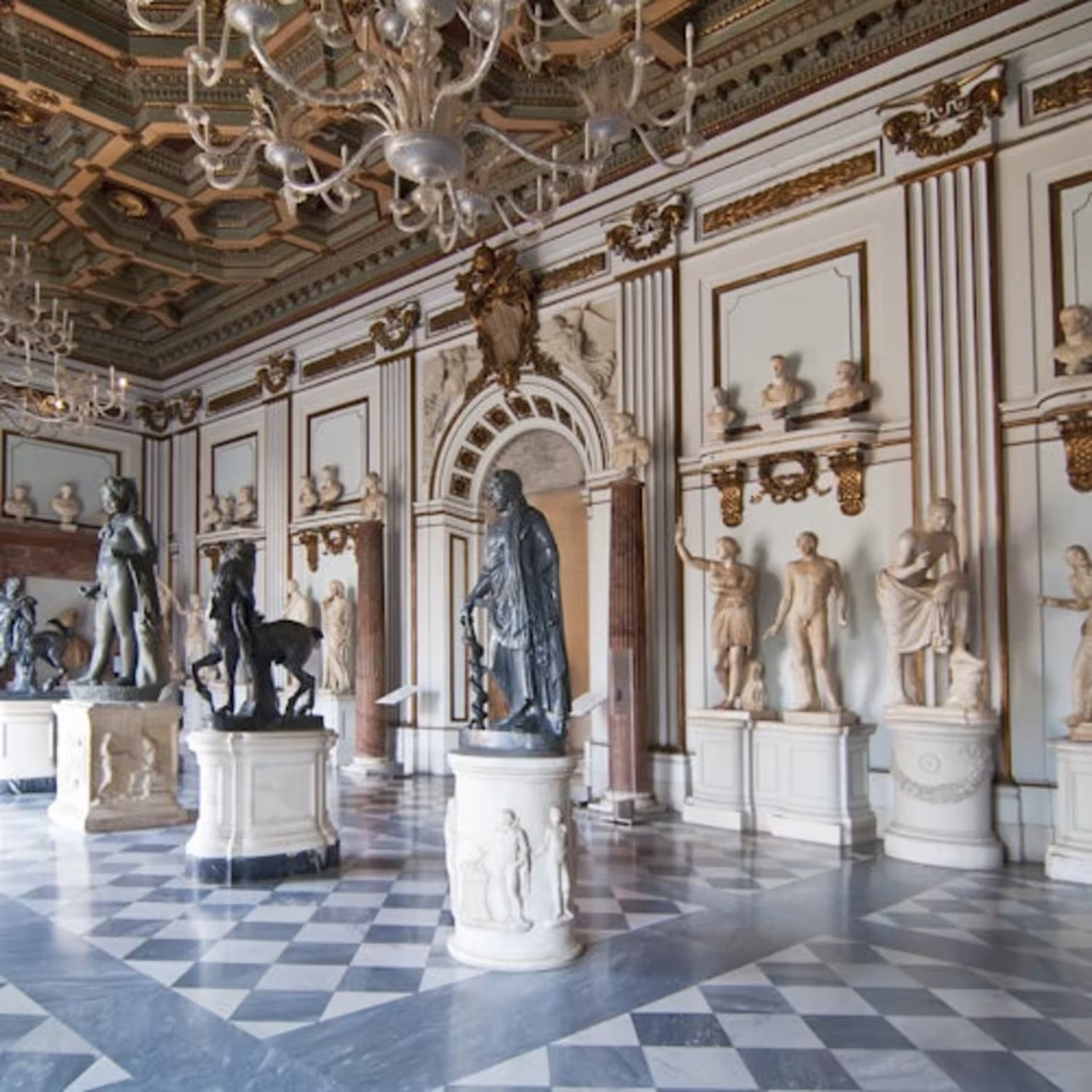
Inside the Capitoline Museums, Palazzo Nuovo

Why the Dying Gaul Spent Centuries Being Called a Gladiator

A wounded Celtic warrior on his shield, copied in marble from a lost Pergamene bronze, read as a dying gladiator for two hundred years until a torc around his neck gave the game away.

What the Dying Gaul Actually Shows

The man is a Celtic warrior, not a gladiator: the twisted neck ring he wears is the giveaway.

He lies naked on his own shield, propped on one arm, with a sword and a curved war trumpet beside him.

The wound is low on the right side of his chest, and the sculptor carved the blood running from it.

He wears a moustache and no beard, a combination Greek art did not use, which marks him as a foreigner.

The marble is a Roman copy. The original was a bronze, and it has been lost since antiquity.

That bronze was commissioned by King Attalus I of Pergamon to mark a victory over the Galatians.

The statue spent nineteen years in Paris, taken under the Treaty of Tolentino and brought back by Canova.

It left Italy again only once since, for a loan to Washington in 2013.

A Monument Built to Honour the Losing Side
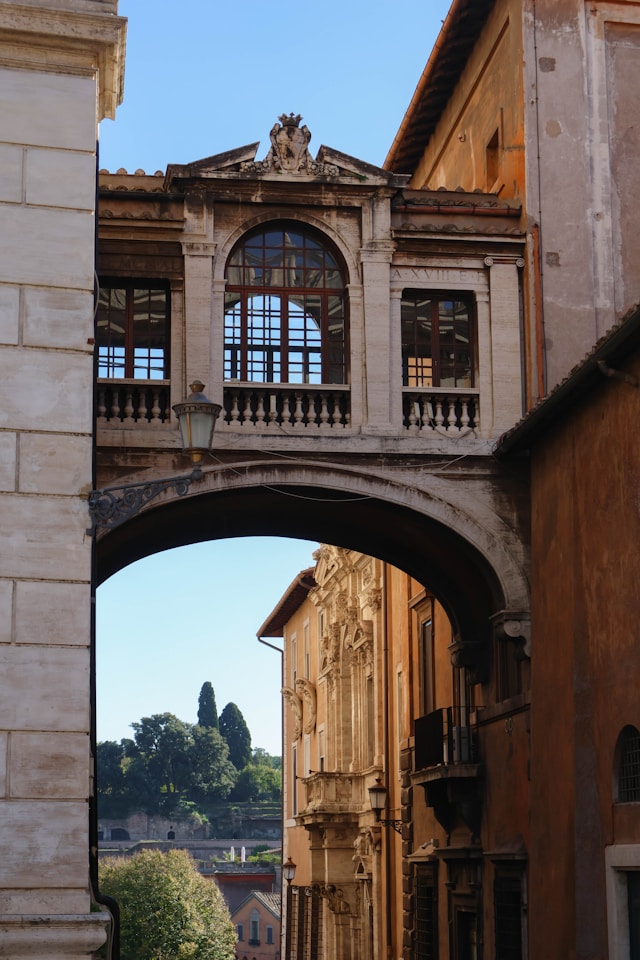
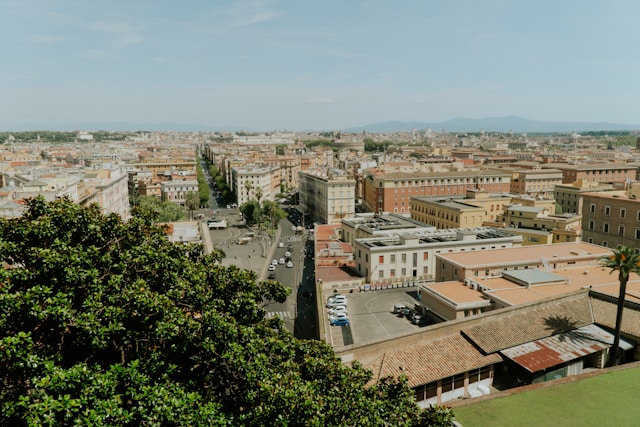
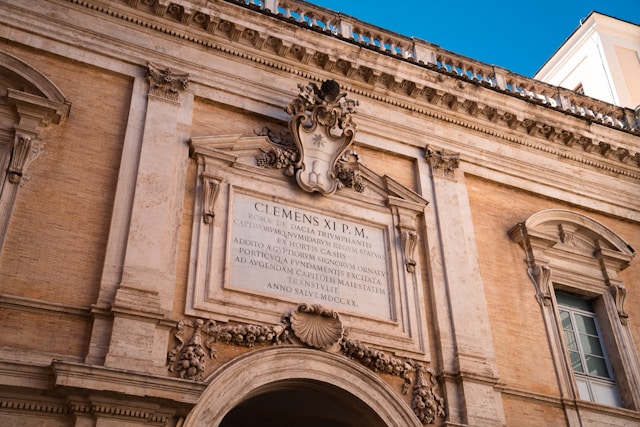
The Capitoline Museums, viewed from the piazza

The original was a victory monument, and that is the strange part. Attalus I of Pergamon commissioned it between 230 and 220 BC after beating the Galatians, the Celtic people who had settled in Anatolia, and the sculptor, probably a court artist named Epigonus, was asked to show the enemy.

What he produced is not a humiliation. The Gaul is given weight, dignity and a body worth looking at, and the scene is the moment before death rather than the moment of defeat. Making the beaten enemy noble made the victory bigger, which is a piece of political calculation that reads clearly across two thousand years.

The bronze is gone. What survives is a marble copy, and even its date is argued over: the Capitoline Museums put it at around 60 to 40 BC, while much of the scholarship places it in the second century AD. Nobody disputes what it is a copy of.

From a Roman Garden to a Crate Bound for Paris
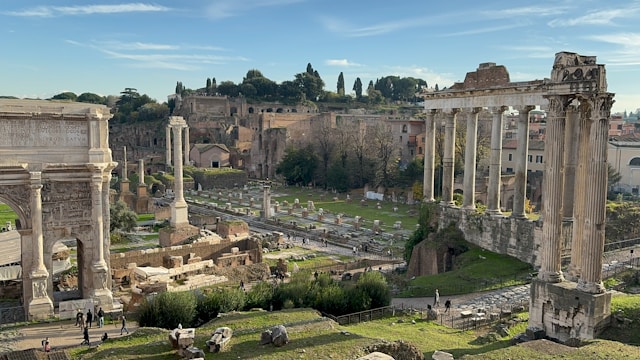
Ancient Roman ruins visible from the museum complex

The marble surfaces in a Ludovisi family inventory of 1623, which puts its discovery in the early seventeenth-century digging for the Villa Ludovisi, built over the ancient Gardens of Sallust. It stayed in that family for a century.

After Ippolita Ludovisi died at the end of 1733, agents acting for Pope Clement XII bought it for 6,000 scudi and moved it to the Capitoline, where it has been ever since, with one long interruption.

In 1797 Napoleon took it under the Treaty of Tolentino. It went on show in Paris from 1800, and Antonio Canova negotiated its return in 1815. It was back in Rome by early 1816. The museum's own label still records those years in France, which is unusually candid for a wall text.

Capitoline Museums and Centrale Montemartini with multimedia video

Highlights

Avoid queues with skip-the-line access to two notable Roman sites.

Explore extensive collections of art and artifacts at your own pace.

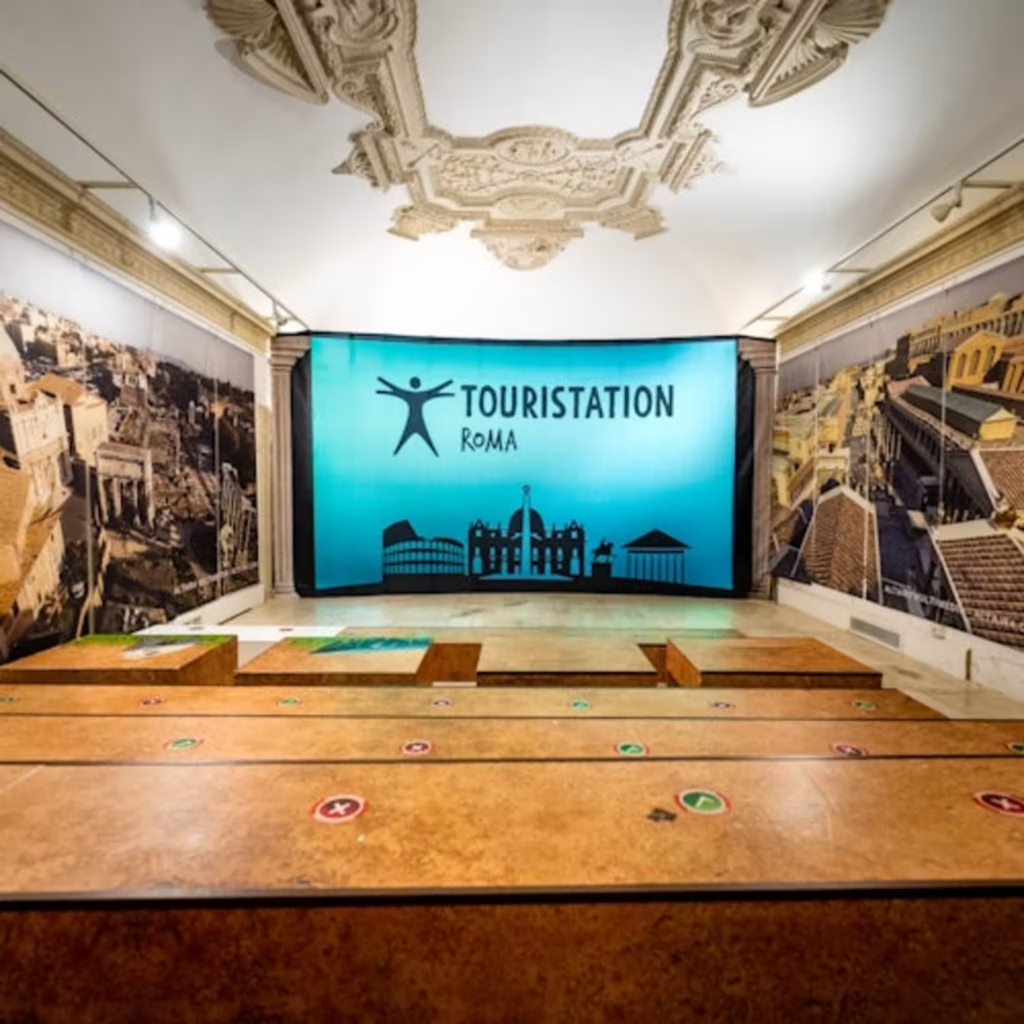
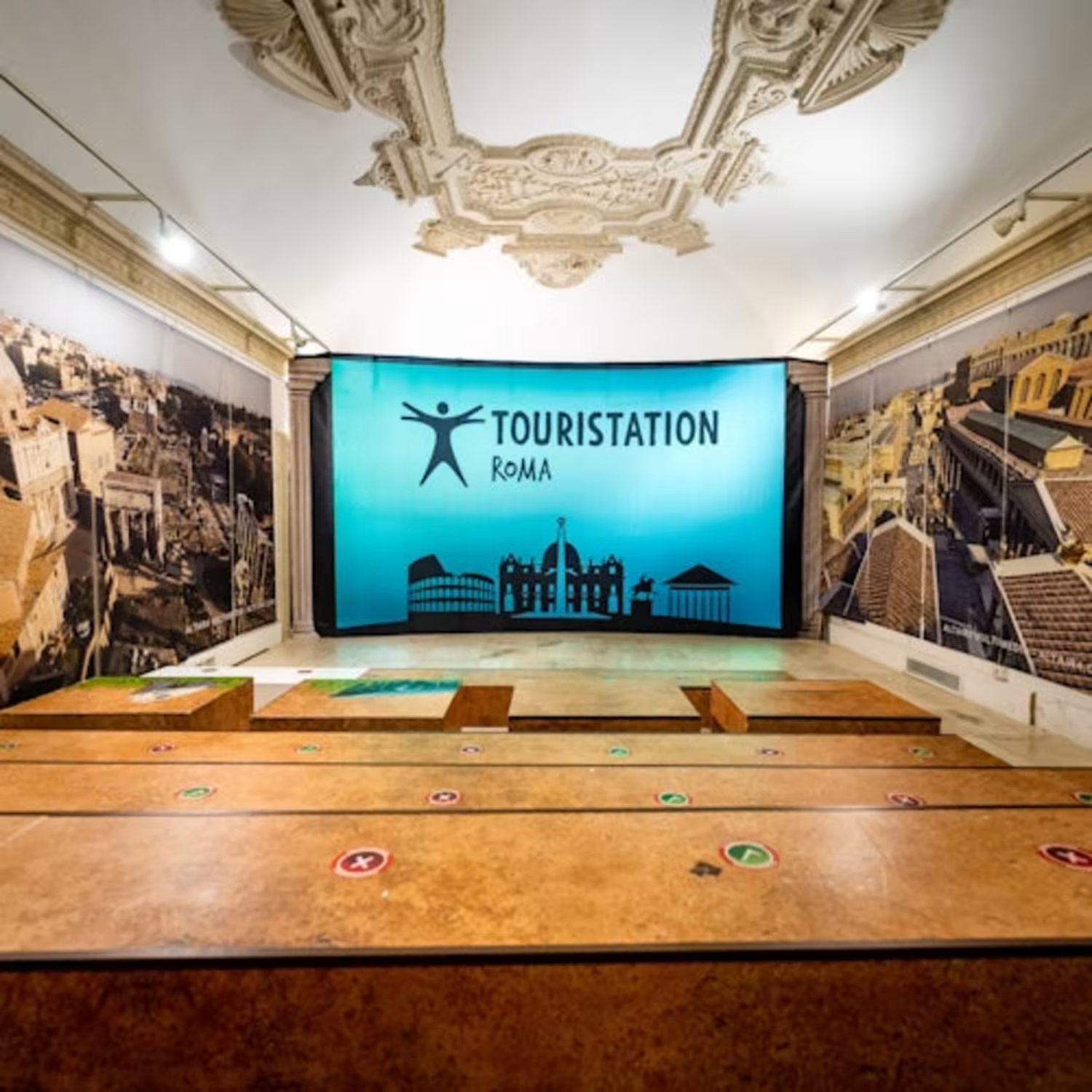
Experience an engaging multimedia video about ancient Rome.

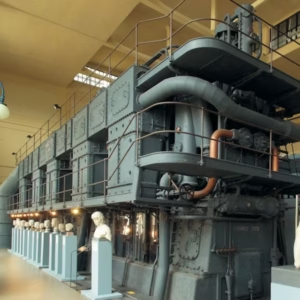
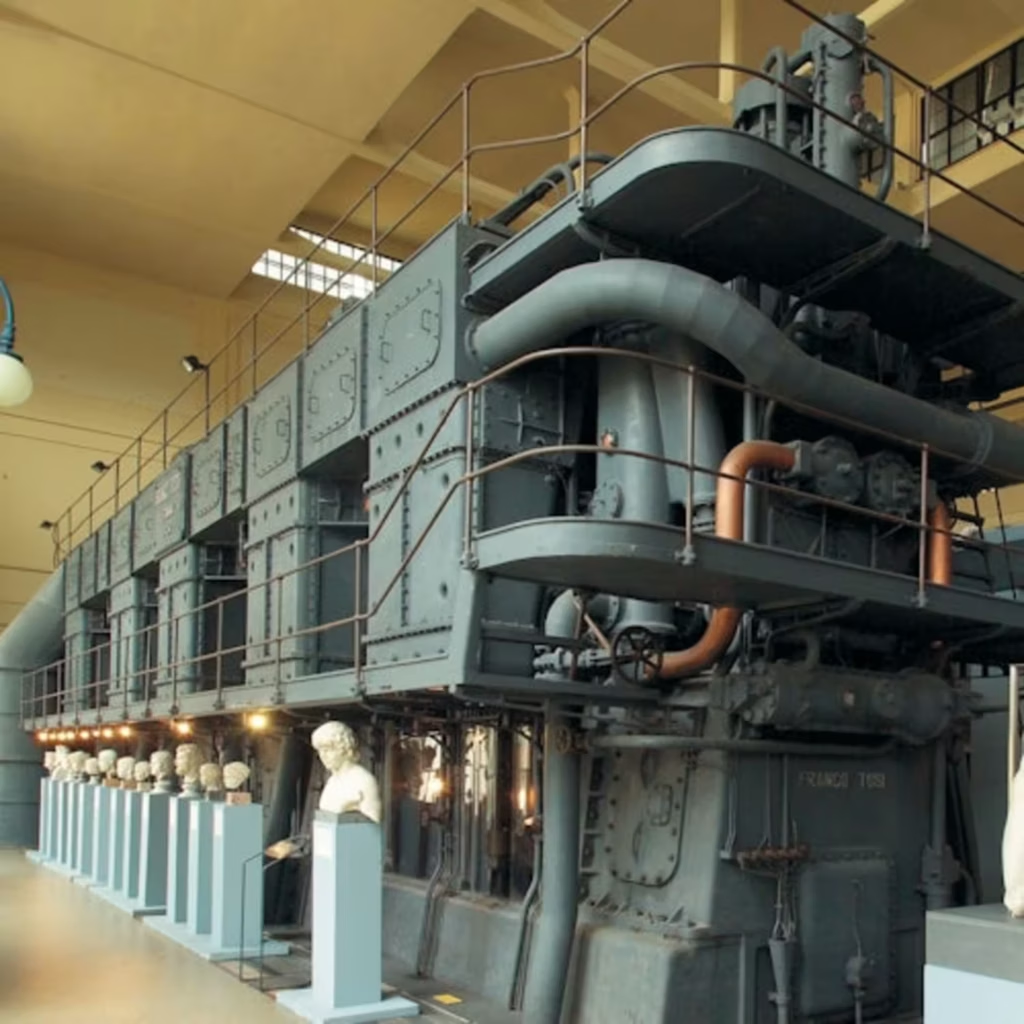
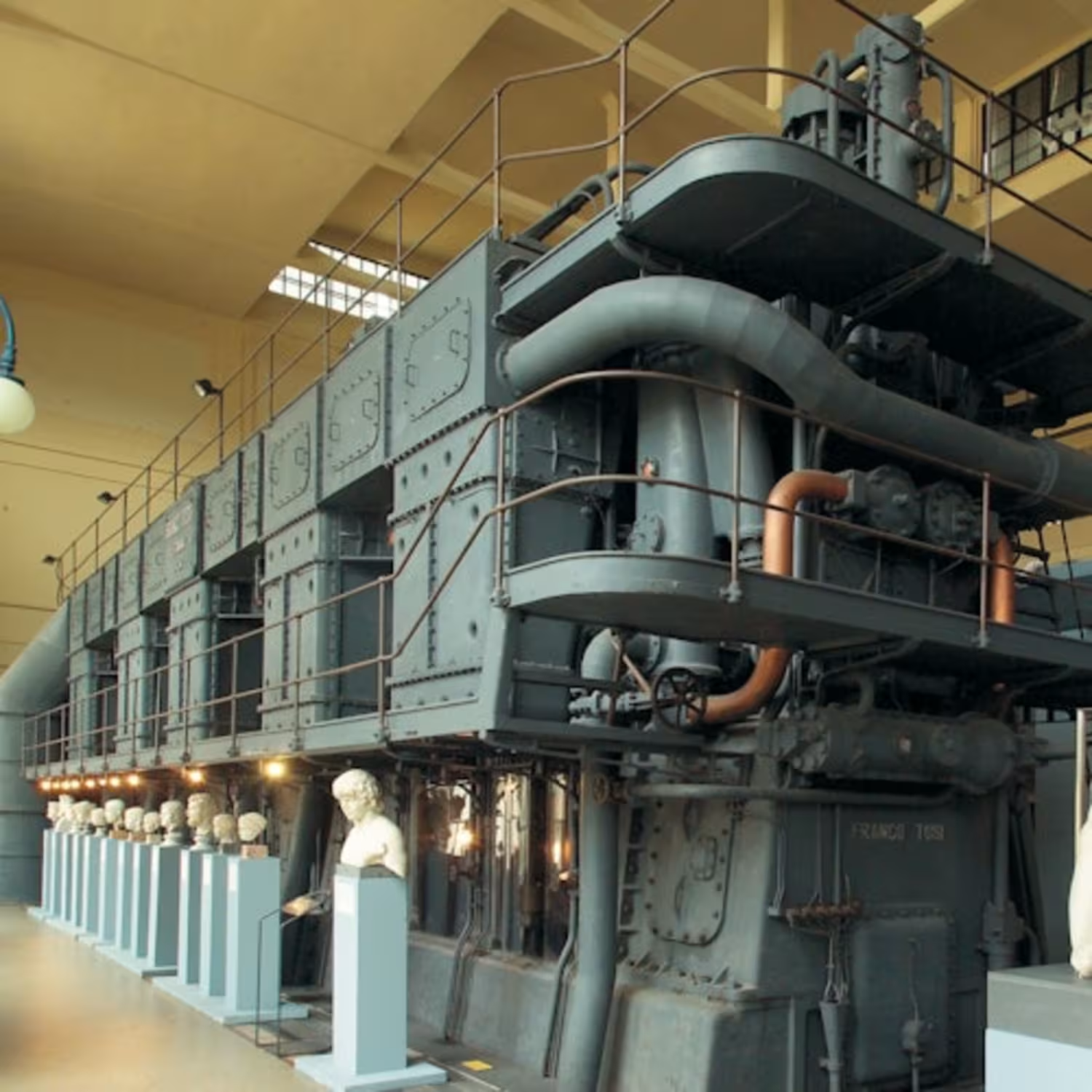
Visit the Centrale Montemartini’s display of classical sculptures within an industrial setting.

Receive customer assistance at the Touristation Aracoeli office.

Museum of the Roman Empire (Capitoline Museum) + Multimedia Experience of Ancient Rome

Highlights

Gain expedited access to the Capitoline Museums without waiting in lines.

Discover exclusive temporary exhibits included in your visit.

Watch a captivating multimedia presentation about Ancient Rome.

Receive assistance at the designated Touristation Aracoeli office.
Benefit from a downloadable audio guide app focused on Rome.

Find Him at the Top of the Stairs

He is small for something this famous, barely a metre high, and he rewards standing level with his face rather than looking down at him. How the Capitoline Museums in Rome ended up holding him is its own story, assembled piece by piece across three centuries of papal donations.

Frequently Asked Questions About the Dying Gaul

What does the Dying Gaul represent?

A wounded Celtic warrior, one of the Galatians defeated by Pergamon, shown in the moments before death. He is not a gladiator, although he was called one for roughly two hundred years.

Where is the Dying Gaul?

In the Sala del Gladiatore in Palazzo Nuovo, part of the Capitoline Museums in Rome. The room kept the old name after the statue's identification was corrected.

Is the Dying Gaul Greek or Roman?

The marble is Roman, a copy. The lost original was a Greek bronze made for Attalus I of Pergamon between 230 and 220 BC, probably by the sculptor Epigonus.

How old is the Dying Gaul statue?

The museum dates the marble to around 60 to 40 BC. Much of the scholarship prefers the second century AD instead, so the copy's date is genuinely disputed even though its subject is not.

How big is the Dying Gaul?

It measures 93 cm high and 186 cm long, which is smaller than most people expect from the photographs.

Why was the Dying Gaul thought to be a gladiator?

Because a naked wounded man with a sword looked like one to early modern viewers. Ennio Quirino Visconti pointed to the torc, the matted hair and the moustache, and the name Dying Gaul took hold through the nineteenth century.

Did the Dying Gaul ever leave Rome?

Twice. Napoleon's forces took it to Paris in 1797 and it returned in 1816 after Canova intervened. It went to Washington on loan from December 2013 to March 2014.

What is the Dying Gaul holding?

Nothing, by the time you see him. A sword, a belt and a curved Celtic war trumpet lie on the shield beneath him, and his right arm is taking his weight.

This website sells official tickets for this venue. Please note, however, that it is not the official website of the venue.

The images and videos on this website may contain visual elements that have been created or enhanced using AI technology. They are provided for illustrative purposes only.