We are processing your request.
Please, don’t close or refresh the page.
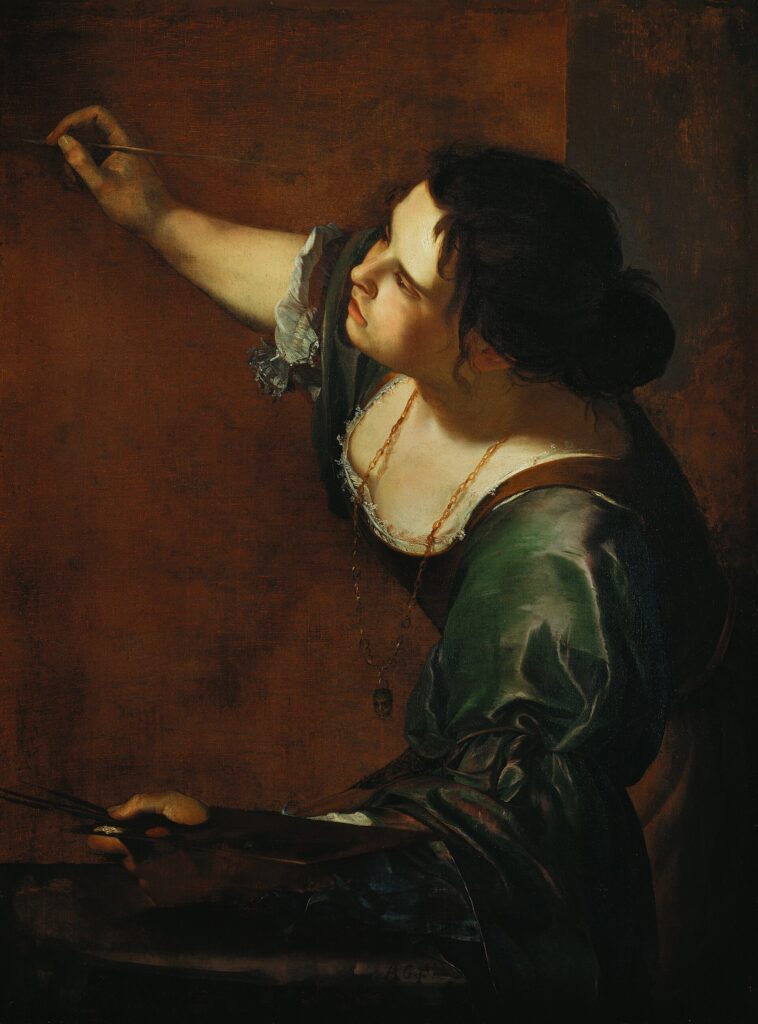
Self-Portrait as the Allegory of Painting by Artemisia Gentileschi

Artemisia Gentileschi: Rome’s Baroque Painter and the Barberini Allegory of Painting

Born in Rome and trained in her father’s workshop, she was put through a public trial as a teenager and went on to become the first woman in the Florentine academy of art. At Palazzo Barberini, an allegory of painting is still debated as hers.

Who Was Artemisia Gentileschi?

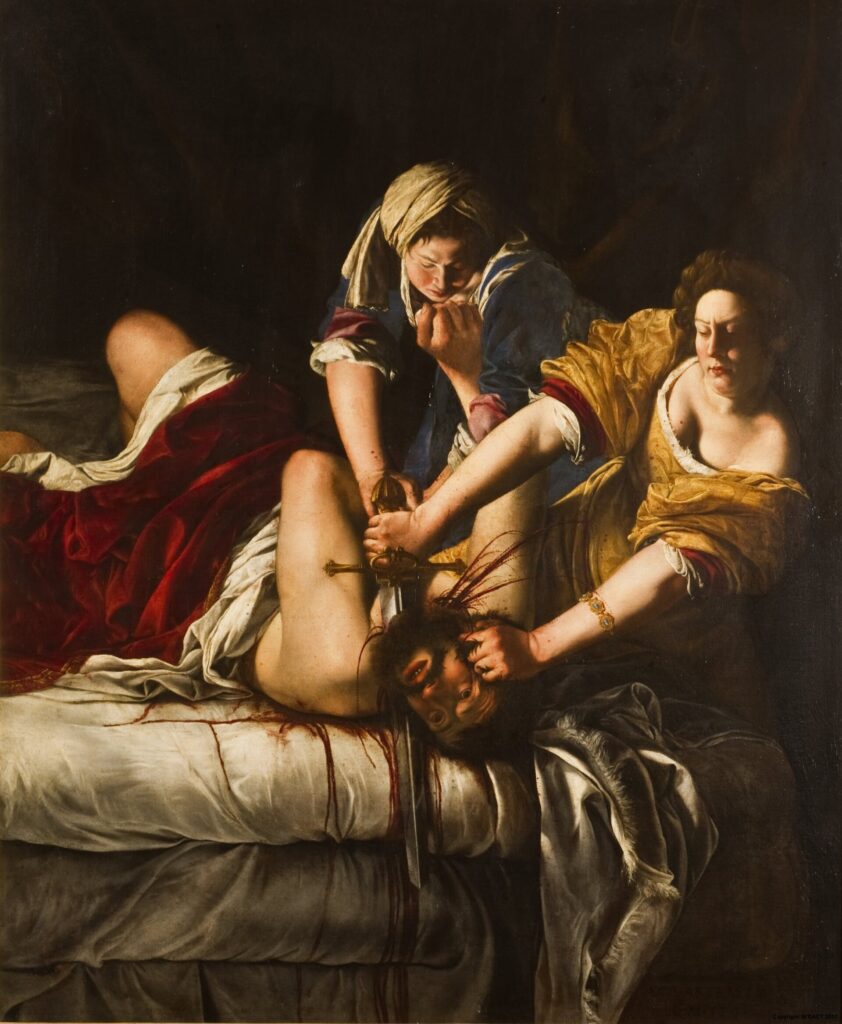
Artemisia Gentileschi was an Italian Baroque painter and one of the most accomplished artists of the 17th century. Born in Rome, she was producing professional work at 15, in an age when women were rarely allowed to train as painters. Many of her pictures put women from the Bible and myth at the centre, among them Susanna, Judith and Cleopatra. At Palazzo Barberini, an Allegory of Painting hangs with a label naming either Simon Vouet or Artemisia, near the Caravaggio whose style she started from.

Artemisia Gentileschi in Brief

She was baptised in Rome, at San Lorenzo in Lucina, two days after her birth.

Her earliest surviving work, Susanna and the Elders, dates from 1610.

She learned to paint in the workshop of her father, Orazio Gentileschi.

She was the first woman member of the Accademia delle Arti del Disegno in Florence.

She worked at the court of Charles I of England from 1638 to 1642.

Her reputation was long overshadowed by her rape trial, until scholars reassessed her work in the 20th century.

A Painter’s Daughter in Baroque Rome

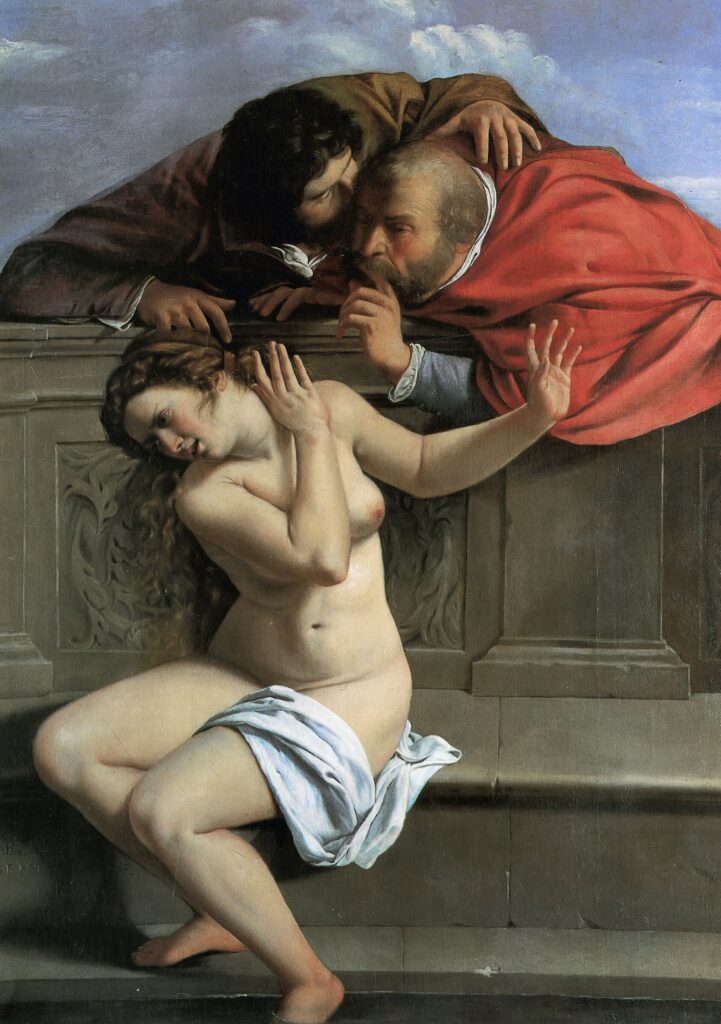
Susanna and the Elders by Artemisia Gentileschi, 1610

Artemisia grew up in Rome, where her father Orazio painted in the new realistic manner of Caravaggio. Women were rarely accepted as apprentices, so she learned in his workshop, and she showed more talent than her brothers.

Her Susanna and the Elders of 1610 shows a young woman harassed by two older men. The art historian Mary Garrard has argued that it offers a very different view of the story from the versions painted by men.

By 1612, her father boasted that after three years of practice she had no equal as a painter.

Artemisia Gentileschi and the Trial of 1612
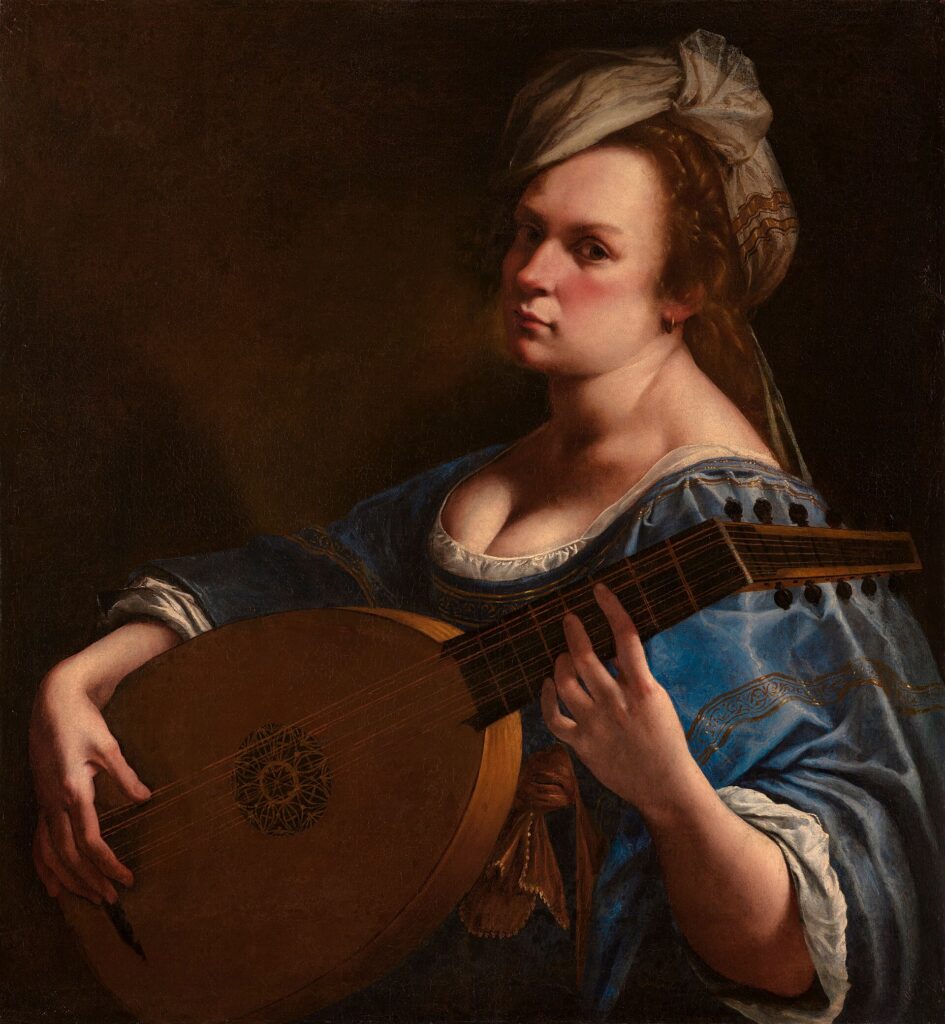
Self-Portrait as a Lute Player by Artemisia Gentileschi

In 1611 the painter Agostino Tassi, who was working with her father, raped her, then promised to marry her. When it became clear he would not, Orazio took him to court.

During the seven-month trial Artemisia was tortured with cords tightened around her fingers, to test her testimony. She held to it. Tassi was convicted and sentenced to exile, but spent less than a year in prison.

As the historian Elizabeth Cohen has noted, the law measured the damage to her family’s honour rather than to her. She left for Florence soon after and built a career of her own.

The Allegory of Painting at Palazzo Barberini
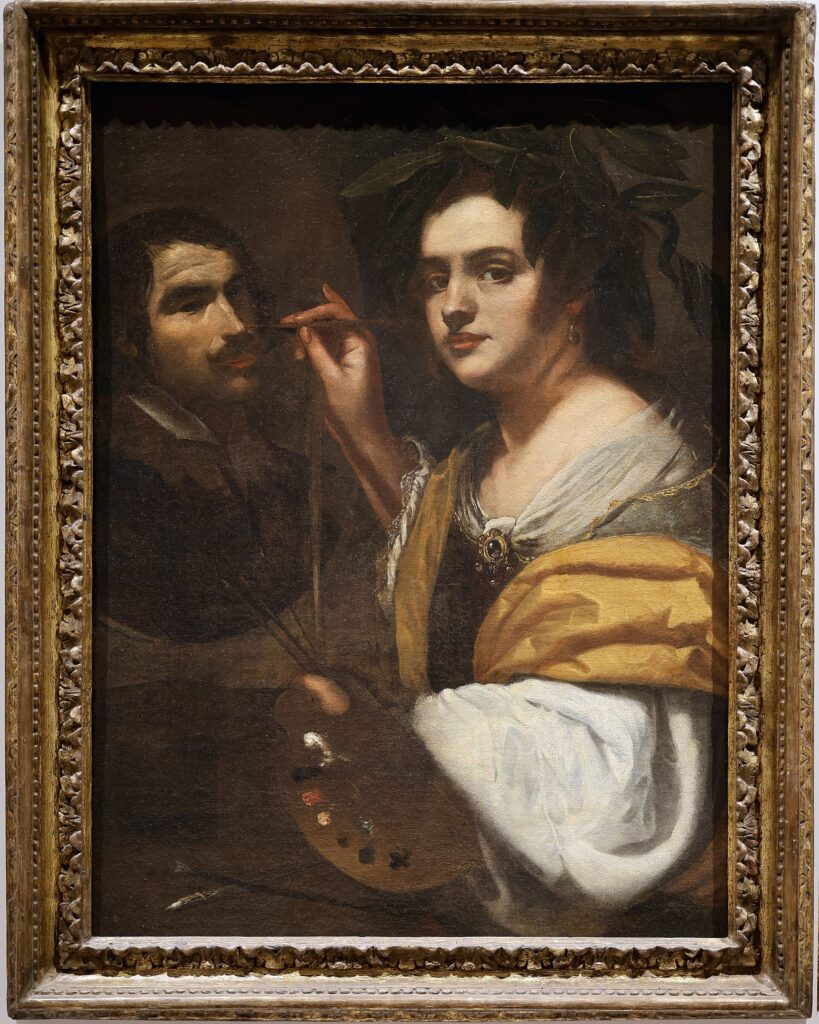
Allegory of Painting at Palazzo Barberini, attributed to Simon Vouet or Artemisia Gentileschi
Photo: Fabrizio Garrisi, CC0, via Wikimedia Commons

The canvas shows a woman at work on a portrait of a man, and dates from about 1630 to 1635. Its earliest certain record dates from 1935, and its author is still argued over.

The scholar Raymond Ward Bissell included it in his catalogue of her work in 1999. A 2001 catalogue gave it to the workshop of Simon Vouet. Jesse Locker later argued for Artemisia, pointing to the dress and the lace.

Mary Garrard reads the painter’s raised hand as a challenge to the male artists of her time. The picture is in poor condition, which makes the debate harder to settle.

Looking for Artemisia at Palazzo Barberini

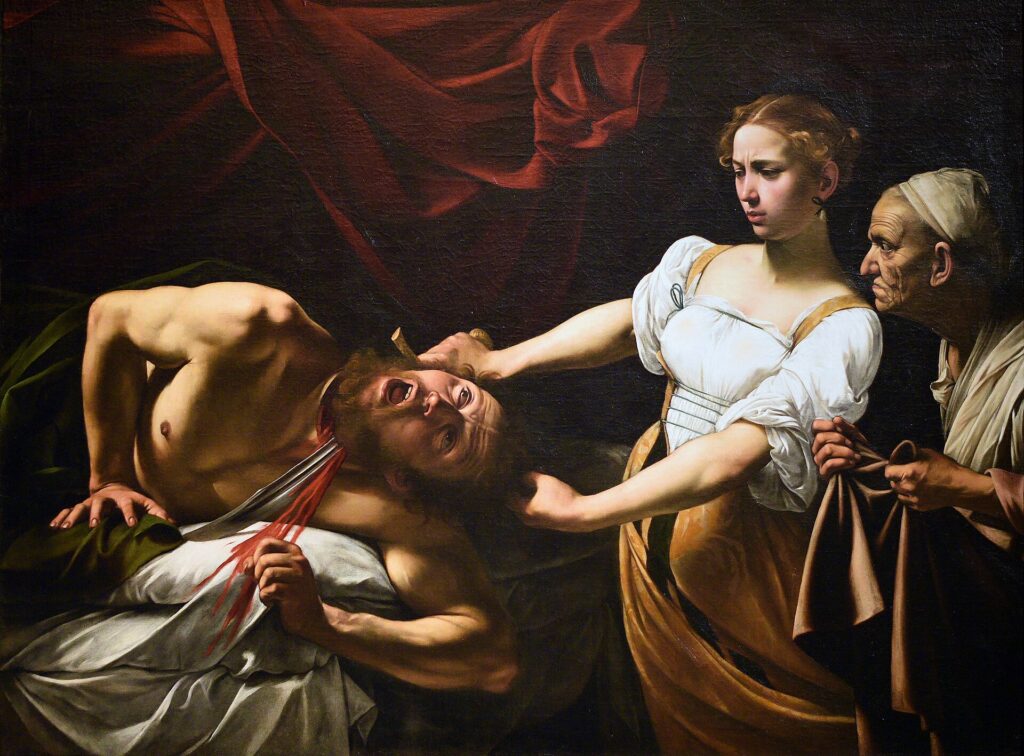
Start with Caravaggio’s Judith, then find the Allegory of Painting and decide for yourself whose hand you see. Displays change, so ask at the desk whether the Allegory is on view on the day of your visit.

4.6
(24)

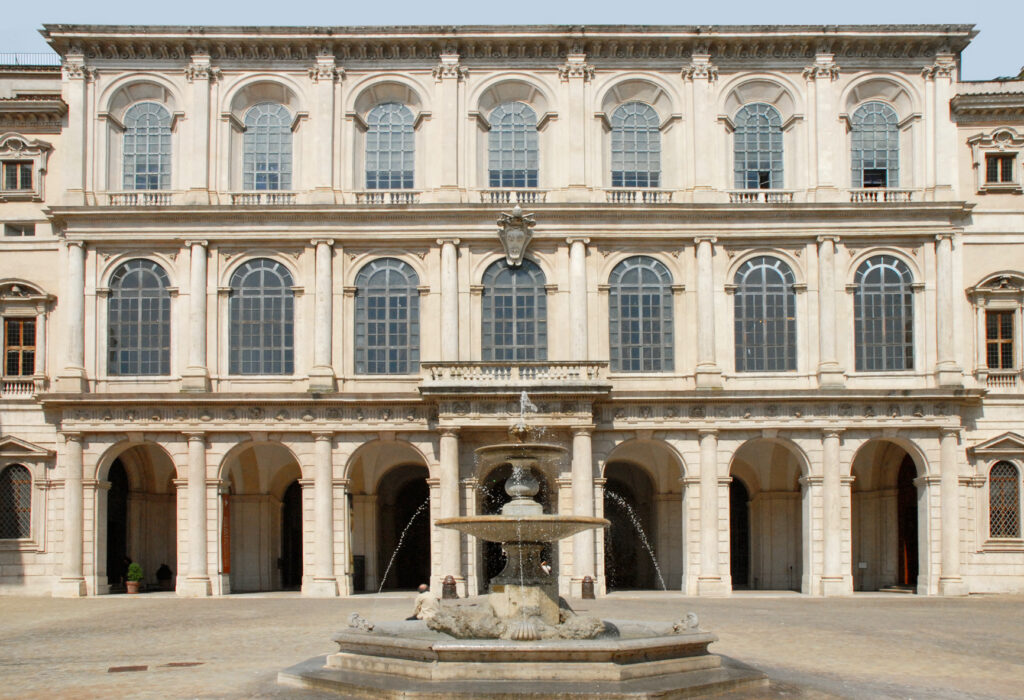
Visit Barberini Palace

Highlights

Marvel at extraordinary artworks by legendary artists like Caravaggio, Raphael, Bernini, and Lippi.

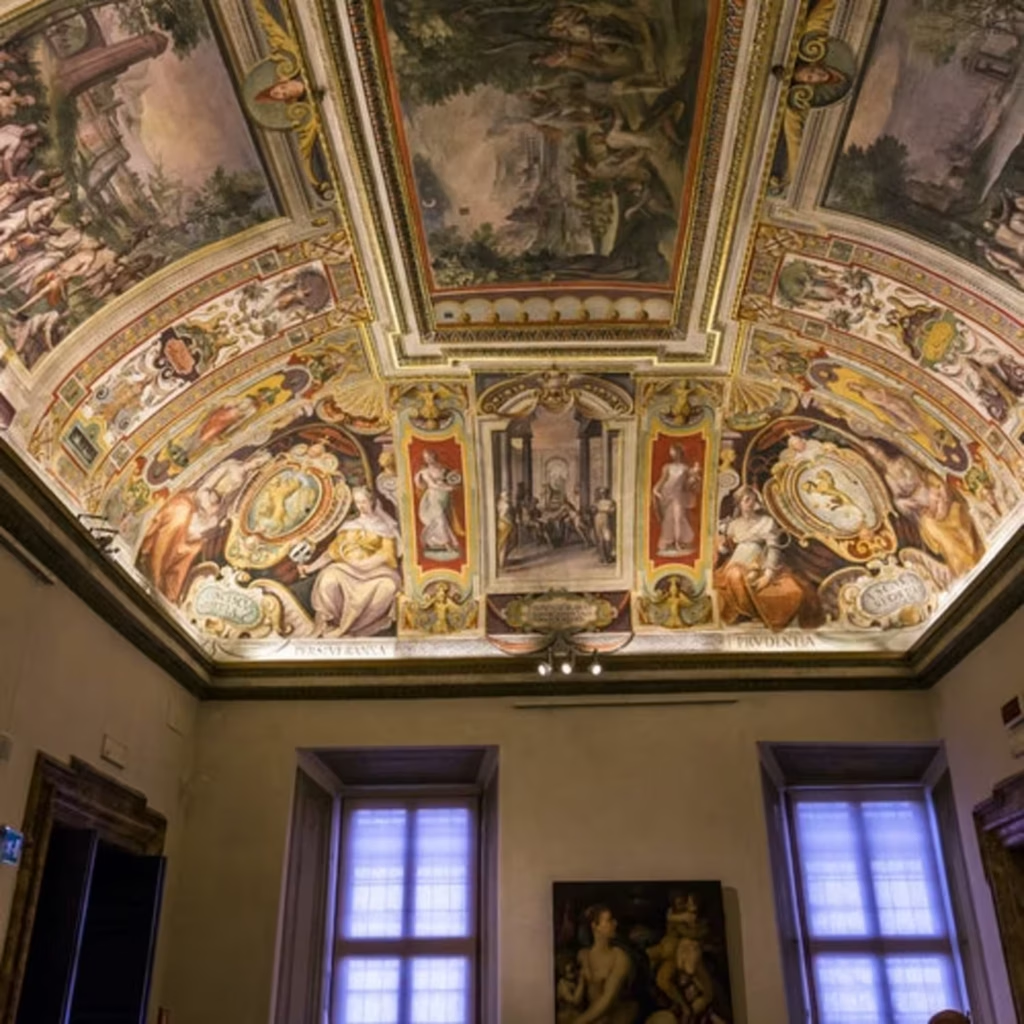
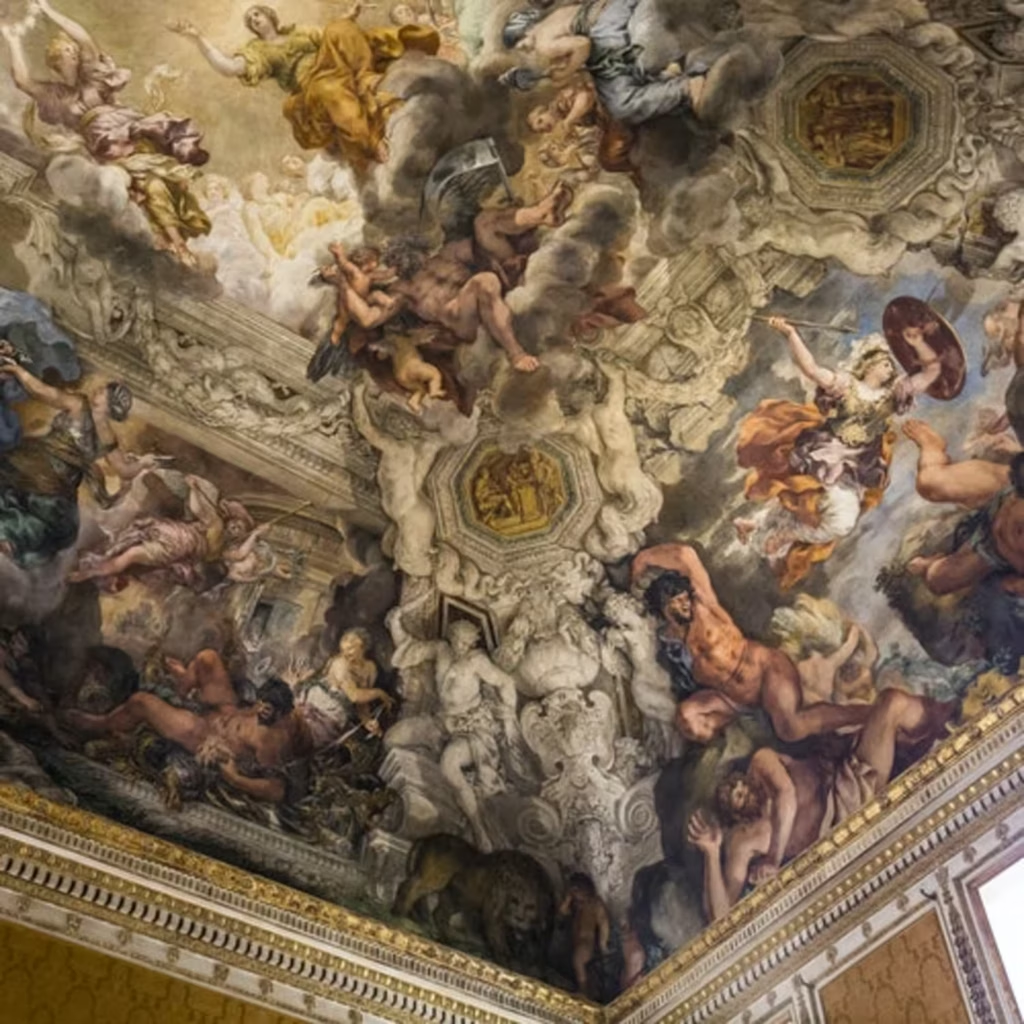
Enjoy stunning ceiling frescoes and intricate decorations within the palatial setting.

Visit multiple floors showcasing a variety of Italian and European paintings and sculptures.

Receive entry to both Palazzo Barberini and the nearby Palazzo Corsini.

Explore the former residence of Queen Christina of Sweden and admire renowned Baroque art collections.
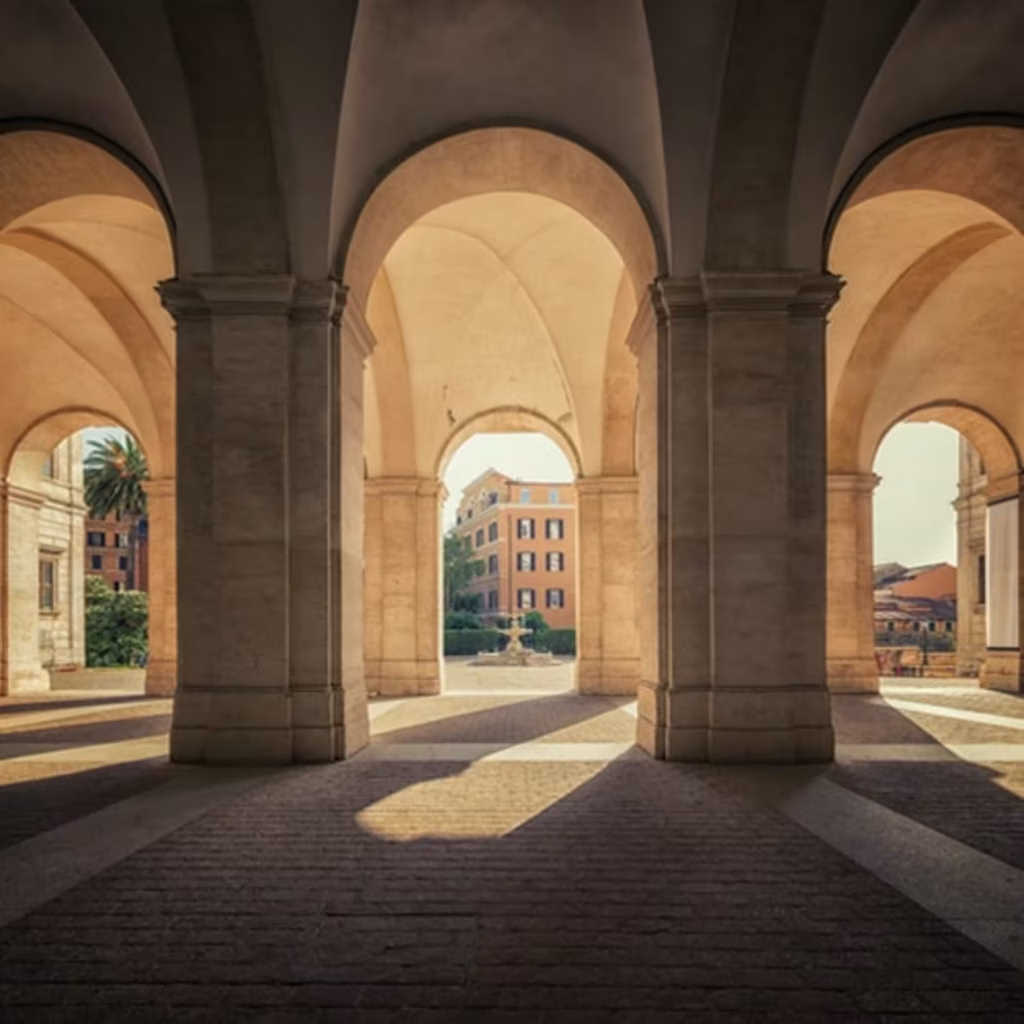
About this guide

Sources: Wikipedia, Artemisia Gentileschi; Wikipedia, Self-Portrait (Artemisia Gentileschi), Palazzo Barberini; Gallerie Nazionali Barberini Corsini, north wing (Seicento rooms) press kit 2019.

Questions About Artemisia Gentileschi

Who was Artemisia Gentileschi?

An Italian Baroque painter born in Rome in 1593, known for powerful images of women such as Judith and Susanna.

Is there a painting by Artemisia Gentileschi in Palazzo Barberini?

The gallery holds an Allegory of Painting from about 1630 to 1635, attributed either to Artemisia or to Simon Vouet.

What happened to Artemisia Gentileschi?

She was raped by the painter Agostino Tassi and tortured during his trial in 1612. She went on to build a career in Florence, Naples and London.

Why is Artemisia Gentileschi considered a feminist icon?

She succeeded in a profession closed to women, and many of her paintings show women as strong, active figures.

Where can I see Caravaggio’s Judith in Rome?

Caravaggio’s Judith Beheading Holofernes is in the collection of Palazzo Barberini.

Was Artemisia Gentileschi a member of an art academy?

Yes. She was the first woman member of the Accademia delle Arti del Disegno in Florence.