We are processing your request.
Please, don’t close or refresh the page.

Beatrice Cenci at Palazzo Barberini, a Portrait With Three Things in Doubt

A young woman in a white turban, long called Beatrice Cenci and long credited to Guido Reni. The museum's own catalogue now questions the painter, the sitter and the date. The execution behind the legend is the one certainty.

Three Things in Doubt, and One That Is Not

The canvas is oil, 64.5 by 49 centimetres, and shows a young woman in a white turban looking back over her shoulder.

Doubt one: the painter. The earliest Barberini catalogue listed it as by an unknown painter.

It was credited to Guido Reni for generations, and to Elisabetta Sirani by some critics.

The current attribution is to Ginevra Cantofoli, and the 2021 Barberini and Corsini catalogue prints it with a question mark.

Doubt two: the sitter. The white robes have also been read as a Roman sibyl, or a vestal virgin.

Doubt three: the date. The picture is often given as around 1600, while the museum now dates it to around 1650, in line with Cantofoli.

Beatrice Cenci was beheaded on 11 September 1599, at the age of 22.

Cantofoli was born in 1608 or 1618, so she cannot have painted Beatrice from life.

What Beatrice Cenci Did, and What Was Done to Her
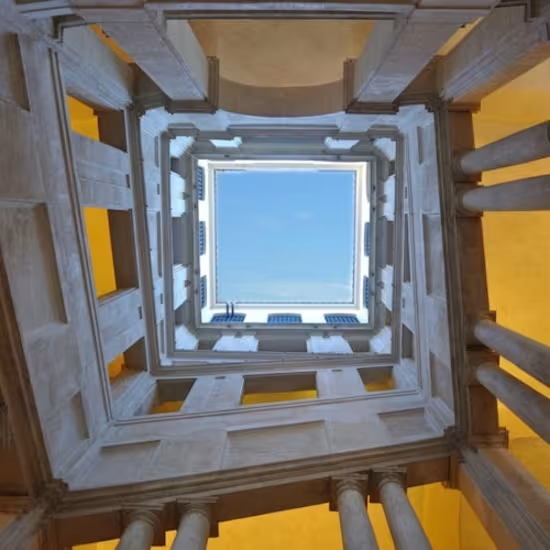
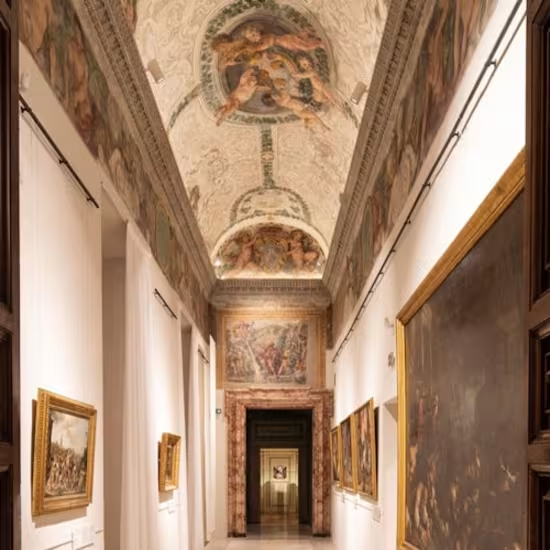
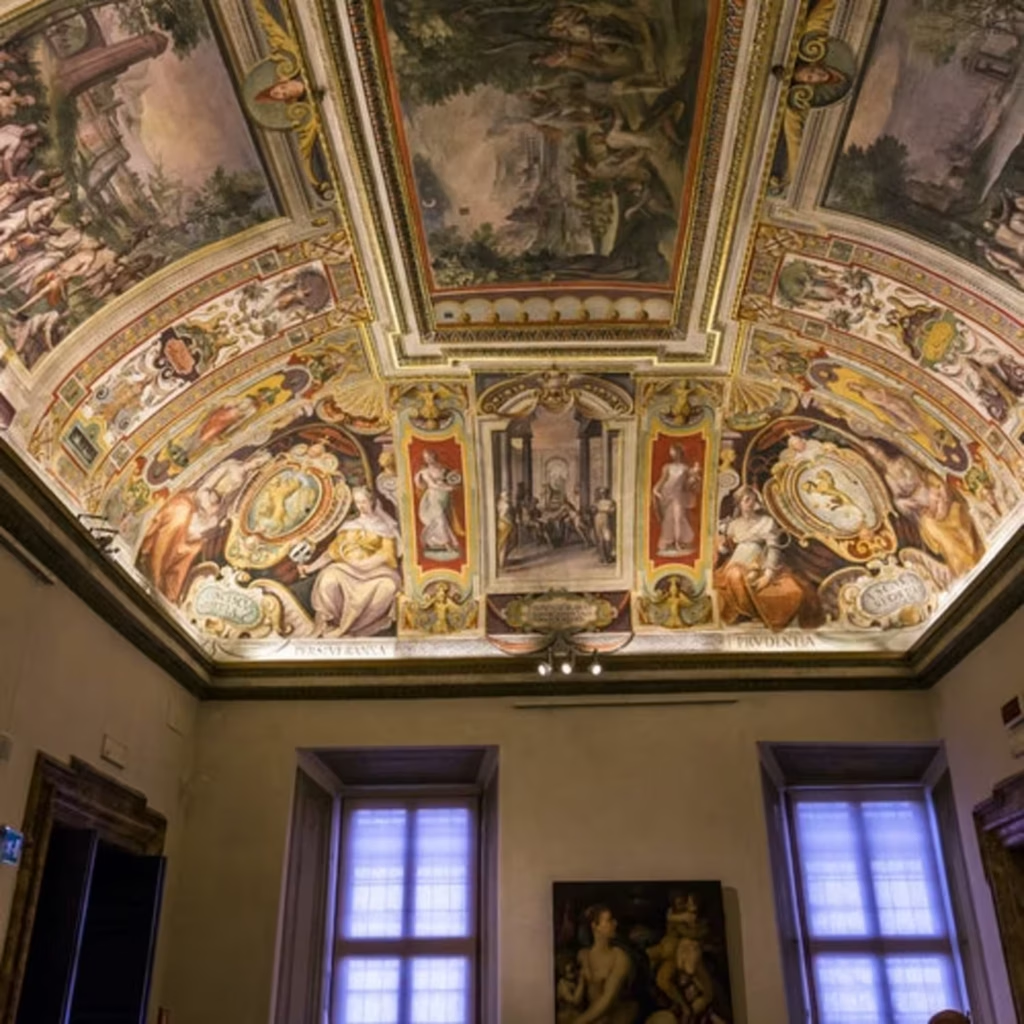
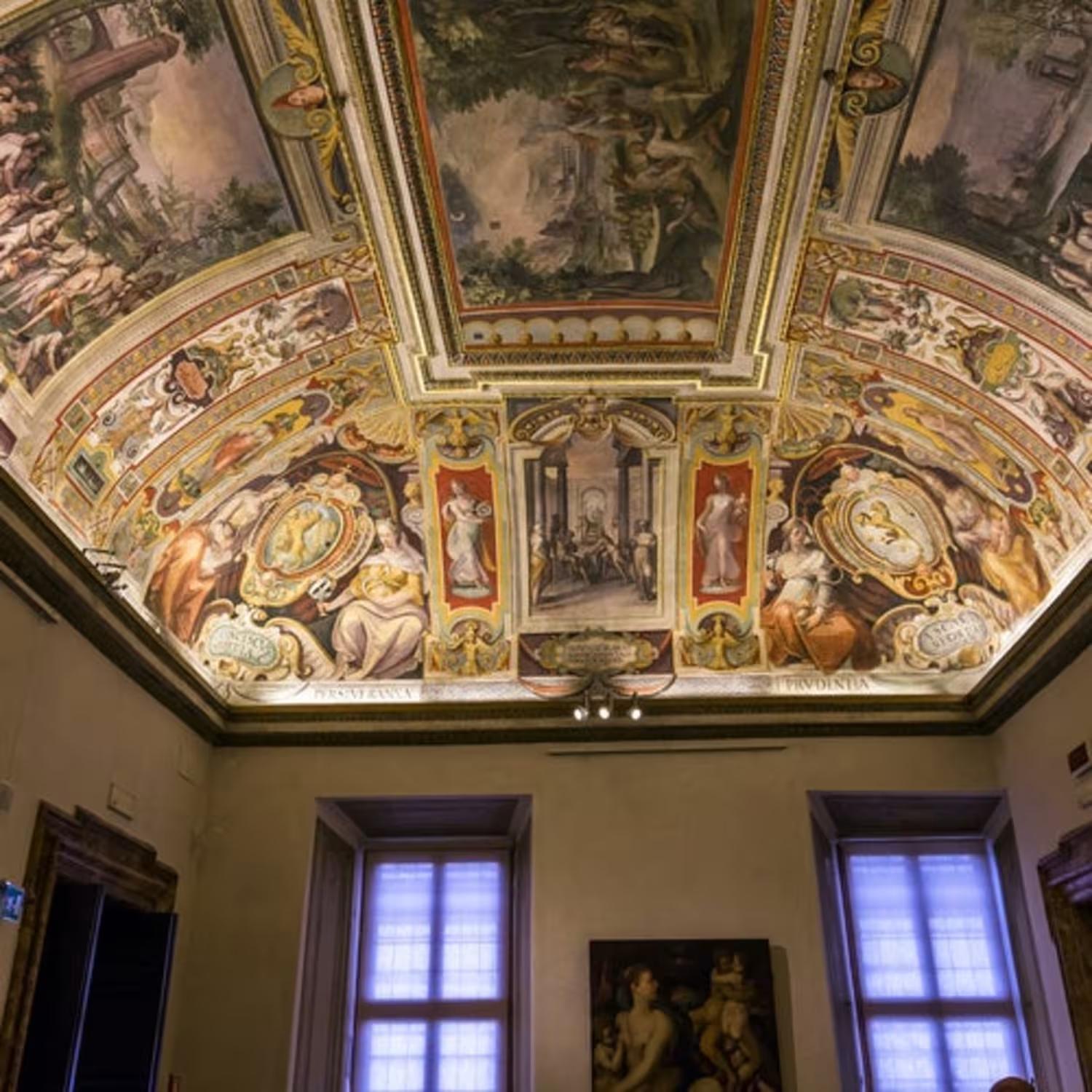
Gallery rooms on the piano nobile at Palazzo Barberini

Beatrice was born in Rome on 6 February 1577, daughter of Count Francesco Cenci, a rich man with a violent temper who was accused of raping her repeatedly and abusing his first wife and sons. In 1598, at the family castle of La Rocca at Petrella Salto, Beatrice, her brothers Giacomo and Bernardo and her stepmother Lucrezia Petroni drugged him, beat him to death with a hammer and threw the body from a balcony to pass it off as a fall.

All four were arrested and condemned. On 11 September 1599, at the Ponte Sant'Angelo, Giacomo was tortured and killed, then Lucrezia and Beatrice were beheaded. Bernardo was twelve, and was made to watch.

Clement VIII refused clemency in spite of public protest. The boy was sent to the galleys and released a year later, and the family property went to the pope's own family.

How the Picture Got Its Name

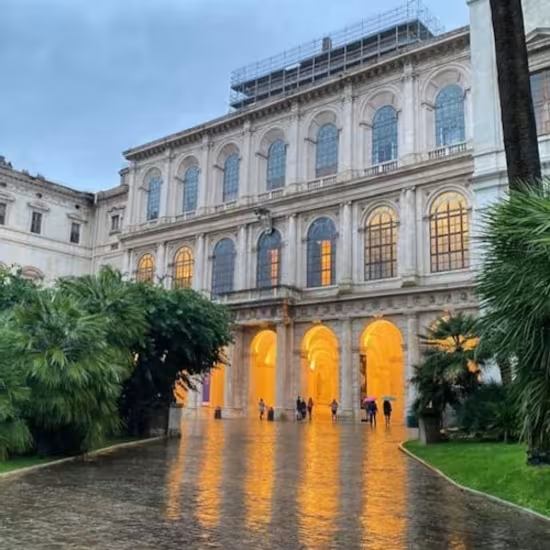
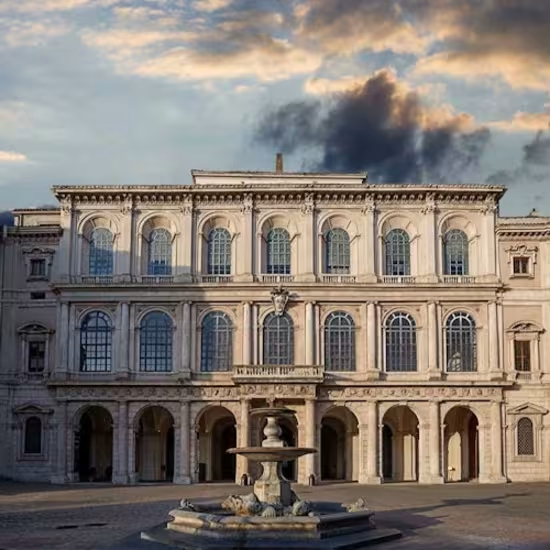
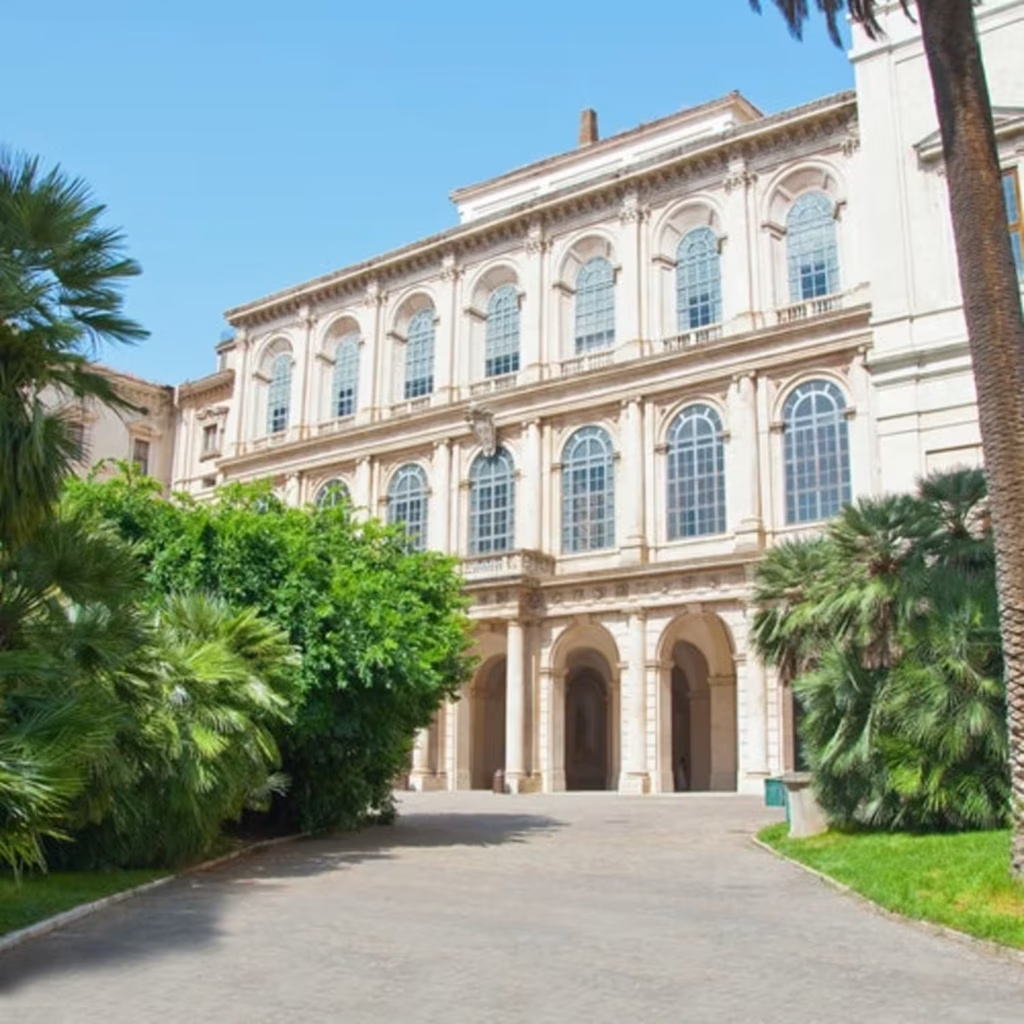
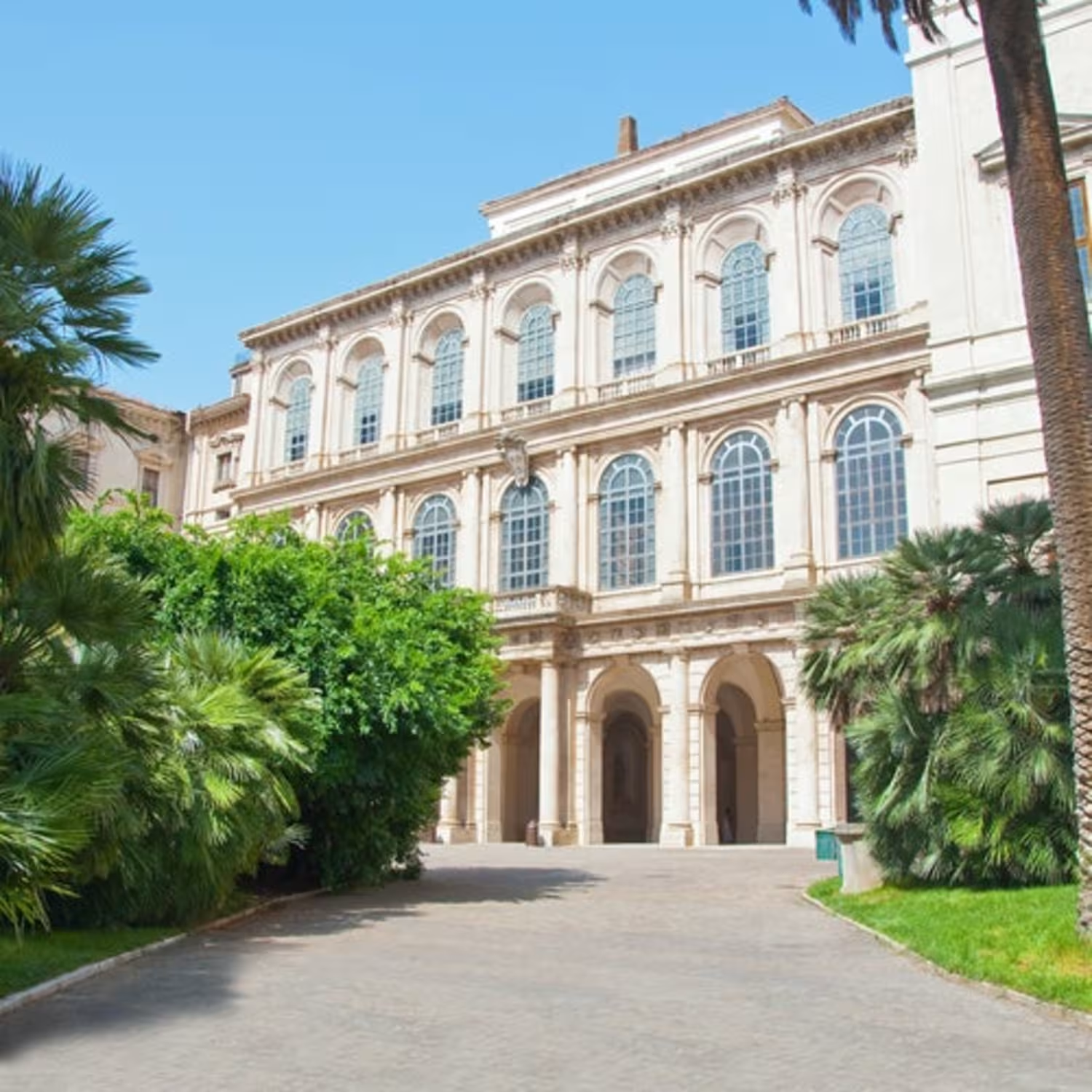
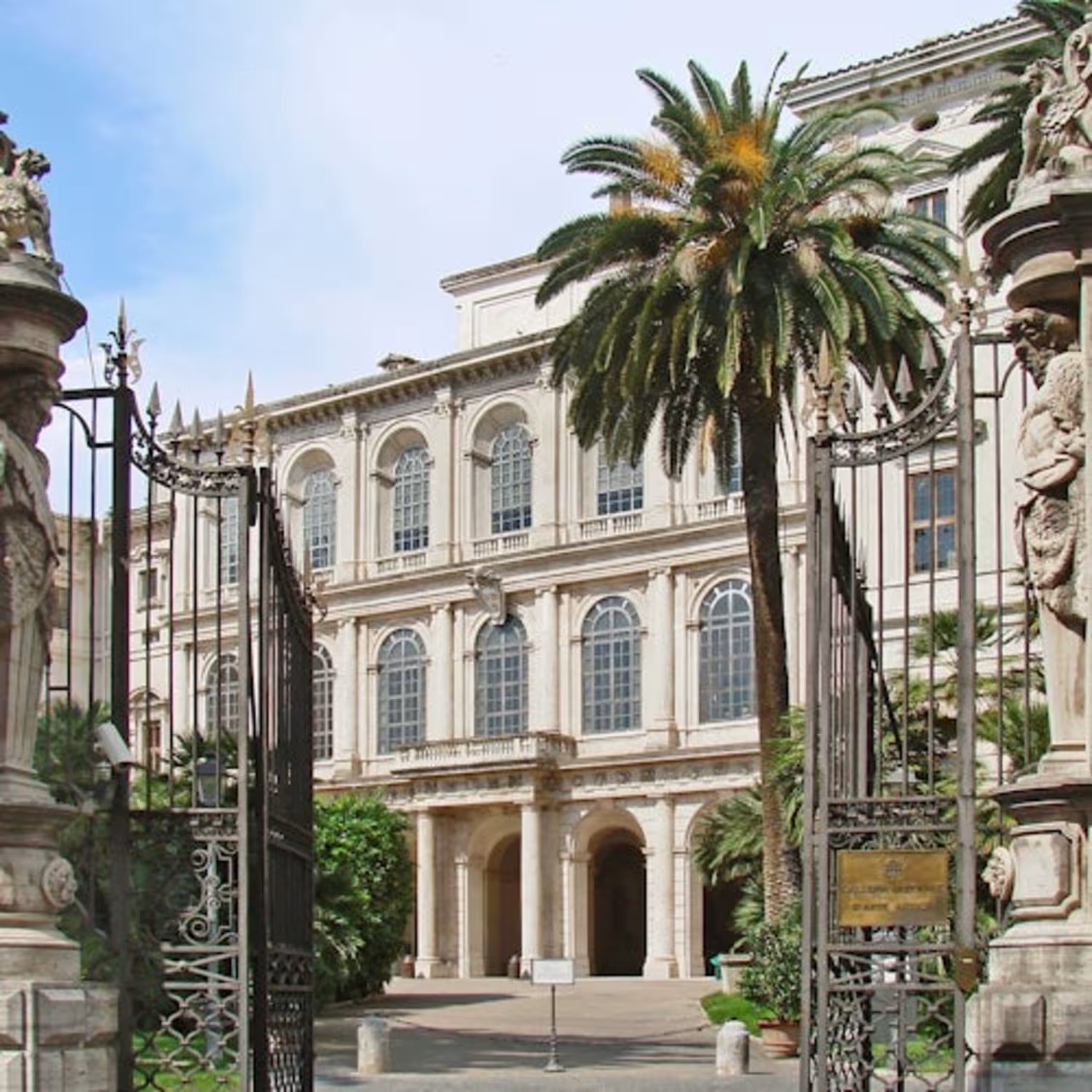
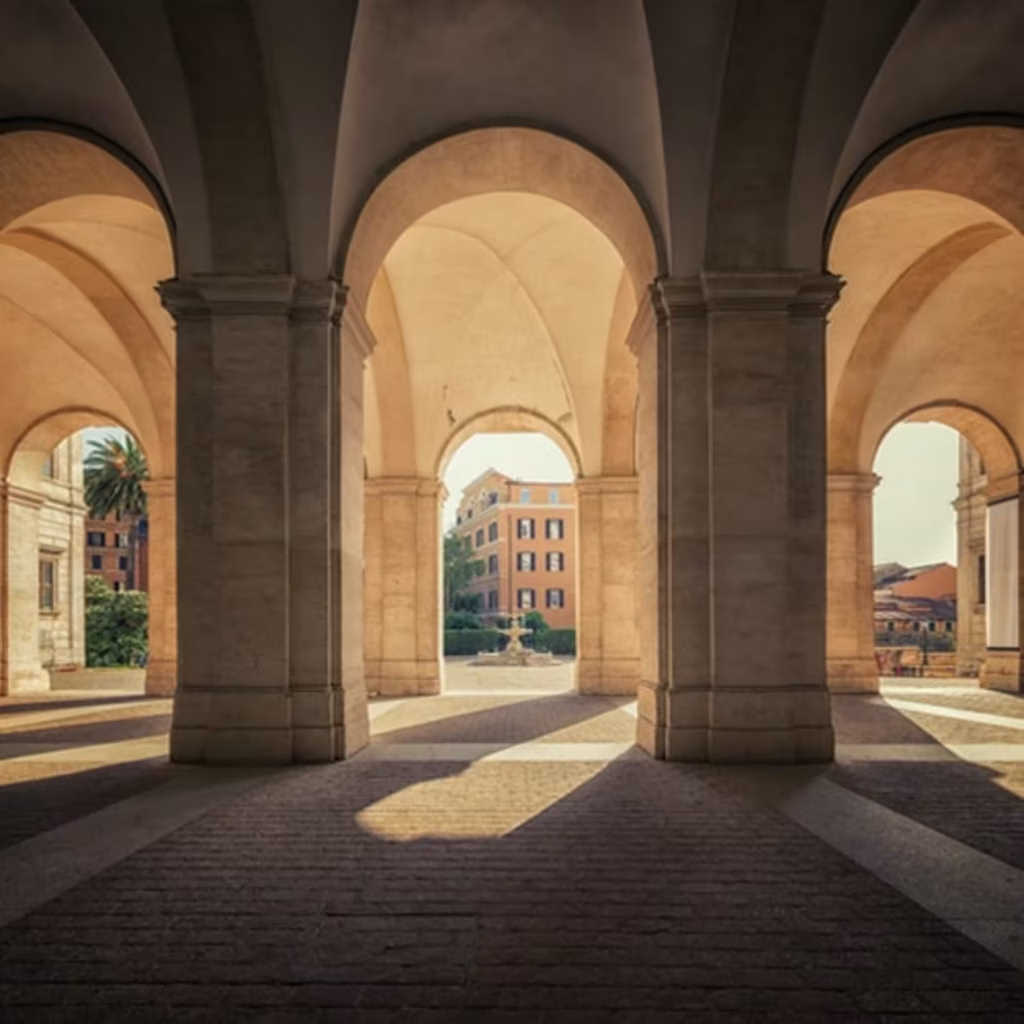
Palazzo Barberini on Via delle Quattro Fontane

The story that grew around the canvas is that Beatrice sat for it in prison, on the eve of her execution. It is a good story and the arithmetic does not allow it: if Ginevra Cantofoli painted it, she was born in 1608 or 1618, at least nine years after Beatrice was beheaded.

What the picture had instead was reach. Shelley wrote The Cenci in 1819, Stendhal published Les Cenci in 1837, Dumas gave her a chapter in Celebrated Crimes in 1840, and each of them sent readers to Rome looking for her face. The name stuck to the painting because the legend needed a face.

Rome kept the rest of the legend too. She is said to come back to the Ponte Sant'Angelo every year on the night before the anniversary, carrying her own head.

4.6
(24)

Visit Barberini Palace

Highlights

Marvel at extraordinary artworks by legendary artists like Caravaggio, Raphael, Bernini, and Lippi.

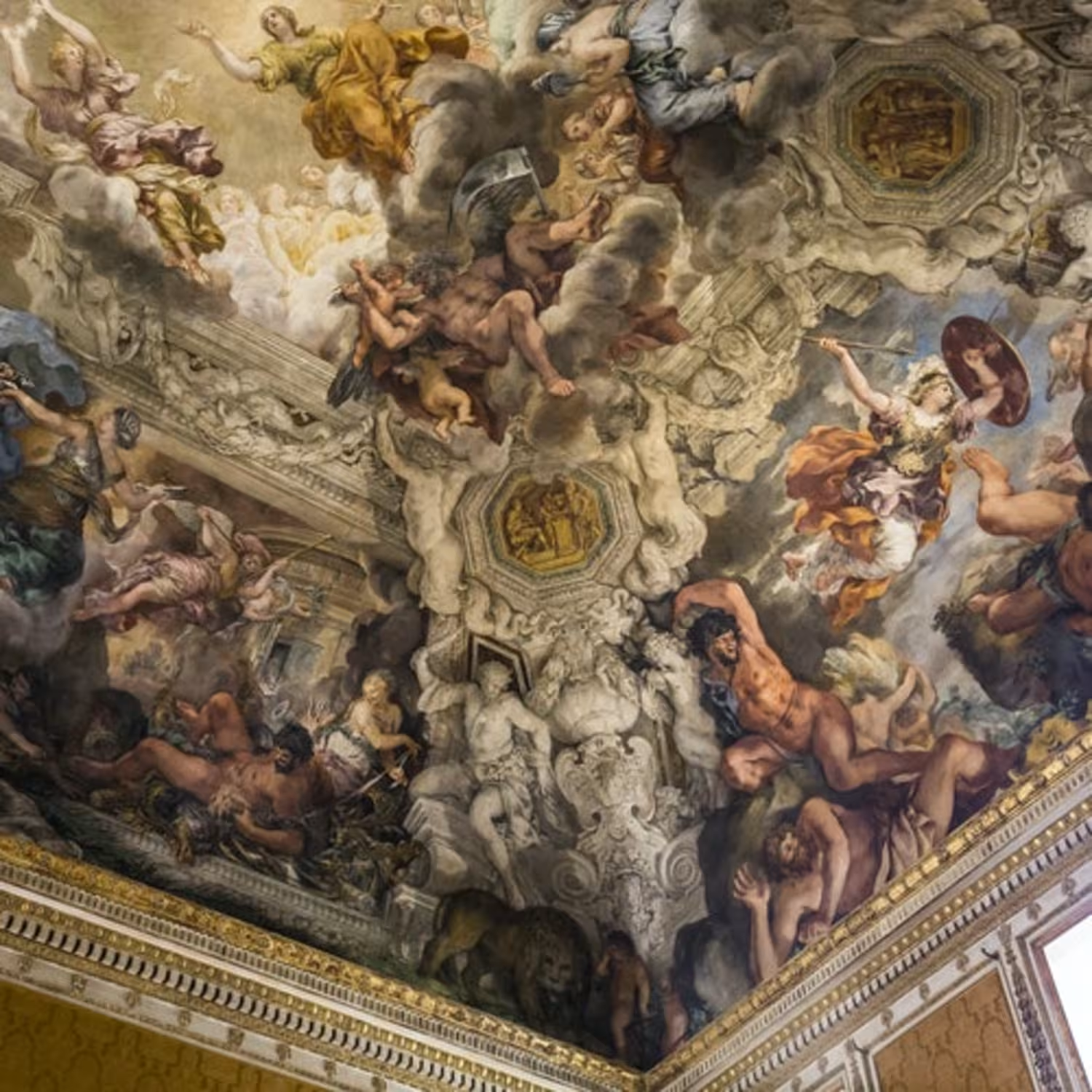
Enjoy stunning ceiling frescoes and intricate decorations within the palatial setting.

Visit multiple floors showcasing a variety of Italian and European paintings and sculptures.

Receive entry to both Palazzo Barberini and the nearby Palazzo Corsini.

Explore the former residence of Queen Christina of Sweden and admire renowned Baroque art collections.
4.6
(7)

Palazzo Barberini: Guided tour

Highlights

Explore masterpieces by Caravaggio, Raphael, and Guercino in the Galleria Nazionale d’Arte Antica.

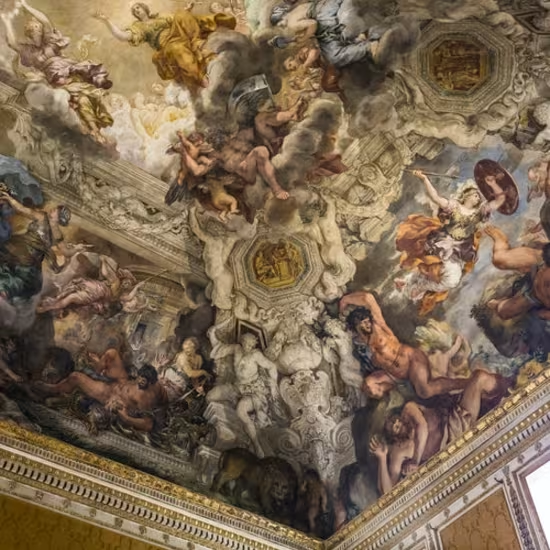
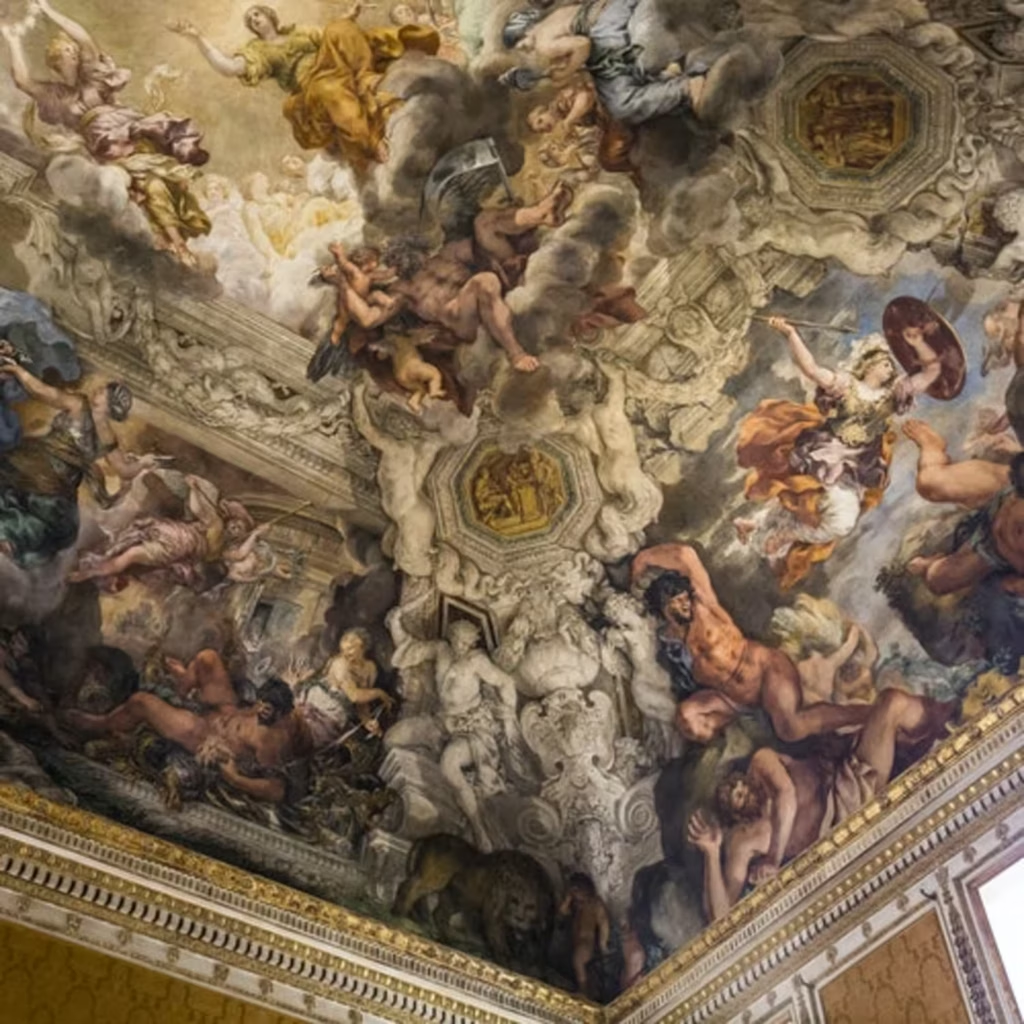
Admire Pietro da Cortona’s ceiling fresco ‘Allegory of Divine Providence’ in the main hall.

Tour restored interiors to learn about the Barberini family’s influence on Rome’s cultural history.

Gain panoramic views of Rome’s skyline from the palace terraces.

Benefit from a live English-speaking guide enhancing the experience.
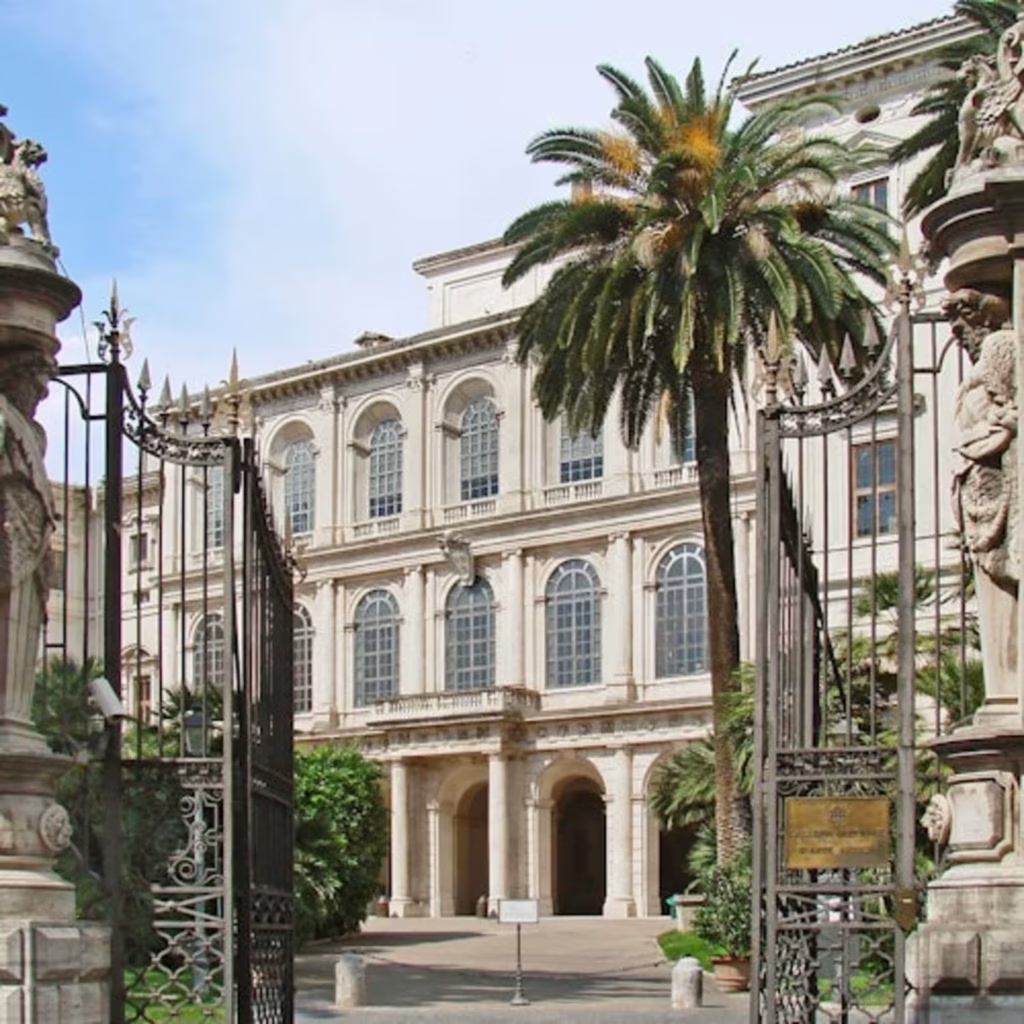
The Face Everyone Came to See

For two centuries this was one of the things visitors to Rome came specifically to look at, on the strength of a name that may belong to neither the sitter nor the painter. It is a small canvas, just under half a metre wide. It hangs on the ordinary ticket with the rest of Palazzo Barberini.

About this guide

Sources: Gallerie Nazionali Barberini Corsini, Woman wearing a turban (supposed portrait of Beatrice Cenci) collection entry; Wikipedia, Portrait of Beatrice Cenci; Wikipedia, Beatrice Cenci.

Frequently Asked Questions About the Portrait of Beatrice Cenci

Where is the portrait of Beatrice Cenci?

At Palazzo Barberini in Rome, one of the two seats of the Gallerie Nazionali di Arte Antica. The ordinary gallery ticket covers it.

Did Guido Reni paint the portrait of Beatrice Cenci?

Almost certainly not, though his name carried the picture for generations. The claim is largely undocumented, the earliest Barberini catalogue called the painter unknown, and the current attribution is to Ginevra Cantofoli, printed with a question mark in the 2021 Barberini and Corsini catalogue.

Is the woman in the painting really Beatrice Cenci?

That is disputed as well. The identification is tradition rather than documentation, and the white robes have led others to read her as a Roman sibyl or a vestal virgin.

Is it true she sat for it the night before she was executed?

No. Ginevra Cantofoli was born in 1608 or 1618, and Beatrice Cenci was beheaded on 11 September 1599. Whoever the sitter was, she was not painted from life by Cantofoli.

Who was Beatrice Cenci?

A Roman noblewoman, born 6 February 1577. With her brothers Giacomo and Bernardo and her stepmother Lucrezia Petroni she killed her father, Count Francesco Cenci, in 1598, after years in which he was accused of raping her and abusing the household.

Why was she executed?

For the killing of her father. Clement VIII refused clemency in spite of public protest, reportedly fearing a run of family murders. She was beheaded at the Ponte Sant'Angelo on 11 September 1599, aged 22, after her brother Giacomo was tortured and killed and her stepmother beheaded.

Why is the story so well known?

Writers kept it alive. Shelley's play The Cenci appeared in 1819 and 1820, Stendhal published Les Cenci in 1837, and Dumas gave her a chapter in Celebrated Crimes in 1840.

How big is the painting?

Oil on canvas, 64.5 by 49 centimetres, about 25 by 19 inches. Just under half a metre wide, which surprises people who know it only from reproductions.