We are processing your request.
Please, don’t close or refresh the page.

Caravaggio's Judith Beheading Holofernes, and the One It Gets Mistaken For

Oil on canvas, 145 by 195 centimetres, painted around 1598 for a Genoese banker and lost to view until 1950. Artemisia Gentileschi painted the same scene, and hers is a different canvas in a different city.

What the Canvas Shows

It is oil on canvas, 145 by 195 centimetres, about 57 by 77 inches.

The scene comes straight from the Book of Judith, chapter 13, at the moment the blade goes in.

The old woman holding the cloth is Abra, Judith's maidservant.

Judith is thought to be modelled on Fillide Melandroni, a Roman courtesan Caravaggio used more than once.

Caravaggio's biographer Baglione says the commission came from Ottavio Costa, a Genoese banker.

The canvas dropped out of sight for generations and was rediscovered in 1950.

X-rays show he moved Holofernes's head while working, easing it away from the torso and slightly to the right.

Artemisia Gentileschi painted this same subject. Her canvas is not the one here.

The Two Judiths That Get Confused

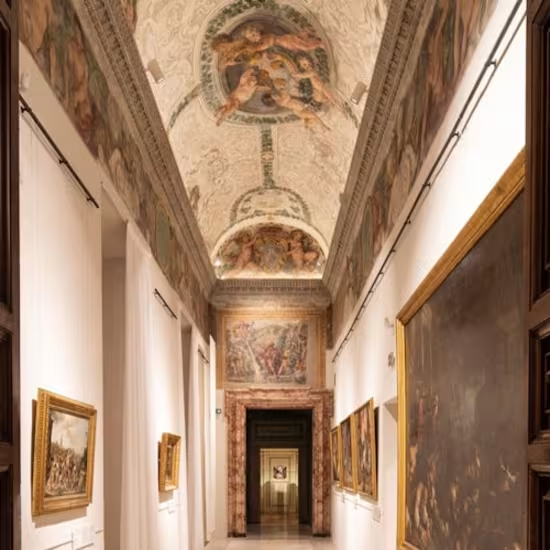
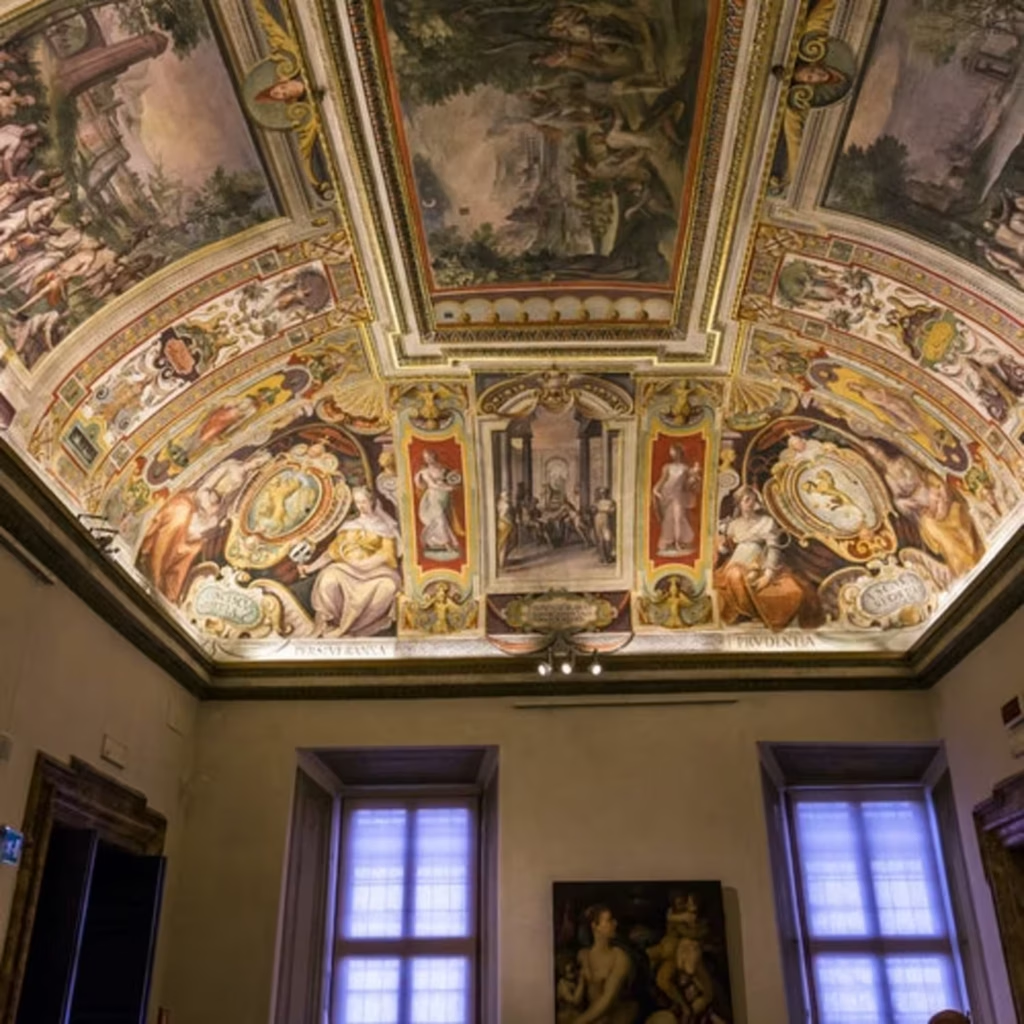
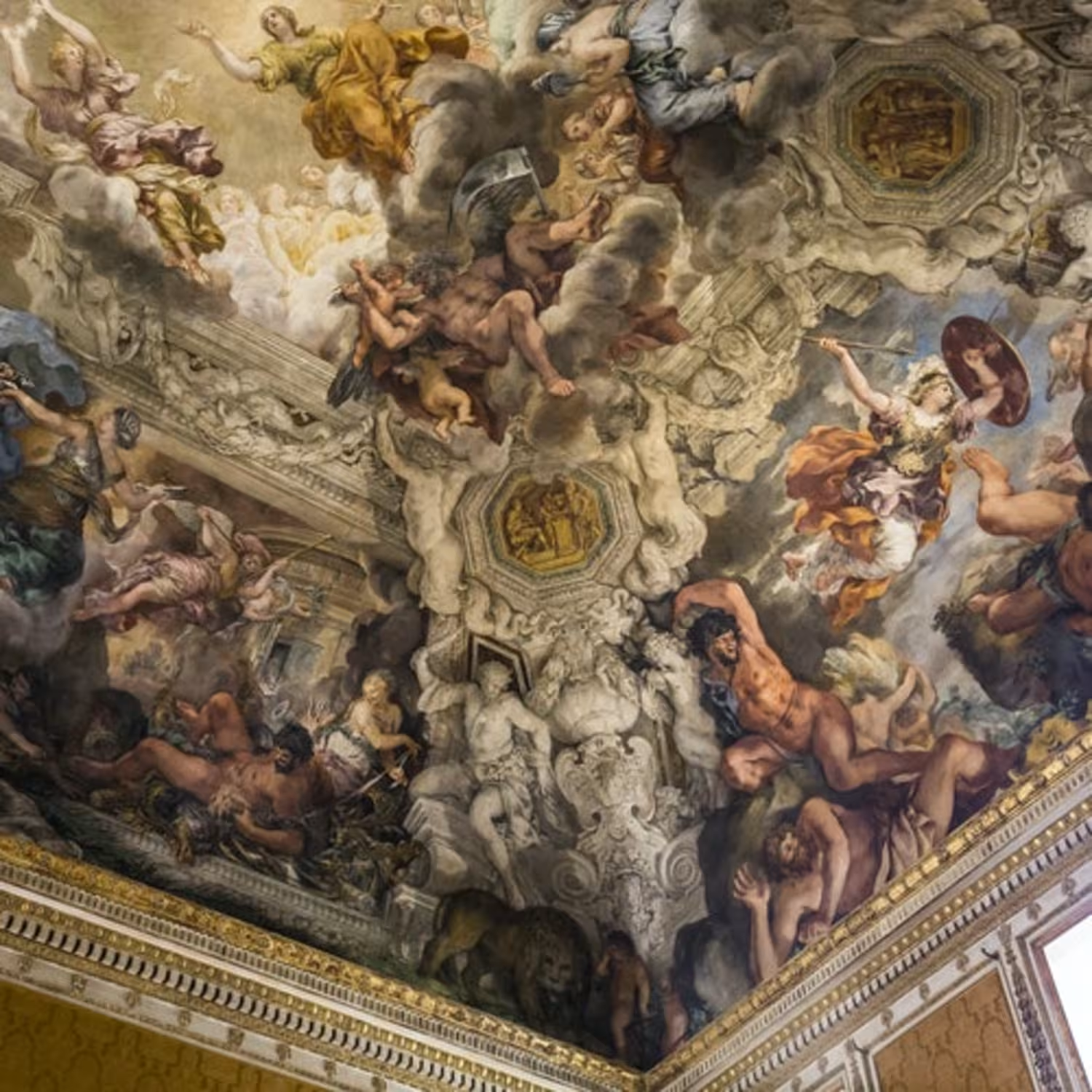
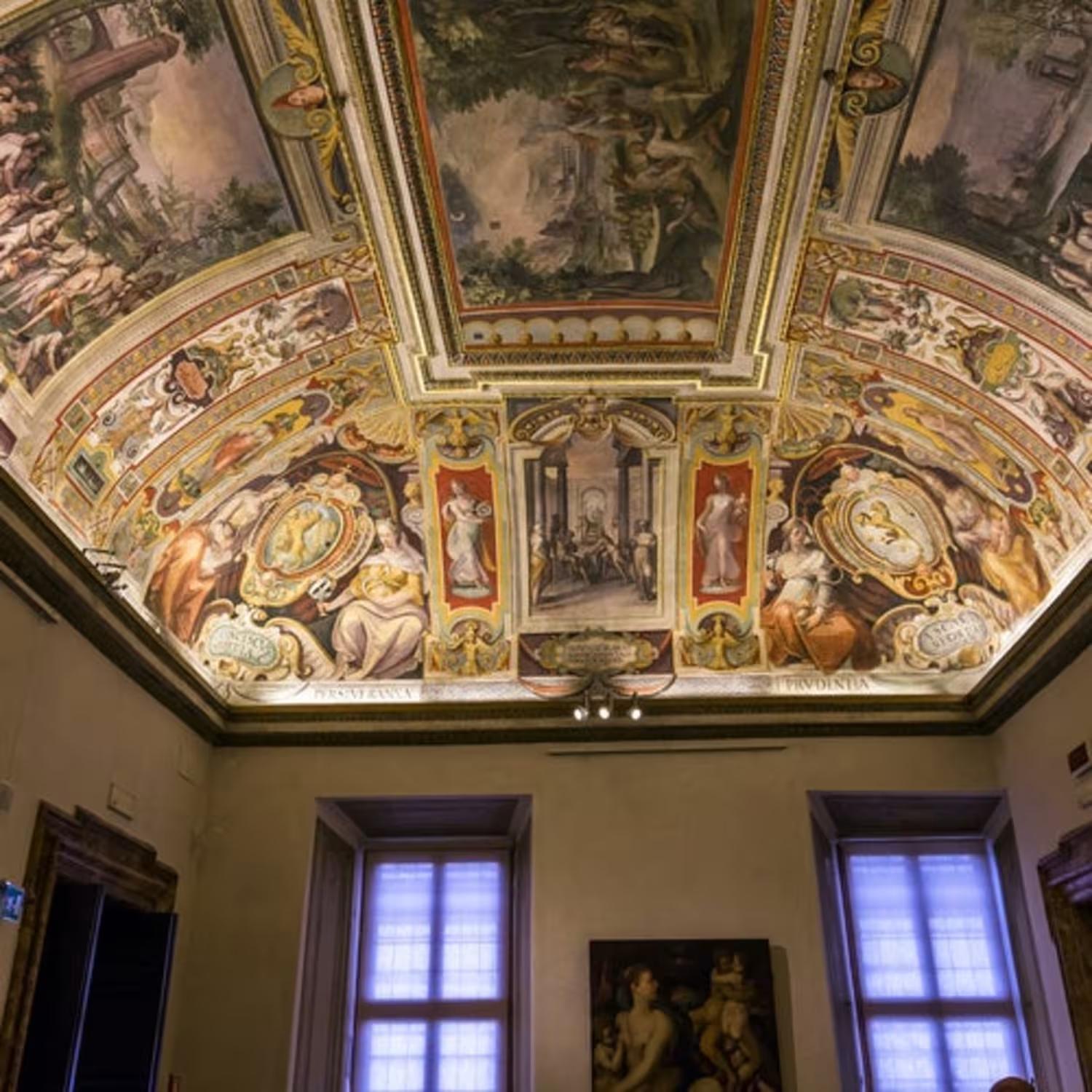
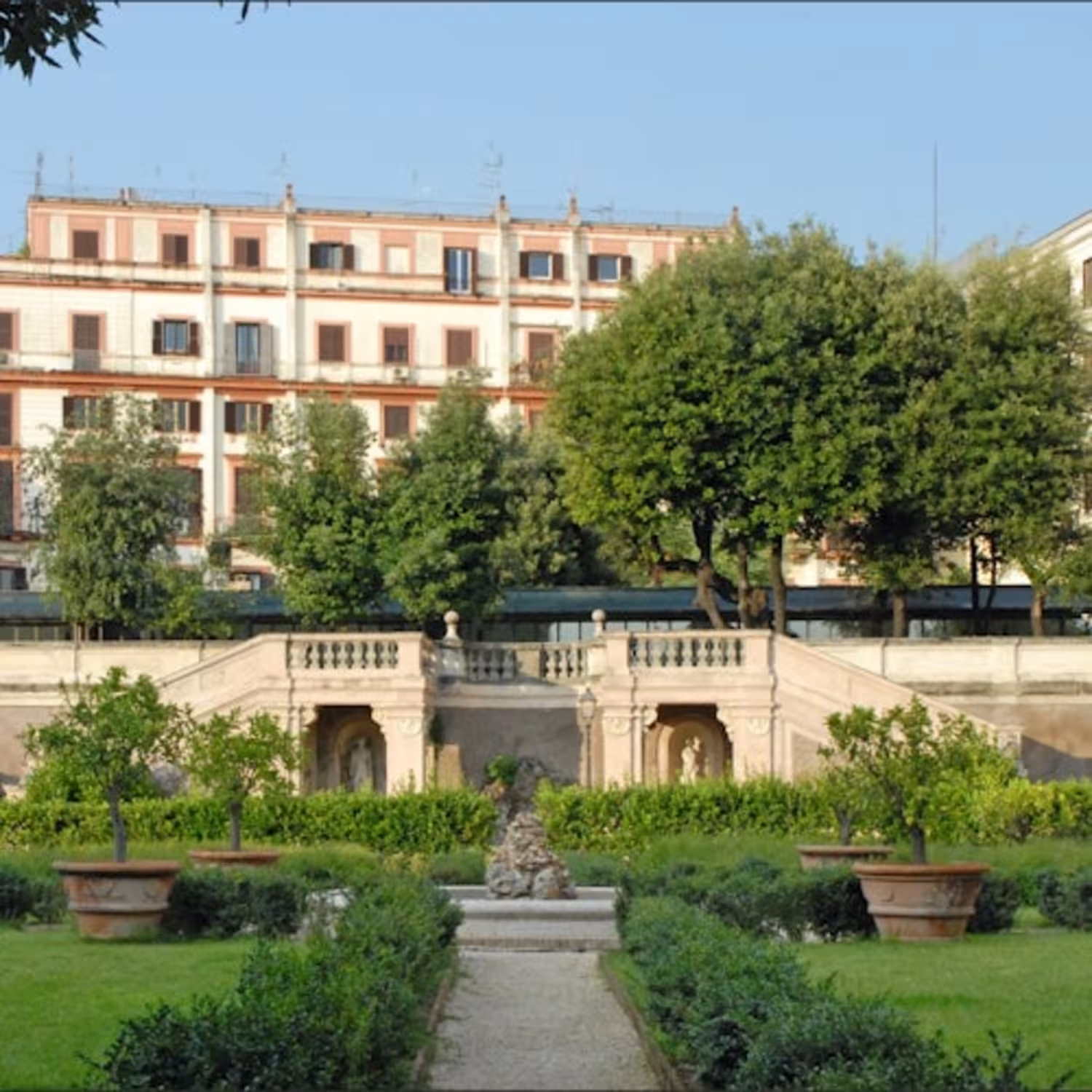
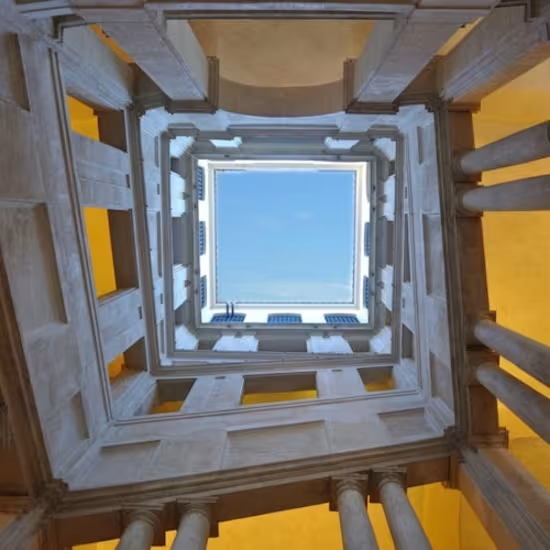
Gallery rooms on the piano nobile at Palazzo Barberini

Search for this title and you get two paintings at once. One is Caravaggio's, made around 1598 to 1599 and hanging in this palace. The other is Artemisia Gentileschi's, painted more than a decade later. They are separate canvases in separate collections, and only the Caravaggio is on a Palazzo Barberini ticket.

The pictures are not interchangeable either. Caravaggio puts Judith at arm's length from what she is doing, leaning back with her brow drawn, as if the act had caught up with her mid-stroke. Gentileschi's Judith is braced and committed.

If you came looking for the Gentileschi, this is not the room for it. If you came for the Caravaggio, it is in the north wing with the painters who followed him.

What the X-Rays Caught Him Changing

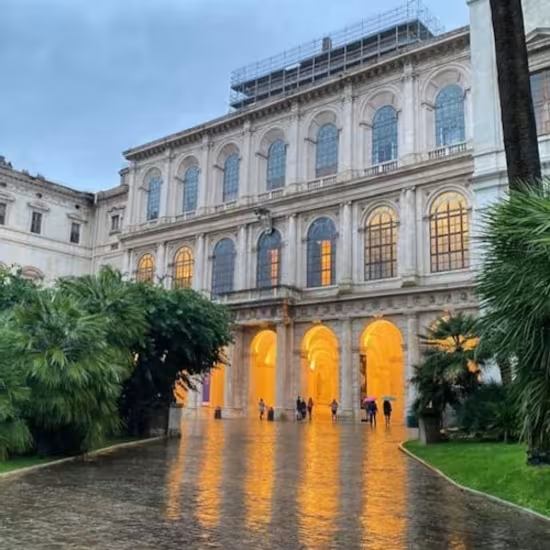
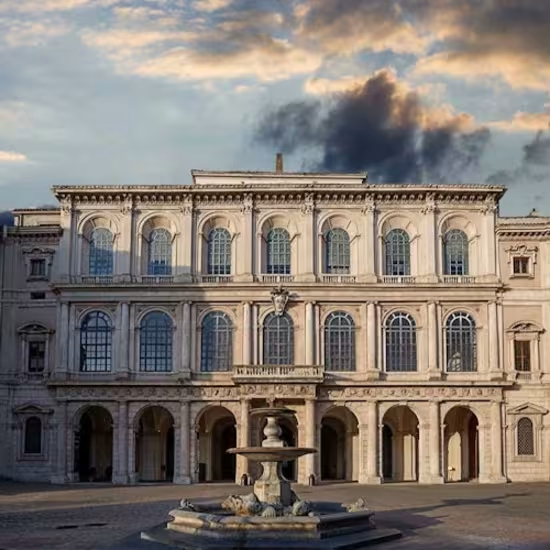
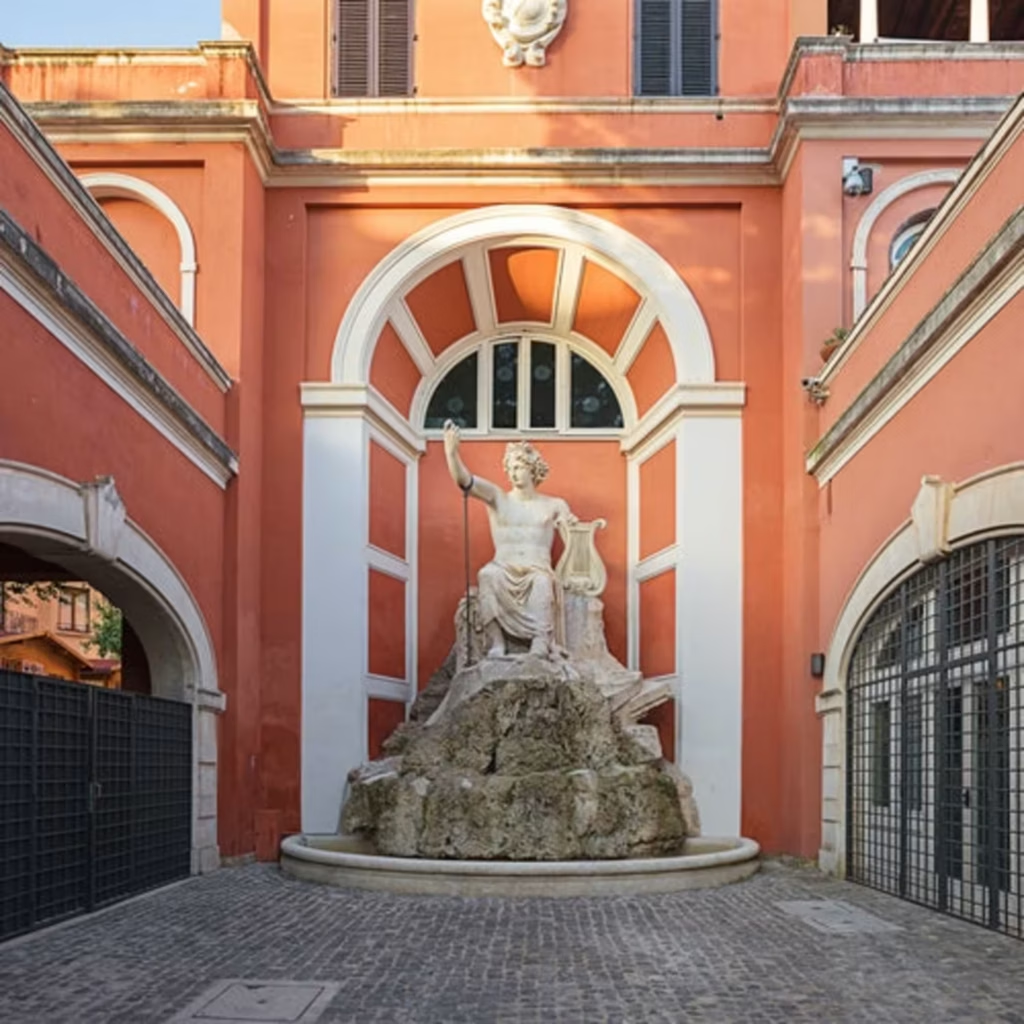
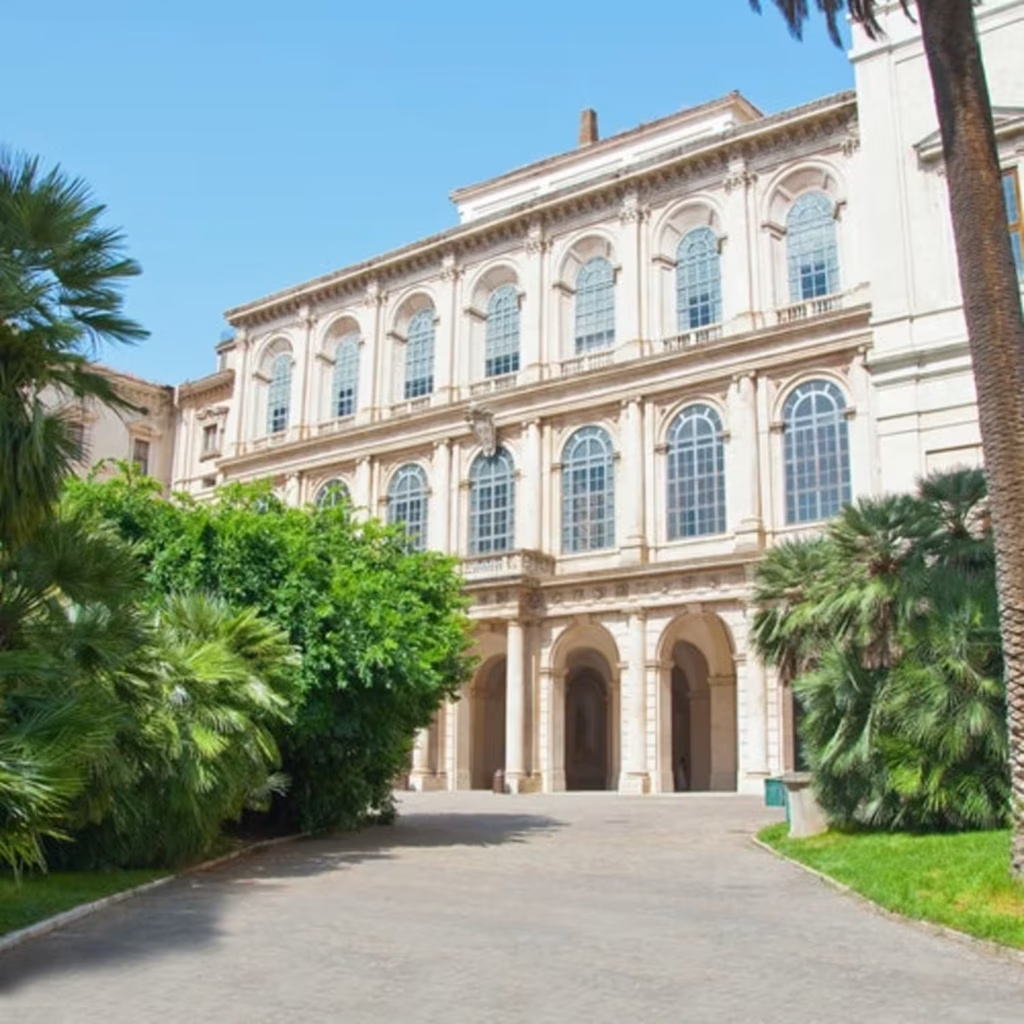
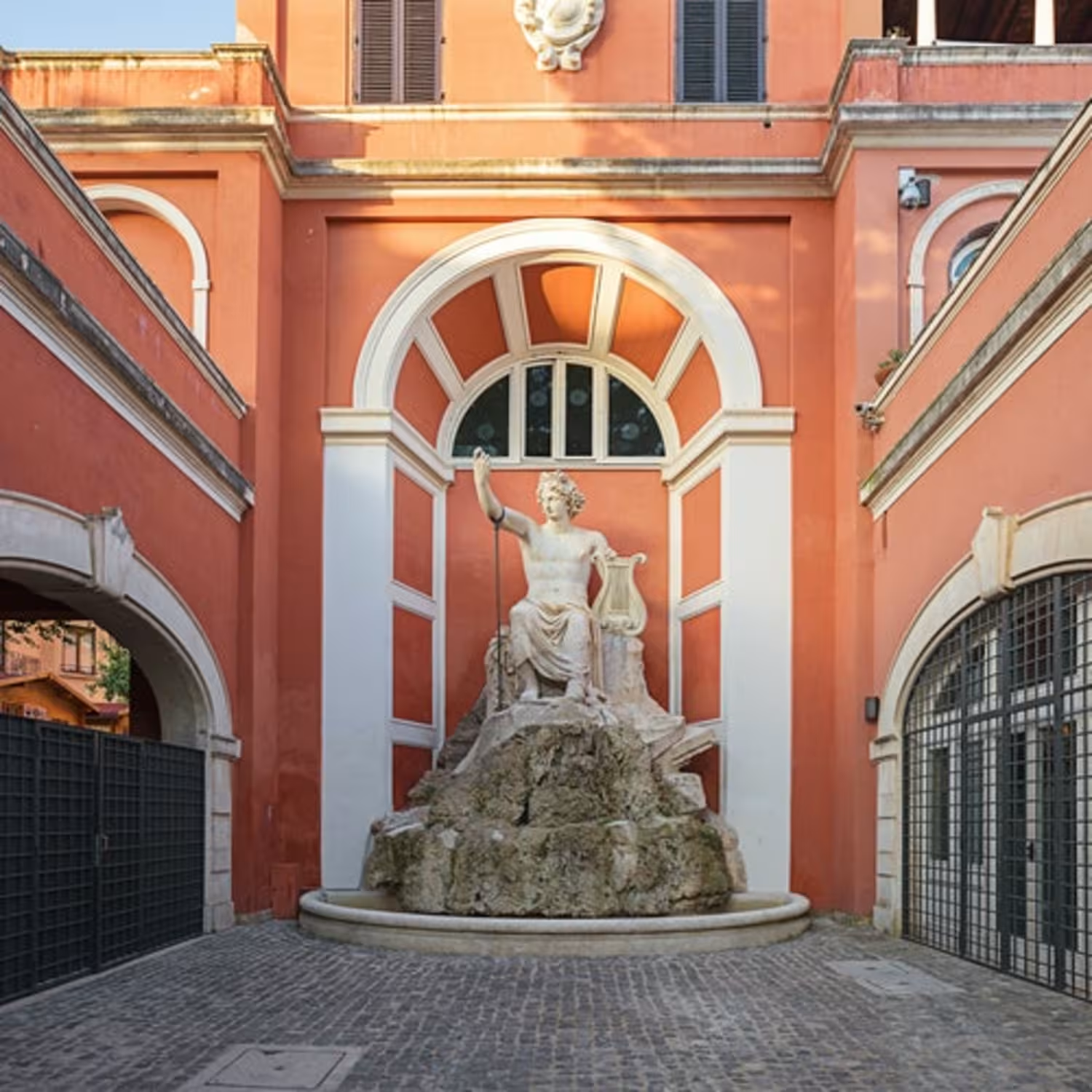
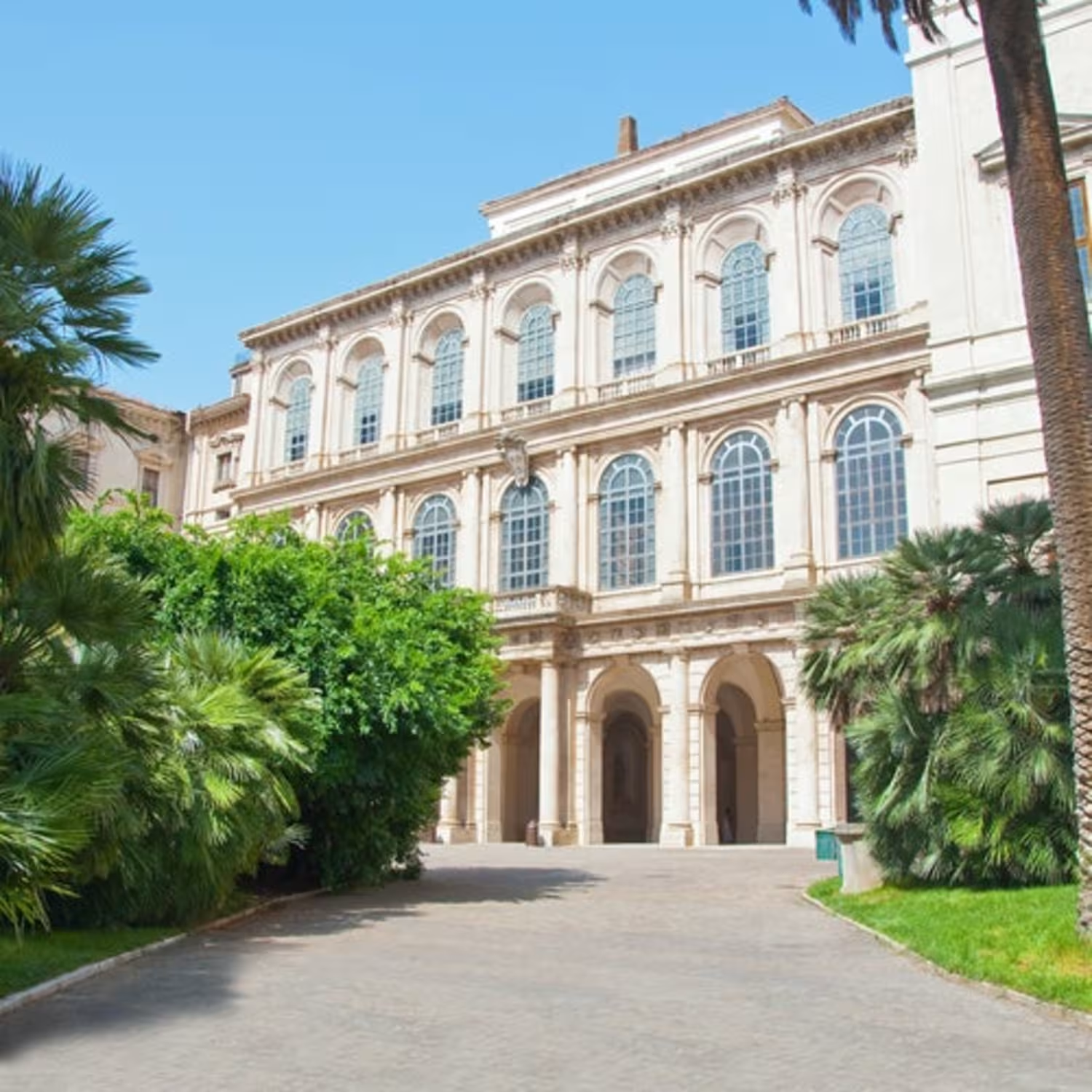
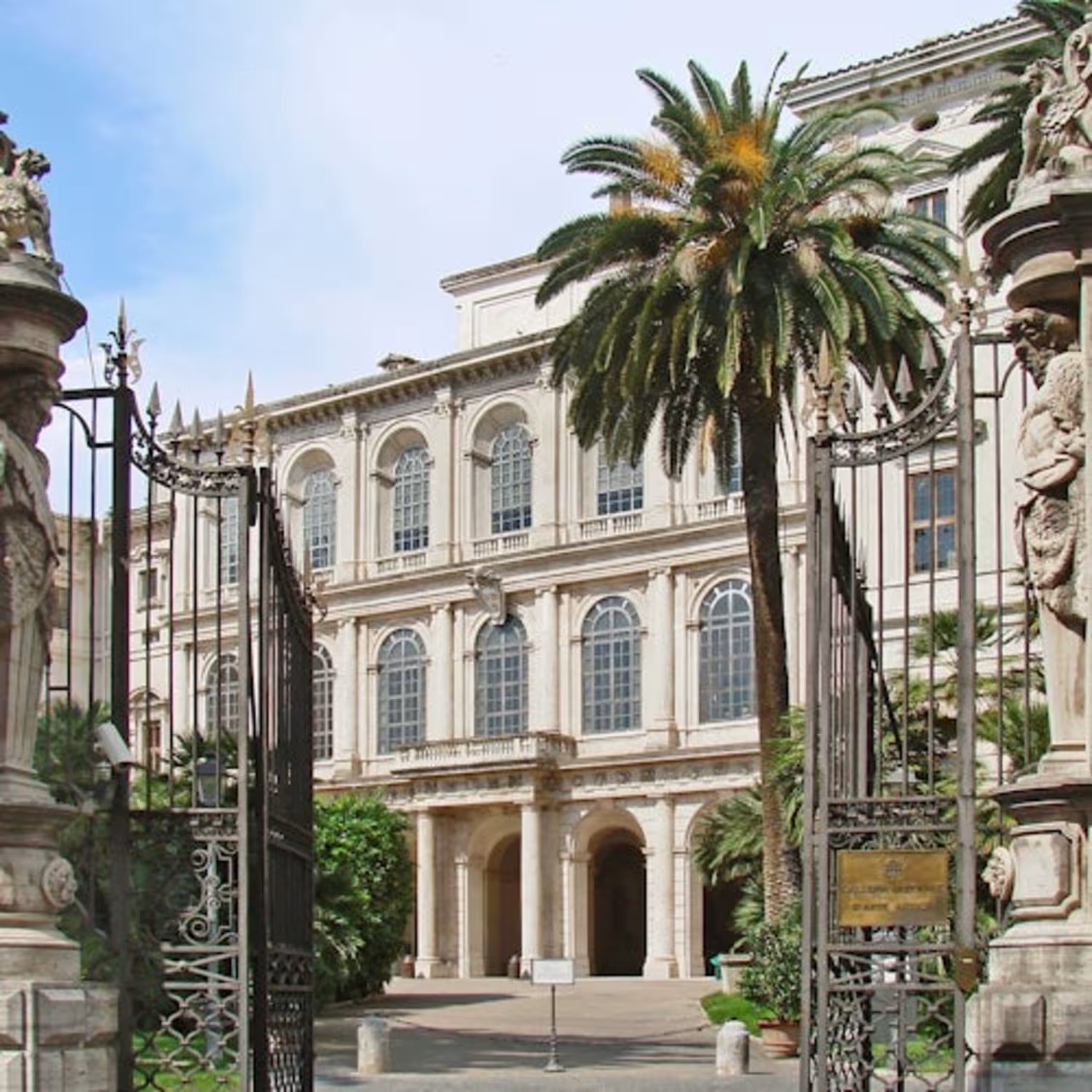
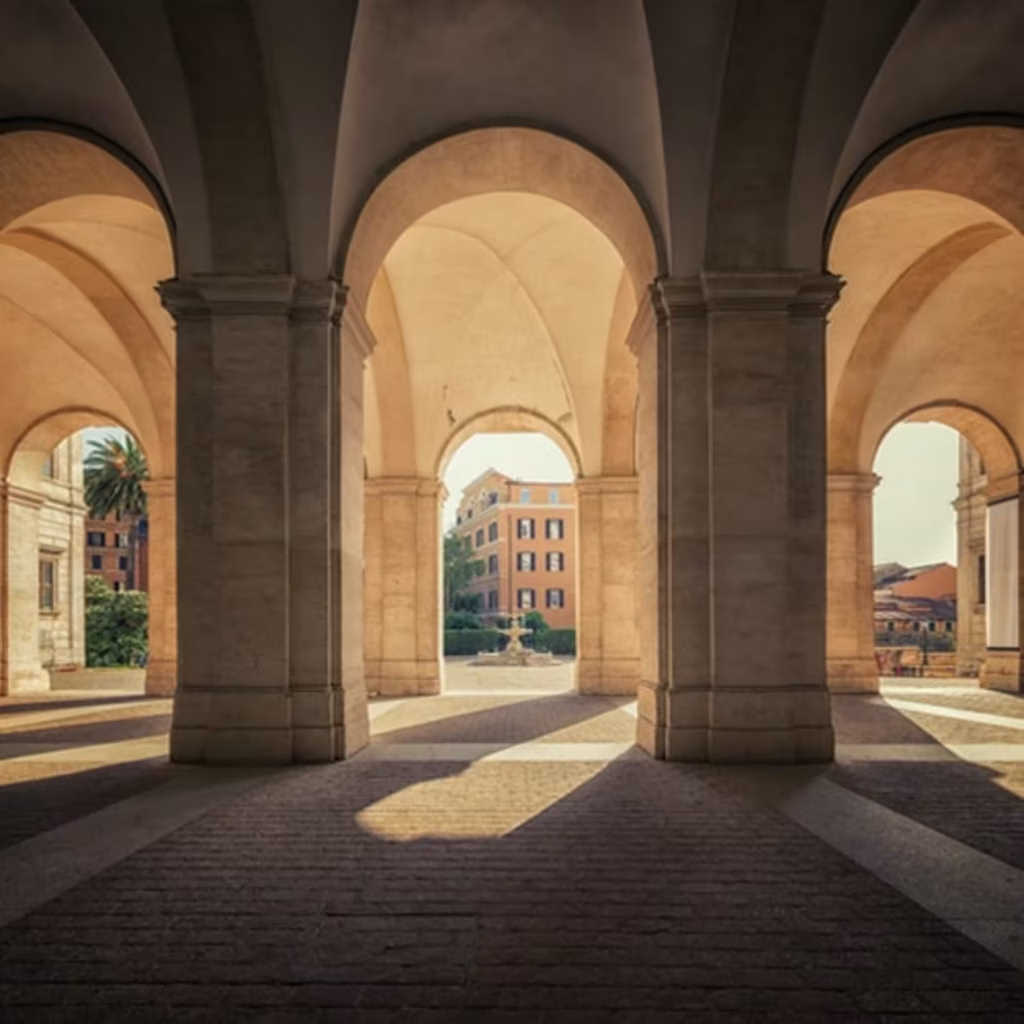
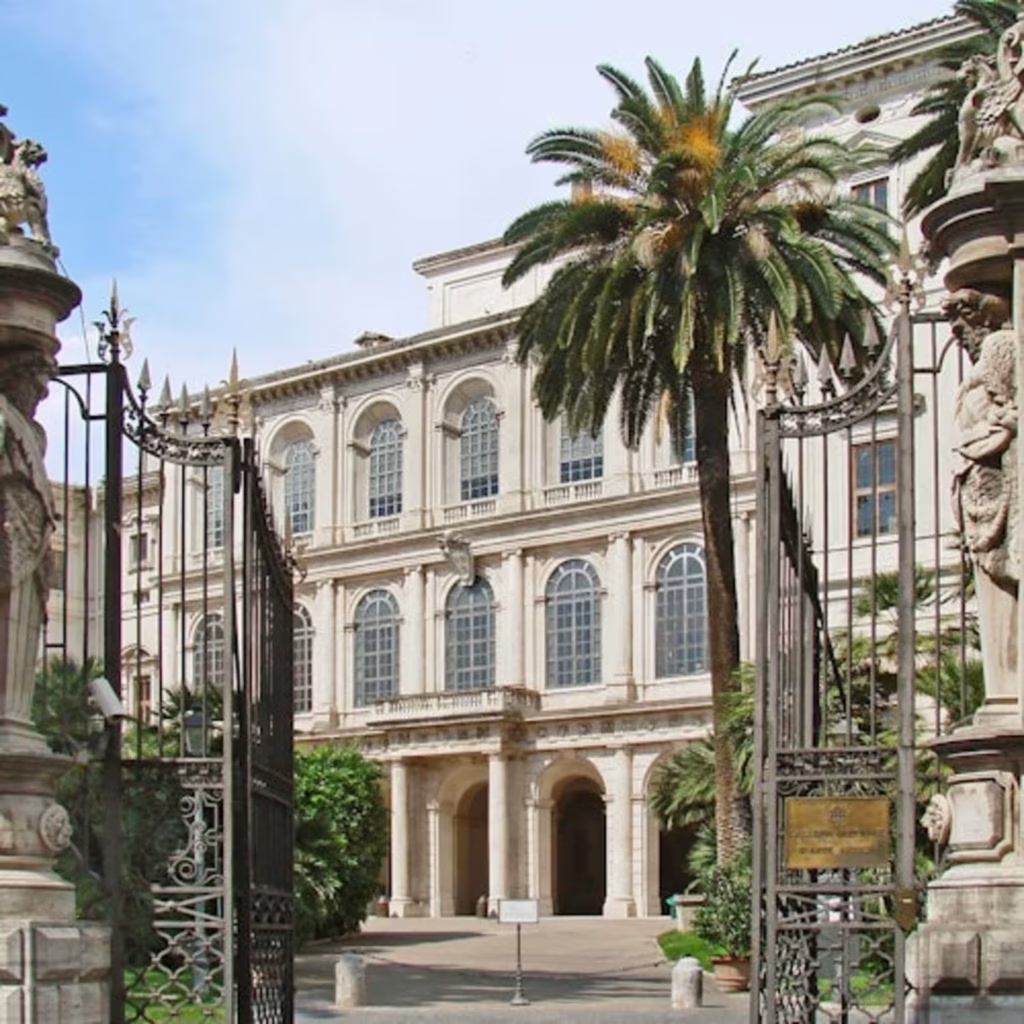
Palazzo Barberini on Via delle Quattro Fontane

Caravaggio did not draw the picture out first and then fill it in. Imaging of this canvas shows him shifting Holofernes's head as he went, pulling it slightly clear of the torso and nudging it to the right, adjusting the worst moment in the painting while the paint was still going on.

The other thing often said about the canvas is harder to pin down. Caravaggio was in Rome in 1599, the year Beatrice Cenci was publicly executed, and the suggestion is that he drew the physical detail from watching it.

That is an argument scholars make from the evidence of the painting, not something Caravaggio wrote down. It is worth knowing, and worth holding loosely.

4.6
(24)

Visit Barberini Palace

Highlights

Marvel at extraordinary artworks by legendary artists like Caravaggio, Raphael, Bernini, and Lippi.

Enjoy stunning ceiling frescoes and intricate decorations within the palatial setting.

Visit multiple floors showcasing a variety of Italian and European paintings and sculptures.

Receive entry to both Palazzo Barberini and the nearby Palazzo Corsini.

Explore the former residence of Queen Christina of Sweden and admire renowned Baroque art collections.
4.6
(7)

Palazzo Barberini: Guided tour

Highlights

Explore masterpieces by Caravaggio, Raphael, and Guercino in the Galleria Nazionale d’Arte Antica.

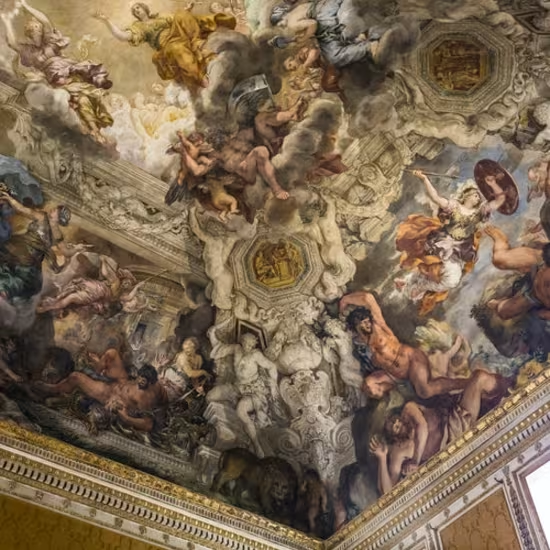
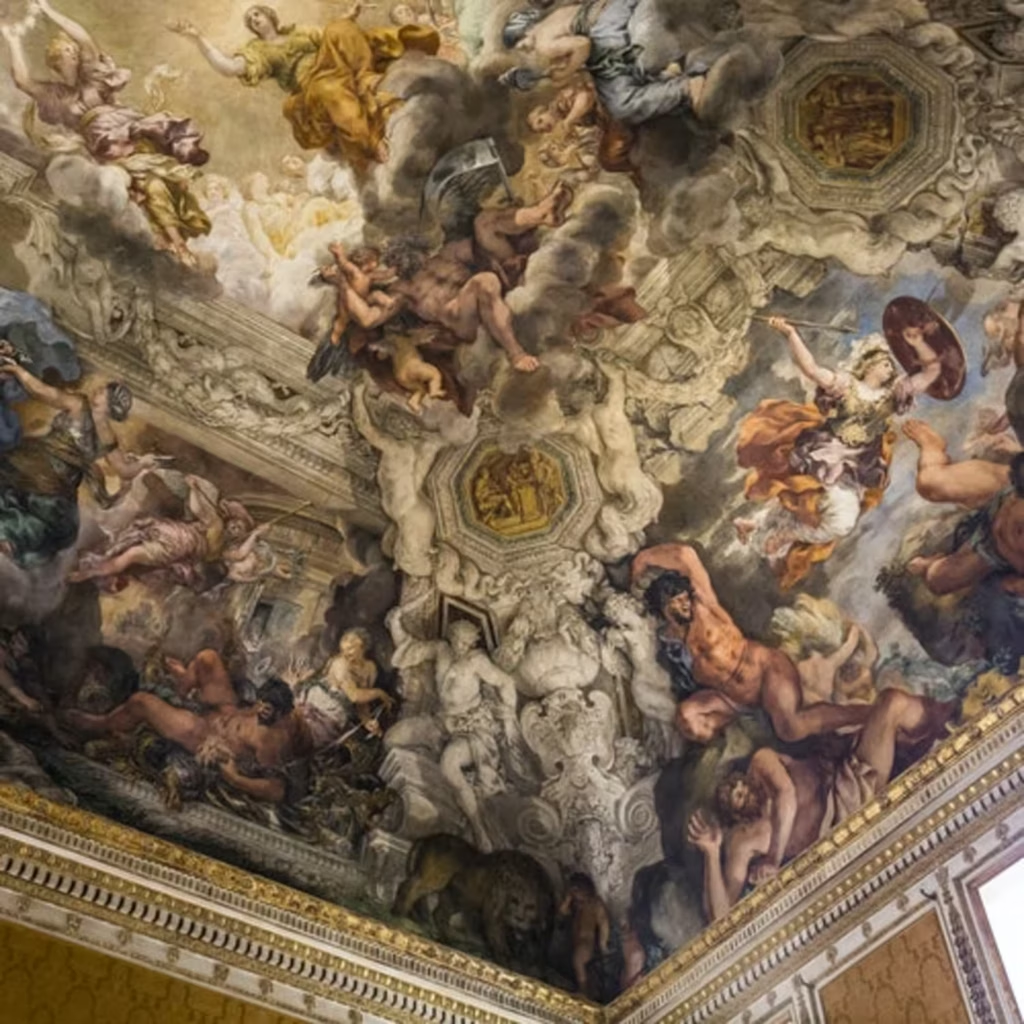
Admire Pietro da Cortona’s ceiling fresco ‘Allegory of Divine Providence’ in the main hall.

Tour restored interiors to learn about the Barberini family’s influence on Rome’s cultural history.

Gain panoramic views of Rome’s skyline from the palace terraces.

Benefit from a live English-speaking guide enhancing the experience.
Find It in the North Wing

The north wing of the piano nobile was rehung around Caravaggio and the painters who came after him, and this canvas opens its first Caravaggio room. It is larger than the reproductions suggest, nearly two metres across. The rest of what hangs at Palazzo Barberini is on the same ordinary ticket.

About this guide

Sources: Gallerie Nazionali Barberini Corsini, north wing (Seicento rooms) press kit 2019; Wikipedia, Judith Beheading Holofernes (Caravaggio); Wikipedia, Artemisia Gentileschi.

Frequently Asked Questions About Judith Beheading Holofernes

Where is Caravaggio's Judith Beheading Holofernes?

At Palazzo Barberini in Rome, in the north-wing rooms of the piano nobile that look toward the garden. The ordinary gallery ticket covers it.

Did Caravaggio or Artemisia Gentileschi paint Judith Beheading Holofernes?

Both painted the subject, which is why the two get confused. The canvas at Palazzo Barberini is Caravaggio's, from around 1598 to 1599. Gentileschi's treatment of the same scene came later and is a different painting in a different collection.

When did Caravaggio paint it?

Around 1598 to 1599, though some accounts put it as late as 1602. His biographer Giovanni Pietro Baglione records that the Genoese banker Ottavio Costa commissioned it.

How big is Judith Beheading Holofernes?

Oil on canvas, 145 by 195 centimetres, roughly 57 by 77 inches. Close to two metres wide, which is a good deal larger than most reproductions imply.

Who is the old woman in the painting?

She is Abra, Judith's maidservant, who is named in the Book of Judith and waits at the right with the cloth for the head. She is not an invention of Caravaggio's.

Who was the model for Judith?

Fillide Melandroni is the usual identification, a Roman courtesan who appears in more than one Caravaggio. As with most of his models, this rests on comparison between paintings rather than on a document.

Is it true Caravaggio watched a public execution before painting this?

It is a long-standing suggestion, not a documented fact. Beatrice Cenci was executed publicly in Rome in 1599, and scholars have argued the physical detail here comes from that. Treat it as an argument about the picture rather than a record of what he did.

What is the Toulouse Judith?

A second canvas of the same scene, found in an attic in Toulouse in 2014 and bought privately in 2019 just before it was due at auction. Its attribution is still disputed. The Palazzo Barberini painting is not.