We are processing your request.
Please, don’t close or refresh the page.
Rome Tickets Gallerie Nazionali Palazzo Barberini Caravaggio Narcissus Painting

Narcissus at Palazzo Barberini, a Caravaggio Not Everyone Accepts

Oil on canvas, about 113 by 97 centimetres, painted around 1597. Roberto Longhi found it in a private collection and put Caravaggio's name on it. A century later, several scholars still hand it to somebody else.

What Is Settled About the Narcissus, and What Is Not

The canvas is oil, about 113 by 97 centimetres, and is usually dated around 1597 to 1599.

The subject is the myth of Narcissus, caught at the moment he leans over his own reflection.

Roberto Longhi spotted it in 1913, in the collection of the historian Paolo D'Ancona.

It later entered the national collection as a gift from Basile Khvoshinsky.

Longhi's case rested on the modern dress given to a myth, the unstudied pose and Lombard habits of painting.

It has never been settled. The attribution has been argued over ever since.

The alternative that refuses to go away is Spadarino, Giovanni Antonio Galli.

Orazio Gentileschi and Niccolo Tornioli have both been put forward too.

The Painting Longhi Found

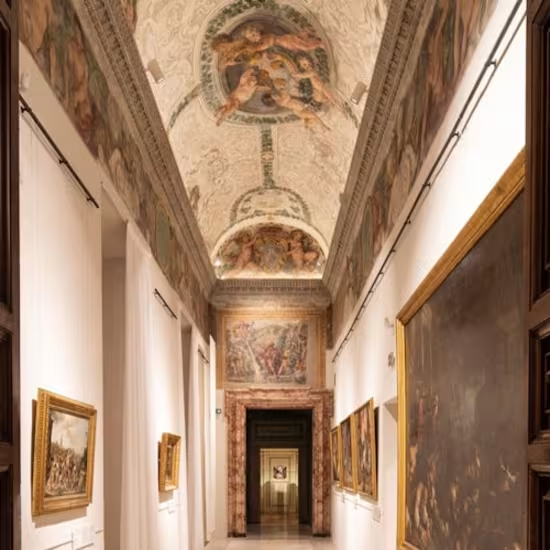
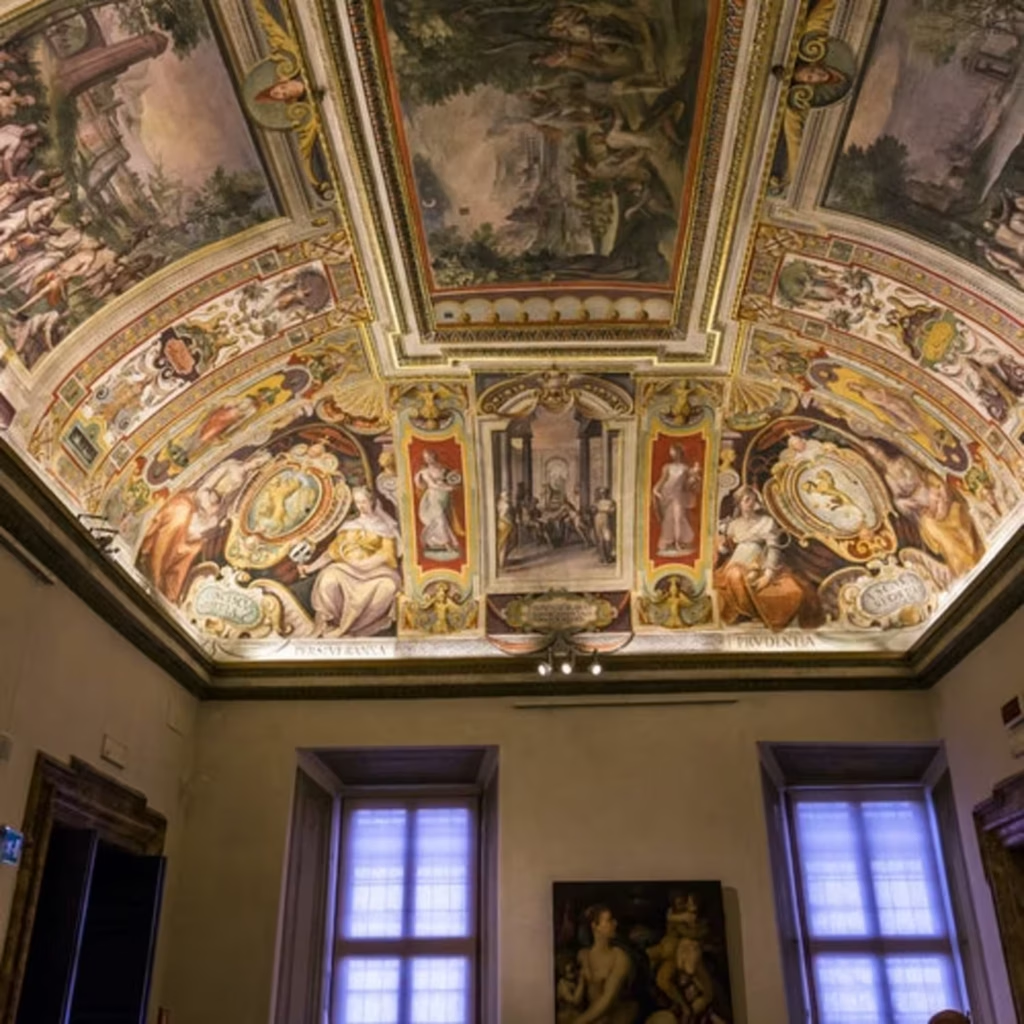
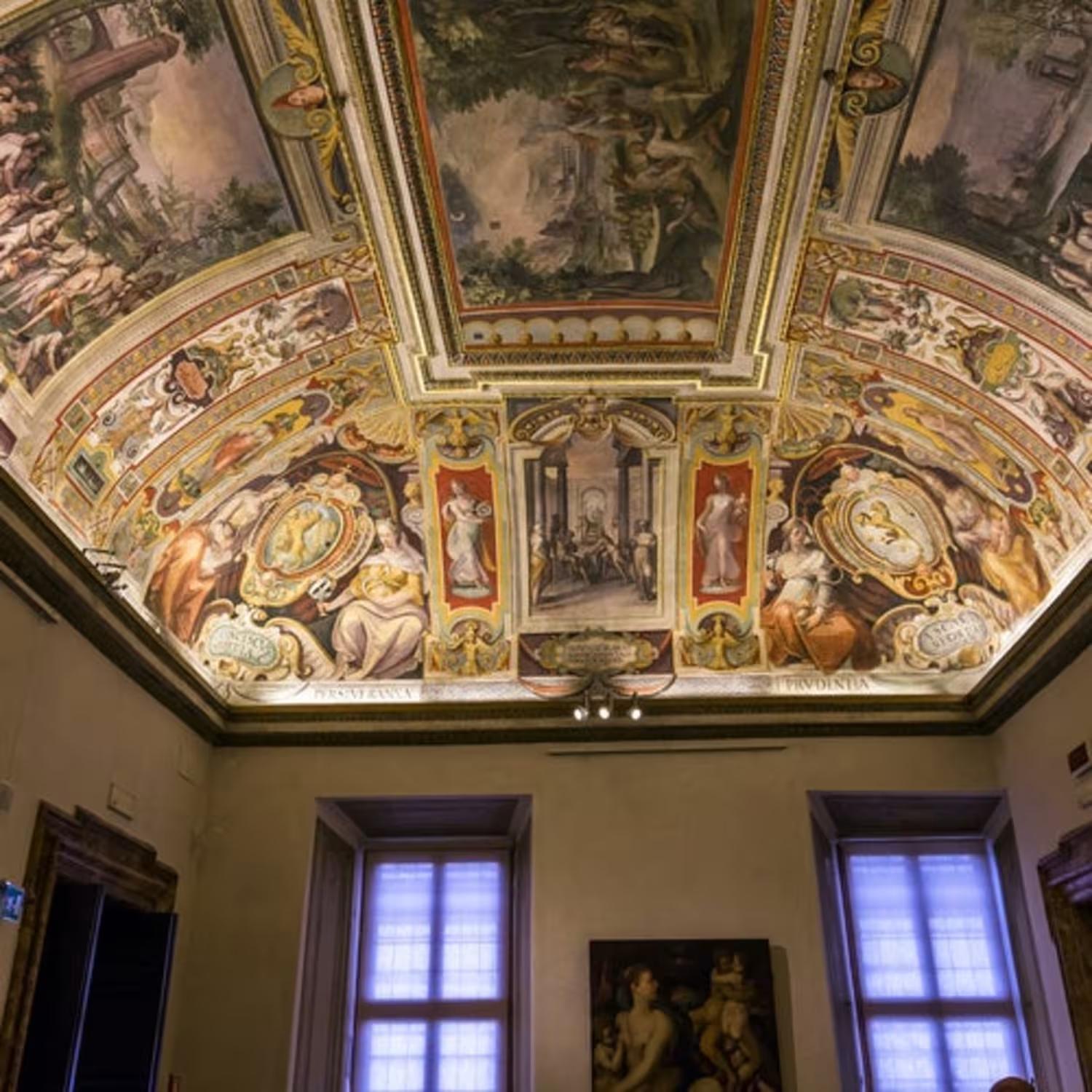
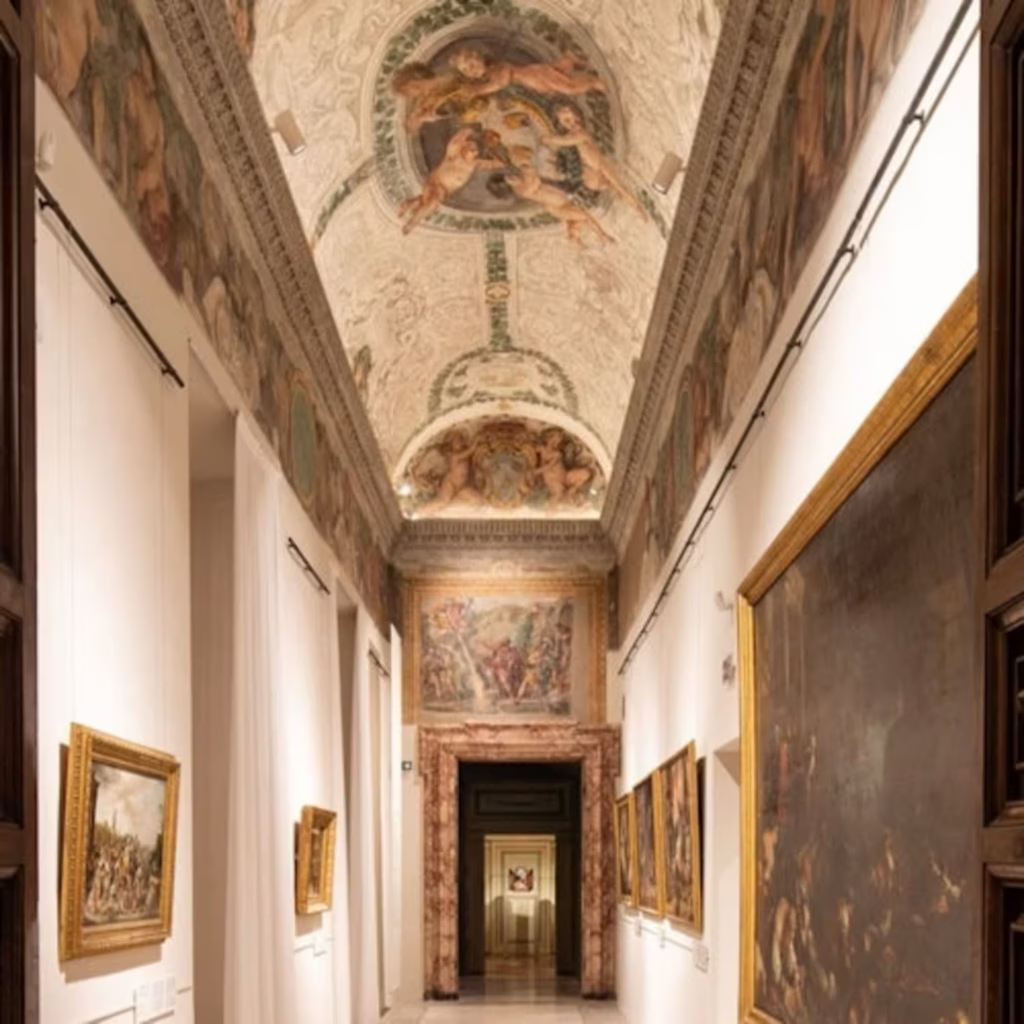
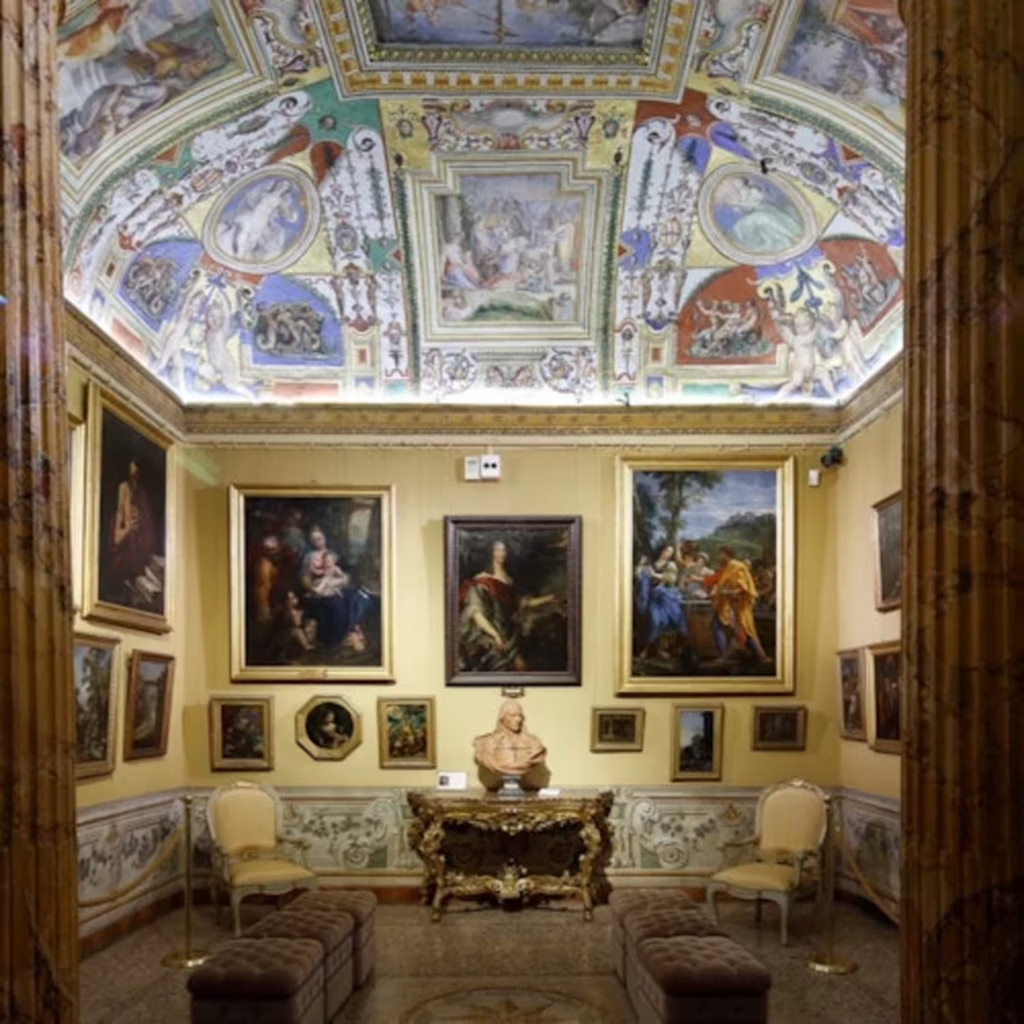
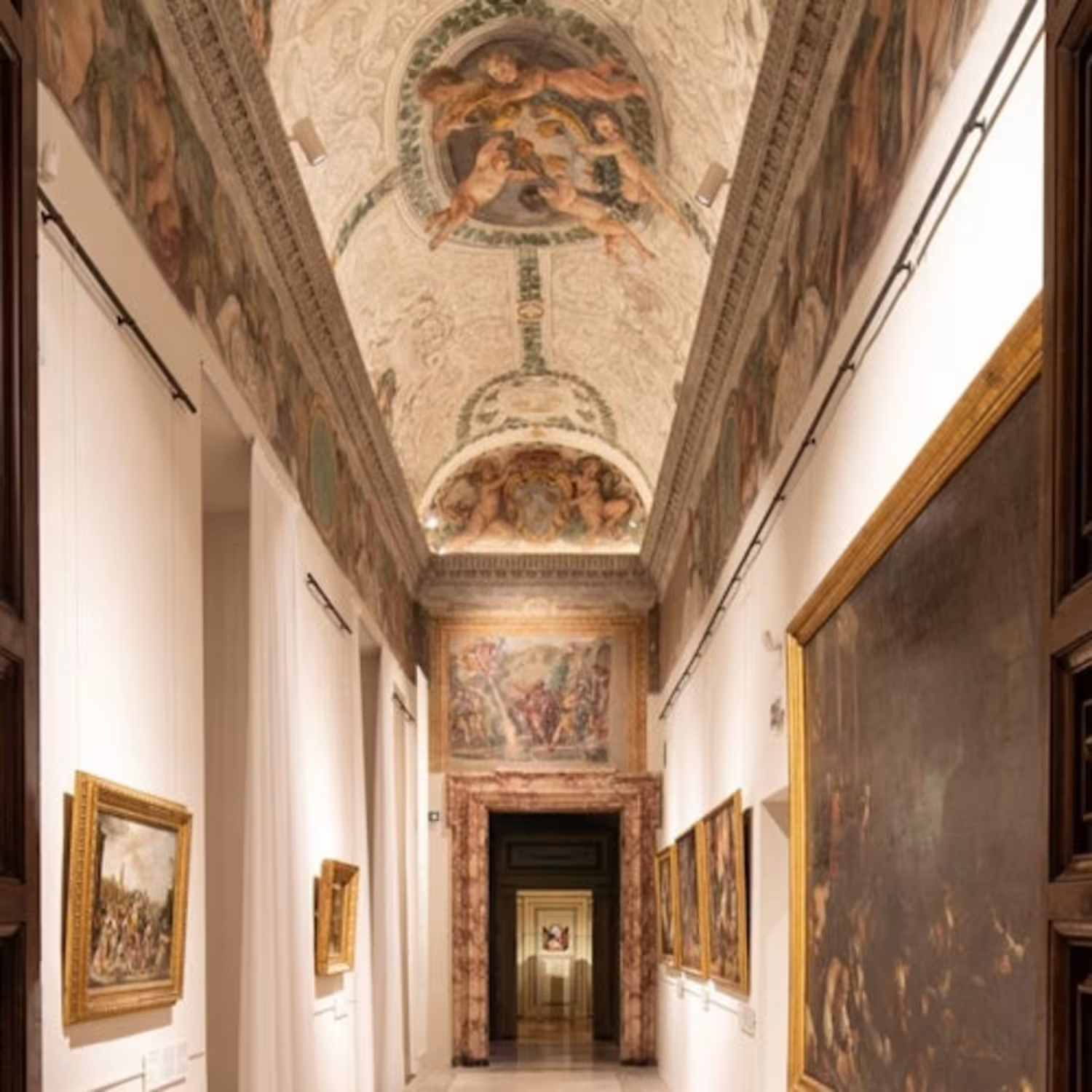
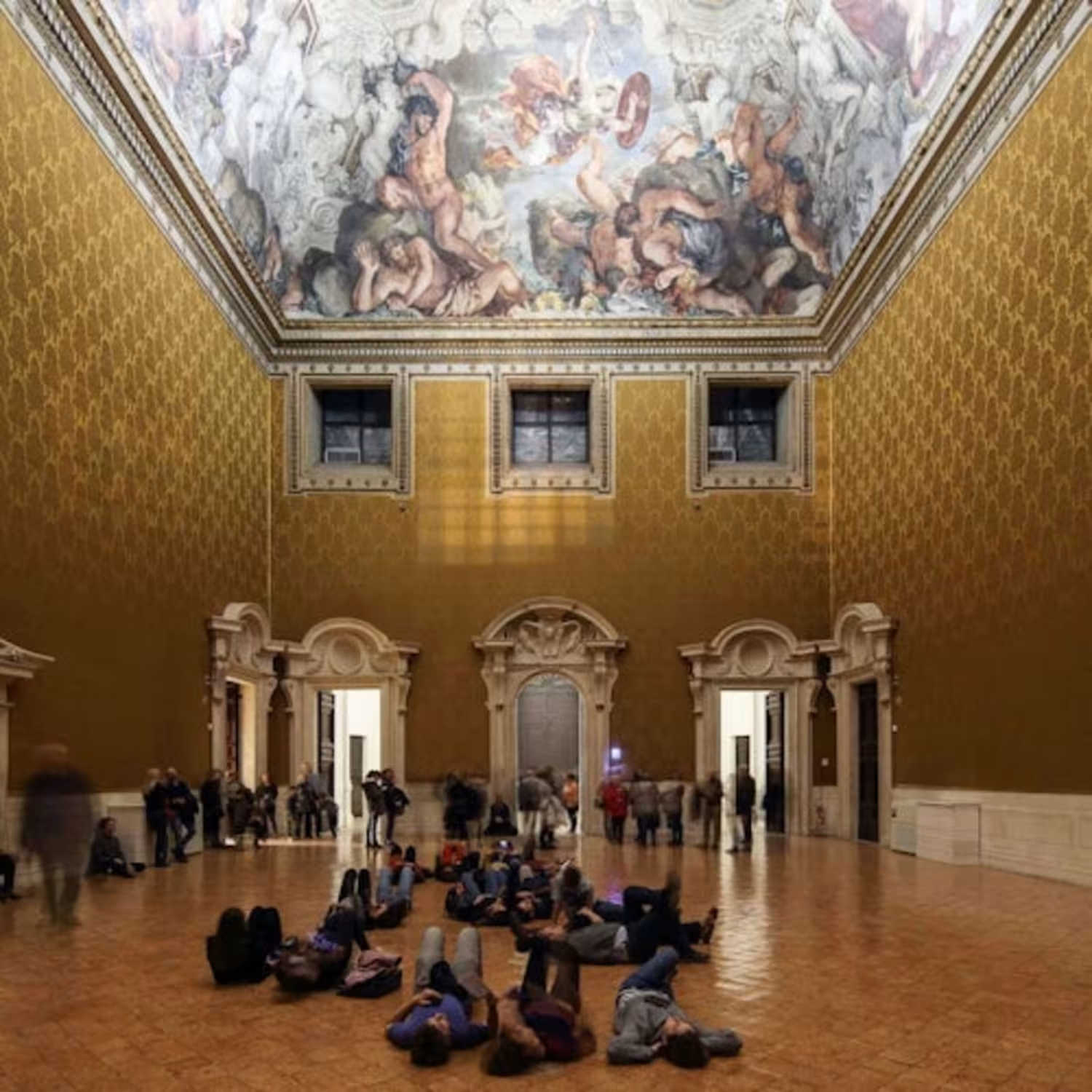
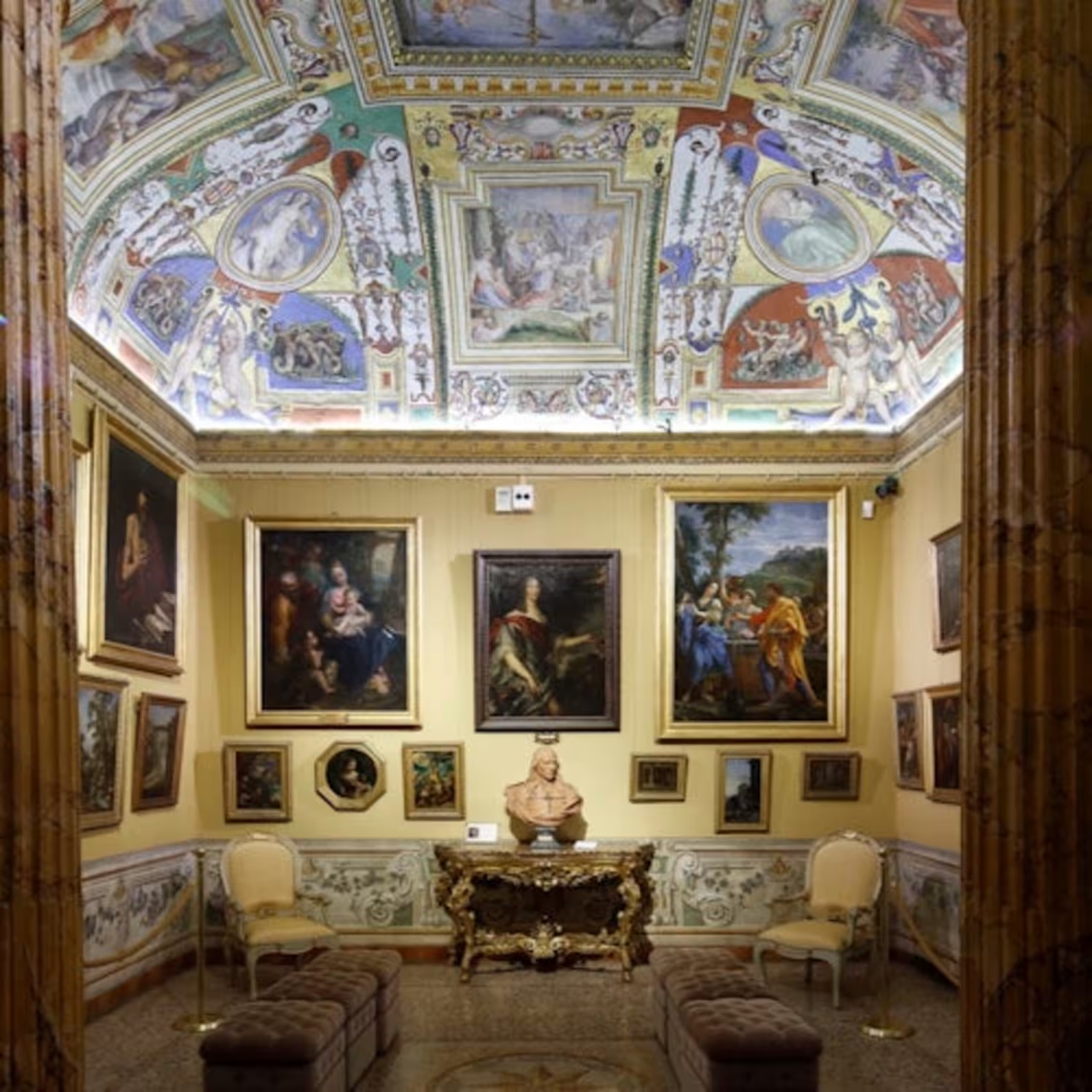
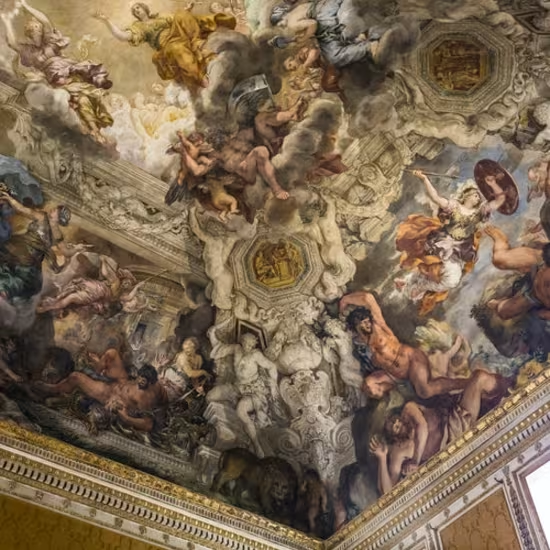
Gallery rooms on the piano nobile at Palazzo Barberini

The canvas has no long pedigree behind it. It surfaced in 1913, in a private collection belonging to the historian Paolo D'Ancona, and Roberto Longhi was the one who looked at it and said Caravaggio. Soon after, Basile Khvoshinsky bought it and later gave it to the national collection.

Longhi's argument was about how the picture behaves rather than about paperwork. A myth is transposed into contemporary dress, the pose has the unstudied quality of someone caught mid-movement, and the handling carries the Lombard habits Longhi spent his career identifying.

There is no contract, no payment record and no early mention tying the canvas to Caravaggio. Everything rests on the picture itself, which is why it is still an argument.

The Case for Somebody Else

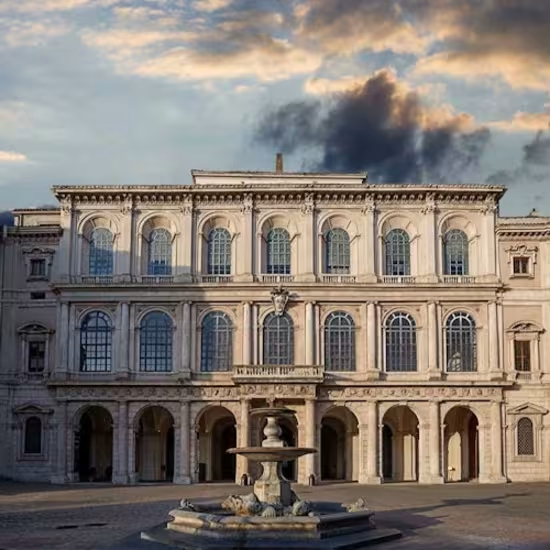
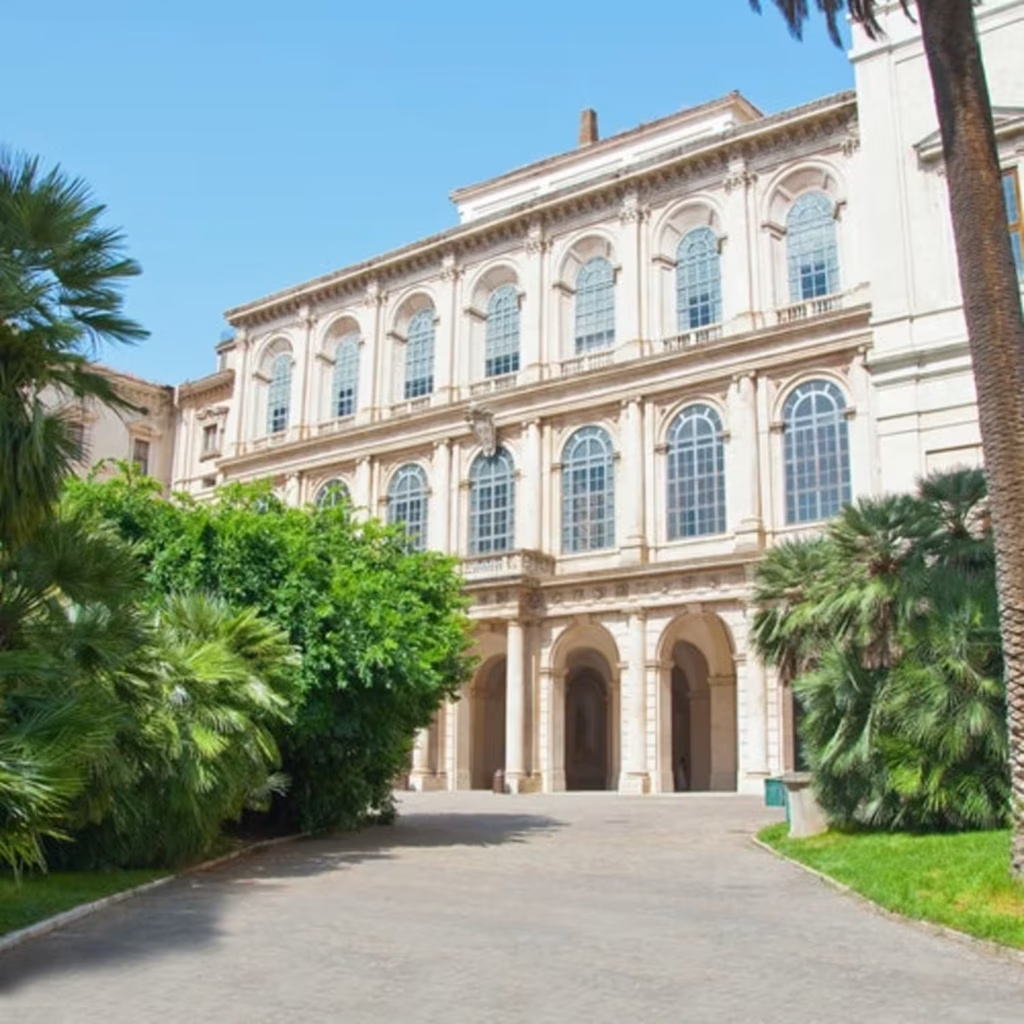
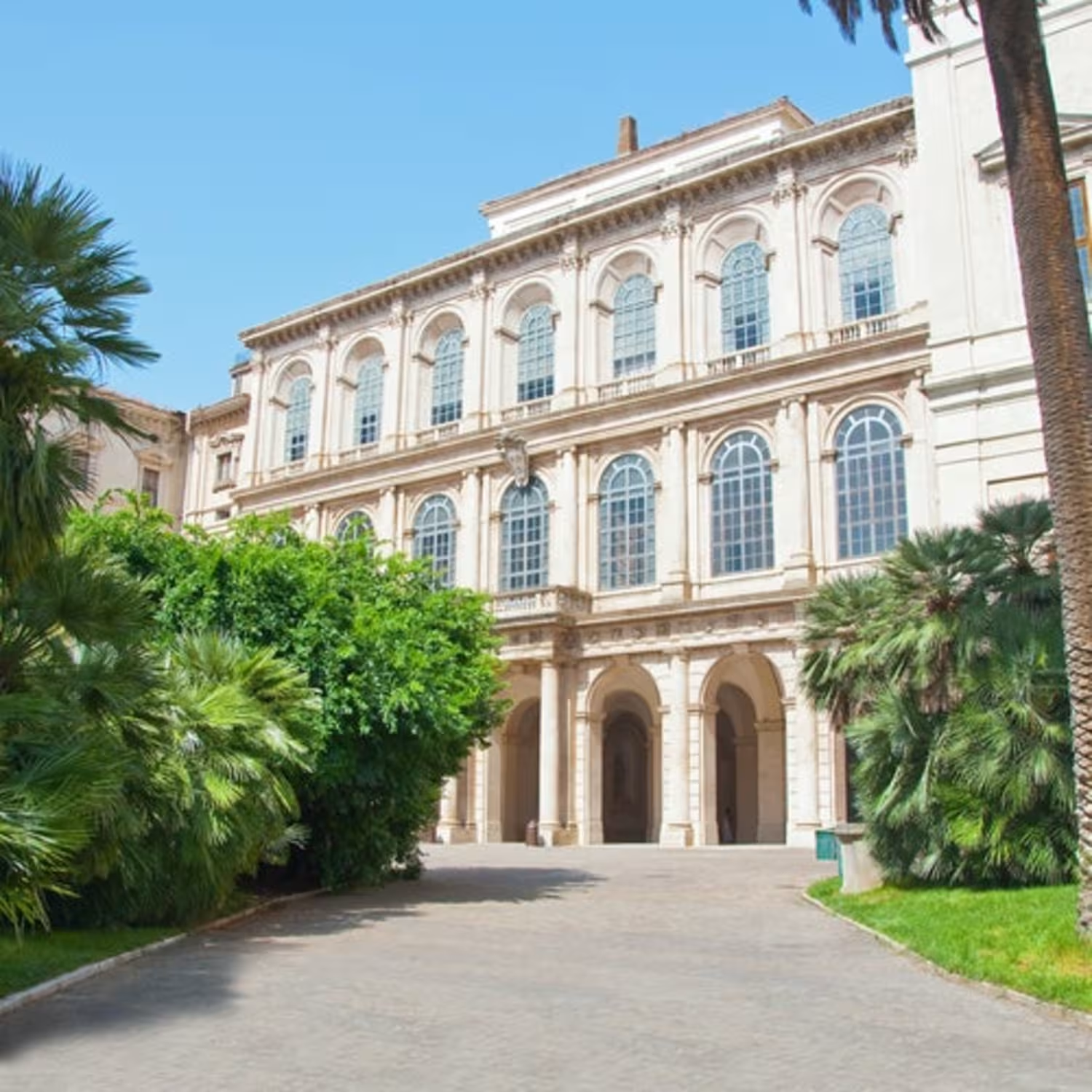
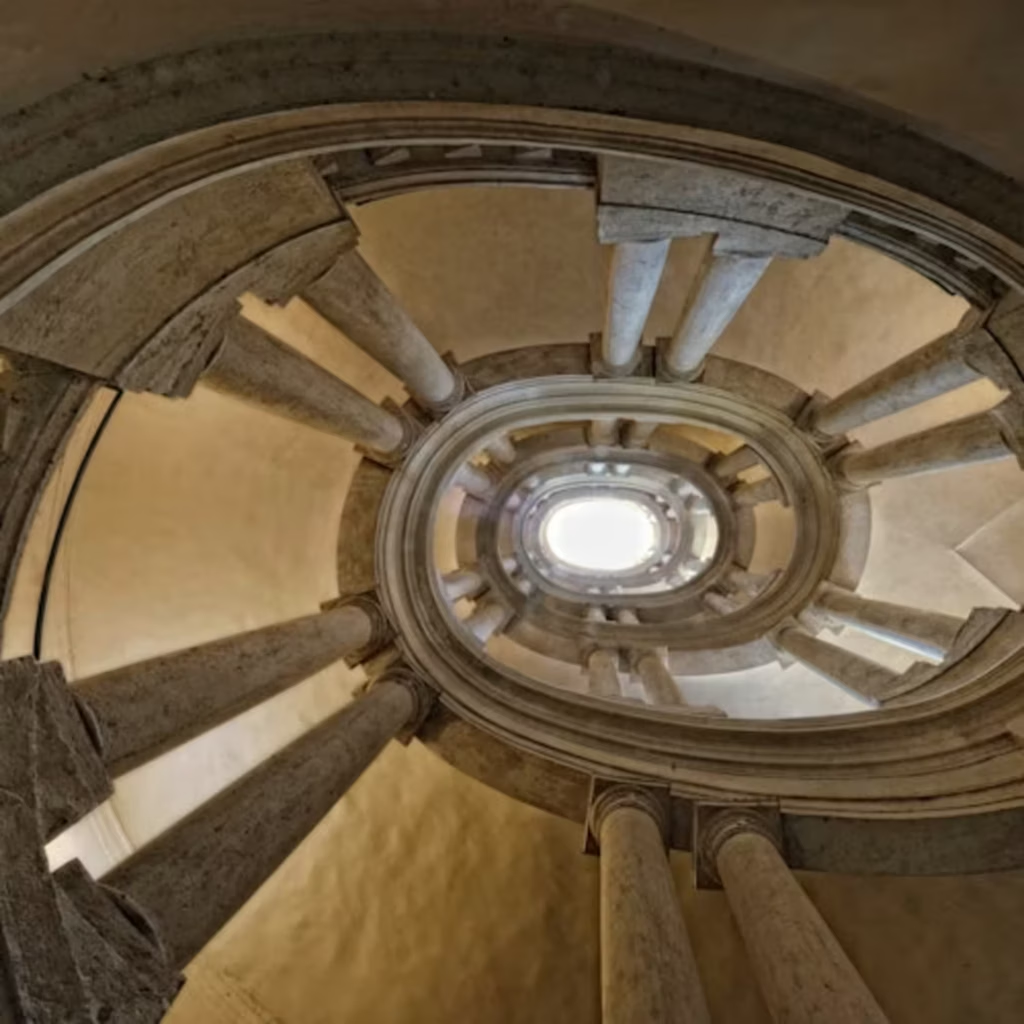
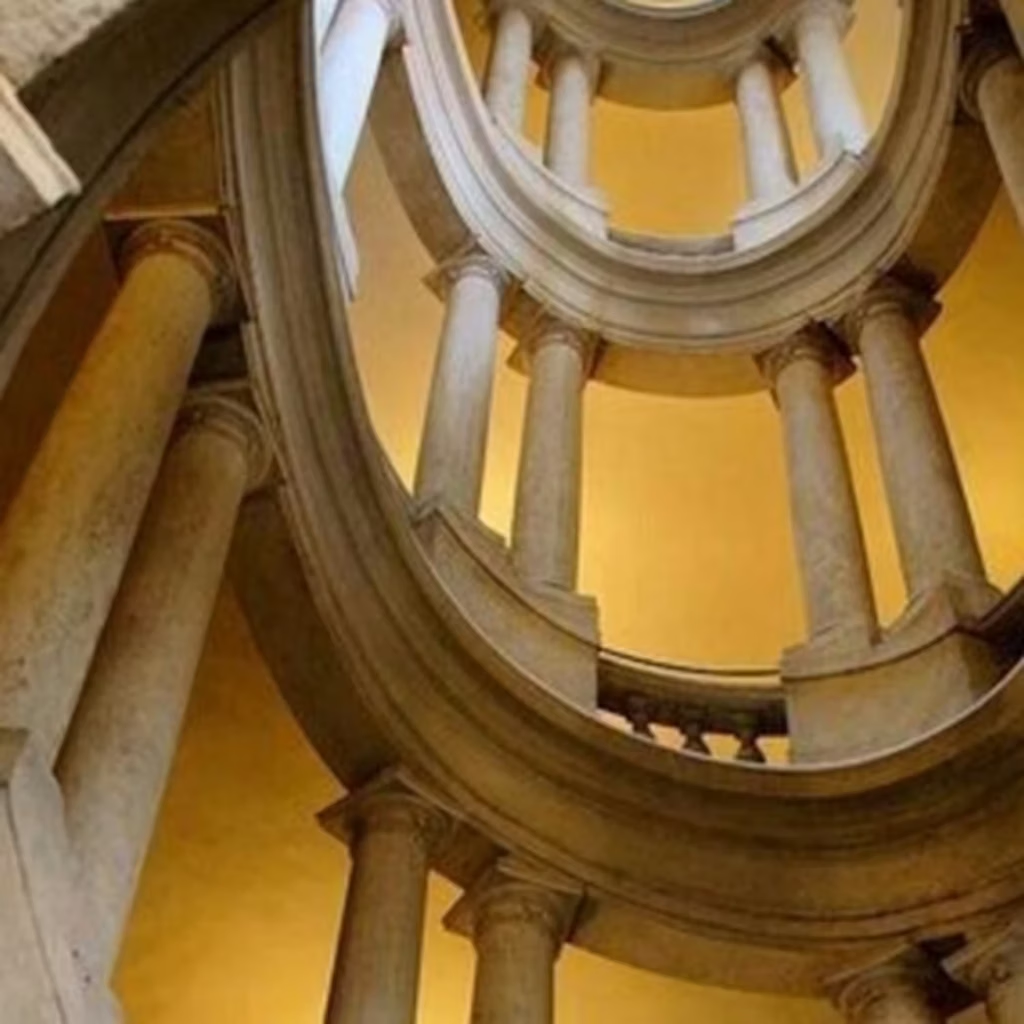
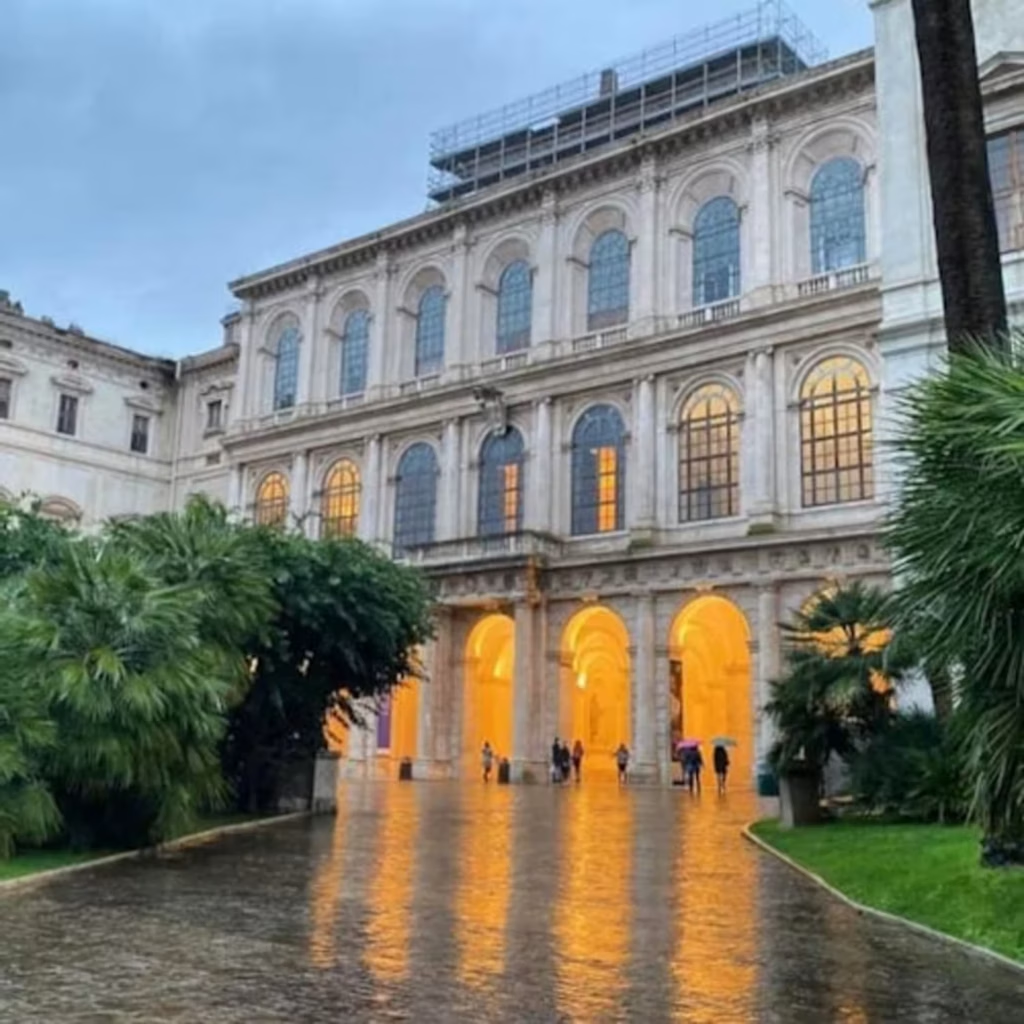
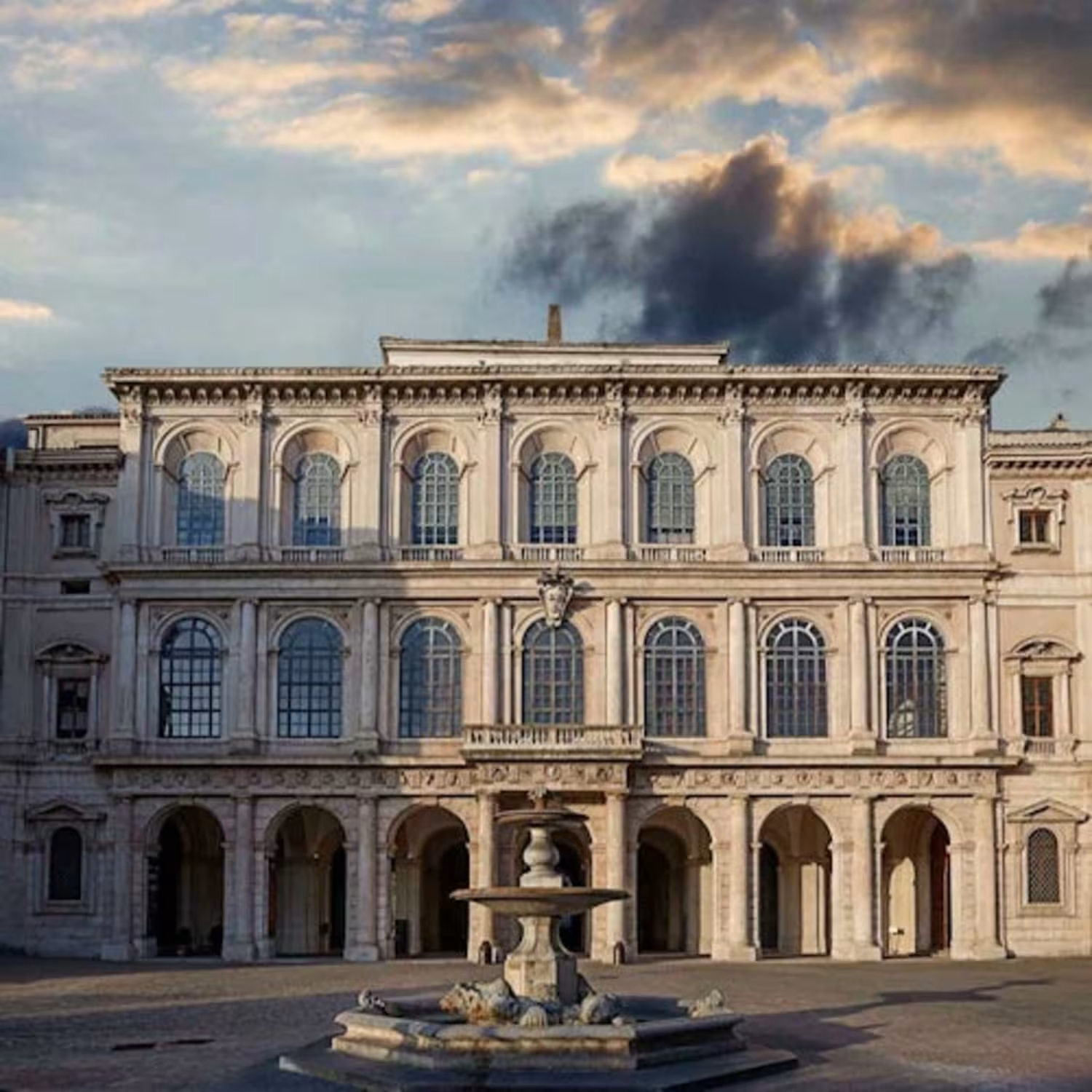
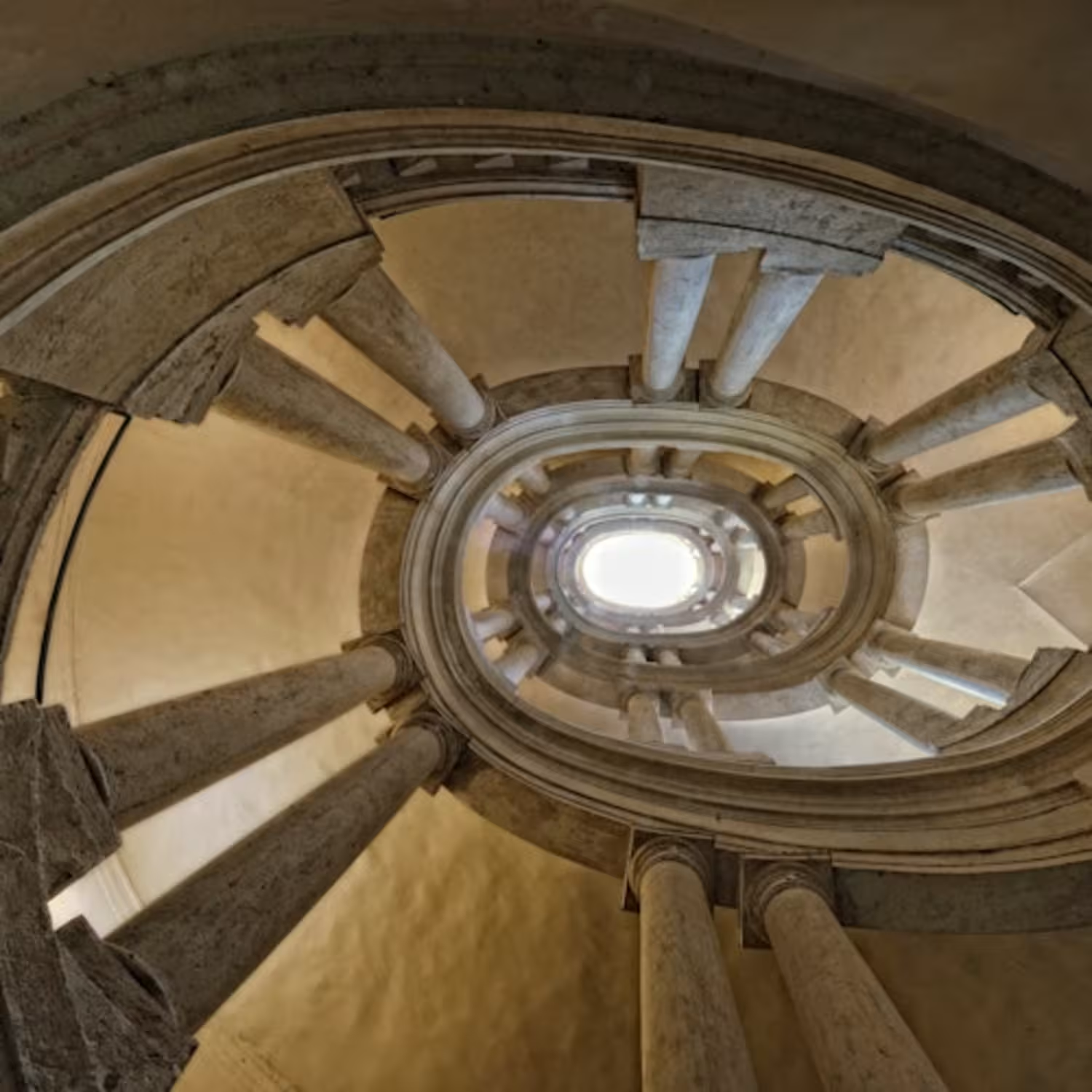
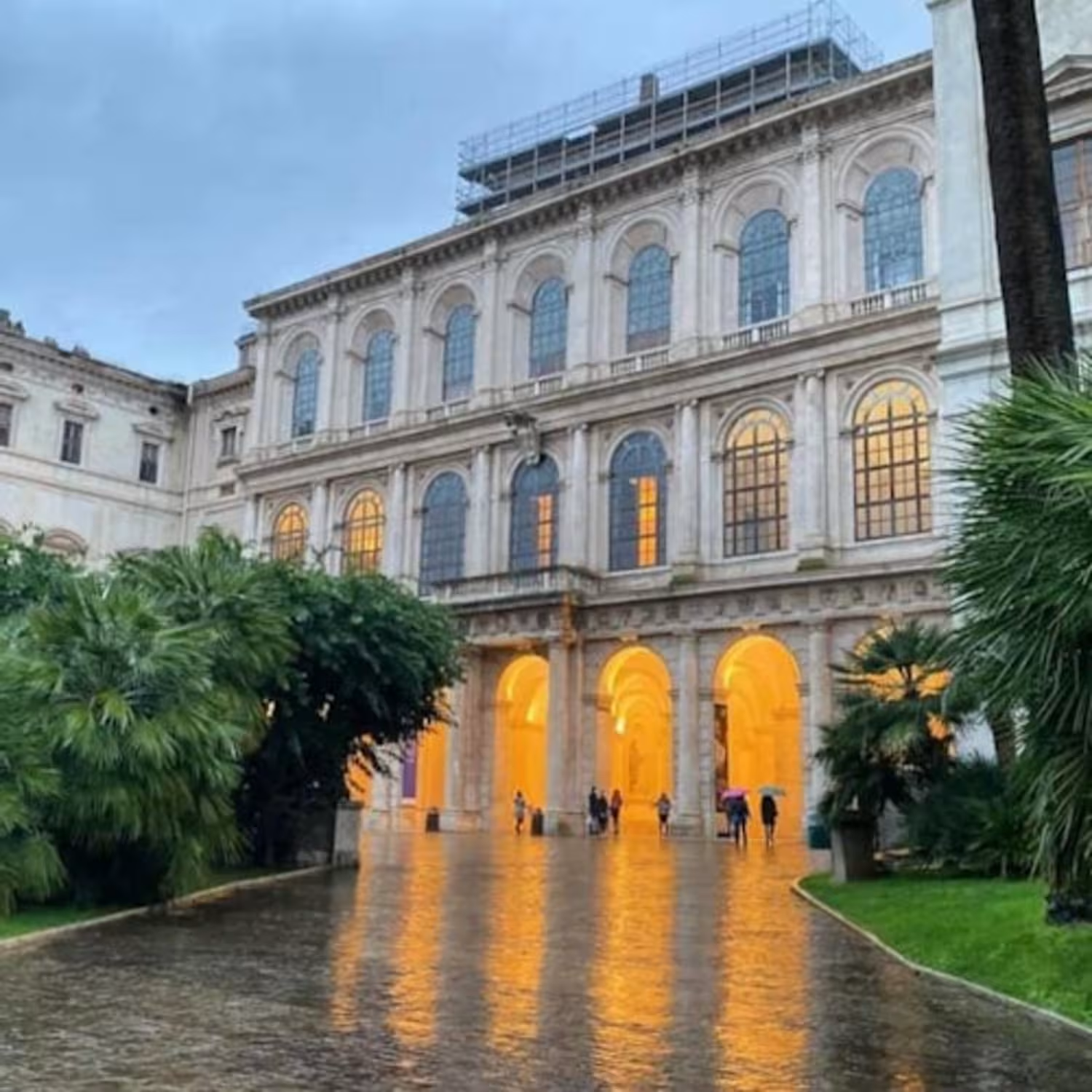
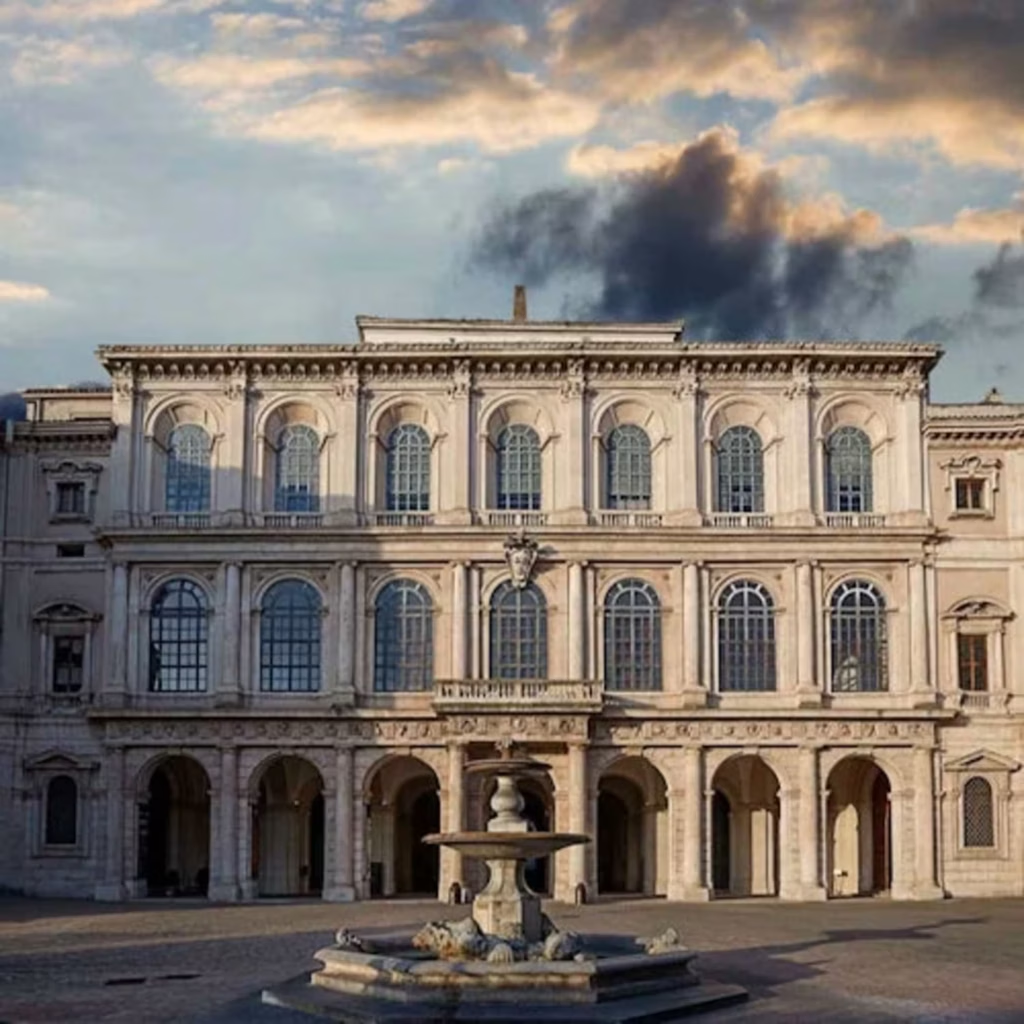
Palazzo Barberini on Via delle Quattro Fontane

The name that keeps coming back is Giovanni Antonio Galli, called Spadarino, a Roman painter of the generation after Caravaggio. Gianni Papi's studies have kept that reading alive, and he has proposed dating the canvas to around 1645.

The counter-argument is about surface. Spadarino's paint tends to a compact, solid consistency, and that is precisely what this canvas does not have: it is luminous and it vibrates. Whoever painted it worked lighter than Spadarino usually does.

Two other names sit on the list as well, Orazio Gentileschi and Niccolo Tornioli. None of the three has displaced Caravaggio on the museum's own label, and none of them has gone away either.

4.6
(24)

Visit Barberini Palace

Highlights

Marvel at extraordinary artworks by legendary artists like Caravaggio, Raphael, Bernini, and Lippi.

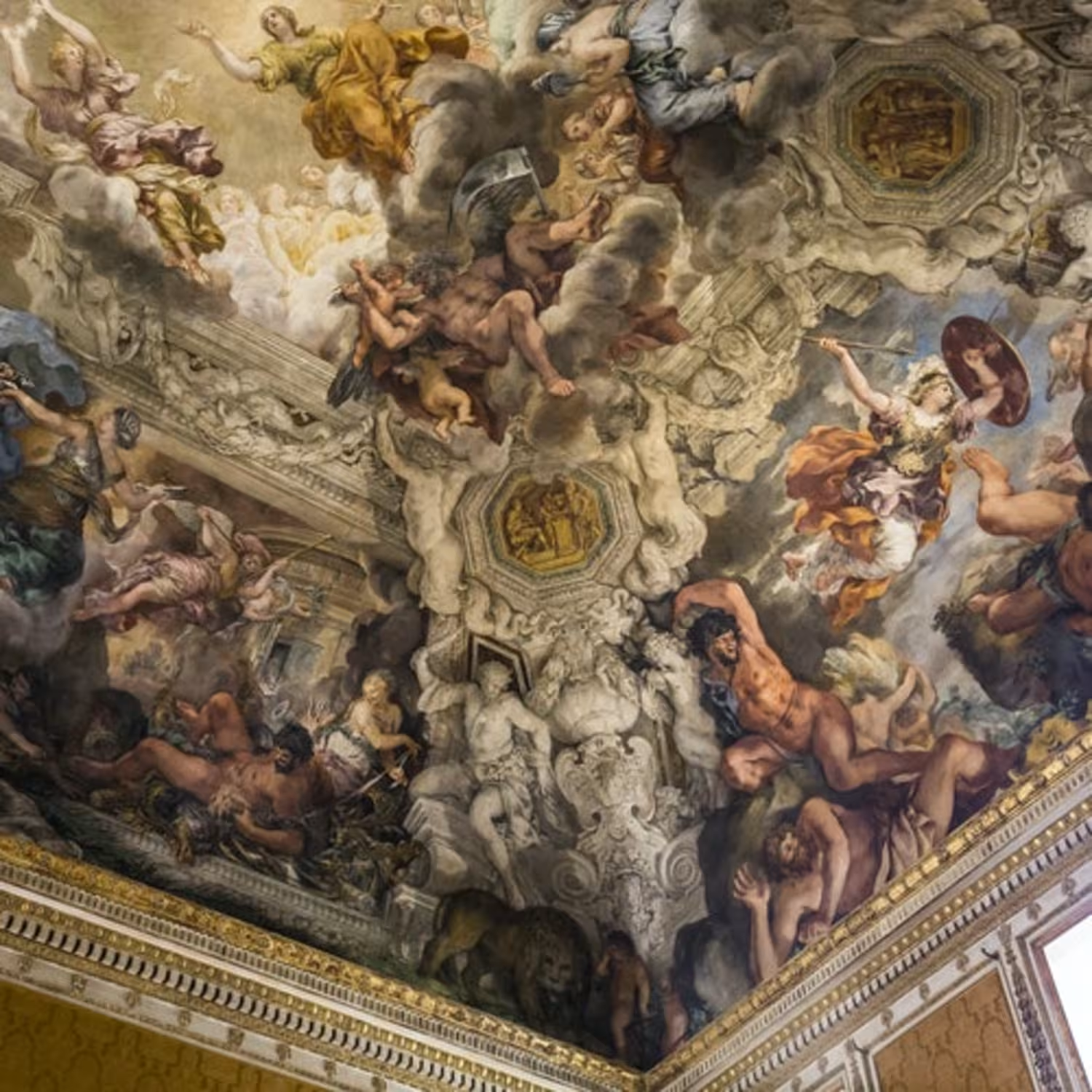
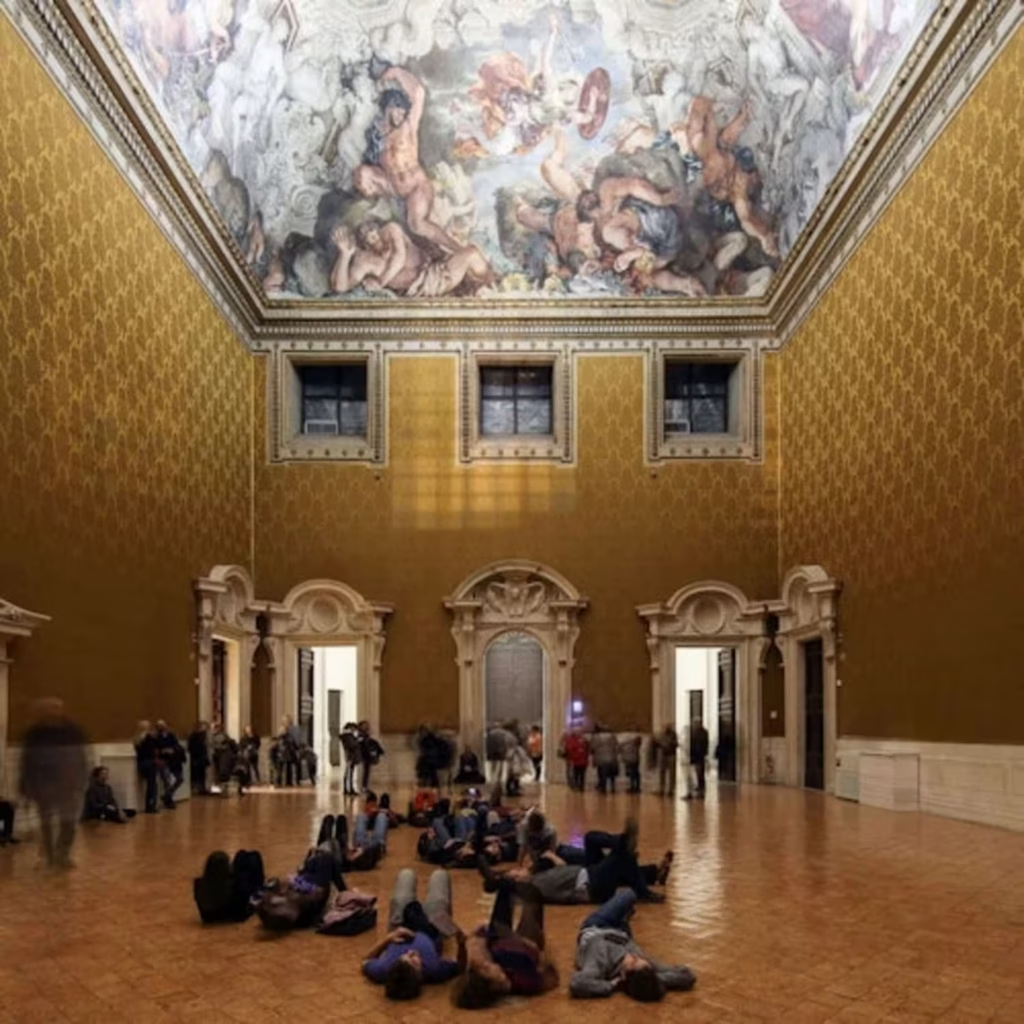
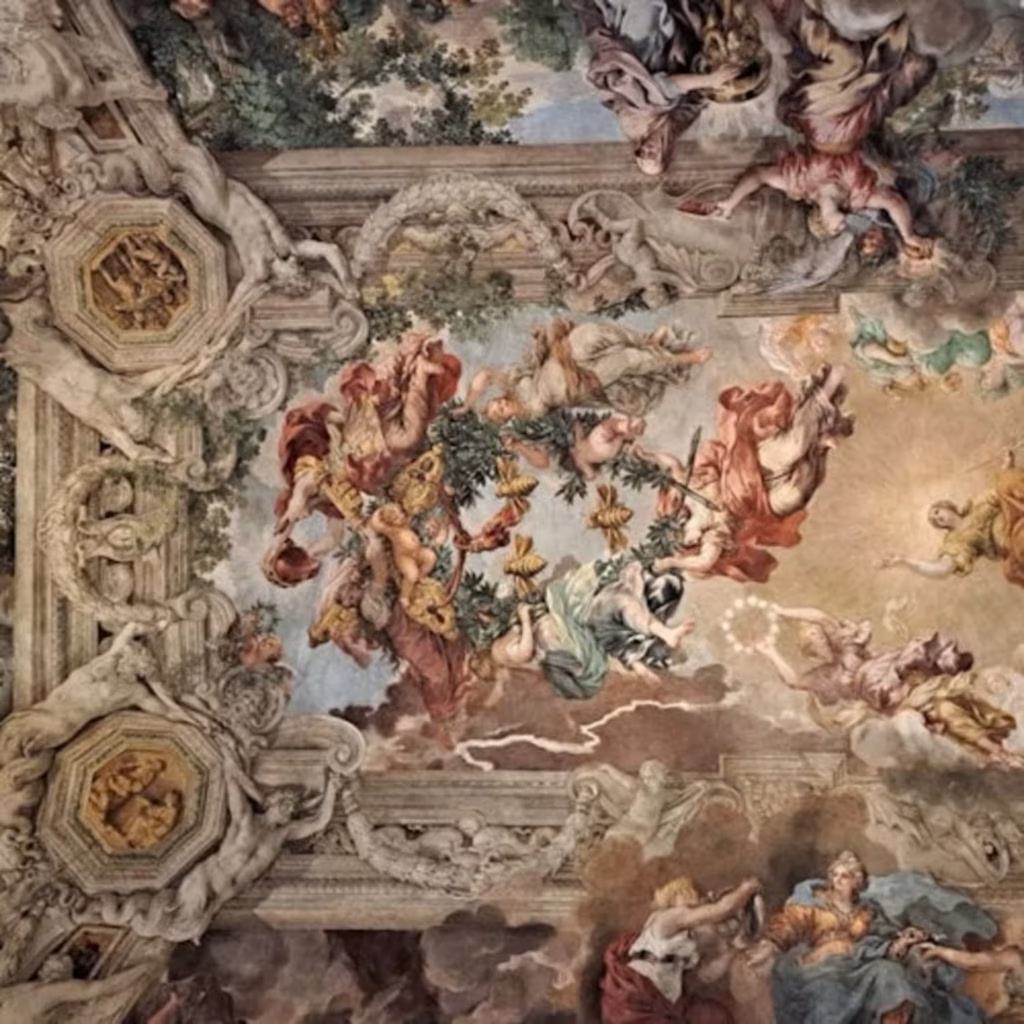
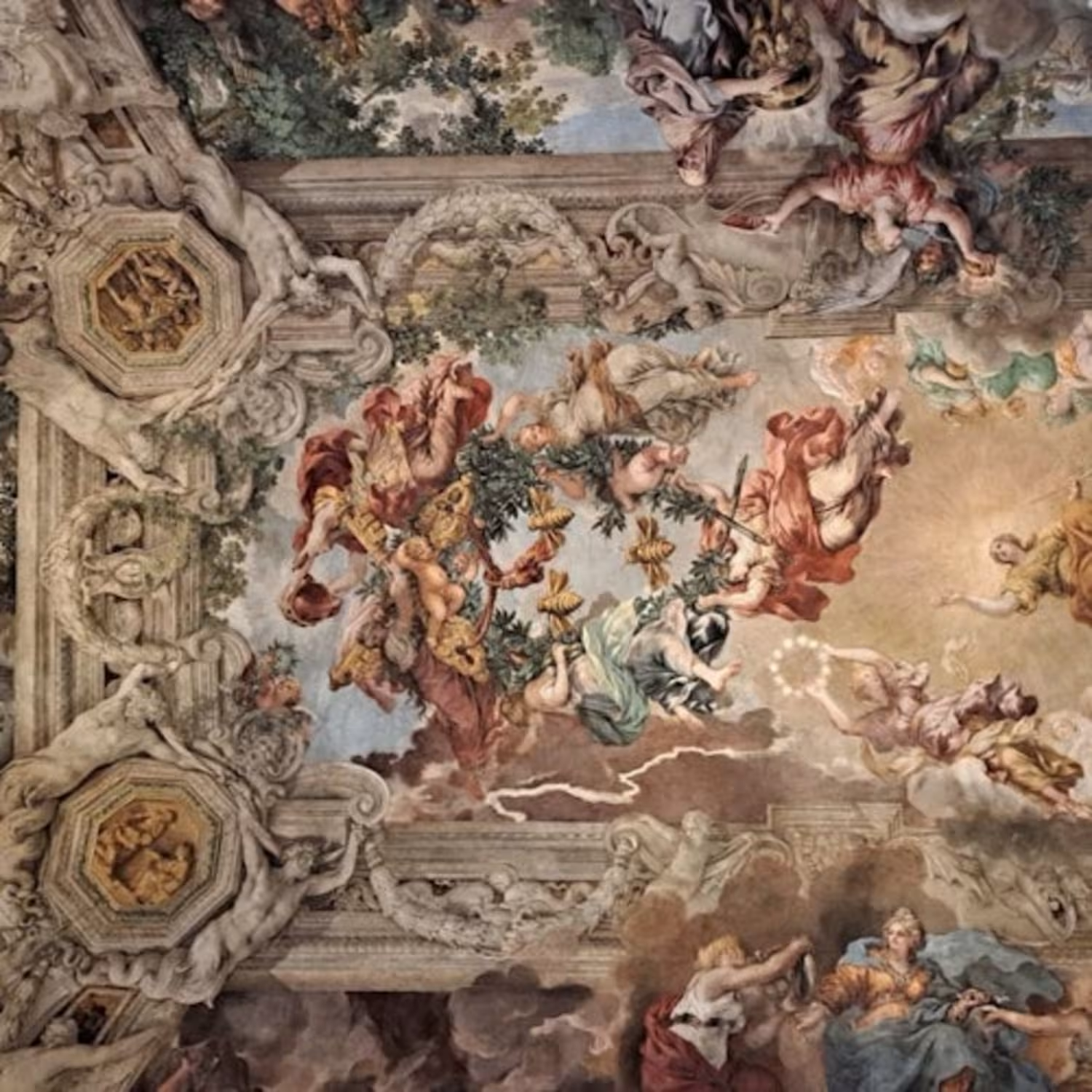
Enjoy stunning ceiling frescoes and intricate decorations within the palatial setting.

Visit multiple floors showcasing a variety of Italian and European paintings and sculptures.

Receive entry to both Palazzo Barberini and the nearby Palazzo Corsini.

Explore the former residence of Queen Christina of Sweden and admire renowned Baroque art collections.
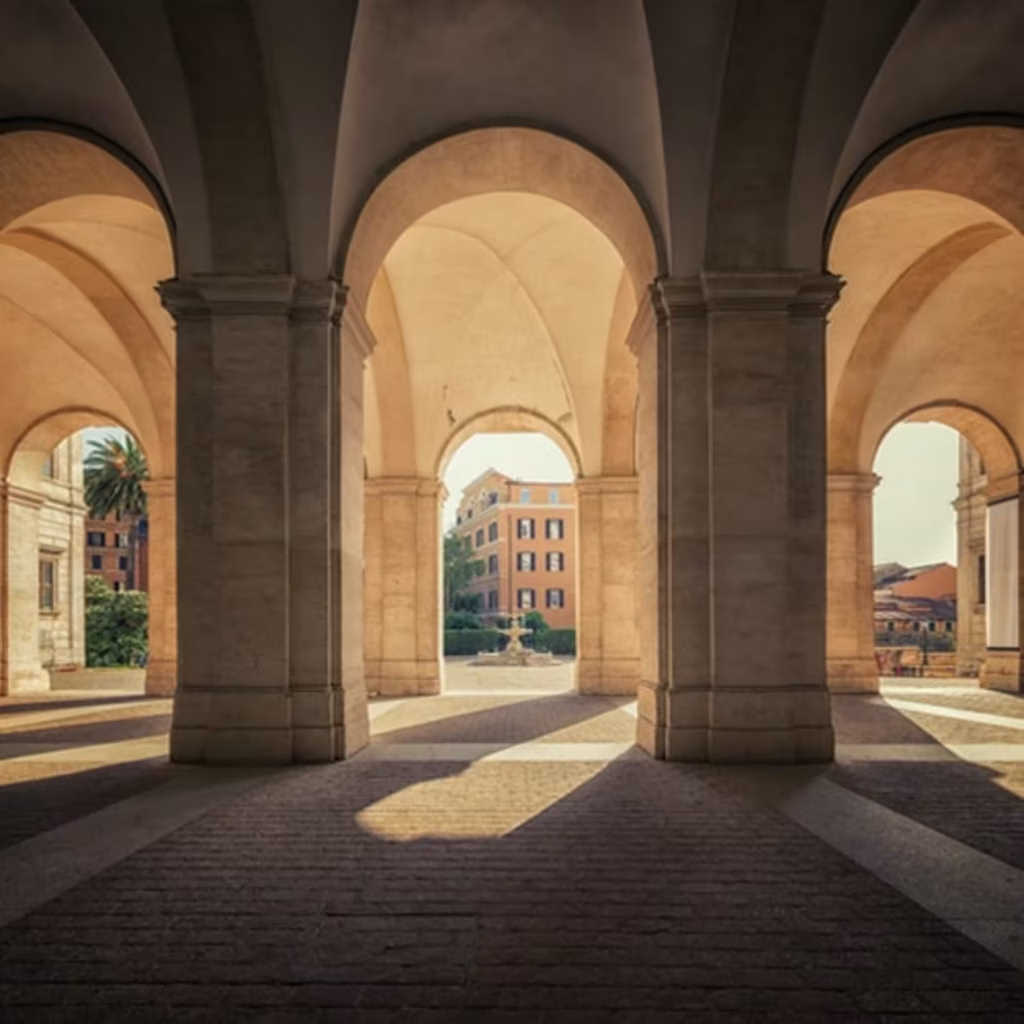
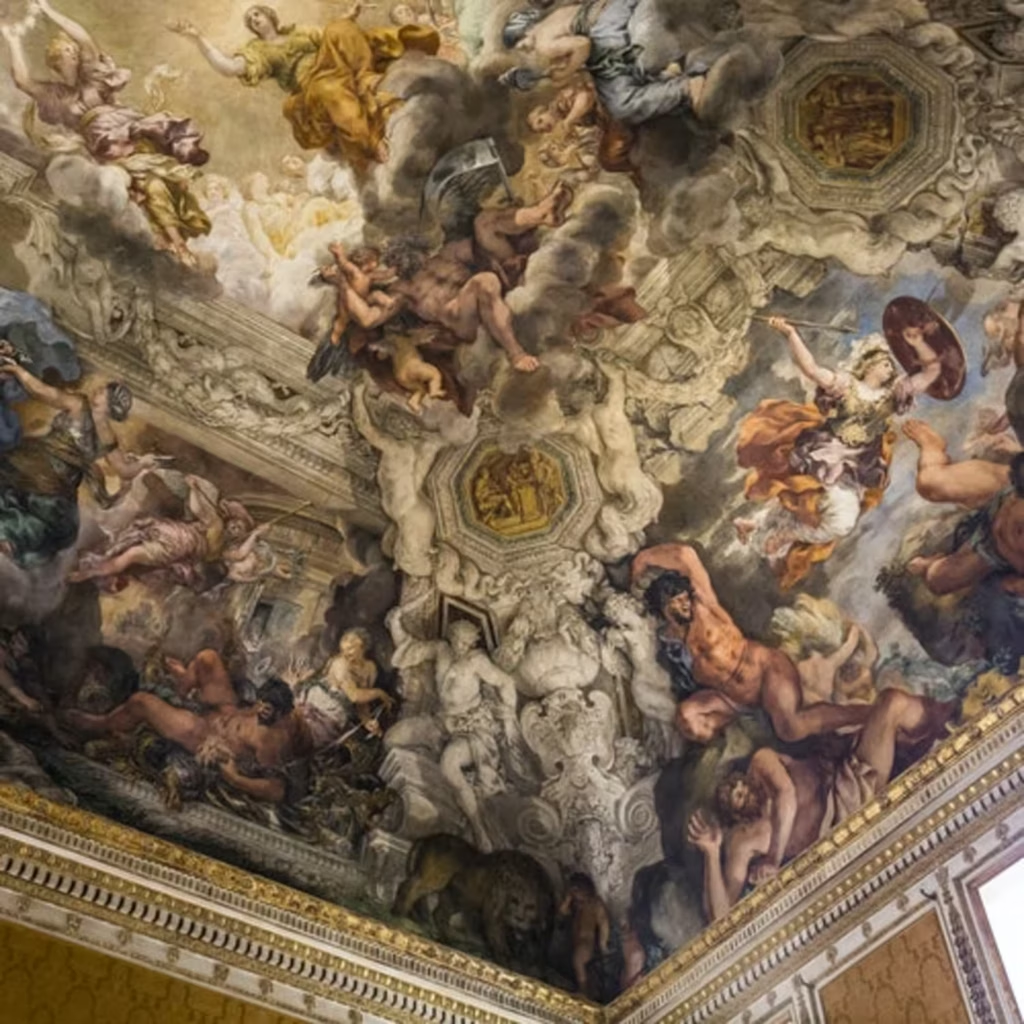
Palazzo Barberini: Skip-the-line ticket + Guided tour

Highlights

Bypass entrance waiting lines for faster access.

Enjoy a live guided tour available in English, Italian, and Spanish.

Use provided headsets to hear the guide clearly.

Learn about famous artists like Raphael, Borromini, and Pietro da Cortona.

Explore Baroque art and historical narratives inside the palace.
Go and Look at It Yourself

This is one of the rare cases where standing in front of the canvas is genuinely part of the argument. The whole dispute is about how the paint sits on the surface, which no reproduction will settle for you. It hangs on the ordinary gallery ticket with the rest of the piano nobile.

About this guide

Sources: Gallerie Nazionali Barberini Corsini, north wing (Seicento rooms) press kit 2019; Finestre sull'Arte, Caravaggio or Spadarino? The Narcissus at Palazzo Barberini; Arte.it, Caravaggio e l'enigma di Narciso; Wikipedia, Narcissus (Caravaggio).

Frequently Asked Questions About Caravaggio's Narcissus

Where is Caravaggio's Narcissus?

At Palazzo Barberini in Rome, one of the two seats of the Gallerie Nazionali di Arte Antica. The ordinary gallery ticket covers it.

Did Caravaggio really paint the Narcissus?

That is still argued. Roberto Longhi saw it in 1913 and published it as a Caravaggio in 1916, and the museum shows it under his name, but no document ties the canvas to him and several scholars propose other painters.

Who else has been proposed as the painter?

Giovanni Antonio Galli, called Spadarino, is the main alternative and the reading has proved durable. Orazio Gentileschi and Niccolo Tornioli have also been suggested. The argument against Spadarino is that his paint is compact and solid while this surface is luminous.

When was the Narcissus painted?

Usually dated around 1597 to 1599. Scholars who favour the Spadarino attribution place it considerably later, toward the middle of the 17th century.

How big is the painting?

Oil on canvas, about 113 by 97 centimetres. Small enough that the figure and the reflection fill it almost entirely.

How did it end up in a national collection?

Longhi came across it in 1913 in the collection of the historian Paolo D'Ancona. Basile Khvoshinsky later gave it to the national gallery.

What does the painting show?

Narcissus leaning over water and meeting his own reflection. The composition splits into two halves, the boy above and the image below, joined at the knee that breaks the surface.

Is the Narcissus included in the standard ticket?

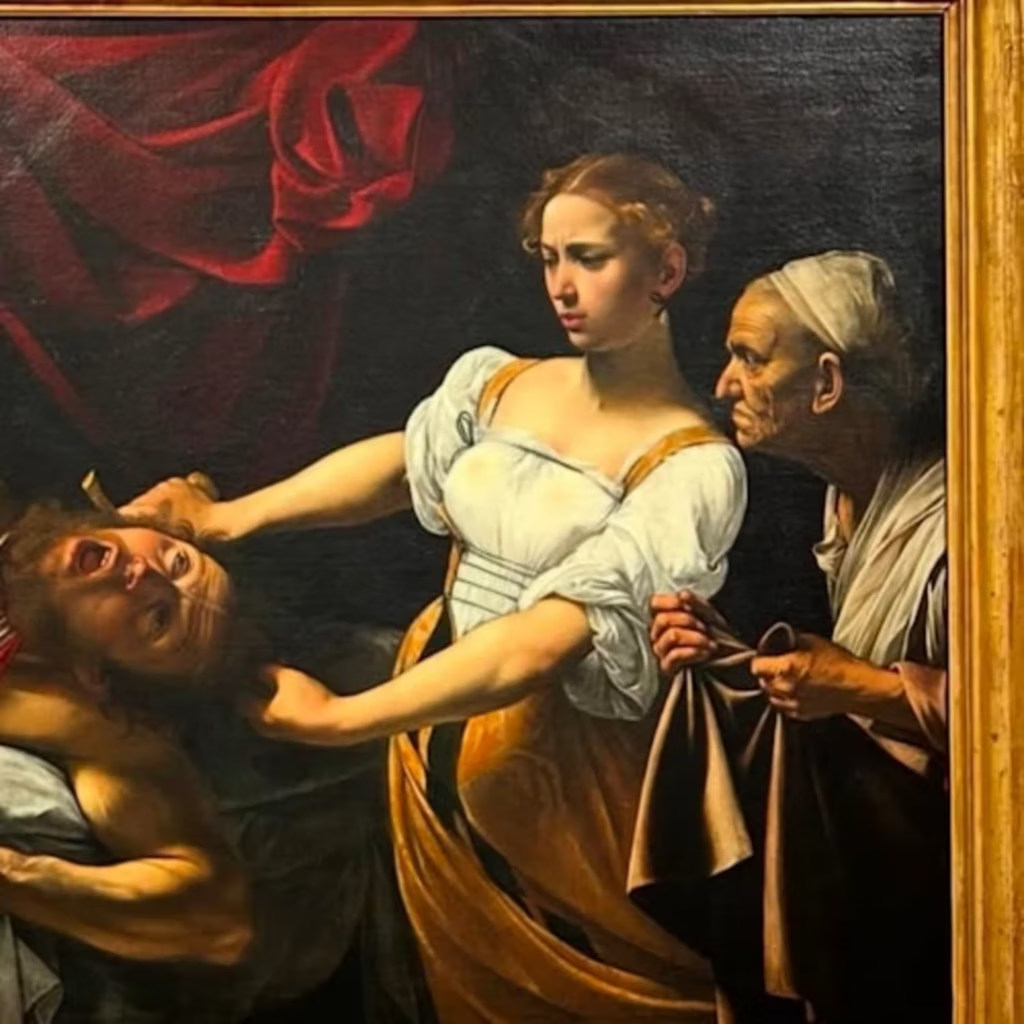
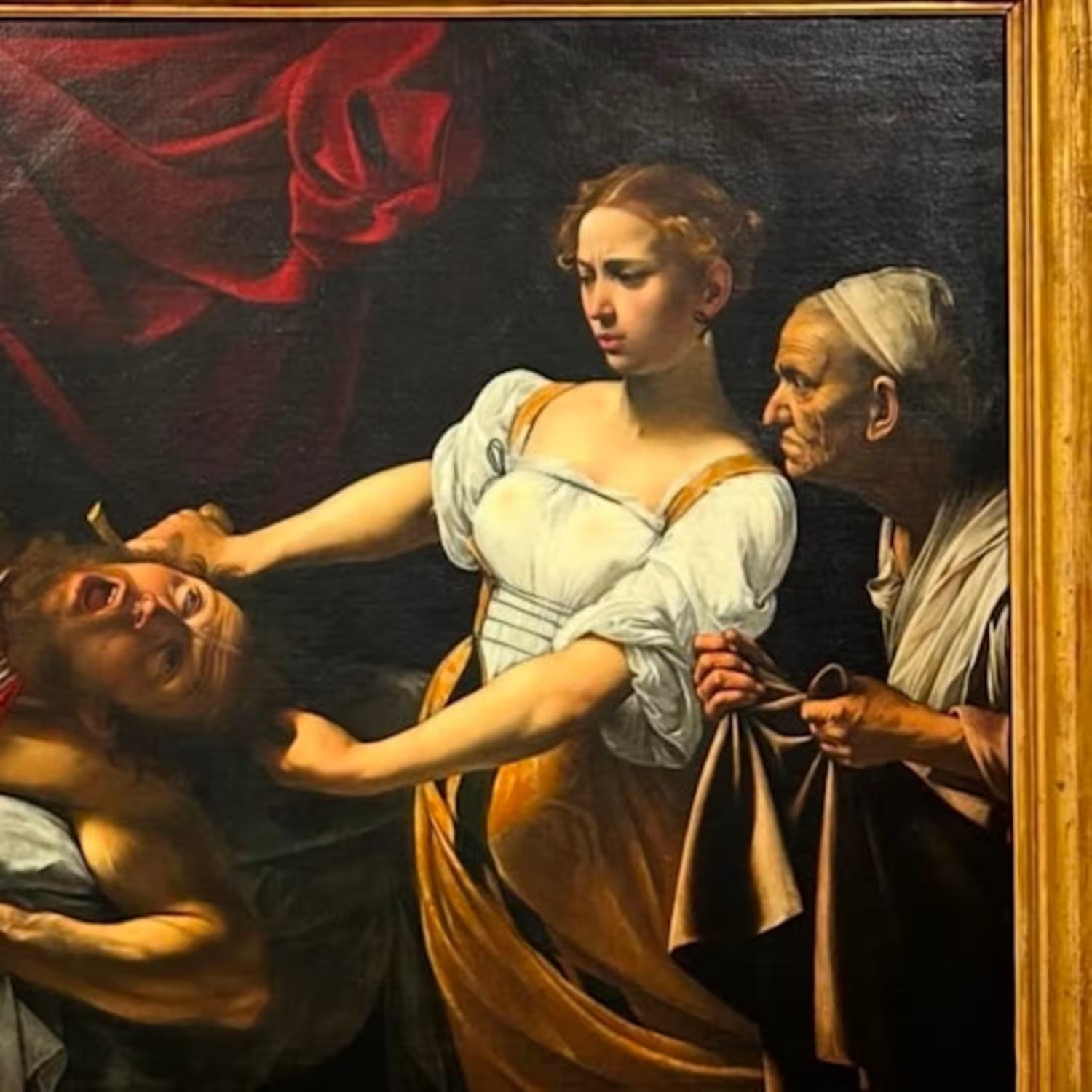
Yes. It hangs on the piano nobile at Palazzo Barberini and is covered by the ordinary gallery ticket, the same one that covers La Fornarina and Caravaggio's Judith.