We are processing your request.
Please, don’t close or refresh the page.

La Fornarina, Raphael's Portrait of the Woman Nobody Can Name

Painted around 1518, signed on her armband, and still in Raphael's studio when he died two years later. The name attached to her, Margherita Luti, is tradition rather than anything a document proves.

What to Look For in La Fornarina

It is oil on a wood panel, 87 by 63 centimetres, painted around 1518 to 1519.

Raphael signed it on the armband, where the lettering reads Raphael Vrbinas.

The pose follows the Venus pudica of ancient sculpture, covered and uncovered at once.

X-rays found a landscape in the Leonardo manner underneath, painted out at some point.

What covers it now is a myrtle bush, the plant sacred to Venus.

There is a ruby ring on her left hand that somebody painted over.

Tradition calls her Margherita Luti, a baker's daughter. That identification is disputed.

The panel was probably still in the studio when Raphael died in 1520.

The Name That Was Attached Later

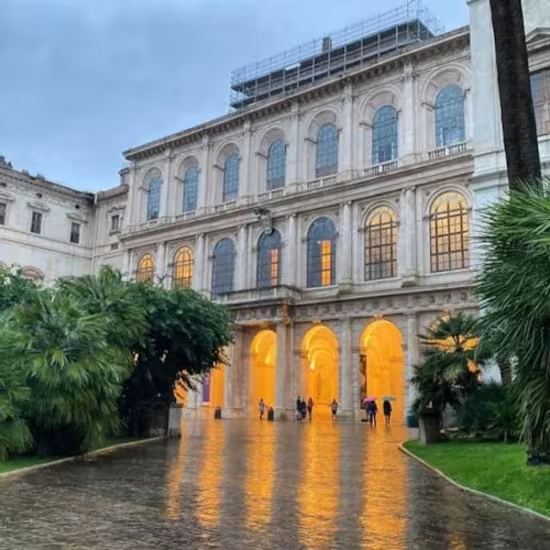
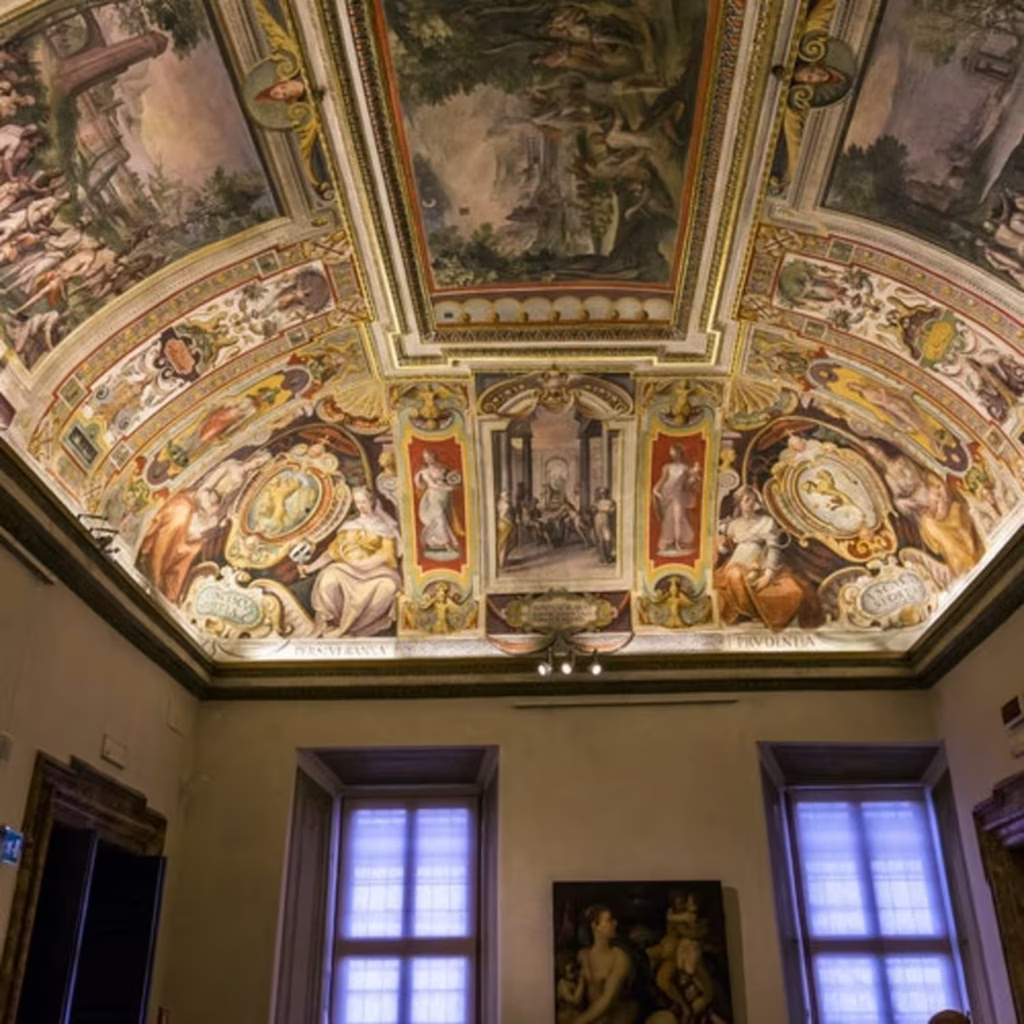
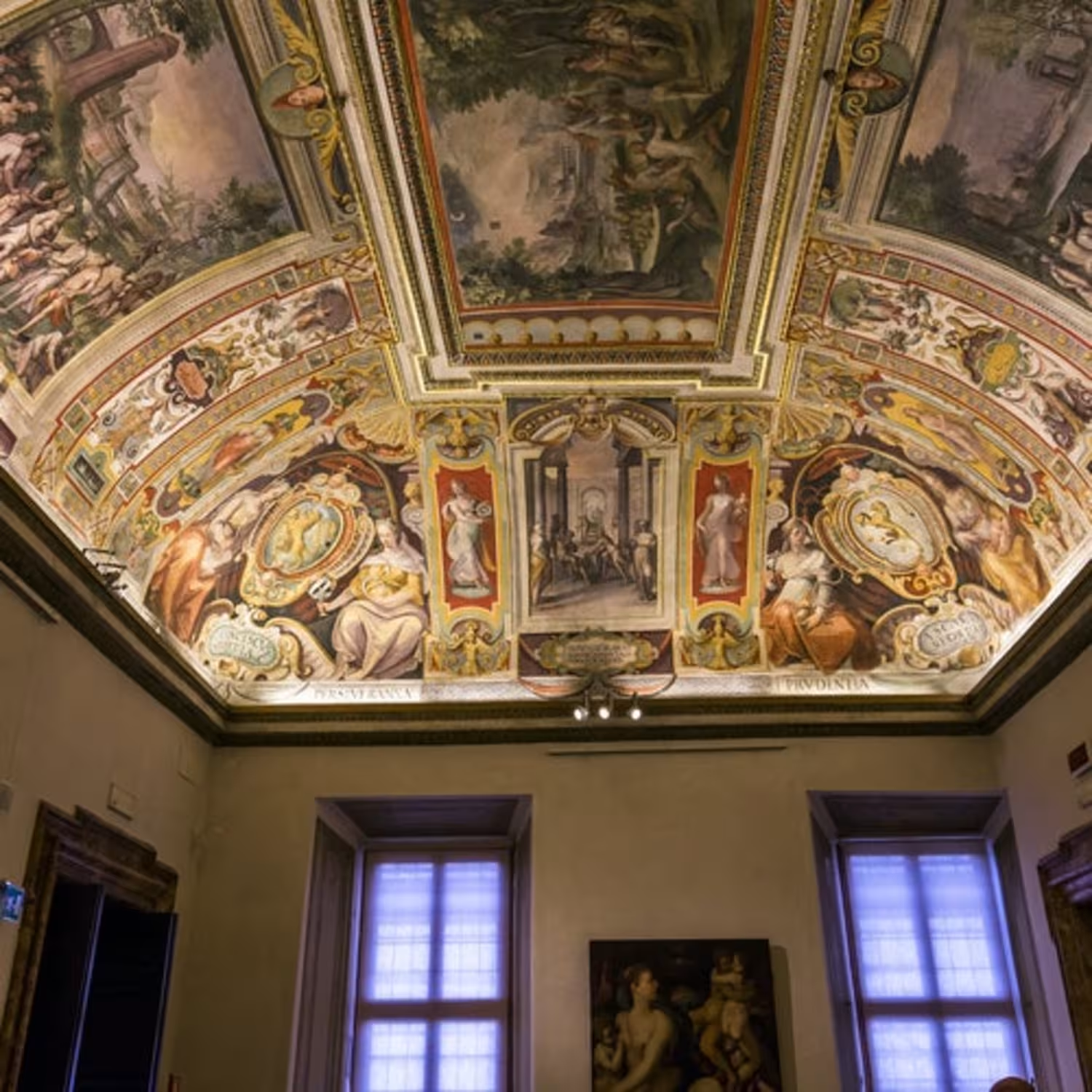
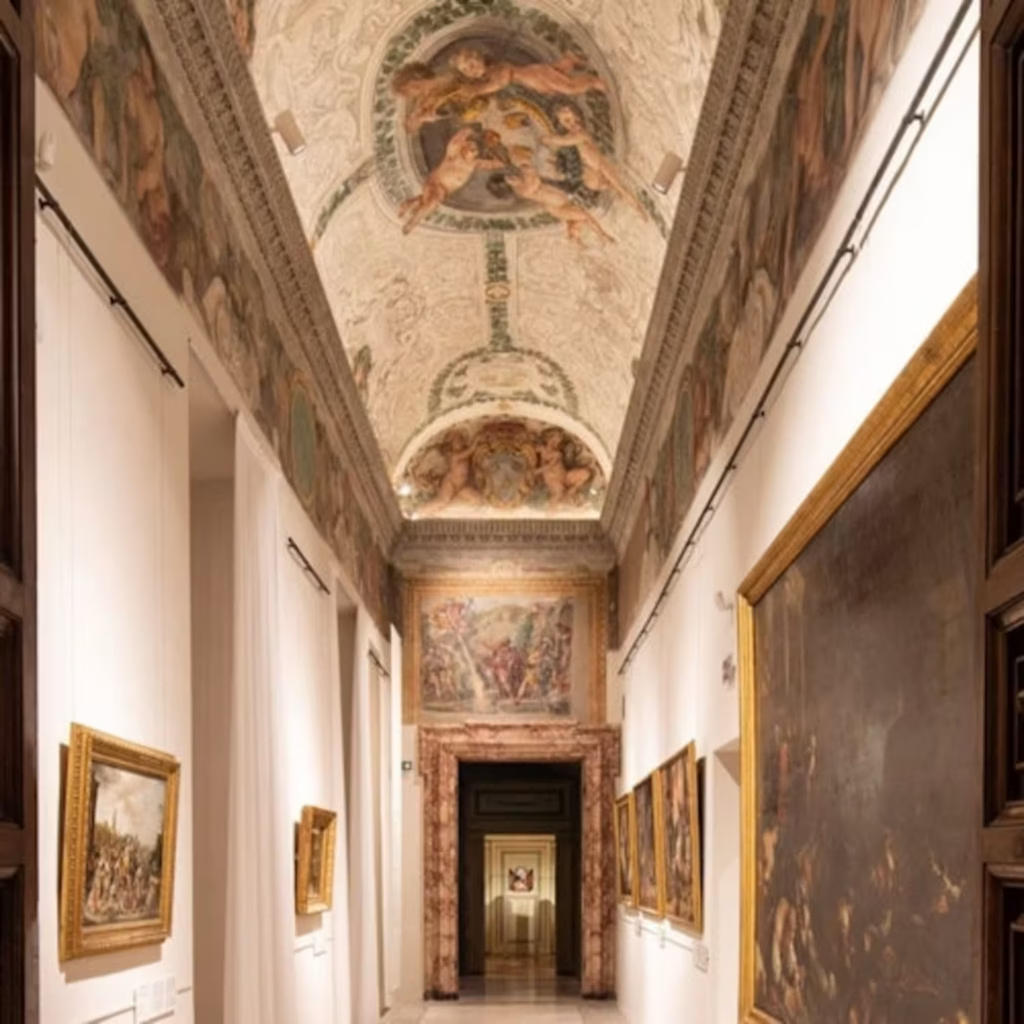
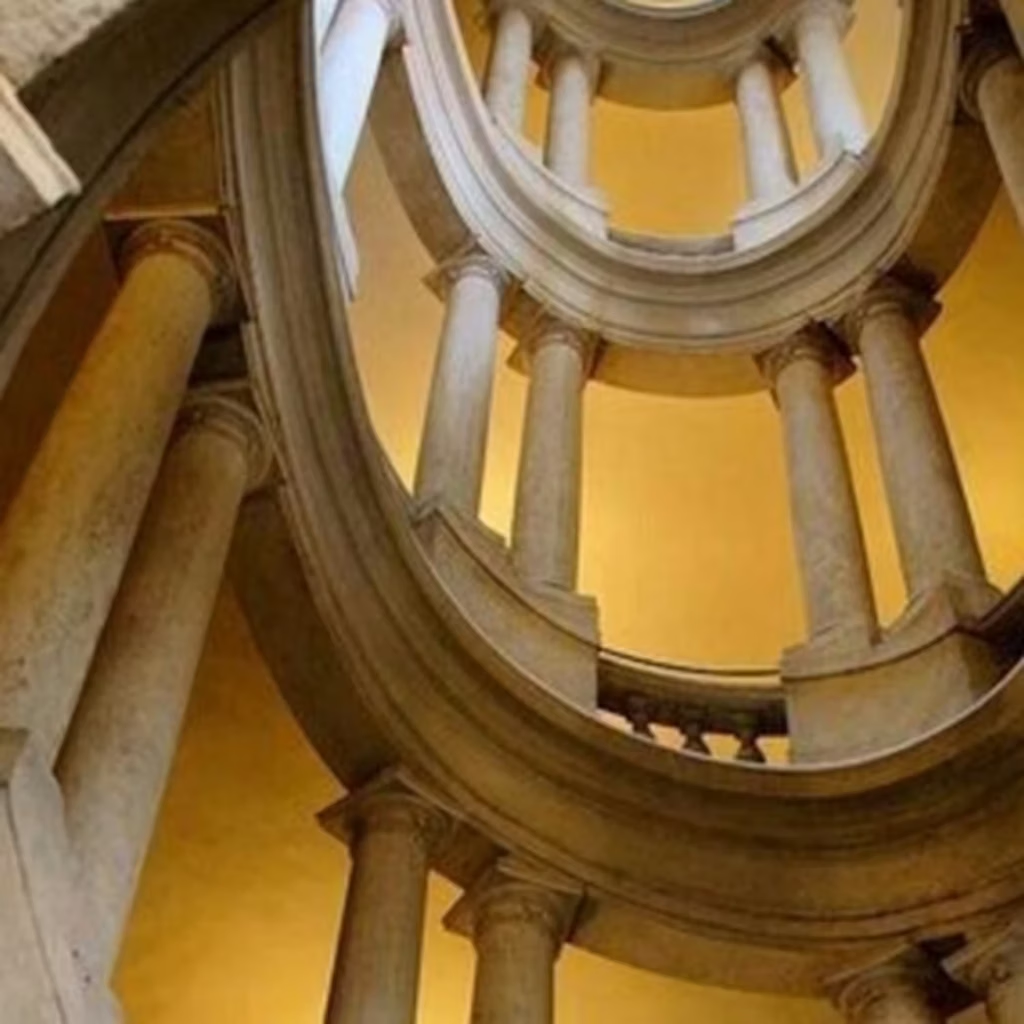
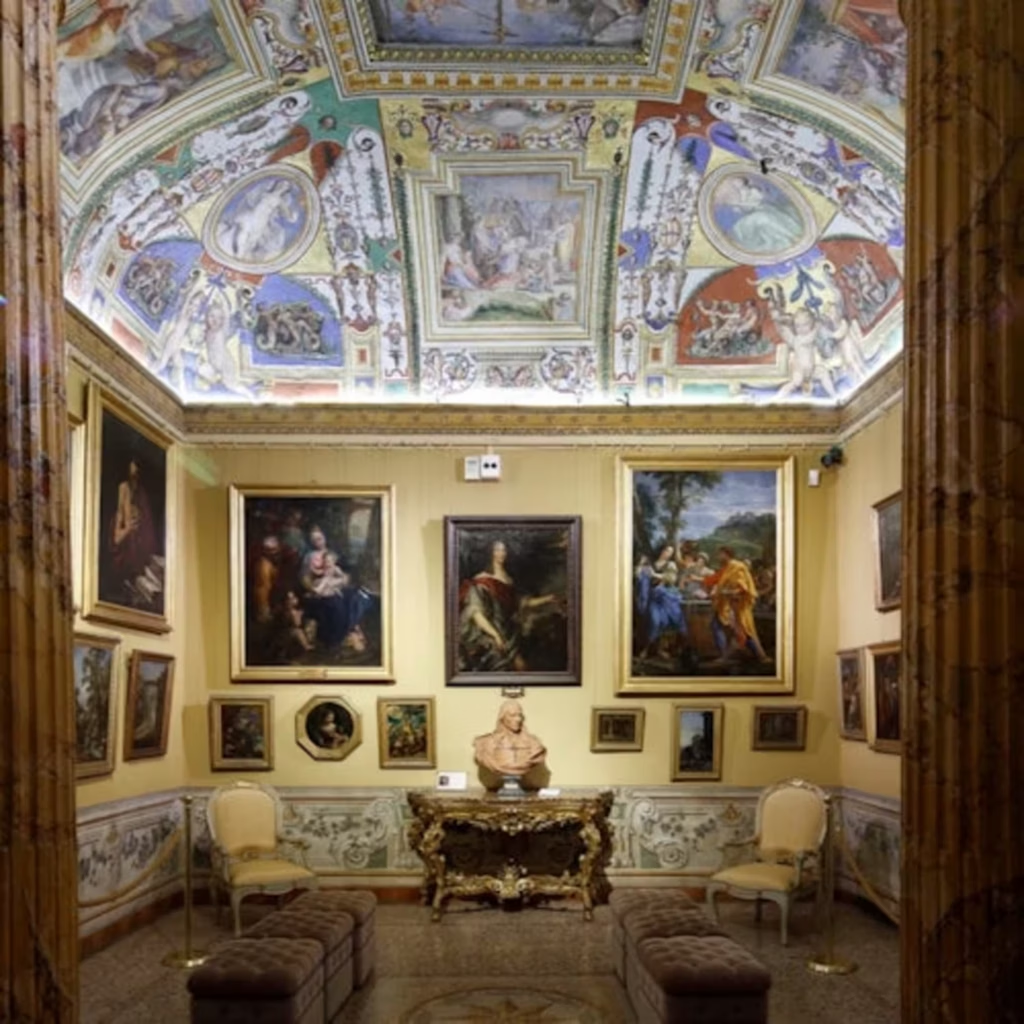
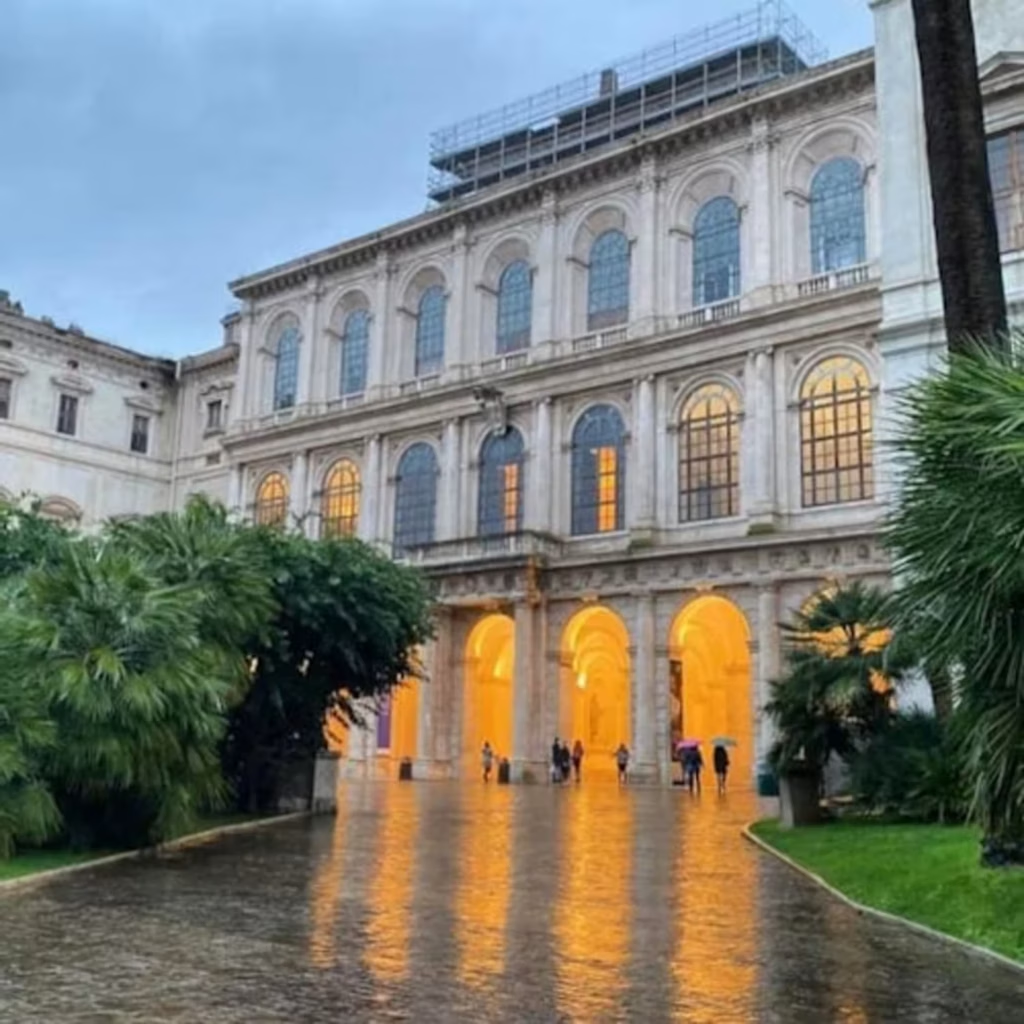
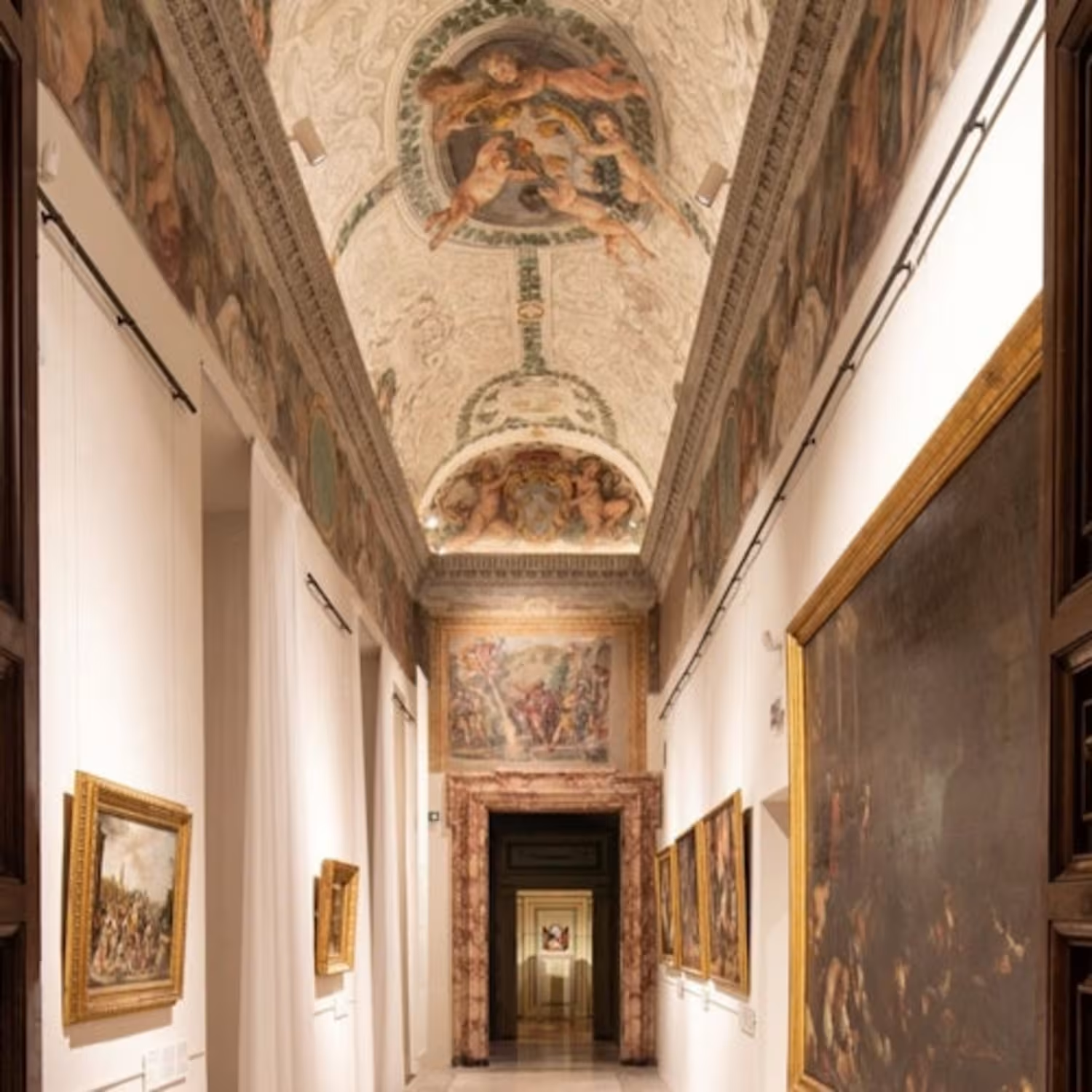
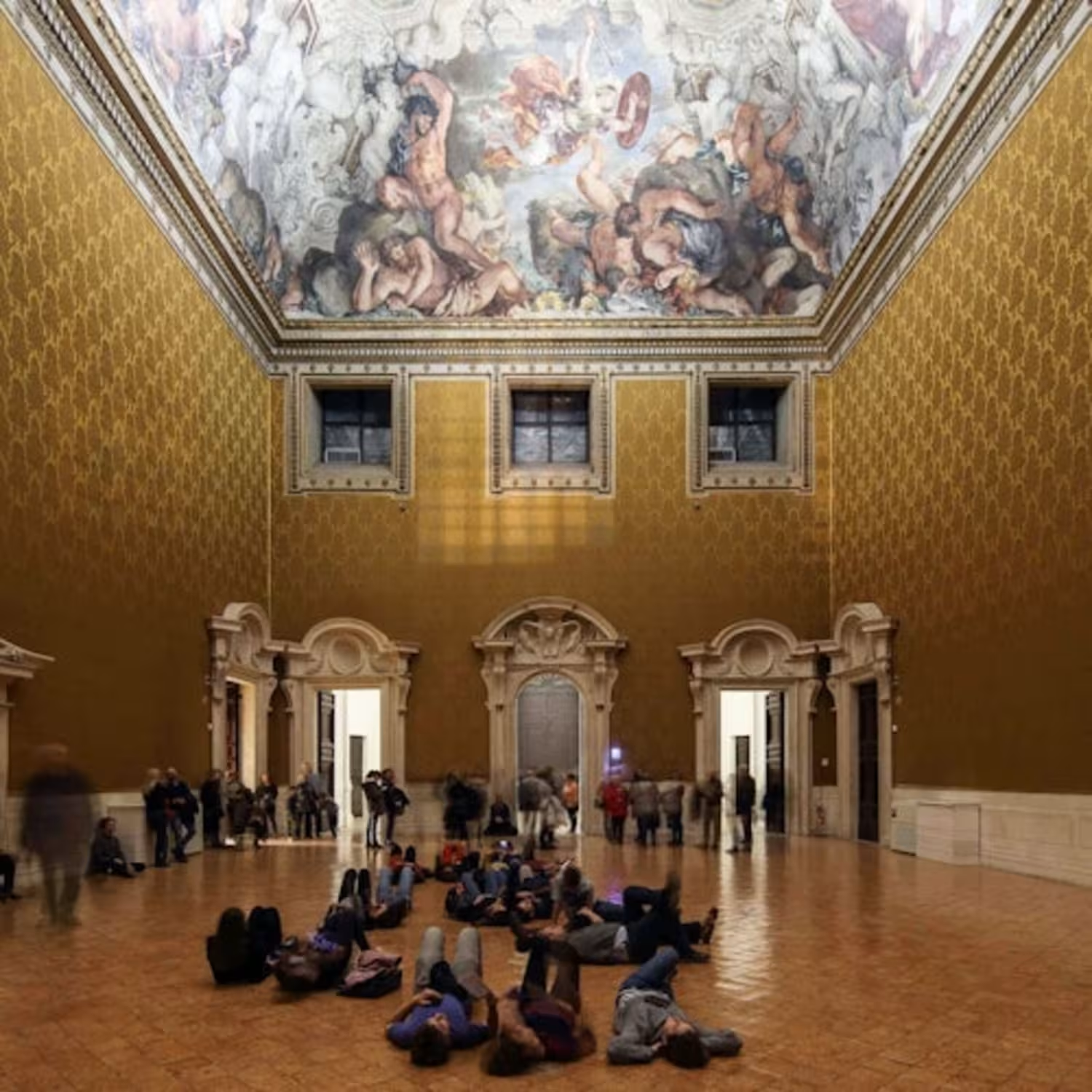
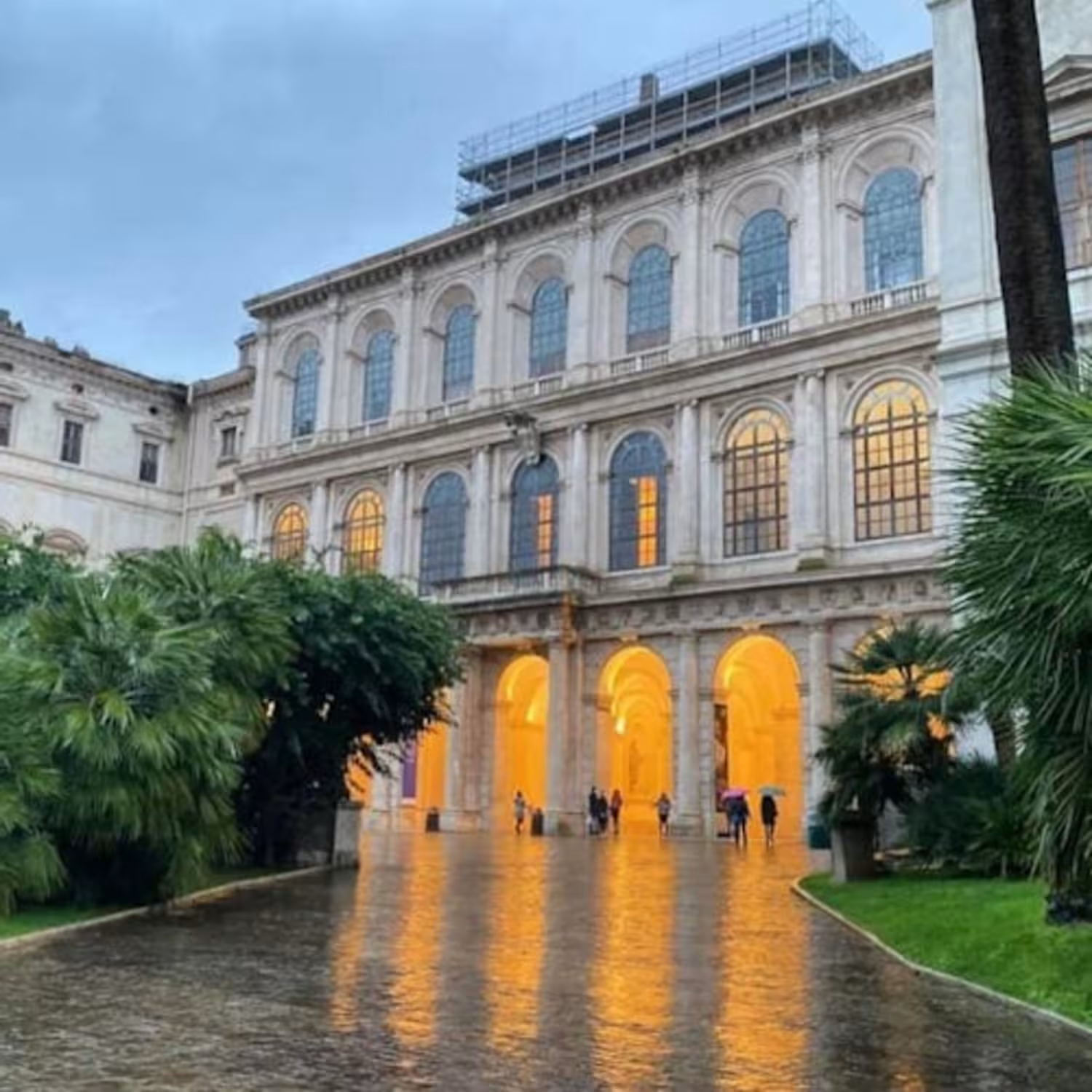
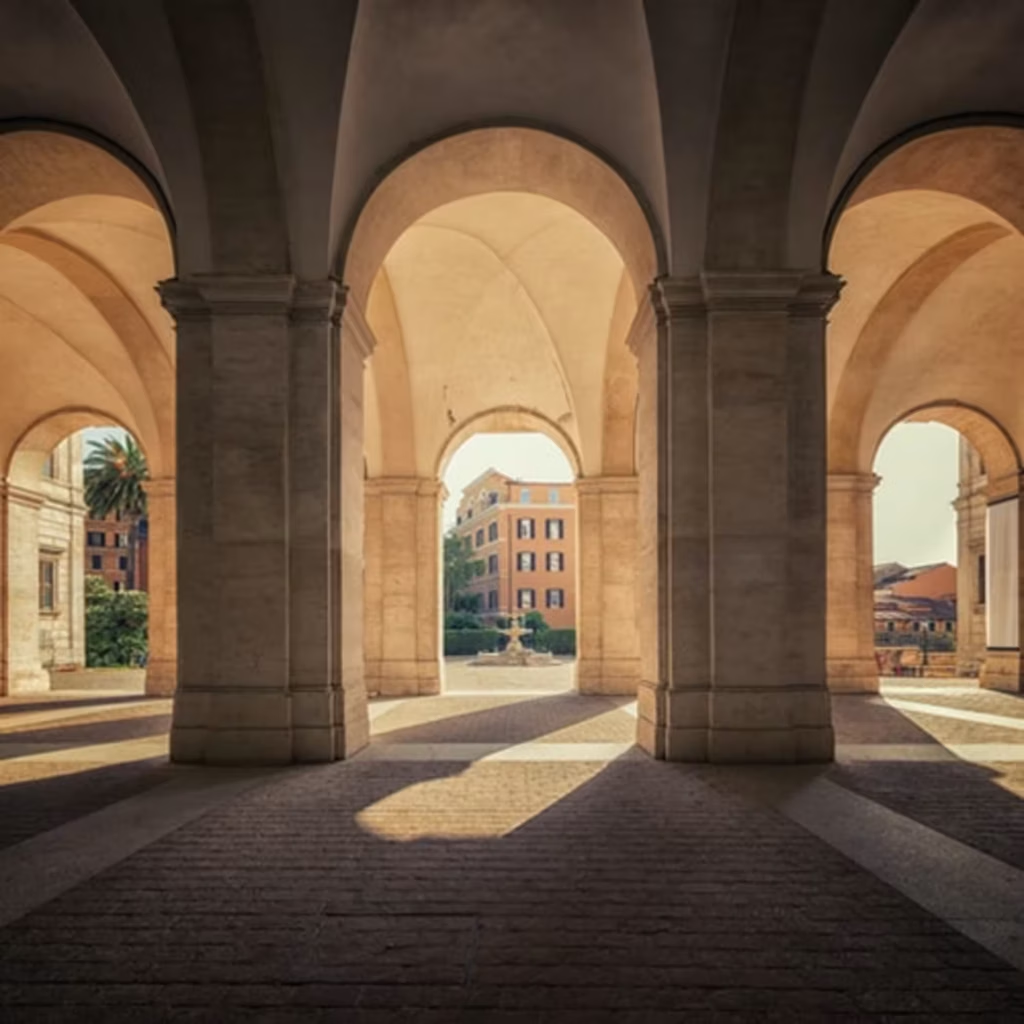
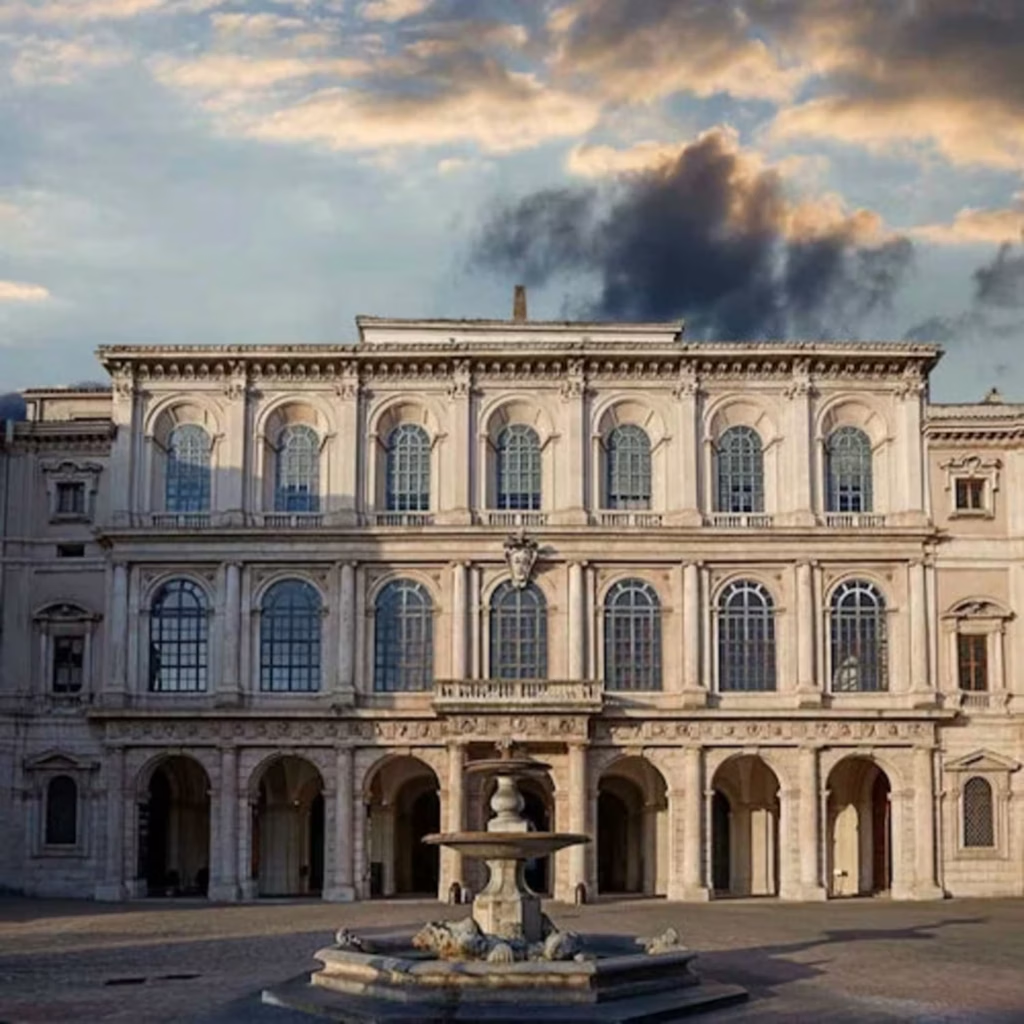
Gallery rooms on the piano nobile at Palazzo Barberini

Fornarina means a baker's daughter, and the woman has been called Margherita Luti for centuries. Neither the name nor the trade comes from a document: it is art-historical tradition, and it has been questioned more than once.

Other readings treat her as a type rather than a person. She has been argued to be one of the belle donne, the idealised beauties Renaissance painters produced without a sitter in front of them, and she has been argued to be a courtesan. None of those readings has displaced the others.

What the picture does say for itself is on her arm. The band across it carries Raphael's own name in Latin, Raphael Vrbinas, Raphael of Urbino, worn by the sitter rather than signed in a corner.

What the X-Rays Found

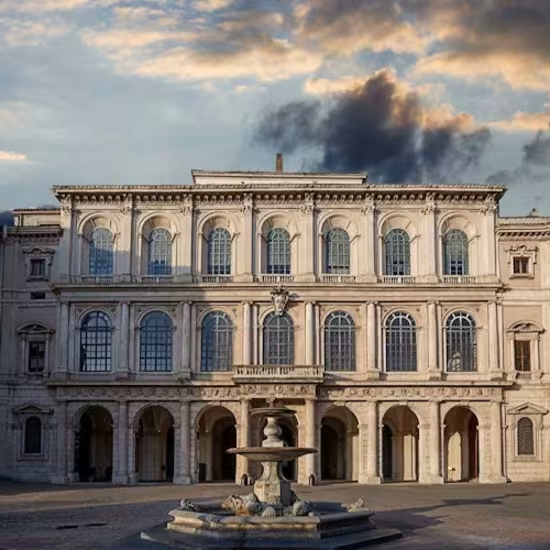
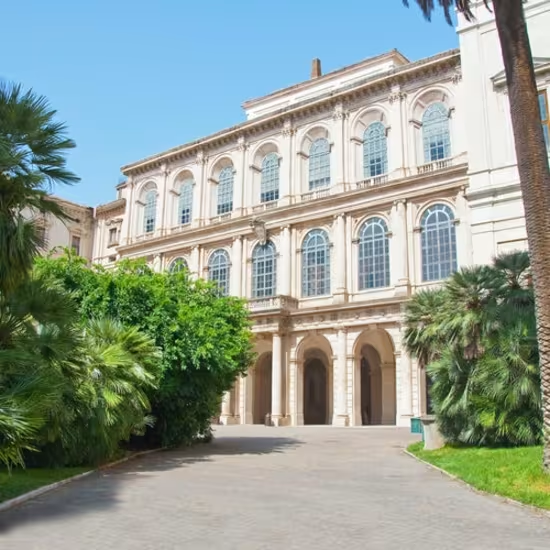
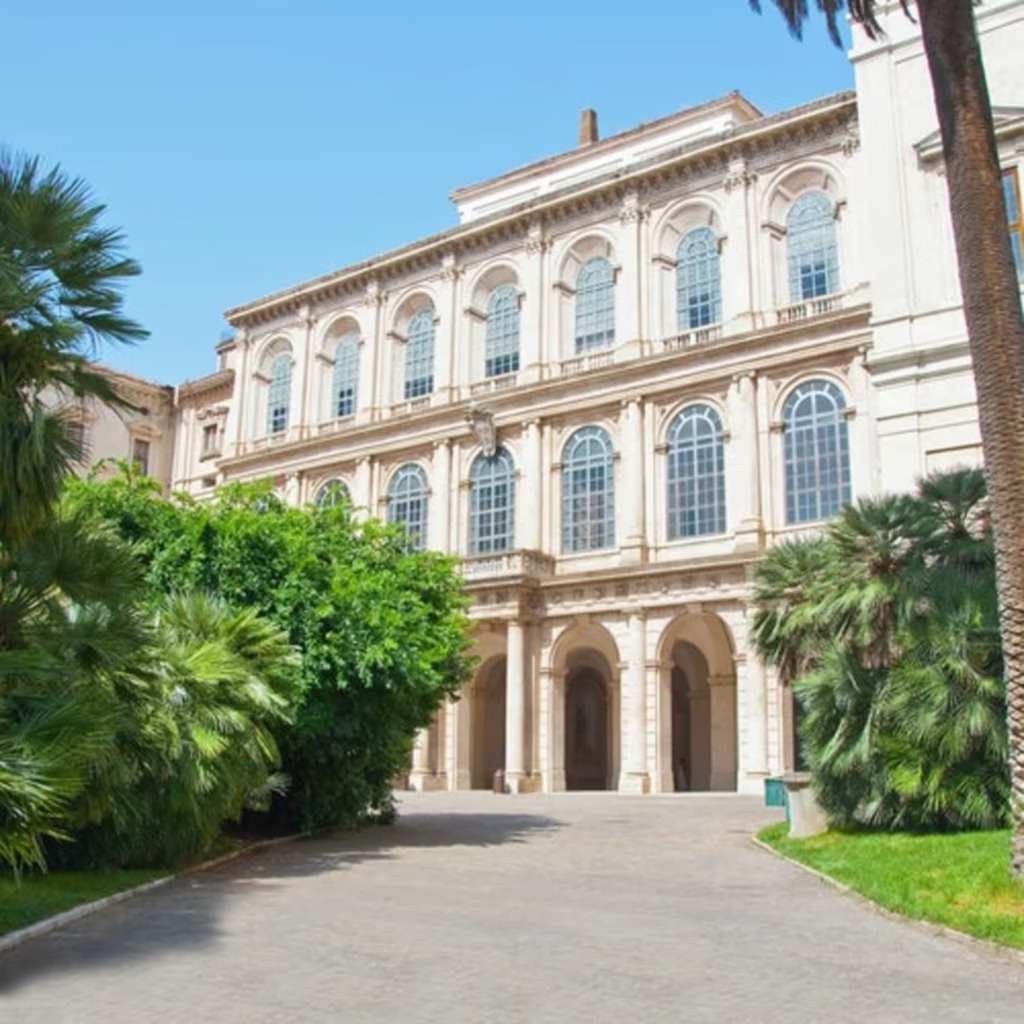
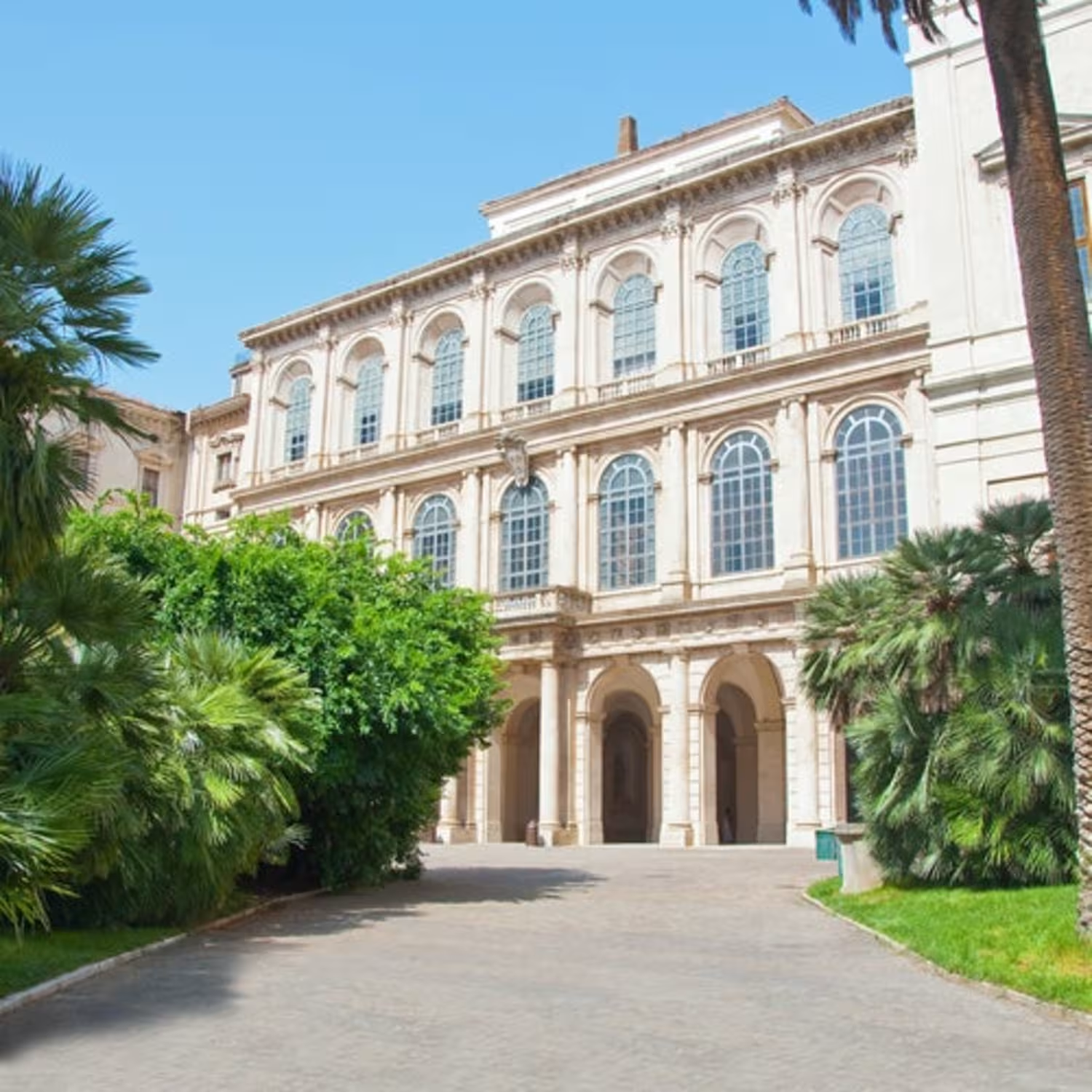
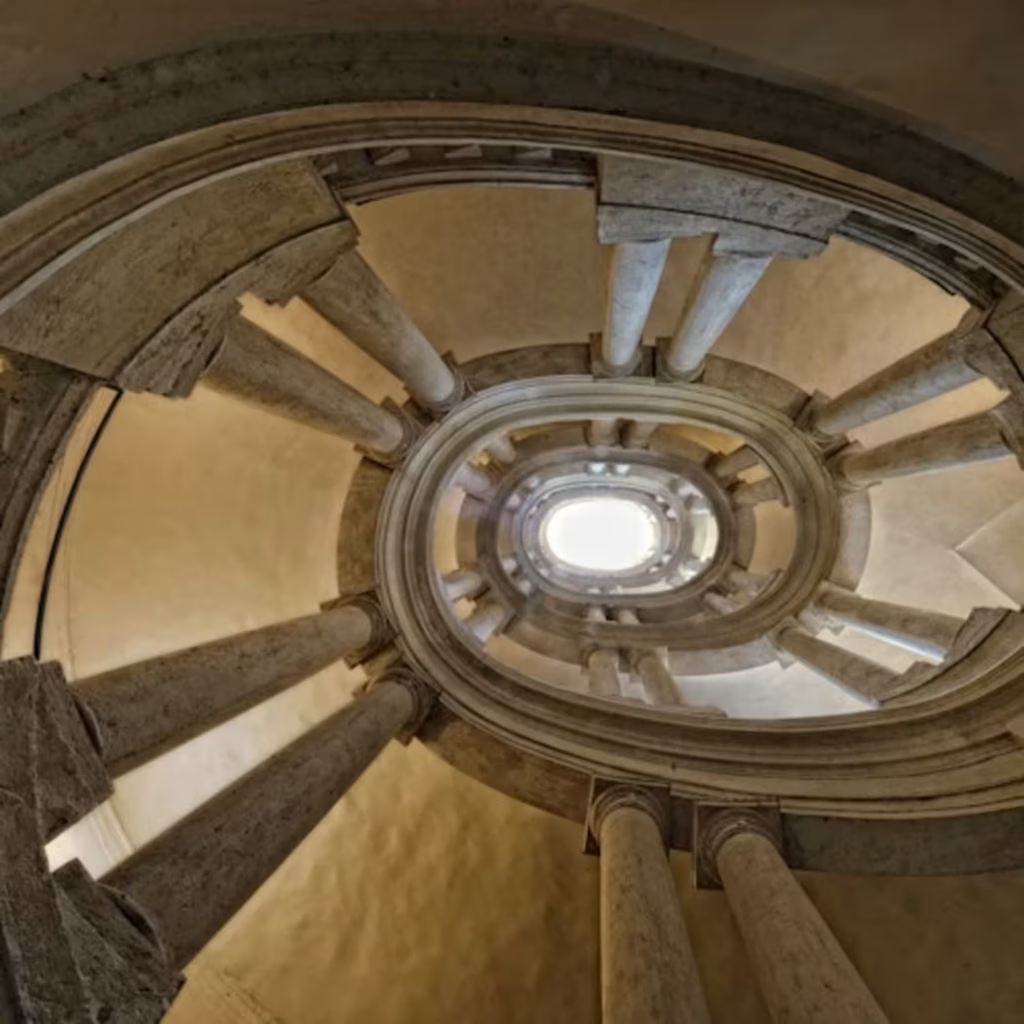
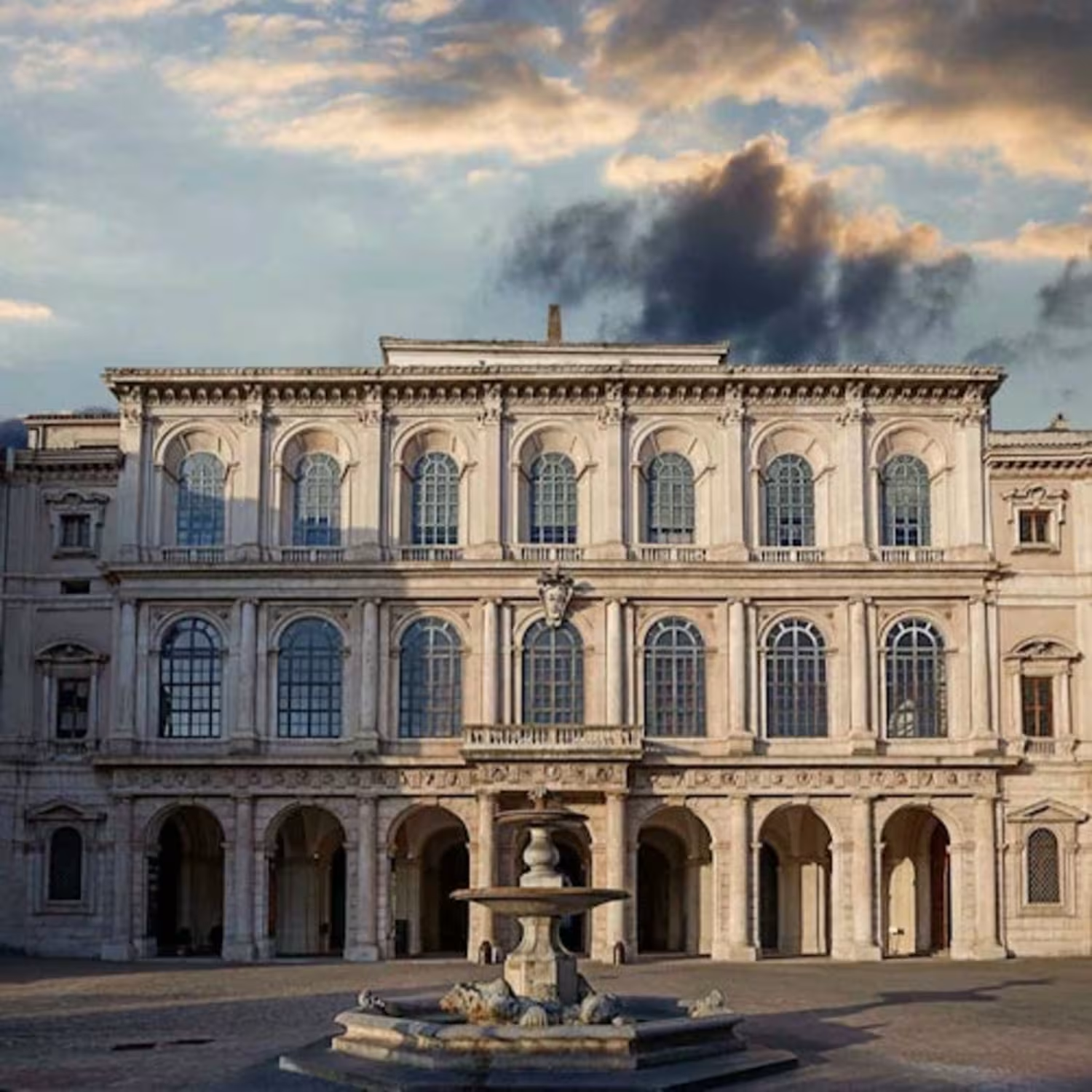
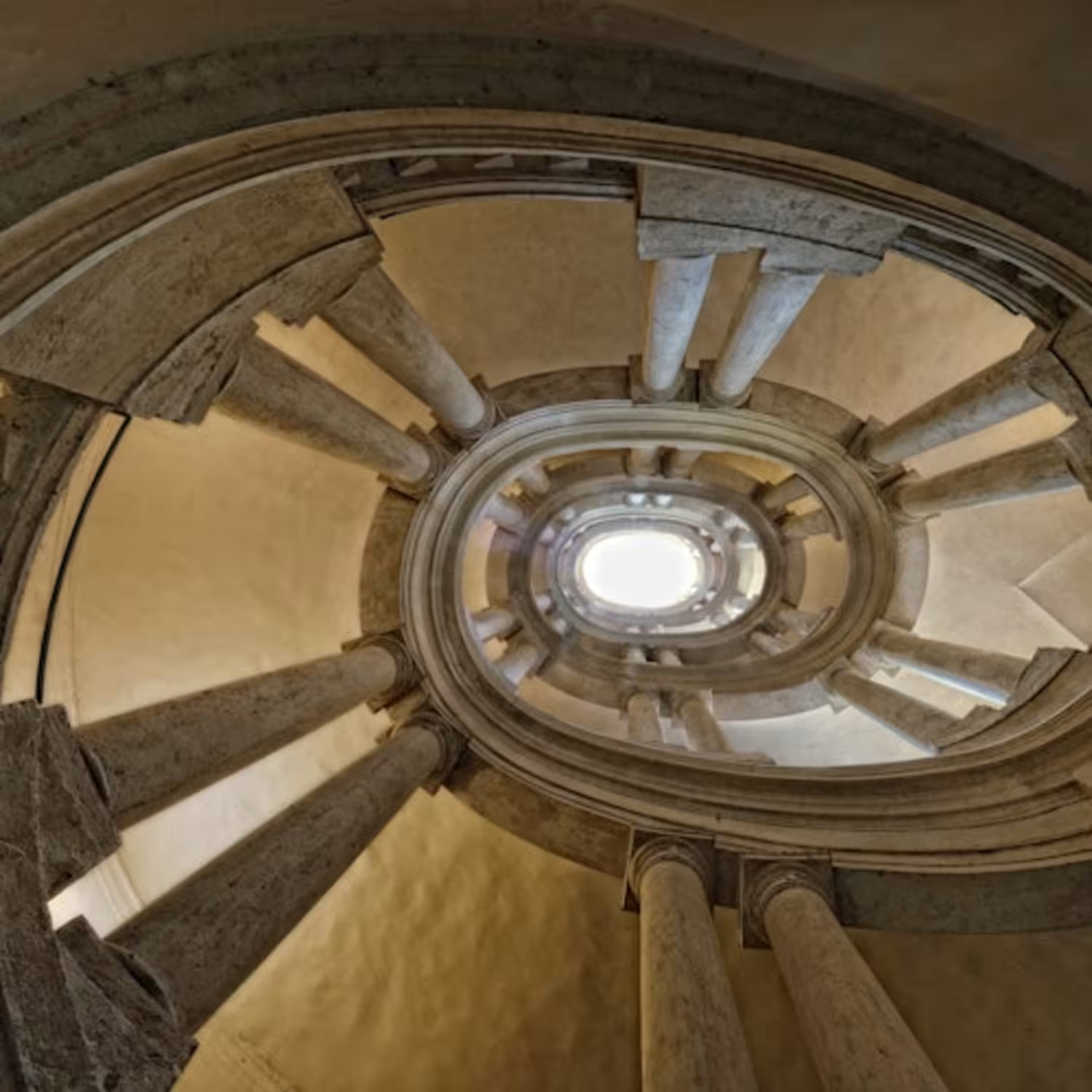
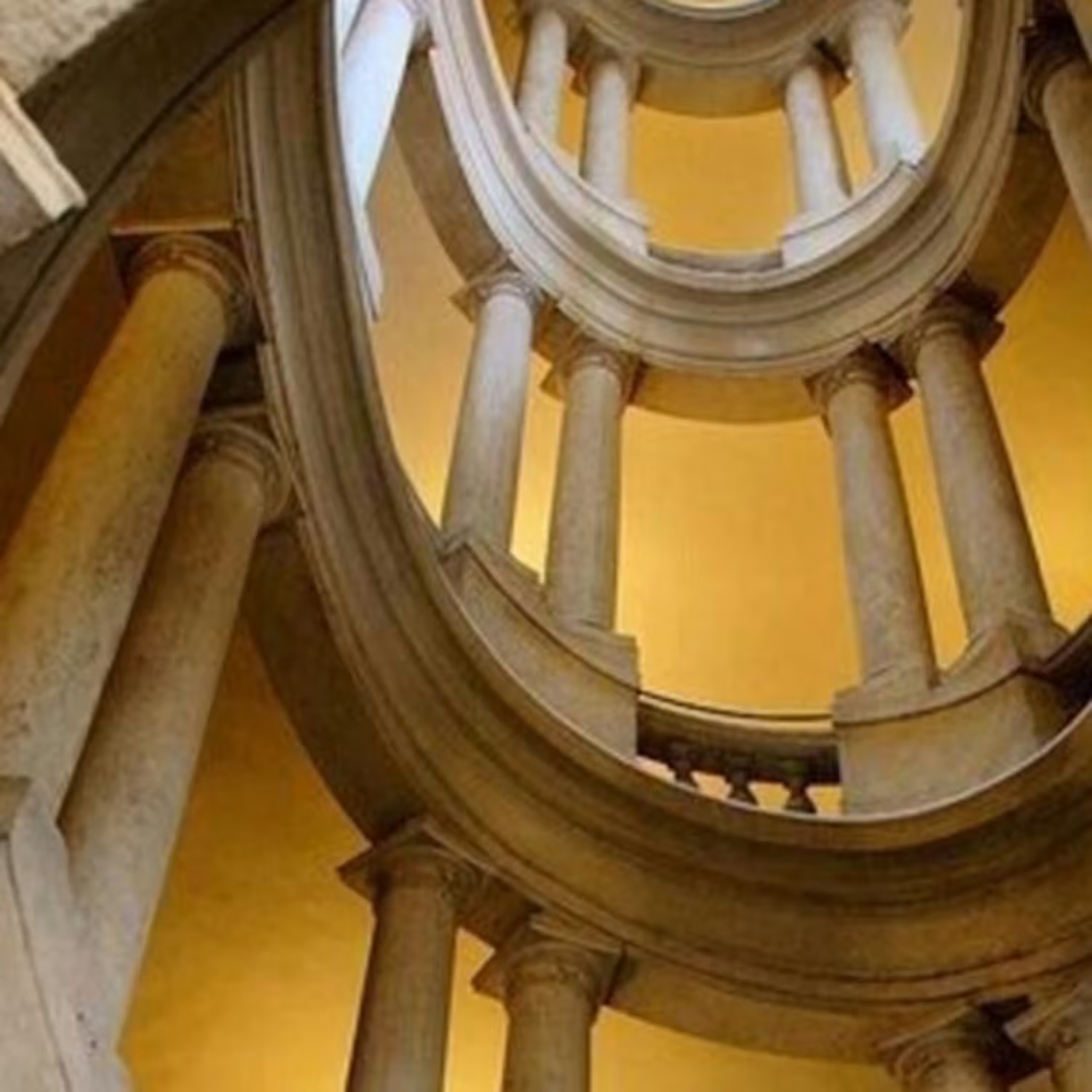
Palazzo Barberini on Via delle Quattro Fontane

Underneath the dark leaves behind her there was once something else. Imaging showed a landscape in the Leonardo manner, the kind of hazy receding background Raphael would have known well, and at some stage it was painted out.

The myrtle that replaced it is not a neutral choice. Myrtle was sacred to Venus, so swapping an open landscape for a wall of it pushes the portrait away from a likeness of somebody and toward a picture about love.

The second finding sits on her hand. A ruby ring on the left hand had been covered over and only reappeared under examination, which is where the story of a secret marriage to Raphael comes from. It is a reading of a detail, not a record of a wedding.

4.6
(24)

Visit Barberini Palace

Highlights

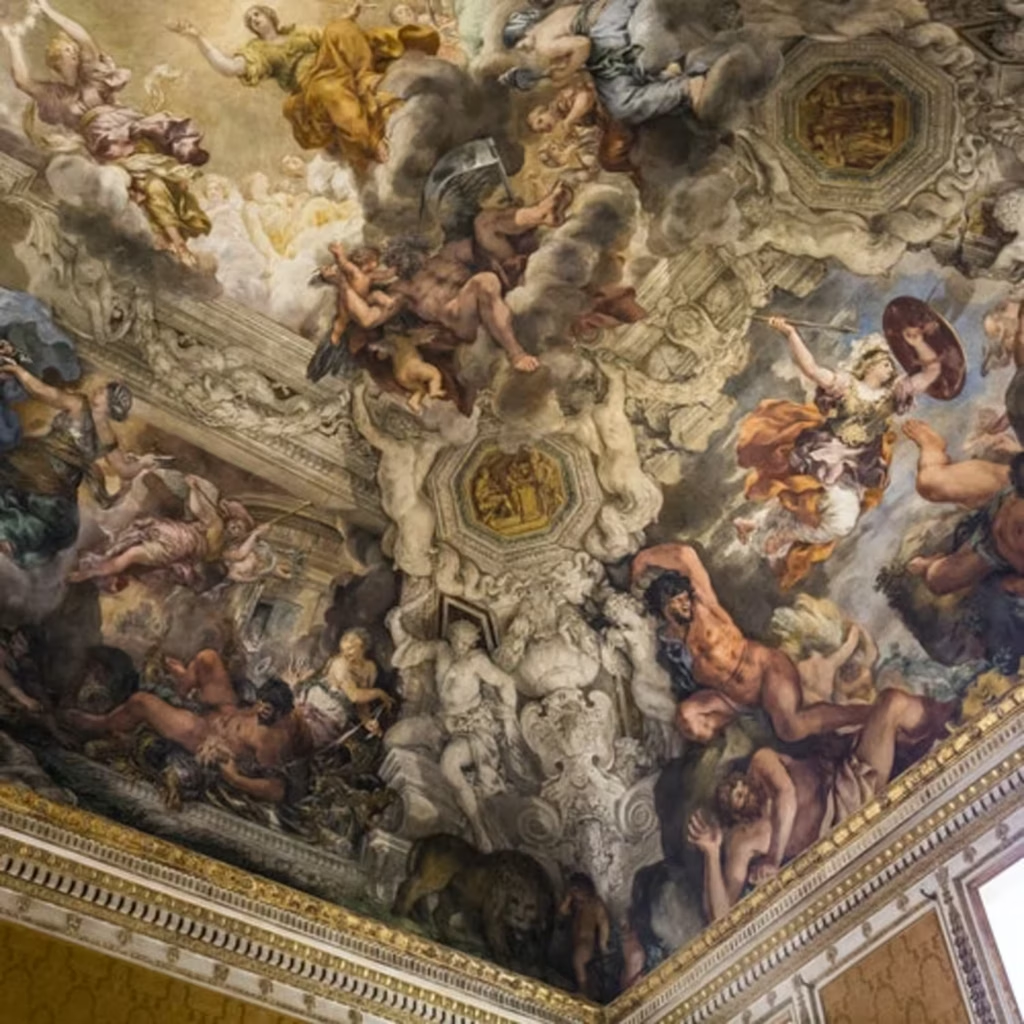
Marvel at extraordinary artworks by legendary artists like Caravaggio, Raphael, Bernini, and Lippi.

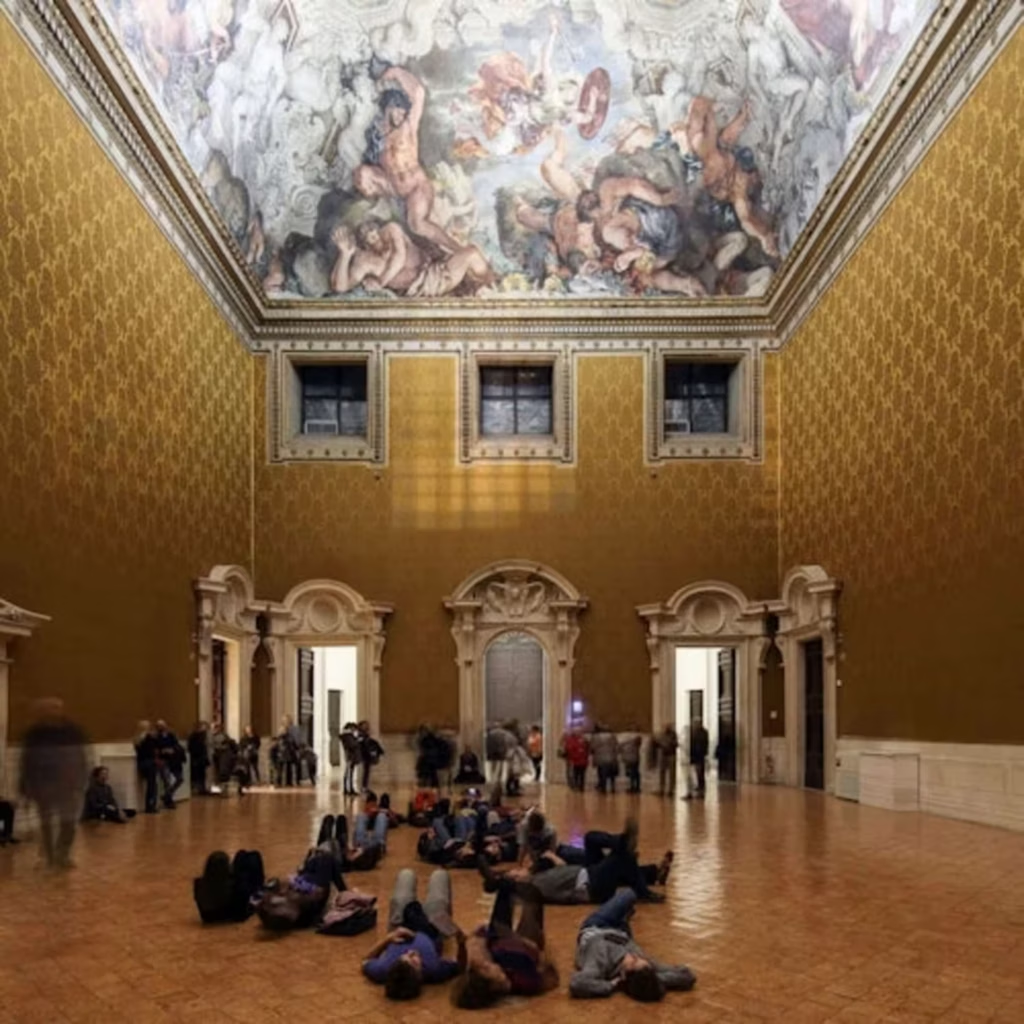
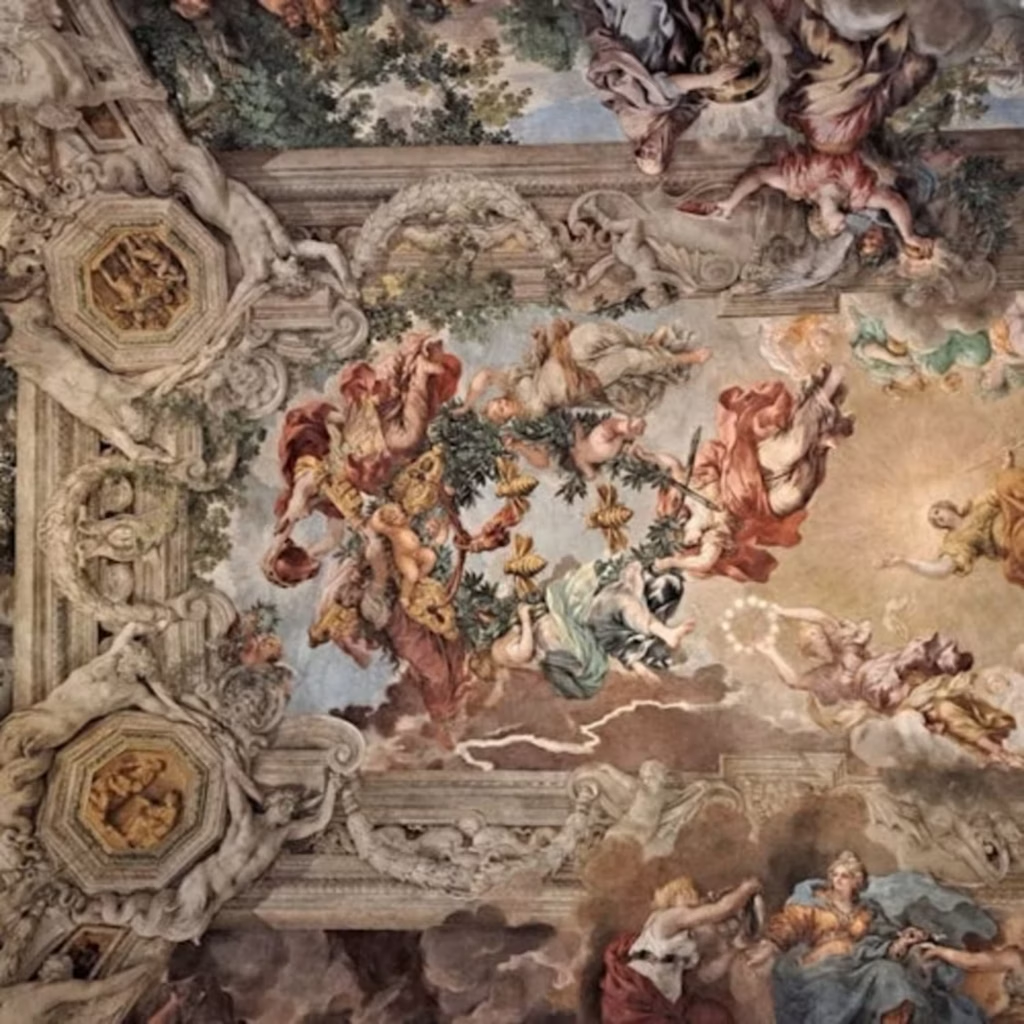
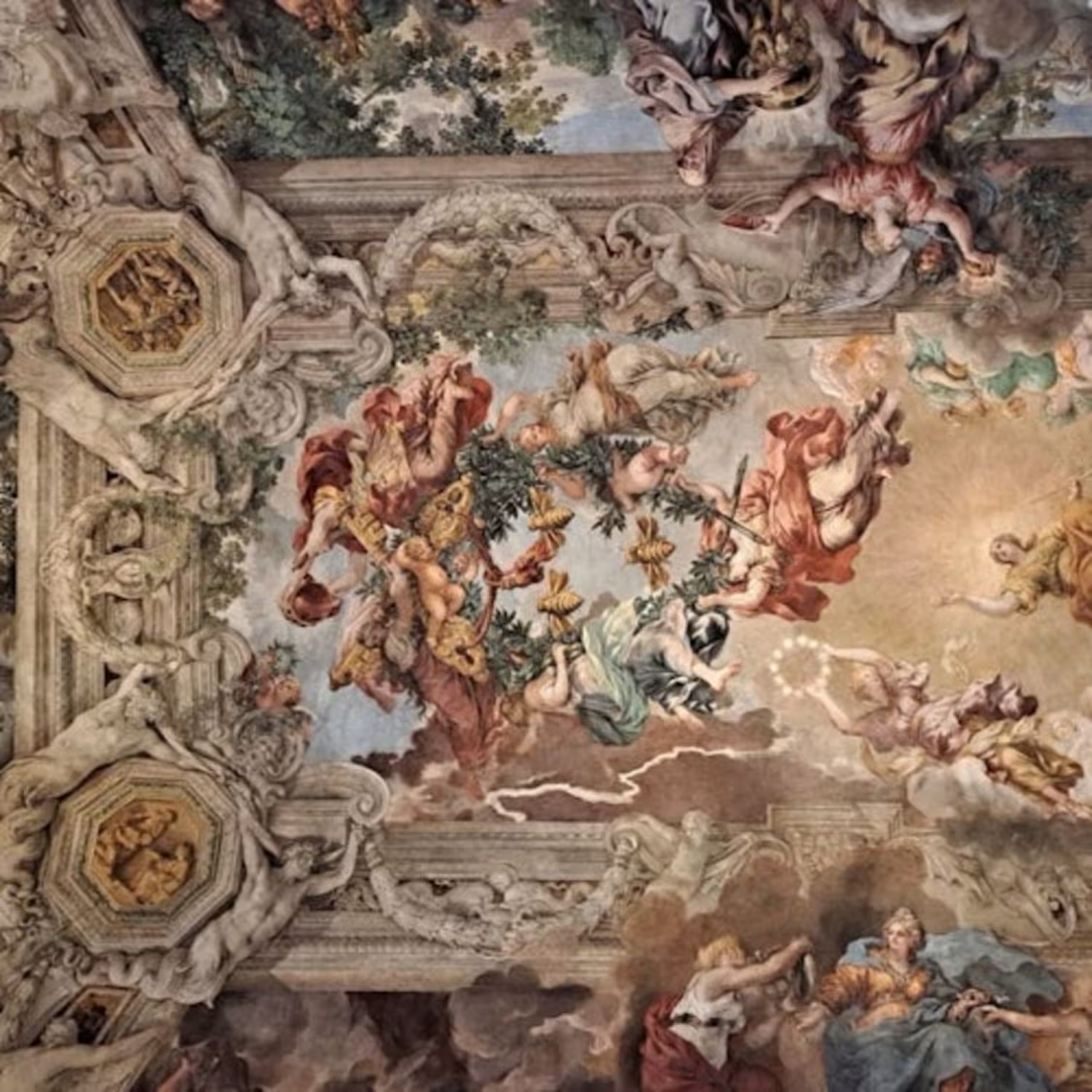
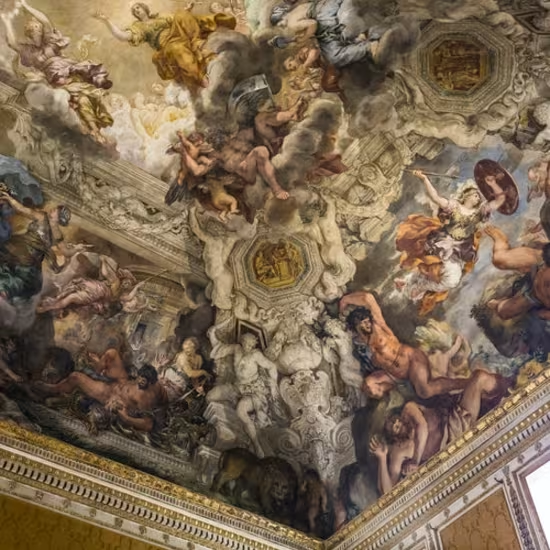
Enjoy stunning ceiling frescoes and intricate decorations within the palatial setting.

Visit multiple floors showcasing a variety of Italian and European paintings and sculptures.

Receive entry to both Palazzo Barberini and the nearby Palazzo Corsini.

Explore the former residence of Queen Christina of Sweden and admire renowned Baroque art collections.
Palazzo Barberini: Skip-the-line ticket + Guided tour

Highlights

Bypass entrance waiting lines for faster access.

Enjoy a live guided tour available in English, Italian, and Spanish.

Use provided headsets to hear the guide clearly.

Learn about famous artists like Raphael, Borromini, and Pietro da Cortona.

Explore Baroque art and historical narratives inside the palace.
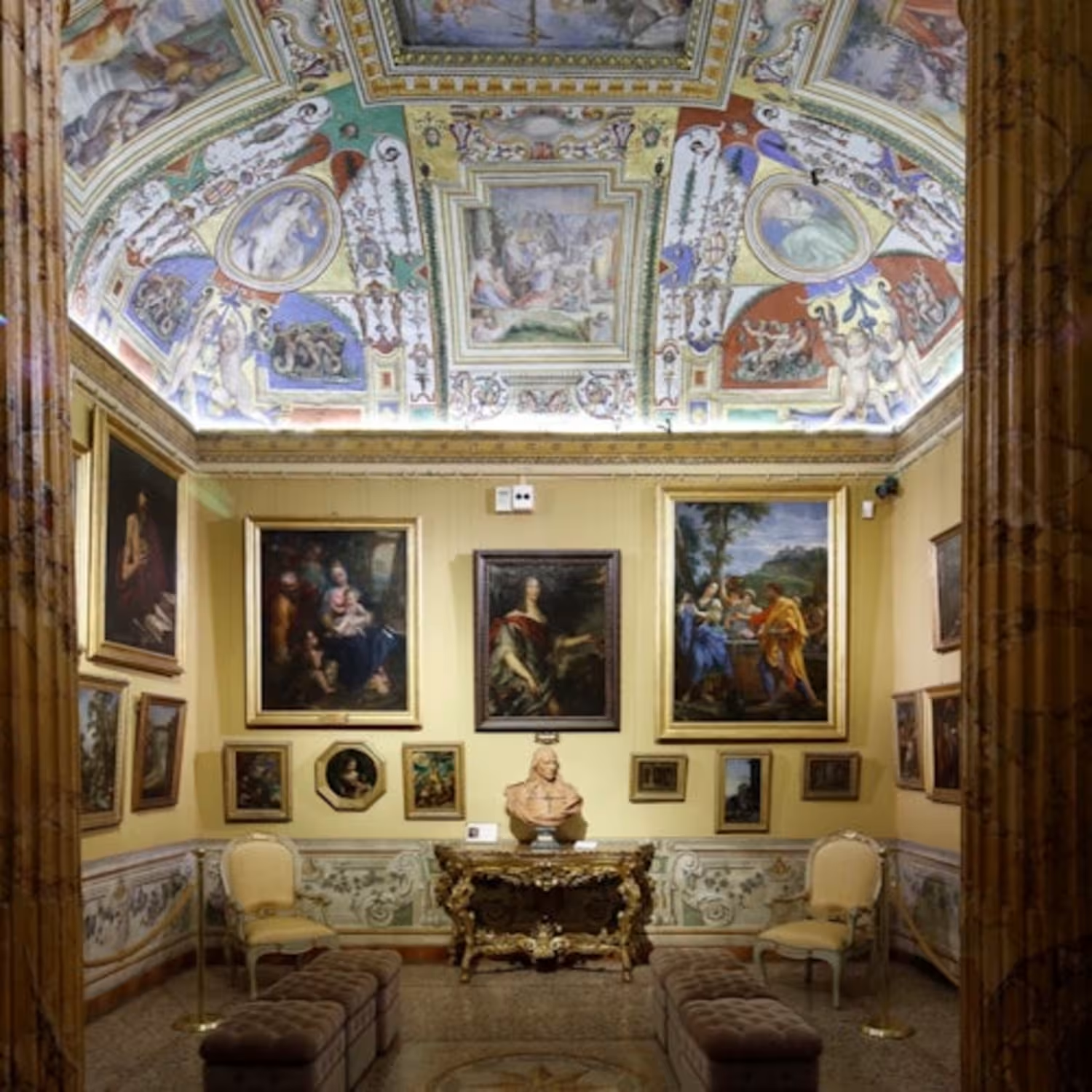
See Her in the 16th-Century Rooms

She hangs in the 16th-century rooms, on the same ordinary ticket as the rest of the piano nobile. The panel is smaller than most people expect, and the armband is easy to walk past unless you know to look for it.

About this guide

Sources: Gallerie Nazionali Barberini Corsini, La Fornarina collection entry; Wikipedia, La Fornarina; Turismo Roma, new display of the 16th-century rooms at Palazzo Barberini (2021).

Frequently Asked Questions About La Fornarina

Who is the woman in La Fornarina?

Tradition names her Margherita Luti, a baker's daughter, which is where the nickname Fornarina comes from. That identification is not documented and has been questioned; she has also been read as an idealised beauty of the belle donne type, or as a courtesan.

Where is La Fornarina?

At Palazzo Barberini in Rome, in the 16th-century rooms of the piano nobile. The museum's own materials call it one of the most precious works the Gallerie Nazionali hold, and the ordinary gallery ticket covers it.

Who painted La Fornarina, and when?

Raphael, around 1518 to 1519. The panel was probably still in his studio when he died in 1520, and it appears to have been modified and then sold by his assistant Giulio Romano.

How big is La Fornarina?

It is oil on a wood panel, 87 by 63 centimetres, roughly 34 by 25 inches. Smaller than its reputation suggests.

What does the writing on her armband say?

Raphael Vrbinas, Latin for Raphael of Urbino. The painter signed the portrait on the sitter's arm rather than in a corner of the panel.

Why is there a myrtle bush behind her?

Myrtle was sacred to Venus, so it reads as a signal about love rather than as scenery. It also replaced something: imaging showed a landscape in the Leonardo manner underneath, painted out.

Was Raphael secretly married to the woman in the painting?

There is no record of it. The idea comes from a ruby ring on her left hand that had been painted over and reappeared under examination. It is an interpretation of a detail, nothing more.

Did Raphael finish the painting himself?

Probably not entirely. The panel seems to have been in the studio at his death, and the likeliest account is that Giulio Romano altered it before selling it on.