We are processing your request.
Please, don’t close or refresh the page.

About the Colosseum, Roman Forum & Palatine Hill: Ancient Rome's Story

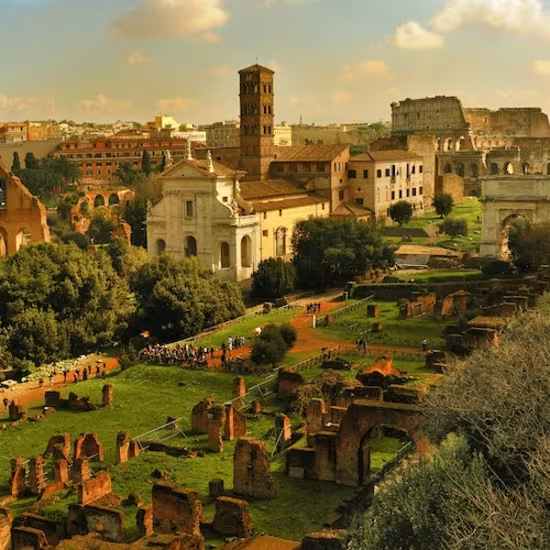
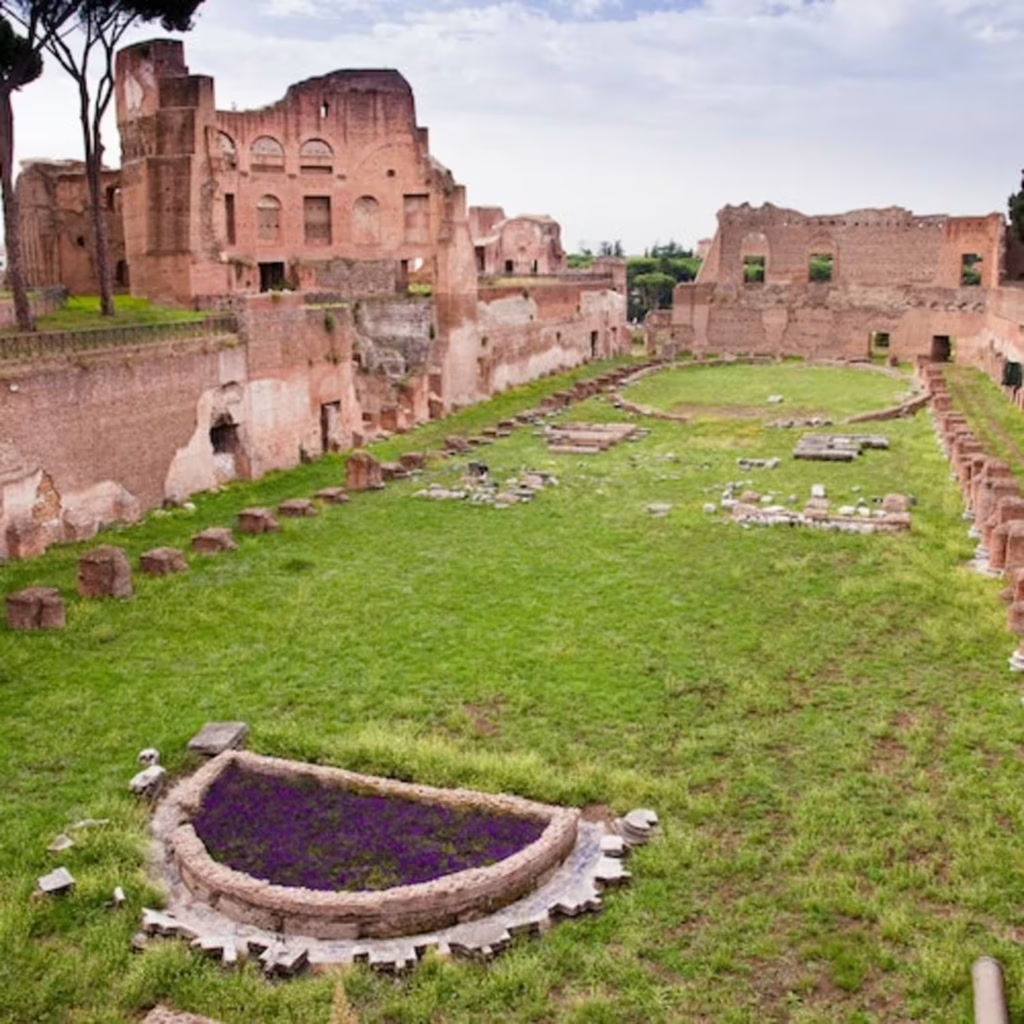
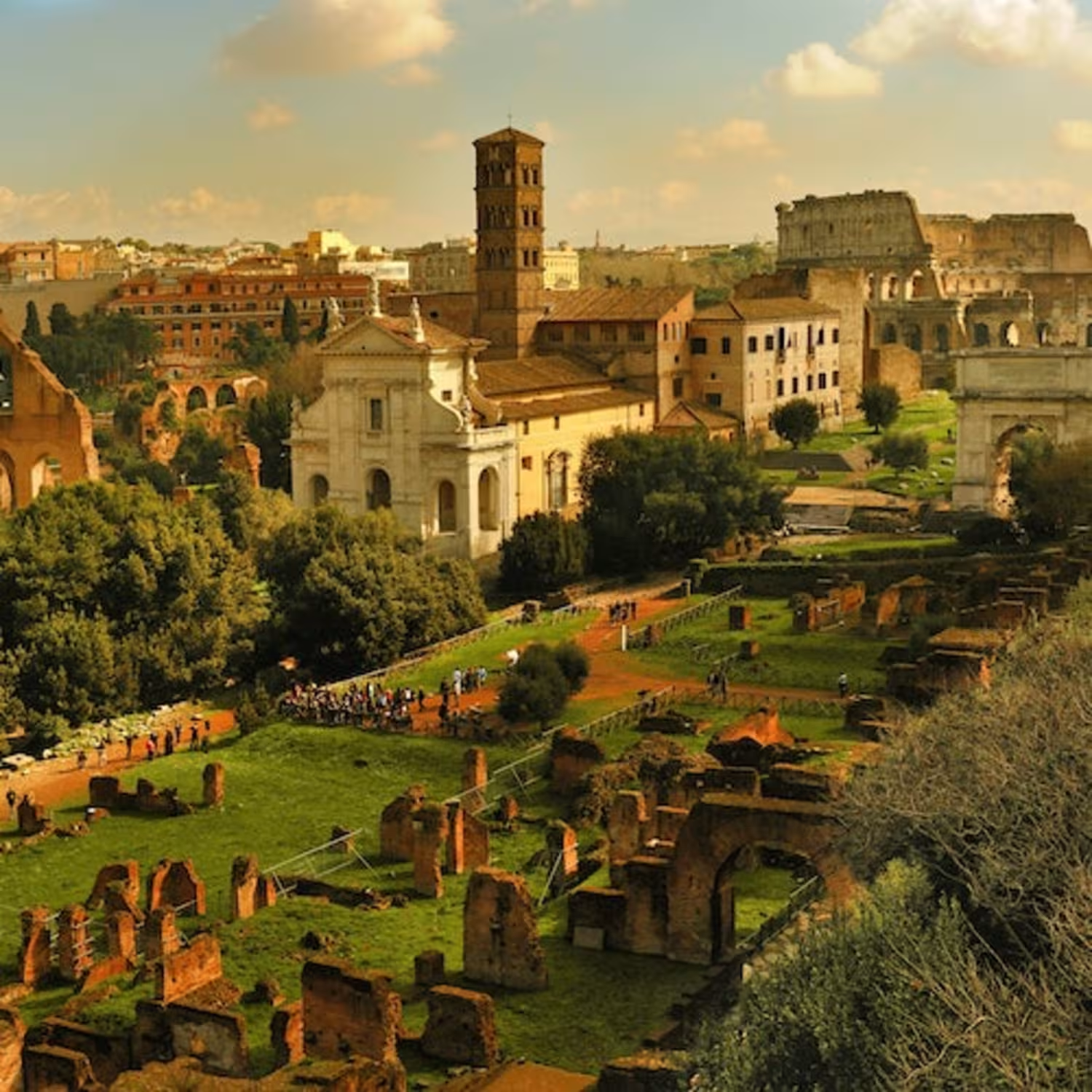
The Colosseum has stood at the center of Rome for almost two thousand years, and visiting its interior also allows you to explore two other sites from the same ancient world: the Roman Forum and Palatine Hill, a few minutes' walk away. Together they were the stage, the government and the home address of the Roman Empire.

Why the Colosseum, Roman Forum & Palatine Hill Matter

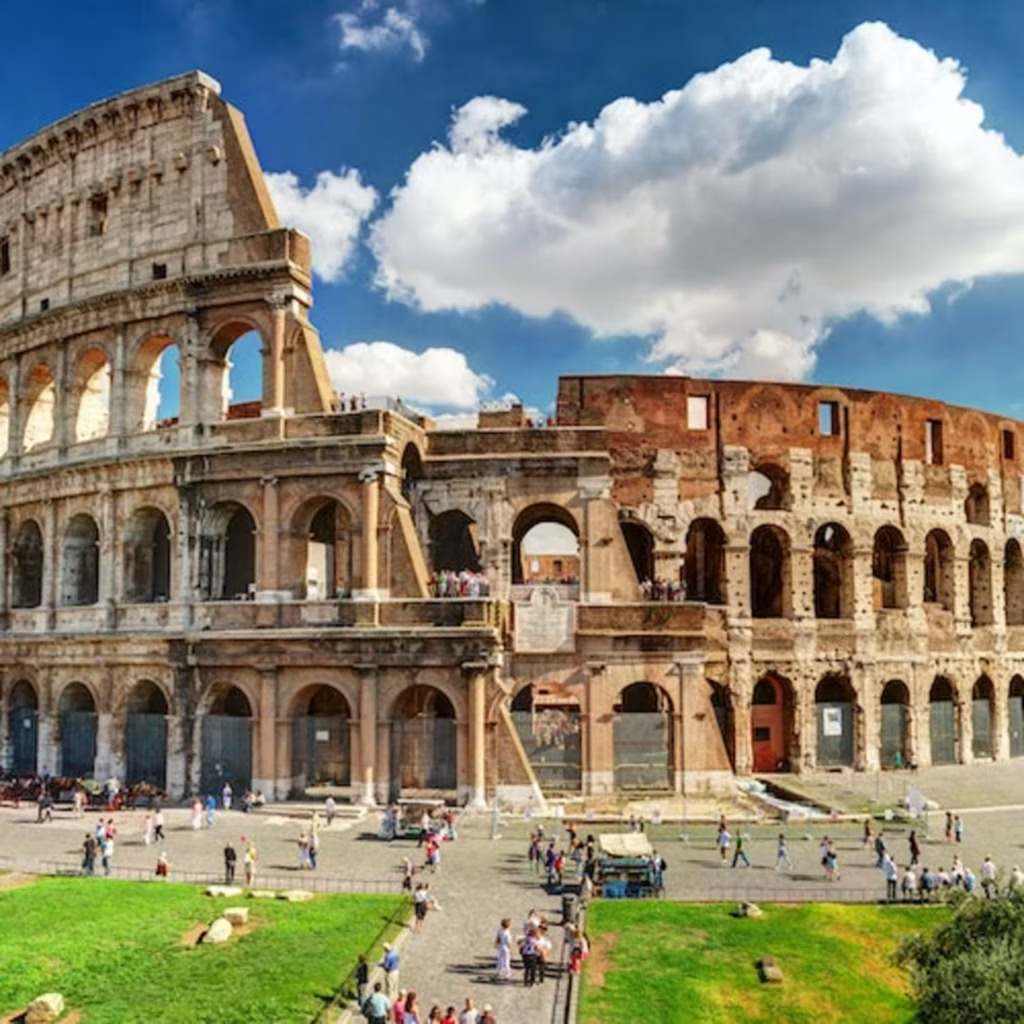
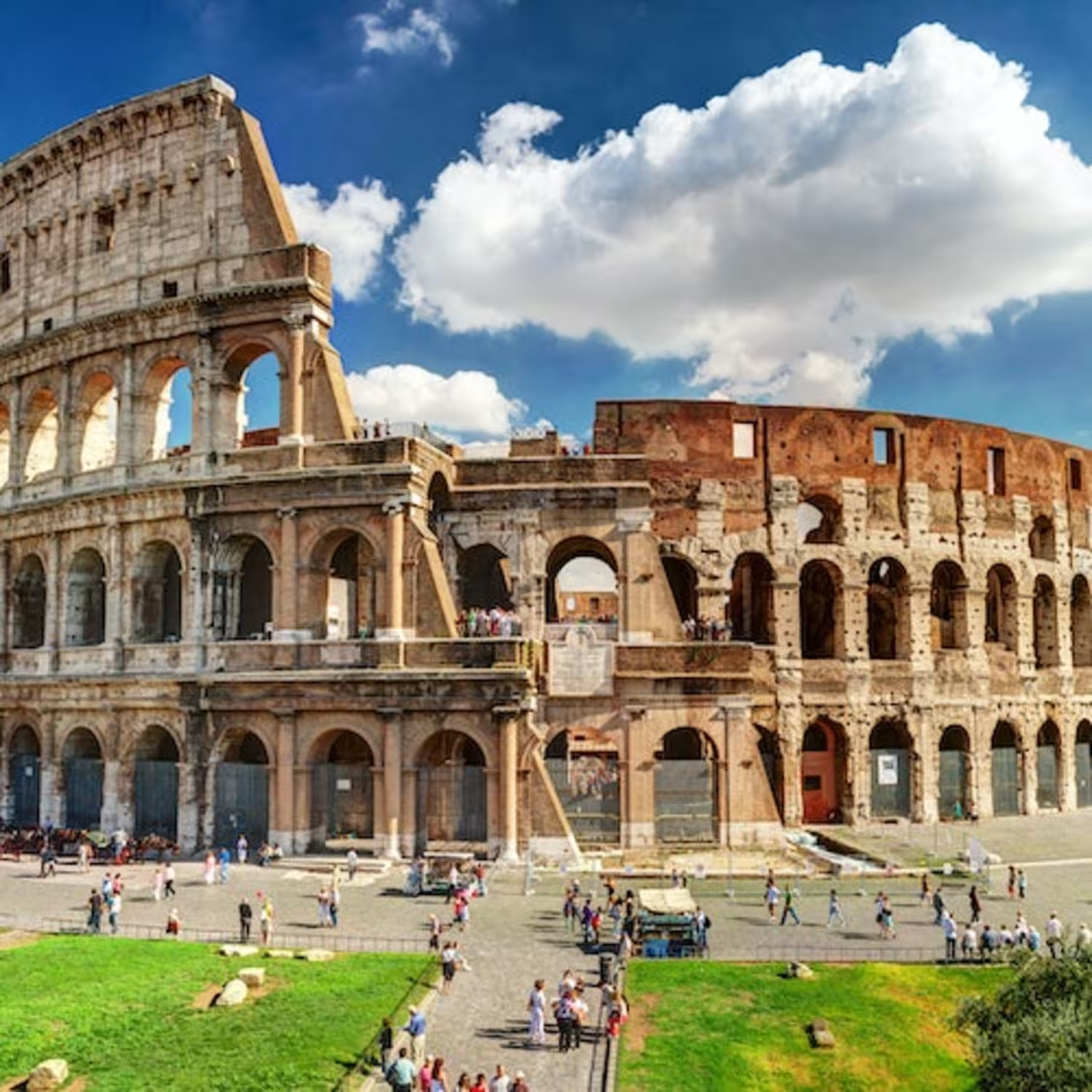
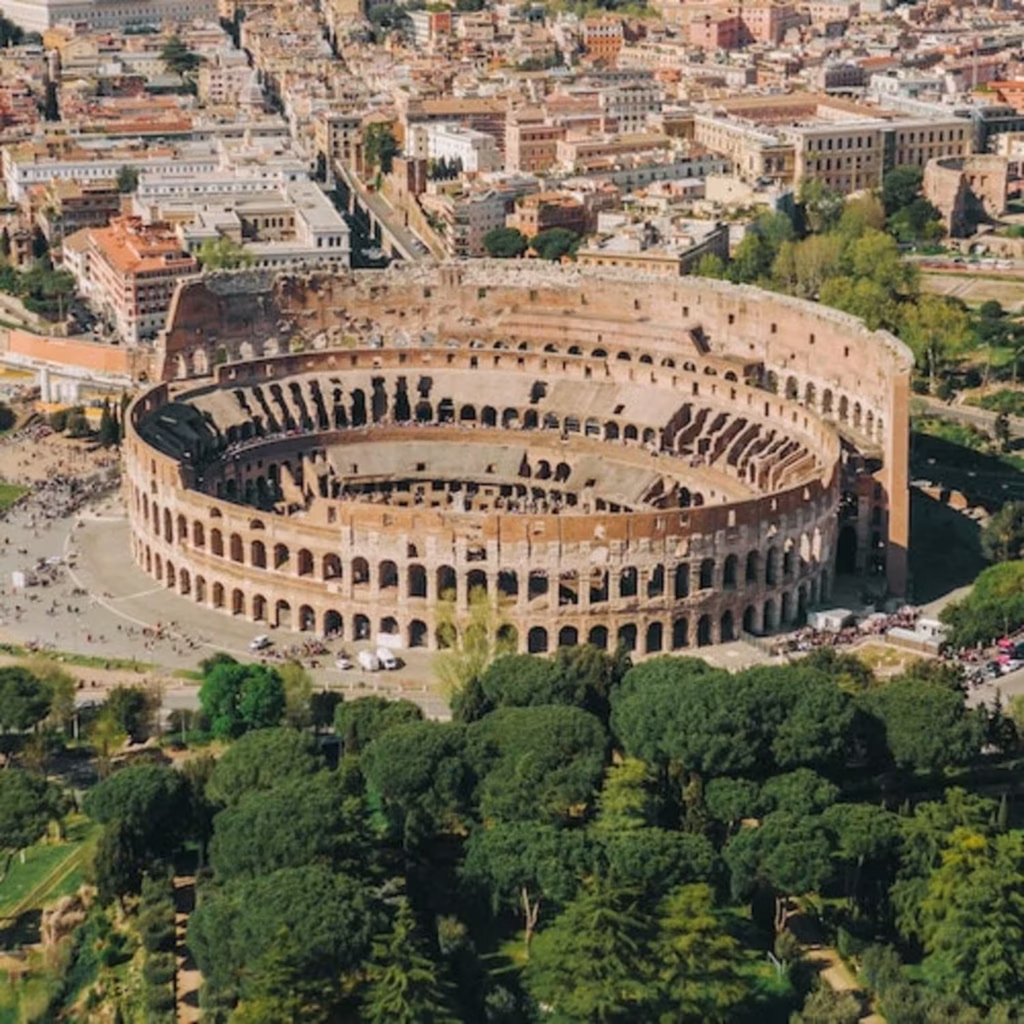
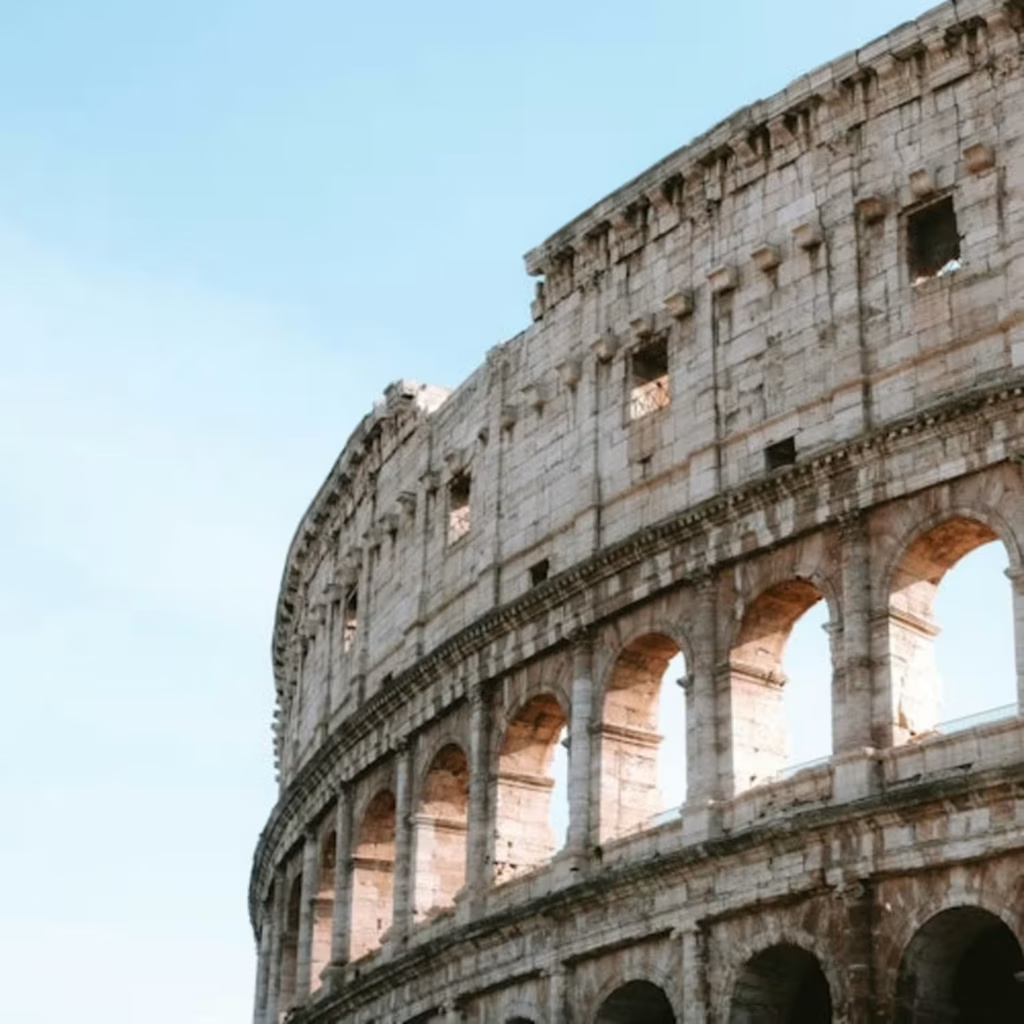
The Colosseum is the largest amphitheater the Romans ever built, and it's still standing after almost two thousand years.

One ticket covers close to 3,000 years of history, from Palatine Hill's earliest settlements to a working Roman amphitheater.

Estimated seating capacity at the Colosseum runs from around 50,000 up to 80,000, depending on how standing areas are counted.

The complex is one of the most visited archaeological sites on earth.

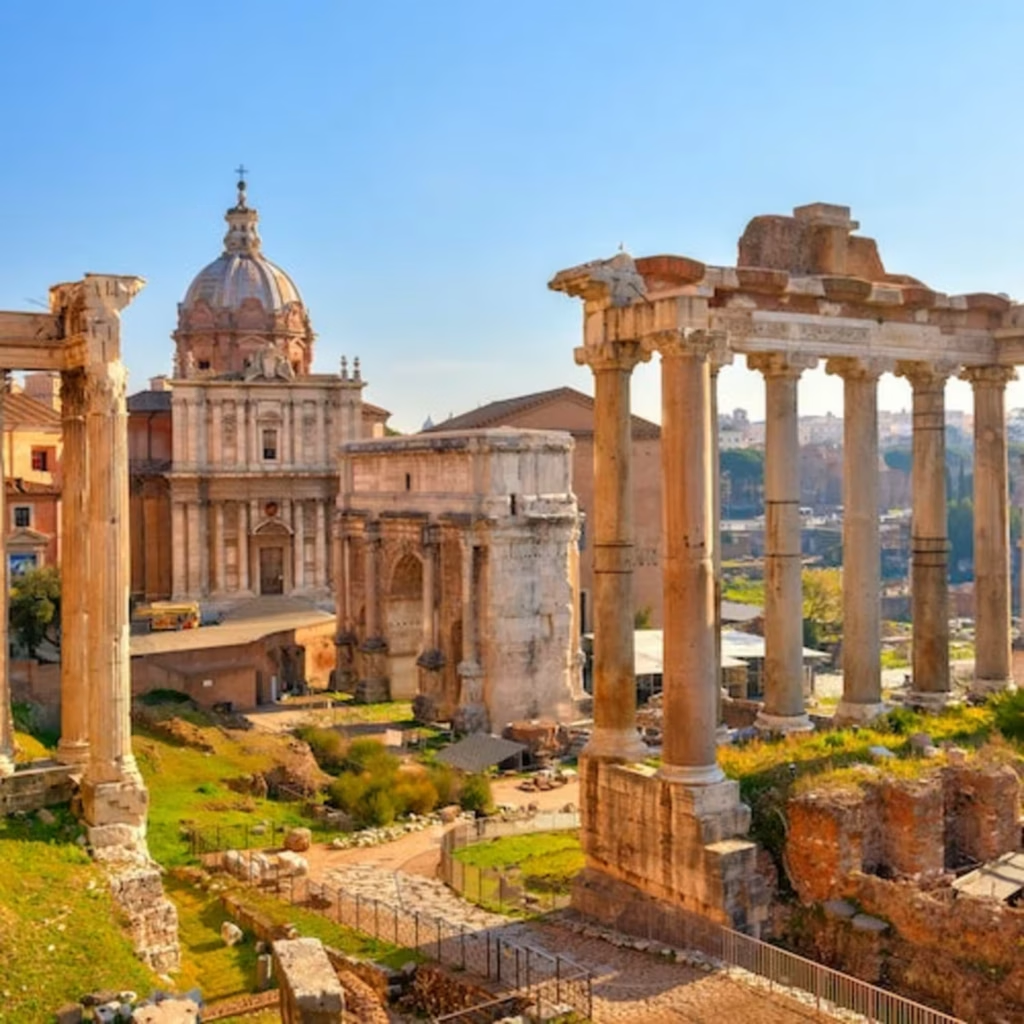
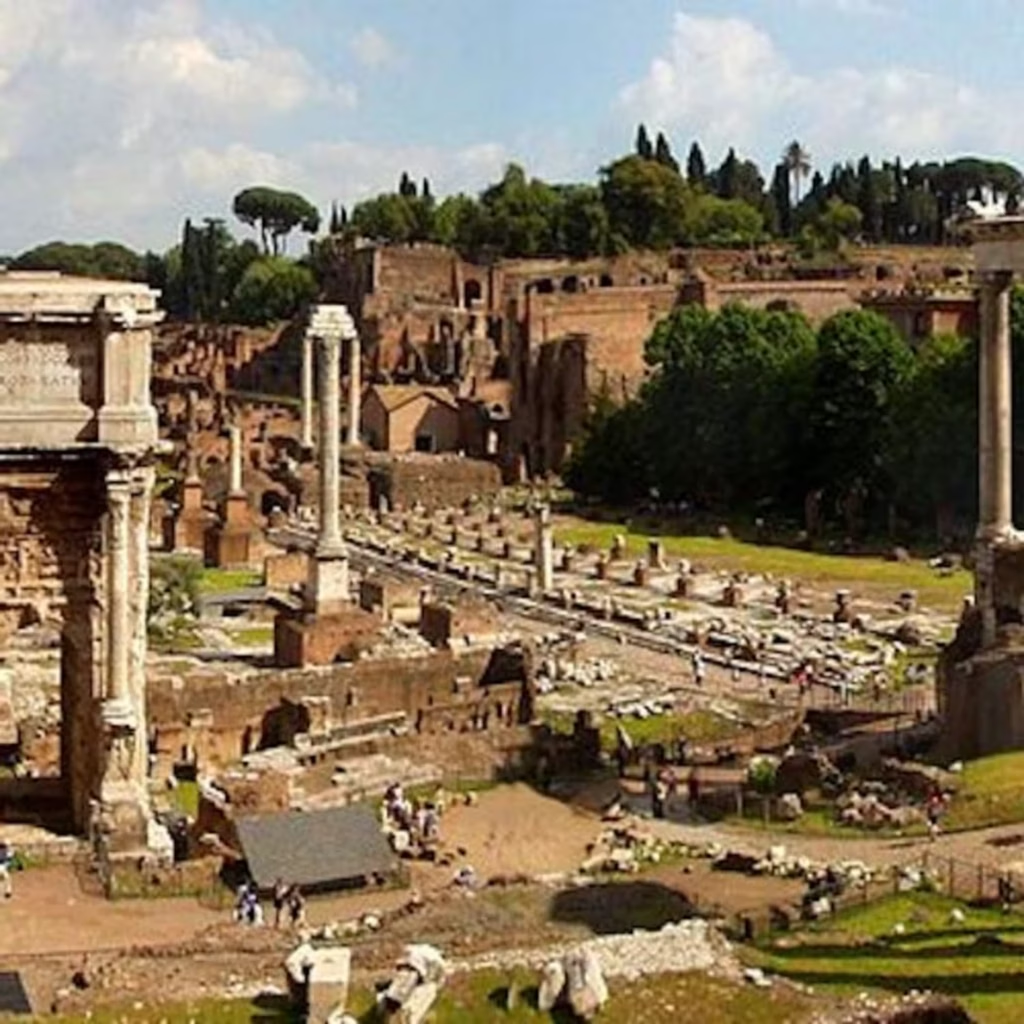
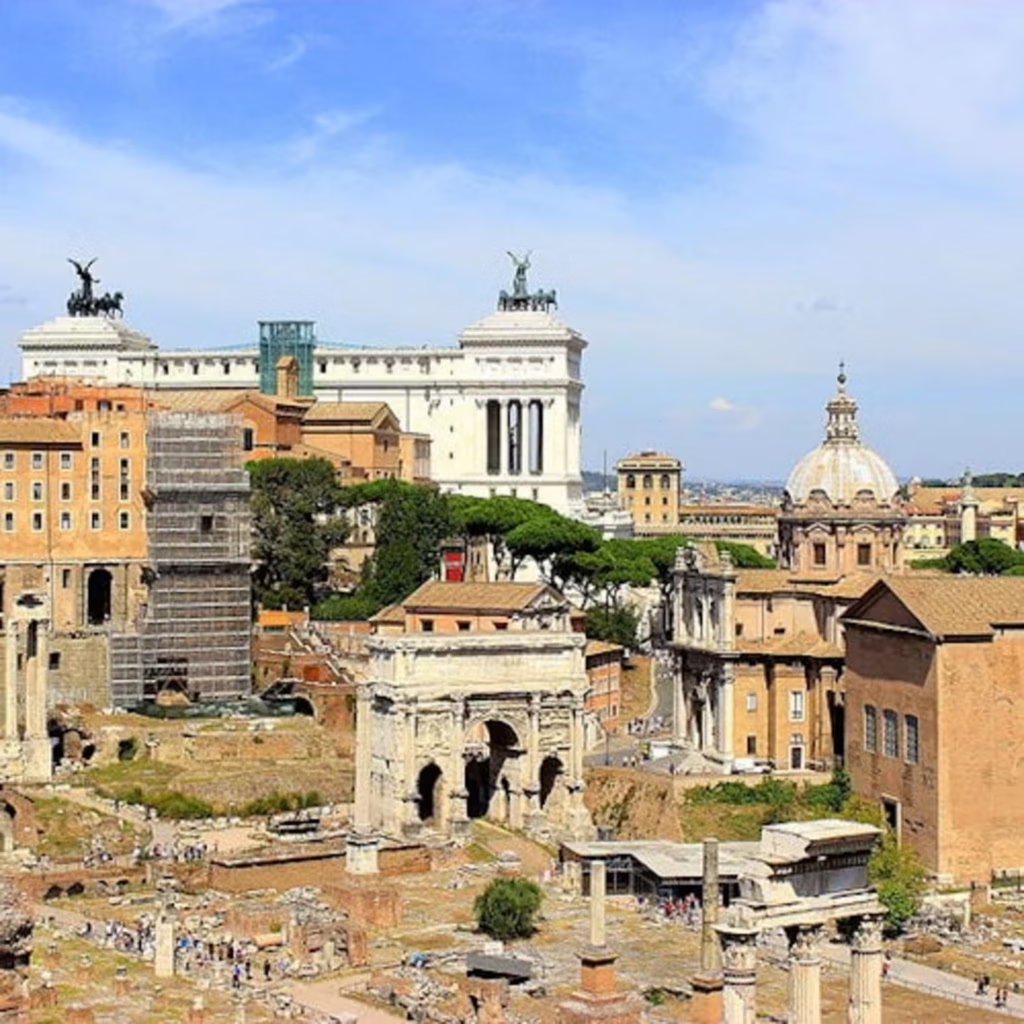
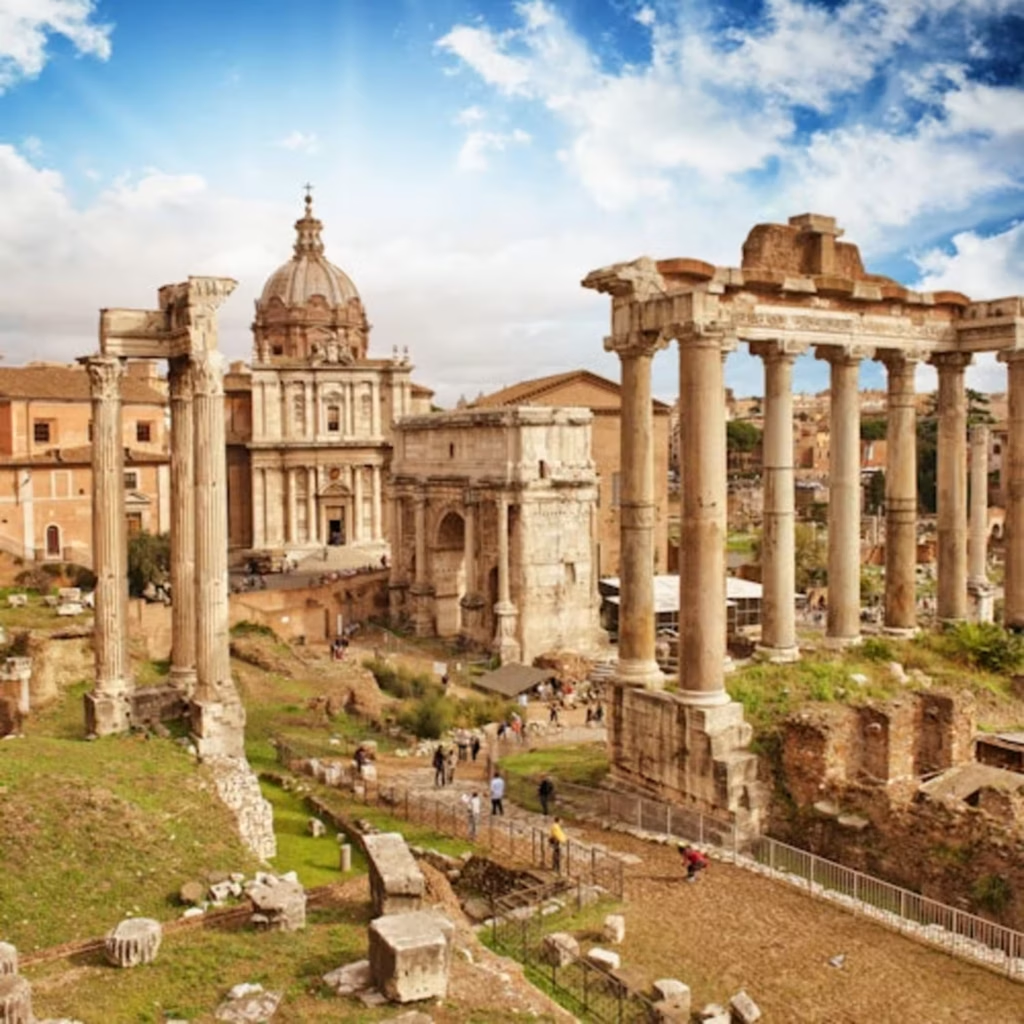
The Roman Forum was Rome's actual political, legal and commercial center for centuries, not a monument built for tourists.

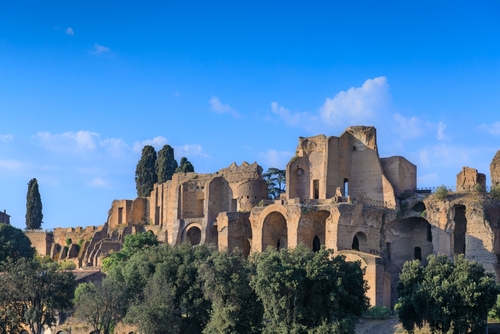
Roman legend holds that Romulus founded the city on Palatine Hill, which later became the real address of its emperors.

The Latin Palatium, the name for the imperial residences on Palatine Hill, is the root of the modern word "palace."

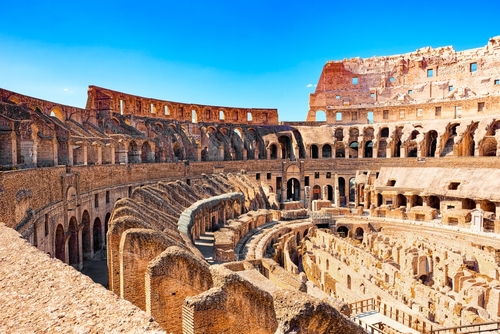
The Colosseum's underground network once used pulleys and lifts to raise animals and scenery straight into the arena.

Construction and the Centuries Before It
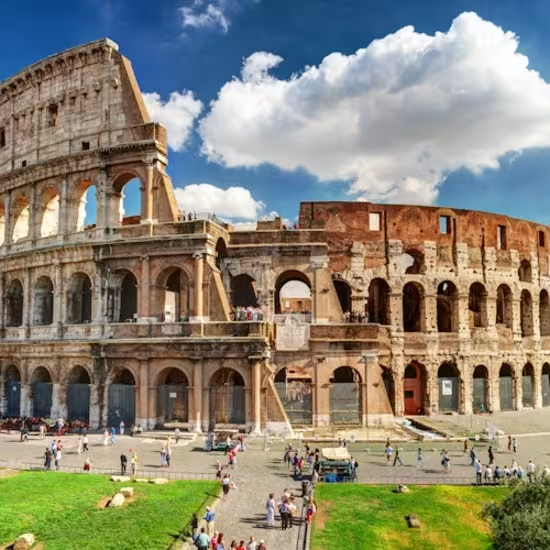
Construction of the Colosseum began under Emperor Vespasian around AD 70-72, funded largely by spoils from the Jewish-Roman War. His son Titus inaugurated it in AD 80 with a hundred days of games, and Vespasian's other son, Domitian, later added the uppermost tier.

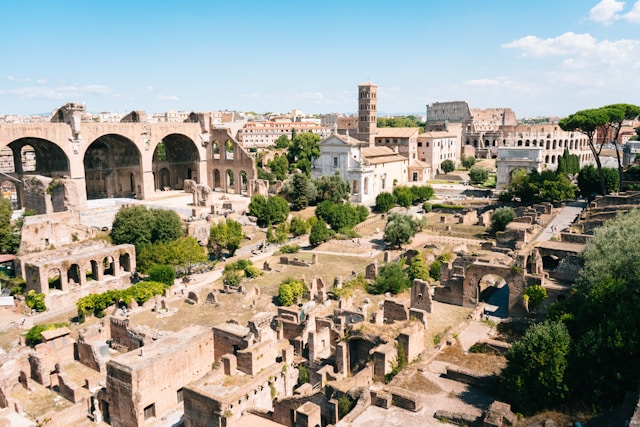
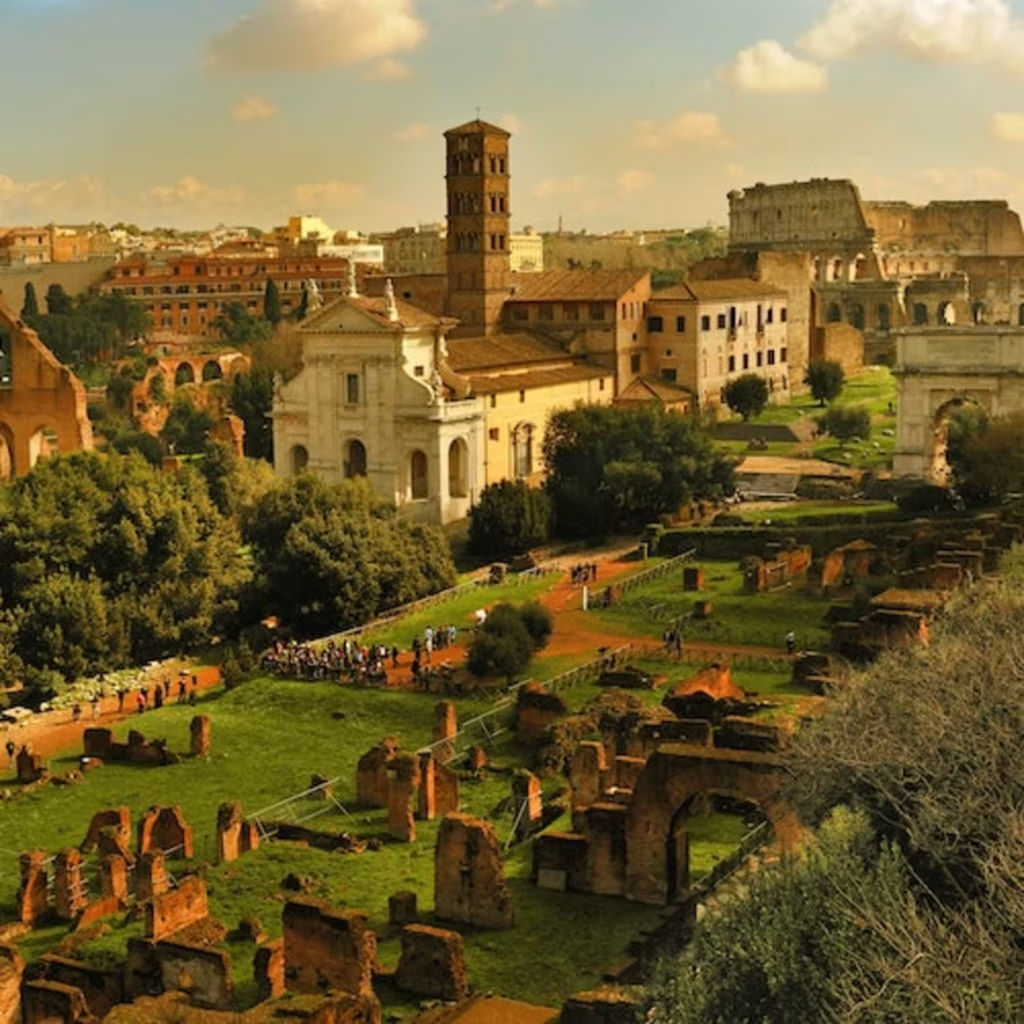
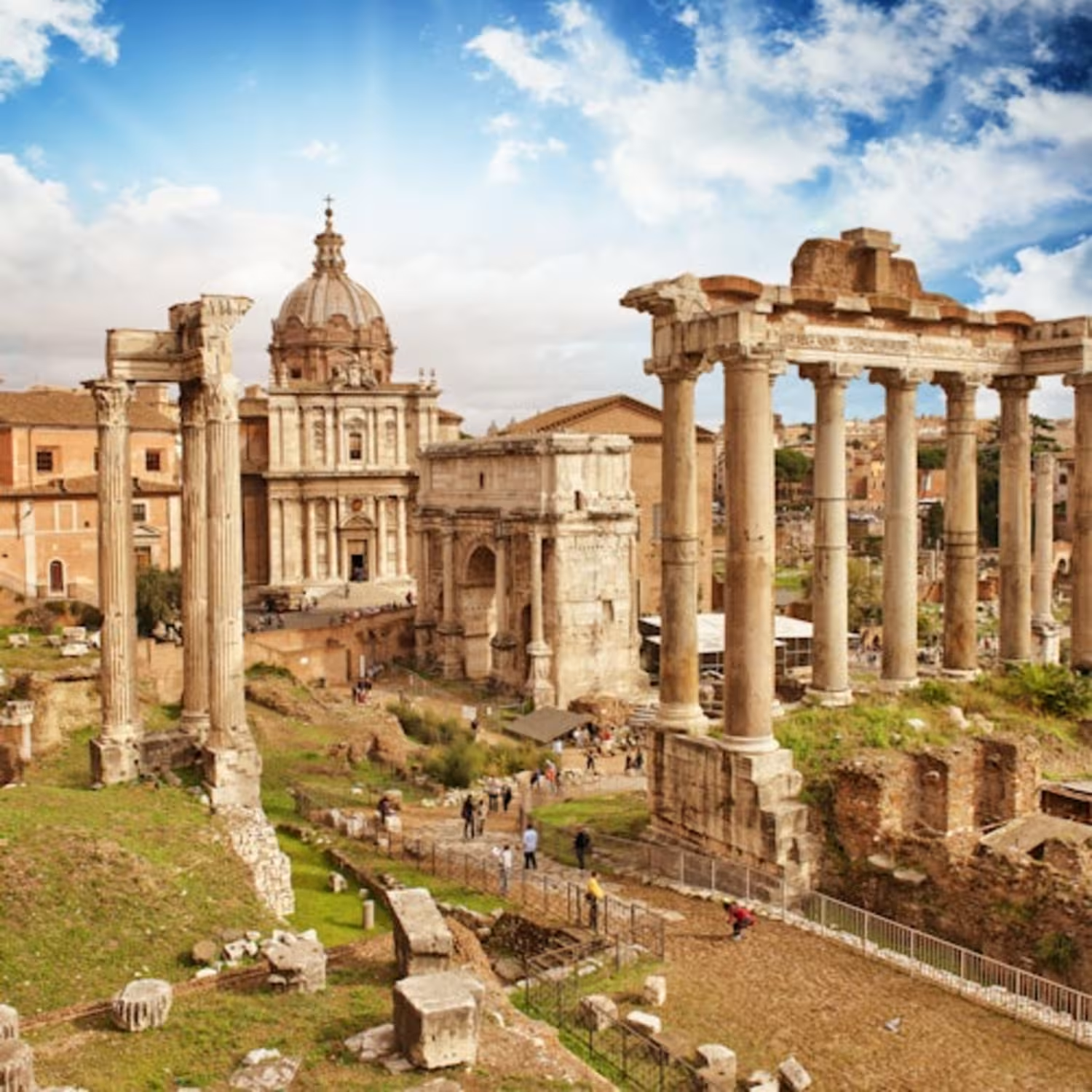
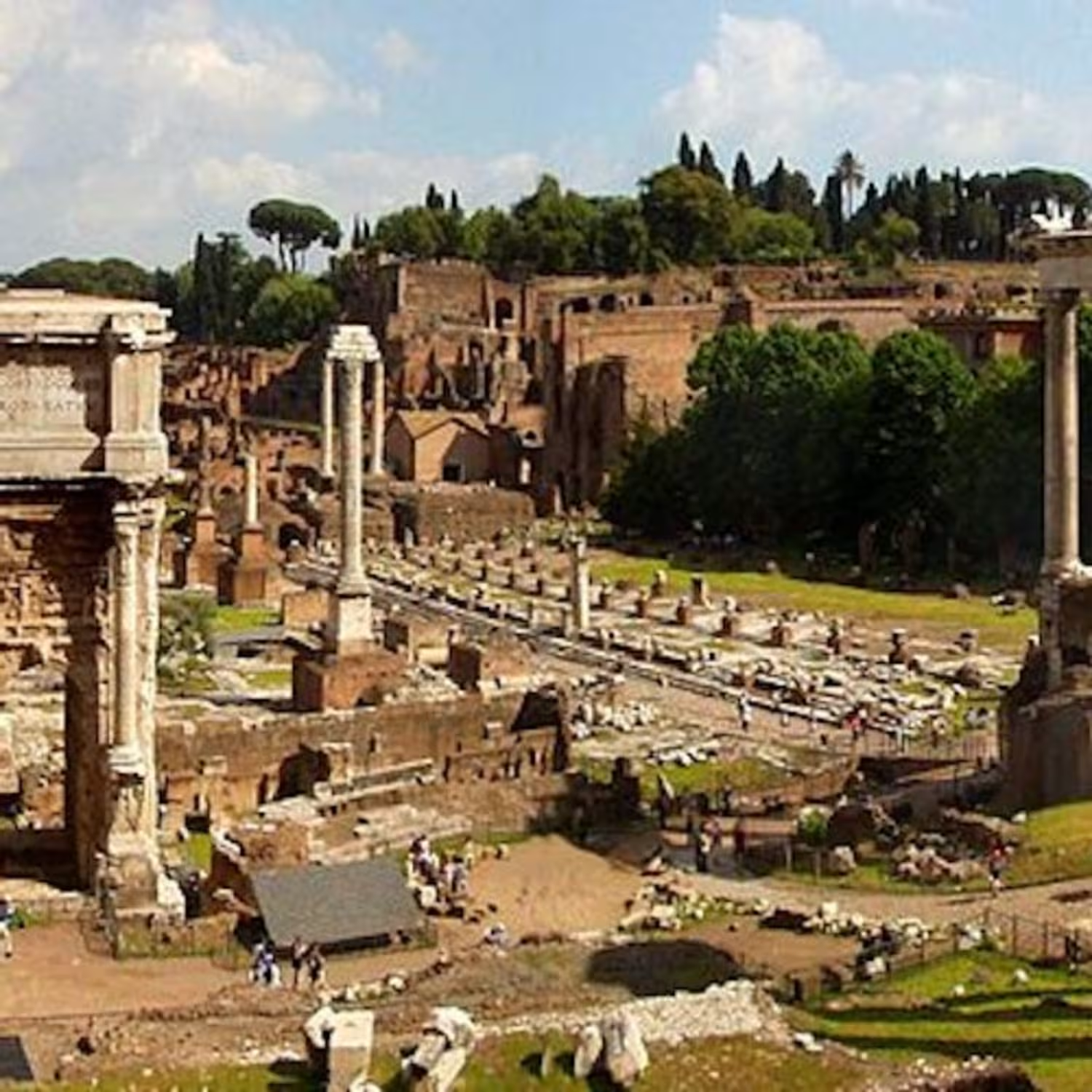
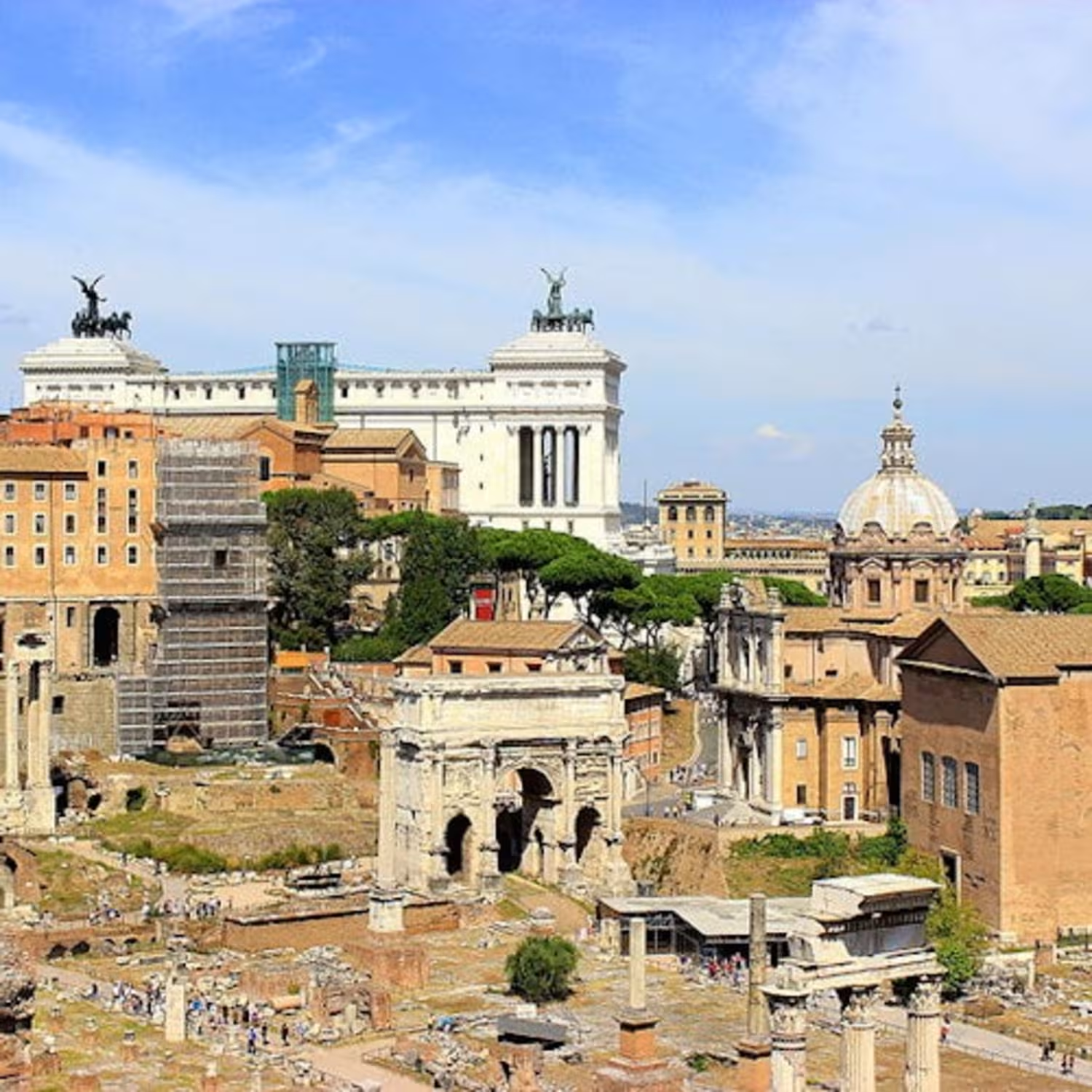
Builders faced the structure in travertine limestone hauled from quarries in Tivoli, about 20 miles away, and held the blocks together with iron clamps rather than mortar. The Roman Forum predates the Colosseum by centuries: the valley between the Palatine and Capitoline hills was drained and settled as early as the 7th century BC, and by the late Republic it had become the political, religious and commercial center of the city, packed with temples, law courts and public meeting spaces.

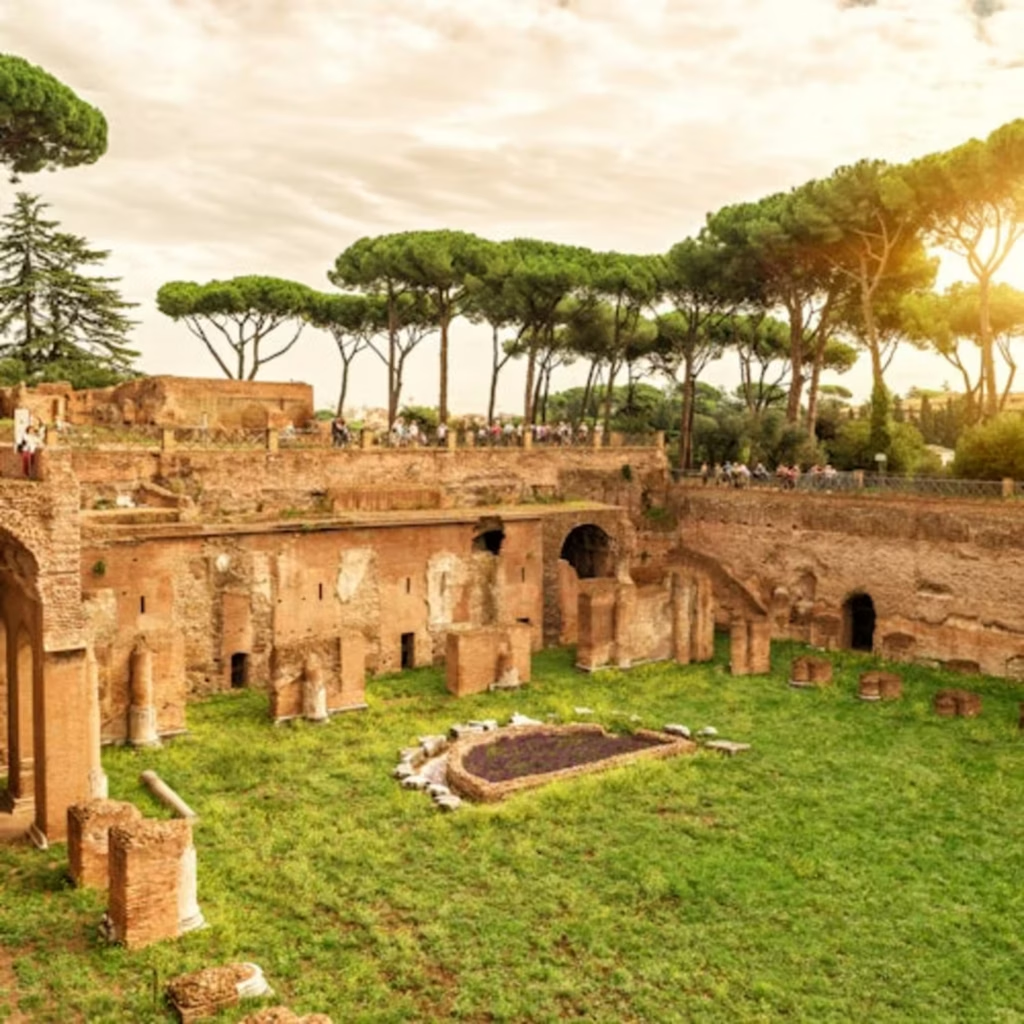
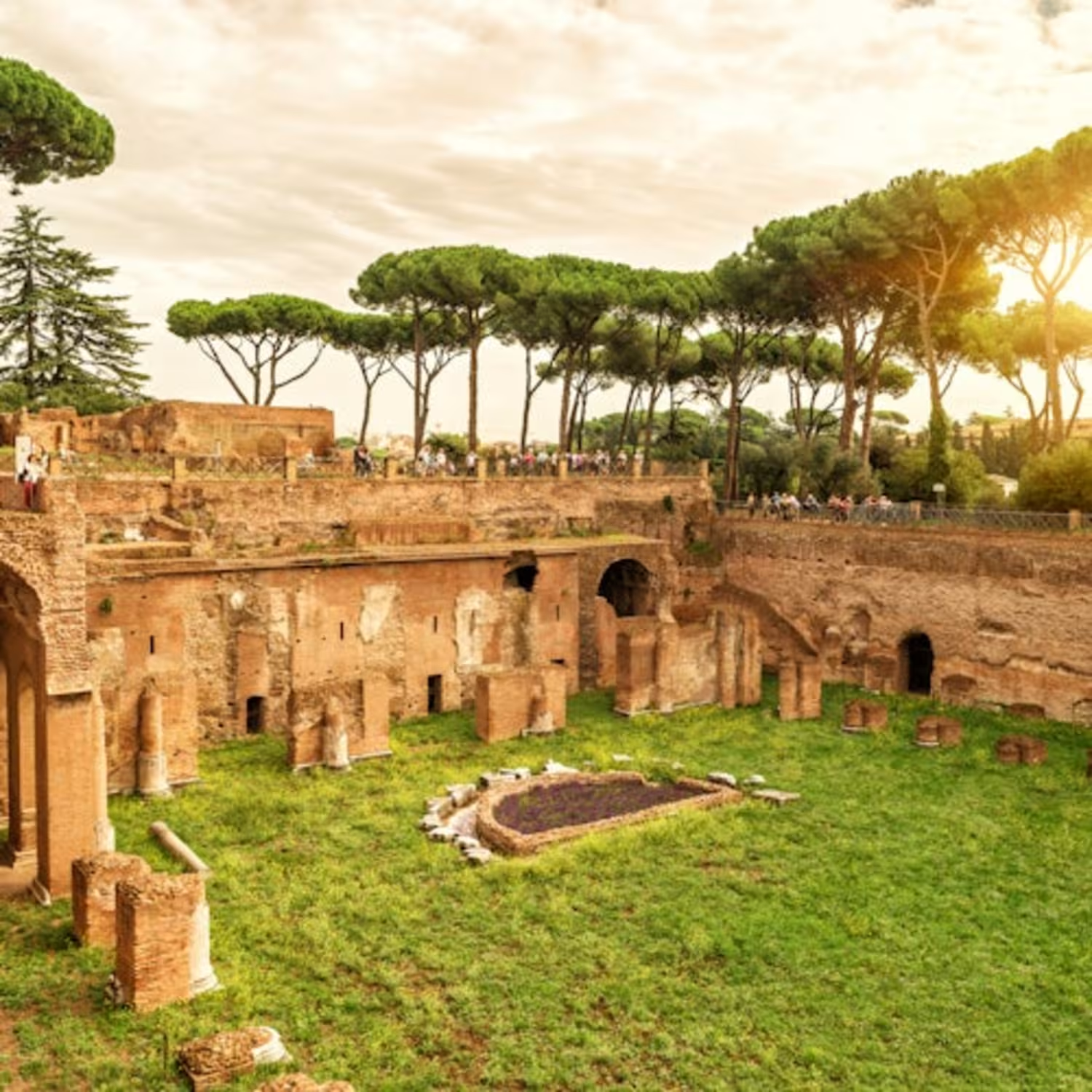
Palatine Hill overlooks the Forum and, according to Roman legend, is where Romulus founded the city after his dispute with Remus. Long before that story was written down, wealthy Romans and later emperors built their homes on the hill, which is why its Latin name, Palatium, gave us the modern word "palace."

After the Arena: A Thousand Years of Reuse
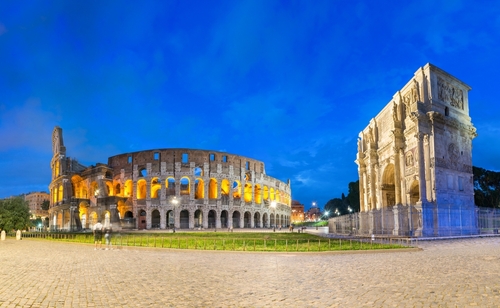
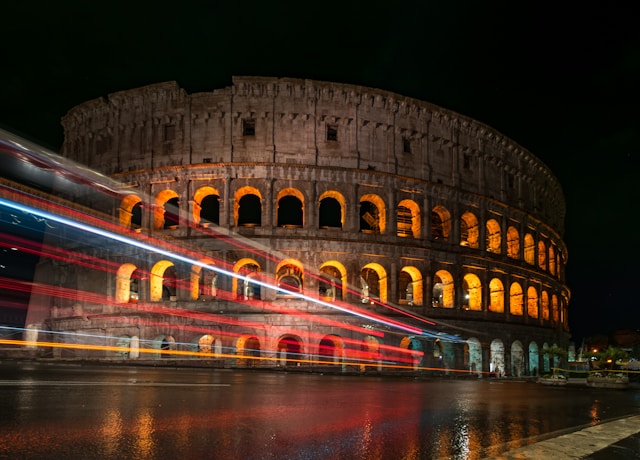
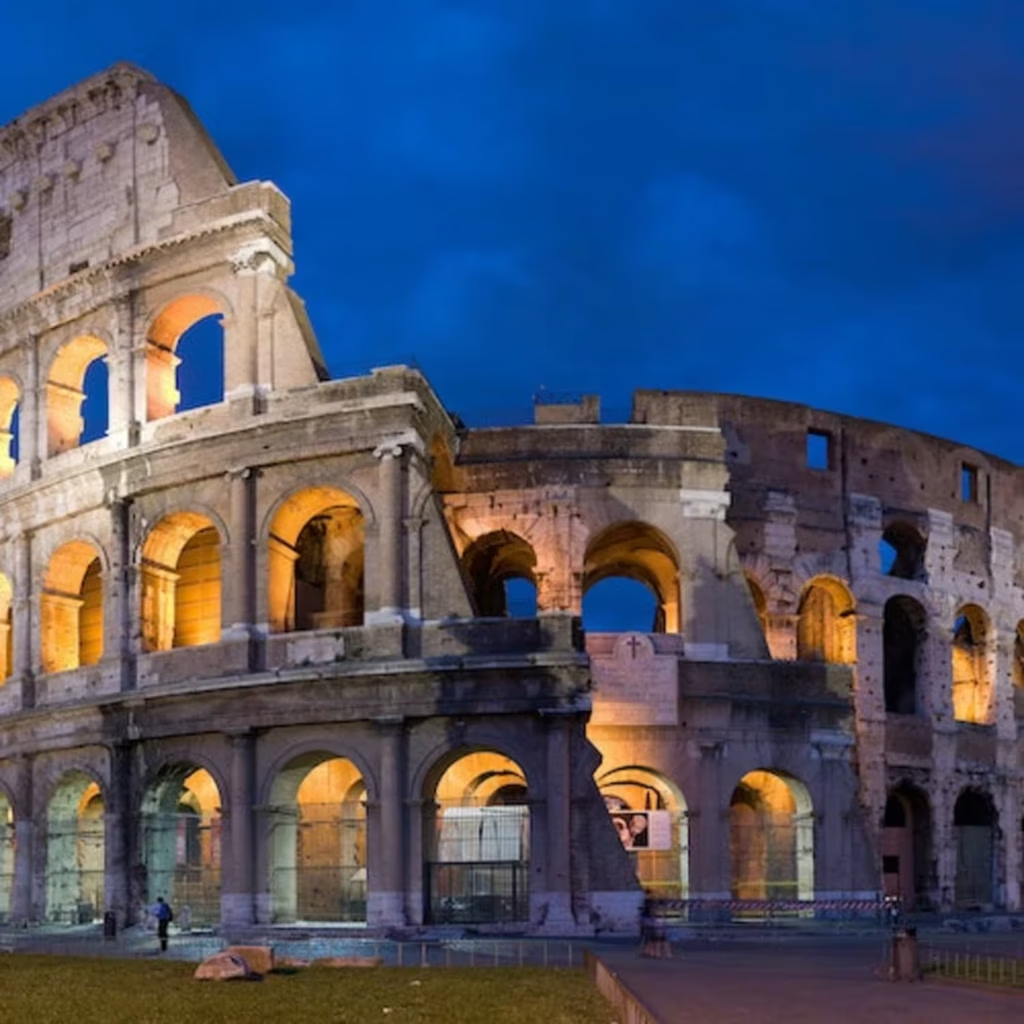
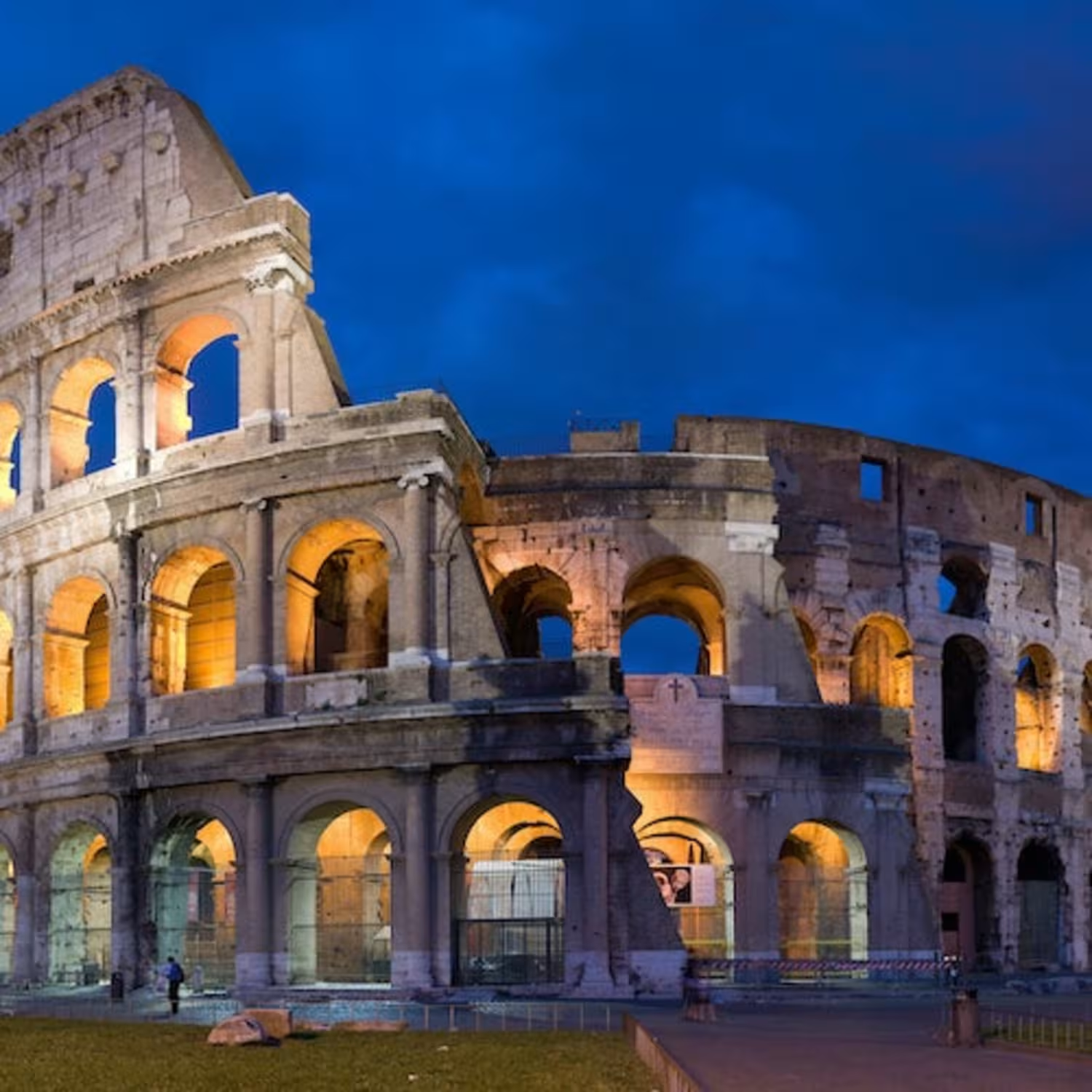
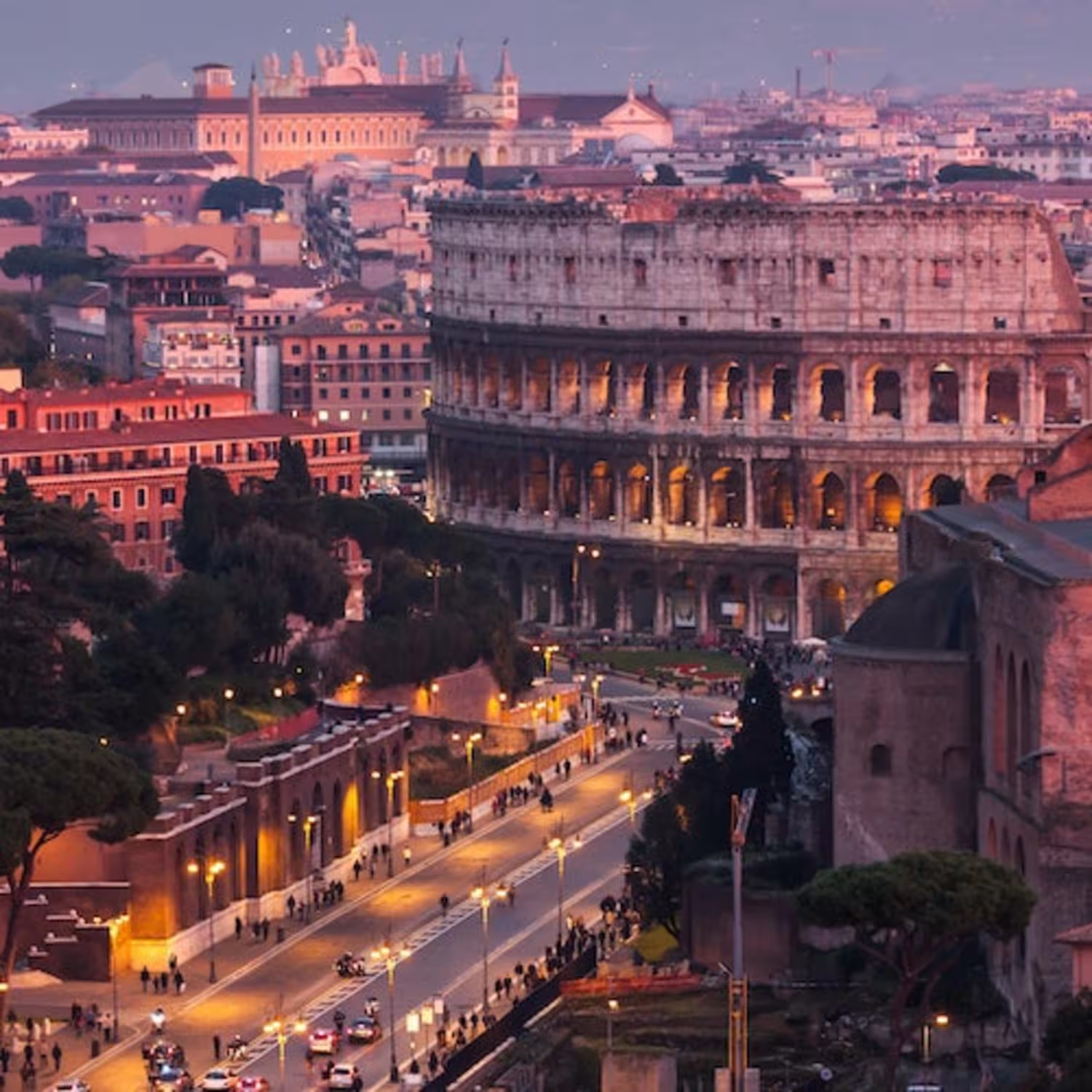
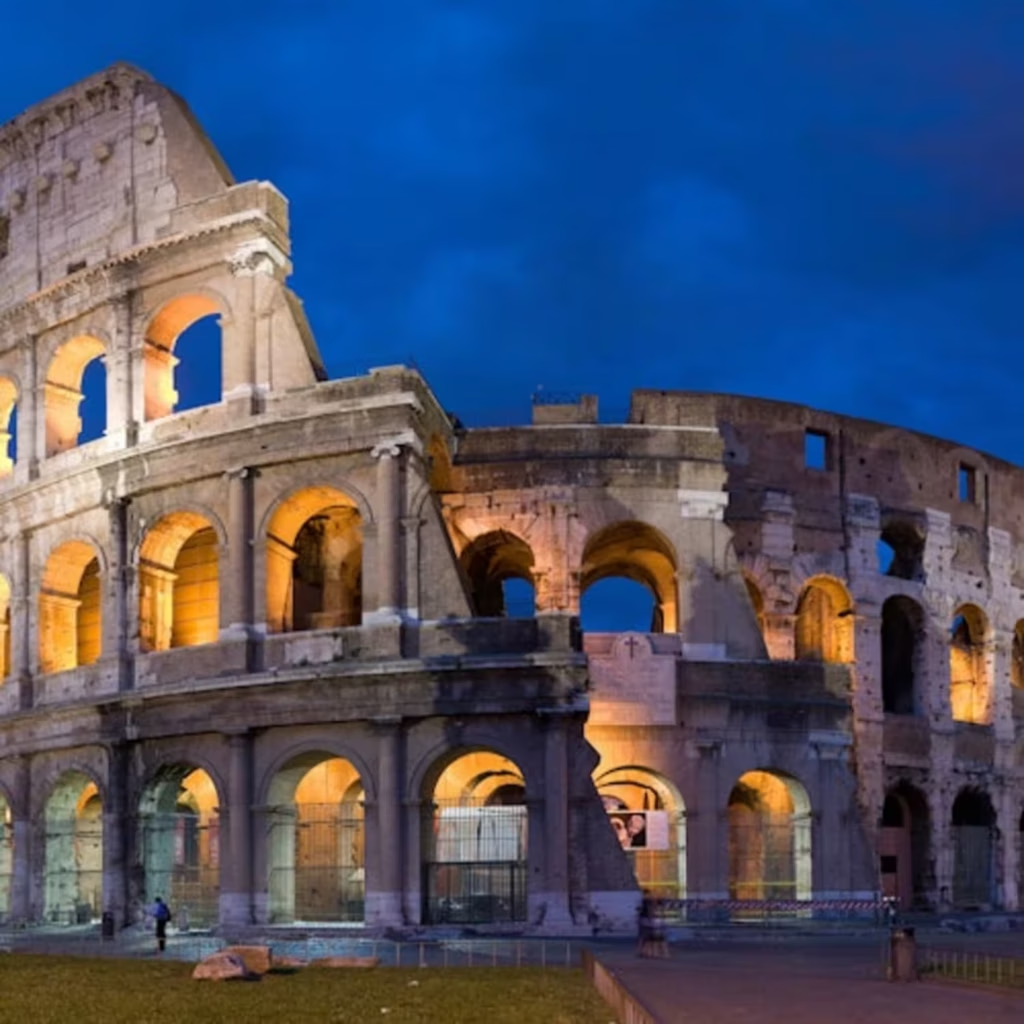
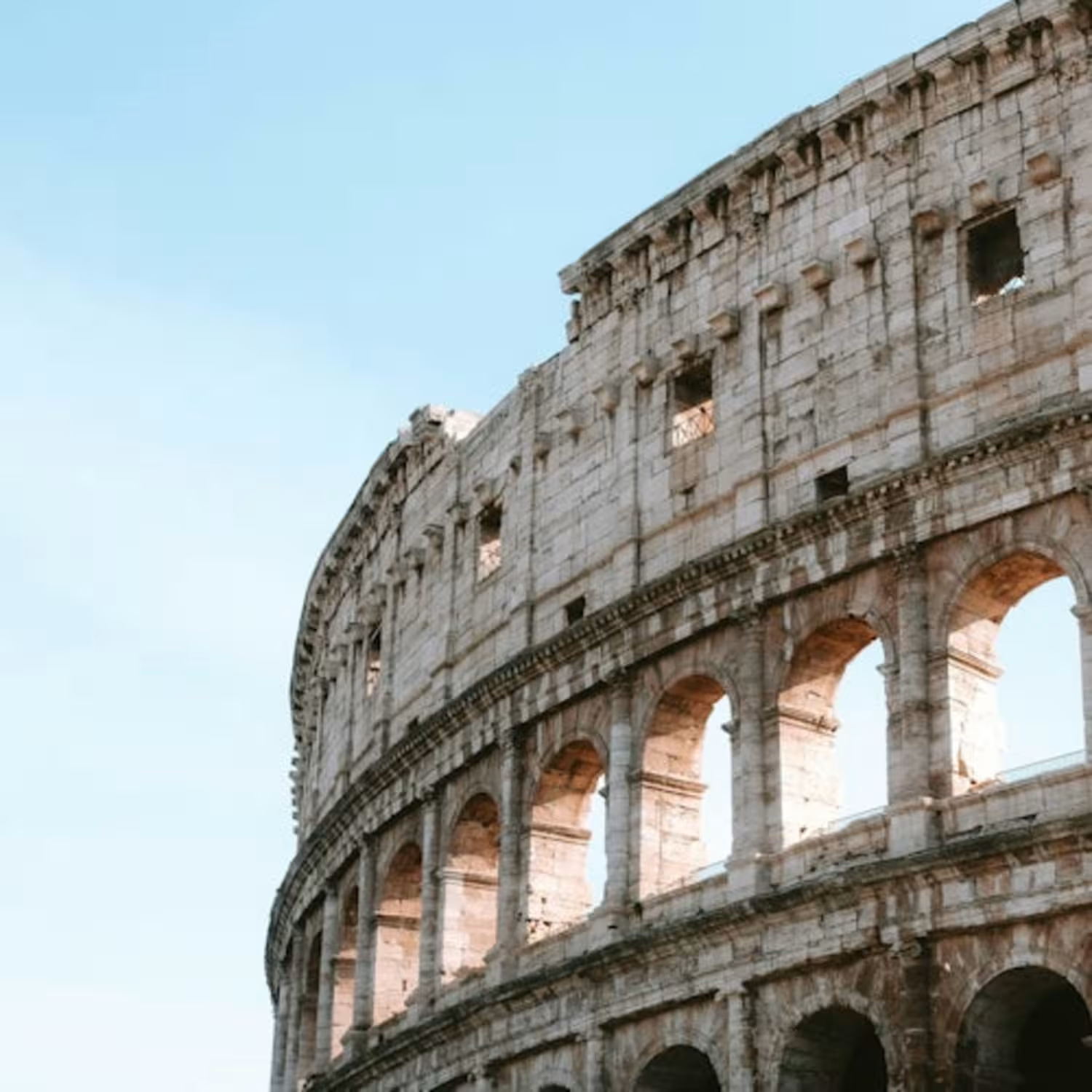
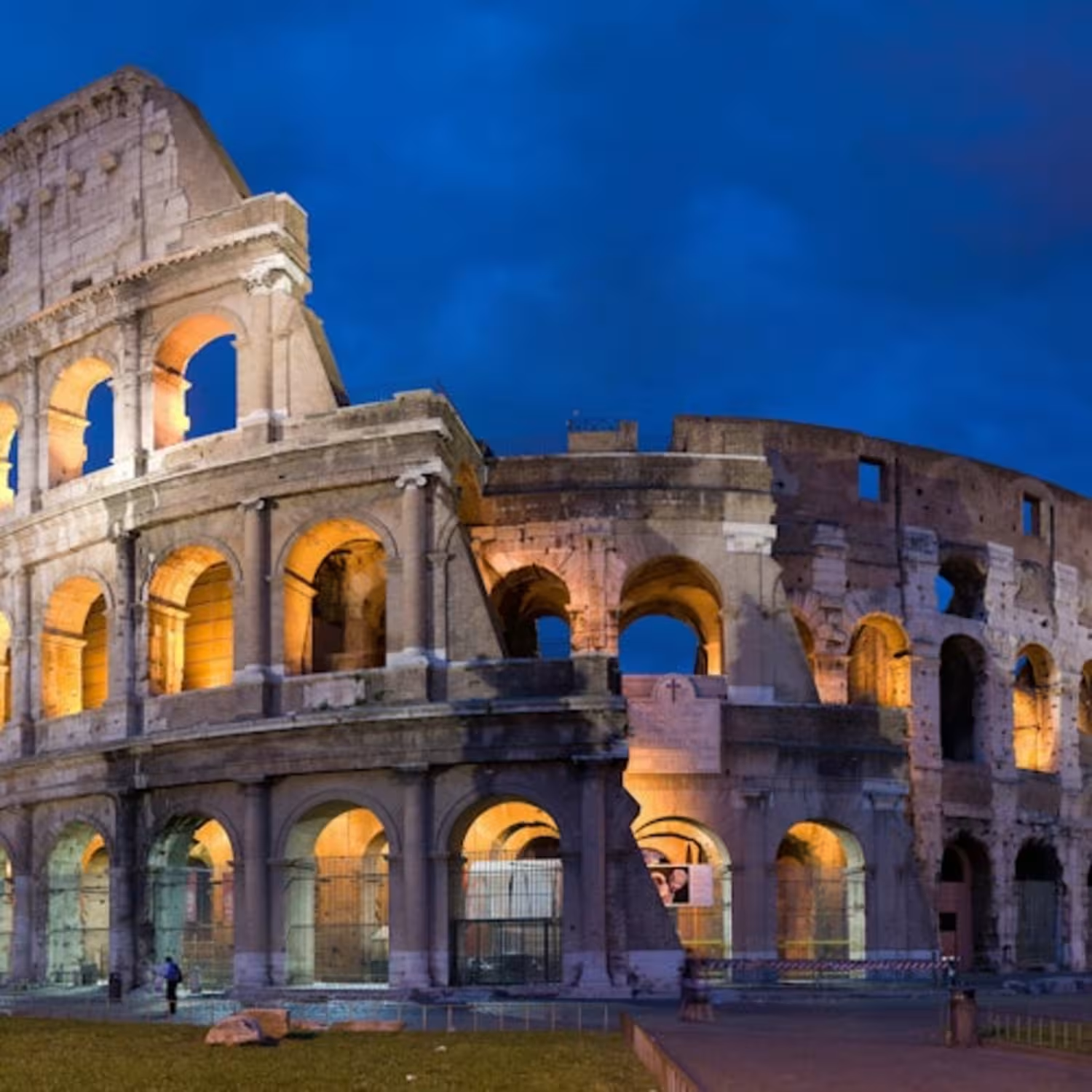
Colosseum illuminated at night

The Colosseum's active life as an arena ended by the 5th or 6th century AD, but the building itself stayed in use for another thousand years, just not for games. In the 12th century, the Frangipane family, one of medieval Rome's baronial clans, moved in and turned it into a fortress, and the Annibaldi family later held it.

A major earthquake in 1349 brought down much of the outer ring on the south side, a section left vulnerable centuries earlier when medieval scavengers had already pried out the iron clamps holding the stonework together. What fell became a convenient quarry: over the following three centuries, Colosseum travertine was carted off to build parts of St. John Lateran, St. Peter's Basilica and the Vatican walls, Palazzo Venezia, Palazzo Farnese and Palazzo Barberini, among other Roman landmarks.

Pope Benedict XIV finally banned further quarrying in 1744 and consecrated the Colosseum in 1750 in memory of Christian martyrs, installing the Stations of the Cross around the arena. Structural restoration followed in the 19th century, when architects Raffaele Stern and Giuseppe Valadier added the brick buttresses still visible at the eastern and western ends today, stabilizing what was left before archaeologists began the excavations that shaped the site visitors walk through now.

A Detail Most Visitors Miss

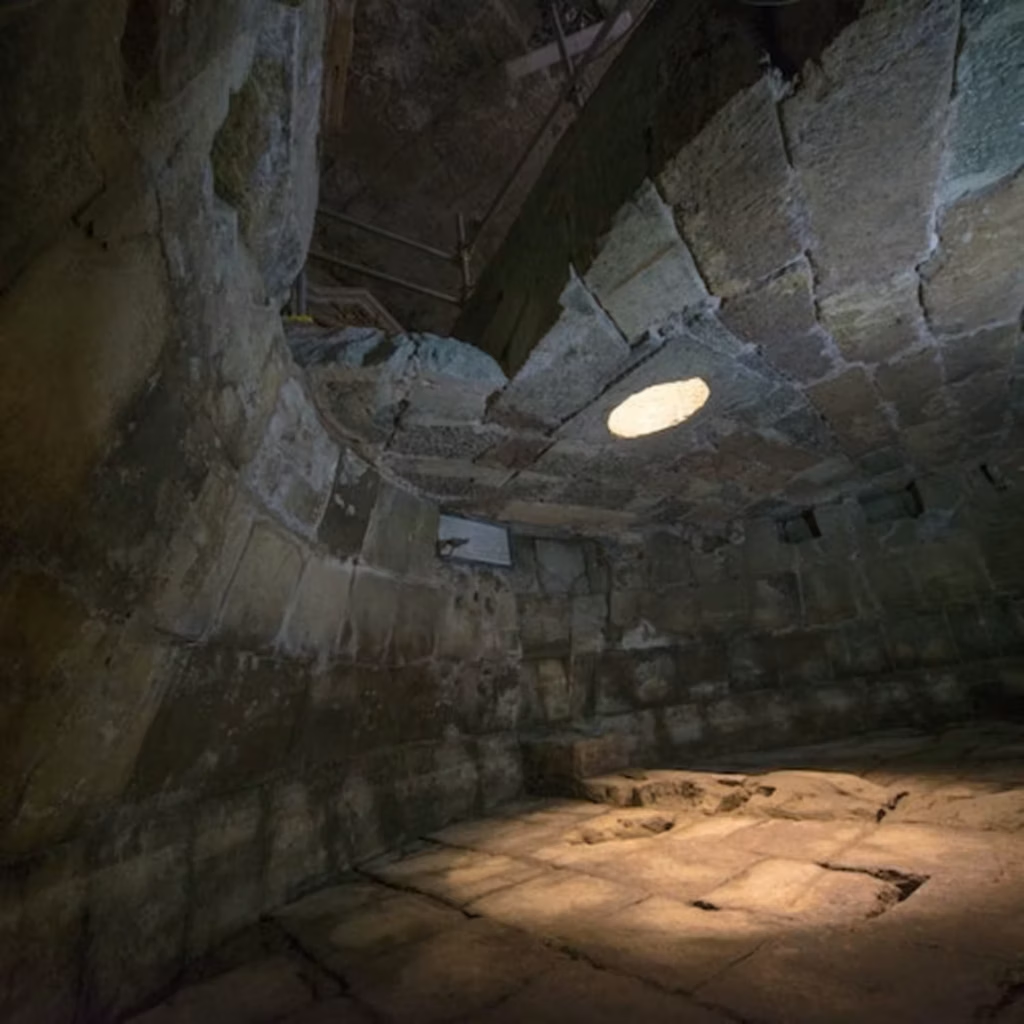
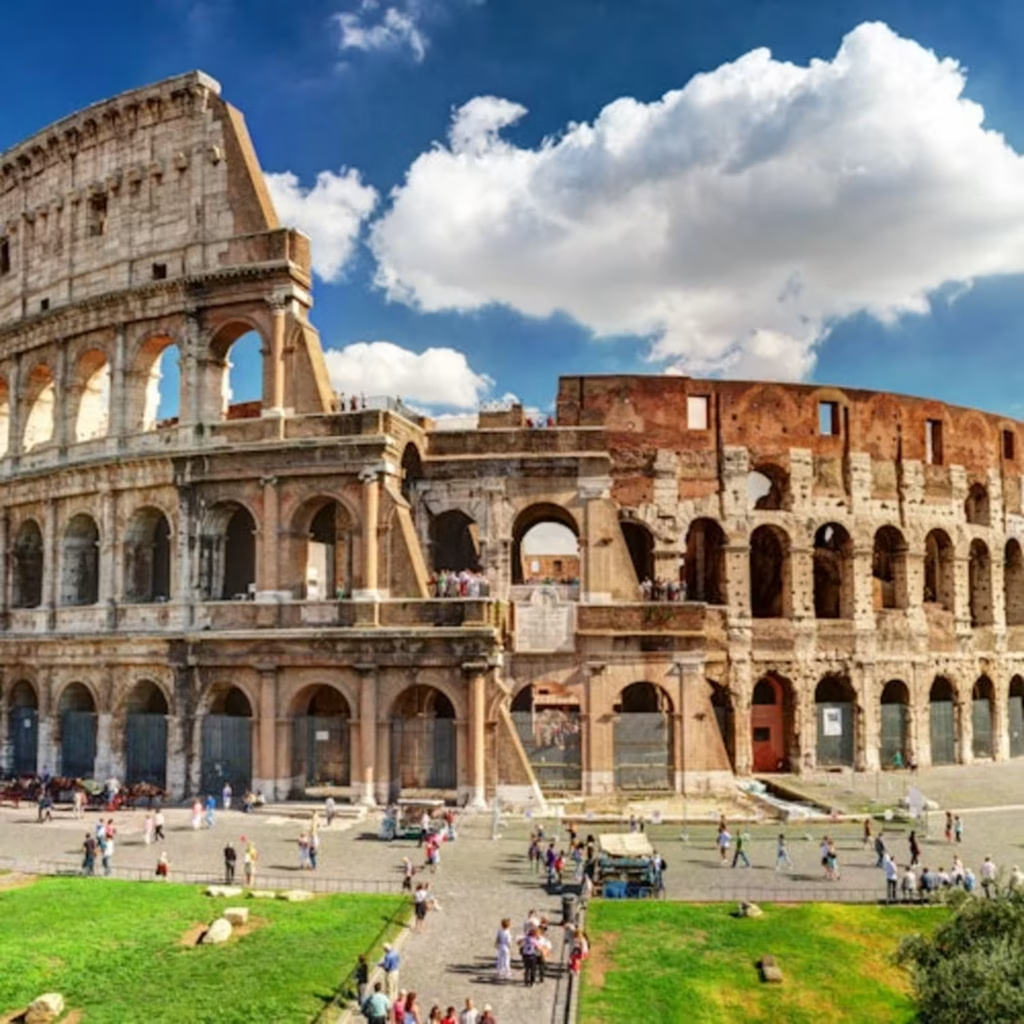
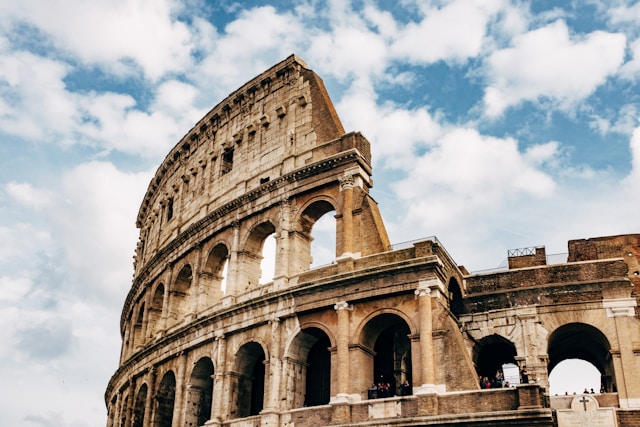
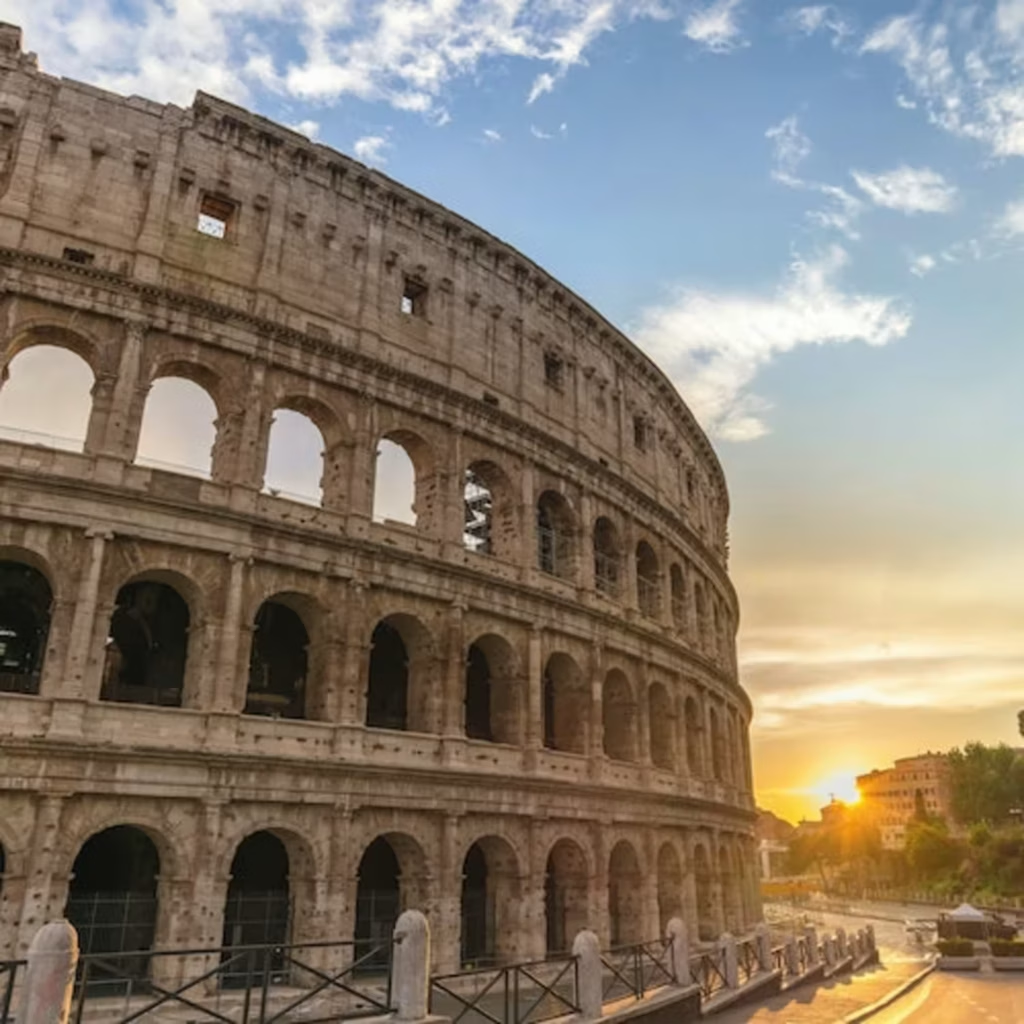
Colosseum stonework

For a stretch of the 19th century, the Colosseum wasn't just a ruin, it was practically a botanical garden. In 1855, English doctor and amateur botanist Richard Deakin published a full survey called Flora of the Colosseum of Rome, cataloguing 420 plant species growing wild across the ruins, everything from grasses to wildflowers to small trees.

The building's varied microclimates explain part of it: the shaded, damp north side suited different plants than the hot, dry south side, so species that would never normally grow side by side ended up sharing the same walls. One theory even traces some of the more exotic species to seeds carried in the fur and droppings of animals shipped in from Africa and the East for the games centuries earlier.

Almost none of it survives today; later 19th-century clearance work stripped out the vegetation Deakin had documented, so this wild garden is now history rather than something you can see on a visit.

Ready to Visit the Colosseum, Roman Forum & Palatine Hill?

A thousand years as a fortress and a quarry, and it's still standing. Whichever part of the story pulled you in, from the velarium to the Palatine Hill palaces, the real thing is a few minutes' walk away.

Browse tickets for the Colosseum, Roman Forum and Palatine Hill, or get a fuller sense of what to expect once you arrive on Plan Your Visit.

4.7
(23)

Skip the line: Colosseum and ancient Rome

Highlights

Explore the renowned Colosseum with priority entry and expert narration.

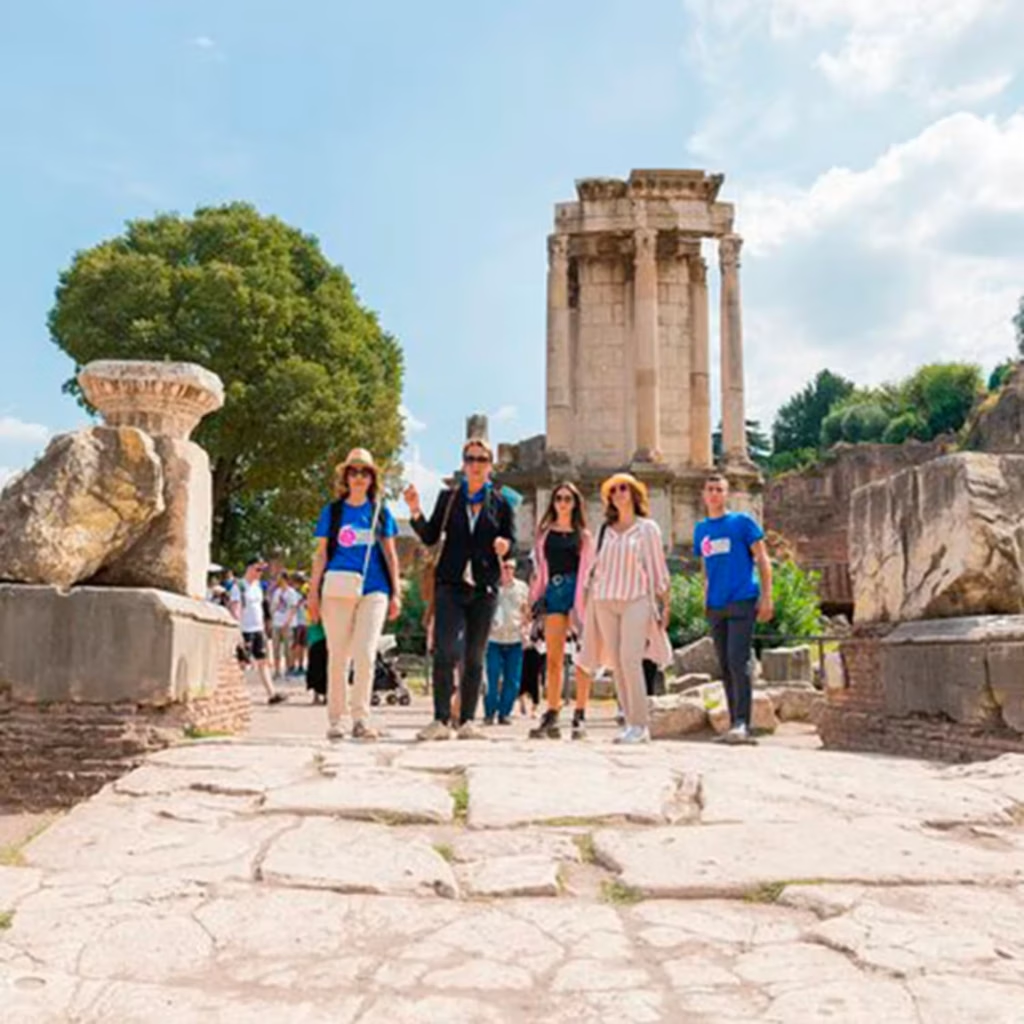
Stroll through the historic Roman Forum, the former heart of political and social life.

Visit Palatine Hill and uncover the legendary origins of Rome.

Learn fascinating details and stories from an experienced local guide.

Benefit from included audio devices for an enhanced listening experience.
Colosseum, Roman Forum and Palatine: Entrance ticket + multimedia experience

Highlights

Enjoy a 25-minute multimedia presentation on ancient Rome.

Visit three iconic sites: the Colosseum, Palatine Hill, and Roman Forum.

Benefit from guided assistance at the designated meeting point.

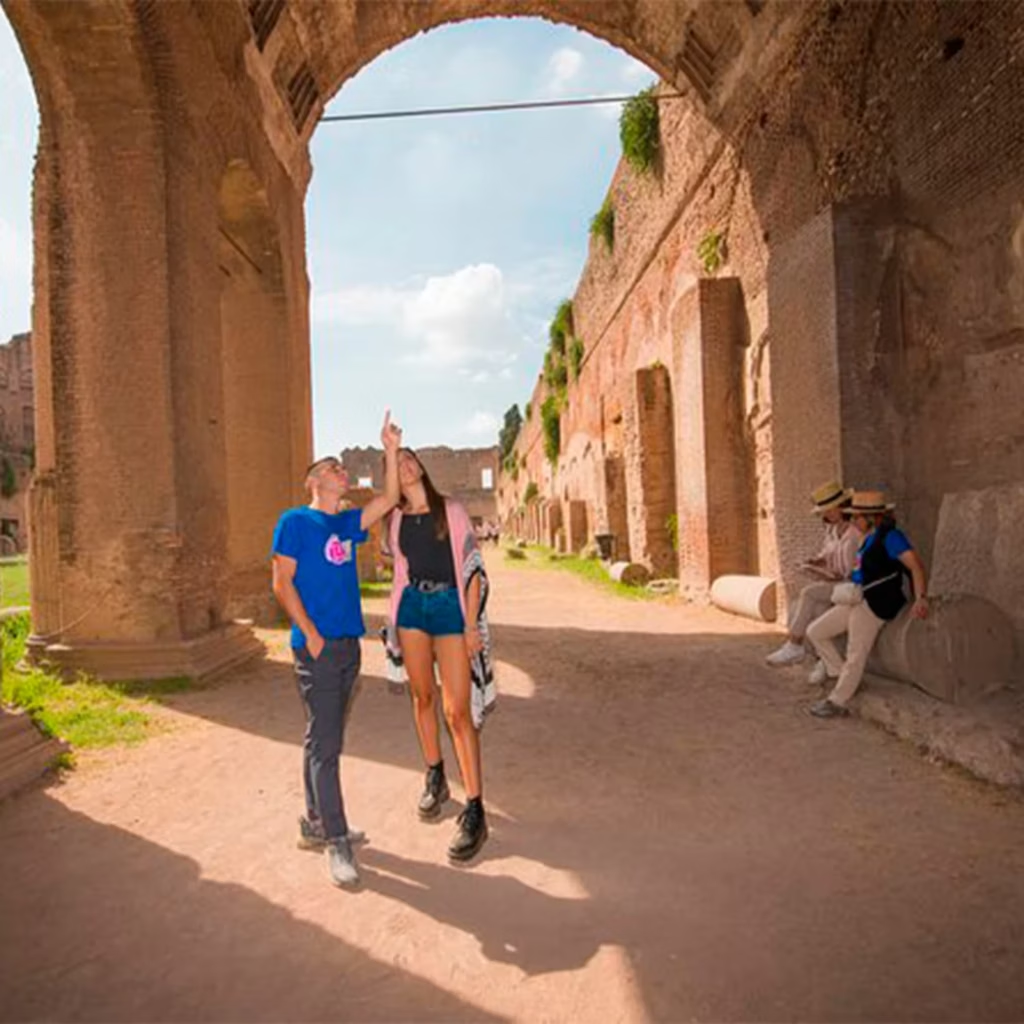
Explore the ancient ruins at your own pace.

Includes a walking tour covering Navona Square, Pantheon, and Trevi Fountain in English.
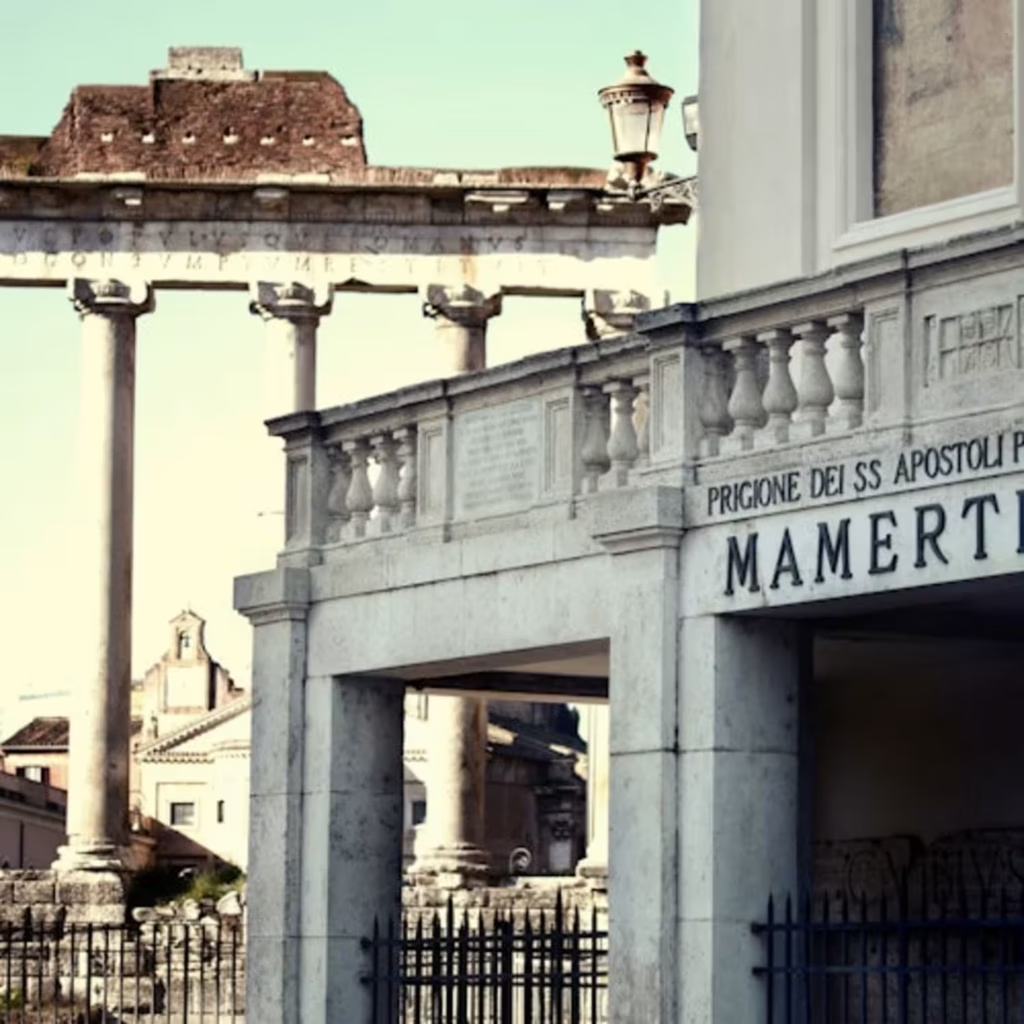
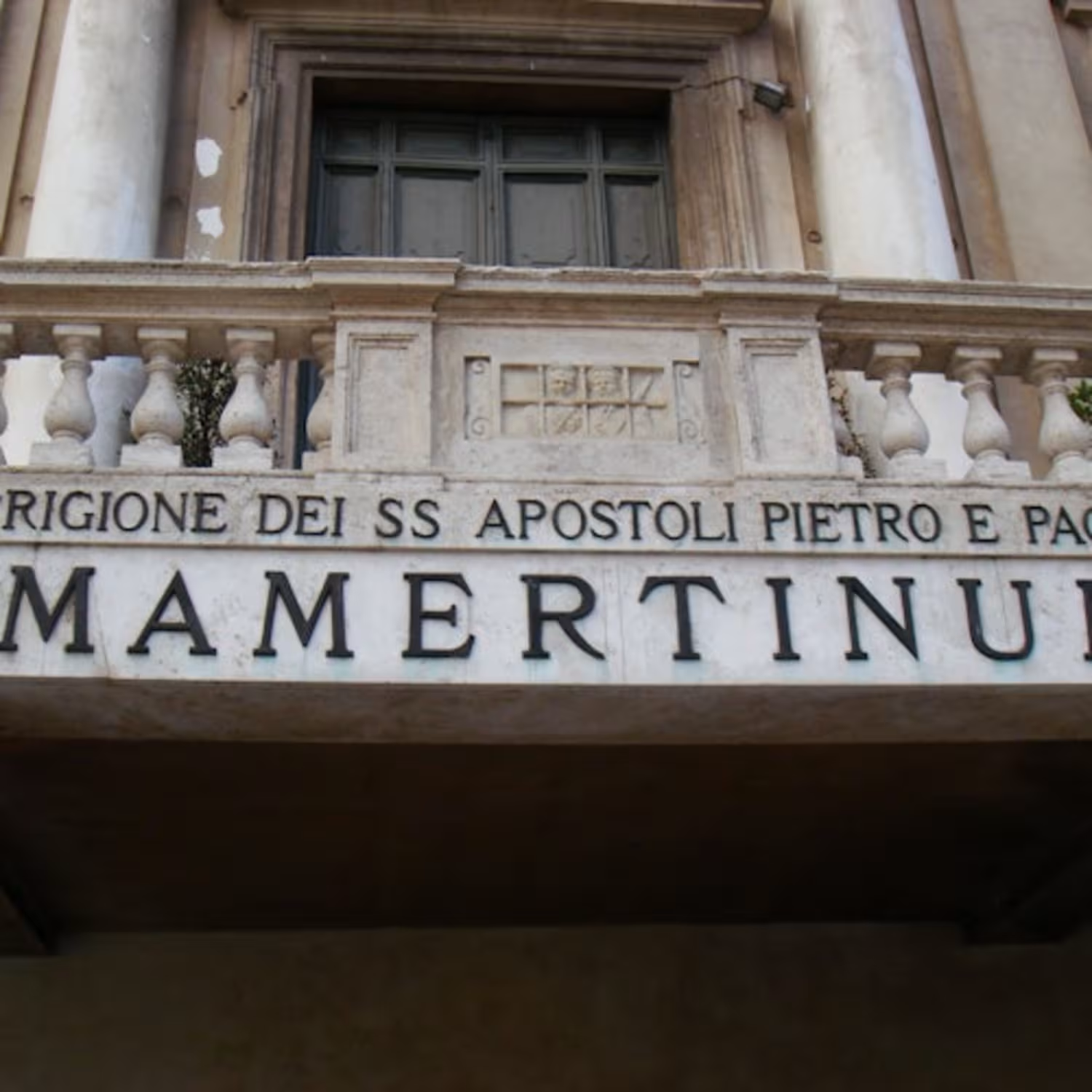
Mamertine Prison, Roman Forum and Palatine: Entrance ticket

Highlights

Skip long queues with a dedicated entrance.

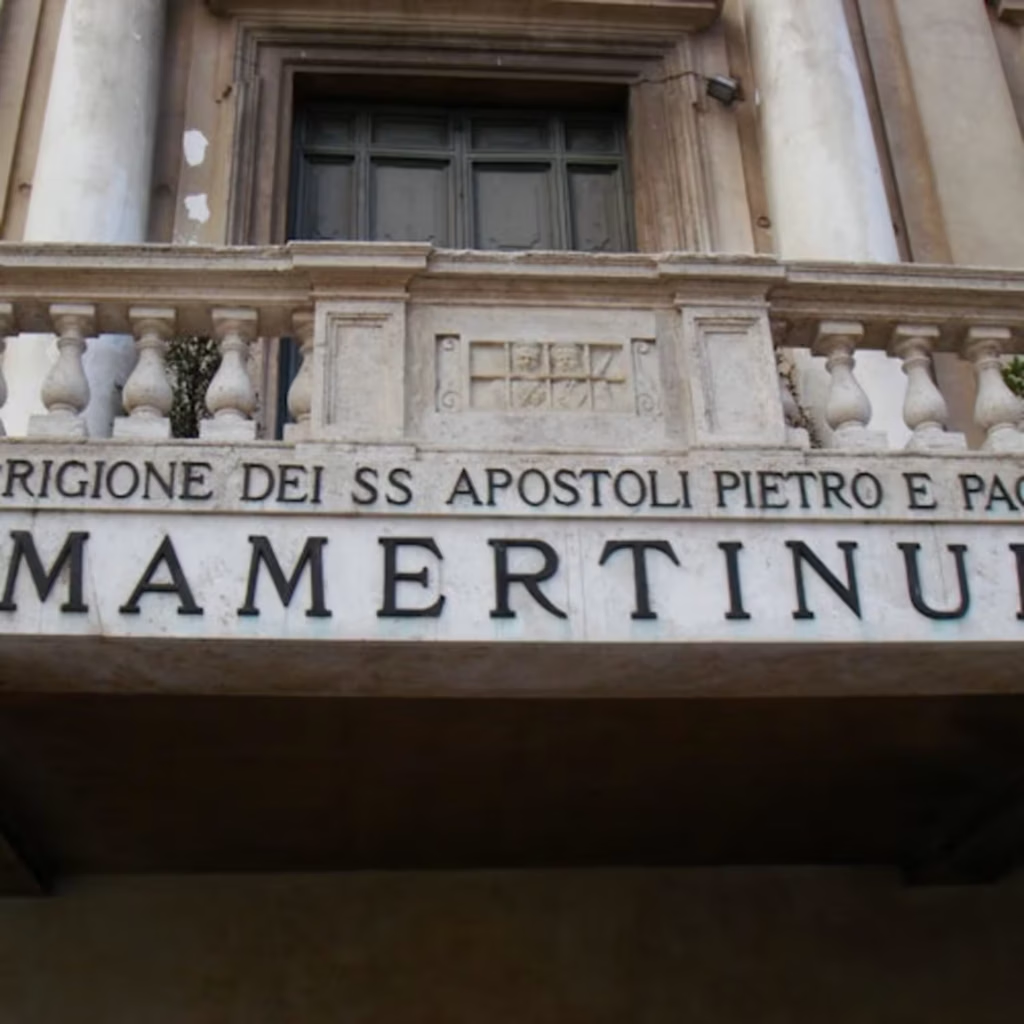
Access multiple ancient Roman sites including the Mamertine Prison and the Imperial Forums.

Discover the House of Augustus, Temple of Romulus, and other historical landmarks.

Enjoy a self-paced tour with an audio guide available in several languages.

Perfect for history enthusiasts wanting a comprehensive Roman archaeological experience.
Colosseum and Mamertine Prison

Highlights

Gain entry to the iconic Colosseum, renowned for its ancient gladiatorial contests.

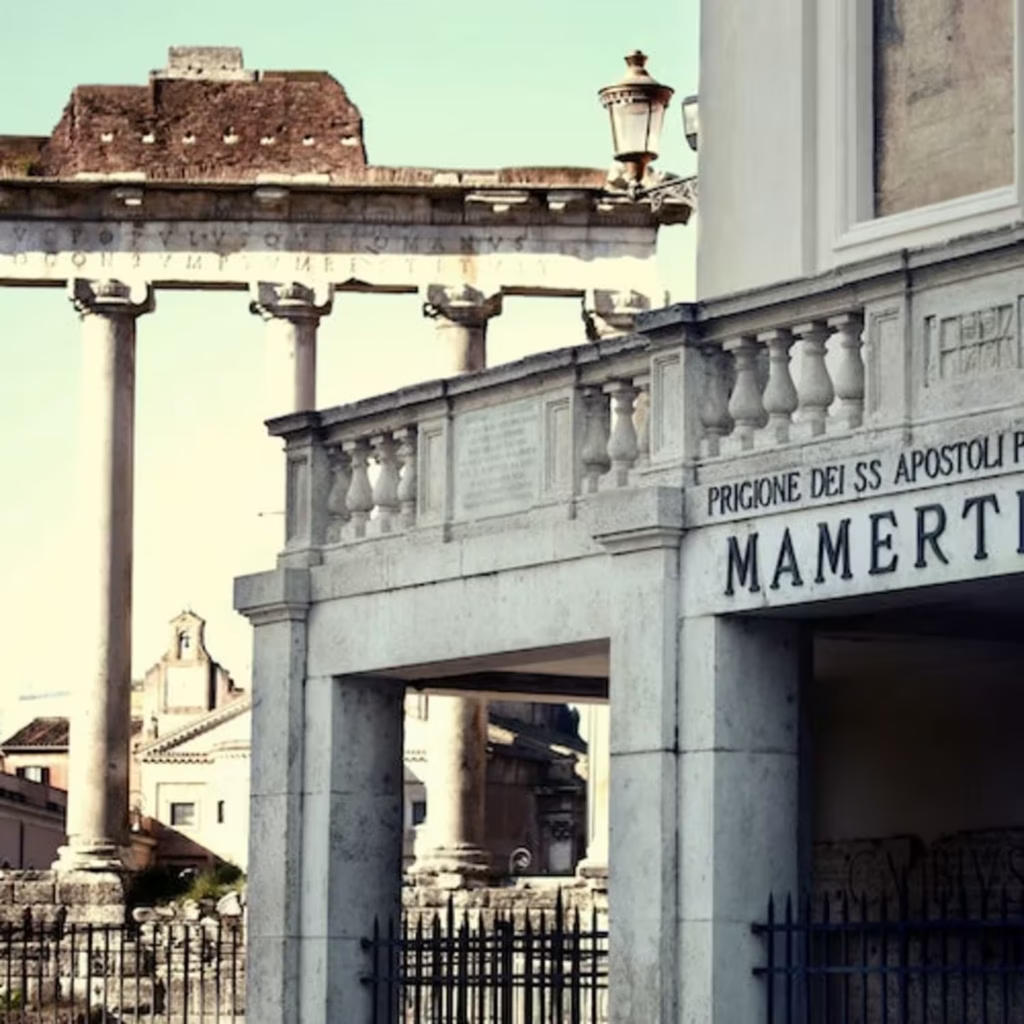
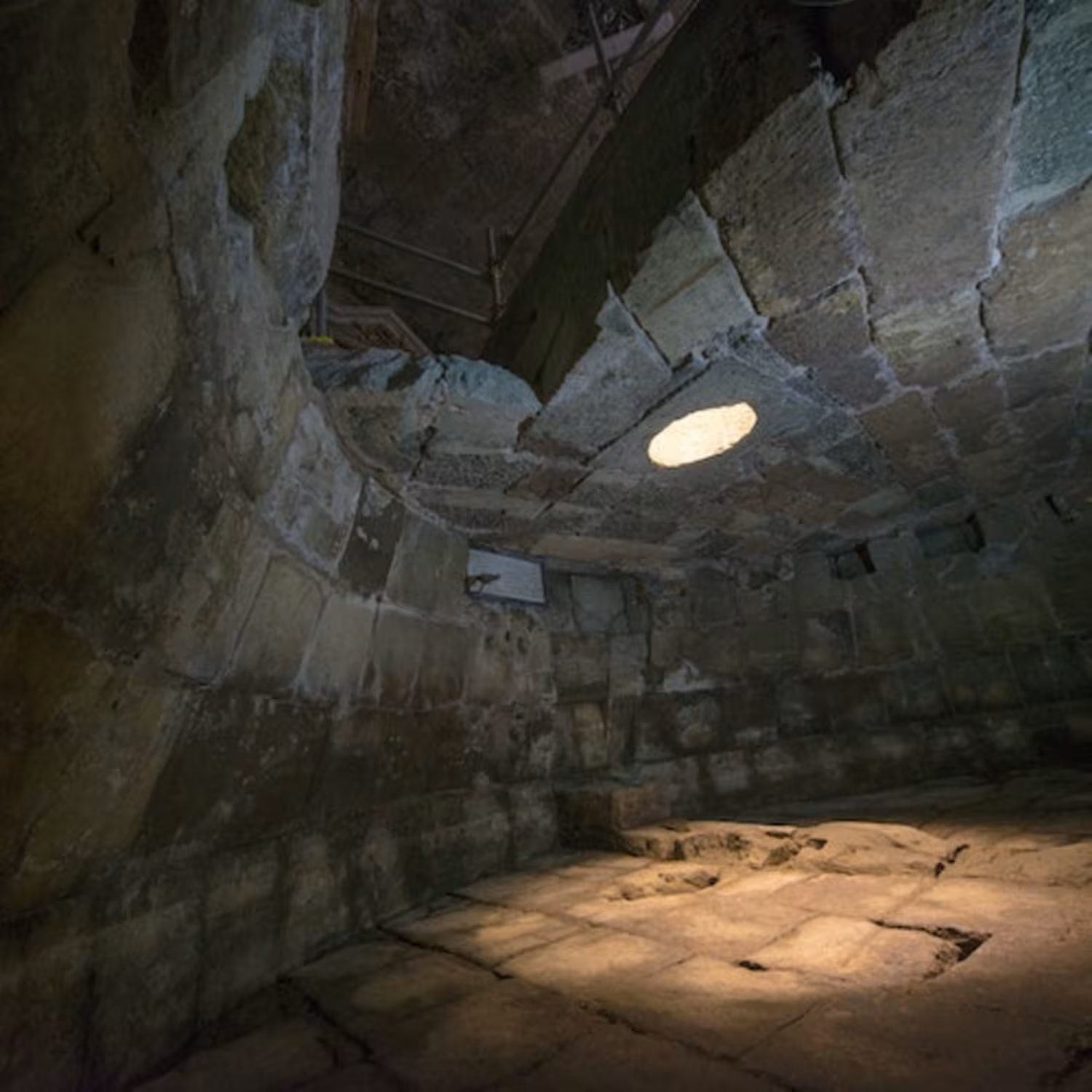
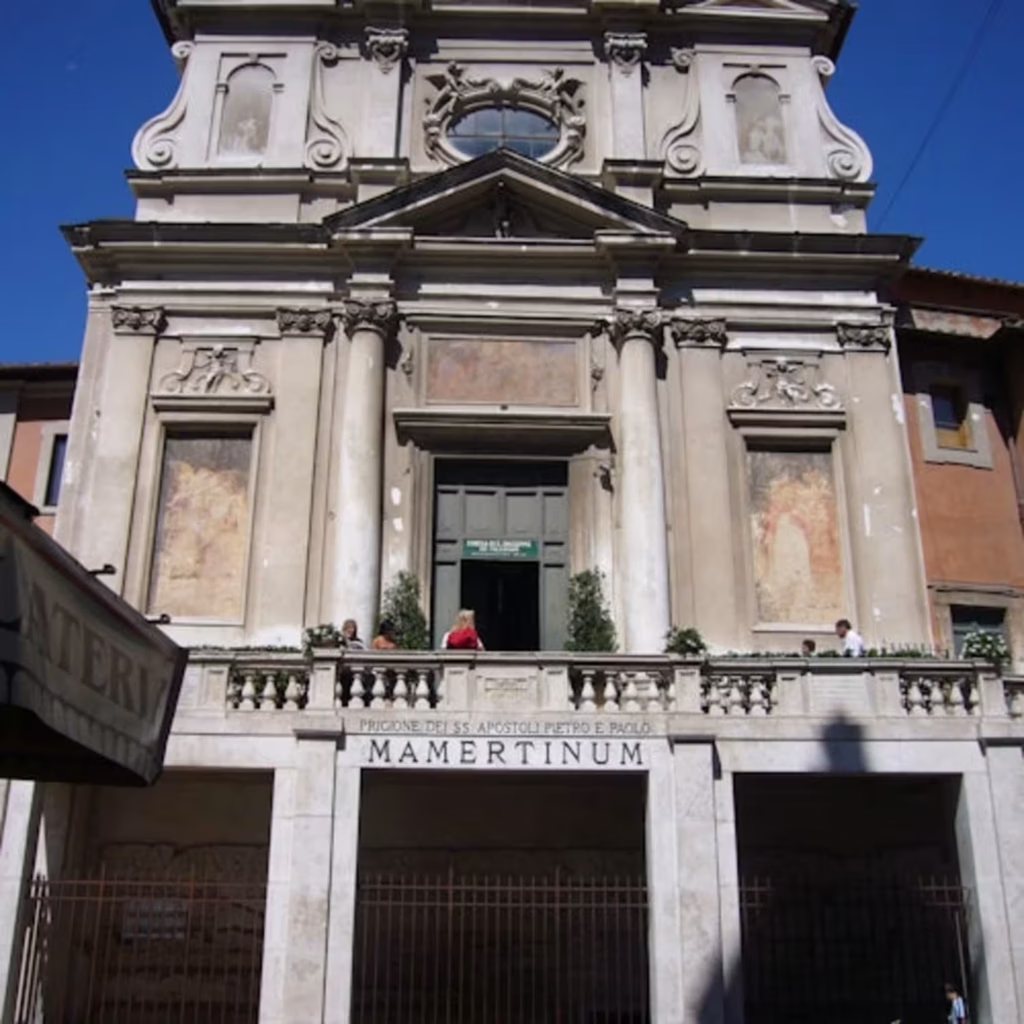
Explore the historically significant Mamertine Prison, once holding emperors and kings.

Roam freely through the Roman Forum and Palatine Hill at your own pace.

Benefit from an engaging audio guide that enriches your visit.

Enjoy short queues and a well-organized ticket process.
About this guide

Sources: Parco archeologico del Colosseo, The Colosseum; Parco archeologico del Colosseo, Colosseum west entrance and Valadier spur; Parco archeologico del Colosseo, The Roman Forum.

Frequently Asked Questions About the Colosseum, Roman Forum & Palatine Hill's History

Why are the Colosseum, Roman Forum, and Palatine Hill sold as a single ticket?

The three sites sit within a few minutes' walk of each other and were historically part of the same imperial complex, so Rome's archaeological authority manages and tickets them together.

Is the Colosseum the same building seen in films about gladiators?

It's the real Flavian Amphitheatre, though much of the original structure has been lost. Earthquakes, fires, and centuries of stone-robbing for other Roman buildings, including St. Peter's Basilica, removed much of the rest.

How many people could the Colosseum hold?

Estimates put seating capacity at around 50,000, with room for as many as 80,000 once standing areas are counted.

What was the Roman Forum actually used for?

For centuries it was Rome's working civic center: elections were held here, court cases argued, religious ceremonies performed, and major political announcements made.

Why is Palatine Hill called the birthplace of Rome?

According to Roman legend, Romulus founded the city on the Palatine after a dispute with his twin brother Remus over where to build it. Archaeological finds of Iron Age huts on the hill line up roughly with the legend's timeline.

Did gladiators really fight to the death?

Some fights ended in death, but many Colosseum gladiators were trained fighters whose owners had no interest in losing them, so plenty of bouts ended with a defeated fighter spared rather than killed.

What was the velarium?

It was a retractable canvas awning stretched over sections of the seating to provide shade. Rigging and operating it took a dedicated crew, traditionally made up of sailors from the Roman navy.

Where does the name "Colosseum" come from?

It isn't named for its own size but for a colossal bronze statue, the Colossus of Nero, that once stood beside it. The amphitheater's official name was the Flavian Amphitheatre, after the Flavian dynasty of emperors who built it.

Was the Colosseum always just a tourist site?

Far from it. After the games stopped, it spent centuries as a fortress, then a stone quarry for other Roman buildings, and was only consecrated as a Christian shrine in 1750, long before it became the archaeological site people visit today.

Is it true that plants used to grow all over the Colosseum?

Yes. A botanist catalogued 420 different plant species growing on the ruins in 1855, though 19th-century restoration work later removed almost all of them.