We are processing your request.
Please, don’t close or refresh the page.
Rome Tickets Colosseum Roman Forum Mamertine Prison

Mamertine Prison Tickets: Where Rome Held Its Most Famous Enemies

A spring-fed cistern at the foot of the Capitoline, turned into the cell where captured kings and conspirators waited to be executed. Prisoners went in through a hole in the ceiling. Visitors today get stairs.

What the Mamertine Prison Actually Was

Its Roman names were the Carcer and the Tullianum, and neither of them means prison in the modern sense.

Rome did not sentence people to years inside. This was temporary custody, a holding cell for the short gap before trial or execution.

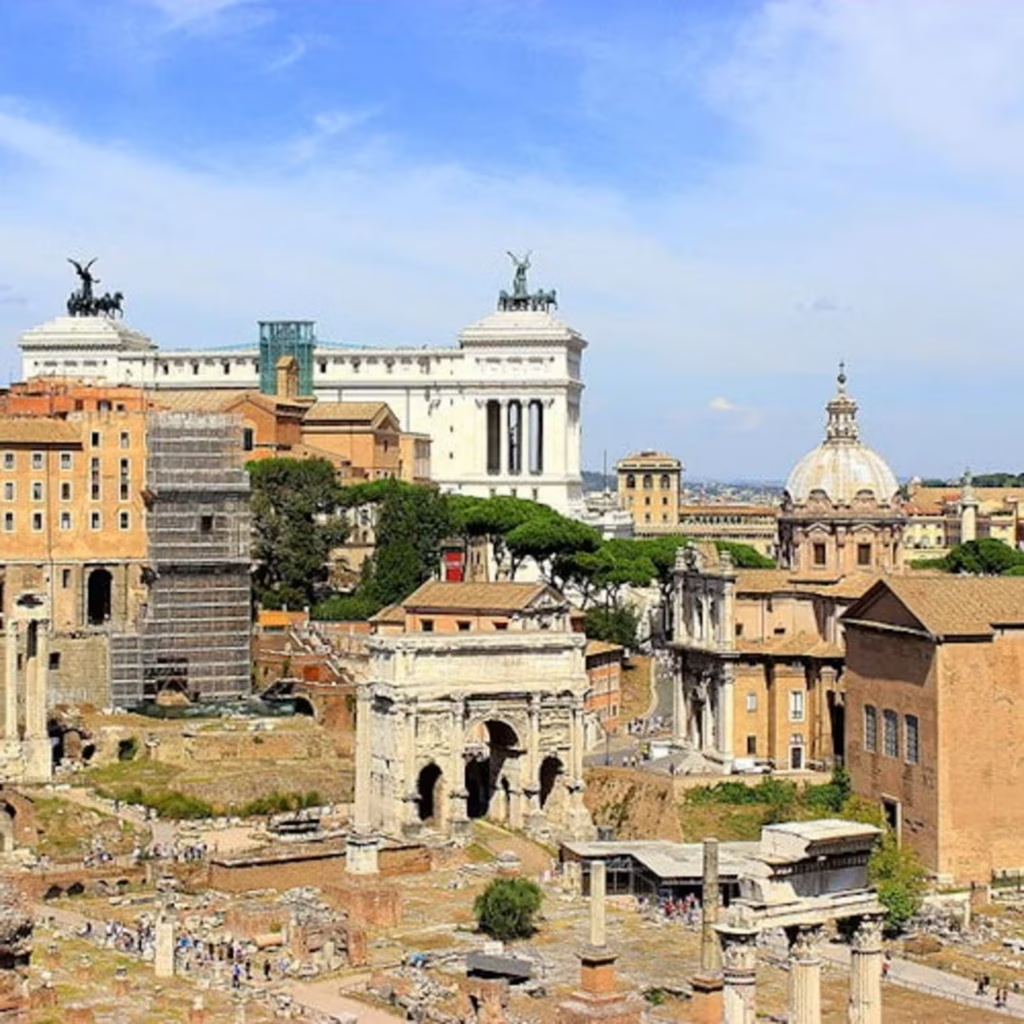
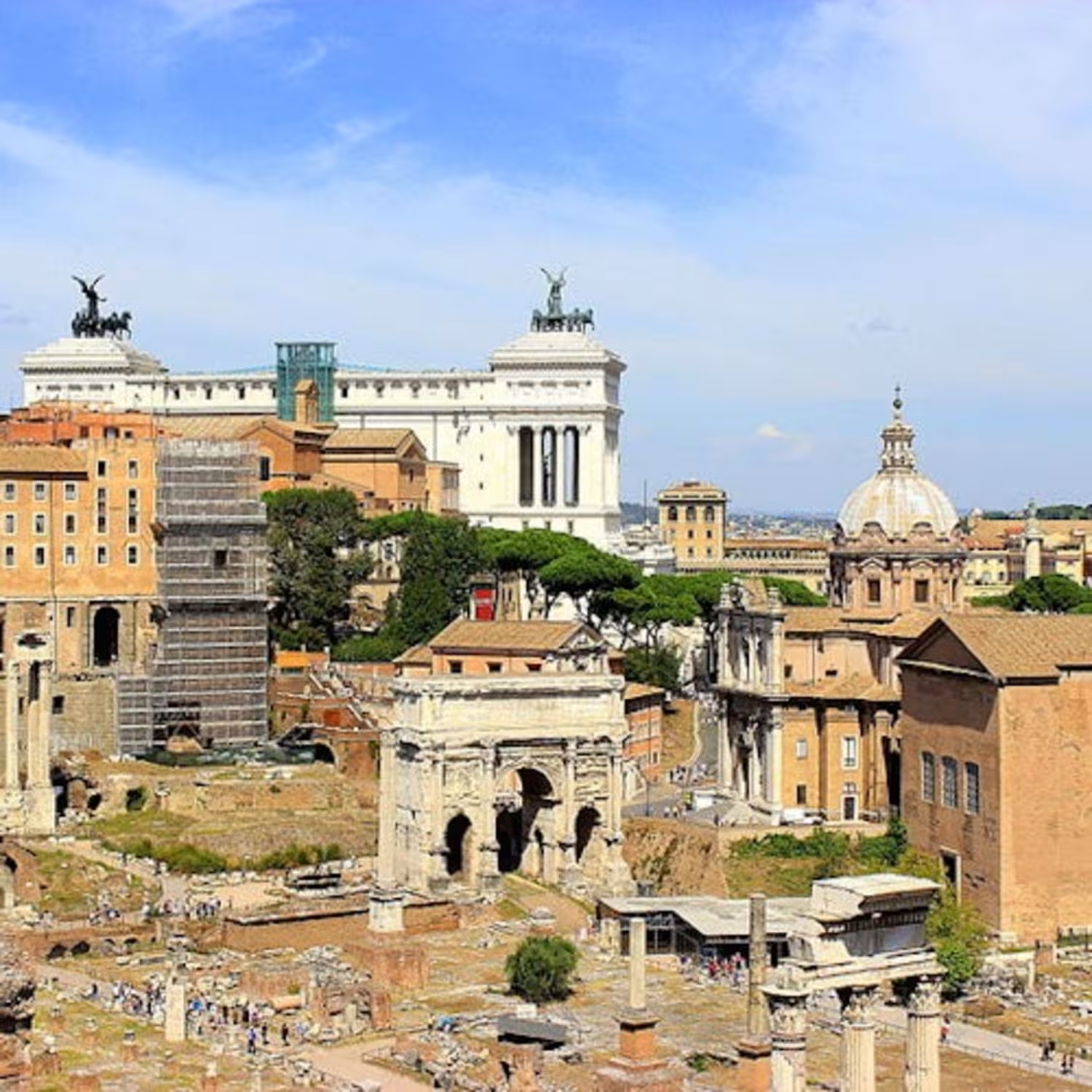
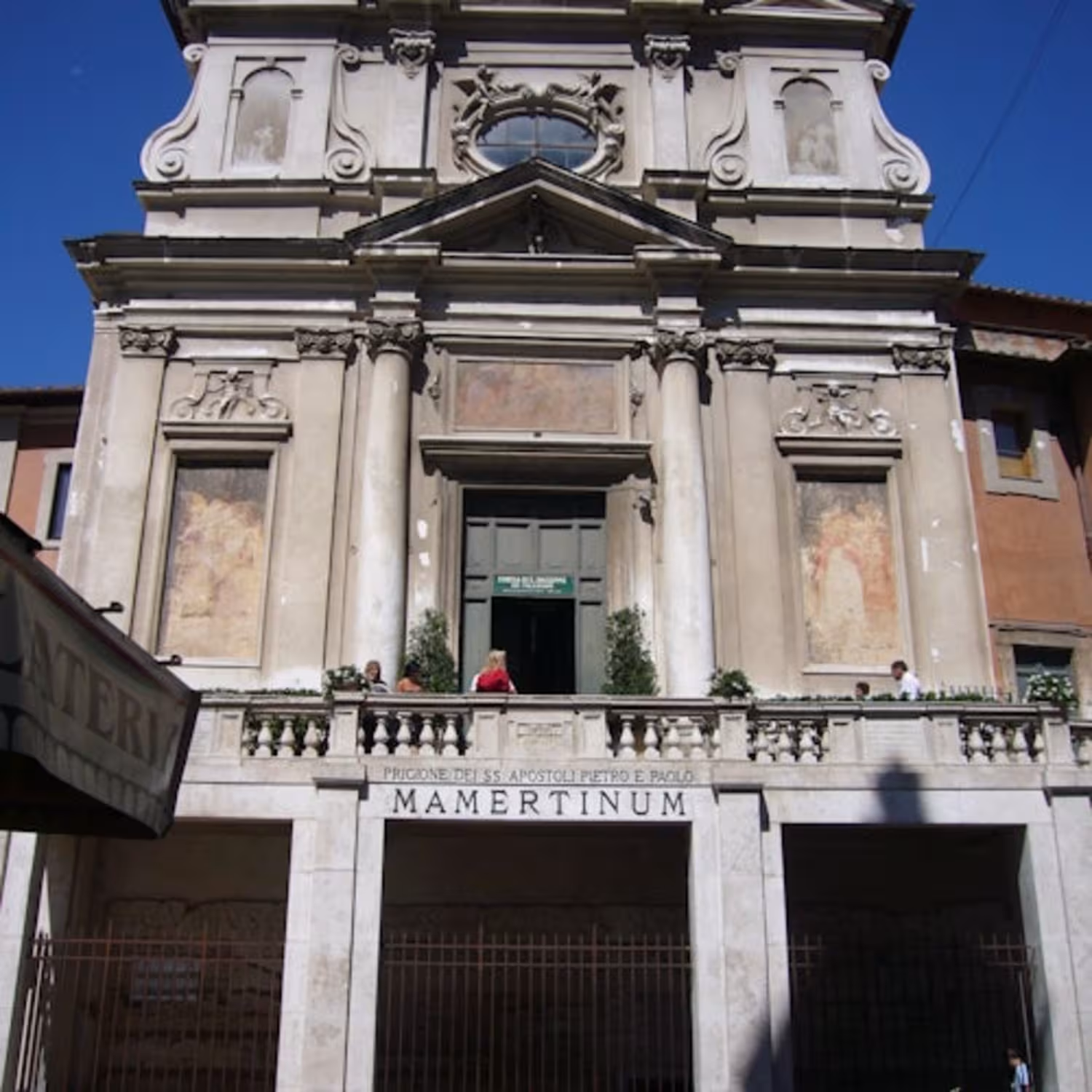
It sits on the northeastern slope of the Capitoline, looking out toward the Curia and the imperial forums.

Tradition puts its construction at roughly 640 to 616 BC, under Ancus Marcius, originally as a cistern around a spring.

There are two chambers stacked on top of each other, and the lower one had no door.

Prisoners were lowered through an opening in the floor of the upper room.

Vercingetorix was executed here in 46 BC, after six years in Roman custody.

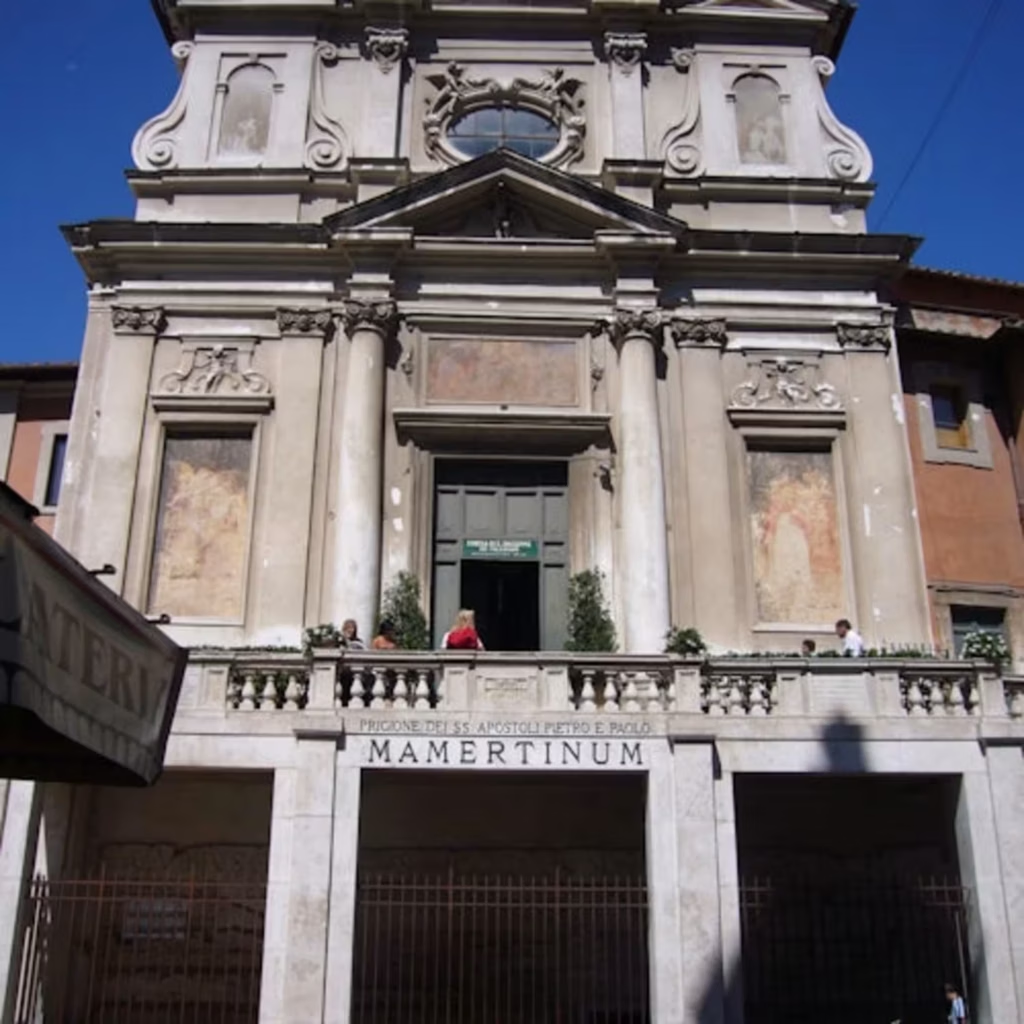
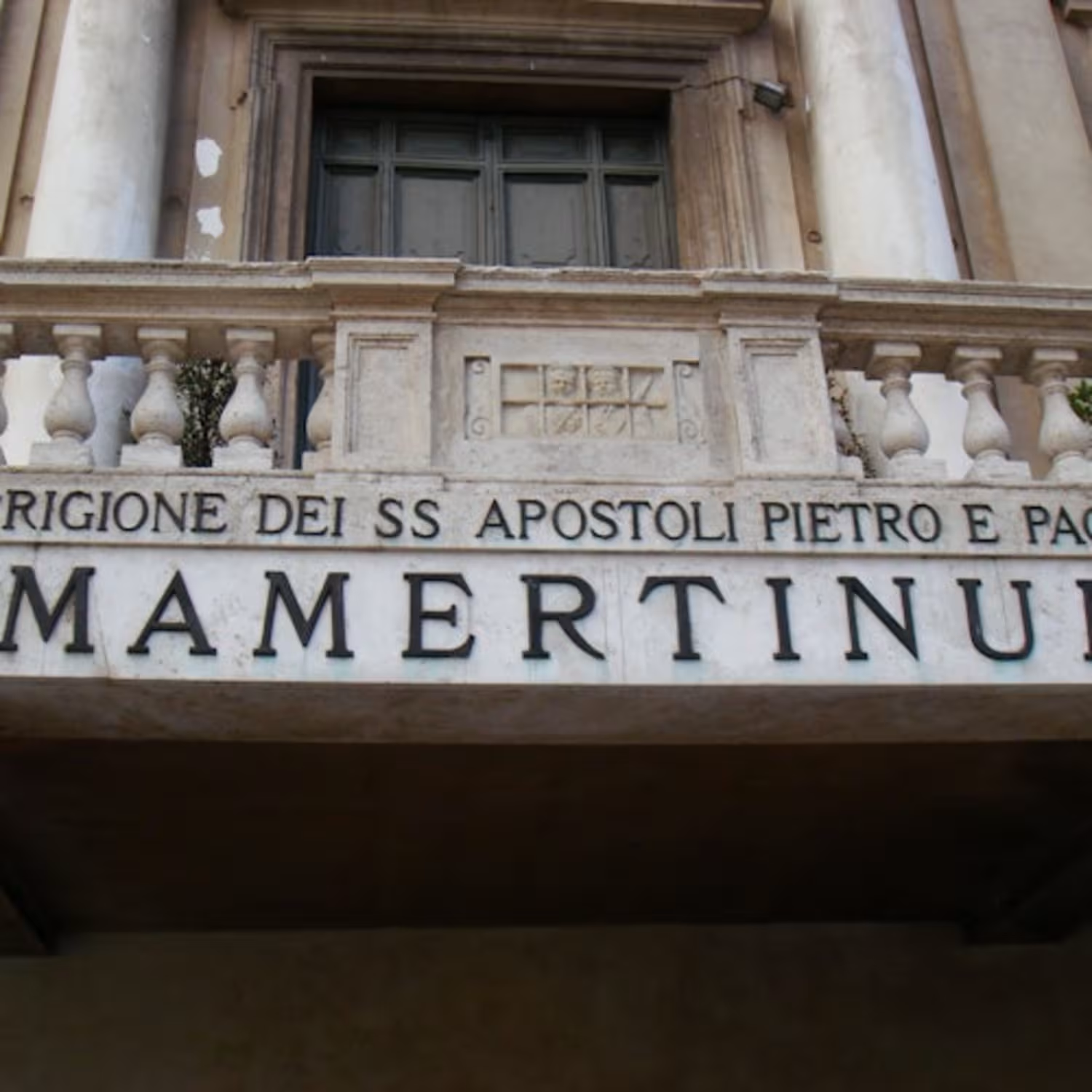
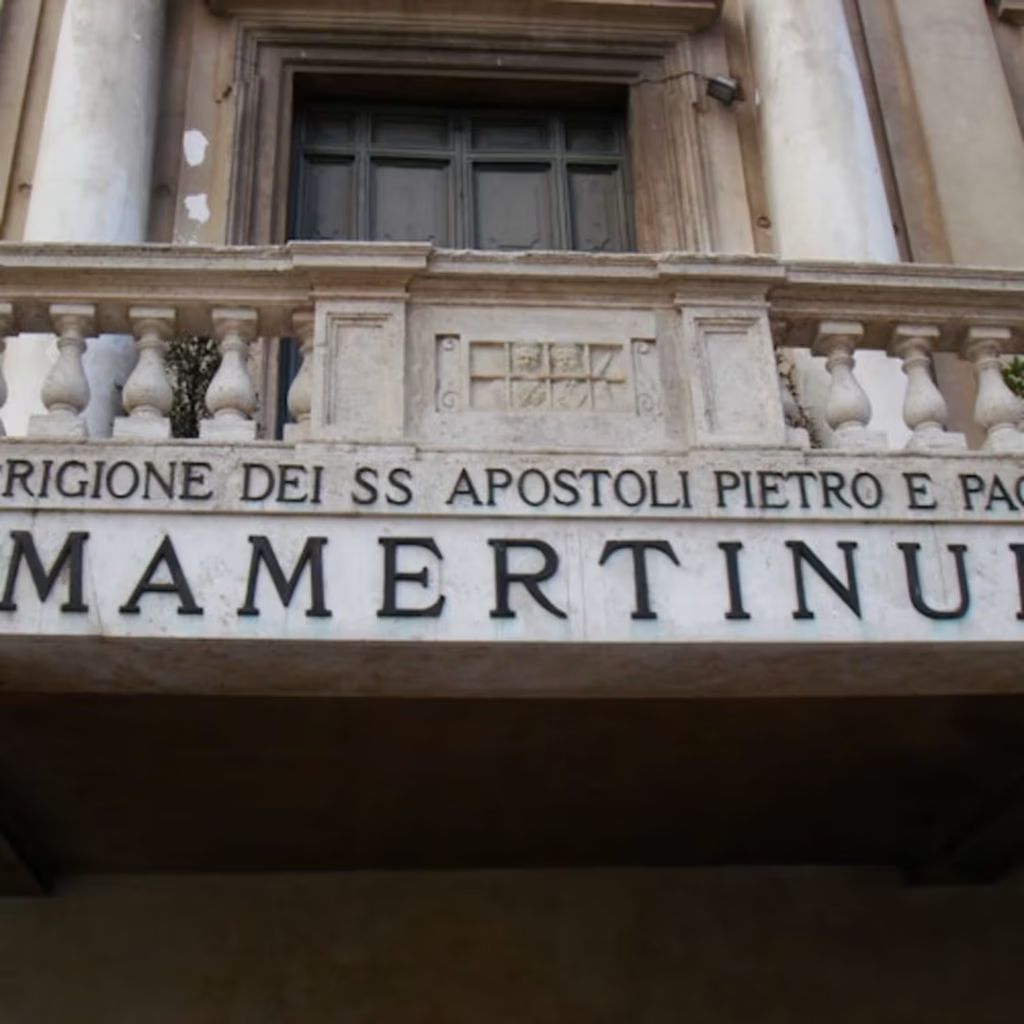
Two churches were later built directly over it, one on top of the other.

A Water Tank That Became a Death Cell

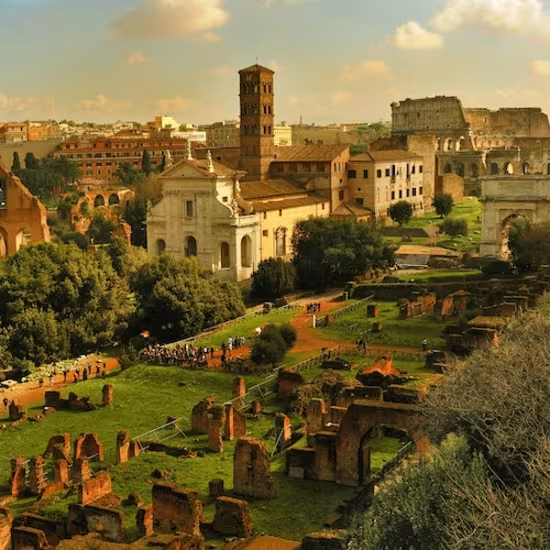
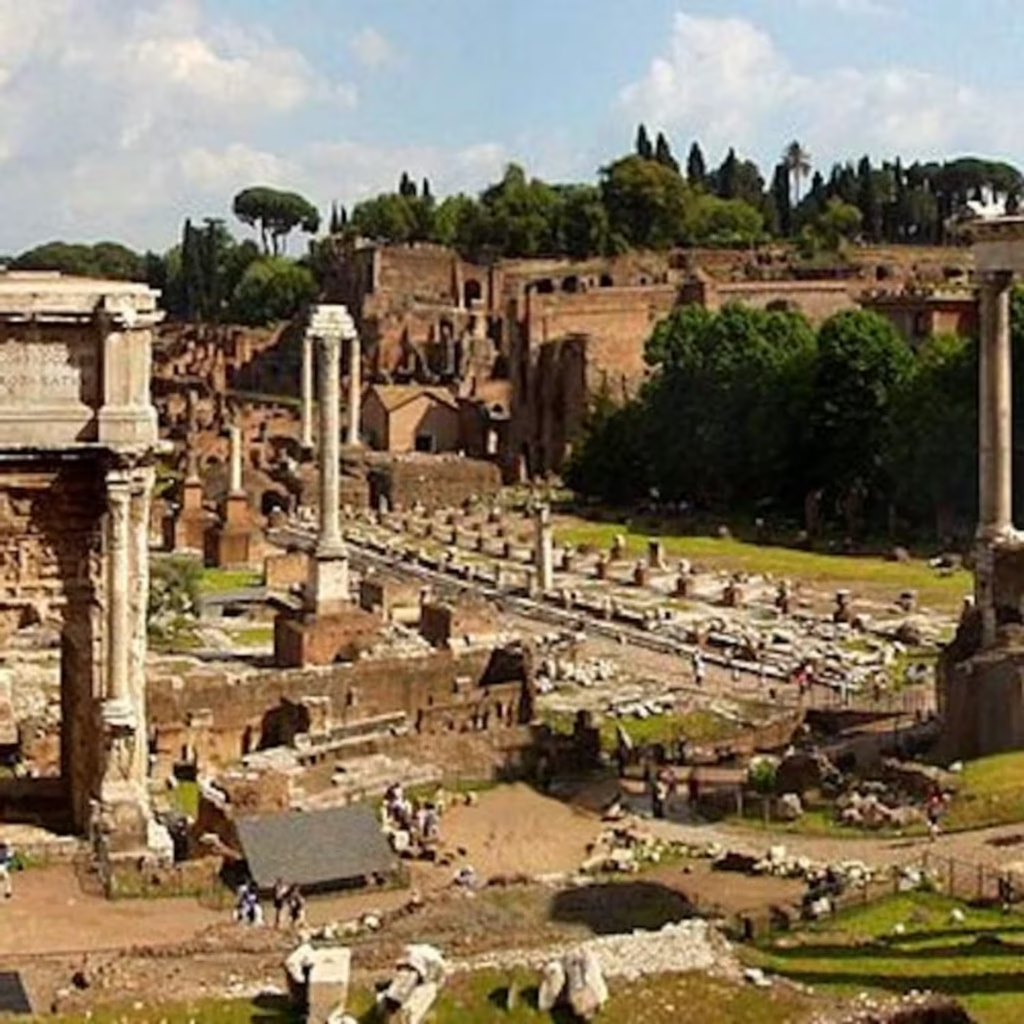
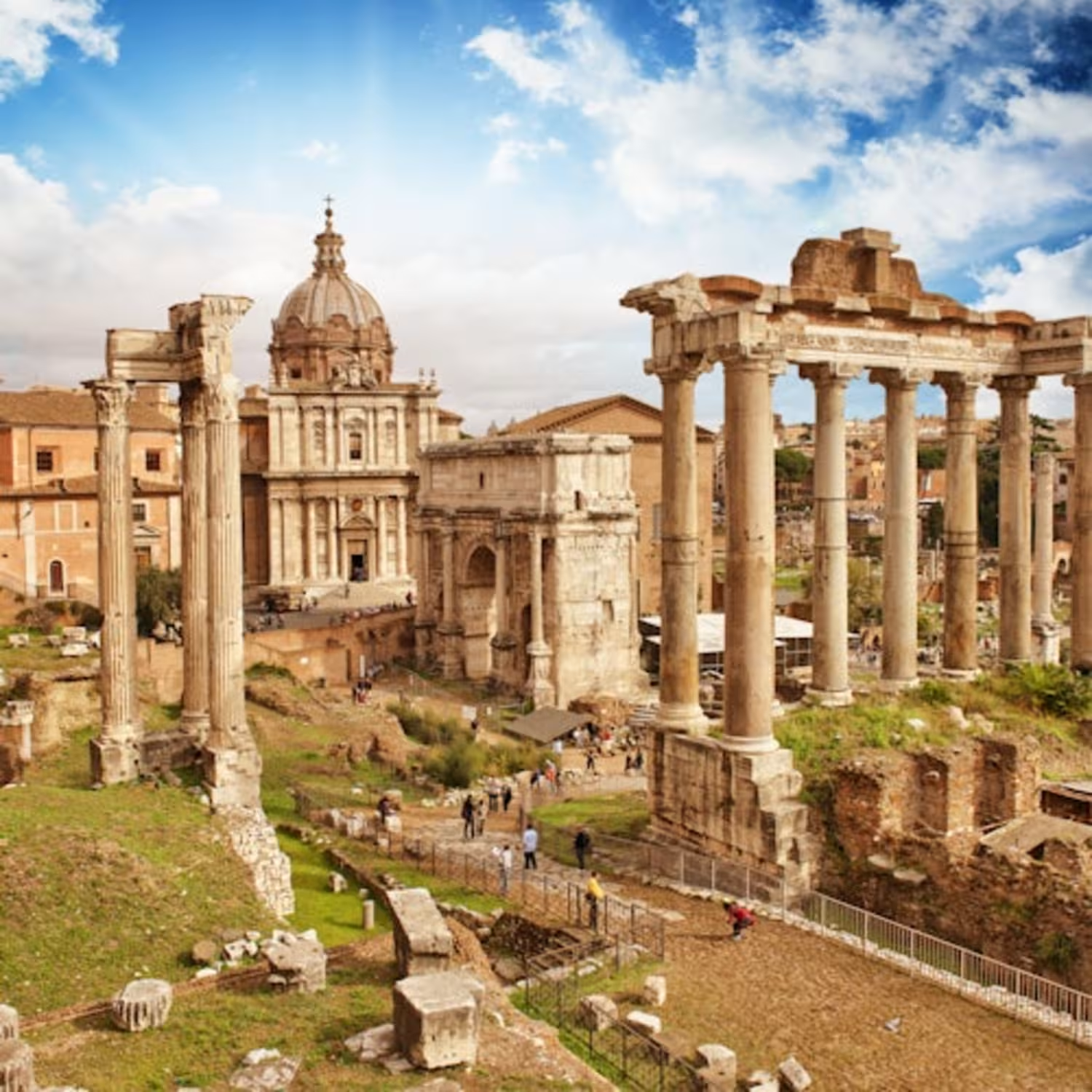
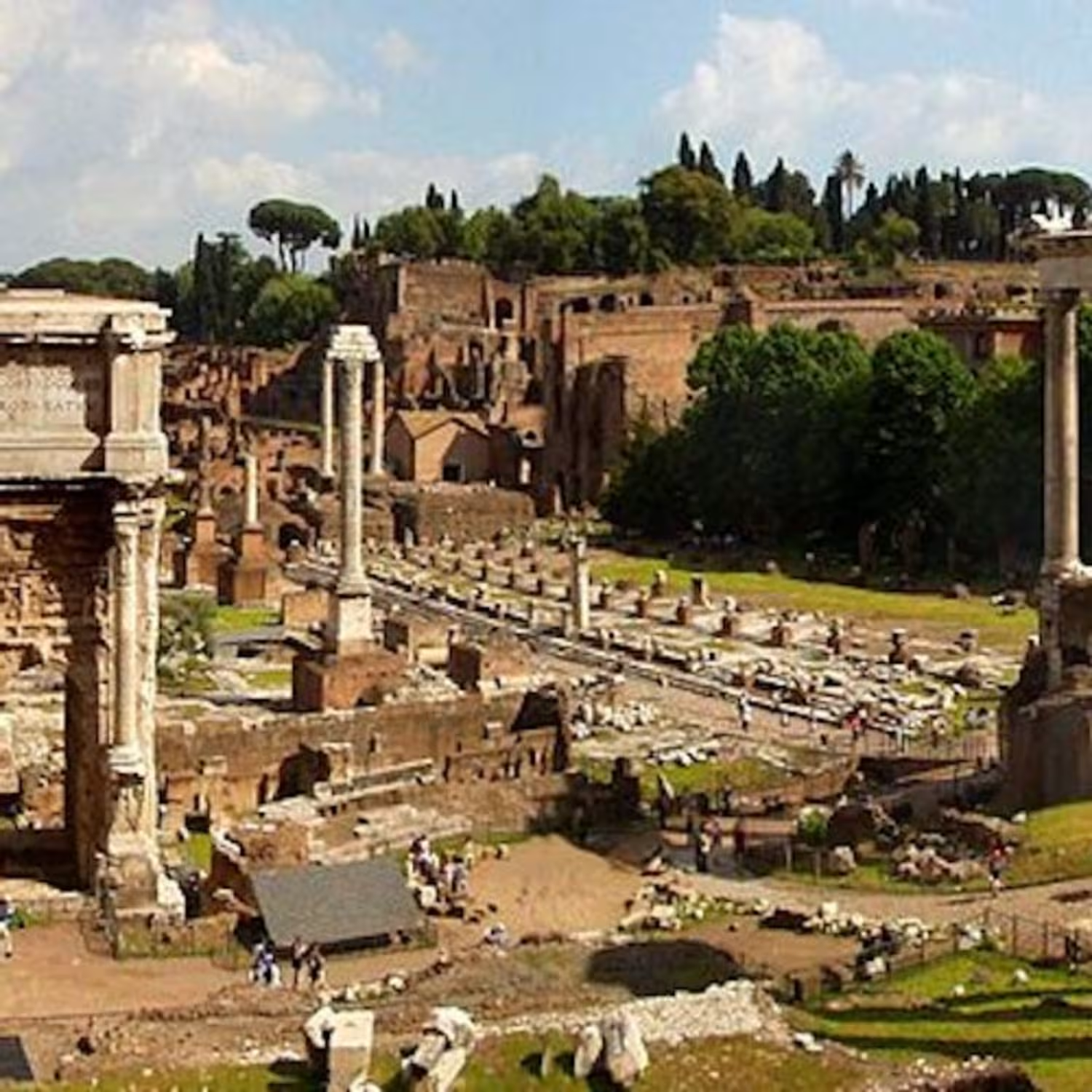
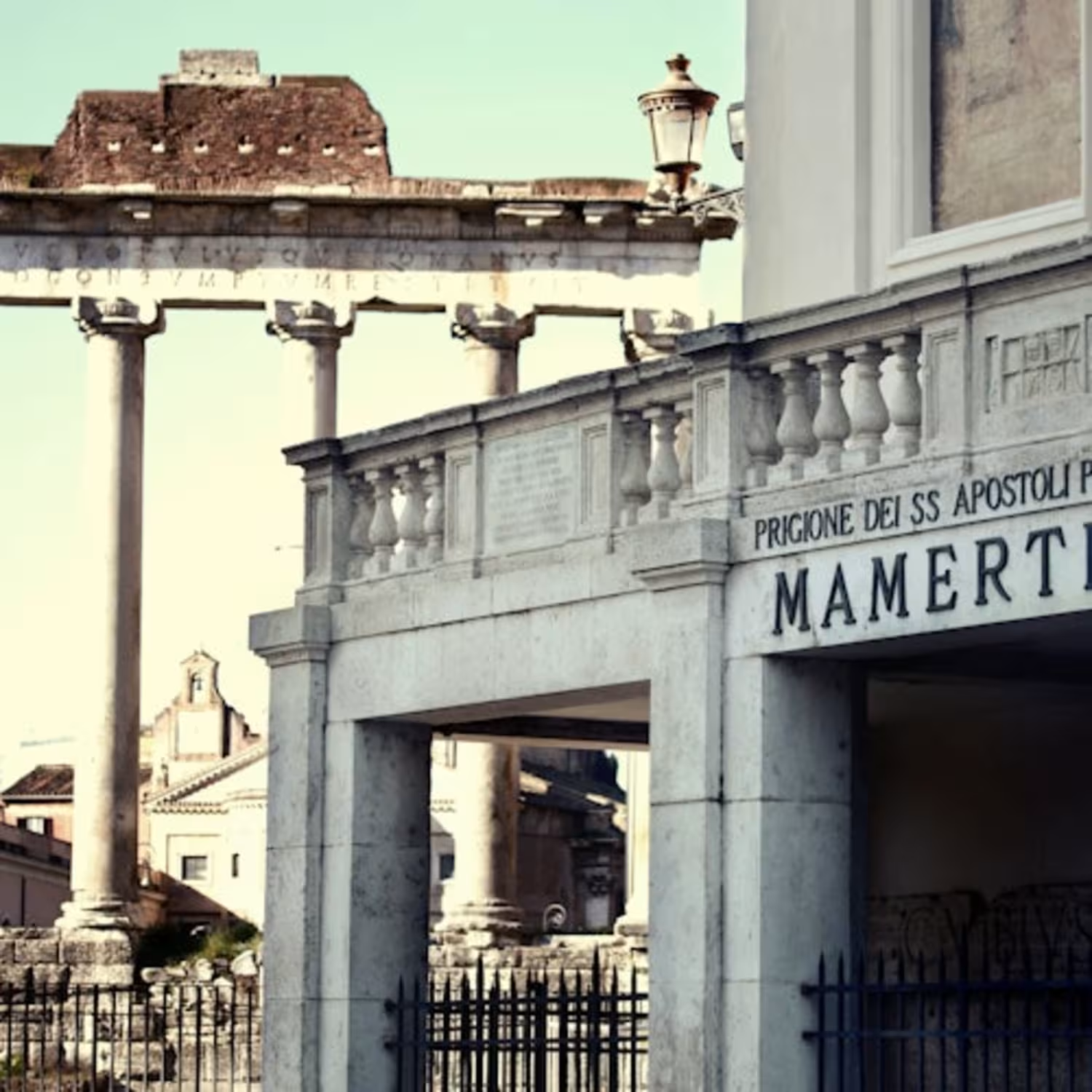
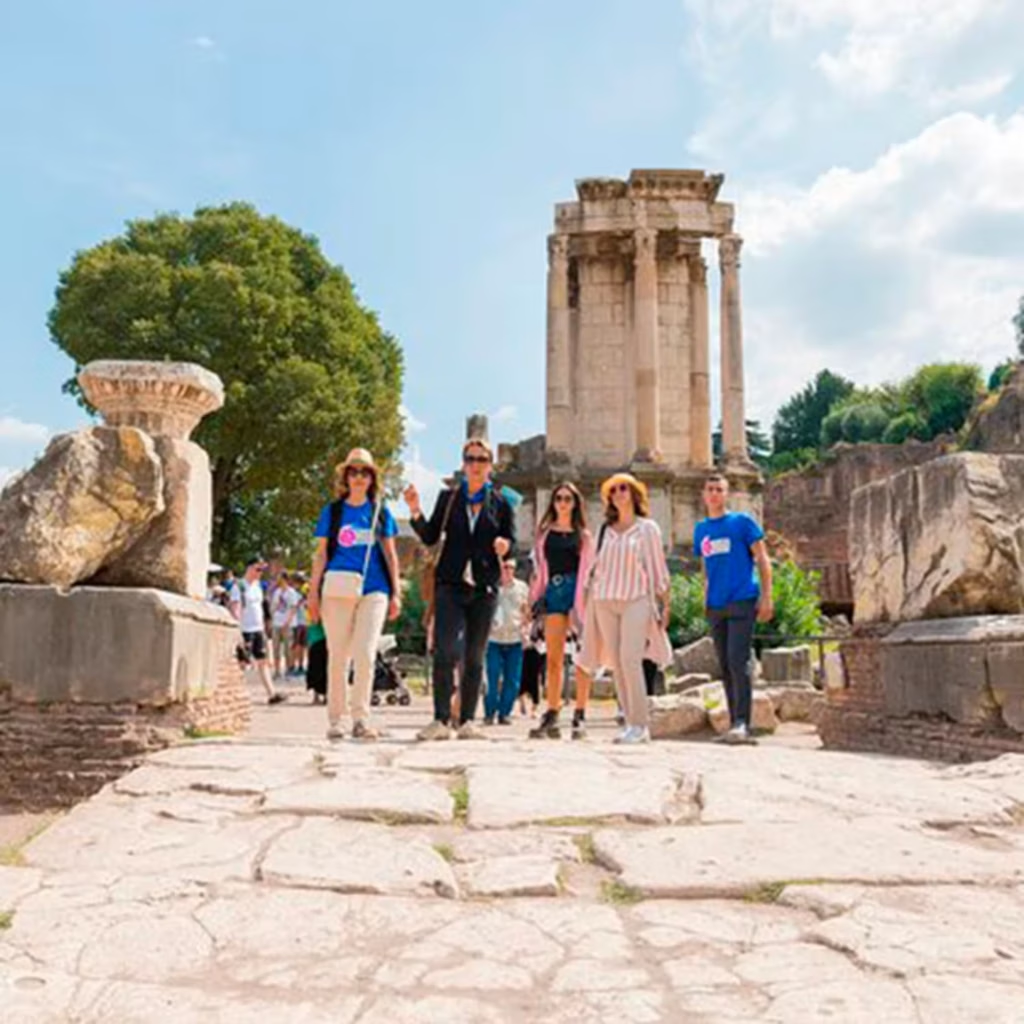
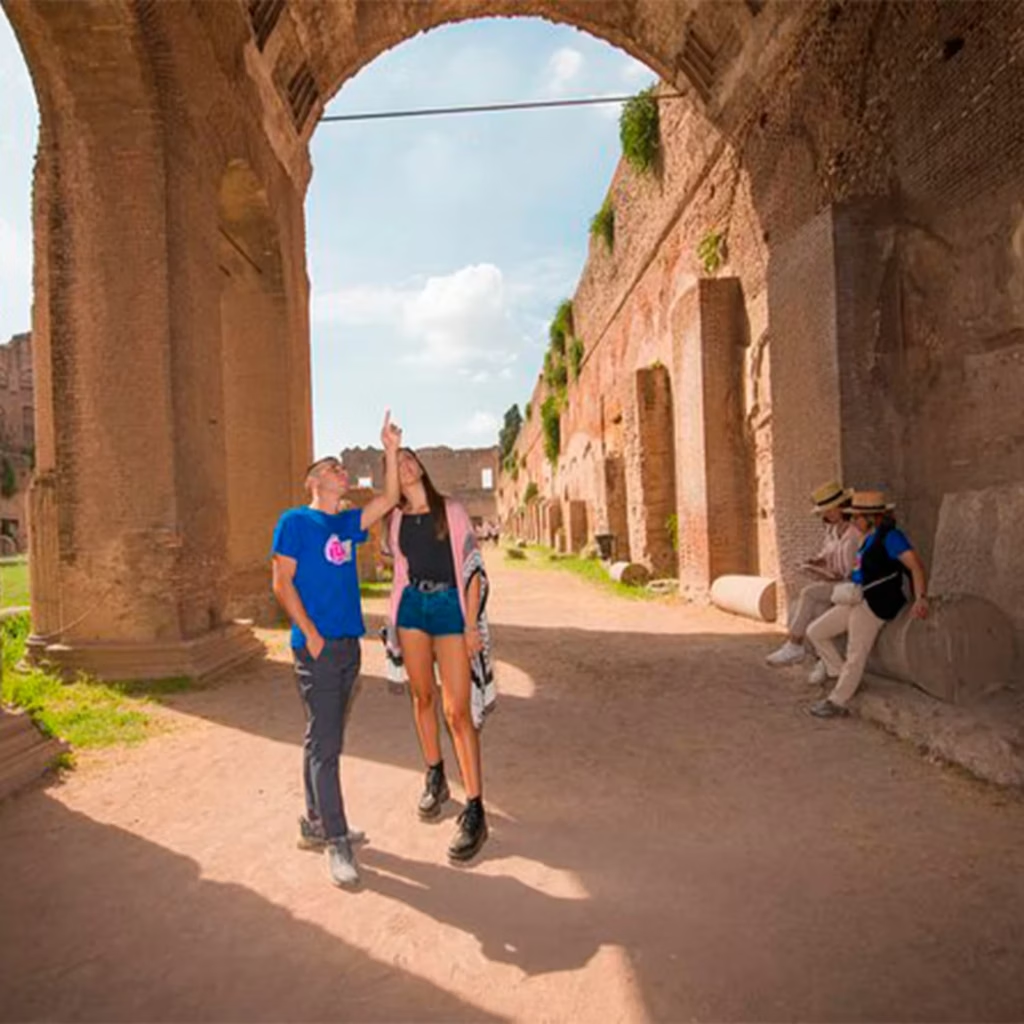
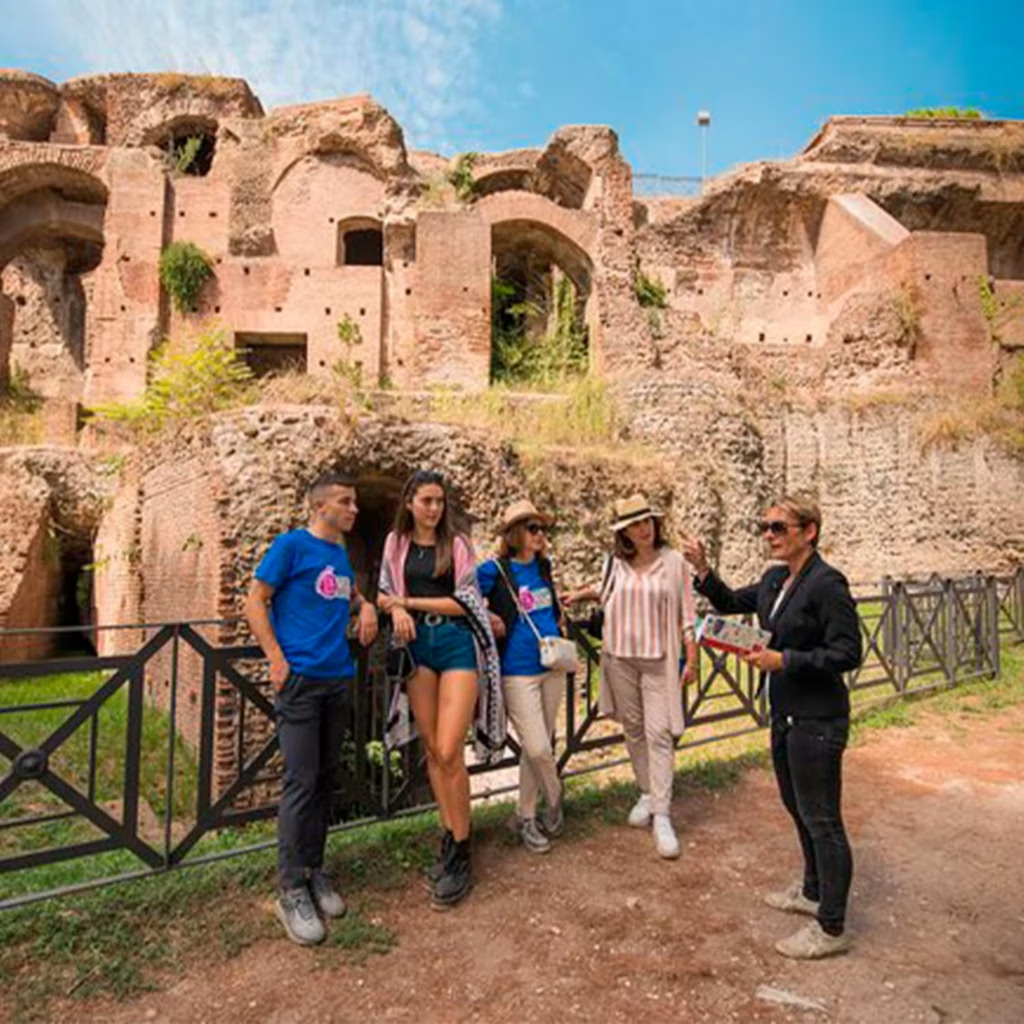
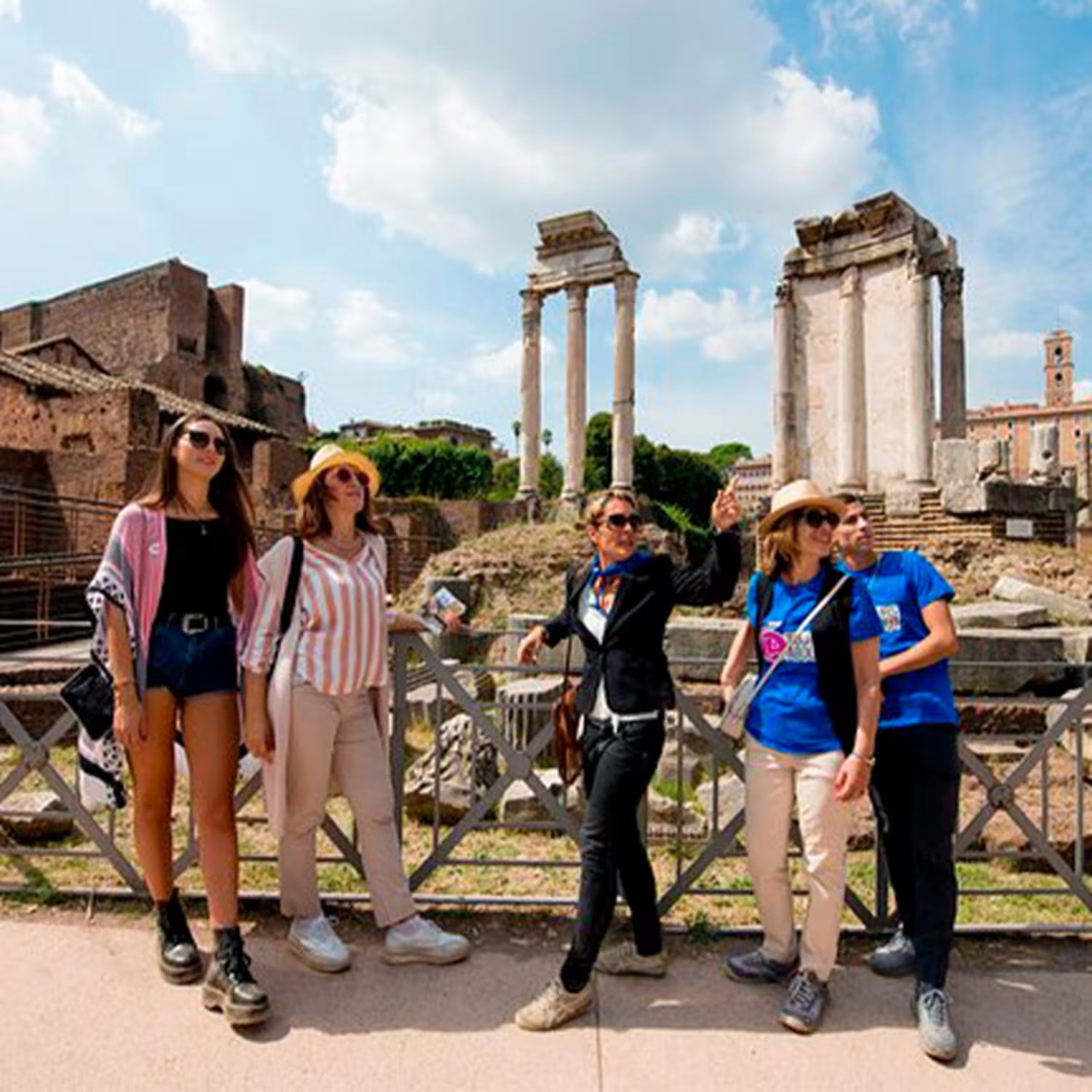
The archaeological area beside the Roman Forum

The oldest part of the structure was not built to hold anybody. It began as a cistern, built around a natural spring in what is now the lower chamber, and Roman tradition credits it to Ancus Marcius in the seventh century BC.

What turned it into the Carcer was position rather than design. It sat at the edge of the Forum, next to the Curia where the Senate met and near the steps where executions were carried out, so the state's holding cell was a short walk from the state's courtroom. Convenience, not architecture, made it what it became.

The lower chamber, the Tullianum, had no door at all. The only way in was through a hole cut in the floor of the room above, and prisoners were lowered through it. That single detail tells you most of what you need to know about who came back up.

Who Went Down the Hole

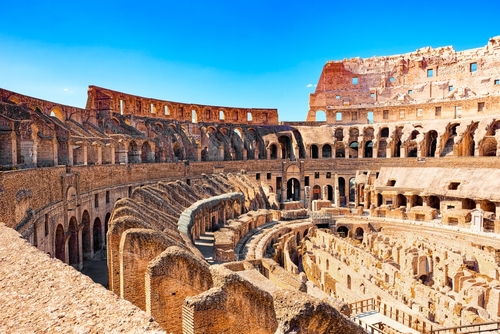
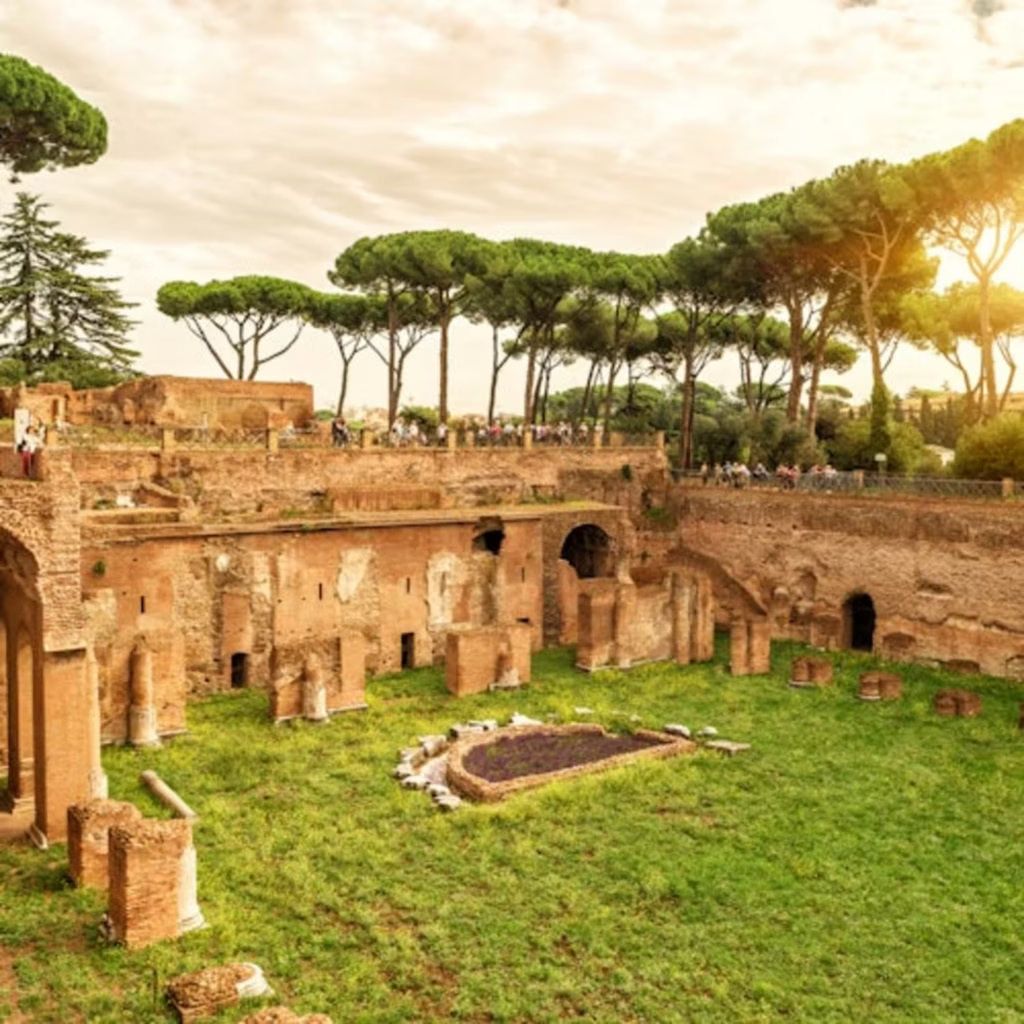
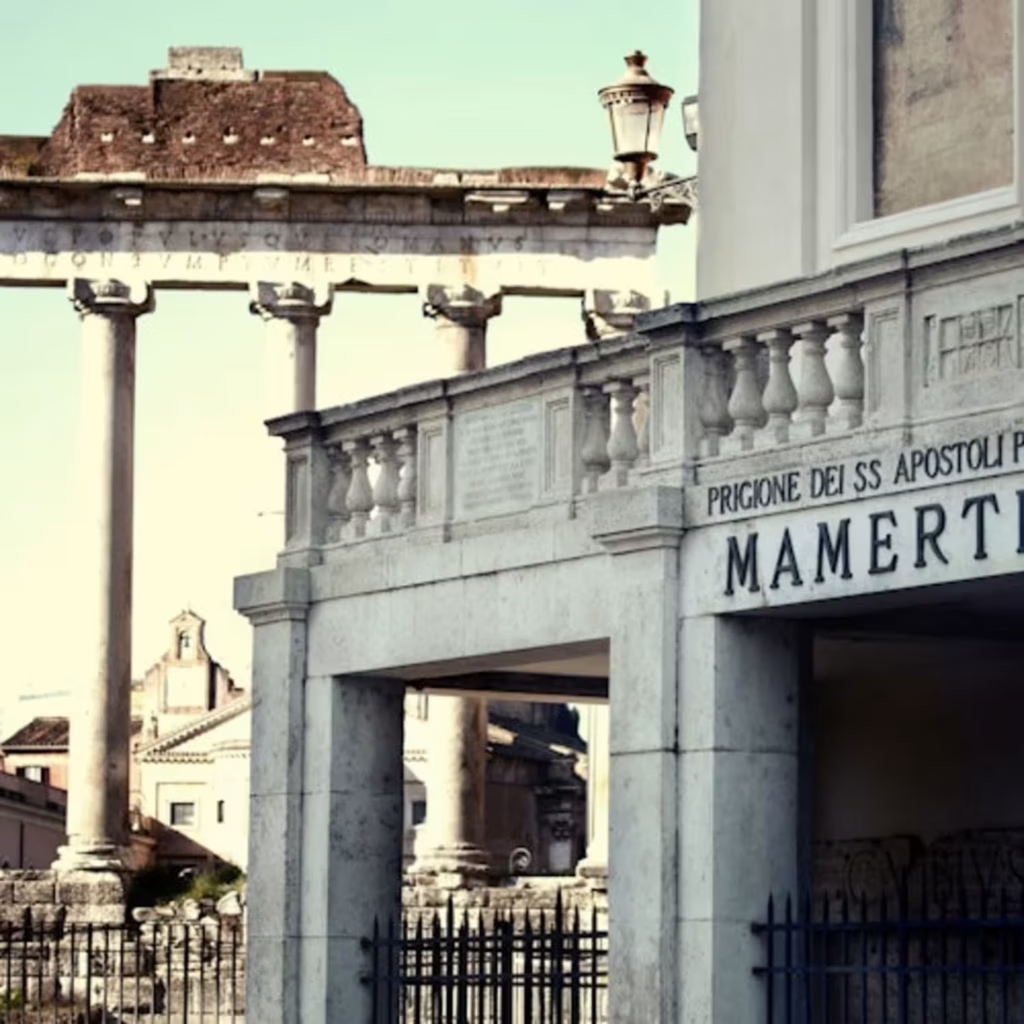
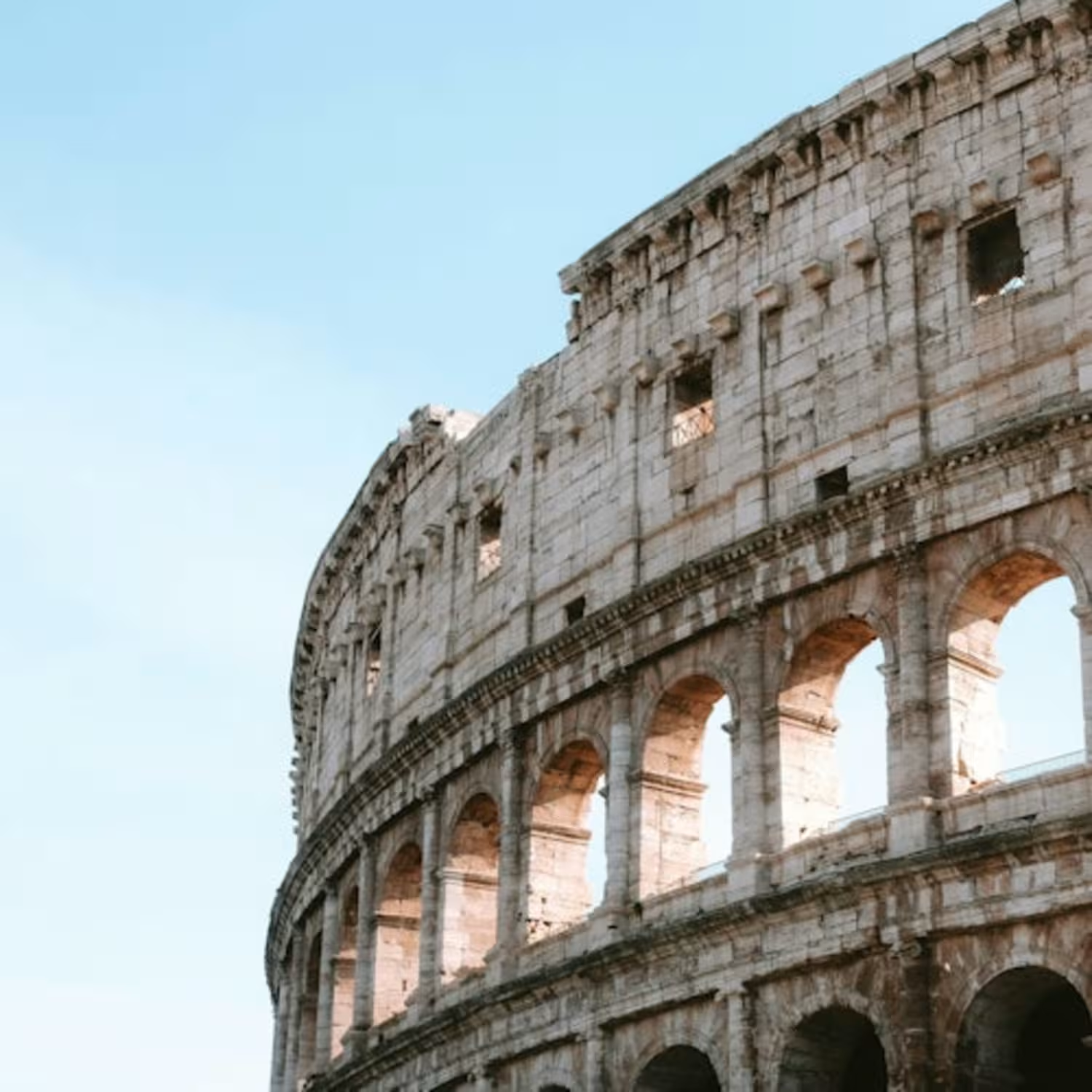
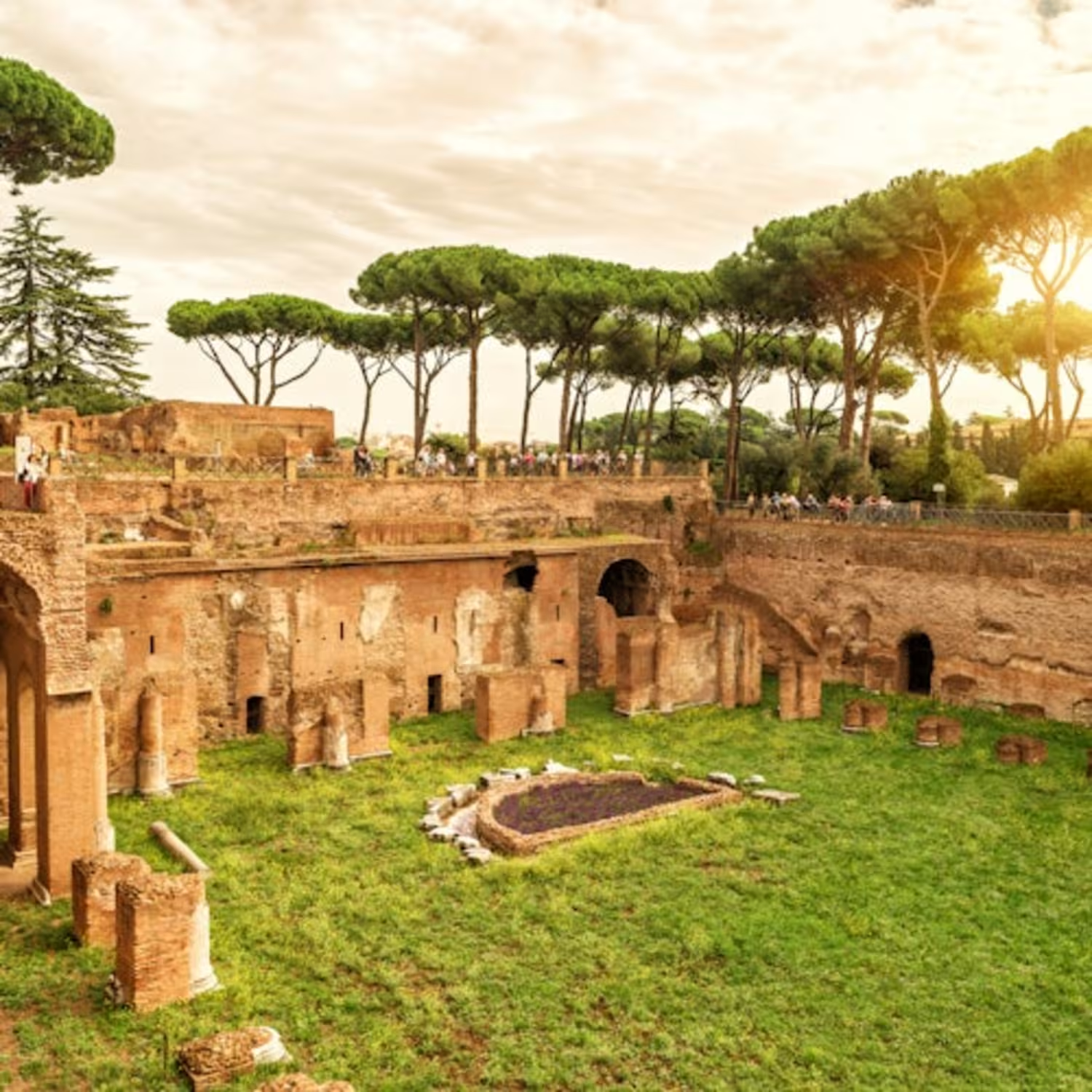
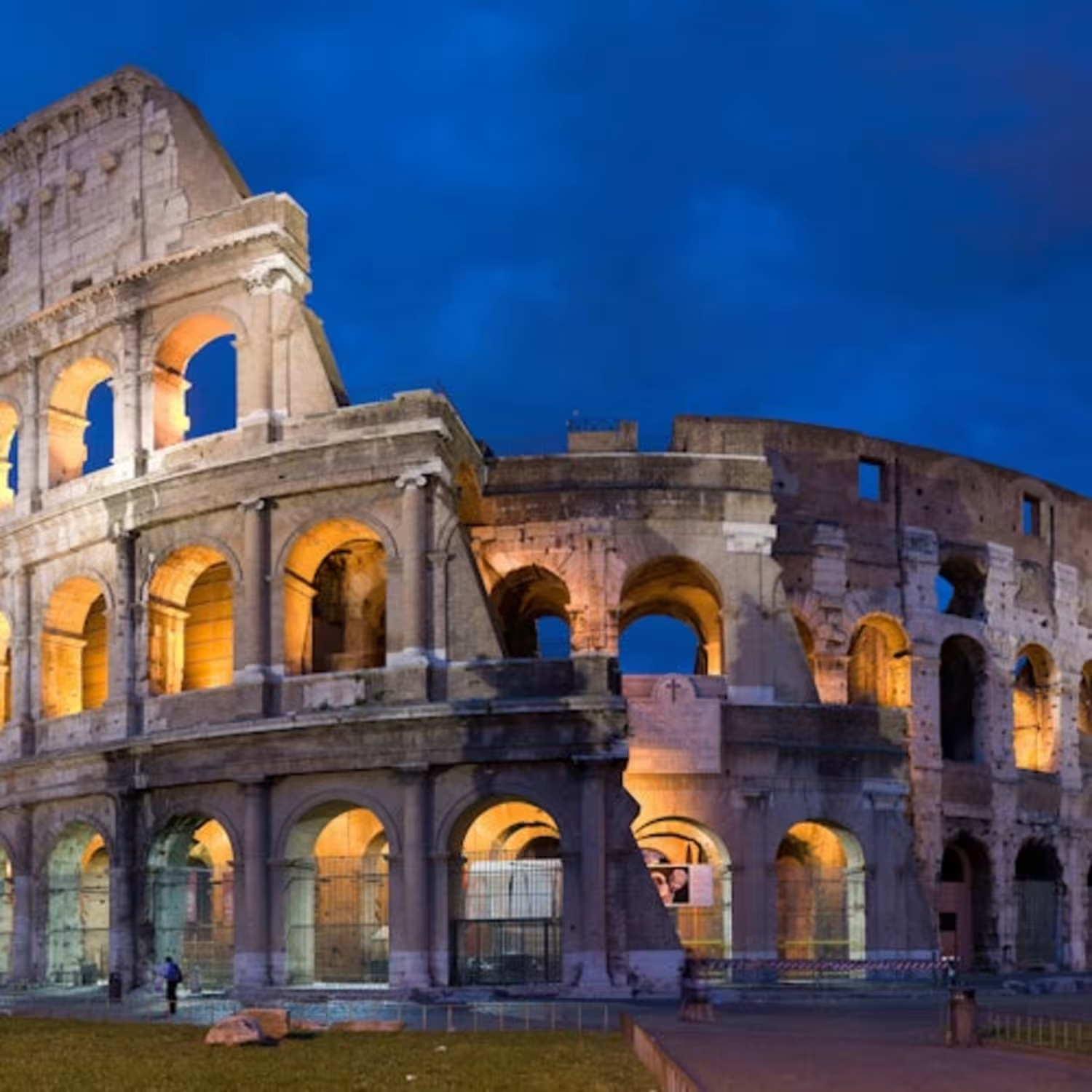
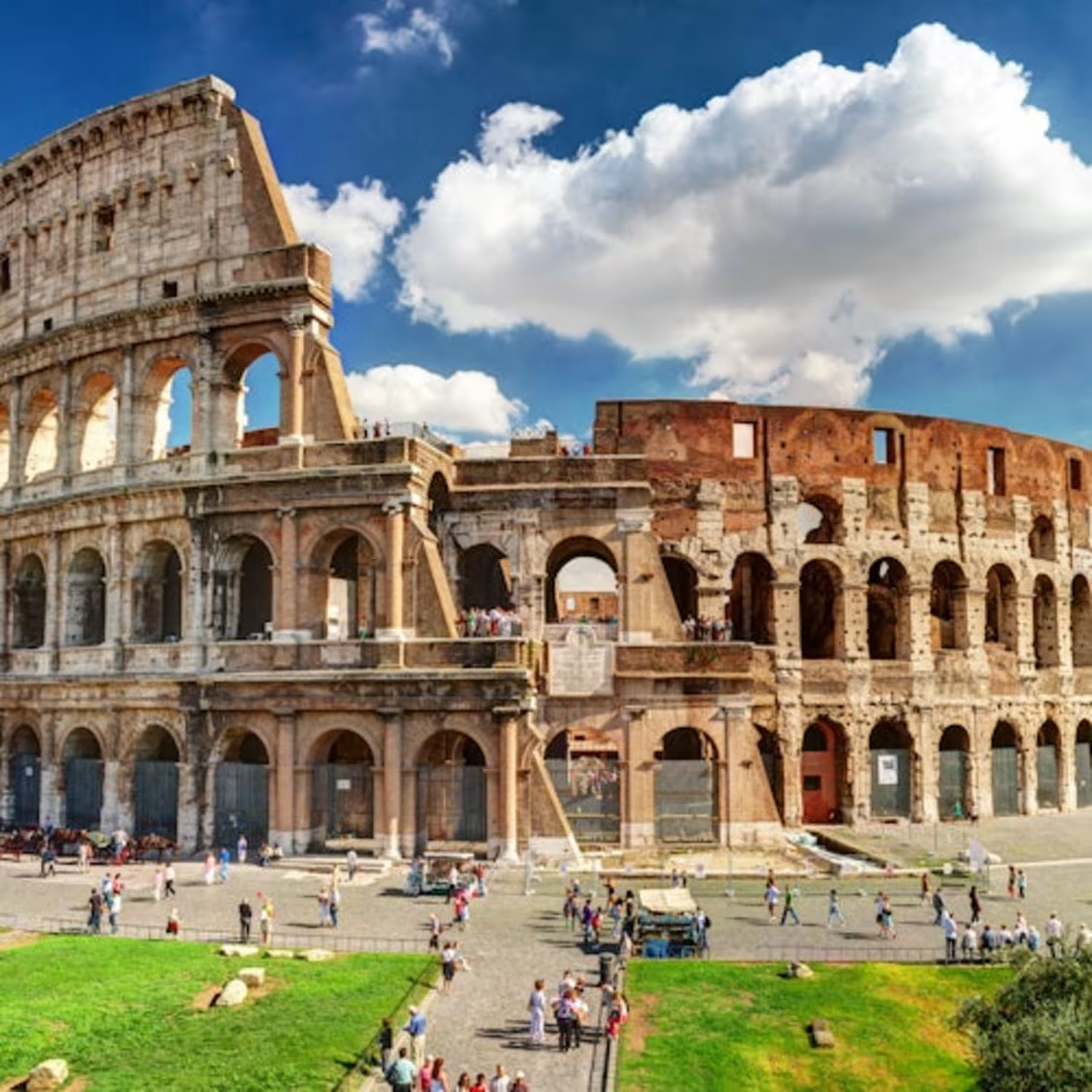
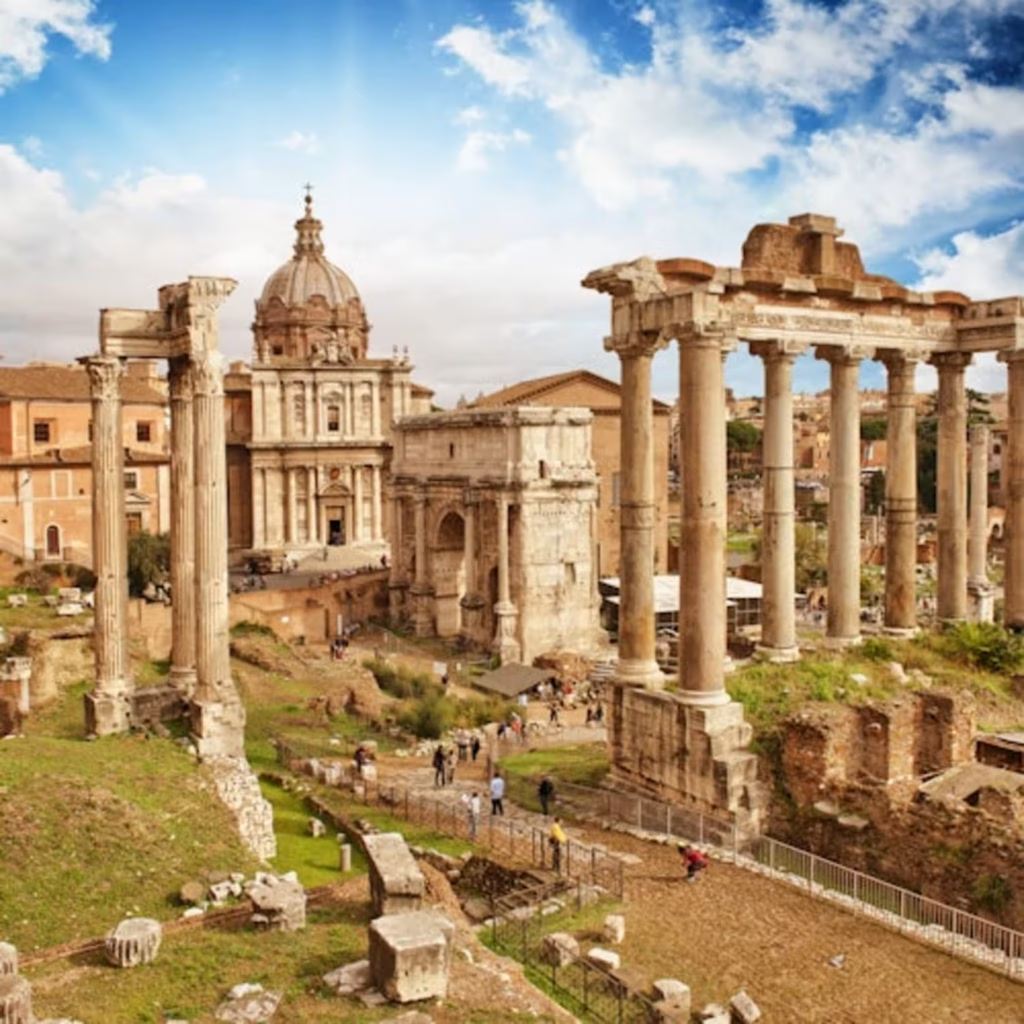
Roman ruins beside the Colosseum

The list is unusually specific for a building this old. The Catilinarian conspirators were strangled here in 63 BC, among them Publius Cornelius Lentulus Sura, a former consul, after the Senate debated their fate and Cicero carried the vote.

Vercingetorix, the Gallic leader who had held out against Caesar, was kept in Roman custody for six years and executed here in 46 BC, after being paraded in Caesar's triumph. Jugurtha, the Numidian king, is thought to have died in the cell rather than on the block. Simon bar Giora, a leader of the Jewish revolt, was executed here in 70 AD at the close of Titus's triumph.

The pattern is consistent: this was where Rome finished with the enemies it had already beaten in public. The triumph came first, the Carcer came after, and the two were part of the same ceremony.

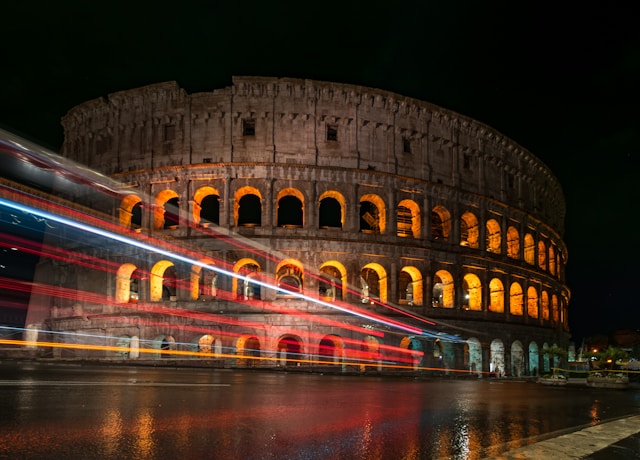
Colosseum and Mamertine Prison

Highlights

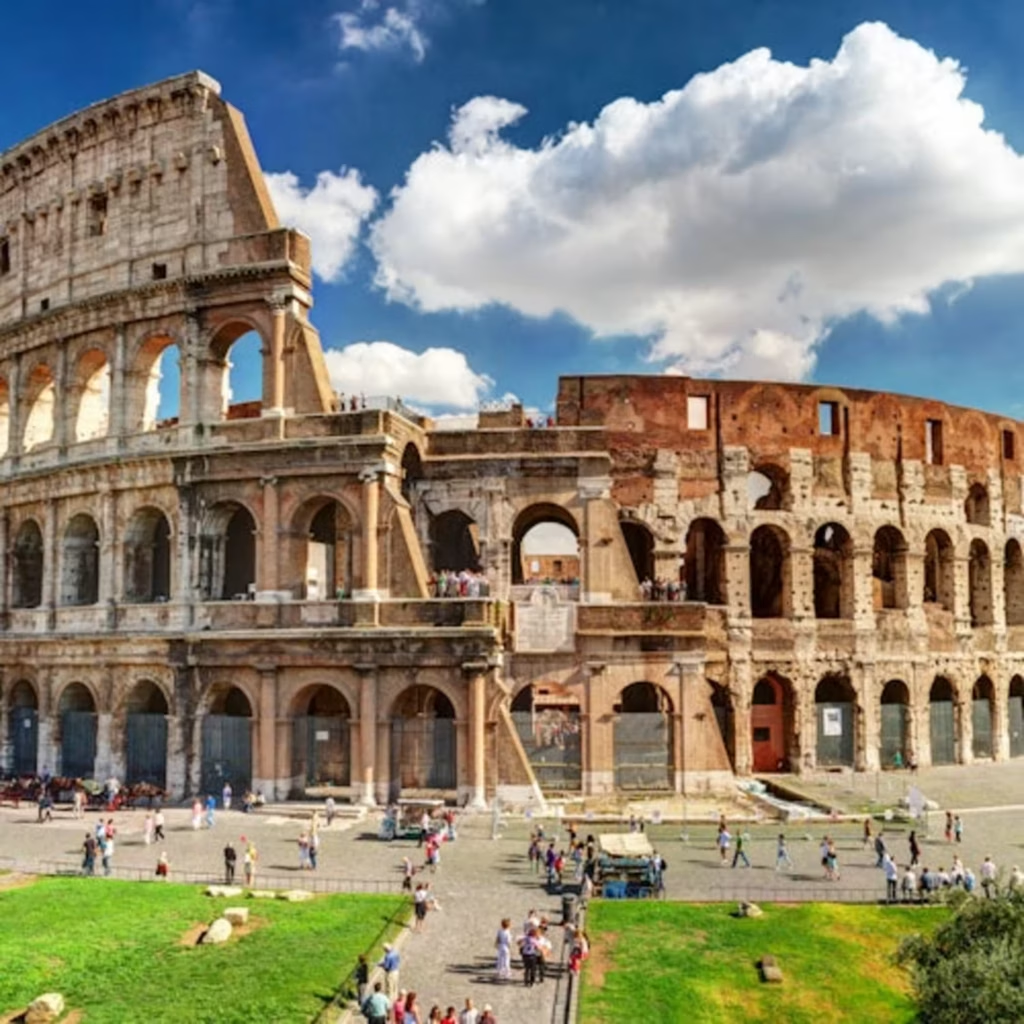
Gain entry to the iconic Colosseum, renowned for its ancient gladiatorial contests.

Explore the historically significant Mamertine Prison, once holding emperors and kings.

Roam freely through the Roman Forum and Palatine Hill at your own pace.

Benefit from an engaging audio guide that enriches your visit.

Enjoy short queues and a well-organized ticket process.
4.7
(23)

Skip the line: Colosseum and ancient Rome

Highlights

Explore the renowned Colosseum with priority entry and expert narration.

Stroll through the historic Roman Forum, the former heart of political and social life.

Visit Palatine Hill and uncover the legendary origins of Rome.

Learn fascinating details and stories from an experienced local guide.

Benefit from included audio devices for an enhanced listening experience.

Book the Ticket That Actually Includes It

The standard Colosseum ticket does not cover the Mamertine Prison. The combined ticket does, along with the Forum and Palatine Hill and an audio guide, and vouchers are collected at the prison's own ticket office at least an hour before your Colosseum entry time. Its neighbours on the Roman Forum and Palatine Hill are part of the same visit.

About this guide

Sources: Parco archeologico del Colosseo, The Roman Forum; Parco archeologico del Colosseo, Visitor regulation.

Frequently Asked Questions About the Mamertine Prison

What is the Mamertine Prison?

It is Rome's ancient state holding cell, known to the Romans as the Carcer or the Tullianum, at the foot of the Capitoline on the edge of the Roman Forum. It held prisoners briefly, before trial or execution, rather than serving long sentences.

Is the Mamertine Prison included in the Colosseum ticket?

Not in the standard one. It is included in the combined Colosseum and Mamertine Prison ticket, which also covers the Roman Forum and Palatine Hill and comes with an audio guide.

How do I collect a Mamertine Prison ticket?

Vouchers are redeemed at the Mamertine Prison ticket office, at least one hour before your Colosseum entry time. The timed slot on the booking applies to the Colosseum, not to the prison.

How far is the Mamertine Prison from the Colosseum?

It is a short walk away. You can visit the prison either before or after the Colosseum, whichever fits your entry slot.

Who was imprisoned in the Mamertine Prison?

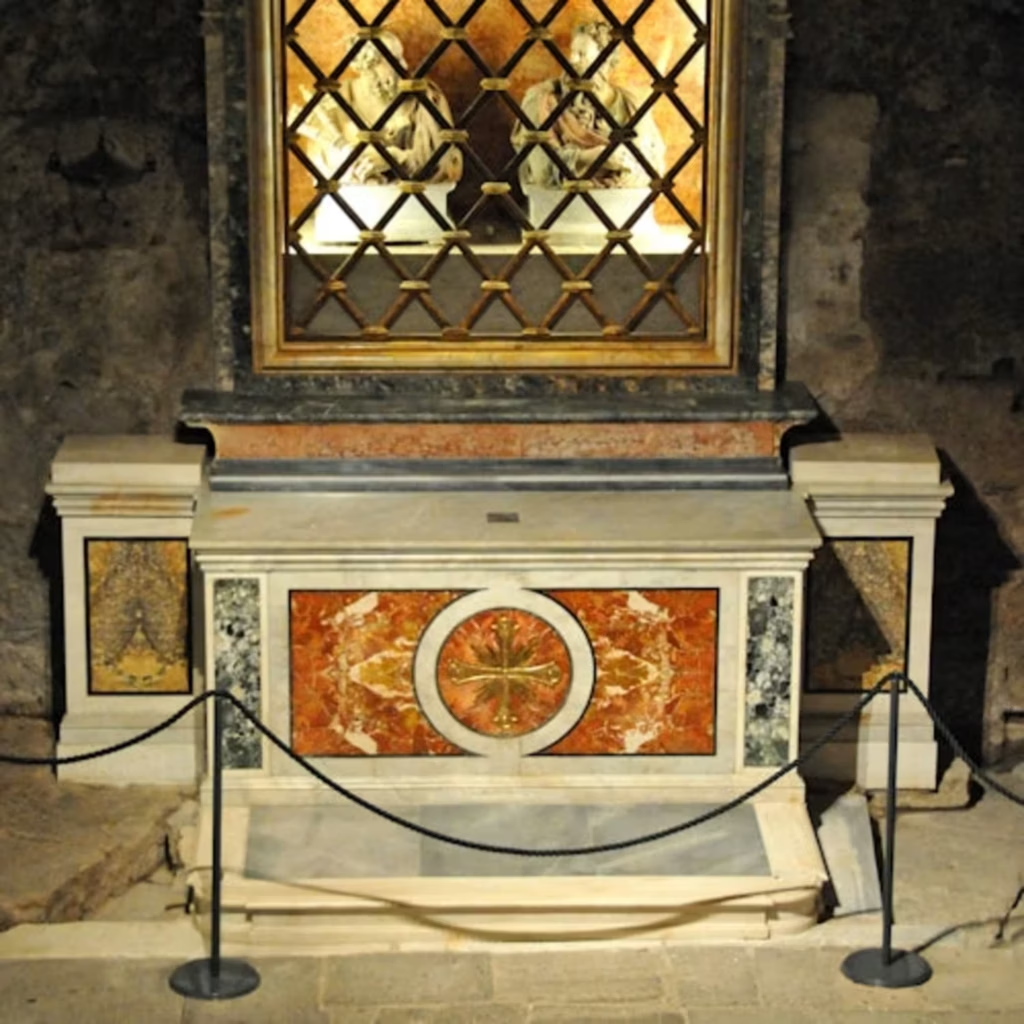
The Catilinarian conspirators in 63 BC, the Gallic leader Vercingetorix in 46 BC, the Numidian king Jugurtha, and Simon bar Giora at the end of the Jewish revolt in 70 AD. Christian tradition adds Saints Peter and Paul.

How old is the Mamertine Prison?

Roman tradition dates the original structure to around 640 to 616 BC, under Ancus Marcius, which would make it older than the Republic. It started as a cistern built around a spring.

How did prisoners get into the lower cell?

They were lowered through an opening in the floor of the upper chamber. The lower room, the Tullianum, had no door. Visitors today use stairs instead.

What is above the Mamertine Prison now?

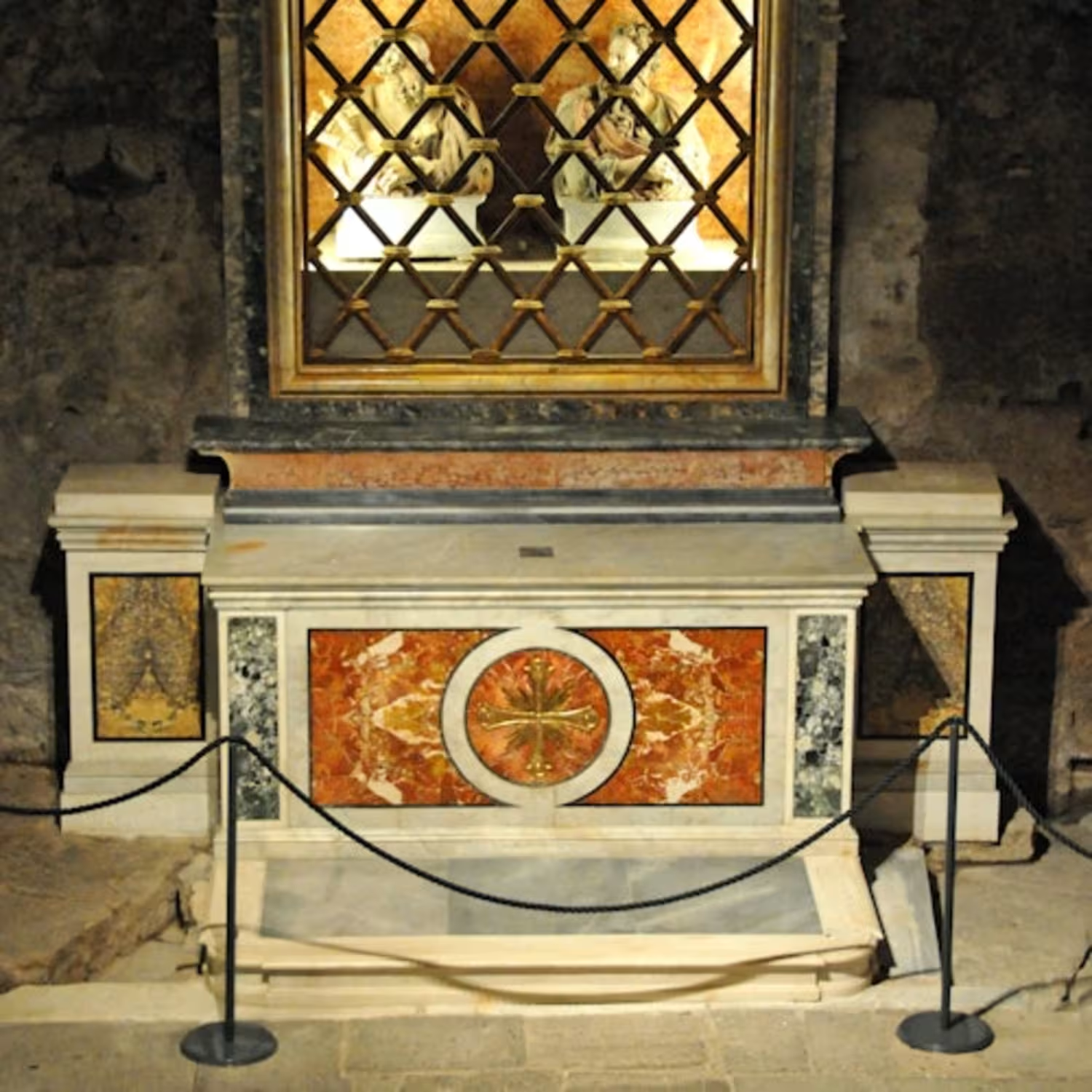
Two churches, one over the other: San Giuseppe dei Falegnami at street level and San Pietro in Carcere below it, built into the prison itself.