We are processing your request.
Please, don’t close or refresh the page.
Rome Tickets Colosseum Roman Forum Vestal Virgins
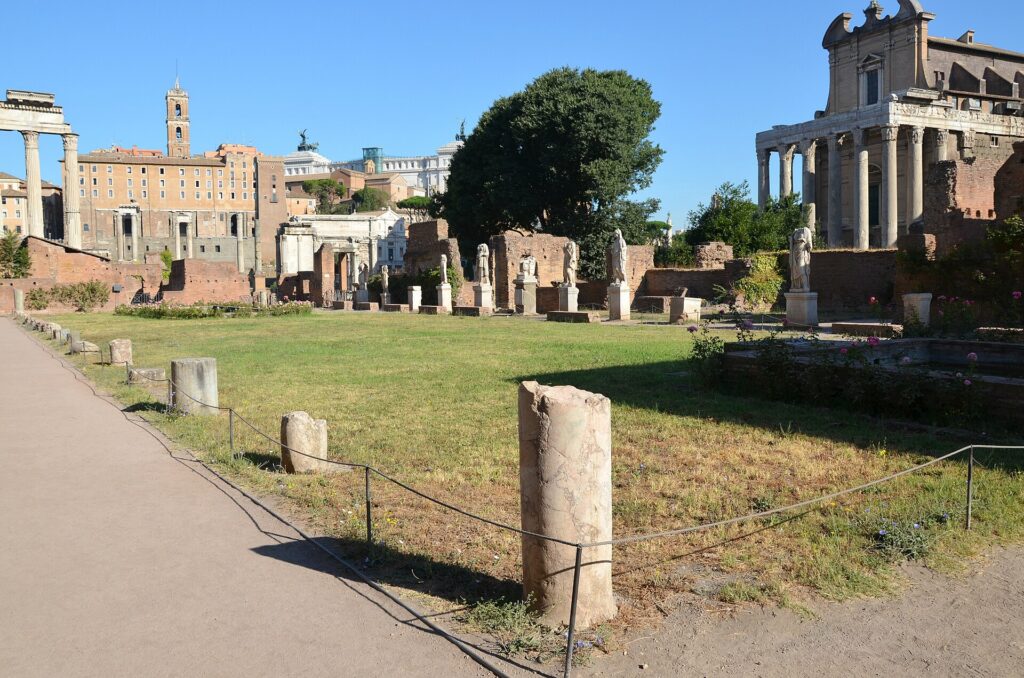
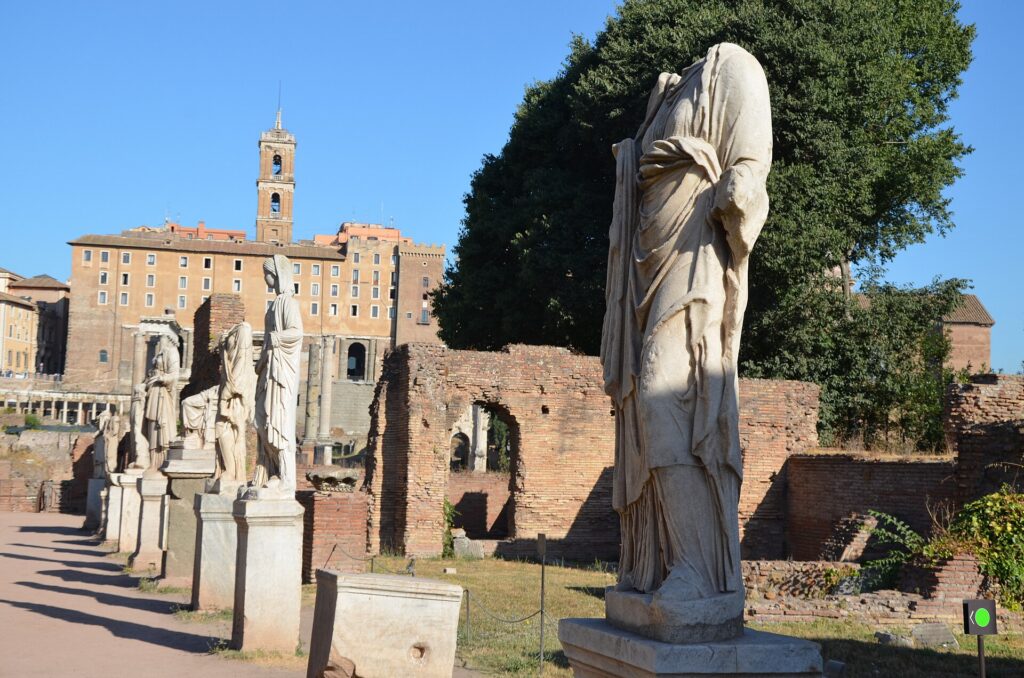
Statues of the chief Vestals in the courtyard of the House of the Vestal Virgins

The Vestal Virgins: Rome’s Only Priestesses and Their House in the Forum

Six women kept Rome’s sacred fire alight for more than a thousand years. They had rights no other Roman woman had, and faced a death no Roman man ever did. Their temple and their house still stand on the Via Sacra.

Who Were the Vestal Virgins?

The Vestal Virgins were the priestesses of Vesta, goddess of the hearth, and the only female priesthood in Rome. There were six of them at any time, chosen as young girls and bound to thirty years of service and chastity. They guarded the sacred fire that stood for Rome’s survival, and in return they could own property, make a will and speak in court without a man’s permission. Their round temple and their house sit side by side in the Roman Forum.

The Vestal Virgins in Brief

Tradition says the second king of Rome, Numa Pompilius, founded the cult.

Girls were chosen between the ages of six and ten, from a group of twenty candidates.

Their service lasted at least thirty years: ten as pupils, ten serving and ten teaching.

Occia led the Vestals for 57 years.

They were allowed to ride in a carpentum, a covered carriage, through the city, a rare privilege.

The last Vestal known by name, Coelia Concordia, is recorded in 385 CE.

The Sacred Fire and the Temple of Vesta
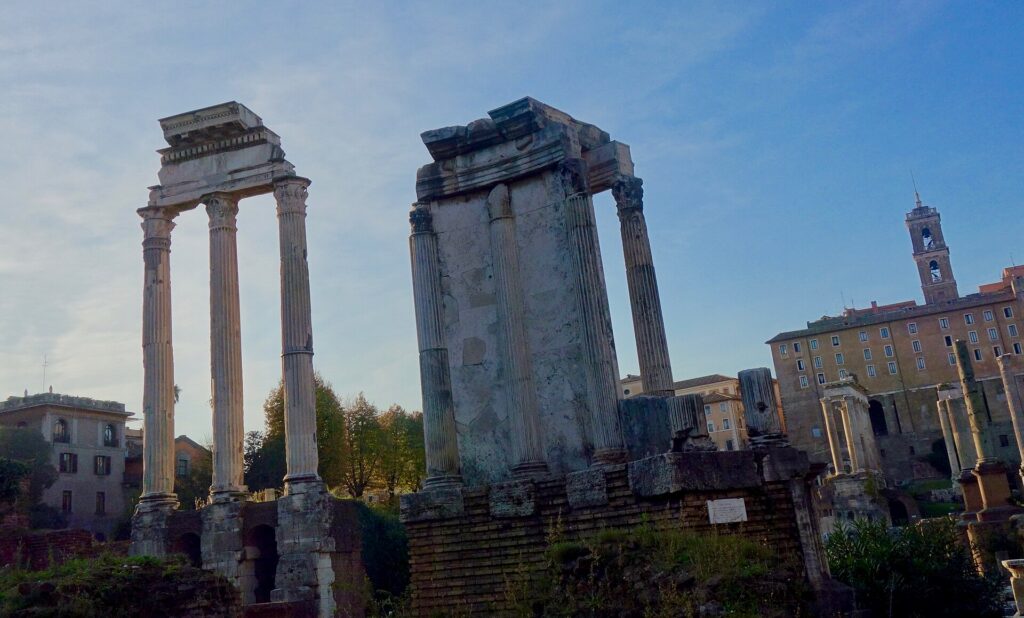
The Temple of Vesta beside the Temple of Castor and Pollux
Photo: Sonse, CC BY 2.0, via Wikimedia Commons

The round Temple of Vesta held a brazier with a fire that was never supposed to go out. It stood for the eternity of Rome, and the shape of the building may recall the round huts of the first Romans.

The temple also guarded the Palladium, a small statue of Athena said to have come from Troy. By night it was closed to men.

Fire destroyed it several times. The Empress Julia Domna restored it at the end of the 2nd century CE, and what stands today is a partial modern rebuild of her temple.

The Vestals’ Privileges: Rights No Other Roman Woman Had
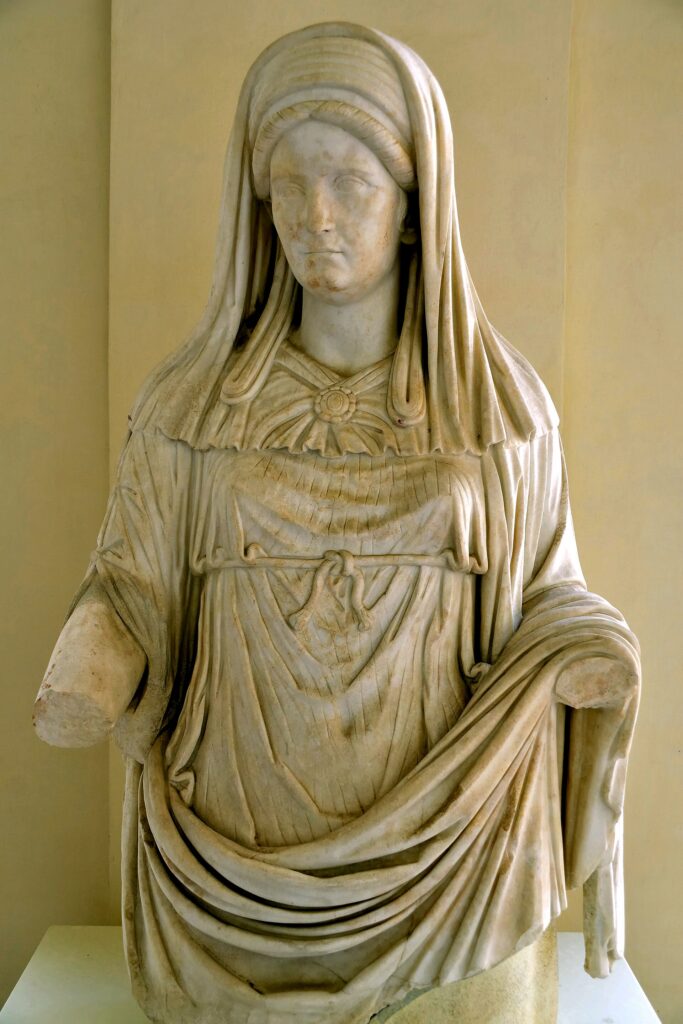
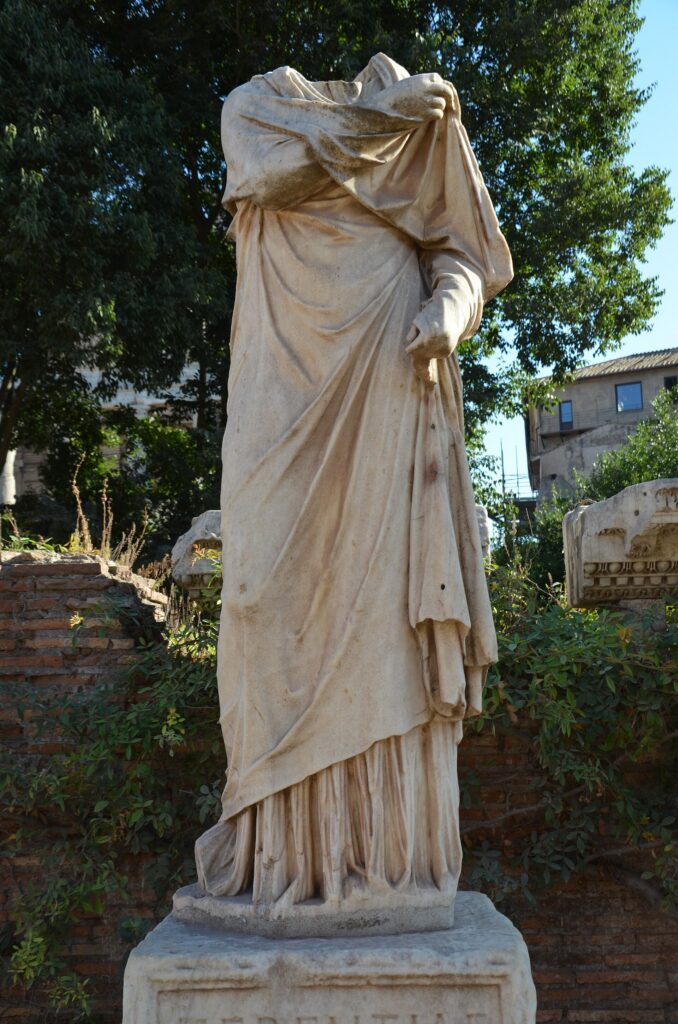
Portrait sculpture of a Vestalis Maxima, 2nd century AD
Photo: Rabax63, CC BY-SA 4.0, via Wikimedia Commons

Roman women lived under the legal authority of a father or husband. The Vestals did not. They were sovereign over themselves, answerable only to the pontifex maximus.

They could make their own wills, own and give away property and testify in court without taking an oath. Magistrates lowered their rods to them in the street, and they had reserved seats at the games.

Their influence was real. When Sulla hunted down his enemies, the Vestals pleaded for the young Julius Caesar, and won him a pardon.

Chastity, Punishment and the End of the Vestal Virgins
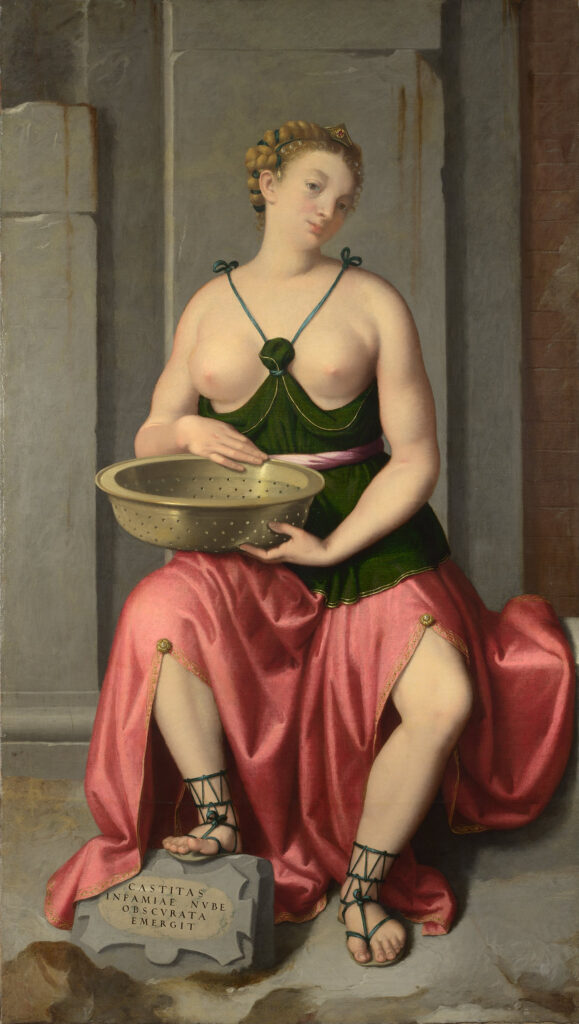
The Vestal Virgin Tuccia by Giovanni Battista Moroni

The price of their independence was their bodies. A Vestal who let the fire go out was whipped. One found guilty of breaking her vow of chastity was buried alive, a death meant to look voluntary.

Such trials were rare, and legend gave some accused Vestals a way out. Tuccia was said to have proved her innocence by carrying water from the Tiber in a sieve.

Most retired with a pension and could marry, though few did. In 382 CE the emperor Gratian cut off their funds, and soon after the Vestals vanish from the record.

Visiting the Temple and the House of the Vestals

Walk the Via Sacra from the Arch of Titus towards the Capitoline and you pass the long courtyard of the House of the Vestals, with the round temple at its far end. Then climb the Palatine to the house of Livia, the empress who was given a theatre seat among the Vestals.

4.7
(23)

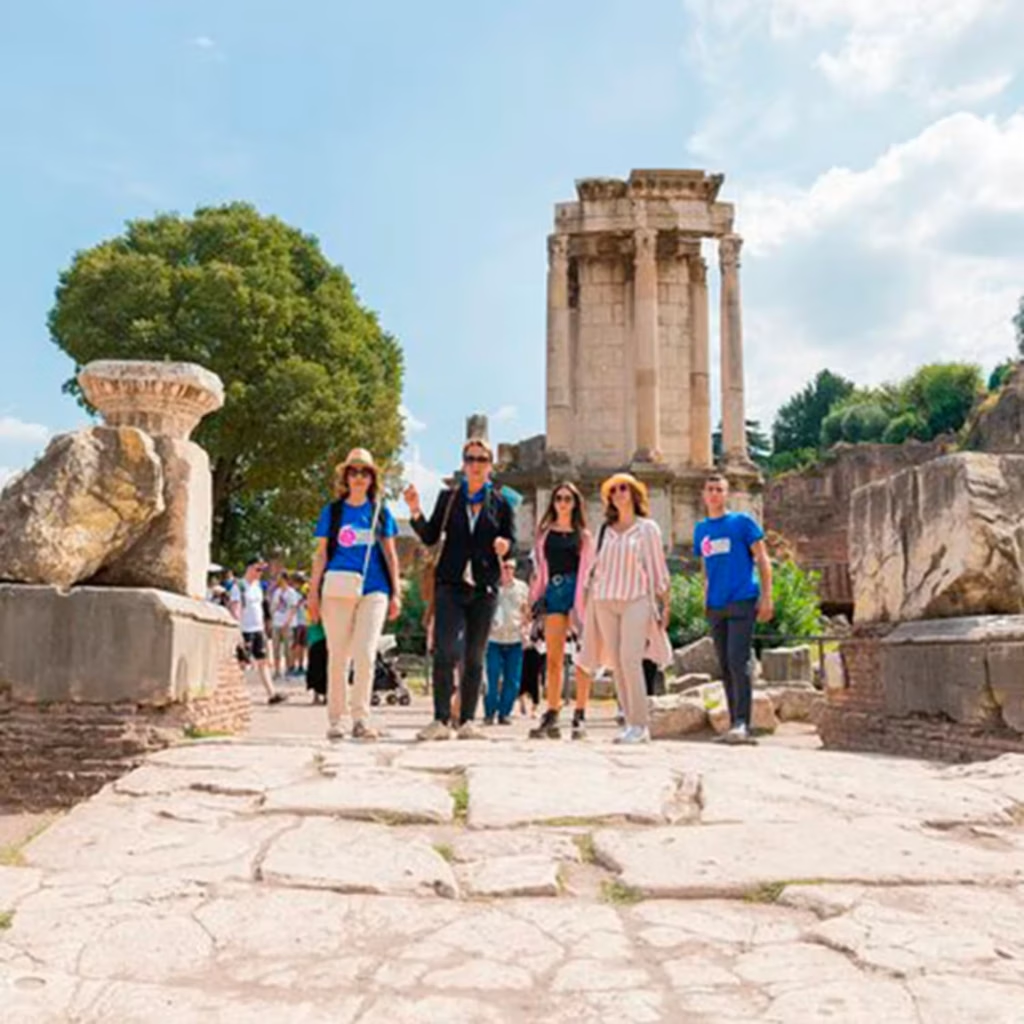
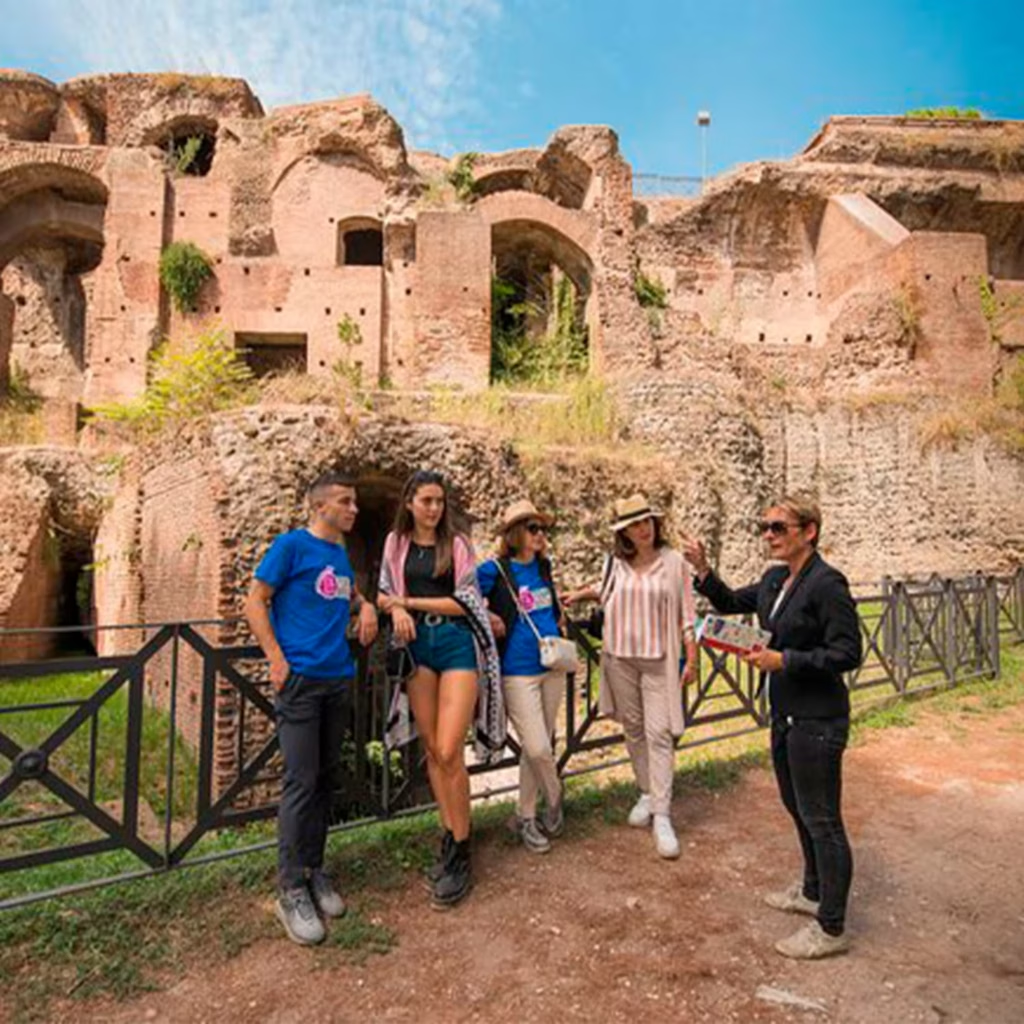
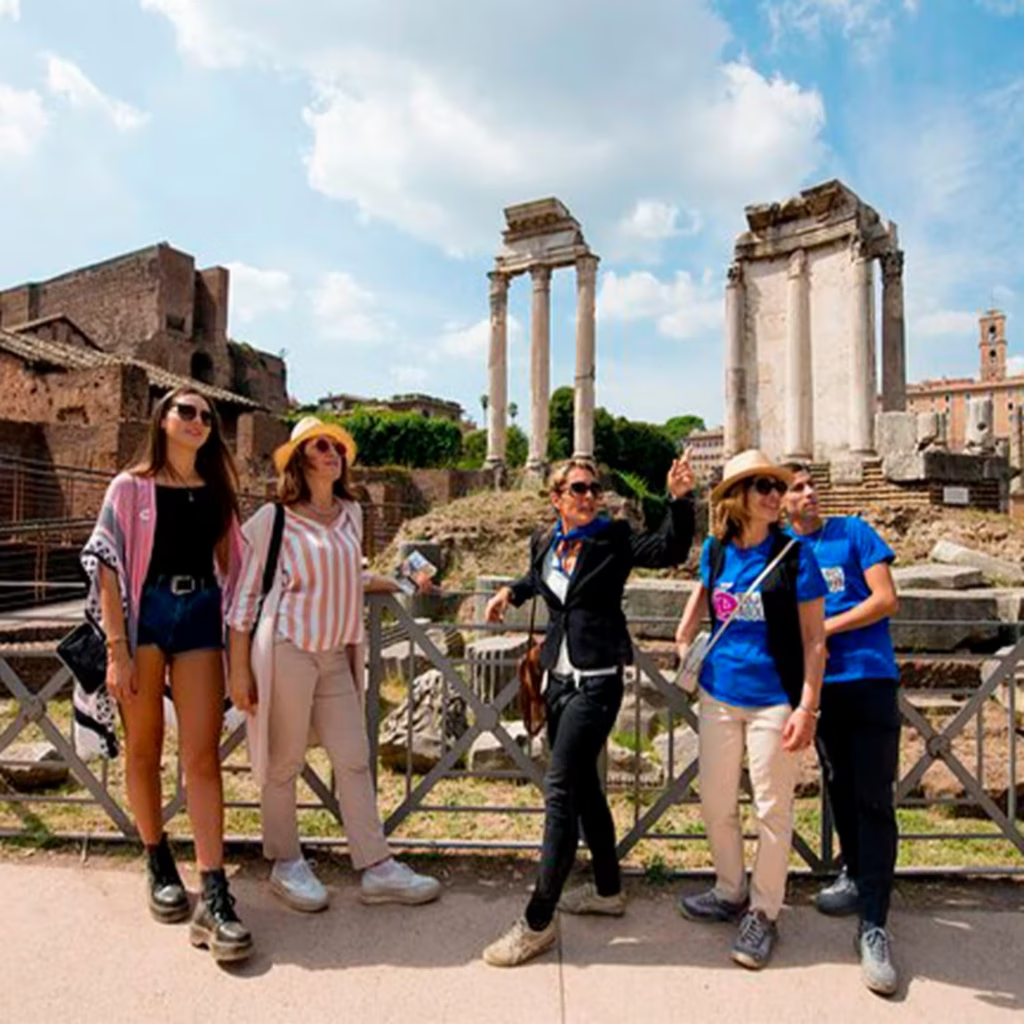
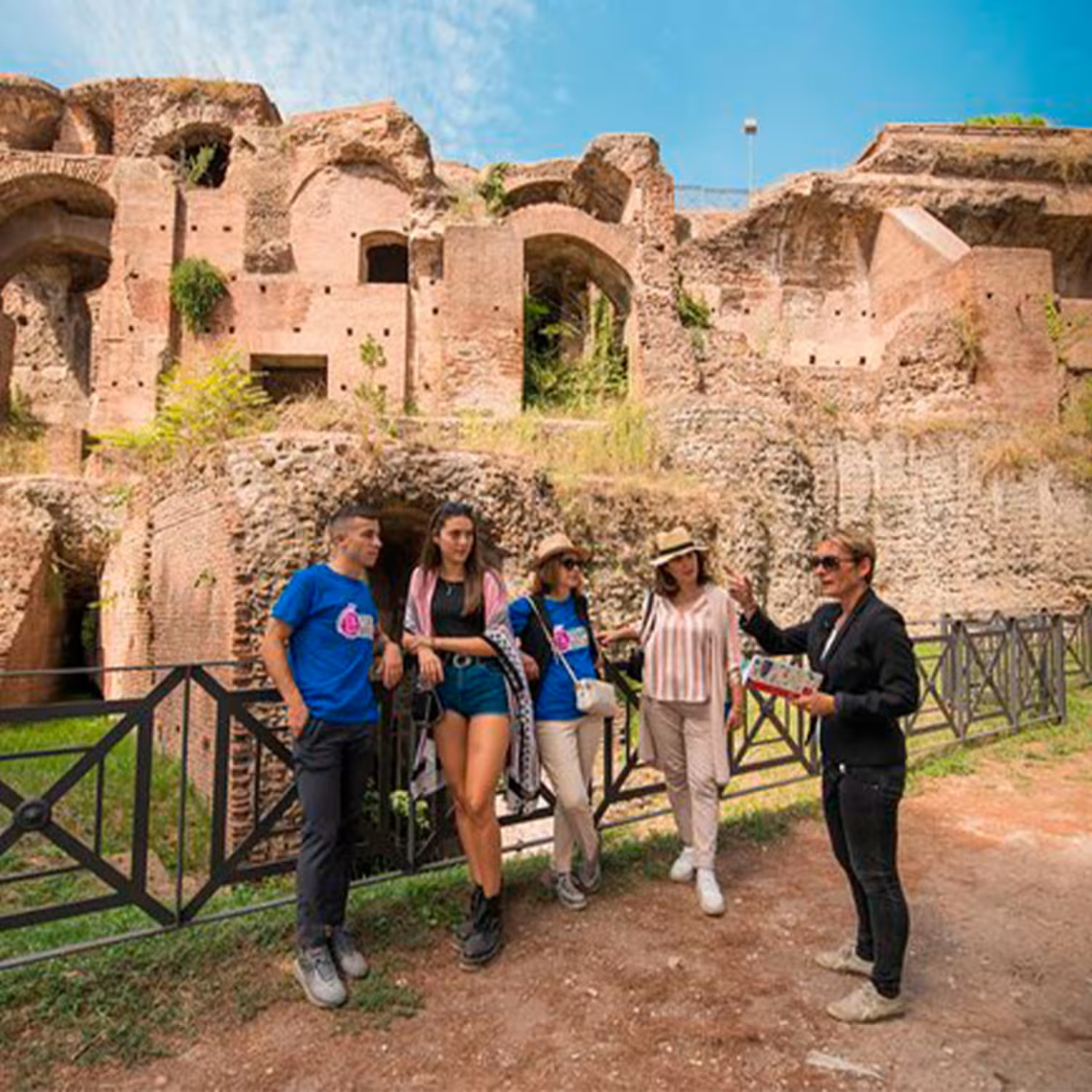
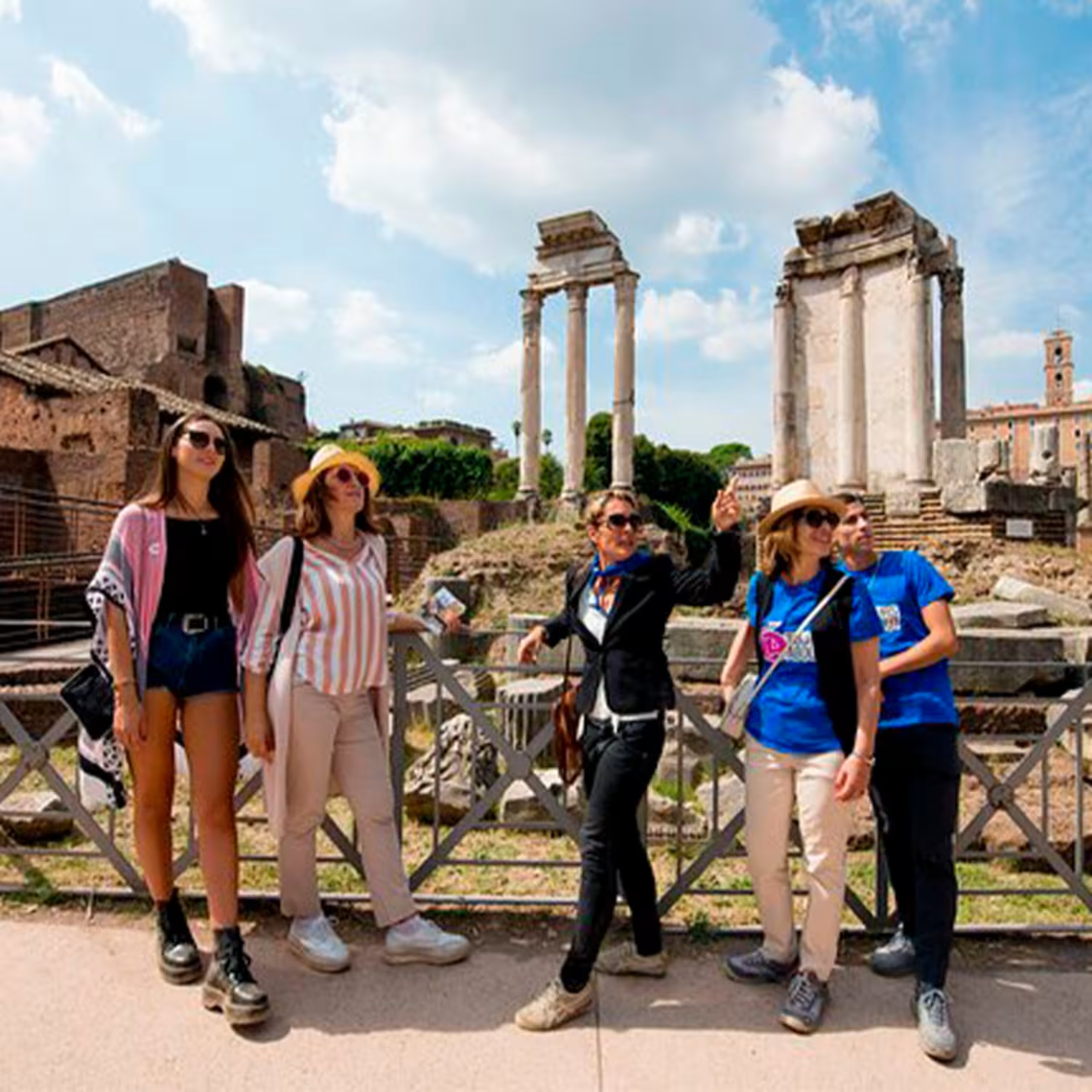
Skip the line: Colosseum and ancient Rome

Highlights

Explore the renowned Colosseum with priority entry and expert narration.

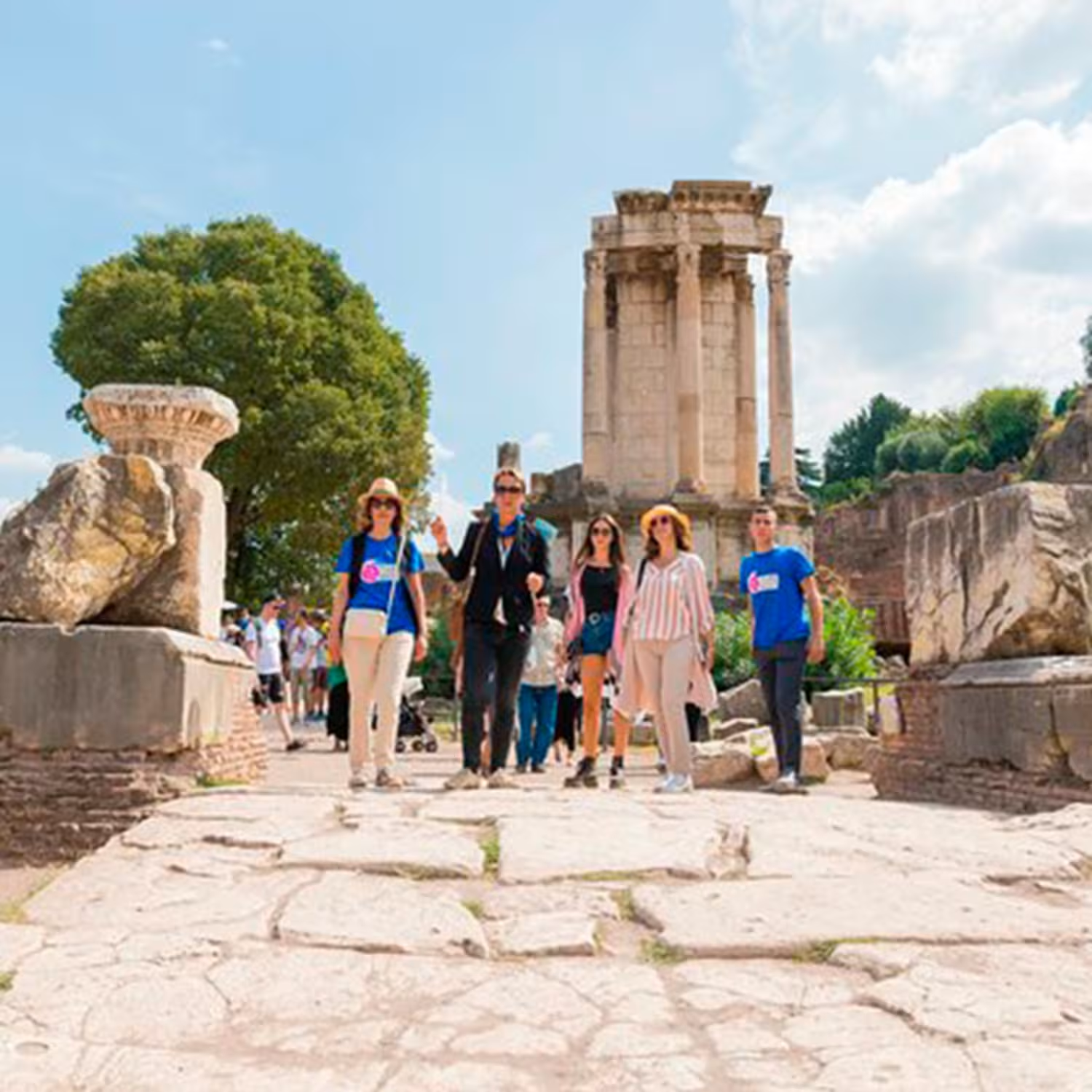
Stroll through the historic Roman Forum, the former heart of political and social life.

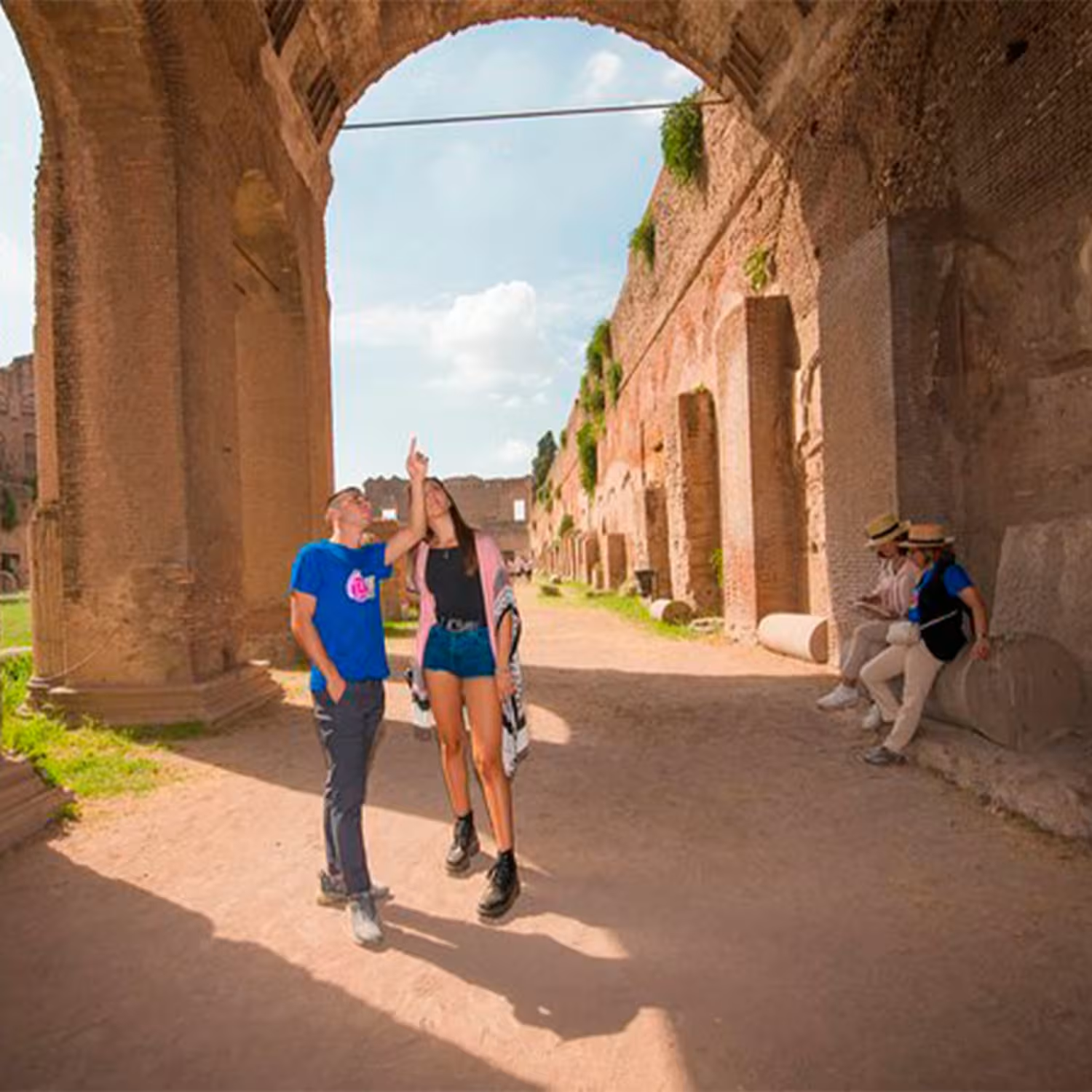
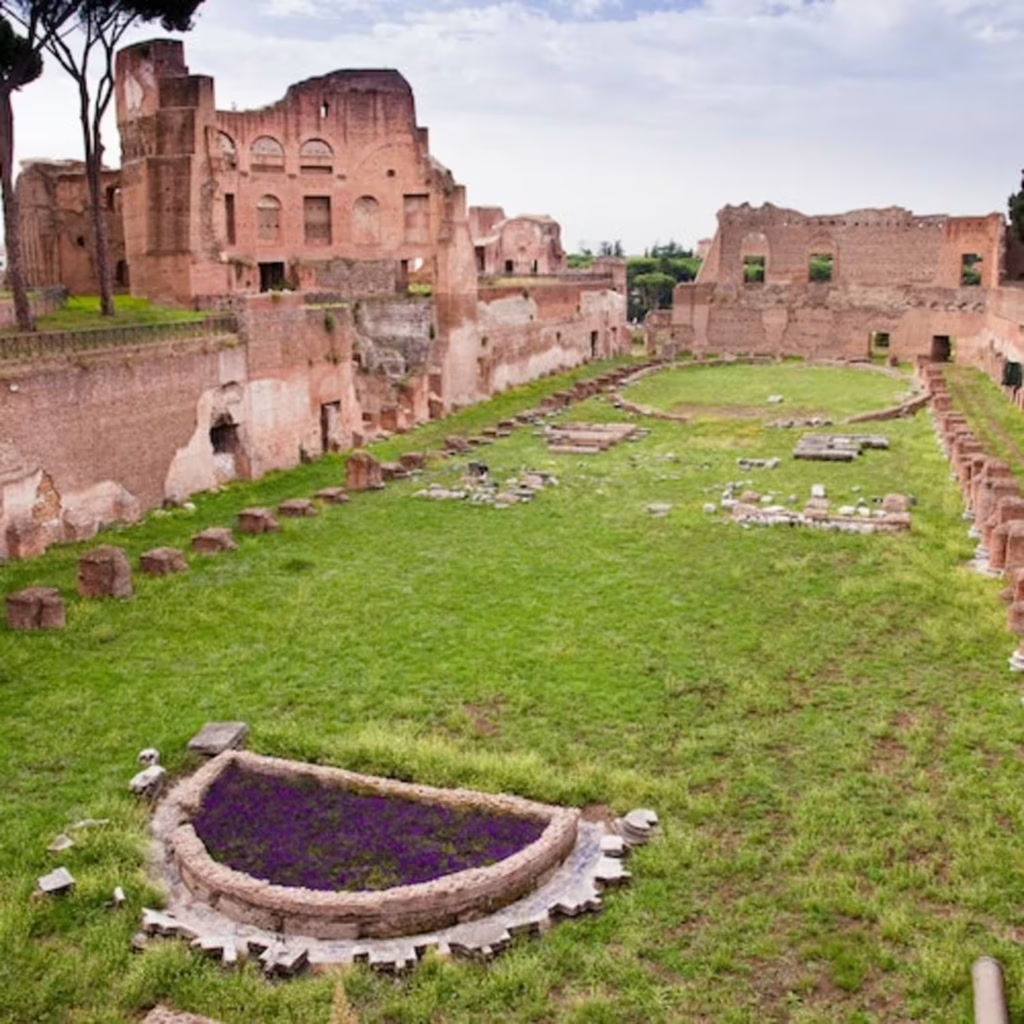
Visit Palatine Hill and uncover the legendary origins of Rome.

Learn fascinating details and stories from an experienced local guide.

Benefit from included audio devices for an enhanced listening experience.

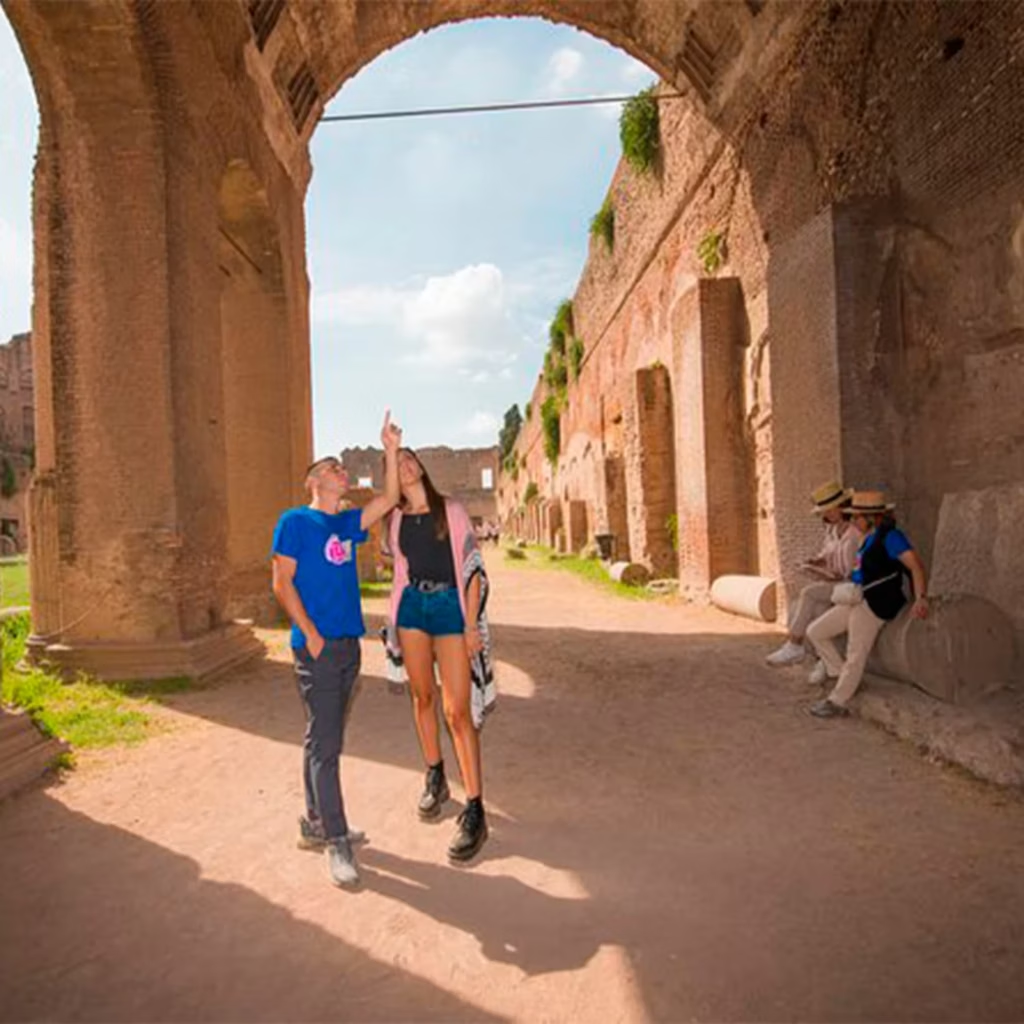
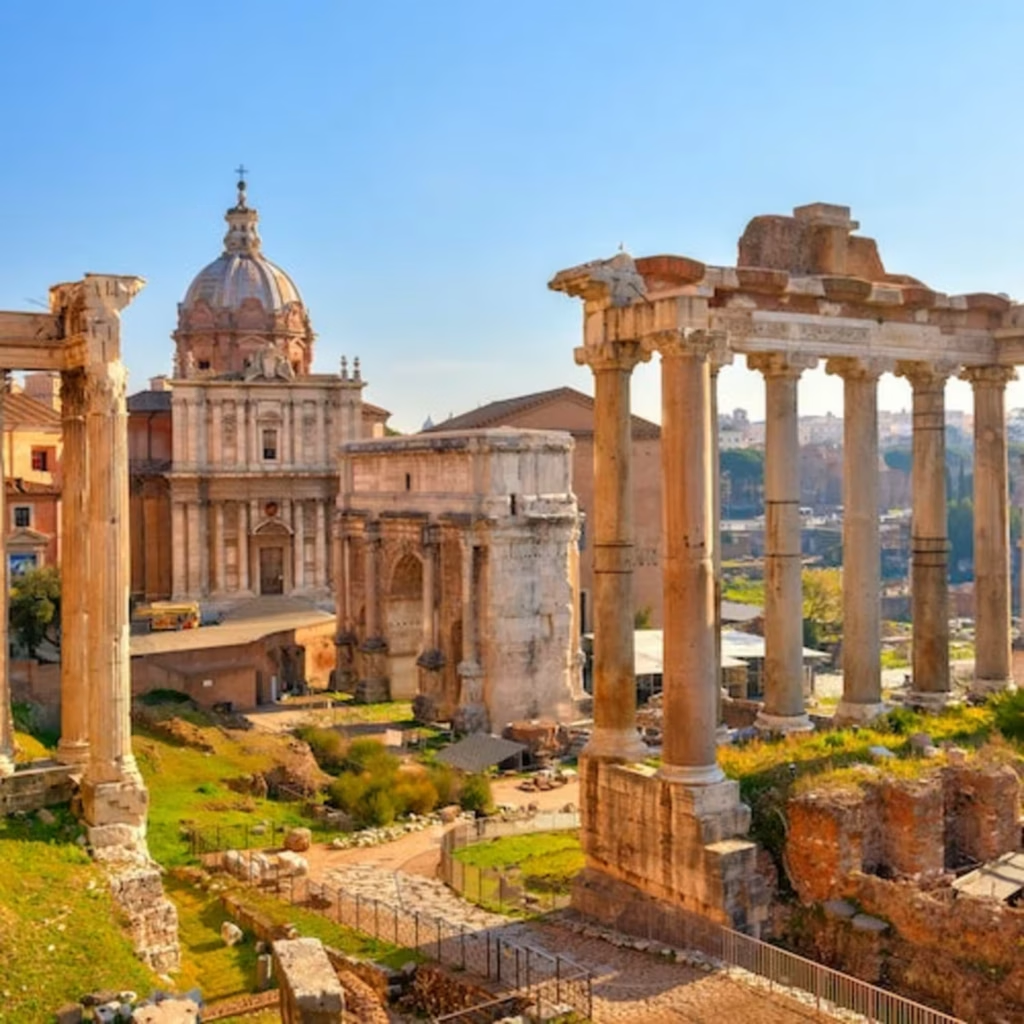
Colosseum, Roman Forum and Palatine: Entrance ticket + multimedia experience

Highlights

Enjoy a 25-minute multimedia presentation on ancient Rome.

Visit three iconic sites: the Colosseum, Palatine Hill, and Roman Forum.

Benefit from guided assistance at the designated meeting point.

Explore the ancient ruins at your own pace.

Includes a walking tour covering Navona Square, Pantheon, and Trevi Fountain in English.

About this guide

Sources: Parco archeologico del Colosseo, Forum Pass SUPER ticket; Parco archeologico del Colosseo, The Roman Forum.

Questions About the Vestal Virgins

Who were the Vestal Virgins?

Priestesses of Vesta, goddess of the hearth, and the only female priesthood in Rome. Six served at a time.

What did the Vestal Virgins do?

They tended the sacred fire of Vesta, guarded the objects kept in her temple and prepared the salted flour used in public sacrifices.

How long did a Vestal Virgin serve?

At least thirty years. After that they could retire with a pension and marry, though few did.

What happened if a Vestal Virgin broke her vow?

She was tried and, if found guilty, buried alive. A Vestal who let the sacred fire go out was whipped.

Can you visit the House of the Vestal Virgins?

Yes. It stands in the Roman Forum next to the Temple of Vesta. Part of it opens on the Forum Pass SUPER ticket.

When did the Vestal Virgins end?

The emperor Gratian cut their funding in 382 CE. The last named Vestal, Coelia Concordia, is recorded in 385 CE.