We are processing your request.
Please, don’t close or refresh the page.
Rome Tickets Colosseum Roman Forum Palatine Hill
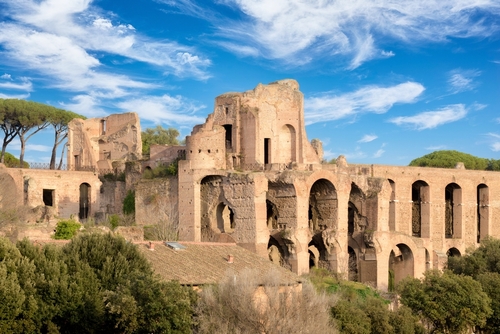
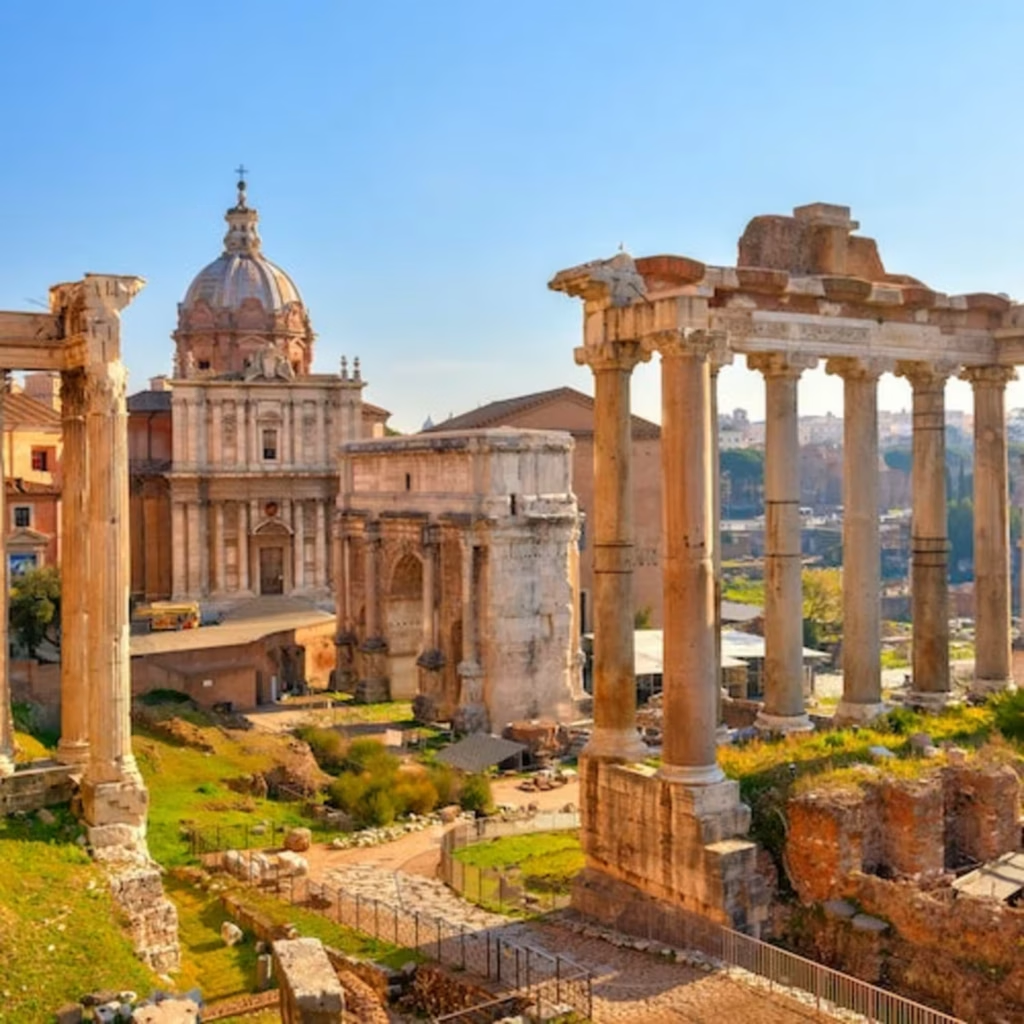
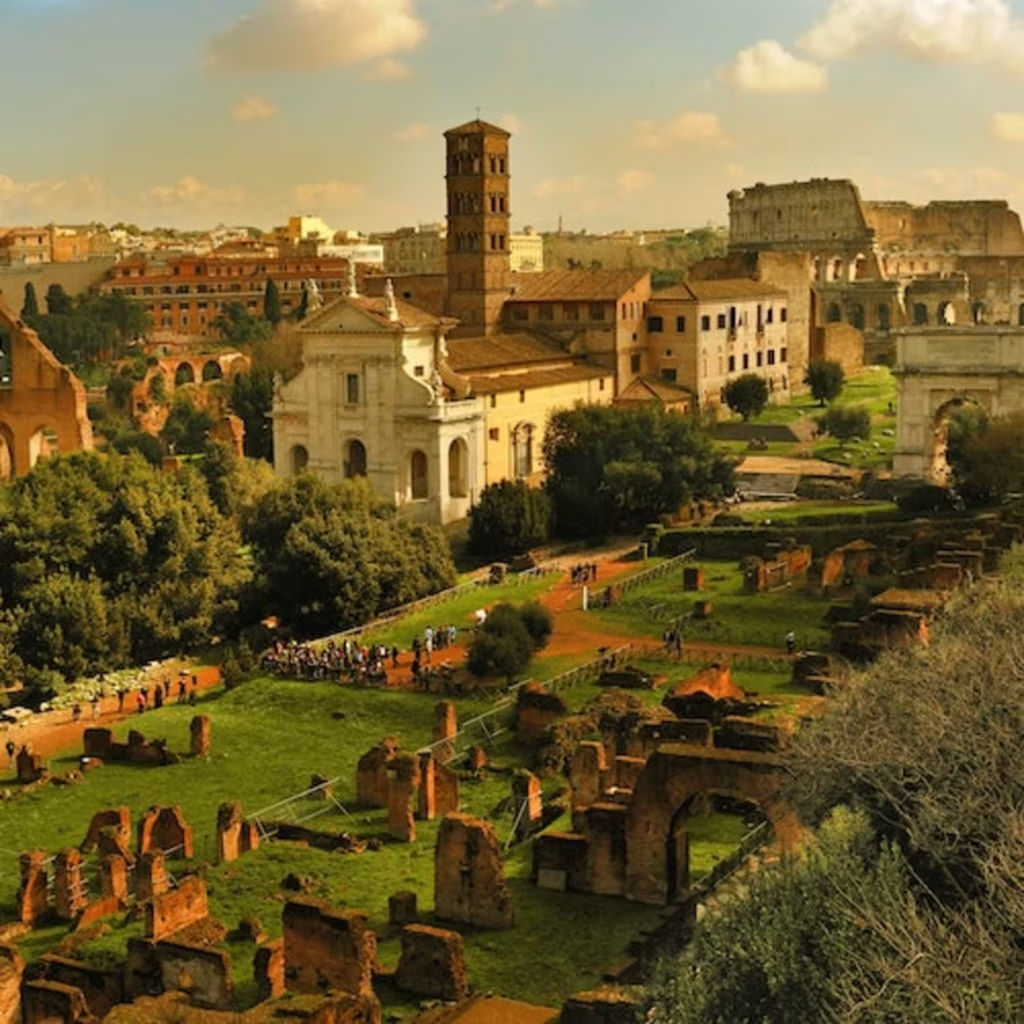
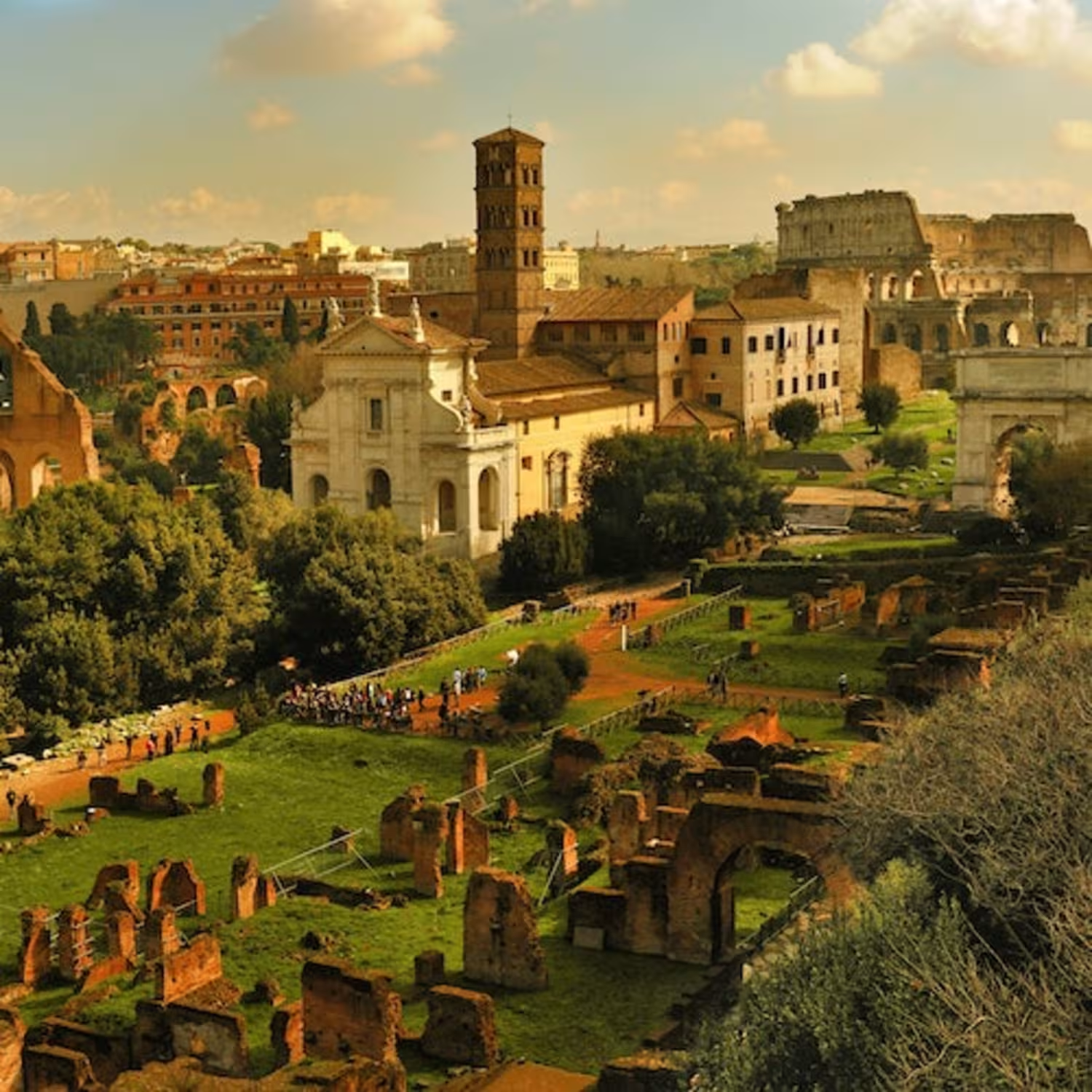
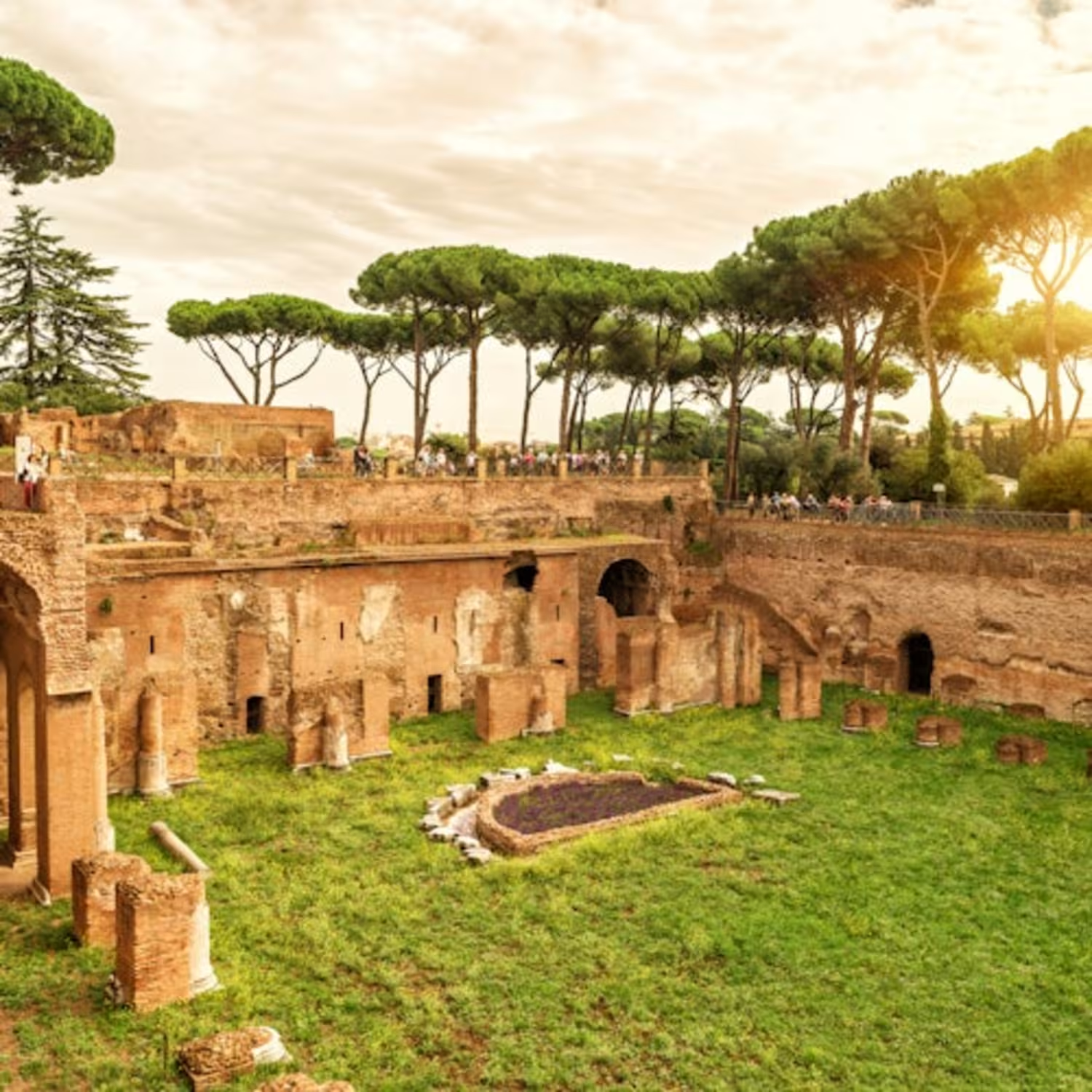
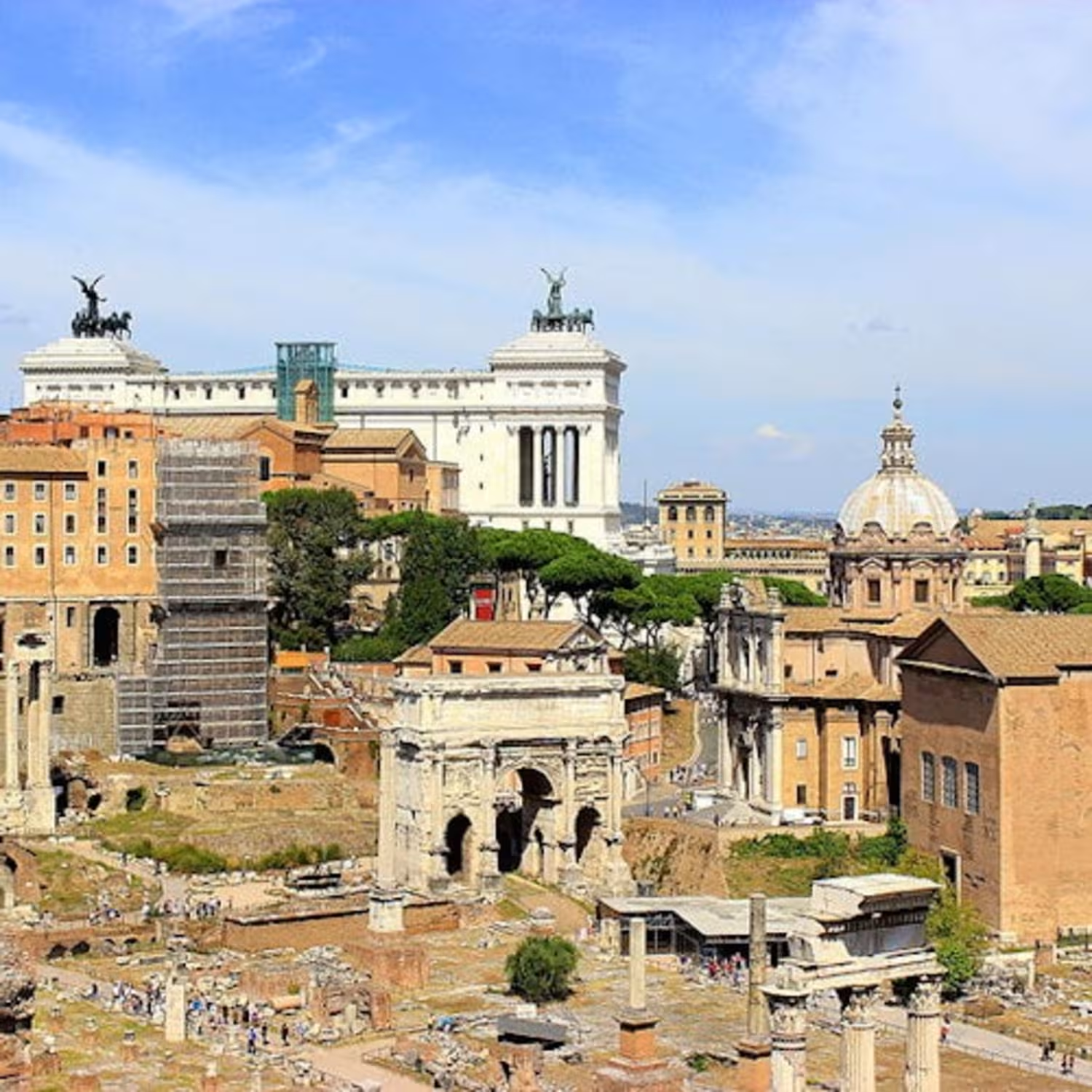
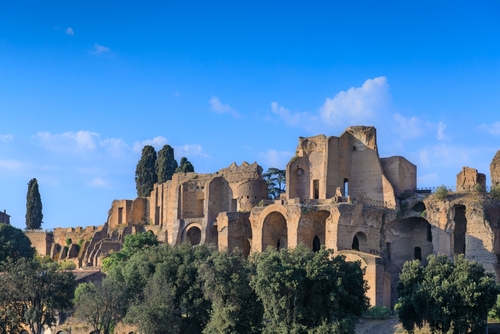
View across Palatine Hill

Palatine Hill: Rome's First Hill, Later Its Palaces

Iron Age huts at Rome's earliest core, then the house of Augustus, then palaces stacked until Palatium meant a royal palace. Renaissance gardens and a museum sit on the same ridge.

Palatine Hill is the ridge above the Roman Forum. Iron Age settlements here are tied to the earliest core of Rome. Augustus later chose the hill for his house, and emperors kept building palaces on it until Palatium, in other languages, came to mean a royal palace.

A few dates that still hold

Iron Age settlements on the hill are connected with the earliest core of Rome.

Octavian was born on Palatine Hill in 63 BCE and later built his house here.

Palatium, the name of those palaces, became the word for a royal palace in modern languages.

Cardinal Alessandro Farnese started the Horti Farnesiani on the hill in 1537.

The hill that gave palaces their name

Palatine Hill

The English word palace comes from Palatium. That was the name for the imperial houses on this hill.

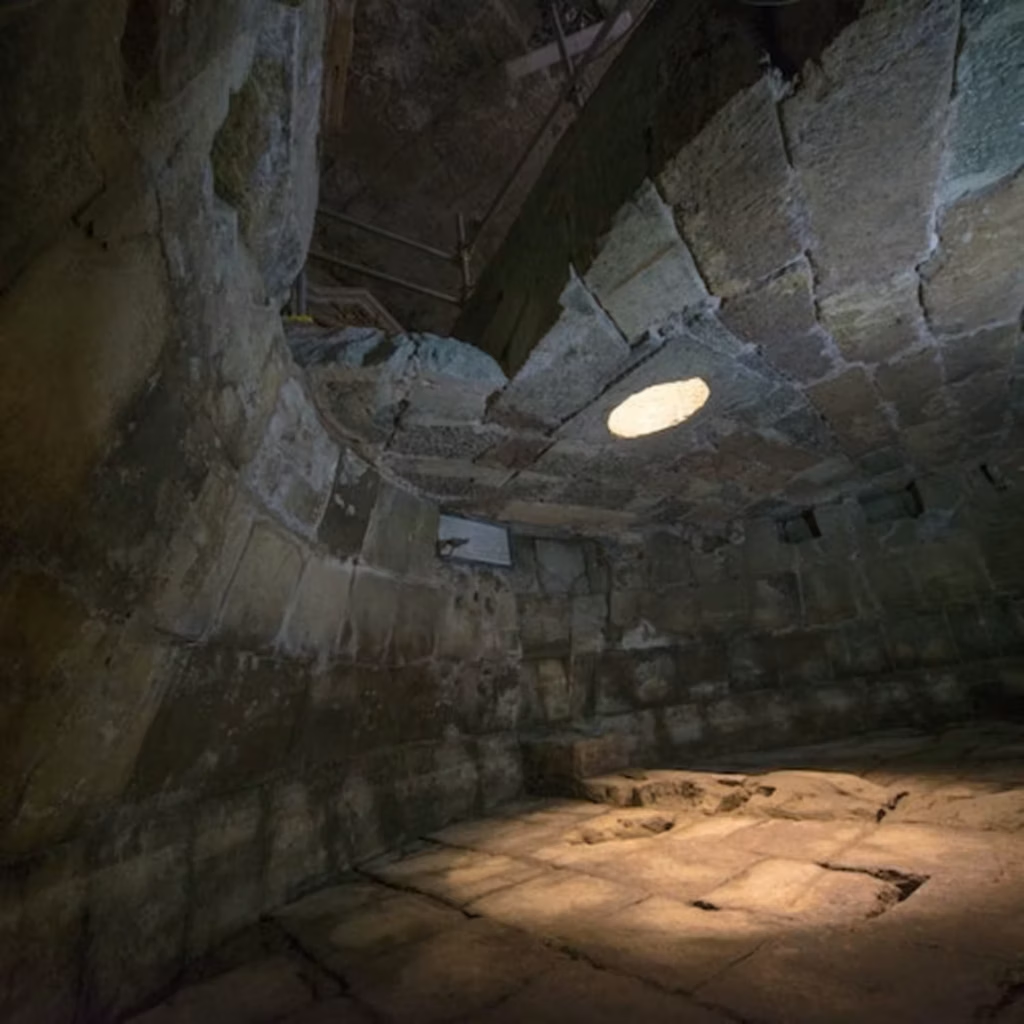
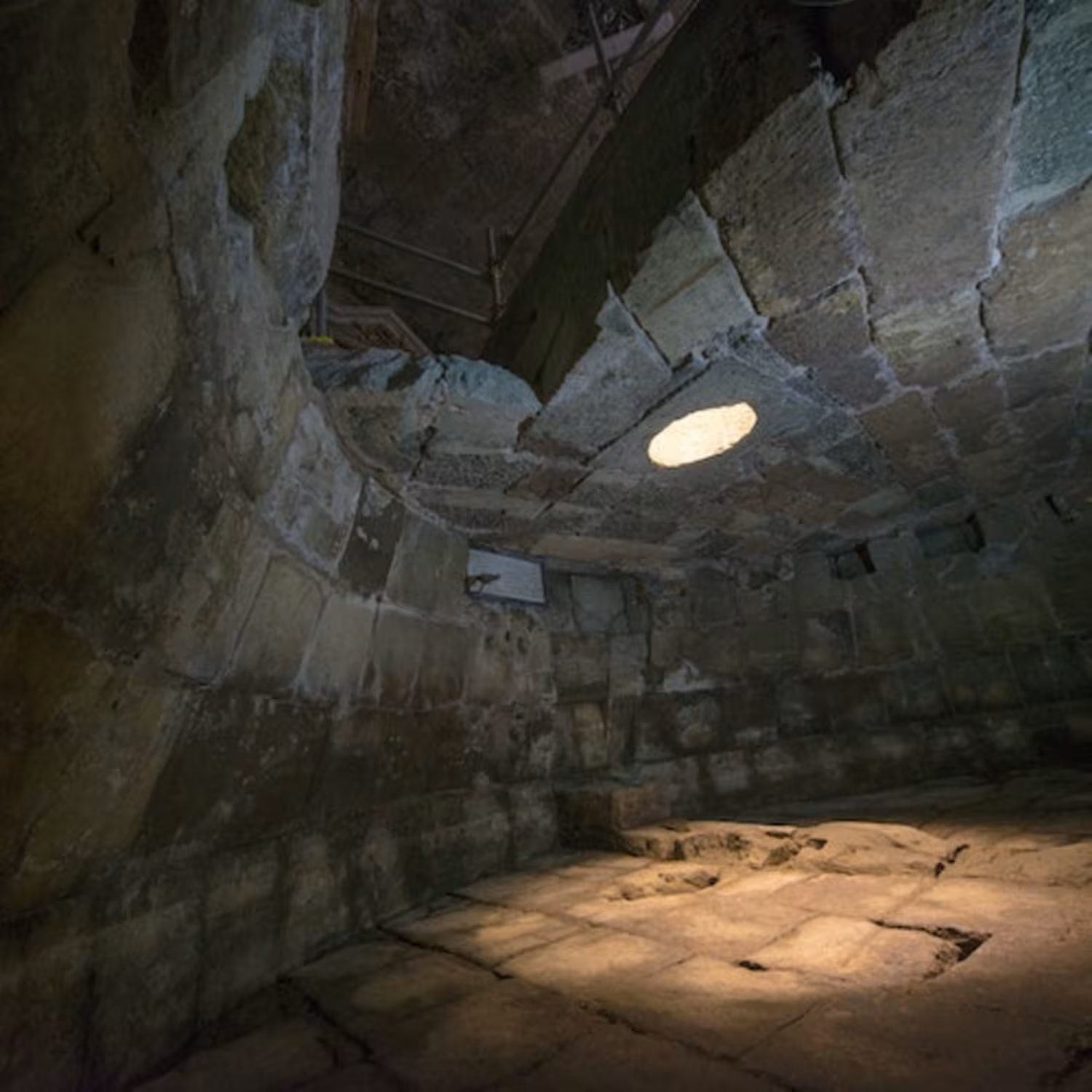
Those palaces sit in layers. Augustus built first. Then came the Domus Tiberiana, Nero's Domus Transitoria, a Palatine stretch of the Domus Aurea, and the Domus Flavia, split into a public wing and a private one called the Domus Augustana. Passages under the hill tied the residences together. The Neronian Cryptoporticus is one stretch that still reads, 130 metres of mosaic floor and a stucco vault.

Renaissance families later planted villas and gardens on the same masonry. A slice of the Horti Farnesiani is still there, on the upper part of the hill.

What Palatine Hill actually was

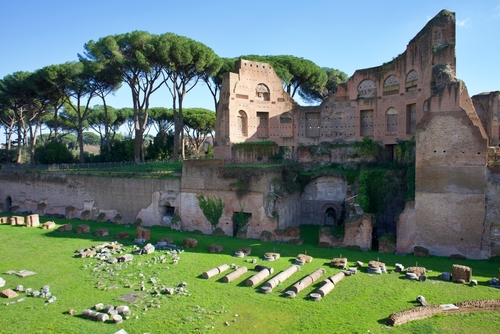
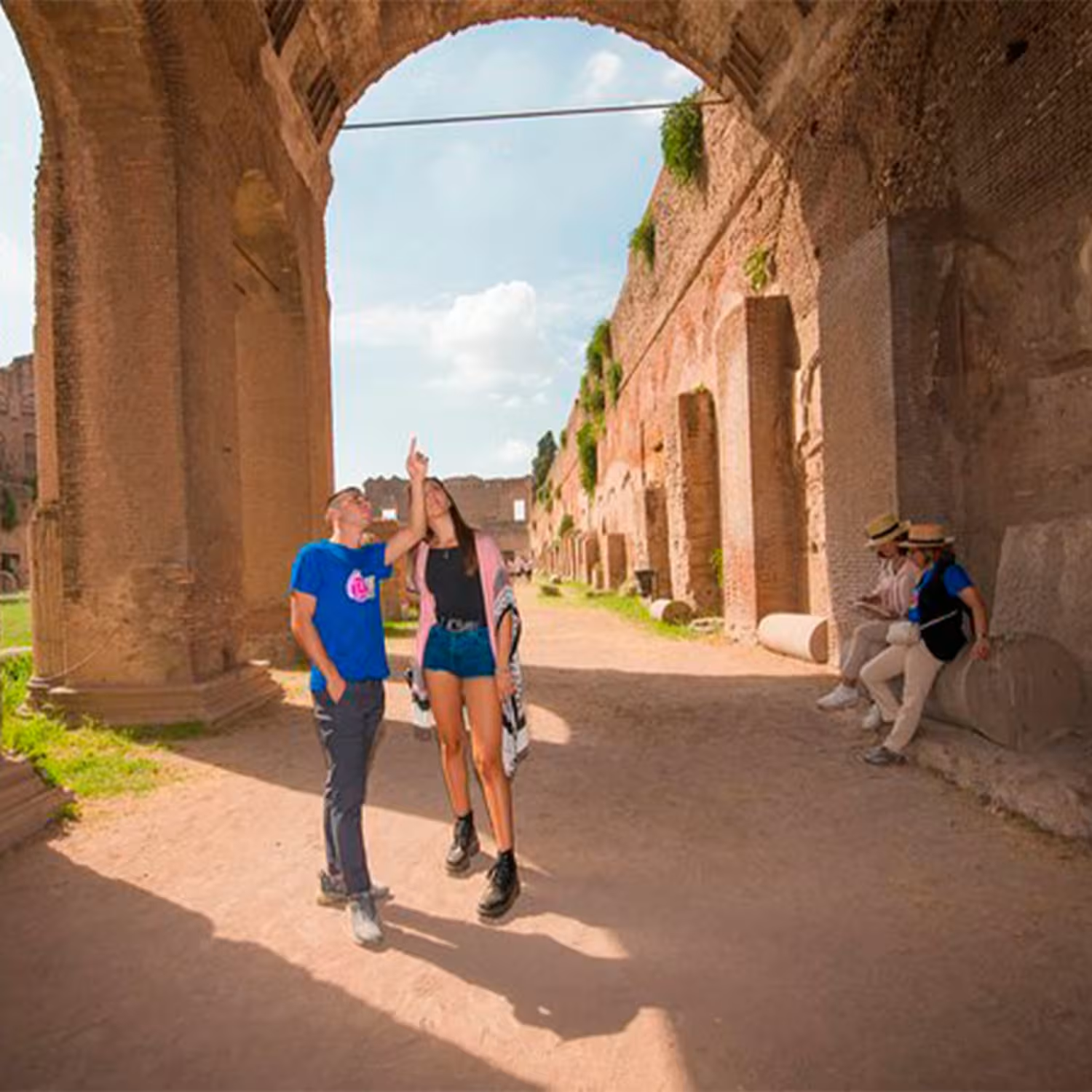
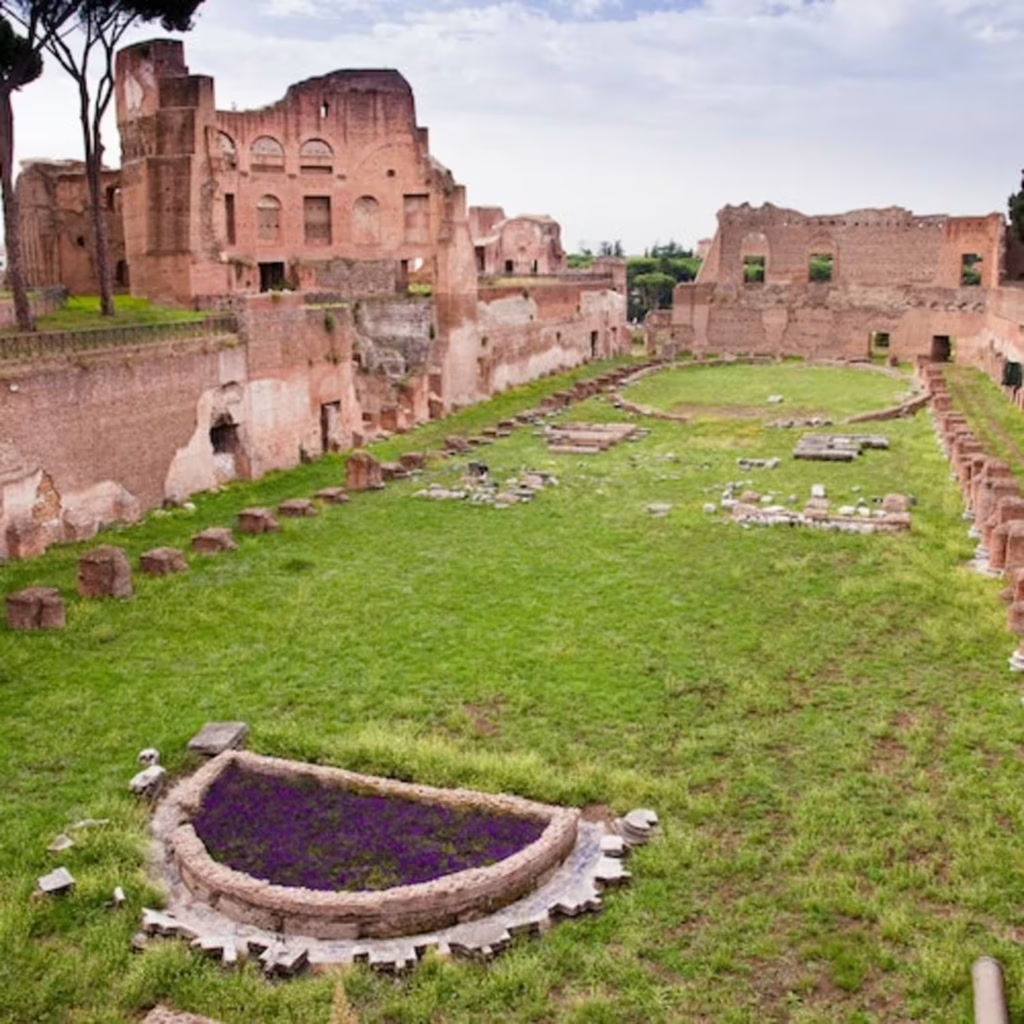
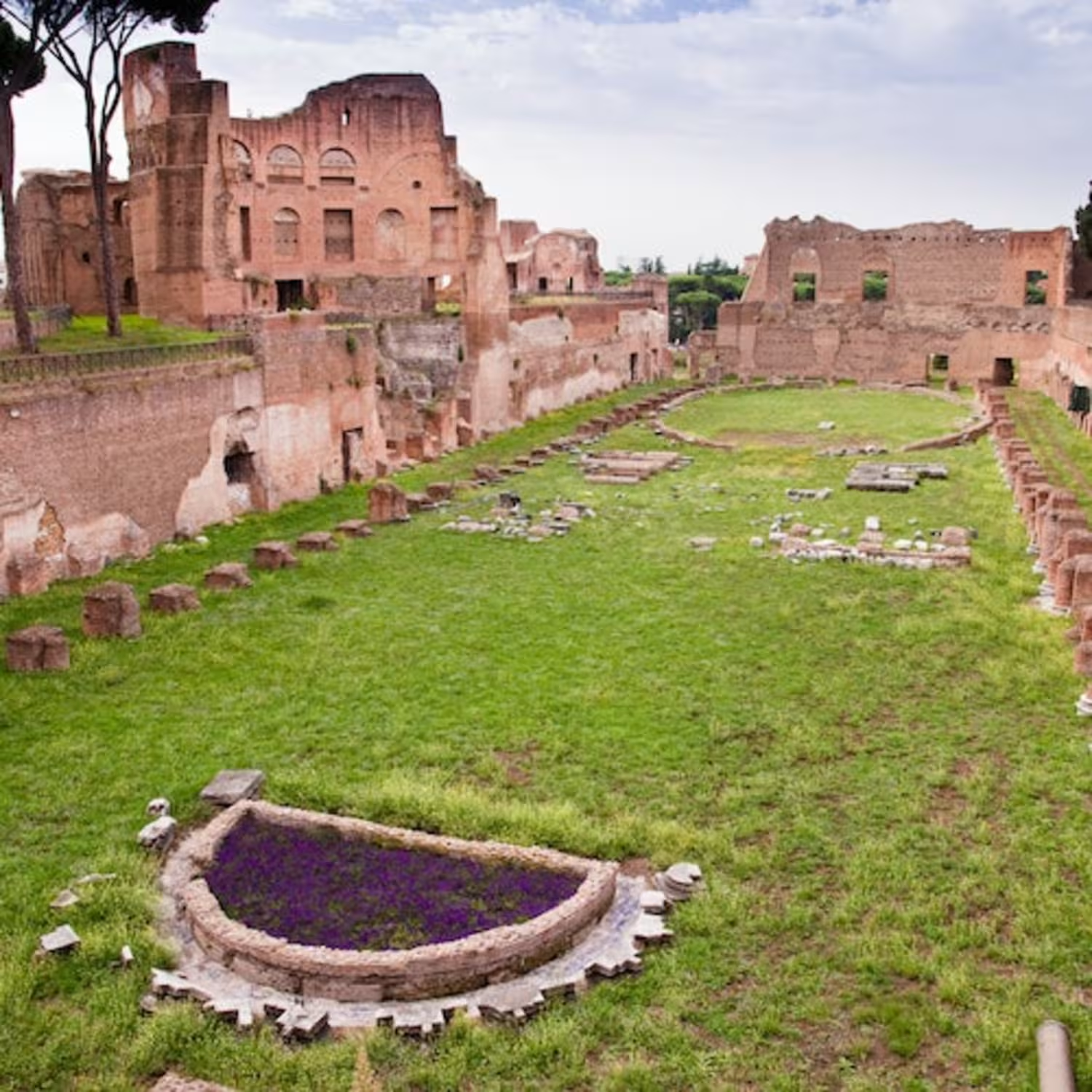
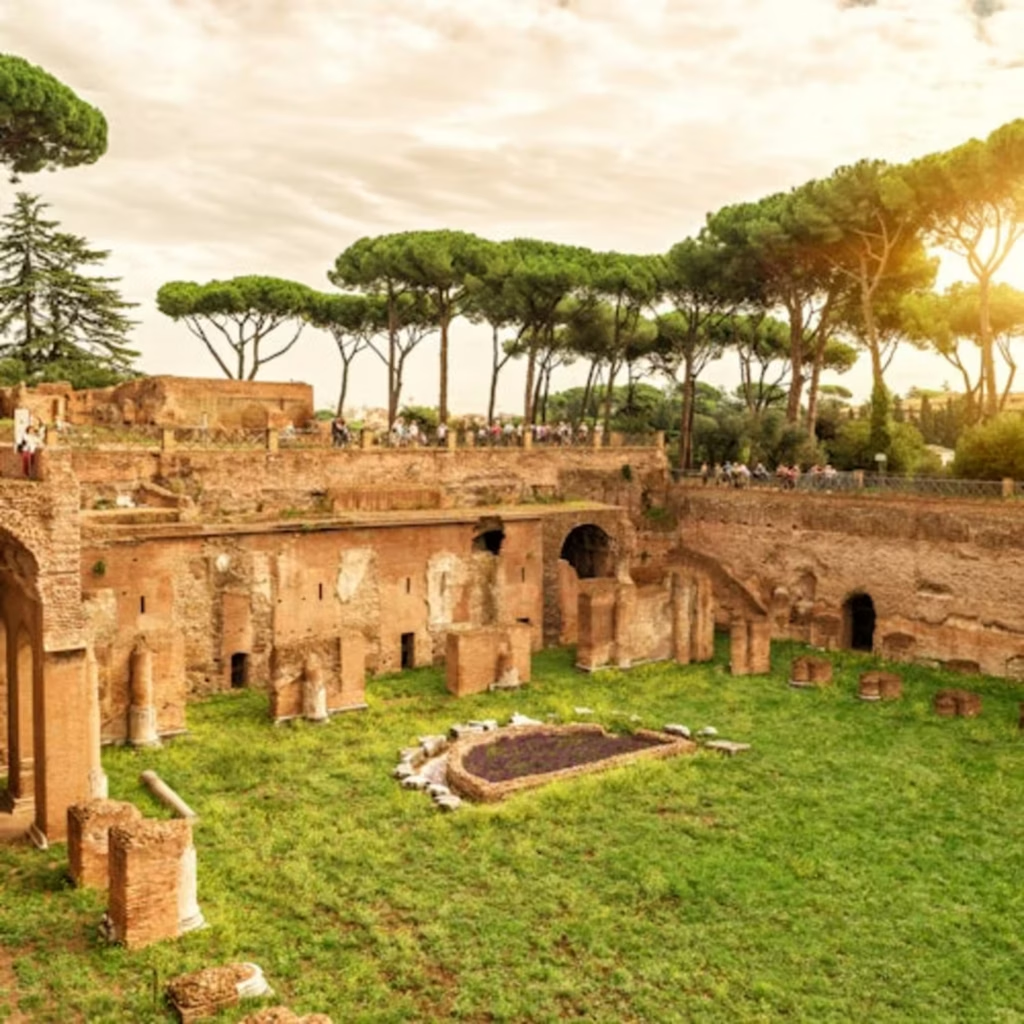
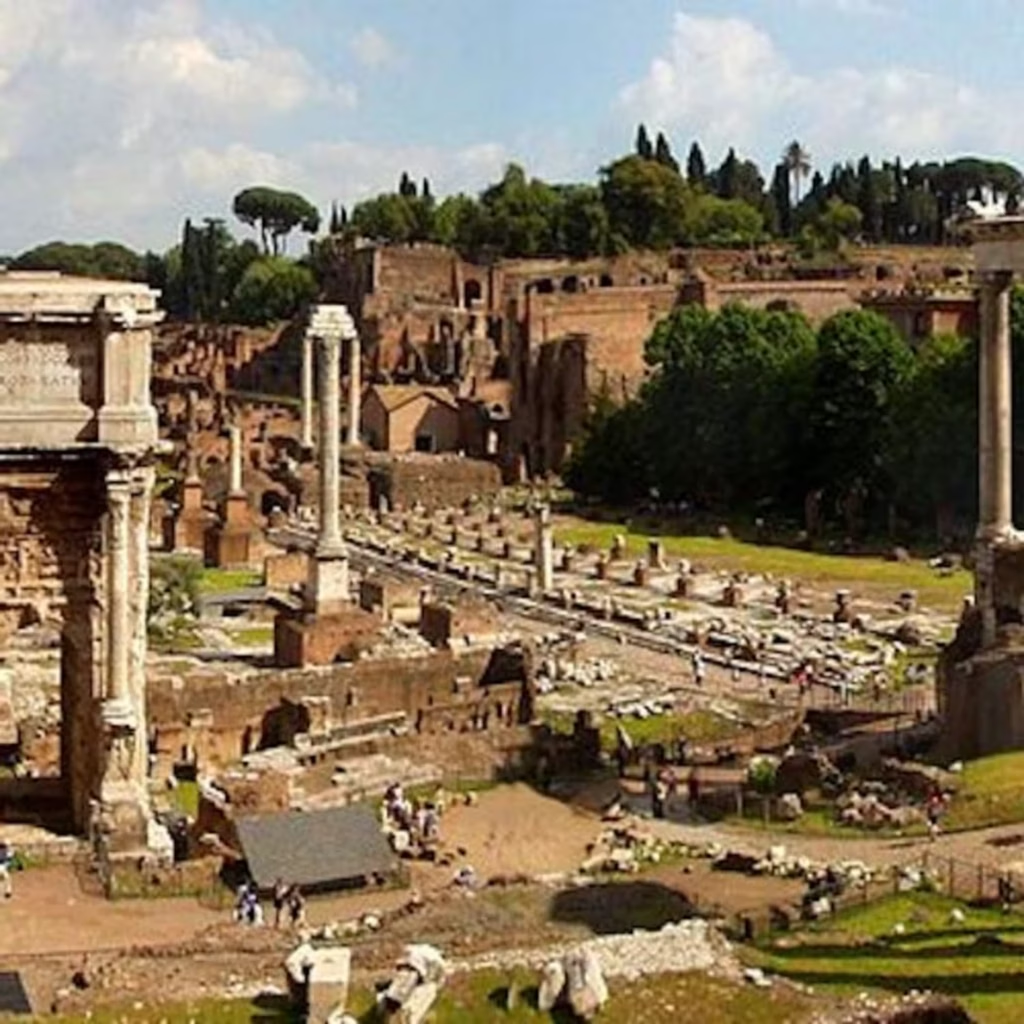
Ruins on Palatine Hill

Before those palaces, the Palatine was a residential hill. Between the 2nd and 1st centuries BCE it was the district of the Roman aristocracy. Houses such as the House of the Griffins still show the painted rooms. Civic cults sat here too, including Magna Mater, also called Cybele.

The park also keeps Iron Age settlements connected with the earliest core of Rome. Legend puts Romulus's founding on this hill. The huts in the ground are Iron Age, which is a different claim from the legend, and both sit in the same soil.

Octavian was born here in 63 BCE. He came back and built a house with an official wing tied to a temple precinct and a private wing. Mosaic floors and wall painting survive in both. Emperors kept living on Palatine Hill after that, until the empire fell.

4.7
(23)

Skip the line: Colosseum and ancient Rome

Highlights

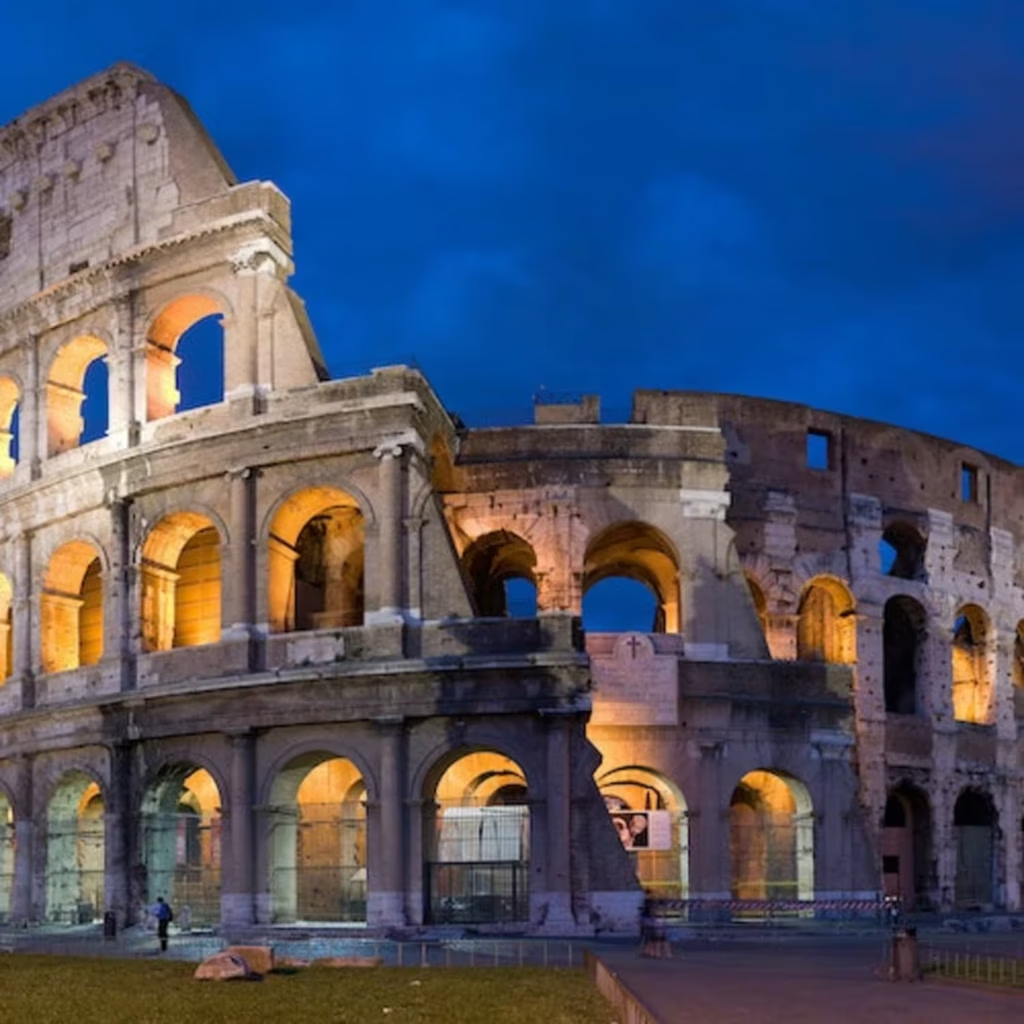
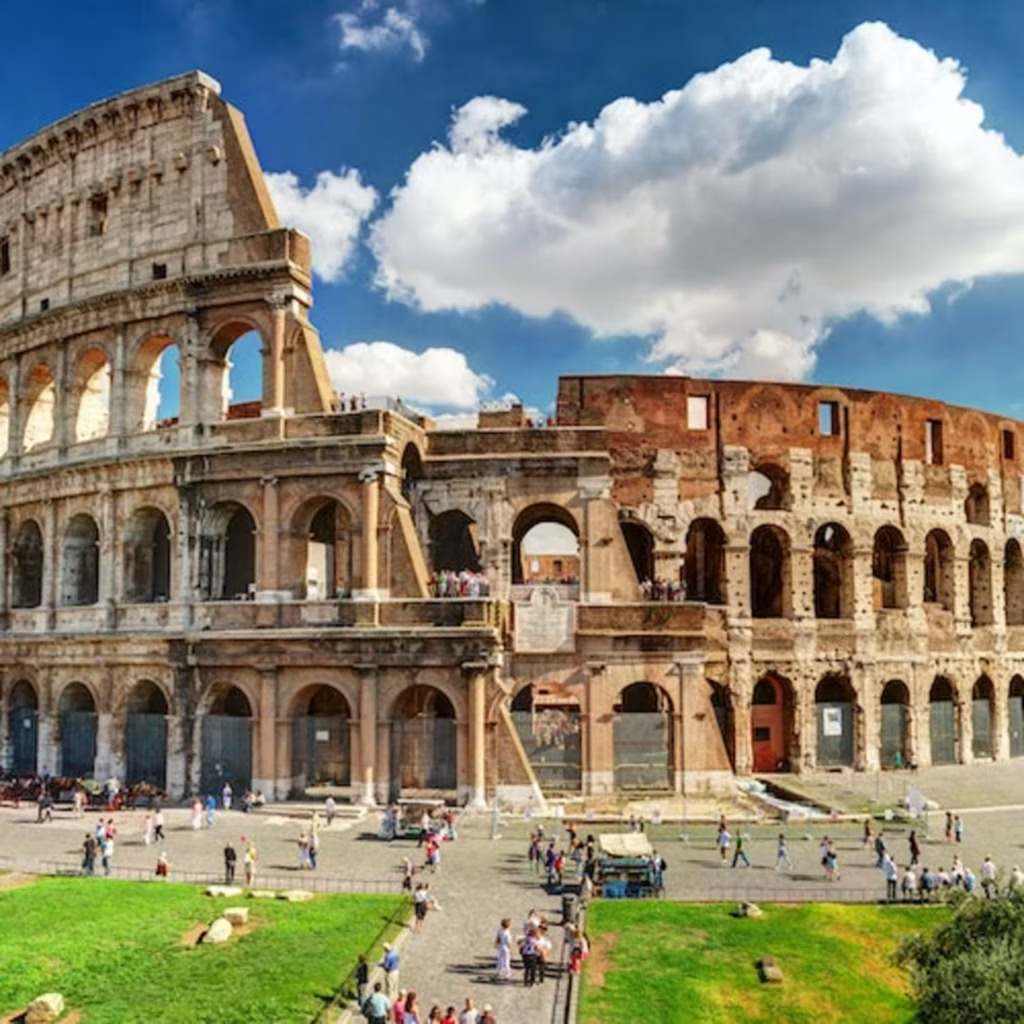
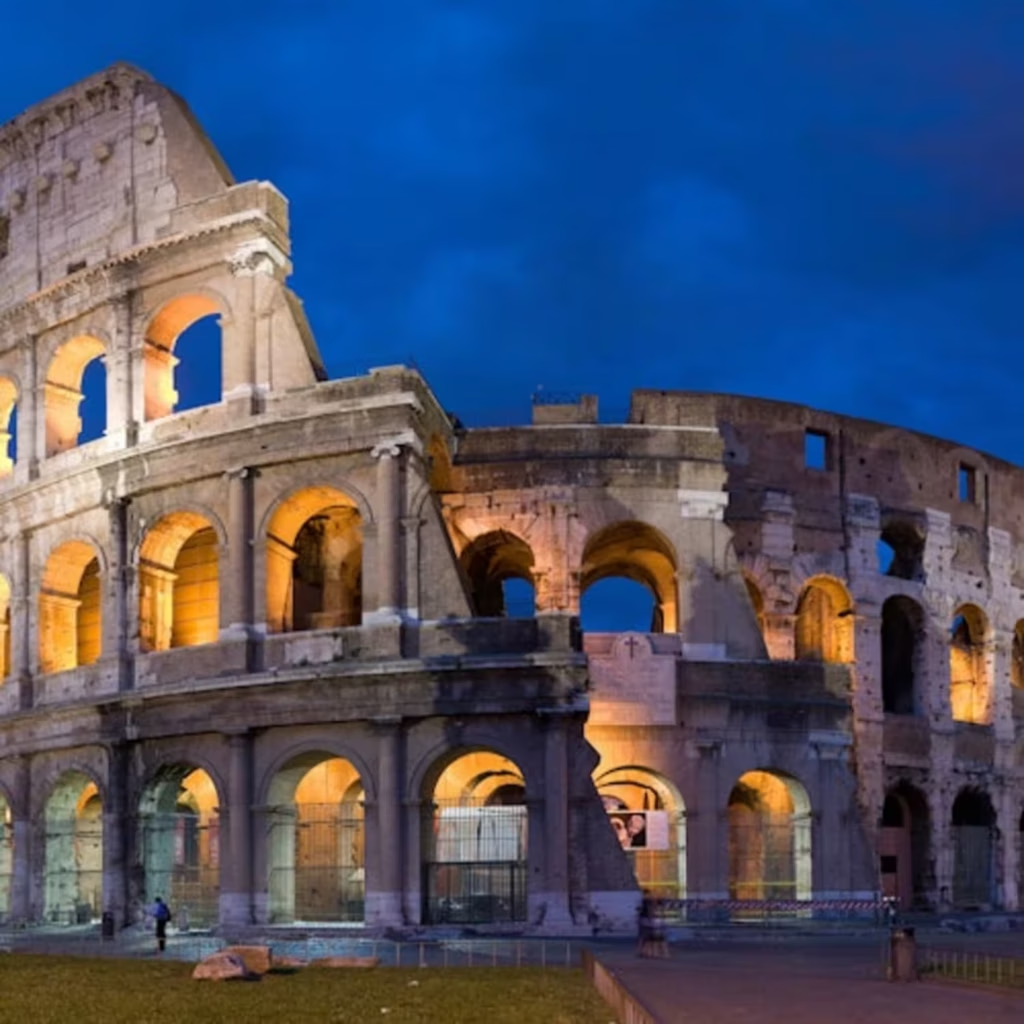
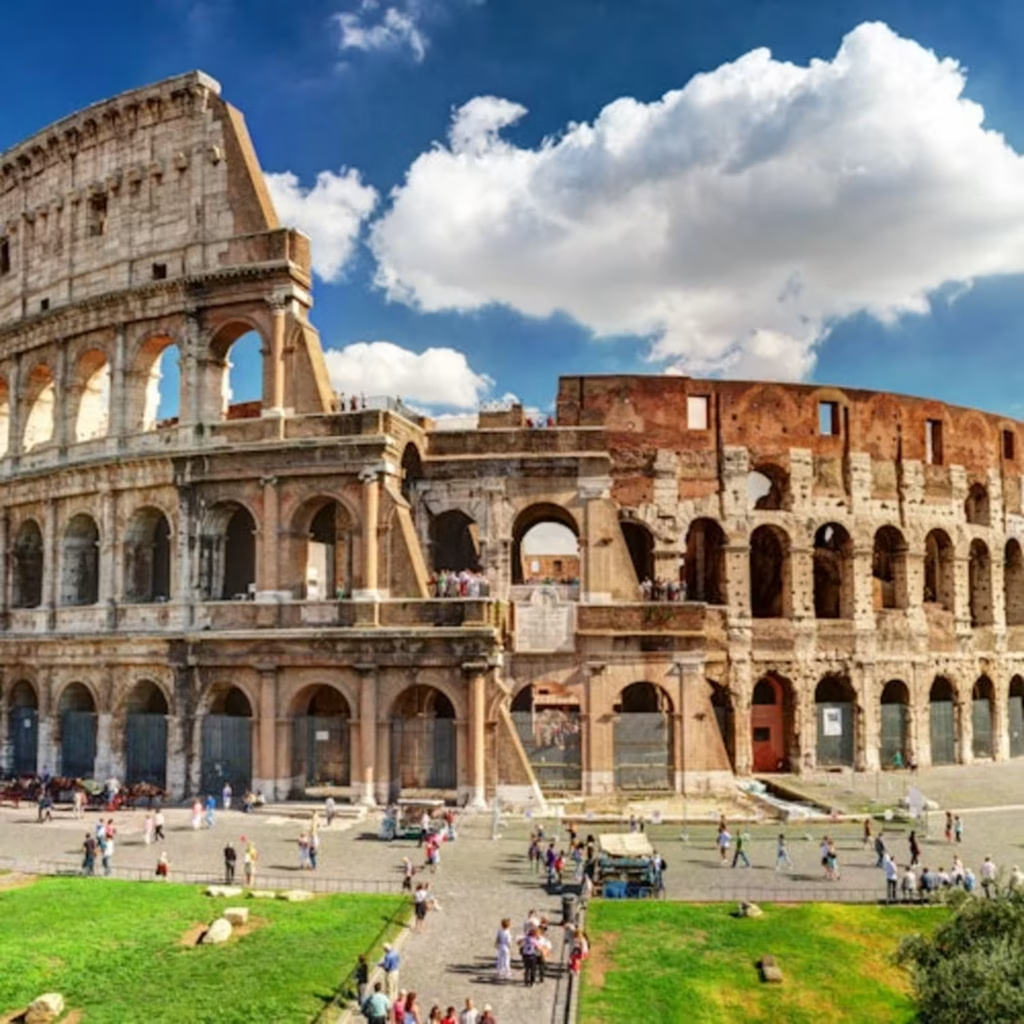
Explore the renowned Colosseum with priority entry and expert narration.

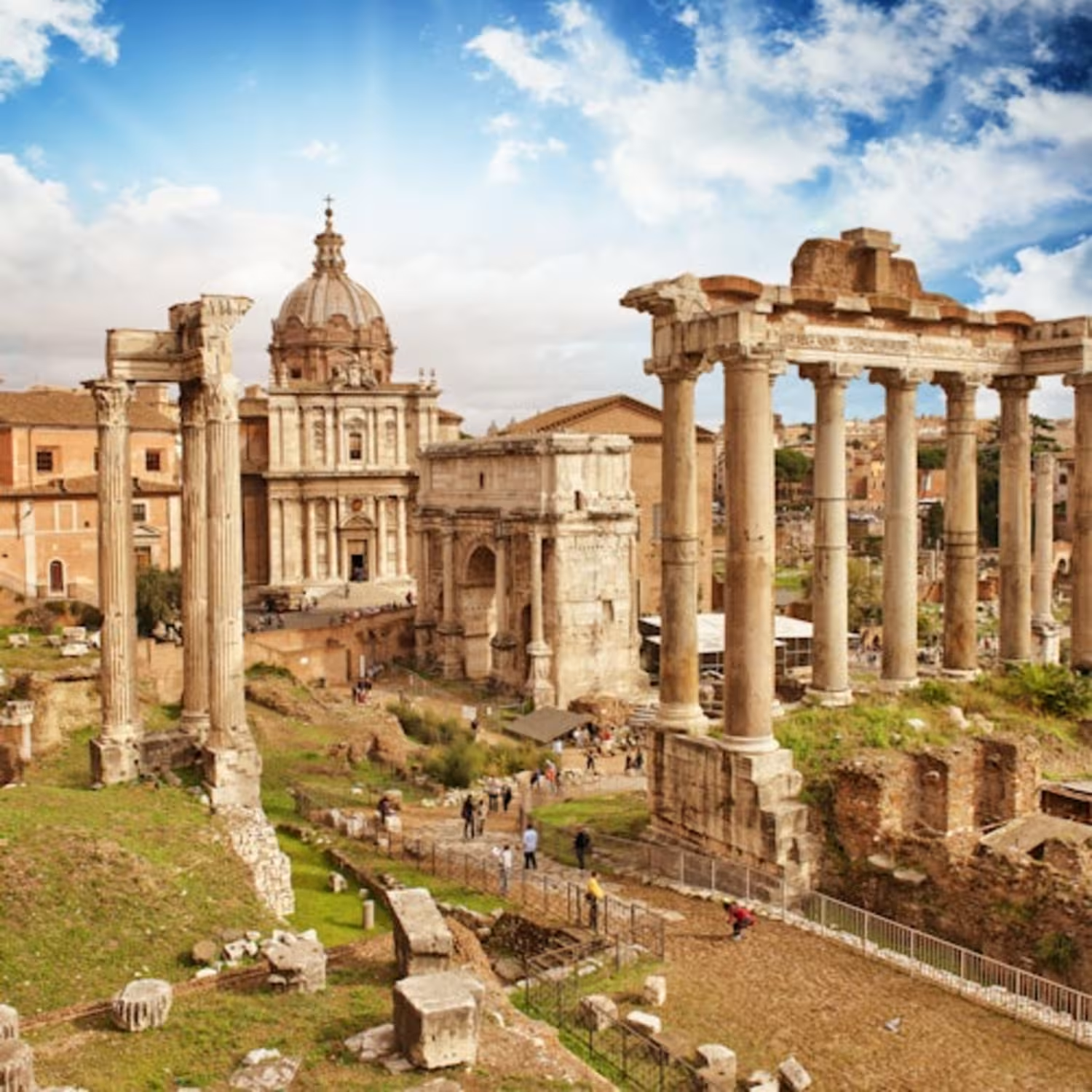
Stroll through the historic Roman Forum, the former heart of political and social life.

Visit Palatine Hill and uncover the legendary origins of Rome.

Learn fascinating details and stories from an experienced local guide.

Benefit from included audio devices for an enhanced listening experience.
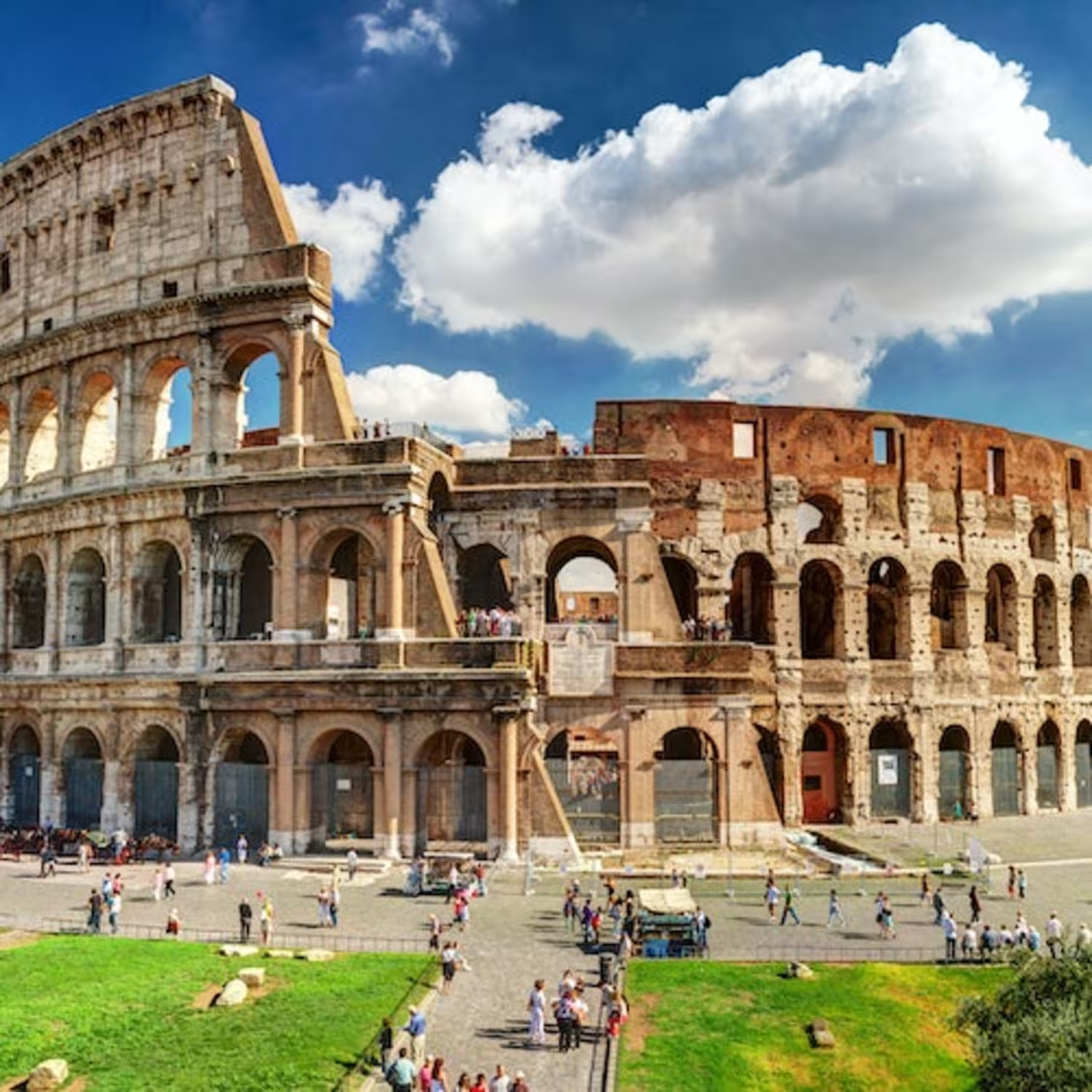
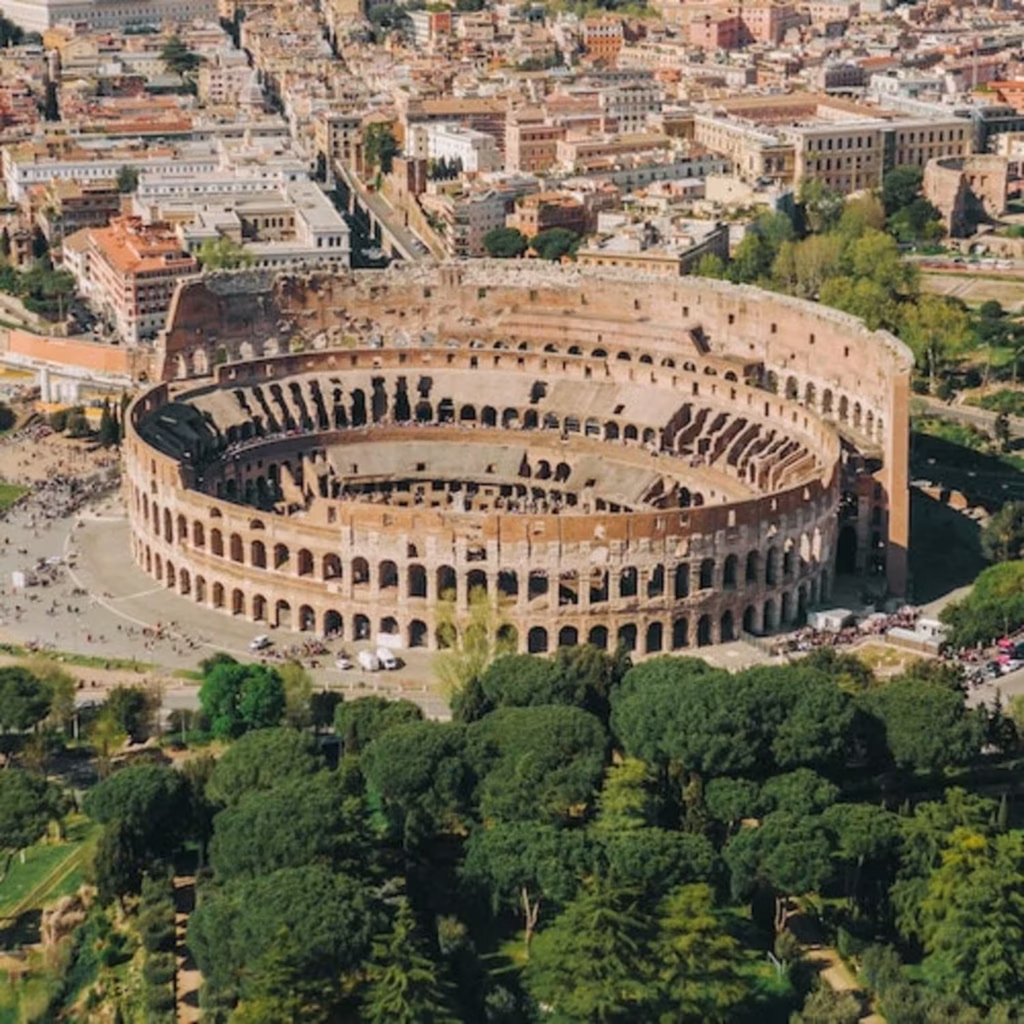
Colosseum, Roman Forum and Palatine: Entrance ticket + multimedia experience

Highlights

Enjoy a 25-minute multimedia presentation on ancient Rome.

Visit three iconic sites: the Colosseum, Palatine Hill, and Roman Forum.

Benefit from guided assistance at the designated meeting point.

Explore the ancient ruins at your own pace.

Includes a walking tour covering Navona Square, Pantheon, and Trevi Fountain in English.
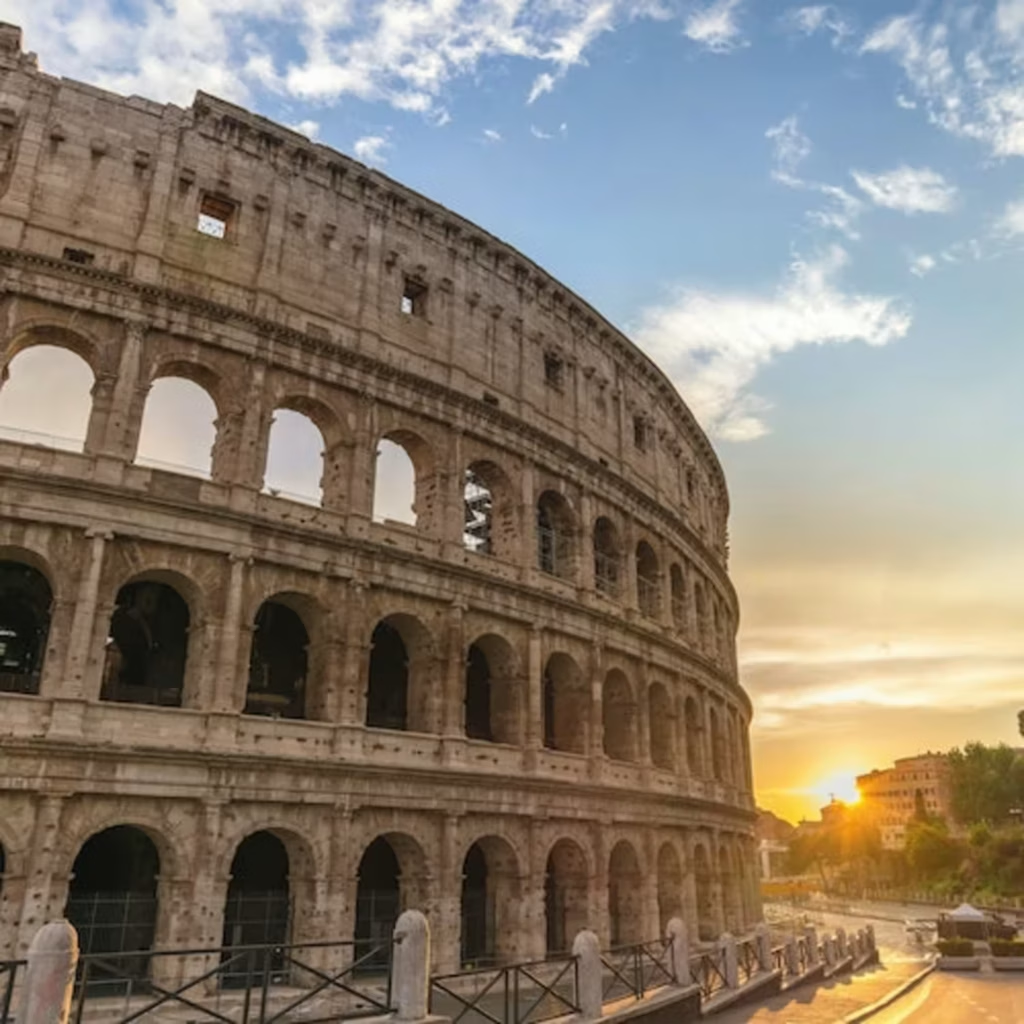
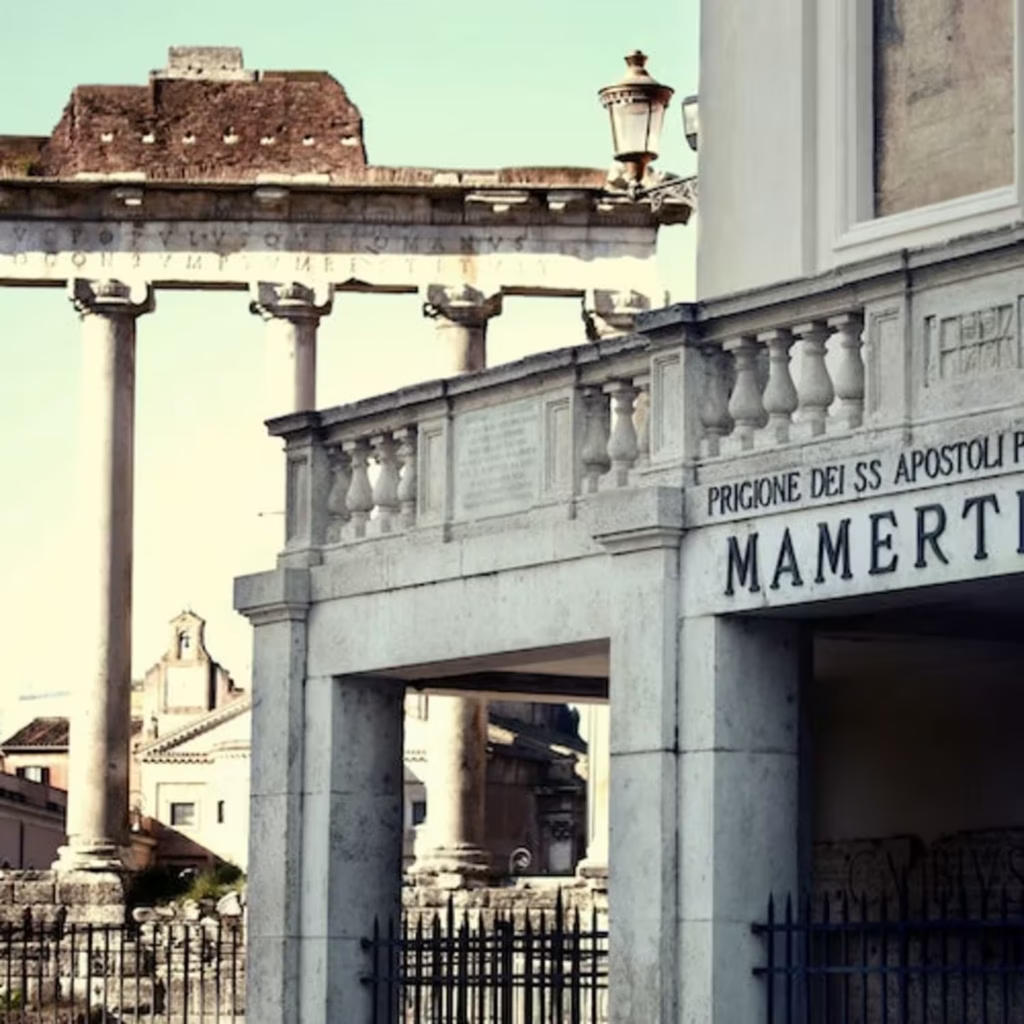
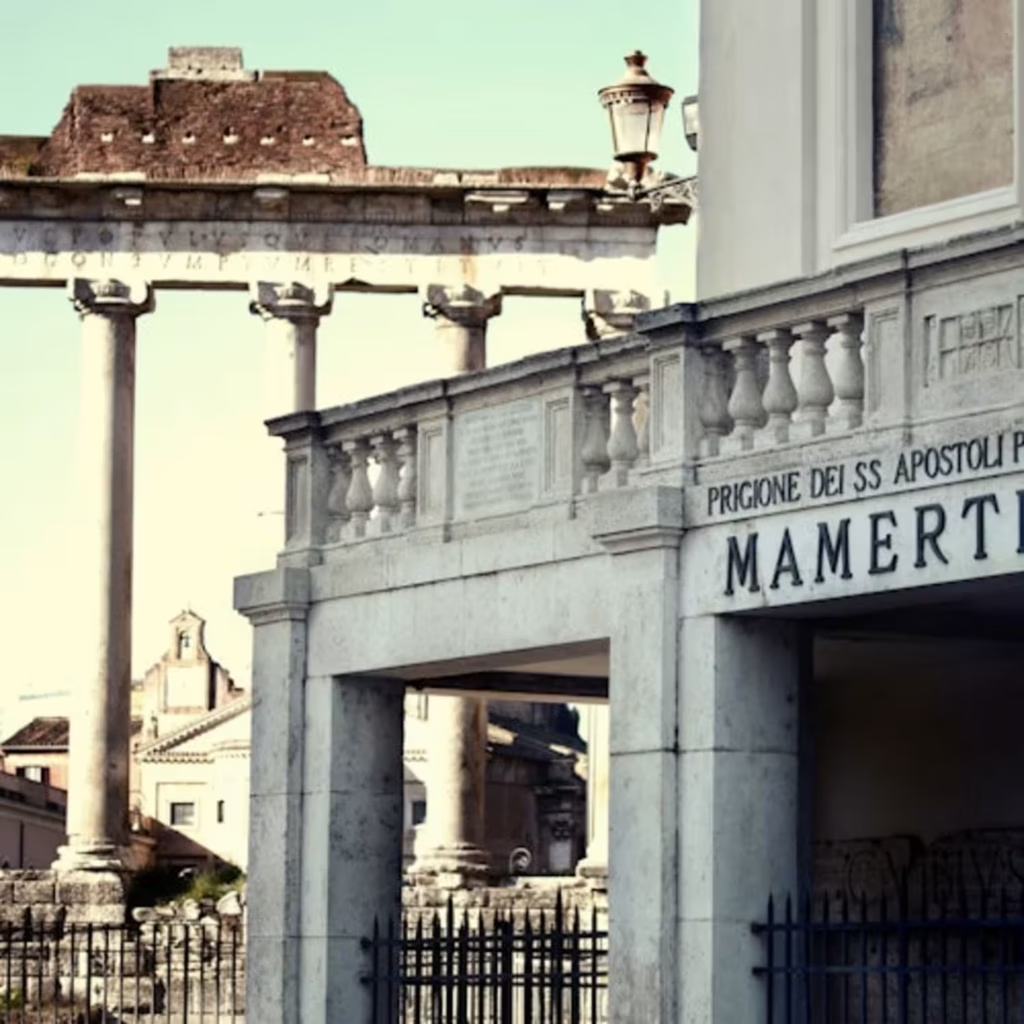
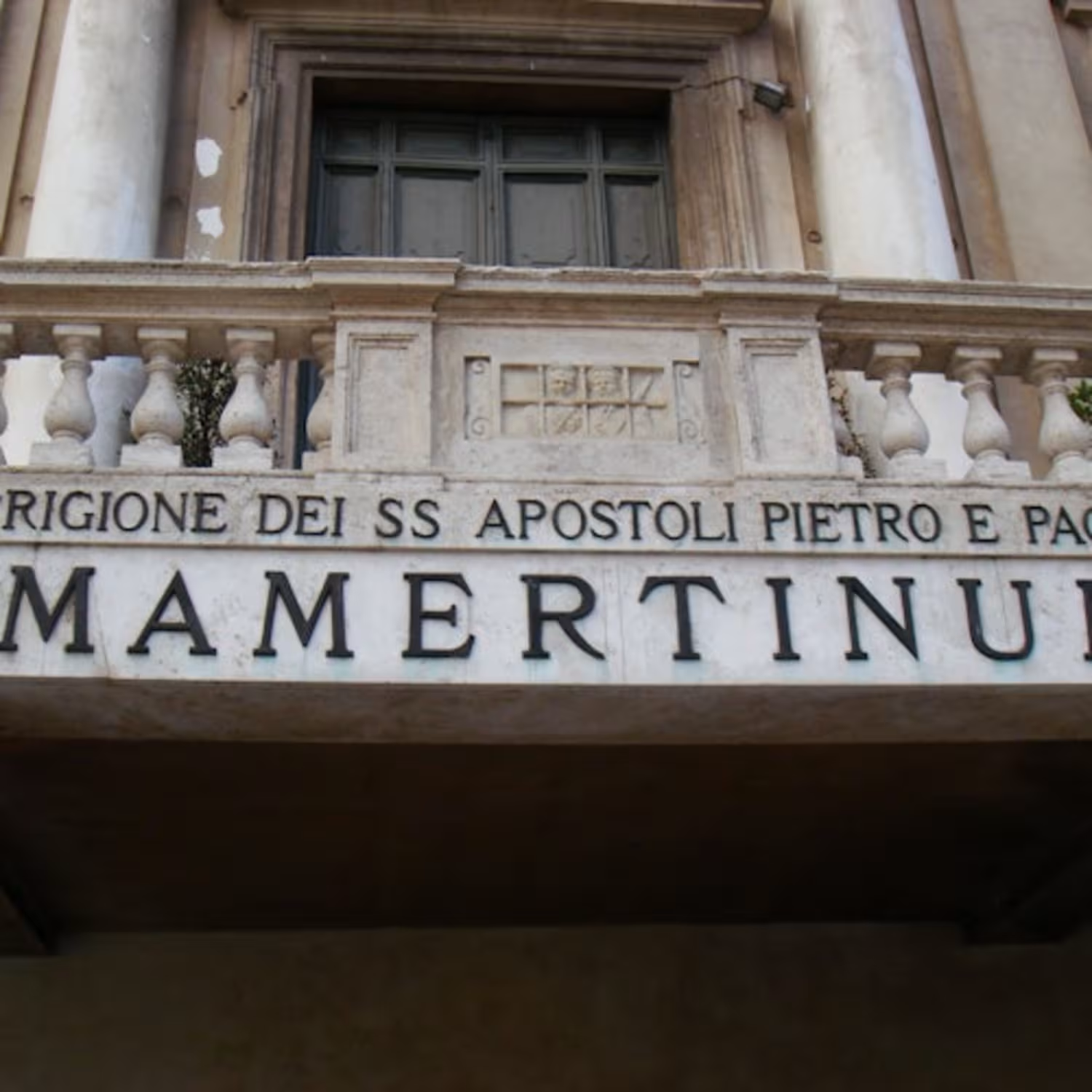
Mamertine Prison, Roman Forum and Palatine: Entrance ticket

Highlights

Skip long queues with a dedicated entrance.

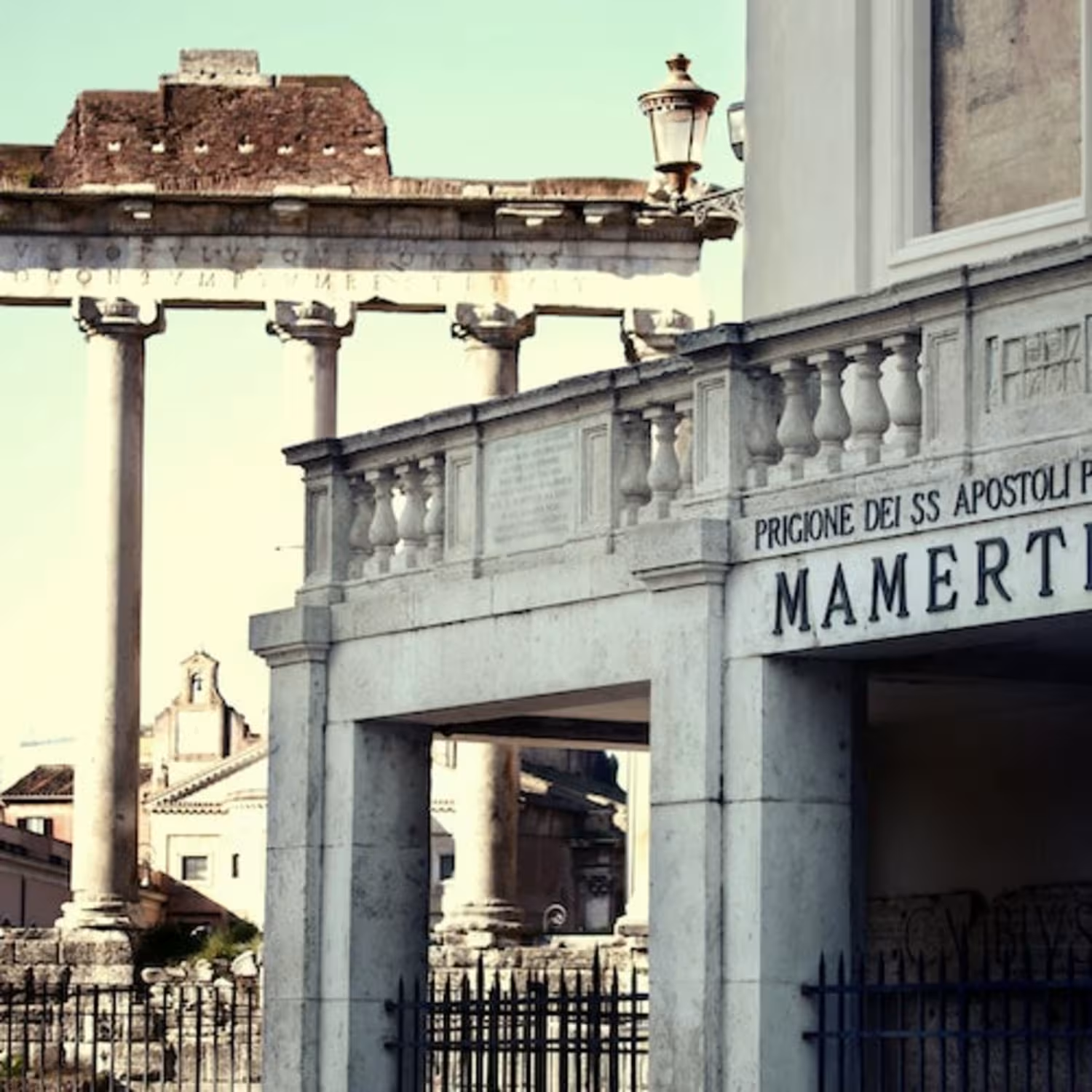
Access multiple ancient Roman sites including the Mamertine Prison and the Imperial Forums.

Discover the House of Augustus, Temple of Romulus, and other historical landmarks.

Enjoy a self-paced tour with an audio guide available in several languages.

Perfect for history enthusiasts wanting a comprehensive Roman archaeological experience.
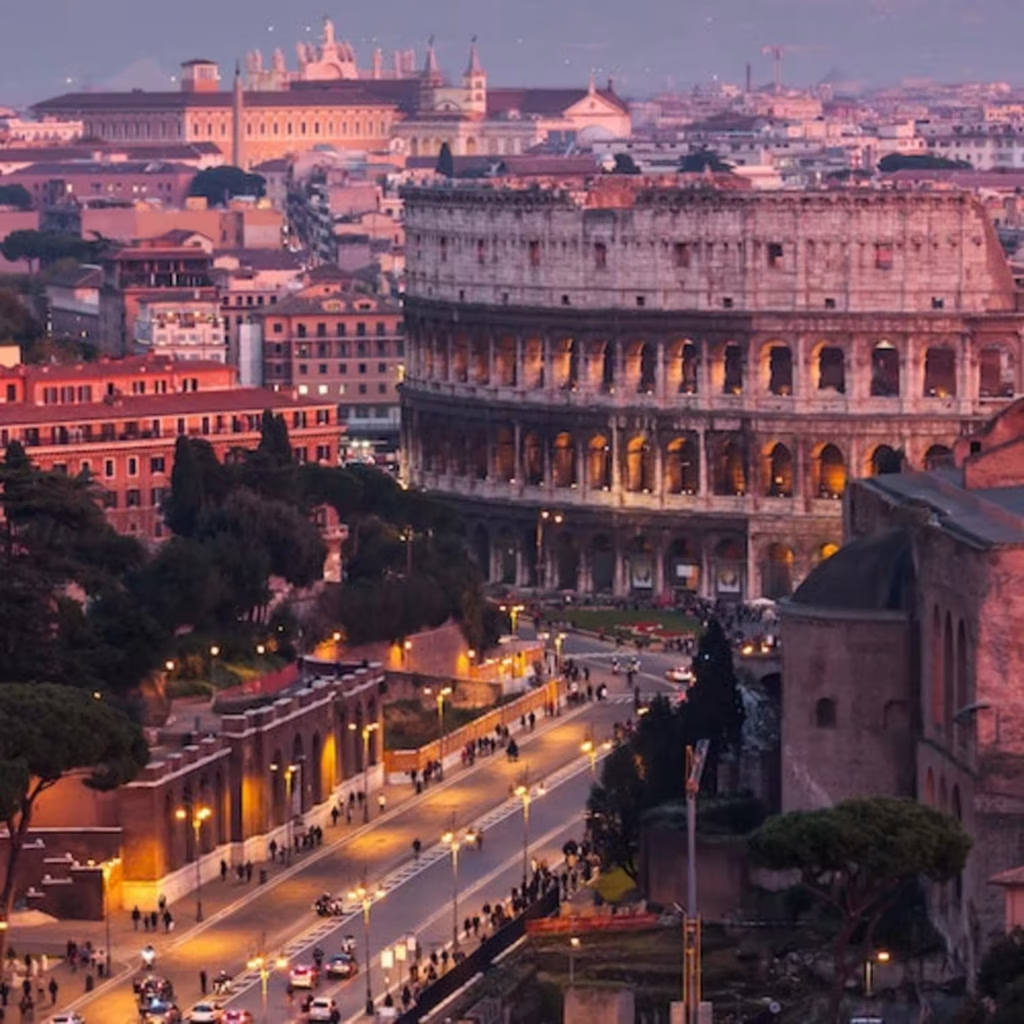
Colosseum and Mamertine Prison

Highlights

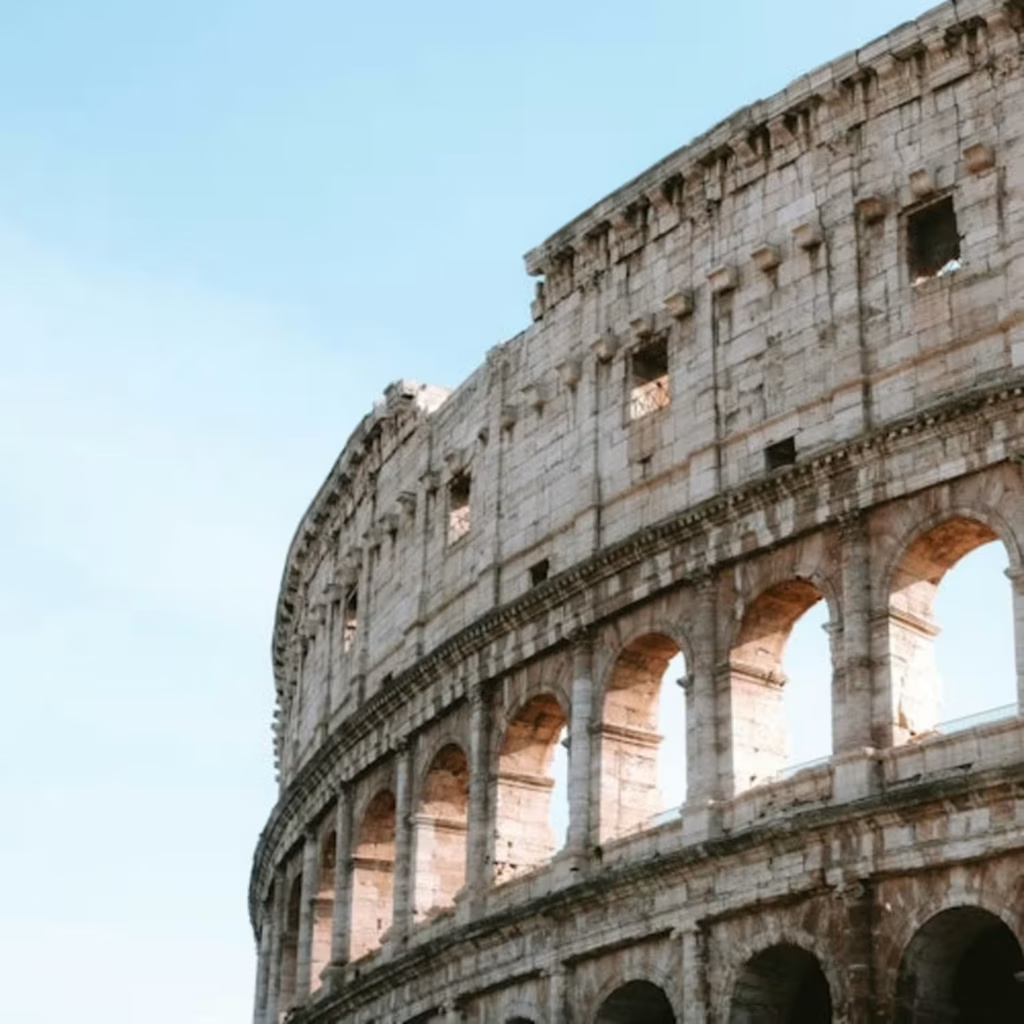
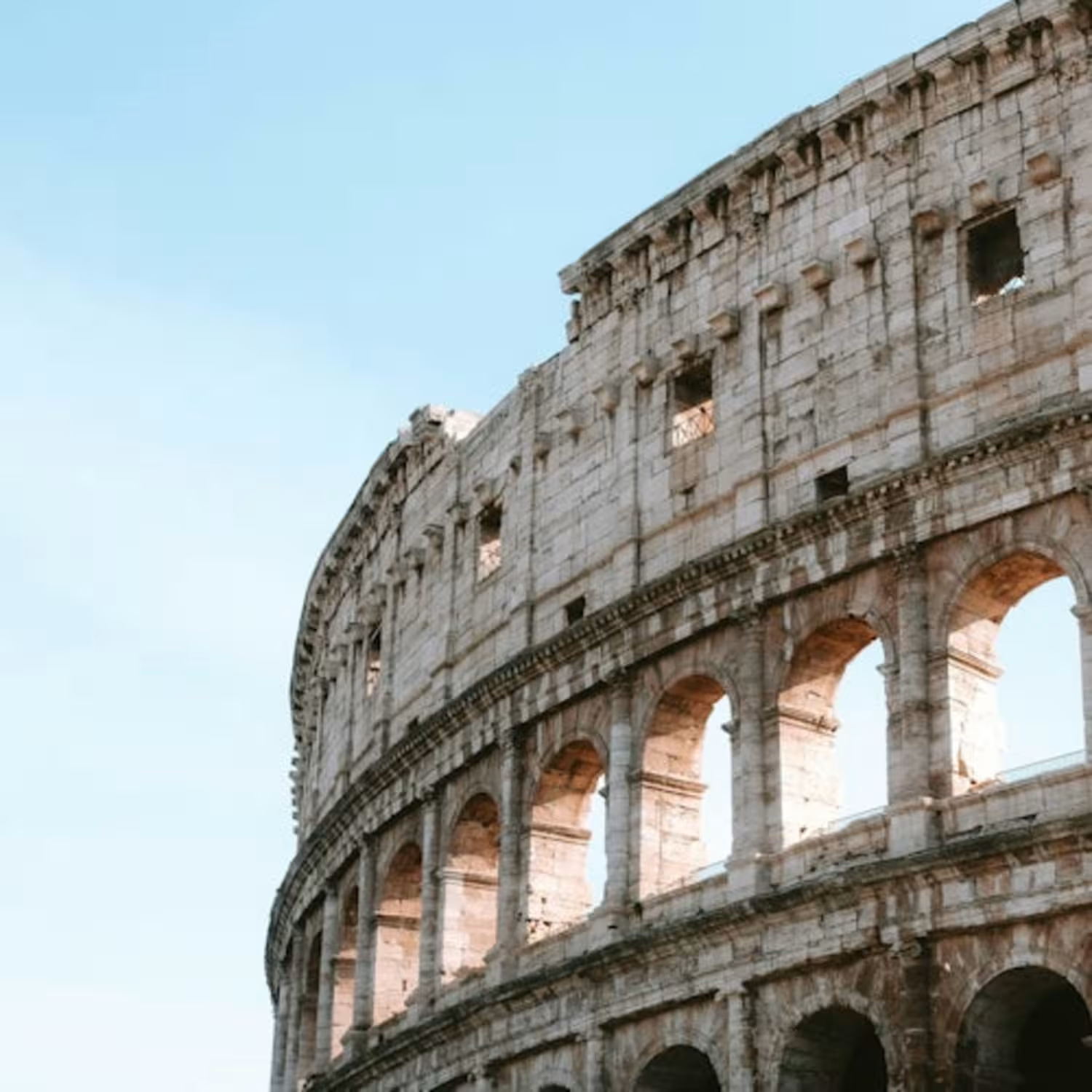
Gain entry to the iconic Colosseum, renowned for its ancient gladiatorial contests.

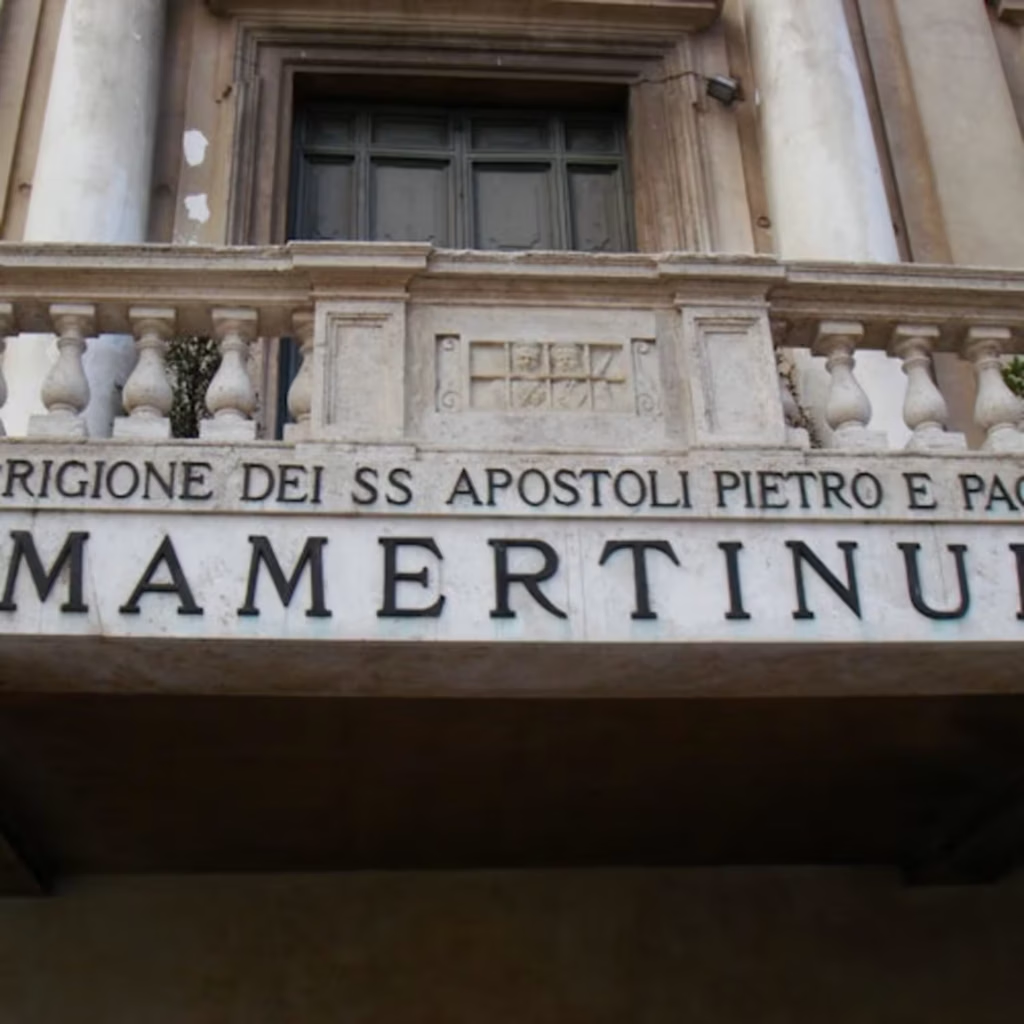
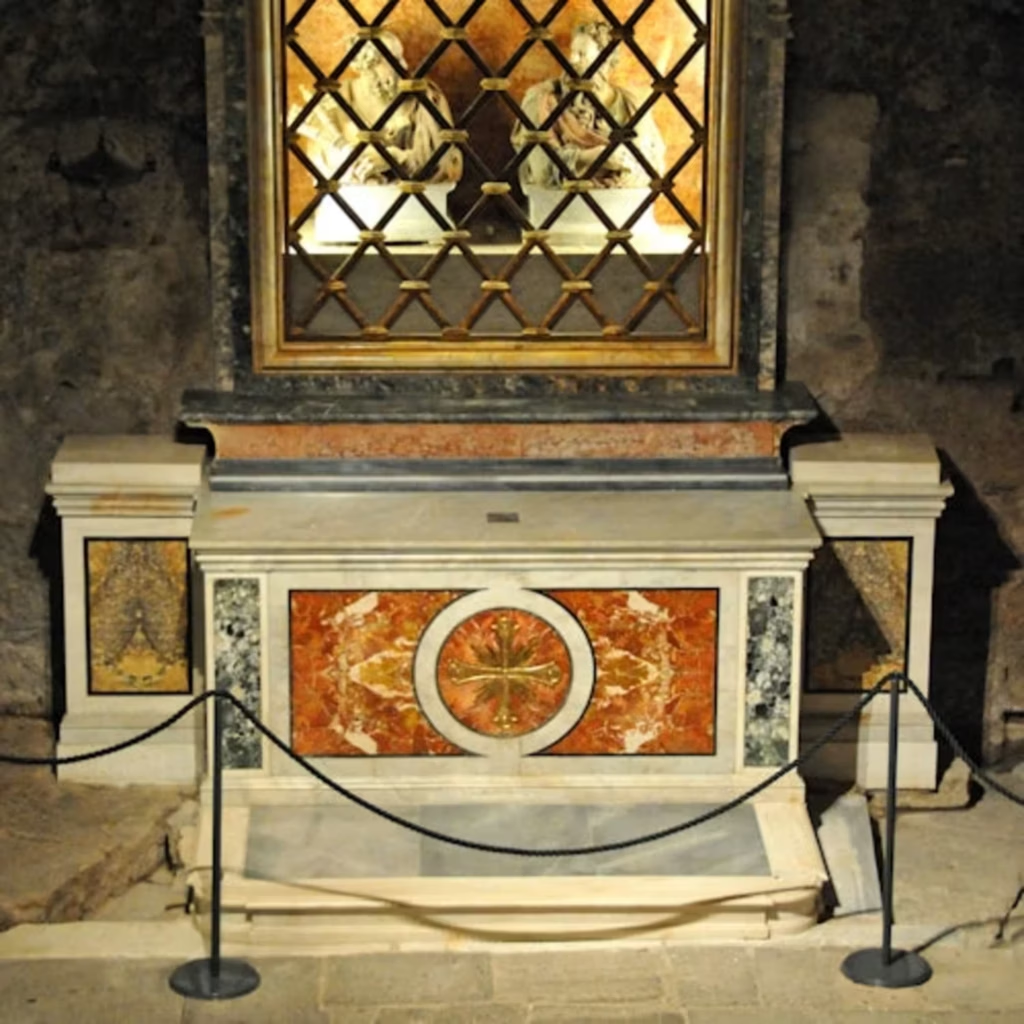
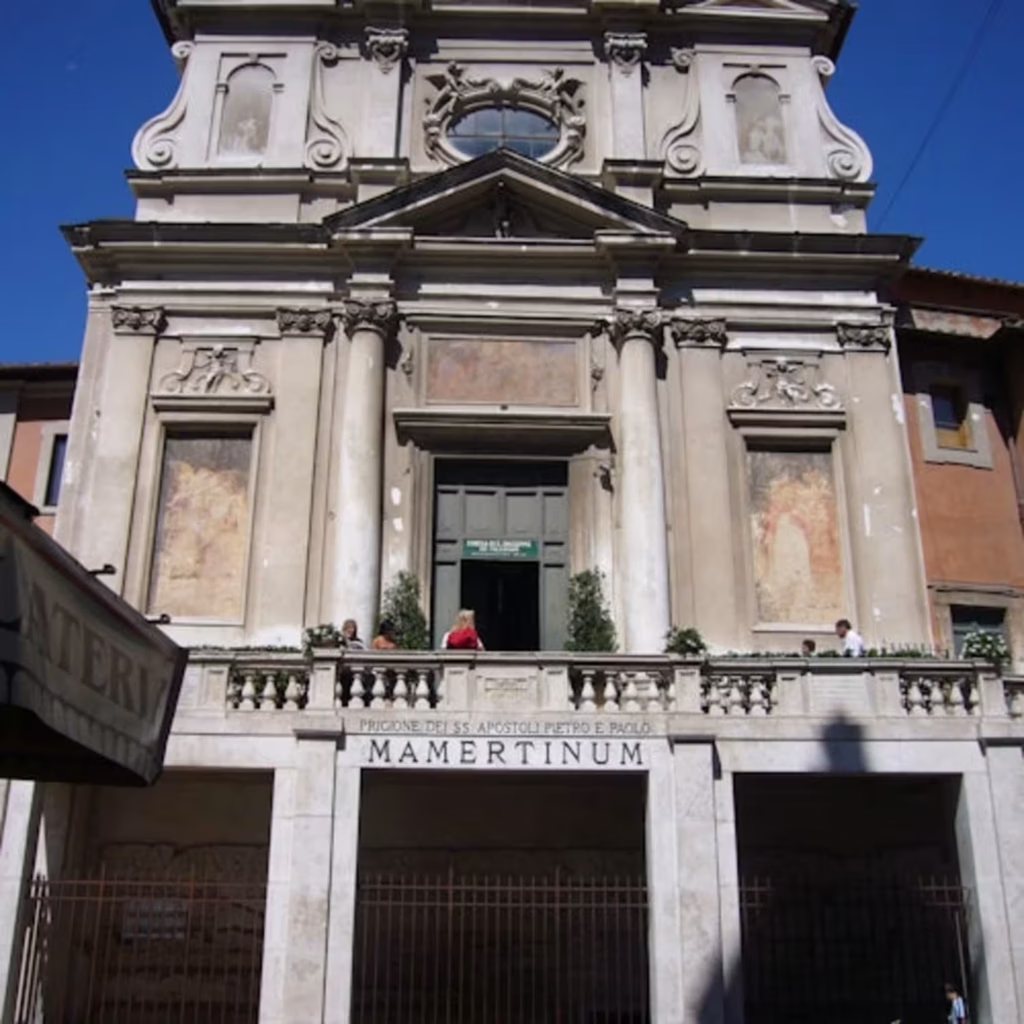
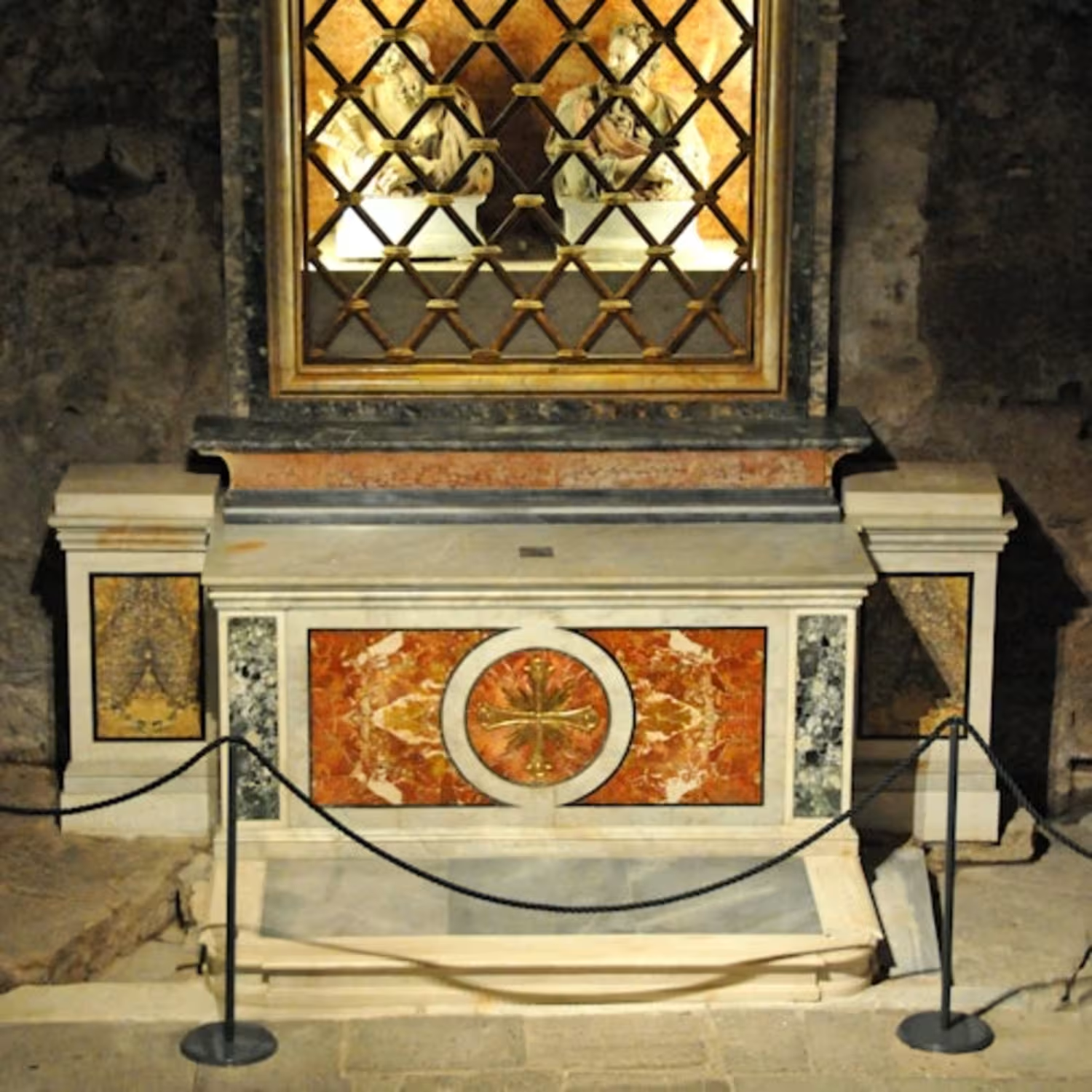
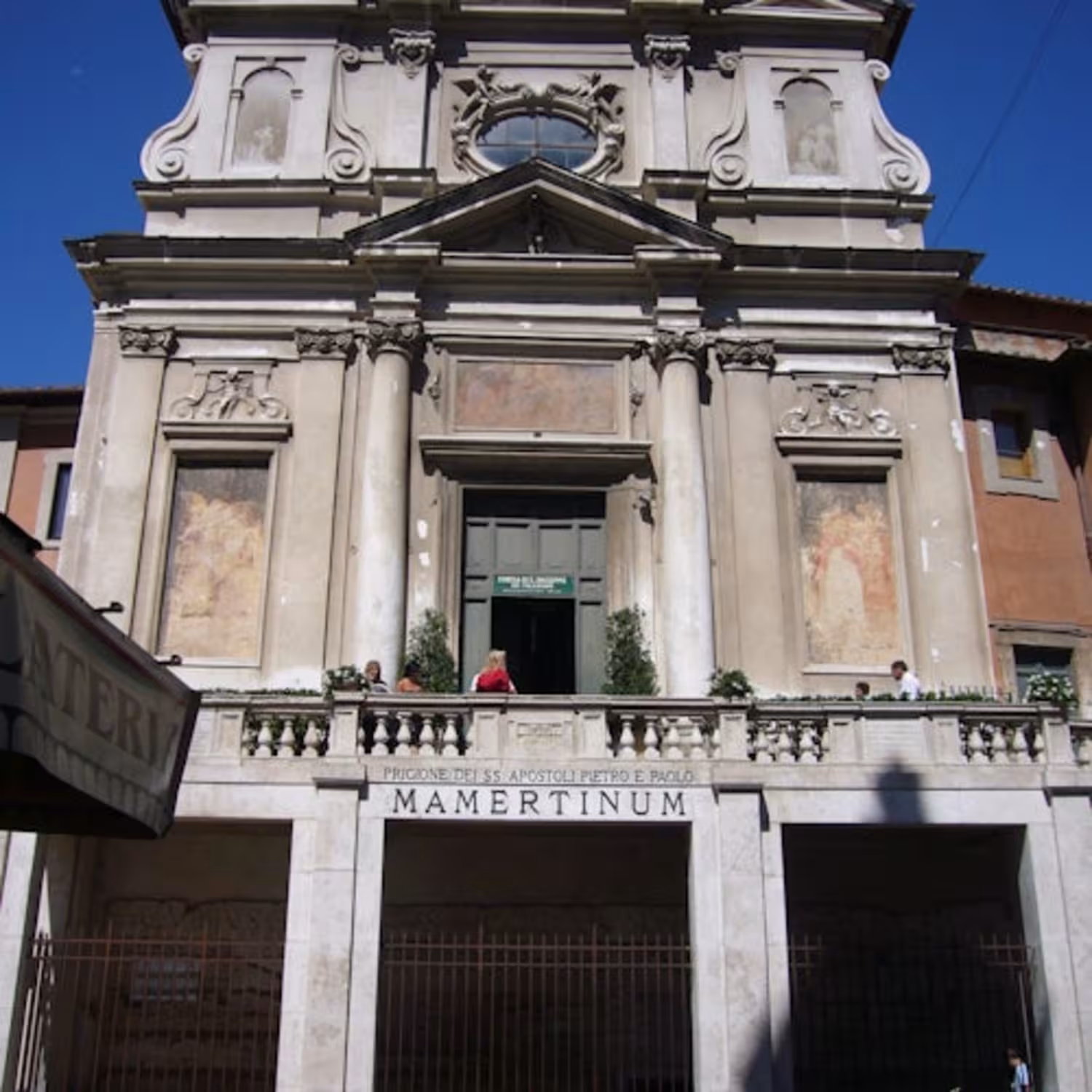
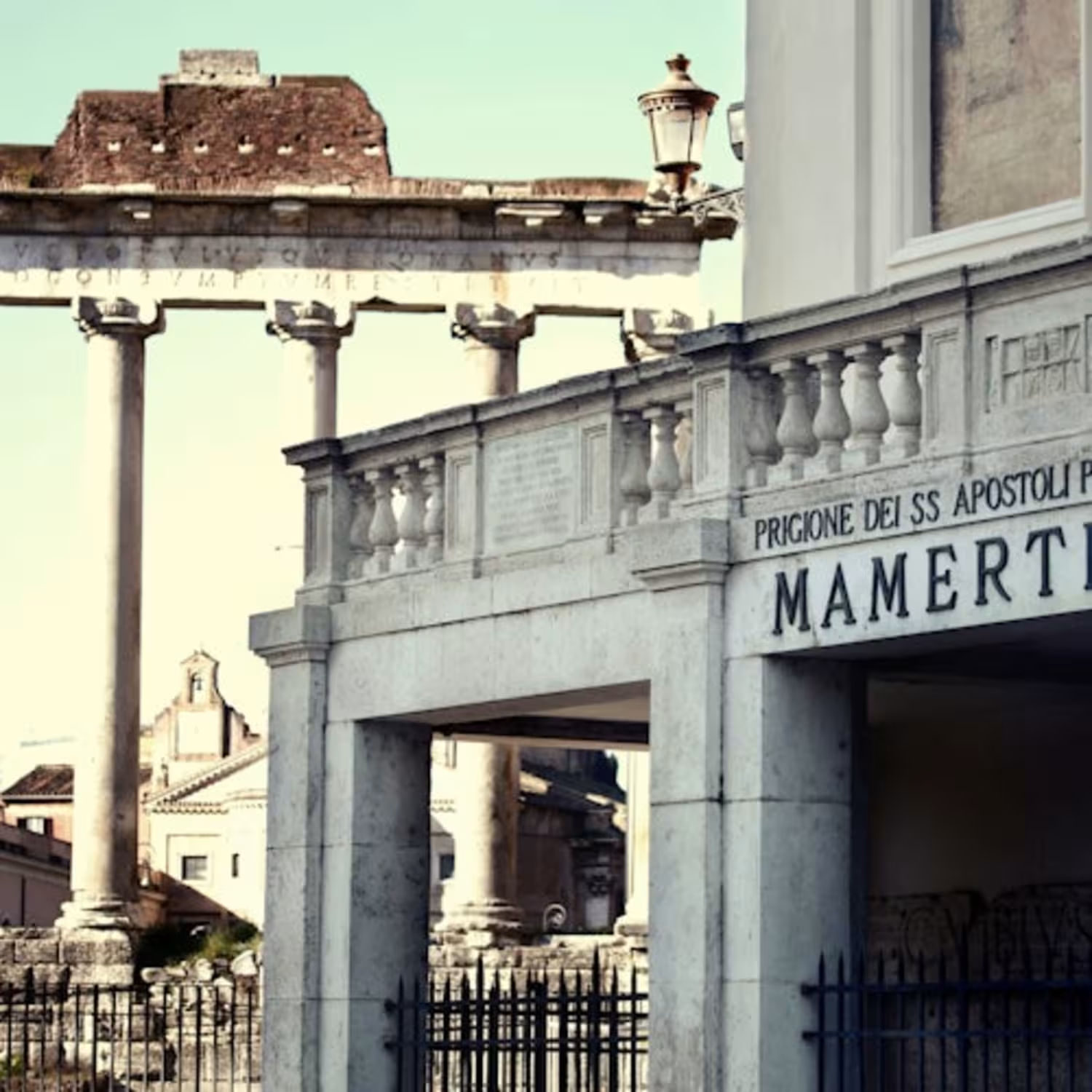
Explore the historically significant Mamertine Prison, once holding emperors and kings.

Roam freely through the Roman Forum and Palatine Hill at your own pace.

Benefit from an engaging audio guide that enriches your visit.

Enjoy short queues and a well-organized ticket process.
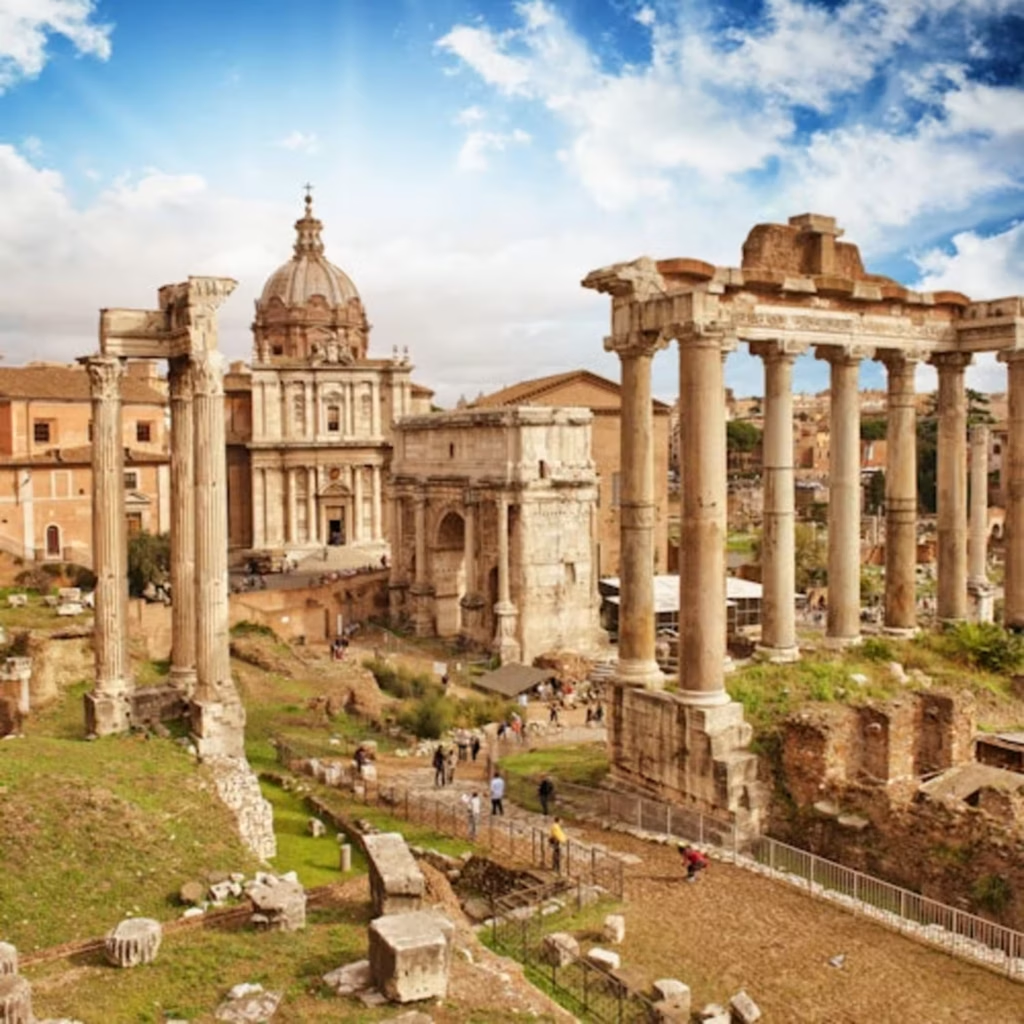
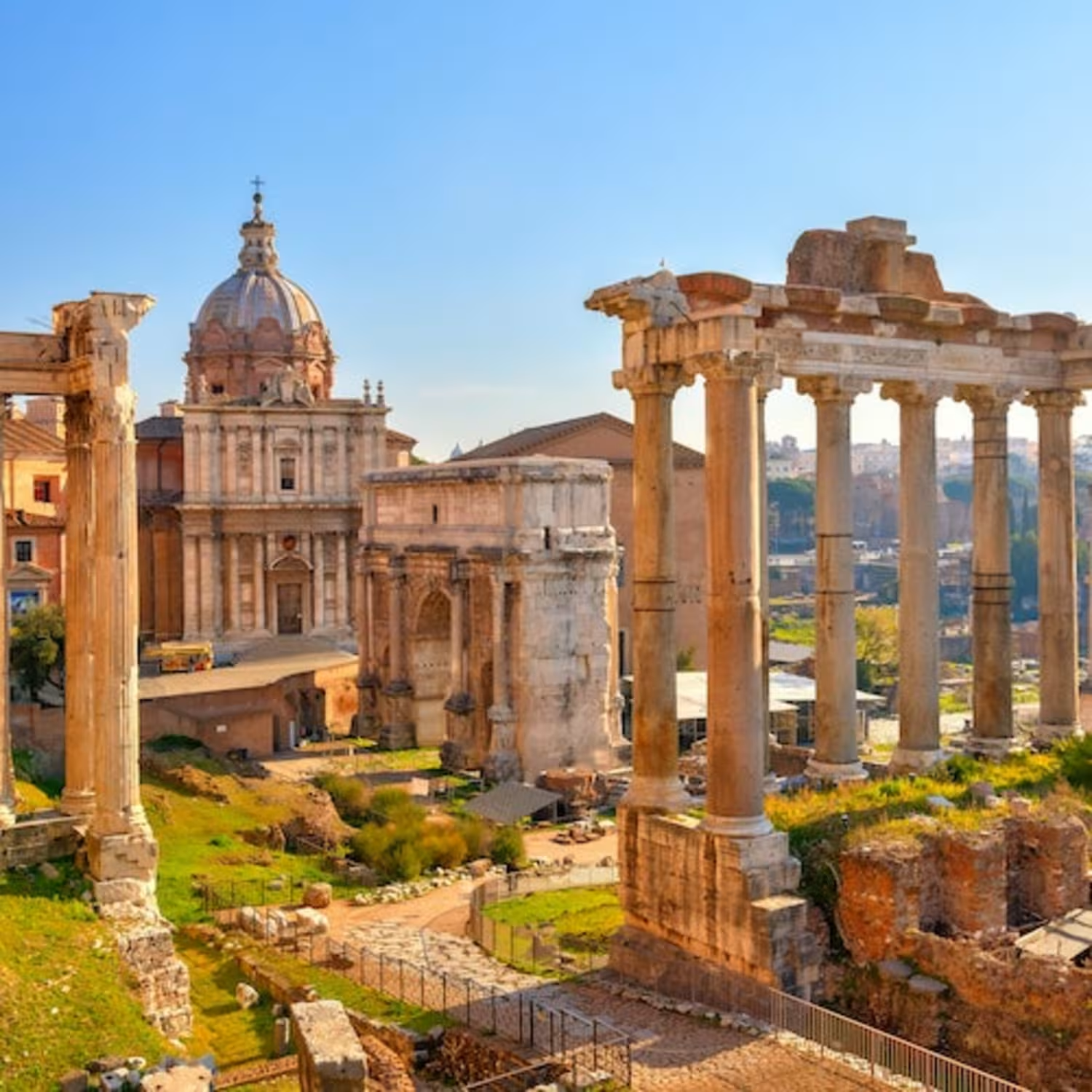
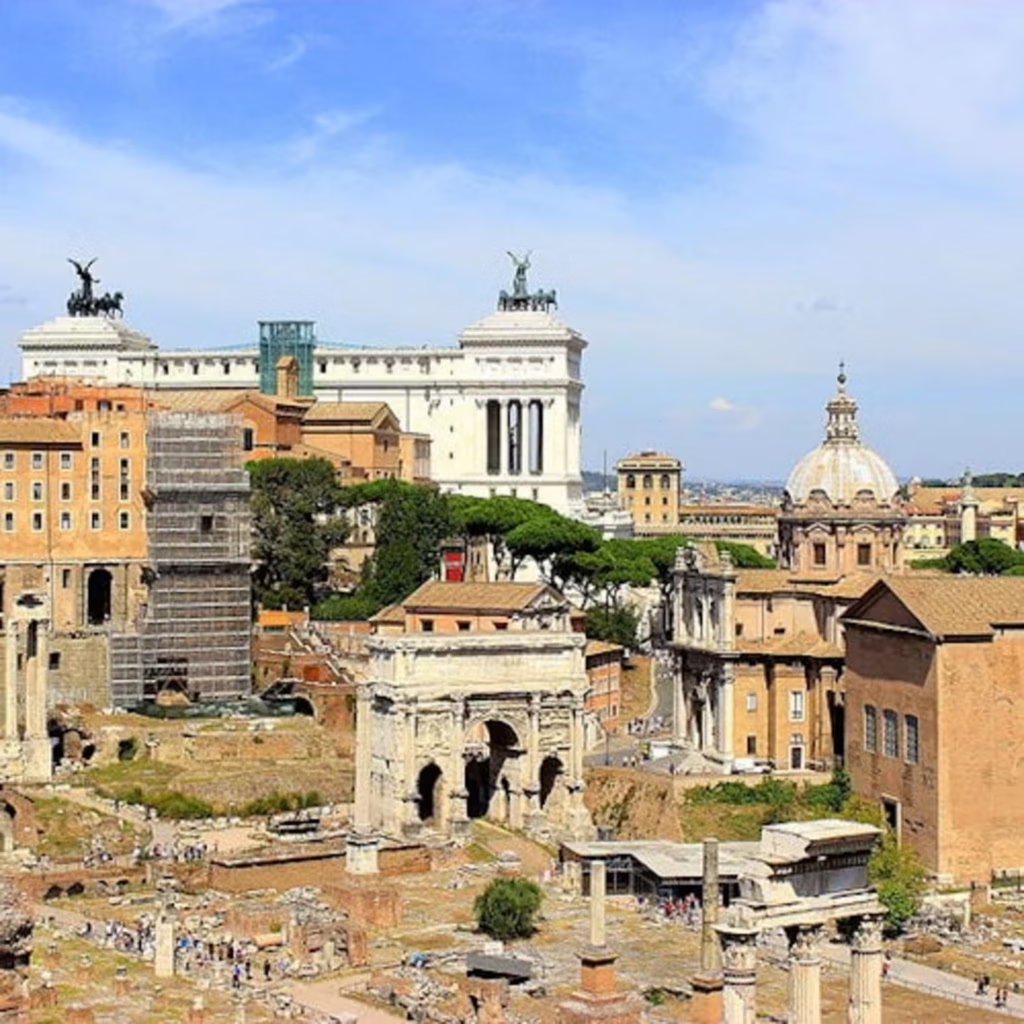
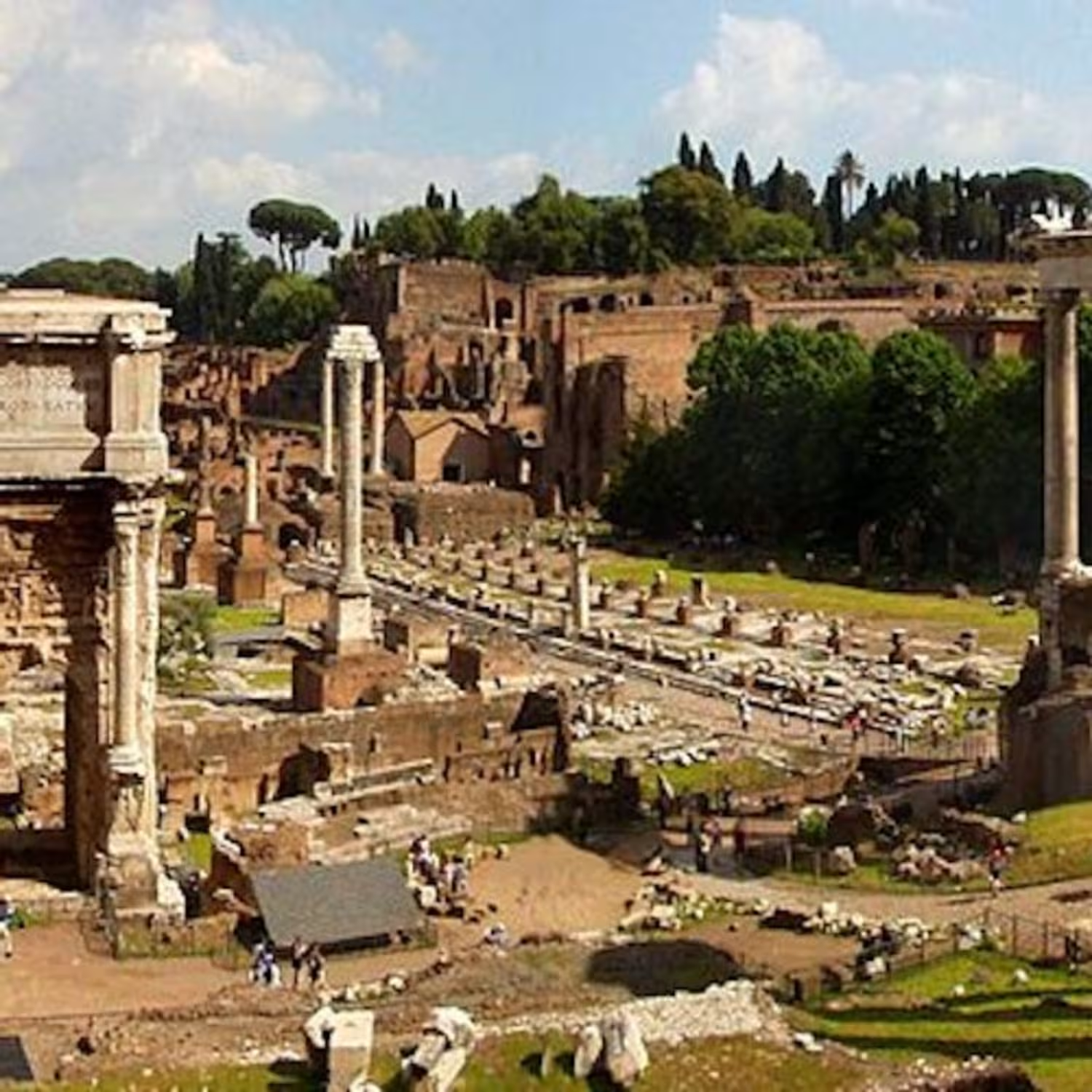
The ridge still looks over the Forum

The hill is still a walk above the Forum. Combined admission for the Colosseum, Roman Forum and Palatine Hill is on the venue page. How long to allow is on Plan Your Visit.

About this guide

Sources: Parco archeologico del Colosseo, Palatium itinerary; Parco archeologico del Colosseo, Forum Pass SUPER ticket; Turismo Roma, Casa di Livia.

FAQs about Palatine Hill

What is Palatine Hill?

Palatine Hill is the ridge above the Roman Forum. It holds Iron Age settlements tied to the earliest core of Rome, then aristocratic houses, then the palaces of the emperors. Palatium, the name of those palaces, became the word for a royal palace in modern languages.

Why is it called Palatine Hill?

Palatine is the English name for the Palatino, the hill itself. Palatium was the Latin name that attached to the imperial houses on it. Once those houses were there, other languages used Palatium to mean a royal palace.

Did Roman emperors live on Palatine Hill?

Yes. Augustus chose the hill for his house, and emperors kept living there until the empire fell. The later palaces include the Domus Tiberiana and the Domus Flavia, with a private wing called the Domus Augustana.

What can you see on Palatine Hill?

The imperial palace remains, the so-called Palatine Stadium, the Horti Farnesiani, the Neronian Cryptoporticus and the Palatine Museum. The houses of Augustus and Livia are separate timed visits on the park's SUPER and Full Experience tickets, and the House of Livia is currently closed for restoration work.

Is the House of Augustus on the basic combined admission?

No. The park puts the House of Augustus on Forum Pass SUPER and Full Experience tickets, on a timed slot. The hill itself is on the combined Colosseum, Roman Forum and Palatine Hill admission.

How long do you need on Palatine Hill?

Allow about 1.5 to 2 hours for the Roman Forum and Palatine Hill together. Palatine Hill is a walk up from the Forum, not a separate park visit on a different day.