We are processing your request.
Please, don’t close or refresh the page.

The History and Facts Behind the Colosseum in Rome

The Colosseum in Rome has stood for almost two thousand years, and its story starts with a genuine mystery: no historical record names the architect who designed it. This page traces how the amphitheater was actually built, what happened inside it across nearly five centuries of use, and how it earned its place among the world's most recognized ancient monuments.

When Was the Colosseum Built, and Why Does It Matter?

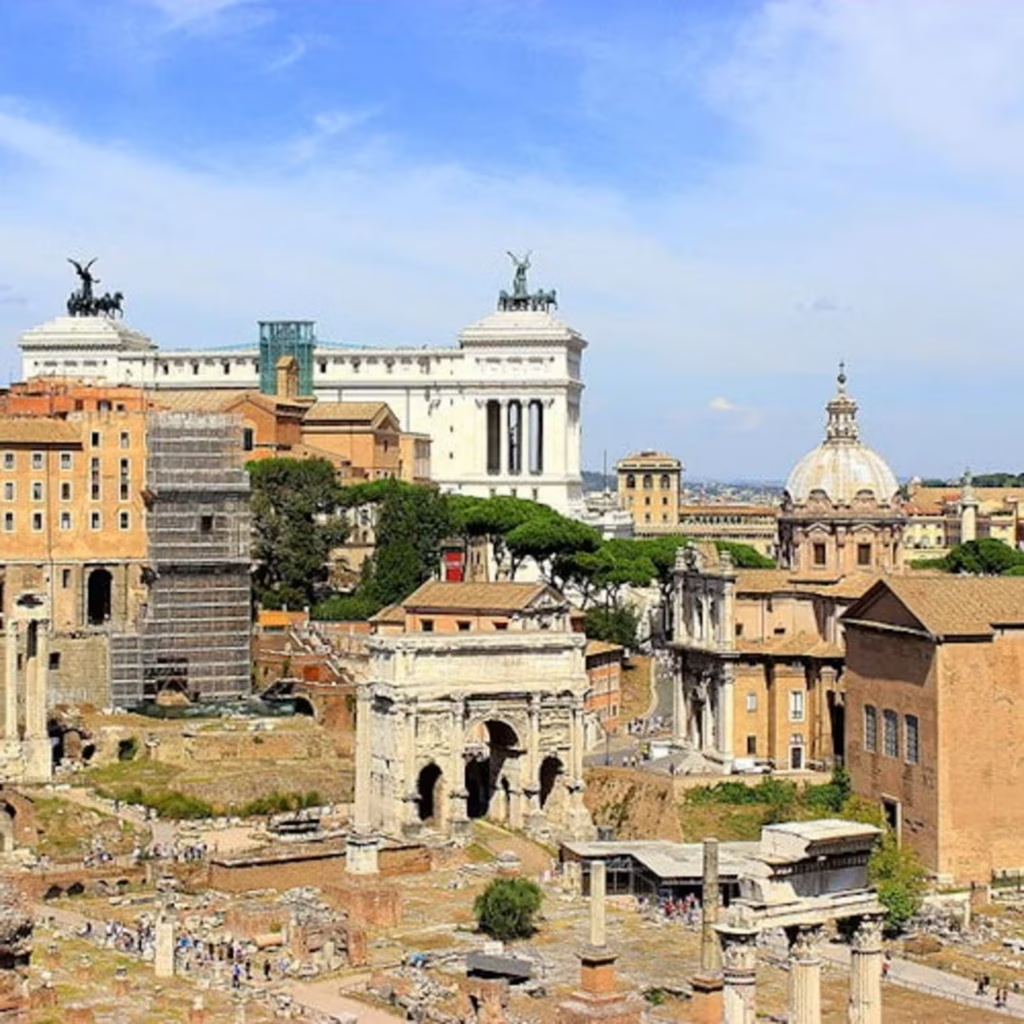
Emperor Vespasian started building the Colosseum around AD 70, and his son Titus opened it ten years later. That timeline matters here because so much of what makes the building interesting comes from how it changed afterward: an arena engineered for real naval battles that was rebuilt within a few years to stop hosting them, and a run of nearly five centuries of use that ended for different reasons than most people assume. This page goes deeper into that construction timeline and everything that followed it. For the fuller picture of the whole archaeological complex, including the Roman Forum and Palatine Hill, start with the Colosseum, Roman Forum and Palatine Hill overview.

Fun Facts About the Colosseum's History

No ancient inscription or historical record names the architect behind the Colosseum's design, since Roman practice credited the emperor, not the builder.

The original arena floor could be flooded for staged naval battles called naumachiae, a trick that stopped being possible once engineers built the underground hypogeum around AD 85.

Gladiator combat is traditionally said to have ended around AD 404, though the ancient source behind that date never actually names the Colosseum as the location.

The last confirmed games at the Colosseum were animal hunts staged in AD 523, under the Ostrogothic King Theodoric, decades after the last western Roman emperor.

The Colosseum earned UNESCO World Heritage status in 1980, as part of the wider "Historic Centre of Rome" listing, and was voted one of the New7Wonders of the World in 2007.

Its facade stacks three classical architectural orders, Doric on the ground floor, Ionic above it and Corinthian on the third, a layout later borrowed by stadiums worldwide.

How the Colosseum Was Actually Built

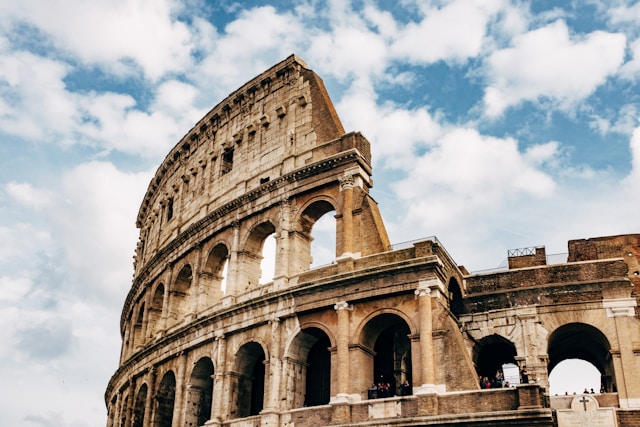
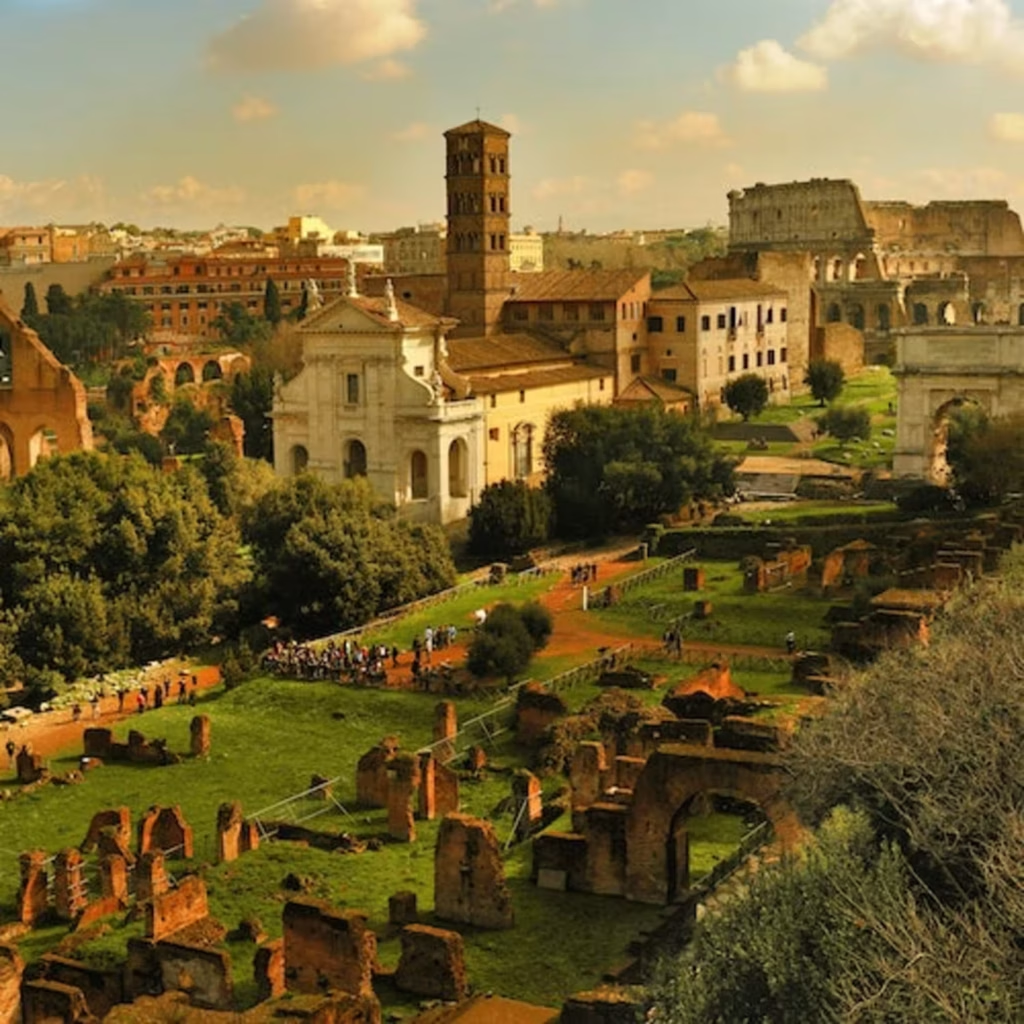
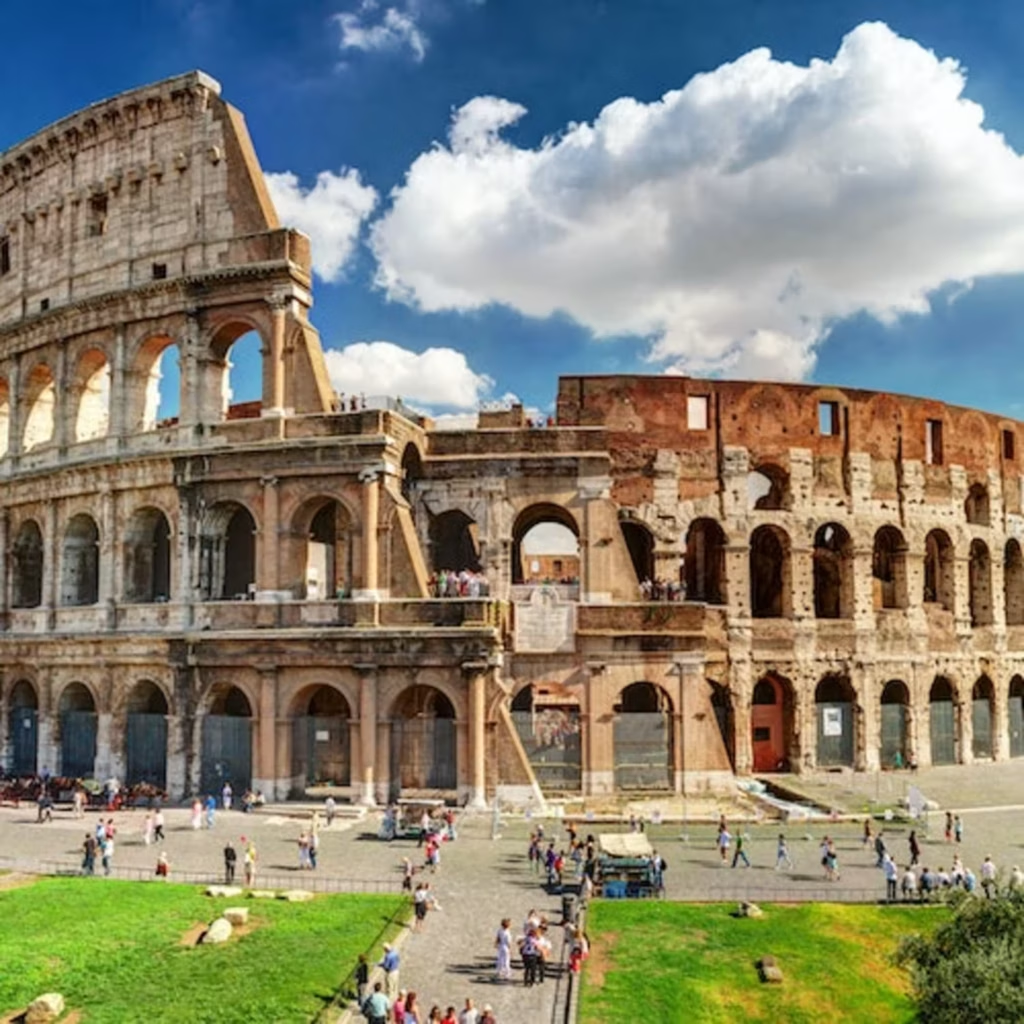
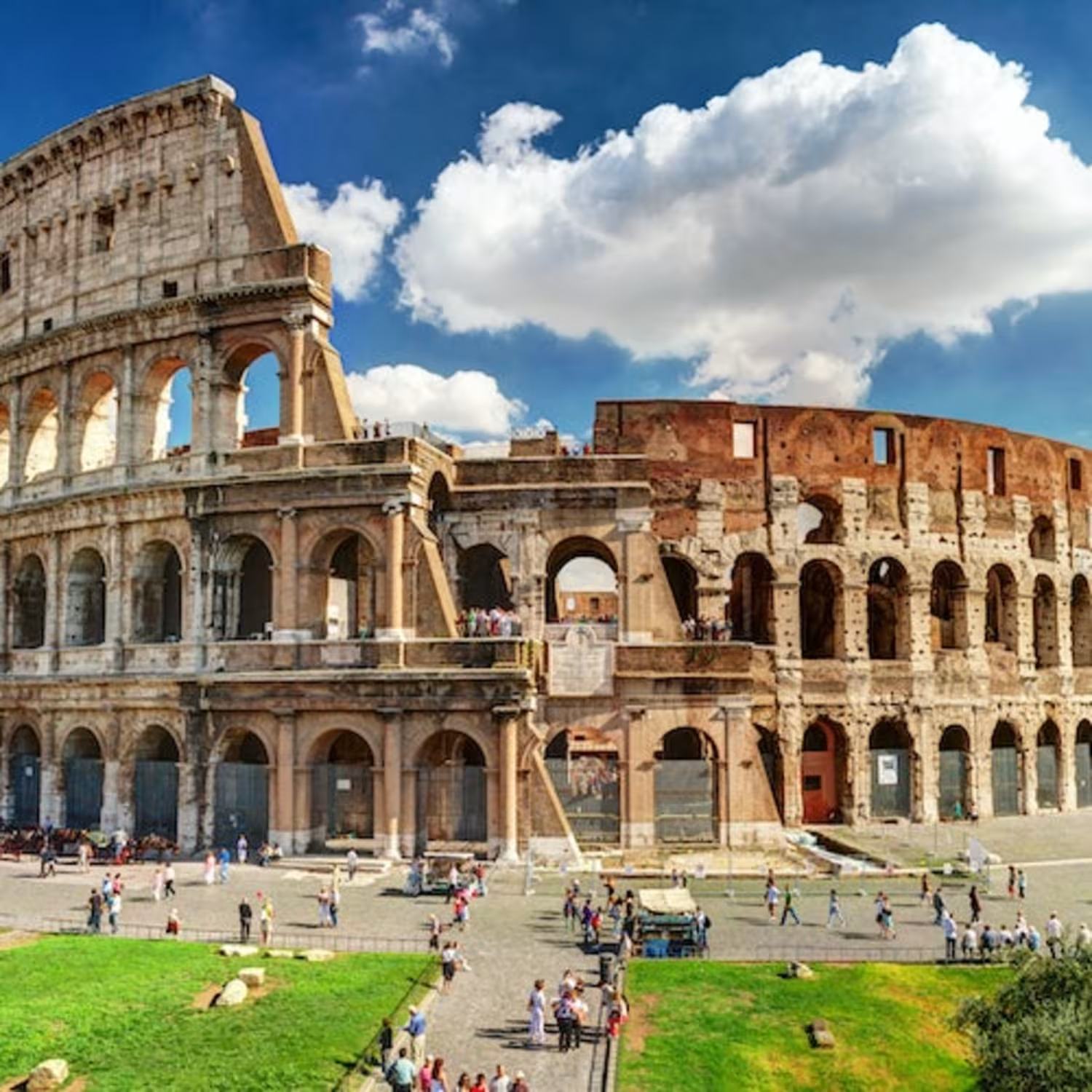
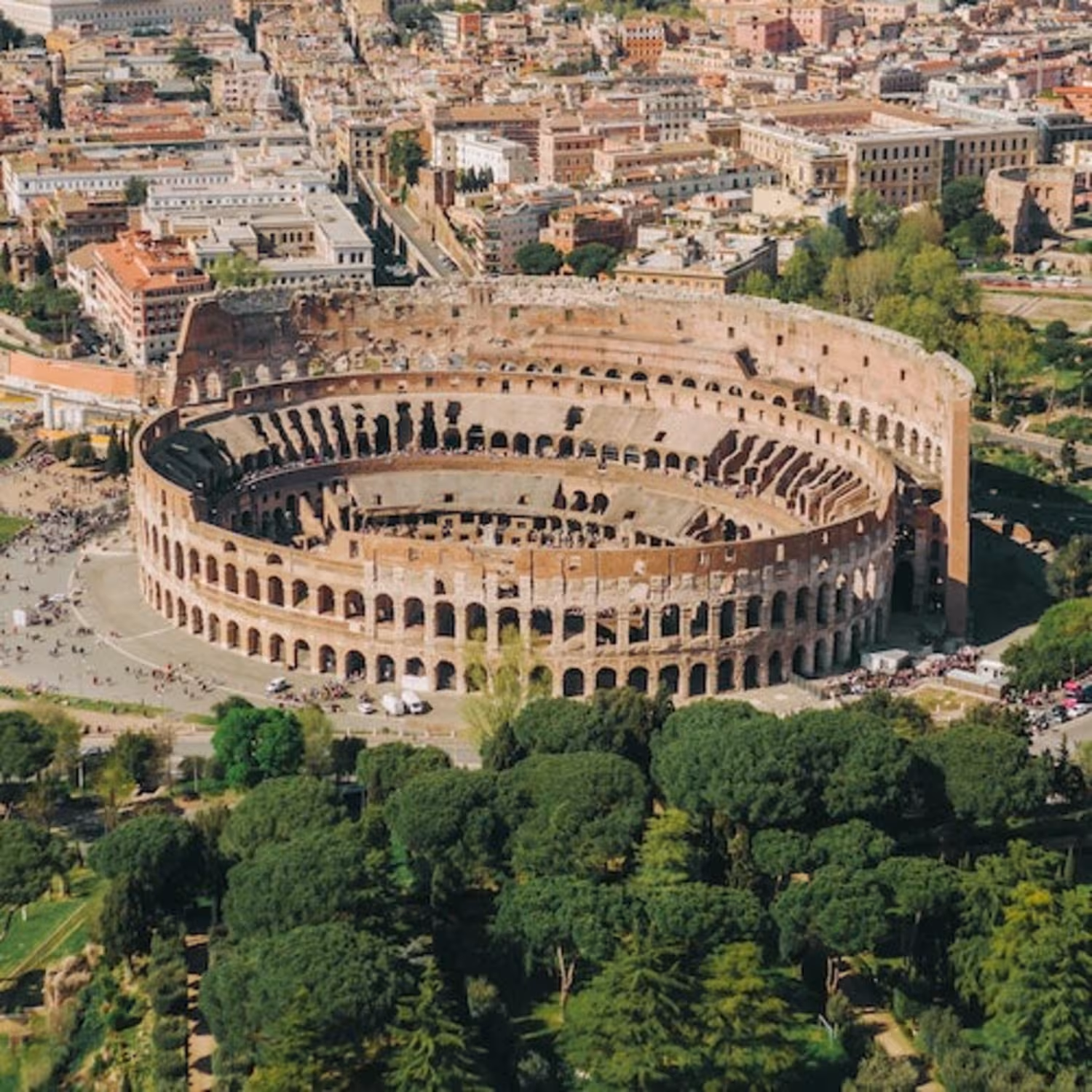
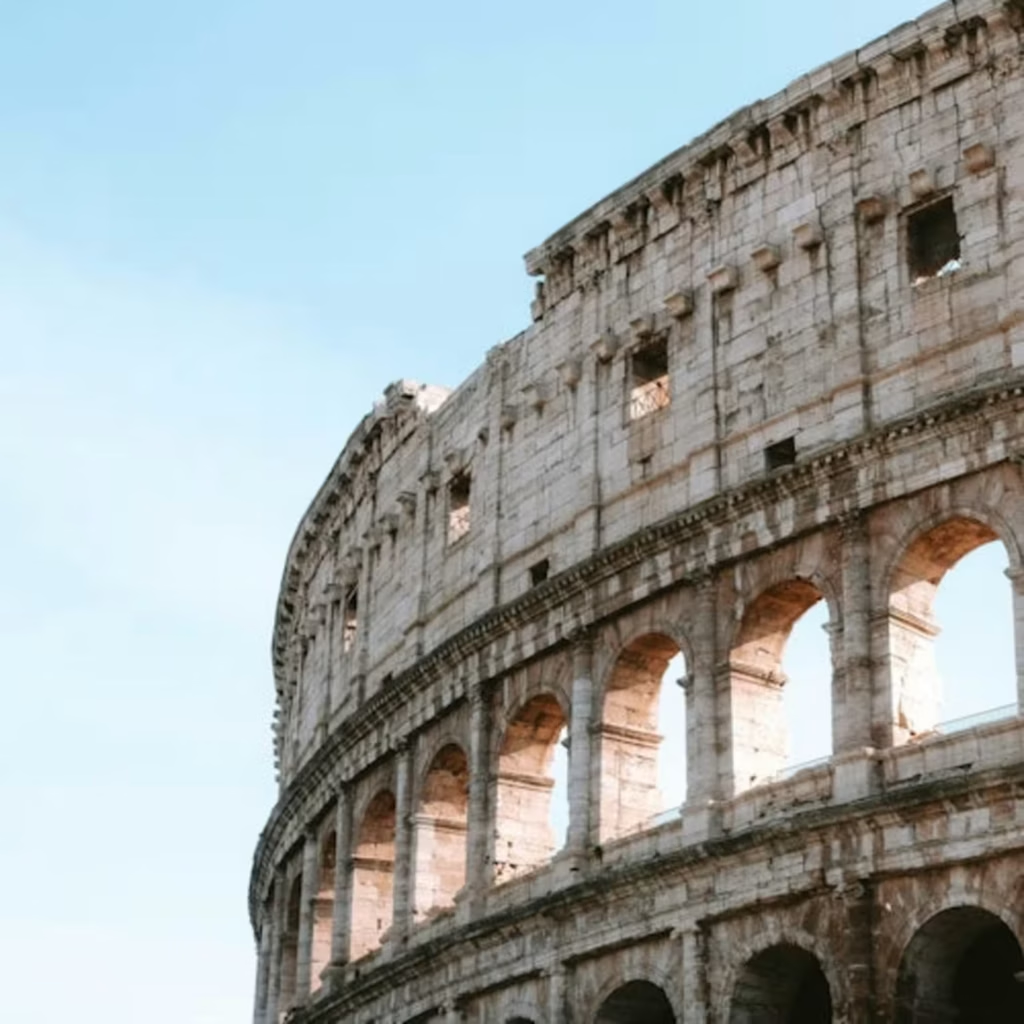
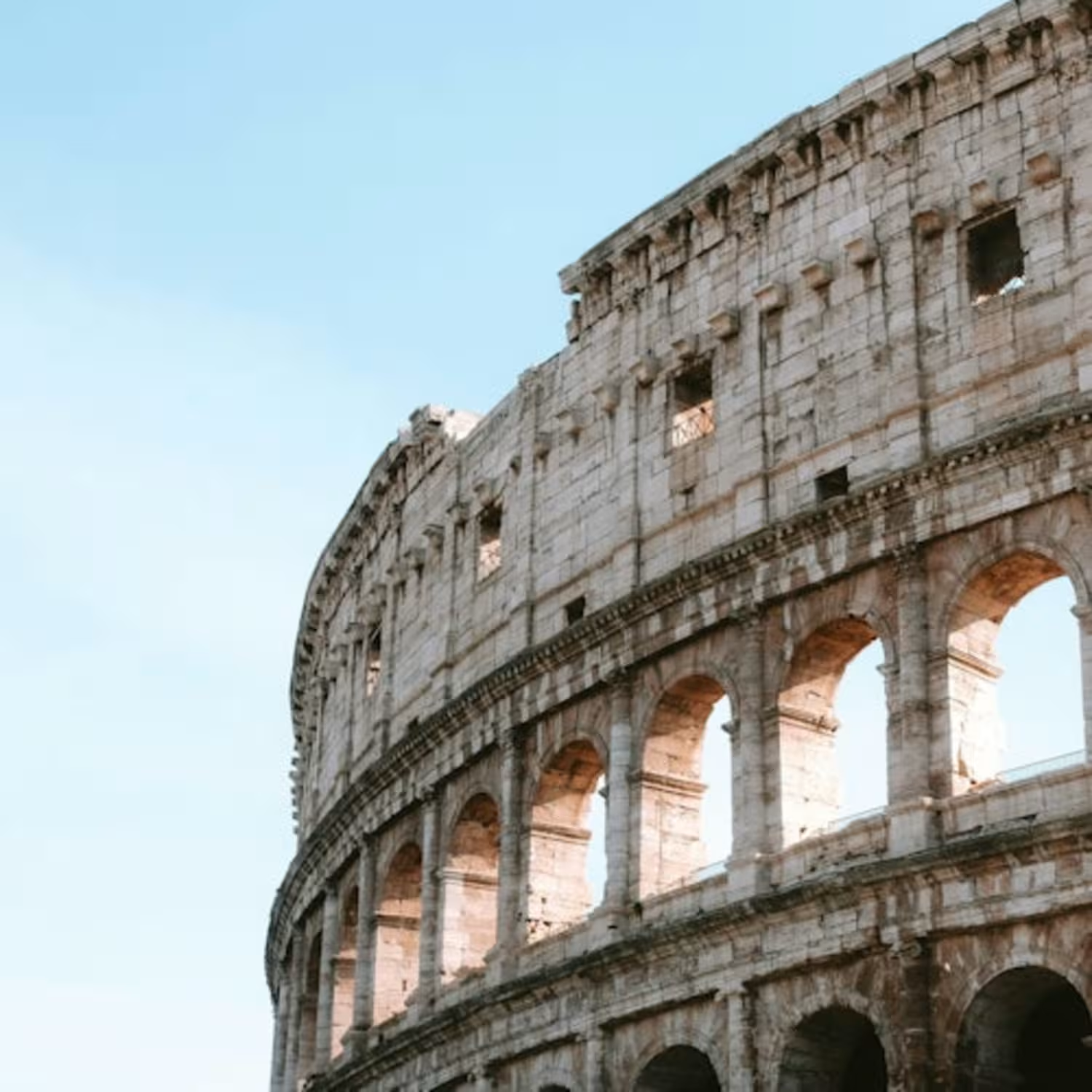
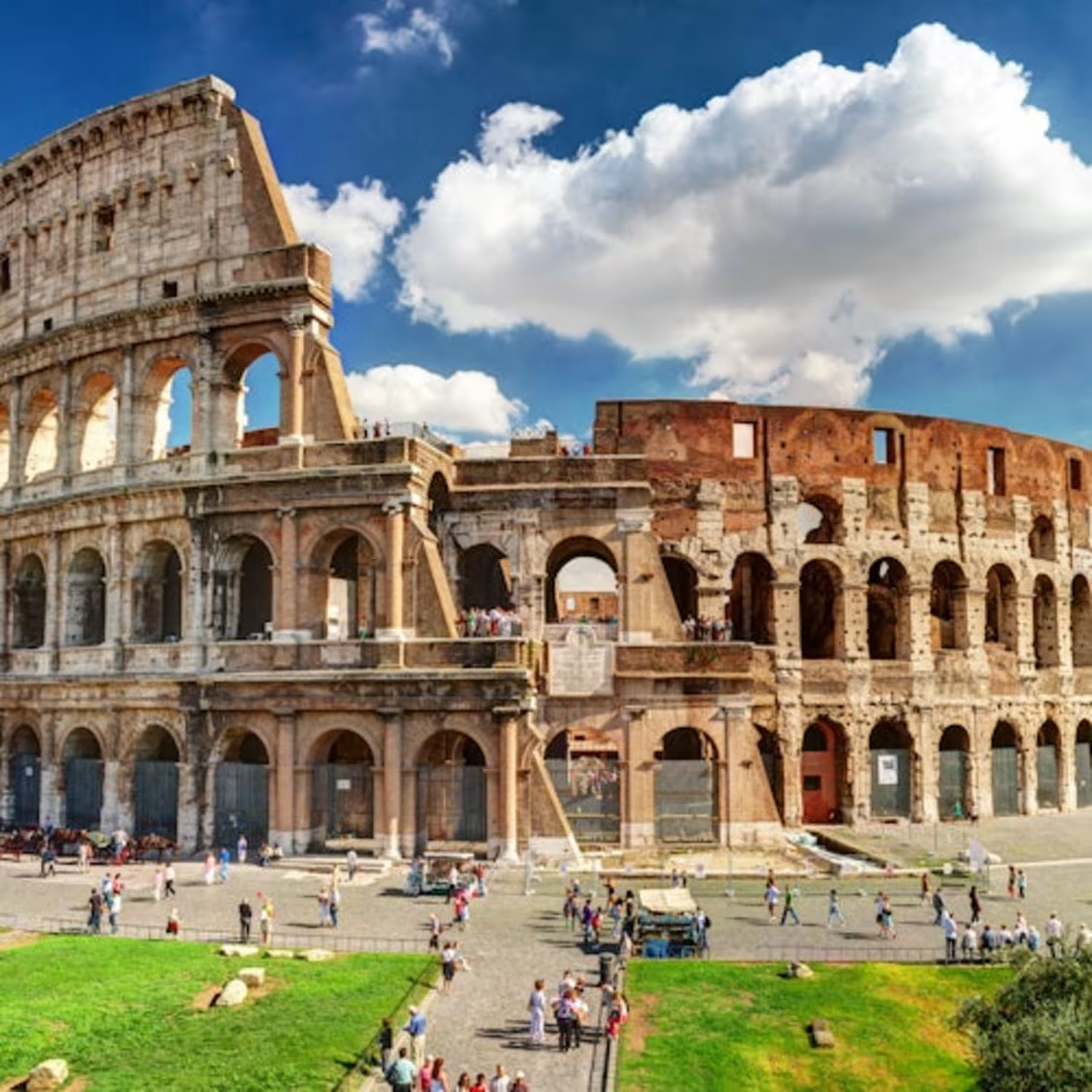
Ruined section of the Colosseum's outer wall

Workers built the Colosseum from the outside in: a core of concrete, tuff and brick, faced with travertine limestone blocks held together by iron clamps instead of mortar. Around that core runs a system of radiating, barrel-vaulted corridors, engineered so that a crowd entering through any of 80 numbered ground-level arches could reach a seat, and later leave again, without the bottlenecks a simpler design would have caused.

The facade itself layers three classical architectural orders, one per level: Doric on the ground floor, Ionic on the second, and Corinthian on the third, with flat Corinthian pilasters on the fourth, attic level above them. It's a detail later copied by stadiums, courthouses and government buildings that have nothing to do with ancient Rome.

And yet, for a building this well documented, one detail never made it into the record: nobody wrote down who actually designed it. No inscription, letter or account from antiquity credits a specific architect or engineer, because Roman practice reserved that kind of credit for the emperor commissioning the work, not the person who drew up the plans.

The Arena That Could Flood

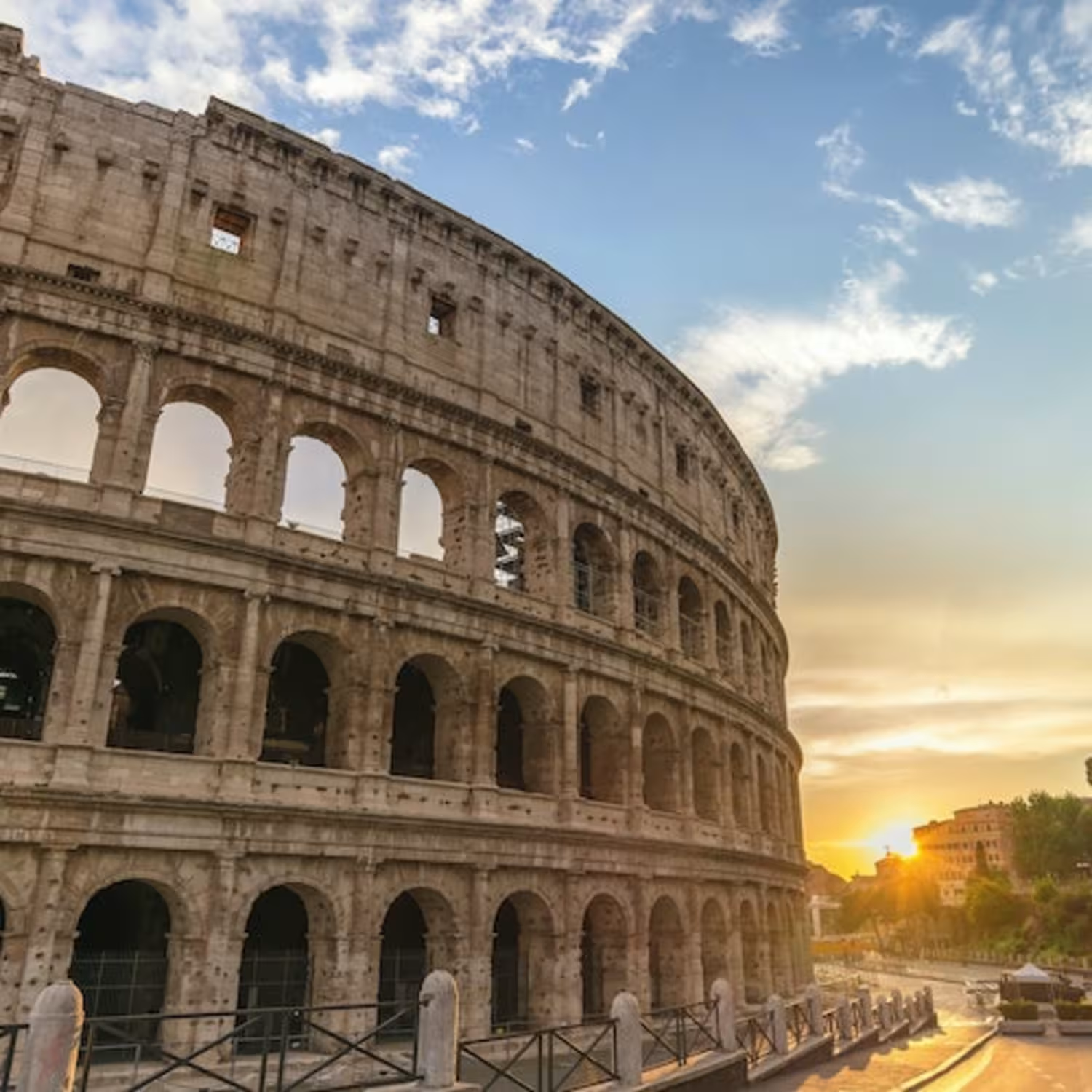
Weathered stonework on the Colosseum's exterior

Ancient writers describe naumachiae, staged naval battles fought with scaled-down ships, held in the Colosseum's flooded arena during Titus's inaugural games in AD 80 and briefly again under his brother Domitian. For a few years, the arena floor doubled as a shallow basin.

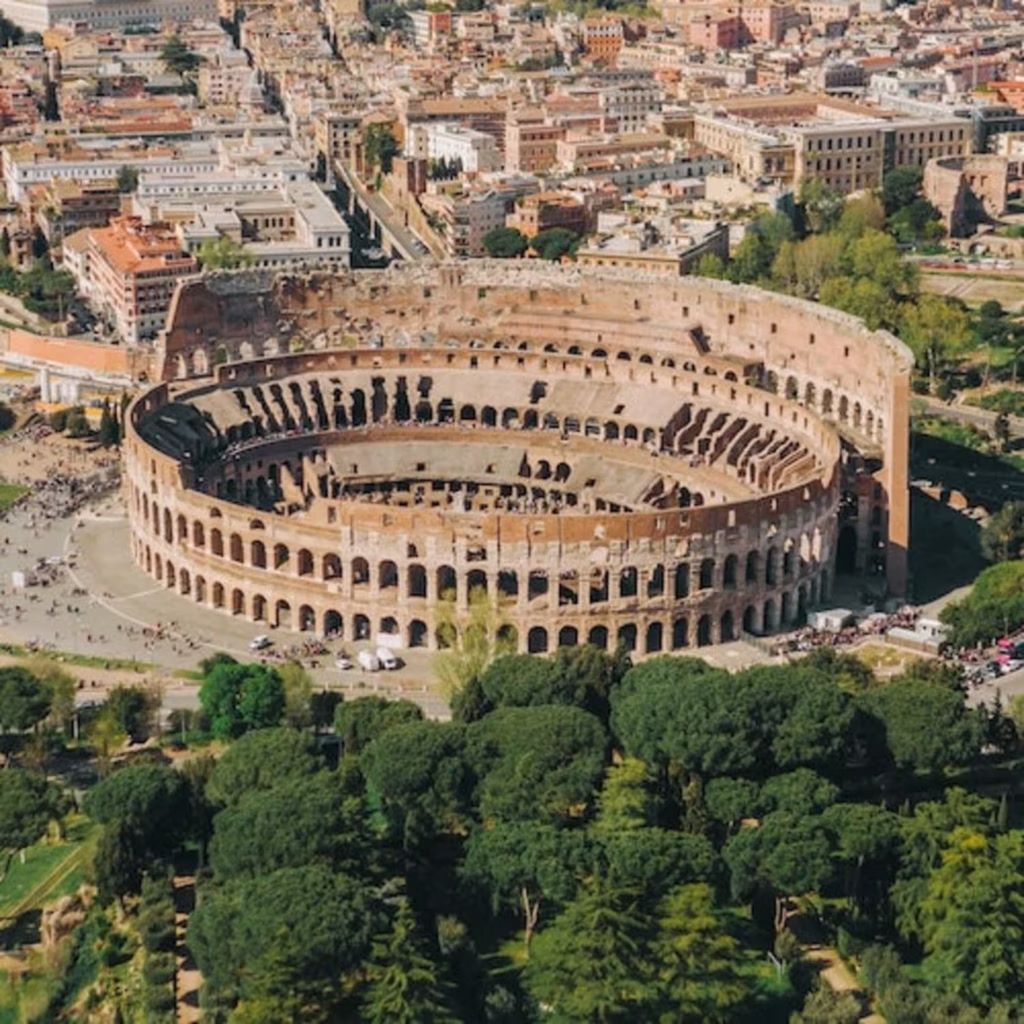
That stopped being possible once Domitian's engineers built the hypogeum, a permanent network of underground corridors, animal cages and lift shafts beneath the arena floor, completed around AD 85. The hypogeum let stagehands raise scenery and animals straight into the action through trap doors, which made for a better show, but it also meant the arena could never be flooded again.

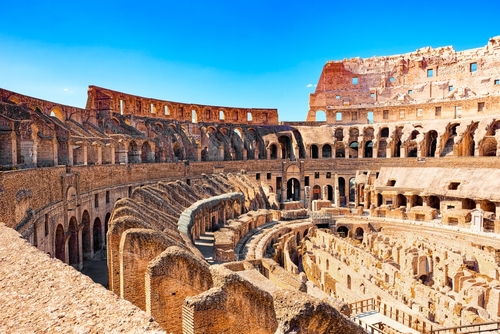
Almost none of the wooden floor that once covered the hypogeum survives today, which is why visitors looking down into the Colosseum now see the exposed maze of chambers rather than a flat arena surface.

When the Games Stopped

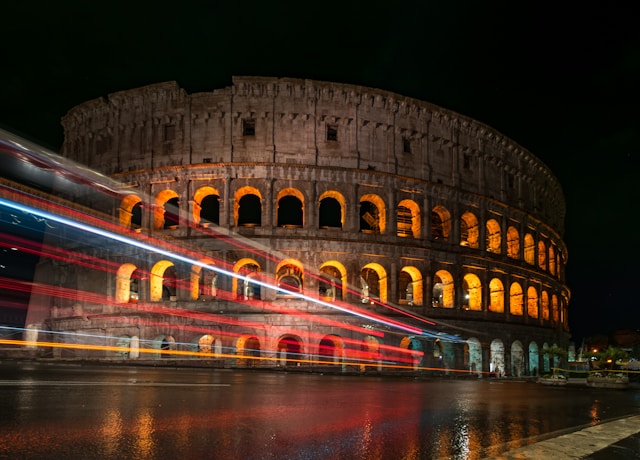
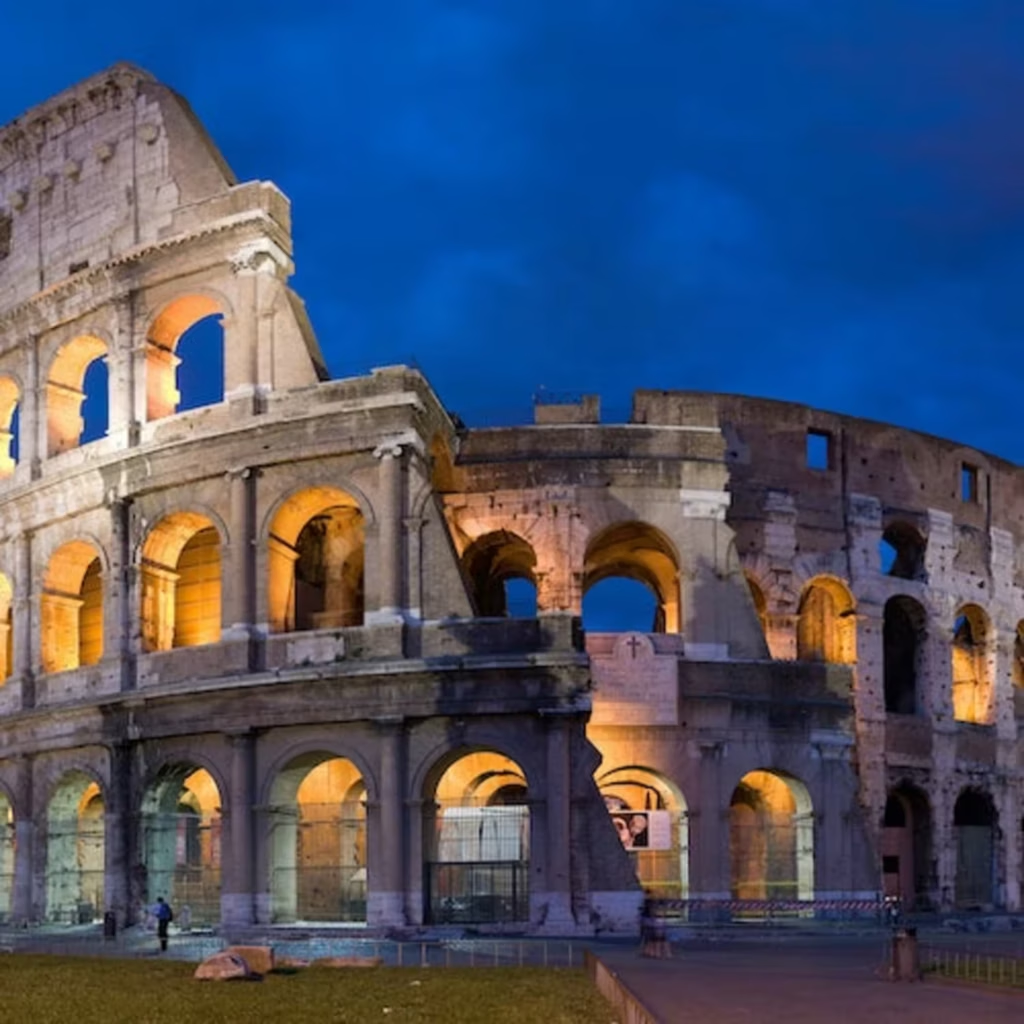
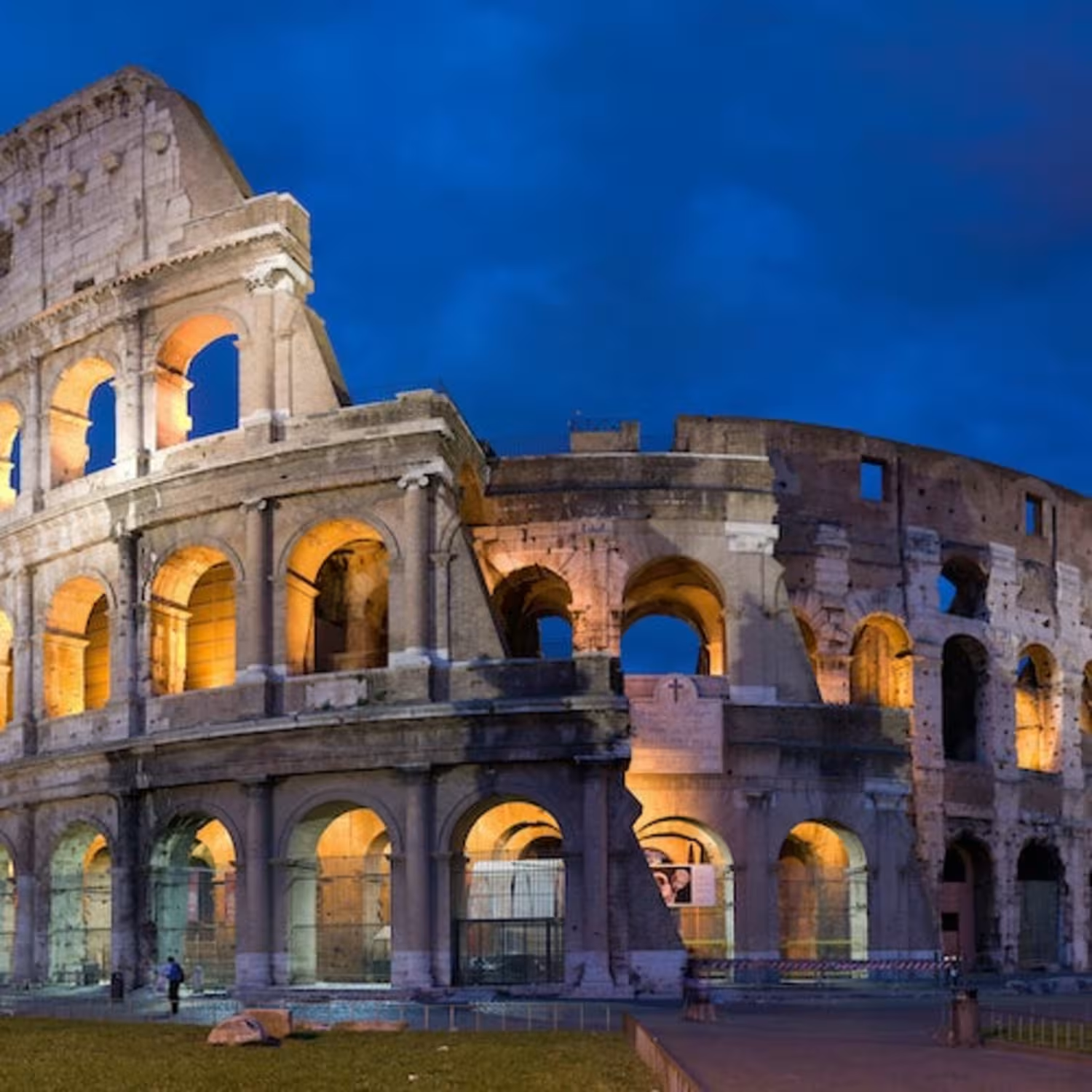
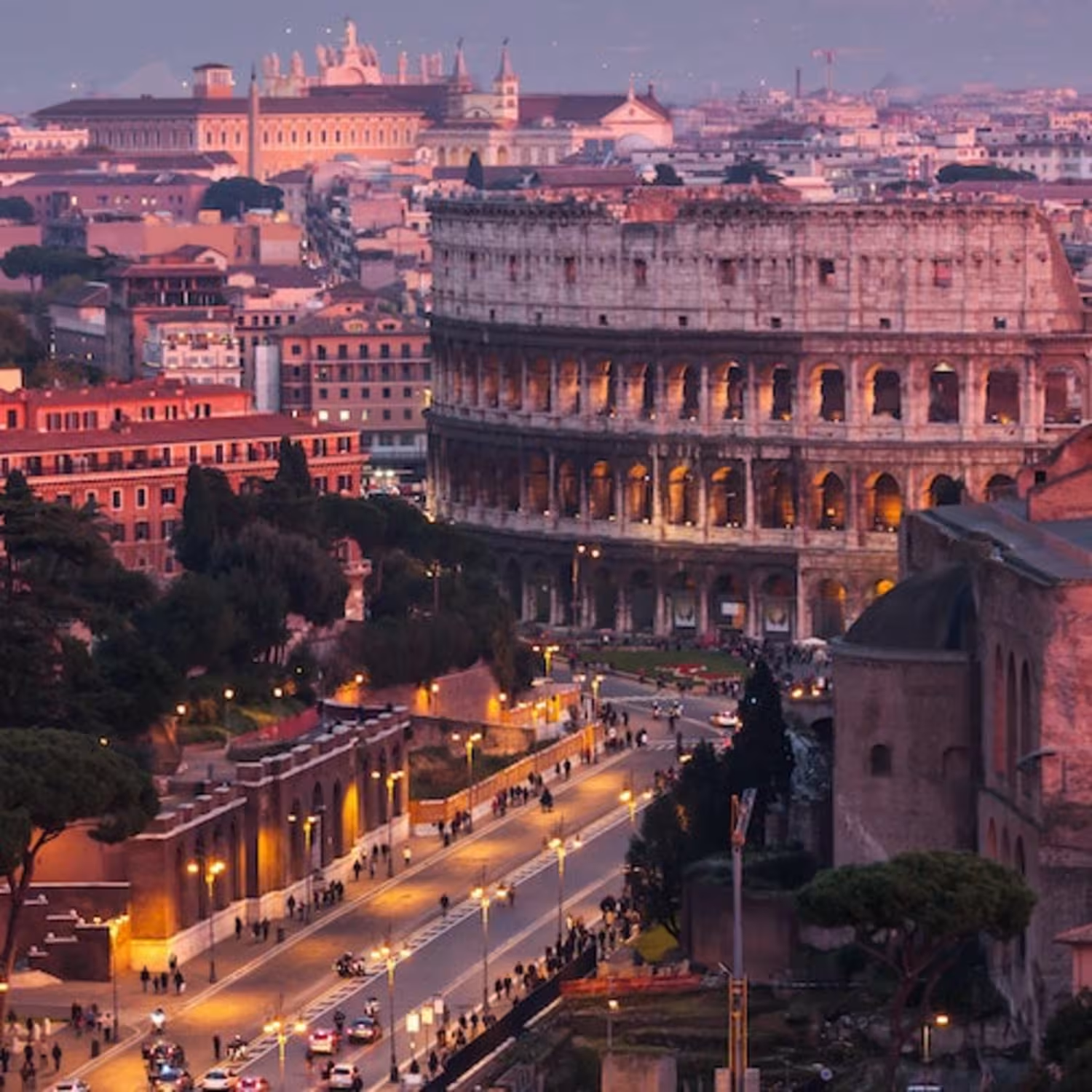
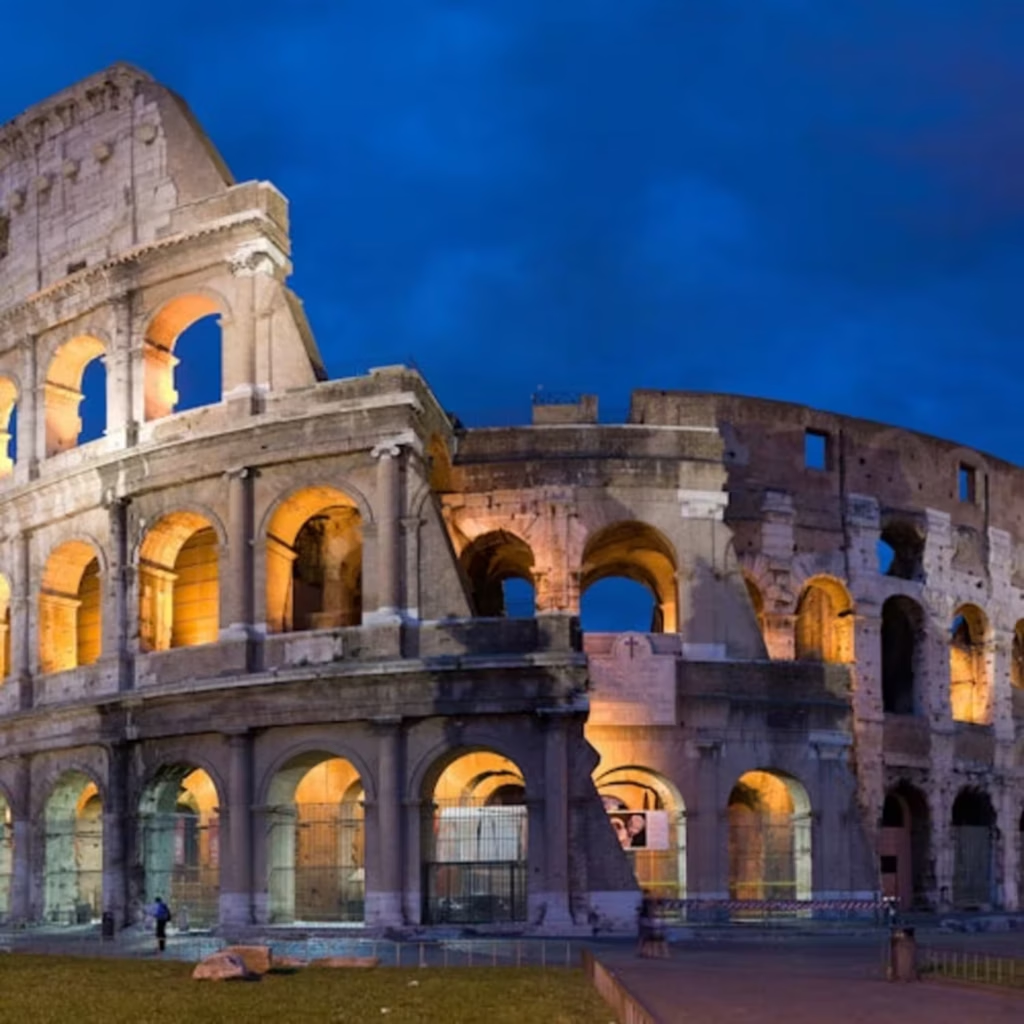
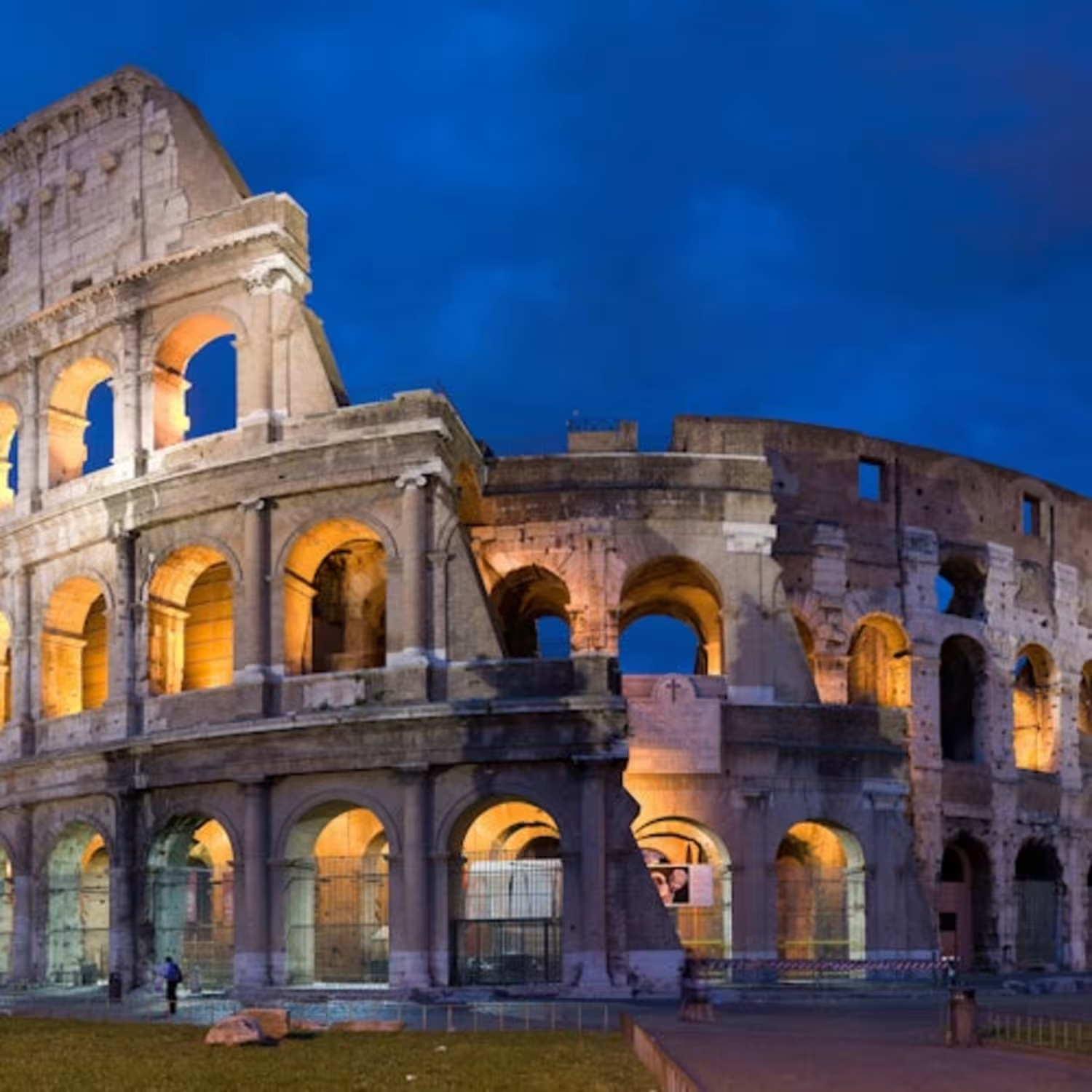
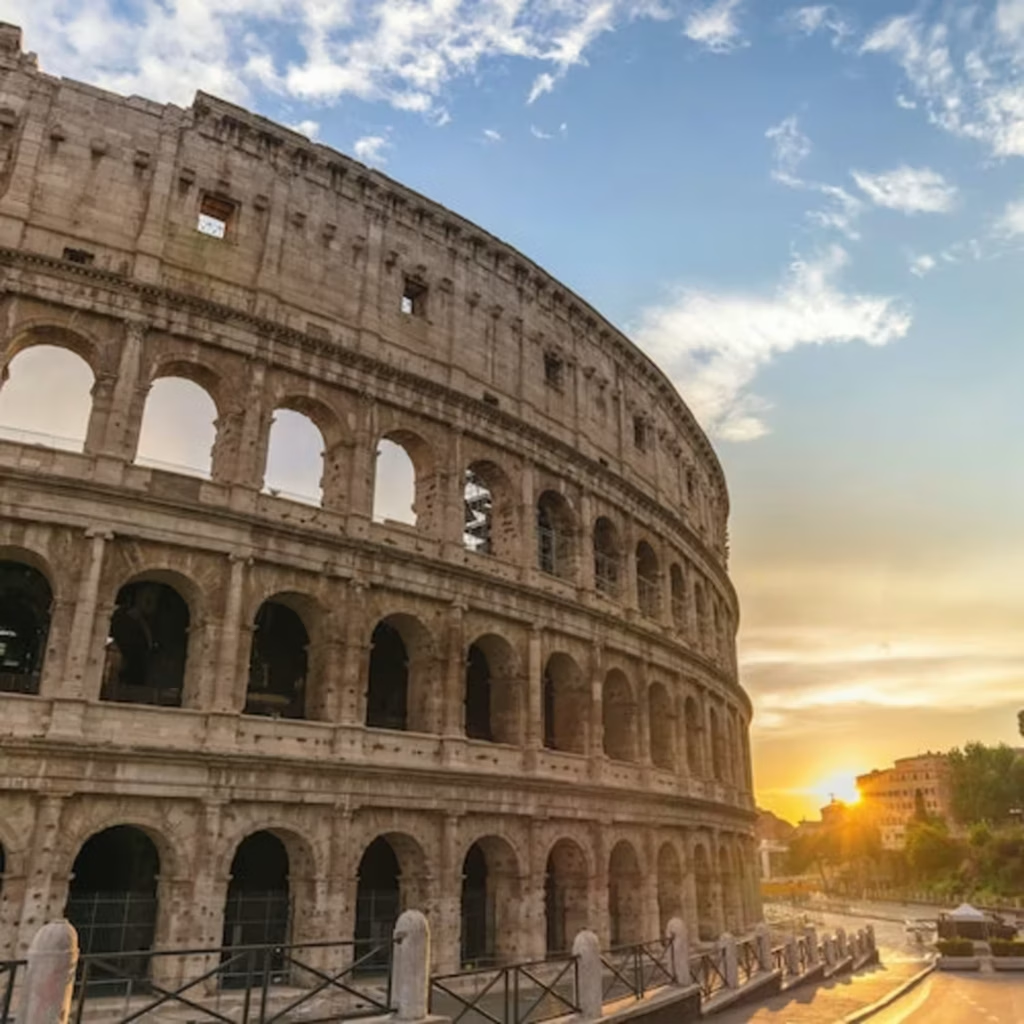
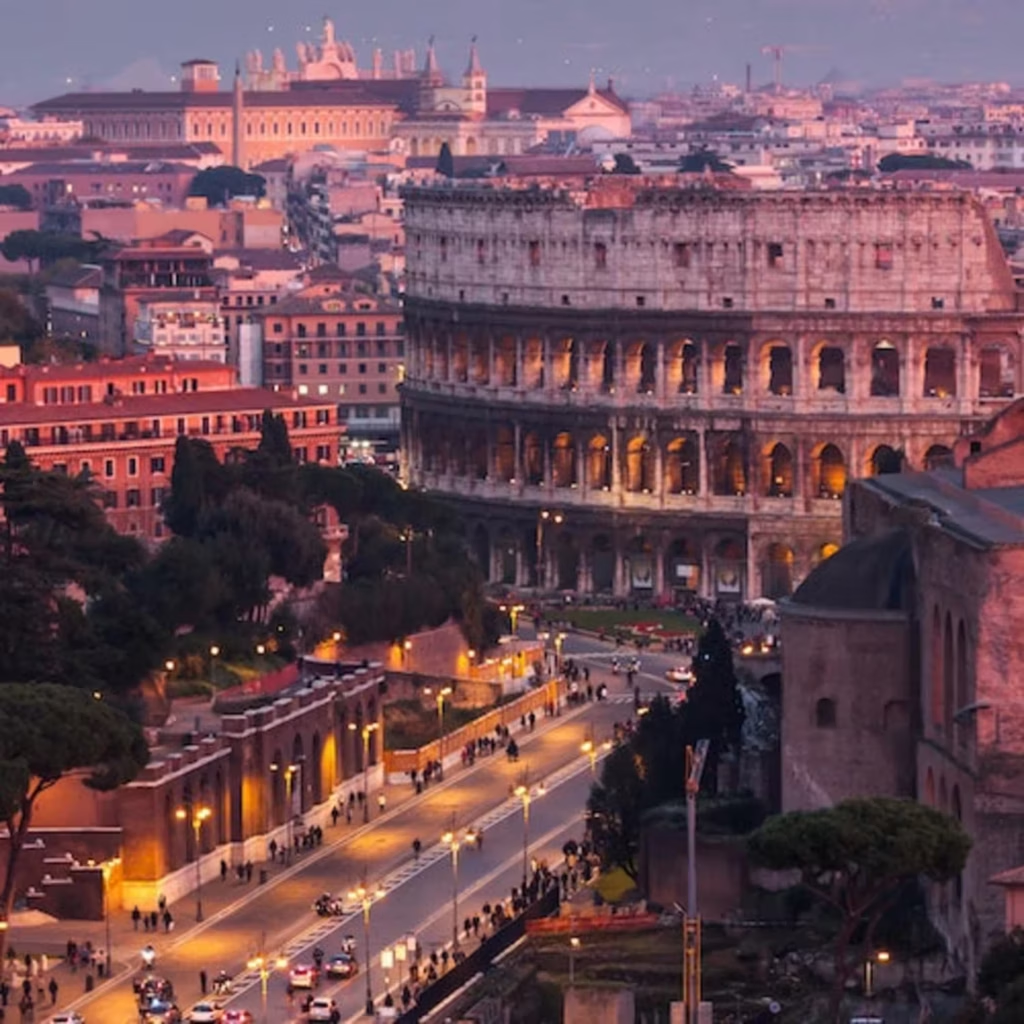
The Colosseum illuminated at night

Gladiator combat is popularly said to have ended around AD 404, after Emperor Honorius was moved by the death of a monk named Telemachus, who reportedly stepped into the arena to stop a fight. It's a genuinely old story, but a cautious one to repeat as settled fact: the ancient source behind it describes the death happening in "the stadium," without actually naming the Colosseum.

Animal hunts outlasted the gladiators. The last games historians can confirm took place at the Colosseum in AD 523, staged under the Ostrogothic King Theodoric, decades after the western Roman Empire's own last emperor had already been deposed. After that, the building's active life as an arena was over, though its life as a building was not: what came next, a thousand years as a fortress, a quarry and eventually a consecrated shrine, is covered on the Colosseum, Roman Forum and Palatine Hill overview page.

Ready to See the Real Thing?

An architect nobody recorded, an arena that could flood and then couldn't, and a last set of games staged nearly a century after Rome's own empire had already ended in the west: the Colosseum's history is stranger than the highlight reel usually lets on. Plan your visit to see the hypogeum and the rest of the amphitheater in person.

4.7
(23)

Skip the line: Colosseum and ancient Rome

Highlights

Explore the renowned Colosseum with priority entry and expert narration.

Stroll through the historic Roman Forum, the former heart of political and social life.

Visit Palatine Hill and uncover the legendary origins of Rome.

Learn fascinating details and stories from an experienced local guide.

Benefit from included audio devices for an enhanced listening experience.
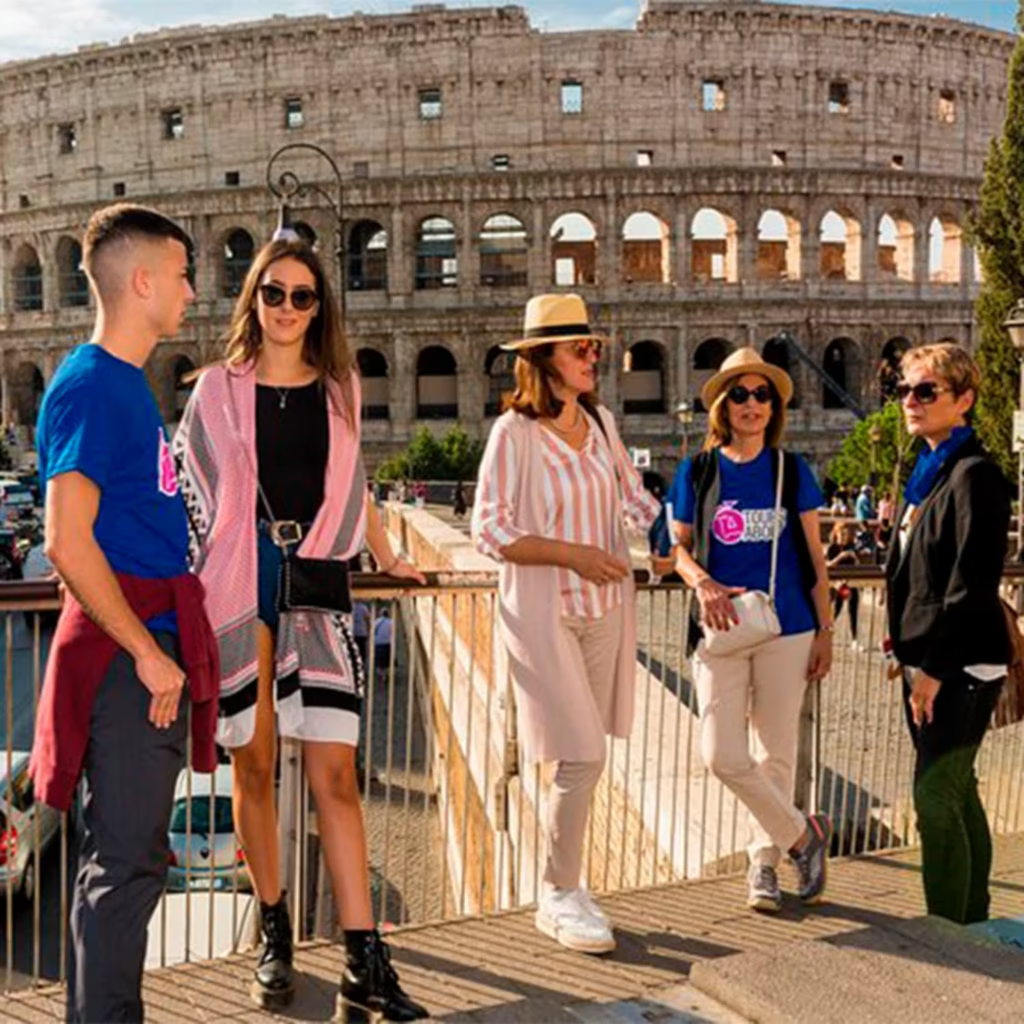
Colosseum, Roman Forum and Palatine: Entrance ticket + multimedia experience

Highlights

Enjoy a 25-minute multimedia presentation on ancient Rome.

Visit three iconic sites: the Colosseum, Palatine Hill, and Roman Forum.

Benefit from guided assistance at the designated meeting point.

Explore the ancient ruins at your own pace.

Includes a walking tour covering Navona Square, Pantheon, and Trevi Fountain in English.
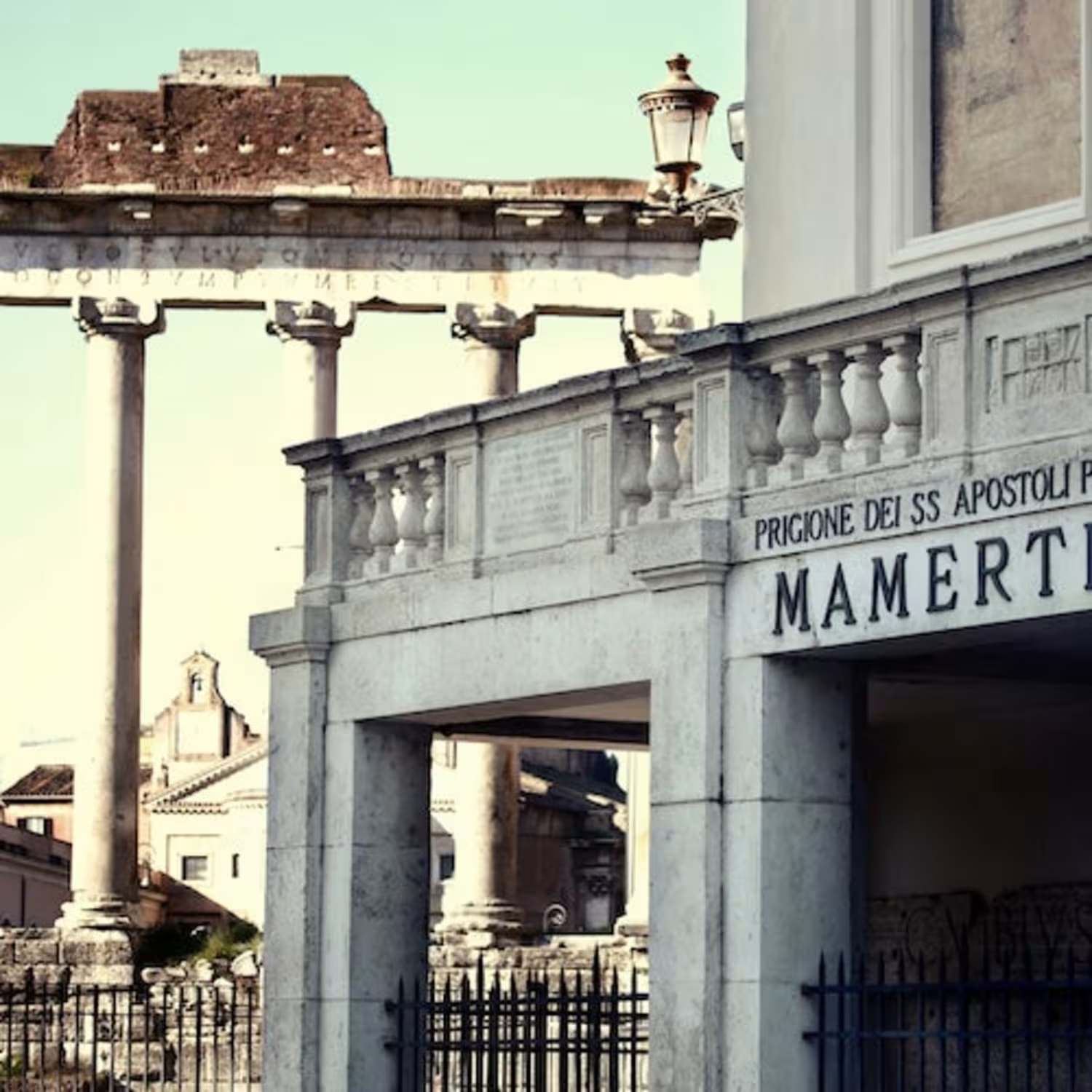
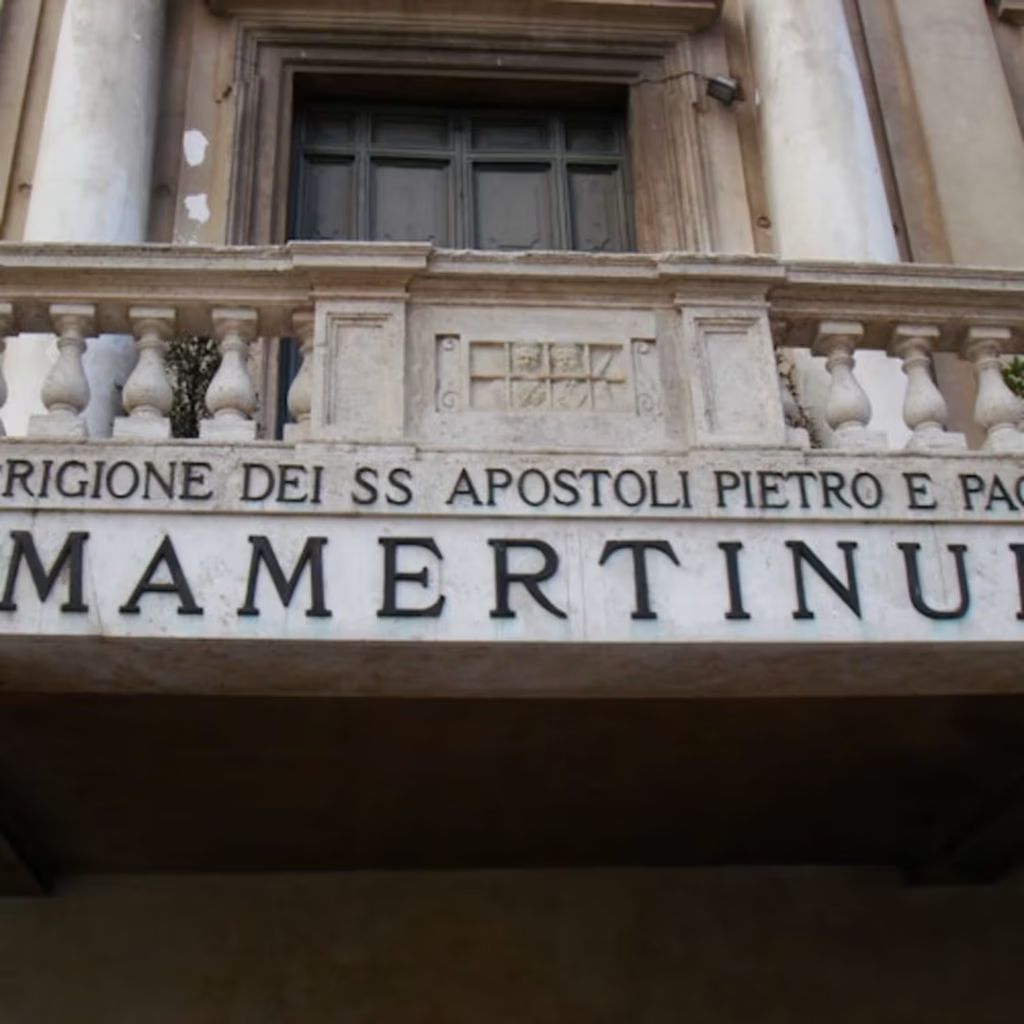
Mamertine Prison, Roman Forum and Palatine: Entrance ticket

Highlights

Skip long queues with a dedicated entrance.

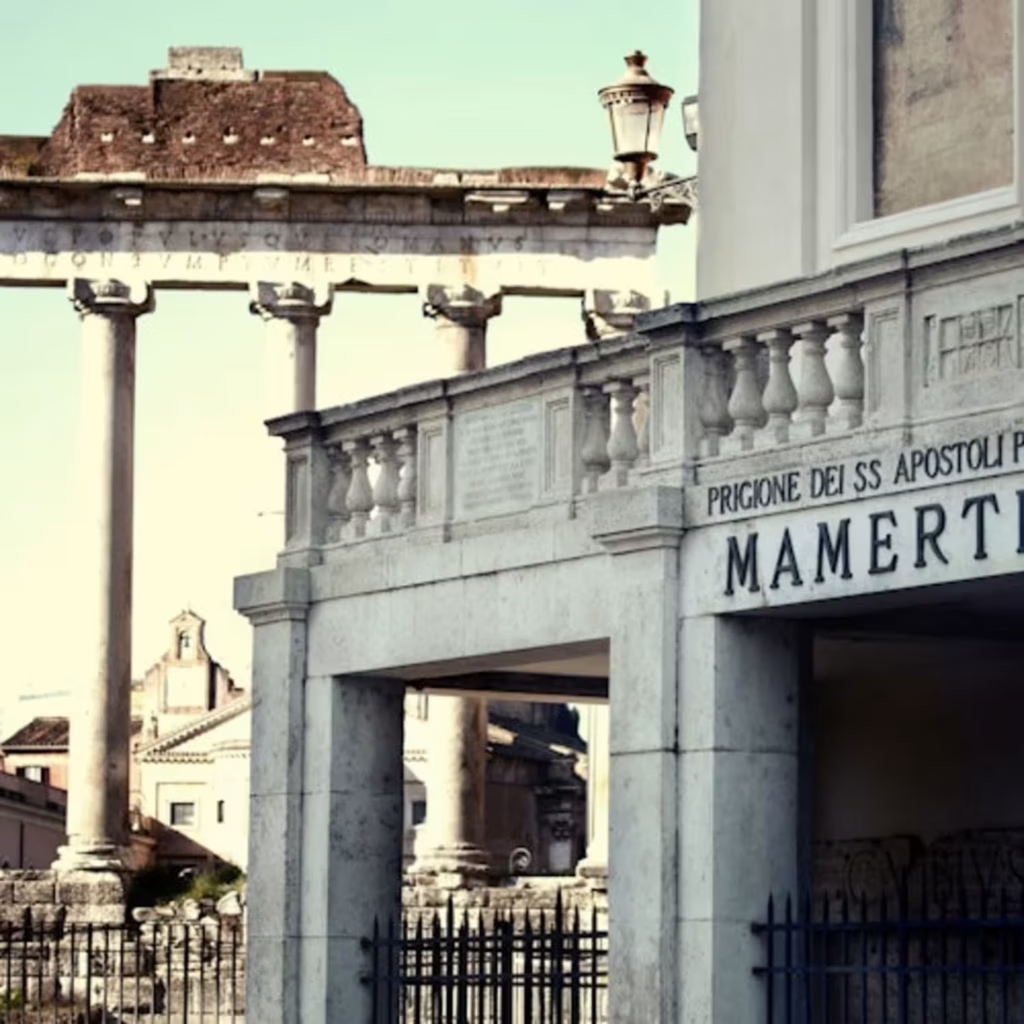
Access multiple ancient Roman sites including the Mamertine Prison and the Imperial Forums.

Discover the House of Augustus, Temple of Romulus, and other historical landmarks.

Enjoy a self-paced tour with an audio guide available in several languages.

Perfect for history enthusiasts wanting a comprehensive Roman archaeological experience.
Colosseum and Mamertine Prison

Highlights

Gain entry to the iconic Colosseum, renowned for its ancient gladiatorial contests.

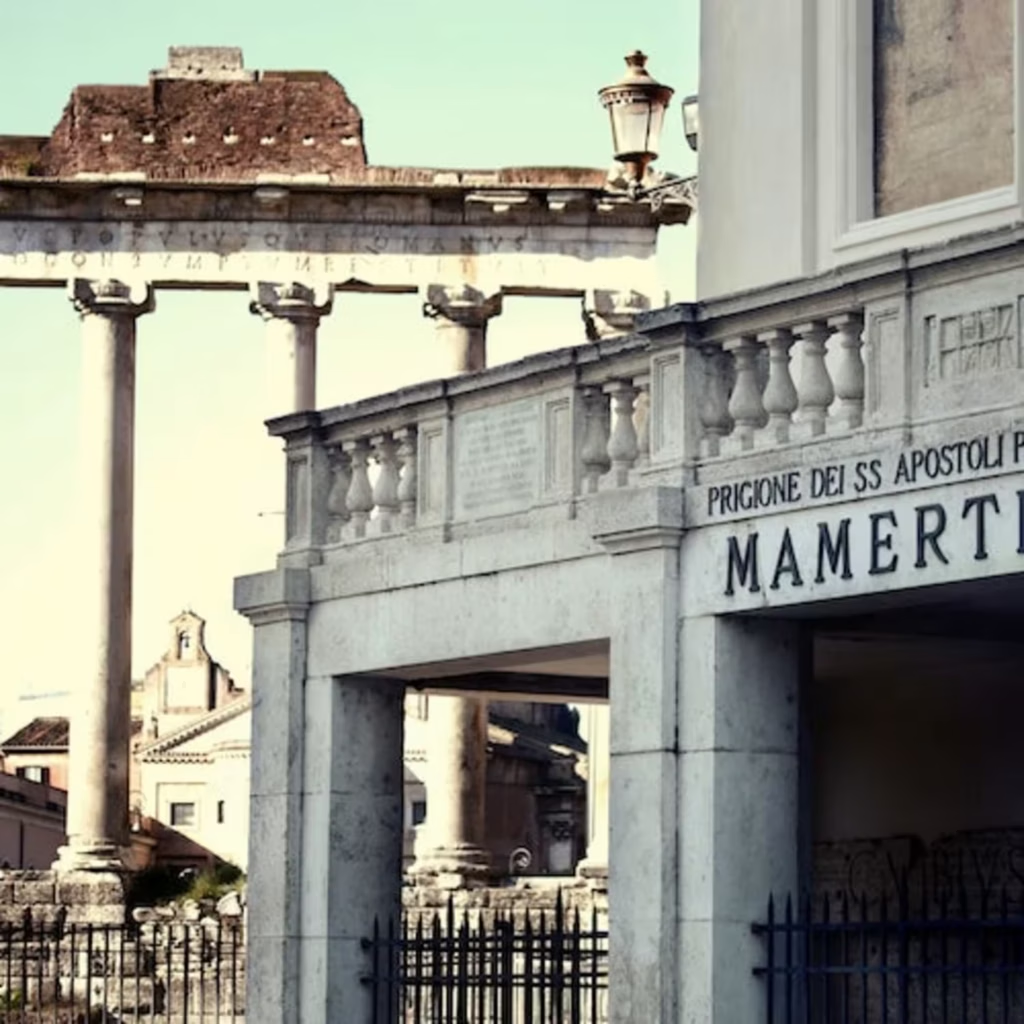
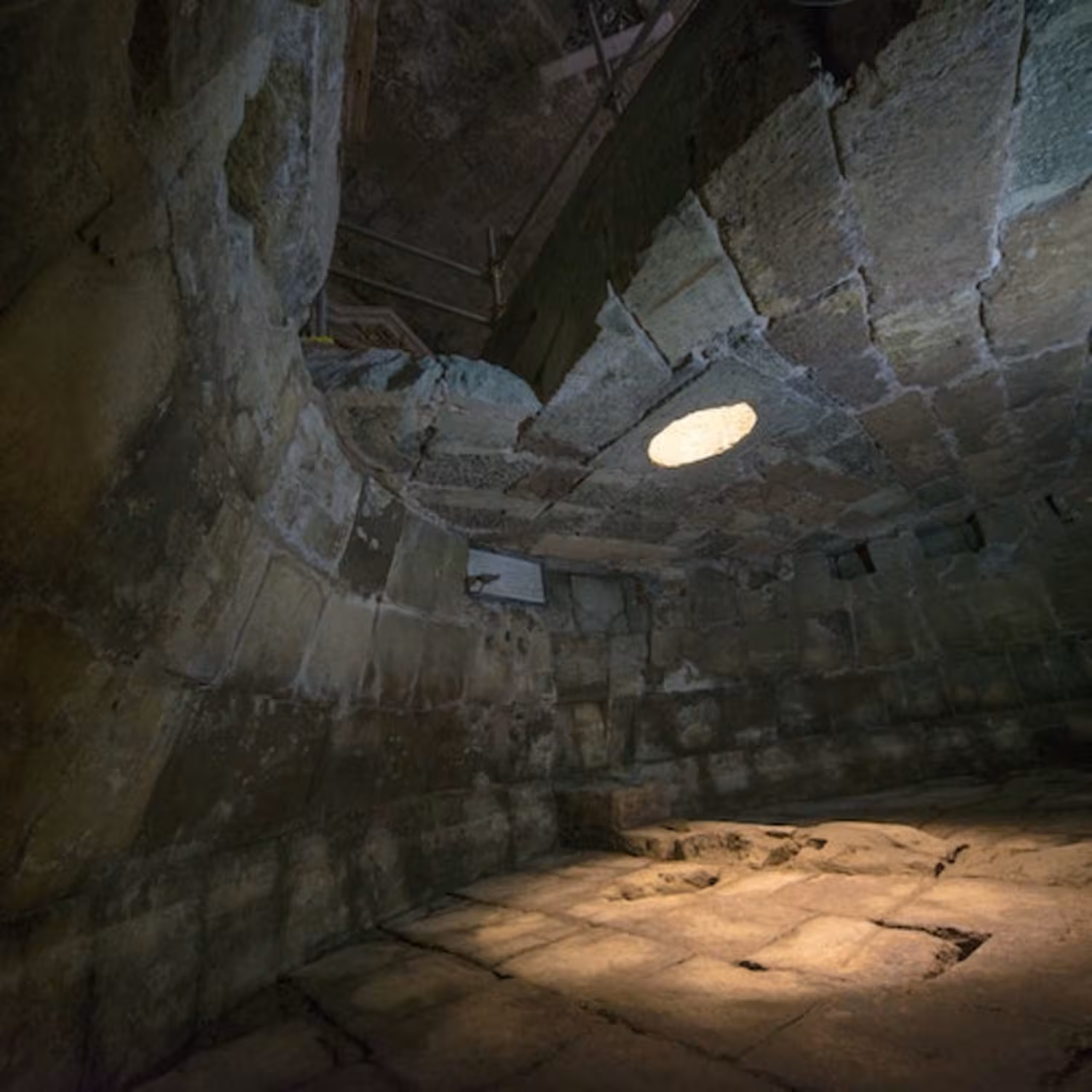
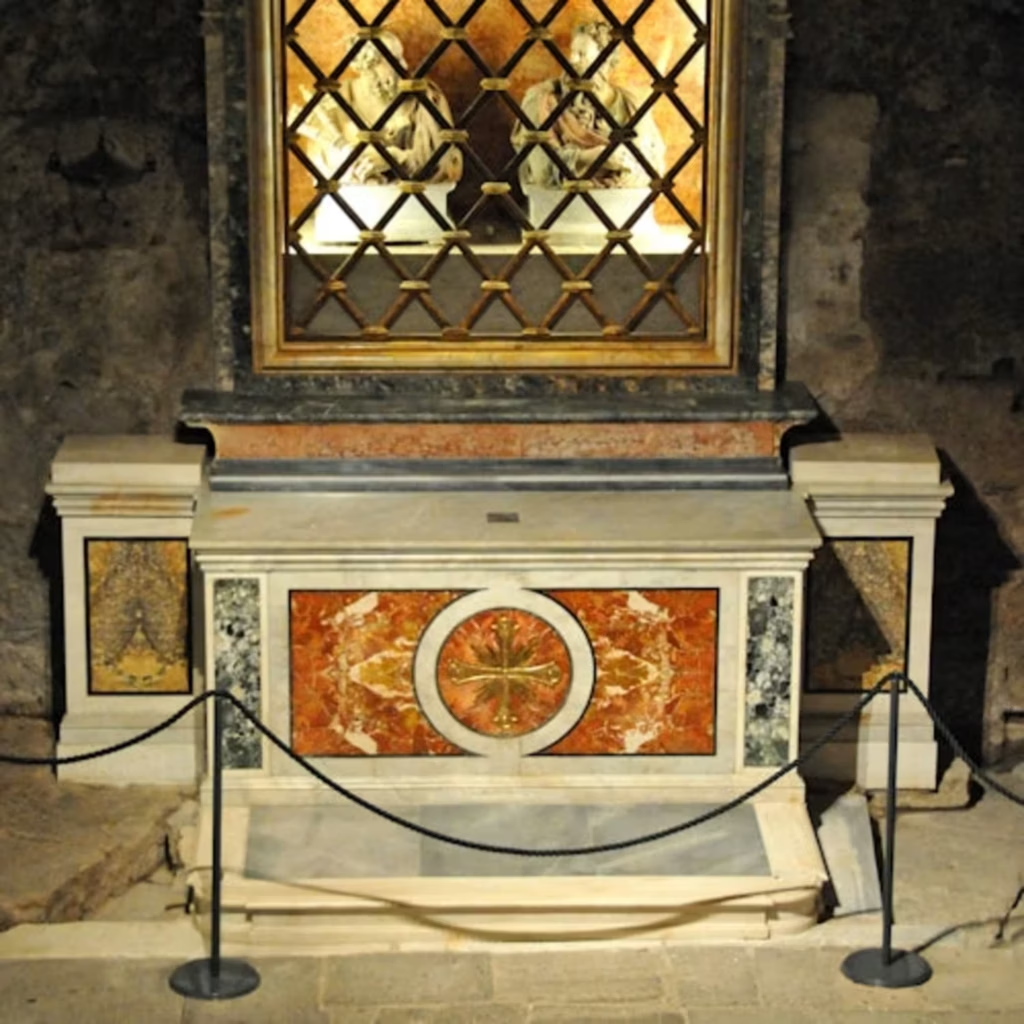
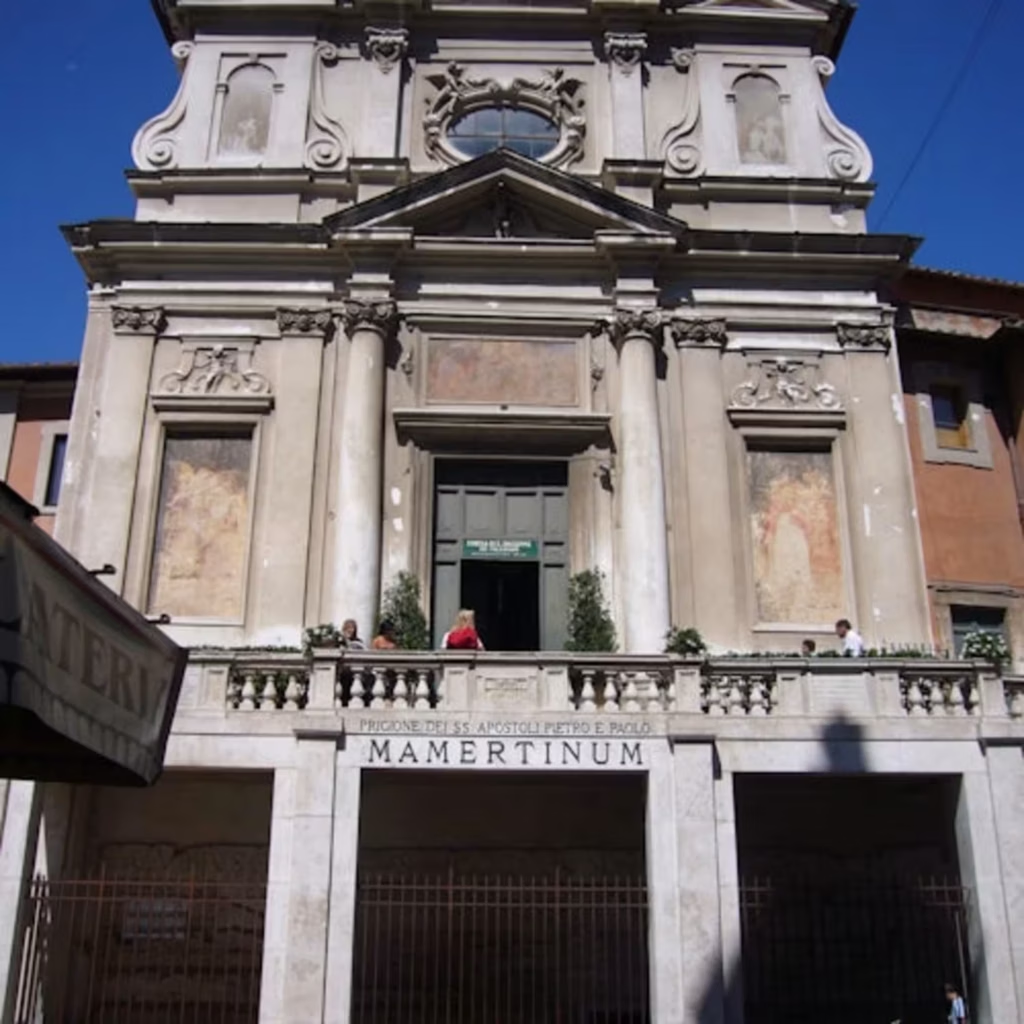
Explore the historically significant Mamertine Prison, once holding emperors and kings.

Roam freely through the Roman Forum and Palatine Hill at your own pace.

Benefit from an engaging audio guide that enriches your visit.

Enjoy short queues and a well-organized ticket process.
About this guide

Sources: Parco archeologico del Colosseo, The Colosseum; Parco archeologico del Colosseo, Colosseum west entrance and Porta Triumphalis.

Frequently Asked Questions About Colosseum History and Facts

When was the Colosseum in Rome built, and how old is it?

Construction began under Emperor Vespasian around AD 70, and his son Titus opened the amphitheater in AD 80 with a hundred days of games. A final phase, adding the uppermost tier, continued under Titus's brother Domitian into the 90s AD, so it went up in stages across roughly two decades rather than in a single year. Counting from that AD 80 opening, the Colosseum is just shy of 1,950 years old.

Who was the architect of the Colosseum?

No one knows. No surviving inscription, letter or historical account from ancient Rome credits a specific architect or engineer, which was normal practice at the time: monumental building projects were recorded as the emperor's achievement, not the individual designer's. Any name attached to the Colosseum's design online is a modern guess, not a documented fact.

How was the Colosseum actually built?

Builders combined a concrete, tuff and brick core with a travertine limestone facing held together by iron clamps rather than mortar, wrapped in radiating barrel-vaulted corridors that moved crowds through 80 numbered ground-level arches. The facade layers three classical architectural orders, Doric, Ionic and Corinthian, one per level, a detail later borrowed by stadiums and public buildings worldwide.

Could the Colosseum's arena really be flooded for naval battles?

Yes, at least in its earliest years. Ancient writers describe naumachiae, staged naval battles with scaled-down ships, held in the flooded arena under Titus and briefly under Domitian. That stopped being possible once Domitian's engineers built the hypogeum, the permanent network of underground chambers and lift shafts beneath the arena floor, around AD 85.

When did the games at the Colosseum end?

Gladiator combat is traditionally said to have been banned around AD 404, following the legendary account of a monk named Telemachus, though the ancient source behind that story never actually names the Colosseum as the location. Animal hunts continued longer: the last confirmed games at the Colosseum were staged in AD 523, under the Ostrogothic King Theodoric, decades after the fall of the last western Roman emperor.

Is the Colosseum a UNESCO World Heritage Site or one of the New7Wonders of the World?

Both. It has held UNESCO World Heritage status since 1980, as part of the wider "Historic Centre of Rome" listing, and it was voted one of the New7Wonders of the World in a global public poll in 2007.

What's a lesser-known fact about the Colosseum's history?

The word "arena" itself comes from the Colosseum's own floor: the Latin harena means "sand", a reference to the sand once spread across the wooden floor to soak up blood and give fighters better footing. Almost none of that original floor survives, which is why visitors mostly see the exposed hypogeum below it rather than a flat arena surface.