We are processing your request.
Please, don’t close or refresh the page.
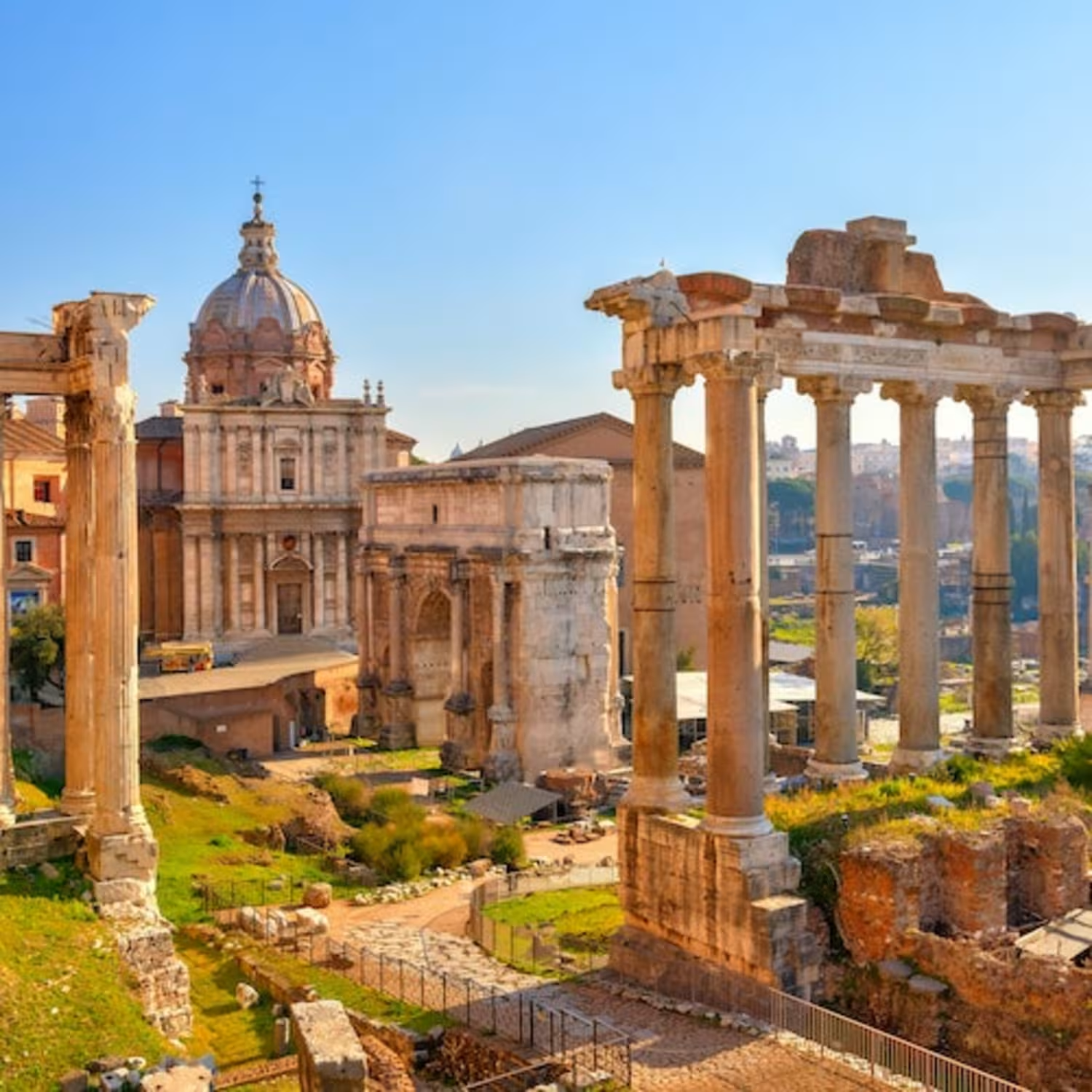
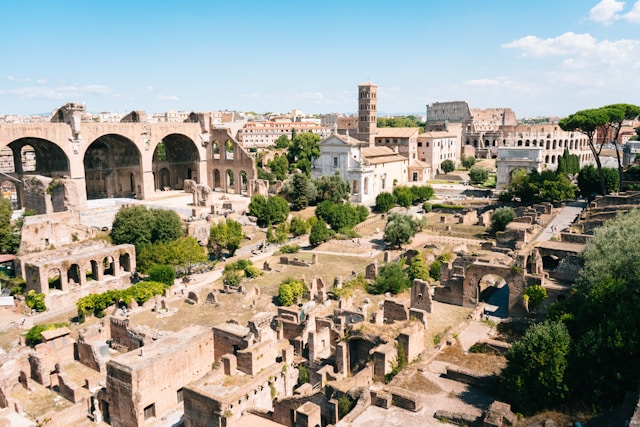
Ruins of the Roman Forum

The Roman Forum: What It Was, and What Stands There

Rome's civic valley, drained in the late 7th century BCE and filled over a millennium with a senate house, temples, arches and a basilica. The ruins still carry the names of those buildings.

What still dates on the ground

The valley was a swamp until it was drained in the late 7th century BCE.

It stayed Rome's civic centre for more than a thousand years.

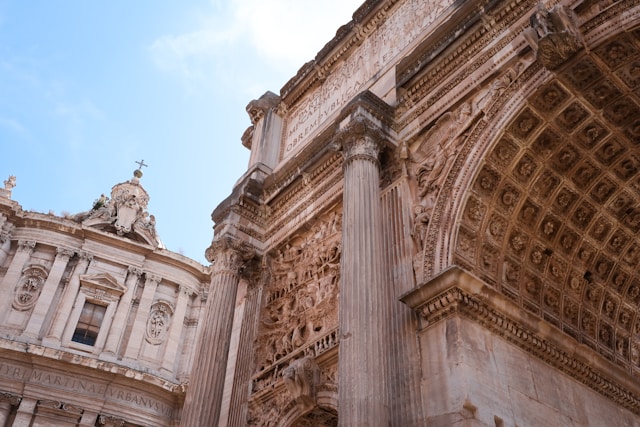
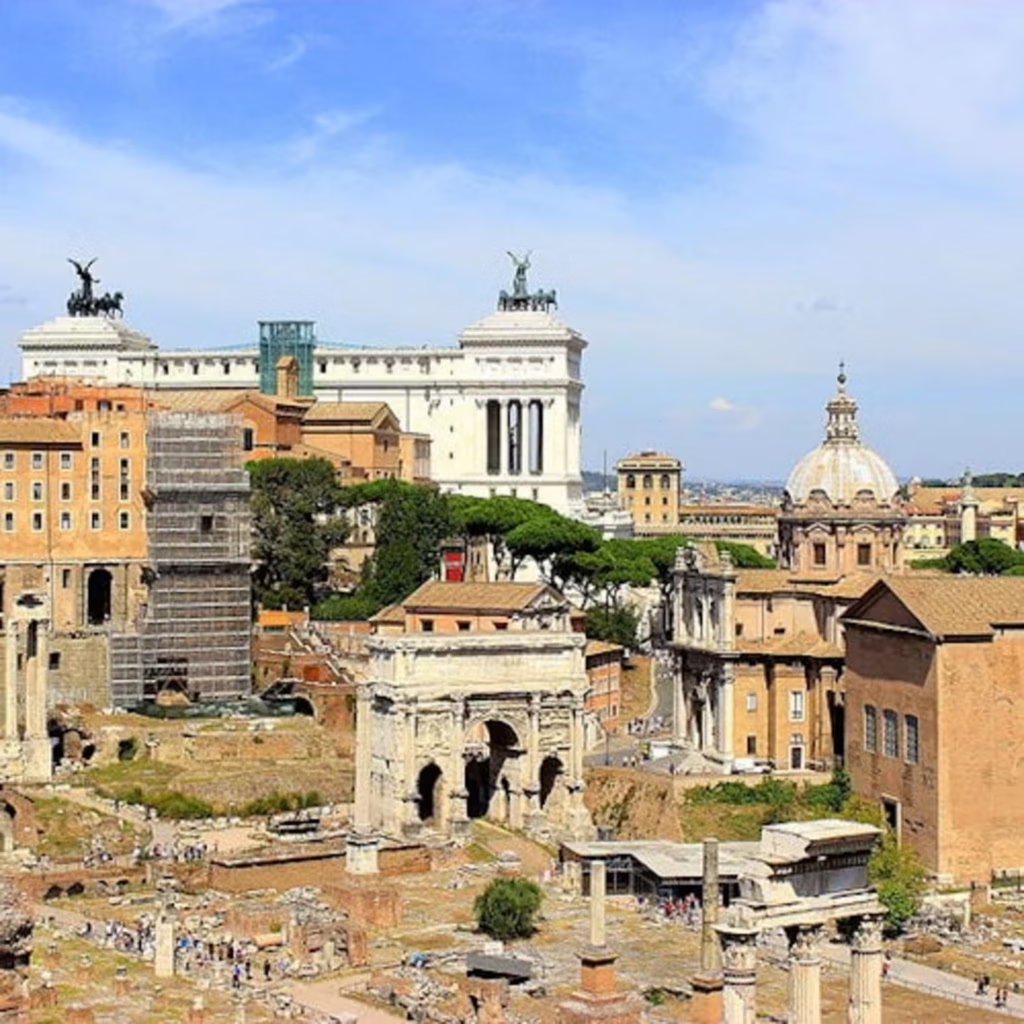
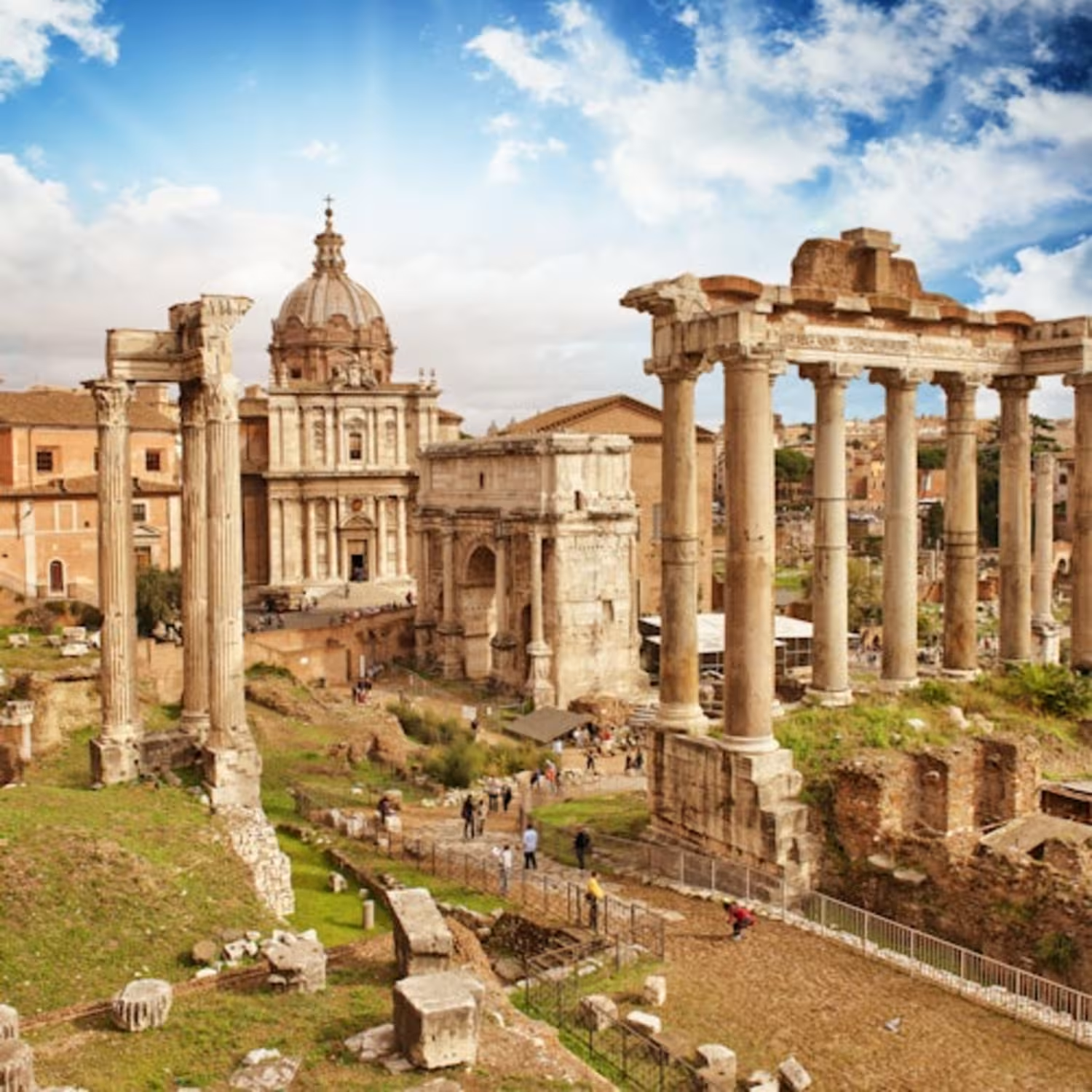
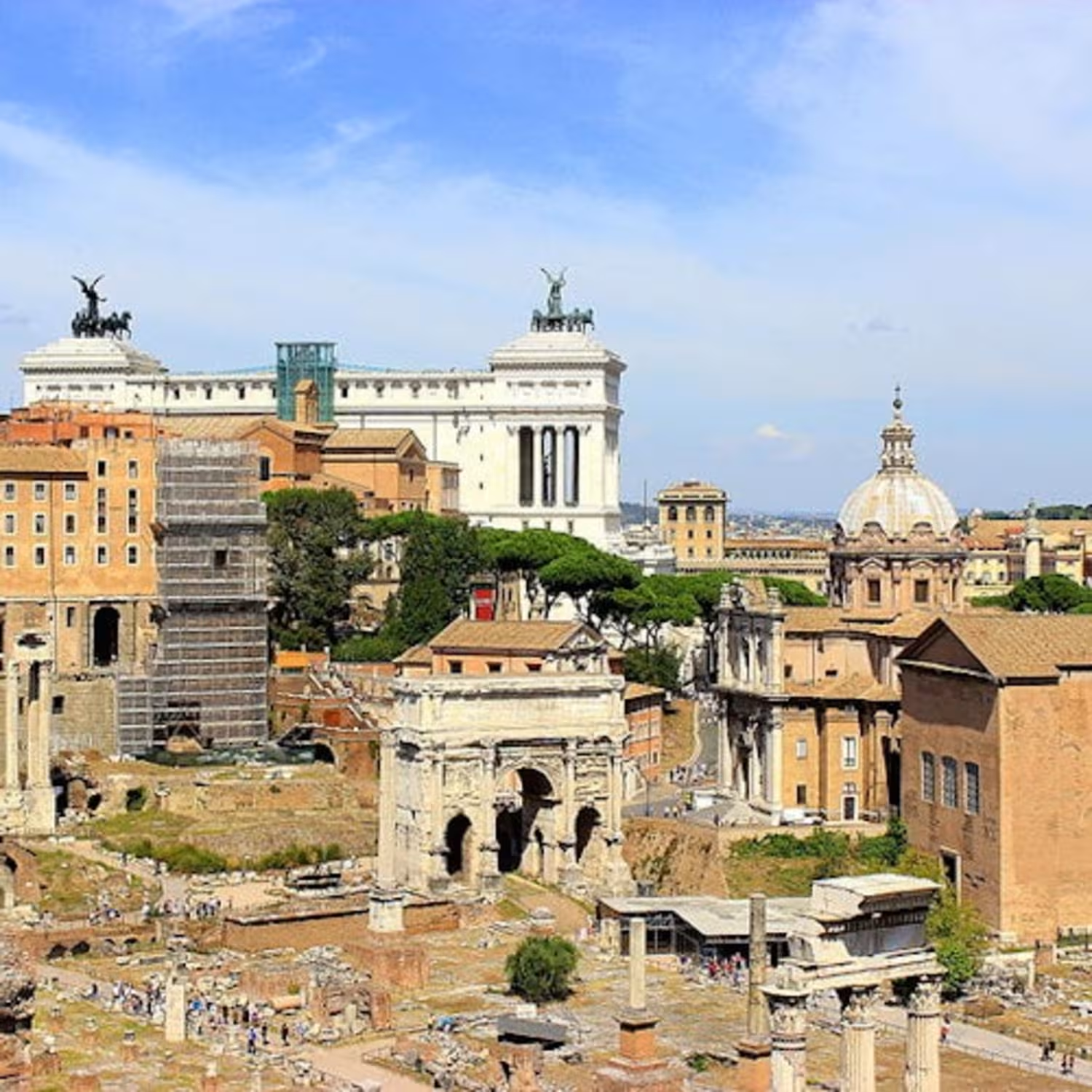
The Arch of Septimius Severus was built in 203 CE for the Parthian wars.

The last monument on the square is the Column of Phocas, 608 CE.

What the Roman Forum actually was

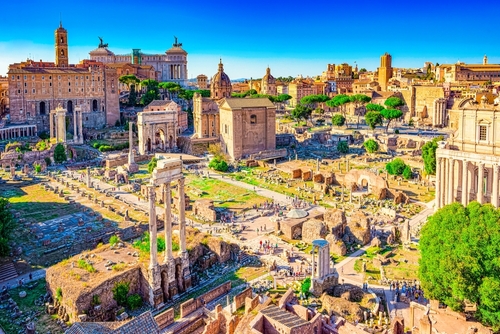
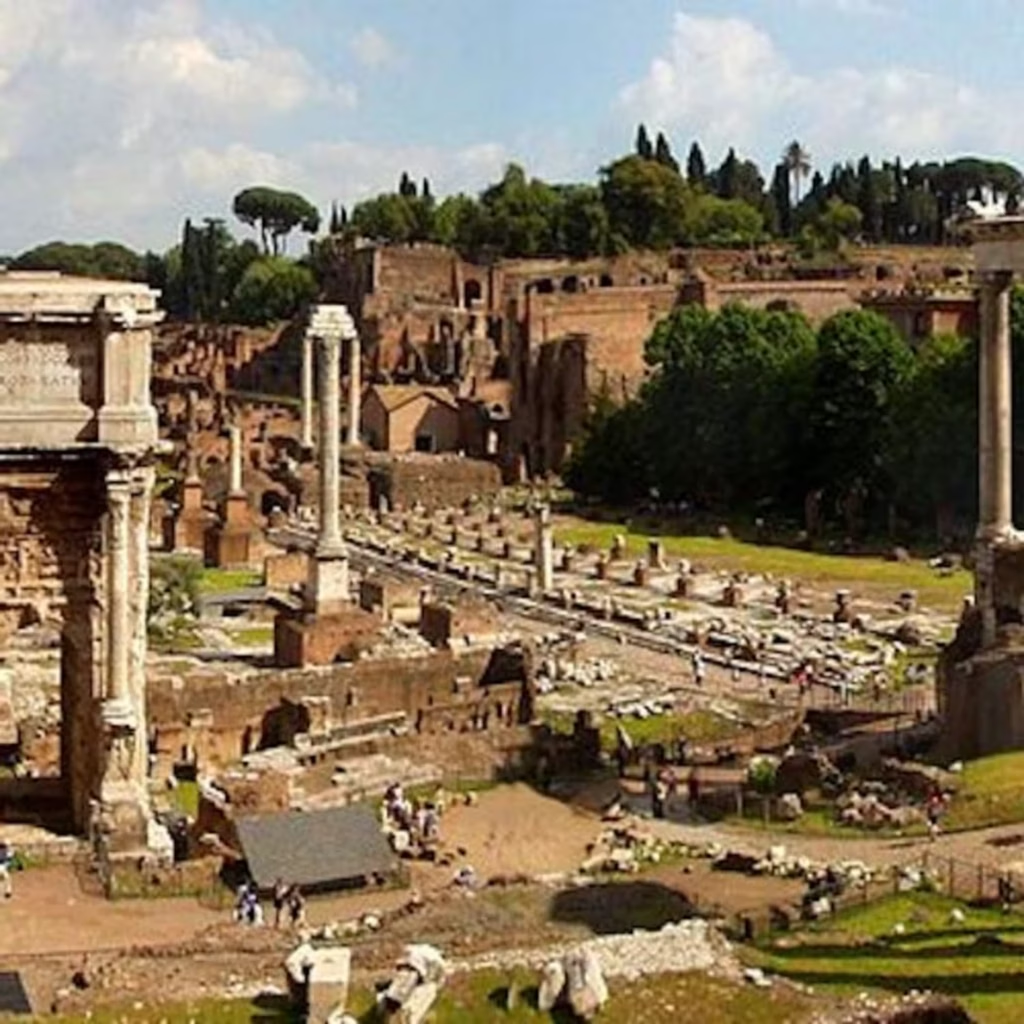
The Roman Forum archaeological area

The Forum started as a swamp. In the late 7th century BCE the valley was drained and paved, and Romans began using it the way a city uses a centre: votes in the Comitium, court cases in the basilicas, speeches from the Rostra.

A forum, in Latin, is that kind of public square. This one stayed the civic centre of Rome for more than a thousand years, while the rest of the city grew around it.

By the late Republic the old square could not hold the administration of a much larger city. Emperors answered that by building the Imperial Fora next to it, across Via dei Fori Imperiali. Those later complexes are a different site. This valley is the original one.

A cow field, then the dig

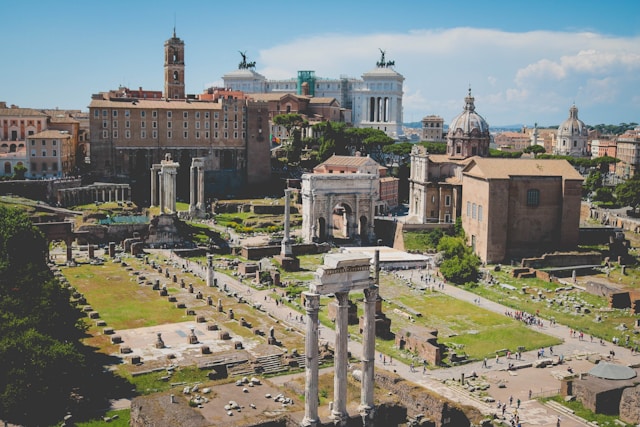
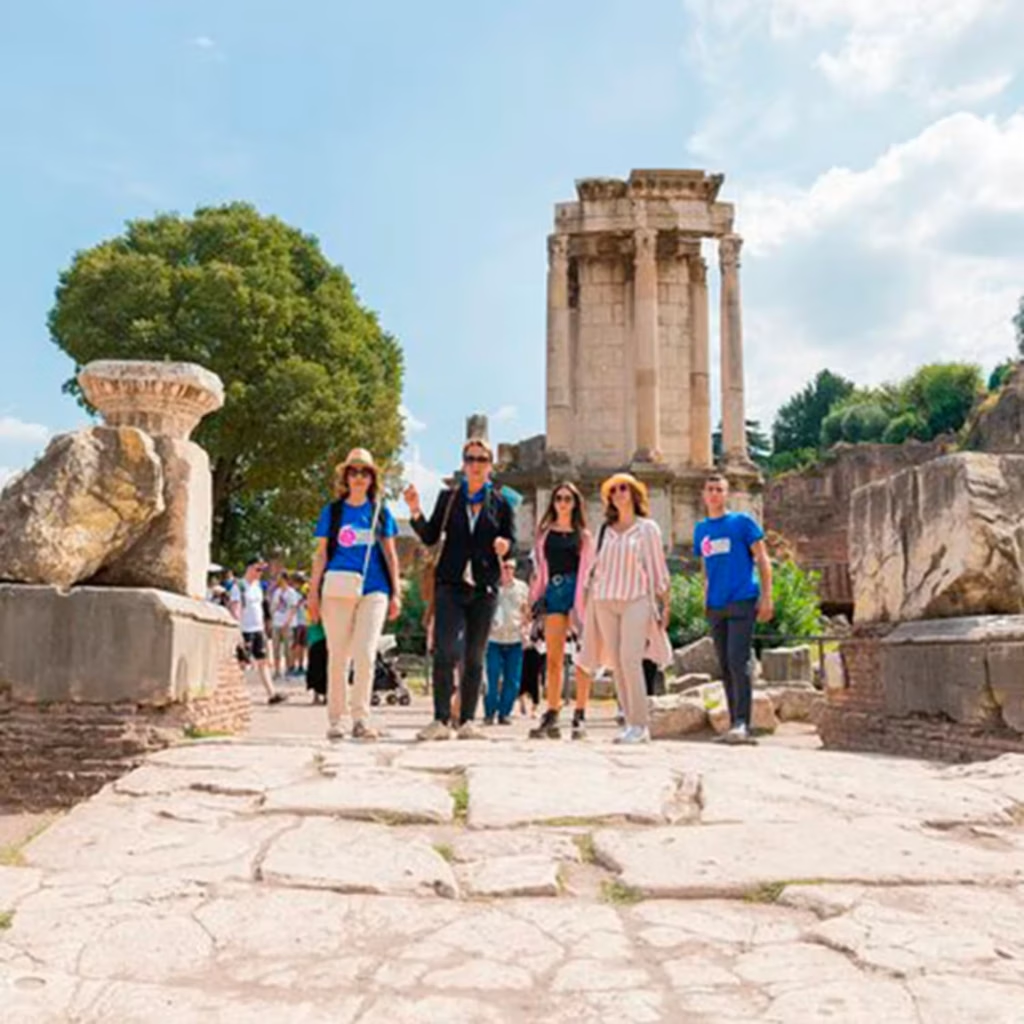
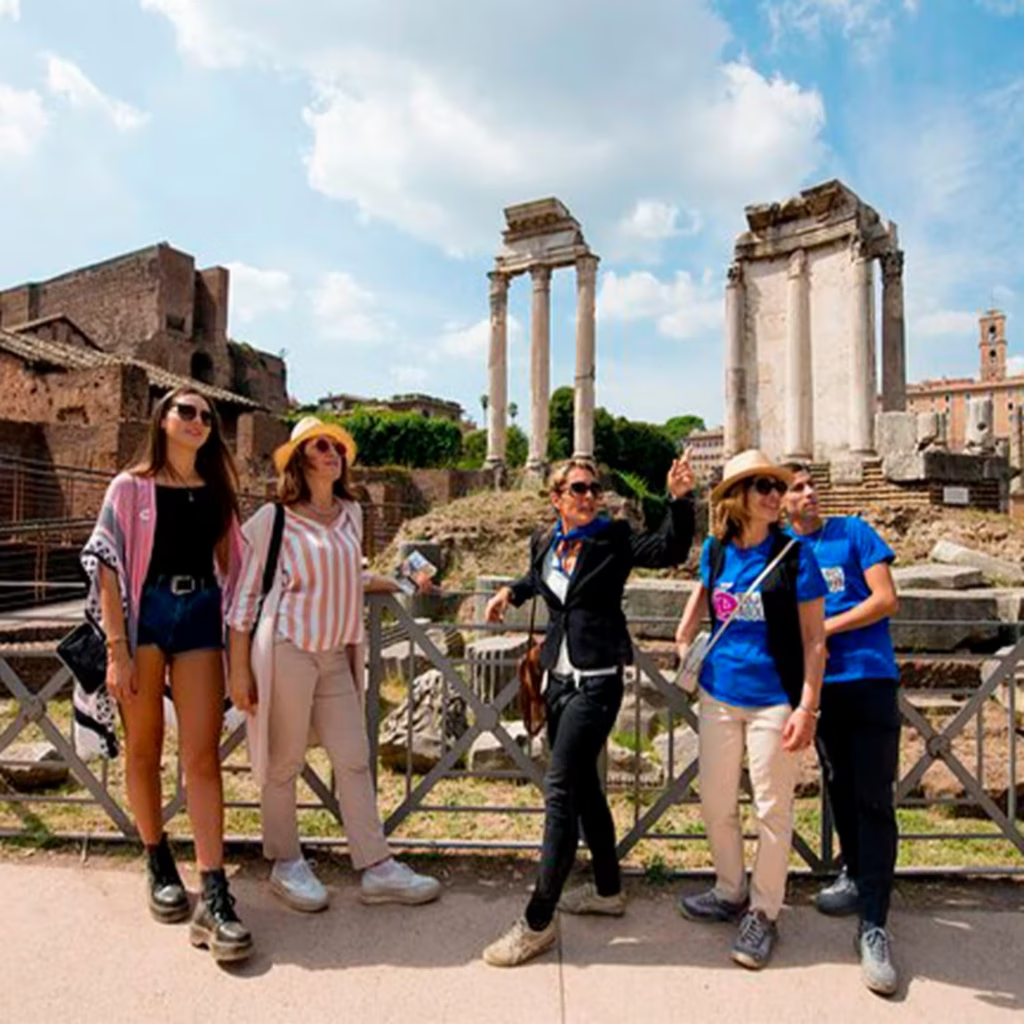
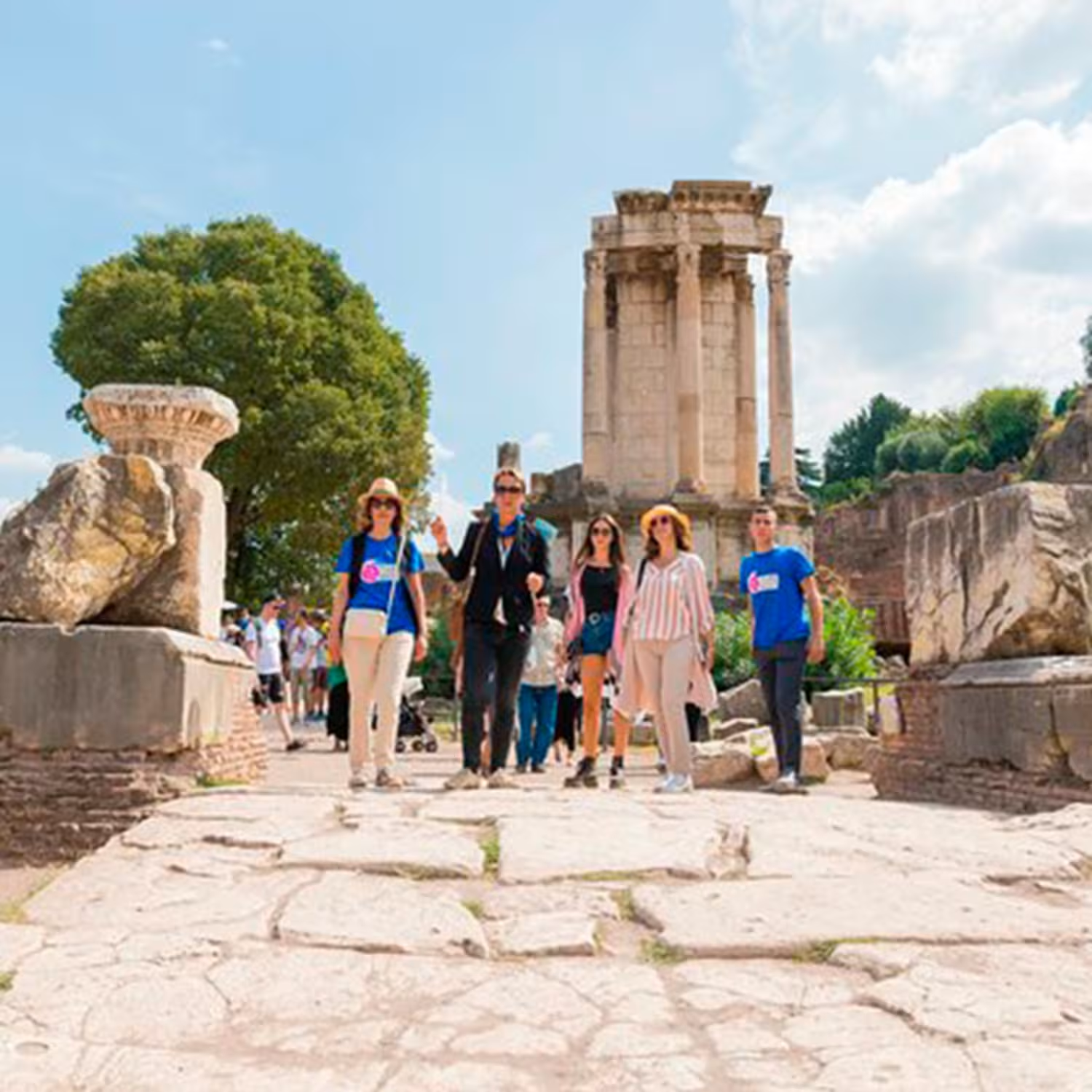
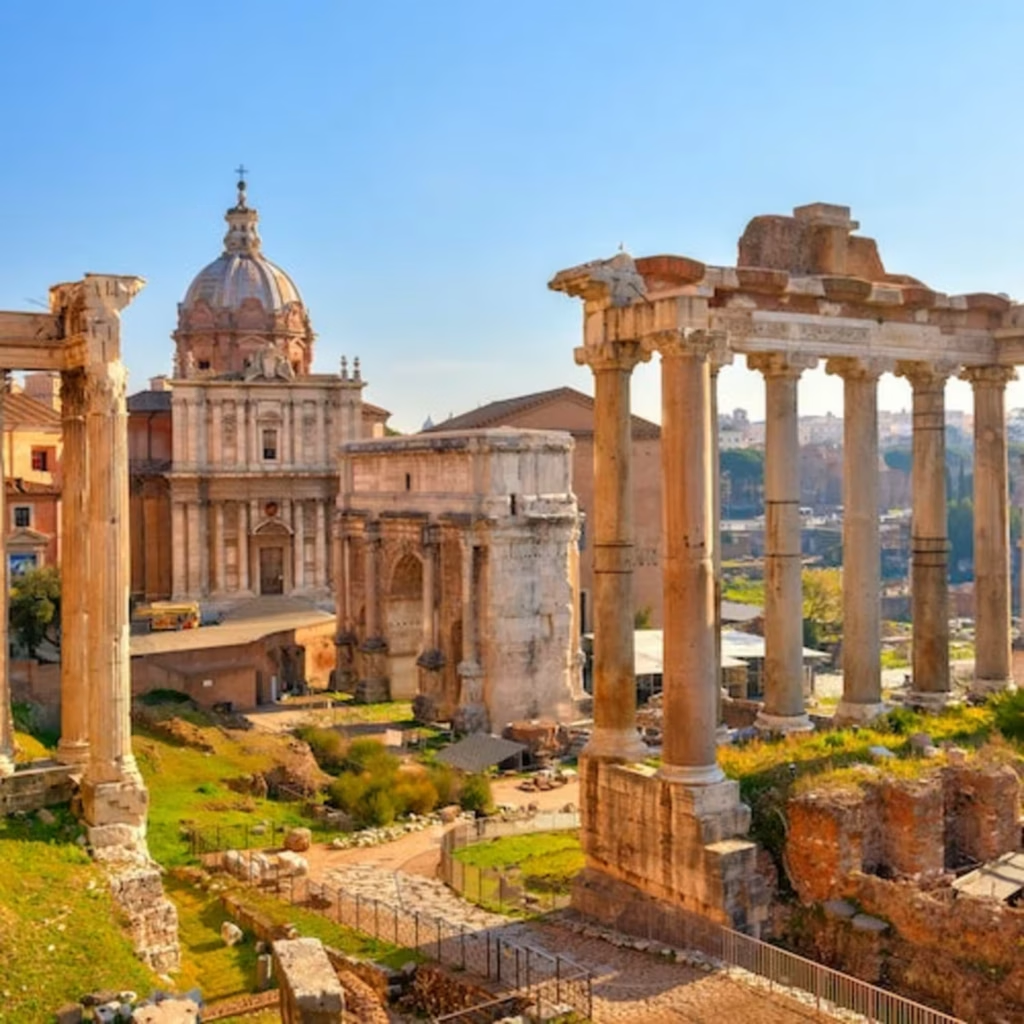
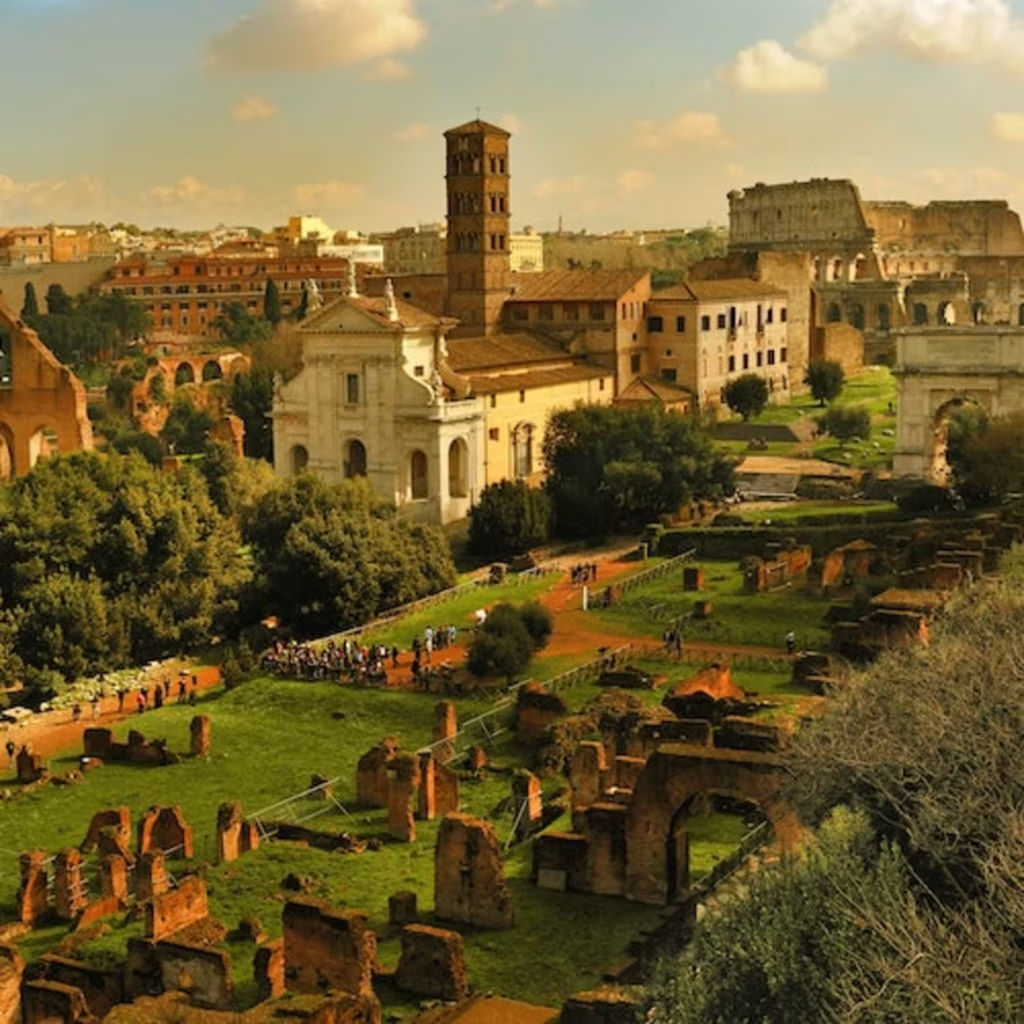
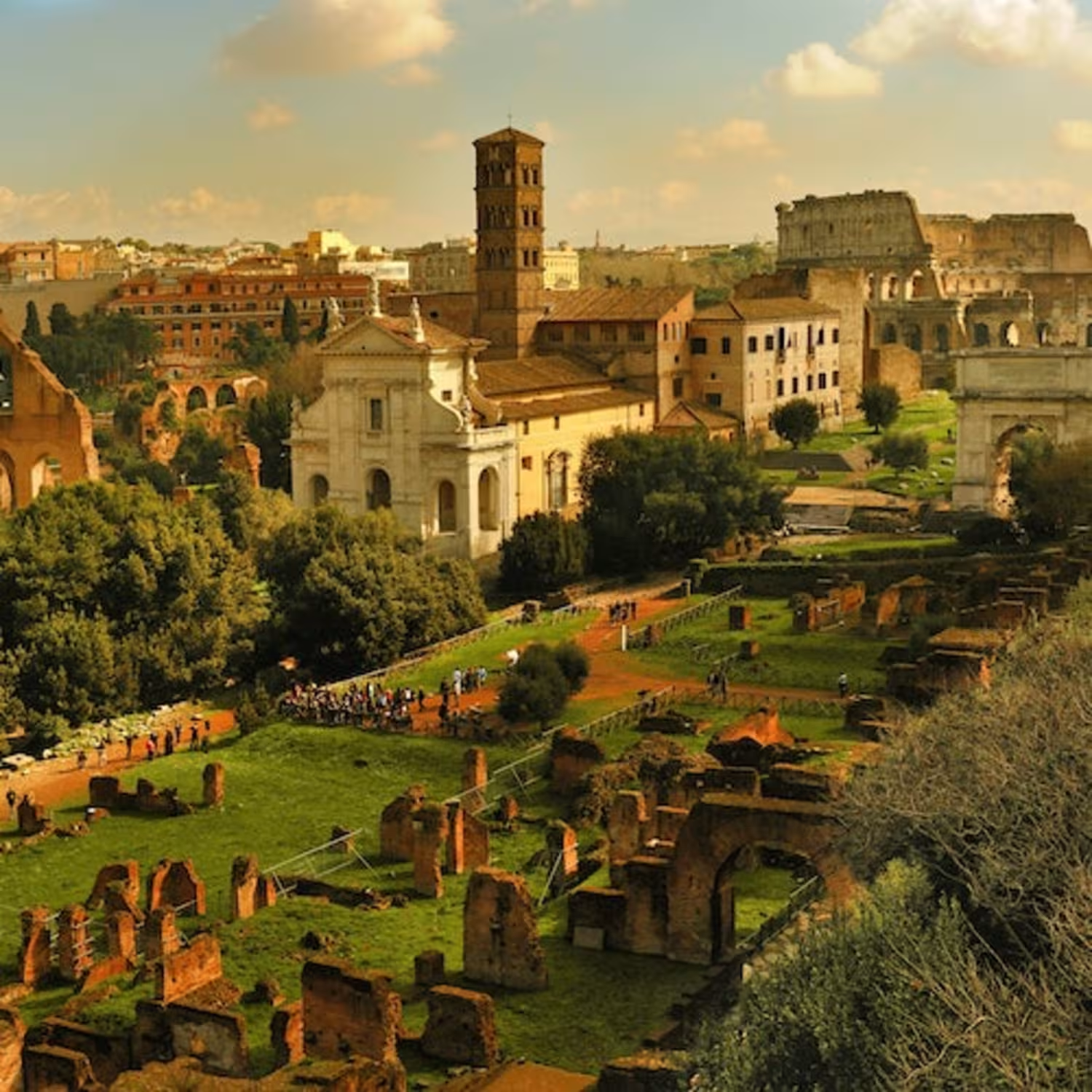
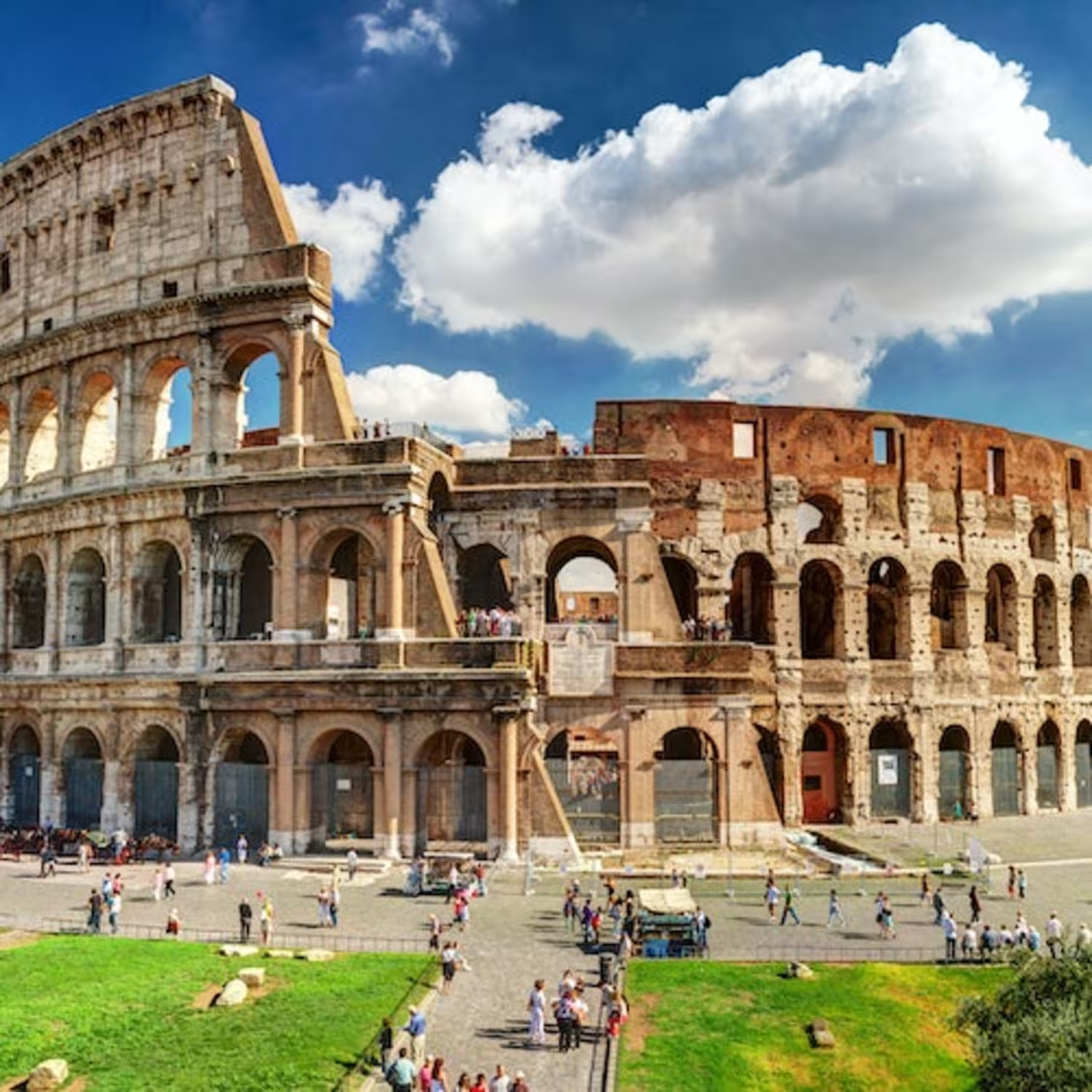
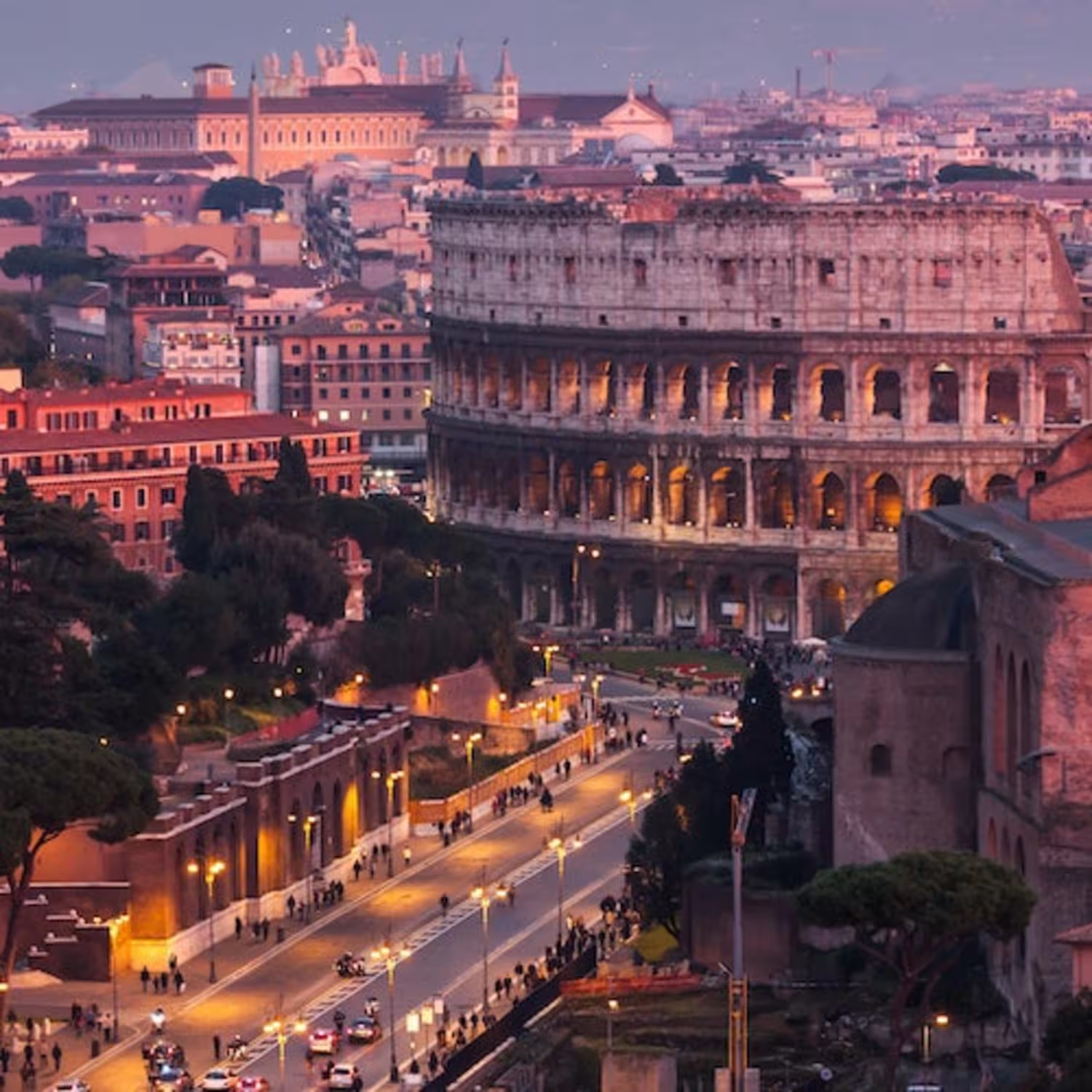
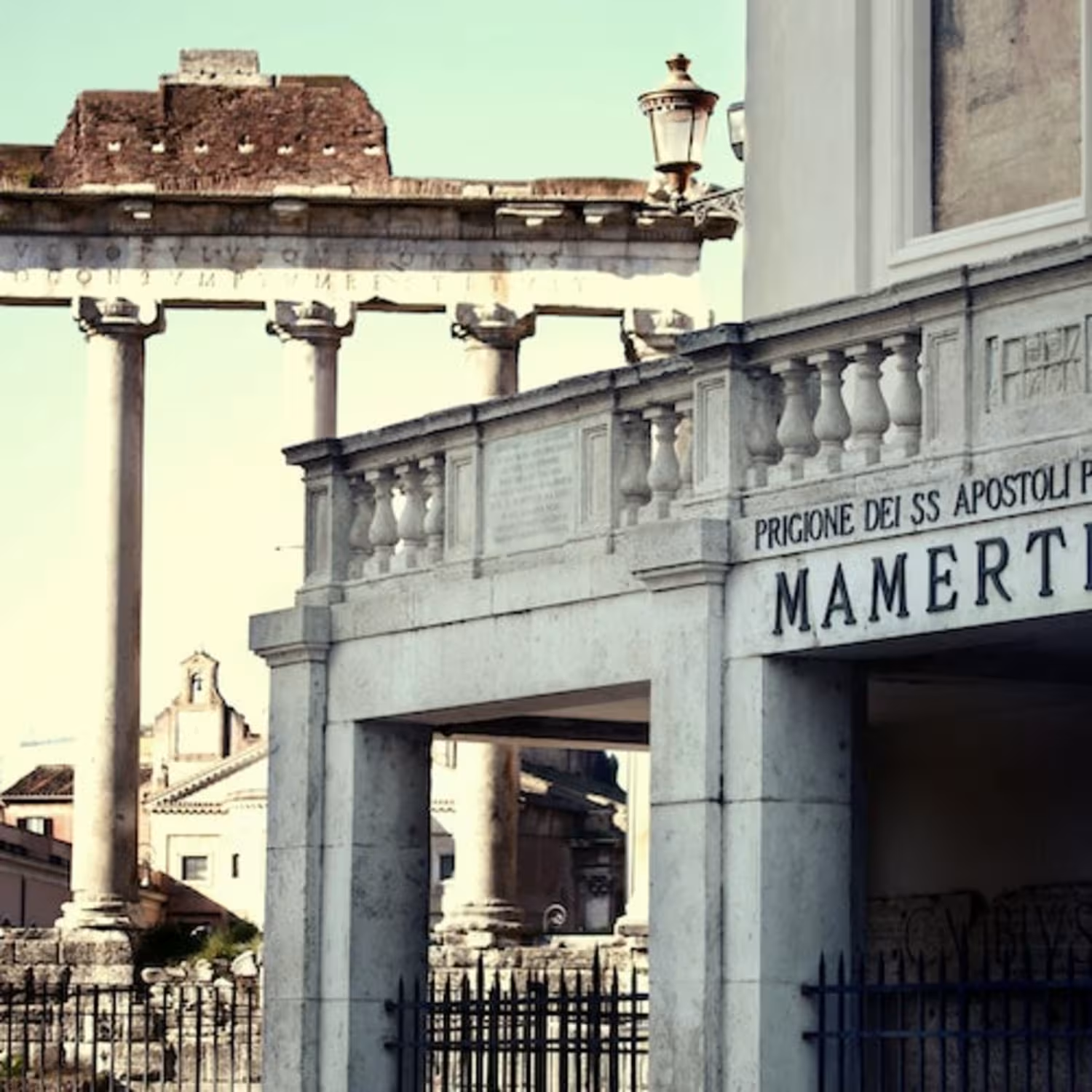
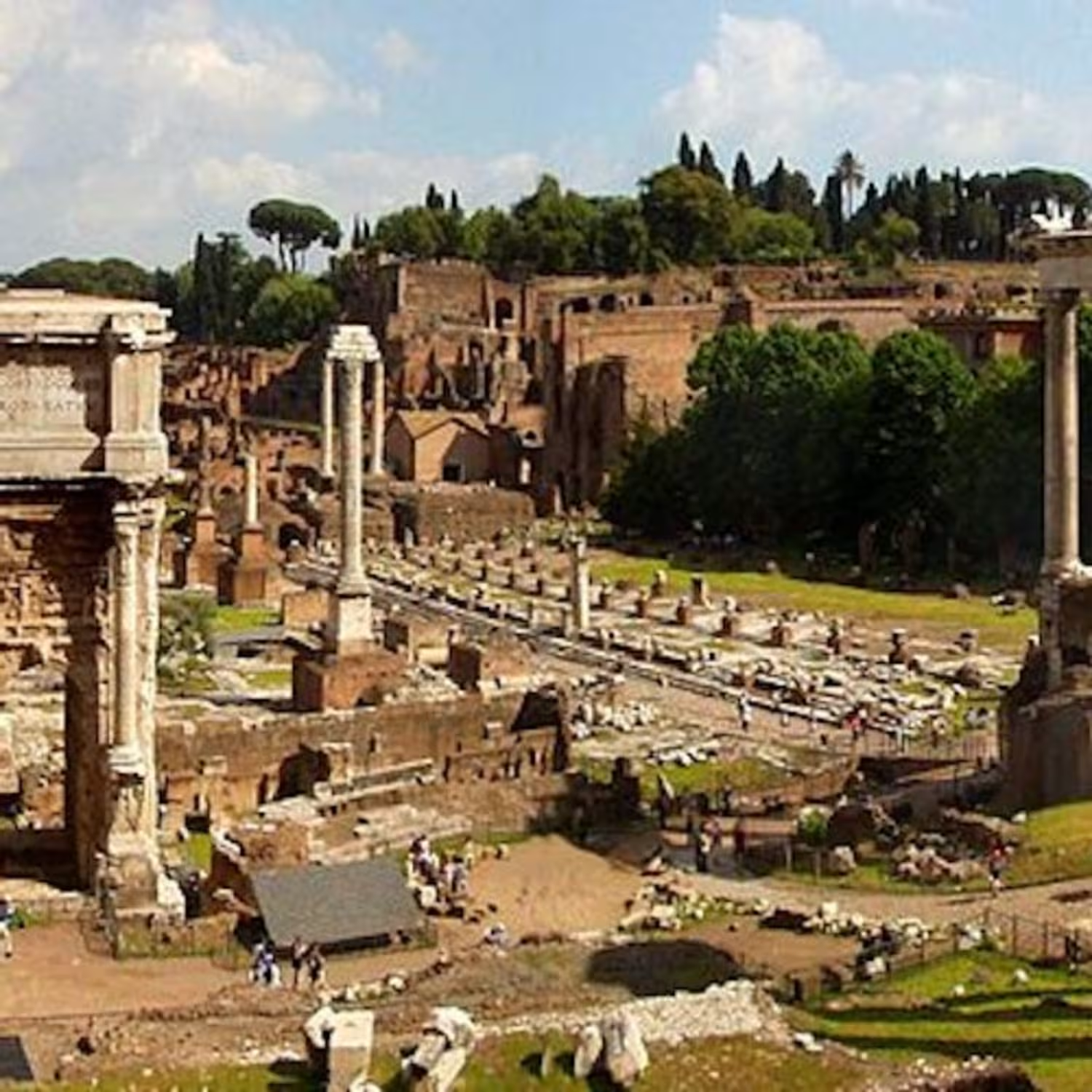
The Roman Forum, looking across the ruins

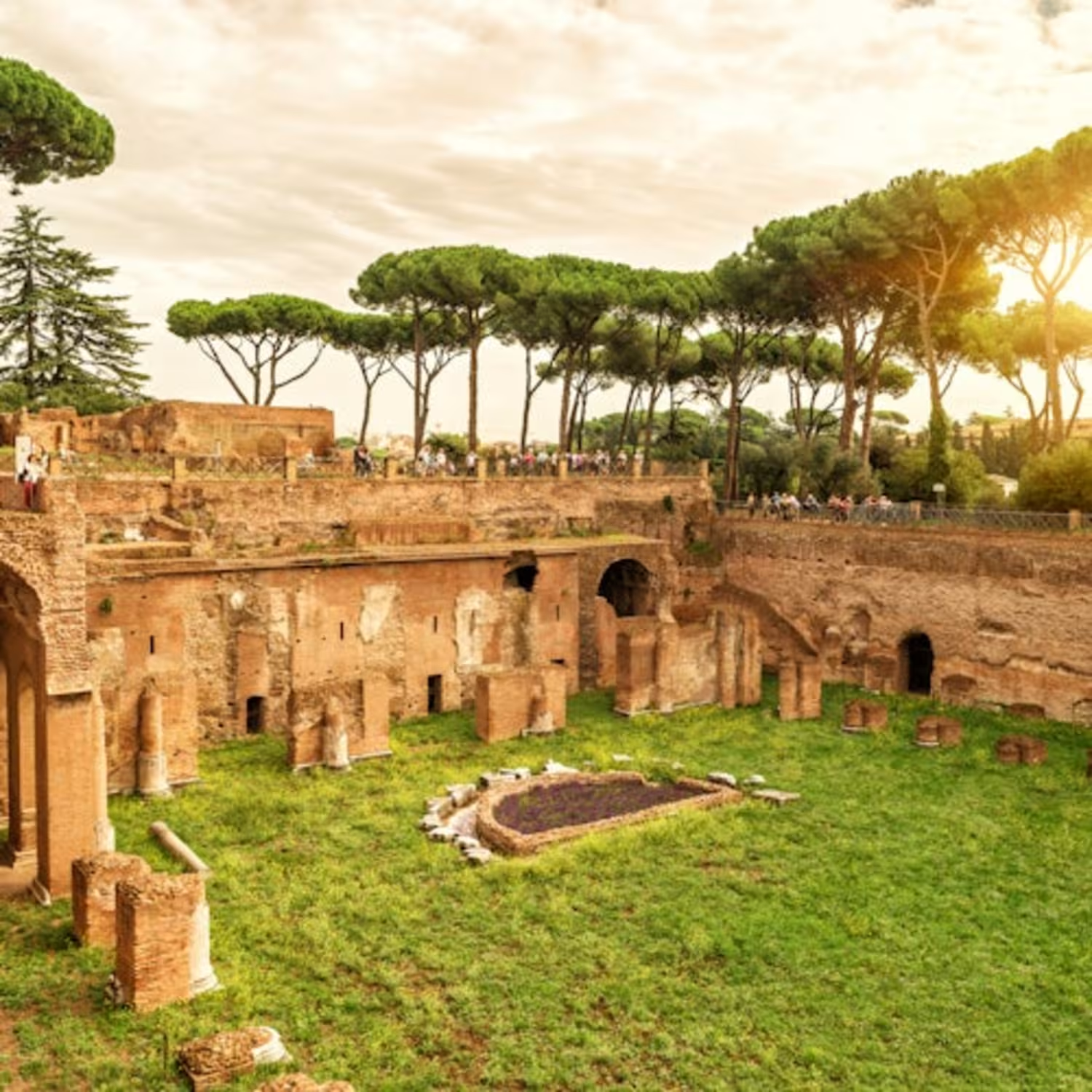
Walk the Forum today and you are looking at a valley that spent centuries as pasture. After 608 CE, when the Column of Phocas went up, silt buried much of the square and Romans started calling it the Campo Vaccino.

The buildings that stuck out of the grass were the ones converted into churches. The Curia Julia became Sant'Adriano. Part of the Temple of Antoninus and Faustina became San Lorenzo in Miranda. The rest waited under dirt until excavations after Italian unification.

The prestige layer sitting in that dirt is imperial and late antique: the Arch of Septimius Severus from 203 CE, then Maxentius's basilica on the Velian Hill in the early 4th century, finished under Constantine. Those are the late additions. The civic square underneath them is older.

4.7
(23)

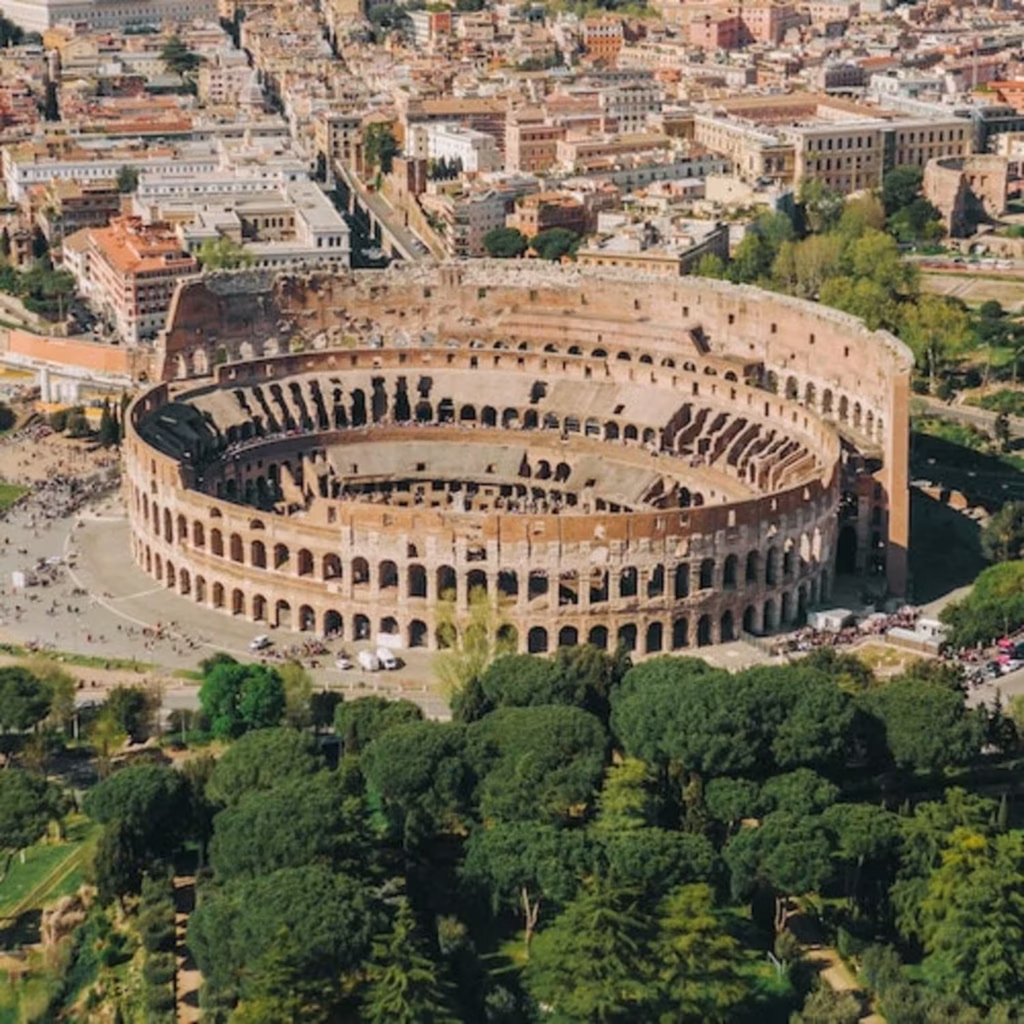
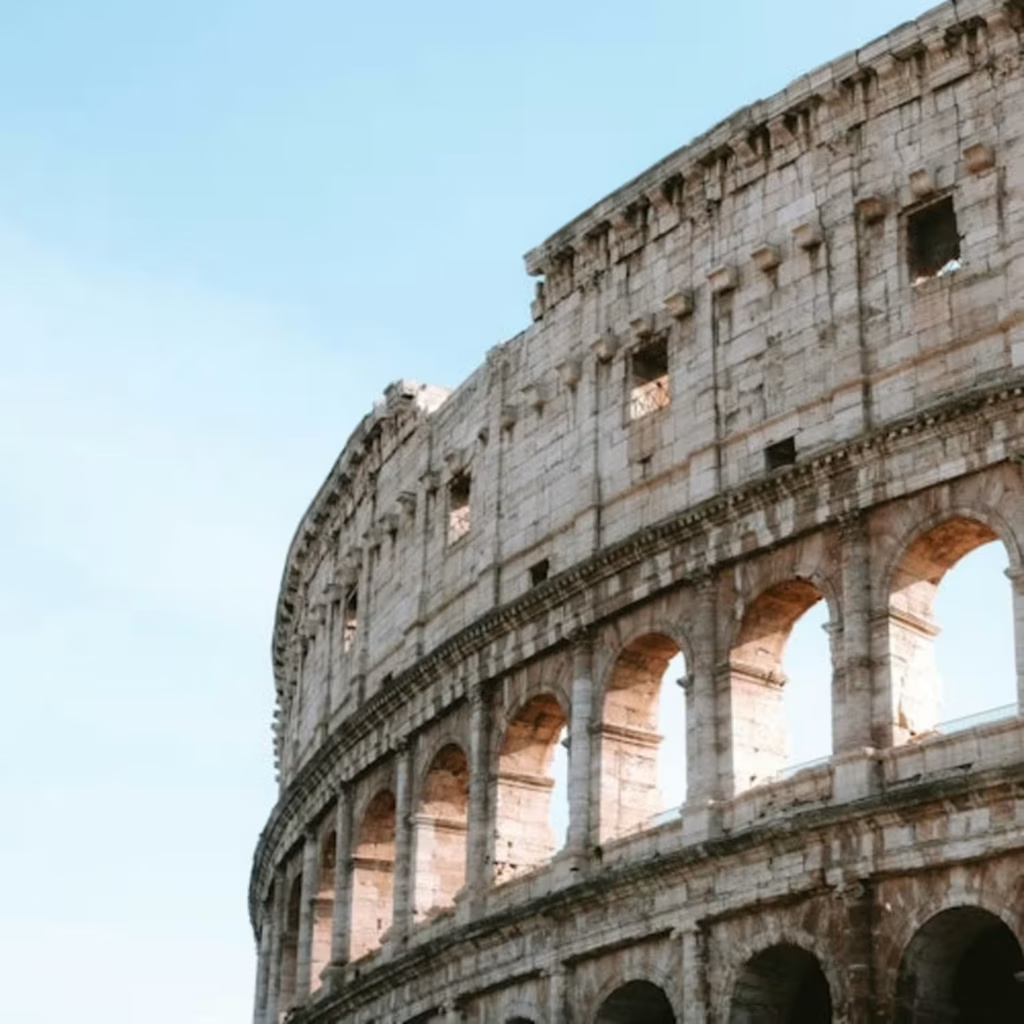
Skip the line: Colosseum and ancient Rome

Highlights

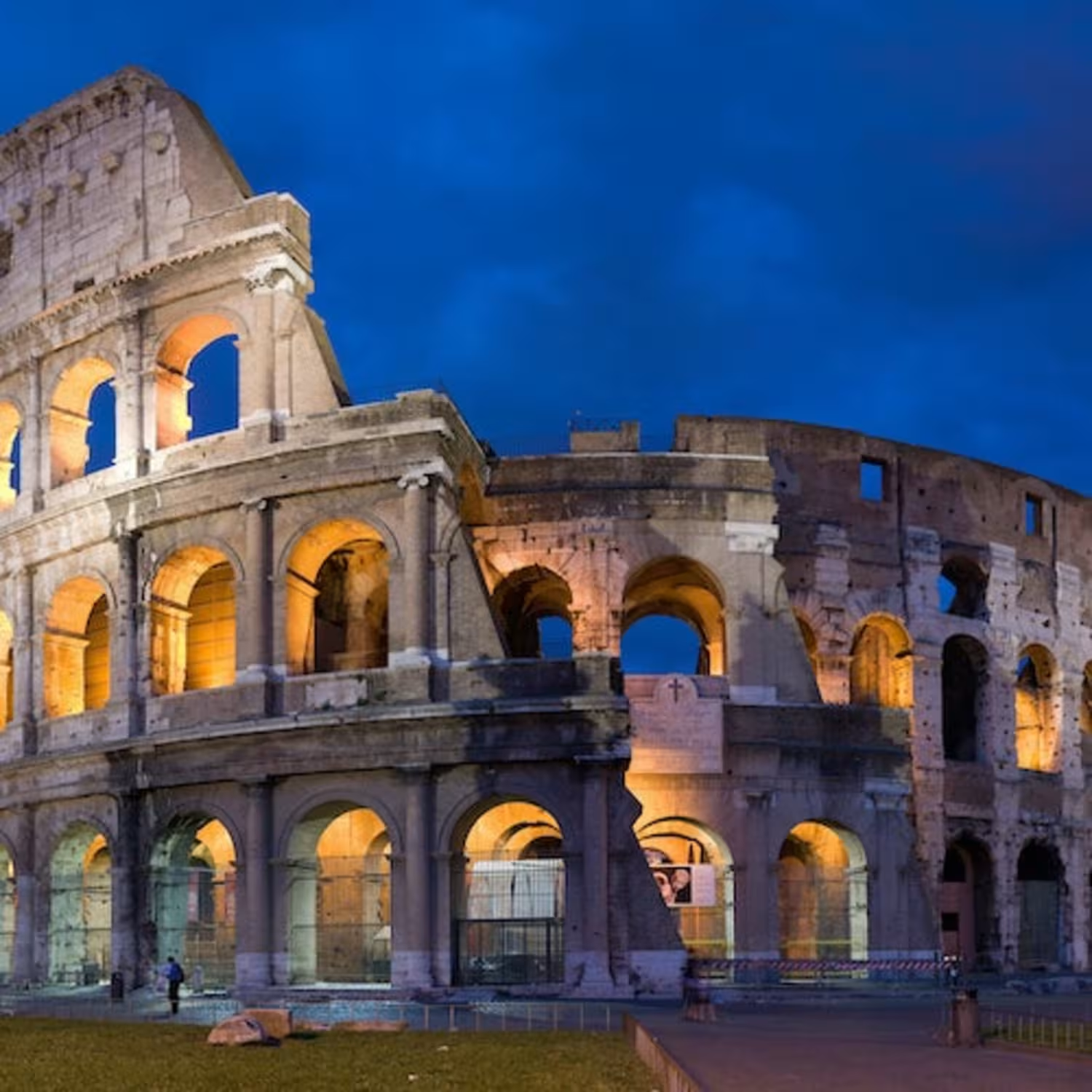
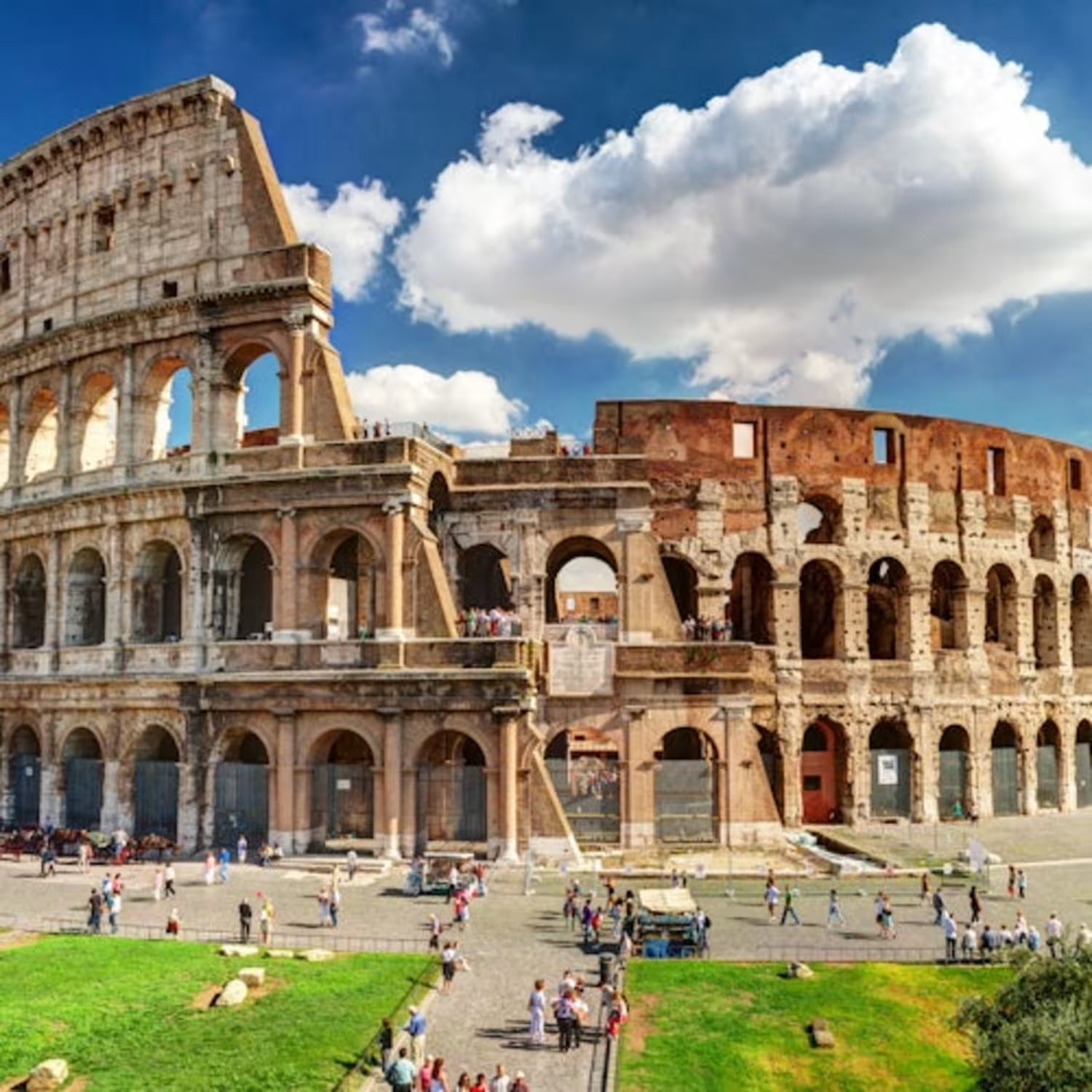
Explore the renowned Colosseum with priority entry and expert narration.

Stroll through the historic Roman Forum, the former heart of political and social life.

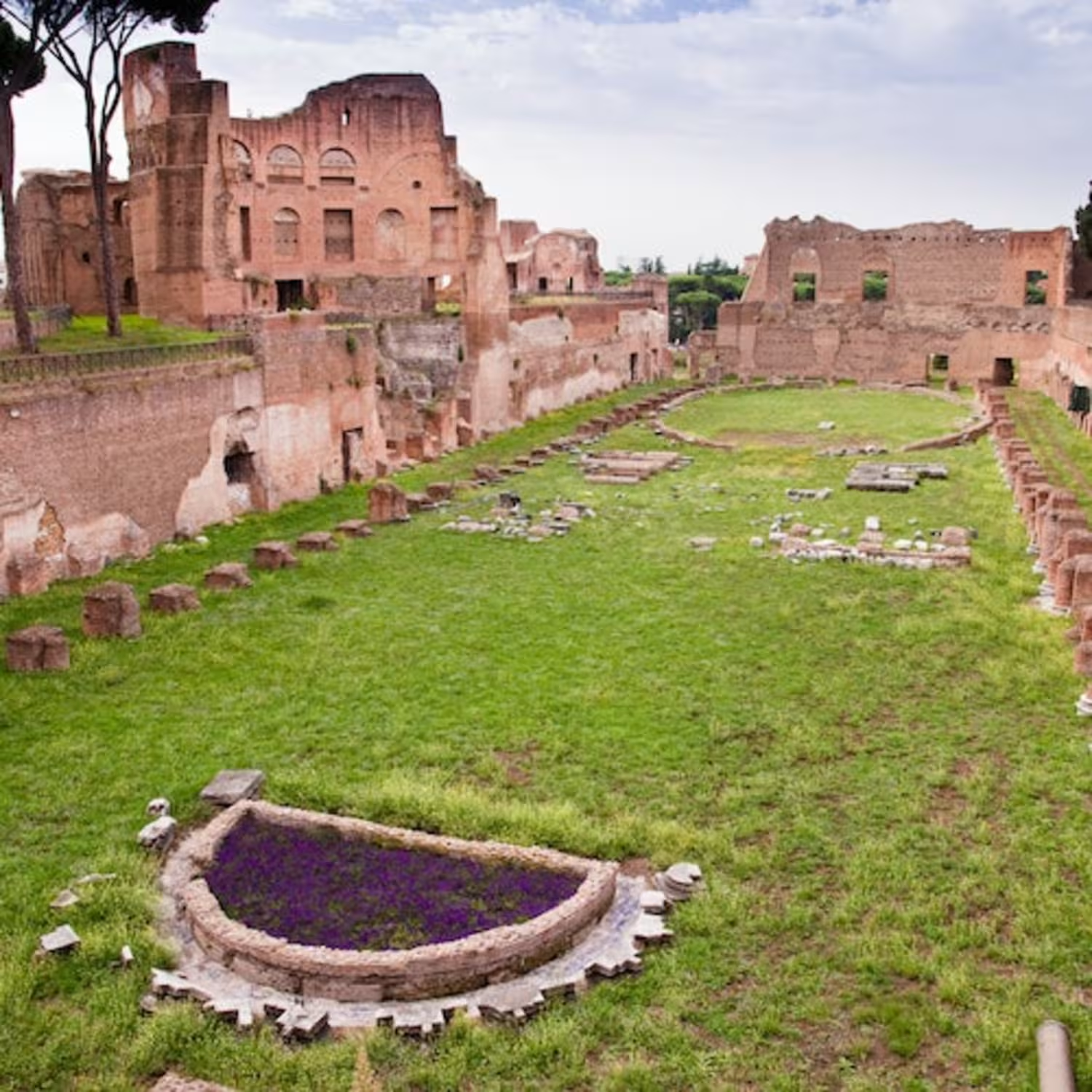
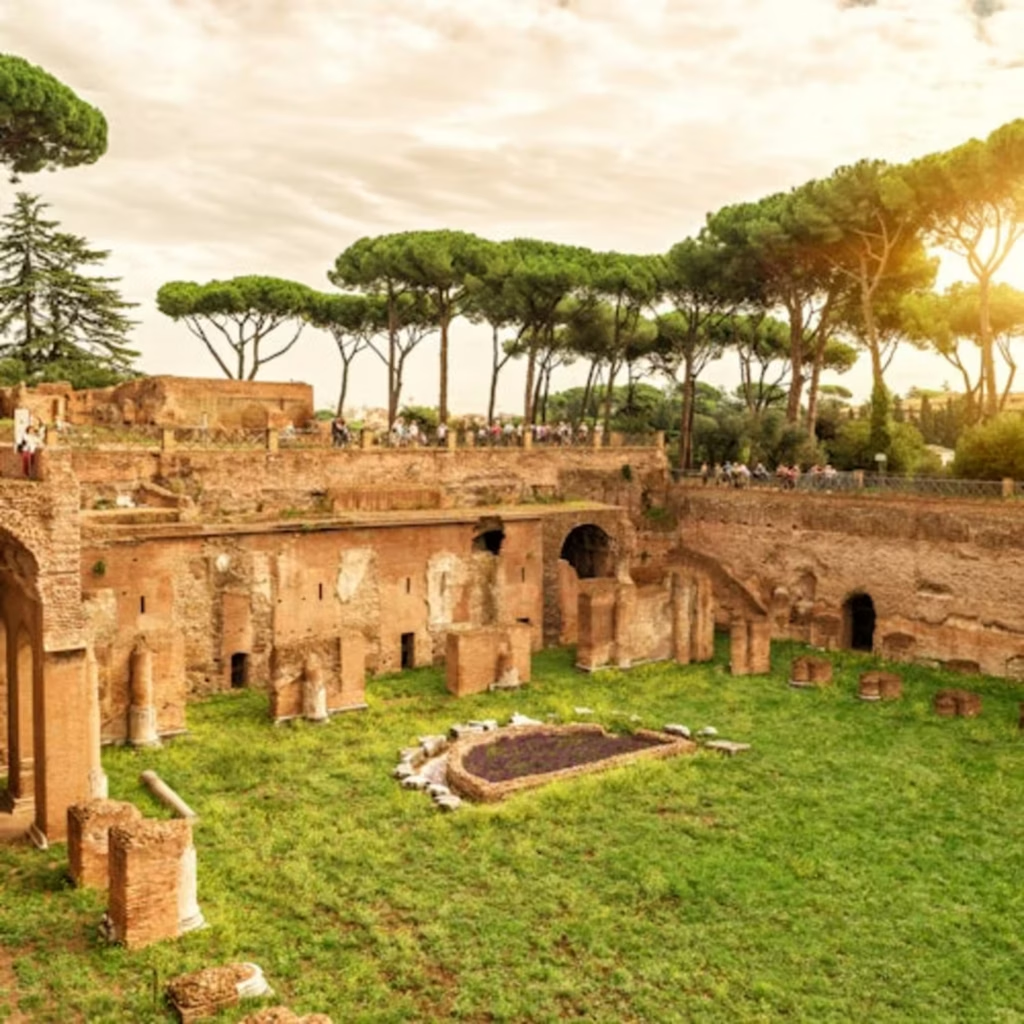
Visit Palatine Hill and uncover the legendary origins of Rome.

Learn fascinating details and stories from an experienced local guide.

Benefit from included audio devices for an enhanced listening experience.
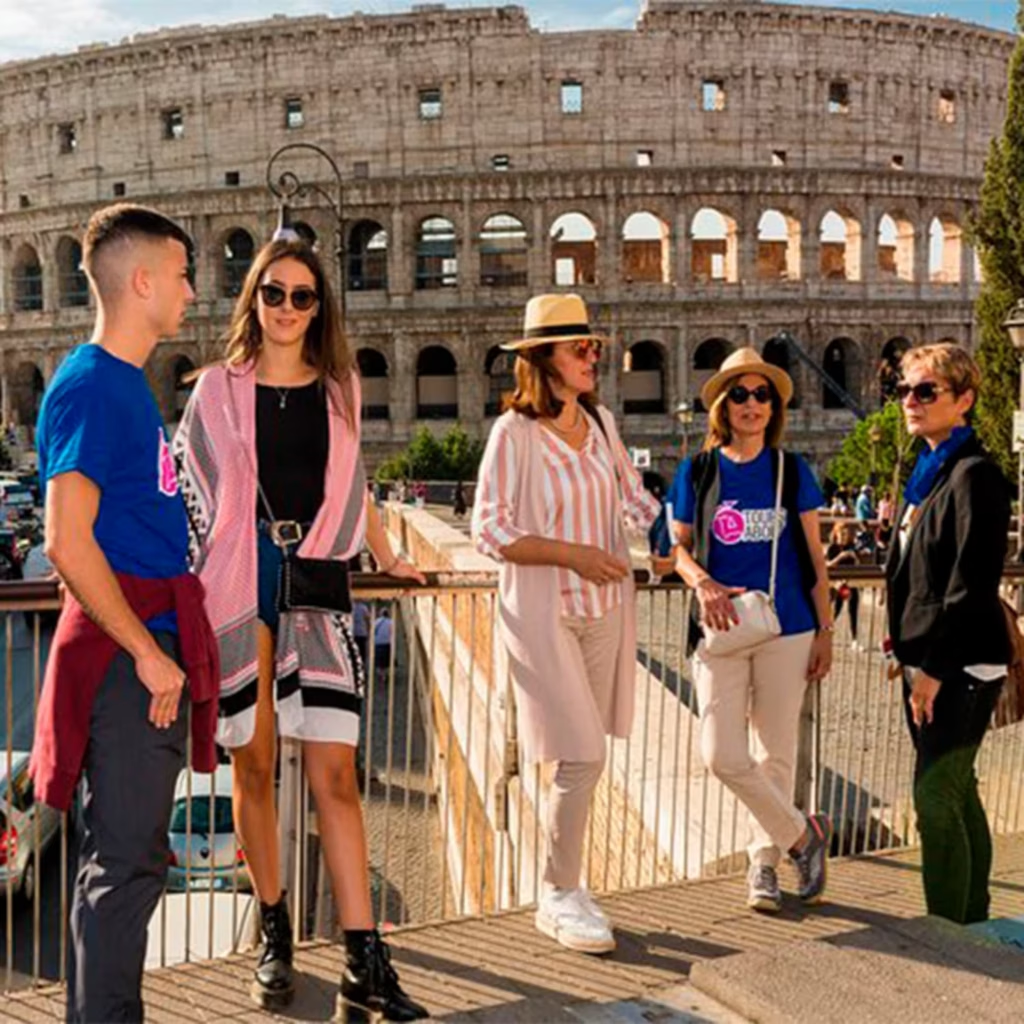
Colosseum, Roman Forum and Palatine: Entrance ticket + multimedia experience

Highlights

Enjoy a 25-minute multimedia presentation on ancient Rome.

Visit three iconic sites: the Colosseum, Palatine Hill, and Roman Forum.

Benefit from guided assistance at the designated meeting point.

Explore the ancient ruins at your own pace.

Includes a walking tour covering Navona Square, Pantheon, and Trevi Fountain in English.
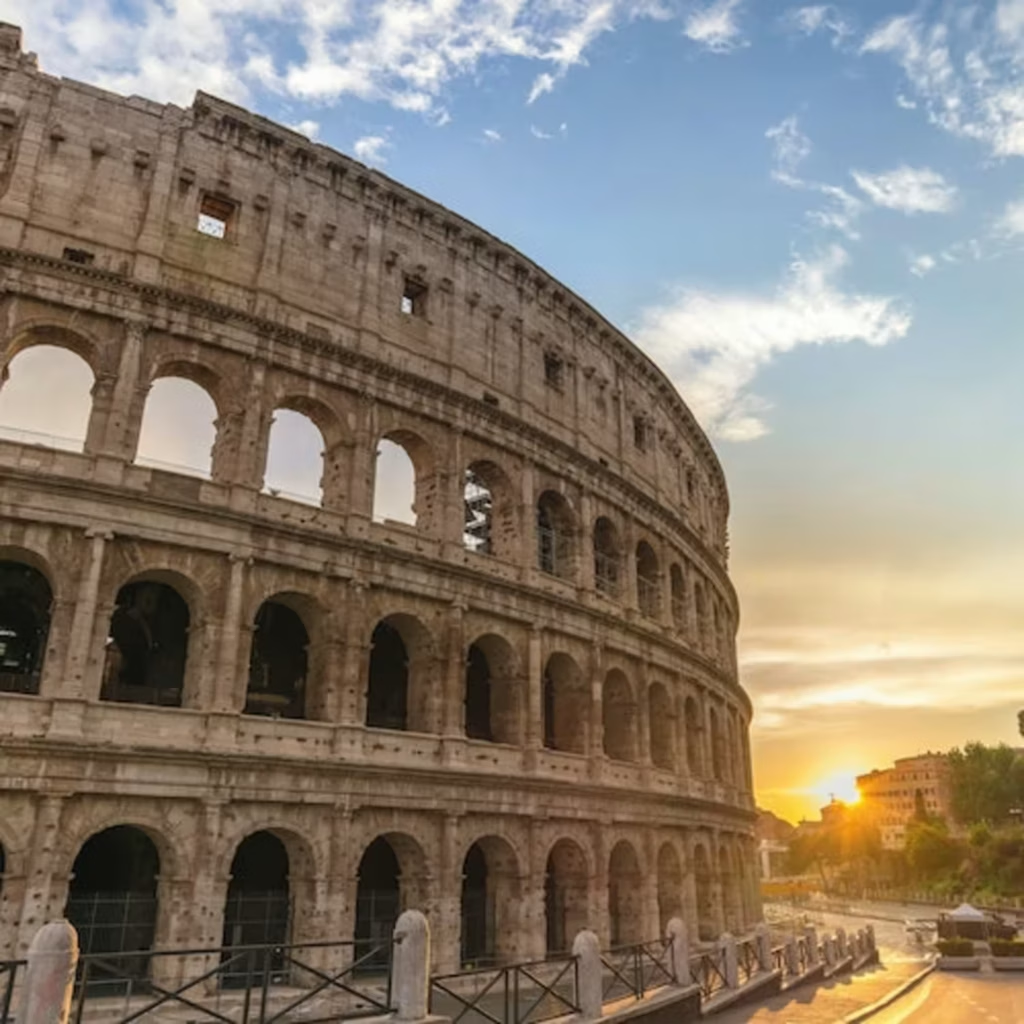
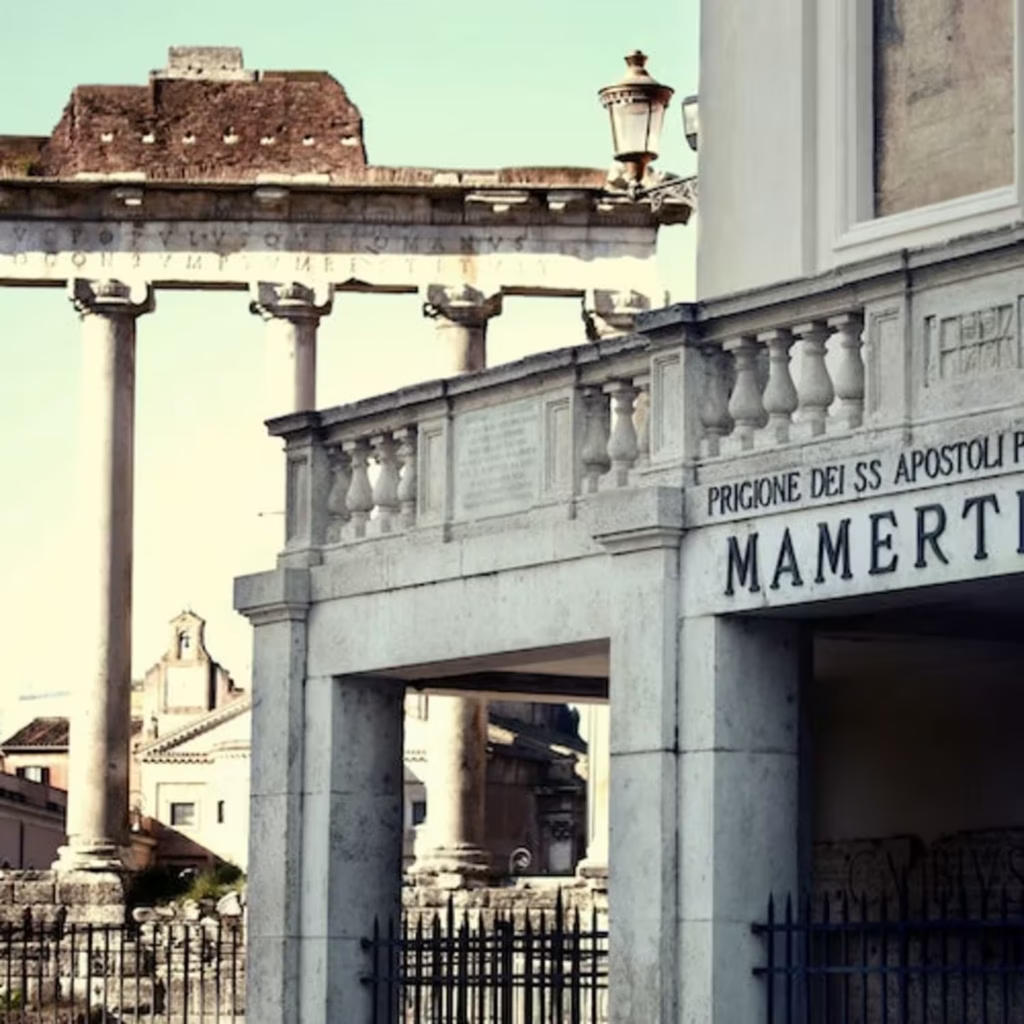
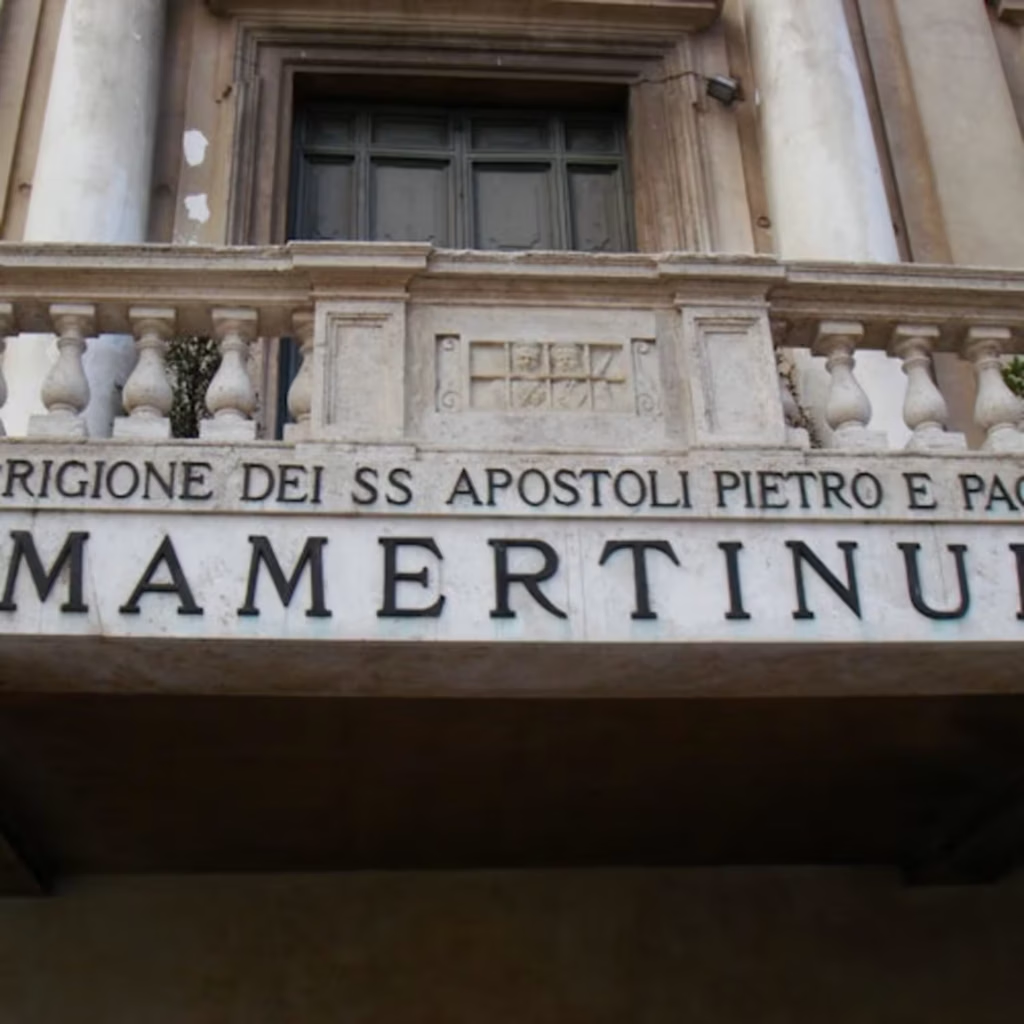
Mamertine Prison, Roman Forum and Palatine: Entrance ticket

Highlights

Skip long queues with a dedicated entrance.

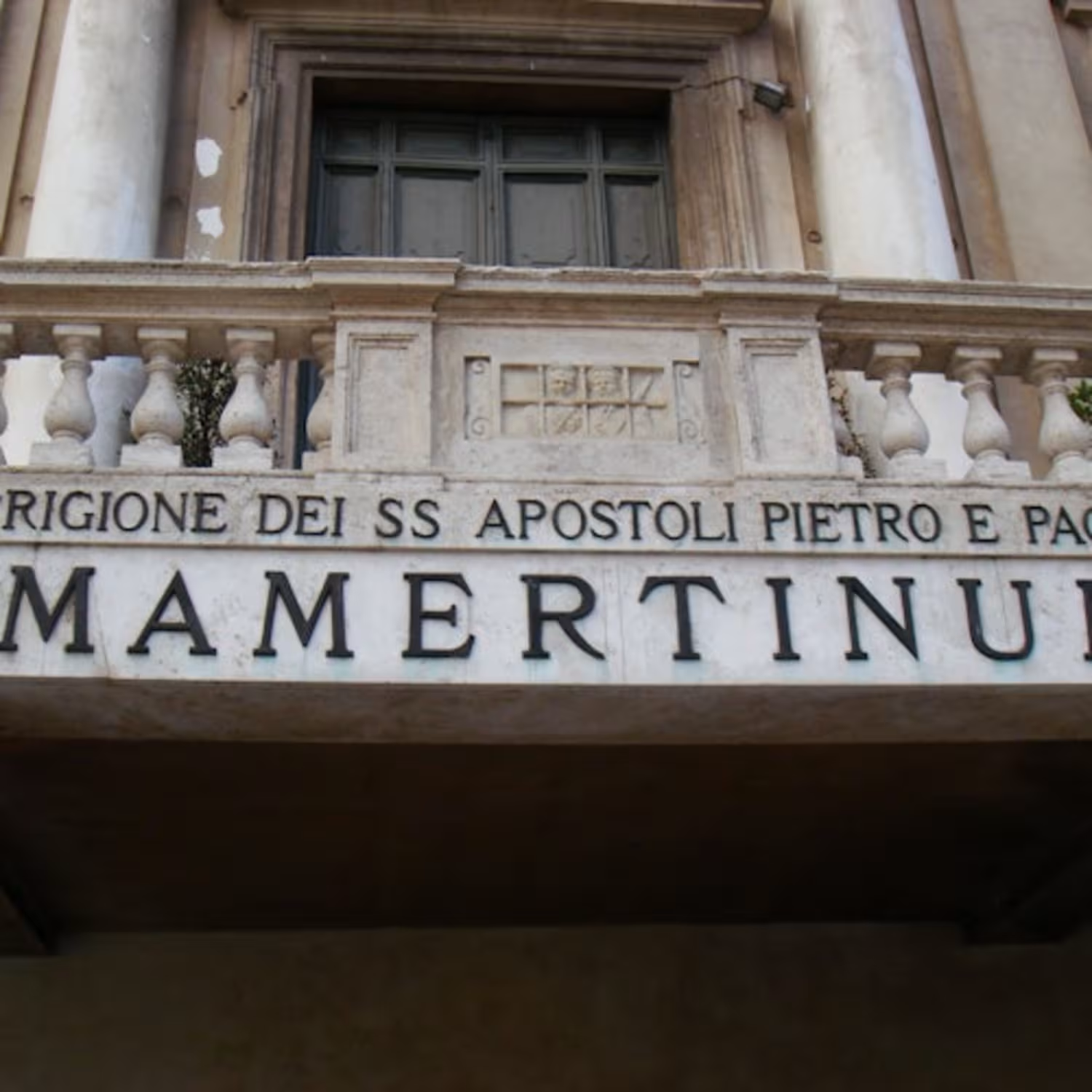
Access multiple ancient Roman sites including the Mamertine Prison and the Imperial Forums.

Discover the House of Augustus, Temple of Romulus, and other historical landmarks.

Enjoy a self-paced tour with an audio guide available in several languages.

Perfect for history enthusiasts wanting a comprehensive Roman archaeological experience.
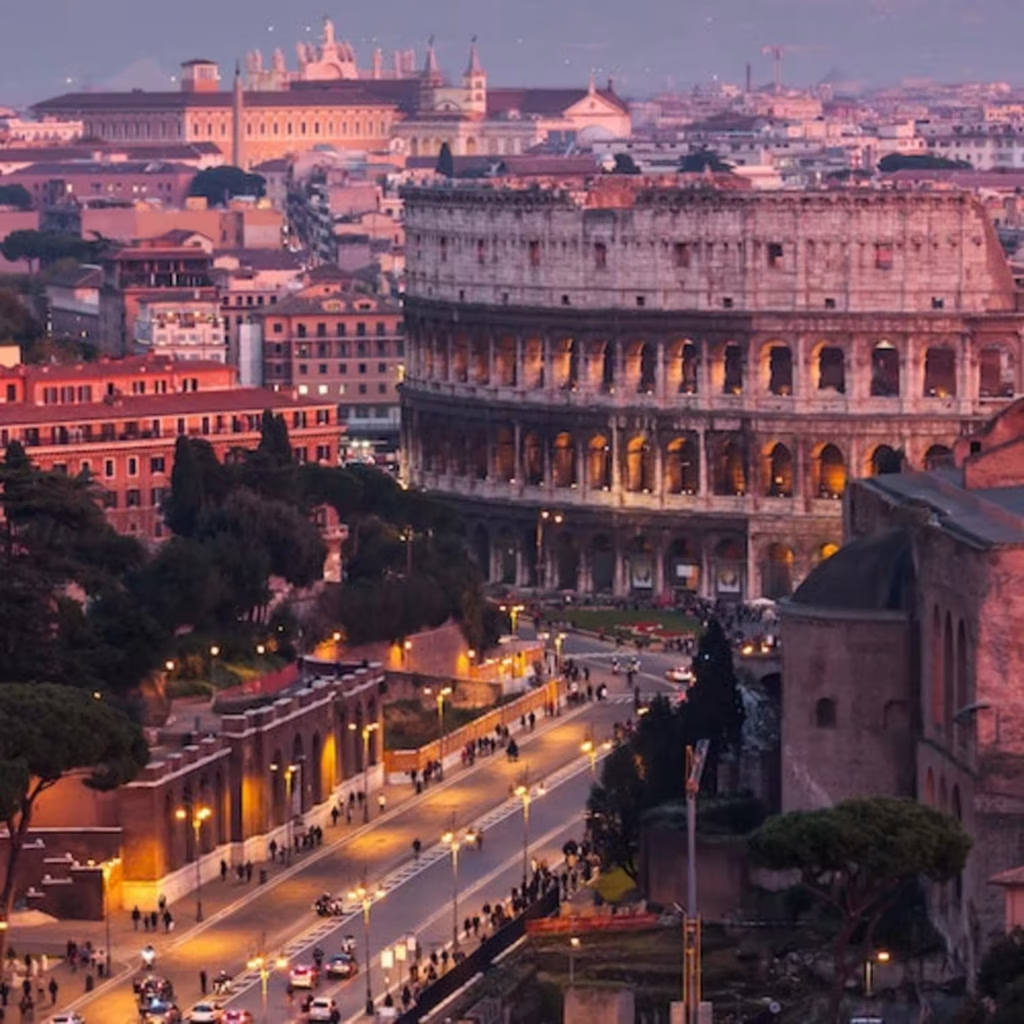
Colosseum and Mamertine Prison

Highlights

Gain entry to the iconic Colosseum, renowned for its ancient gladiatorial contests.

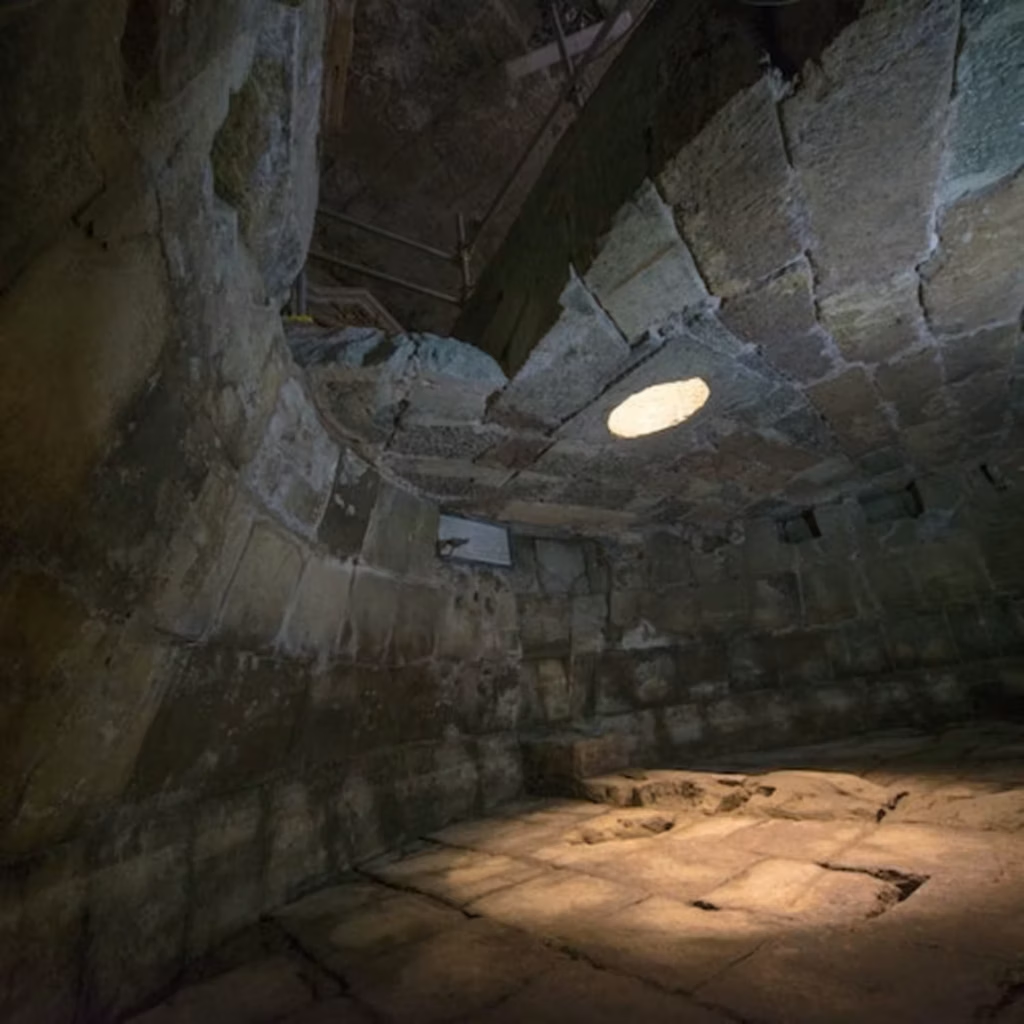
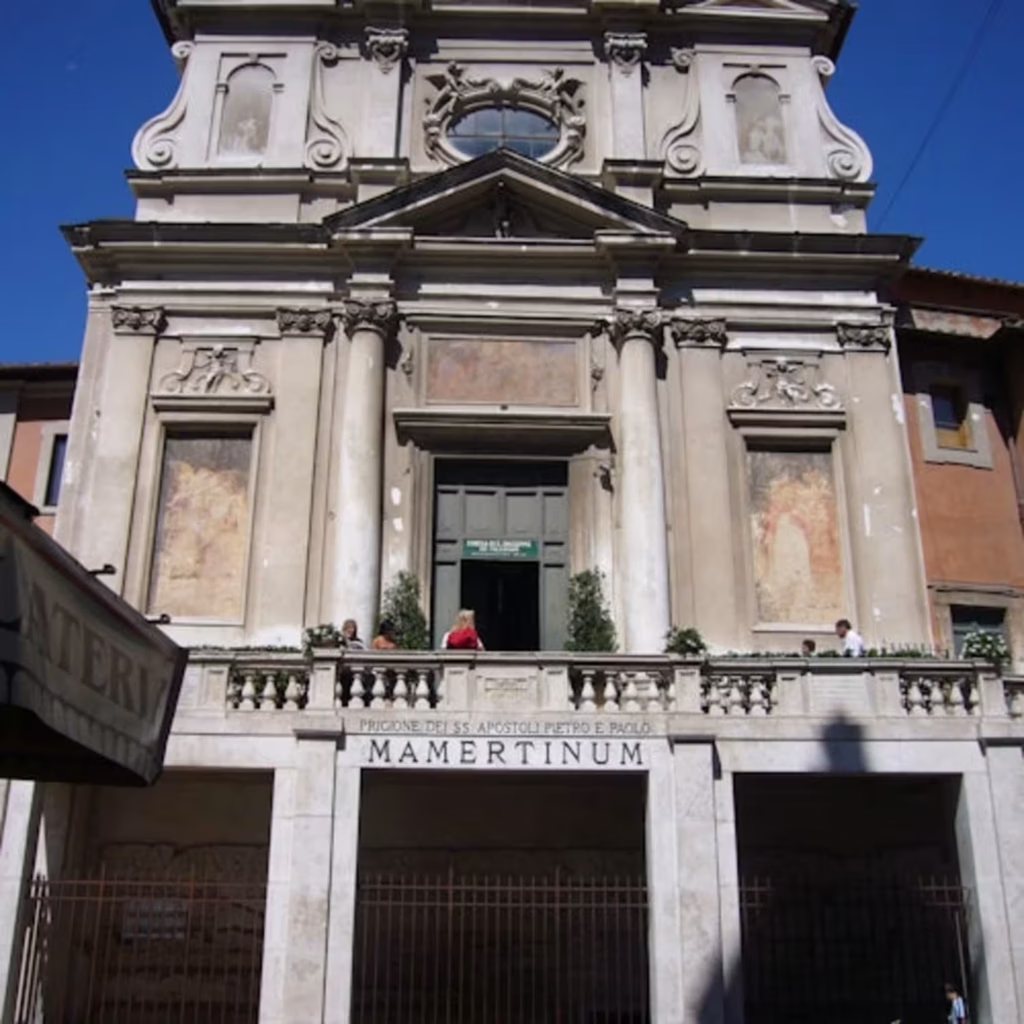
Explore the historically significant Mamertine Prison, once holding emperors and kings.

Roam freely through the Roman Forum and Palatine Hill at your own pace.

Benefit from an engaging audio guide that enriches your visit.

Enjoy short queues and a well-organized ticket process.
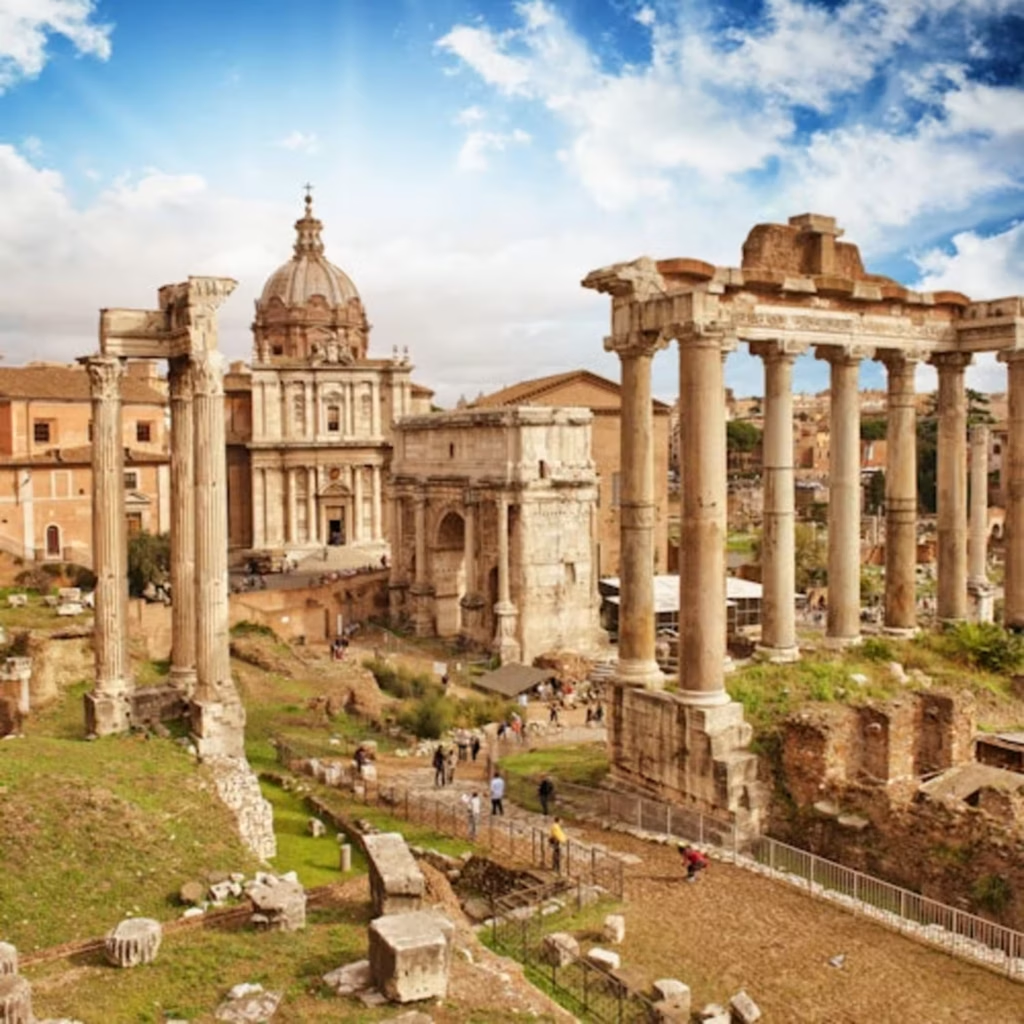
The valley is still there

The Forum is still a valley you walk. Combined tickets for the Colosseum, Roman Forum and Palatine Hill are on the venue page. How long to allow, and what the ground is like, is on Plan Your Visit.

About this guide

Sources: Parco archeologico del Colosseo, The Roman Forum; Parco archeologico del Colosseo, Forum Pass SUPER ticket.

FAQs about the Roman Forum

What is the Roman Forum?

The Roman Forum is the valley between the Capitoline and Palatine hills that was Rome's civic centre for more than a thousand years: voting, lawsuits, commerce and public speeches, later packed with temples, basilicas and arches.

Why is it called Forum Romanum or Foro Romano?

Forum Romanum is the Latin name. Foro Romano is Italian. In English it is the Roman Forum. All three names refer to the same valley, not to the later Imperial Fora.

Was Julius Caesar cremated in the Roman Forum?

His body was burned at the east end of the Forum, in front of the Regia. Augustus dedicated the Temple of Divus Julius on that spot in 29 BCE. The concrete core of a round altar still marks the niche in the temple podium.

What do the reliefs on the Arch of Titus show?

Domitian built the arch for his brother Titus after the war of 70 CE. The inner panels show the imperial quadriga and, opposite, soldiers carrying spoils from the Temple of Jerusalem, including the Menorah.

Is the Roman Forum the same as the Imperial Fora?

No. The Imperial Fora are later squares emperors built when this valley could no longer hold the administration of the city. They sit alongside the Roman Forum, across Via dei Fori Imperiali, and are a separate archaeological area.

What was the last monument built in the Forum?

The Column of Phocas, in 608 CE, for the Byzantine emperor Phocas. After that date the square silted over and became a meadow known as the Campo Vaccino.