We are processing your request.
Please, don’t close or refresh the page.
Rome Tickets Colosseum Roman Forum Roman Gladiators
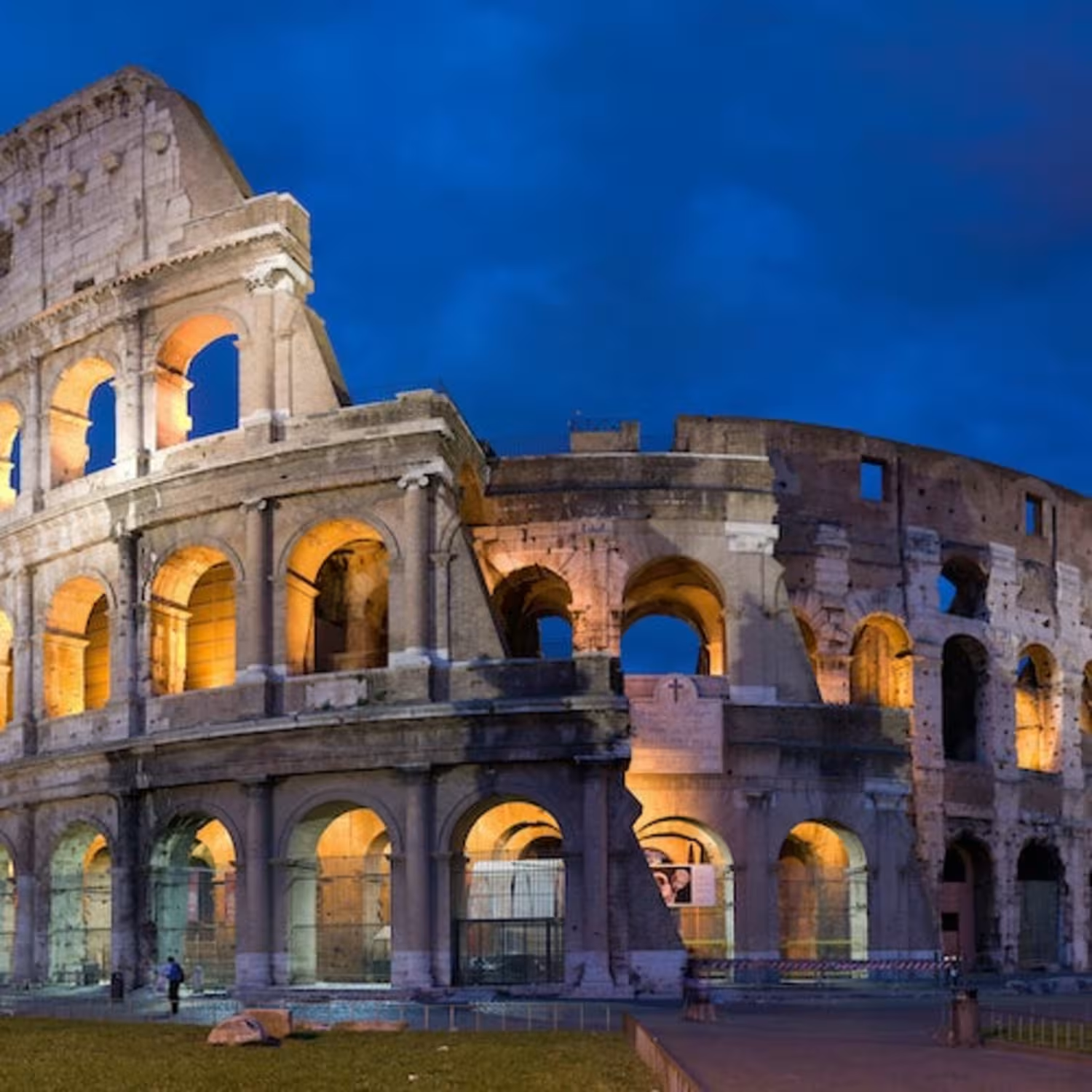
Roman gladiators in the Colosseum

Roman Gladiators and the Games They Fought in the Colosseum

Condemned men, prisoners of war and paid volunteers, trained in a school joined to the arena by a tunnel. Most bouts lasted a quarter of an hour, and losing a fight did not automatically mean dying in it.

What the Gladiator Games Really Involved

Fighters came from three groups: condemned criminals, prisoners of war and paid volunteers known as auctorati.

By the late Republic those volunteers may have been about half of all gladiators, and possibly the more capable half.

Rome had four imperial training schools.

It stood directly east of the amphitheatre, joined to it by a passage running underground.

Most bouts ran 10 to 15 minutes, 20 at the outside.

A beaten fighter could raise a finger, ad digitum, to ask the referee to stop the match.

Fights with no reprieve, sine missione, were officially banned under Augustus once demand outstripped supply.

One study of first-century headstones put average age at death at 27 and mortality at 19 in every 100 who entered.

Who Fought in the Colosseum

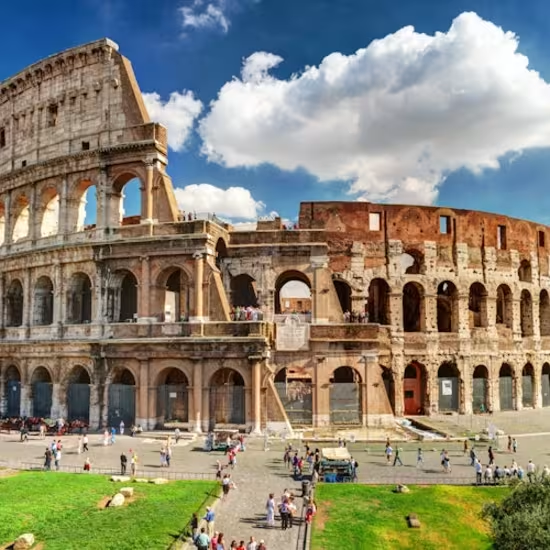
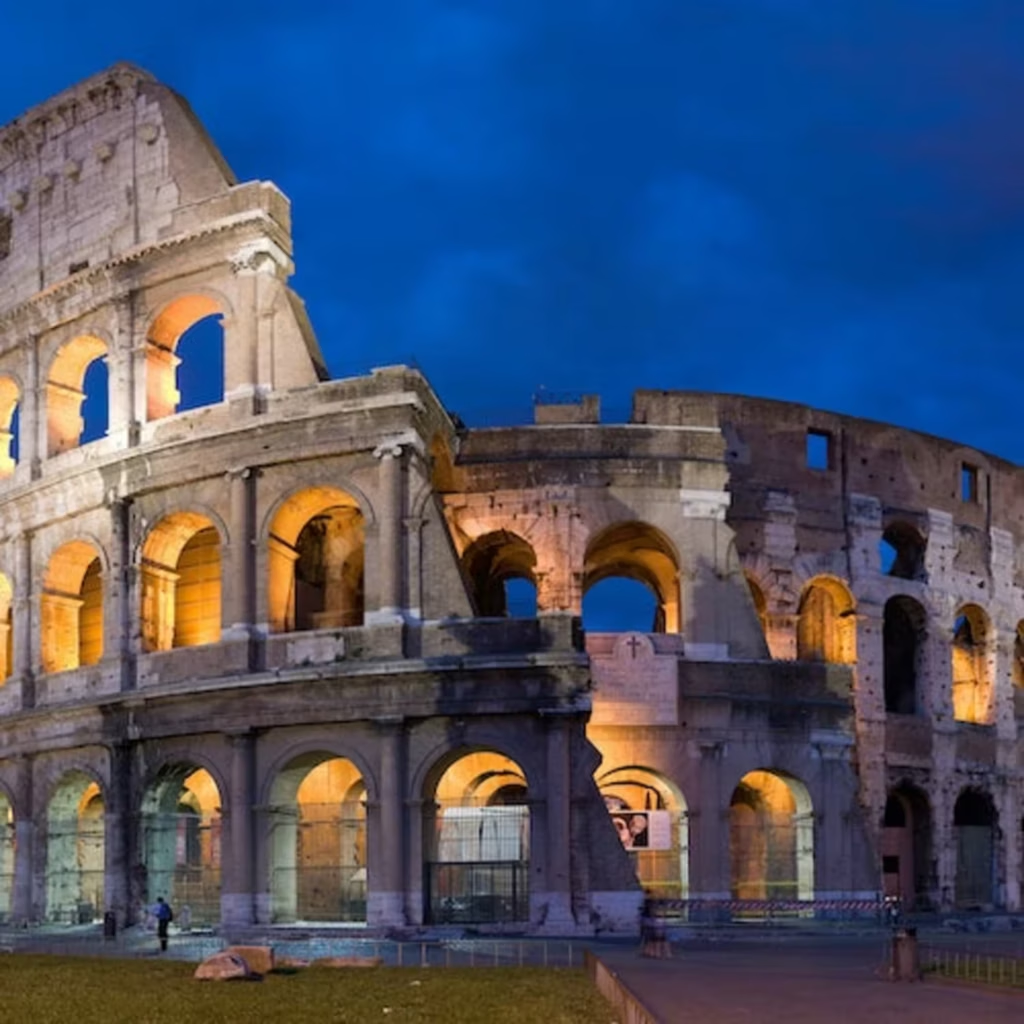
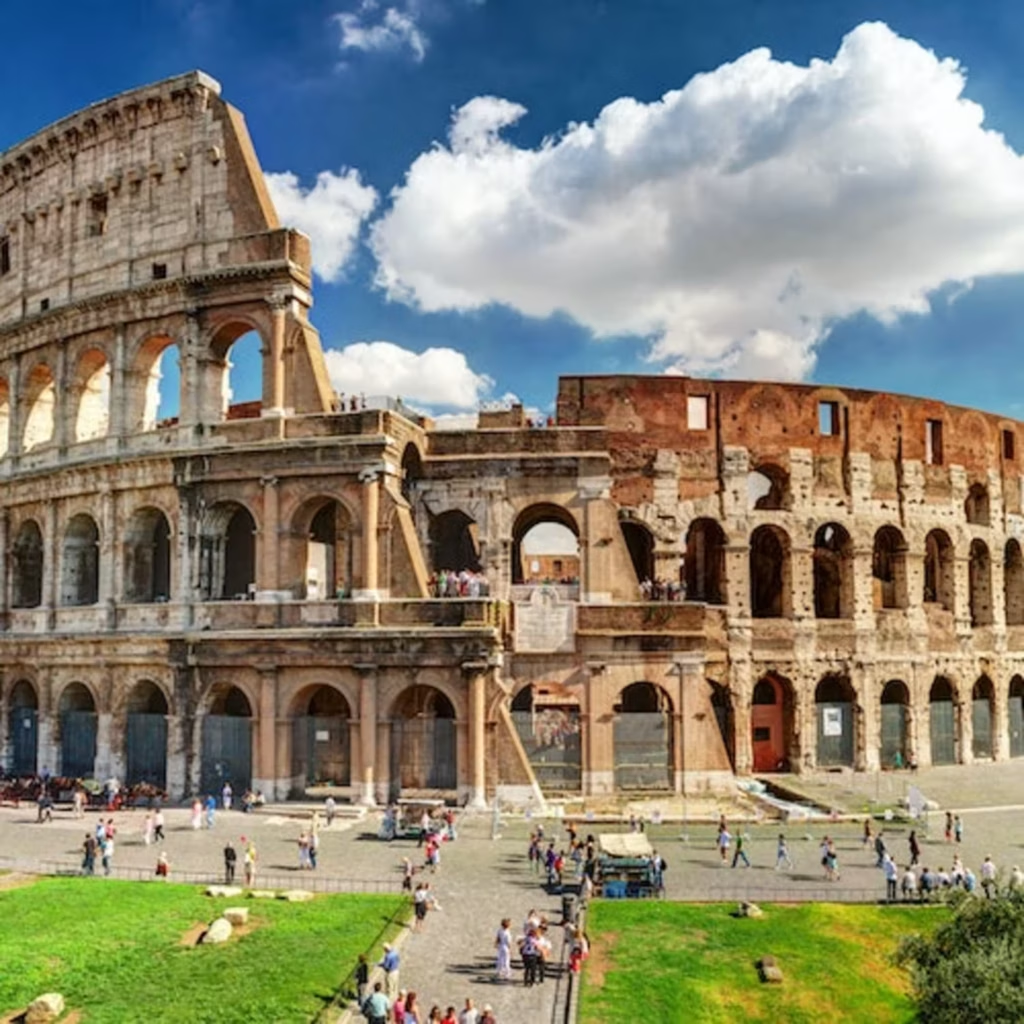
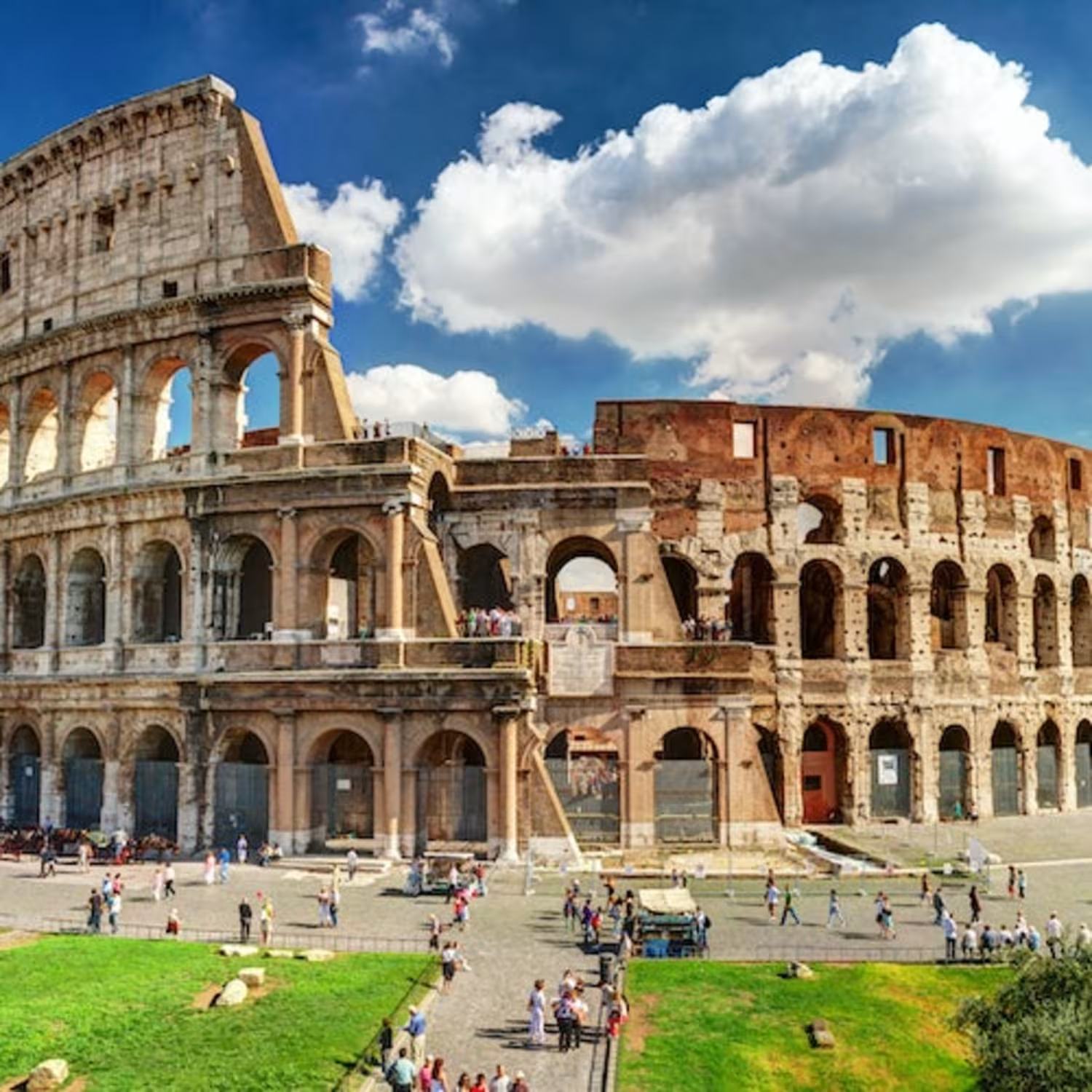
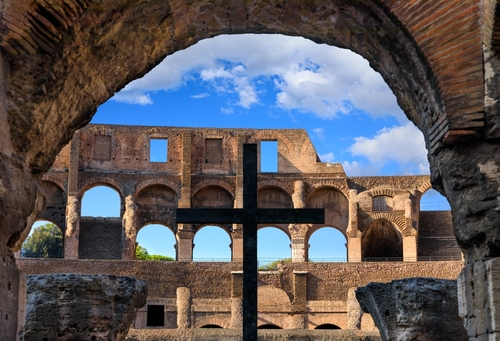
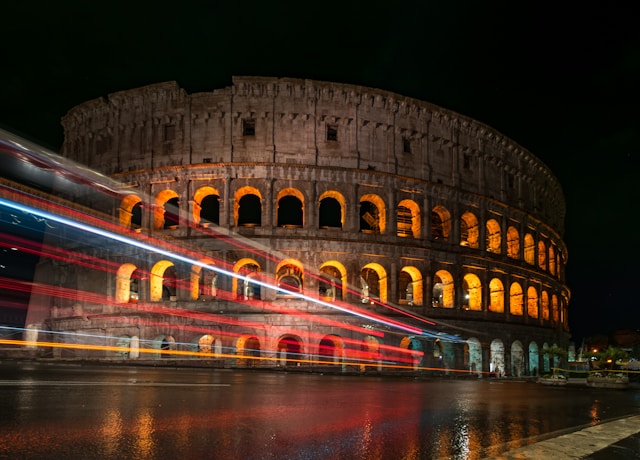
The Colosseum's ruined outer wall

The arena was not filled with one kind of person. Some fighters were damnati, sentenced to the schools as a punishment. Others were prisoners of war, redistributed to amphitheatres after Rome's campaigns. And a large share were auctorati, volunteers who signed a contract and took the pay: by the late Republic they may have accounted for about half of all gladiators, and possibly the better half.

Women appear in the record from the 60s AD, always as a rarity staged for an unusually lavish show. Septimius Severus may have banned them around 200 AD.

The schools ran on a hard internal order. Juvenal describes gladiators segregated by type and by rank, and one school at Pompeii kept a punishment cell so low that a man could not stand up inside it. Helmets and armour found in that barracks are now on display at the National Archaeological Museum of Naples.

The Ludus Magnus, the School Next Door
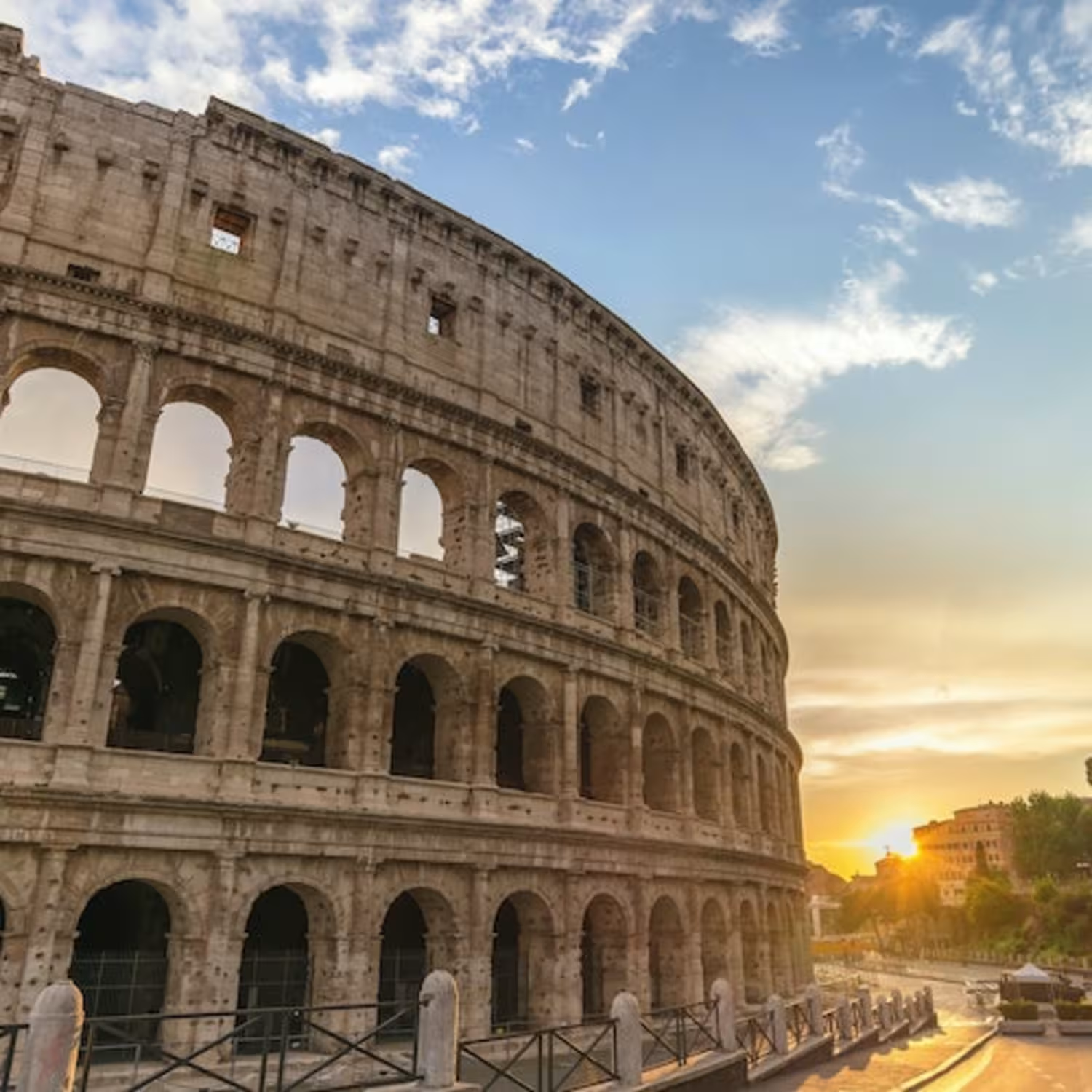
Weathered stonework on the Colosseum's exterior

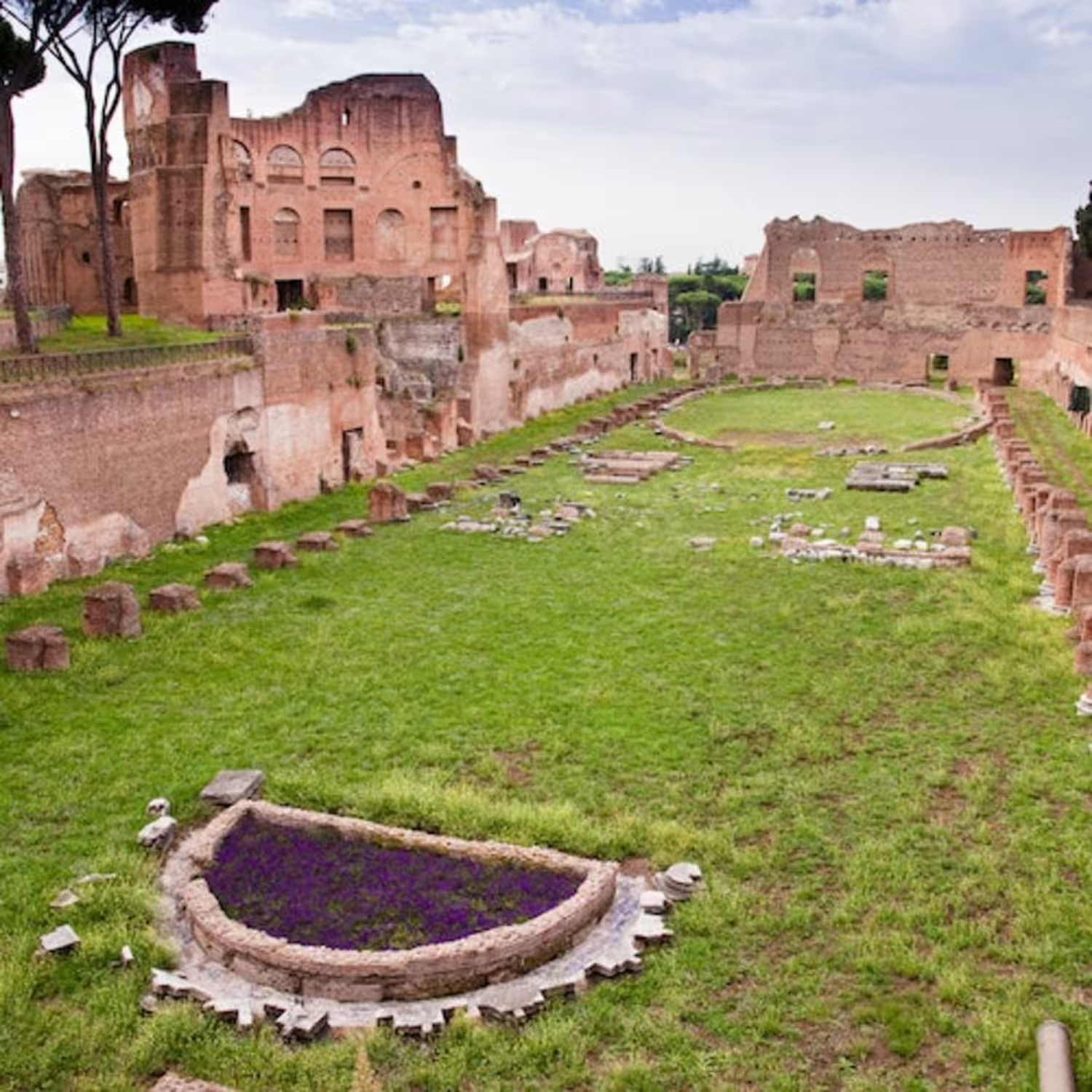
Domitian built the Ludus Magnus late in the first century AD, in the valley between the Esquiline and Caelian hills, directly east of the amphitheatre. It was not tucked out of sight. The school had its own elliptical training arena, roughly 63 by 42 metres, ringed by nine tiers of seating for around 3,000 spectators, so Romans could come and watch the practice.

Gladiators lived in small rectangular cells along a portico, with shops behind them, storerooms, fountains and a columned gallery of more than one storey. A passage that began beneath the Colosseum met the school at its southwestern corner, through an entrance more than six metres wide.

The remains were spotted again in 1937 and dug between 1957 and 1961, and even now less than half the building has been excavated. What stands above ground is mostly Trajan's rebuild from the early second century.

4.7
(23)

Skip the line: Colosseum and ancient Rome

Highlights

Explore the renowned Colosseum with priority entry and expert narration.

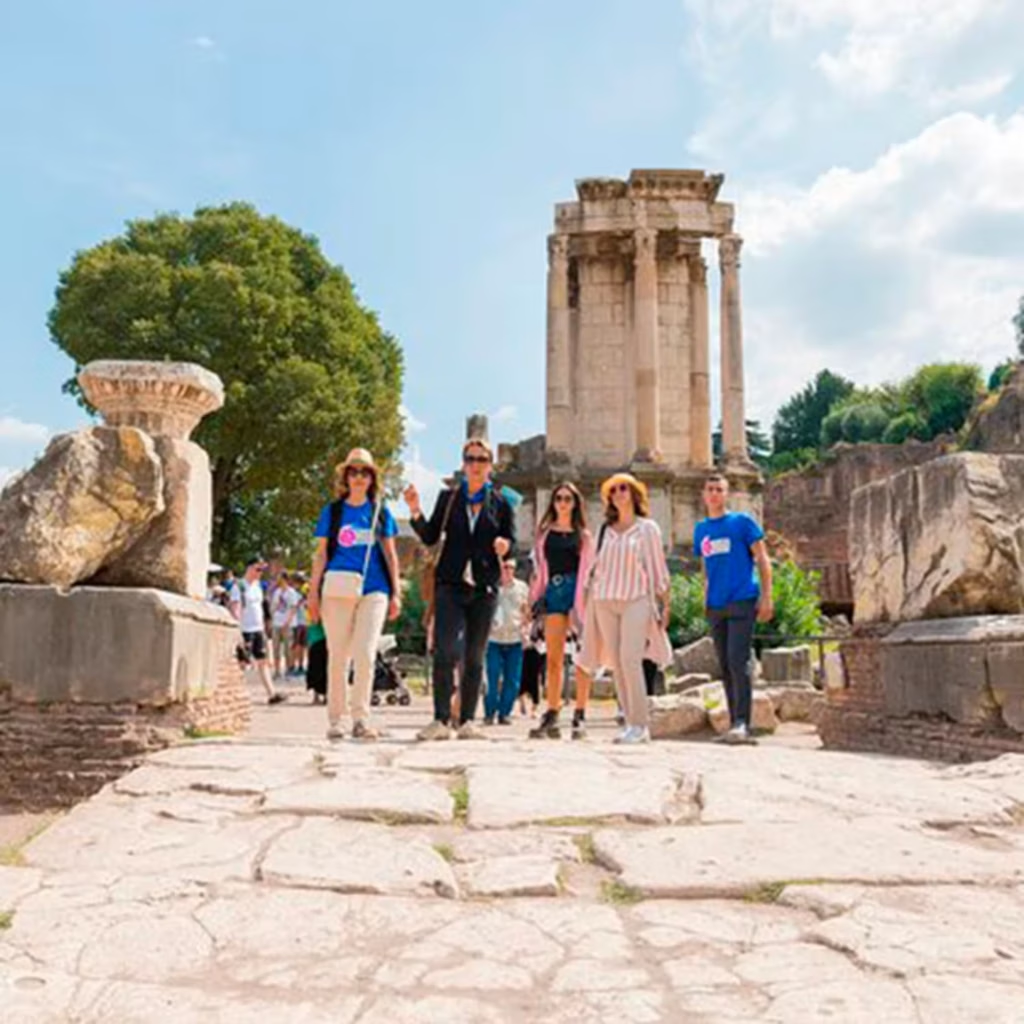
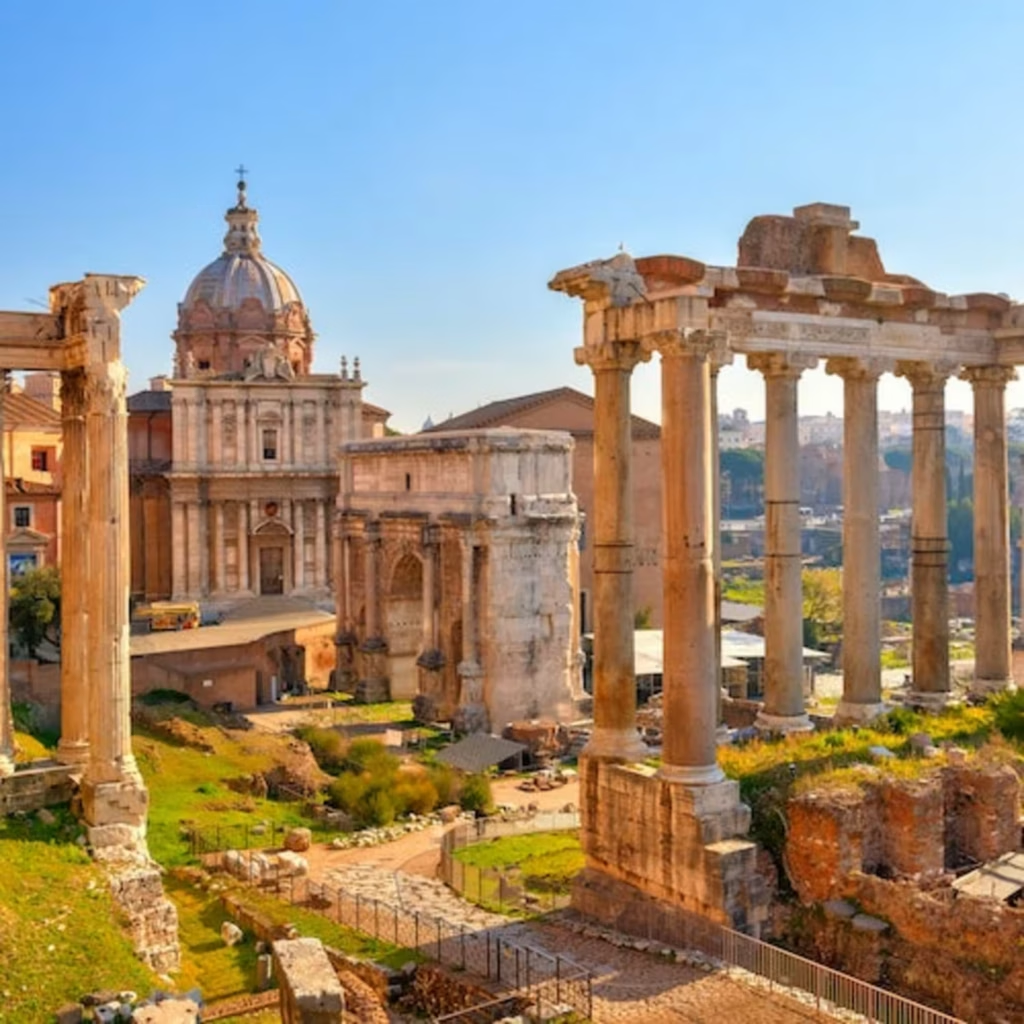
Stroll through the historic Roman Forum, the former heart of political and social life.

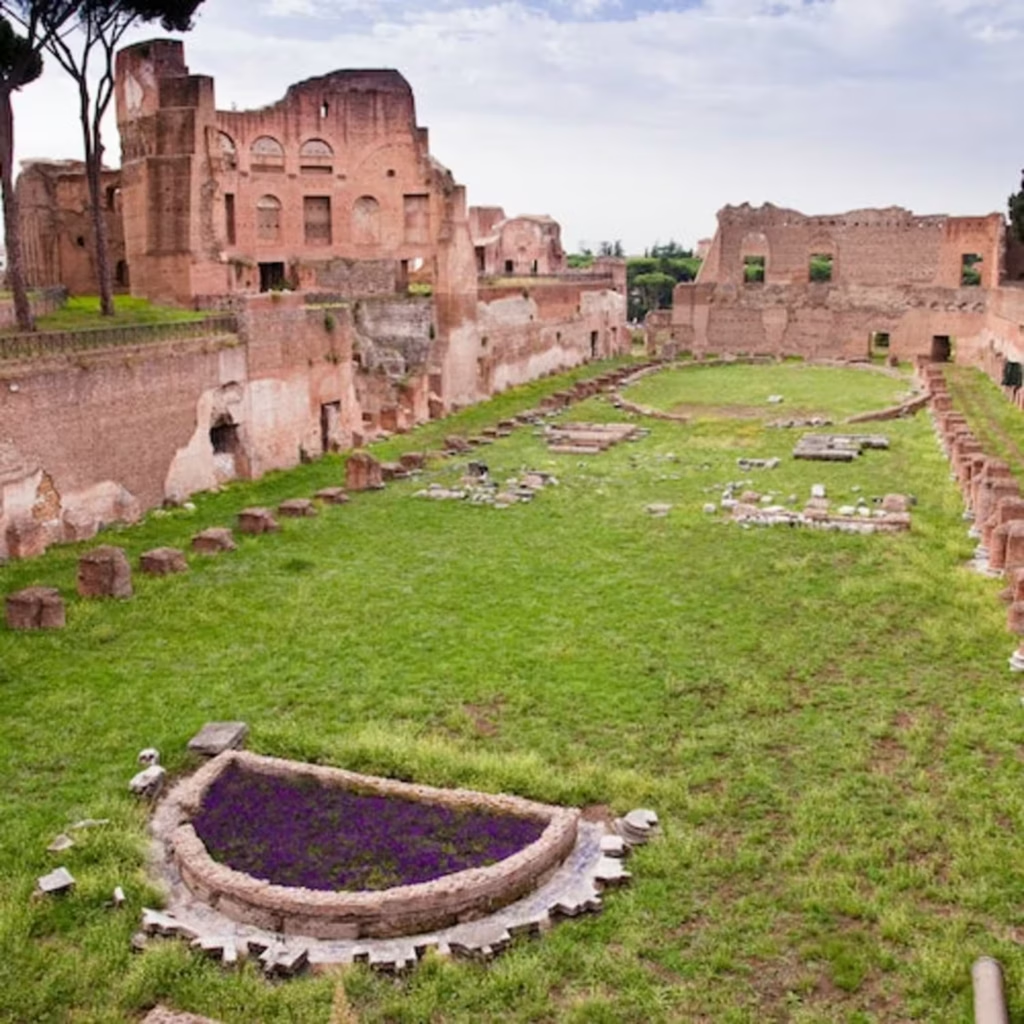
Visit Palatine Hill and uncover the legendary origins of Rome.

Learn fascinating details and stories from an experienced local guide.

Benefit from included audio devices for an enhanced listening experience.
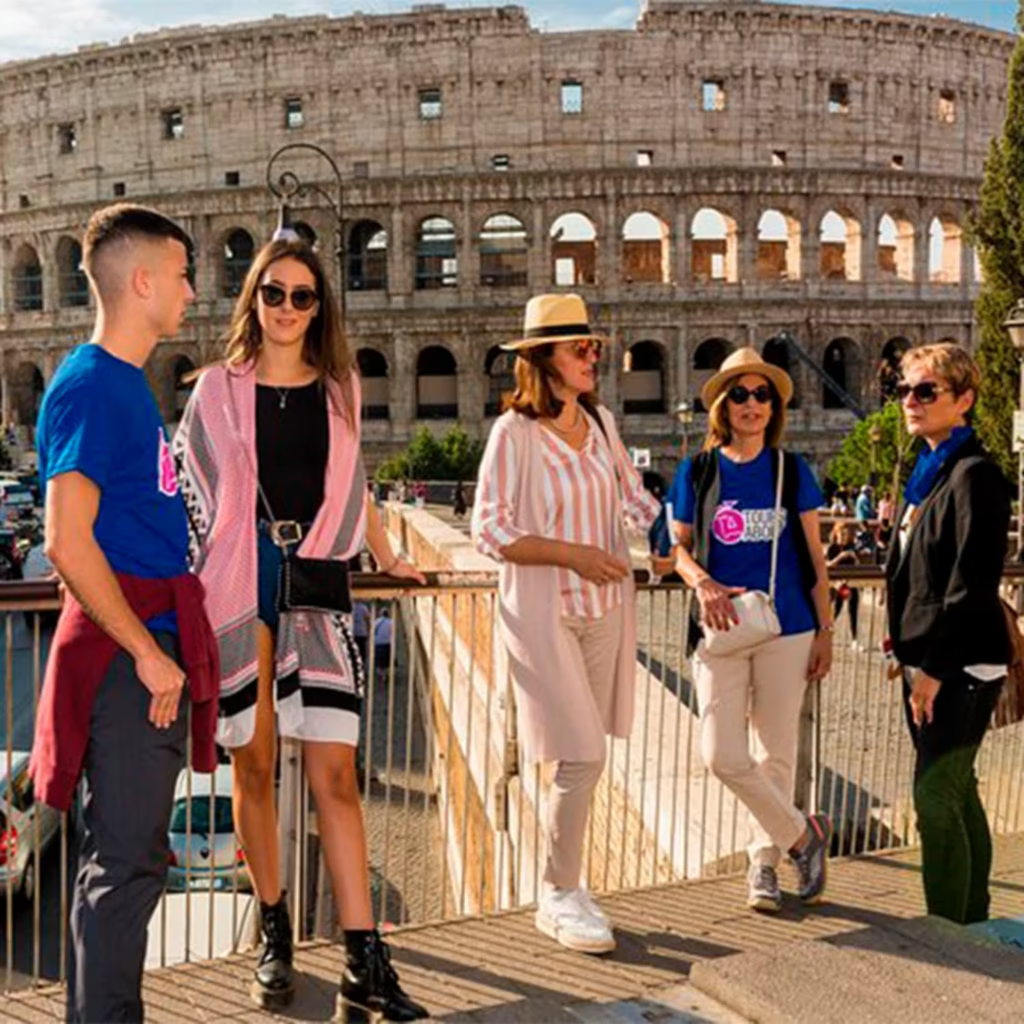
Colosseum, Roman Forum and Palatine: Entrance ticket + multimedia experience

Highlights

Enjoy a 25-minute multimedia presentation on ancient Rome.

Visit three iconic sites: the Colosseum, Palatine Hill, and Roman Forum.

Benefit from guided assistance at the designated meeting point.

Explore the ancient ruins at your own pace.

Includes a walking tour covering Navona Square, Pantheon, and Trevi Fountain in English.
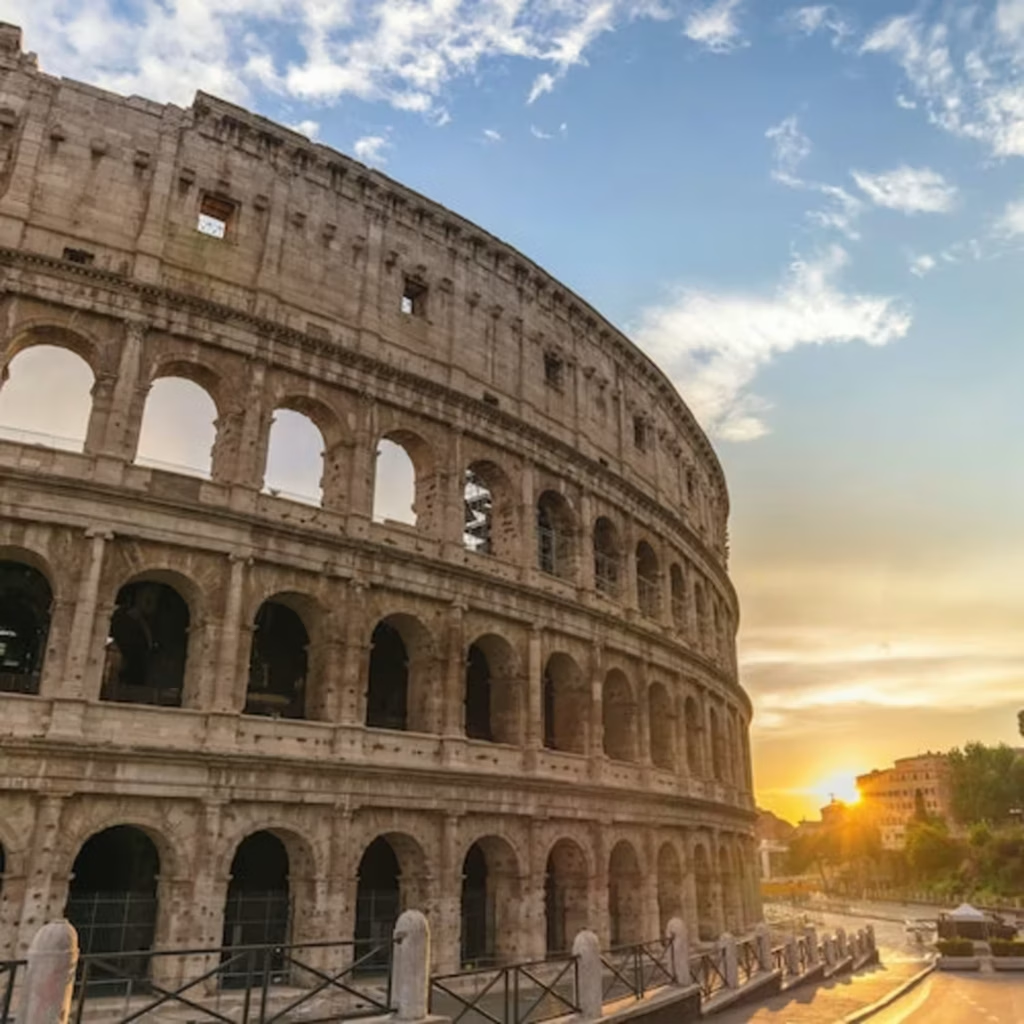
Stand Where They Fought

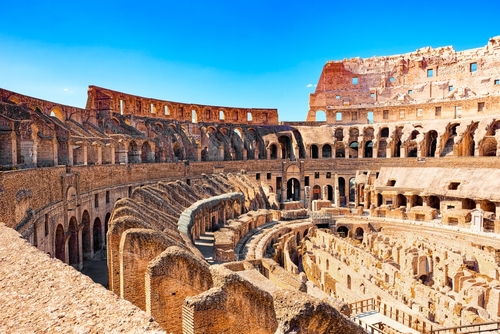
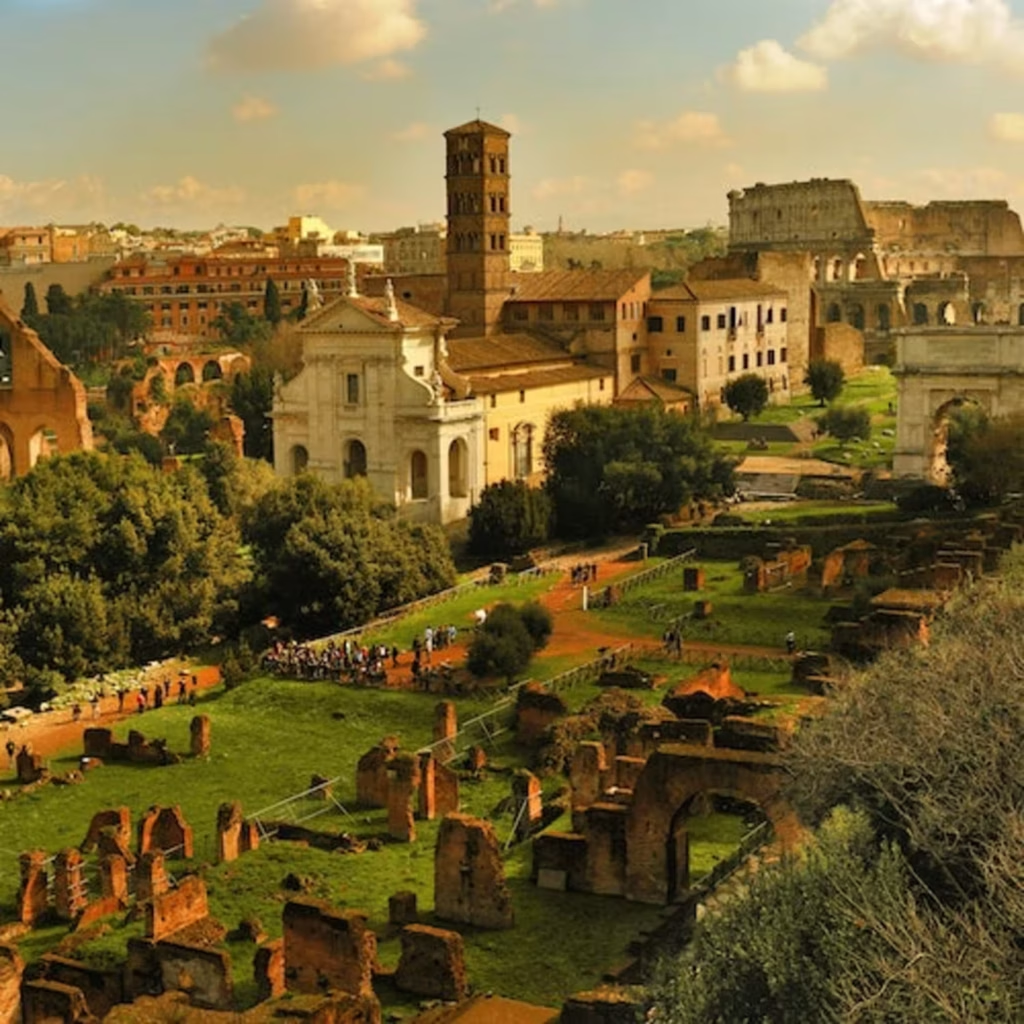
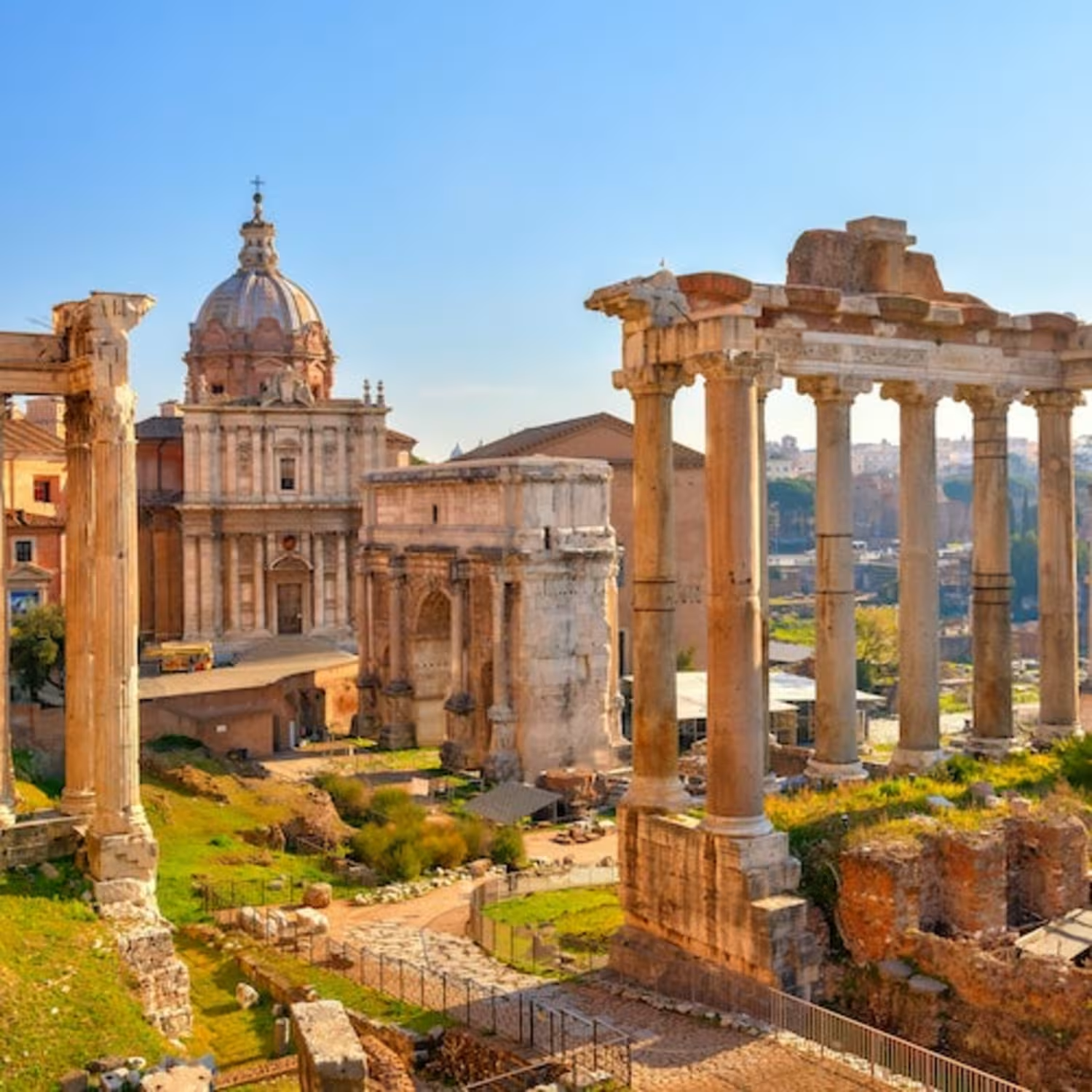
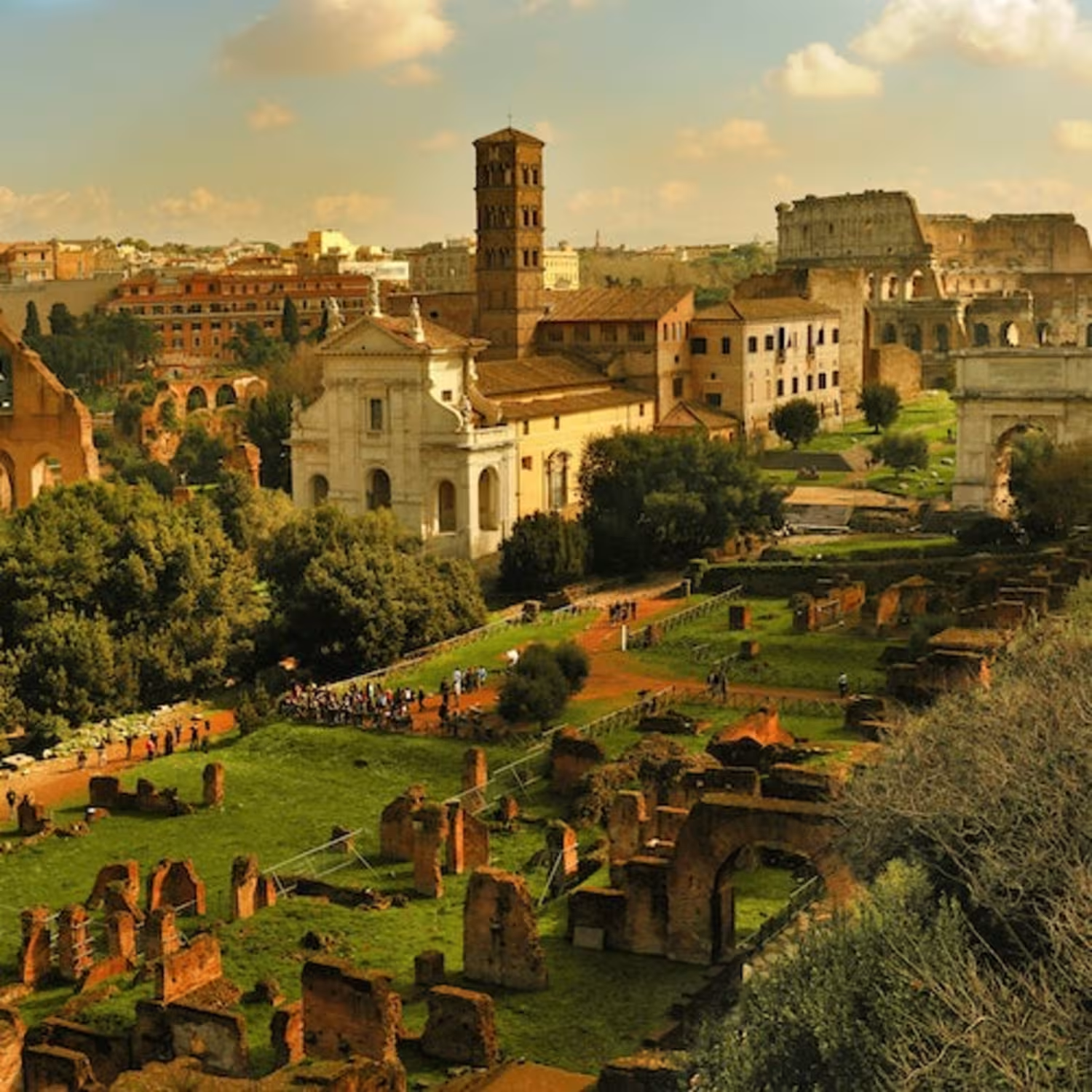
The wooden floor is gone, so from the upper stands you look down into the chambers where they waited their turn. Colosseum, Roman Forum and Palatine Hill are one site and one story, walked in a single morning.

About this guide

Sources: Parco archeologico del Colosseo, The Colosseum; Parco archeologico del Colosseo, Visitor regulation.

Frequently Asked Questions About Colosseum Gladiators

Who fought in the Colosseum?

Condemned criminals, prisoners of war and paid volunteers called auctorati. By the late Republic the volunteers may have made up about half of all gladiators, and possibly the most capable half.

Did gladiators fight to the death?

Not as a rule. A beaten fighter could raise a finger to ask the referee to stop the bout, and the final call went to the man paying for the games, usually following the crowd. Fights with no reprieve were officially banned under Augustus. One study of first-century headstones put deaths at 19 per 100 of those who entered the arena.

How long did a gladiator fight last?

Most bouts ran 10 to 15 minutes, and 20 at the outside. A senior referee and an assistant carried long staffs, and could pause a match for rest, refreshment and a rub-down, or stop it altogether.

What did thumbs up or thumbs down actually mean?

Roman writers say the decision was signalled pollice verso, with a turned thumb. That description is too vague to reconstruct the gesture or to know which way the thumb pointed. The familiar version is a modern reconstruction, not something Rome wrote down.

Did Spartacus fight in the Colosseum?

No. He trained at a school near Capua and led a revolt that ran from 73 to 71 BC, around 150 years before the Colosseum opened in AD 80. The building did not exist in his lifetime.

Were there women gladiators?

Yes, rarely. They appear from the 60s AD as a feature of exceptionally lavish spectacles. Septimius Severus may have banned them around 200 AD.

Did an emperor ever fight as a gladiator?

Commodus did, often, and made Rome's elite come and watch. Most of his appearances were bloodless bouts fought with wooden swords, and he always won. He was said to have killed a hundred lions in one day, almost certainly from a raised platform around the arena.

Where did the gladiators train?

At the Ludus Magnus, Domitian's school directly east of the amphitheatre, with a 63 by 42 metre practice arena and seating for about 3,000. An underground passage linked it to the Colosseum, so fighters reached the arena without crossing the street.

Can you still see real gladiator armour today?

Yes, in Naples. Bronze helmets and greaves found in the gladiator barracks at Pompeii are on display at the National Archaeological Museum of Naples, one of the best places to see what gladiators actually wore into the arena.